The modern market was built in Kibeho Sector, Nyaruguru District by Aimable Nzizera, a private entrepreneur contracted by Nyaruguru District after winning a tender to build it at a cost of Rwf840,193,410.
It is said Aimable Nzizera has disappeared with wages for 120 people who worked during the construction of the market, with work completed worth Rwf529,493,460 of the total tender.
Unconfirmed reports indicate that he may be detained.
Some workers who worked at the site who talked to IGIHE say they have approached the District officials who promised to pay them but nothing was done since last December.
Valentine Musabyemariya says she stopped working her gardens to offer her labor at the site, expecting to get more income. She says she would wake up at 3 a.m to get to the construction site on time. She is owed Rwf32,000.
“When the construction of the market stopped, I was owed Rwf32,000. Living far from the construction site, we used to wake up at 3 a.m, so as to get to the site early. We had stopped our daily agriculture works hoping to earn more money,” says Musabyemariya.
The Vice Mayor in Charge of Economic Affairs in Nyaruguru District, Janvier Gashema says the contractor disappeared when construction works were incomplete but the District is looking for ways of paying the workers.
“That contractor owes money to many people mostly those who supplied him with construction materials. He has problems with so many people but we just want to resolve our people’s issue,” said Gashema.
“I requested leaders of Kibeho Sector to call for a meeting with those who are owed debts so as to know the amount of money he owes them,” adds Gashema.
He says the contractor was paid money equal to the works he had completed with nothing left to compensate the workers.
Nyaruguru District Market was scheduled to be completed early 2018.
Gaston Hakizimana, Karambo Health Center Director says that they have committed to putting efforts in the initiative.
“It is necessary that when a mother has conceived, she should test and give birth at a health center. We are now going to conduct a special sensitization campaign to encourage mothers to always give birth at health centers because most of them die giving birth. There are those who die as a result of excessive bleeding, while babies succumb to pneumonia,” he noted, adding that on the contrary, when parents give birth at the hospital, those problems cannot take place.
Nemba Hospital director, Dr. Jean Baptiste Habimana says that in collaboration with ‘Impinja Ntizigapfe project’, loosely translated as ‘May Babies Don’t Die’, they committed to eradicating maternal and infant mortality. He adds that so far, they are optimistic for success.
“Every health centre and hospital has taken measures to see why in some cases, there are maternal and infant deaths. That is what we are looking for. In the lessons that we are given, we are with people who are related to the baby and the mother here, we get to exchange ideas that make us make a decision in looking for a solution, and I hope that we shall achieve it,” He said.
Gakenke District Vice-mayor, in charge of Social Affairs Catherine Uwimana says that measures to prevent maternal and infant mortality have been taken. However, she said that some parents have a negative attitude towards being tested where they claim being bewitched.
Today, Gakenke District has two referral hospitals; Ruli and Nemba. The district also has 23 health centers affiliated to the hospitals.
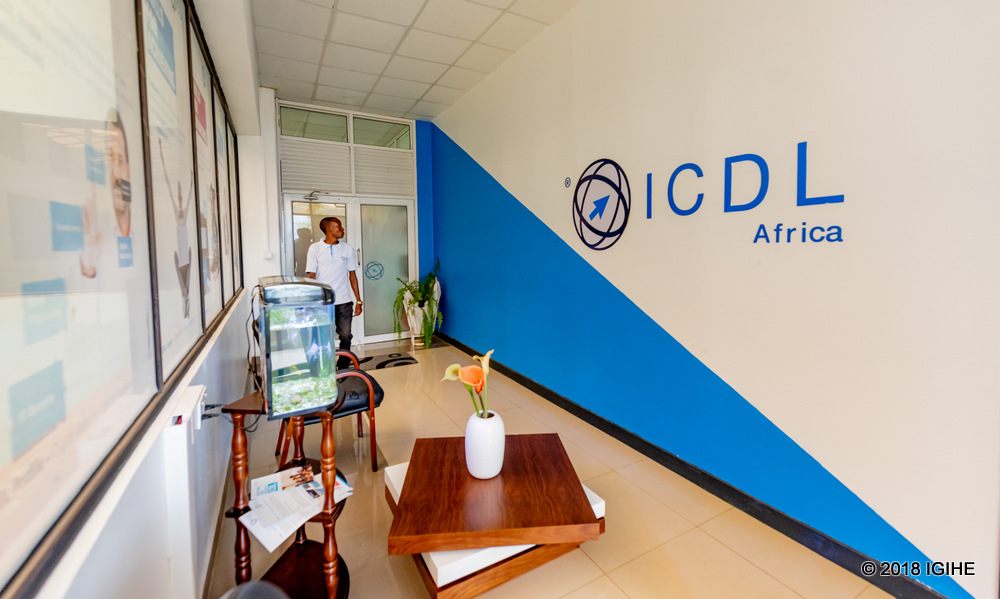
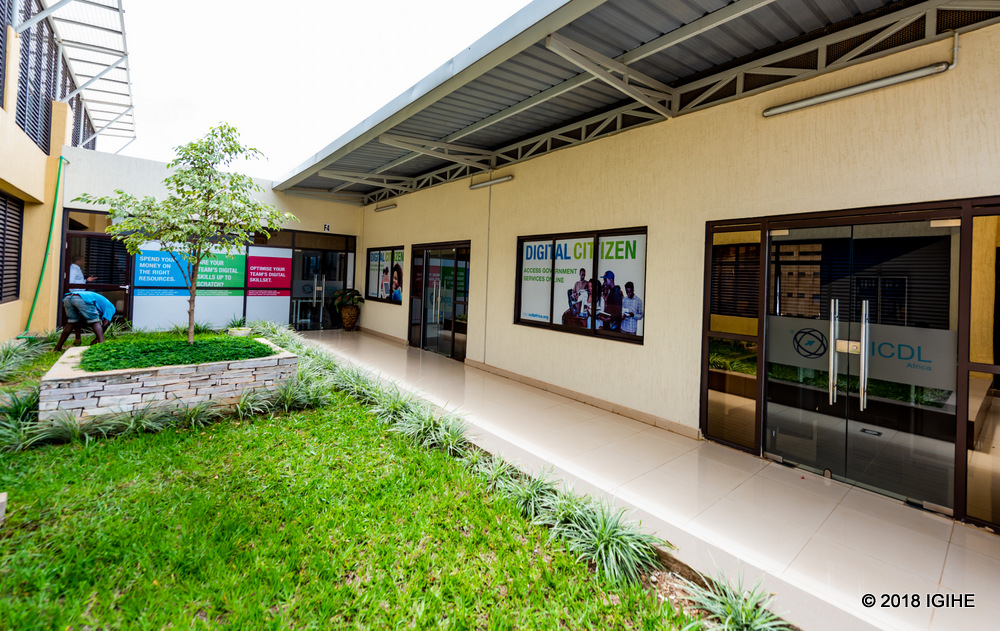
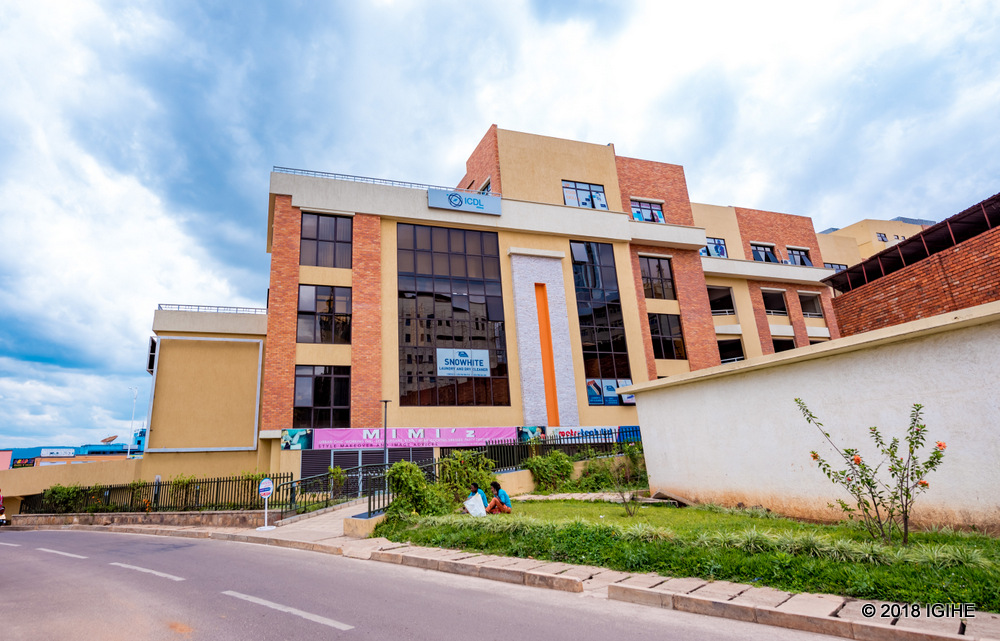
Since 2015, International Computer Driving License (ICDL) has been working with the Government of Rwanda to train Rwandans in ICDL programs to enable them to become digital experts, efficient users of the computer applications in the workplace.
ICDL provides knowledge and skills in using a computer and its applications.
ICDL Africa is a subsidiary of ICDL Foundation headquartered in Kigali, Rwanda and is responsible for the management and growth of the ICDL programme throughout sub-Saharan Africa.
ICDL Africa works directly with Governments across the continent to advocate for an international standard in digital skills among citizens in education and the workforce.
The Market Development Executive at ICDL Africa, Alice Umurerwa said that Rwanda, through Ministry of Information Technology & Communications chose seven modules that citizens can train in although the trainees can opt to learn more.
She said: “ICDL Africa office in Rwanda was established in 2015 before which the sub-Saharan African activities were being coordinated from South Africa. ICDL certificate guarantees candidates are equipped with computer skills and knowledge, being digitally competent, to successfully use computers in the workplace or for their day to day activities.”
She stated that ICDL together with its partners has experienced and knowledgeable trainers and that the skills learnt enhance the candidates’ productivity.
The skills learnt are not limited to office productivity but also helps the general population in terms of business development and sustainability plus always remaining secure while using the computers.
Ms. Umurerwa said that “we would be pleased to see the skills learnt through the programme empower and change the lives of Rwandans.”
The ICDL programme consists of a variety of modules that cover a wide range of digital skills. The modules are divided into four categories which include Introductory, Base, Intermediate and Advanced, covering the various levels of Digital Proficiency.
For the past 10 years, ICDL Africa has established a network of Accredited Test Centers (ATC) who offer both training and testing in the ICDL modules, to individuals and organizations in both the public and the private sector.
ICDL Africa has a network of 15 Accredited Tests Centers (ATC) in Rwanda among them Rwanda Revenue Authority (RRA) and University of Tourism and Business (UTB).
The Coordinator of the ICDL Programme in the University of Business and Tourism (UTB), Asher Emmanuel said that ICDL programme is in line with the government’s digital talent policy which seeks a digitally literate workforce and population in general.
“In September 2017, we signed an agreement with ICDL Africa to be an institution that provides ICDL training, testing, and certification. Eight lecturers at the university were trained and they are playing a major role in facilitating training to the student population. We held an awareness campaign with the students about that programme and they are all willing to take the programme. Starting with 2018/2019 academic year, every student at UTB is required to train and certify in ICDL,” he said.
He emphasized that “Someone who trained in ICDL programme is able to do their research and work quickly which is the focus of the institution.”
UTB will offer certificates to at least 50 students who will have completed the seven modules that the university has set as the minimum in December this year.
ICDL Africa and the government of Rwanda through the former Ministry of Youth and ICT signed an MoU to certify 85,000 employees of central and local government and the public across Rwanda.
In January 2016 a pilot project was started for a period of nine months to train Civil Servants starting with the Security Sector.
The training was funded by the government through the National Capacity Building Secretariat. 146 candidates were trained, tested, and graduated in 4 base modules and 3 intermediate modules as per the MoU.
In 2018, Rwanda Revenue Authority became an accredited Test center and they target to train all their workforce in ICDL. A group of 40 staff members have been trained and certified in seven modules. The institution is focused to have in-house training for their staff and that is why they certified 20 of the staff trained to be trainers.
ICDL also operates globally throughout the Americas, Asia, Europe and the Middle East.
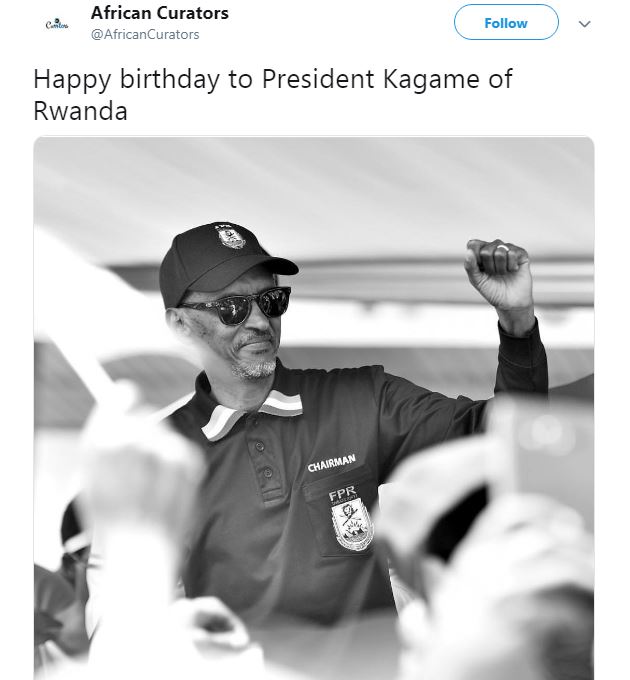
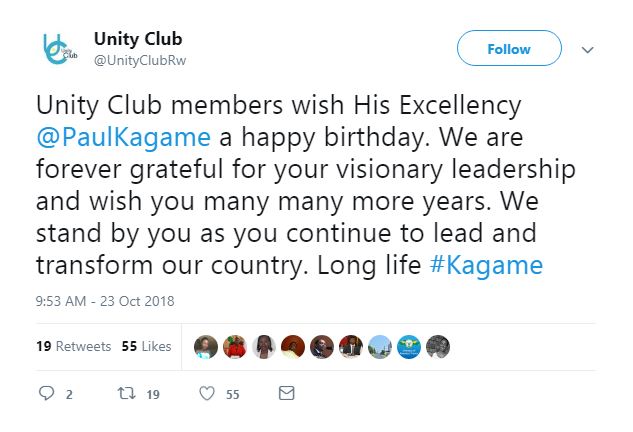
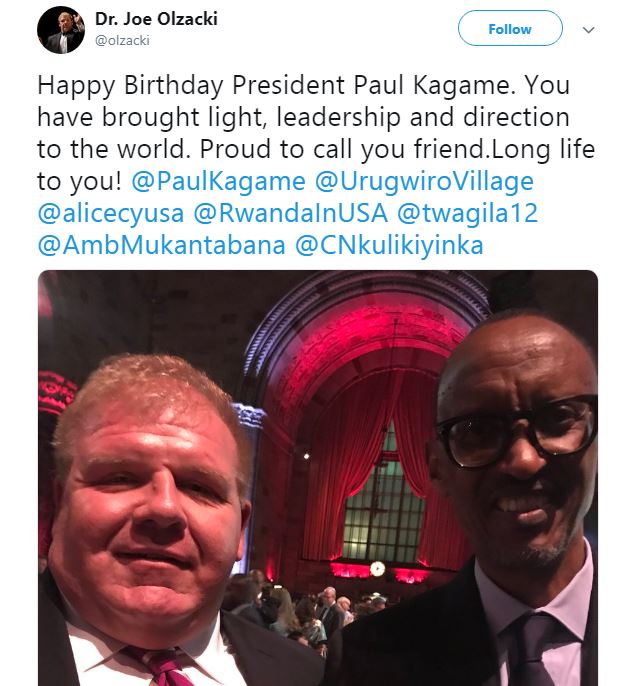
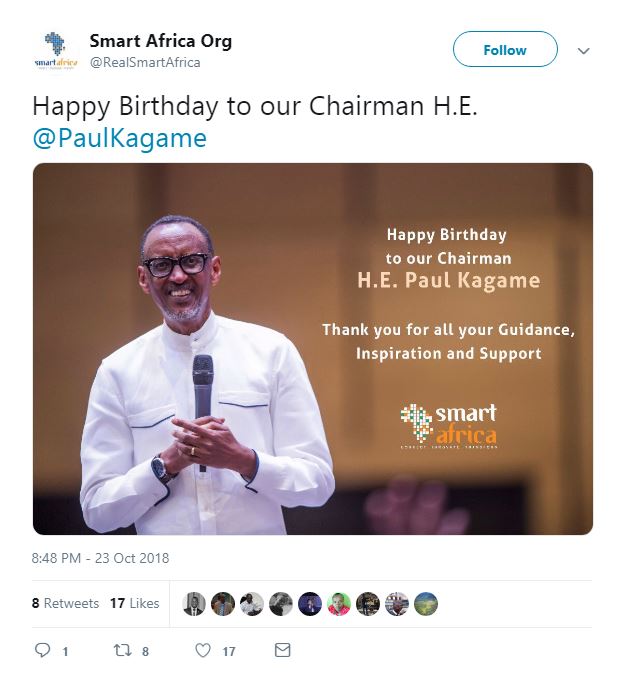
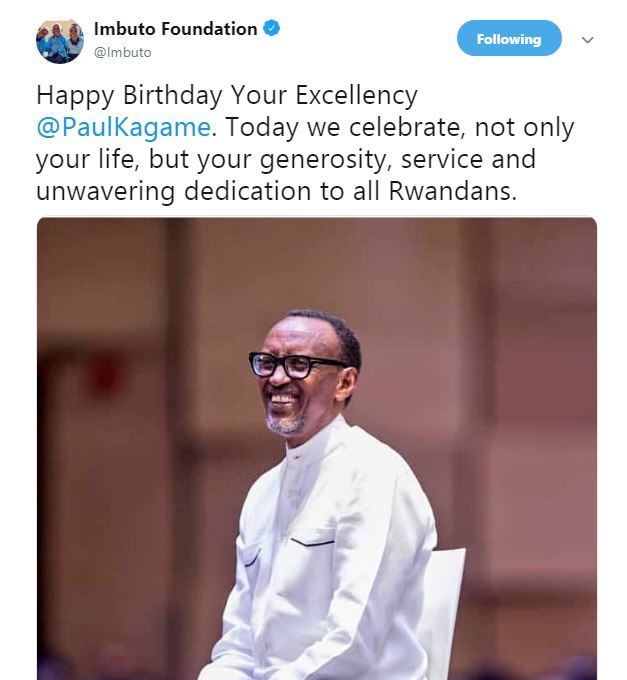
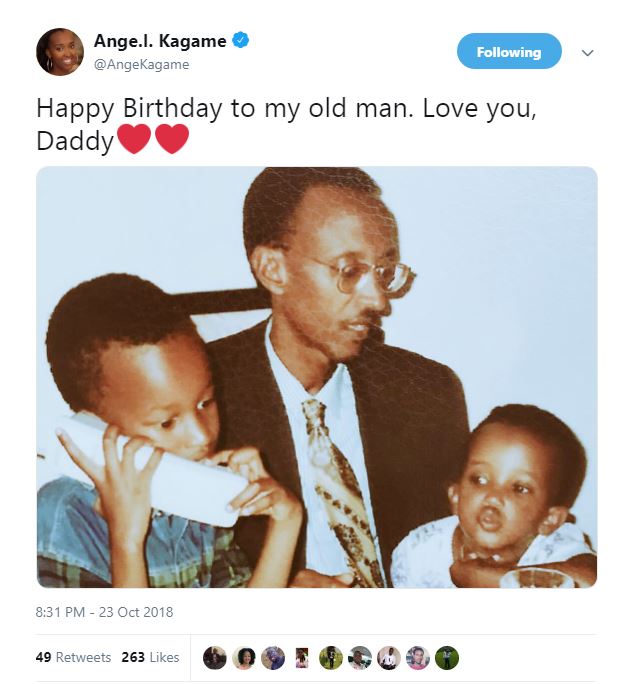
Different people have conveyed their happy birthday wishes to the president through different social media platforms.
Jean Marie Vianney Gatabazi, Governor of the Northern Province wrote on Twitter saying, “A very happy birthday to His Excellency President Paul Kagame, our role model, inspirational president, visionary and great leader. May God bless you abundantly. More candles Mr. President. Blessings to our First Lady and the entire family,” he tweeted.
Former education minister Jeanne d’Arc Mujawamariya tweeted, “Happy birthday your Excellency President Paul Kagame. May God continue to bless you and your family! Rwandan was blessed from the day you were born,”.
Popular musician and doctor Tom Close wrote, “Happy birthday to you Mr. President Paul Kagame. You are a giant of inspiration to all of us mostly the youth. We are glad to live in this era, at least we know that the present and future of our nation is assured. Long live our president,” he tweeted.
President who is also the Chairperson of the African Union was delivering a Keynote Address at the Opening Ceremony of the first Ordinary Session of the fifth Pan-African Parliament (PAP) underway in Kigali.
“Important changes are underway on our continent, and in the wider world, and we have to be ready to meet them. It is about getting our house in order, doing what is right for our people, and speaking with one voice to advance Africa’s interests. Working together is the only way to give Africa’s position the weight it deserves, in the wider geopolitical context. At the same time, illusions of moral hierarchy, that divided continents, and people are crumbling rapidly, as we have been seeing. Responsibility for Africa’s security and prosperity is firmly in our hands. We must meet the imperative of good governance, with innovations and solutions drawn from Africa’s rich experiences and cultures, even as we remain open to benefit from the best global insights,” President Kagame said.
President Kagame further stressed that the role of Pan African parliamentarians was key in speeding up the ratification of African Continental Free Trade Agreement, the Protocol on the Free Movement of Persons, and other key pillars of Agenda 2063, as part of their continued contribution to continental transformation.
As a new CEO, Sanday will be running all programs of EPD and implementing its new strategic plan while working closely with the board to craft, create a strategic pathway of the organization.
He comes with vast knowledge, skills and experience in the energy sector and business value creation in Rwanda. Since 2016 he joined EPD as project manager of Shell Foundation partnership, where he participates greatly in the off-grid policy formation, building traction with various stakeholders affiliated with the sector and advocacy of the energy sector. This has resulted in him gaining more experience in the sector and management of the association.
From 2011-2014, he served as a senior officer in Rwanda Development Board RDB as an Asset and Business management senior officer. Sanday was in charge of the privatization and M&E unit for Government assets where he gained experience in business and corporate value management practices.
He holds a master’s degree in Public Administration from Keller Graduate School of Management in California, USA and a bachelor’s degree in Business Administration from California State University, USA and Bachelor’s degree in Criminal Justice from Hannibal La Grange College.
Sanday will play a vital role in realizing EPD’s vision of universal energy access to all homes in Rwanda and he believes that achieving such target in Rwanda requires a viable, vibrant and innovative private sector.
As an independent professional association, EPD coordinates constructive dialogue between the public and private Rwandan renewable energy sectors. By sharing information and advocating for a positive working environment for the private sector, they are supporting Rwanda’s government Electrification Goal of bringing 100% electrification by 2024.
EPD works with different stakeholders such as; The Private sector Federation of Rwanda “PSF”, Government of Rwanda “Ministry of Infrastructure”, “Rwanda Development Board” and “Rwanda Energy Group (REG/EDCL)”, International Development agencies such as Power Africa, DFID, EnDEV, GIZ, and more. All the above work together to address critical issues in the Energy sector and pave a way forward through which the sector can grow and thrive.
EPD has a membership of more than 100 private enterprises in multiple energy sectors including solar, hydro, LPG gas, biomass, biogas, methane gas and more.
EPD is one of the 5 associations composing the Chamber of Industry under the Private Sector Federation (PSF) of Rwanda. EPD focuses on advocacy of its members, encouraging collaboration and partnership for the development of the energy sector in Rwanda.
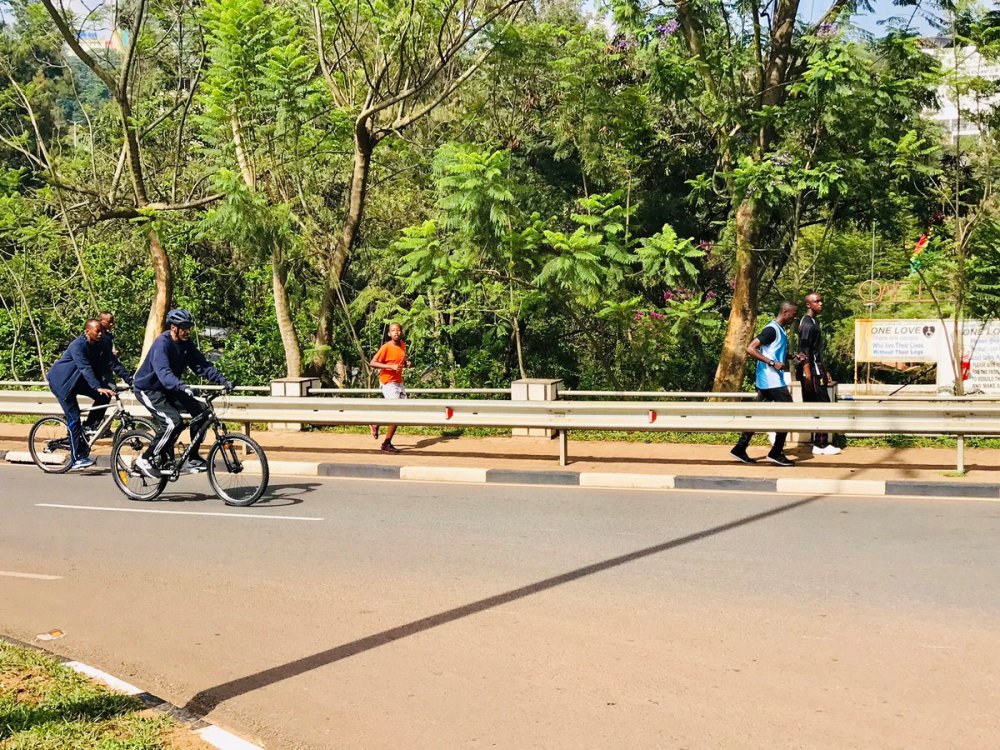
Every first and third week of the month, people from all walks of life and different parts of Kigali City converge in the communal sports at Rwanda Revenue Authority (RRA) for different physical exercises.
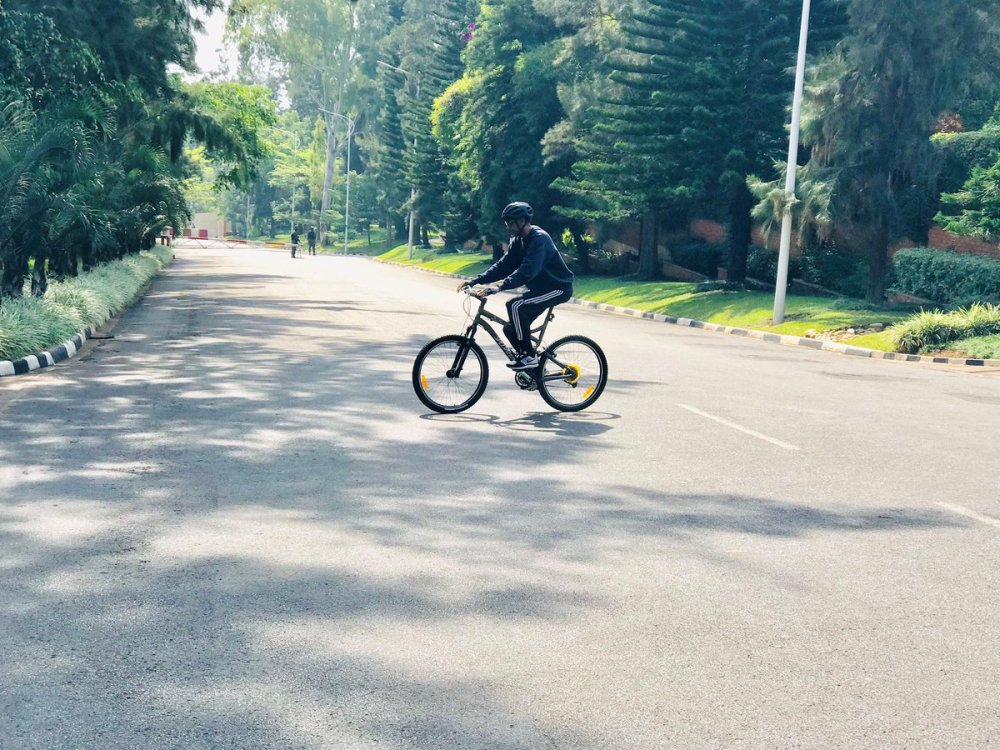
Kagame rode a bicycle through Kimihurura and Kiyovu roads, after which he was received by other sportsmen at RRA.
He told participants that the activity is beyond just sporting.
“Turning up for Car Free Day isn’t only about physical exercises. We should uphold this culture and do even more to build ourselves and our country. Whenever we are working to improve our lives, we are also building our country.”
In a similar activity on June 17,2018 President Kagame also attended communal sports and urged Rwandans to embrace it because it is good for the health.
“I can see both young and old people here. I would like to thank you for having attended these physical exercises. When you take good care of your body, the brain functions well too,” he said.
Car Free Day started on May 29, 2016, aimed at helping Rwandans do sports for good health while at the same time benefiting from other activities like free testing and advice on how to prevent different diseases.
The exercise is also aimed at teaching and making people familiar with the fact that roads are not solely built for just vehicles but people as well.
This helps in reducing traffic jam and air pollution.
Originated from the City of Kigali, other towns in the country have also started adopting it.
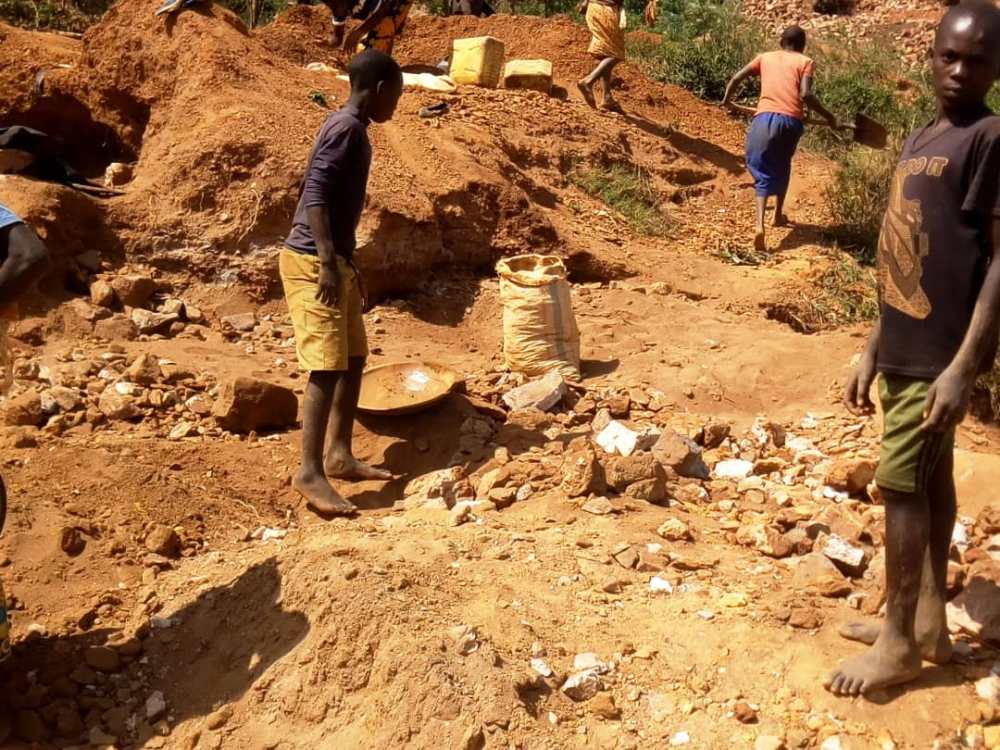
Mostly aged between 7 and 16, some of them are seen at quarry sites still dressed in their school uniforms engaged in different activities at the quarries.
Local residents say that most of the children have abandoned school while they (children) say they only go to quarries after attending school.
When journalists asked them why they abandon school for mine work , one of them aged 7 said it is because of hunger that they have chosen to look for odd jobs to get money they can use to buy food. They say they do not find enough to eat at home.
“What do you do when you come home back from school and find that there is nothing to eat?” one of the children IGIHE talked to was wondering.
Another said; “I study in P3. I went to school in the morning and when I returned, I found no food at home. So, I decided to come here to look for money,” he said.
However, because they are not able to extract minerals, the children choose to filter the remains.
They all say that none of them goes back without at least Rwf2000 at the end of the day.
The parents say that most of the children that work in quarries are those who became disobedient to their parents.
They also say that the children attend the quarries in the evenings, get drunk and are a threat to their security.
“We have a problem of small children who have abandoned school for mining but what is even so saddening is that they waste the money they earn by buying doughnuts and drugs after which in the evening, they disturb security,” one resident said.
Remera Sector Executive Secretary Marcelline Mukamana told IGIHE that authorities are aware of this challenge and they are looking for a sustainable solution.
“We know that problem but we thought that only adults work in quarries. They are doing it illegally. We usually send DASSO local security guards to prohibit and warn residents from that exercise because they don’t have the right to do it,” she said.
She further says that the quarries were previously exploited by ROKA Rwanda– the leading ore mining, processing and exporting company in the country, but their contract expired and there has not been another company to take over yet. This is why local residents started trespassing on the quarries, she explained.
However, she said that in collaboration with the District, there are two companies that have submitted bids for the quarry and may start exploiting it soon.
As for children that abandon school for Mining, Mukamana said they often work in quarries when they are back from school but the authority is going to do its best to solve the problem in collaboration with parents.
Rwandan law stipulates that any child below 17 years of age is prohibited from working in quarries.
When government officials toured the district to see how the buildings had been closed on September 24, Prime Minister Dr Edouard Ngirente alongside other ministers had said that this exercise was not thought through.
Huye District authorities had decided to close some buildings in Huye town, advising owners to revamp them and build storied houses, an act that was seen as malicious.
The district first closed houses in Cyarabu neighborhood. Four years of inactivity later, the second part of the town from the City of Kigali was also closed.
Among the closed buildings is the most popular “Faucon” whose closure attracted public criticism who suggested that it would instead be preserved because it is a artifact to Huye Town which was formerly Astrida during the colonial era.
Minister of Infrastructure Amb. Claver Gatete said that the owners were given a five-year deadline as they searched for means to build houses that are in line with the town master plan.
“We decided to reopen most houses belonging to private businesses. We also agreed that five years would be enough for them to have been completed rebuilding the houses and follow the updated master plan.”
Those who have different investments and other businesses in Huye town welcomed those decision and demanded that they be facilitated to find rehabilitation permits.
Colette Mukandekwe, a businesswoman in Huye Town said, “What we demand is that construction permits should be easily availed so that we can be able to rebuild as soon as possible.”
Minister Gatete also said that every communal work day, Huye town will be visited by government officials to check how far residents will have gone with revamping the houses.
Nyirasafari who was recently appointed to head the ministry, made the remarks as she closed the international tennis competition known as ‘Cogebanque Tennis Open 2018’, Nyirasafari told the press that building sports policies starting with children and resolving existing challenges is one of her priorities.
“I will approach those already in the sports sector and hear their perspectives so that we work together to address the challenges. I will also build on what others have achieved” she said.
She further said that she will focus on promoting sports among children as it was within her responsibilities as Minister of Gender and Family Promotion.
Nyirasafari said she will encourage parents to give their children time to play and compete because “ aside from being a source of happiness for the country in general, sports also influences children’s healthy and growth.”