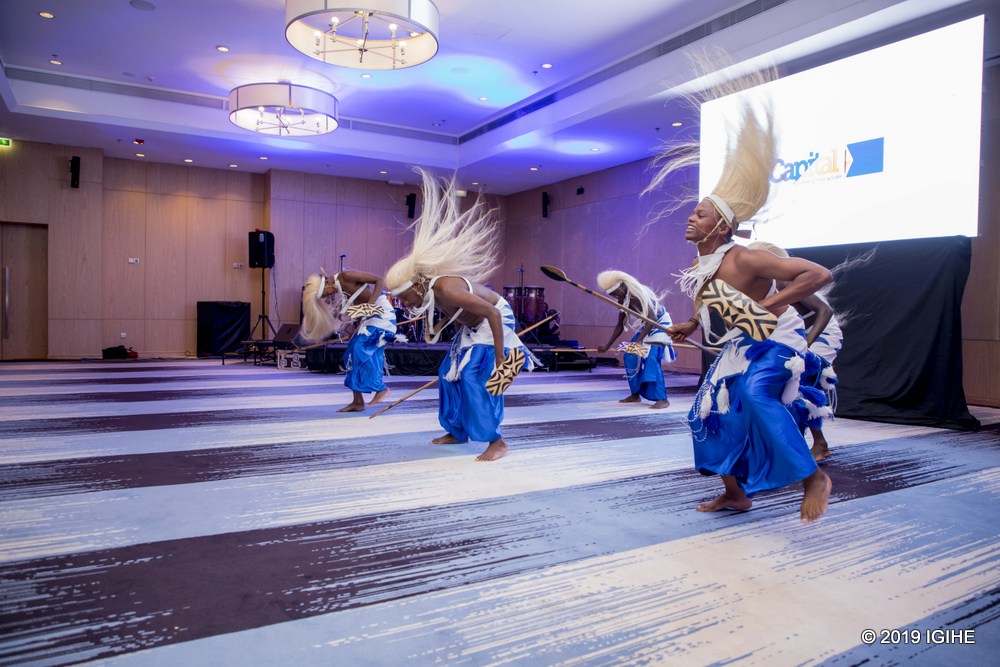
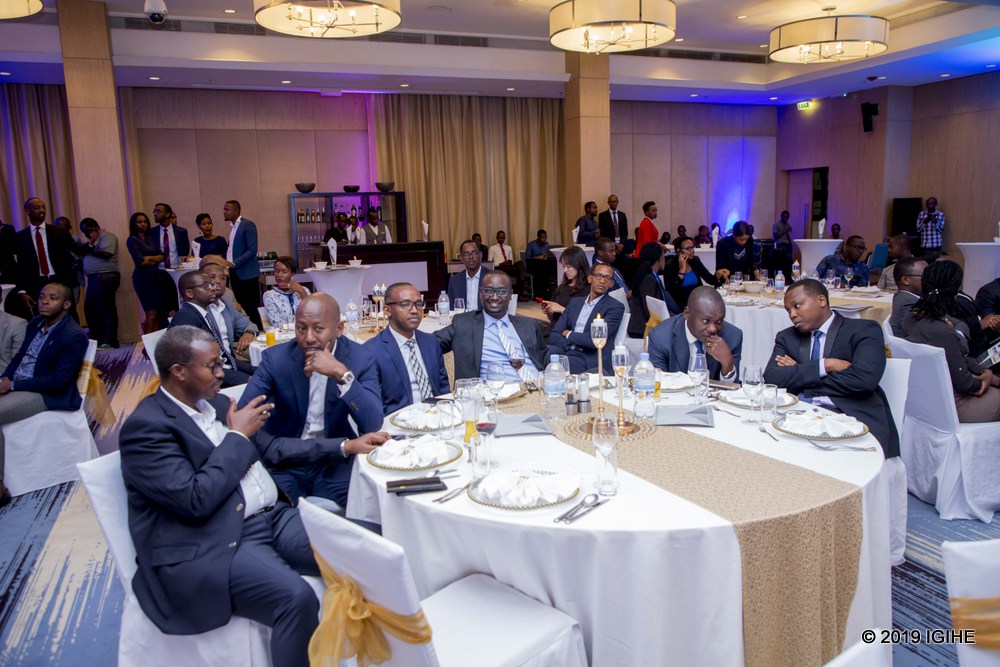
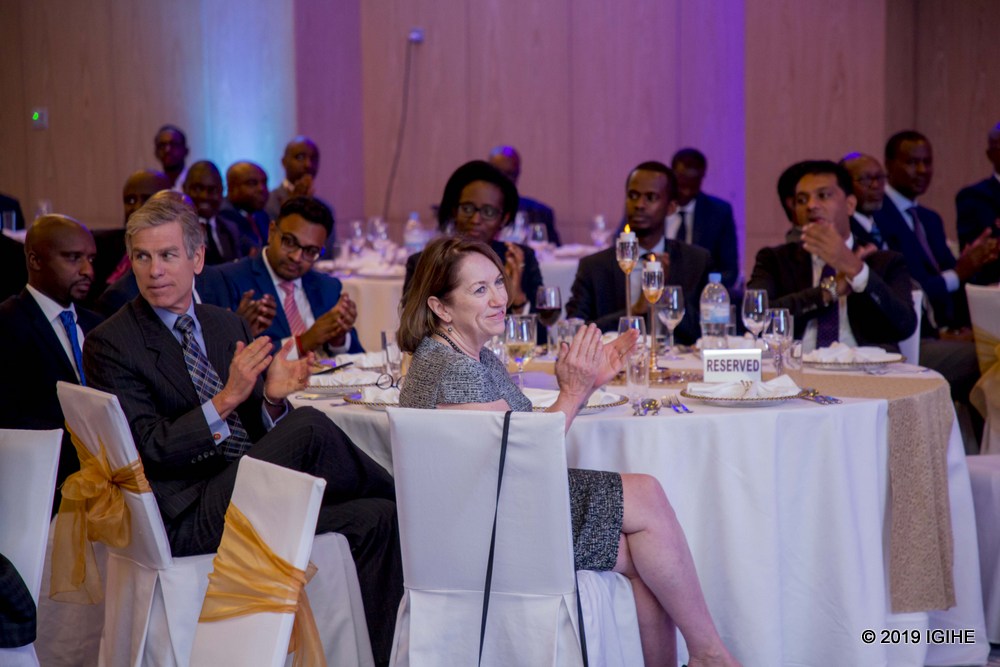
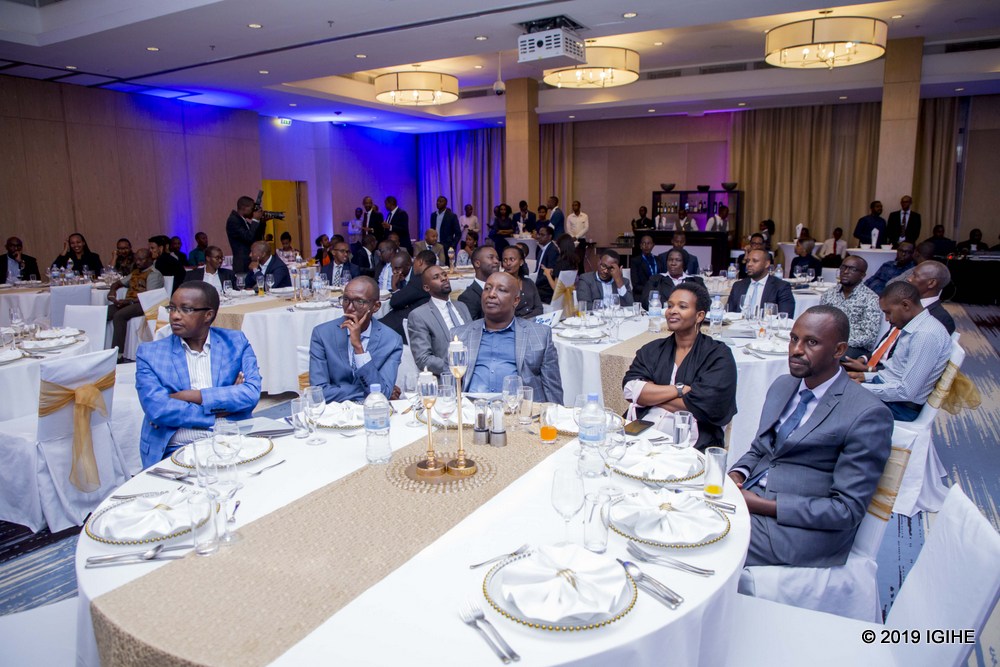
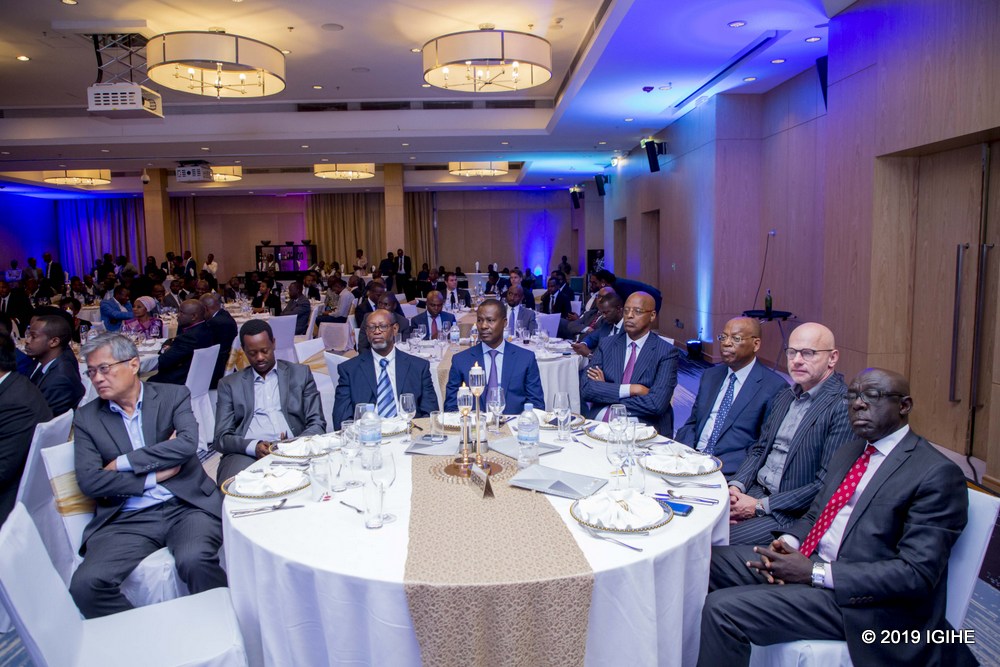
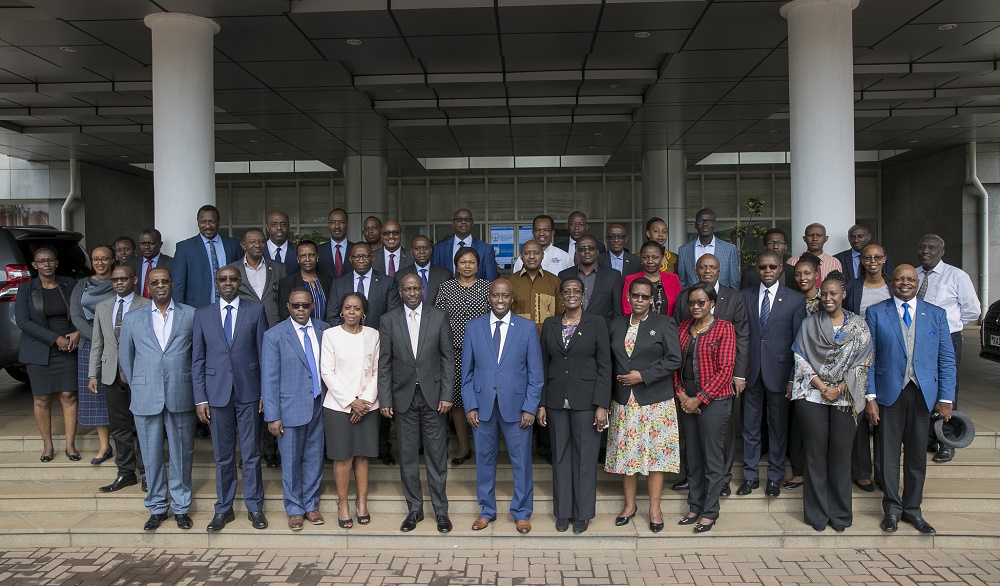
BK Capital Ltd was first introduced to the market in 2013 as BK Securities Limited; a security brokerage licensed by the Capital Markets Authority. Over time, its portfolio has expanded to offer the following services: Investment & Wealth Management, Corporate Finance & Advisory services, Brokering of capital markets instruments – bonds & equities, Pension Fund’s administration.
Commenting on the launch, BK Group Plc Chairman, Marc Holtzman said that the development was borne out of the institution’s need to tap into Rwanda’s economic landscape and vision of a more robust budget.
“Rwanda’s economic landscape holds so much untapped potential, so we’ve aligned our strategy to capitalize on it. Our priority is expanding our financial services portfolio to make our brand into a One-Stop Center under which those services are available to customers. The country envisions to have a more robust budget, and we are proudly taking a lead.” Holtzman said
After this addition, BK Group now counts 4 main subsidiaries which are namely the Bank of Kigali Plc which provides corporate and retail banking services; BK TecHouse’s whose task is to drive digital innovation through providing connectivity solutions and software and analytics products; BK General Insurance which offers insurance packages including motor, fire, transport & money insurance and more; and BK Capital Ltd.
BK Capital Ltd has entered into a partnership with Swan Group, the leading financial solution provider in Mauritius. The non-insurance cluster of Swan, licensed by the Financial Services Commission of Mauritius, offers corporate advisory services, asset management services and stock-broking services, has a total asset under management equivalent to 1.4Billion USD and presents extensive expertise in the fund management business in Mauritius with global outreach.
The Bank of Kigali was among the very first banks opened in Rwanda. It was incorporated in 1966 and started operations a year later. The institution was also the first Rwandan bank to list on the Rwanda stock exchange, in June 2011, also becoming the first Rwandan company to cross-list on the Nairobi Securities Exchange last year.
The Group has posted consistent positive growth since it issued its IPO in 2011, largely attributed to a strong management team with extensive banking sector experience, complemented by an experienced and diversified Board of Directors.
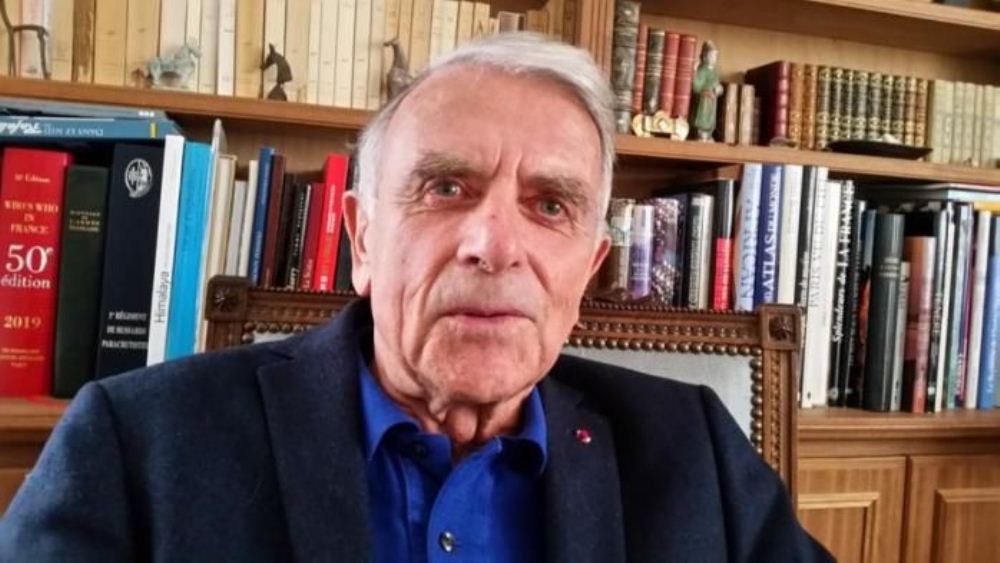
In an interview with France Culture, the former head of the French military cooperation mission in Rwanda said he had opposed the support of Paris to President Habyarimana, though efforts were futile.
Aged 84, General Jean Varret had agreed to testify before the France Parliament committee which carried out an investigation on Rwanda in 1998.
The General who had taken time to tell his military career in a book, in which he talked on the role he played in Rwanda in a few pages has decided to testify in front of a microphone and a camera, 25 years after the 1994 Genocide Against Tutsis.
From October 1990 to April 1993, Jean Varret was the head of the Military Cooperation Mission in Rwanda. He explained that he had tried to oppose the support given by the France military to the regime of former Rwandan President Habyarimana that resulted in being removed from the position on pressure from a specific group.
“This group, which I knew certain elements, was pressured to remove me from my responsibilities. These soldiers did not want to take into account the risks of the policy to support Habyarimana. The cooperation was to provide training, equipment, but certainly not to fight. I think another support was more inclined to help in combat,” he said.
General Varret recalled the situation back in November 1990 in a meeting with the Chief of Staff of the Rwandan gendarmerie, Colonel Pierre-Célestin Rwagafilita asking for big guns.
“During this meeting, the chief of the gendarmerie asked the support of big guns. I asked him why trying to convince him that gendarmerie is not made to have machine guns. After my refusal, the chief of the gendarmerie told his colleagues: ‘You can go, I’m staying with the general’ and he says to me: ‘We are alone as soldiers and hope we will speak clearly. It is because I am going to use them to neutralize a problem. The problem is very simple: the Tutsi are not the majority. We are going to liquidate them. ‘He told me that clearly and felt horrified. ”
Jean Varret then asked to meet President Habyarimana to whom he expressed his worries.
Upon hearing it, Habyarimana became furious and left the General into confusion wondering whether the secret was leaked by the head of the gendarmerie or he didn’t tell the truth.
General Varret says he immediately updated France Ambassador to Rwanda and the Ministry of Cooperation.
“I did not keep this information for myself,” said General Varret, ” The risk of genocide was on display. This guided all my actions afterward.”
According to the French officer, his efforts were futile as the alert did not elicit any reaction, neither from the military staff nor from the political power.
“My warnings have not been taken into account”, lamented the General Jean Varret.
Jean Varret is not the only one who alerted of the risk of genocide to France as it had been informed by the Foreign Intelligence Service (DGSE) which even had enough information on the shooting of Habyarimana plane.
At the beginning of 1993, the situation was getting worse in Rwanda as the procedure of genocide went up to a notch. In January 1993, the commission of inquiry of the International Federation of Human Rights (FIDH) started collecting pieces of evidence of ethnic massacres.
In February 1993, new killings were perpetrated by Hutu Power extremists linked to President Habyarimana’s political party while the Rwandan Patriotic Front (RPF) stood firm with several attacks to liberate the country.
He said that during that time France reinforced its troops sending a new unit of the 1st Régiment de parachutists d’infanterie de marine (RPIMa) to support the Rwandan army.
General Varret revealed that one day he learned about the intervention when he was inspecting the 1st Military Police and Training Detachment (DAMI) of the 1st RPIMa in the Akagera Park which was under his command.
He came to establish that they had been to Uganda for reconnaissance purposes on RPF soldiers which were against his wishes and considered ‘A red line not to cross’.
“When I learn that,” continues Varret, “I bawl them in. I returned to Paris and received the following message three days later,: ‘The DAMI units are no longer under your orders.’ I took this as a disavowal. I was no longer trusted. ”
In April 1993, General Varret was removed from his post at the Military Cooperation Mission. The Minister of Cooperation, Michel Roussin, announced that he would not be reinstated for a year, as he wished. Jean Varret was replaced by General Huchon.
Removed from his post, Jean Varret refused the honorary proposal made to him and decided to desert from the army.
He said the forced departure was “a chance” for him. “Otherwise, I would have had my share of responsibility, at the time of the genocide, explained the general Varret.”
He observed that “some” civilian or military officials have a “responsibility” in the chain of activities that led to the Genocide Against Tutsis:
“There was still blindness, said Jean Varret. “ No civil or military leader wanted genocide, but some did not take the risk seriously.” He added.
“I did not know how to convince the risk of genocide. I wanted to let France and the West, know how to protect themselves against this risk. France has a responsibility in this affair,” Concluded Jean Varret.
The accusations were however refuted by Amiral Jacques Lanxade in an interview with Radio France and Mediapart.
Amiral Jacques who was the Army Chief of Staff of France Army between 1991-1995 said that there was no blindness.
“I think we were always aware of what could happen. That’s why we were there.” Jean Varret had a reason to say what he said, but we cannot draw the conclusion that we were reckless,” he said.
Laxade said that there are truths which Jean Varret doesn’t know because it was not part of his responsibility that they followed the right choice under the guidance of President Mitterand.
He, however, observed that it is saddening for failure to stop genocide despite their presence in Rwanda.
Among the three main areas of focus during their presence to Rwanda; he said, was a political action to convince Habyarimana to democratize the country, enable negotiations involving in the Arusha Peace Accords and providing support for the army to neutralize RPF attacks.
{{New witness
}}
During the investigation carried, Radio France and Mediapart newspapers unveiled witness of Walfroy Dauchy who was the head of Red Cross based in Goma towards the end of 1994 at during Operation Turquoise.
He explained that the zone controlled by France in the Western part of the country became a passage for genocidaires on the way to their refuge in DRC.
Walfroy used to fly to Kenya using Goma airport guarded by France soldiers. He witnessed that he met a young man from France aged between 23-25 who worked for his father’s company that supplied arms.
“ He said it to me. I asked him if he felt it was right to supply arms at the time genocide was taking place. The young man replied: ‘This is business. Others would do it if we cancel the supply,” said Walfroy.
He attests to not have seen the weapons but saw boxes containing them and jets from France that carried those weapons. According to Walfroy, all these activities were done in the daylight without concealment.
Responding on the delivery of arms support to genocidaires; the former FranceArmy Chief of Staff Amiral Lanxade replied that he doesn’t know about those weapons that the issue was not discussed among top military leaders.
“There is no evidence for that. There might be weapons that have passed through but I can tell you that France armed forces have nothing to do with it.”
The violent wind across the country is predicted between 14 and 16 March 2019 especially in Eastern Province at a speed of 8 and 12 m/s.
A statement signed by the Director General of Rwanda Meteorology Agency Aimable Gahigi indicates that the wind might cause infrastructure destruction among other ravages.
“Such winds usually dominate at the beginning or end of the rainy season. We call upon Rwandans to be proactive,” reads the statement in part.
The Minister in Charge of Emergency Management, Germaine Kamayirese recently reminded Rwandans to be prepared ahead of time against heavy rainfall predicted by Rwanda Meteorology Agency.
“Concerning schools, churches, and other public gatherings; we call upon the population to diligently check the structure of buildings, avoid the use of old classroom structures and installing lighting systems,” she said.
According to statistics from the Ministry in Charge of Emergency, last year’s heavy rains took lives of 234 people, injured 268, destroyed 15,264, ravaged 9412 hectares and killed 797 livestock.
Properties worth Rwf 204 billion were destroyed as per a survey conducted in 15 districts.
The incident took place at 3:00 am this morning when Niyomugabo was caught carrying home items stolen from Uwizeyimana.
It is said that Uwizeyimana raised an alarm as he fought with the thief until soldiers on patrol intervened.
The police spokesperson in Kigali City, CIP Marie Gorette Umutesi told IGIHE that Niyomugabo was shot as he tried to escape.
“As security personnel was taking him in the car to the police station in Gisozi sector, he then jumped from the car and was shot as he escaped,” he said.
“We have got information from residents that the man was a notorious thief living in Kamutwa cell,” added Umutesi.
The statement released by Uganda Minister of Foreign Affairs, Sam Kuteesa yesterday indicated that Rwandan leaders have prohibited Uganda exports to Rwanda.
The government of Rwanda has today slammed Uganda’s claims considering them untrue.
“It is not possible to have free trade including free movement of goods if traders are killed, tortured, extorted and their property are illegally seized. These are the fundamental issues that need to be addressed. Claims that Rwanda has instituted trade embargo on Uganda are as untrue as they are diversionary,” reads part of the statement released by the government of Rwanda.
Among other fundamental issues pointed out by the statement include the fate of hundreds of Rwandans, whose names are known to the Government of Uganda, who have been killed, arrested, incarcerated without consular access and tortured, nor the close to one thousand illegally deported to Rwanda in inhumane conditions.
The presence of armed groups and terrorist organizations hostile to Rwanda, including RNC, FDLR, and others, who are supported in their activities, including recruitment, by institutions and officials of the Government of Uganda are among other issues of which details have been repeatedly communicated to the Government of Uganda according to the statement.
Uganda has been tasked to clarify the issue of targeting of ordinary Rwandan citizens involved in regular business and trade activities, within the framework of the East African Community and the hampering of the free movement of goods, including perishables, to and through Uganda.
The Minister of Foreign Affairs and International Cooperation, Dr. Richard Sezibera recently told IGIHE that there is no established number of Rwandans killed in Uganda noting however that over 40 were arrested in the country while 986 have been expelled.
Rwanda has in the statement released today, assured commitment to free movement in the region and the continent in general.
“Rwanda’s commitment to free movement of people, including Ugandans, goods, and services within the region and on the continent is unquestionable. The Government of Rwanda calls upon the Government of Uganda to address the key issues stated above and as already repeatedly communicated in bilateral settings,” reads the statement.
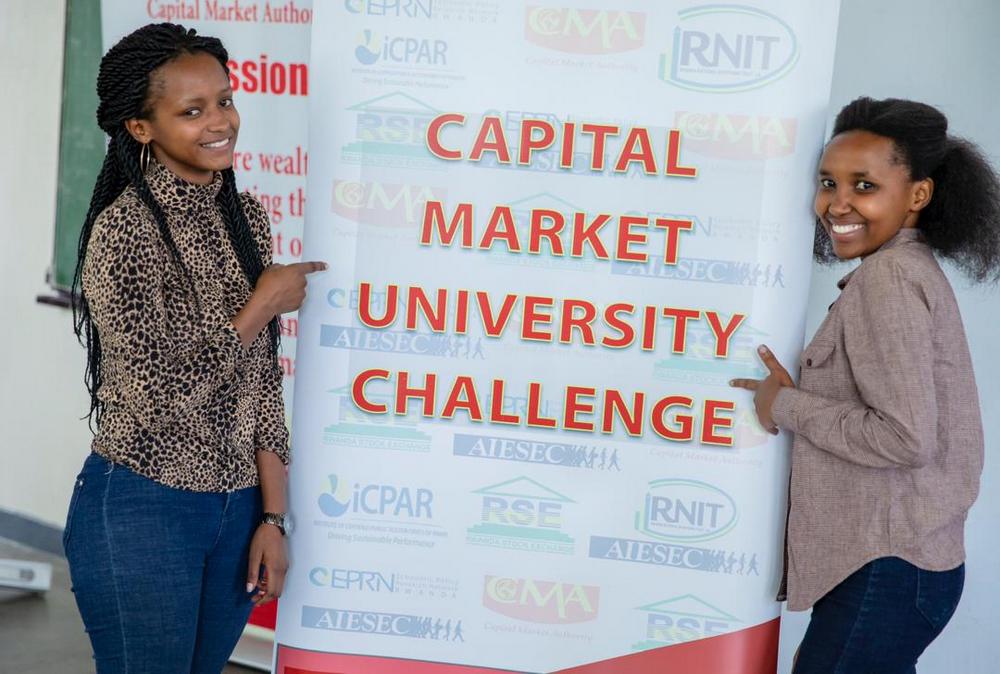
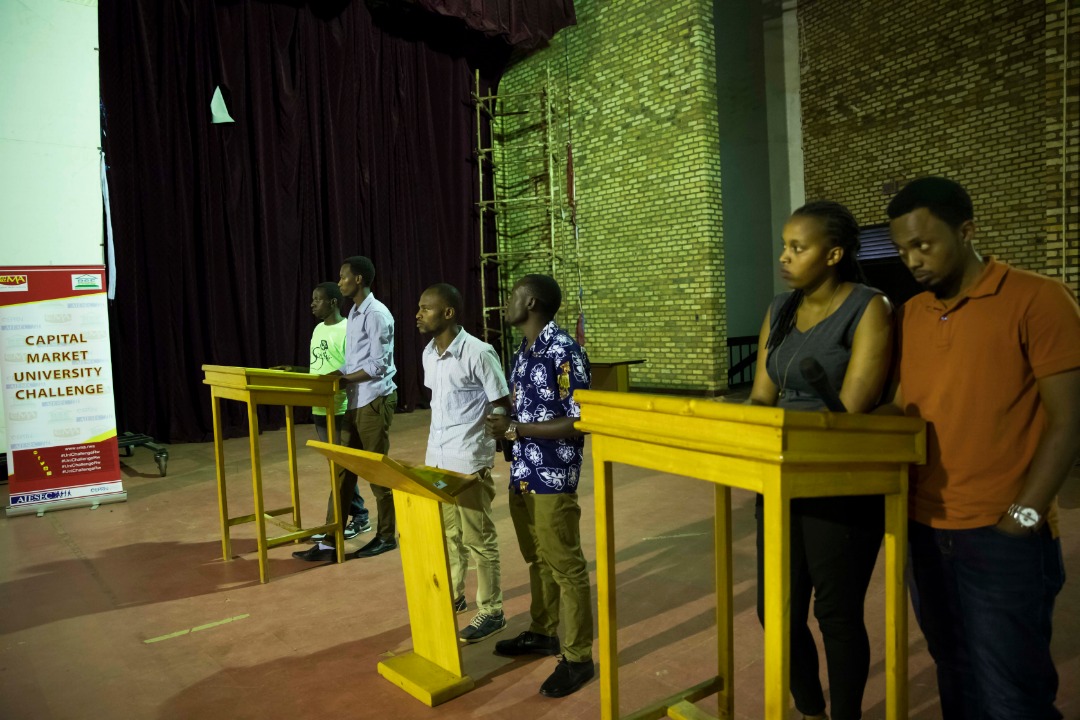
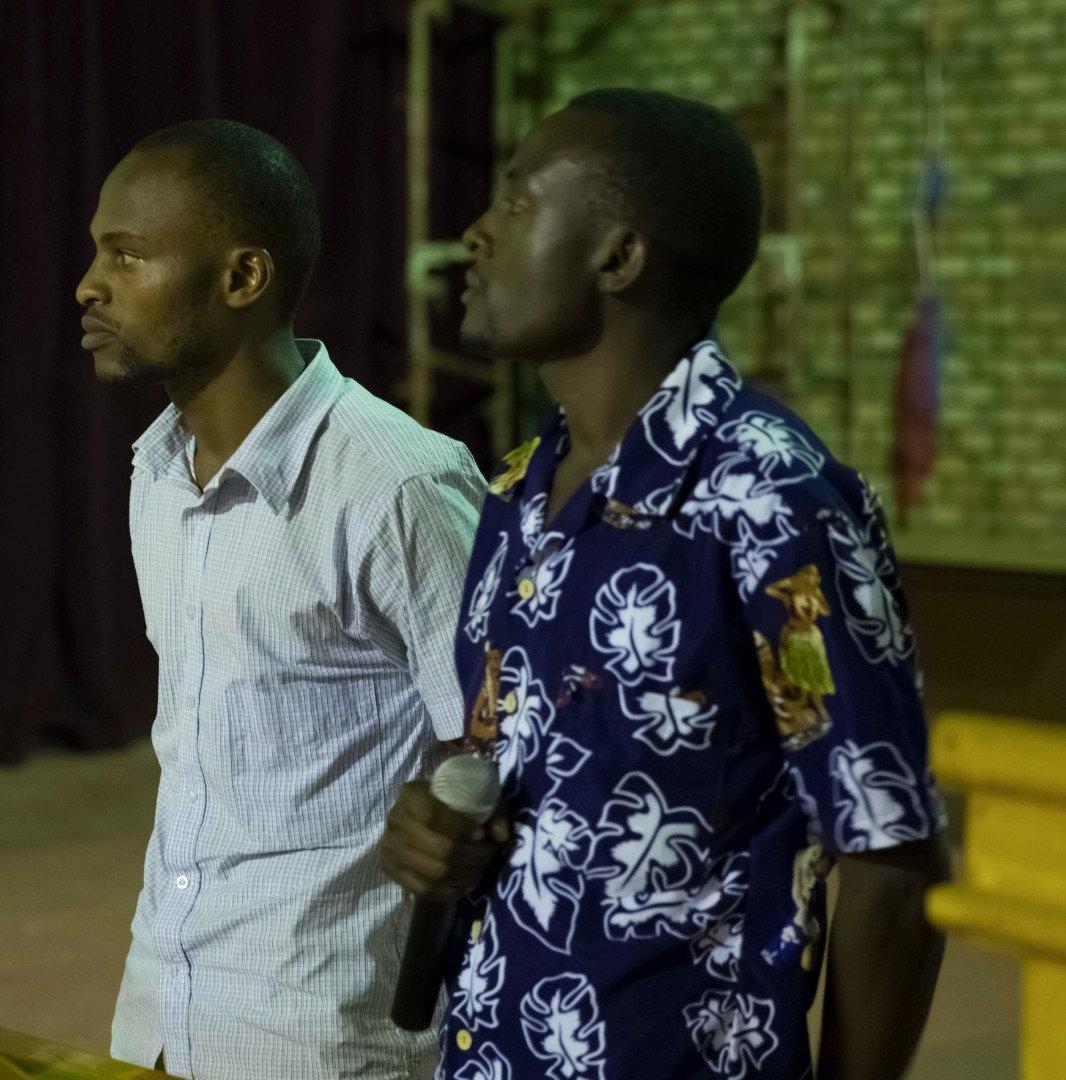
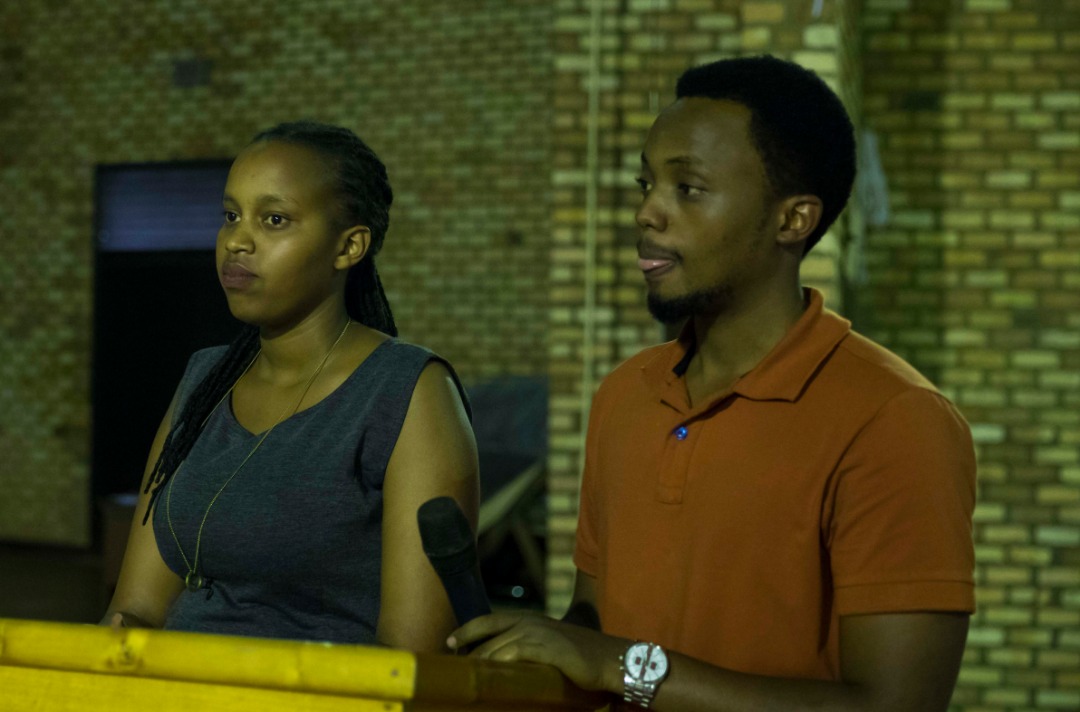
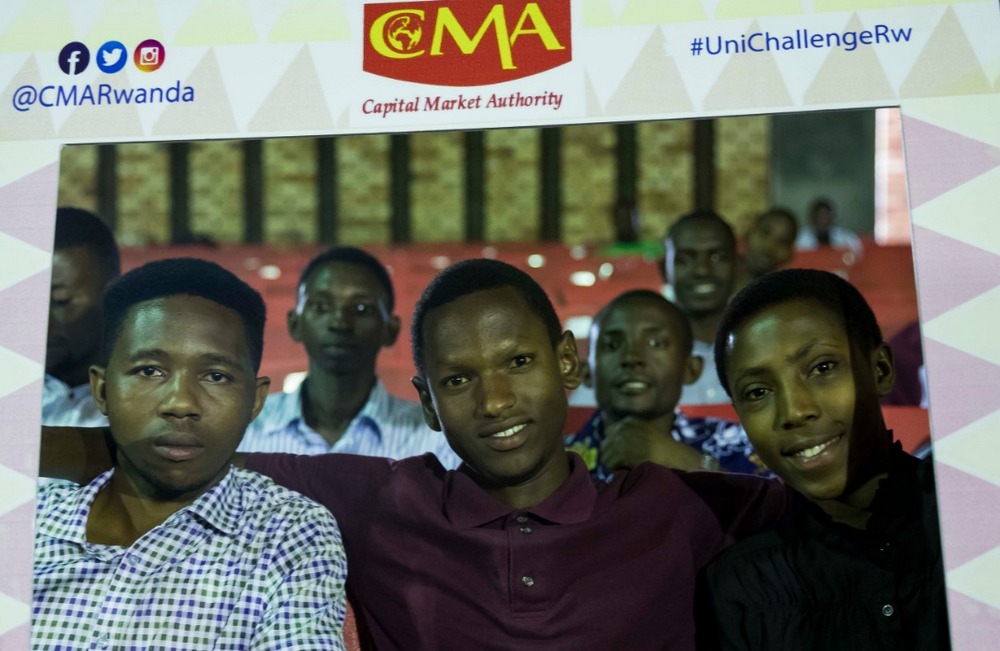
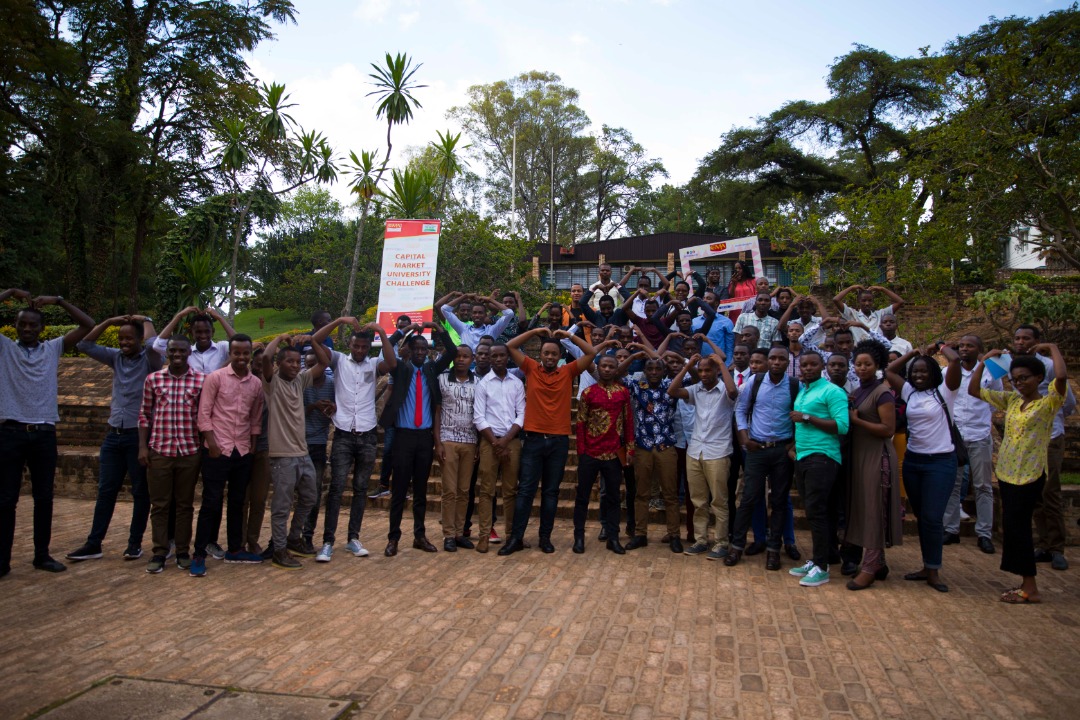
As part of its strategy of empowering the youth through financial literacy, Rwanda’s Capital Market Authority (CMA) has launched the Capital Market University Challenge 2019. The inter-university competition primarily seeks to promote capital market knowledge and started on 1st March up to 26th March 2019.
This year’s challenge is carried out by the Capital Market Authority (CMA) in collaboration with the Rwanda Stock Exchange (RSE), the Institute of Certified Public Accountants of Rwanda (iCPAR) and AIESEC in Rwanda.
In the Northern Province, the event was held at University of Rwanda’s College of Agriculture, Animal Science and Veterinary Medicine’s campus whereas in the South, it was held at University of Rwanda’s College of Arts and Social Sciences.
In the Southern Province, the event was graced by the Director of Career Center, Innocent Nkusi together with the Director of Student Welfare, Theresia Nyirahabimana. As for the Northern Province, the competition was honored to be opened by the Principal of the College of Agriculture, Animal Sciences and Veterinary Medicine, Dr. Nyinawamwiza Laetitia.
With the Southern province having the second highest number of applicants at 102, it was surely going to be a strong contest but the judges from iCPAR namely; Mr. Ambrose Nzalamu, Marcella Nikuze, and Kayitesi Francoise were ready to give their best transparent judgments enough to select only one team that represents the Southern Province at the finals in Kigali. After four rounds of intense battles, team Victorious made up of Muvunyi Olivier and Habyarimana Jean Claude managed to earn their ticket to the finals.
The Northern Province had 72 applicants, and four hours were enough to have the team that gets to represent this province at the finals. The judges, Ddumba Yasser Arafat, and Regis Uramutse managed to ensure that only one team qualifies for the finals in Kigali. After three rounds, Team Blossoms made up of Raissa Umubyeyi and Adeline Umutoni from the College of Agriculture, Animals and Veterinary Medicine booked their spot in the finals.
The competition continues to the West and the Eastern province on the 15th of March 2019. Again, one team from each province will be selected to join the two other teams that have already earned their way to the finals.
The best three teams will be awarded Rwf1, 500,000, Rwf1, 200,000 and Rwf800, 000 in the quiz category while the best three individuals will be awarded Rwf500, 000, Rwf300, 000 and Rwf200, 000 in the written essay competition. All prizes are provided in the form of shares of companies listed at the Rwanda Stock Exchange.
Dr. Sezibera revealed this to the media yesterday noting that they took advantage to meet in the retreat after attending the recently concluded National Leadership Retreat held in Gabiro Combat Training Center.
“The retreat is meant to assess embassies’ activities, Rwanda’s diplomacy in general and promoting Rwanda’s international relations. It also aims at seeking means of implementing the country’s broader plans and the resolutions of the retreat of senior government leaders,” he said.
Dr. Sezibera revealed that some of the areas of focus in the retreat include promoting Rwanda’s youth in the diaspora with a platform of updating them on what is happening in their country, promoting inter-trade between countries in which diplomats live, discussing investment and modern technology among others.
“We will assess how to work together as Rwanda’s diplomats and the way of fostering performance and respond to issues concerning our duties and guidance of President Kagame Kagame during the retreat of senior government officials,” he noted.
Among others, diplomats will hold discussions with representatives of the private sector; discuss commemoration of the 1994 Genocide Against Tutsi and assess how far Rwanda is positioned in the preparations of hosting the upcoming Common Wealth Summit.
Komeza was sworn in for the position along with other entrants at the Ombudsman’s Office on 18th July 2018
The spokesperson of the Ombudsman’s Office, Jean Pierre Nkurunziza has told IGIHE that they have reports accusing Komeza of having received a bribe at the institution where he used to work.
His files have been transferred to the prosecution and will be taken to court in the near future as expected.
“He is suspected to have received the bribery at the time he served as a policeman. We were not aware that he was a policeman it was not included in his CV. We then started investigations to establish the truth,” said Nkurunziza.
“Investigations on the circumstances in which he received the bribery are underway and more facts will be established later. Professionally, it is understandable that there is a reason behind when someone conceals details in the CV,” he added.
He explained that the investigation is underway to establish why he left the police and not pursued for the crime before.
A convict of corruption crime is liable to a sentence of between 7 to 10 years of imprisonment.
Tibor is in Rwanda as part of his visit to four African countries including Rwanda. The visit aims to strengthen the US’s commitment to the people and nations of Africa by engaging African youth in US-Africa trade relations and partnerships to strengthen peace and security.
“Today, young Africans, especially young Rwandans, are as connected and linked as their global counterparts. They aspire to the same goals: a quality education, a well-paid job, a good house, and a way to give back to their parents,” he said.
“This trip is a phenomenal opportunity for me to interact with young people like you. I tell everyone I speak to, from Heads of State to journalists, businessmen, 0and civil society, that mobilizing young Africans is the key to unlocking sustainable prosperity on the continent,” added the diplomat.
Tibor, an American diplomat who has been in Africa for 22 years, told students that one of his country’s priorities was to harness the potential of Africa’s young population to spur Africa’s economic growth and create real prosperity.
He pointed out that during his career he had many interactions with African students, claiming that they were the brightest and most innovative students he had ever met.
“The question for you is how to harness the talent and entrepreneurship of young Africans as a driver of prosperity and stability?” He asked.
The diplomat stressed that they were eager to invest in education in Africa, as evidenced by the US-Rwandan partnership in education, which allowed the creation of academic institutions such as CMU Africa.
CMU Africa was born eight years ago from a partnership between Rwanda and Carnegie Mellon University based in Pittsburgh, USA. It remains the only American research university to offer its master’s degree with full-time operations in Africa.
Ruyenzi is currently leading a contingent of 160 Rwandan peacekeepers deployed as part of the United Nations Mission in South Sudan (UNMISS).
Via its twitter wall, the UN said policewomen such as Rwandan Teddy Ruyenzi, play a crucial role in UN peacekeeping missions around the world, especially in societies where women are discriminated.
The contingent Ruyenzi heads is 50 percent female and 50 percent male.
She said Rwanda has the largest number of women soldiers in UN peacekeeping missions around the world.
“Working professionally where we fight gender-based violence, patrolling and many more sets us apart from other peacekeepers,” she said, referring to Rwandan peacekeepers encouraging more women to join the Rwandan National Police.