A statement released by RURA yesterday reads that effective from 4th May 2019 fuel price should not go beyond Rwf 1096 per liter in Kigali up from Rwf 1023 while Benzen cost rose to Rwf 1091 per liter up from Rwf 1039.
RURA has announced that changes in price resulted from the change of petroleum products prices globally.
RURA announces the current status of petroleum products bimonthly based on the international market.
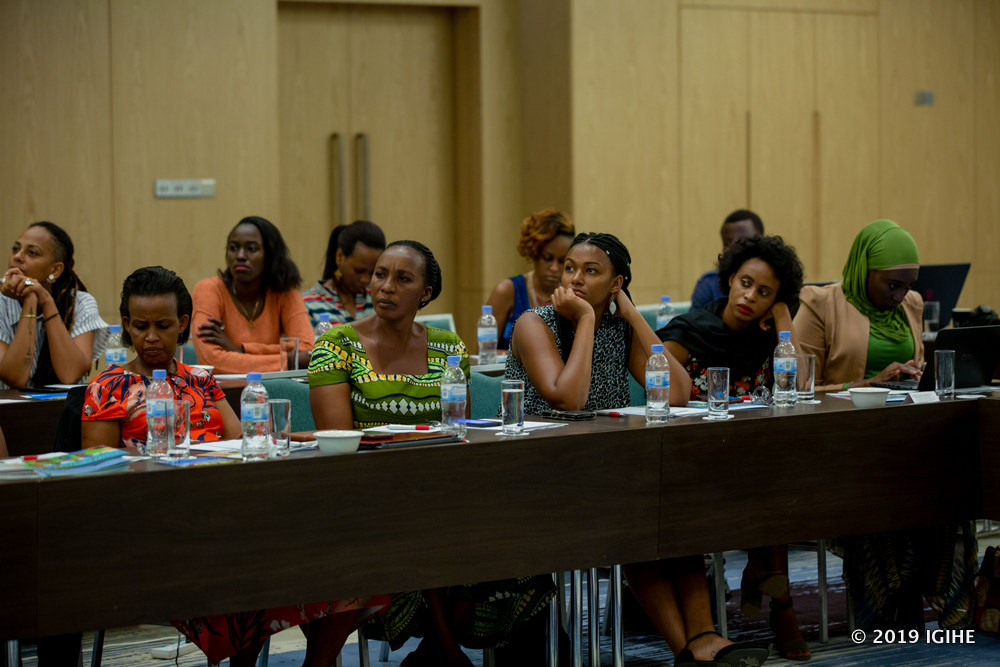
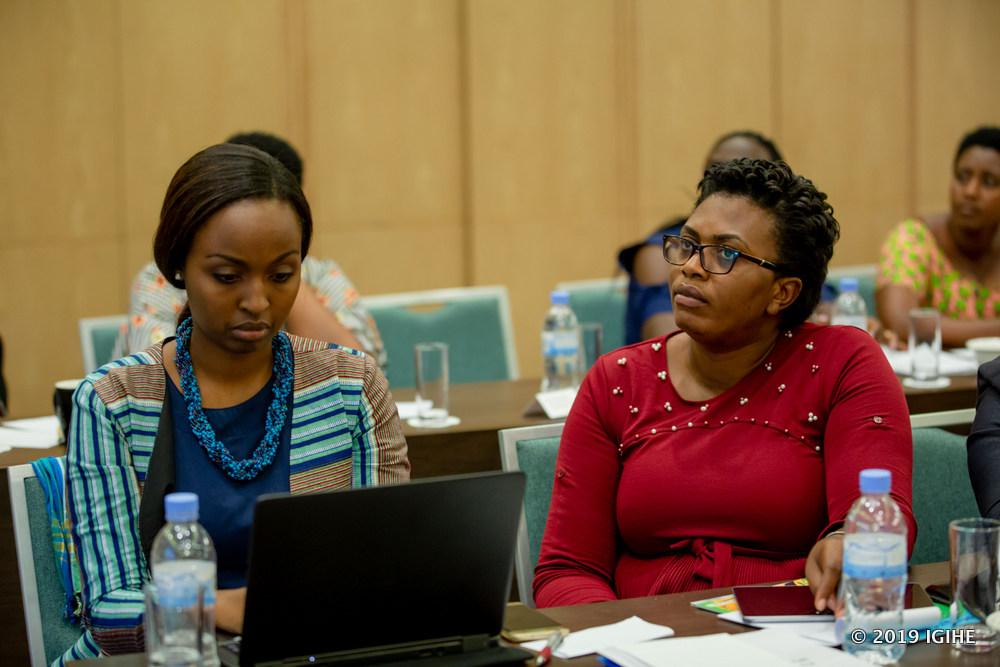
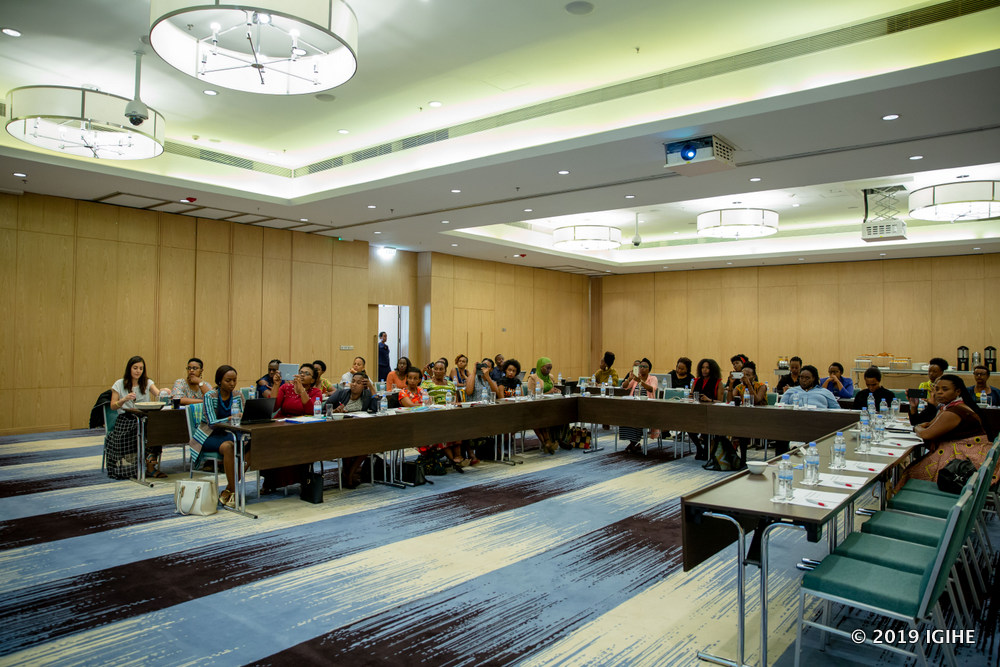
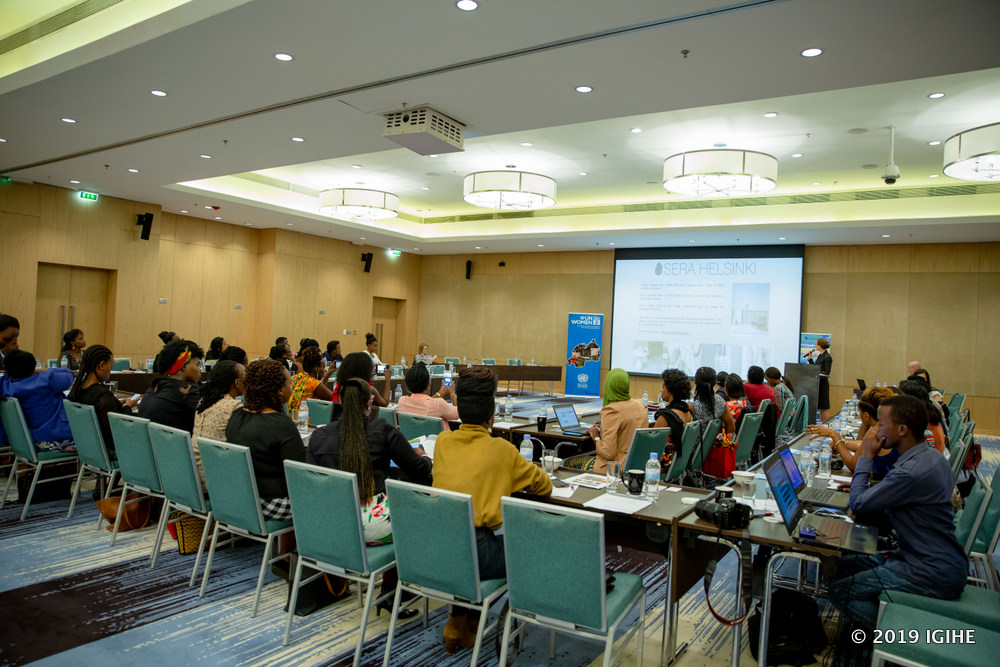
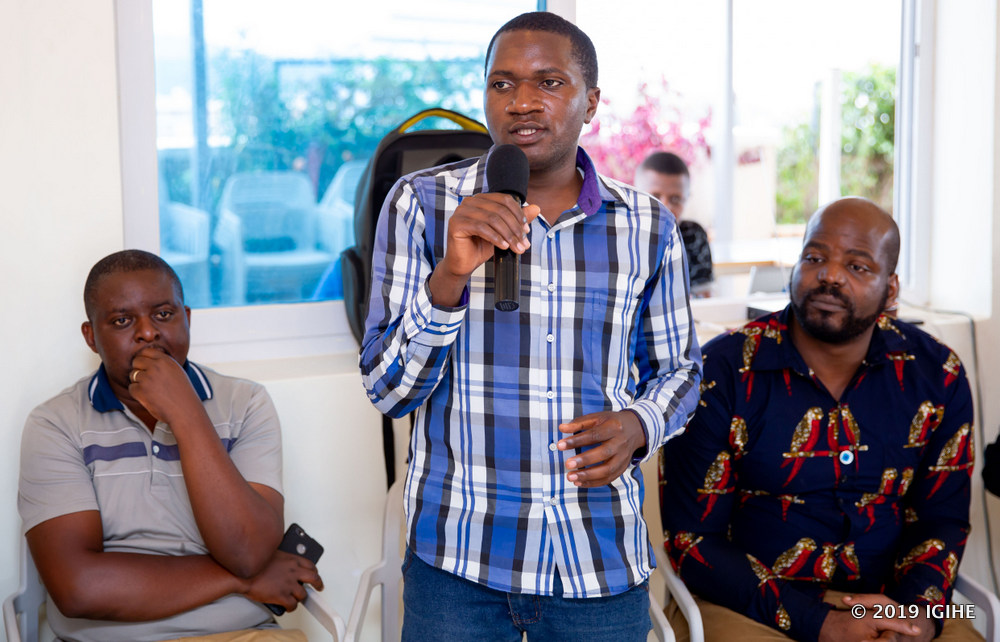
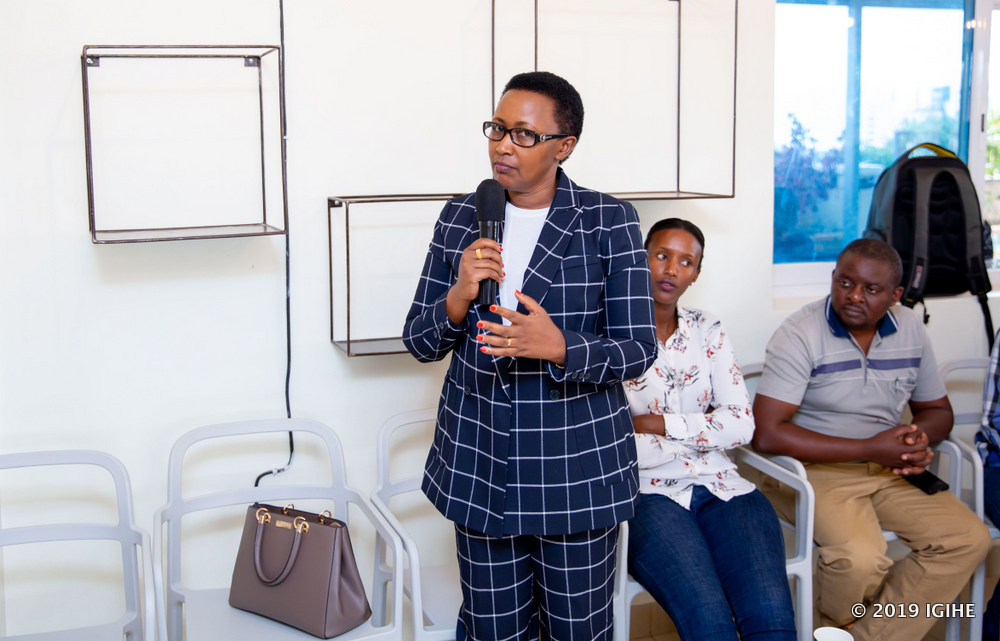
The partnership between both sides was announced in Kigali yesterday during discussions that brought together 50 women entrepreneurs and representatives of Finnfund, a development finance company from Finland that supports investment projects.
These discussions were organized by the UN Women in Rwanda and Finland Ministry of Foreign Affairs.
Participants were taken through opportunities in working with Finland companies and expertize that can be shared on both sides.
It is for the first time Finnfund launches cooperation with Rwanda’s companies starting with women entrepreneurs in capacity building.
Participants who talked to IGIHE revealed that they expect to gain a lot from a partnership with Finland companies involved in activities related to technology, agriculture, and artisans among others.
Abamenyo Florence, the head of an Early Childhood Development center based in Gasabo district said acquired knowledge will help to grow operations.
“It will empower us to earmark much effort in programs offered to children, training women on preparing balance diet to tackle stunting among children. We shall also keep our objective to support those giving birth from unexpected pregnancies to learn new life skills and creating own jobs,” she said.
The CEO of Abacu Online Ltd, Kabeja Alice highlighted that they expect to get international expertize from the partnership. “ We expect improved knowledge, the popularity of our activities in Finland and exchange of best practices visa versa,” she said.
Statistics from Rwanda’s Private Sector Federation indicates that 42% of companies are led by women in the country.
Schadrack Dusabe, the UN Women National Program Coordinator said that they target to connect 20 companies with Finland ones.
“UN Women seeks to empower women. Obtaining information about investment opportunities is crucial. We expect cooperation between companies on both sides,” he said.
The head of Unit for Development Finance and Private Sector Cooperation in Finland Foreign Affairs Ministry, Miia Haavisto-Koskinen told IGIHE that they decided to work with Rwanda because of the country’s political will to empower women.
“Finland attaches great importance to the principle of gender equality. It is our goal to promote gender equality in investment through cooperation. The cooperation with Rwanda’s companies will have an impact in economic development beneficial to both sides,” he said.
The project to acquire the satellite is being implemented in collaboration with the Government of Rwanda and Japan through Tokyo University.
‘RWASAT I’ is expected to be completed by the end of May 2019 to be handed to the Japan Aerospace Exploration Agency (JAXA).
The Japan Ambassador to Rwanda, Takayuki Miyashita said that the satellite will be completed soon.
“The first satellite assembled by Rwandans supported by Tokyo University will be completed towards the end of May and handed to JAXA which will take it to airspace controlling station before it is launched,” he said.
“I am informed that the satellite will be launched into space within three months. It will be operating in August or September this year,” added Miyashita.
It is expected that representatives of Tokyo University in Transform Africa Summit to be held in Kigali on 14th -17th May 2019 will update on the progress made for the satellite to be operational.
RWASAT I was built in collaboration with Tokyo University and five Rwandans getting training in Japan.
It is a small satellite with advanced technology in data gathering. It is similar to another satellite TRICOM-1R belonging to Japan launched on 3rd March 2018. The latter weighs three kilograms and serve to collect data using cameras.
Rwanda’s satellite will be used in agriculture and preserving the environment.
RWASAT I will be the second satellite Rwanda launches in the space following the launch of ‘Icyerekezo’ satellite on 28th February 2019 expected to expand internet in rural areas.
It was launched by the Government of Rwanda in collaboration with OneWeb.
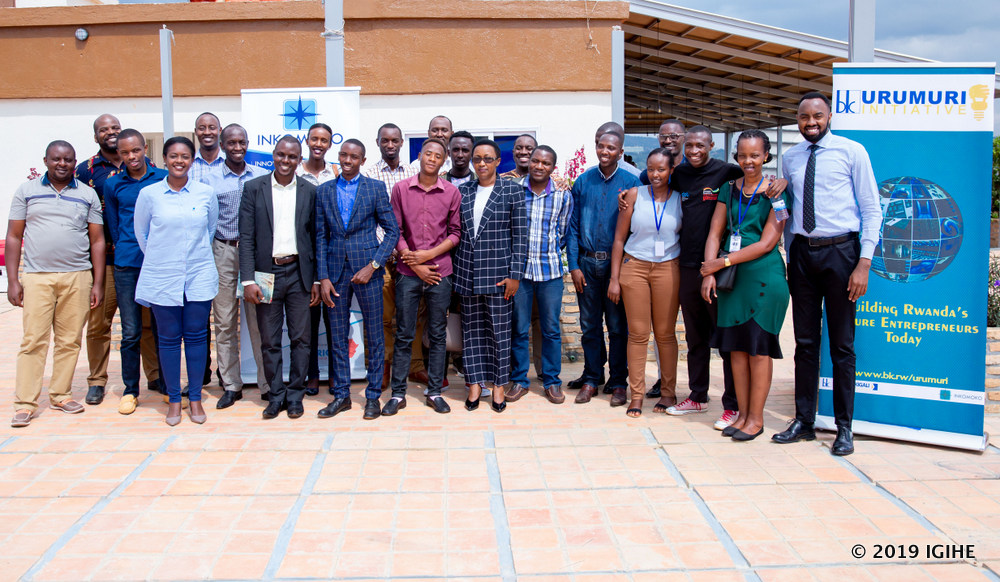
BK Urumuri initiative was started in 2017 as BK celebrated 50 years anniversary.
It aims at supporting young startups with promising projects promoting Made in Rwanda.
The 25 entrepreneurs announced today have been selected from 100 contestants who registered for the program.
Thierry Nshuti, Bank of Kigali’s head of marketing revealed that the bank is committed to back startups with the quest for self-progress and the country in general.
“It is the concept of the Bank of Kigali to support Rwandans with ideas promising to take the country to greater heights,” he said.
Nshuti explained that BK wants beneficiaries to become potential entrepreneurs who might in return become the bank’s corporate clients.
The 25 selected winners will attend six-month business incubation in project management, human resource, marketing and sales among others.
The training will be offered by Inkomoko Entrepreneur Development which helps start-ups with projects promising to create new jobs.
Angelique Uwamahoro, owner of Ortho-Promed company making prosthesis of differently abled people in Nyamirambo Kigali city expressed delight for emerging among selected beneficiaries that she will venture into making prosthesis not available in Rwanda if she gets qualified for the interest-free loan.
Deogratias Mutuyimana, another selected entrepreneurs owning a company making charcoal efficient braziers said he anticipates expanded business and more job creations if he gets the interest free loan.
Other selected projects are related to garments making and agri-business among others.
The CEO of Inkomoko, Nathalie Niyonzima said selected entrepreneurs will acquire necessary skills enabling the growth of their enterprises if they draw attention on the training to be offered.
After completing the six months of training, five from the 25 entrepreneurs will be selected for an interest-free loan provided by the Bank of Kigali.
Ntarama memorial was a Catholic church which turned into a memorial after Tutsi were brutally killed in it during the 1994 Genocide against the Tutsi.
It is home to 5000 genocide victims killed in the church and surroundings during the 1994 Genocide against the Tutsi.
After receiving explanations on genocide history, The Managing Director of Mayange Rice Company Ltd, Célestin Nzeyimana said visiting the memorial gives an opportunity to reflect on bad history that characterized the country during the 1994 Genocide against the Tutsi and draw measures towards preventing re-occurrence
Nzeyimana explained that staff from different plants were also involved in genocide noting that it is the responsibility of the company’s staff to stand against those evil acts.
“We have come to visit you and deliver a message of solidarity. We also want to communicate that our ideas aimed at striving for Rwandans unity oppose to those led by discrimination during the genocide. Genocide never again,” he said.
Mayange Rice Company Ltd donated foodstuff including rice, beans, cooking oil and sugar to 50 vulnerable genocide survivors in Ntarama sector.
Ntarama sector social affairs officer, Jean de la Croix Kabarega lauded the management of Mayange Rice Company Ltd for the kind act to express solidarity with survivors in the area during the rebuilding process.
The firm visited Murambi and Bisesero during previous commemoration period and usually organizes other support given to genocide survivors at different times.
According to the Management of the National Institute of Statistics (NISR), the six-floor building was completed at a cost of USD $10 million (Rwf 9 billion).
Construction activities began in 2016.
The Statistics Training Center & Data Science Campus building is located at the headquarters of NISR.
It has been inaugurated this Thursday as Rwanda is hosting the 5th International Conference on Big Data which is taking place in the new state of the art building.
The Director-General NISR, Yusuf Murangwa said that the building will especially facilitate the training of Rwandans in maximizing benefits from statistics.
He explained that there is a gap inefficient use of statistics despite the vital role they play within different institutions.
“We have enough space here. We shall be dedicating time to invite all parties, including government institutions, journalist, non-governmental organizations to show statistics we made and their perceptions, how they can use them to scale up knowledge in the application of statistics in the country,” said Murangwa.
He revealed that institutions concerned with budget planning should draw emphasis on using such statistics to enhance the efficient allocation of budget and fast-track development.
“We want to train as many people as possible. Government institutions having statisticians and budget officers, officials in charge of economic affairs. It is not only in government institutions but also in the private sector. We would take them abroad for training but we shall train them here, easing our work and enabling us to train a large number,” said Murangwa.
Prime Minister Dr. Ngirente Edouard who inaugurated the new building also opened officially the 5th International Conference on Big Data.
The Premier thanked the United Nations Statistics Division and other members of the UN Global Working Group (GWG) on Big Data for Official Statistics, for having selected Rwanda to host this year’s conference.
He also hailed all international partners in statistics for their collaboration with the Government of Rwanda in organizing the conference.
Explaining the importance of the conference, the Prime Minister said that it was a good opportunity to discuss global statistical development issues. He reassured participants that their decisions and deliberations would play a key role in the development journey.
Premier Ngirente called upon all National Statistical Systems to invest in strengthening legal and policy frameworks that ease data sharing while building strong standards for data ethics and protection, to expand data access and ensure appropriate use.
He has revealed it today as he officiated the launch of the International Food Policy Research Institute (IFPRI) 2019 Global Food Policy Report (GFPR) at Kigali in Rwanda.
“We are projecting to meet, by 2030, the SDGs targets of ending poverty in all
its forms everywhere, end hunger, achieve food security and improved nutrition and promote sustainable agriculture,” he Premier Ngirente.
He thanked the leadership of IFPRI led by Dr. Shenggen Fan, for their consistent engagement in strengthening the partnership between IFPRI and the Rwandan Government and for deciding to launch the report in Kigali.
The 2019 Global Food Policy Report indicates that poverty and food insufficiency continued to persist in 2018 due to different problems including climate change, tensions in relations and trade between countries, environment degradation among others.
Despite improved countries’ economic development, the report revealed that governments seem to have turned the back against programs meant to promote rural development concentrating on promoting cities while 80% of poor people worldwide are from rural areas.
Premier Ngirente highlighted that findings of this report clearly show that Rwanda is on the right path to Africa’s journey to revitalize its rural areas. He explained that, in this regard, Rwanda has made some concrete progress in rural revitalization.
Premier Ngirente informed participants of the event that in a bid to embark on rural transformation, Rwanda has implemented the Strategic Plan for Agricultural Transformation (PSTA4) which aims at significantly increasing the productivity of different inputs invested in the agricultural sector, and promoting market linkages and value addition to agriculture produce.
He called upon policymakers to continue empowering agriculture professionals and strengthening research in order to address existing challenges in the agriculture sector and to increase investment in agriculture as well as promoting the use of modern technologies.
Premier Ngirente commended the report because it details, with evidenced-based facts, the urgency of rural revitalization in order to address the crisis of food insecurity in rural areas and reiterated that the Government of Rwanda looks forward to continuing its collaboration with IFPRI on its development journey.
Shenggen Fan, the Director General of the International Food Policy Research Institute (IFPRI) said that, 20 years ago, countries had adopted the program focusing on the development of rural areas but deviated later to concentrate on cities.
He explained that economic progress through the development of cities had no positive impact on rural development heavily relying on agriculture.
Shenggen noted that such situation shall be improved through considerable investment in agriculture which is expected to tackle the problem of joblessness facing the world. In September 2017, UN Food and Agriculture Organization (FAO) reported 821 million people experiencing persistent hunger up from 804 million in 2016.
The project is much anticipated between both countries especially for Rwanda as a landlocked nation.
The railway on Rwandan side will follow the lowland through Ngoma, Kirehe, Bugesera and Kicukuro districts.
On Tuesday this week, Jean de Dieu Uwihanganye the Minister of State in charge of Transport in the Ministry of Infrastructure (MININFRA) requested parliamentarians to pass the draft law approving agreements between Rwanda and Tanzania concerning the implementation of the railway project ‘Isaka-Kigali’ signed in Kigali on 09 March 2018.
Uwihanganye explained that the project will greatly contribute to Rwanda’s development when completed.
He revealed that Rwanda has already designed the master plan waiting for approval.
“Rwanda has already made the master plan to be approved by the cabinet meeting in May this year. As you know, Rwanda promotes private investors. That is why we feel the Isaka-Kigali railway project should be executed under public –private partnerships. On the other hand, Tanzania seeks to get financing from the government only. This is how the situation is,” said Uwihanganye.
The 532 km railway will pass through Rusumo border to Kigali city. There will be an extra part of the railway leading to Bugesera International Airport.
The railway on the side of Rwanda will be 138 km with the rest of 394 being on Tanzania side.
It is estimated to cost USD $3.6 billion on completion. Tanzania shall meet USD $ 2.3 billion while USD $ 1.3 billion is required on Rwanda side.
Minister Uwihanganye said there should be no assumptions to have fixed everything by next year because Rwanda and Tanzania have not yet agreed on the source of funds.
“It was realized that it would be hard for the government to opt for loans. It is clear how difficult it is obtaining a loan of USD $ 3.6 billion or USD $ 1.3 billion on the side of Rwanda unless other activities are halted. What is possible is to bring in private investors to reduce the debt burden for the country. This is what we are still discussing to reach consensus,” he explained.
Uwihanganye explained that the implementation of the project will reduce transport costs by 40% hence positively impacting on Rwanda’s imports and exports.
The Magazine was launched on Tuesday in the name of ‘Rwanda Public Health Bulletin’.
It will be released twice a year in March and September to be distributed in health centers, hospitals, and offices for free.
It will feature contributions from medical practitioners, experts, and researchers in the health sector.
The first issue of Rwanda Public Health Bulletin has 38 pages including stories on family planning, citizens’ health, Malaria among others.
It is written in English but the ministry is seeking how to double with production in Kinyarwanda version.
The Minister of Health Dr. Diane Gashumba has said that the medium will help Rwandans and foreigners to access investigative and credible health information helping to tackle rumors.
“It will feature stories we believe Rwandans are hungry for. It will show the implementation of different programs hence tackling rumors so that we impart credible information and healthy habits to Rwandans,” she said.
“This is the channel that will help hospitals, Rwanda Biomedical Center, universities and the ministry do that whoever wants to make publications in health sector do it after reviewing of different people so that Rwandans become informed,” added Dr. Gashumba.
Minister Gashumba said the book will be released twice a year because it will feature many stories requiring enough time for preparation and editing.
Medical practitioners and lecturer at the University of Rwanda who is the Chief Editor, Prof. Mutesa Leon said that Rwandans and foreigners can obtain credible information on the current status of diseases or particular outbreak in Rwanda from the medium.
The Magazine will complement existing communication platforms of the Ministry of Health.
Minisante already has ‘Rwanda Medical Journal’ which focuses on research but Rwanda Public Health Bulletin will draw attention on public health, outbreaks and communicating health policies among others.
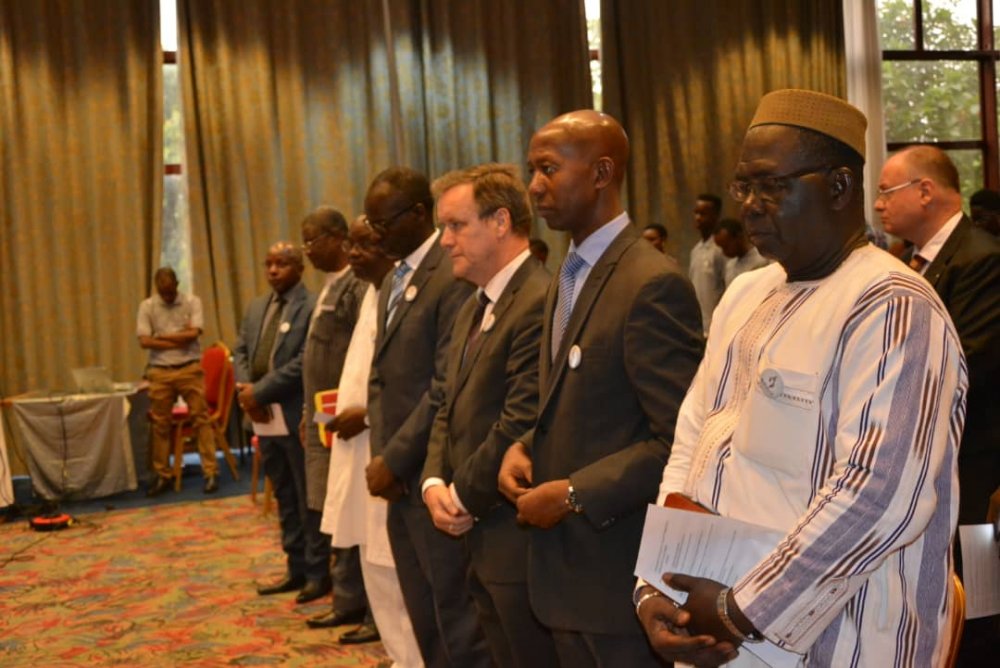
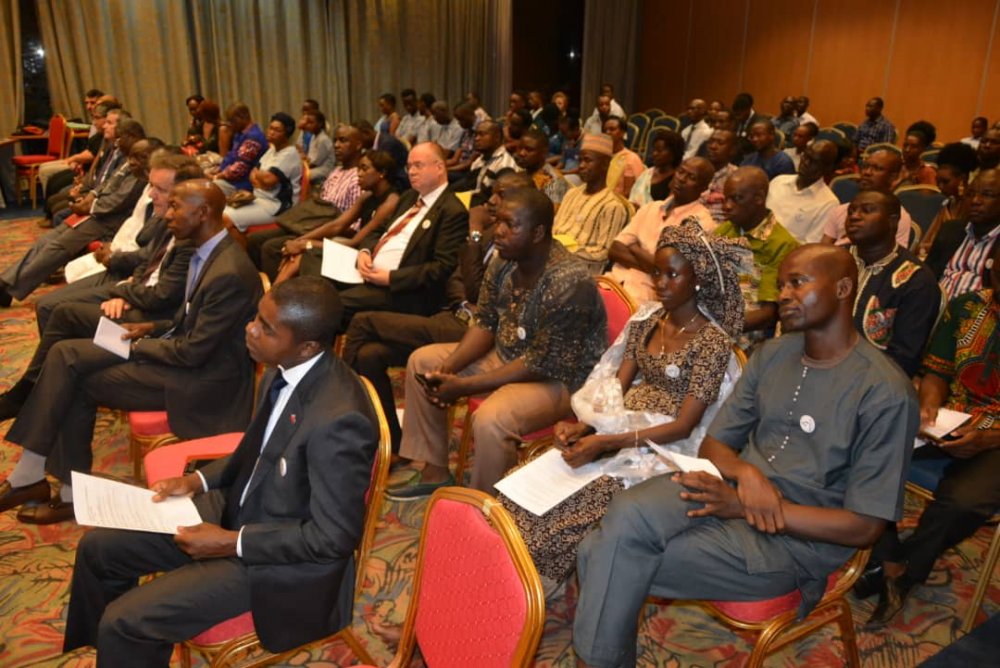
The commemoration that took place in Ouagadougou city at Hotel Laïco Ouaga 2000, this week was attended by over 100 participants including Rwandans in Burkina Faso, officials, envoys representing their countries to Burkina Faso and friends of Rwanda.
The representative of the Rwandan community in Burkina Faso, Fulgence Habiyaremye highlighted that commemorating genocide should be the responsibilities of all countries.
He reminded that remembering the 1994 Genocide against the Tutsi should go hand in hand with supporting genocide survivors to nurture their resilience.
Rwanda’s ambassador in Burkina Faso, Stanislas Kamanzi with residence in Nigeria took participants through the history of the 1994 Genocide against the Tutsi which took lives of over 1 million victims killed of torture.
He said preparation and execution of genocide were made possible by bad leadership and politics that promoted discrimination.
Amb Kamanzi said that Rwanda has overcome the dark past and gained strength to rebuild and experience unity as a community striving for common progress.
“Offended survivors willingly forgave killers who repented. Rwanda is led by visionary leadership offering equal sharing of opportunities to all Rwandans from wherever,” he noted.
Amb Kamanzi highlighted that Rwanda promotes inclusive development respecting stakeholders in all areas.
Burkina Faso Minister of State for Energy, Porgo Mamadou commended Rwandans for their efforts to rebuild the country after the genocide.