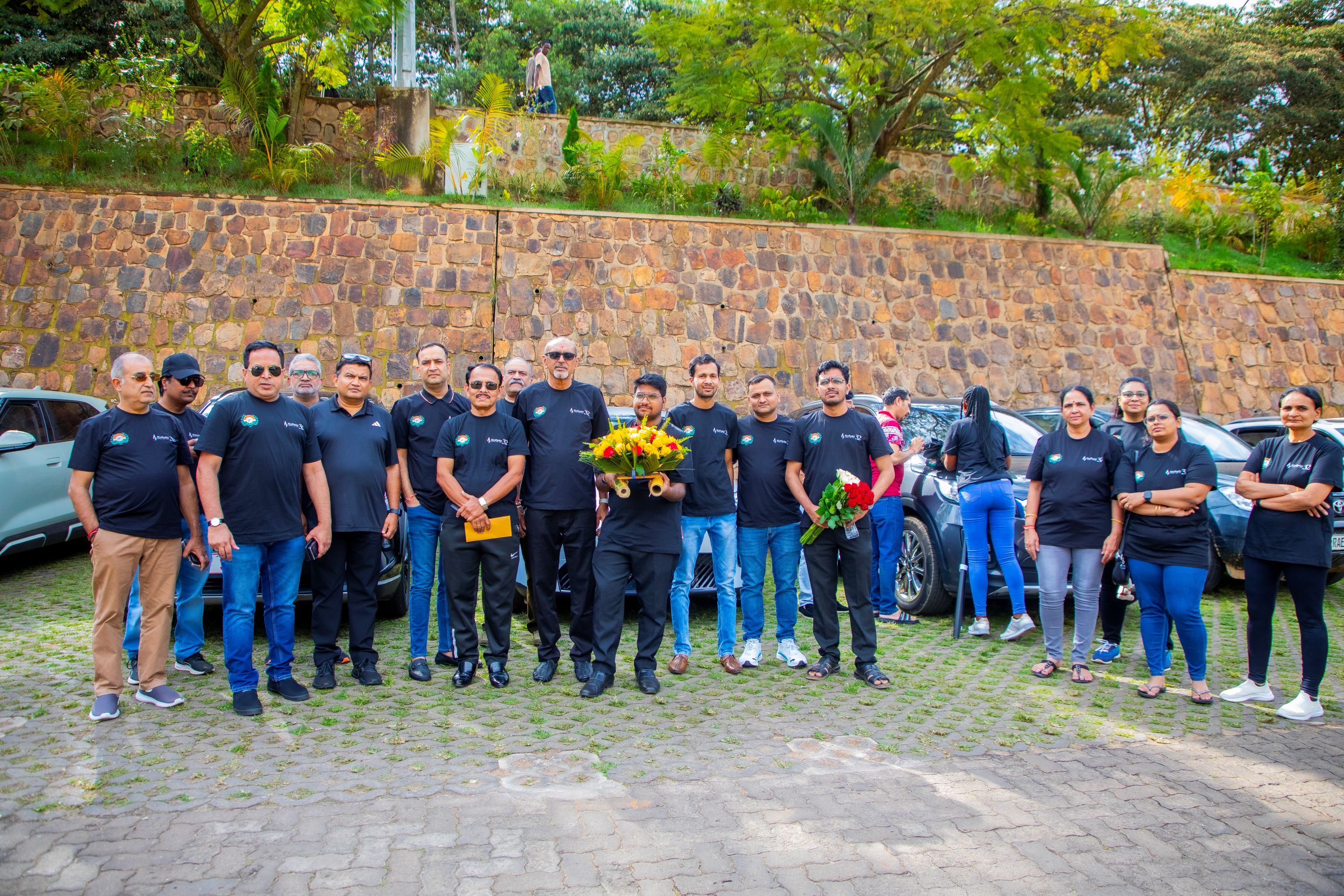
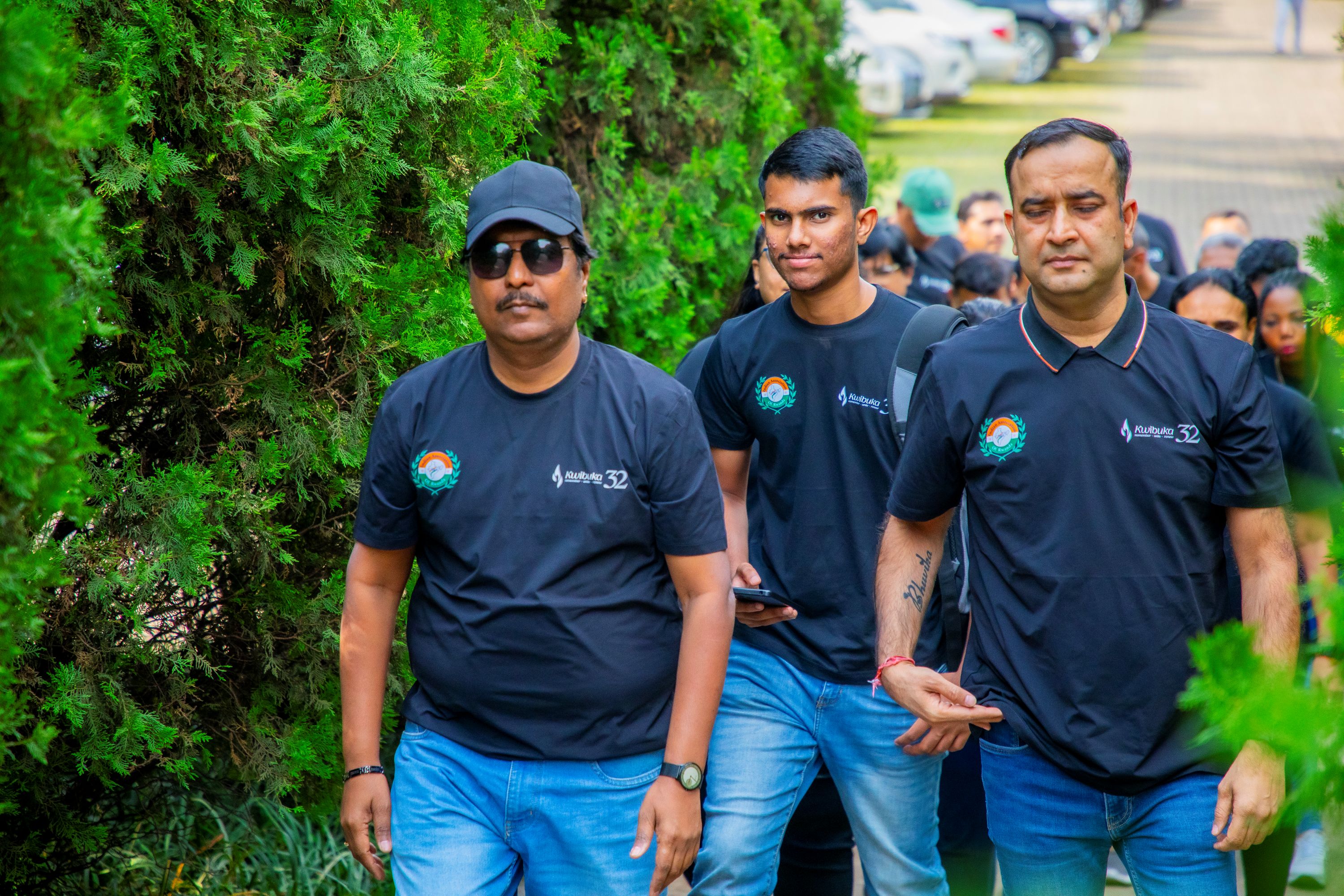
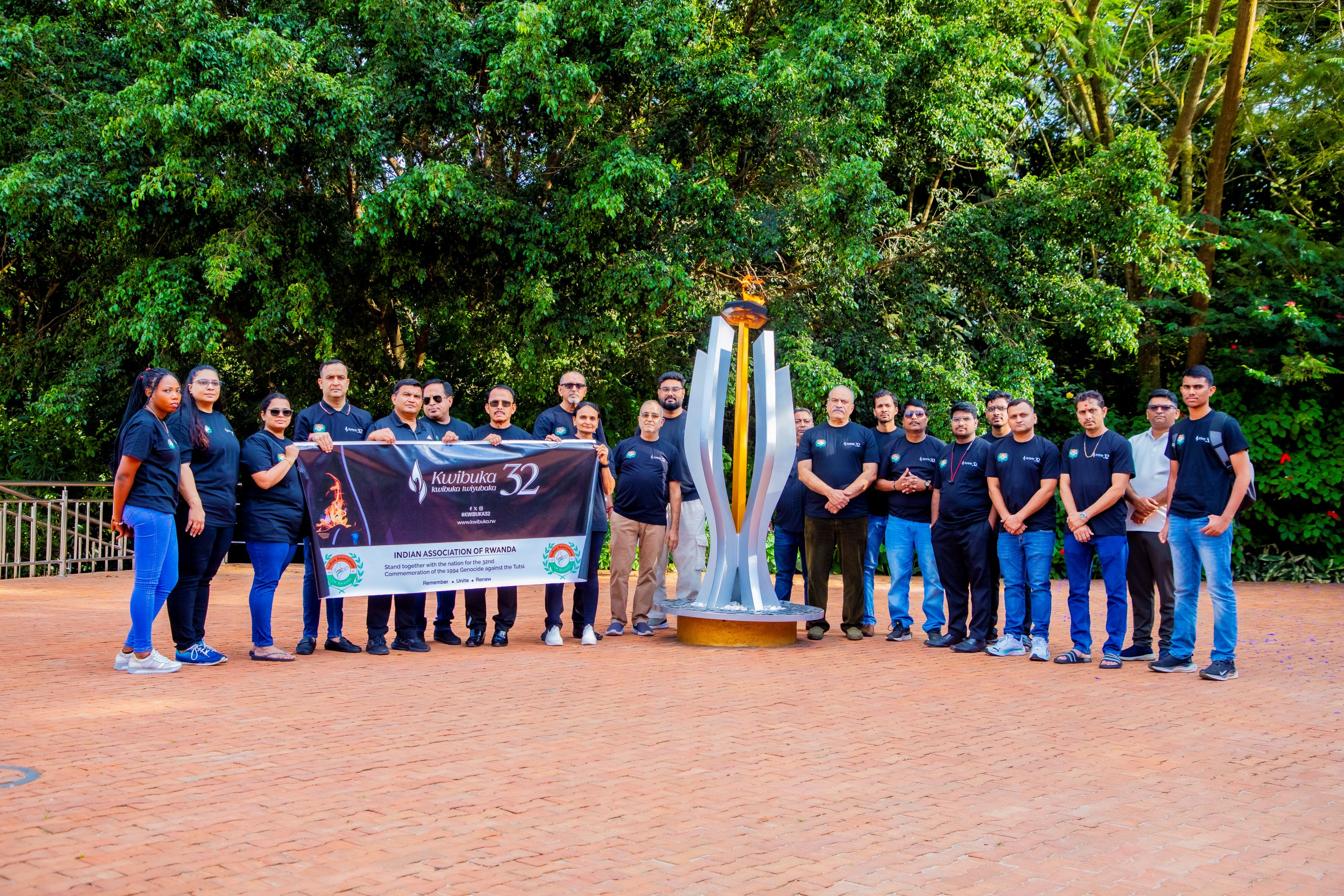
The visit formed part of commemorations marking the 32nd anniversary of the Genocide against the Tutsi. It offered participants a detailed educational tour on the history of the 1994 tragedy, from its origins to its aftermath and Rwanda’s recovery journey.
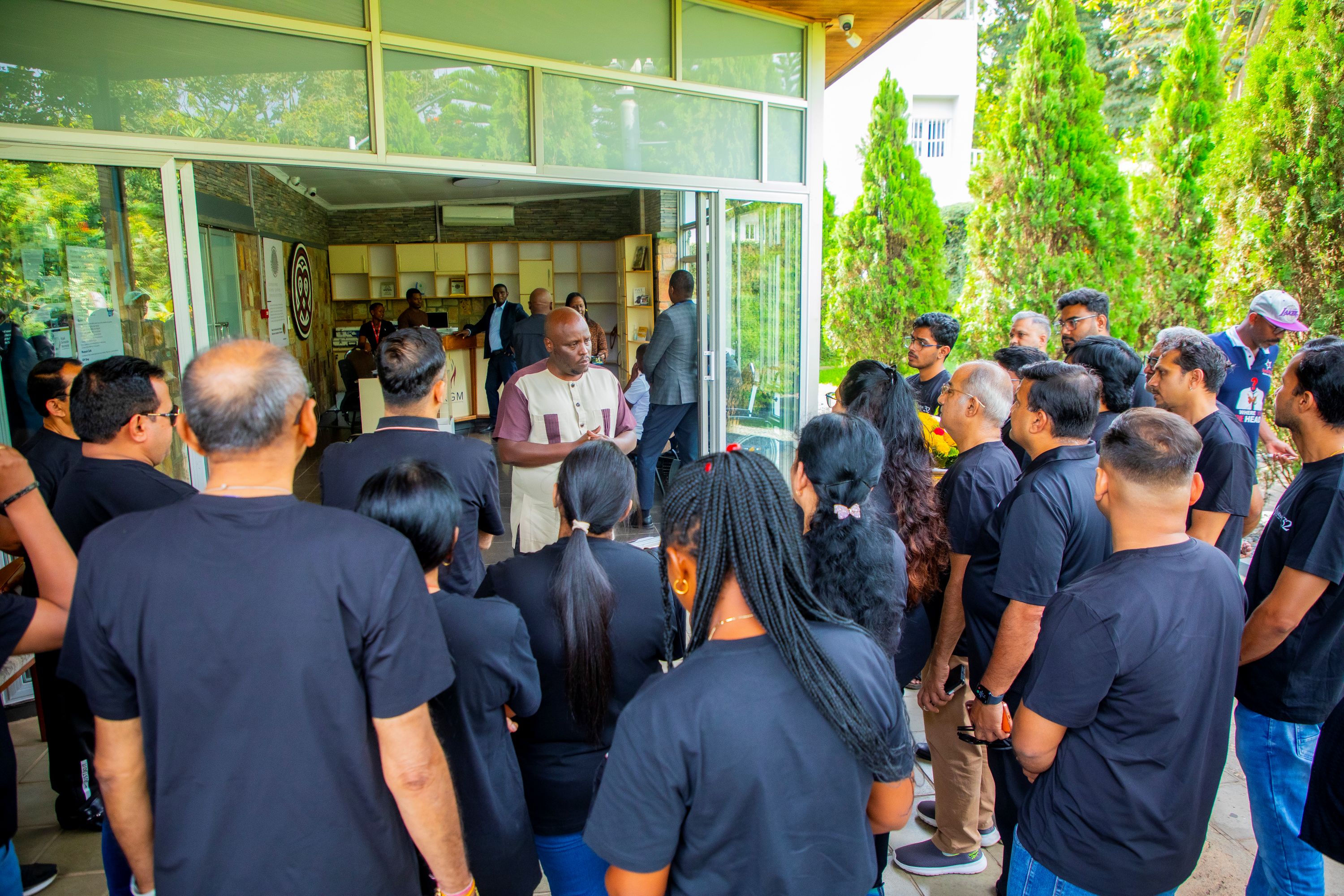
During the guided tour, members were taken through key historical elements, including the colonial roots that contributed to divisions, the role of propaganda and hate media such as Kangura newspaper and Radio Télévision Libre des Mille Collines (RTLM), and the systematic planning and execution of the genocide.
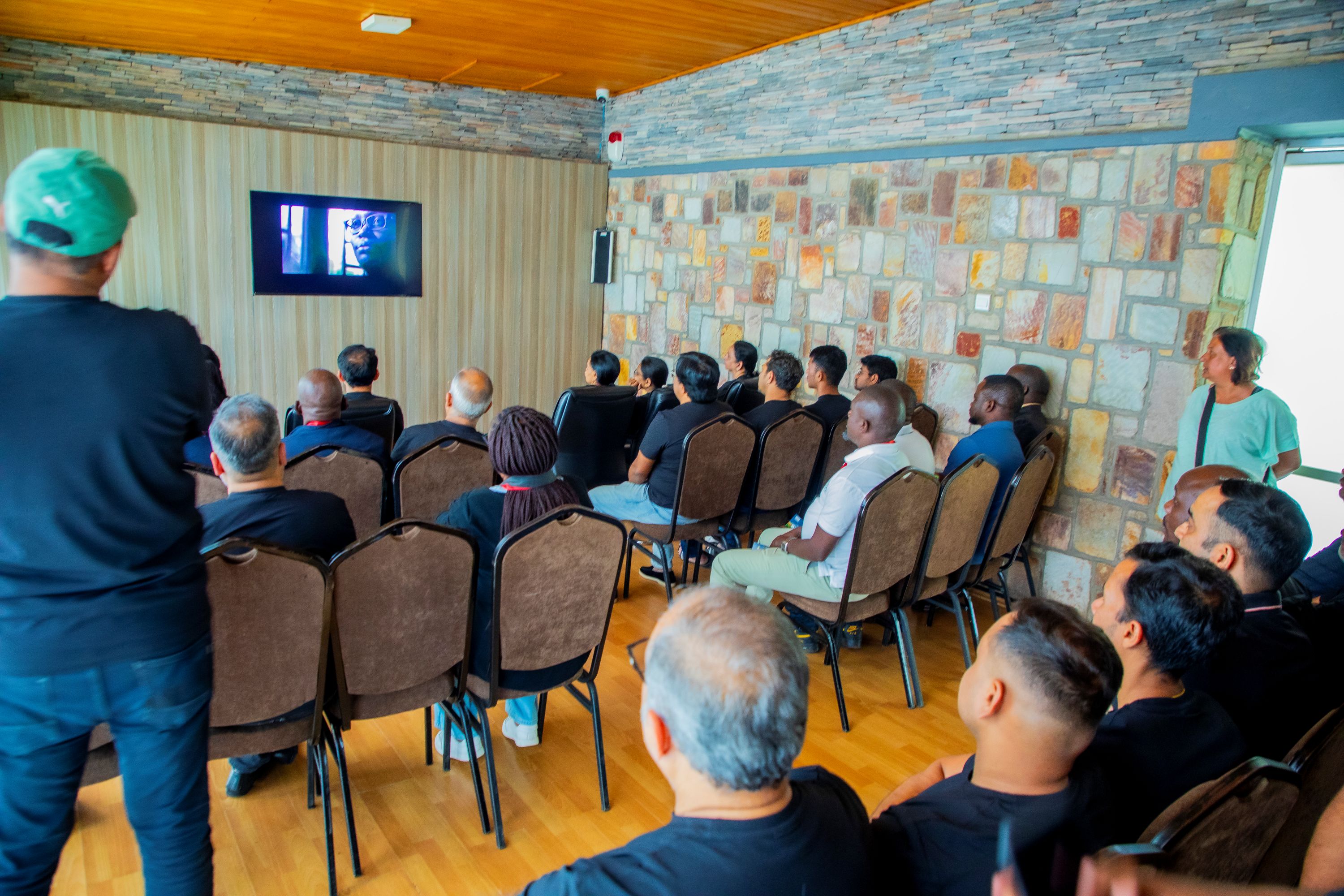
Participants also watched a short film featuring survivor testimonies that highlighted the human impact of the atrocities. The tour further examined the role of Gacaca courts in post-genocide justice, reconciliation, and the foundation of national healing.
The Genocide against the Tutsi claimed the lives of more than one million people in just 100 days before it was halted by the Rwanda Patriotic Army (RPA).
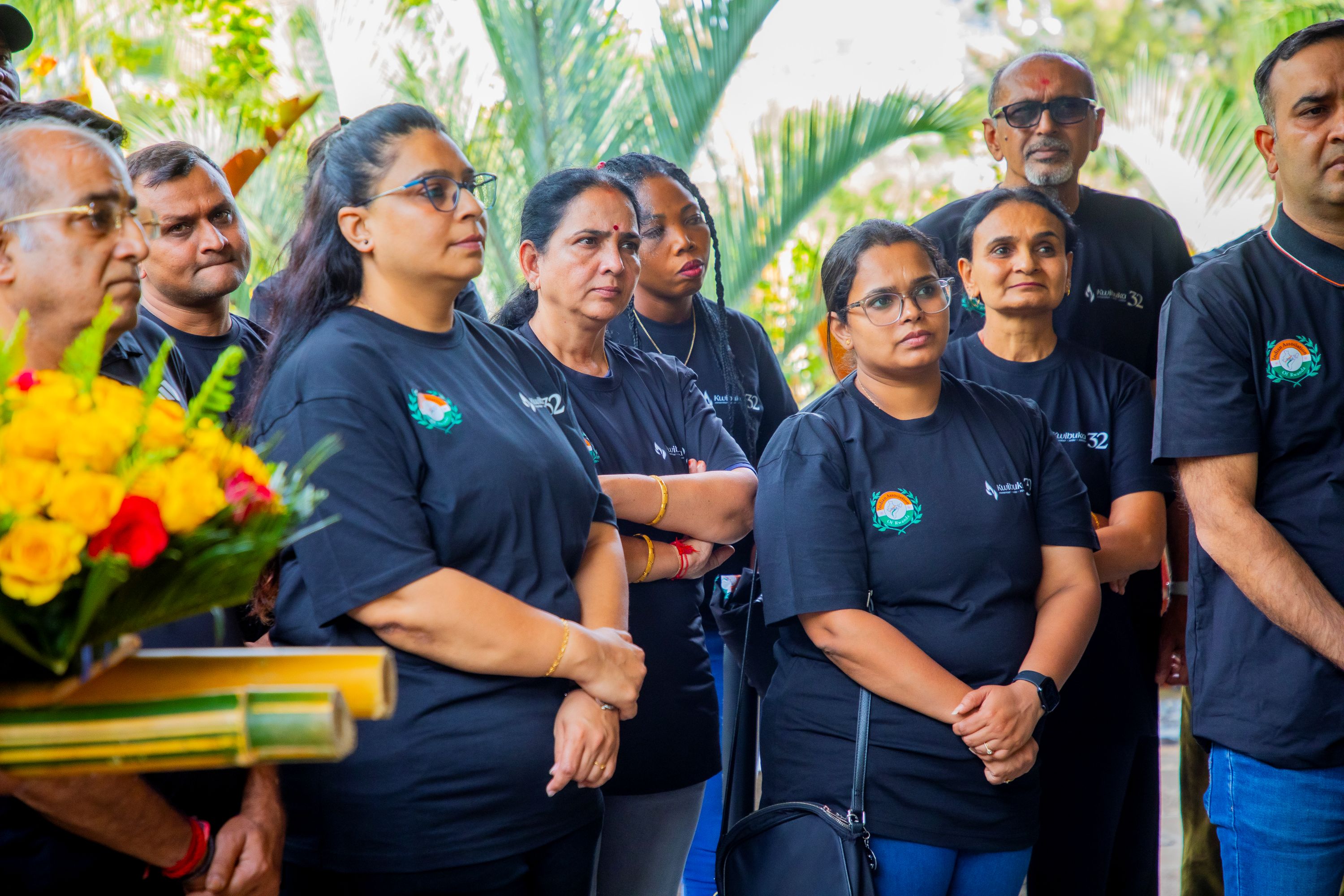
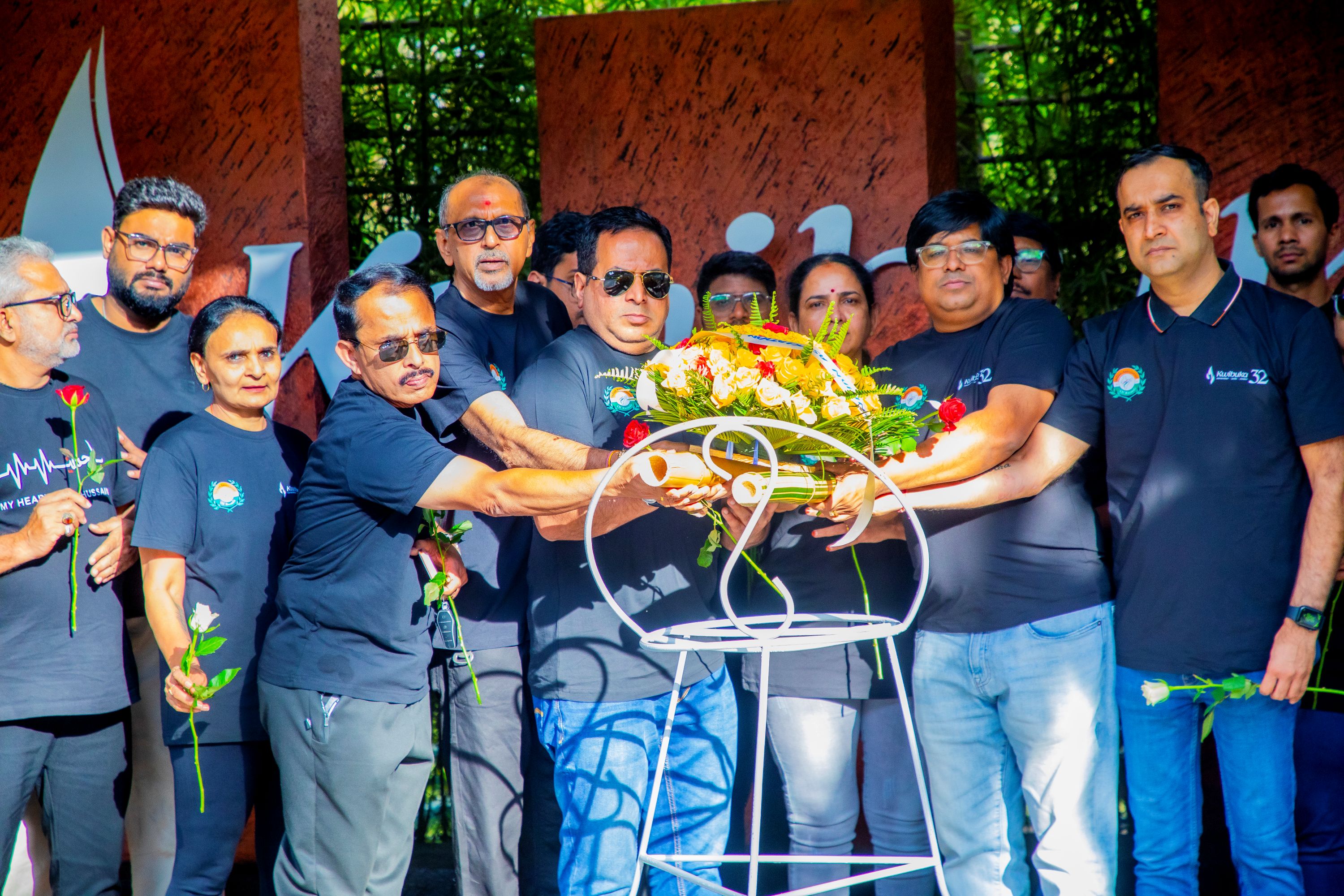
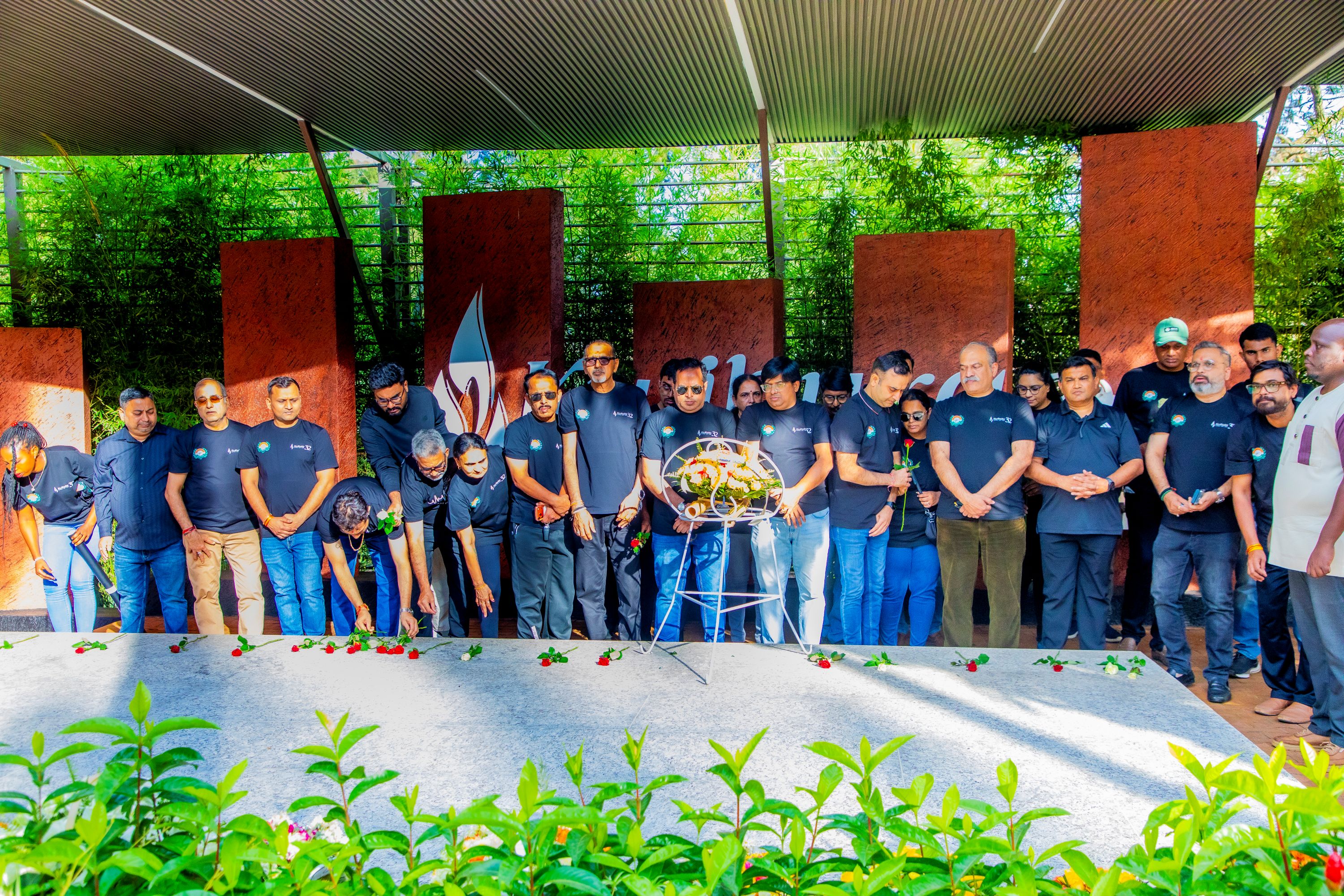
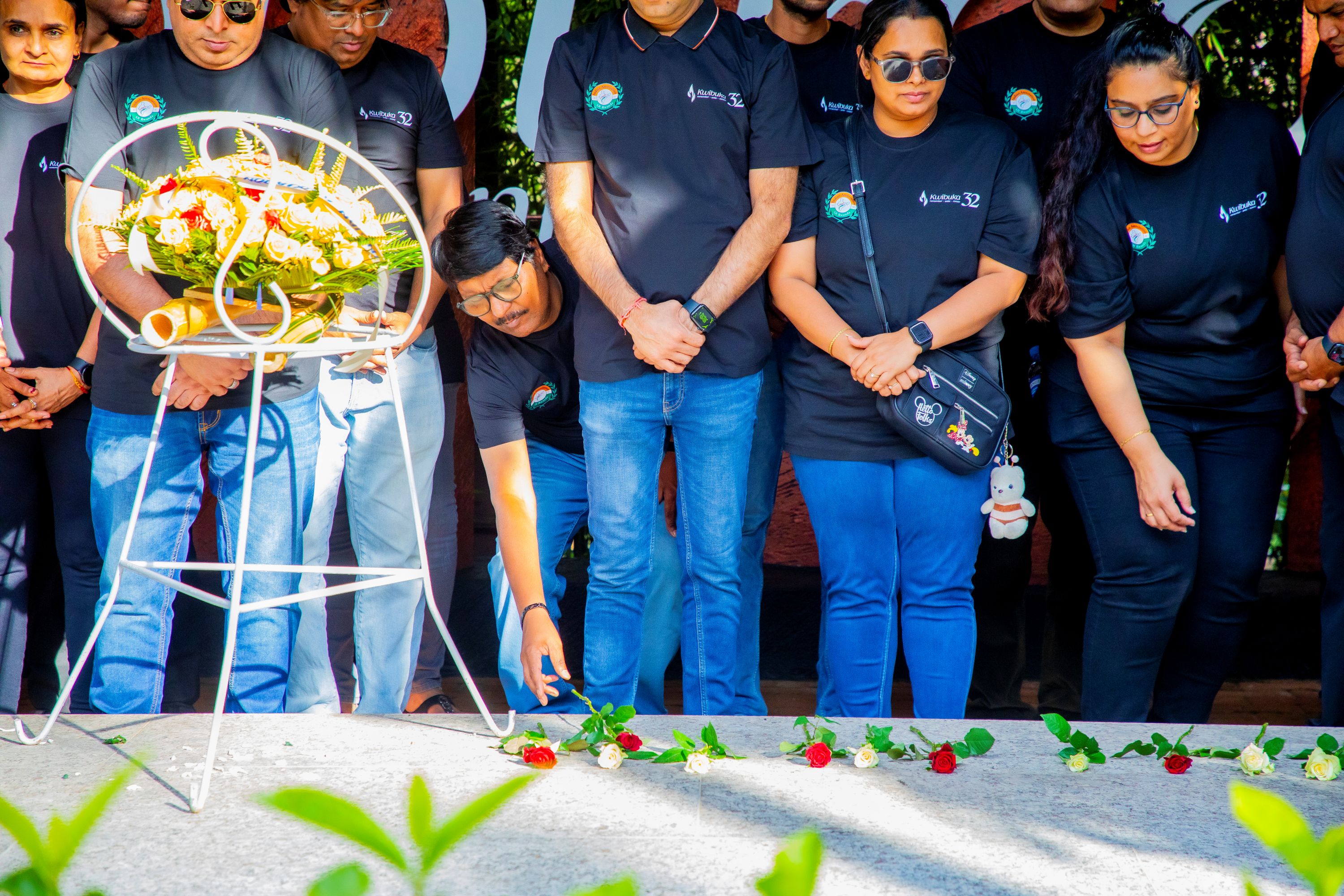
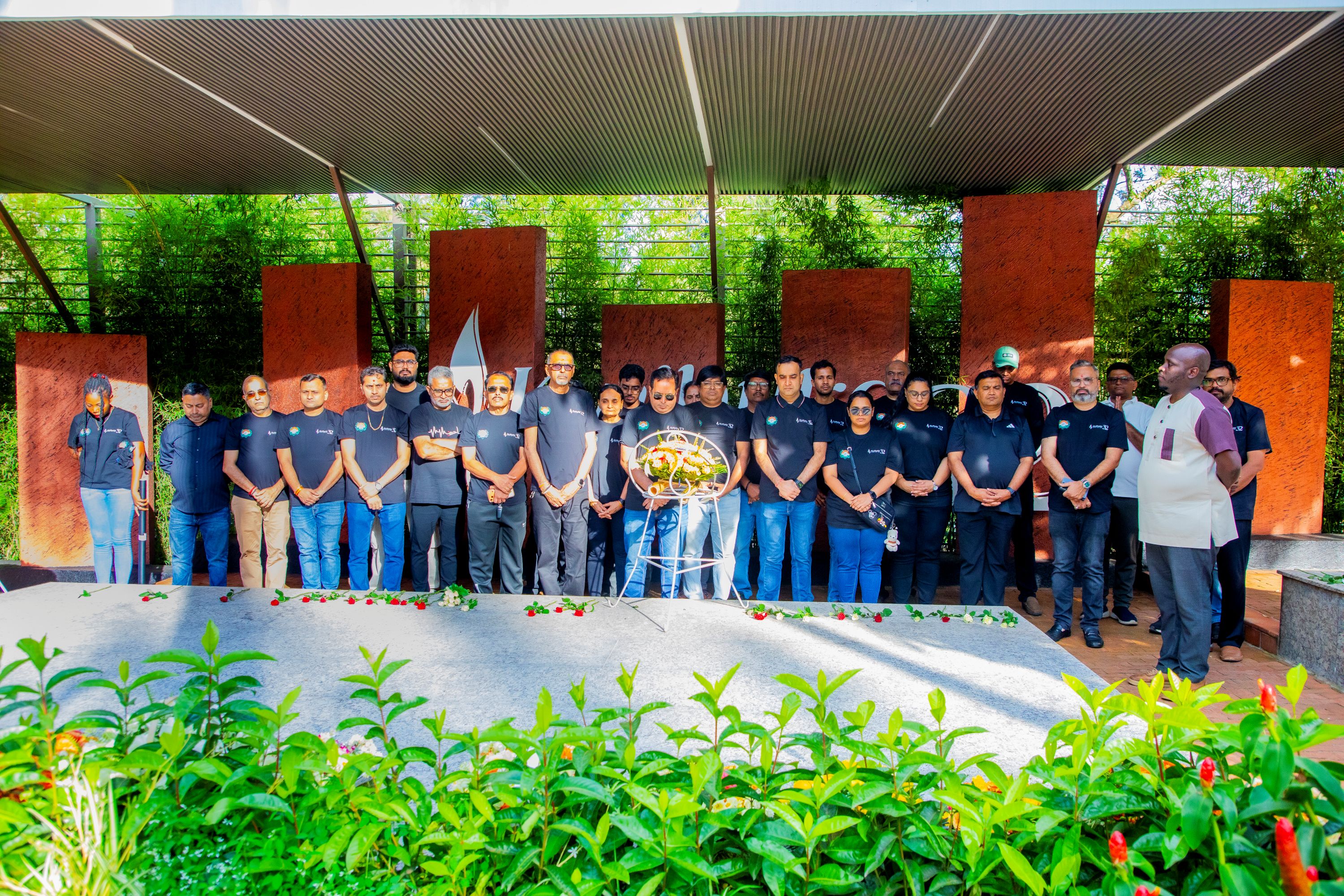
At the memorial, visitors paid their respects by laying wreaths at mass graves where over 250,000 victims are buried.
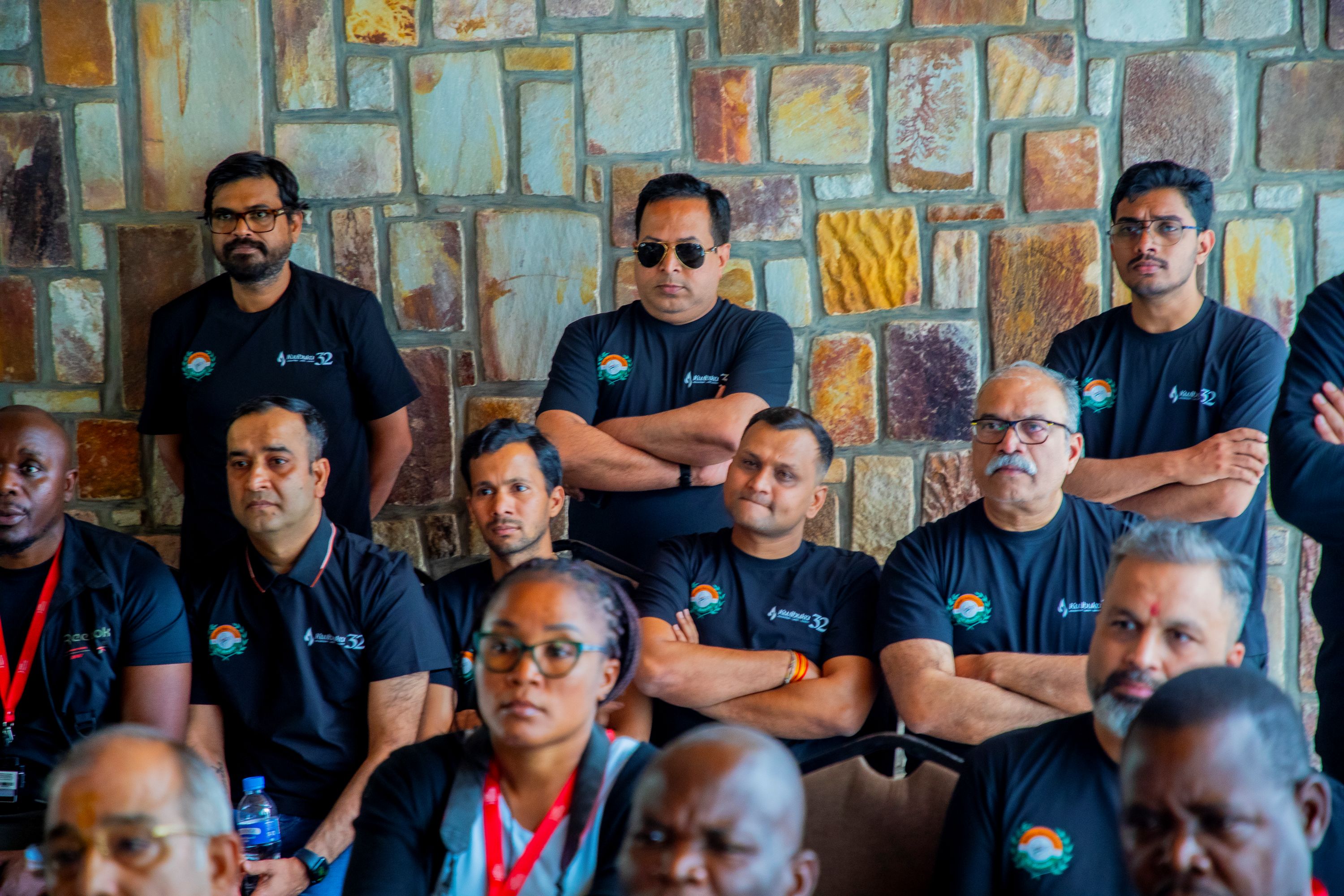
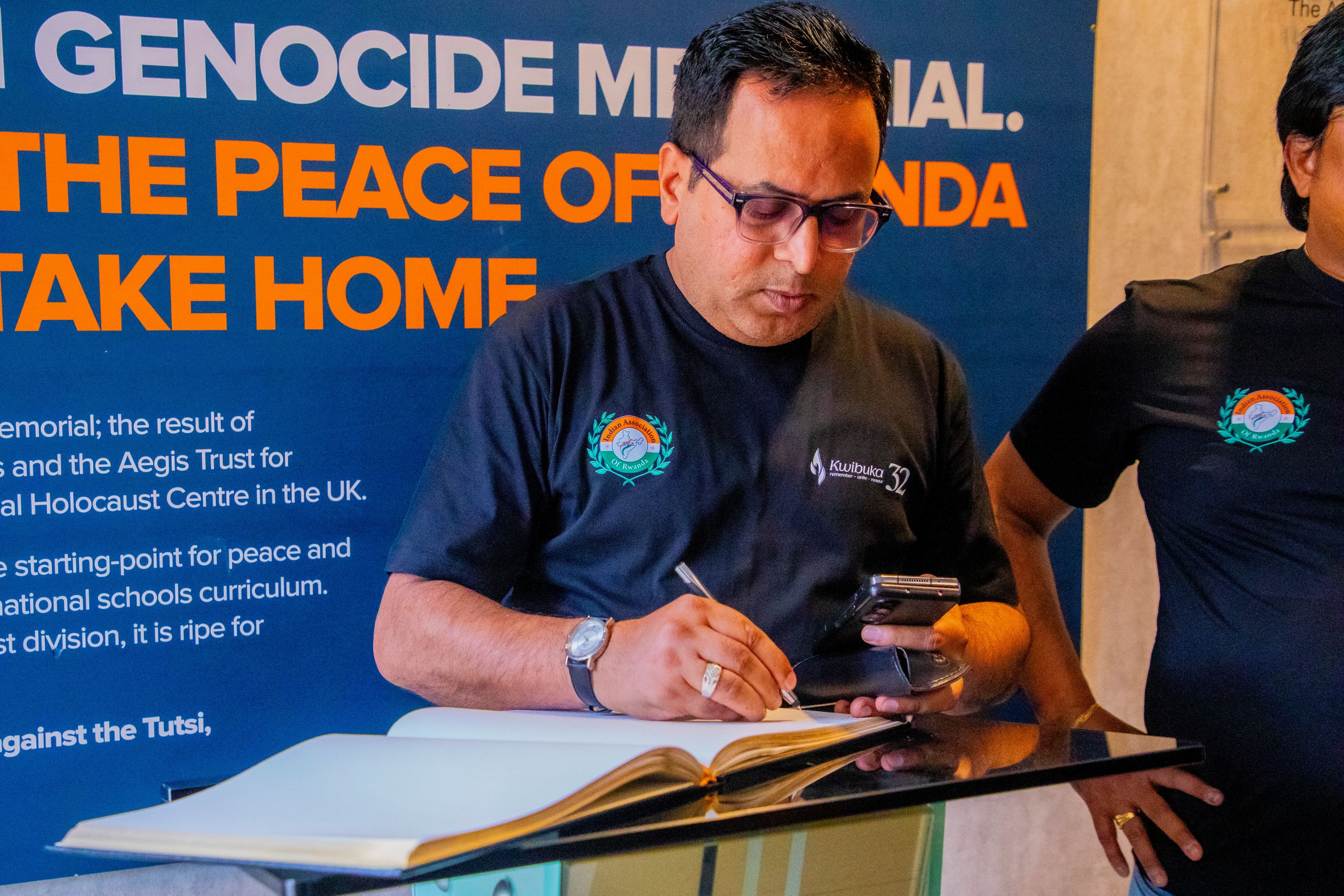
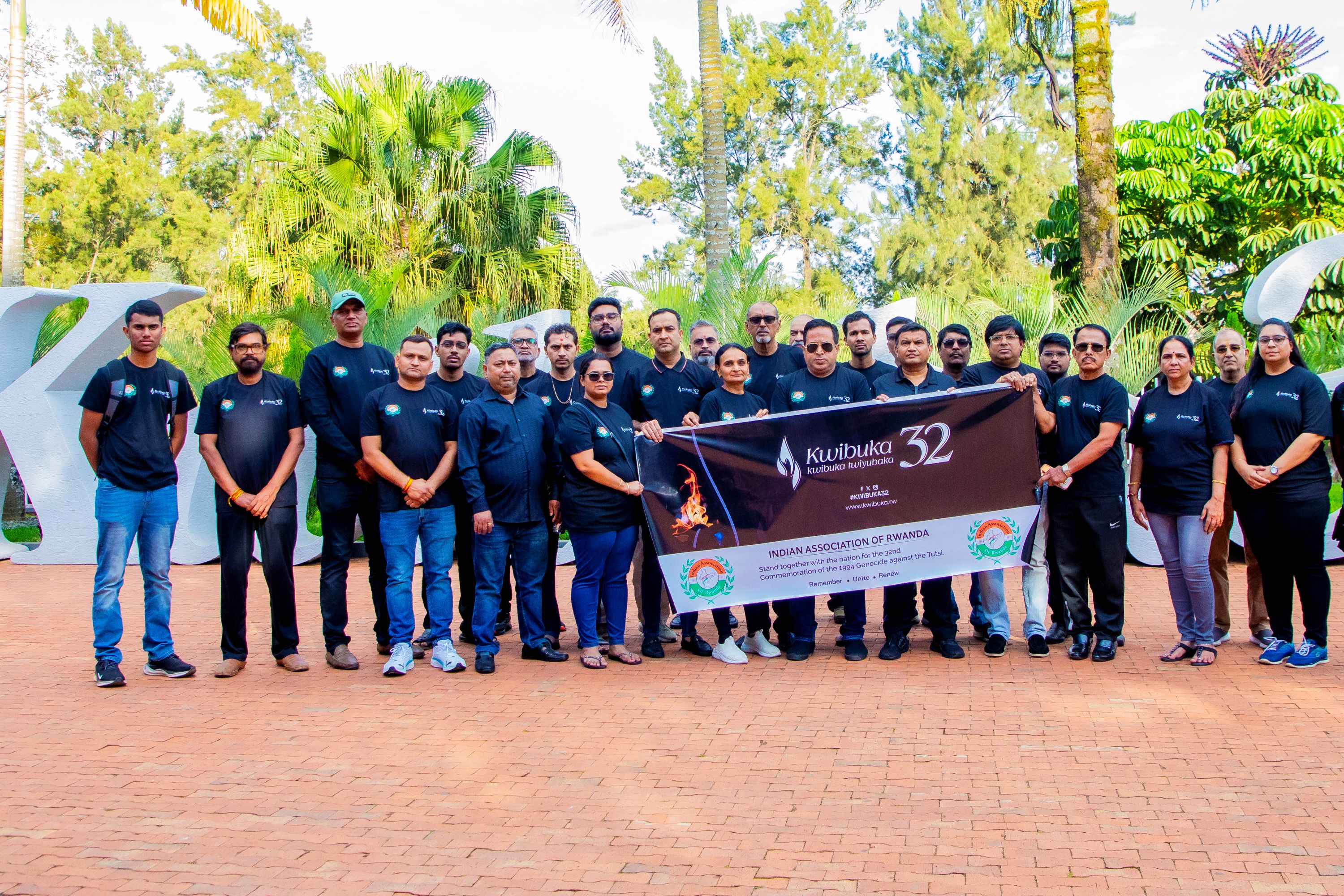
Speaking after the visit, members of the Indian Association of Rwanda reflected on the lessons drawn from the visit, stressing the importance of remembrance and global prevention of atrocities.
Mukri Hussain, Vice Chairperson of the Indian Association of Rwanda, said the experience carried a strong message of humanity.
“What happened here is really against humanity, and it should never happen again. That is the main lesson we have learned, not only for Rwanda, but for the entire world. Such events should never happen anywhere in the world,” he
stated.
He noted that for many members, Rwanda has become a second home due to the country’s transformation over the years.
Namita Machchhar, an executive member of the association, said the visit strengthened their responsibility as residents of Rwanda to learn from history and contribute to preventing similar tragedies.
“As residents of this country, we strongly believe in brotherhood and sisterhood. It is our duty to take initiatives to prevent such tragedies,” she quipped, adding that “saving one life is like saving the entire universe.”
She also commended Rwanda’s progress and leadership led by President Paul Kagame, describing the country’s development journey as remarkable.
Jagan PK, a founding member and former treasurer of the association who lived in Rwanda before and during the 1994 genocide, noted that his experience reinforced the need for global vigilance.
“Such things should never happen to mankind. Never again,” he stressed, recalling the painful events he witnessed and Rwanda’s subsequent recovery.
He described Rwanda’s transformation as a “tremendous success story,” noting that the country has become a respected example of resilience and rebuilding.
Jwala Vijay Kumar, General Secretary of INAR, also reflected on the importance of remembrance and collective responsibility, saying, “We must always remember and learn from history to ensure it is never repeated.”
Dr. Saurabh Singhal, an executive committee member, said it is a “solemn duty” of the Indian community to stand with Rwandans in honouring the victims.
“This memorial stands as a powerful tribute, not only to the intense tragedies of the past, but to the extraordinary resilience and dignity of the Rwandan people,” he remarked.

Leave a Reply