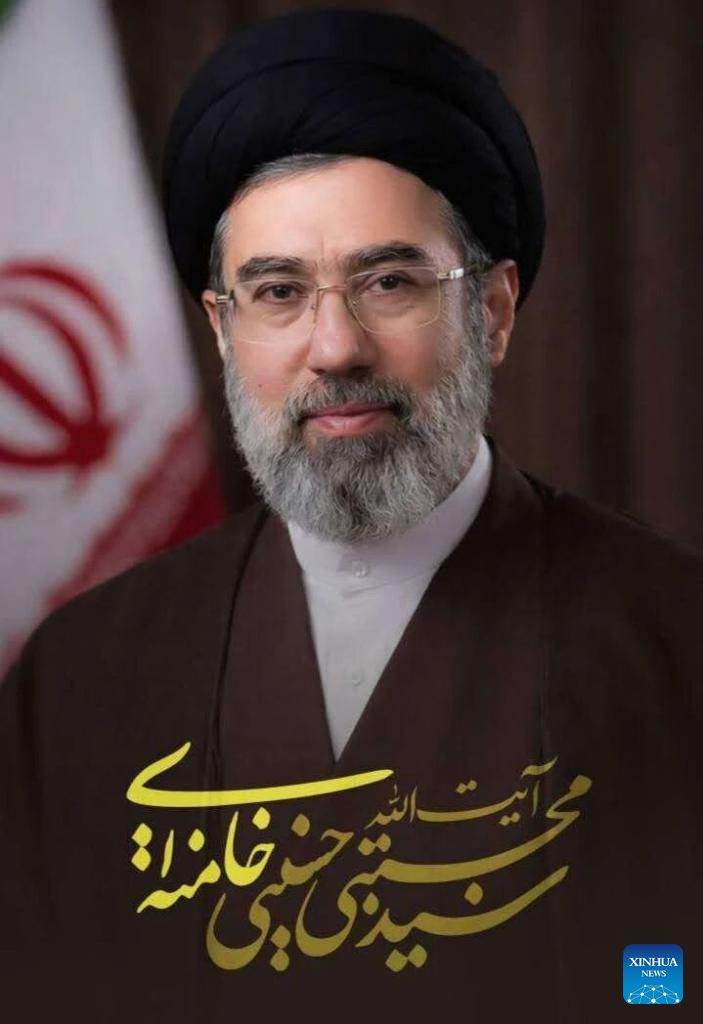
In a statement, the assembly confirmed Mojtaba Khamenei’s election as the country’s third supreme leader, citing “the decisive vote of the respected representatives” of the assembly.
“In today’s extraordinary session, Ayatollah Seyyed Mojtaba Hosseini Khamenei … is appointed and introduced as the third leader of the sacred system of the Islamic Republic of Iran,” the statement said.
Mojtaba Khamenei, born in 1969, is the son of Iran’s late Supreme Leader Ali Khamenei, who was killed in the joint U.S.-Israeli strikes.
The United States and Israel launched surprise airstrikes on Tehran and other Iranian cities on Feb. 28, killing Ali Khamenei, along with some of the leader’s family members, Iran’s senior military commanders and civilians. Iran responded through several waves of missile and drone attacks targeting Israel and U.S. assets across the Middle East.
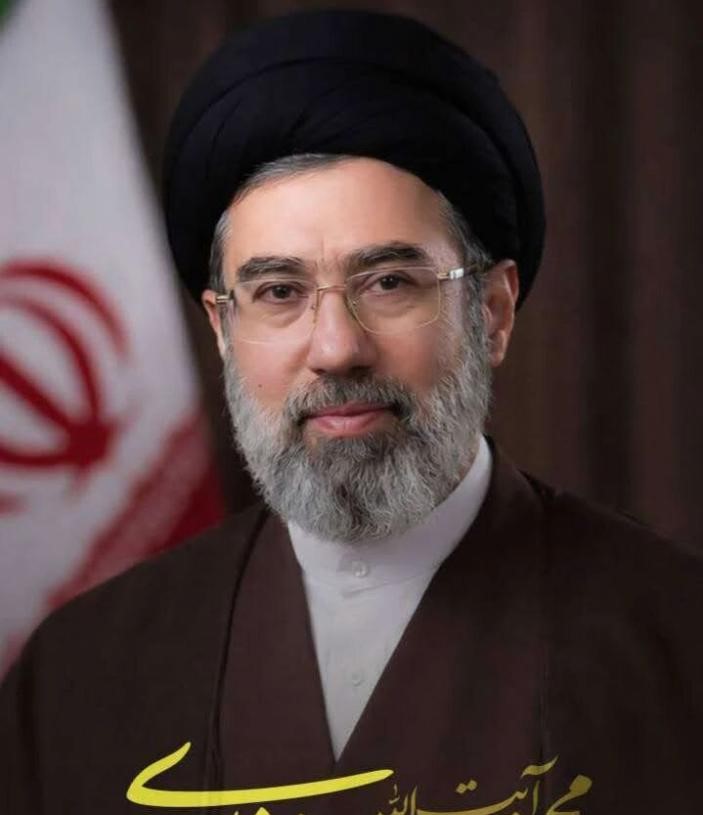
This undated file photo shows Mojtaba Khamenei, Iran’s new supreme leader. Mojtaba Khamenei, son of Ali Khamenei, was selected as Iran’s new supreme leader, Iran’s Assembly of Experts announced on Sunday.
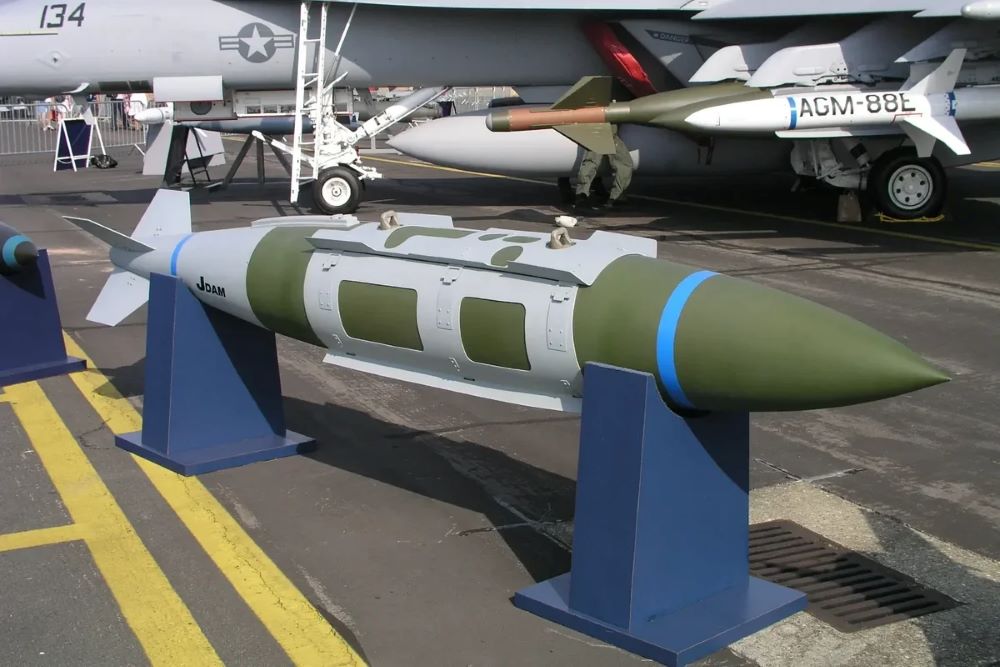
The deal is worth about 151.8 million U.S. dollars, the department said in a statement.
Israel has requested to purchase 12,000 BLU-110A/B general purpose, 1,000-pound bomb bodies, it said.
“The Secretary of State (Marco Rubio) has determined and provided detailed justification that an emergency exists that requires the immediate sale to the Government of Israel of the above defense articles and defense services is in the national security interests of the United States, thereby waiving the Congressional review requirements under Section 36(b) of the Arms Export Control Act,” it said.
“The proposed sale will improve Israel’s capability to meet current and future threats, strengthen its homeland defense, and serve as a deterrent to regional threats,” it added.
The package also includes U.S. government and contractor engineering, logistics, technical support services, and other related elements of logistics and program support, said the statement.
The United States and Israel launched massive attacks on Iran on Feb. 28, killing Iran’s Supreme Leader Ali Khamenei, multiple senior military commanders and hundreds of civilians. Iran has responded with multiple waves of missile and drone attacks targeting Israel and U.S. assets across the region.
Over 180 children across the country have been killed and more than 20 schools have been damaged, Iravani told reporters at the UN headquarters in New York, quoting the Iranian Red Crescent Society.
The United States and Israel have deliberately targeted civilians and civilian infrastructure across Iran, demonstrating that they recognize “no red line in committing their crimes,” he said.
Iravani said that Iranian cities are being attacked indiscriminately, and densely populated residential areas and critical civilian infrastructure are deliberately targeted.
“These acts constitute clear war crimes and crimes against humanity,” he said.
To date, 13 healthcare facilities in the country have been attacked, and several civilian sports and recreational facilities in Tehran and other cities were deliberately targeted on Thursday, with more than 18 female athletes killed, and around 100 others injured, he said.
“Their intention is clear, to terrorize civilians, massacre innocent people, and cause maximum destruction and suffering,” the ambassador said.
Their claims that they have targeted only military objectives are baseless, he said.
Noting that Iran will continue to exercise its inherent right to self-defense under Article 51 of the UN Charter until the aggression stops, Iravani said Iran’s response is “lawful, necessary, and proportionate,” and it targets only the military objectives of the aggressors.
Iravani stressed that “Iran does not seek war,” but Iran “will never surrender its sovereignty” and “will take all necessary measures to defend our people, our territory, and our independence.”
On U.S. President Donald Trump’s remarks on the election of a new supreme leader in Iran, Iravani said those constitute “a clear violation of the principles of non-interference in the internal affairs of states enshrined in the Charter of the United Nations,” vowing that Iran “does not accept and will never allow any foreign power to interfere in its internal affairs.”
The Iranian ambassador called on all UN member states to condemn “this aggression, war crimes,” and stop the aggression that poses a serious threat to regional and international peace and security.
“The Security Council must act now, firmly, clearly, and without delay,” he urged.
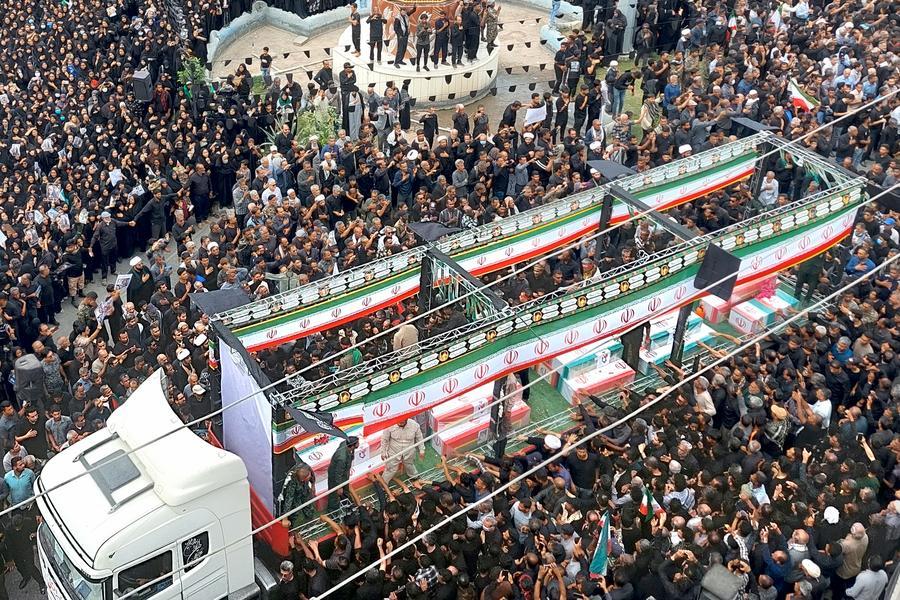
Citizens gather for a mass funeral ceremony for students and staff members killed in a U.S.-Israeli attack on a school in Minab, Iran’s southern province of Hormozgan, March 3, 2026.
AFC/M23 spokesperson Lawrence Kanyuka explained that the attack targeted densely populated areas in the Masisi territory of North Kivu province, resulting in numerous civilian casualties and the destruction of homes.
“At 5:15 a.m., the Kinshasa government forces fired multiple indiscriminate shells at heavily populated areas in Mushaki and its surroundings. These attacks were blind and showed no regard for human life, killing many innocent civilians and destroying numerous houses,” Kanyuka said.
AFC/M23 seized control of Mushaki in early December 2023, expelling DRC, Burundian, and allied forces. Mushaki is a strategically important area in Masisi territory, located approximately 30 kilometers from the city of Goma.
Kanyuka further stated that this morning, DRC forces also carried out a significant attack in the densely populated Gakenke area in Minembwe commune, actions he described as part of a plan to target the Banyamulenge population.
These attacks follow a drone strike carried out by DRC forces on March 6 in the Kibanda Mangobo area of Walungu territory, South Kivu province.
AFC/M23 reported that eight people were killed and 12 others injured in this latest attack, reiterating its commitment to protecting civilians who continue to be affected by ongoing hostilities.
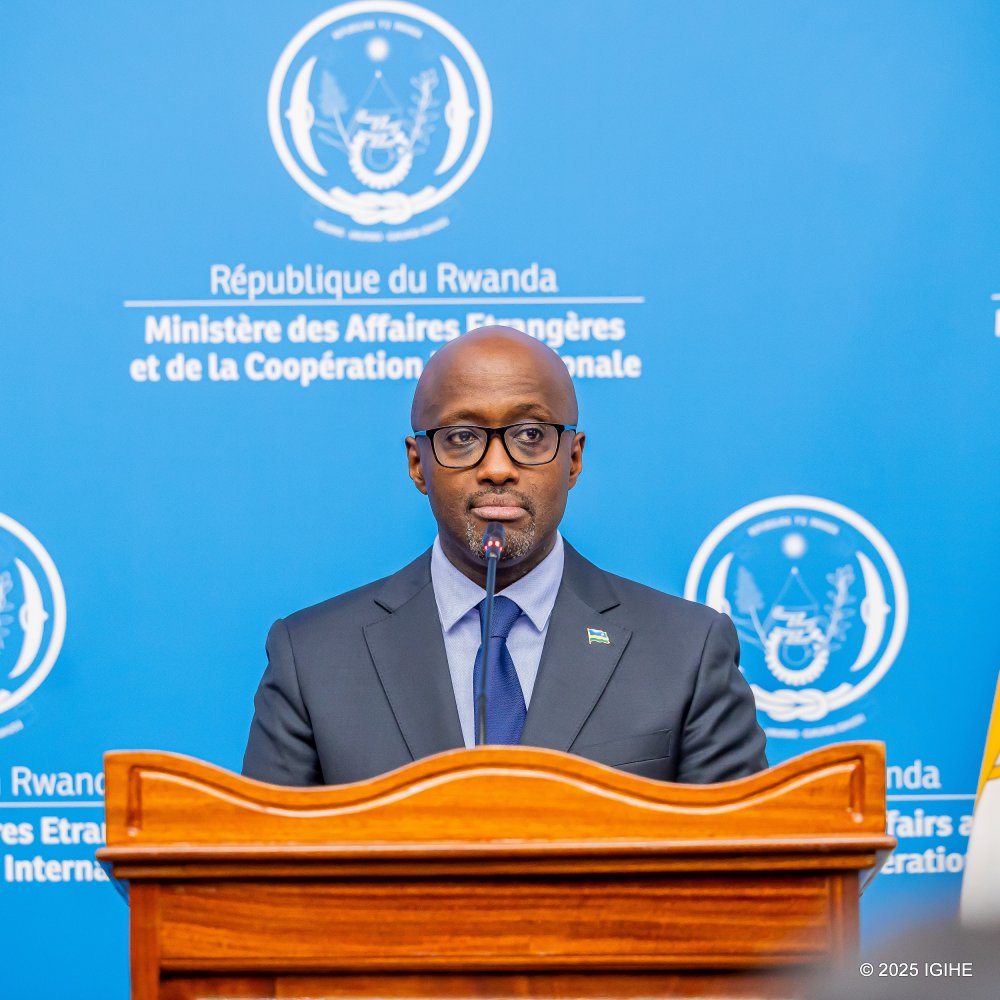
Speaking in an interview with Firstpost, Amb. Nduhungirehe said the roots of Rwanda’s security concerns date back to the aftermath of the genocide, when forces responsible for the killings crossed into the eastern part of the Democratic Republic of the Congo.
“In 1994 in Rwanda, we had a genocide against the Tutsi. Over one million people were killed over three months,” he said, noting that the perpetrators later fled across the border. “Those who committed that genocide crossed the border. They were never disarmed by the UN or other forces that were on the ground.”
He said the group that later became the Democratic Forces for the Liberation of Rwanda has continued to operate from eastern Congo and has launched attacks on Rwanda over the past three decades.
“From DRC, they have been attacking Rwanda over the past 30 years on countless occasions,” Amb. Nduhungirehe said, adding that Rwanda has therefore deployed defensive measures along its border to prevent further attacks.
The minister also warned that genocide ideology remains a concern in the region. “When we hear the same words that were used before the genocide… we take it very seriously,” he said, stressing that what happened in 1994 should never happen again.
He further argued that ongoing hostilities on the ground, including increased air strikes and drone attacks in eastern Congo, risk undermining ceasefire commitments linked to ongoing peace initiatives.
Despite these challenges, Amb. Nduhungirehe said Rwanda remains engaged in diplomatic efforts aimed at resolving the conflict while ensuring the country’s security and preventing a repeat of the dark moments of 1994.
Rwanda’s Foreign Affairs Minister, Amb. Olivier Nduhungirehe has shed light on reasons why Rwanda’s defensive measures remain in place.
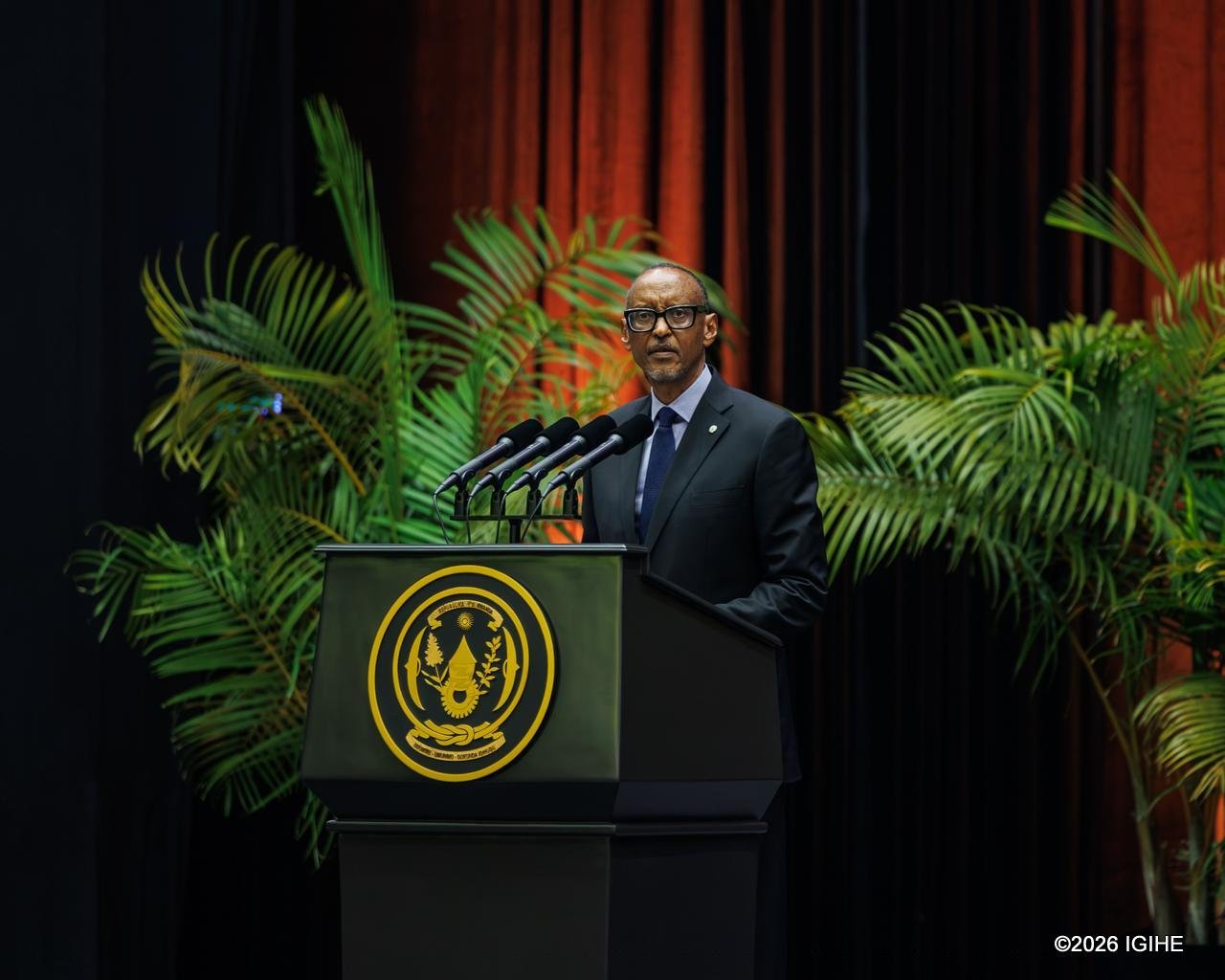
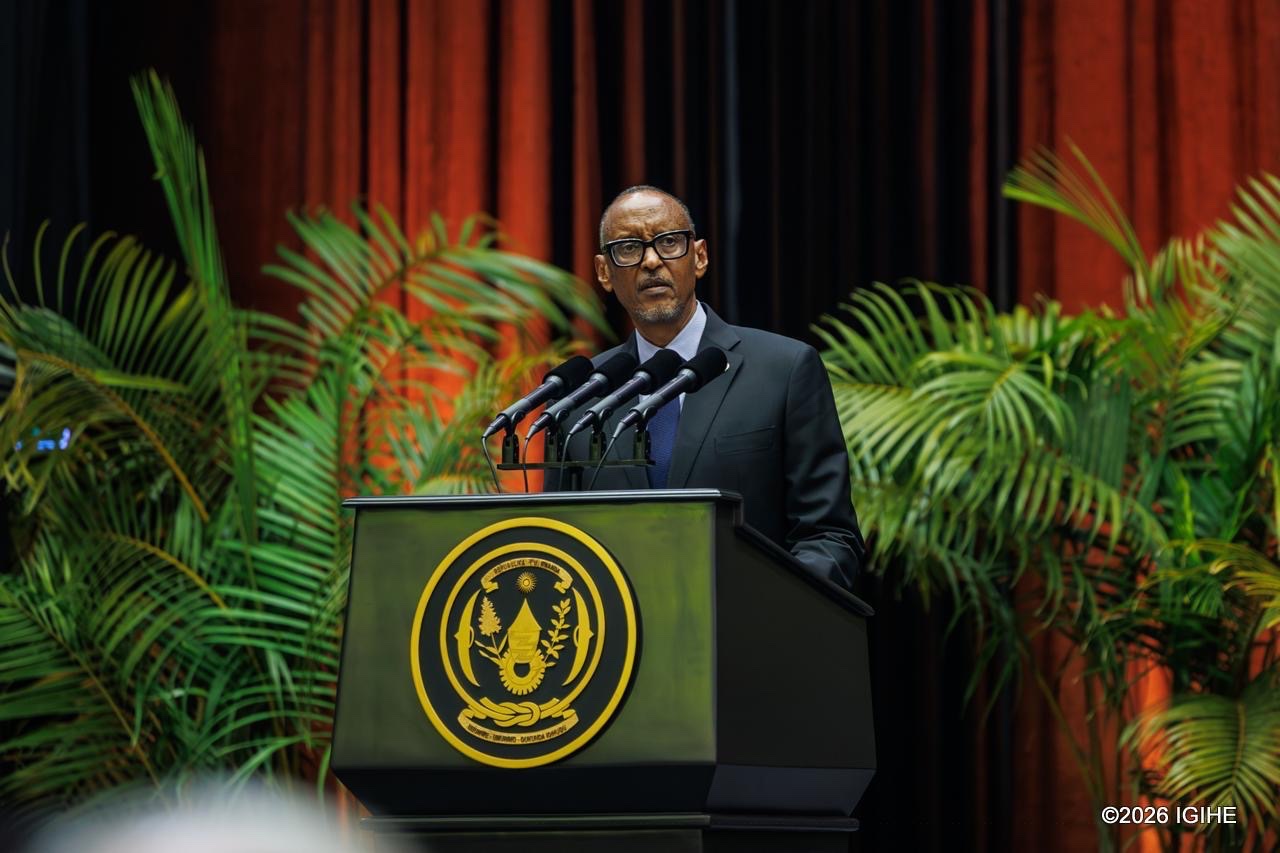
Speaking during a diplomatic dinner with ambassadors, high commissioners and representatives of international organisations in Kigali on Friday, Kagame said Rwanda faces what he described as an “impossible choice” between tolerating threats near its borders or defending itself and facing condemnation.
His remarks come days after the United States imposed sanctions on the Rwanda Defence Force (RDF) over the conflict in eastern Democratic Republic of the Congo (DRC).
The Head of State said Rwanda’s defensive measures are driven solely by security concerns, particularly the continued presence of the Democratic Forces for the Liberation of Rwanda (FDLR), a militia group formed by perpetrators of the 1994 Genocide against the Tutsi, in the eastern DRC.
“Rwanda faces an impossible choice: to either tolerate the continued presence of the FDLR and its growing network of militias and allow them to grow closer to our border or to defend ourselves and be condemned for it,” Kagame said.
“Any condemnation that comes, by the way, is a badge of honour for our security forces,” he added.
Security concerns
The president told diplomats that Rwanda’s security concerns stem from the continued presence and activities of the FDLR in eastern DR Congo, accusing the Congolese government of providing political cover and support to the group.
According to Kagame, the militia continues to spread an ideology rooted in genocide and has formed alliances with other armed groups in the region.
“One thing that has not changed is the right and duty of every nation to ensure the safety of its borders and people. Rwanda is no exception,” Paul Kagame said, adding that the country’s defensive measures are intended to address security threats and nothing else.
He argued that Rwanda has repeatedly raised these concerns in regional and international forums, but claims that the root causes of the conflict are often ignored in favour of short-term political interests.
Kagame also questioned the implementation of the Washington Accords, saying the agreement was intended to address security concerns for all parties involved.
He noted that the accords involve three parties, Rwanda, DR Congo and the United States, but said expectations often appear to place the burden of compliance primarily on Rwanda.
“A signed peace agreement should bind all parties equally,” Kagame said, adding that selective pressure risks emboldening armed groups and prolonging instability.
Call for lasting peace
Despite the tensions, Kagame emphasised that Rwanda remains committed to peace in the region.
He said Rwanda would be ready to lift its defensive measures if DR Congo fulfils its obligations under the Washington Accords, including addressing the threat posed by the FDLR and other armed groups operating near Rwanda’s borders.
“Rwanda wants peace,” Kagame said. “But we want a genuine and lasting peace on which we can build our future prospects.”
The president also warned that Rwanda would never compromise on the security gains it has built over the past three decades.
“We have made a promise to ourselves never to go back to the dark days,” he told the diplomats. “That is not something we will waver from.”
President Kagame said Rwanda’s defensive measures are driven solely by security concerns, particularly the continued presence of the FDLR genocidal force in the DRC.
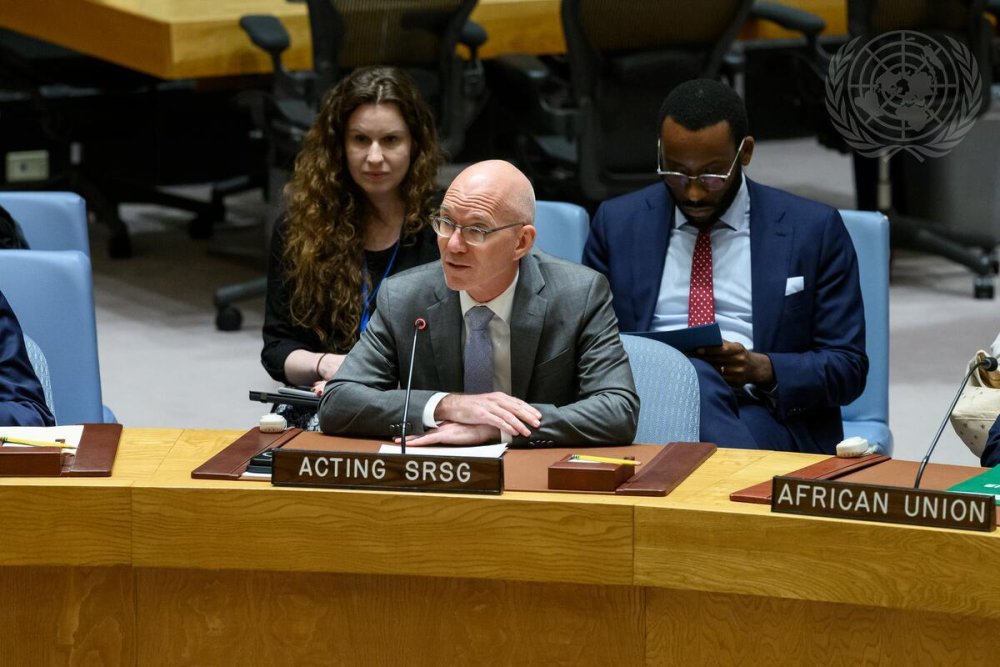
Swan succeeds Bintou Keita of Guinea-Conakry, who stepped down on November 30, 2025, shortly before the end of her term.
Swan is an experienced diplomat with a long career in African countries facing complex political and security transitions.
Most recently, since March 2025, he has served as Special Representative of the Secretary-General for Somalia and Head of the United Nations Transitional Assistance Mission in Somalia (UNTMIS), a role he previously held in an acting capacity from May 2024 until his appointment to the position.
Earlier he was also Special Representative and Head of the United Nations Mission in Somalia (UNSOM) from 2019 to 2022.
Prior to that, Swan had a 32-year career in the United States Government, with multiple assignments related to the Democratic Republic of the Congo, including as Ambassador (2013-2016), Deputy Chief of Mission (2001-2004) and Desk Officer (1996-1998).
During his bilateral career, Swan also served as Special Representative for Somalia (2011-2013), Ambassador to Djibouti (2008-2011), Deputy Assistant Secretary of State for African Affairs (2006-2008) and Director of African Analysis in the United States Department of State’s Bureau of Intelligence and Research (2005-2006).
Earlier assignments included the Republic of Congo, Somalia, Cameroon, Nicaragua and Haiti.
Swan holds a Bachelor of Science degree from Georgetown University’s School of Foreign Service, a Master of Arts from Johns Hopkins University’s School of Advanced International Studies and a Master of Arts in security studies from the National War College, all in the United States.
American Swan is an experienced diplomat with a long career in African countries facing complex political and security transitions.
The group called on all parties, particularly those involved in recent military actions, to immediately cease hostilities, recommit to peace agreements, and prioritize negotiations to prevent further escalation and civilian suffering.
The concern was expressed through a joint statement issued on March 5, 2026, by the governments of the United States, Belgium, Denmark, France, Germany, the Netherlands, Sweden, Switzerland, the United Kingdom, and the European Union, chaired by Sweden.
The Armed Forces of the Democratic Republic of Congo (DRC) have been conducting attacks on AFC/M23 positions in South Kivu and North Kivu, as well as targeting civilians, particularly members of the Banyamulenge community living in Minembwe Commune, using fighter jets and drones.
On January 2, 2026, DRC forces carried out a drone strike on residential buildings in Masisi Center, North Kivu, killing approximately 22 people and injuring many others. The area was reportedly under AFC/M23 control.
Another drone attack by DRC forces near Rubaya Center in Masisi Territory on March 24 resulted in the deaths of several fighters, including Lt Col Willy Ngoma, the rebel coalition’s military spokesperson.
In response to these ongoing attacks, AFC/M23 announced that it would begin intercepting incoming strikes.
On February 1 and March 1, 2026, the group reportedly deployed drones from Bangoka Airfield in Kisangani to target and destroy planned military operations against its positions.
The statement emphasized that such violations, including the use of drones in military attacks, pose an acute risk to civilian populations.
“All parties involved should urgently and unequivocally recommit to ceasing the hostilities and return to negotiations,” the ICG declared, stressing that there can be no military solution to the conflict.
The group urged full implementation of obligations under the Washington Accords and the Doha process, alongside compliance with relevant UN Security Council resolutions, including 2773 and 2808, and full respect for territorial integrity.
It commended the ongoing mediation by the African Union-appointed mediator, Faure Gnassingbé, President of the Council of the Republic of Togo, and the Panel of Facilitators, as well as crucial efforts by the United States and Qatar.
It further recalled the need for conditions enabling an inclusive inter-Congolese dialogue involving all key Congolese stakeholders as essential for durable peace.
The ICG affirmed its readiness to support these diplomatic efforts, urging all parties to uphold international humanitarian law, ensure full, safe, and unimpeded humanitarian access for critical assistance to affected populations.
The statement pressed parties to halt incitement to hatred, discrimination, or violence; including against Rwandophone minorities, and any actions that endanger civilians and undermine social cohesion in the region.
AFC/M23 has vowed to neutralize threats at its source following DRC’s ceasefire violations. DRC continues to opt for military solution despite call for dialogue to end hostilities.
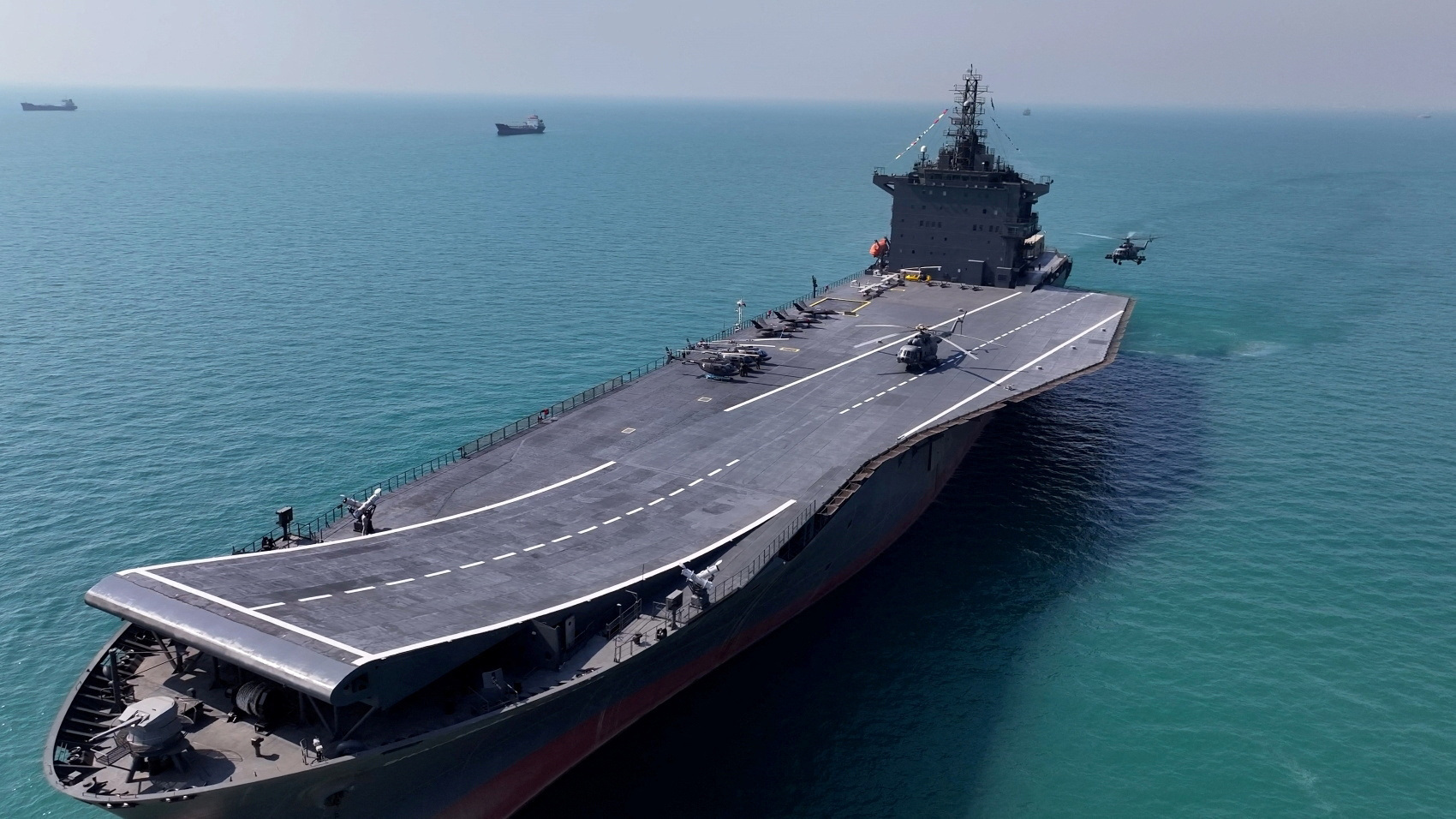
“Today, an Iranian drone carrier, roughly the size of a WWII aircraft carrier, was struck and is now on fire,” the command said in a post on the social platform X.
“U.S. forces aren’t holding back on the mission to sink the entire Iranian Navy,” said the post.
U.S. forces have sunk or destroyed more than 30 Iranian navy vessels since the start of the joint U.S.-Israeli military campaign against Iran early Saturday, said Adam.
Brad Cooper, commander of the Central Command, at a news conference together with U.S. Defense Secretary Pete Hegseth at the Command’s headquarters in Tampa, Florida, earlier on Thursday.
Over the last 24 hours, Iranian ballistic missile attacks have declined by 90 percent and drone attacks by 83 percent while U.S. strikes on Iran’s navy “have intensified,” he said.
In the past 72 hours, U.S. forces have struck nearly 200 targets deep inside Iran, including around Tehran, Cooper said, adding that U.S. B-2 bombers dropped dozens of 2,000-pound penetrative bombs on buried ballistic missile launchers.
The U.S. military has also struck Iran’s “equivalent of Space Command,” Cooper said.
Hegseth said the war with Iran will escalate in the coming days.
“The amount of firepower over Iran and over Tehran is about to surge dramatically,” Hegseth said. “When we say more to come, it’s more fighter squadrons, it’s more capabilities, it’s more defensive capabilities and it’s more bomber pulses more frequently.”
The U.S.-Israeli strikes on Iran have set off a regional exchange of fire that entered its sixth day on Thursday, leading to increasing casualties and major political and security consequences, with impacts rippling across the region.
The measure comes after a process of sustained diplomatic dialogue between both parties, in which they agreed to resume institutional ties and move toward a new stage of bilateral cooperation, said the government in a statement.
The Venezuelan side is ready for a new stage in bilateral relations marked by the principles of mutual respect, the sovereign equality of states and cooperation between peoples, it said.
The moon rises during its crescent phase over the Petare shantytown in Caracas, the capital of Venezuela on March 2, 2026. (PHOTO / AFP)