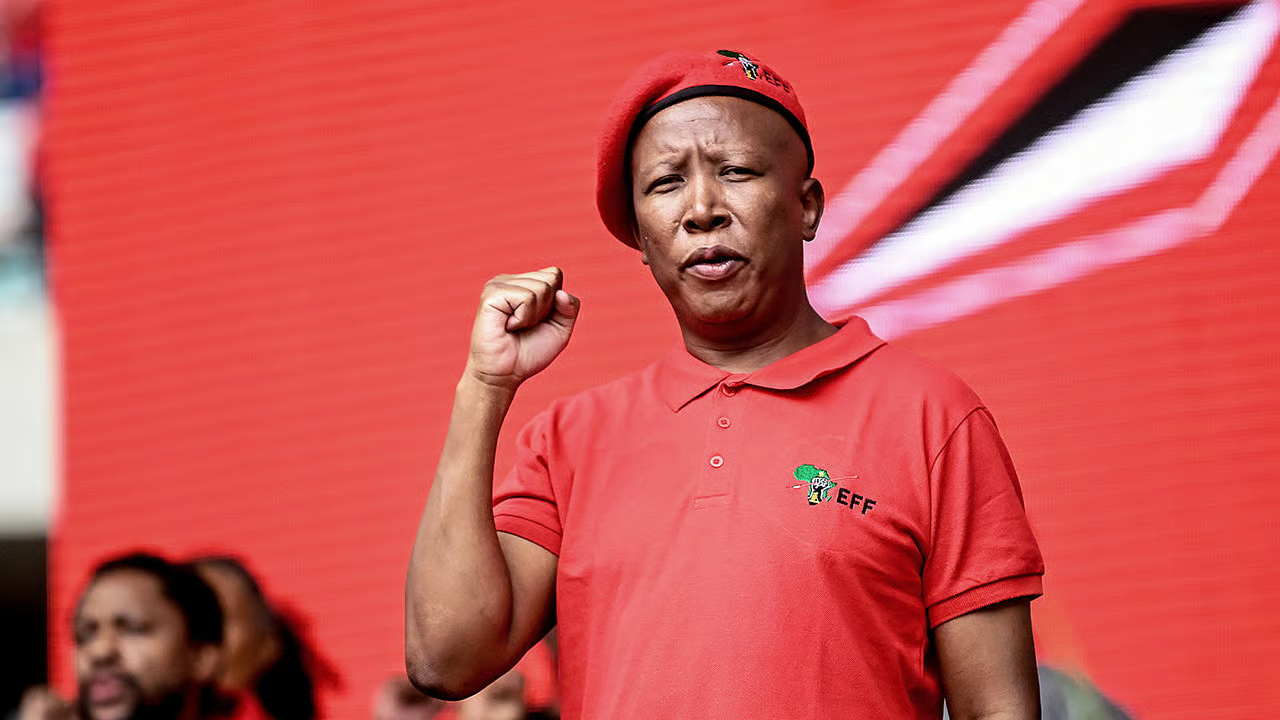
The ruling, delivered on Thursday in KuGompo City (formerly East London), stems from an incident at an Economic Freedom Fighters (EFF) rally where Malema was accused of discharging a rifle into the air during celebrations marking the party’s anniversary. Malema, 45, leads the EFF, currently the fourth-largest party in South Africa’s parliament.
Magistrate Twanet Olivier said the court found that Malema’s actions were deliberate and in clear violation of firearm laws.
“It wasn’t… an impulsive act. It was the event of the evening,” Olivier said during sentencing, rejecting arguments that the shots were purely celebratory.
Malema was convicted in October of multiple offences, including unlawful possession of a firearm and ammunition, discharging a weapon in a public space, and reckless endangerment. Prosecutors said video evidence showed him firing a semi-automatic rifle into the air during the rally.
He pleaded not guilty throughout the proceedings, insisting the firearm did not belong to him and that the shots were fired to energise supporters.
Following the sentencing, Malema’s legal team said they would immediately appeal the decision. His lawyers are expected to challenge both the conviction and the prison term in higher courts.
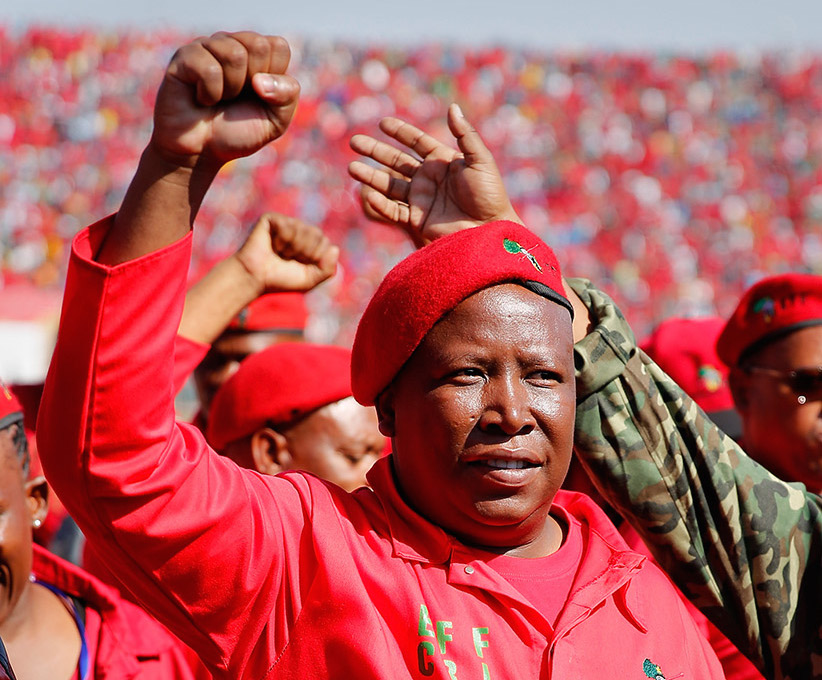
The politically charged case drew large crowds outside the courthouse, where hundreds of EFF supporters dressed in red gathered in solidarity. Party officials have warned of possible protests should the sentence be enforced.
Analysts say the ruling could have significant political consequences, including potentially disqualifying Malema from serving as a member of parliament, depending on the outcome of his appeal.
During sentencing, the magistrate stressed that the ruling was directed at Malema as an individual and not at his political party.
“It is not a political party that has been convicted here, but an individual,” she said.
Malema, however, has repeatedly claimed the prosecution is politically motivated. He has pointed to Afrikaner lobby group AfriForum as a driving force behind the case. AfriForum has long been critical of Malema, particularly over his use of the anti-apartheid chant “Kill the Boer,” which the group argues constitutes hate speech.
South African courts have previously ruled that the chant does not meet the legal threshold for hate speech and must be understood within the historical context of apartheid and the struggle against white minority rule, which ended in 1994.
The case has also drawn international attention. AfriForum has taken its concerns abroad, including to the United States, where footage of Malema has been discussed by political figures. US President Donald Trump previously raised the issue with South African President Cyril Ramaphosa, questioning why Malema had not been arrested.
Malema, once the leader of the youth wing of the African National Congress, was expelled from the ruling party following internal disputes and later founded the EFF. Known for his radical left-wing platform, he has called for the redistribution of land and wealth in South Africa.
After his conviction, Malema told supporters that “going to prison or death is a badge of honour,” vowing to continue his political struggle and appealing the ruling to the Constitutional Court.
The EFF leader now awaits the outcome of his appeal, which will determine whether he begins serving the prison sentence or remains free pending further legal proceedings.
Julius Malema was convicted in October of multiple offences, including unlawful possession of a firearm and ammunition, discharging a weapon in a public space, and reckless endangerment.
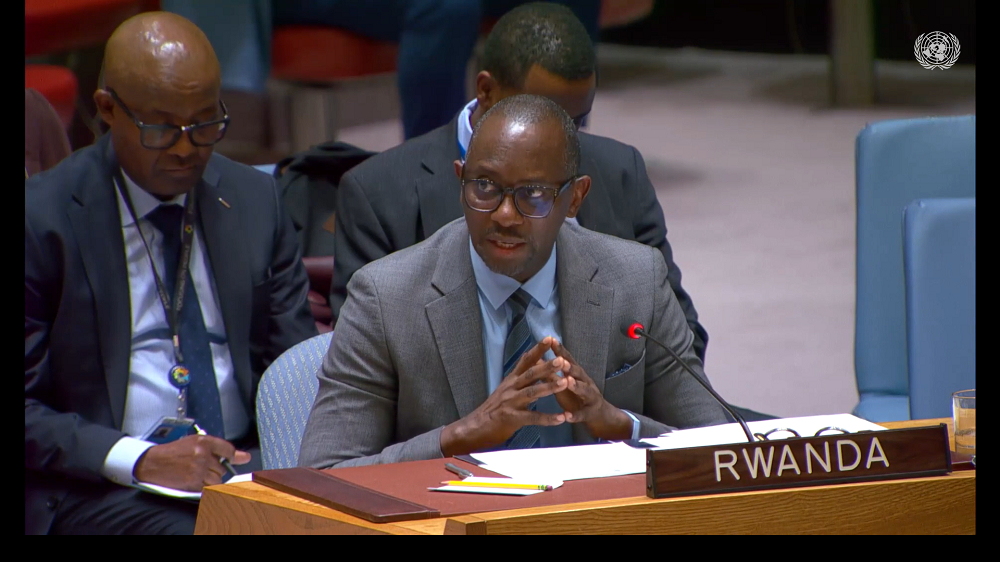
Speaking at a Council briefing on the Peace, Security and Cooperation Framework for the DRC and the Great Lakes region on Wednesday, Rwanda’s Deputy Permanent Representative, Robert Kayinamura, said the continued presence of the FDLR in eastern DRC constitutes an “existential threat” to Rwanda and a major obstacle to peace efforts in the region.
“There can be no credible path to peace without its effective and irreversible neutralisation,” he told Council members, reiterating Kigali’s long-standing position on the armed group.
The meeting came a week after Rwanda commemorated the 32nd anniversary of the Genocide against the Tutsi at the UN General Assembly Hall. Kayinamura noted that some of those responsible for the genocide fled into the DRC and remain active today, a factor he said partly motivated the establishment of the regional Peace, Security and Cooperation Framework in 2013.
Rwanda maintained that it has consistently upheld its commitments under the Framework over the past decade, but argued that key drivers of instability have not been addressed. According to Kayinamura, this reflects “a failure of implementation” rather than a weakness in the agreement itself.
He stressed that the FDLR issue has remained unresolved despite repeated engagement with UN officials, regional mediators, and successive Special Envoys.
Rwanda also expressed concern over what it described as escalating hate speech, ethnic targeting, and violence against Rwandophone communities in eastern DRC, including the Banyamulenge. Kayinamura said the continued portrayal of these communities as foreigners undermines the objectives of the Framework.
“These realities point to deep-rooted challenges that must be addressed directly. Sustainable peace cannot be built on avoidance,” he said.
The Rwandan envoy emphasised that peace in the DRC and stability in the broader Great Lakes region are inseparable, warning that selective implementation and accountability would not produce meaningful results.
While reaffirming support for ongoing diplomatic efforts, including ceasefire arrangements and processes in Washington and Doha, Rwanda also backed interim security measures such as a buffer or interposition force to help stabilise the situation as political negotiations continue.
Kayinamura posed two recurring questions Rwanda has raised in implementation discussions: how the root causes of the conflict remain unresolved after 13 years of the Framework’s existence, and why hate speech and persecution of communities continue unabated.
“If these issues remain unresolved, what basis do we have to expect a different outcome?” he asked Council members.
He concluded that after more than a decade, the path forward is clear and requires full and consistent implementation of agreed commitments. Rwanda, he said, remains engaged in good faith but stressed that success depends on all parties meeting their obligations.
“There is no military solution to this crisis,” he said. “Only a genuine return to the principles of accountability, cooperation, and mutual respect will deliver sustainable peace for our region.”
Speaking at a Council briefing on the Peace, Security and Cooperation Framework for the DRC and the Great Lakes region on Wednesday, Rwanda’s Deputy Permanent Representative, Ambassador Robert Kayinamura, said the continued presence of the FDLR in eastern DRC constitutes an “existential threat” to Rwanda and a major obstacle to peace efforts in the region.
Leavitt said at a White House press briefing that the Trump administration is optimistic the continued negotiations could yield a deal to end the weeks-long war.
“We feel good about the prospects of a deal,” she said.
Leavitt also did not confirm when talks with Iran would resume, but said if there were talks, they would continue to be held in Pakistan following stalled talks in Islamabad over the weekend.
U.S. President Donald Trump said Tuesday that fresh U.S.-Iran talks “could be happening over next two days” in Pakistan. Also, he said earlier on Wednesday that the U.S.-Israeli war with Iran is “very close to being over,” without providing a clear timeline.
The two-week ceasefire is set to expire next week.
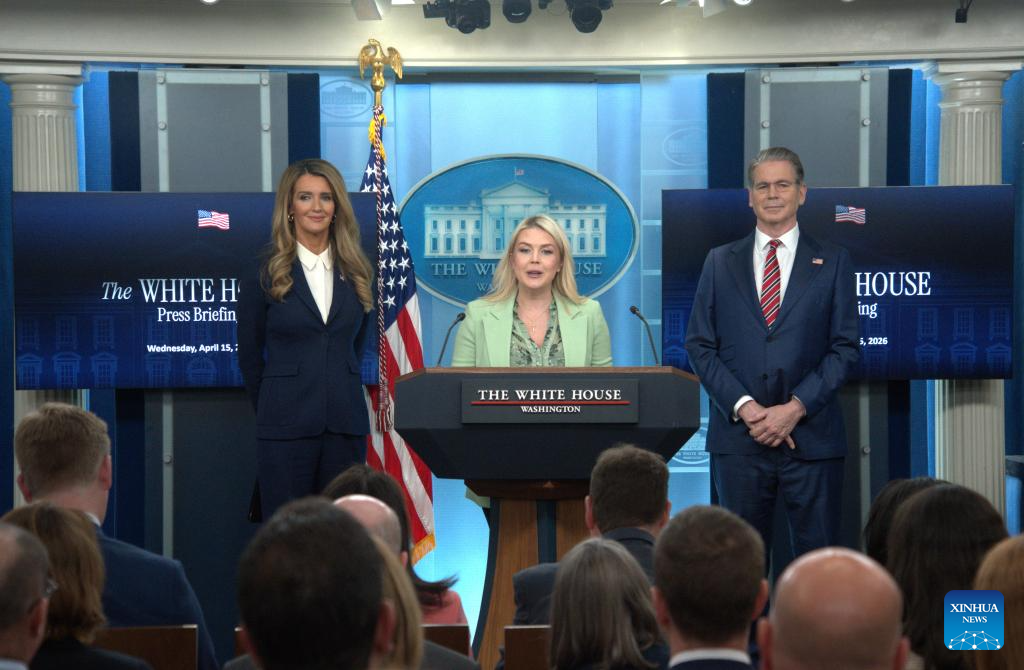
White House Press Secretary Karoline Leavitt speaks during a White House press briefing in Washington, D.C., the United States, April 15, 2026. Leavitt said Wednesday an extension of the current U.S. ceasefire with Iran is “not true at this moment.”
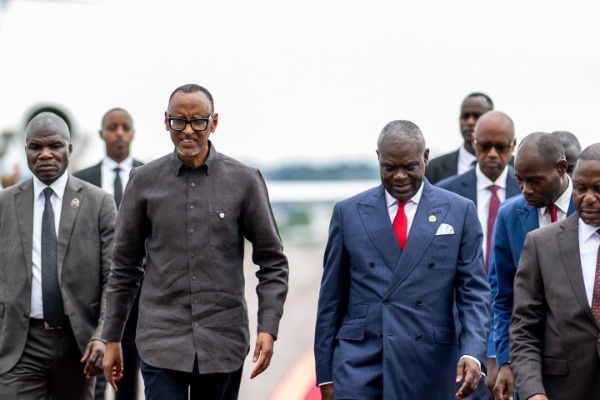
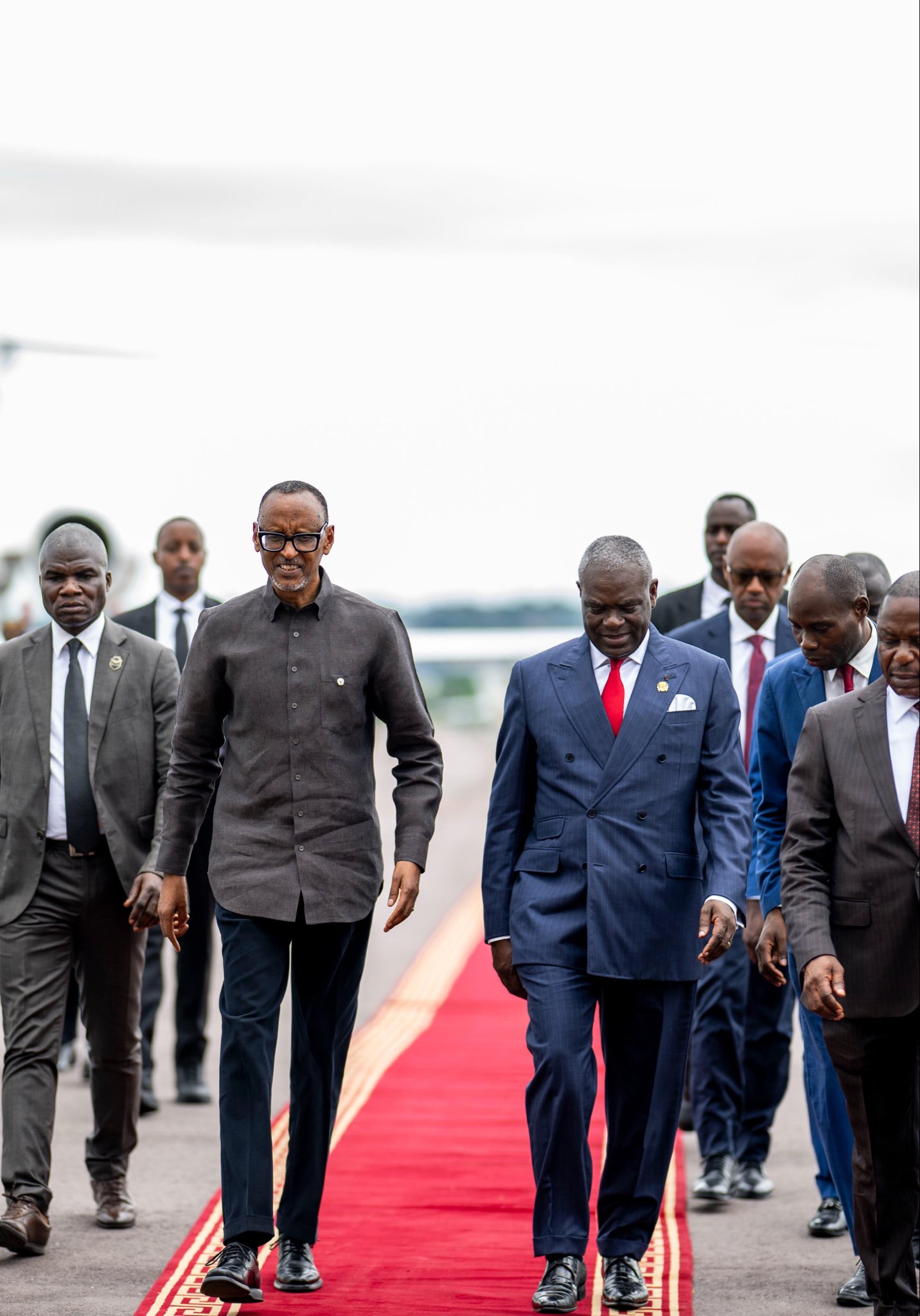
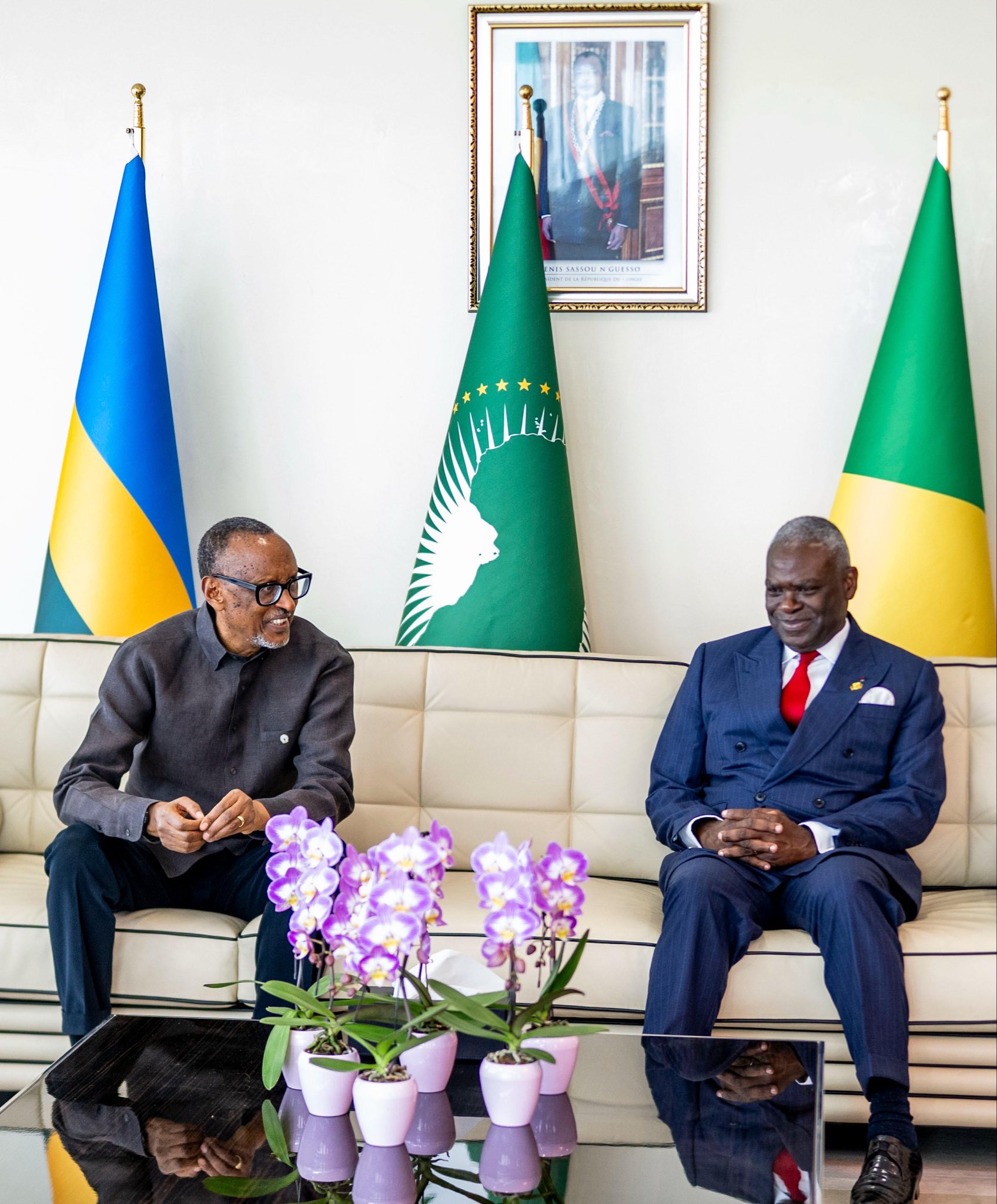
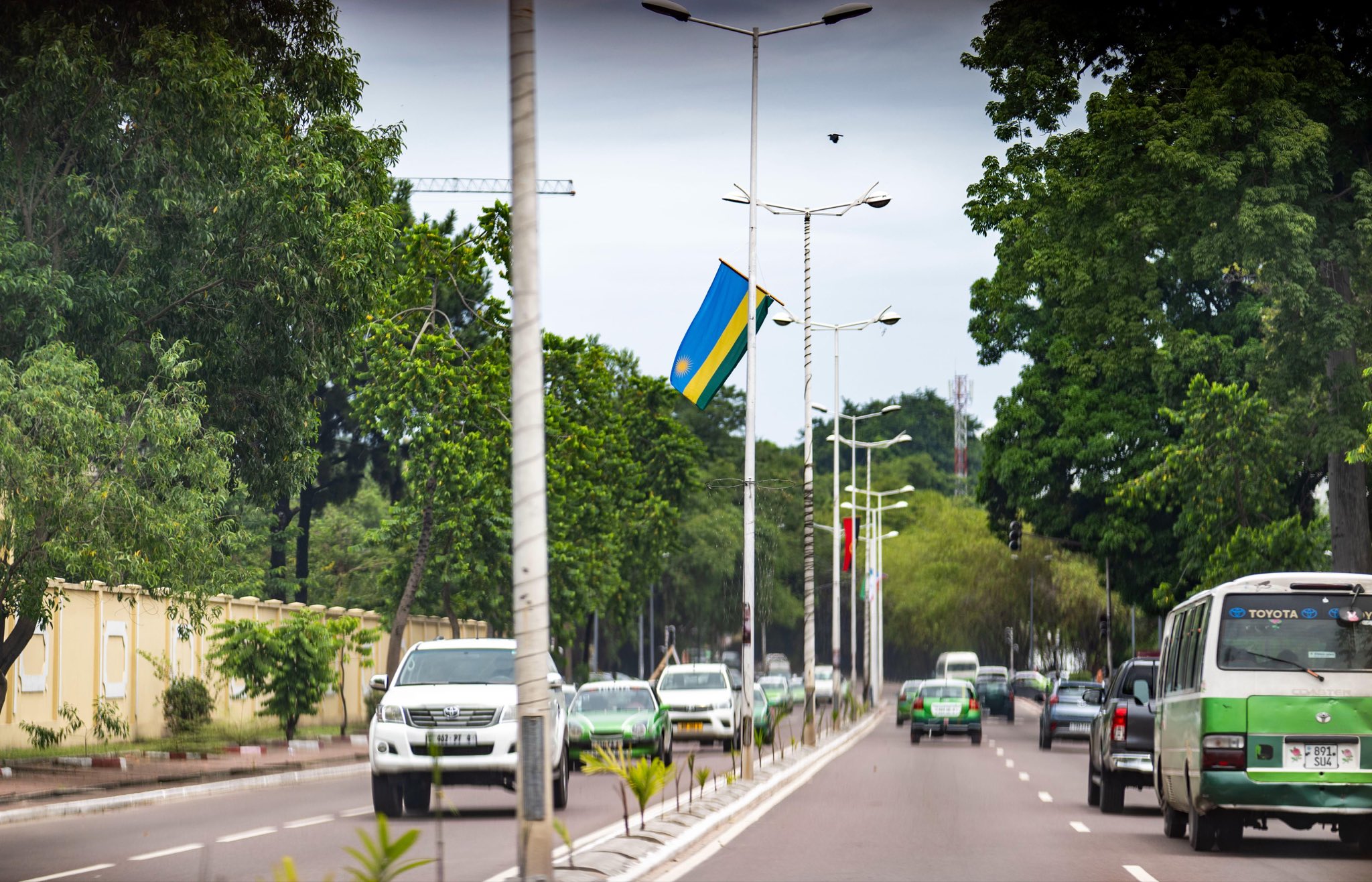
Kagame was received at Maya-Maya International Airport by Republic of the Congo Prime Minister Anatole Collinet Makosso.
The inauguration ceremony is scheduled for Thursday at Unity Stadium, also known as the La Concorde Multipurpose Sports Complex, in Kintélé. The event is expected to bring together heads of state and senior government officials from across Africa.
President Sassou Nguesso was re-elected in mid-March for a five-year term, winning 94.82 percent of the vote according to the Interior Ministry. The election recorded an 84.64 percent turnout, with seven candidates contesting the presidency.
Following the results, President Kagame congratulated Sassou Nguesso on his re-election, reaffirming Rwanda’s commitment to strengthening bilateral relations and cooperation between the two countries.
“Rwanda welcomes the strong quality of our bilateral relations and looks forward to continuing close cooperation in support of our shared priorities and the prosperity of our peoples,” Kagame said in a message posted on X.
Rwanda and the Republic of the Congo have maintained a longstanding partnership marked by cooperation across multiple sectors, including diplomacy, trade, and security. In August 2016, Rwanda opened its embassy in Brazzaville, further strengthening diplomatic engagement.
The two countries signed a series of agreements in 2011 covering trade, air transport, tourism promotion, energy, security, environmental protection, and fisheries. Air connectivity has also been reinforced, with RwandAir operating flights between Kigali and Brazzaville since that year.
Cooperation expanded further in November 2021, when both nations signed agreements on military collaboration, higher education, land management, sustainable development, and trade promotion. Additional deals focused on environmental protection and expanding air transport links.
In the same year, Rwanda’s Housing Authority and Congo-Brazzaville’s SOPRIM entered into a partnership to promote housing development and the construction of affordable, modern homes.
Relations between the two leaders have remained cordial over the years. During a visit to Rwanda in 2023, Sassou Nguesso was awarded the Agaciro Medal by President Kagame in recognition of his contribution to Africa’s development.
President Kagame was received at Maya-Maya International Airport by Republic of the Congo Prime Minister Anatole Collinet Makosso.Rwanda and the Republic of the Congo have maintained a longstanding partnership marked by cooperation across multiple sectors, including diplomacy, trade, and security.
The announcement by the Taiwan Work Office of the Communist Party of China (CPC) Central Committee followed a meeting on Friday between Xi Jinping, general secretary of the CPC Central Committee, and Cheng Li-wun, chairwoman of the Chinese Kuomintang (KMT) party, the first such top-level meeting between the two political parties across the Taiwan Strait in a decade.
Invited by the CPC Central Committee and Xi, Cheng led a KMT delegation on a six-day visit to mainland cities including Nanjing, Shanghai and Beijing, which concluded on Sunday.
Atop the 10 initiatives announced by the mainland on Sunday is a proposal to explore a regular communication mechanism between the CPC and the KMT.
The CPC and the KMT will, on the common political foundation of adhering to the 1992 Consensus and opposing “Taiwan independence,” take “stronger measures” to promote cross-Strait exchanges, interaction and integration, the CPC’s Taiwan work office said in a statement.
The Taiwan question is a scar left over by a full-blown civil war fought between the forces led by the CPC and the KMT about eight decades ago. In 1949, the remnants of the defeated KMT retreated to Taiwan, and the People’s Republic of China was founded under the leadership of the CPC.
The unresolved civil war and foreign interference have left the two sides of the Strait in a prolonged state of political confrontation.
However, the fact that Taiwan is an inalienable part of China’s territory has never changed.
The latest policies and measures, according to the statement, aim to advance the peaceful development of cross-Strait relations and enhance the kinship and well-being of compatriots across the Strait.
The policy package demonstrates the mainland’s sincerity, goodwill and firm resolve in promoting the peaceful and integrated development of cross-Strait relations, said Wang Yingjin, director of the cross-Strait relations research center of the Renmin University of China. “The measures will inject fresh momentum into efforts to sustain the steady improvement of cross-Strait relations.”
Infrastructure, travel and trade
According to the statement, efforts will be made to support the coastal areas of Fujian Province — the mainland region closest to Taiwan — in sharing water, electricity and gas supplies with the offshore islands of Kinmen and Matsu, and to promote construction of sea-crossing bridges linking them, when conditions permit.
The mainland will also move to resume regular direct passenger flights across the Strait, including routes to and from Urumqi, Xi’an, Harbin, Kunming and Lanzhou.
Kinmen will be supported to use a new airport under construction in the nearby mainland city of Xiamen, expected to begin operations by the end of 2026.
Lee Chou-hsi, a Tsinghua University graduate student from Taiwan, welcomed the new measures. “During my undergraduate study in Changsha, I had to transfer flights to and from Taiwan, which was very inconvenient at the time,” said Lee. “More direct flights between mainland cities and Taiwan will surely benefit students and tourists.”
A communication mechanism will be set up on the common political foundation of adhering to the 1992 Consensus and opposing “Taiwan independence” to facilitate the entry of Taiwan’s agricultural and fishery products that meet the quarantine standards into the mainland.
Efforts will also be made to help Taiwan’s agricultural and fishery products gain access to various mainland trade fairs to expand their sales channels.
The mainland will explore building wharves and berths in regions where conditions permit for distant-water fishing vessels from the Taiwan region, and mull providing convenience for the sales of their fish catch on the mainland.
It will also facilitate registration procedures for qualified Taiwan food manufacturers and the entry of their food products into the mainland market.
The mainland will explore the establishment of more trading markets for small-ticket items with Taiwan and support micro, small and medium-sized enterprises from Taiwan to expand business on the mainland.
Mainland cities such as Fuzhou and Xiamen have long established such markets, allowing small businesses from Taiwan to directly sell specialty commodities to mainland buyers.
Wu Chia-ying, executive vice president of the Association of Taiwan Investment Enterprises on the Mainland, said that the measures respond to the practical needs of business development such as reducing operating costs and improving access to the mainland market.
“We hope these measures will be implemented as soon as possible,” Wu said, adding that the association will play a bridging role to help Taiwan businesses better seize opportunities and participate in the country’s modernization drive, contributing to a stronger Chinese economy.
Youth, culture
The statement said that an institutionalized platform will be set up to promote two-way exchanges between young people on both sides of the Strait. The All-China Youth Federation and other relevant mainland institutions will invite 20 youth groups from Taiwan to visit the mainland for exchanges every year.
Fan Chiang-feng, a young Taiwan entrepreneur based on the mainland, said that the establishment of a regular platform for young people on both sides of the Strait would help break down information barriers. “Our generation on both sides of the Strait should move forward together,” he said.
To boost cultural ties, the mainland will allow qualified TV shows, documentaries and animations from Taiwan to be aired, and permit Taiwan residents to take part in the mainland’s fast-growing micro-drama industry.
Working in youth services in Xiamen, Wu Ping-chang from Taiwan was encouraged by the policies. “With more opportunities and confidence, I hope to take cross-Strait stories into the drama production in the future, enabling audiences on both sides to see more authentic and warm exchanges,” Wu said.
The statement also noted that the mainland will promote the resumption of individual tours for Shanghai and Fujian residents to Taiwan.
A pilot scheme allowing mainland individuals to tour Taiwan was introduced in 2011, but was suspended in 2019 — a few years after the secessionist Democratic Progressive Party came to power in Taiwan and stepped up plots to seek “Taiwan independence.”
Sheng Jiuyuan, director of the center for Taiwan studies at Shanghai Jiao Tong University, told Xinhua that the cumulative effect of these measures may reshape the pattern of cross-Strait exchanges.
“The two-way integration across the Strait, grounded in tangible improvements to people’s livelihoods, will lay a broad and durable foundation of public support and foster profound mutual trust,” Sheng said.
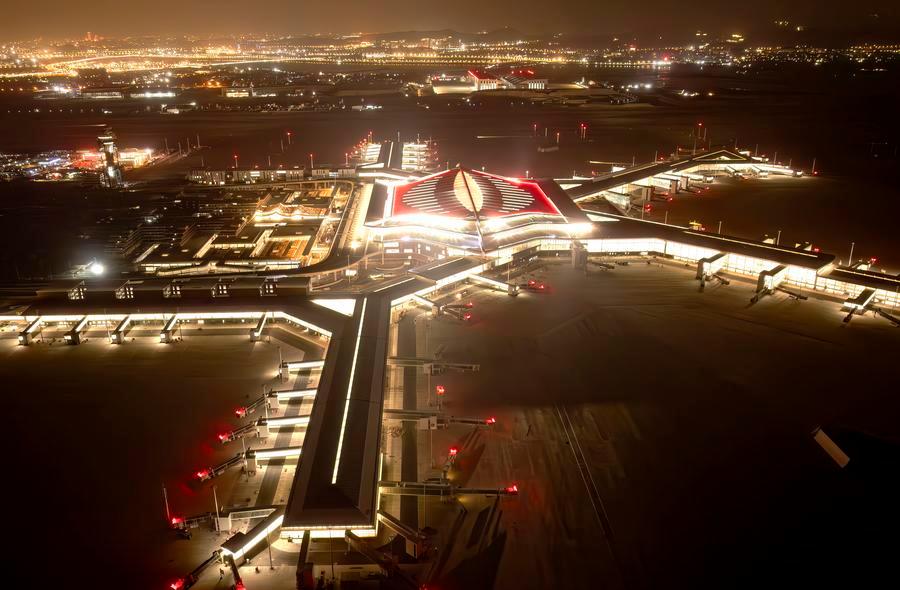
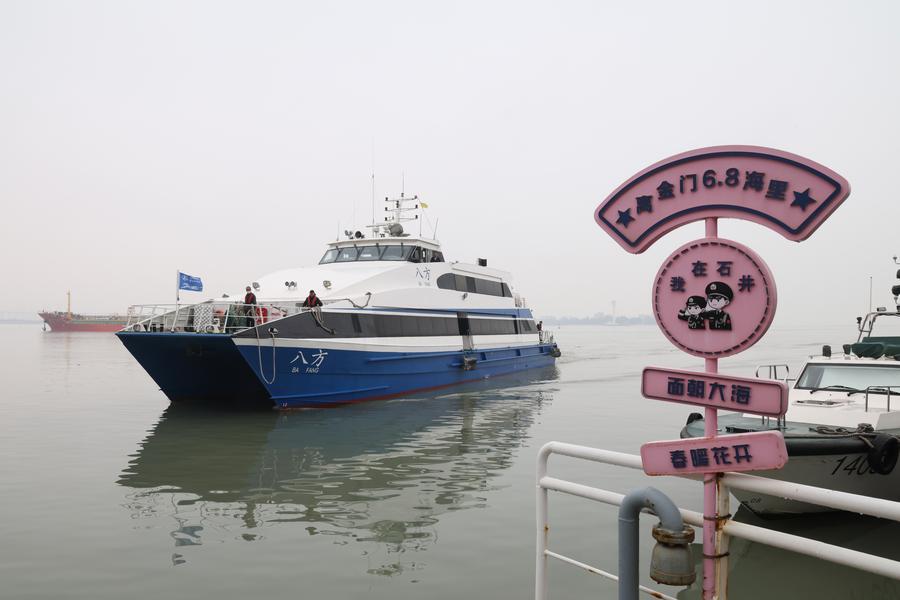
An aerial drone photo taken on Jan. 20, 2026 shows a night view of the Xiamen Xiang’an International Airport in Xiamen, southeast China’s Fujian Province.A ferry linking Fujian Province on the mainland with Kinmen approaches a passenger terminal in Quanzhou, southeast China’s Fujian Province, April 3, 2026.
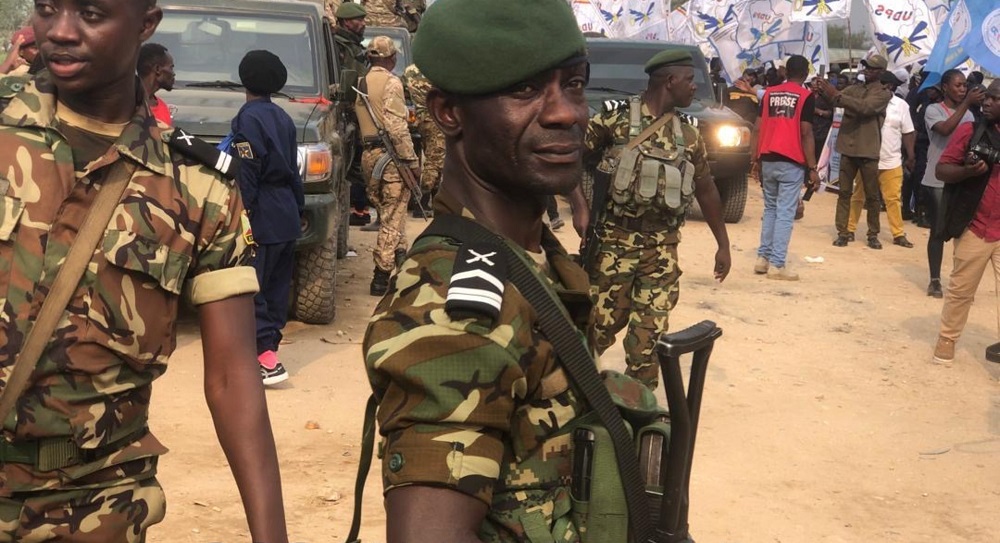
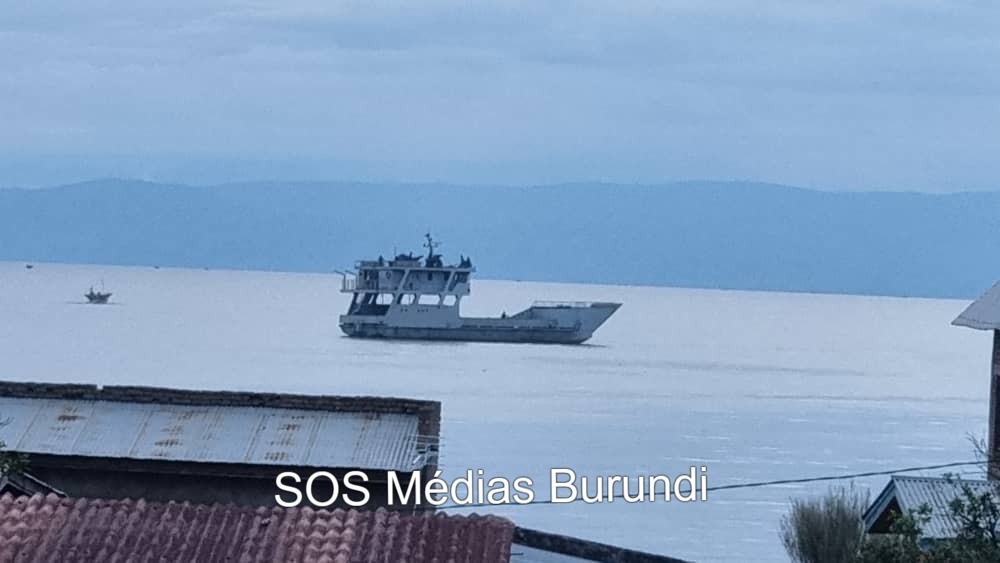
According to SOS Médias, on the evening of April 14, 2026, a large Burundian military vessel was seen at Rumonge port on Lake Tanganyika, carrying soldiers and military equipment.
The vessel continued its journey to the town of Baraka in Fizi Territory, South Kivu. The deployed troops are expected to be sent to frontline areas including Gakenke, Mikenke, Kalingi, and Mulima.
Reports indicate that Burundian forces, together with DRC government troops and Wazalendo militia groups, are planning an offensive aimed at capturing Minembwe commune, a strategic area currently controlled by Twirwaneho, a group formed to protect the Banyamulenge community.
By early December 2025, Burundi reportedly had more than 20,000 troops in South Kivu. Some of these forces were withdrawn after the AFC/M23 coalition took control of several areas in Uvira Territory, including Uvira town.
Sources in South Kivu say that after months of regrouping, the Burundian government has recently resumed military deployments to the front lines in an effort to retake previously lost positions and capture new areas.
The AFC/M23 alliance has claimed that DRC forces, Burundian troops, Wazalendo fighters, FDLR elements, and mercenaries have continued launching attacks in several parts of South Kivu, including Gakenke, Kalingi, and Bidegu.
The group says these operations are aimed at disrupting ongoing peace talks taking place in Switzerland since April 13, accusing the DRC government of preferring military escalation over dialogue.
AFC/M23 maintains that it seeks a political solution to its conflict with the DRC government, but insists it will continue to defend itself and protect civilians if attacks persist.
According to SOS Médias, on the evening of April 14, 2026, a large Burundian military vessel was seen at Rumonge port on Lake Tanganyika, carrying soldiers and military equipment. Sources in South Kivu say that after months of regrouping, the Burundian government has recently resumed military deployments to the front lines in an effort to retake previously lost positions and capture new areas.
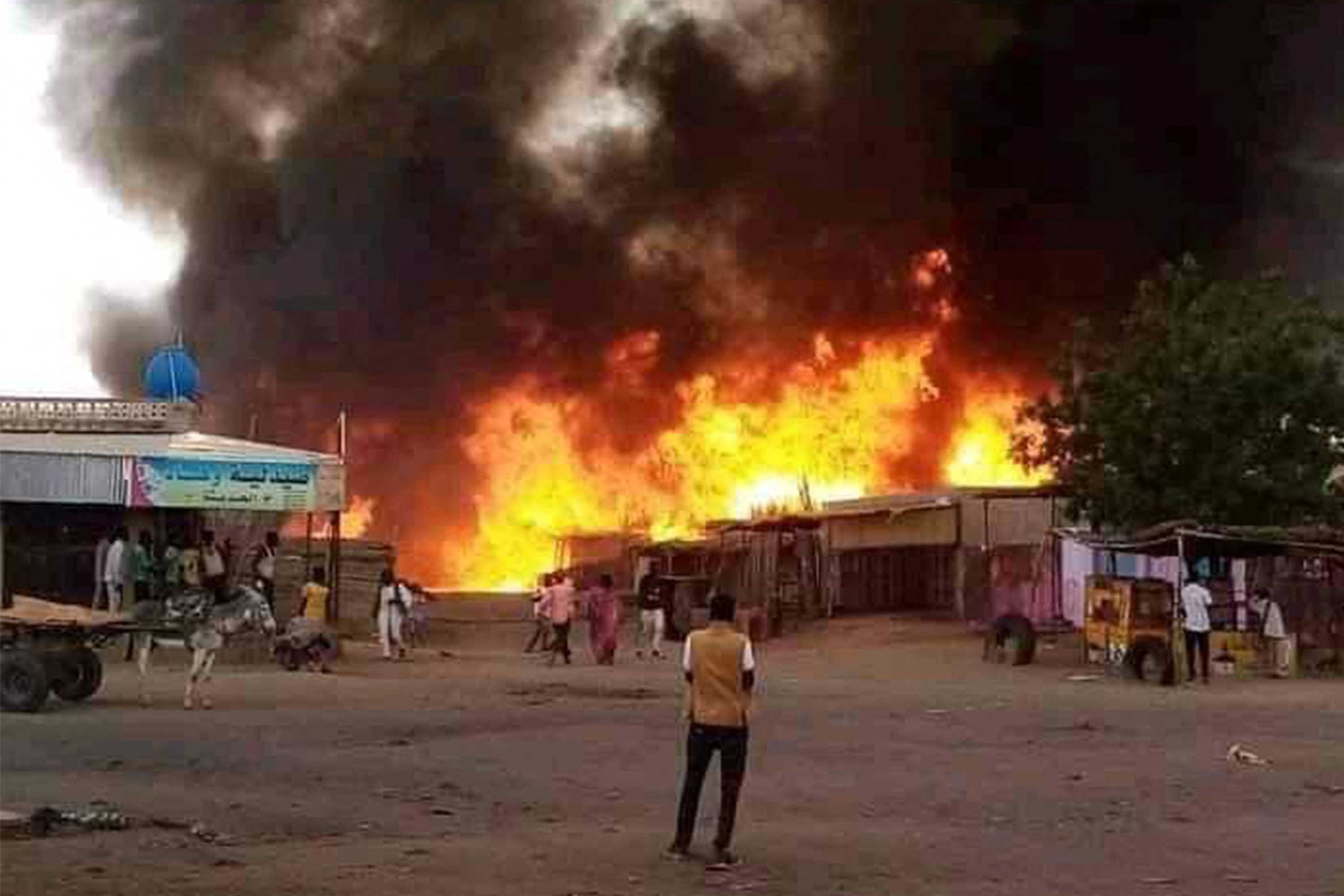
UN Under-Secretary-General for Humanitarian Affairs and Emergency Relief Coordinator Tom Fletcher said Sudan remains the world’s largest humanitarian crisis.
“Nearly 34 million people in Sudan — or almost two out of every three people — need humanitarian assistance, as hunger tightens its grip, children face acute malnutrition and women and girls are subjected to widespread and brutal violence,” Fletcher said.
The UN relief chief called for urgent action to stop the fighting, protect civilians, ensure safe and unimpeded humanitarian access, and mobilize the funding needed to sustain life-saving operations.
UN Women said the number of women and girls requiring support after experiencing gender-based violence nearly doubled in two years and quadrupled since the start of the war.
“Women and girls are being raped and killed in their homes, and as they flee, seek food, water and medical care,” said UN Women Regional Director for East and Southern Africa Anna Mutavati. “The use of sexual violence has been embedded in the blueprint of Sudan’s war.”
UN Women cited a new Gender Alert on the war, published Tuesday, as saying that more than 4.3 million women and girls have been displaced in Sudan, while 17.1 million require humanitarian assistance. For many, there is limited or no access to food, shelter or medical care.
Eva Hinds, UN Children’s Fund (UNICEF) chief of communication in Sudan, said that at least 245 children were reportedly killed or injured in just the first three months of this year.
“This is a sharp increase compared to the same period last year. Most of these children killed or injured were in Darfur and the Kordofan states, where violence has become a constant part of daily life,” Hinds told a press briefing in Geneva.
She said that “since the war began, the United Nations has verified more than 5,700 grave violations against children across Sudan. More than 4,300 children have been killed or maimed, with Darfur and Kordofan states again accounting for the highest numbers.”
Humanitarian access remains a major challenge, since large parts of the country are still cut off because of fighting, damaged infrastructure, and administrative obstacles. The constraints are especially severe in Darfur, Kordofan and parts of Blue Nile state, leaving many of the most vulnerable children beyond reach, said Hinds.
UNICEF Executive Director Catherine Russell said: “For three years, children across Sudan have been killed, injured, and displaced at staggering levels. Their homes, schools and hospitals continue to come under attack. There is no justification for violence against children. It reflects a collective failure by parties to the conflict to protect the most basic rights of children.”
The UN Office for the Coordination of Humanitarian Affairs (OCHA) said that drone strikes have reportedly killed nearly 700 civilians in the first three months of this year. On Monday, a drone strike in Ed Daein, East Darfur state, reportedly killed nine civilians and injured 27 others, including a child and health-affiliated workers.
OCHA reiterated that the violence must stop.
“Civilians and civilian infrastructure must be protected in line with international humanitarian law,” said the office. “Humanitarian access must be rapid, safe, unimpeded and sustained, and the response must be fully funded to save lives.”
Fletcher also said the grim and chastening anniversary marks another year when the world has failed to meet the test of Sudan.
The UN relief chief has called for urgent action to stop the fighting in Sudan, protect civilians, ensure safe and unimpeded humanitarian access, and mobilize the funding needed to sustain life-saving operations.
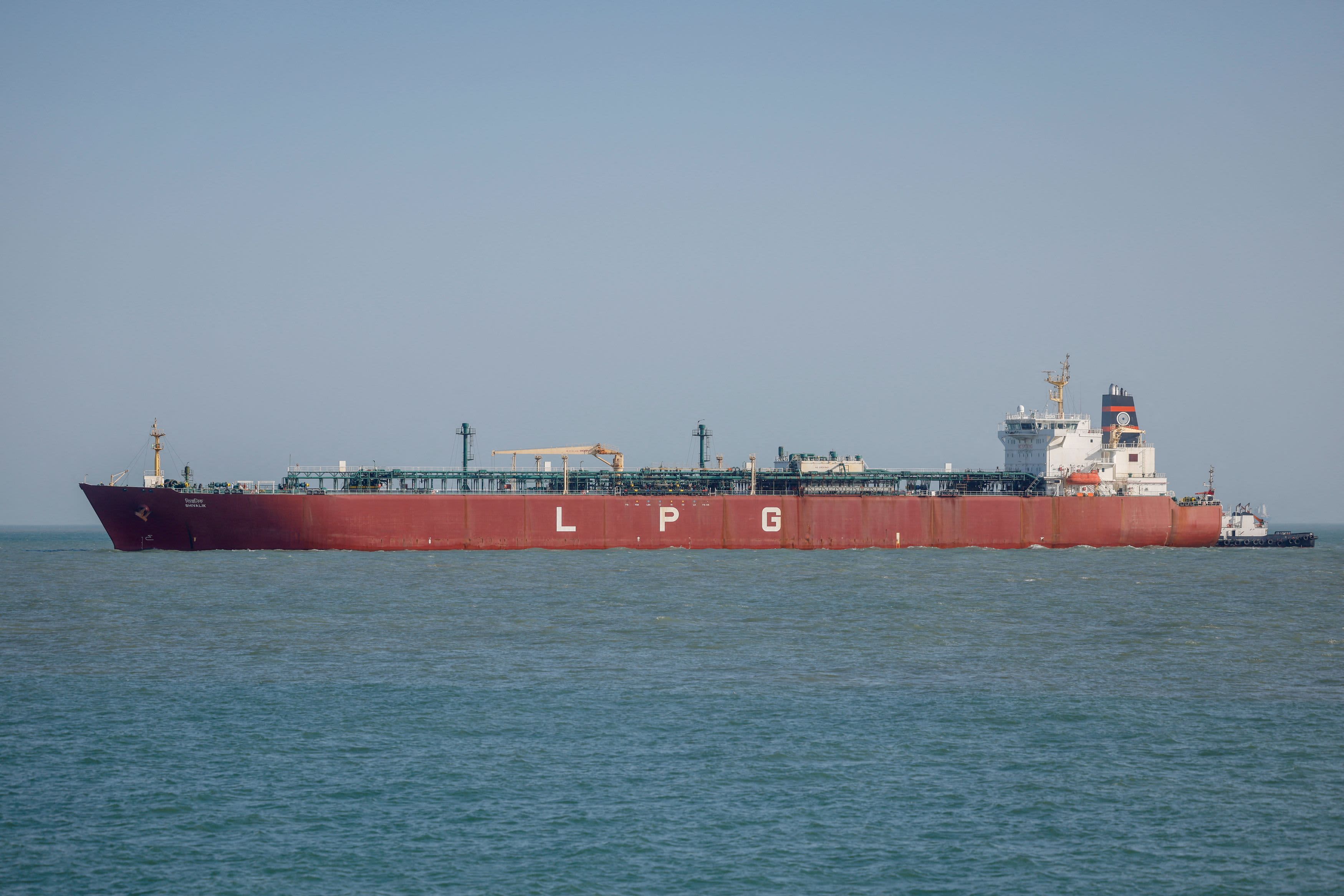
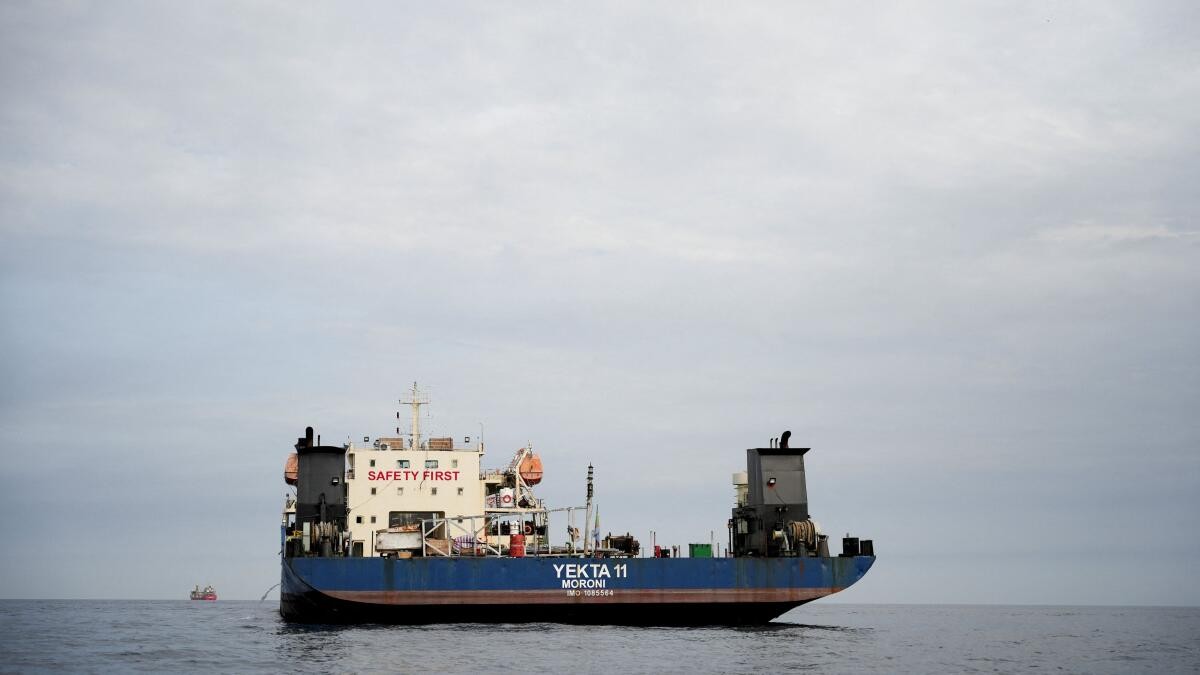
The report said that following the enforcement of the blockade, some vessels with intended calls at Iranian ports were observed adjusting their AIS destination signals while passing through the Strait of Hormuz.
According to the report, shortly after the blockade took effect, at least two Iran-flagged container ships previously indicating sailing to the southern Iranian port of Bandar Abbas changed their AIS messages to the more general designation of “PG Ports,” meaning “Persian Gulf ports.”
After successfully passing through the Strait, they continued their journey toward Bandar Abbas on Tuesday, said the report.
Citing analysts, the report said such actions could complicate the intelligence collection phase of the U.S. blockade and require additional resources to track and identify vessels involved in maritime traffic to Iranian ports.
The U.S. Central Command said Tuesday that more than 10,000 troops are executing the mission to blockade ships entering and departing Iranian ports, targeting vessels of all nationalities without discrimination.
At least two vessels transited through the Strait of Hormuz en route to Iranian ports after altering their Automatic Identification System (AIS) destination data.
The meeting followed a two-week ceasefire that paused nearly 40 days of intense hostilities and briefly opened a narrow window for diplomacy.
Held in Pakistan, a key regional mediator, the talks marked the highest-level face-to-face engagement between the United States and Iran since 1979, a relationship long defined by decades of sanctions, periodic confrontation, and deep mistrust.
Analysts said the failure to reach an agreement underscores entrenched structural divisions between the two sides, while noting that the very fact that the talks took place signals limited but meaningful diplomatic progress.
They added that domestic political pressures, economic risks linked to potential instability in the Middle East, and signs of growing war fatigue may continue to encourage both sides to keep diplomatic channels open despite the current deadlock.
No deal reached
Speaking at a press conference in Islamabad on Sunday, U.S. Vice President JD Vance said he was returning “without an agreement,” adding that Iran had not accepted U.S. terms despite what he described as “a good-faith engagement.”
Vance said the Iranian nuclear program remained at the center of the dispute, reiterating that Washington requires an “affirmative commitment” from Tehran not to pursue nuclear weapons or the capability to rapidly develop them. Iran, however, has consistently maintained that its uranium enrichment activities are a sovereign right and has rejected externally imposed restrictions.
Iranian officials, in turn, blamed the impasse on what they described as “excessive and unreasonable demands” from the United States, arguing that Washington’s conditions failed to respect Iran’s “legitimate rights,” including enrichment activities and meaningful sanctions relief.
Iranian Foreign Ministry spokesman Esmail Baghaei said that while the two sides had reached understandings on several issues, they remained far apart on two to three key points, preventing a final agreement.
Despite the lack of a breakthrough, Tehran signaled that dialogue could continue. Quoted by Iran’s Mehr News Agency, Baghaei said it would be unrealistic to expect a deal in a single round of talks, adding that Tehran remained “confident that contacts between us and Pakistan and our other friends in the region will continue.”
Pakistani security analyst Tughral Yamin noted that Pakistan had provided a platform for dialogue rather than a venue for a final settlement, suggesting the Islamabad talks may represent only an initial step in a longer diplomatic process.
For Pakistan, which facilitated the negotiations, officials indicated their role was far from over. Deputy Prime Minister and Foreign Minister Mohammad Ishaq Dar said Islamabad would continue to play a constructive role in supporting engagement between Iran and the United States in the days ahead.
Testing red lines
In the early hours of Saturday, a 71-member Iranian delegation led by Parliament Speaker Mohammad Bagher Ghalibaf and Foreign Minister Abbas Araghchi arrived in Islamabad. Later that day, a much larger U.S. delegation headed by Vance also reached the Pakistani capital, with the American side numbering around 300 people.
Before formal negotiations began, Pakistani Prime Minister Shehbaz Sharif held a meeting with the Iranian side, during which Tehran laid out several preconditions for engaging with Washington, including the unfreezing of all Iranian overseas assets and accounts and an immediate halt to all attacks, particularly those targeting Lebanon. Iranian officials have repeatedly stressed that stopping strikes on Lebanon is an integral component of any broader ceasefire arrangement.
However, the fragile ceasefire between the United States and Iran has been further complicated by continued Israeli strikes against Hezbollah, the Iran-backed group in Lebanon.
On Saturday evening, Israeli Prime Minister Benjamin Netanyahu said in a statement that the elimination of Hezbollah was a precondition for any ceasefire agreement between Israel and Lebanon.
Tensions also flared during more than 20 hours of negotiations over developments in the Strait of Hormuz.
The United States announced on Saturday that two U.S. Navy destroyers had passed through the strategic waterway, a claim Iran denied, saying its forces had forced the vessels to withdraw.
Entrenching deadlock
Analysts believed that the unsuccessful talks highlight the persistence of deep strategic divisions between the two sides, stressing that the gap is not merely tactical but structural.
The positions of both countries are highly divergent, with maximalist demands that remain far apart and are further complicated by deep-rooted mistrust, former Pakistani diplomat Masood Khalid said.
This divergence is reflected across multiple core issues. According to another former Pakistani diplomat, Naghmana Hashmi, the impasse centers on several key areas: the control of the Strait of Hormuz, the nuclear issue where both sides maintain hardline positions, military arrangements including Iran’s demand for a U.S. withdrawal from the region, compensation claims for damages suffered by Iran, sanctions relief — particularly frozen assets — and the situation in Lebanon.
Addressing these complexities remains a formidable challenge, as Mohamed Benaya, an expert on Iranian and Gulf affairs at Al-Azhar University in Egypt, said that “bridging these gaps will be difficult without phased, reciprocal concessions.”
Glimmers of hope
Despite these significant hurdles, analysts believe that the mere occurrence of these talks signifies progress.
Hashmi observed that both parties’ willingness to remain at the negotiating table indicates a “positive mindset” focused on finding a solution, adding that the priority now is to maintain diplomatic momentum.
Khalid echoed this sentiment, suggesting that in the current high-tension climate, the fact that dialogue happened at all is an achievement in itself.
Looking ahead, analysts said that a combination of domestic and global pressures may push the dialogue to continue despite the deadlock.
Aizaz Ahmad Chaudhry, former Pakistani ambassador to the United States, noted that for U.S. President Donald Trump, the risks of a prolonged military confrontation and its potential fallout on upcoming midterm elections create a strong incentive for diplomacy.
Furthermore, experts said long-term economic risks, specifically the threat of instability in the Middle East disrupting global energy markets and trade flows, have strengthened international calls for de-escalation.
Battlefield dynamics may also be shaping diplomatic calculations. Said Nazir, a Pakistani defense analyst, pointed to growing “war fatigue” on both sides after weeks of confrontation and demonstrations of military capability, saying this could push Washington and Tehran to avoid a costly, open-ended conflict by keeping diplomatic channels open.
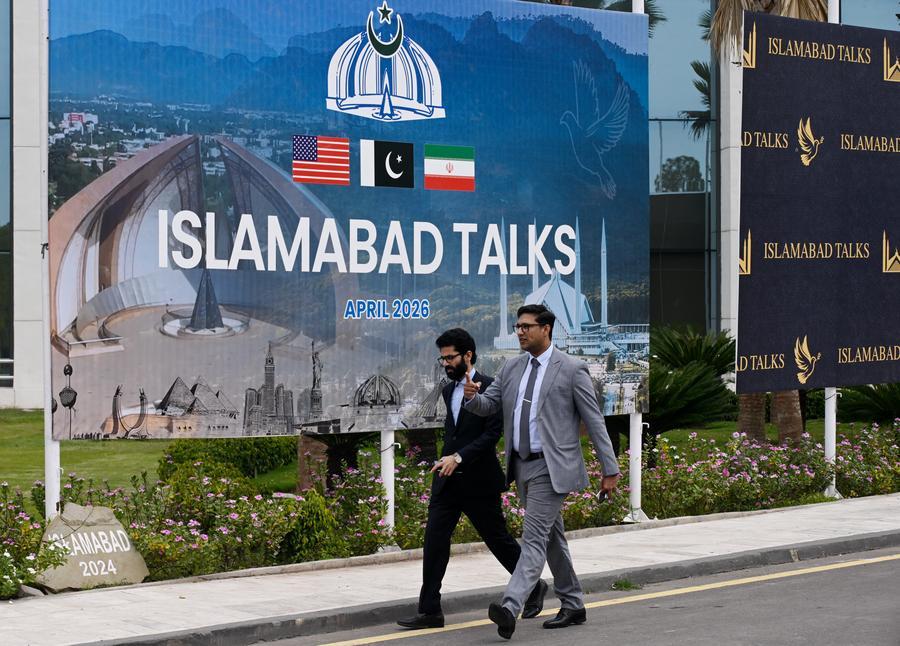
People walk past the press center for the talks between the United States and Iran in Islamabad, Pakistan, April 11, 2026.
According to a presidential order issued on April 10, 2026, the other individuals pardoned are Dilan Berat Mete, Emmanuel Kanamugire, and Mujawamariya. Mete had been convicted as an accomplice in the misuse of public property and was sentenced to one year in prison along with a fine of Rwf 1 million.
Kanamugire and Mujawamariya were convicted of issuing bounced cheques and fined Rwf 154.8 million and Rwf 84 million respectively.
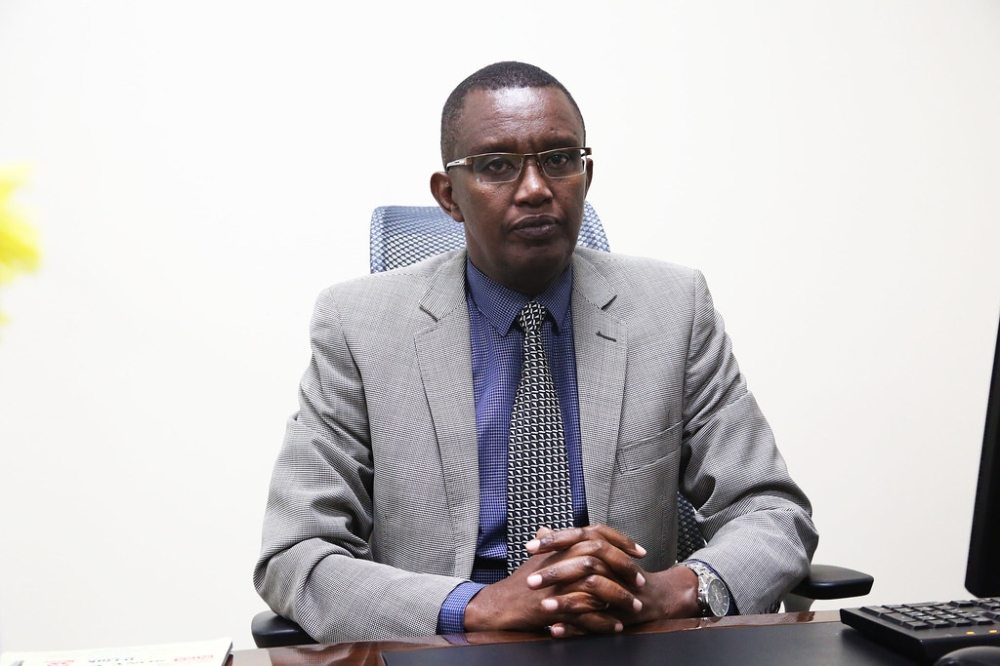
Lt Col (Rtd) Nkusi had also been found guilty as an accomplice in the misuse of public property and was sentenced to one year and six months in prison, in addition to a fine of Rwf 1 million. Brig Gen (Rtd) Muziraguharara had been convicted on similar charges of complicity in the misuse of public property, as well as failure to report a serious offense, and was sentenced to one year in prison.
Throughout his military career, Brig Gen (Rtd) Muziraguharara served in several key roles within the RDF. Between 1998 and 2000, he was in charge of research. From 2005 to 2006, he served as Chief Instructor at the Gako Military Academy, among other roles.
He later served in a United Nations peacekeeping mission in Darfur, Sudan, where he was responsible for planning. From 2010 to 2012, he worked as Director of Planning in the RDF before representing the force at the International Conference on the Great Lakes Region (ICGLR).
From 2013 to 2018, he served as Director General in charge of administration and finance at the National Intelligence and Security Service (NISS). On July 29, 2025, Brig Gen (Rtd) Muziraguharara was among more than 1,000 soldiers who were officially retired from military service.
Brig Gen (Rtd) Muziraguharara is among five individuals that have been granted presidential clemency.