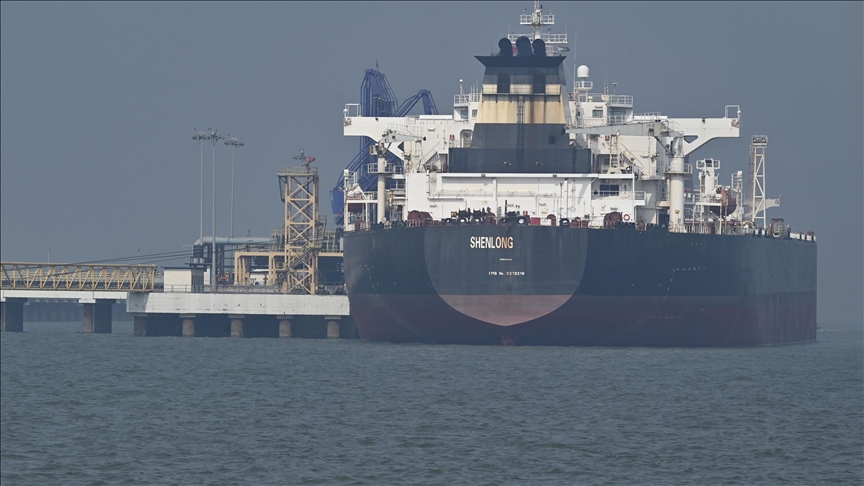
The move follows a week of heightened economic pressure, including new sanctions on shipping companies involved in transporting Iranian oil.
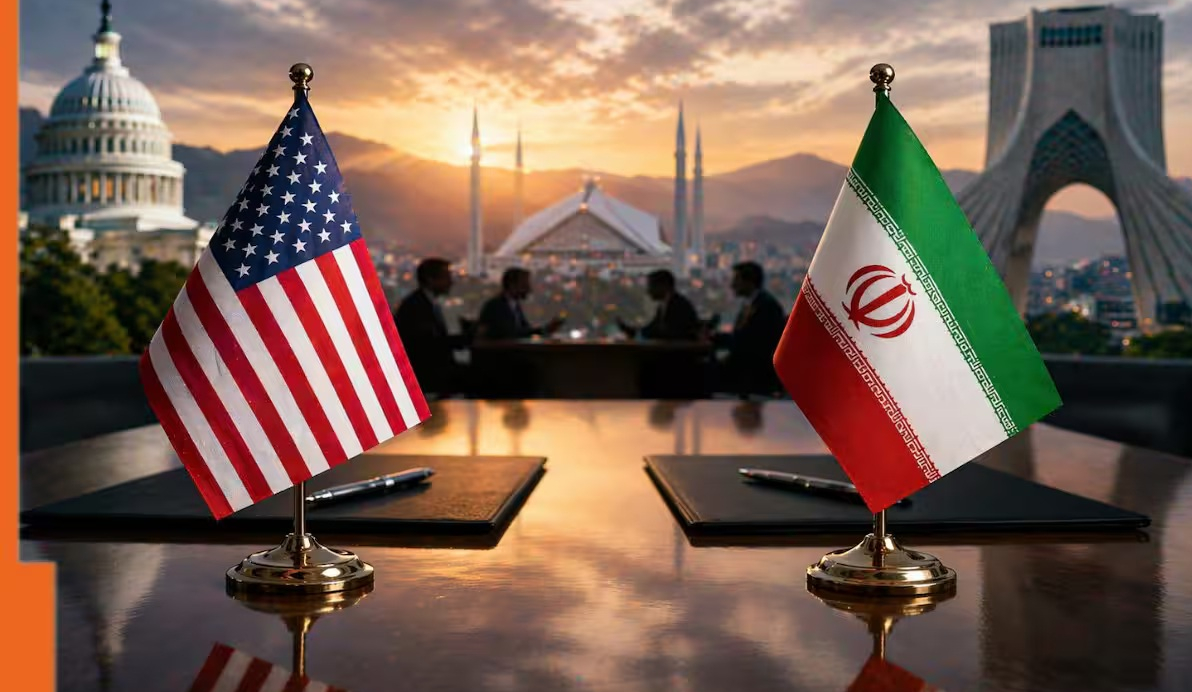
White House Press Secretary Karoline Leavitt confirmed the mission, stating that the U.S. is prepared for “in-person conversations” to move toward a permanent deal, even suggesting that Iran had requested the direct encounter.
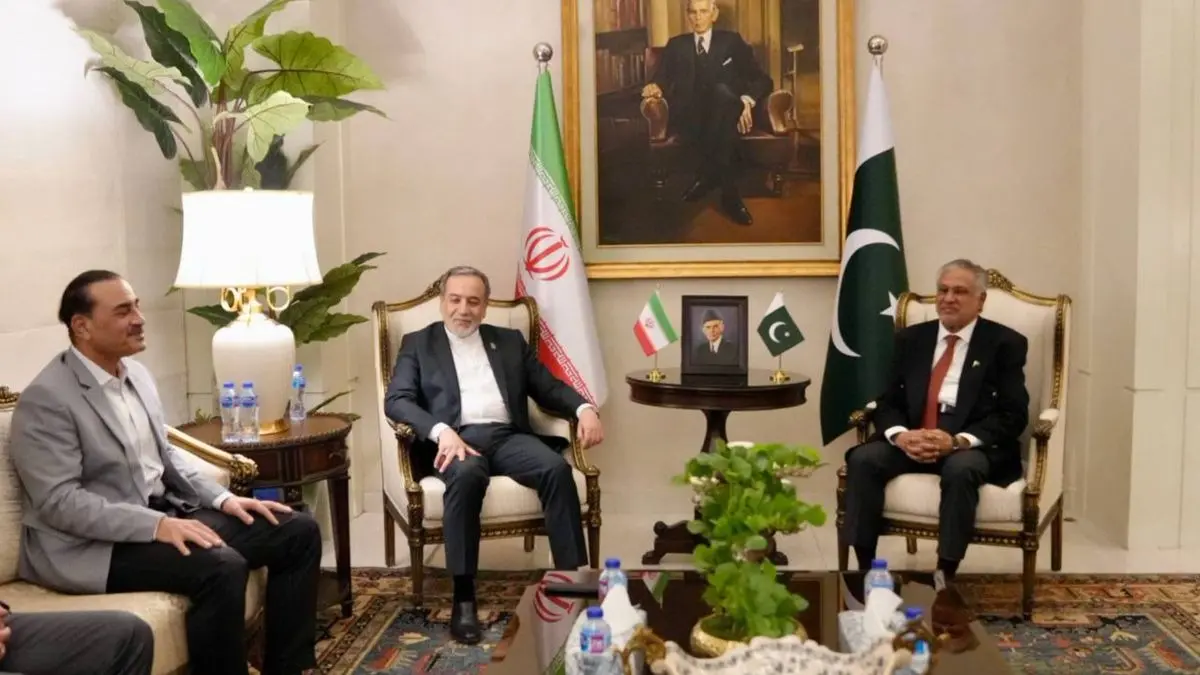
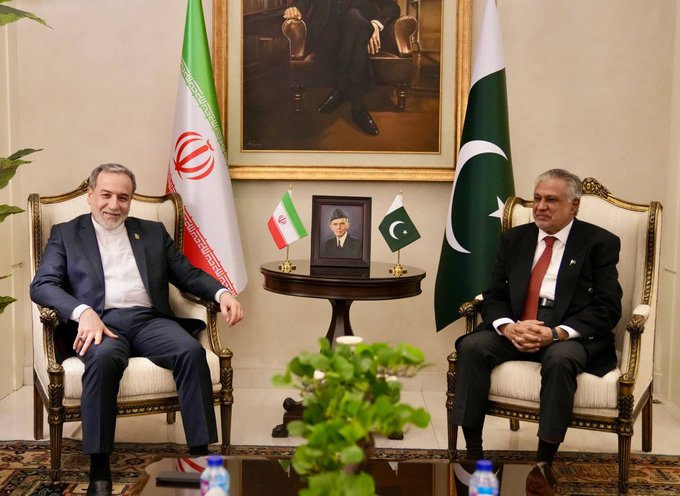
However, the nature of the engagement remains a point of intense diplomatic dispute. Shortly after Iranian Foreign Minister Abbas Araghchi arrived in Islamabad for meetings with Pakistani Foreign Minister Ishaq Dar and Army Chief Field Marshal Asim Munir, Tehran issued a firm denial of direct contact.
Iranian Foreign Ministry spokesperson Esmaeil Baqaei clarified in a statement on X that “no meeting is planned” to take place between Iranian and U.S. officials.
Instead, Iran maintains that it will only convey its “observations” through Pakistani intermediaries, highlighting the deep-seated mistrust that has defined the relationship since the 1979 Revolution and the 2018 U.S. withdrawal from the nuclear deal.
Pakistan continues to play a pivotal role as the “bridge” in this conflict, leveraging its unique diplomatic ties with both Washington and Tehran.
While U.S. negotiators express hope that this round of talks will lead to a breakthrough, the conflicting accounts from both capitals underscore the immense challenges of de-escalating a war of aggression that has disrupted regional peace and global trade for 57 days.
US negotiators to go to Islamabad, but Iran says no direct talks.
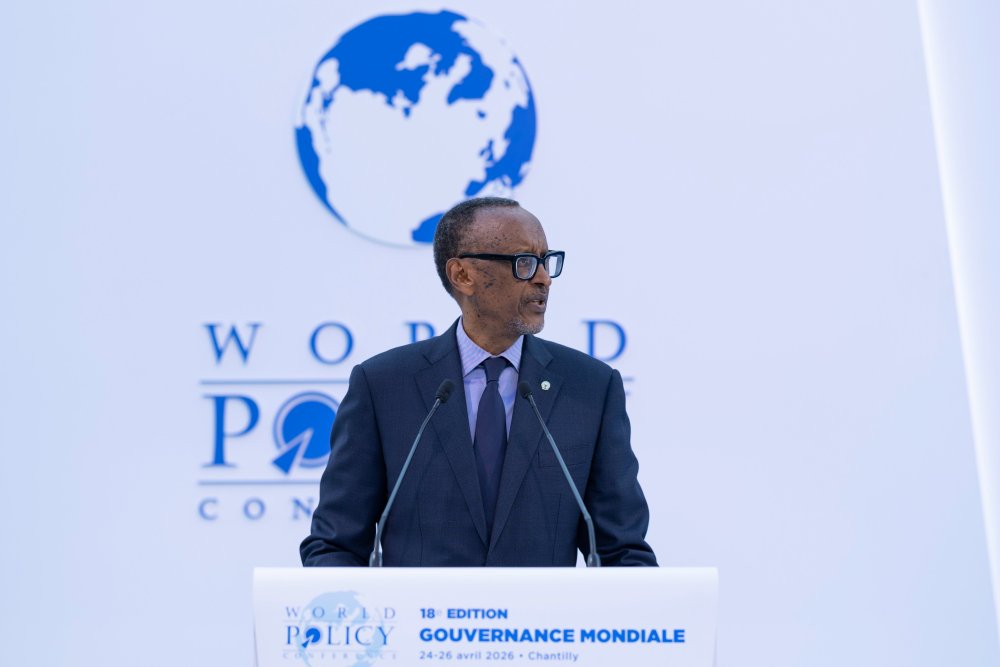
Speaking during a dinner debate at the 2026 World Policy Conference (WPC) in Chantilly, France on Friday evening, Kagame highlighted that the world has never truly offered a fair and stable order, particularly for Africa and the Global South.
He explained that even during periods when the global order appeared stable, deep imbalances persisted.
“There have always been inequalities. There have always been points of conflict,” Kagame said. He added that it has long been taken for granted “that what happens in the global south will always be dependent on and determined by the global north.”
Kagame described the prevailing structure as one in which major powers act freely when their interests are threatened, while smaller and middle powers face blame, punishment, or criticism.
“The smaller powers, the smaller countries, the middle powers, are just supposed to pull the line. Simple,” he stated.
He noted that Africa has been affected by this imbalance “anyway, all along” and not only during times of visible crisis.
“It has been affected even when things look stable globally, under this structure where it is do as I say and as I tell you, and that’s it. Otherwise, there will be consequences,” Kagame observed.
Turning to the question of legitimacy in the international system, he asked: “Who decides what is wrong, who decides what is right, and on what basis? Is it just that you have the power, therefore you will decide what is wrong and what is right?”
Kagame acknowledged that the old order was “a work in progress” but stressed that today’s fragmentation has exposed its weaknesses.
He warned that the ongoing conflict in the Middle East carries serious risks for the wider world, including Africa.
“The situation is very bad. And the big powers need to quickly find a solution. Otherwise, it generates into a bigger problem for the whole world,” he said, pointing to rising oil, food, and fertilizer prices “affecting millions, hundreds of millions of people.”
The Head of State also spoke about Africa’s own path forward. He encouraged the continent to look inward, saying: “The continent needs to look at what it has, almost everything. The people, the other resources, and the good cultures that can be drawn from a lot of knowledge and practices that make people proud of who they are.”
He added that Rwanda’s reconstruction showed the value of starting with internal efforts: “We looked within and found the efforts to rebuild our country, even if we had to be partners with different people and we got a lot of support, but we had to start with ourselves.”
Kagame emphasized that everyone, including small countries, should have space to contribute.
“Everyone should have some space to express themselves and contribute what is good for everyone and for the rest of the world,” he said.
On regional issues, including efforts to address tensions in Eastern DR Congo, Kagame called for patience and depth.
“The problems cannot be addressed overnight. Crisis cannot be overcome in such a short time,” he remarked. “But there is a need to look at the root causes of everything and then give time to dialogue for people to find a win-win kind of solution.”
Founded in 2008, the WPC aims to contribute to improving global governance; examining, discussing, and proposing constructive solutions to major regional and international challenges, in a climate of trust and a spirit of tolerance.
This year’s meeting (18th edition) is held from April 24–26, 2026, at Domaine Les Fontaines in Chantilly, France under the theme, “Between Fragmentation and Interdependence: Rethinking Global Governance.”
It addresses major issues like global trade, AI, and conflicts in Europe and the Middle East.
President Kagame has questioned who defines right and wrong in an imbalanced international system.
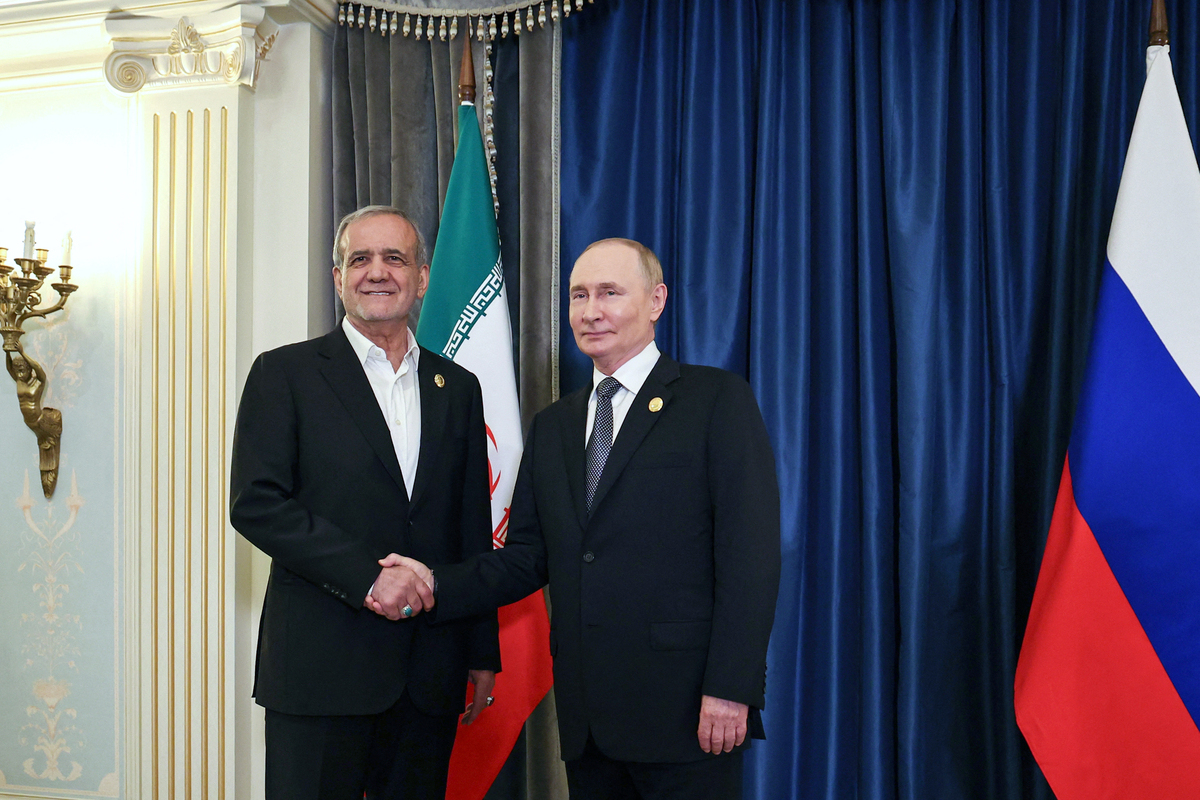
Putin and Pezeshkian have spoken by phone three times since Feb. 28, Jalali said. “Our presidents maintain very good contact. The foreign ministers of the two countries also have very strong relations.”
During their latest phone call on April 12, Jalali said Moscow stands ready to continue facilitating efforts to resolve the conflict and help achieve a just and lasting peace in the region.
“We thank Russia for this voice and support, which testifies to the stable and deep relations between our countries,” Jalali said.
In this pool photograph distributed by the Russian state agency Sputnik, Russia’s President Vladimir Putin shakes hands with Iran’s President Masoud Pezeshkian during a meeting on the sidelines of the Shanghai Cooperation Organisation (SCO) Summit in Tianjin on September 1, 2025.
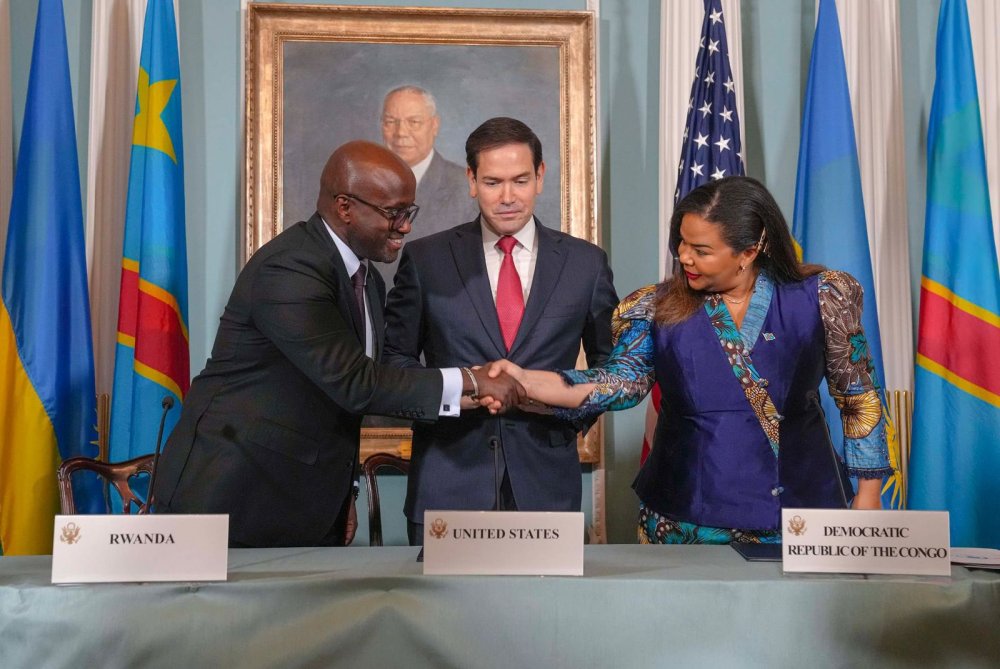
The meeting, held under the framework of the Joint Oversight Committee, marked its fifth session since the agreement was signed on June 27, 2025, in Washington, DC.
According to the joint statement released by the U.S. State Department, the Committee reviewed progress made since the March 17–18, 2026 meeting, with both Rwanda and the DRC providing updates on efforts to ease tensions and advance implementation of agreed measures on the ground.
The State of Qatar also briefed the meeting on ongoing negotiations between the DRC and AFC/M23. The Committee expressed strong support for these talks and welcomed Switzerland’s role in hosting the latest round of discussions in Doha, stressing the importance of this track in reinforcing the broader peace process.
Participants reaffirmed their commitment to sustaining momentum in the implementation of the agreement and building on the progress already achieved.
Rwanda and the DRC also expressed appreciation to the United States, Qatar, the African Union Commission, and Togo for their continued support in promoting peace and stability in eastern DRC and the wider Great Lakes region.
The Washington Peace Agreement outlines key measures, including efforts to dismantle the FDLR terrorist group, address security concerns, and contribute to long-term regional stability.
Massad Boulos, Senior Advisor to the U.S. President Senior Advisor for Arab and African Affairs, said both sides had reiterated their commitment to de-escalation and continued implementation of the agreement.
“The State Department hosted a productive meeting with our partners on the Joint Oversight Committee to review progress on the DRC-Rwanda Peace Agreement signed last June.
“Both the DRC and Rwanda reaffirmed their commitment to de-escalation and continued implementation of the Peace Agreement, building on progress from our March meetings in Washington. Grateful to the African Union, Togo, and Qatar for their contributions as we work to support a lasting peace in the Great Lakes,” he wrote on X.
The peace agreement signed in June last year had set a 90-day timeline for dismantling the FDLR and lifting Rwanda’s defensive measures. However, nearly a year later, little progress has been achieved.
Although on March 29, the Congolese army announced plans to launch operations against the FDLR, Rwanda maintains that the group continues to operate freely.
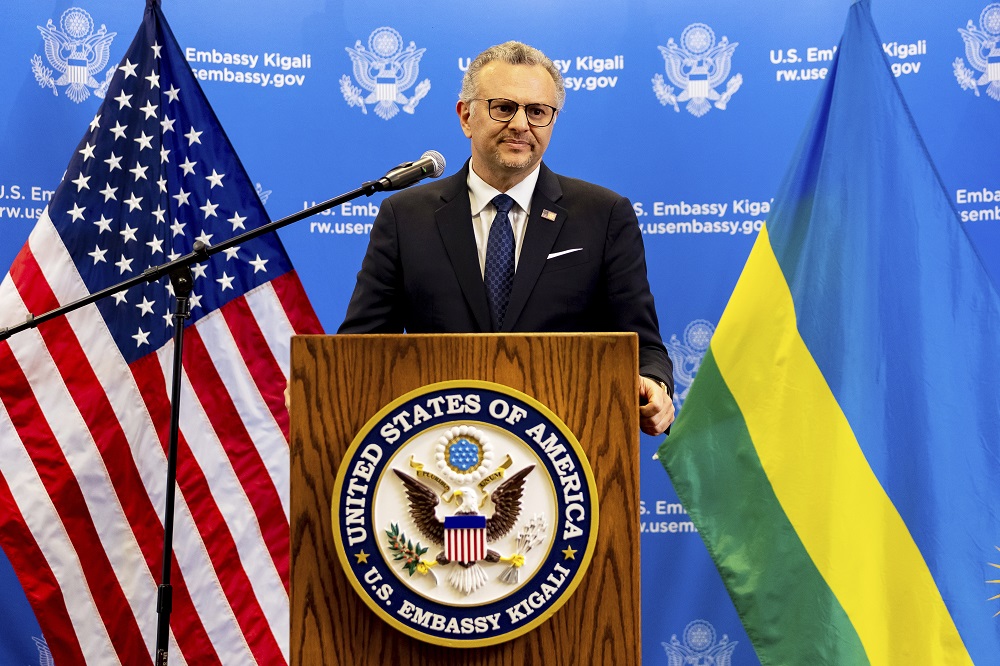
Massad Boulos, senior advisor to President Donald Trump, addresses the media at the U.S. Embassy in Kigali, Rwanda, Tuesday, April 8, 2025. Nearly a year after signing Washington peace agreement, little progress has been achieved.
“We’ve currently provided exceptions for some countries, but I don’t know what will happen in the future. However, our foreign ministry is currently trying to implement the exceptions envisioned for friendly countries, such as Russia,” the ambassador said.
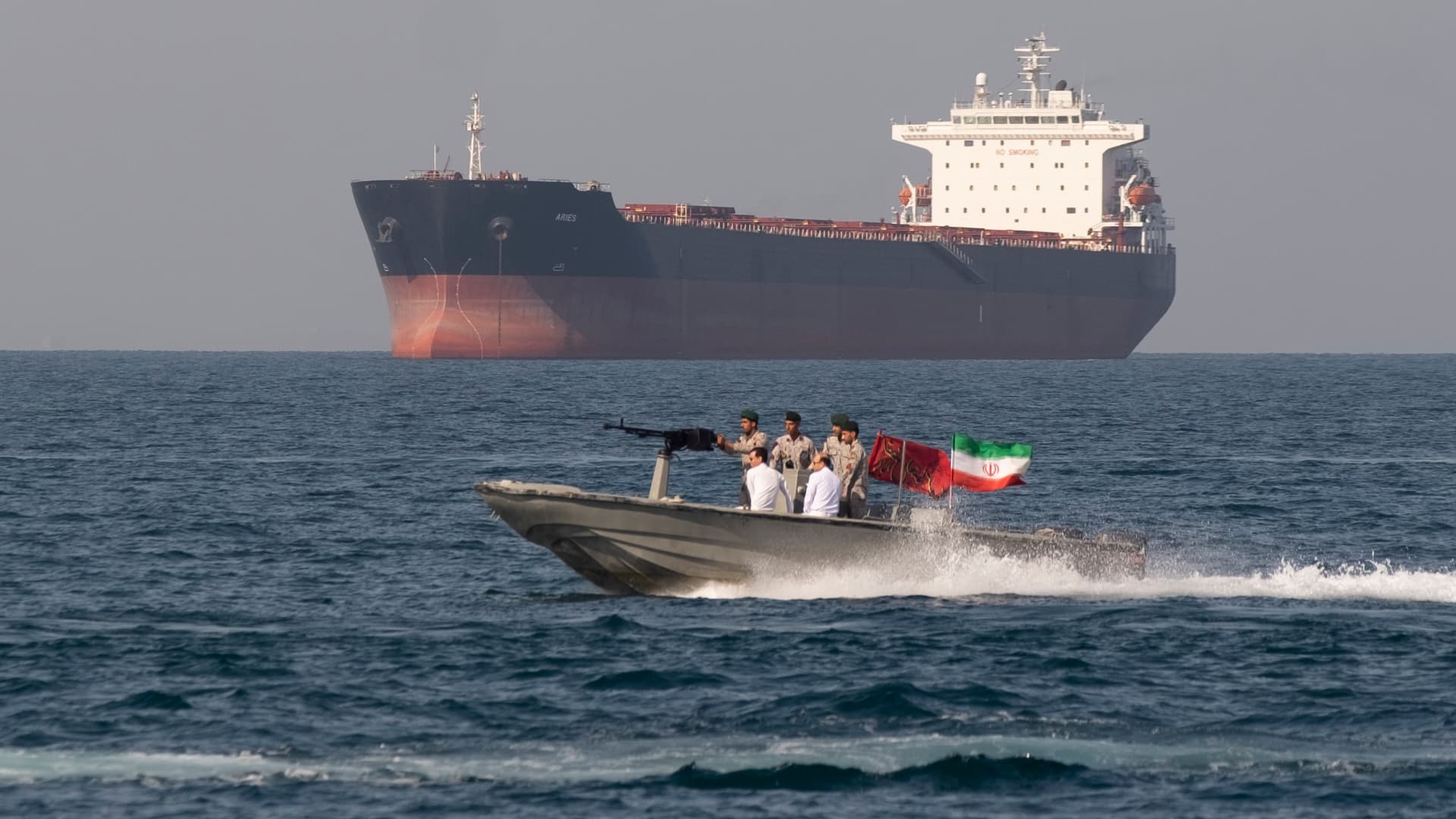
Iran has announced plans to charge fees on passage through the Strait of Hormuz following U.S.-Israeli attacks against the country, citing costs associated with ensuring the security of the key waterway. It said it has closed the strait and will reopen it once the U.S. naval blockade is fully lifted.
First Deputy Speaker of the Iranian parliament Hamid Reza Haji Babaei said Thursday that Iran has received fees for transit through the strait for the first time, with funds transferred to the country’s central bank.
The strait, a narrow checkpoint between the Persian Gulf and the Gulf of Oman, is the only maritime outlet to the open ocean, with about 20 million barrels of oil passing through it daily before the war — about a fifth of global consumption.
Iran has granted exemptions to some countries, including Russia, in transit fees for passage through the Strait of Hormuz,
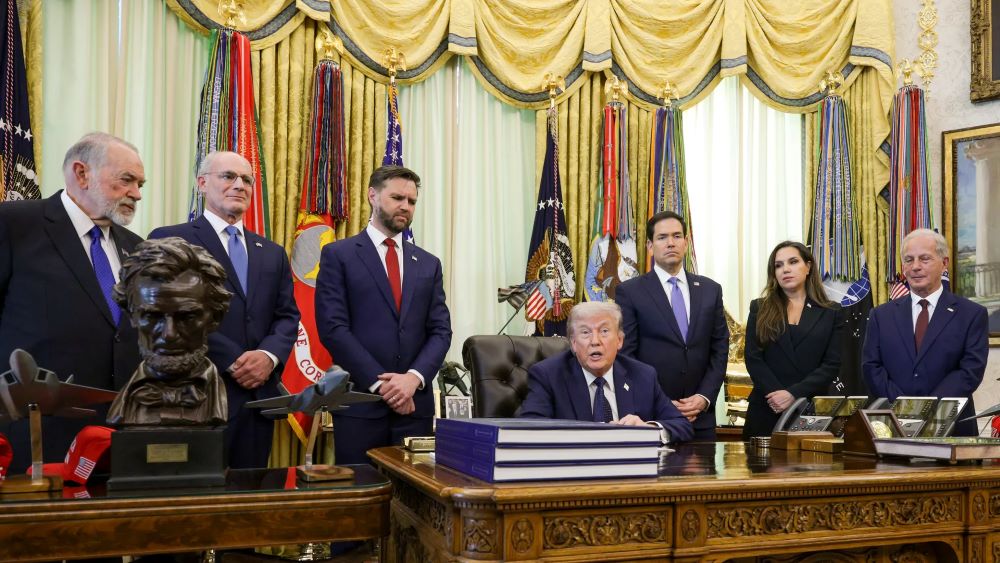
The United States is going to work with the government of Lebanon to help it protect itself from Hezbollah, Trump said in a post on his social media platform Truth Social.
Trump said he met with representatives of Israel and Lebanon in the Oval Office, along with U.S. Vice President JD Vance, Secretary of State Marco Rubio, and U.S. ambassadors to Israel and Lebanon.
“The Meeting went very well!” Trump claimed, providing no details.
“I look forward in the near future to hosting the Prime Minister of Israel, Bibi Netanyahu, and the President of Lebanon, Joseph Aoun,” Trump added.
Trump said last week he was expecting to meet Netanyahu and Aoun at the White House “over the next week or two” in hopes that the two sides could broker a peace deal, which will also address Hezbollah.
The 10-day ceasefire between Israel and Lebanon came into effect on April 16, following weeks of intensified cross-border fighting amid the U.S.-Israeli war against Iran.
Israel and Lebanon have no formal diplomatic relations, and Hezbollah has long been viewed by Israel as a “proxy” of Iran. The negotiating party with Israel is the Lebanese government, not Hezbollah.
The truce has remained fragile as tensions along Lebanon’s southern border have continued during the current ceasefire.
Trump said he met with representatives of Israel and Lebanon in the Oval Office, along with U.S. Vice President JD Vance, Secretary of State Marco Rubio, and U.S. ambassadors to Israel and Lebanon.
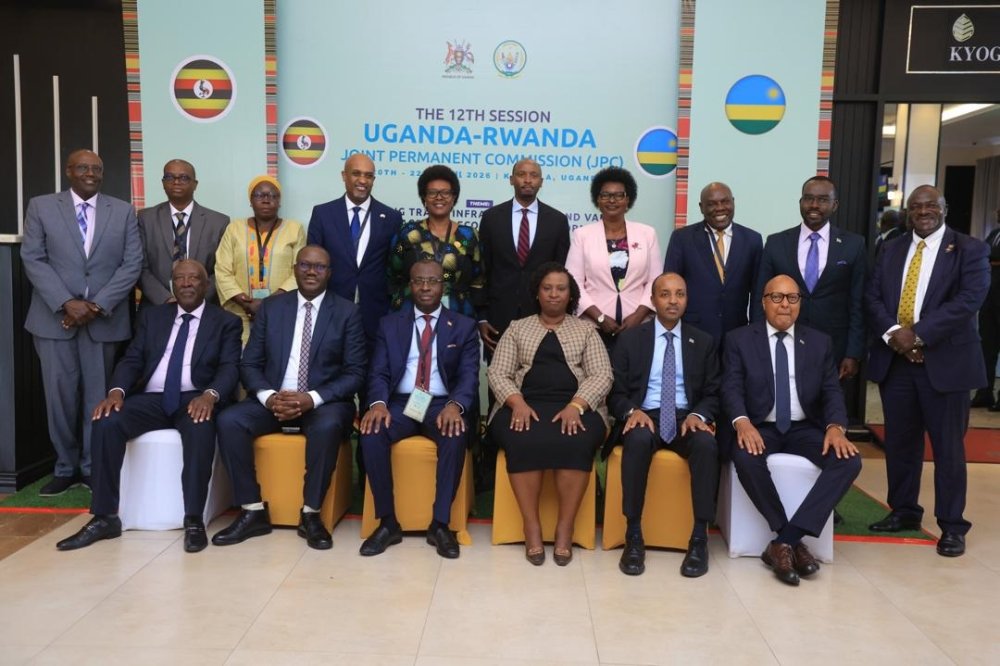
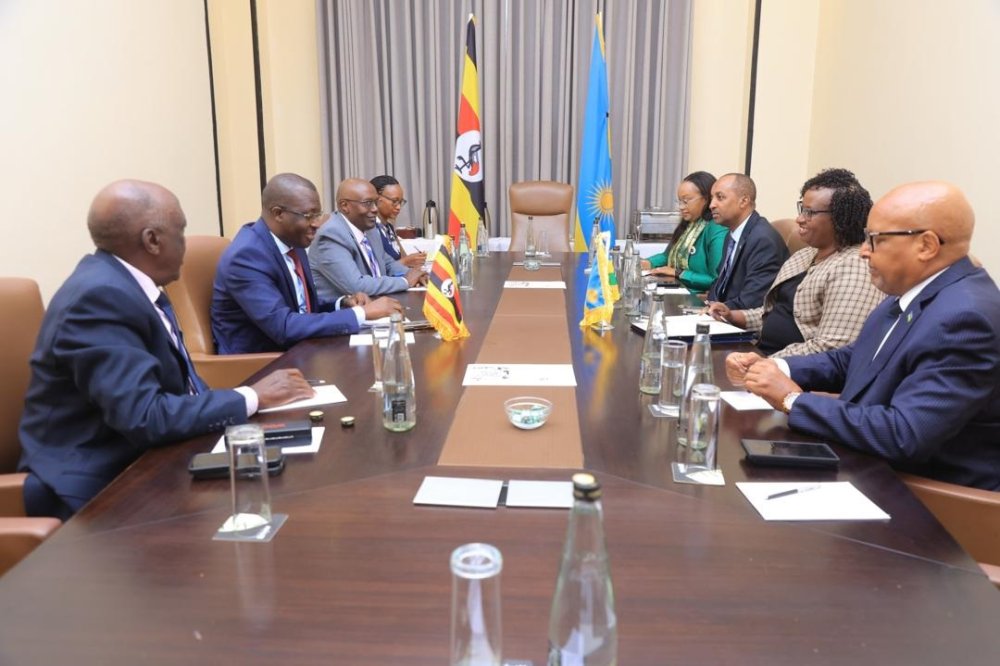
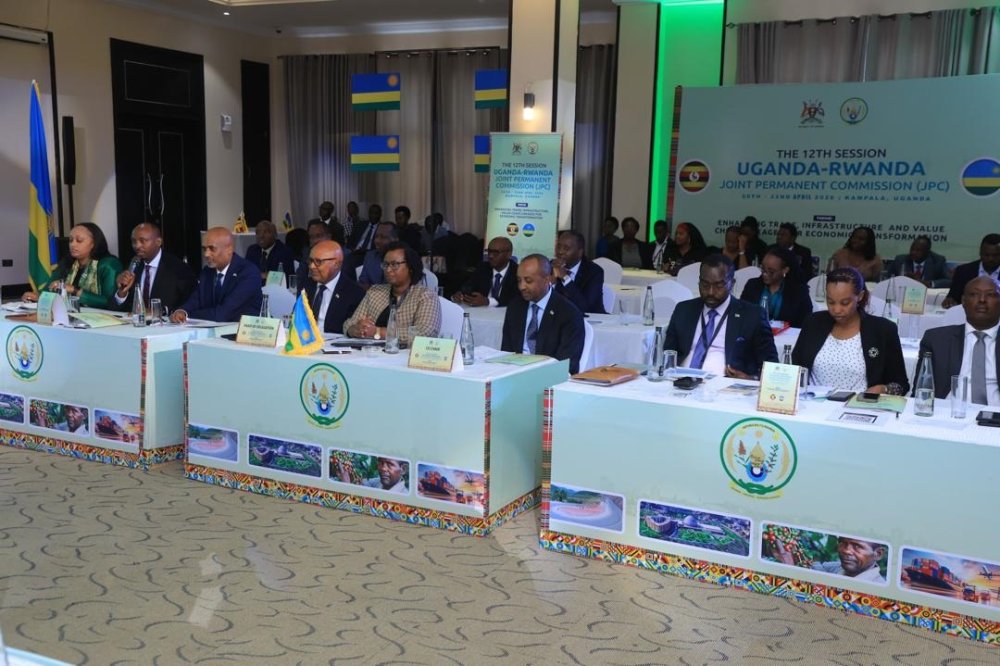
The agreements were concluded on April 22, 2026, at the 12th session of the Joint Permanent Commission (JPC) held in Kampala, where officials from both countries reiterated their commitment to closer cooperation and regional integration.
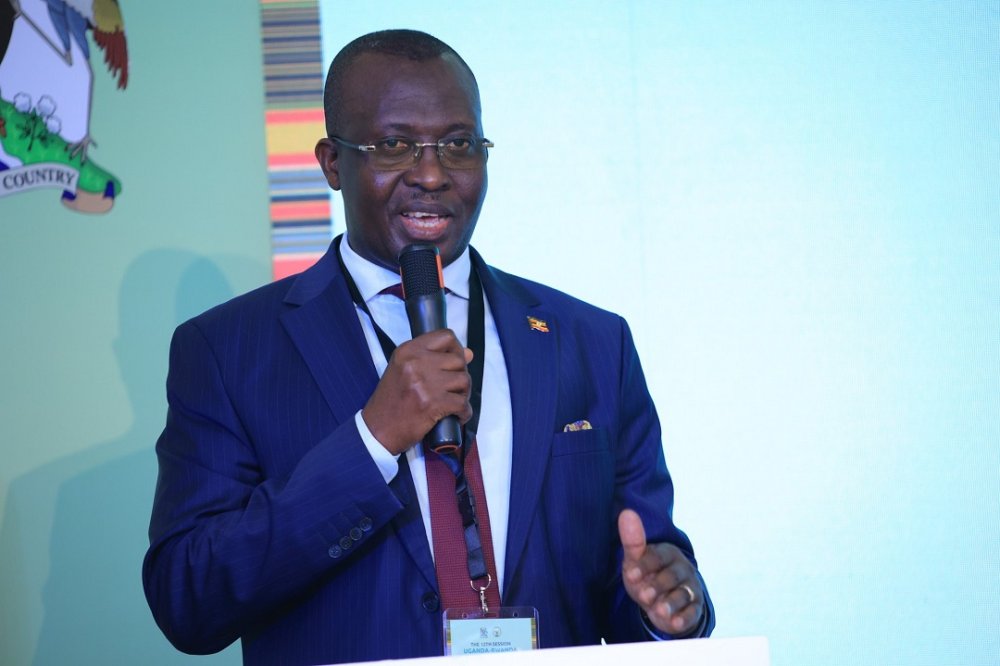
Uganda’s Minister of State for Foreign Affairs, John Mulimba, described the meeting as a clear sign of shared ambition between the two neighbours.
“This session is a testament to our mutual resolve to strengthen ties and work together for the prosperity of our two peoples. Uganda and Rwanda are not just neighbours; we are partners bound by history, culture, and kinship,” he said.
Mulimba noted that collaboration would continue across key areas such as trade, cross-border movement, infrastructure, and security, stressing the need for tangible benefits for citizens.
“As the host, Uganda reaffirms its commitment to a peaceful and open neighbourhood, regional integration, and pan-Africanism. A stable and prosperous Rwanda is in Uganda’s interest, just as a stable and prosperous Uganda is in Rwanda’s interest,” he added.
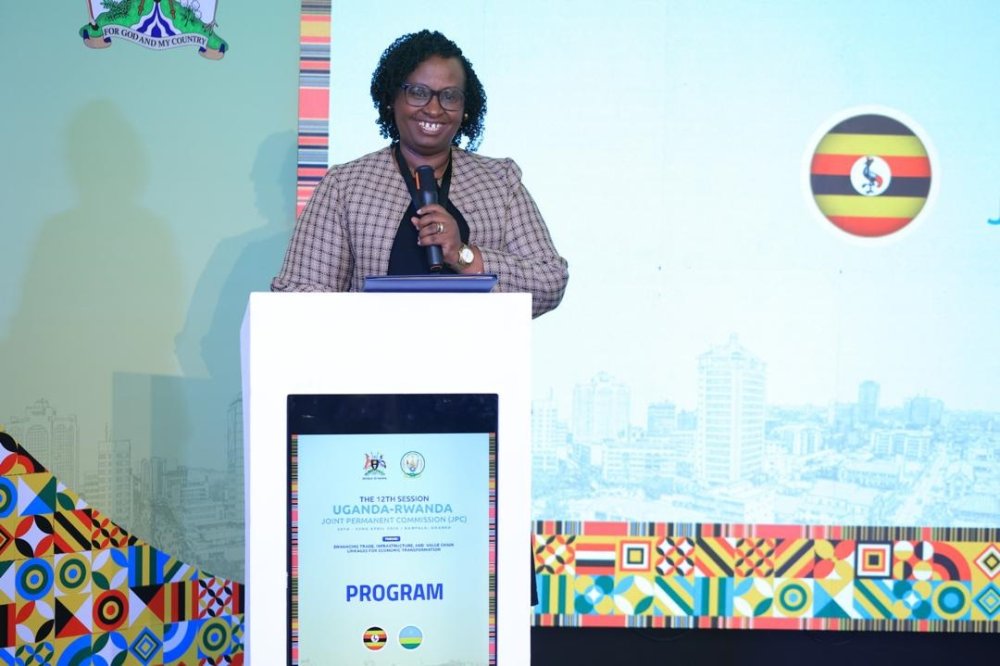
Rwanda’s Minister of State in charge of Regional Cooperation, Usta Kaitesi, emphasised the deep-rooted ties between the two nations.
“Our relations are rooted in a shared history, strong people-to-people ties, and a common aspiration for peace, stability, and prosperity,” she said.
Kaitesi highlighted the JPC as a vital platform for tracking progress, resolving challenges, and identifying new opportunities for collaboration.
The newly signed agreements are expected to strengthen service delivery, enhance cross-border cooperation, and reinforce ties between Kigali and Kampala, signalling renewed momentum in relations between the two countries.
Rwanda and Uganda reaffirmed commitment to regional integration and stronger bilateral ties at the JPC meeting.Delegations from Kigali and Kampala meet to review progress and expand cooperation across key sectors.Rwanda’s Minister of State for Regional Cooperation, Usta Kaitesi, highlighted strong historical ties between Rwanda and Uganda.Uganda’s Minister of State for Foreign Affairs, John Mulimba, speaks during the closing session of the Joint Permanent Commission in Kampala.Officials from Rwanda and Uganda pose after concluding the 12th Joint Permanent Commission in Kampala on April 22, 2026.
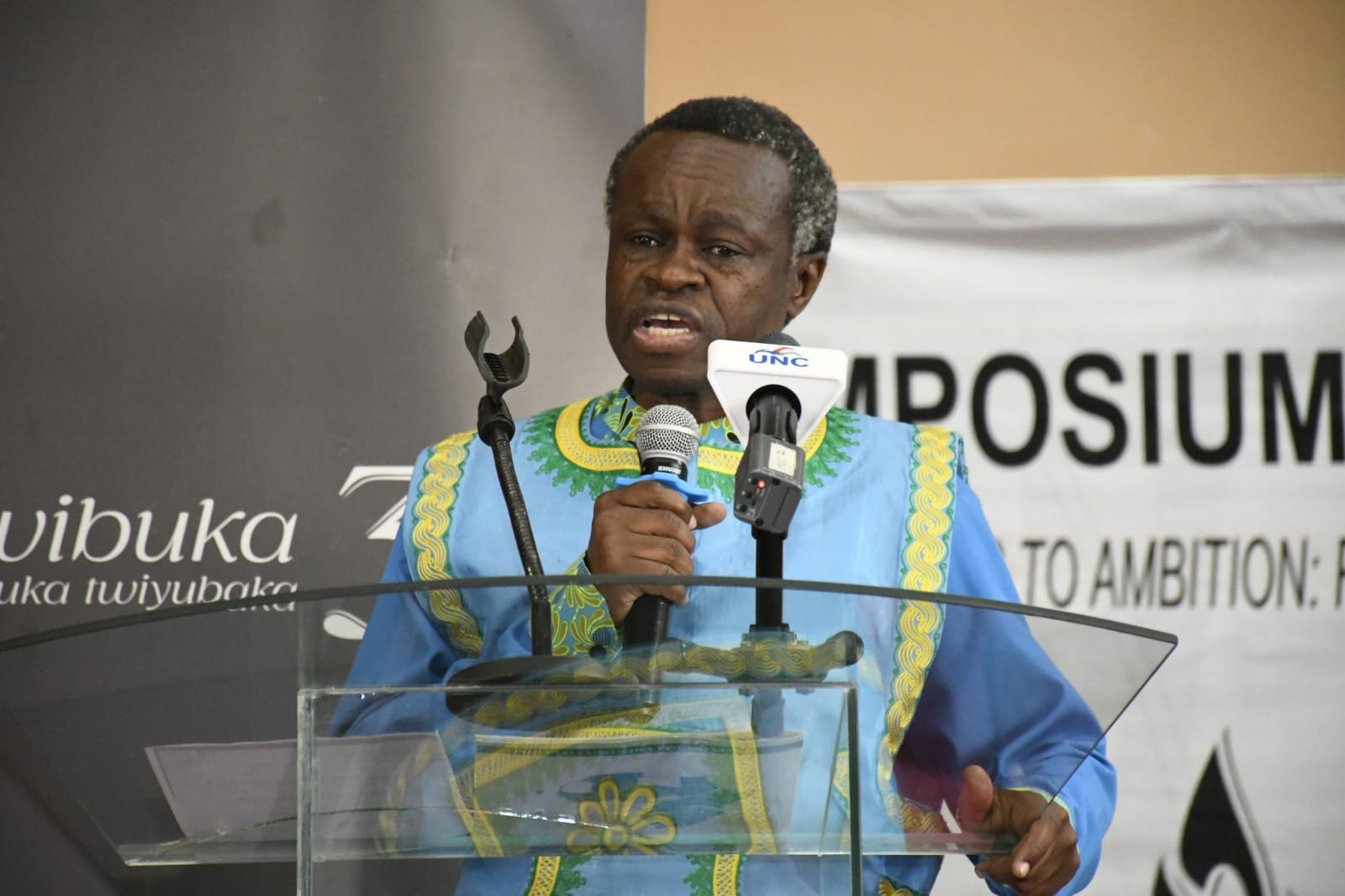
Speaking at a Symposium on Genocide Prevention organised by the Embassy of Rwanda in Kenya as part of the 32nd commemoration of the Genocide against the Tutsi, Lumumba urged the international community to move beyond rhetoric and ensure practical measures are taken to prevent future atrocities.
“We are not gathered here because it is an annual jamboree at which we congregate and make speeches to ourselves,” he said, stressing that the commemoration must serve as a serious reminder of humanity’s failures and responsibilities.
Warning against historical amnesia
Lumumba cautioned against revisionism and denialism, arguing that forgetting history increases the risk of repeating it.
“We are gathered here because history has taught us that if we are not careful, the only thing we learn from history is that we learn nothing from history,” he said.
He pointed to past global failures, including the inability of the international community to prevent the 1994 Genocide against the Tutsi, where a million people were killed over a 100-day period.
The scholar criticised the role of international institutions during the genocide, saying the world “watched in eloquent silence” as violence unfolded.
“The United Nations, East Africa, Africa, and the big powers with nuclear weapons watched,” he said, adding that places of worship were turned into sites of mass killings while the world remained paralysed.
He also referenced broader historical injustices, including slavery, colonial partitioning of Africa, and genocides in other parts of the world, arguing that global systems have repeatedly failed to prevent mass atrocities.
*Call for stronger international responsibility*
Lumumba urged international and regional bodies to take a more proactive role in preventing genocide, rather than issuing declarations without implementation.
“It is not the function of the international community to issue diktats without understanding circumstances on the ground,” he said, calling instead for meaningful engagement with local realities amid concerns over rising ethnic slurs targeting Banyamulenge and Tutsi communities in eastern DRC.
He stressed that prevention requires moral responsibility rooted in shared human values found across all major religions and philosophies.
Lessons from Rwanda’s recovery
While reflecting on the 1994 Genocide against the Tutsi, Lumumba also highlighted Rwanda’s recovery as a powerful example of resilience and reconstruction.
He praised the country’s leadership, led by President Paul Kagame and citizens for rebuilding a nation once devastated, noting that Rwanda has become a model of governance, order, and development.
“Rwanda, like the phoenix, rose from the ashes,” he said, describing Kigali as a benchmark for urban planning, infrastructure, and institutional efficiency.
He further commended Rwanda’s use of the Gacaca courts, which he described as an African-rooted system that contributed to reconciliation and justice by handling millions of cases at the community level.
Technology and new risks
Lumumba also warned that modern technology could accelerate the spread of hate and violence if misused.
“We are today in the era of artificial intelligence… if those who wanted to commit genocide decided to do so, they would do it in the twinkling of an eye,” he cautioned, highlighting the risks posed by social media and digital platforms in spreading misinformation and hate speech.
Concluding his remarks, Lumumba insisted that remembrance must be tied to responsibility.
“Never again must not be a slogan; it must be action,” he said, urging governments, institutions, and citizens to actively work to prevent the conditions that lead to genocide.
He ended with a call for unity and vigilance, emphasising that the lessons of history must be translated into sustained global action to ensure such atrocities are never repeated.
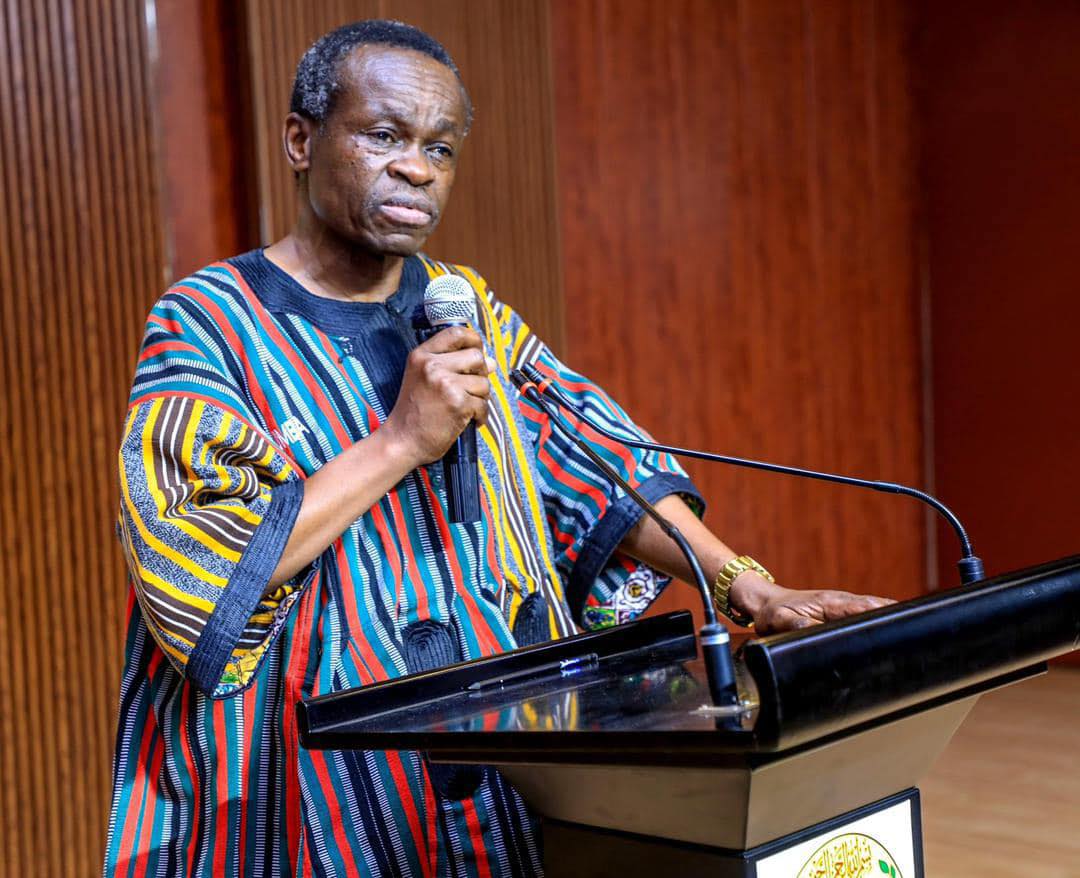
PLO Lumumba cautioned against revisionism and denialism, arguing that forgetting history increases the risk of repeating it.
Furthermore, any such operation is unlikely to be carried out until the U.S.-Israeli war with Iran comes to an end, members of the House Armed Services Committee were told on Tuesday, according to the report. This means gasoline and oil prices could remain elevated through the U.S. midterm elections.
Iran may have emplaced 20 or more mines in and around the strait. Some were floated remotely using GPS technology, which has made it difficult for U.S. forces to detect the mines as they are deployed, a senior defense official told lawmakers. Others are believed to have been laid by Iranian forces using small boats.
The disclosure was made in a classified briefing for lawmakers, Pentagon spokesman Sean Parnell acknowledged in a statement, while criticizing the related reports as “inaccurate.”
“As we said in March, one assessment does not mean the assessment is plausible, and a six month closure of the Strait of Hormuz is an impossibility and completely unacceptable to the (Defense) Secretary,” Parnell said, without specifying how long it could take.
U.S. President Donald Trump told Fox News on Wednesday there is “no time frame” for ending the U.S.-Israeli war with Iran.
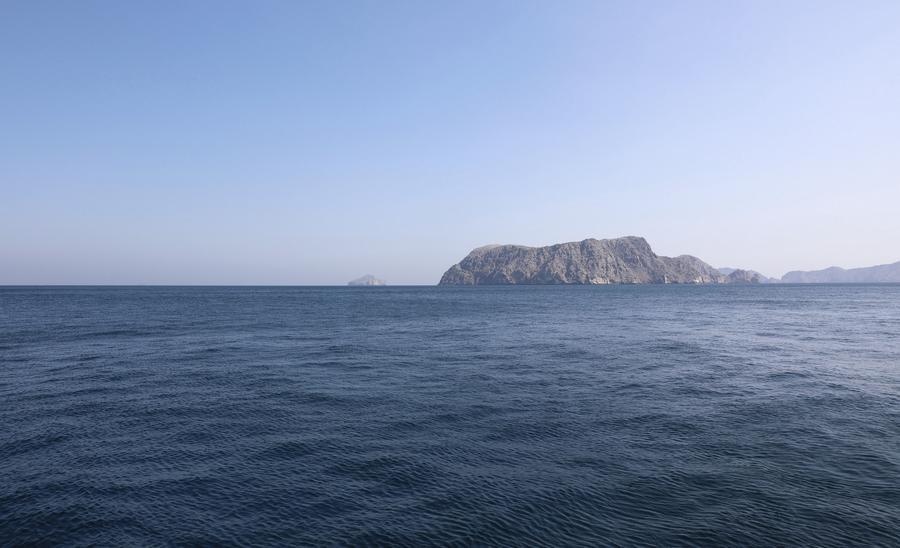
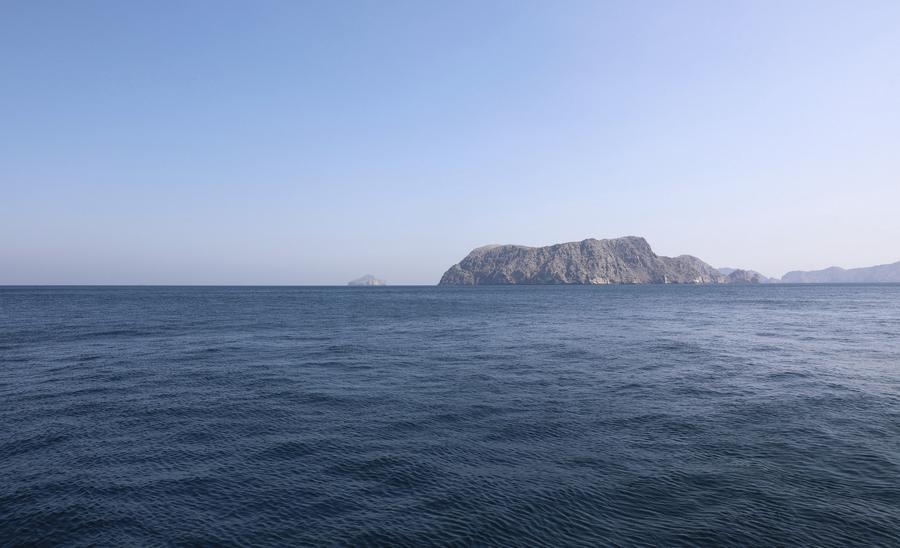
This file photo taken on Feb. 19, 2025 shows the Strait of Hormuz.
While the move is welcome, it has yet to generate momentum for dialogue. Iran has made it clear that it will not engage in a new round of talks unless Trump lifts his blockade on ships entering or exiting Iranian ports in the Strait of Hormuz. The contrast between a prolonged ceasefire and stalled diplomacy underscores the fragility of the current situation.
Against this backdrop, several key questions arise: Why has Tehran refused to attend the talks? What is Washington’s real intention in extending the ceasefire while maintaining pressure? And where might the situation head next?
Why Iran refuses to negotiate
Iranian Foreign Ministry spokesperson Esmaeil Baghaei said Monday that Iran currently has no plan for the second round of peace negotiations with the United States.
Tehran’s attendance depends on Washington meeting preconditions, Iran’s semi-official Tasnim news agency reported, citing the U.S. naval blockade and “excessive demands” as key obstacles.
Iran’s Foreign Minister Seyed Abbas Araghchi said Monday that U.S. “provocative actions” and ceasefire violations are major obstacles to continuing peace negotiations between the two countries.
The United States takes actions that are in no way indicative of its seriousness in pursuing a diplomatic process, Baghaei said, noting that since the ceasefire took effect on April 8, “we have been faced with the breaking of promises and nagging by the United States.”
He also noted an attack against an Iranian commercial ship earlier in the day, which he said is also considered a violation of the ceasefire.
Baghaei said that under UN General Assembly resolutions, the blockade of a country’s seas and ports is an act of aggression. He said Iran will carefully decide on how to proceed based on a single guiding principle: safeguarding the Iranian nation’s interests.
He said the issue of transferring Iran’s enriched uranium has never been an option in any of the negotiations, stressing the importance for Iran to maintain its nuclear, industrial and scientific achievements.
This file photo taken on Feb. 19, 2025 shows the Strait of Hormuz.
What’s Washington’s real intention?
The U.S. decision to extend the ceasefire indefinitely has been widely interpreted as an attempt to preserve a diplomatic window, but analysts caution that it also serves broader strategic purposes.
“Trump … remains eager for a diplomatic solution to the war, wary of reviving an unpopular conflict he’s claimed the United States already won,” CNN reported Wednesday.
However, the United States has not scaled back its military posture in the region. Multiple media outlets reported that U.S. naval deployments and surveillance activities in the Gulf have been maintained—and even intensified—during the ceasefire, suggesting continued pressure and the retention of military options.
The United States is expected to deploy three aircraft carrier strike groups simultaneously in the Middle East in the coming days, NBC reported on Monday.
The U.S. military will continue the blockade against Iran and “remain ready and able,” Trump said Tuesday, although Pakistan’s Army Chief, Field Marshal Asim Munir, told him that the blockade of Iranian ports would remain a major obstacle to meaningful diplomatic progress.
In this sense, the ceasefire extension is less a definitive step toward peace than a tactical maneuver to buy time for both negotiation and contingency planning.
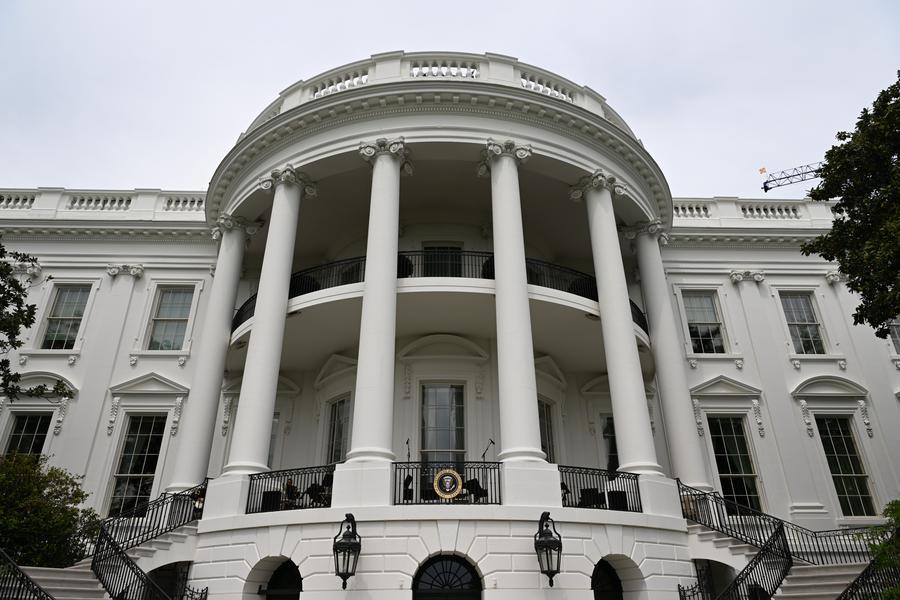
This photo taken on April 18, 2026 shows a view of the White House in Washington, D.C., the United States.
Where are U.S.-Iran talks headed?
“Trump’s ceasefire extension means nothing,” said Mahdi Mohammadi, an adviser to Iranian Parliament Speaker Mohammad Baqer Qalibaf, who led the Iranian negotiating delegation.
“The losing side cannot dictate terms. The continuation of the siege is no different from bombardment and must be met with a military response,” he added.
Araghchi said Monday that Iran would decide whether to continue diplomacy based on “all aspects of the issue” and U.S. behavior, adding that Tehran would take steps to protect its interests and national security.
“Honoring commitments is the basis of meaningful dialogue,” Iranian President Masoud Pezeshkian wrote in a post on X on Monday. He said deep mistrust of U.S. conduct persists in Iran, with “unconstructive and contradictory signals” from American officials suggesting they seek Iran’s surrender.
Despite significant hurdles, a U.S. official said there is still a chance that U.S. and Iranian negotiators will meet soon, though whether and when such talks might occur is far from certain, according to CNN reports.
“The question now is not whether diplomacy has failed, but whether both sides are willing to keep trying despite that failure,” said an analysis article published by Geojuristoday, a non-partisan think tank based in New Delhi.
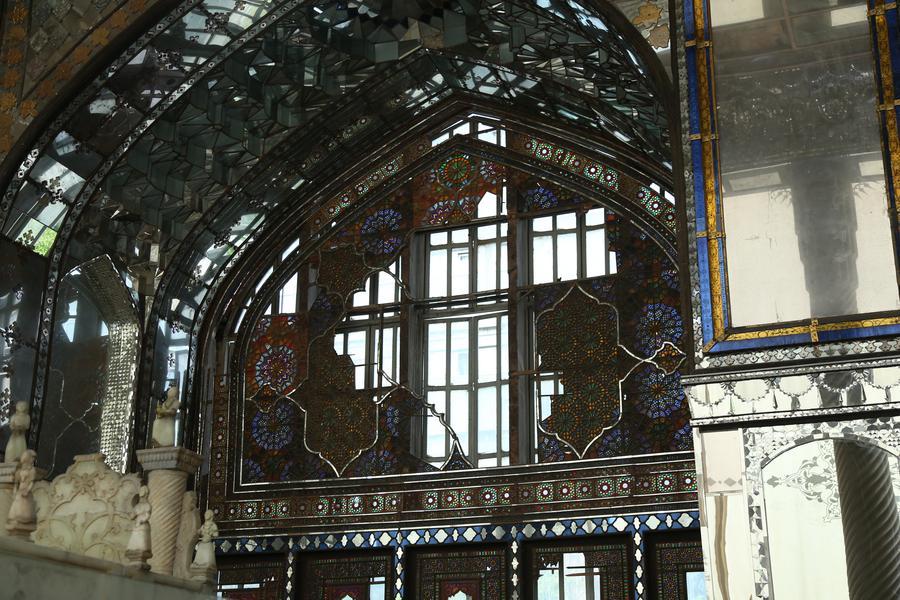
This photo taken on April 20, 2026 shows an interior view of the Golestan Palace damaged by the U.S.-Israeli attacks, in Tehran, Iran.