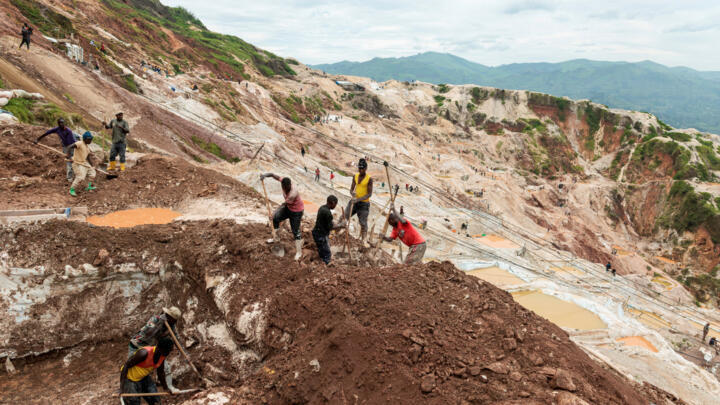
“There was indeed a landslide following heavy rainfall on the mountain known as Kasasa. The earth swallowed many people. We are awaiting the official death toll,” David Kasereka, an artisanal miner and resident of Rubaya, told Xinhua.
The Rubaya mines in North Kivu Province are a crucial global source of coltan and have been controlled by the March 23 Movement (M23) rebel group since 2024.
The M23 has yet to comment on the tragedy.
In January 2026, at least 200 miners were killed after several shafts collapsed at coltan mining sites in Rubaya. Local media reported that the death toll may have exceeded 400, excluding those still missing.
Coltan, or columbite-tantalite, is the main source of tantalum, a rare metal used in the production of advanced electronic devices. The United Nations estimated that the Rubaya mines alone account for about 15 percent of the global tantalum supply.
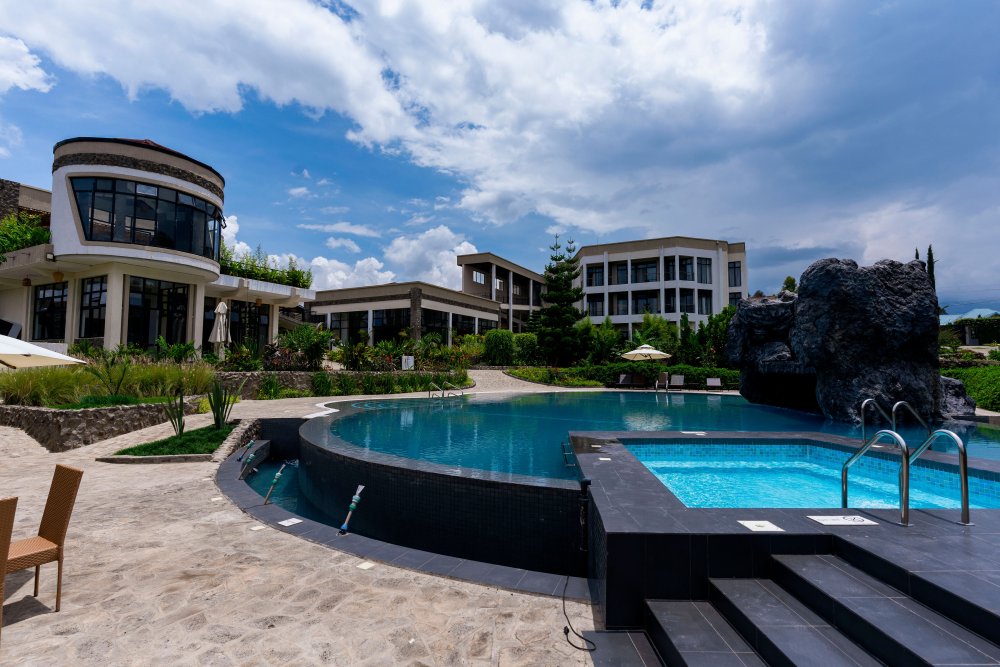
Scheduled from March 7 to March 8, 2026, the event will take place at Grotta Resort in Musanze District, offering participants a unique opportunity to relax, connect, and enjoy a variety of health and wellness activities.
This will be the first edition of the event, designed to help attendees unwind, socialize, and gain valuable insights through expert-led discussions on maintaining a healthy lifestyle. The sessions will cover topics relevant to women, men, and couples, aiming to promote overall well-being.
Participants will also have the chance to engage in recreational activities such as swimming, beach volleyball, beach soccer, and pickleball. In addition, the resort will provide access to its wellness facilities, including a Jacuzzi, massages, a fire pit, gym, infrared sauna, and specially prepared nutritious meals that highlight Grotta Resort’s signature approach to health.
Families are encouraged to attend, as arrangements have been made for children to enjoy their own activities in a safe and supervised environment, allowing parents to fully participate in the event. Ticket options vary, with a single or double room for one night priced at Rwf 585,000, a premium room at Rwf 825,000, and a family room accommodating up to three people at RwfF 900,000 per night.
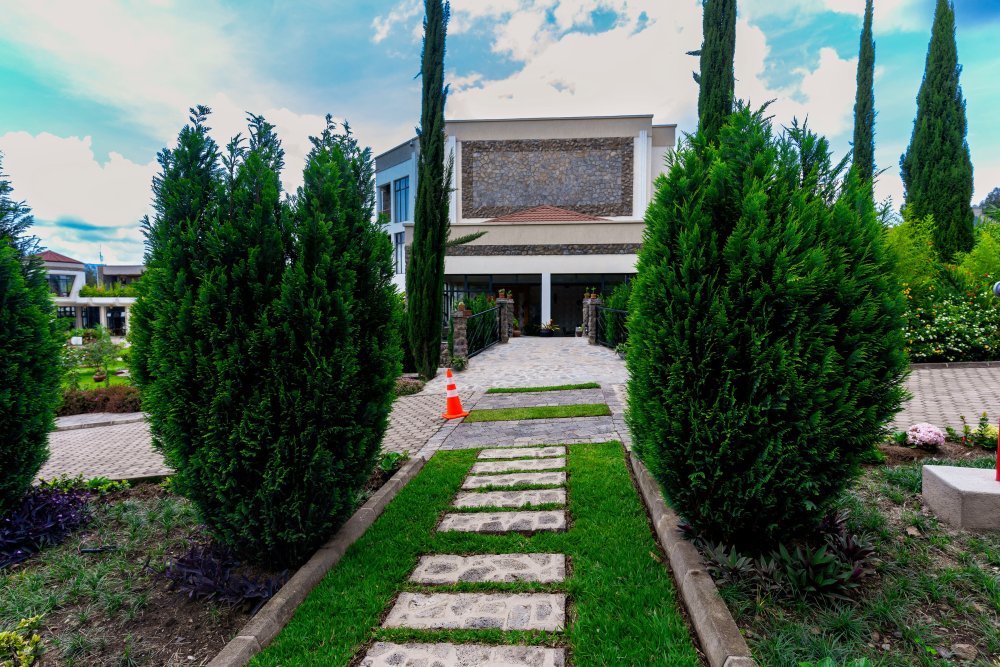
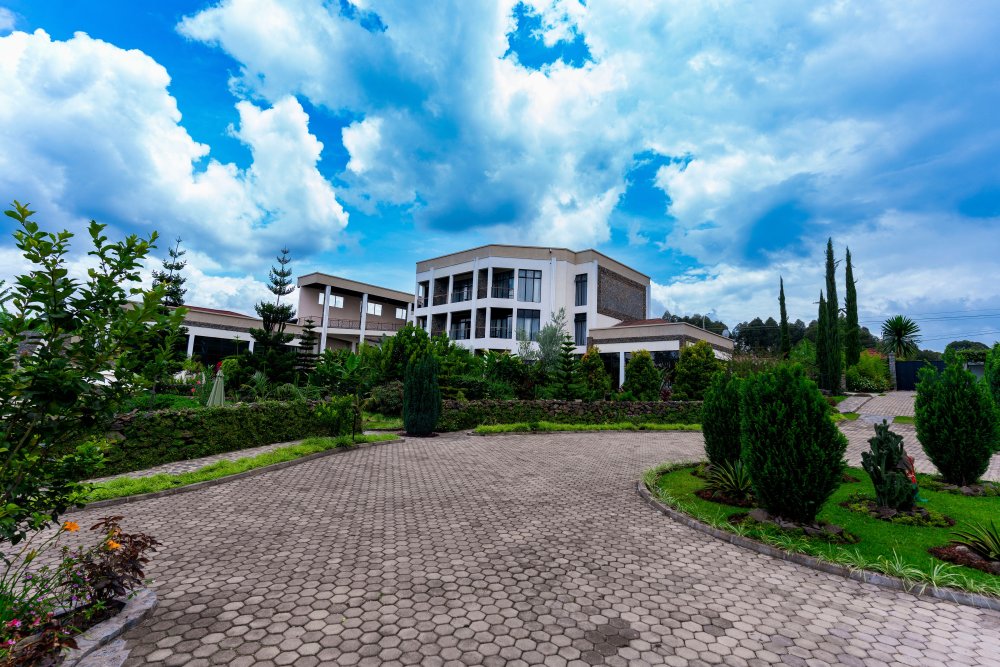
Grotta Resort is among the most modern resorts in Musanze District, with 26 fully equipped rooms and facilities that promote relaxation, wellness, and family bonding. Fitnesspoint, a leading fitness center in Kigali, operates three major branches in Kimihurura, Remera, and Gacuriro, offering comprehensive facilities and state-of-the-art equipment.
Scheduled from March 7 to March 8, 2026, the event will take place at Grotta Resort in Musanze District. The event will allow participants to relax, connect, and enjoy a variety of health and wellness activities.Grotta Resort is located in Musanze District.
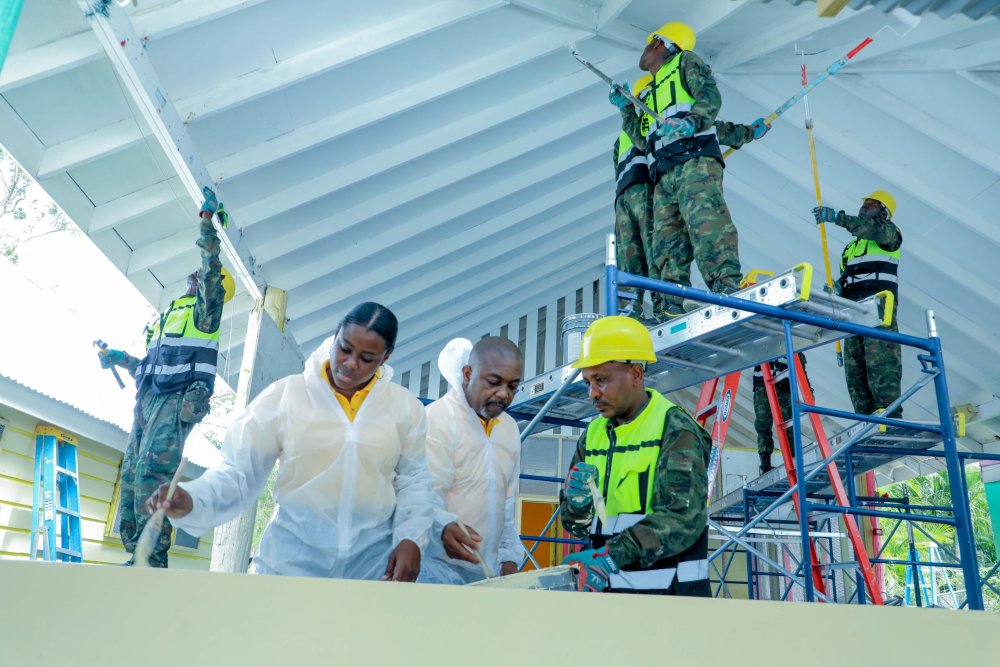
This institution is a home for children with disabilities under Mustered Seed Communities. The initiative forms part of the ongoing Hurricane Melissa recovery efforts aimed at supporting vulnerable communities and restoring essential facilities.
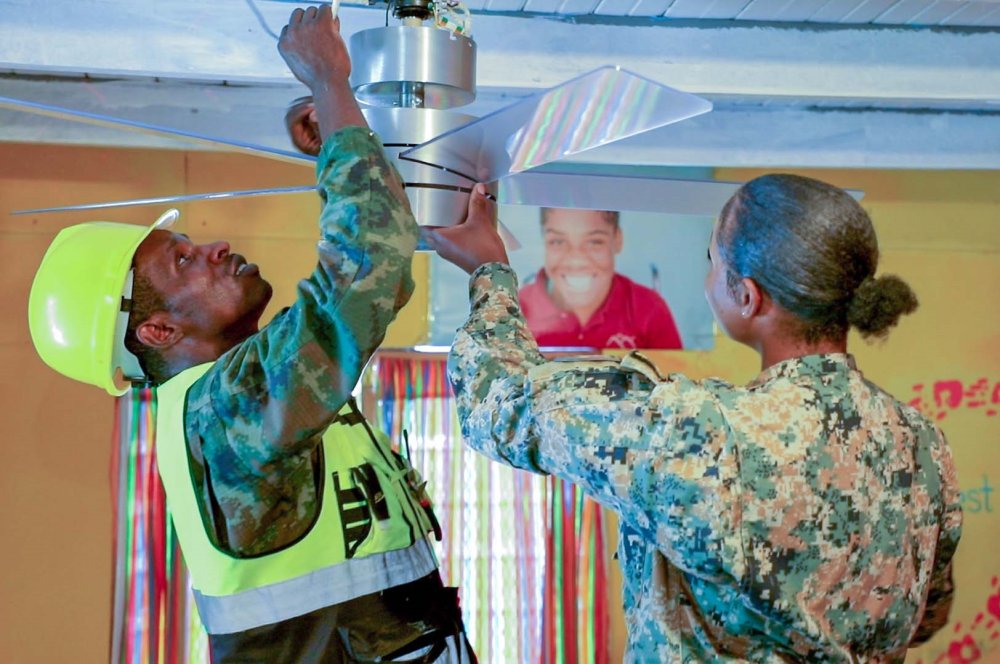
According to the Rwanda’s Ministry of Defence, the activity was conducted together with University Hospital of the West Indies Tony Thwaites Wing to improve living and learning conditions of the children at the Blessed Assurance. The work involved painting the study hall and installing electric ceiling fans in the dormitories.
This activity mirrors a spirit of cooperation between the RDF and JDF, as well as the shared commitment to community resilience and humanitarian support.
This support gave a better face-lift to the institution and contributed meaningfully to the well-being of the children and staff at the facility.
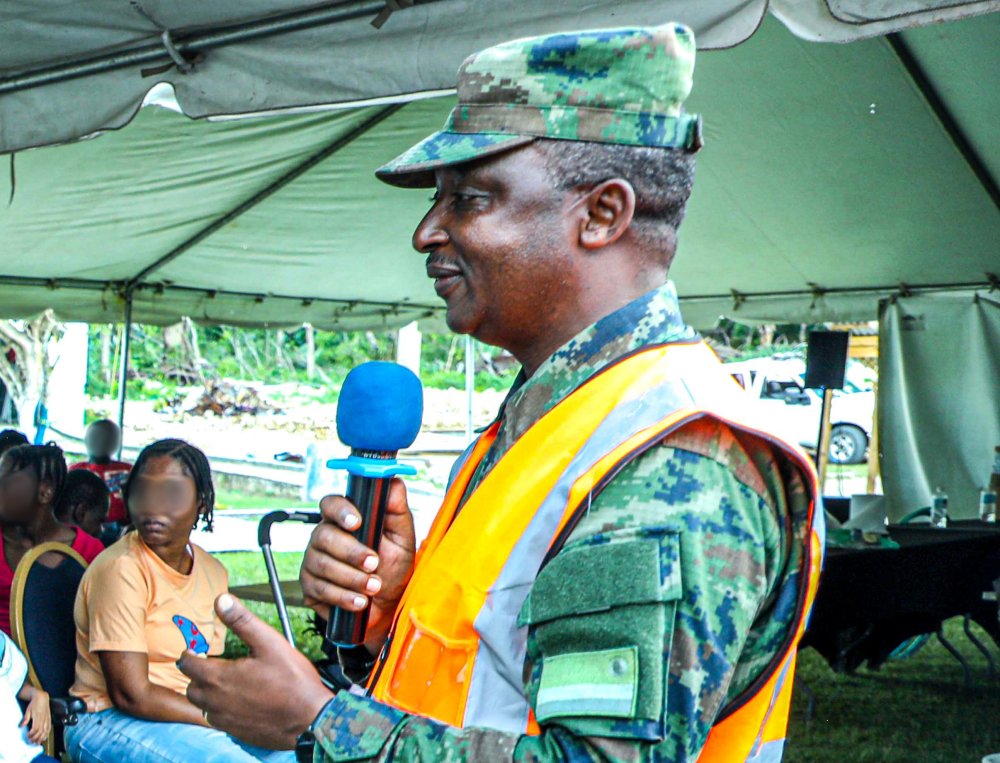
Speaking during the activity, Col Moses Kayigamba, RDF Engineer Contingent Commander, commended all participants for their dedication and teamwork.
He briefly explained to the audience the background of Umuganda that was adopted as one of Rwanda’s homegrown solutions to foster unity, solidarity and collective responsibility. Col Kayigamba, noted that it is carried out on a mandatory basis every last Saturday of the month.
He noted that bringing this spirit of service to Jamaica further strengthens the bond and shared experiences that benefit communities they serve.
Mr. Dalmas Agan, Manager of the Blessed Assurance Children’s Home, also expressed his sincere appreciation to the RDF and JDF Engineers for their outstanding support.
He commended the teams for their generosity and hard work, noting that the children will now live and study in improved conditions as a result of this heartfelt initiative.
Dalmas described the activity as a true demonstration of compassion and solidarity, which has made a meaningful difference in the lives of the children under their care.
Col Moses Kayigamba, RDF Engineer Contingent Commander, commended all participants for their dedication and teamwork. The work involved painting the study hall.Installing electric ceiling fans in the dormitories was part of the exercise.
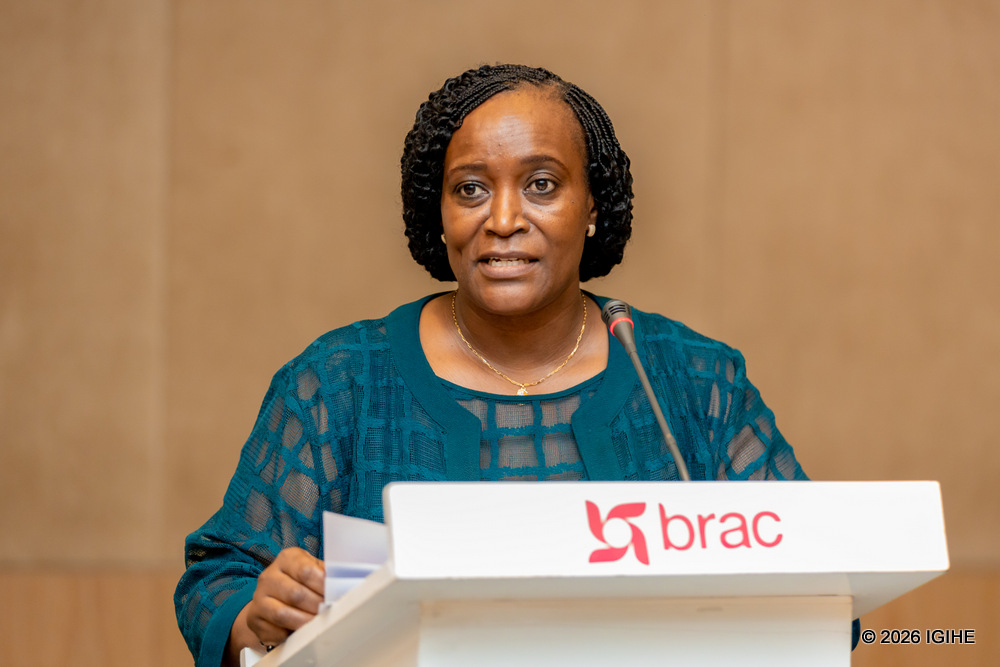
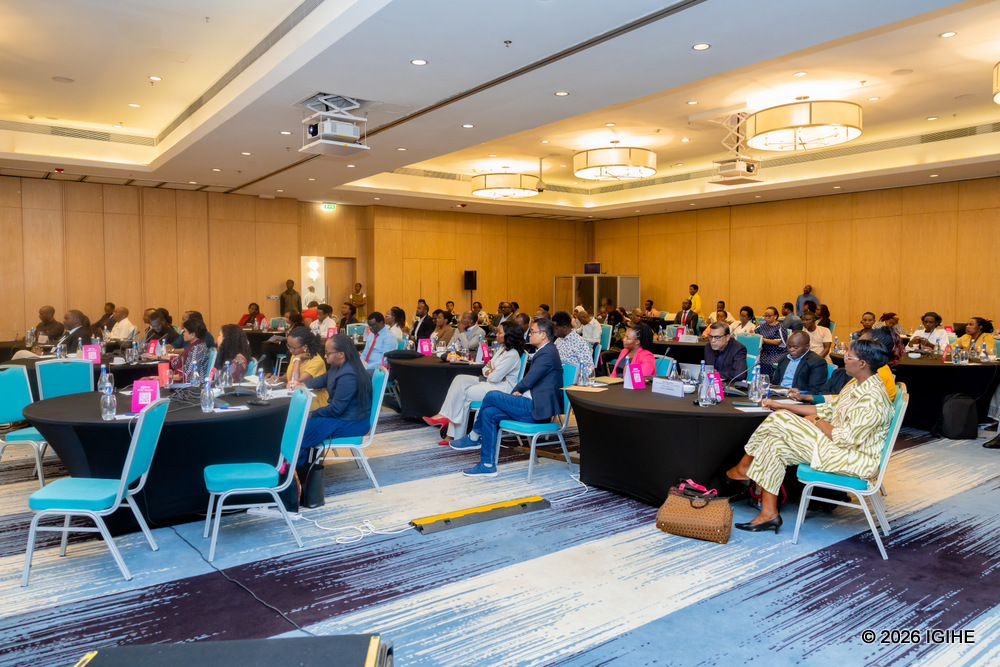
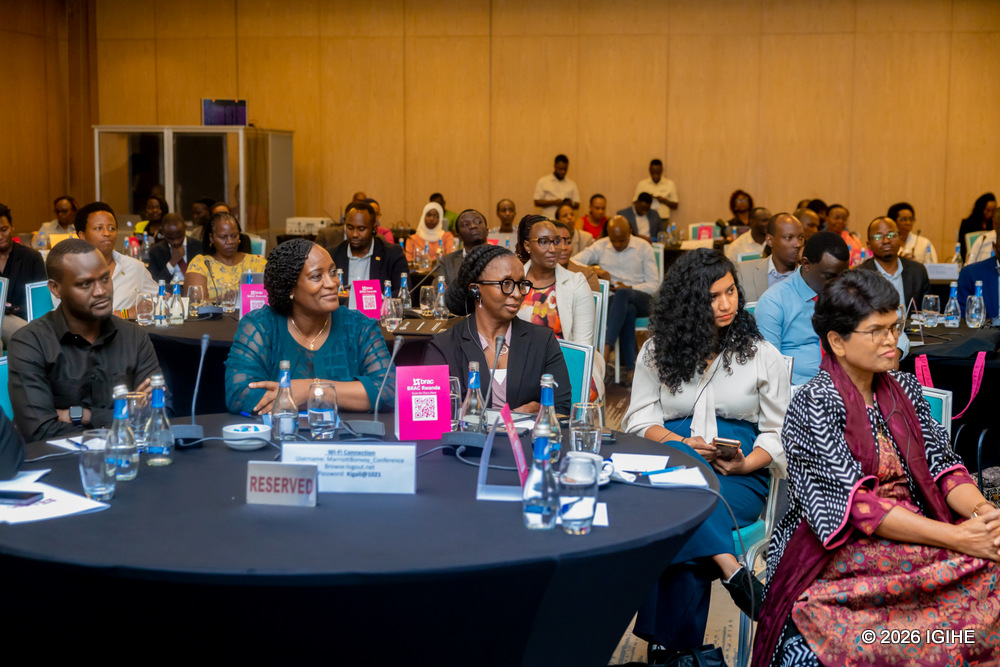
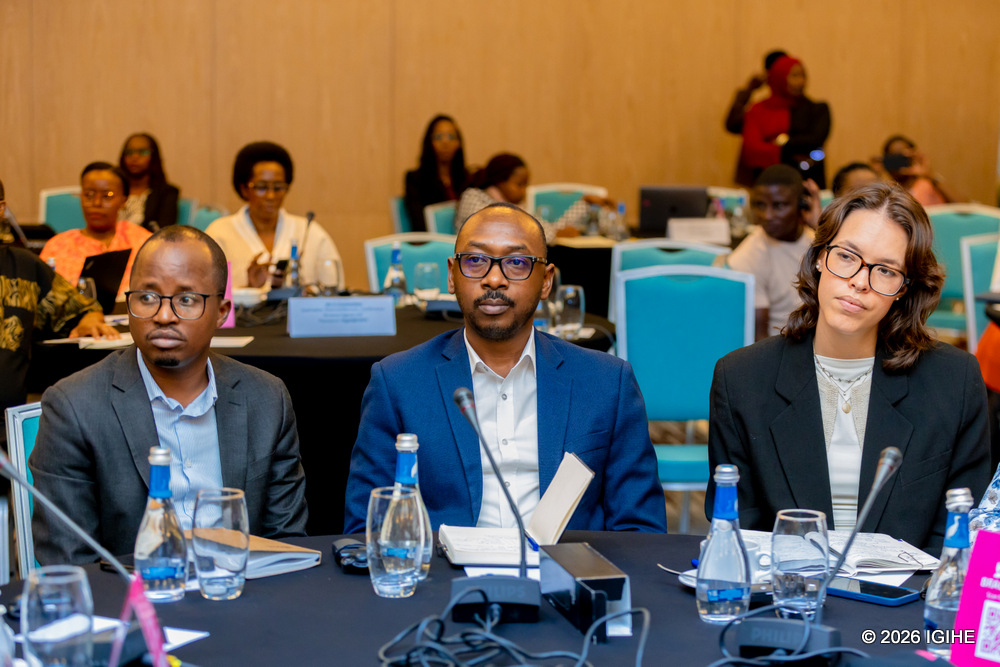
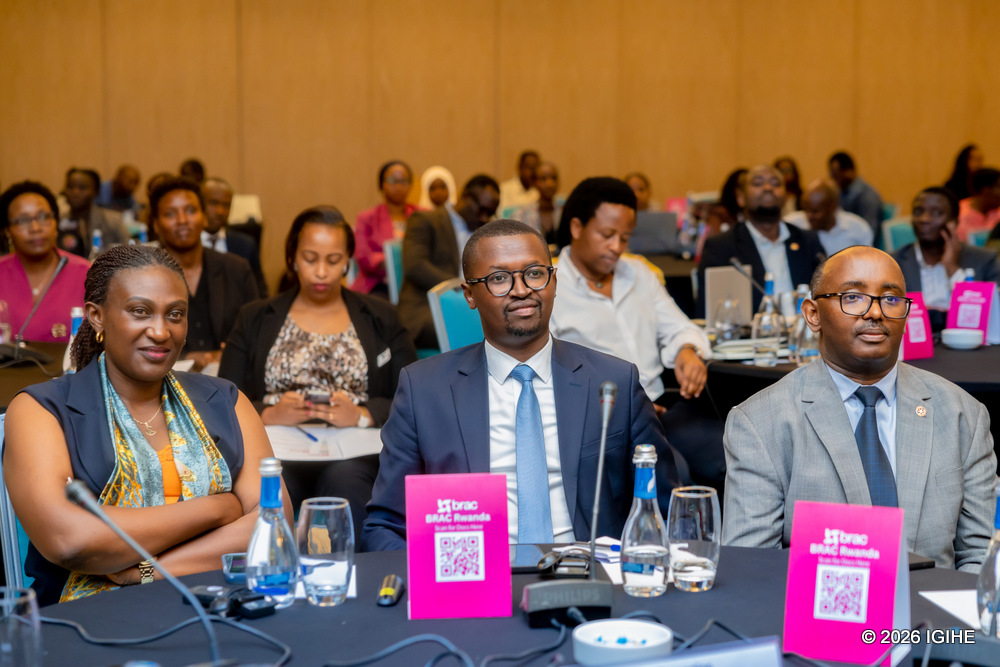
She voiced the appreciation during a High-Level Stakeholders’ Engagement Meeting held on February 27, 2026, at the Kigali Marriott Hotel.
The minister specifically highlighted BRAC’s commitment to combating issues such as teenage pregnancy and school dropout rates affecting both boys and girls.
Minister Uwimana emphasized the urgency of intensified action on these concerns and urged all stakeholders to collaborate more effectively, aligning their initiatives with Rwanda’s national priorities to achieve measurable and lasting impact.
BRAC, originally the Bangladesh Rural Advancement Committee, is a global development organization founded in 1972 in Bangladesh. It began operations in Rwanda in 2019, concentrating on youth unemployment, gender inequality, and financial inclusion.
These efforts support Rwanda’s long-term development agenda, including Vision 2050 and the National Strategy for Transformation (NST2).
BRAC Rwanda operates through three entities; BRAC Microfinance and BRAC NGO, which implements Accelerating Impact for Young Women (AIM ) programme in partnership with the Mastercard Foundation and BRAC Ultra Poor graduation Initiative (UPGI) which supports Rwanda to implement out of poverty graduation agenda.
Since 2019, BRAC Rwanda Microfinance has grown to 35 branches covering all 30 districts, serving over 100,000 borrowers, 98% of whom are women. It offers collateral-free group loans, agricultural finance products, savings services, and financial literacy training, primarily targeting women in rural and remote areas.
Through its AIM programme, launched in 2023 in partnership with the Mastercard Foundation, BRAC has reached over 30,000 adolescent girls and young women in Rwanda.
The programme provides life skills, entrepreneurship training, employability skills, and access to finance, equipping participants to succeed in the country’s growing economy.
Minister Uwimana expressed deep appreciation to BRAC and its partners, for their vital funding and support.
“This comprehensive approach aligns strongly with our national priorities and aspirations. We extend our appreciation to BRAC and its partners, especially MasterCard Foundation for generously funding these programmes, enabling the success we are celebrating today,” she stated.
“Your partnership exemplifies how strategic collaboration can translate into meaningful opportunities for young people, families, across all the country,” the minister added.
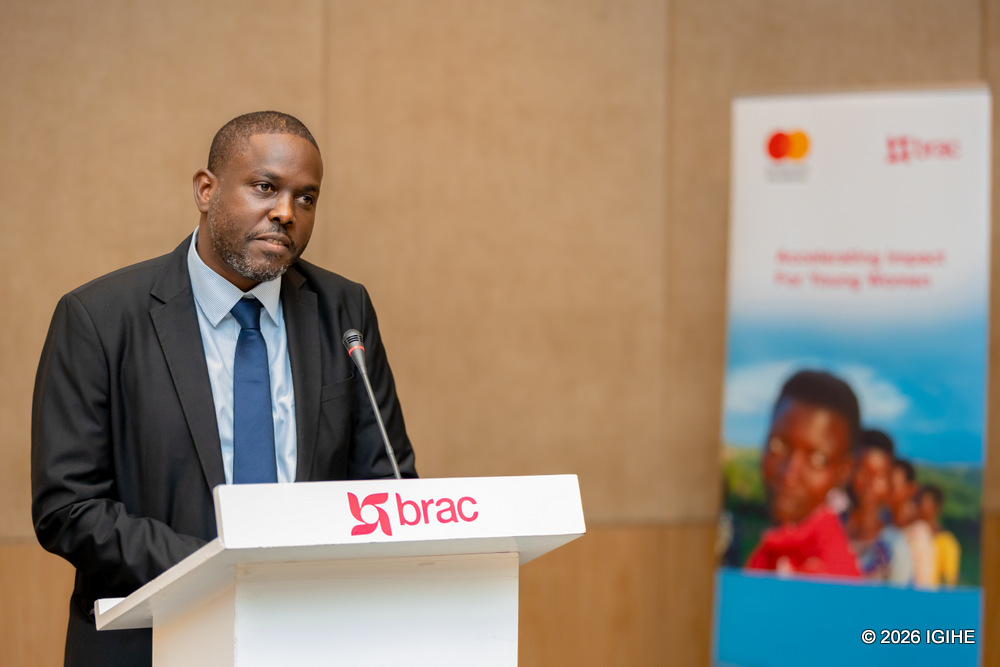
Alex Bekunda, BRAC’s Country Director for Rwanda, reinforced the value of joint efforts.
“We have witnessed young women start and grow businesses, engage in productive work among others and build confidence as leaders within their communities. These are not isolated stories. They are powerful reminders of what is possible when systems work together and when potential is nurtured,” he said.
Bekunda also called for expanding youth programmes to reach an additional 100,000 adolescent girls and young women by 2030.
Anne Mutta, BRAC’s Regional Director, elaborated on the organization’s integrated model, stressing the importance of combining skills development with financial access.
She also stressed the urgent need for collective action to confront the persistent challenges of gender-based violence and teenage pregnancy, issues that continue to disrupt girls’ education, threaten their safety, and constrain their economic prospects.
“Ending poverty in Rwanda will remain incomplete unless we protect girls, keep them in school, and create safe pathways for them to thrive.
“BRAC stands ready not only as a problem solver but also as a long-term partner committed to advancing Rwanda’s development vision through evidence, scale, and systems change to reduce poverty,” Mutta noted.
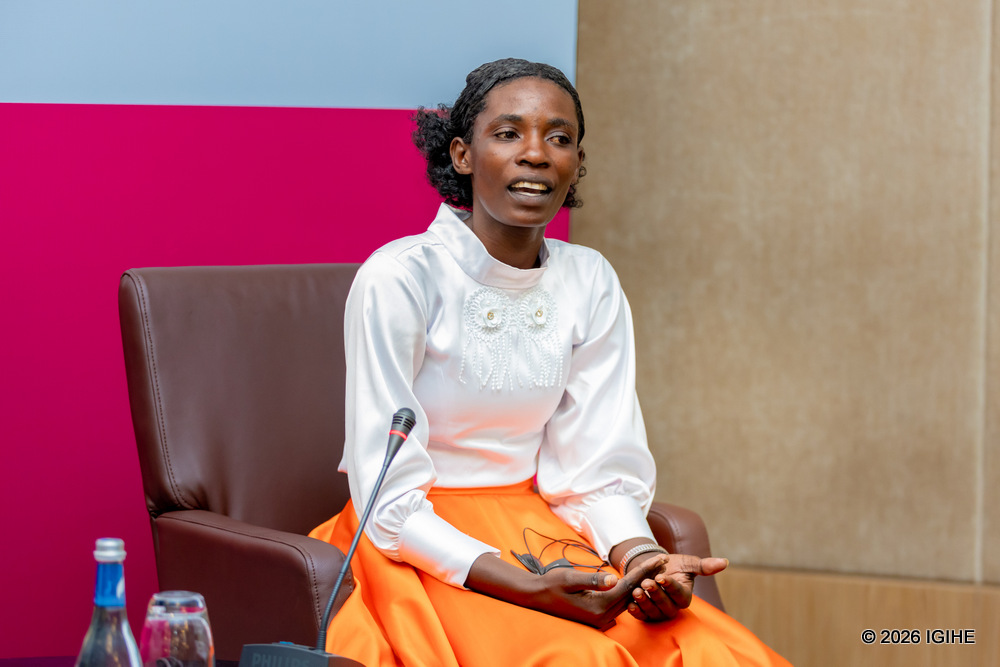
The event included inspiring testimonies from beneficiaries. Gaudence Muhongerwa, a mother of four from Ruhango District who participated in the AIM Programme, shared her progress.
“Through the AIM Programme, I have gained new skills that have helped me grow my business and empower my family,” she noted.
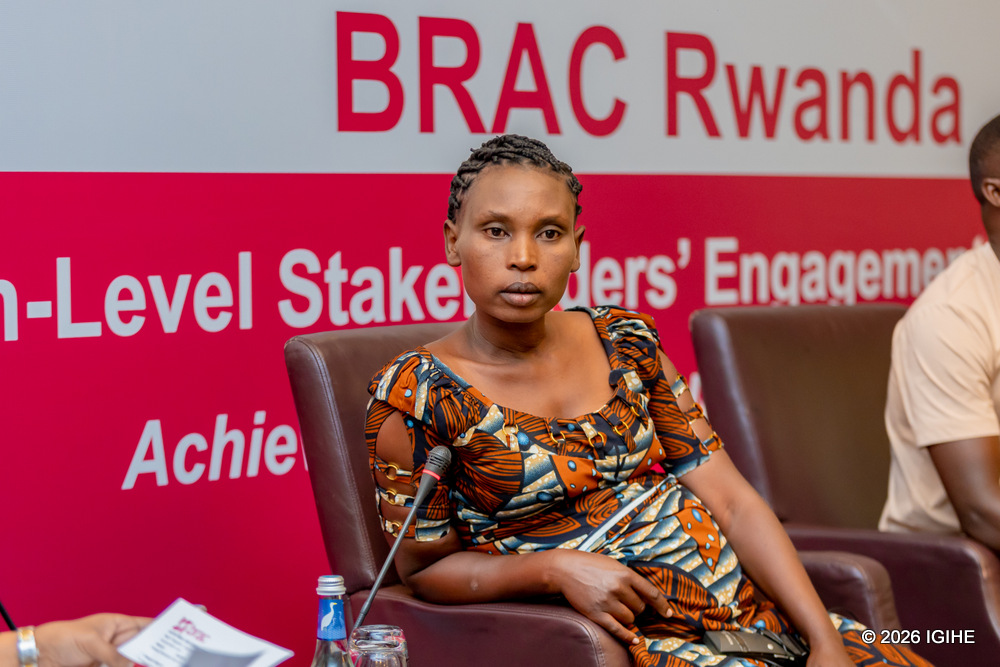
Marie Rose Uwizeyimana, a para-social worker from Nyamagabe District, also praised BRAC’s grassroots impact and its role in driving sustainable change.
The meeting took place as BRAC Rwanda hosted senior leadership; including the Regional Director, Senior Director of Programs, and AIM Director, from February 23–27.
During the visit, the delegation witnessed firsthand the depth of BRAC’s integrated impact and how the “ONE BRAC” model works seamlessly to transform lives across the country.
In the Southern Province, they observed how AIM is creating pathways of opportunity for young women and communities. They met with provincial and district officials, led by Governor Alice Kayitesi, and engaged directly with frontline staff whose dedication drives the organization’s mission forward. They also interacted with BRAC participants who shared powerful testimonies of transformation and resilience.
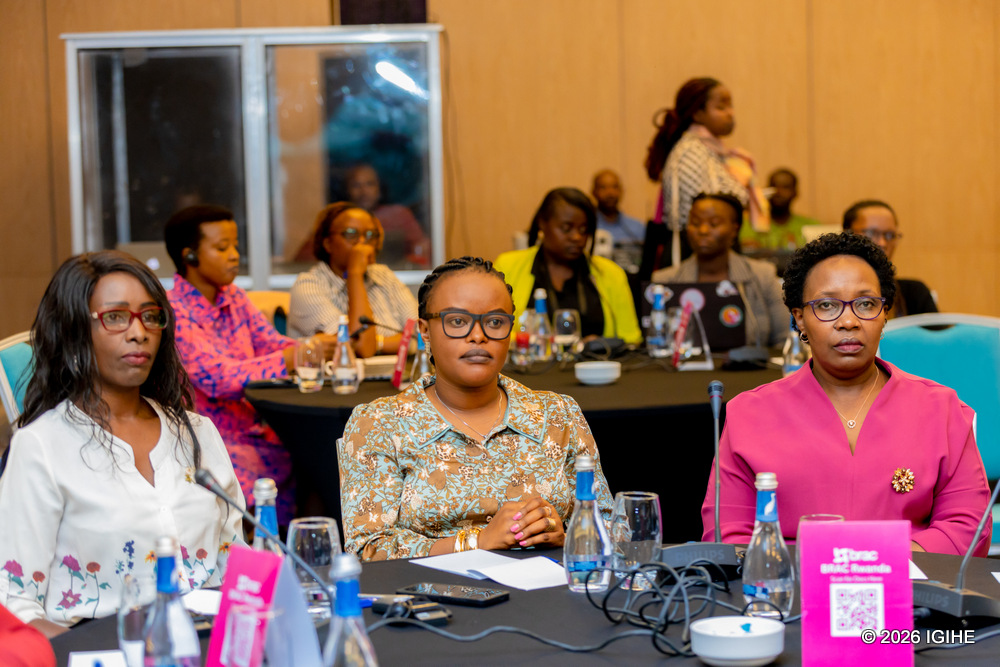
The visit culminated in a high-level stakeholder meeting on the 27th, attended by senior government officials, civil society leaders, and development partners, with the Minister of Gender and Family Promotion, Consolée Uwimana, serving as Guest of Honor.
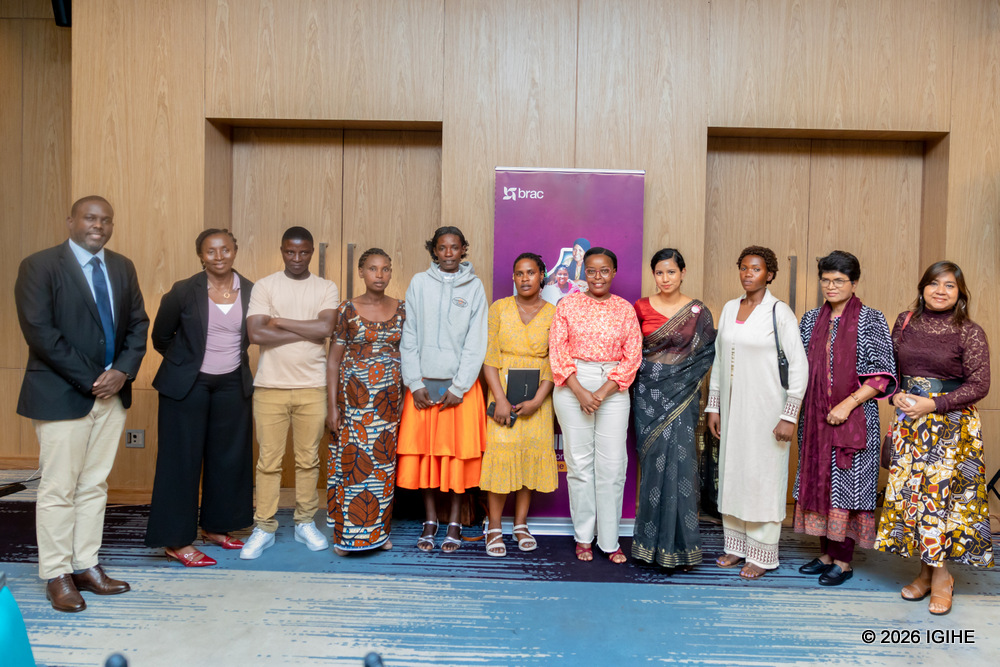
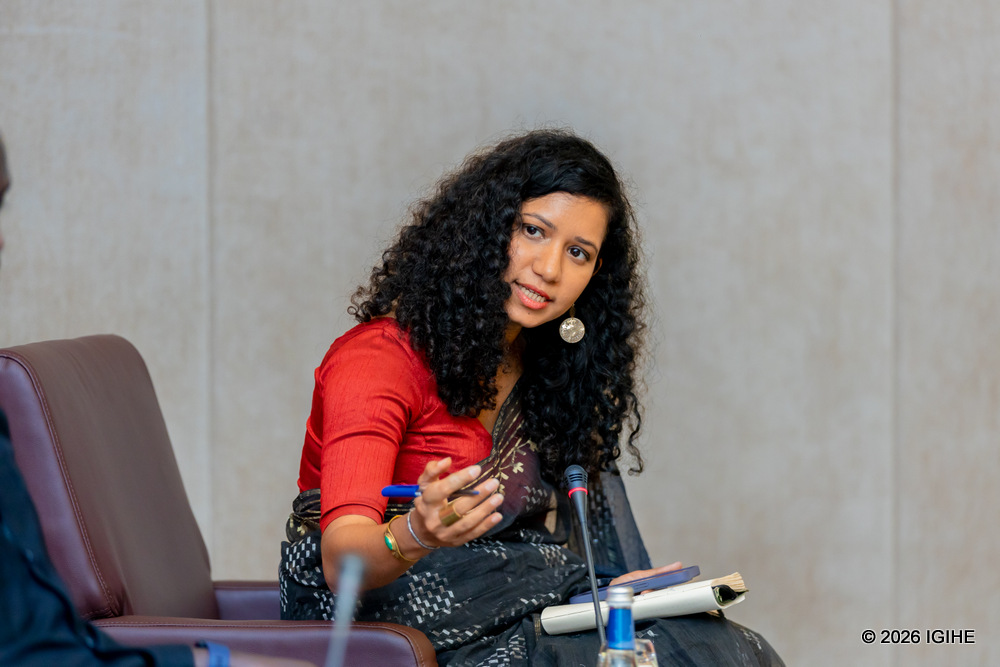
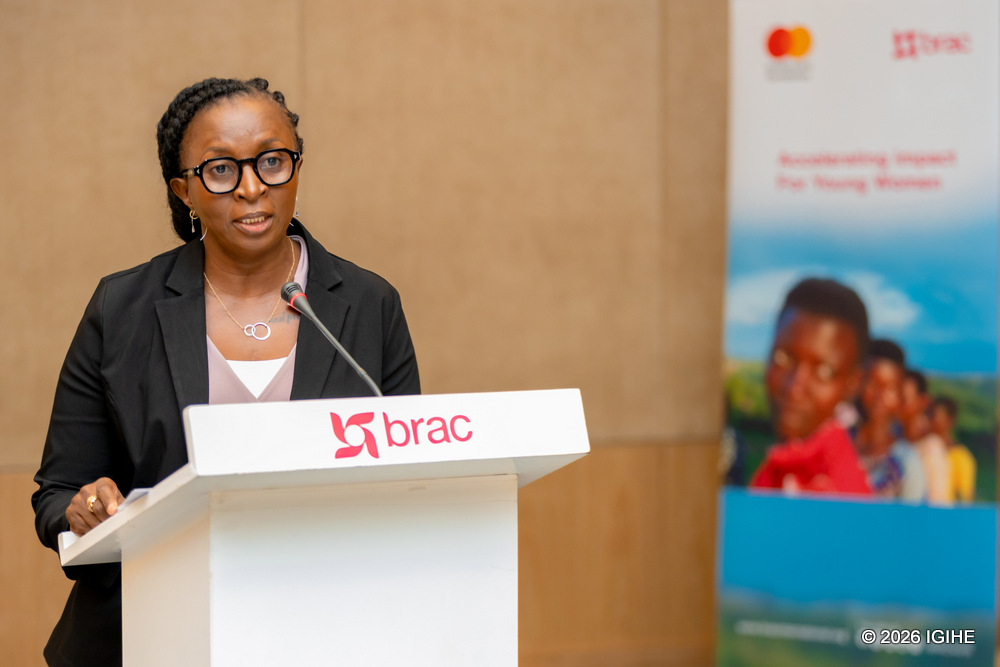
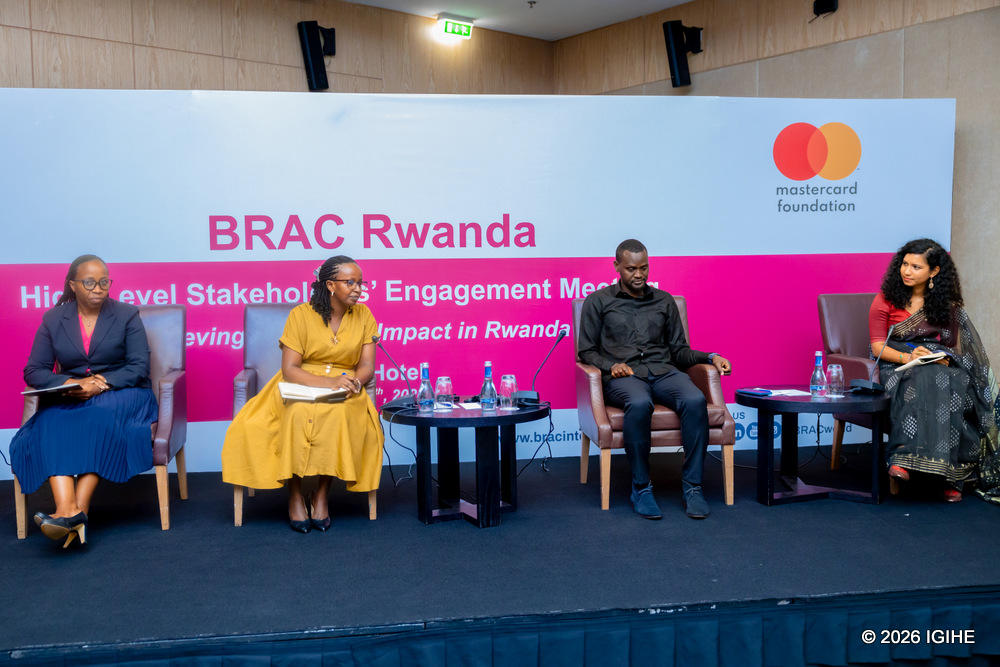
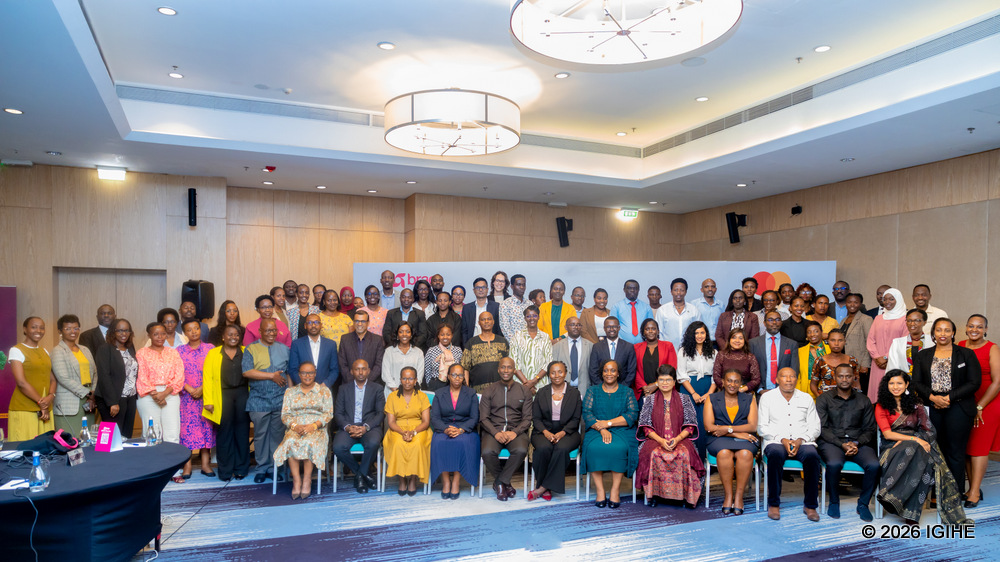
Minister Uwimana has praised BRAC’s efforts in empowering young women, tackling youth challenges. The event took place at Kigali Marriott Hotel. Alex Bekunda, BRAC’s Country Director for Rwanda, reinforced the value of joint efforts.BRAC has reached over 30,000 adolescent girls and young women in Rwanda. Upoma Husain, Chief Executive Officer, BRAC Rwanda Microfinance also shared insights into key areas of interventions. Anne Mutta, BRAC’s Regional Director, elaborated on the organization’s integrated model.The event also featured a panel discussion revolving around community empowerment. Marie Rose Uwizeyimana, a para-social worker from Nyamagabe District, also praised BRAC’s grassroots impact. Participants of the event in a group photo. Gaudence Muhongerwa, a mother of four from Ruhango District who participated in the AIM Programme, shared her progress.
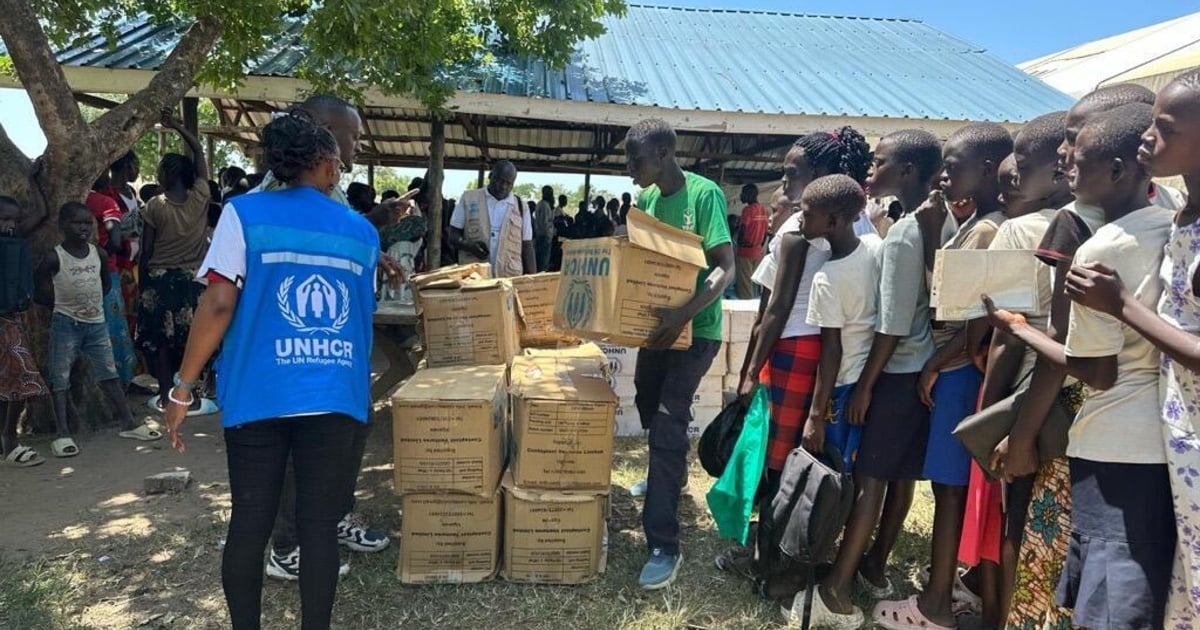
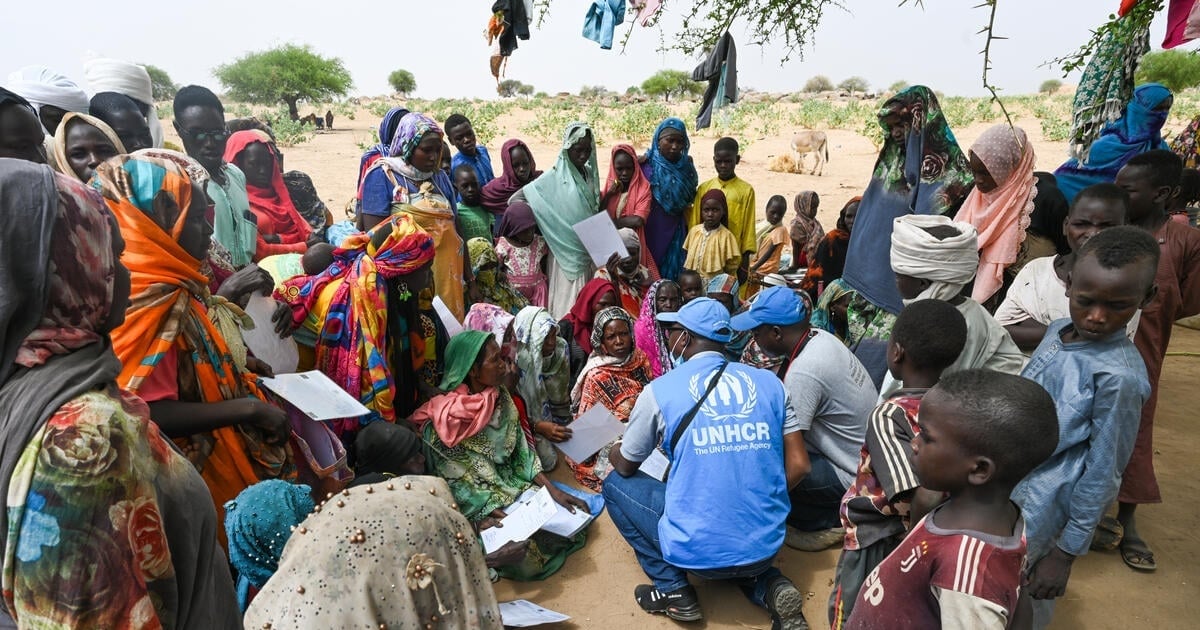
The United Nations High Commissioner for Refugees (UNHCR) said the total figure includes 610,268 registered refugees and 3,442 asylum-seekers.
“The vast majority, 94 percent or 576,672 individuals, are Sudanese refugees, followed by 14,677 or 2 percent from the Democratic Republic of the Congo, 6,599 from Ethiopia, 5,605 from the Central African Republic, 5,165 from Eritrea, and 1,550 from other nationalities,” the UNHCR said in its latest report released in Juba, the capital of South Sudan.
It said the South Sudanese government continues to grant prima facie refugee status to those fleeing Sudan in response to the ongoing conflict.
According to the UNHCR, 49 percent of the refugee population are females aged 0-59, while women and children combined account for 75 percent of the total.
The agency said Ethiopians and Eritreans each account for 37 percent of the total, forming the two largest groups of asylum seeker population, followed by Burundians with 9 percent, Ugandans with 7 percent, and 9 percent other nationalities.
South Sudan remains at the center of one of the region’s largest displacement crises, with more than 2.3 million South Sudanese living as refugees in the DRC, Ethiopia, Kenya, Uganda, and Sudan, the UNHCR said.
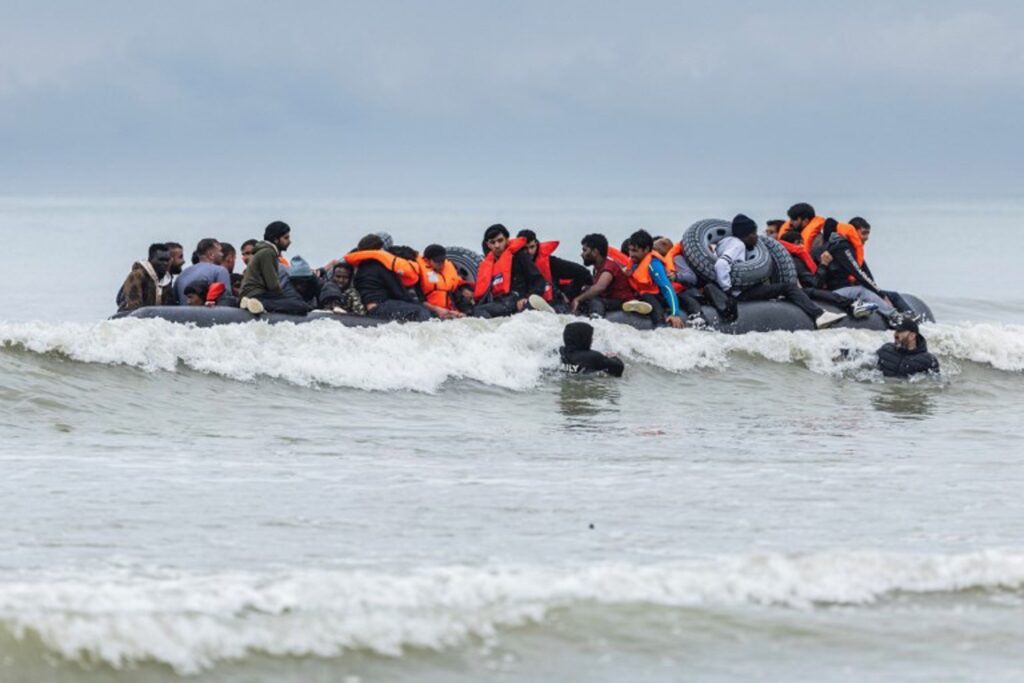
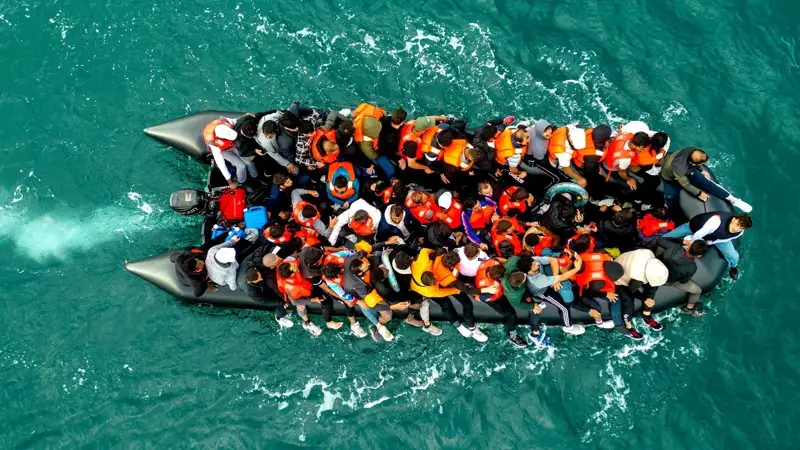
Speaking to reporters at a daily briefing, Stephane Dujarric, spokesperson for the UN secretary-general, said that according to the IOM, sea crossings remained among the deadliest routes, with at least 2,185 people dead or gone missing in the Mediterranean, and 1,214 recorded on the Western Africa/Atlantic route toward the Canary Islands.
Despite year-on-year declines, the real toll is likely much higher, Dujarric said.
The spokesperson said that IOM figures showed the number of deaths in 2025 was lower than the nearly 9,200 deaths recorded in 2024.
Over 7,600 people died or went missing on migration routes worldwide in 2025:
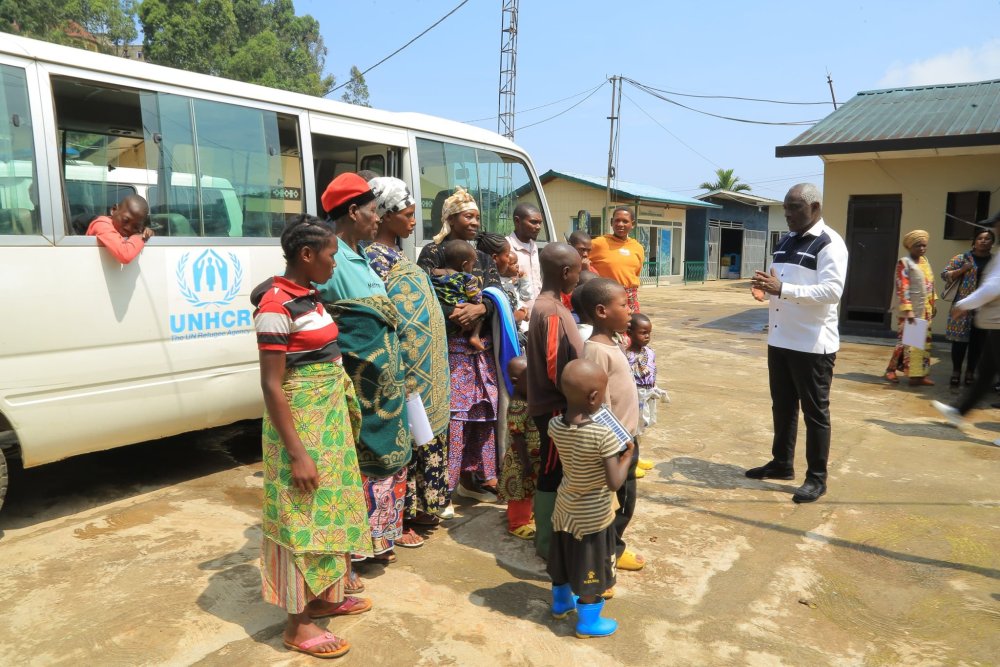
The group arrived through the Rusizi I Border Post on February 24, 2026, marking the second group repatriated from the DRC this year.
Speaking to RBA, the returnees said years spent in displacement severely disrupted their lives, particularly access to education for their children. One returnee said the family had spent years constantly moving to escape insecurity, leaving children unable to attend school.
Another said life in the DRC was marked by persistent conflict and instability, preventing children from accessing education. He explained that a relative who had returned earlier encouraged them to come back after describing Rwanda as peaceful and secure.
Upon arrival, the returnees expressed gratitude for the warm reception and the stability they found in their home country. They were welcomed by officials from Rusizi District, representatives of the United Nations High Commissioner for Refugees (UNHCR), and security officials.
Rusizi District Mayor Phanuel Sindayiheba described their return as a positive step toward rebuilding their lives and contributing to national development. He said their decision to return also reflects a break from divisive ideologies and encouraged others still abroad to consider coming home by learning about the country’s progress and stability.
The group of 22 returnees includes two men, four women, and 16 children. They were taken to the Nyarushishi transit center, where they will stay before being reunited with their families.
The group arrived through the Rusizi I Border Post on February 24, 2026
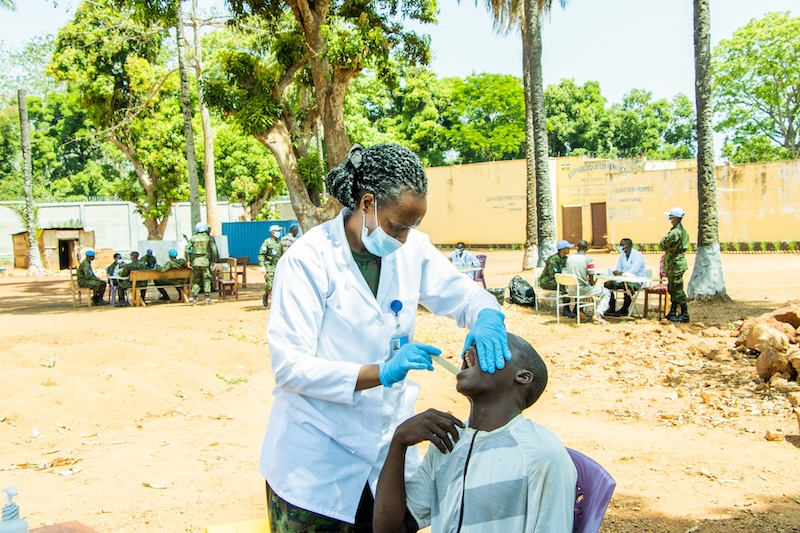
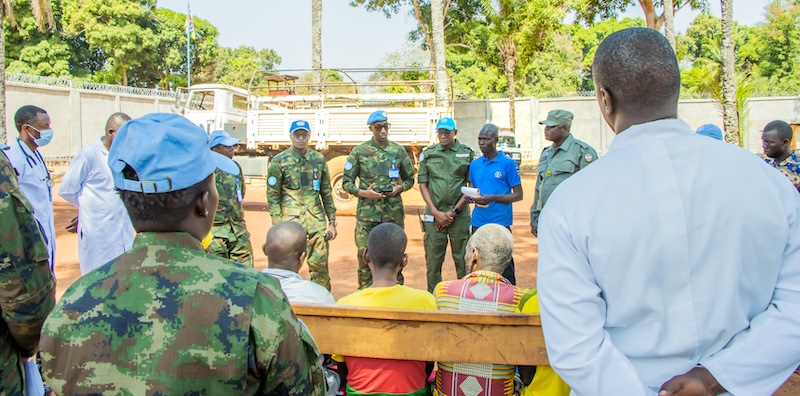
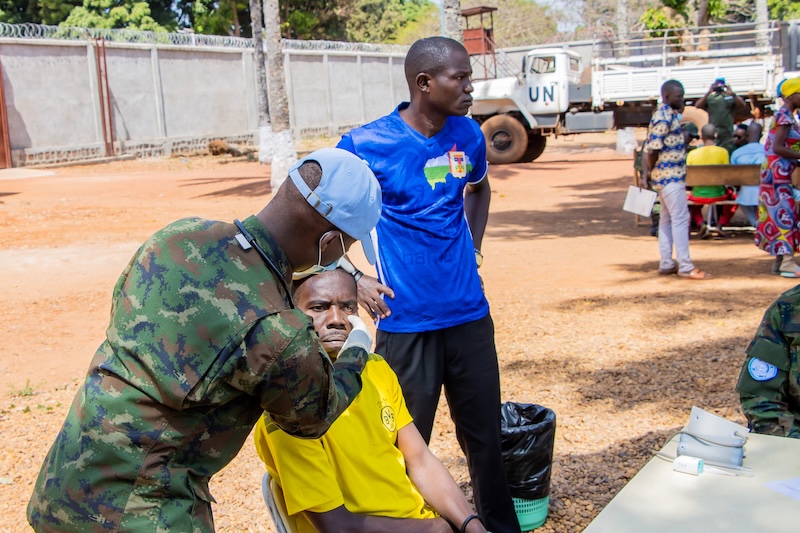
According to Rwanda’s Ministry of Defence, the initiative was carried out by Rwanda Battle Group 8 in collaboration with the Rwanda Level 2 Hospital contingent, it aimed to address essential health needs within the prison community by offering a wide range of medical services, including internal medicine consultations, gynecological care, dental treatment, and other critical healthcare support.
The activity was attended by the Director of Bria Prison, Mahamat Adoum Salle; the Commander of the Rwanda Level 2 Hospital, Col Dr. Christian Mukwesi; and the Commander of Rwanda Battle Group 8, Lieutenant Col David Ngabonziza.
In his welcoming remarks, Bria Prison Director Mahamat Adoum Salle expressed sincere gratitude to MINUSCA leadership and the Rwandan peacekeepers for their timely intervention. He described MINUSCA as a longstanding and reliable partner in various areas of support and commended the medical outreach as a strong example of effective cooperation.
He further highlighted the challenges prisoners face in accessing medical care, particularly due to shortage of essential medicines and medical supplies.
“When prisoners experience health problems, we take them to the hospital where medication is prescribed, but obtaining those medicines is often difficult,” he explained. “It is therefore extremely important that the Rwandan peacekeepers under MINUSCA have come to provide free medical treatment to our inmates.”
Col Dr. Christian Mukwesi, Commander of the Rwanda Level 2 Hospital, stated that the outreach was guided by the fundamental peacekeeping principle of protecting civilians.
“This medical outreach at Bria Prison demonstrates our commitment not only to maintaining security but also to promote the well-being, dignity, and fundamental rights of every individual. Health is a universal right, not a privilege. By offering free medical consultations, treatment, and preventive care to prisoners, we reaffirm that every human life is precious and deserves compassion,” he said.
The activity was attended by the Director of Bria Prison, Mahamat Adoum Salle; the Commander of the Rwanda Level 2 Hospital, Col Dr. Christian Mukwesi; and the Commander of Rwanda Battle Group 8, Lieutenant Col David Ngabonziza.The contingent offered a wide range of medical services, including internal medicine consultations, gynecological care, dental treatment, and other critical healthcare support.The exercise was conducted on Tuesday, February 24, 2025, conducted a medical outreach at Bria Prison.
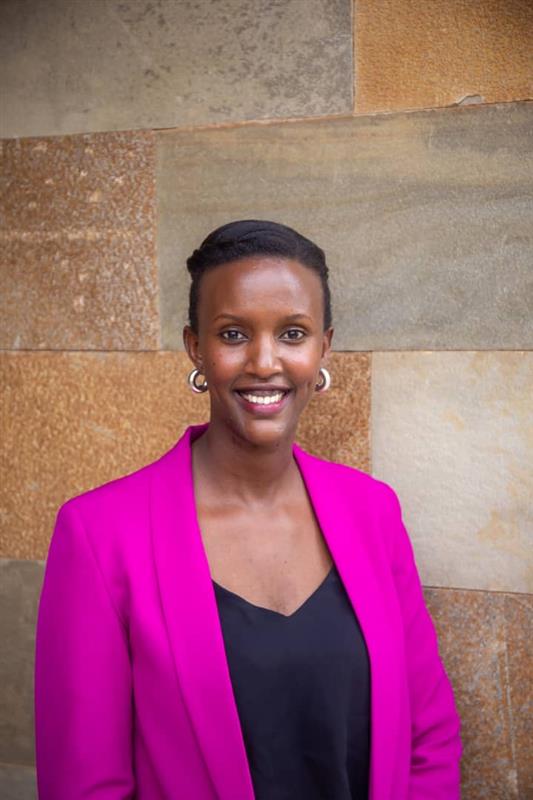
In an interview, Ishyo Foods’ founder, Sharon Akanyana, credited this remarkable growth to data and digitalisation.
Akanyana founded her company in 2017 as a way to produce affordable yoghurt, especially for young children like her own. Although the original plan was to focus on yoghurt, challenges with equipment delayed the production for months.
“When we faced issues with equipment, we pivoted and said, ‘Let’s make jam,’” she recalls, describing a move that kept her idea alive. The first batches were supplied to a neighbourhood supermarket in Kibagabaga, a neighbourhood in Kigali, as the supermarket had agreed to give the product a chance.
One shelf led to several more; they acquired their S Mark from Rwanda Standards Board (RSB) and got their equipment from customs, and they began making yoghurts. Those small wins built the momentum that prompted a shift in focus towards scaling production and improving standards.
The team upgraded to a modest facility, documented its procedures on paper, and treated quality as proof of progress. Once shelf space was secured, the focus shifted from whether the product could sell to how the start-up could evolve into a scale-up.
That question revealed a major information gap. “We realised there was a lot of data we needed. We asked ourselves: how will we know we’re making losses? How will we know we’re making profits? How will we know how many customers we have? How will we know which customers we haven’t served in the past week?” Akanyana explains.
“Milk might be ready while the cups were missing, or a store could drop from four deliveries a month to two without anyone noticing. The solution was a shift from manual processes to digital systems, designed around the everyday decisions that kept the business running.”
Ishyo Foods later became one of the Rwandan micro, small and medium-sized enterprises (MSMEs) selected to be part of a cohort of businesses supported through the Rwanda Economy Digitalisation (RED) Programme. The RED Programme is implemented by a partnership between the Mastercard Foundation, the Ministry of ICT and Innovation and Cenfri.
The programme provided Ishyo Foods with the support to move from manual processes to digital transformation. “We used to use Excel sheets for our sales, but it was a semi-digital system. There is not much you can do with it”, she says. With the right support, finance moved first, adopting QuickBooks. QuickBooks stabilises invoicing, and sales visibility followed.
That shift helped form a simple customer-relationship rhythm across about 300 supermarkets. Operations and inventory then began a migration to Odoo, an online software application that will be used company-wide for the management of business processes.
“We are starting to learn how to use Odoo,” she explains, “because an integrated view of stock, procurement, and production planning helps reconcile minimum order quantities with supplier lead times before shortages appear.”
After digitalising their processes, the company started recording service improvement. The company treated each signal as data, which led to recipe refinements, re-sequenced routes, and tighter contact schedules that protected relationships while volumes rose. “Data is our oxygen,” she says. “When you have no data, then there is no growth. How will you know you’re making losses? How will you know you’re making profits? How will you know how many customers you have? So data is essential. Data is everything.”
Results followed the discipline. “In 2023 and 2024, we grew our sales by more than 100%,” she reports. Production climbed from using 200 litres of milk per week to 1,000 litres.”
The team grew with the workload. “Full-time about 28, and part-time about 27,” she notes in response to a question about the size of the team. The customer base widened in step. “We have 300 customers now.” The narrative lines up with the numbers. Better delivery cadence, fewer stockouts, and earlier procurement tend to raise throughput and reduce waste when demand is present.
Context matters, and she is explicit about Rwanda’s ecosystem. “Rwanda is the best place for businesses, startups,” Akanyana says, pointing to advisory networks, grants, affordable loans, and selected tax relief on imports.
Akanyana is equally direct about the internal responsibility that sustains growth. “When you have no data, then there is no growth,” she says. “Tools require consistent input. Teams need training and time. Suppliers can miss deadlines. Cash cycles can tighten even when dashboards are accurate. These are constraints to manage with routine, review, and prompt action.”
The method is simple to state and demanding to practice. Define the facts that matter for tomorrow’s deliveries, capture them without fail today, and make decisions while they can still change outcomes.
Eight years after a kitchen trial became a company, the results are visible on shelves across Kigali. The engine behind those shelves is a founder who chose to turn listening into a system and records into dashboards that guide the next move.
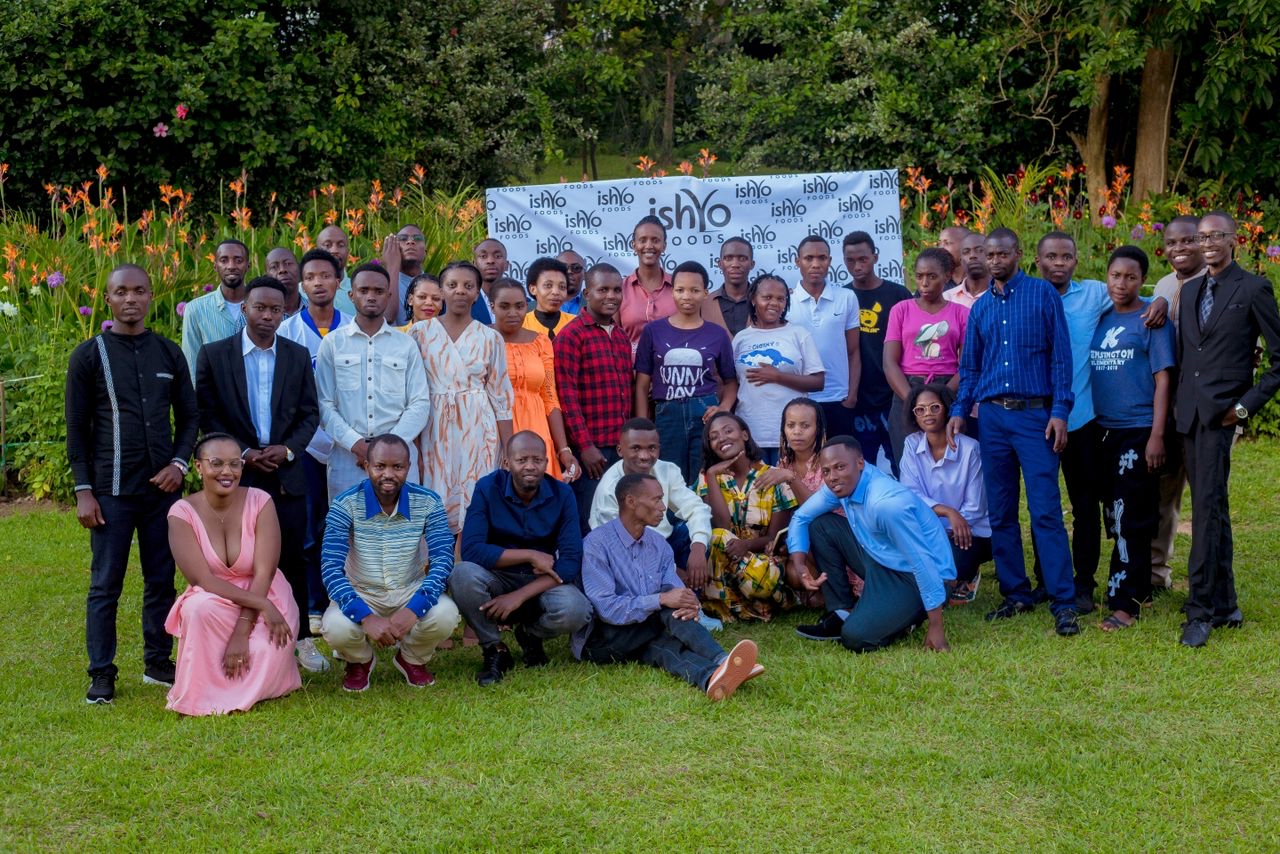
The company has expanded its team from a single employee to 28 full-time staff. Sharon Akanyana founded Ishyo Foods in 2017. The company has grown from producing jam to making yoghurt.Acquisition of new equipment helped the company to expand operations.
This independent nature has led to repeated accusations that the cow damages crops, resulting in Mukagahutu’s arrests, yet the cow loyally follows her to the police station each time.
Mukagahutu resides in Rumonge Commune, Burunga Province, in northeastern Burundi, where she has long combined cattle rearing with farming.
Among her cows, which she names to reflect their positive traits and value, one stands out. This cow, which has calved six times, bears the poetic name “Biriri Birira mu Cyakunze Abana Bakaririmba,” roughly translating to “The one that brings joy where children sing.”
In an interview with Akeza TV, Mukagahutu explained why this cow lives separately: “It stays alone because whenever it tries to join the other cows, they attack it.”
She described its disciplined daily routine; it wakes at 6 a.m., grazes throughout the day, and returns home by 6 p.m. to nurse its calf. “It does not sleep in the open! It sleeps on the tree behind here,” she said, adding that she leaves it alone to avoid conflicts with the herd.
Because the cow grazes on its own, community members have repeatedly blamed it for crop damage, leading to Mukagahutu being summoned or arrested.
She has paid fines of 200,000 Burundian Francs on one occasion and 500,000 on another to settle the claims. However, neighbors later clarified that the accusations were unfounded, the damage was often caused by other cows, not hers.
One neighbor recounted an incident near Lake Tanganyika: “We took the matter to Izere, and they claimed her cow had grazed the crops. After she paid 500,000, we found out it wasn’t her cow that had grazed the maize.”
What makes the story truly extraordinary is the cow’s behavior during Mukagahutu’s detentions. Each time she is taken to the police station over these accusations, the cow follows her there.
It stays calmly at the station, grazes nearby without bothering anyone, and returns to rest until her release. Mukagahutu revealed that the cow has even given birth five times while at the police station alongside her.
“Even when they arrest me, we are together. It stays in the station,” she said.
The incidents stem partly from a presidential decree in Burundi banning open grazing in fields to protect crops.
The President of Burundi issued a decree banning farmers from open grazing in fields to protect crops. Mukagahutu tried tying her cow and feeding it prepared fodder, but fearing it would die without freedom to graze, she released it again.
Despite the troubles, Mukagahutu remains attached to her loyal animal. She says no one will take it from her unless they pay 20 million Burundian Francs (approximately USD 6,700).