At just 12 years old, Geraldine’s life took a dramatic turn when she was diagnosed with Type 1 diabetes, a condition that requires constant insulin therapy and careful monitoring. Living in the UK, she faced not only the physical demands of managing her condition but also the emotional challenges of being misunderstood by teachers and coaches.
Dropped from her netball team and labeled a “burden,” she struggled with her self-confidence and fell into depression. Her mother, Tracy Mutesi, a caregiver to Geraldine’s grandfather who lived with Type 2 diabetes, became her unwavering support, encouraging her to see beyond her diagnosis.
During a trip to Rwanda in 2019, Geraldine visited Muhima Hospital in Kigali, where she met young Rwandans also living with Type 1 diabetes. The stark contrast between their healthcare access and hers in the UK deeply impacted Geraldine.
Recognizing the disparity in opportunities, she decided to use her story to create change.
“I could turn this pain into purpose,” she realized, aspiring to be a role model and show others that they were not alone.
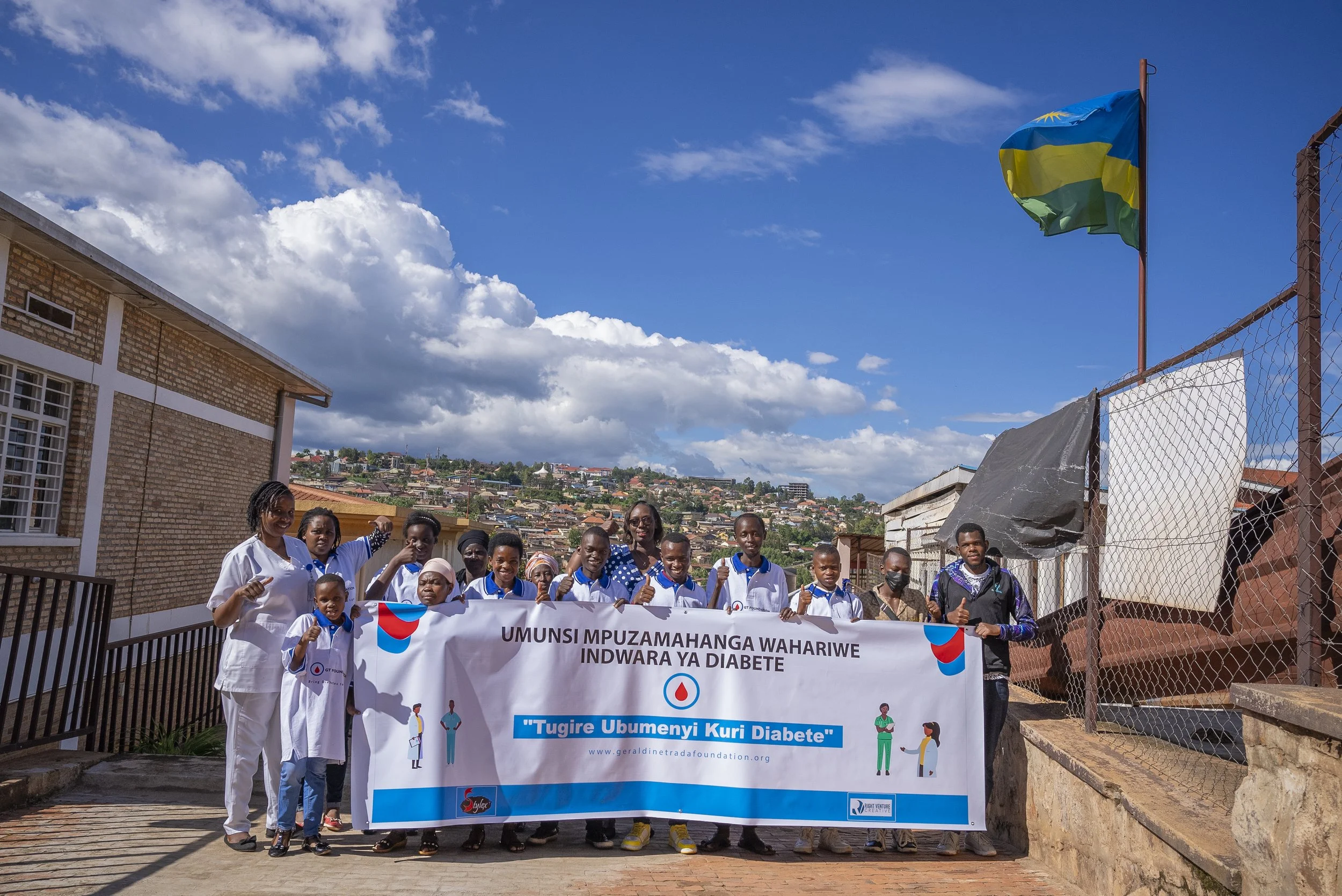
In 2019, Geraldine co-founded the Geraldine Trada Foundation (GT Foundation) with her mother. The foundation aims to educate, support, and empower young people with Type 1 diabetes in Rwanda, breaking the stigma surrounding the condition.
The foundation runs programs like school awareness campaigns, outreach to rural areas, and empowering camps for youth and caregivers.
It started with modest funding from family and friends but has since expanded with multi-year funding in 2024, growing through local partnerships and media storytelling.
Geraldine is passionate about educating the public on the differences between Type 1 and Type 2 diabetes. She aims to challenge harmful myths that suggest diabetes is caused by poor lifestyle choices, especially in relation to sugar consumption.
As an award-winning Economics graduate pursuing an MSc in International Development, she advocates for better access to diabetes care, having served as a Campaign Champion with Diabetes UK.
Looking forward, Geraldine envisions a future where no young person feels limited by diabetes.
She dreams of creating a hub that offers education, support, and a community for youth and caregivers, with the goal of empowering young people to live without barriers.
Geraldine also encourages anyone newly diagnosed to remember, they are not alone.
“The challenges you face today are ones I once faced too, but you can overcome them.”
Today, at 23, Geraldine balances her studies in the UK with her work in Rwanda, proving that personal adversity can spark a global movement of hope, education, and empowerment.
The Geraldine Trada Foundation continues to make a lasting impact, standing as a reminder that resilience, family love, and purposeful action can transform challenges into platforms for progress.
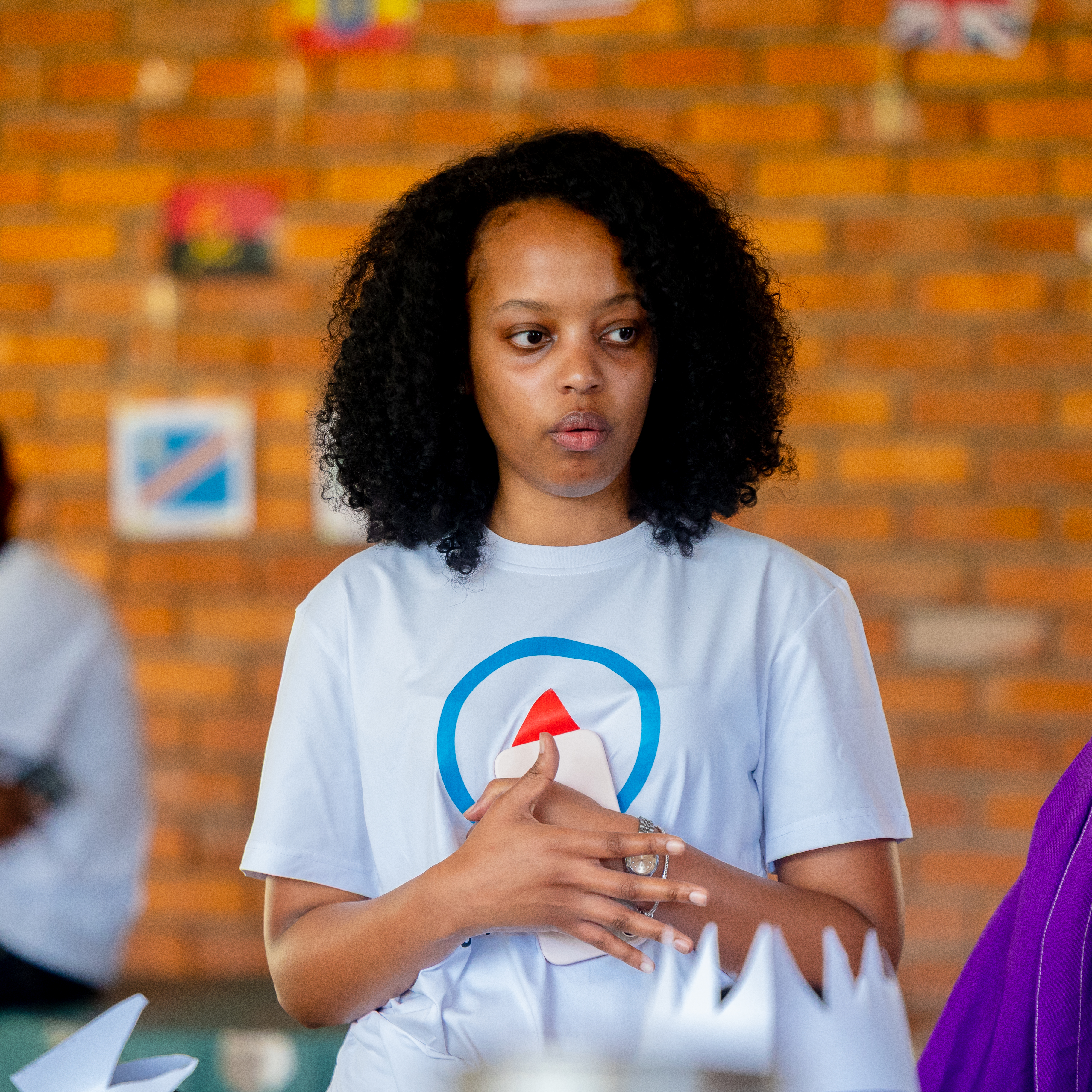
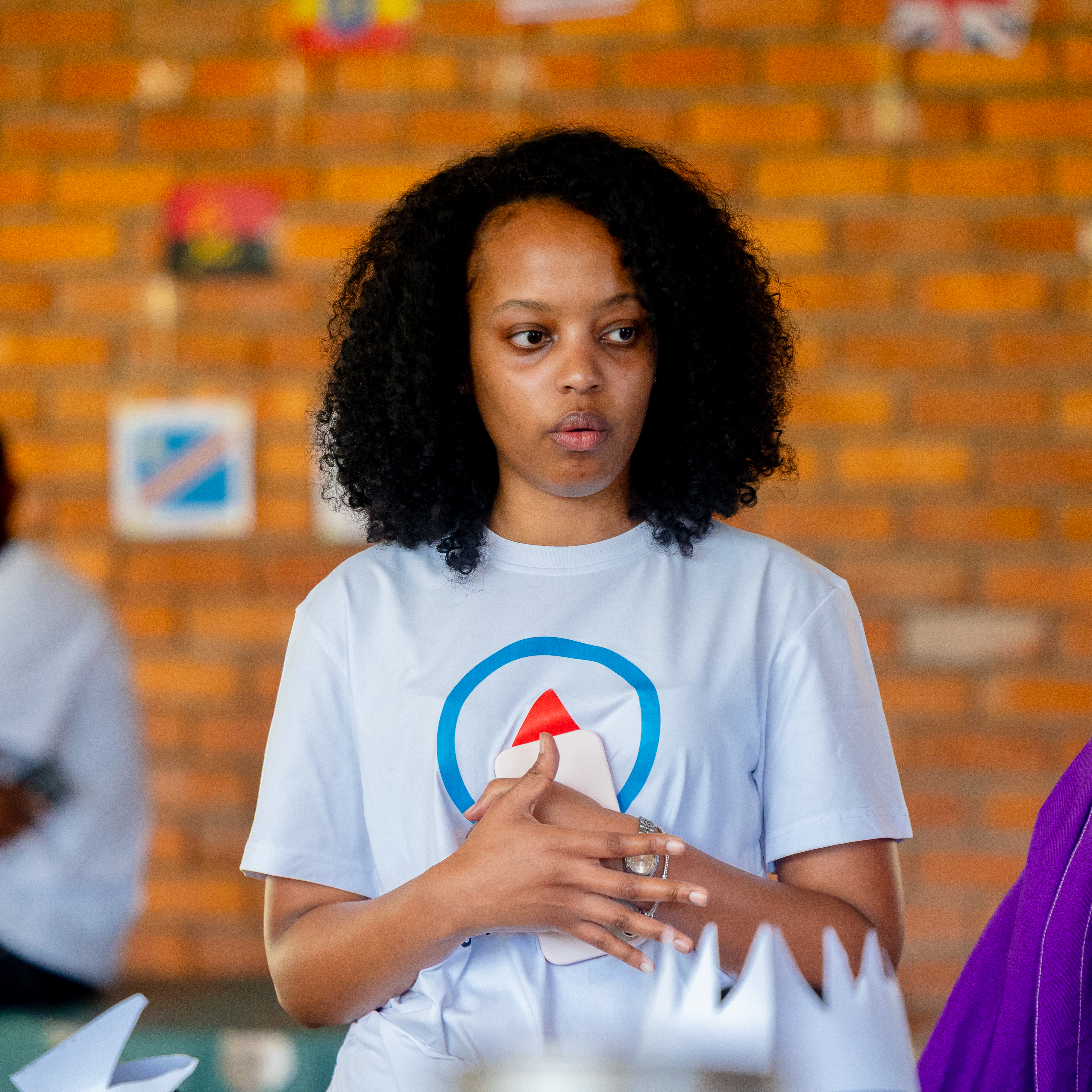
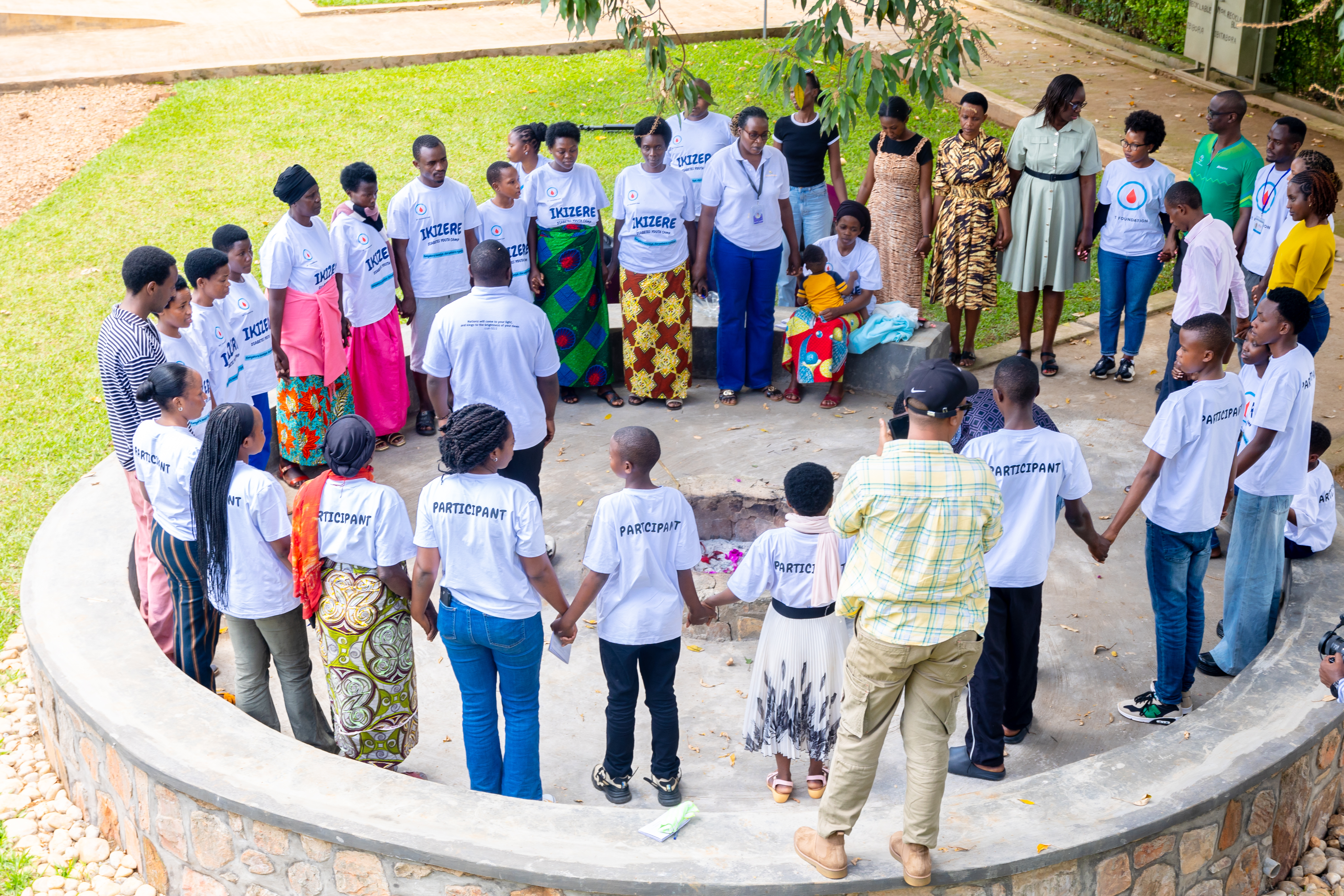
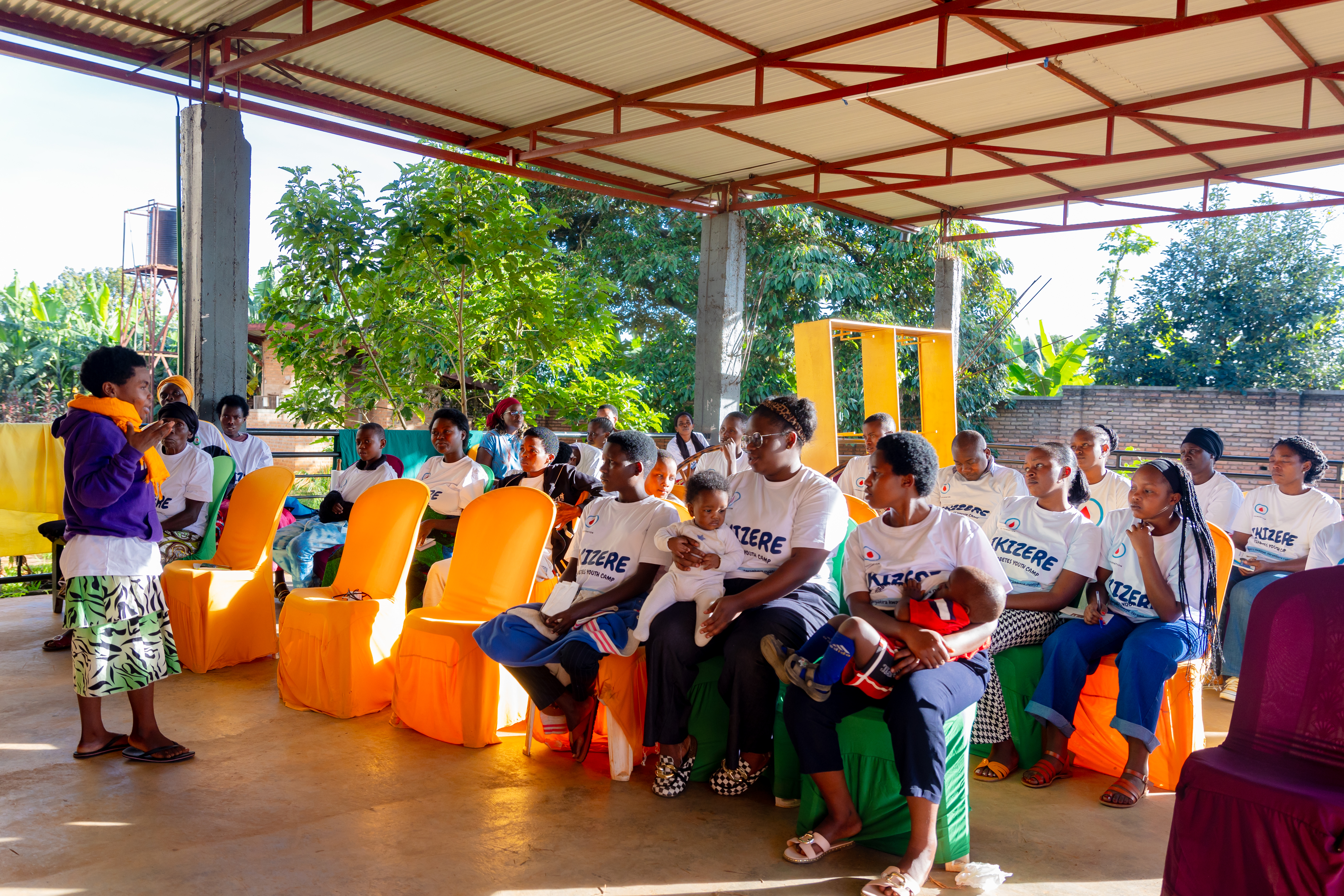
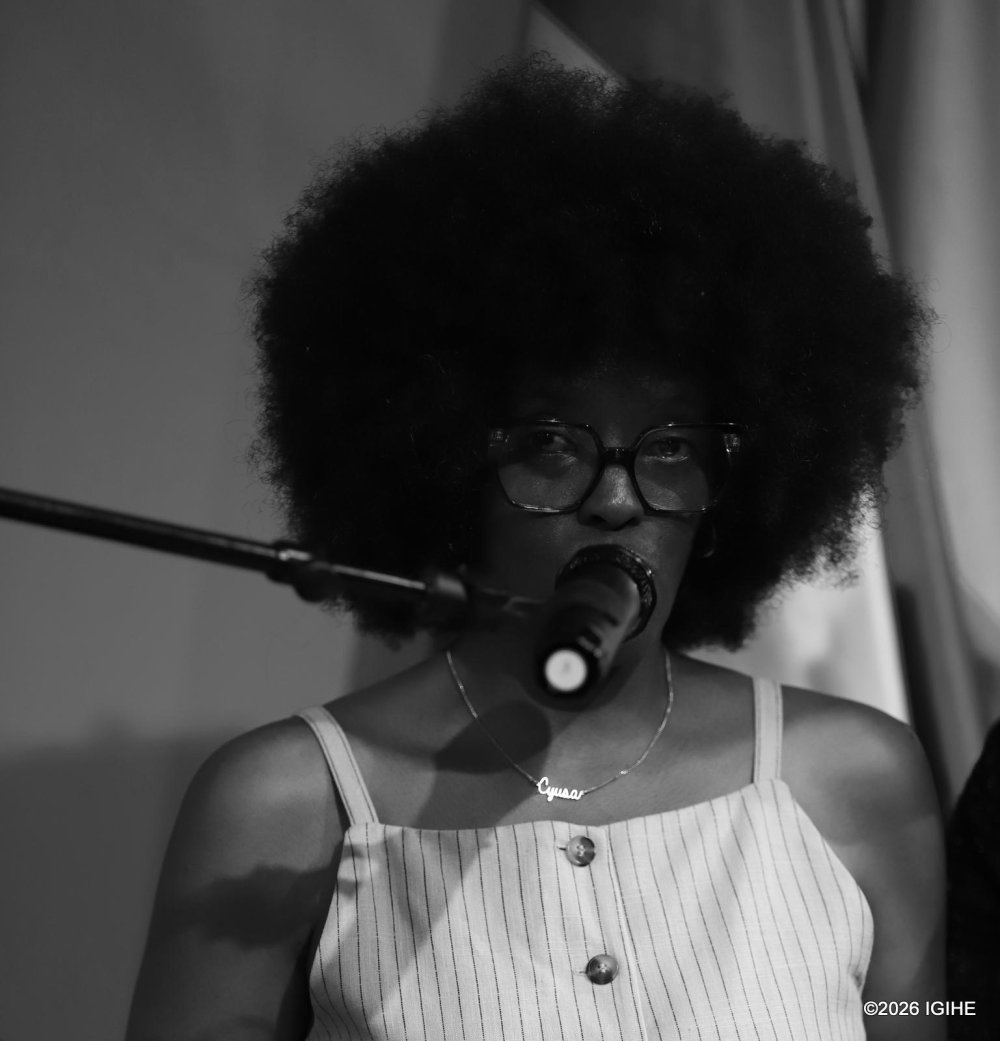
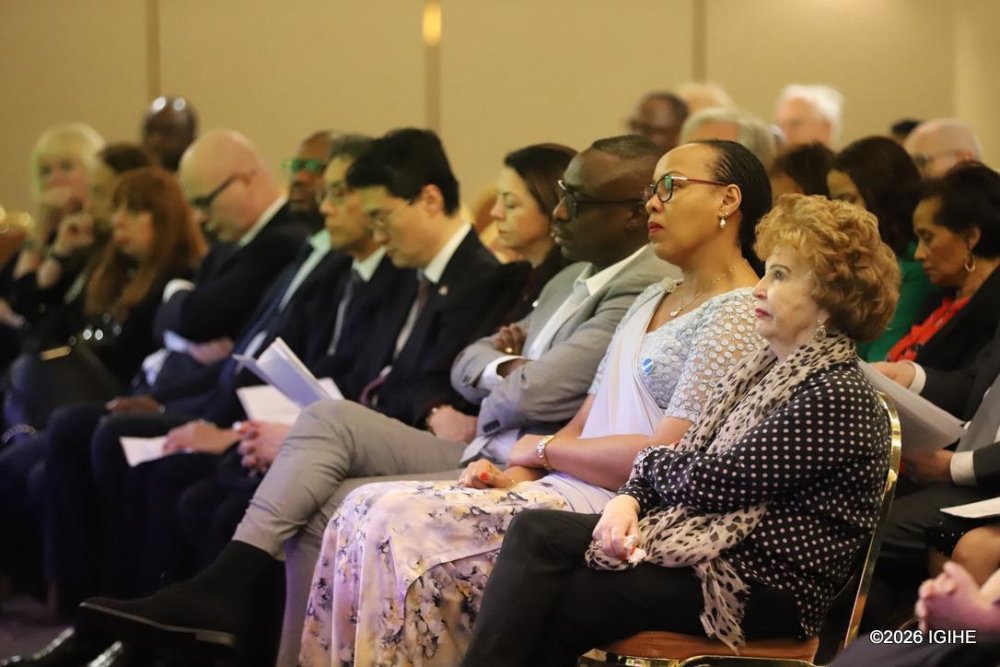
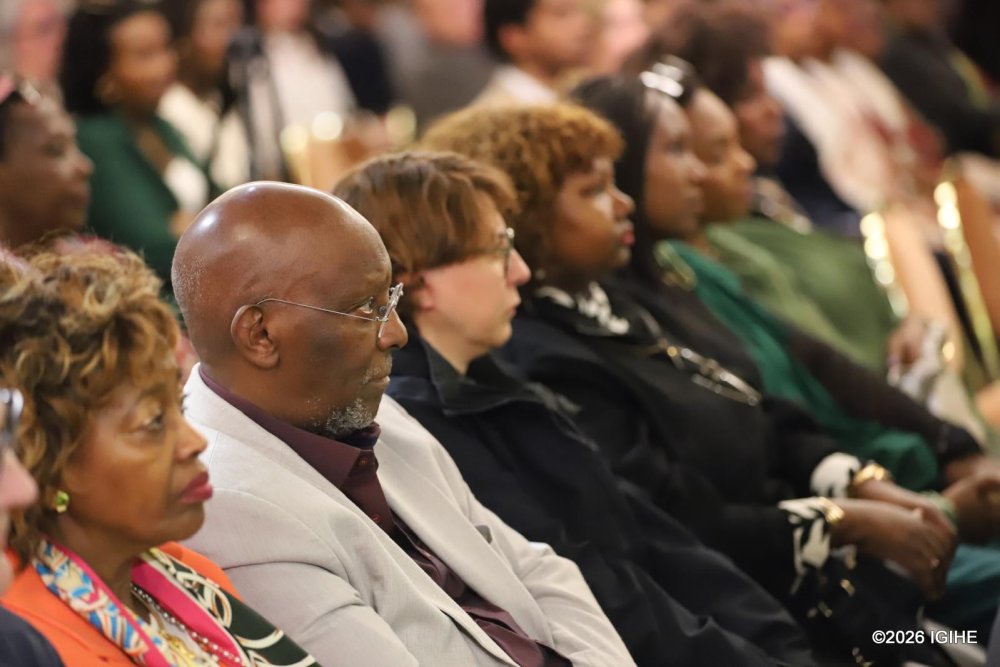
Geraldine Trada decided to use her story to create change recognizing the disparity in opportunities. Members of the Geraldine Trada Foundation community gathering, uniting to share strength, support, and hope in their journey with diabetes. Participants at the Ikizere Camp engaging in educational sessions, learning effective strategies for managing and living with diabetes.
Iyacu will take over from Paula Hunter who is retiring. She is expected to step down from her Executive Director role during the transition period.
Based in Kigali, Iyacu brings more than 15 years of experience in inclusive financial systems, digital finance and Digital Public Infrastructure (DPI), with a track record of advancing initiatives linked to the Sustainable Development Goals.
His appointment signals the foundation’s continued focus on scaling inclusive, real-time payment systems, particularly in underserved markets.
In his new role, Iyacu is expected to steer the foundation’s long-term sustainability efforts, mobilise additional funding and support deployments across multiple regions where the organisation works with governments, central banks and other partners.
“Inclusive finance is one of the defining challenges and opportunities of our time. Mojaloop has already demonstrated the power of open, interoperable infrastructure to transform economies and improve lives,” Iyacu said.
“I’m excited to build on this momentum, working with partners around the world to expand access to inclusive digital financial services and ensure long-term sustainability for the organization,” he added.
Kosta Peric, Chairperson of the Mojaloop Foundation, said Iyacu’s appointment comes at a pivotal moment for the organisation.
“Jean Bosco brings an exceptional combination of regional insight, leadership experience and deep understanding of Digital Public Infrastructure. This marks an important step in Mojaloop’s evolution as we continue to scale our global impact,” Peric said.
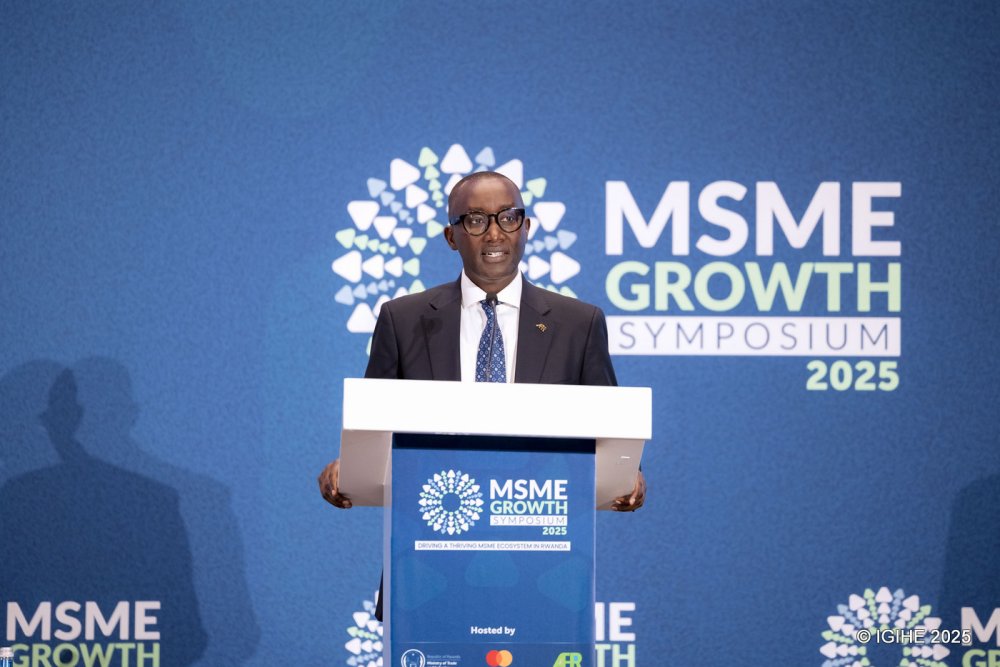
Iyacu currently serves as Chief Executive Officer of Access to Finance Rwanda (AFR), where he leads a team of more than 40 staff and has played a key role in mobilising donor funding and expanding the institution’s interventions over the past five years.
Beyond AFR, he chairs the Financial Sector Deepening (FSD) Network Council, which coordinates collaboration across nine African markets. He is also a member of the Consultative Group to Assist the Poor (CGAP) FinEquity Technical Advisory Committee and holds private sector board roles, including at Salvo Grima Africa Distribution.
The Mojaloop Foundation, a non-profit organisation, focuses on promoting financial inclusion by supporting interoperable payment systems through its open-source software. Its platform is used by governments, banks and mobile money providers to build and enhance real-time payment ecosystems aimed at expanding access to digital financial services worldwide.
Jean Bosco Iyacu has been appointed as Chief Executive Officer, effective June 1, 2026.
The latest assessment places Rwanda ahead of countries with comparable income levels, reflecting notable progress across health, education, and labour market performance.
The country achieved a score of 157 on the HCI+, significantly surpassing the Sub-Saharan Africa average of 126 and the low-income country benchmark of 116.
The HCI+ evaluates how effectively nations are building and utilising human capital by measuring the future productivity of children born today.
It considers access to quality healthcare, education, and employment opportunities, while also accounting for inefficiencies such as underused skills.
Compared to the original index, the HCI+ introduces broader indicators, including higher education attainment, job quality, and transitions within the labour market.
Minister of Finance and Economic Planning Yusuf Murangwa attributed the achievement to Rwanda’s long-standing policy focus.
“Our focus on health, quality education, and creating pathways to productive employment is delivering measurable results for Rwandans and the economy,” he stated.
He further noted that sustainability is being embedded across sectors to secure lasting impact.
Key indicators underline this progress. The probability of surviving to age 60 has reached 79 per cent, exceeding the regional average of 73.8 per cent.
Efforts to combat child stunting have also advanced, with 70.2 per cent of children expected to grow without stunting.
In education, Rwanda posted a harmonised learning score of 417 and a tertiary completion rate of 22.8 per cent.
Meanwhile, employment data shows encouraging trends, particularly among youth and wage earners, pointing to improved access to stable jobs. Overall, the gains reflect steady advancement since 2010, especially in health and workplace learning.
Rwanda has achieved a score of 157 on the HCI+, significantly surpassing the Sub-Saharan Africa average of 126 and the low-income country benchmark of 116 in the latest World Bank human capital index.
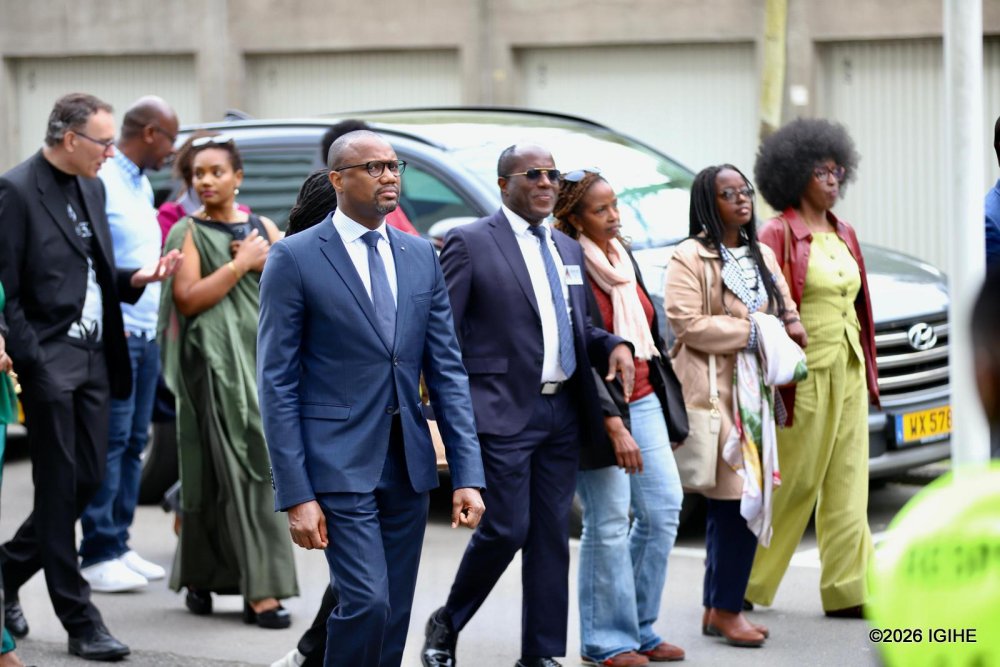
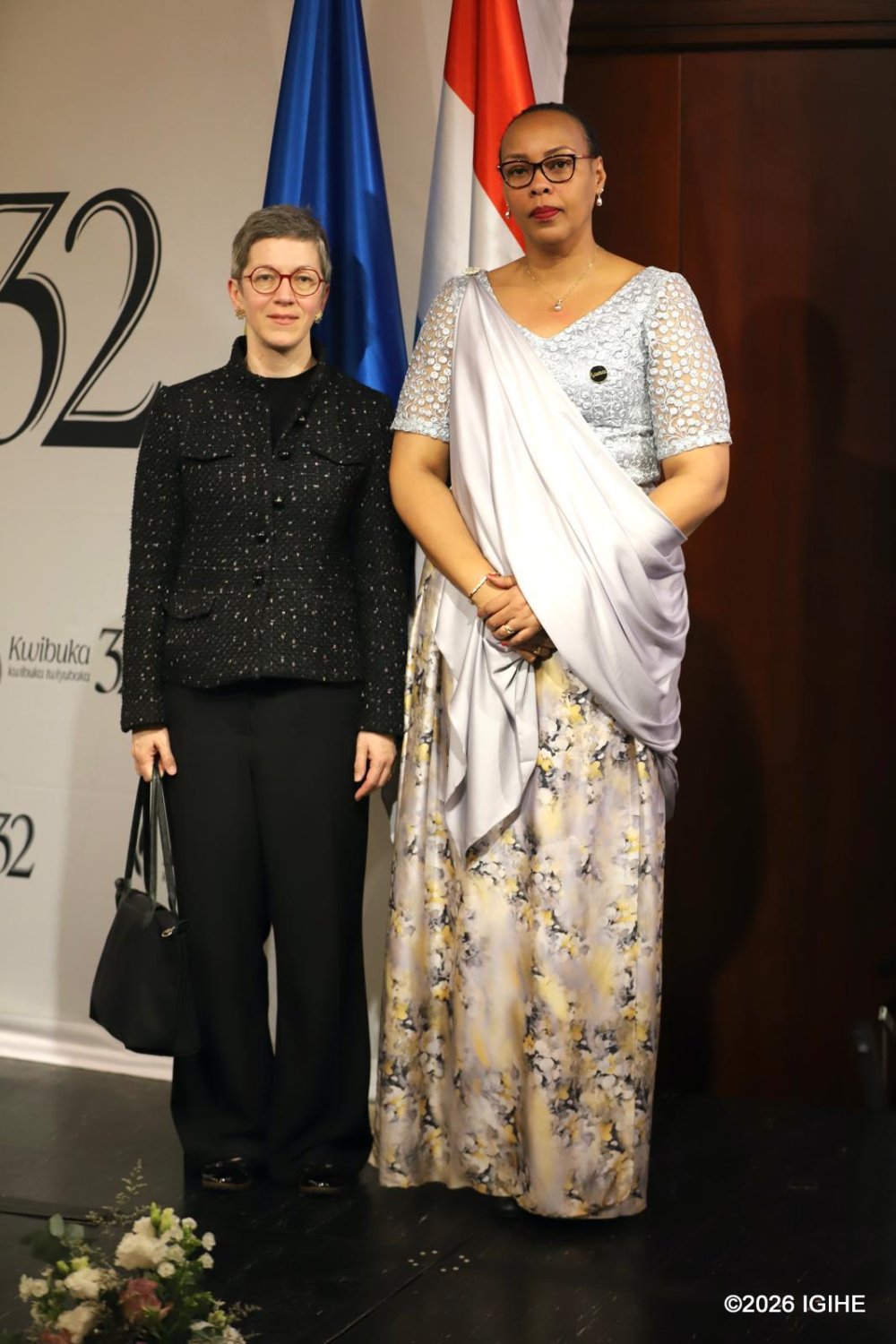
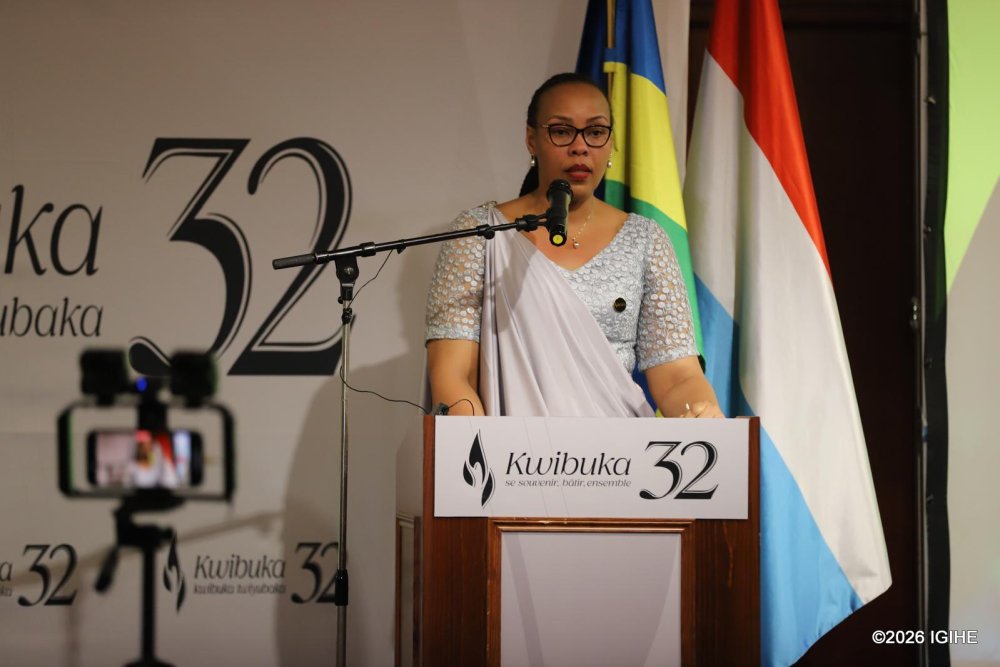
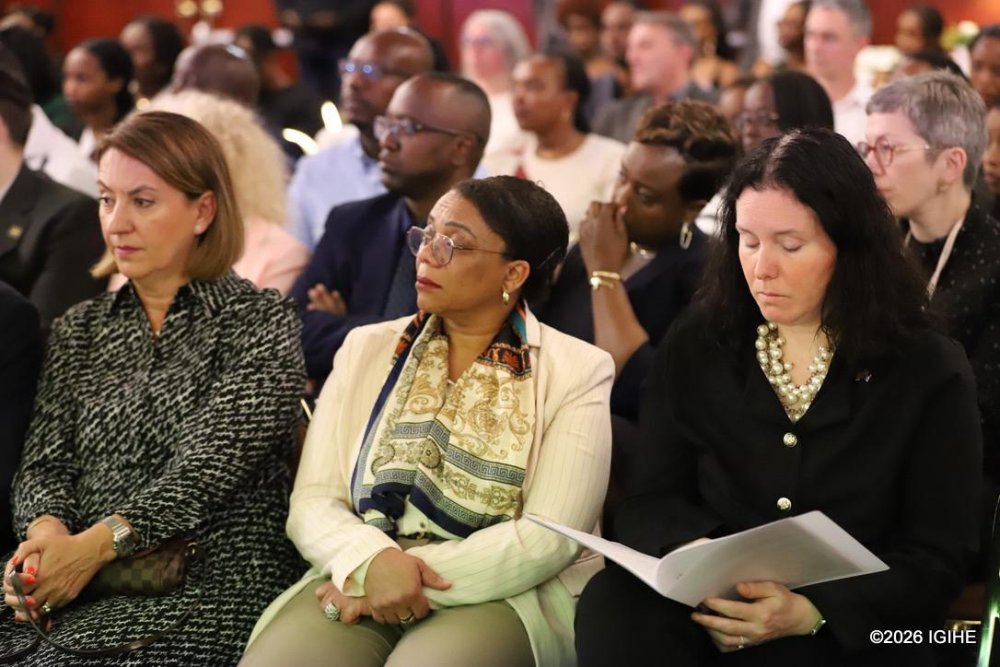
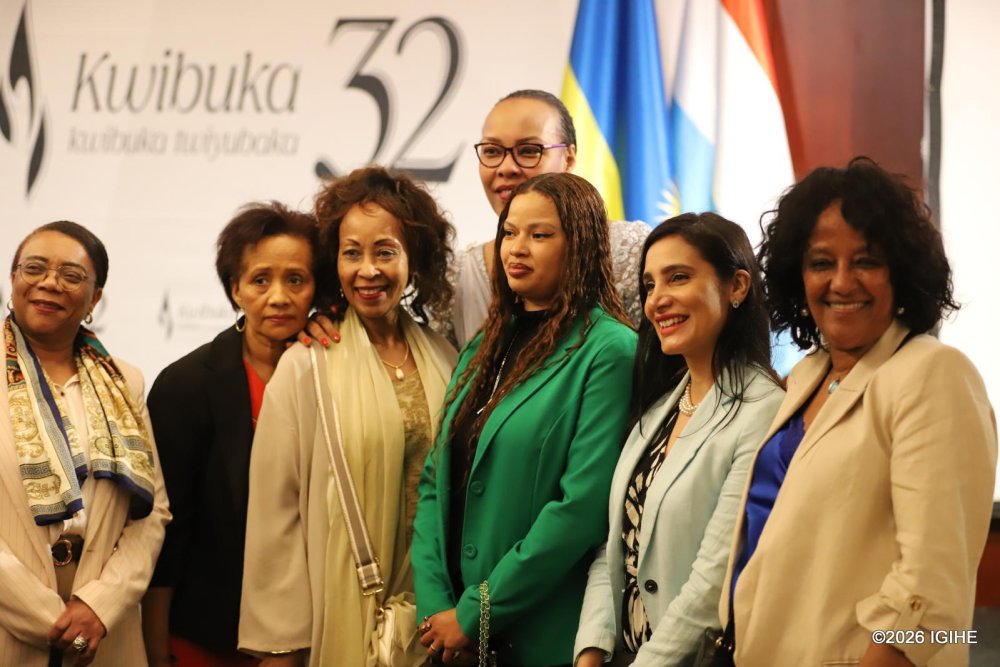
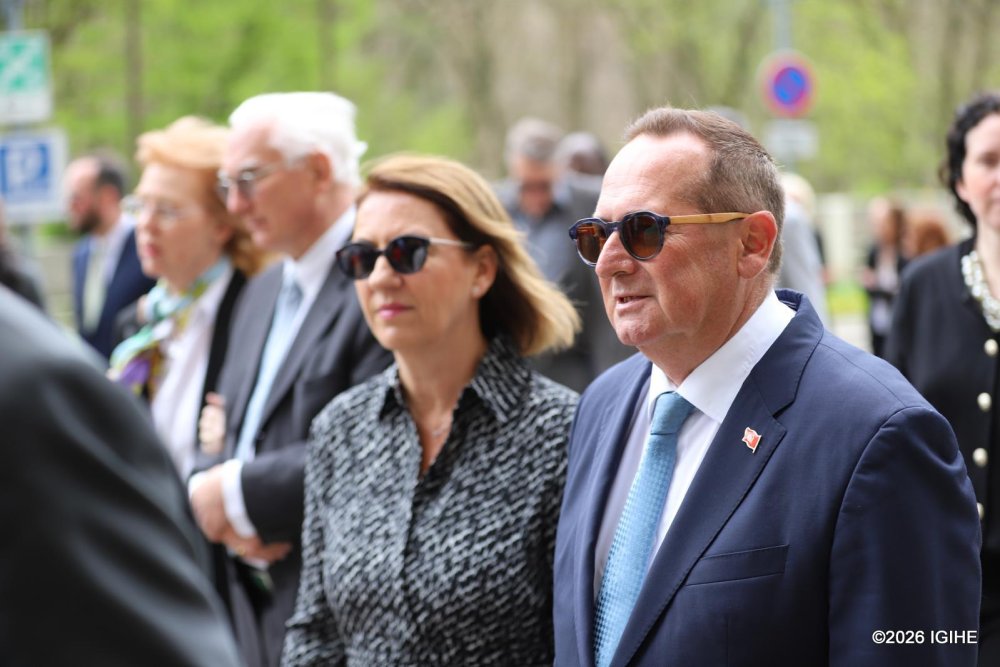
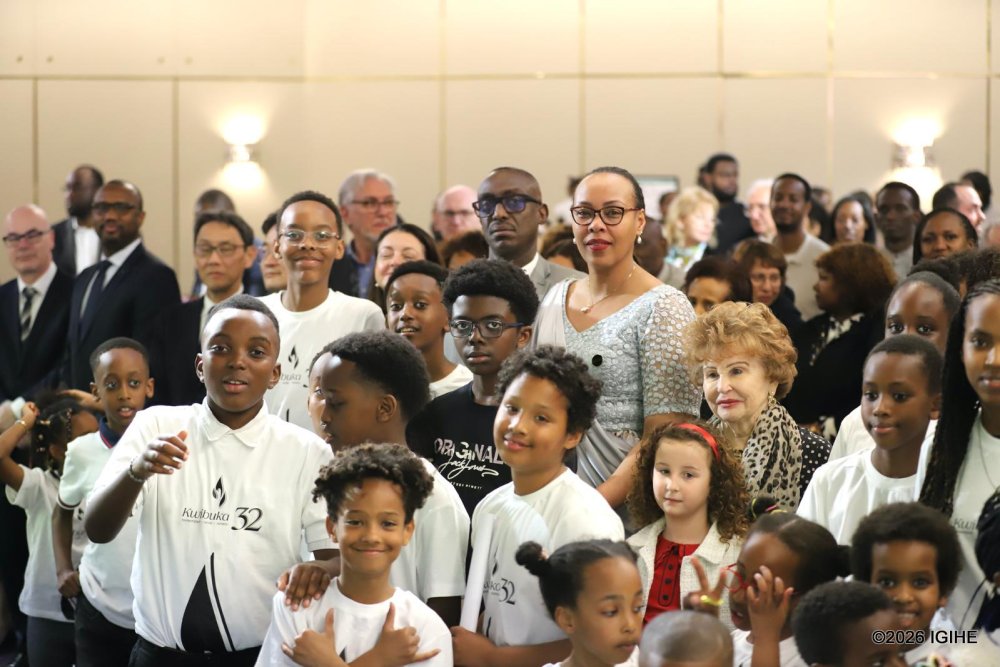
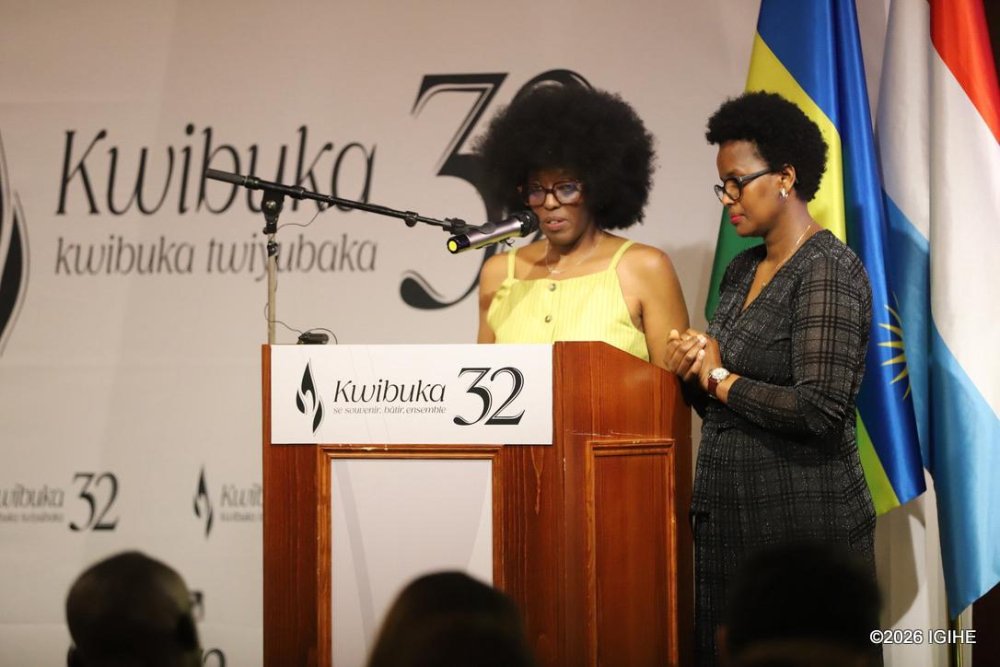
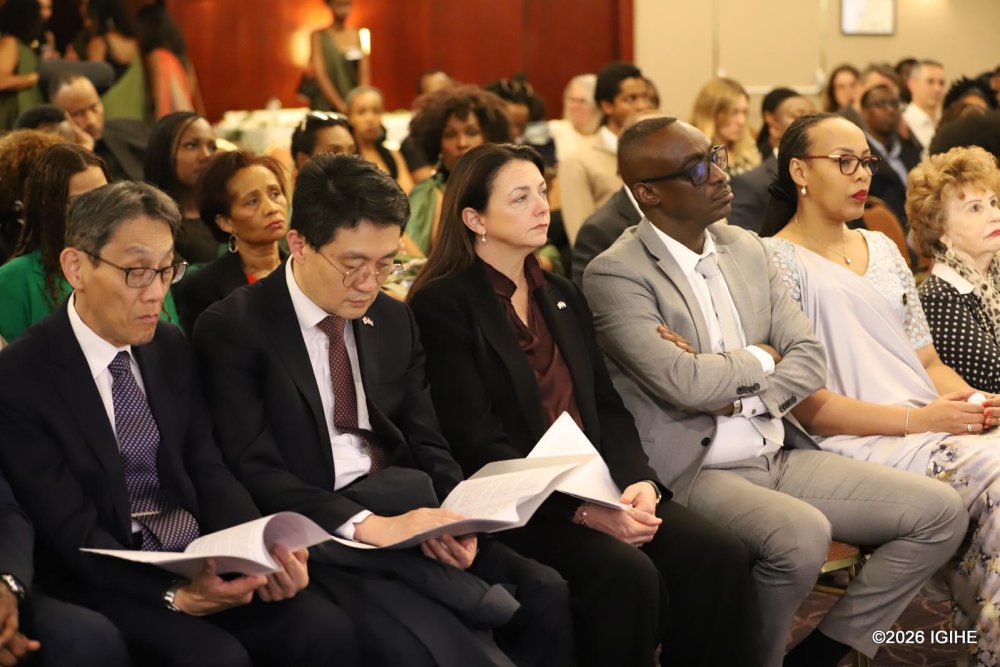
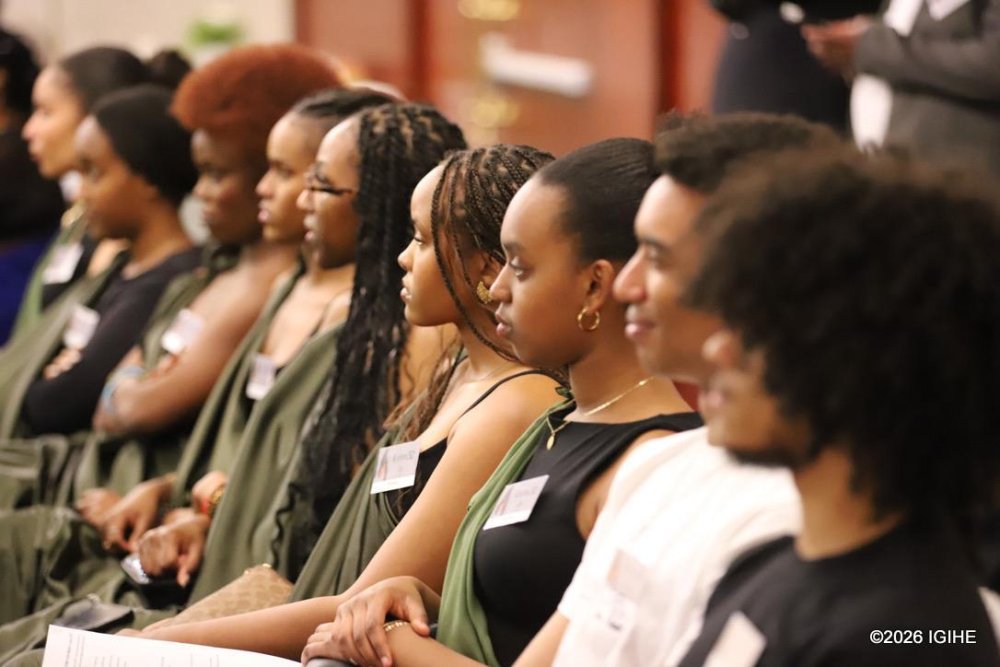
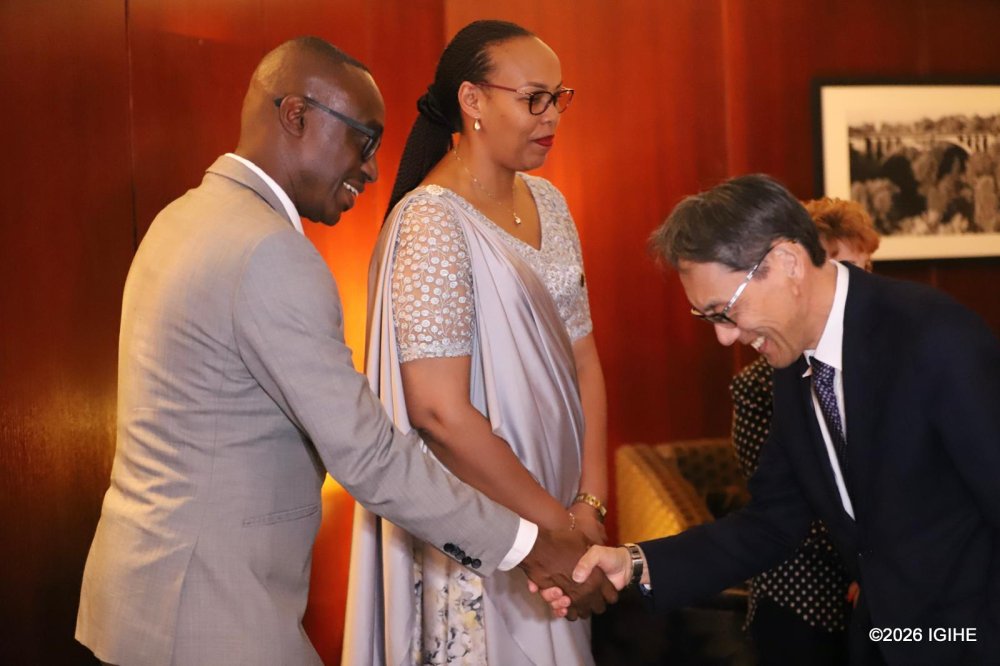
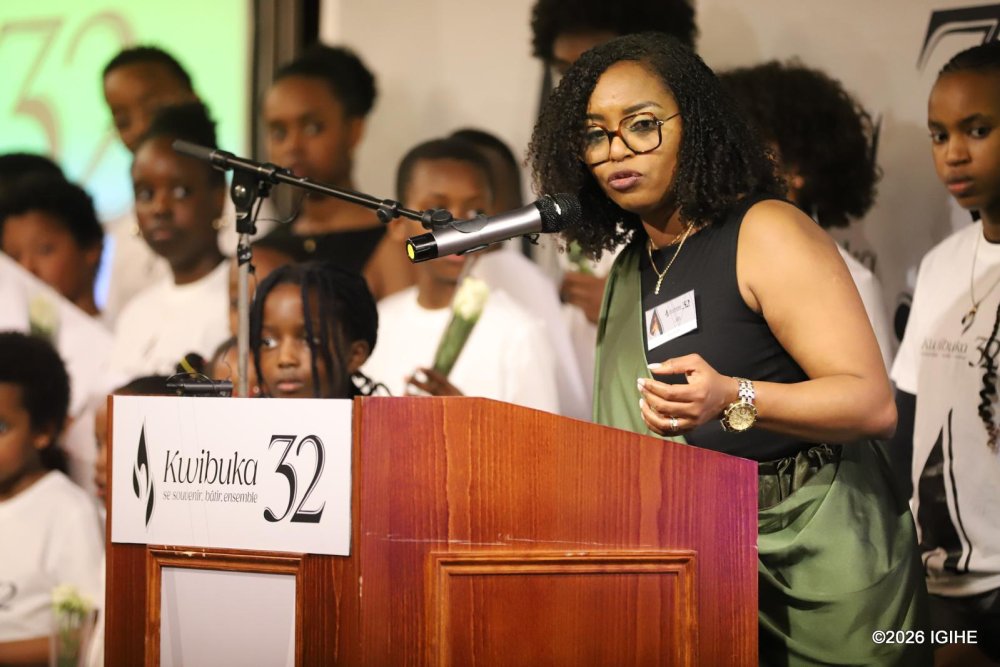
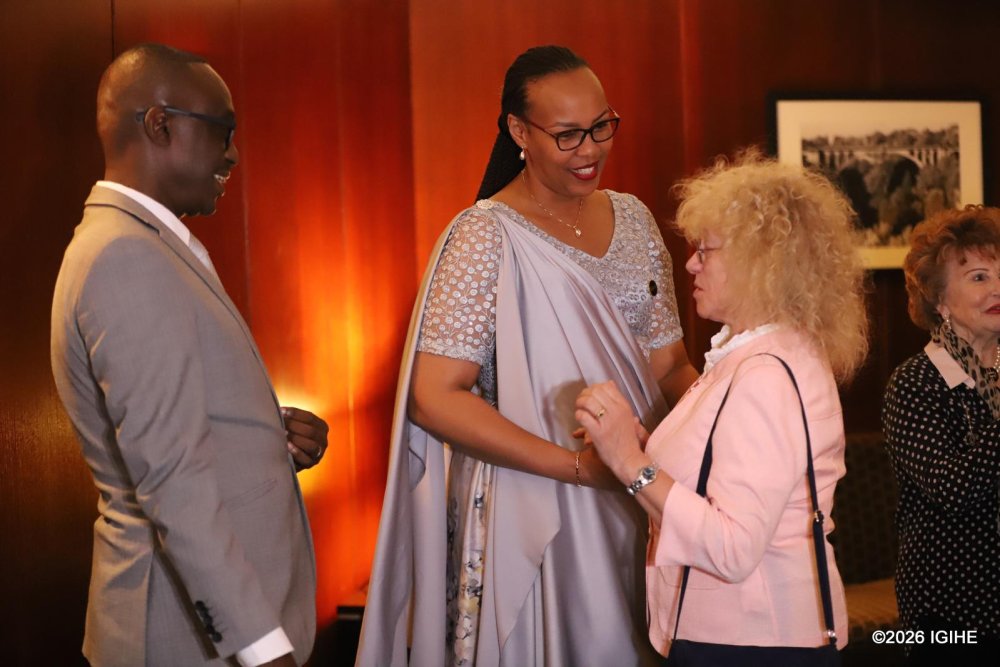
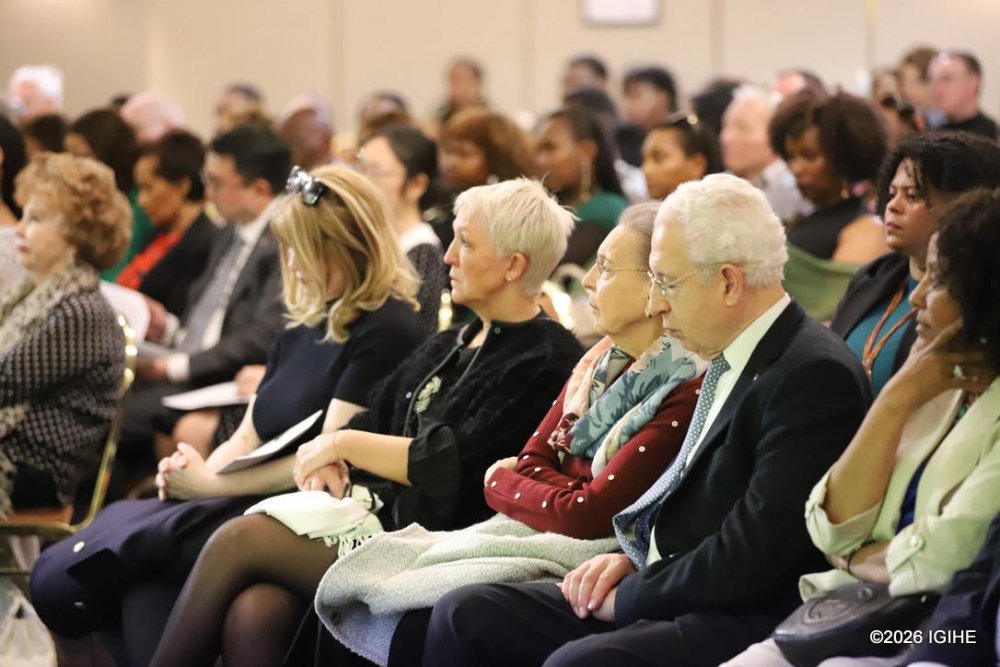
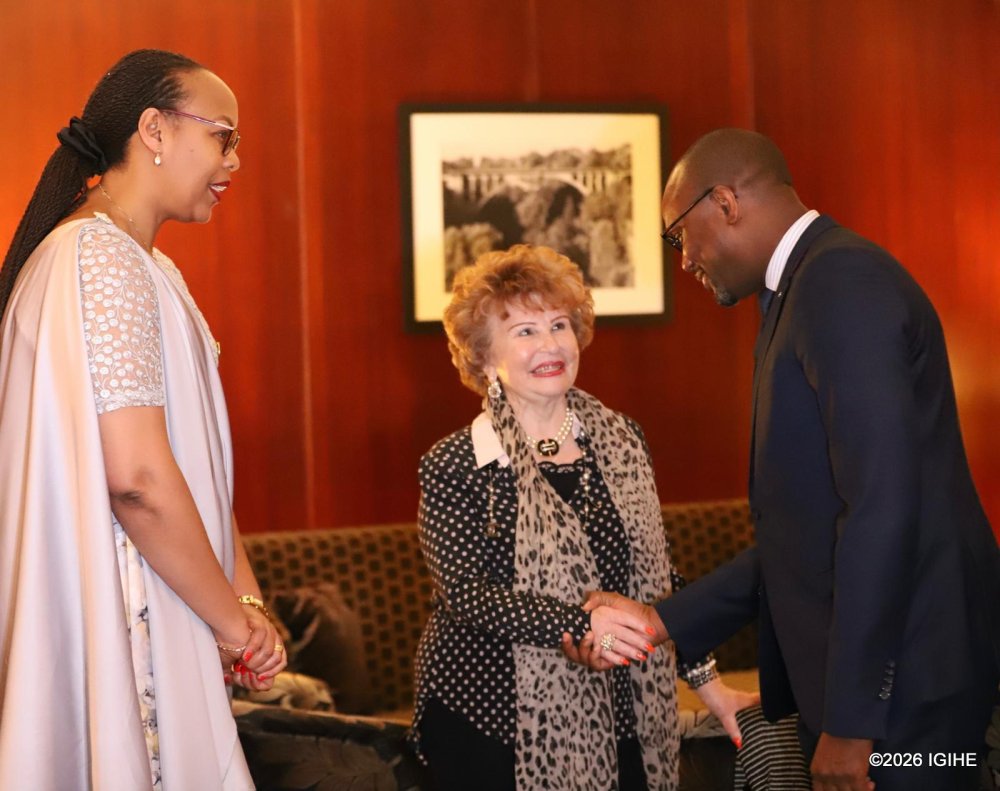
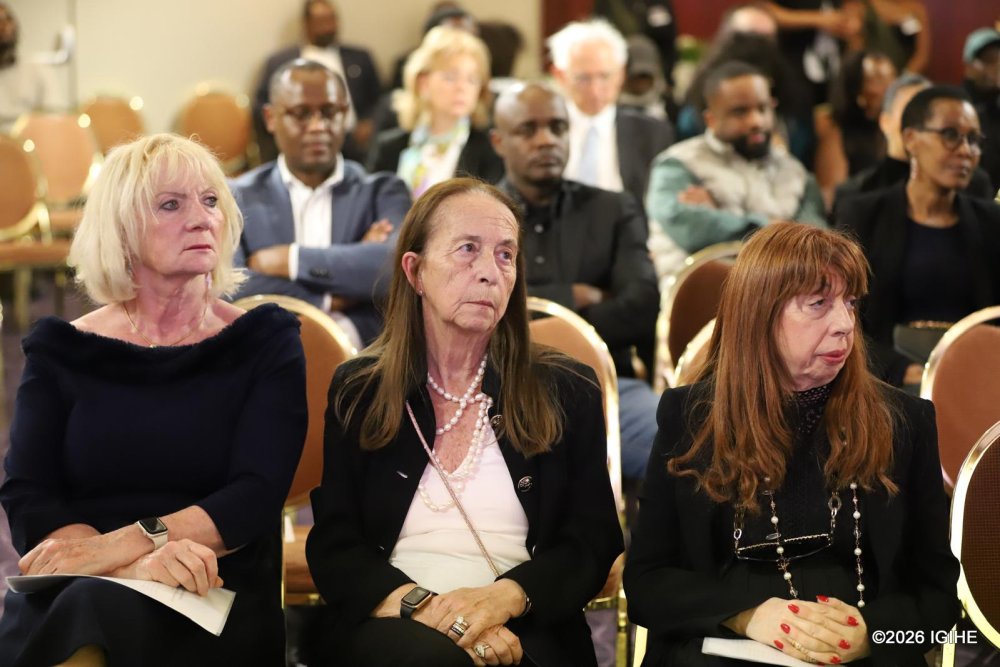
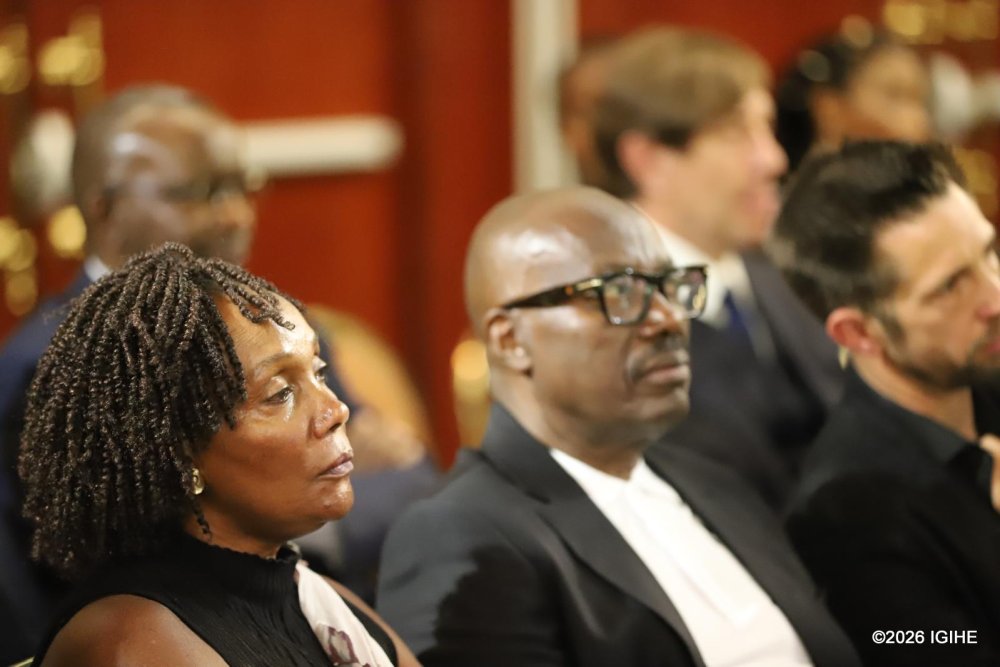
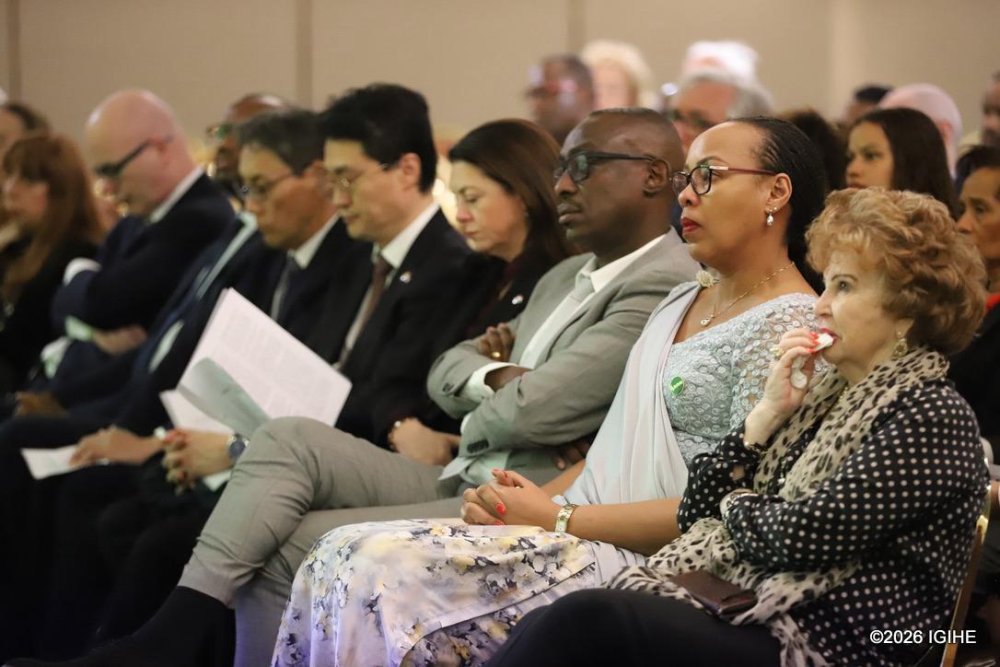
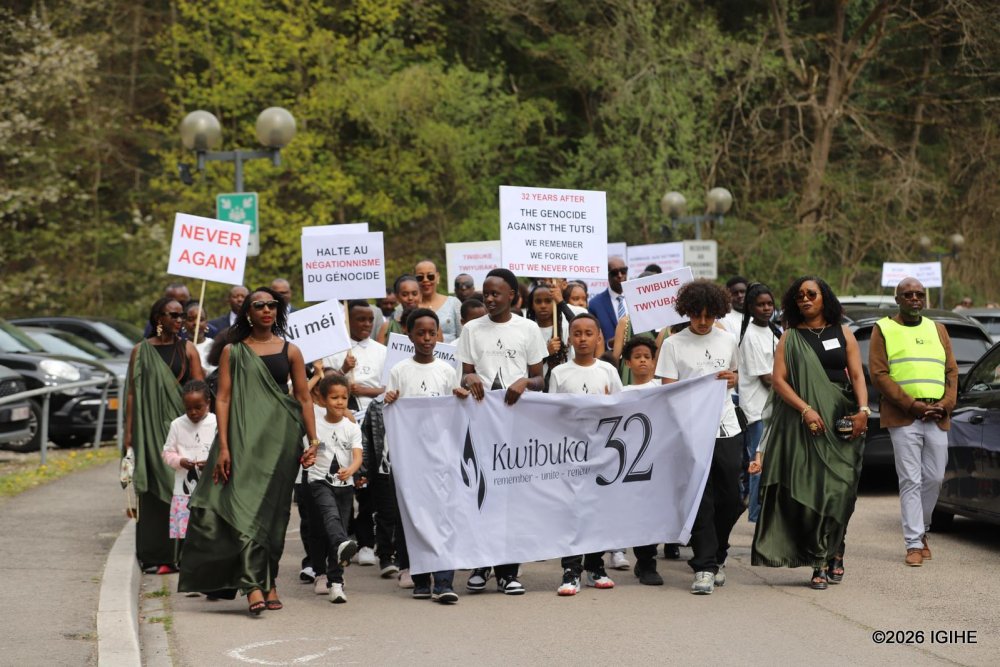
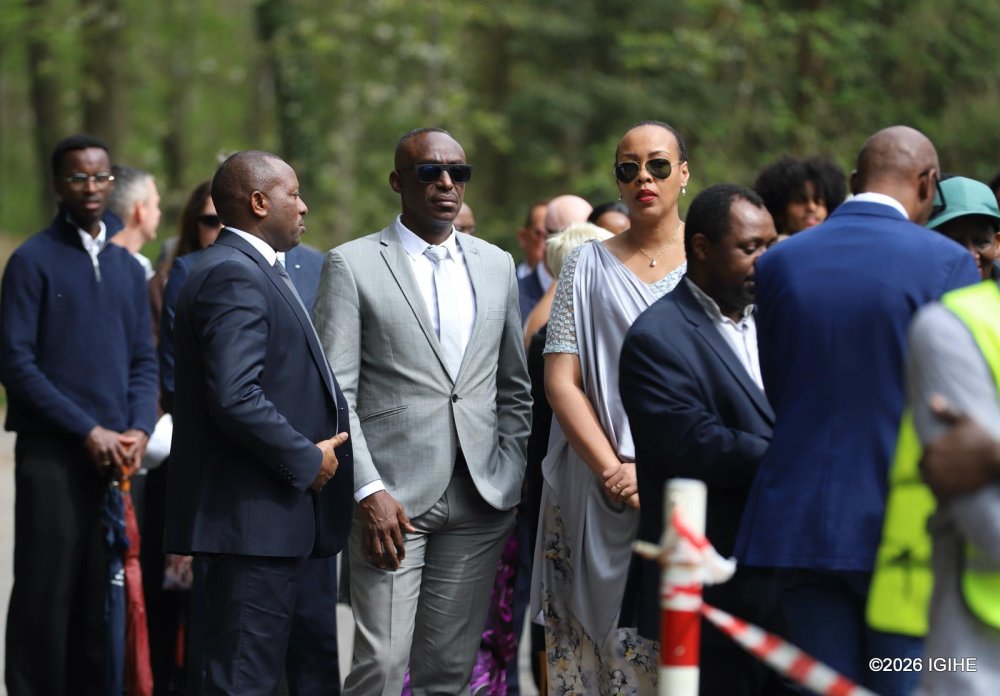
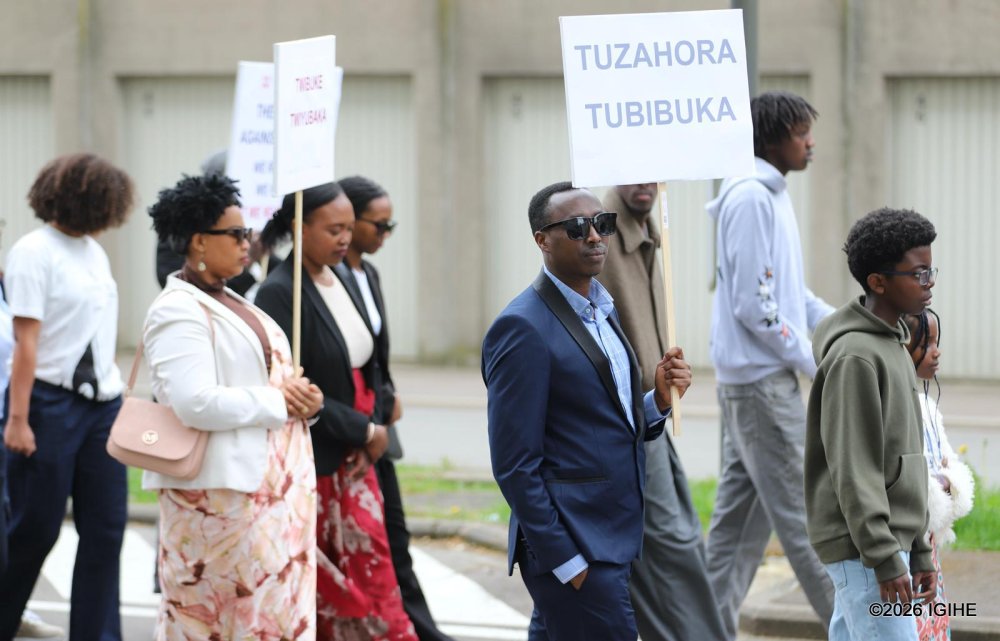
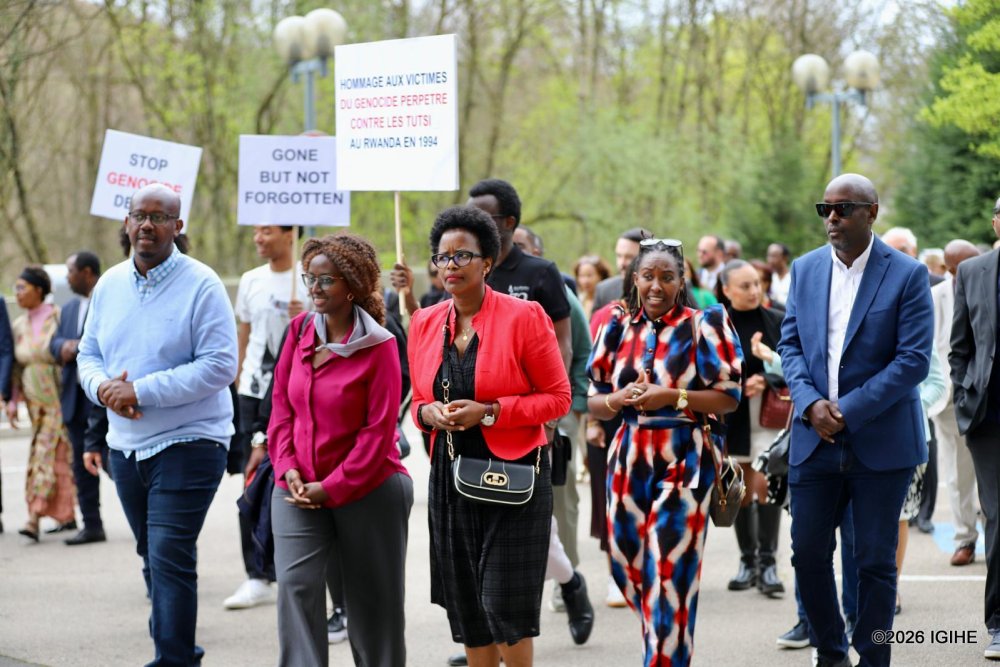
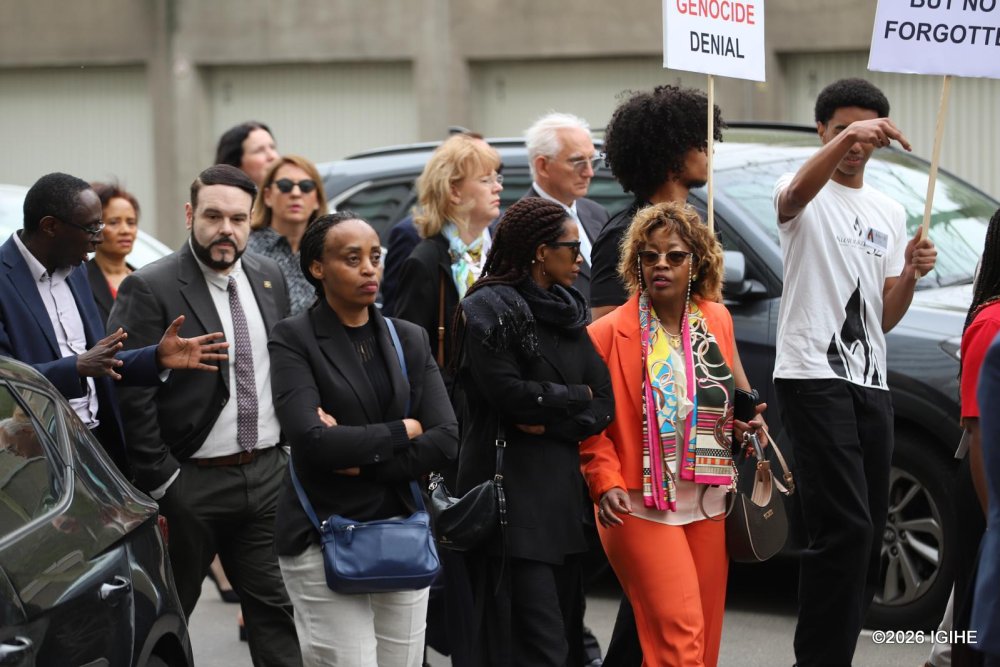
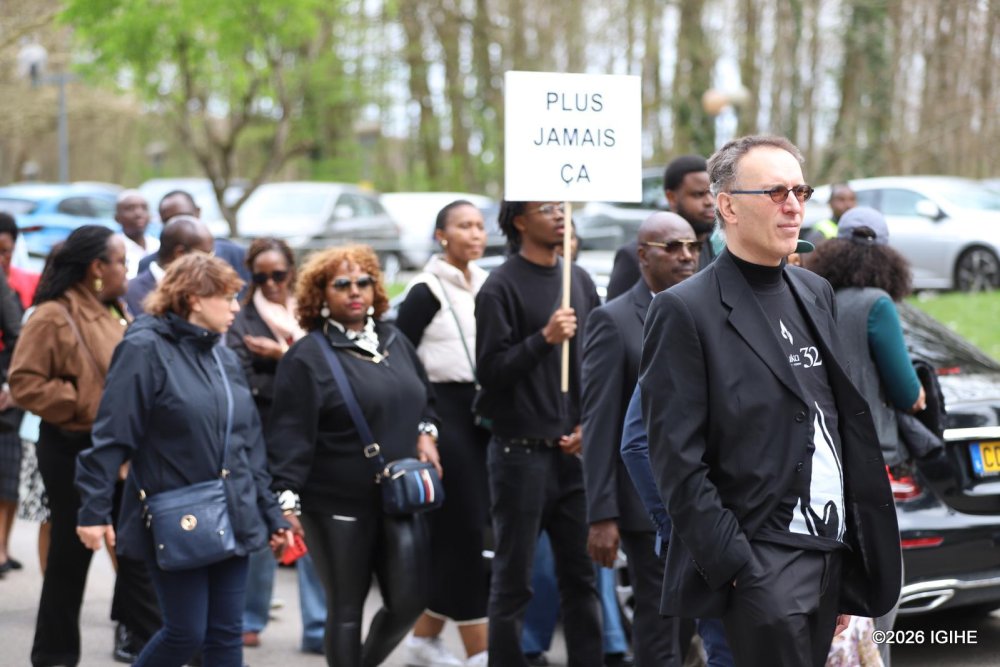
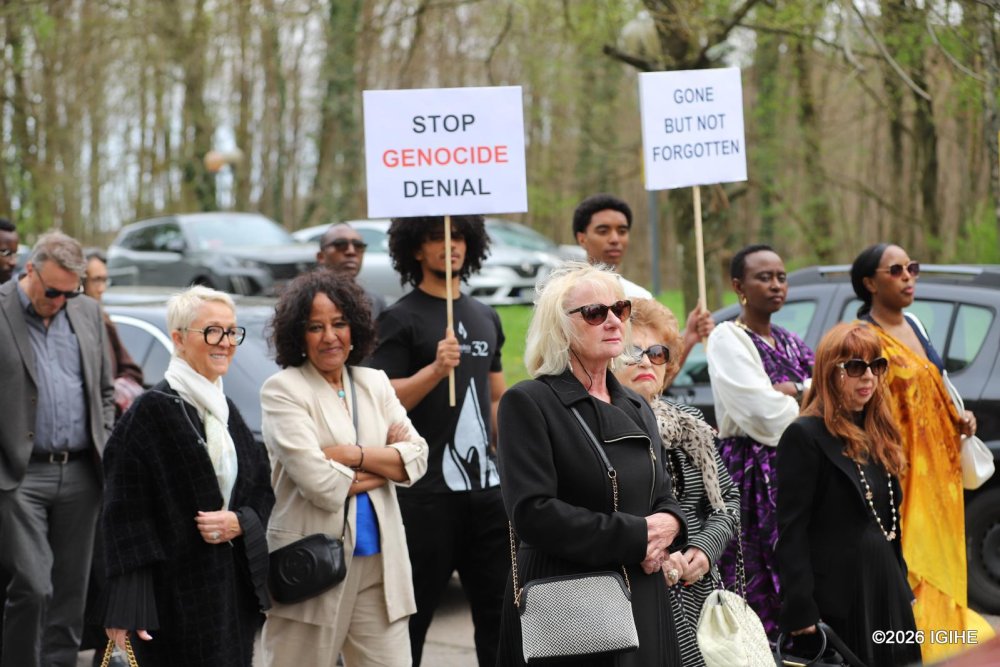
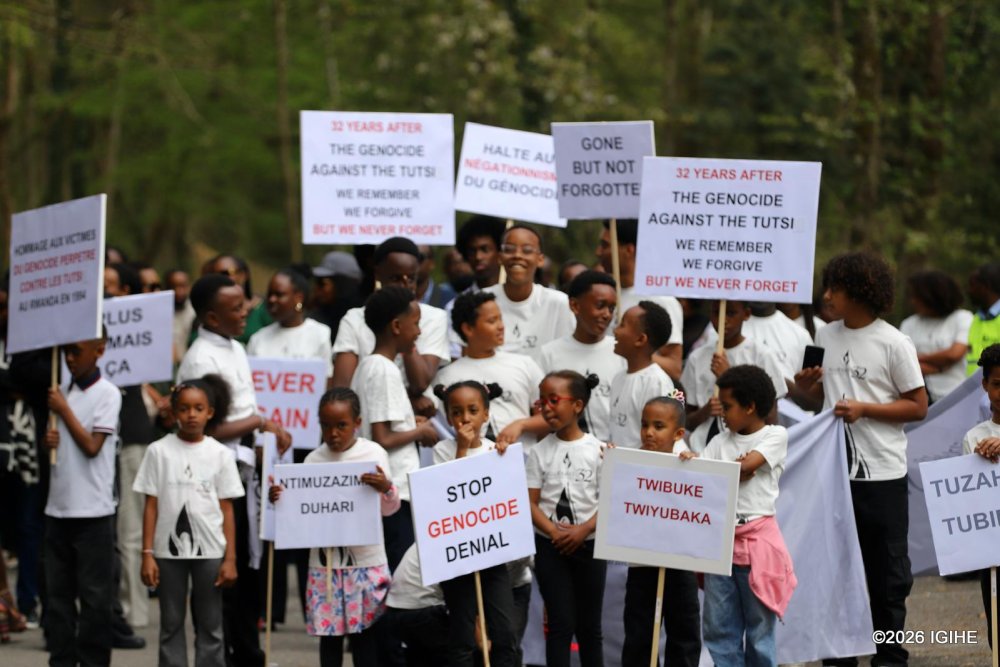
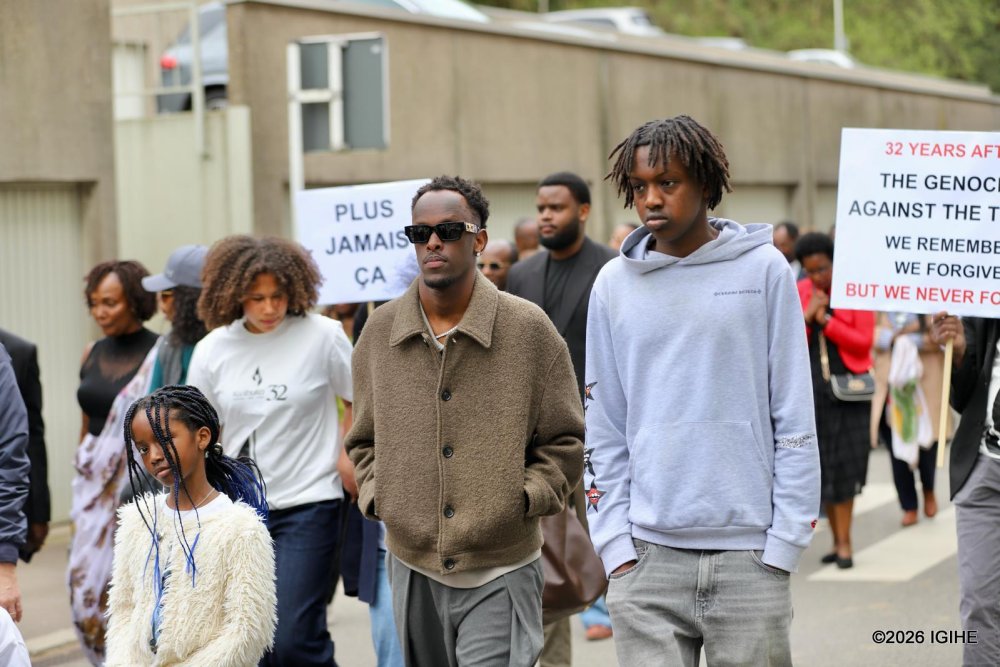
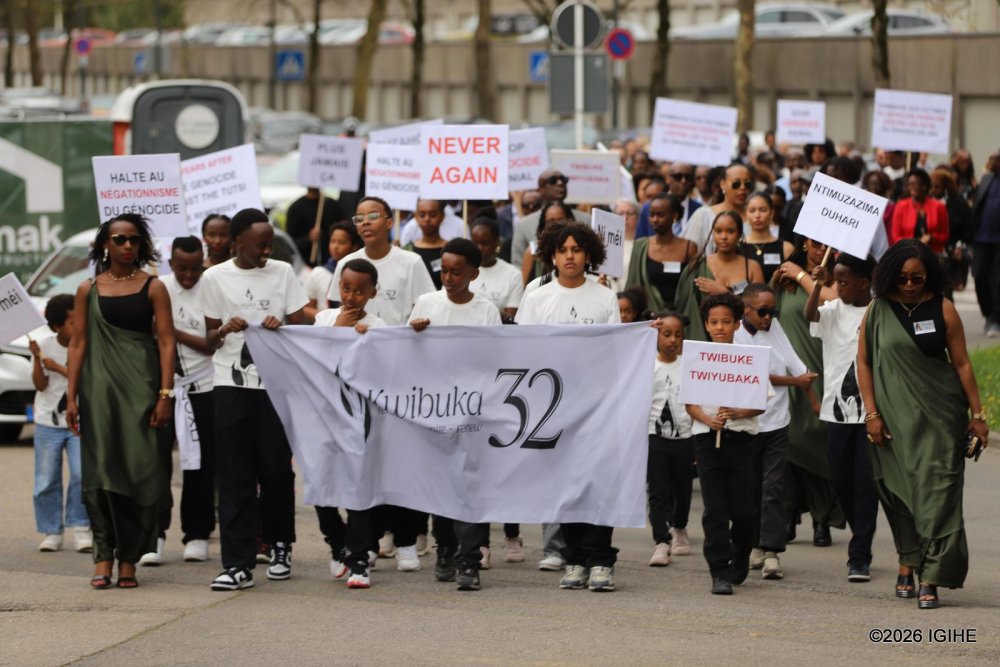
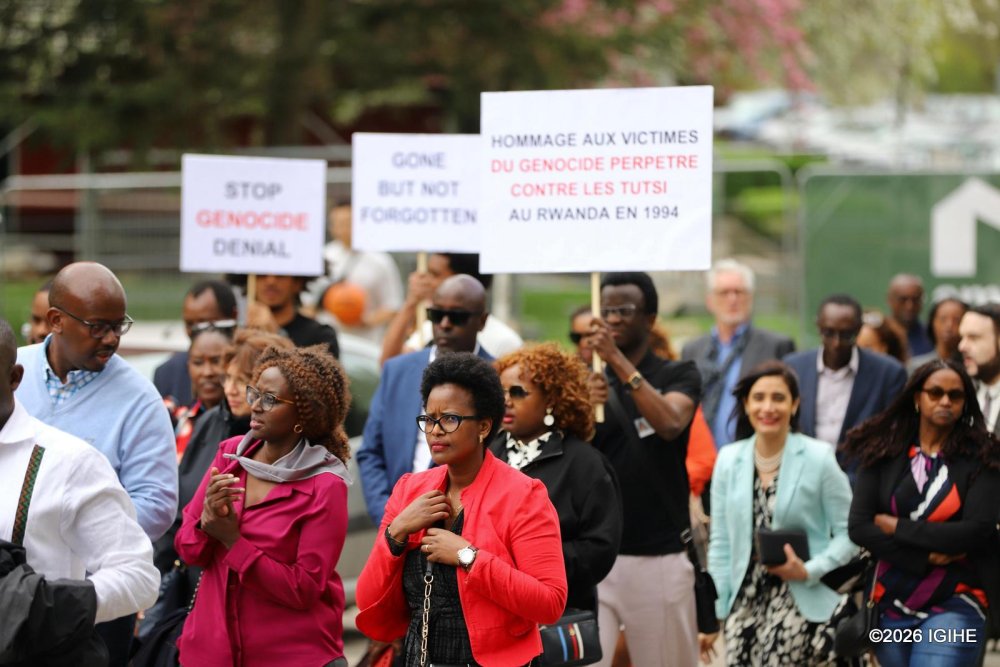
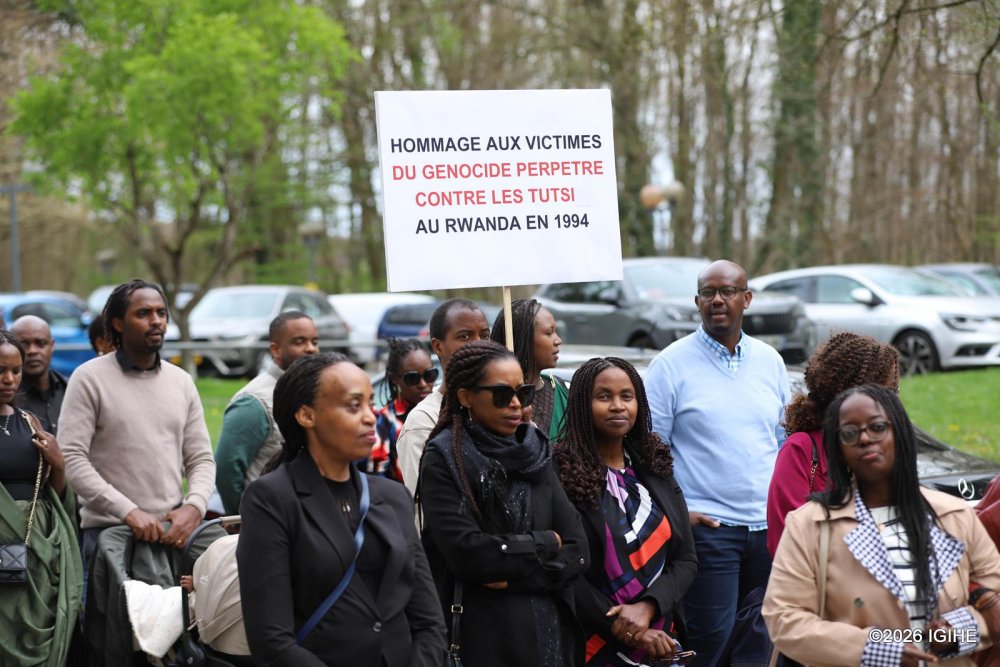
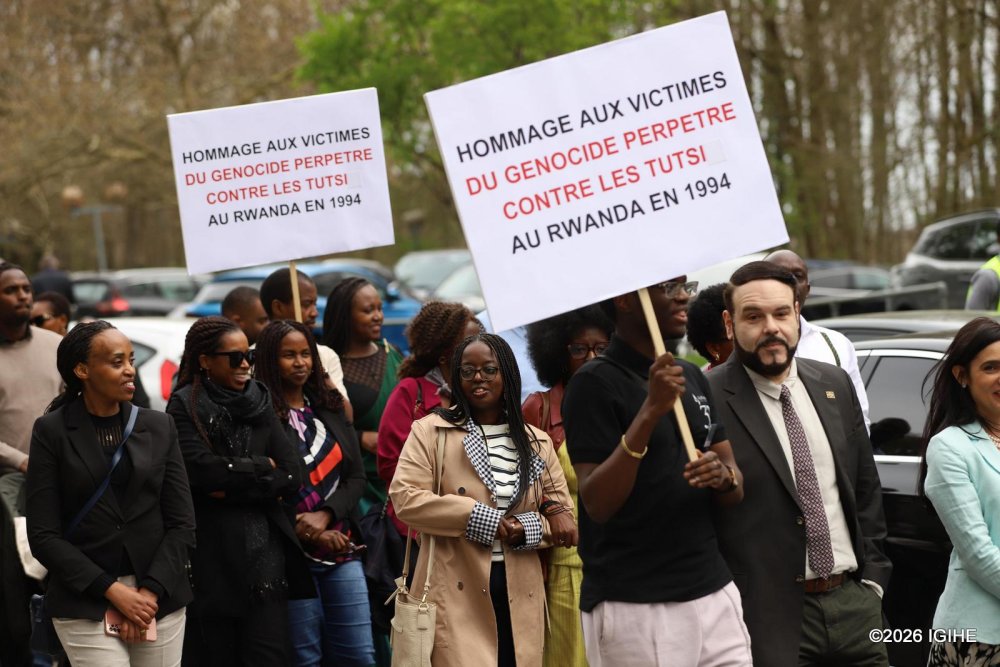
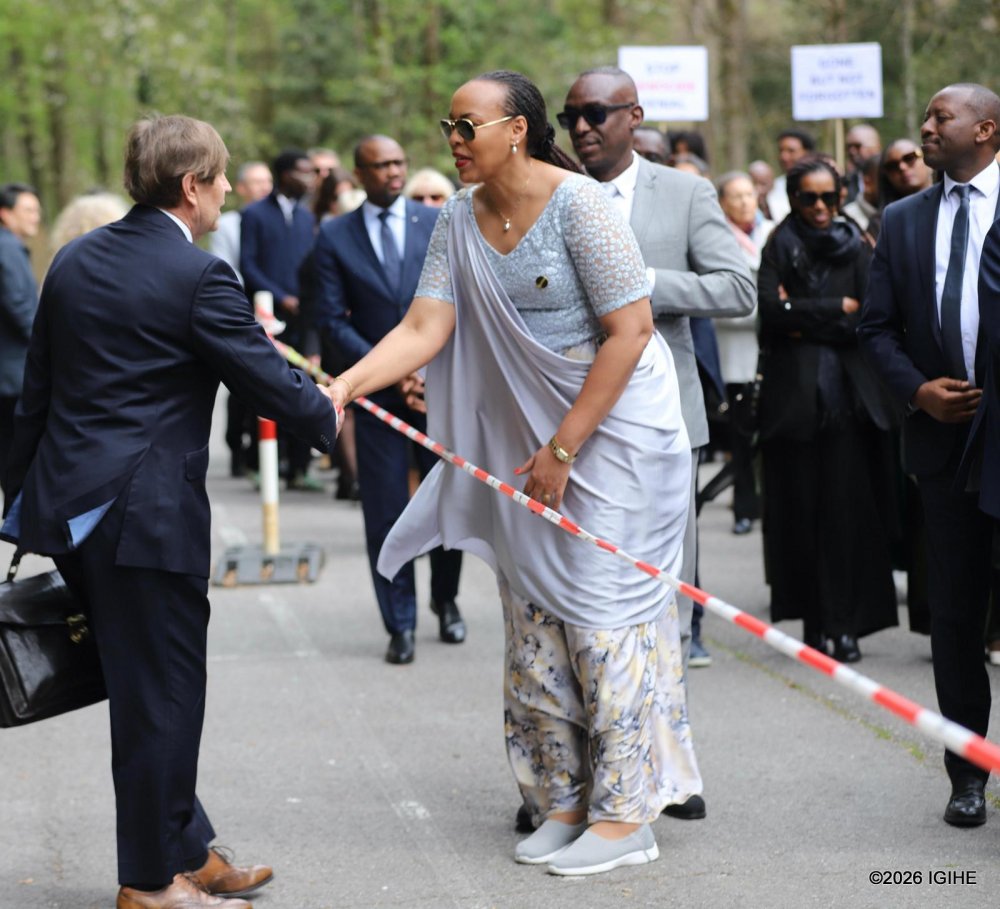
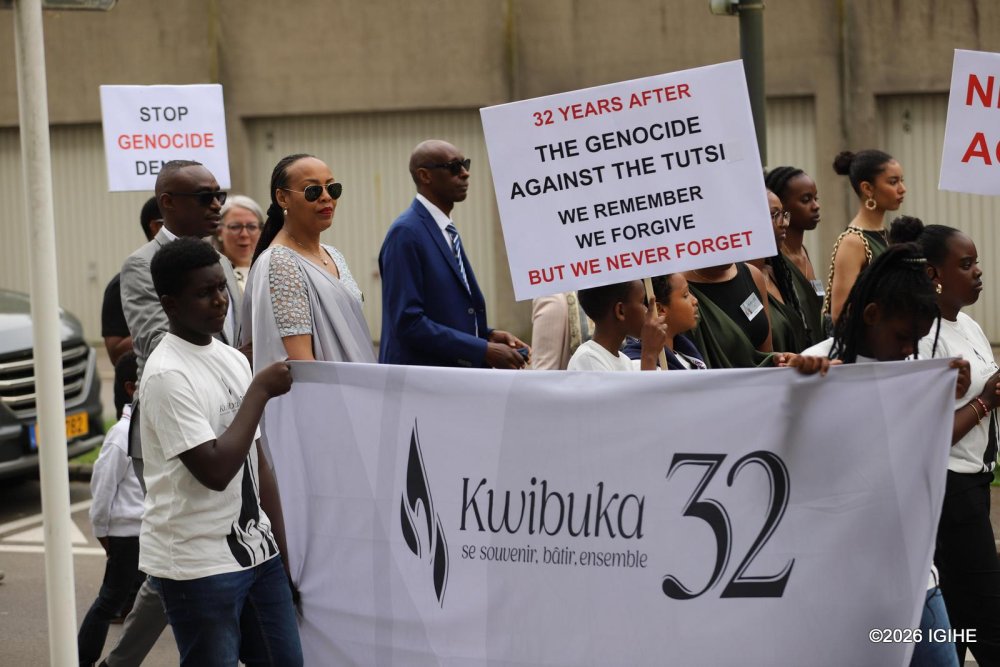
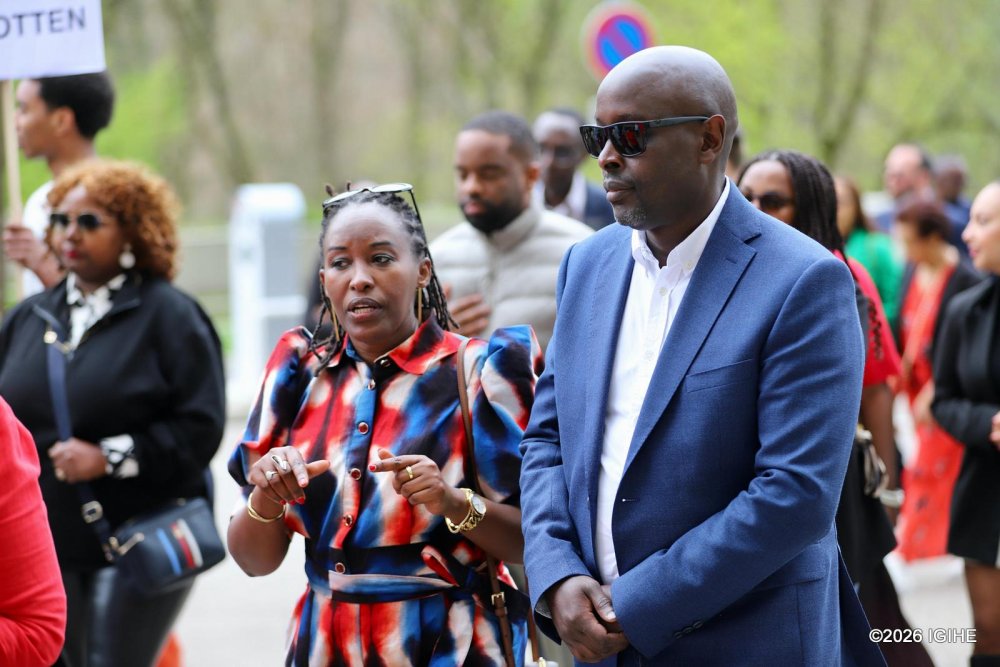
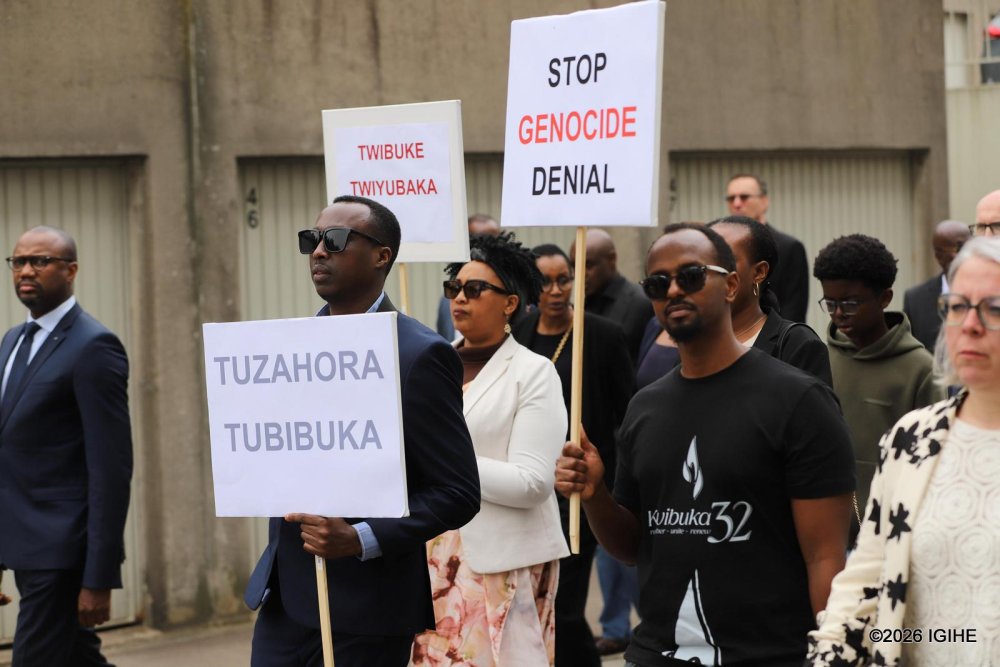
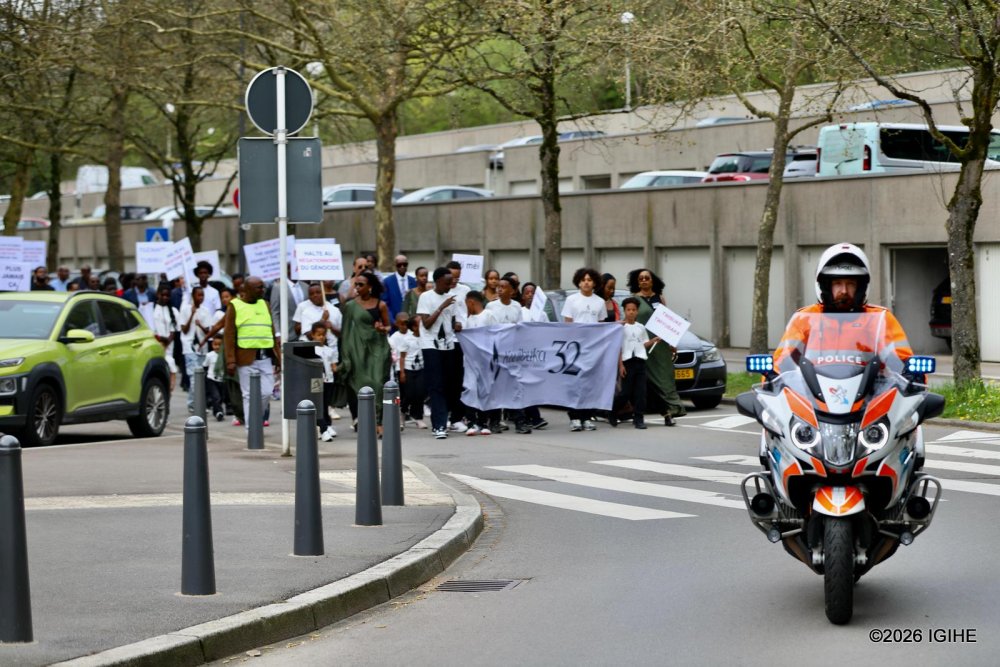
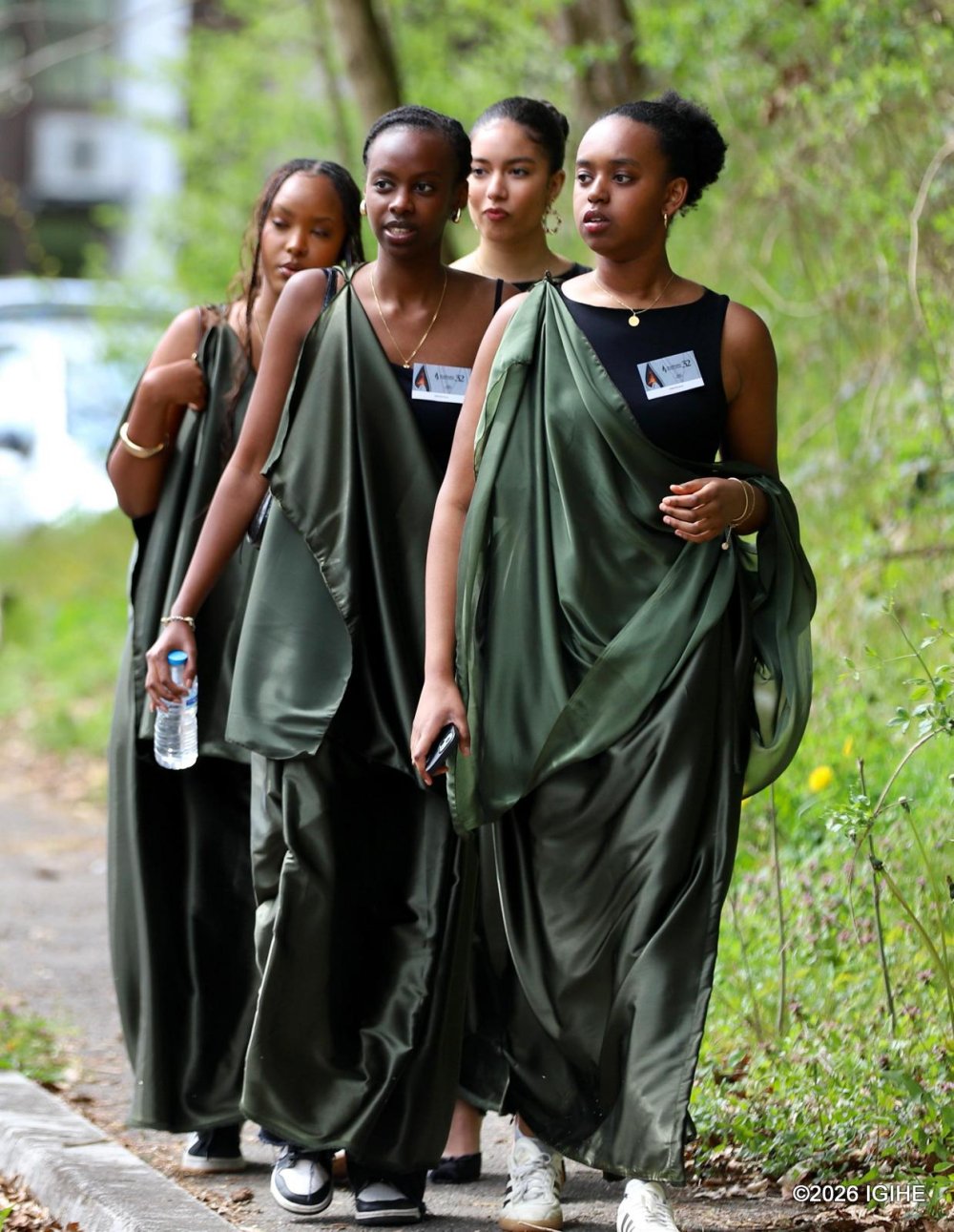
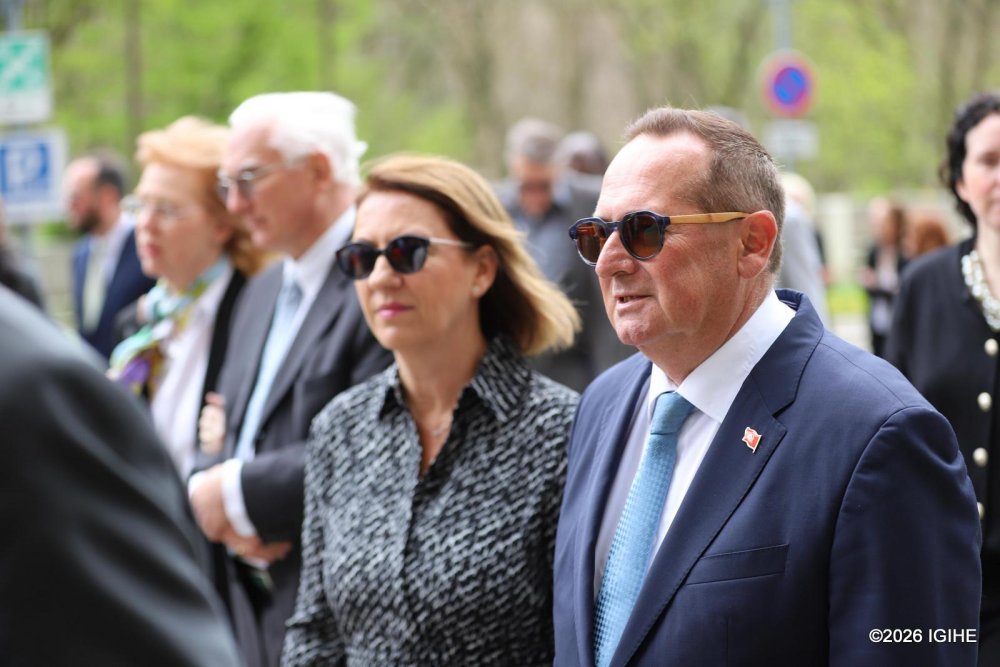
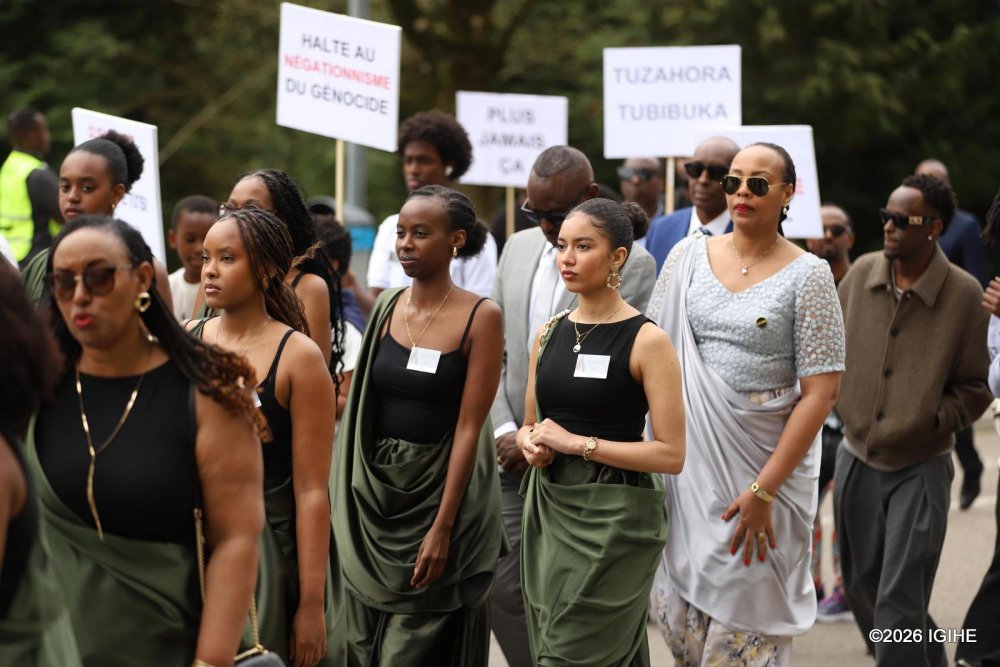
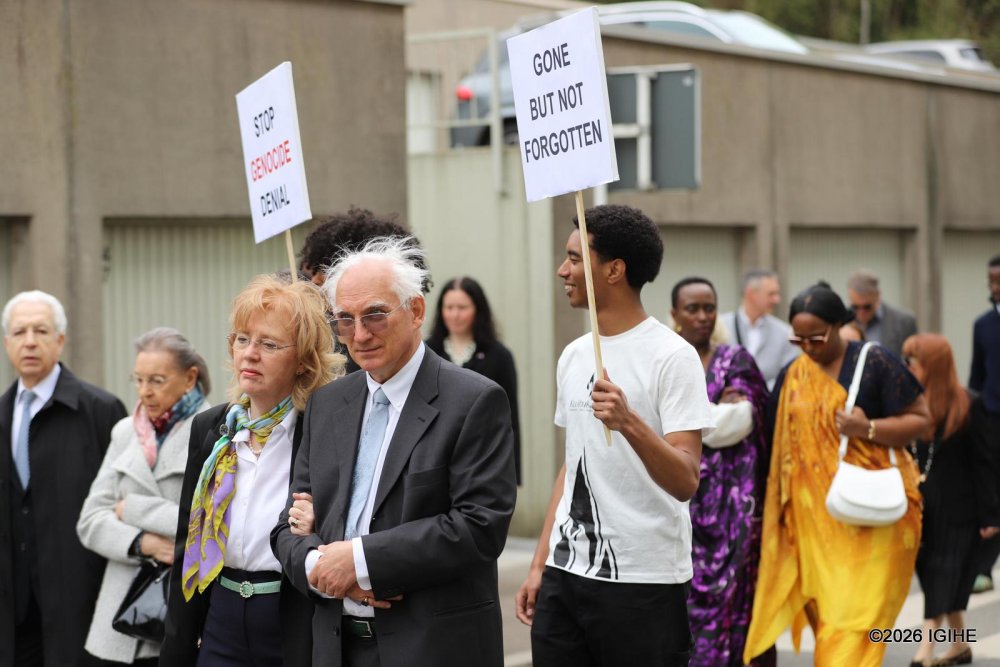
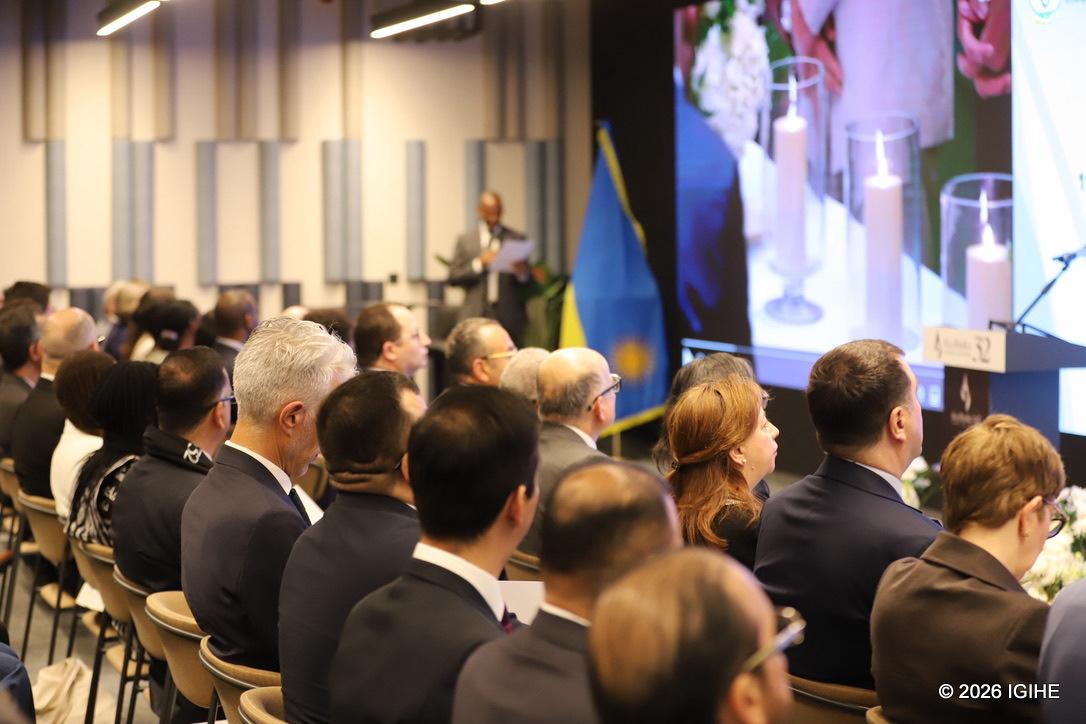
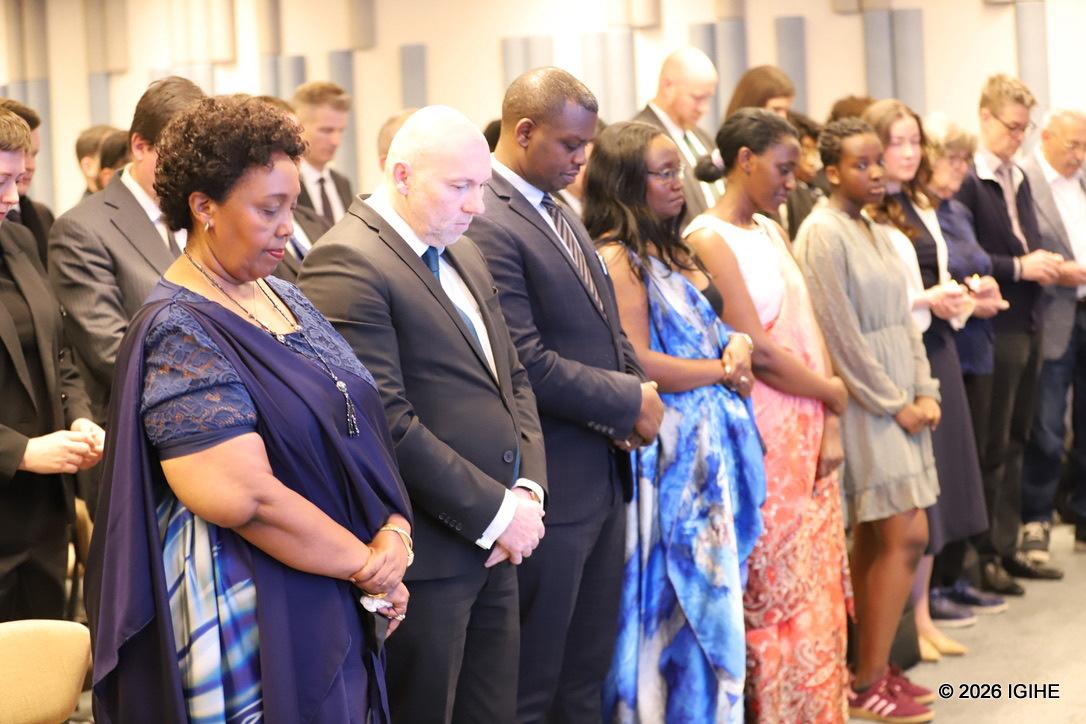
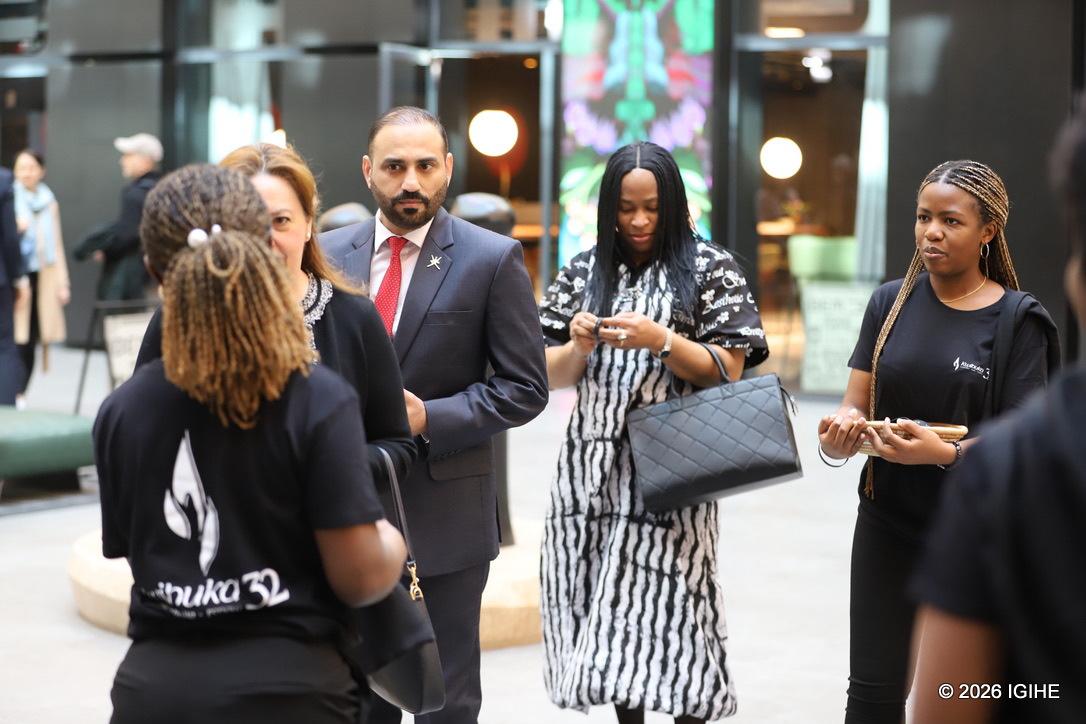
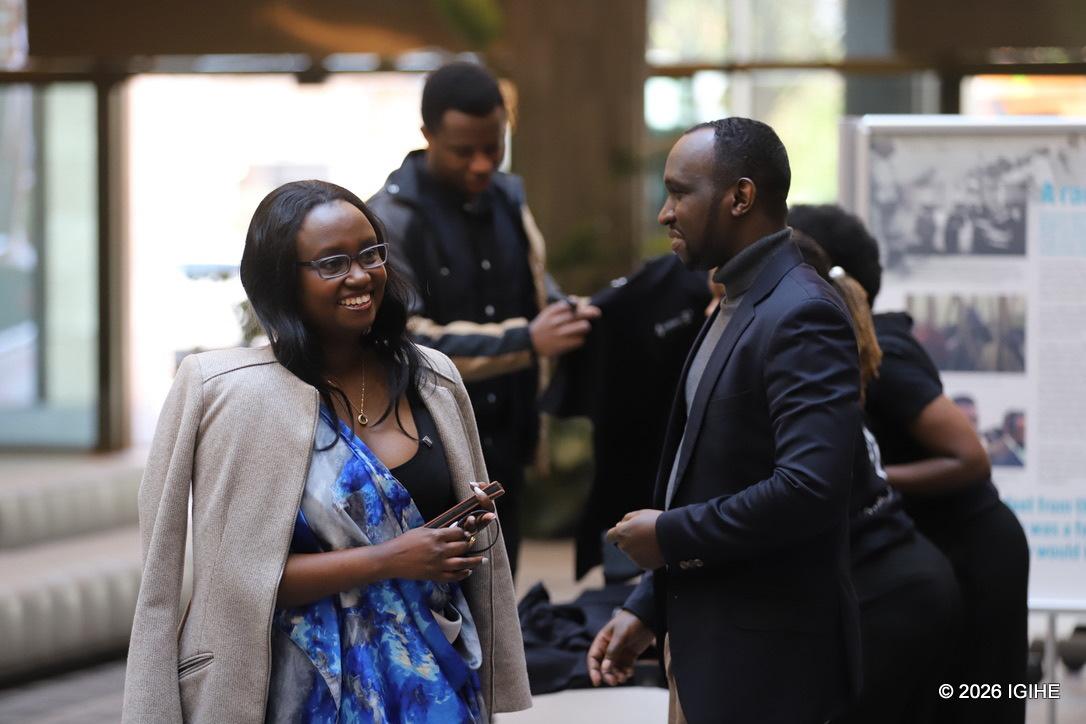
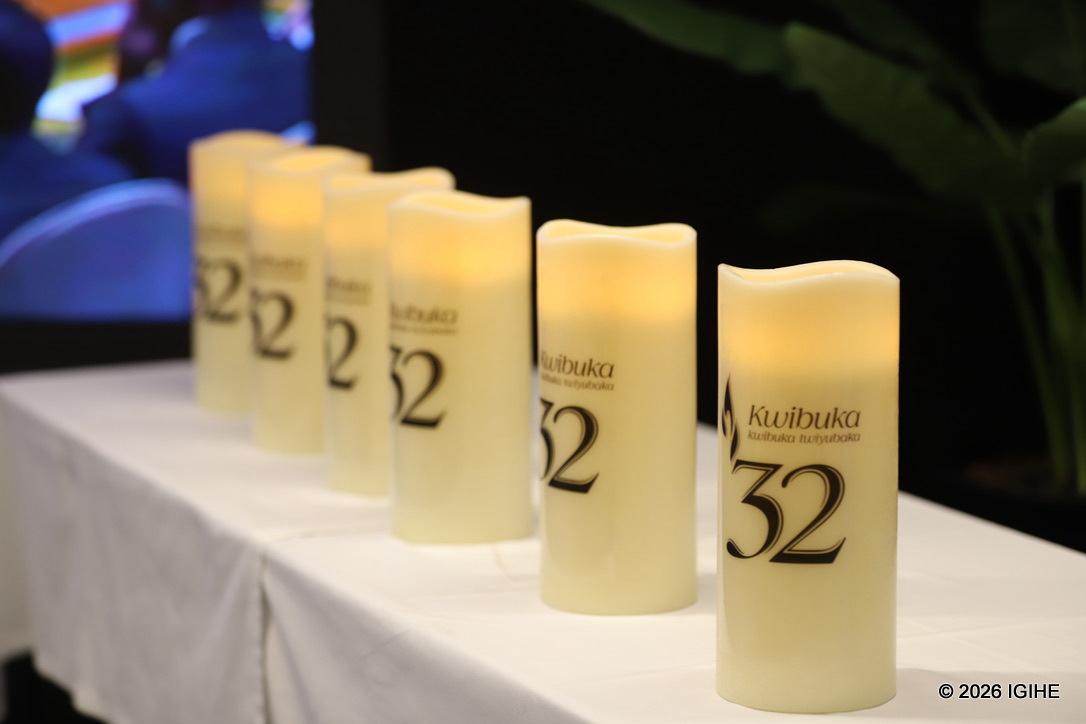
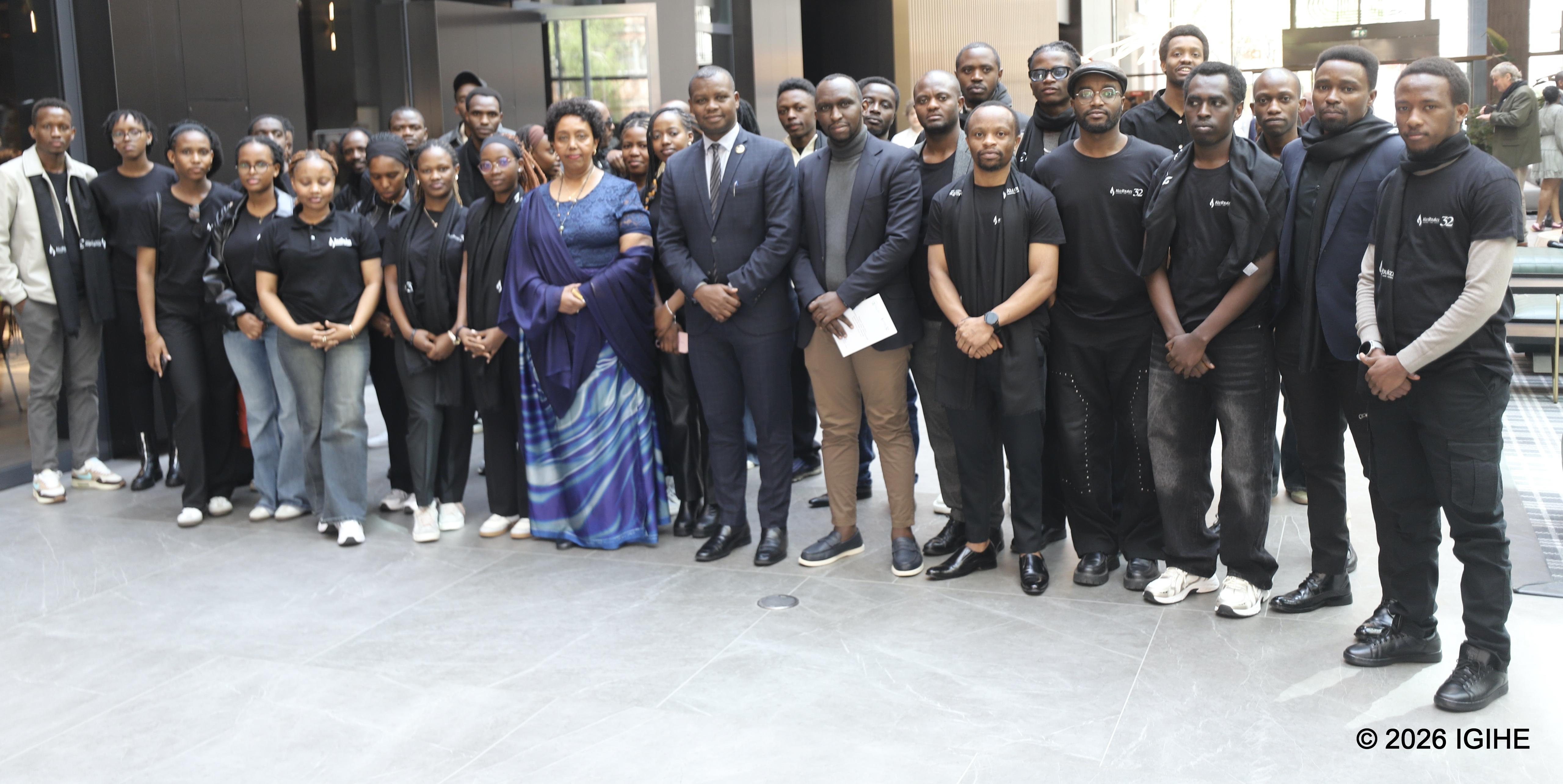
The commemoration brought together members of the Rwandan community, Luxembourg officials, and friends of Rwanda on April 11, 2026.
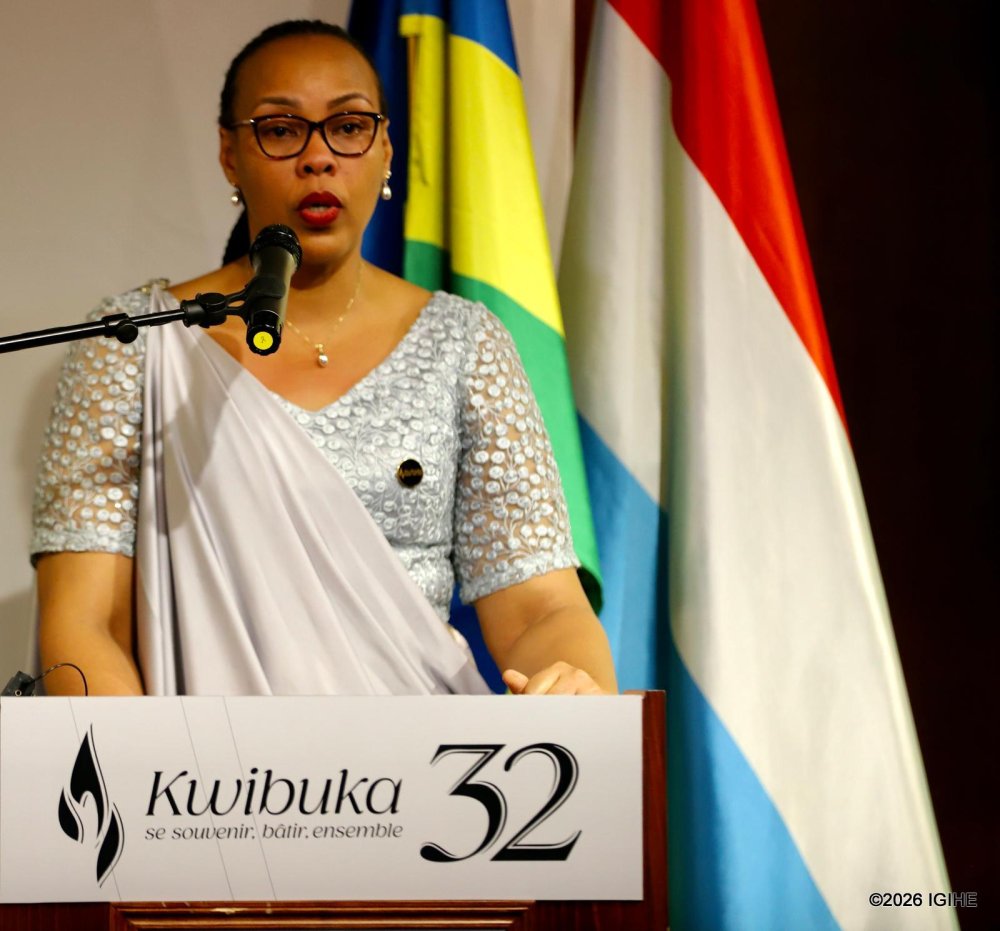
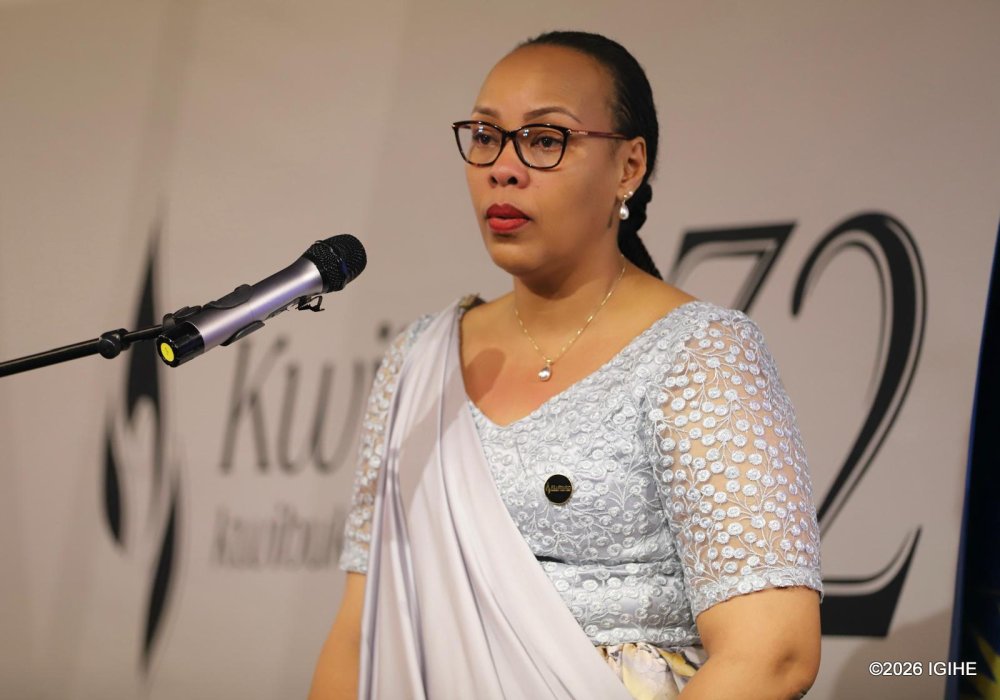
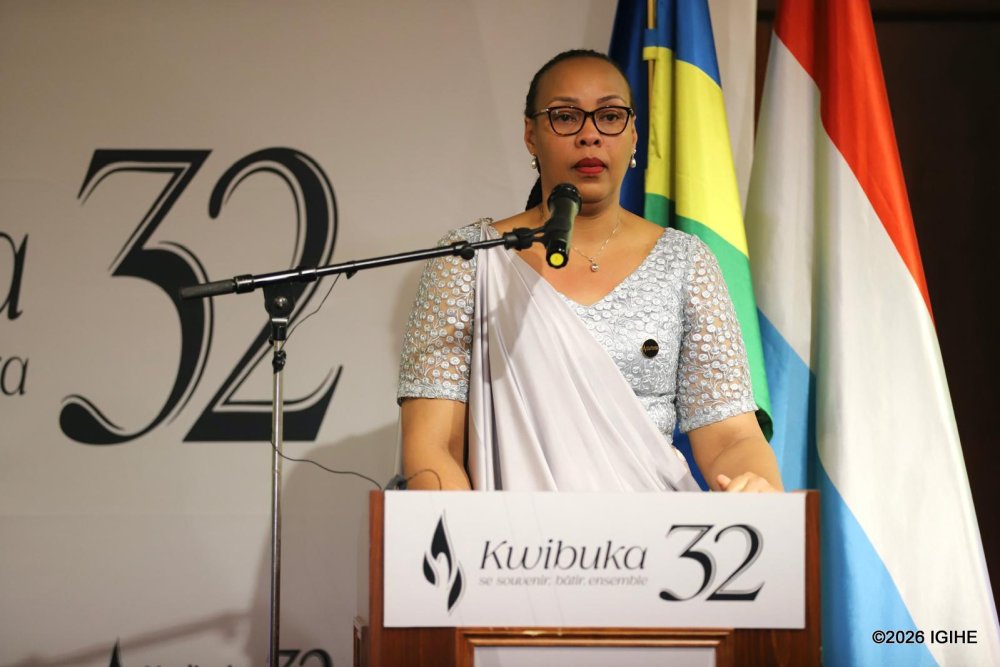
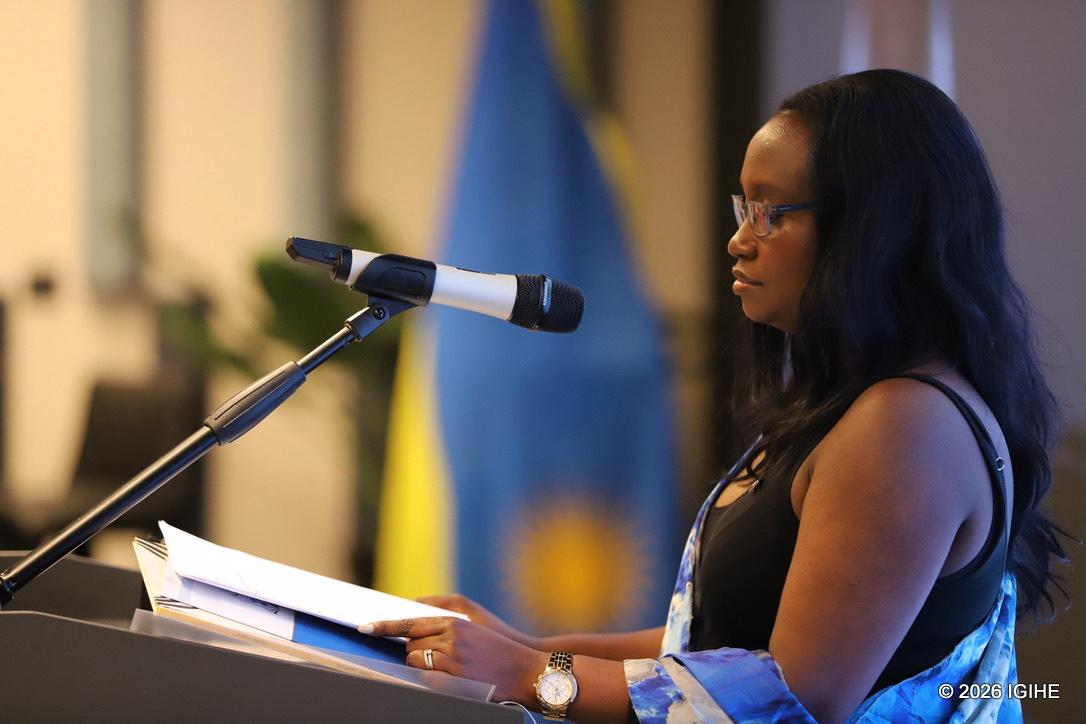
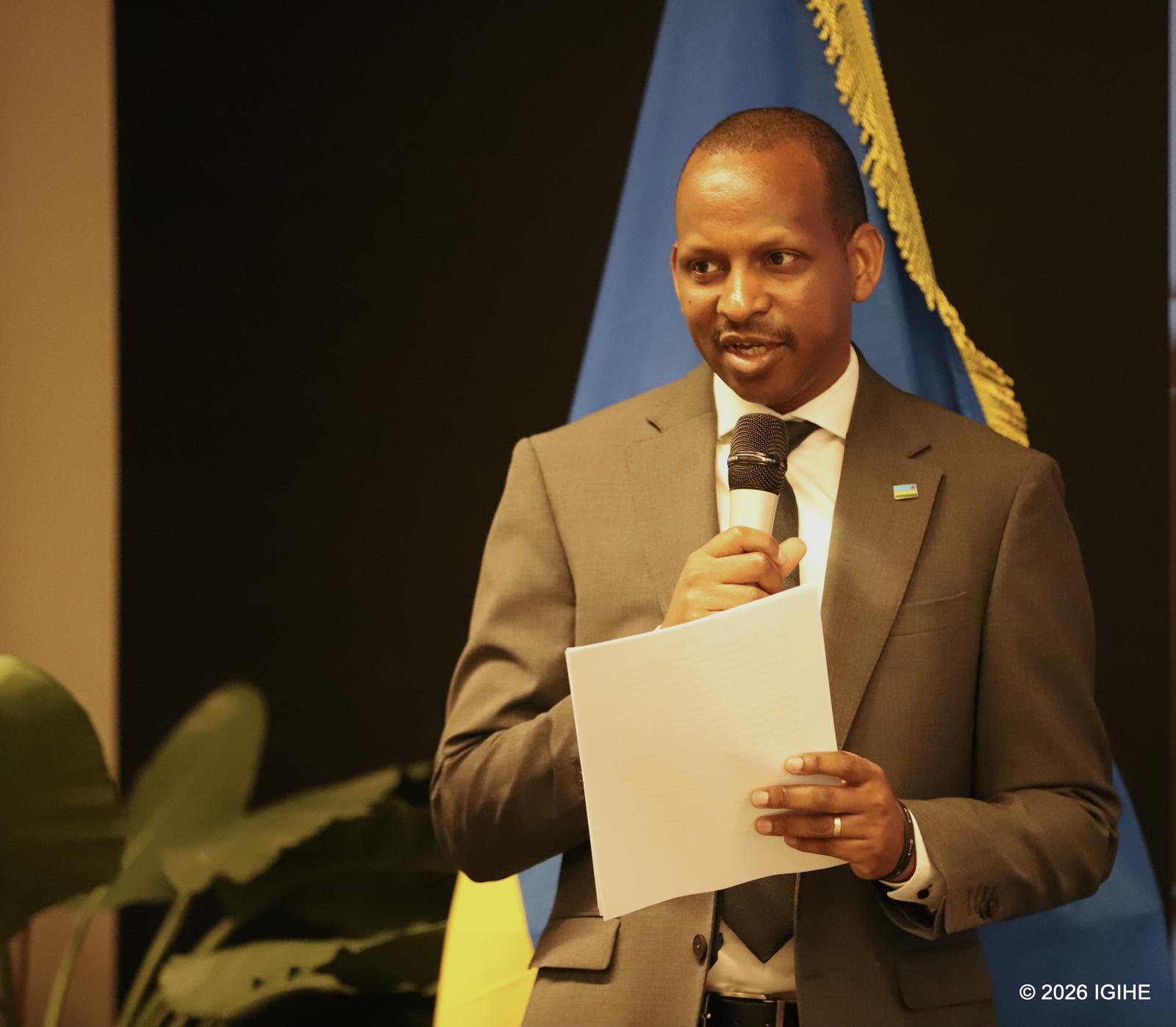
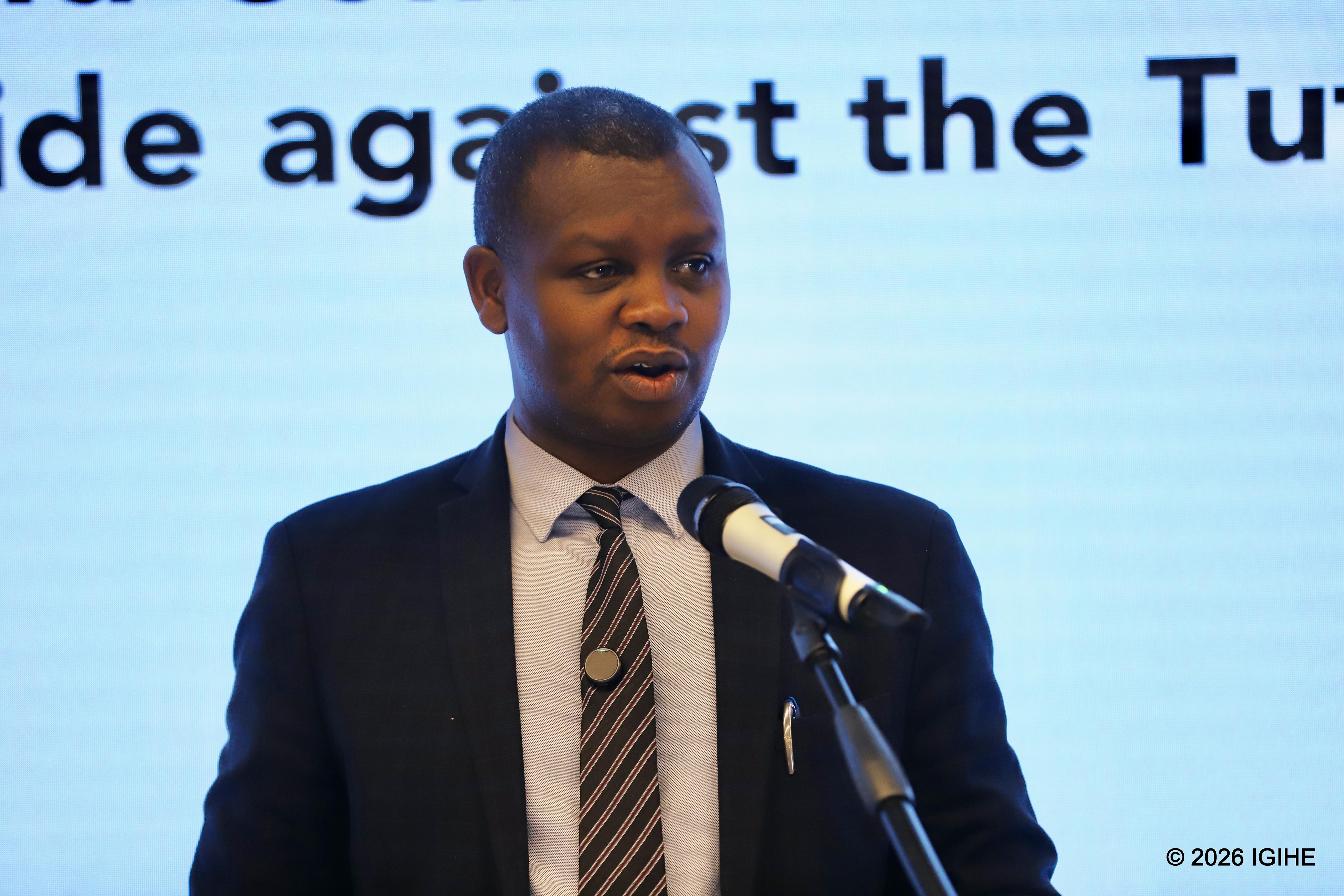
Speaking at the event, Amb. Munyangaju stressed that remembering the victims of the Genocide against the Tutsi is a responsibility shared by all, while expressing gratitude to those who joined Rwandans in honoring the victims.
“We are gathered here not only to remember but also to reaffirm our responsibility,” she said.
She highlighted the scale and brutality of the genocide, noting that in just 100 days, more than one million Tutsi were killed.
The ambassador emphasized that the genocide was not a spontaneous tragedy but a carefully planned and executed crime, rooted in decades of division, hate propaganda, discrimination, and systematic dehumanization of the victims.
She also pointed to the failure of the international community to act, despite clear warning signs, while commending the resilience and courage of survivors.
According to her, testimonies from survivors underscore the importance of remembrance and the collective responsibility to ensure that such atrocities never happen again.
Amb. Munyangaju called on the international community to play an active role in preserving historical truth, supporting survivors, and combating hate speech and genocide ideology that continue to spread. She warned that, 32 years later, genocide ideology has not disappeared but has instead evolved.
Hate speech and genocide denial, she said, are increasingly spreading on social media, with coordinated networks disseminating misinformation across different parts of the world.
She stressed that genocide denial is not an expression of opinion but a continuation of the crime itself, urging countries to implement United Nations Security Council Resolution 2150, particularly in prosecuting genocide suspects and addressing the challenge of impunity.
The ambassador also raised concern over the situation in the region, especially in eastern Democratic Republic of Congo, where genocide ideology continues to spread, particularly through the FDLR, a group formed by perpetrators of the 1994 Genocide against the Tutsi.
She strongly condemned hate speech and violence targeting Congolese Tutsi and Banyamulenge communities, warning that such acts, if left unchecked, could escalate into further killings. “The silence in the face of these warning signs amounts to complicity,” she said.
Amb. Munyangaju commended the Government of Luxembourg for its continued solidarity with Rwanda during commemoration periods, including its support in providing land for the construction of a Genocide memorial, describing it as a strong symbol of partnership.
“These actions honor the victims and send a clear message: peace is a choice, justice is essential, and hate speech must never be tolerated,” she noted.
She also urged young people to play an active role in preserving history and reaffirmed Rwanda’s commitment to working with international partners in fighting genocide ideology, promoting unity, and strengthening reconciliation.
Amb. Munyangaju further expressed appreciation to the commune of Mersch for allocating land for the construction of a memorial to the victims of the Genocide against the Tutsi, and to participants who took part in a wreath-laying ceremony held in Moesdorf, in Mersch district.
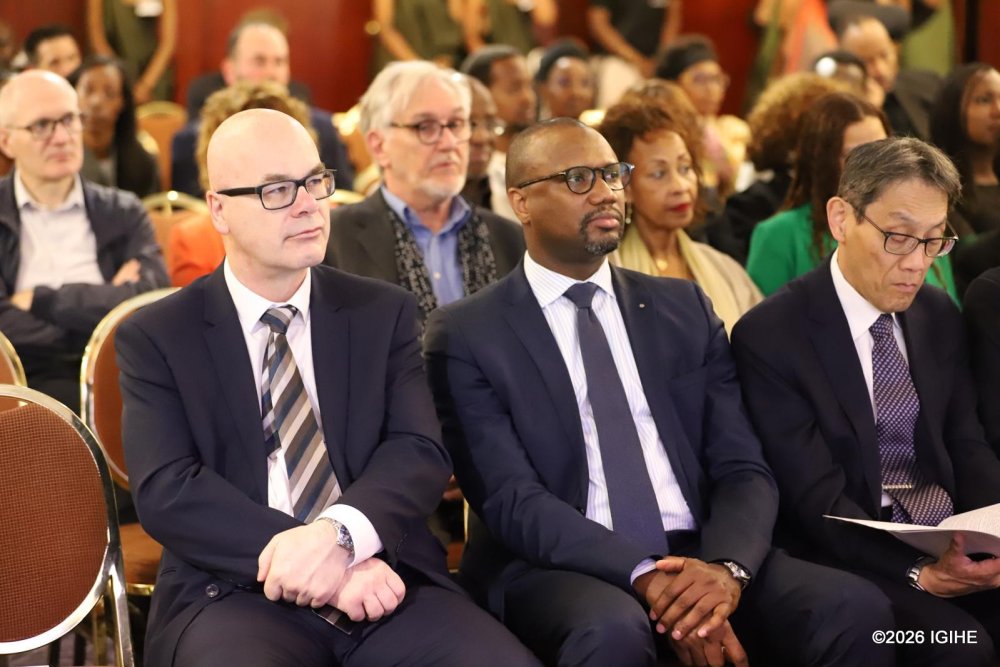
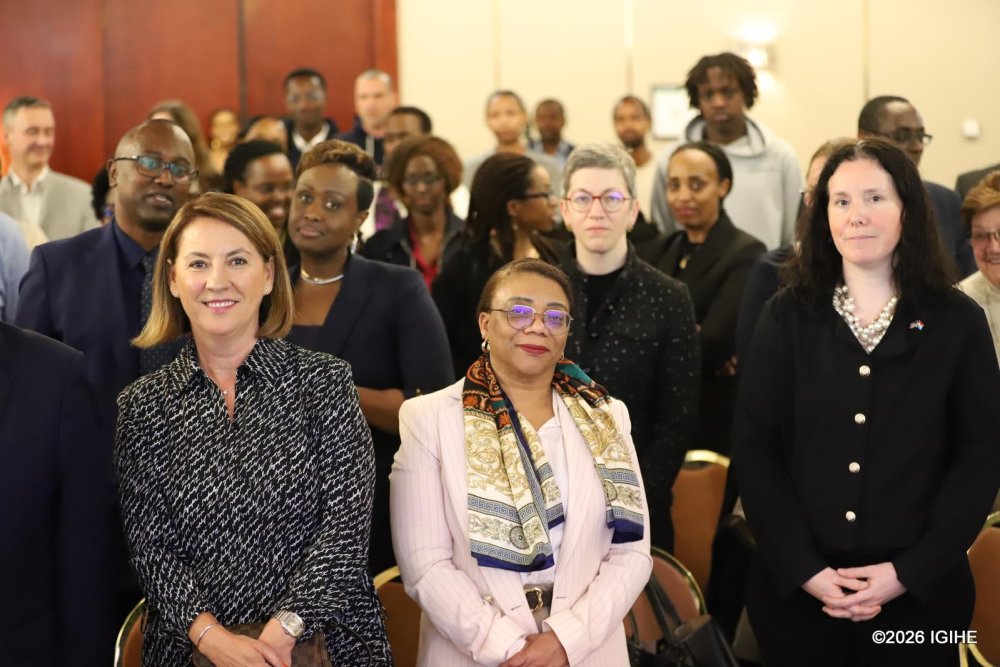
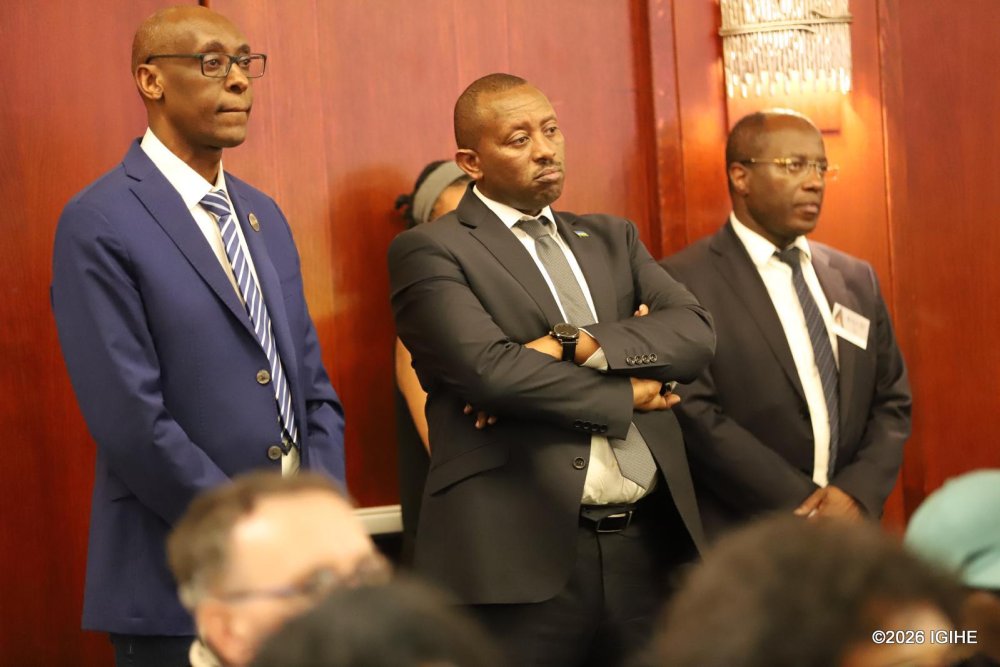
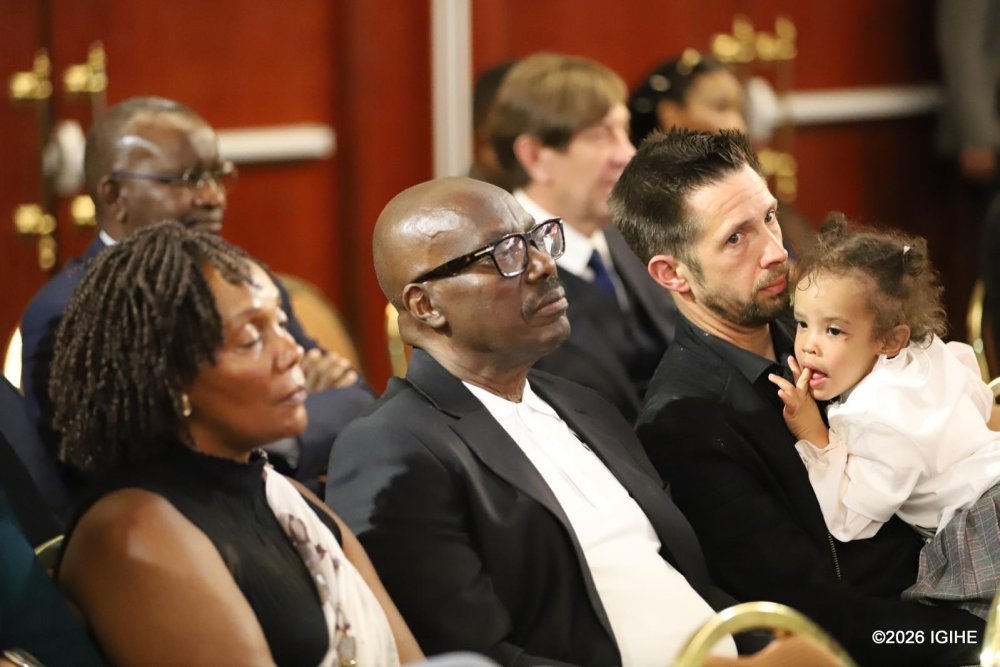
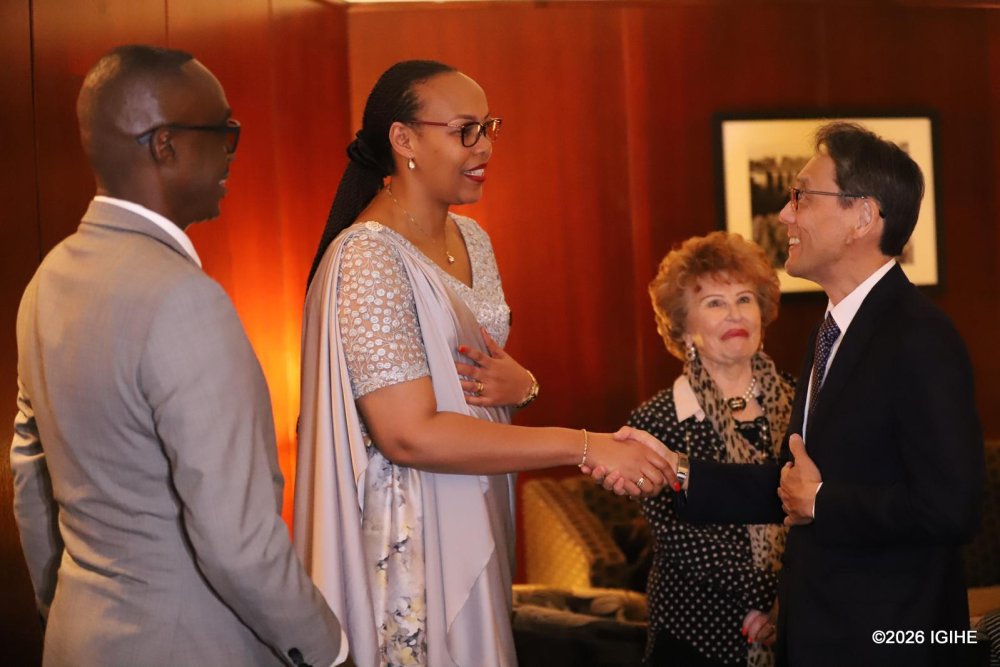
Attendees included staff from the Rwandan embassy in Luxembourg, members of Ibuka Luxembourg, and the Rwandan community organization RDL asbl.
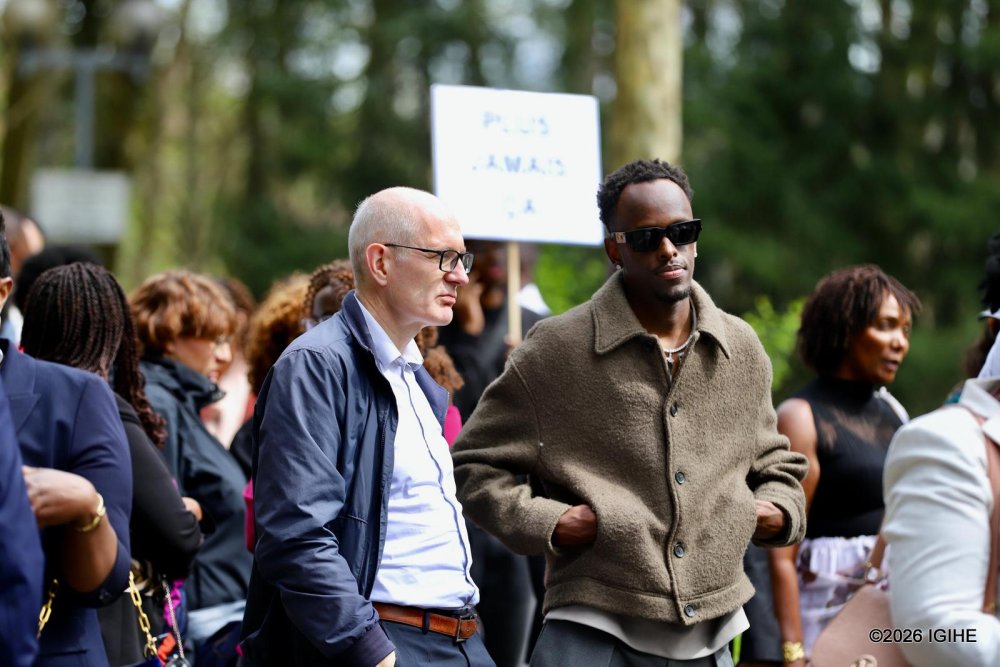
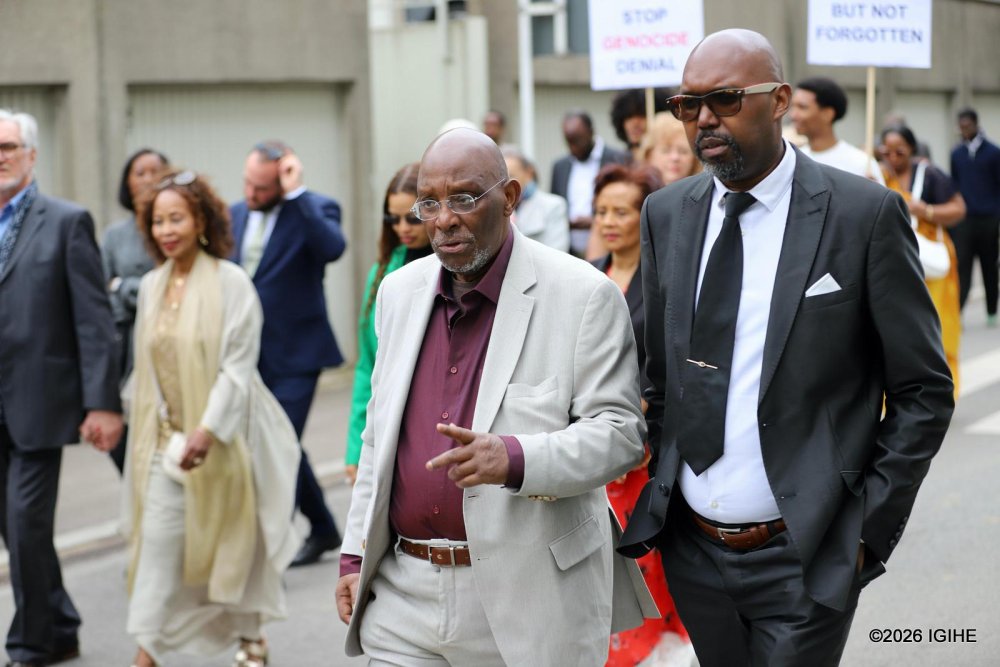
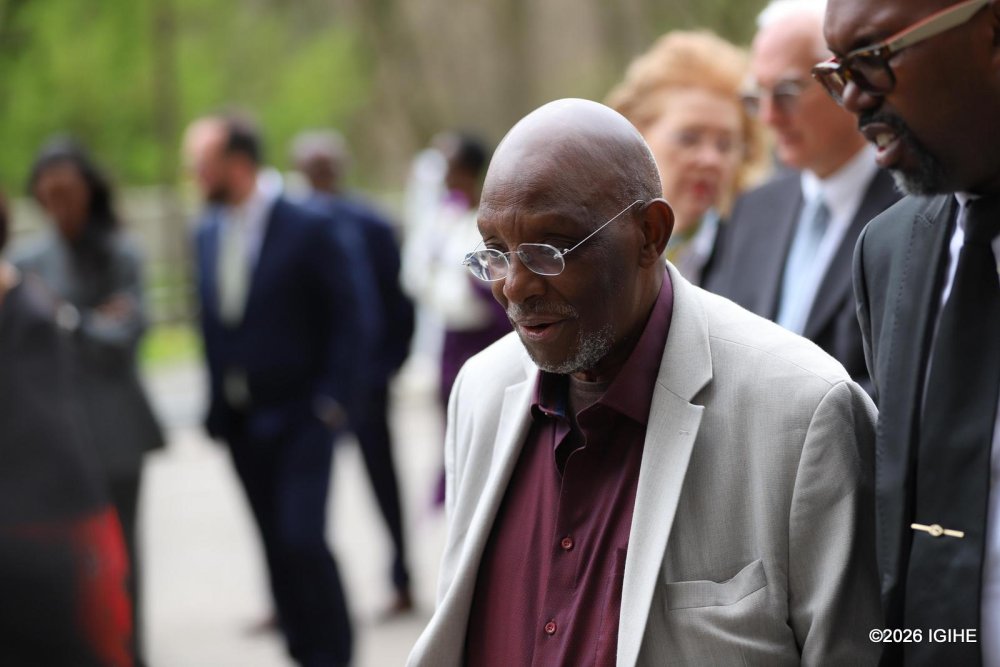
Photos of the commemoration event in Luxembourg
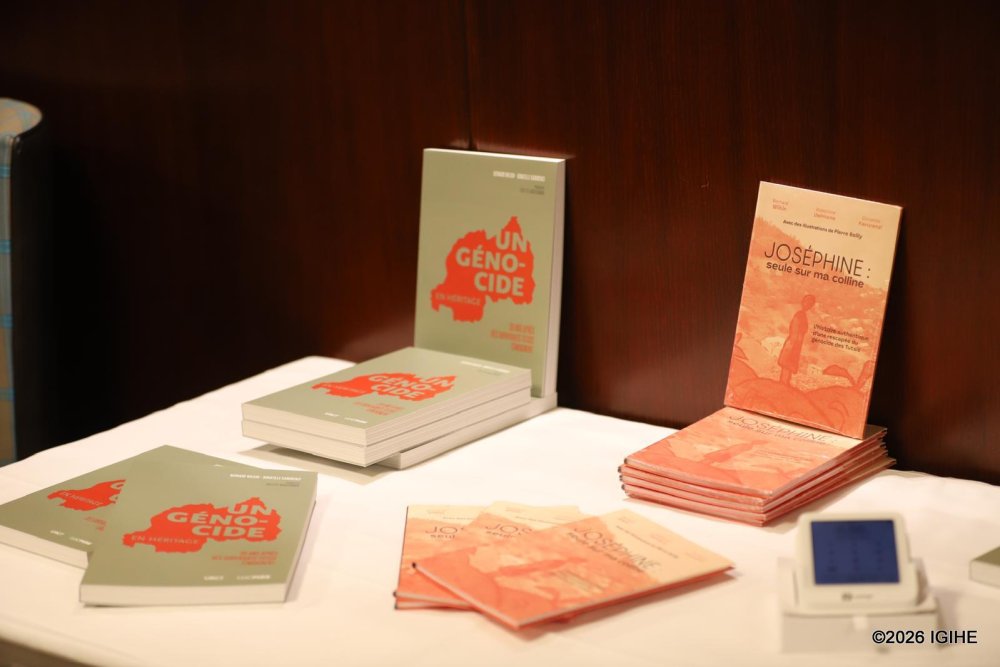
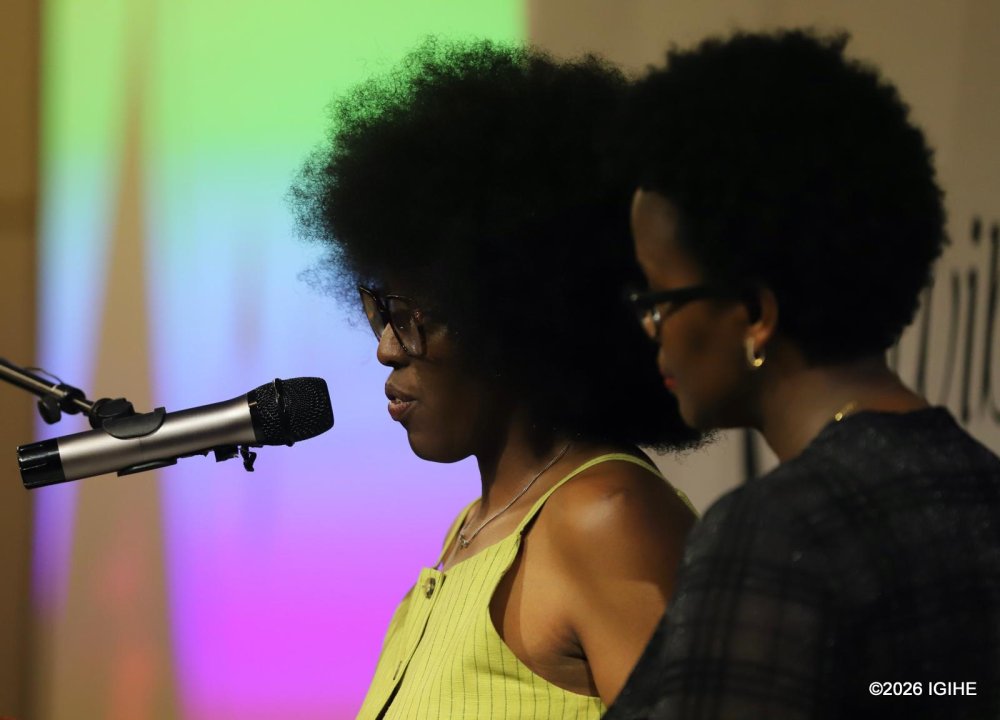
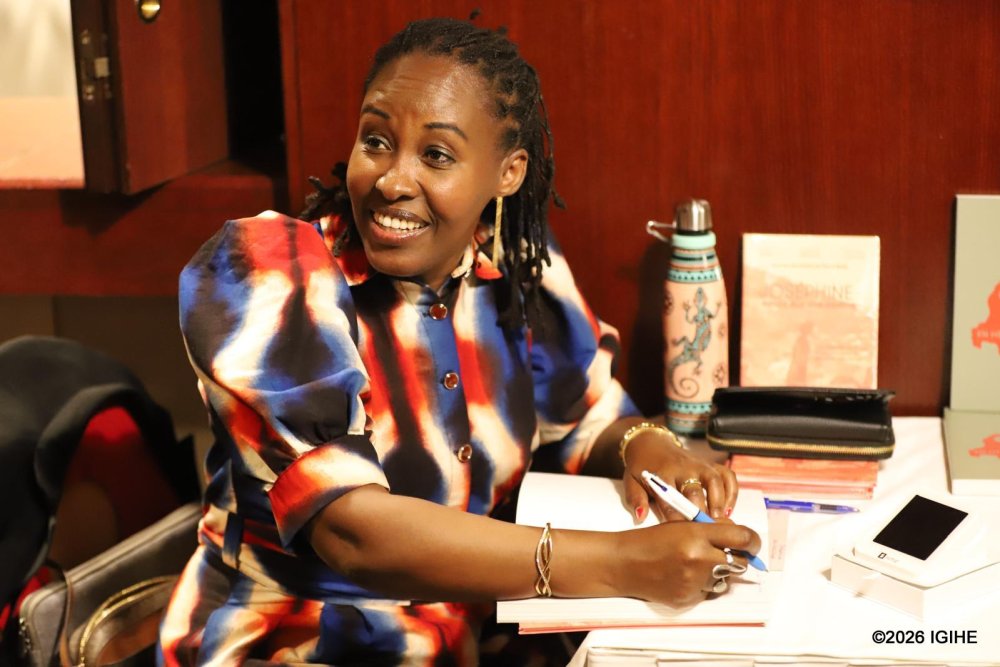
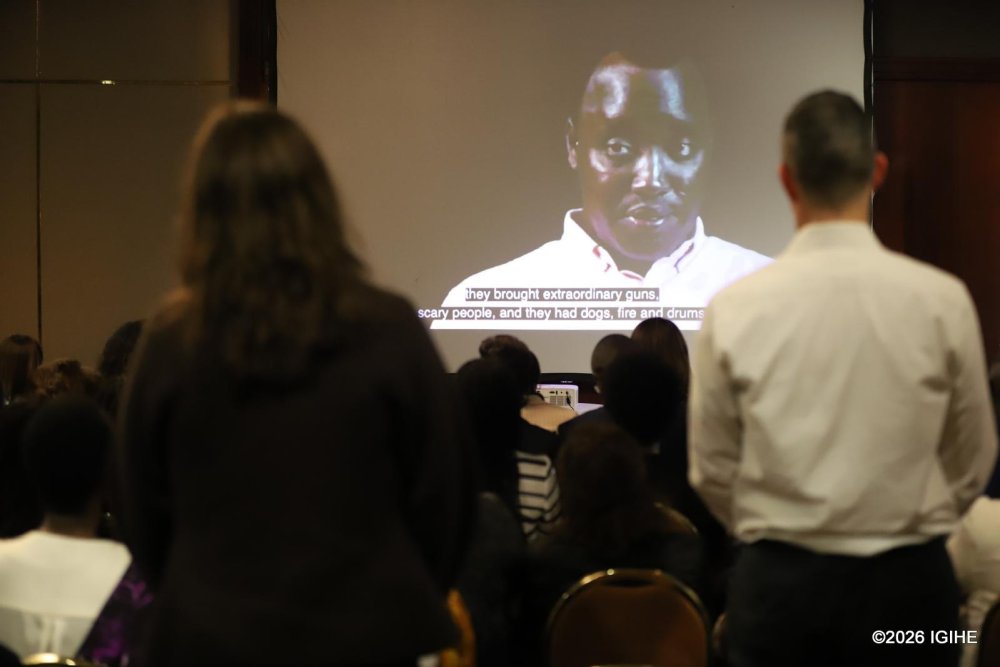
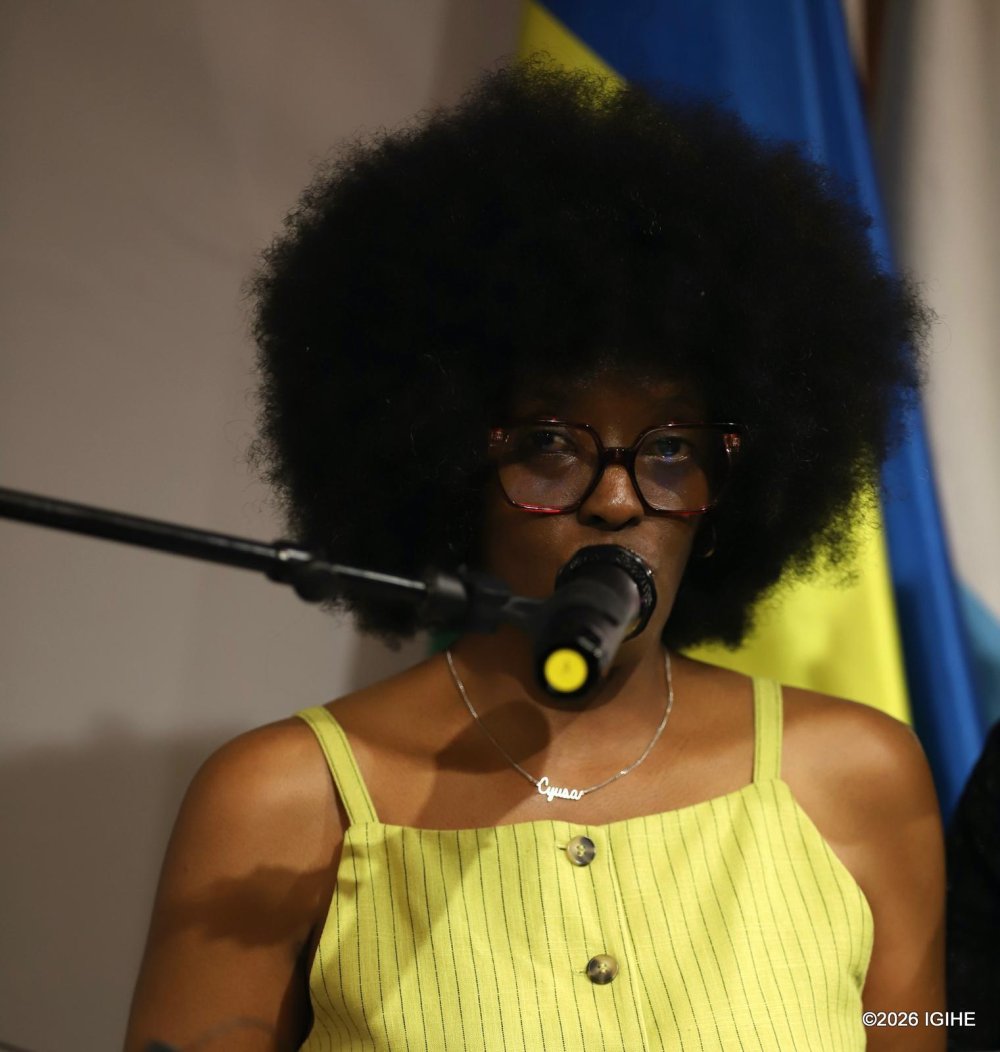
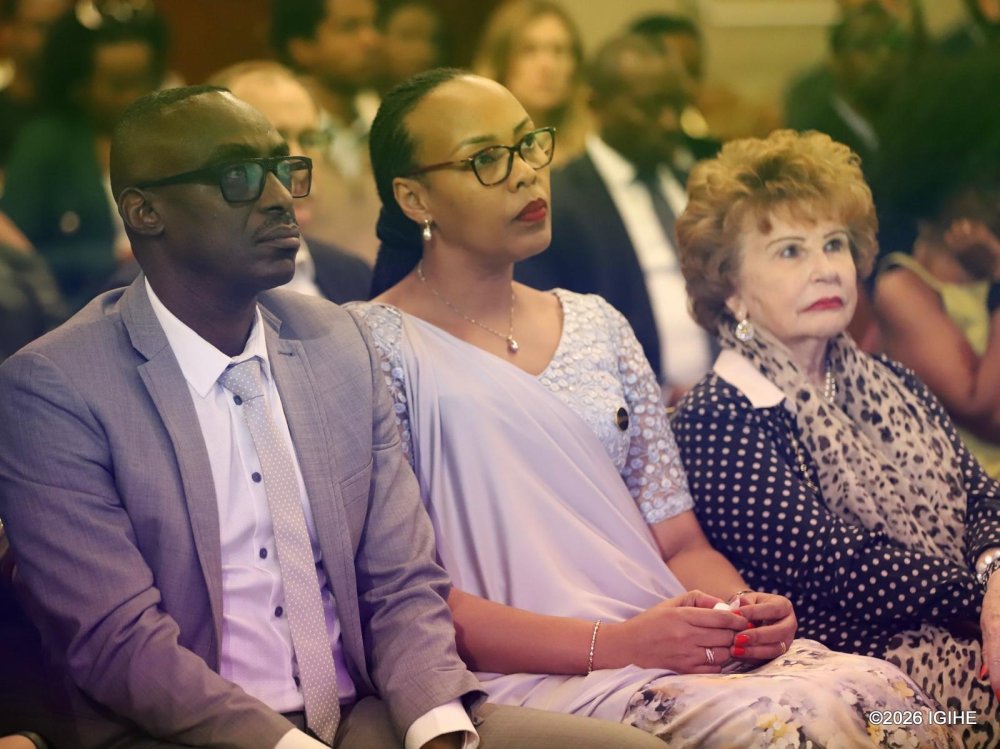
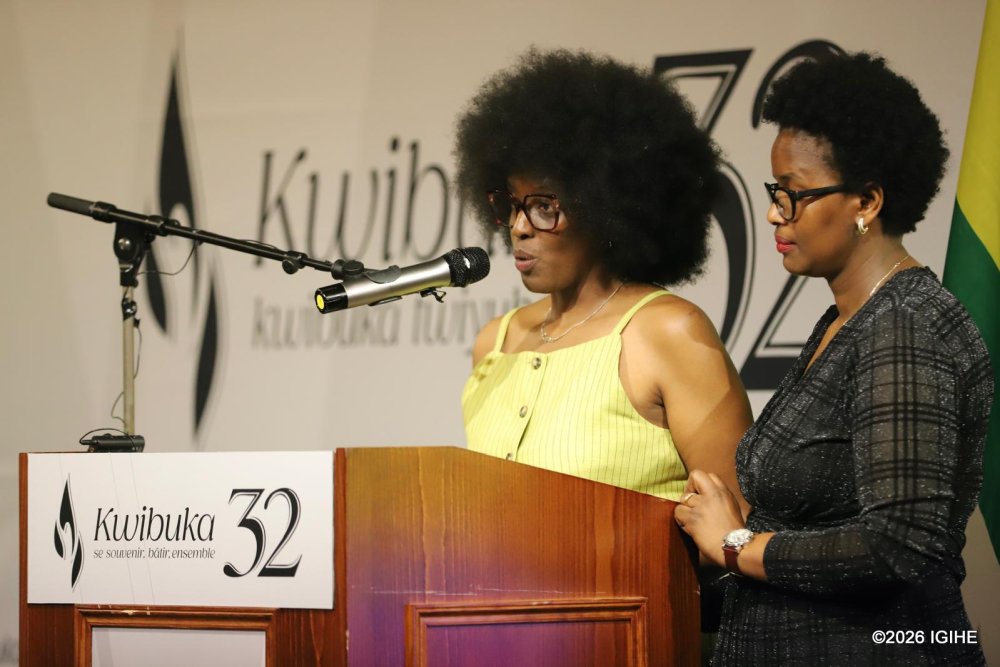
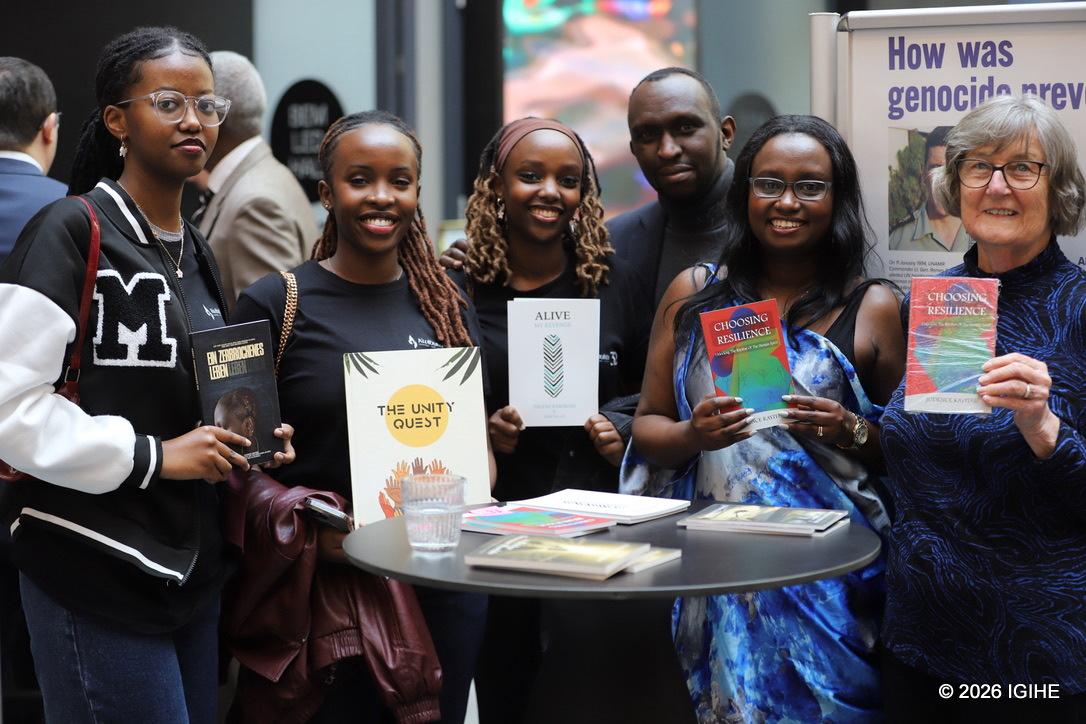
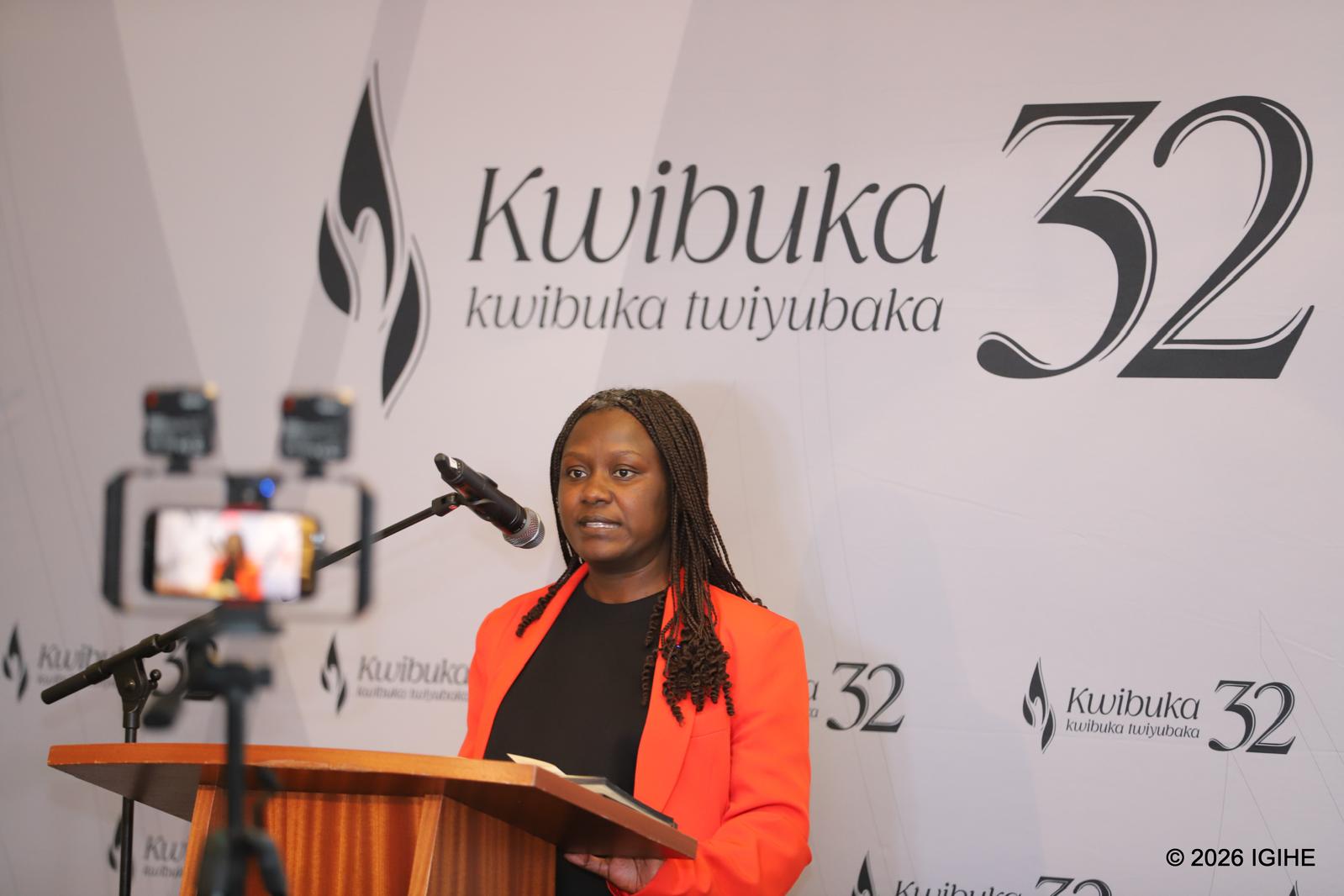
Rwanda’s Ambassador to Luxembourg, Aurore Mimosa Munyangaju has called on the international community to remain committed to ensuring that genocide never happens again anywhere in the world..Kalisa Didace President of Ibuka Luxembourg speaking at the event. Karurenzi Donatille, one of the authors of the books that were launched welcoming readers.Books featuring testimonies of genocide survivors were launched during the event. Lidia Umurerwa shared a testimony of her survival during Genocide against the Tutsi.
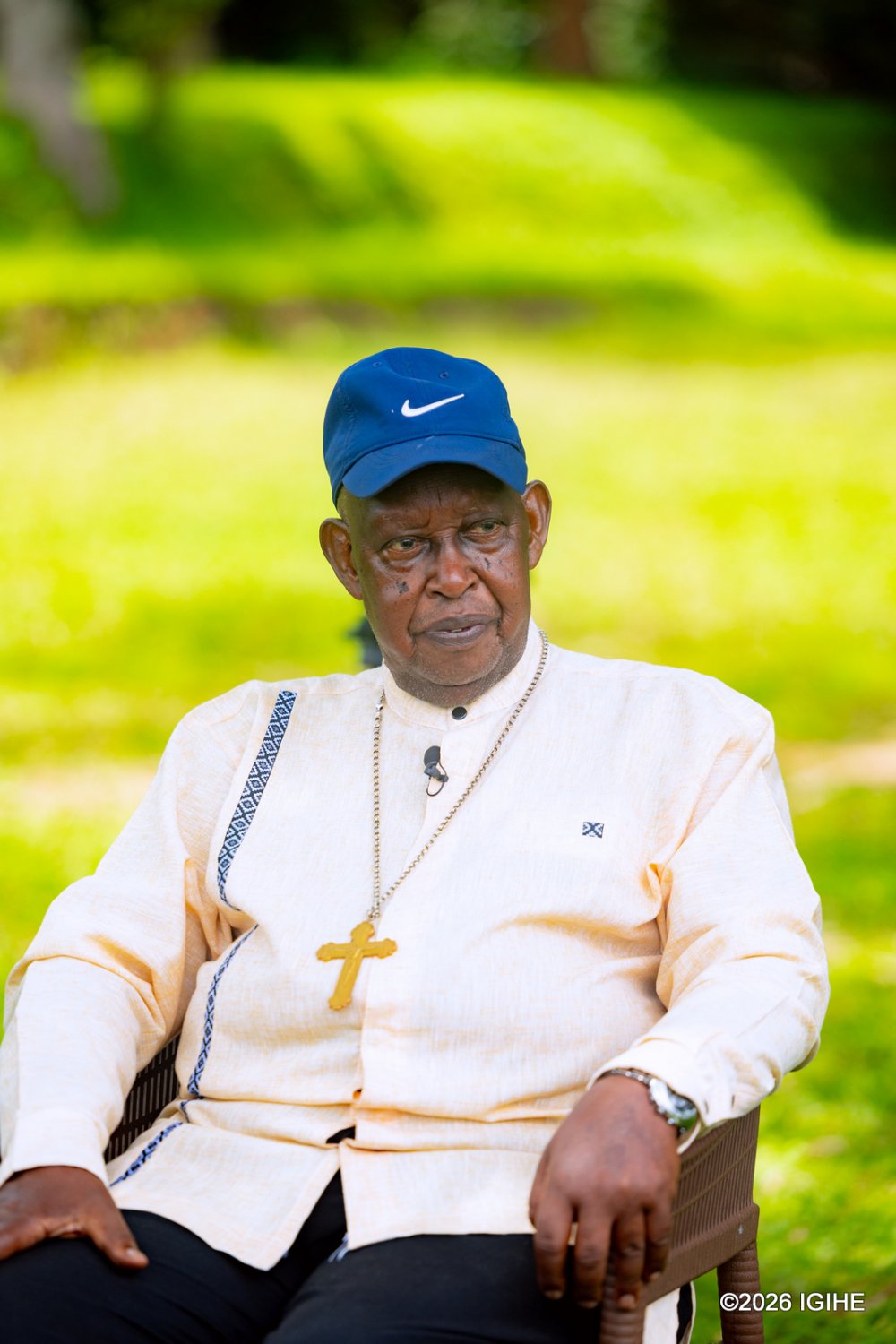
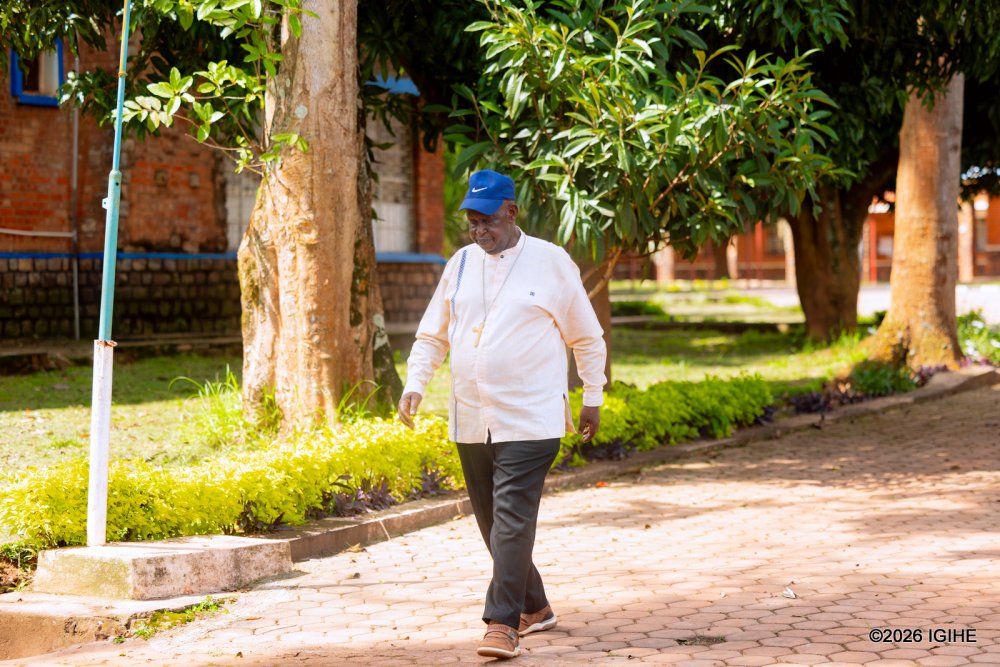
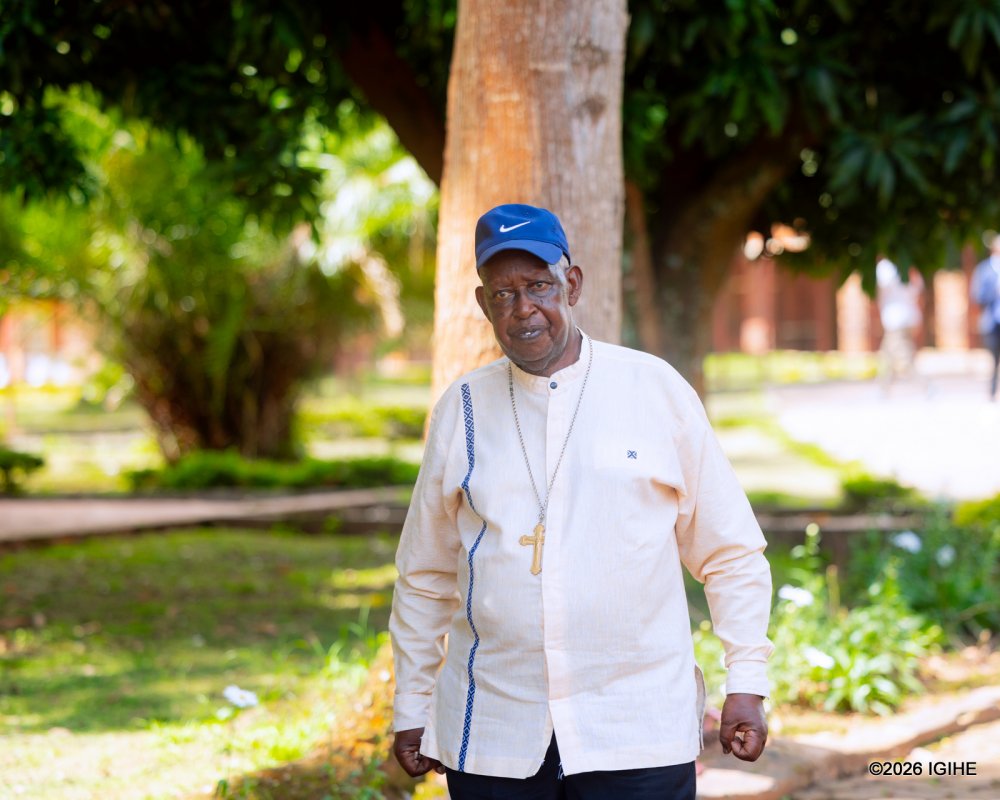
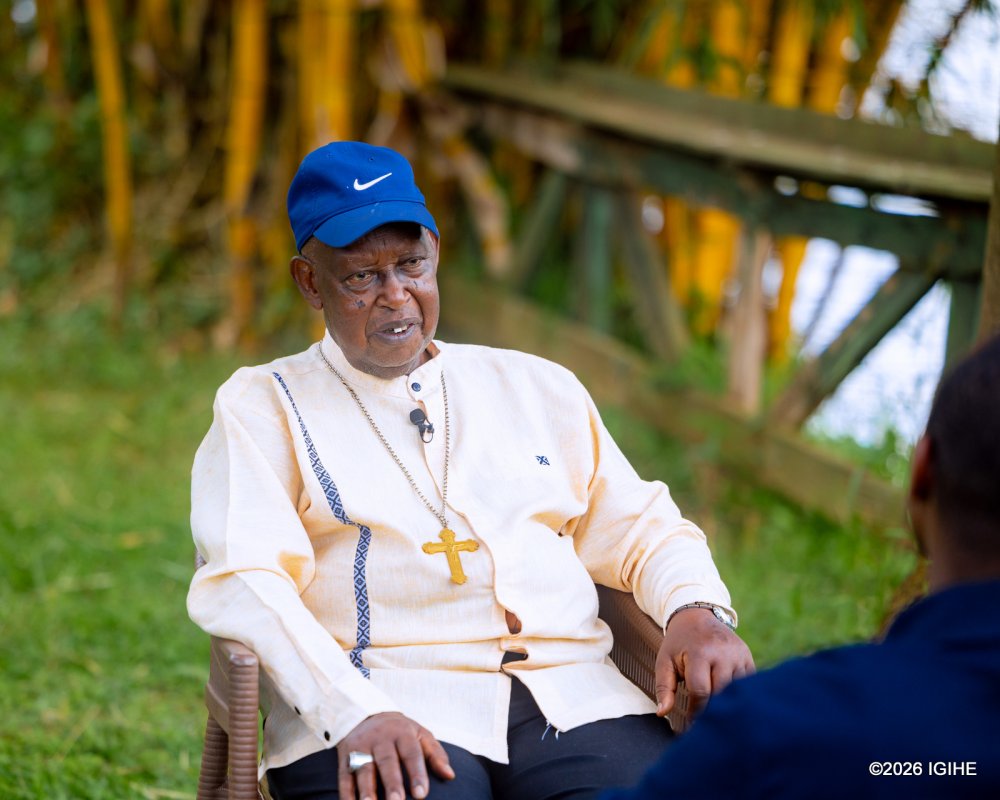
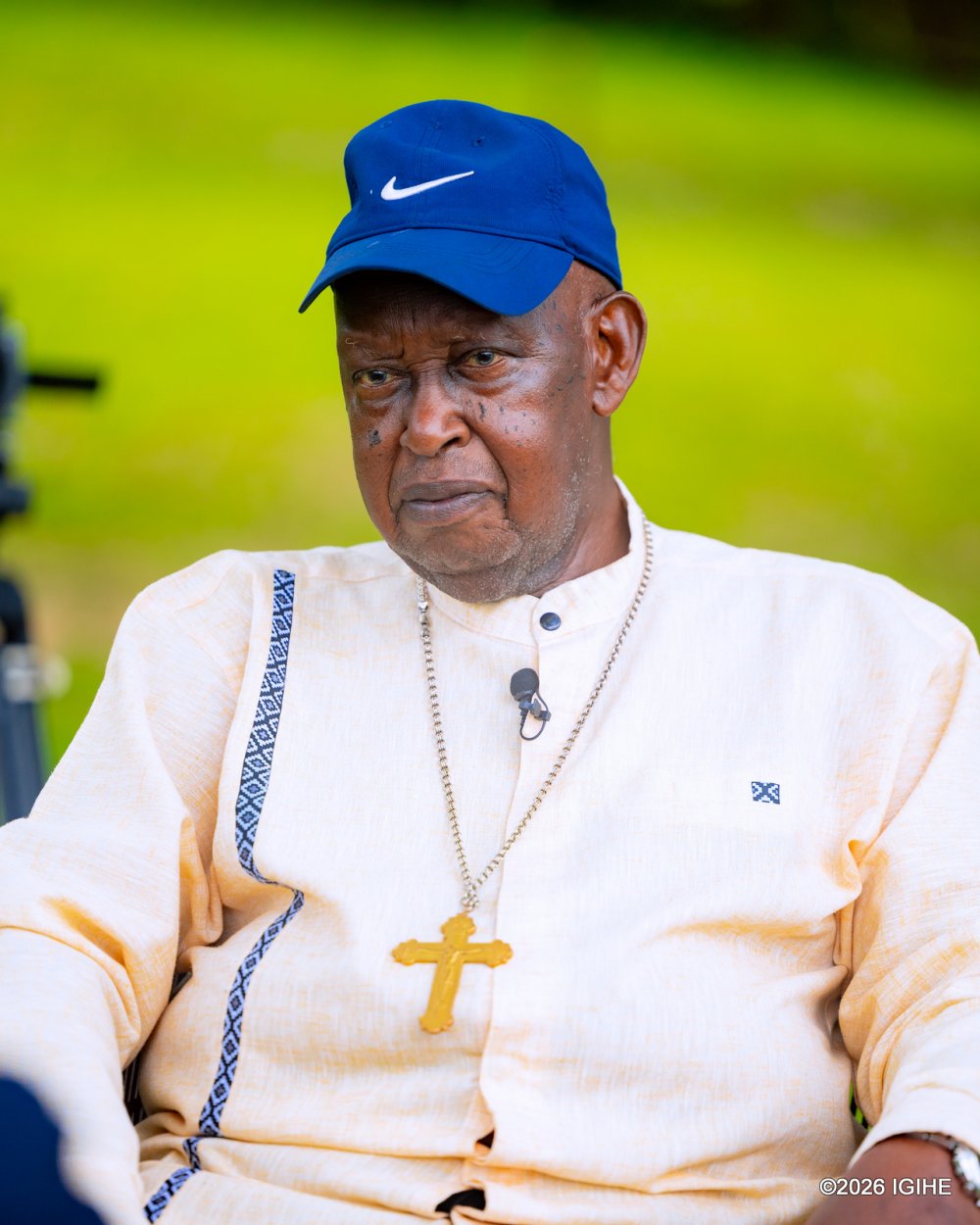
Bishop Nzakamwita, 82, retired since 2022 after 27 years of service as Bishop of Byumba Diocese. When he assumed the role, the diocese had 13 parishes, a number that has since grown to 21.
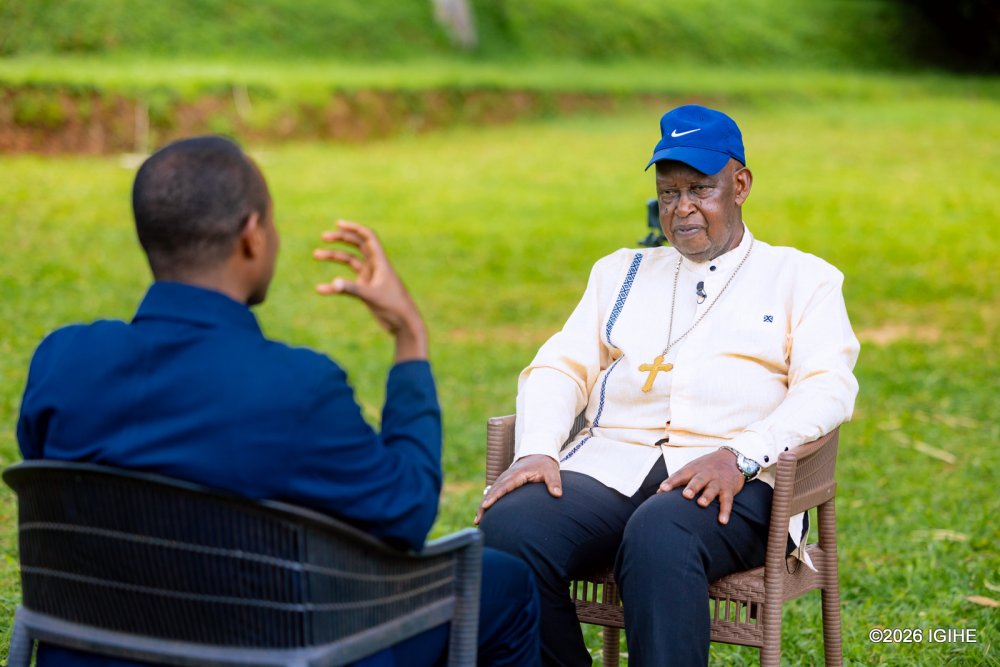
In a recent interview on IGIHE’s program ‘Ingingo Nkuru‘, Bishop Nzakamwita reflected on how hatred was deeply rooted in society and eventually spread into the Church. He spoke about the situation in seminaries, where even those preparing for priesthood were affected by ethnic divisions.
His testimony also addressed the role of the Church during that period, including the conduct of some priests who were influenced by ethnic divisions.
Bishop Nzakamwita has been in retirement since 2022 after requesting it in 2018.
IGIHE:You have now spent four years in retirement, having requested to retire in 2018 and receiving approval in 2022. How has life been?
Bishop Nzakamwita: In reality, one no longer holds specific responsibilities during retirement, but continues to offer support. I remain active trough teachings related to the priestly ministry, lead retreats, and respond to invitations such as weddings or times when people have lost loved ones and need support. So, I continue to serve both as a priest and as a bishop, although I no longer hold any formal or specific duties.
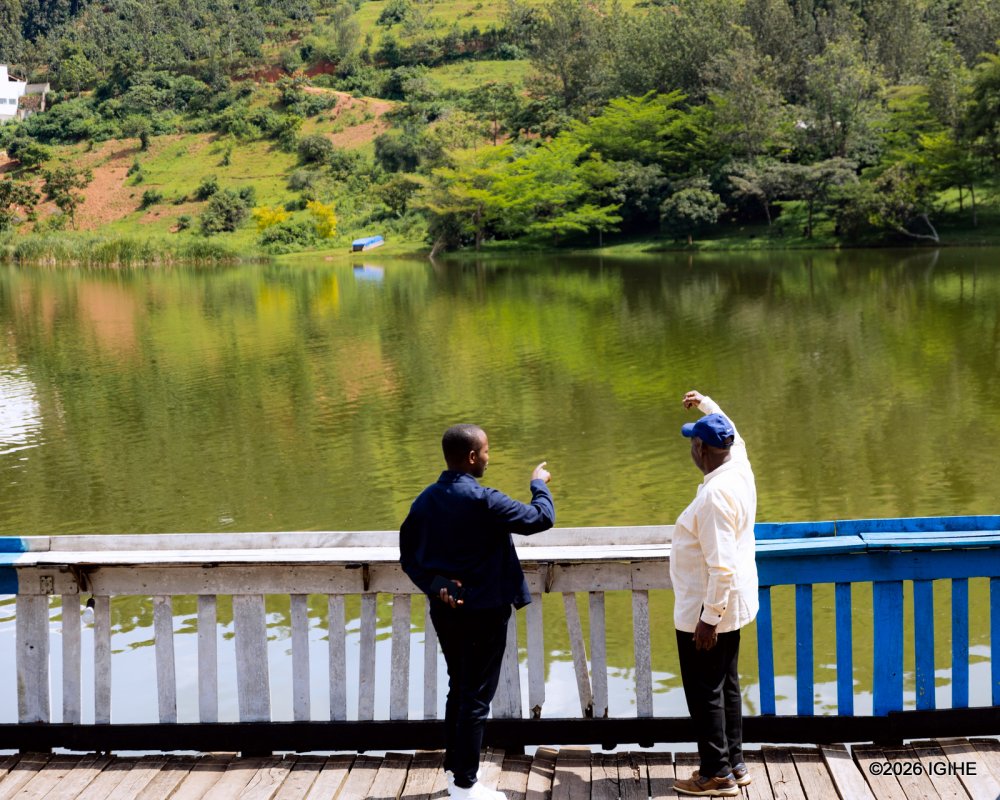
IGIHE:During retirement, you chose to settle in Rwesero, near the lake. Why did you choose this place?
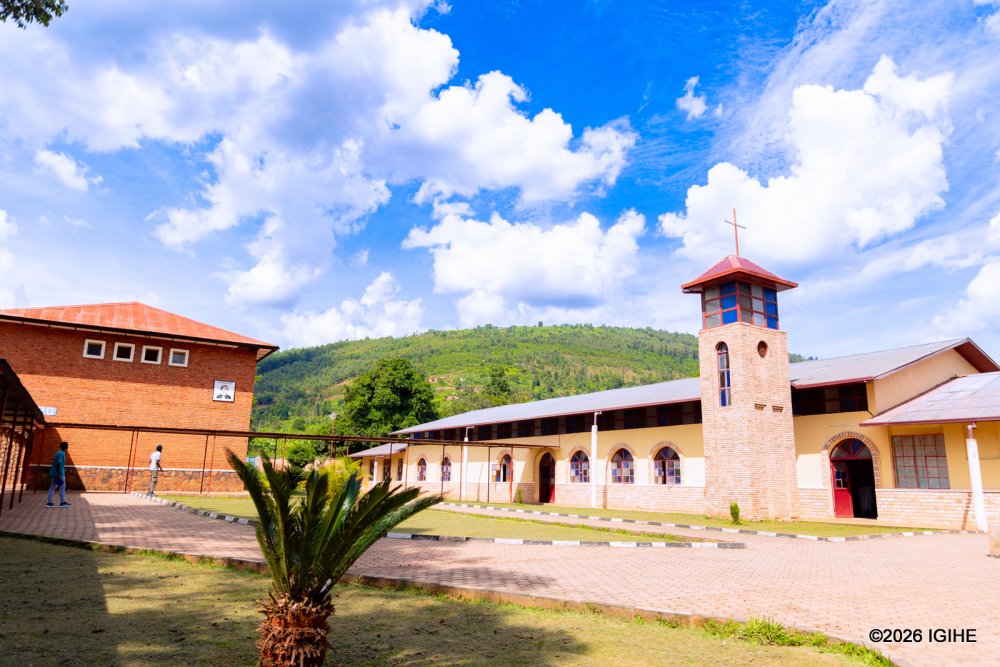
Bishop Nzakamwita: It is a peaceful place, and I am very familiar with it. I studied here from 1958 to 1963, after which I moved to Kabgayi. In 1965, I went to Nyakibanda, where I spent six years.
In 1971, I was ordained as a priest and began my pastoral work. I started in Ruhengeri at the cathedral. In 1975, I was sent to Janja as a parish priest, where I served for a long time. I left in 1986 to come here to Rwesero as a formator, and in 1987 I was appointed to succeed our previous rector, Thaddée Nsengiyumva, who had been appointed as Bishop of Kabgayi Diocese.
In 1989, I was sent for further studies in Belgium, where I spent two years. Upon my return in 1991, I was assigned to the Major Seminary of Rutongo. Later, in 1996, I was appointed Bishop of Byumba.
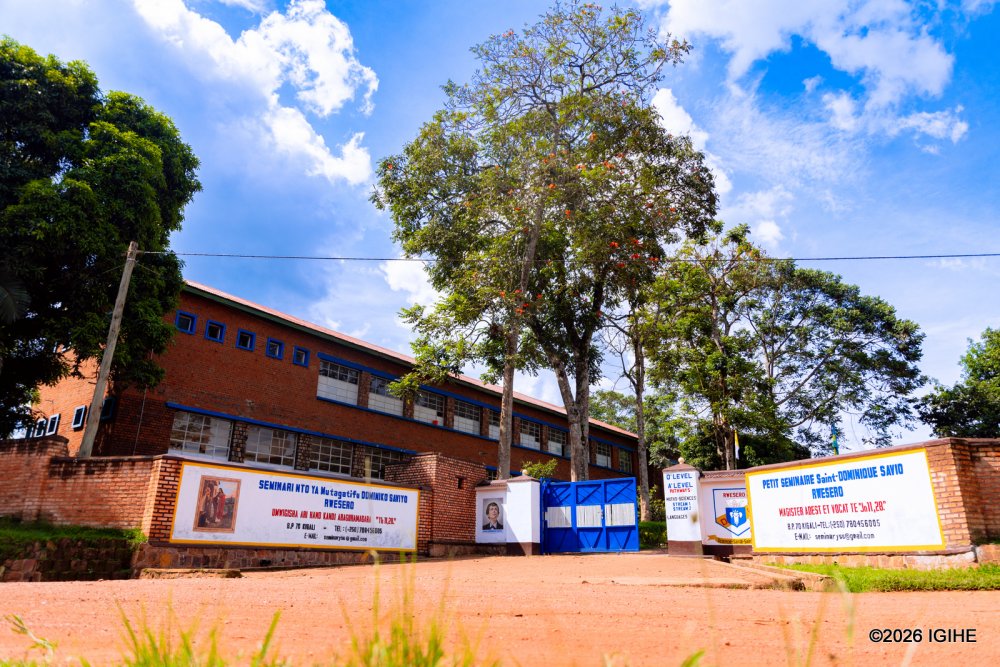
Shortly before the Genocide against the Tutsi, some students were arrested on accusations of being accomplices at Rwesero Junior Seminary.
IGIHE:How would you assess Catholic Church education, particularly in seminaries, compared to the past?
Bishop Nzakamwita: Seminary education remains fundamentally the same. Its purpose is to prepare young men for the priesthood while supporting their overall formation. At the same time, they pursue academic studies just like other students.
IGIHE:What proportion of seminary students eventually become priests compared to those who pursue other paths?
Bishop Nzakamwita: Only a small number go on to become priests. The majority choose to pursue other careers and ways of life.
IGIHE:Does that mean they lack a genuine calling?
Bishop Nzakamwita: The choice ultimately belongs to each individual. We are aware from the beginning that not all of them will become priests. Those who clearly choose the priesthood are the ones who proceed to the major seminary.
IGIHE:Does this suggest that the number of people choosing religious vocations is declining today?
Bishop Nzakamwita: Yes, it is declining significantly. People are increasingly choosing different paths in life. However, this is something we accept. What matters is that even those who pursue other careers leave with a strong moral and Christian foundation, so our efforts are not in vain.
IGIHE:Do you think Rwanda could eventually face a shortage of priests, as seen in some other countries?
Bishop Nzakamwita: Rwanda still has many vocations. We have not yet reached a point where choosing the priesthood is disappearing, especially since the Christian faith remains strong among the population.
IGIHE: Let us revisit the period before the Genocide. You were present and serving as a priest at the time. How did Rwandan society move from the values of love taught by the Church and other religions to such deep hatred?
Bishop Nzakamwita: First, we must understand that in this world and in our lives, we are constantly engaged in a struggle to overcome evil and uphold good, to defeat hatred and promote love. This is a universal struggle.
There was a period in Rwanda when the country’s leadership fell into the tragedy of dividing its people. Some were turned against others, and it escalated to the point where certain groups, particularly the Tutsi, were targeted and killed. These events were deeply painful for all of us and continue to have lasting consequences.
This was not caused by Christianity. Rather, it was the result of political leadership that chose to divide Rwandans for political interests prevailing at the time.
Bishop Nzakamwita is aged 82, having retired since 2022.
IGIHE:At that time, you were actively teaching. How did you manage to teach love when people would leave and encounter politicians spreading a different message?
Bishop Nzakamwita: That is precisely the mission of the Catholic Church to teach love, which is the legacy we received from Jesus Christ Himself. That is what we continued to teach.
When the problem of division emerged in Rwanda, where leaders encouraged citizens to hate one another, we intensified our efforts to guide the faithful. We urged them not to be carried away by hatred, but instead to choose what is good and to live peacefully with others.
However, many people were ultimately overwhelmed, especially because those in leadership were actively promoting division. Many succumbed to this influence, which eventually led to the Genocide against the Tutsi, aimed at eliminating one group so that another could dominate both political power and life in Rwanda.
IGIHE:You mentioned that, as religious leaders, you continued teaching despite being overpowered by other influences. Yet some priests were involved in the Genocide. How do you explain this?
Bishop Nzakamwita: Priests, like all members of society, included both Hutu and Tutsi, and they too were affected by divisionism. Some were overcome by hatred and betrayed their religious commitments.
While some failed, others resisted. That resistance is part of why Rwanda did not completely collapse or fully achieve the destructive goals set by those in power. There were individual priests, religious figures, and ordinary Christians who courageously opposed these actions and stood firm in their responsibilities.
IGIHE:While you were in Janja, divisive ideology was already spreading. What did you personally witness?
Bishop Nzakamwita: The atmosphere was tense. The culture of hatred and violence was already present. At times there would be brief periods of calm, but then violence would resurface openly, people being expelled from schools, dismissed from their jobs, and even killed.
This cycle continued, but from 1990, when the Inkotanyi launched their struggle, the situation worsened significantly and escalated steadily until 1994.
IGIHE:What memories from that period have remained with you and continue to stand out?
Bishop Nzakamwita: One significant period was in 1973, when President Habyarimana took power from Kayibanda. It was a difficult year marked by killings and expulsions from jobs. Although the situation later appeared to stabilize, discrimination persisted. Tutsi children, for example, did not have equal access to education compared to Hutu children.
That year was particularly painful. Students were expelled from schools, and many people fled the country to Burundi, Uganda, and Congo.
Another period I remember clearly began around 1989, when a new wave of expulsions and division emerged, especially among students.
At that time, I was transferred for further studies, but tensions remained high, and children were increasingly influenced by divisive ideologies.
IGIHE:Did such divisions also exist within seminaries?
Bishop Nzakamwita: Yes, they did. However, we made efforts to contain them. By 1990, when the war began, the situation worsened. Some students were imprisoned, others were killed, and many were expelled. There were also casualties among both students and staff.
IGIHE:Were these actions carried out by seminary teachers?
Bishop Nzakamwita: No, they were carried out by local administrative authorities, prefectures and communal leaders. However, the divisions also spread among students themselves, with some harassing others and even attempting violence.
Some students fled for safety, while others remained and tragically lost their lives. Others were arrested and taken to Byumba during the period when people accused of being “accomplices” were being detained.
IGIHE:How many seminarians were taken?
Bishop Nzakamwita: Initially, four seminarians were taken, but one of them was killed. He had helped others escape by taking them to his home, which was nearby. Later, when the seminary temporarily closed due to the unrest, he was arrested and accused of being an accomplice. He was ultimately killed along with others who were similarly accused.
Before becoming a Bishop, Nzakamwita taught at Rwesero Junior Seminary.
IGIHE:When you returned in 1991, how did things unfold? When and how were your siblings killed?
Bishop Nzakamwita: When I returned to Rwanda in 1991, it was not easy. I was hesitant because there was already war in the country. During that time, my family was targeted, some of my siblings were persecuted, and in 1990, several of them were killed in Gatsirima, in Kiyombe Sector, then part of Kiyombe Commune. They were accused of being accomplices and were killed by local residents.
At the time, I was still in Belgium. When I received the news of their deaths, I went into mourning. Returning home was difficult. I kept asking myself, “Where would I go?” I feared that if I had been at home, I too might have been killed. Others also warned me about the risks I could face upon returning.
When I consulted my bishop about whether I should come back, he reassured me, saying that the situation had calmed down and that negotiations were underway.
After that reassurance, I returned and was assigned to Rutongo. We were there when events of 1994 unfolded. During the years from 1991 to 1994, tensions persisted, even among our students. Some held divisive and hateful ideologies, but we worked to counter them, and in the seminary, they often listened to us.
I recall that at one point, we even suspended classes to engage in dialogue with the students, as the environment had become very challenging. Education itself was affected by ethnic divisions.
IGIHE:What kind of discussions did you have with the students?
Bishop Nzakamwita: We emphasized that unity and good relationships were the right path, and that hatred had no place. Some students would claim that the Tutsi were at war and fighting against the Hutu.
Our role was to correct such views, teaching them that such thinking was wrong and not compatible with Christian values or the calling of seminarians.
IGIHE:You mentioned that your siblings were killed in 1990 after being labeled accomplices. How many were killed?
Bishop Nzakamwita: My younger brother, my elder brother, and my elder brother’s wife were killed. The children were not there; some were studying in Kigali, while others had been sent to Congo because access to education in Rwanda was very limited at the time. My younger brother’s wife had already passed away in 1989 due to illness.
So, it was my younger brother, my elder brother, and my elder brother’s wife who were killed there.
Two of his siblings were killed after being accused of being cccomplices.
IGIHE:What happened where you were during that time?
Bishop Nzakamwita: In 1994, shortly after Easter, the plane carrying President Habyarimana was shot down. Authorities instructed everyone to remain where they were, assuring us that our security would be protected.
From April 6th to 9th, we remained in hiding at the seminary. During that time, we also received refugees fleeing from surrounding sectors. Many arrived wounded, while others came seeking safety.
By April 9th, we were still in hiding and trying to defend ourselves, as Interahamwe militia were attacking us. We set up barriers on the roads leading to the church and the seminary and resisted them by throwing stones.
On that same day, RPF forces (Inkotanyi), advancing toward Kigali from Byumba, passed through Rutongo and rescued us. Had they not arrived, we would all have been killed.
When they reached the area, they encountered Interahamwe militias who had arrived in trucks and buses intending to kill both us and those who had taken refuge with us. Fighting broke out, and the attackers were driven away, allowing us to survive.
Later, on April 18th, due to ongoing fighting, we fled from Rutongo to Byumba.
At the time, I was serving as the bursar (Econome), and since we had livestock and property belonging to seminarians who were on holiday, I initially remained behind in Rutongo while others fled. RPF soldiers occasionally passed through on their way to Kigali, and a unit was stationed there to maintain security, as the area was strategically important.
However, on April 28th, I was advised to leave due to heavy shelling coming from areas like Murambi and Shyorongi. I was told it would be safer for me to evacuate. We then fled to Byumba and later returned after Kigali had been taken in July.
IGIHE: Before the RPF arrived in Rutongo, were there Tutsi refugees who were killed by Interahamwe, or were you able to continue defending yourselves?
Bishop Nzakamwita: In surrounding areas, many Tutsi were indeed killed. Those who were fortunate managed to reach the seminary or the parish for protection.
IGIHE:Were any people killed at the seminary?
Bishop Nzakamwita: No. We resisted from the beginning, defending ourselves by throwing stones. Before 1994, there had been killings elsewhere, but at the seminary, we managed to protect those who had taken refuge there. When the RPF arrived, they reinforced our defense. No one who had sought refuge at the church was killed.
IGIHE:After the Genocide, people had to live together again, with unity and reconciliation, and perpetrators were expected to ask for forgiveness. Was this process easy?
Bishop Nzakamwita: What was easy? Even after Kigali was taken and the RPF began stopping the Genocide in the areas they controlled, the situation remained extremely difficult.
In reality, the conflict did not end immediately. Fighting continued until around 1997. The war between the RPF, the Interahamwe, and the former government forces evolved into an insurgency, as infiltrators continued to wage attacks.
According to Bishop Nzakamwita, evil exists within people, and some are overtaken to do wrong.
IGIHE:I would like to focus particularly on your personal experience during those difficult times. Did you forgive those who killed your family during the Genocide?
Bishop Nzakamwita: When I returned to Rwanda in 1991, in our home area of Mutara and much of Byumba, many residents had fled due to the war with the Inkotanyi. I was unable to reach my home because there were hardly any people left, some had fled, while others had been killed.
I only managed to return there in 1996, after I had been appointed Bishop of Byumba. When I went back, the area had become overgrown with bush. I did not even know where my relatives had been buried. I had to search for them, and eventually discovered that their remains had been thrown into a latrine. By that time, only bones remained. We did our best to give them a decent burial.
That same year, 1996, I began my ministry in Byumba as bishop, living among the people.
At that time, many residents were still in exile, some in Tanzania, Congo, and Uganda. Those who remained or had returned were very few, and many parishes were closed. I believe only about four parishes were functioning, and even those had very small congregations.
As people gradually began to return, especially in 1997 when refugee camps in places like Benako (Tanzania) and Congo were dismantled, many came back to their homes.
IGIHE:How did you respond to that situation?
Bishop Nzakamwita: It was a very difficult challenge. Some of the people who had killed my relatives returned to their communities. At the same time, earlier refugees who had fled in 1959 had already returned with the Inkotanyi between 1994 and 1996 and settled on land that had been abandoned.
When the 1994 refugees began returning, tensions arose. Coexistence became difficult. Many who returned from Benako in Tanzania were afraid to live alongside those who had already settled there, particularly returnees from Uganda, so they set up camps nearby instead.
We had to address this situation by working with local authorities, including the mayor, to find ways for people to live together again. There was deep fear on both sides; some feared attacks from Interahamwe, while others feared revenge from the Inkotanyi, who were now in power.
To resolve this, we focused on bringing people together both the older returnees and those who had fled in 1994.
IGIHE: How did you manage to reunite them? Is this the origin of the housing initiative?
Bishop Nzakamwita: Yes. We started by bringing together young people, aged roughly 15 to 30. Initially, we gathered about 150 youth, then brought in more. We provided them with guidance and education, supported by priests and educators.
These young people became a bridge for reconciliation, helping to bring their parents together. While many parents were still in camps, we connected them with those who had already begun rebuilding on their land.
We first united the youth through shared activities, games, teachings, and cultural events. We then invited their parents to participate, encouraging dialogue and mutual understanding. We emphasized that both groups, those who had fled long ago and those who had fled more recently were all returning to their rightful homes and needed to share the land and live side by side.
Since many houses had been destroyed, we helped provide construction materials such as roofing sheets and tools, as well as skilled builders. At the same time, we encouraged the communities to work together to rebuild their homes.
We told them that neighbors who live in conflict cannot coexist peacefully, but those who choose unity can rebuild together. They accepted this message.
Local authorities then allocated plots of land, reorganizing settlements into villages, as people had previously been scattered. With support in materials and labor, communities worked together to rebuild homes and ultimately lived side by side in peace.
IGIHE:Did individuals who killed your relatives ever ask you for forgiveness?
Bishop Nzakamwita: No, none of them ever asked me for forgiveness. Perhaps they felt that I had already forgiven them, as I did not seek revenge. We resumed living together as before. They do not avoid me, and I do not avoid them.
IGIHE:Were those involved in the killings held accountable?
Bishop Nzakamwita: Yes, they were arrested and imprisoned.
IGIHE:Are they still in prison?
Bishop Nzakamwita: Some remain imprisoned, while others have passed away.
IGIHE:Have any of those who were released come to ask for your forgiveness?
Bishop Nzakamwita: Some have been released and are now living on their land. We live together peacefully.
IGIHE:Have they ever asked you for forgiveness?
Bishop Nzakamwita: No one has ever directly asked me for forgiveness. However, I hear them say that the war led them into wrongdoing. People express regret, but no one has personally come to me to confess their actions or ask for forgiveness. Those identified as responsible were prosecuted, but we have not had direct conversations about it.
IGIHE:Among those you helped rebuild homes, were there individuals who had taken part in the killings?
Bishop Nzakamwita: Possibly, yes. But I did not choose people based on that. Land was distributed to everyone, and they all rebuilt their homes. I never sought to identify who specifically killed my relatives. Those who were identified were reported to authorities, arrested, and some were later released.
Those who admitted their crimes and sought forgiveness through the justice process were released, while others remained imprisoned or died in prison. Some fled to Uganda. I neither know all of them nor sought to find out.
What matters is that those we helped rebuild their lives still appreciate that gesture. They are even able to visit me freely, and we coexist peacefully. In fact, when the government sought individuals who had demonstrated exemplary conduct, these same community members testified that I had not sought revenge. As a result, I was recognized nationally and included among the Guardians of the Covenant (Abarinzi b’Igihango).
This recognition came from those very people we lived alongside, some who had participated in the attacks and others who had failed to intervene. The act of helping rebuild their lives and choosing not to seek revenge deeply moved them. Even though they never explicitly asked for forgiveness, they showed remorse and acknowledged my forgiveness through their actions.
IGIHE:Beyond your role as a religious leader teaching love and forgiveness, do you think it is appropriate for someone who committed such serious crimes to remain silent without explicitly asking for forgiveness?
Bishop Nzakamwita: I believe we made it easier for them, and they felt that forgiveness had already been granted. That is how I see it. Many express that the killings, especially of the Tutsi, brought them pain and shame. However, some still carry traces of hatred and may even avoid you. In certain circumstances, if provoked, some could relapse into violence.
IGIHE:Do you still observe such attitudes today?
Bishop Nzakamwita: Yes, in some cases. For example, at a memorial site we established, a photograph of the victims was once destroyed. I was told it was done by “mad people,” but it shows that some individuals still harbor hatred. If given the opportunity, they might act on it again.
IGIHE:What should be done to eliminate hatred completely?
Bishop Nzakamwita: We must practice humility, patience, and mutual understanding. We must demonstrate that love still exists, the love God created us with. Using that love is a constant struggle, as evil exists within people and affects everyone.
We must continue fighting that inner battle and overcome it. If you look at places like Congo, you still see violence being allowed by leadership. This reminds us that we must remain vigilant and actively resist evil, understanding that it can influence anyone.
IGIHE:When you interact with students here at the seminary, what do you observe in their mindset?
Bishop Nzakamwita: The students here live together in harmony. Even though some come from families that may still hold divisive ideologies, such attitudes are not visible here. Most of them were born after 2000 and are not directly familiar with the events of 1959 or 1994.
Of course, conflicts can still arise among young people, as is natural. But such disagreements are not based on ethnic divisions. Students may argue or fight, but it is not about being Hutu or Tutsi, it is simply part of human interaction.
In the seminary, we teach them to strive for love and unity, values they are expected to carry forward as future priests.
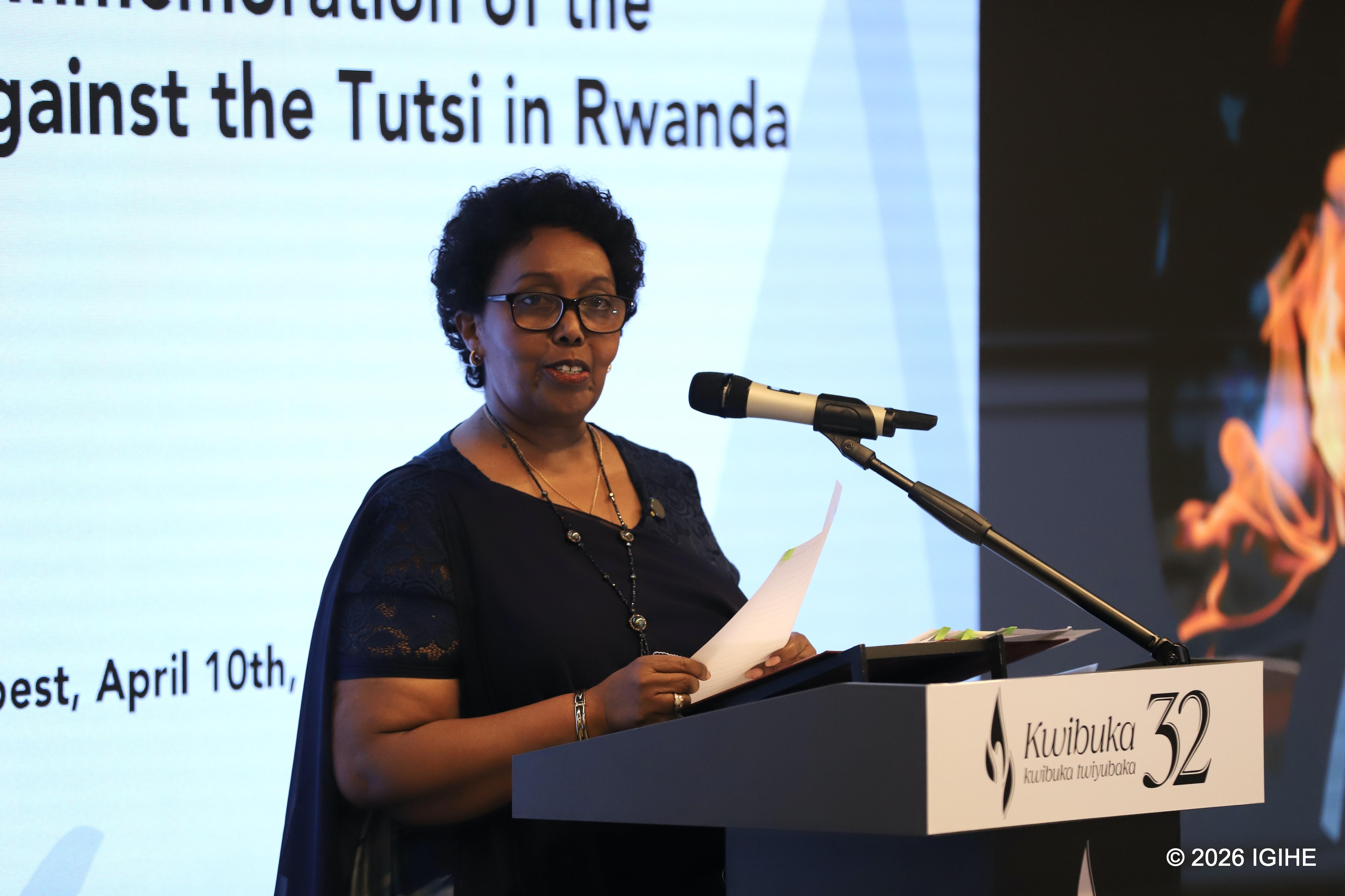
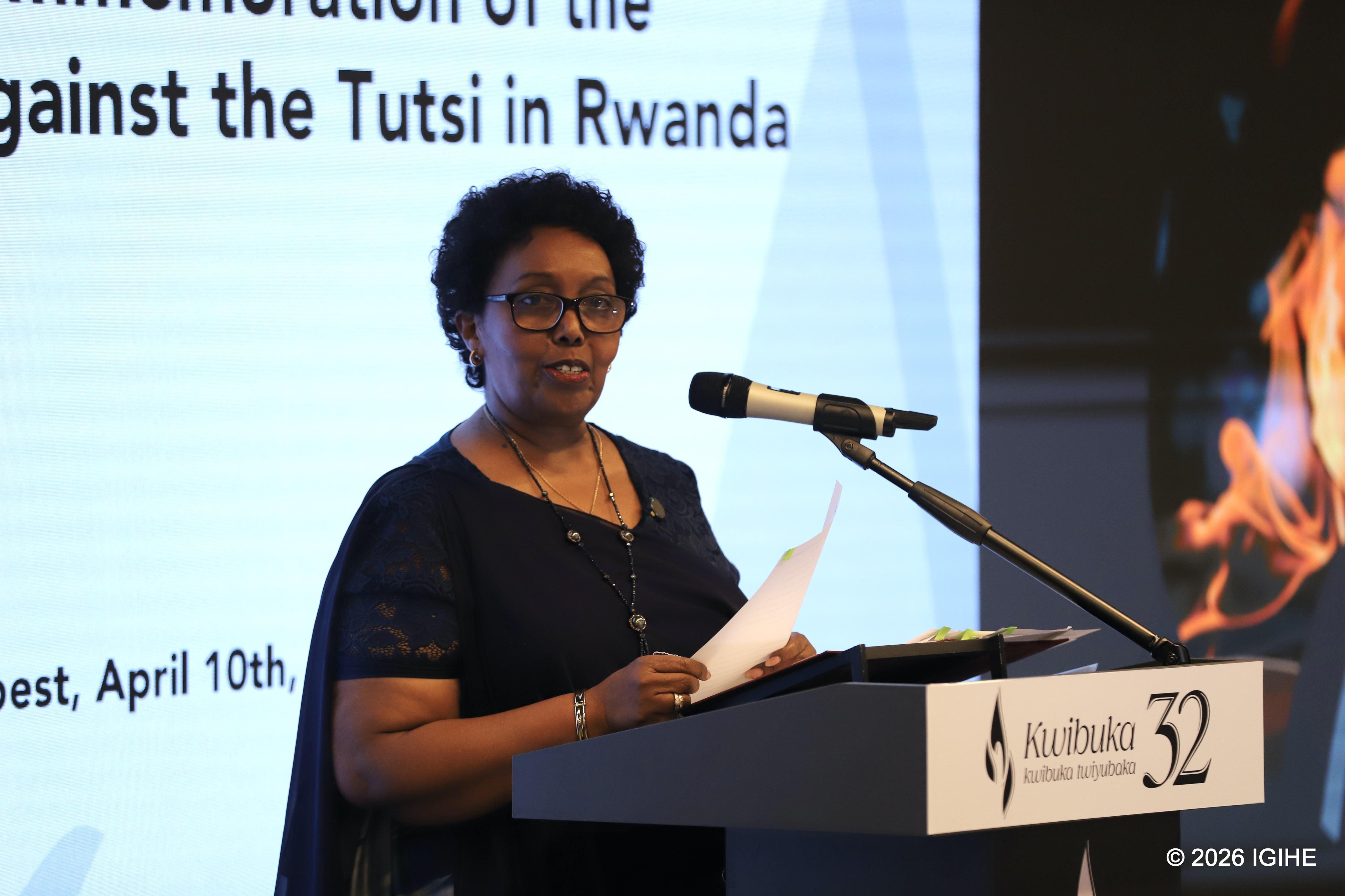
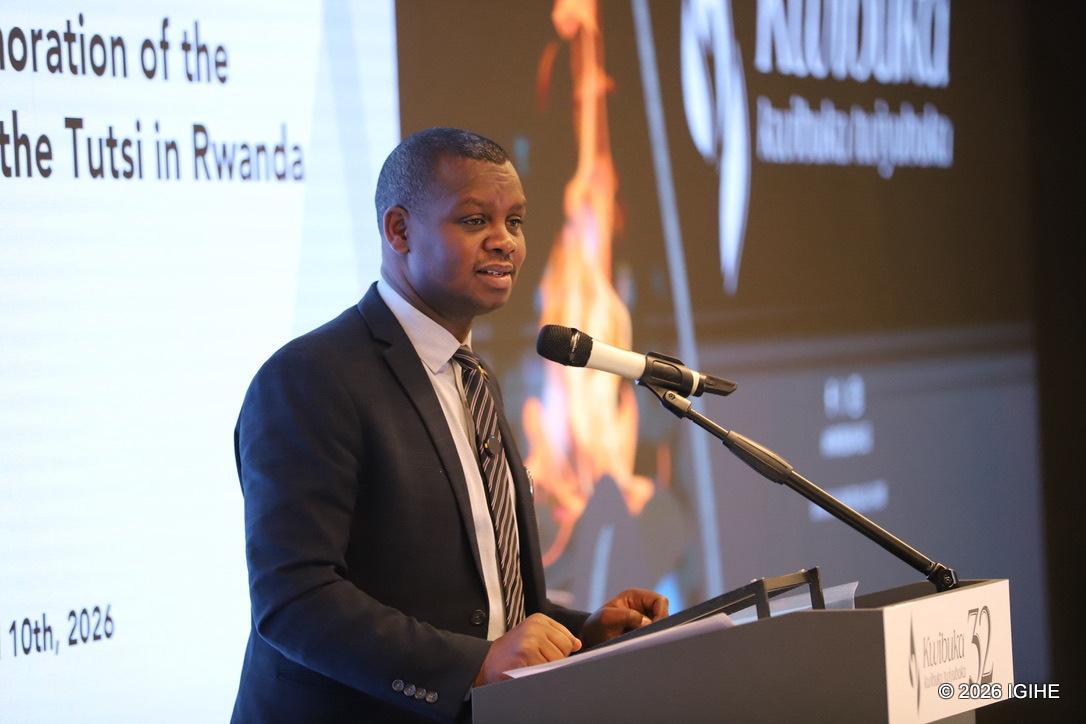
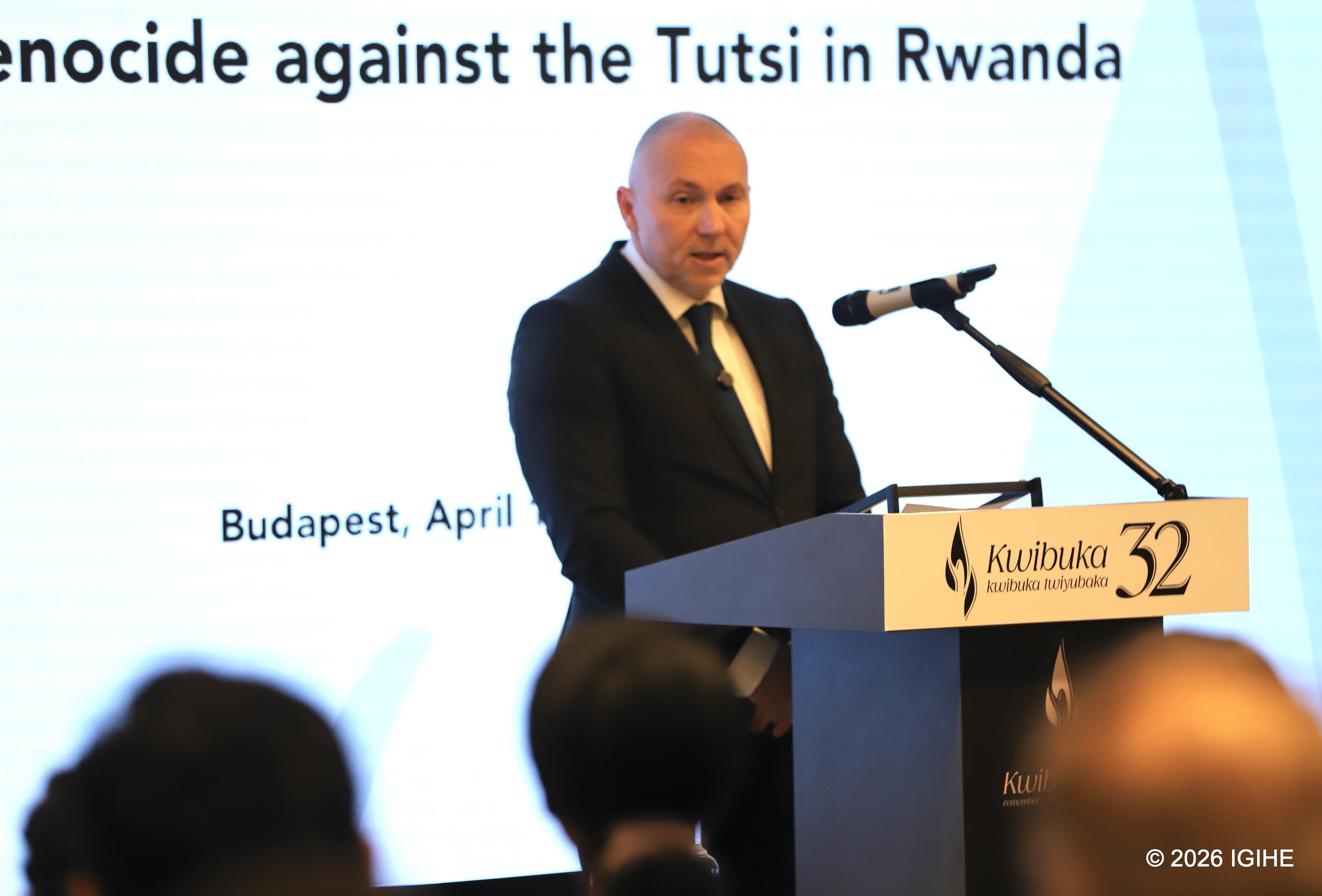
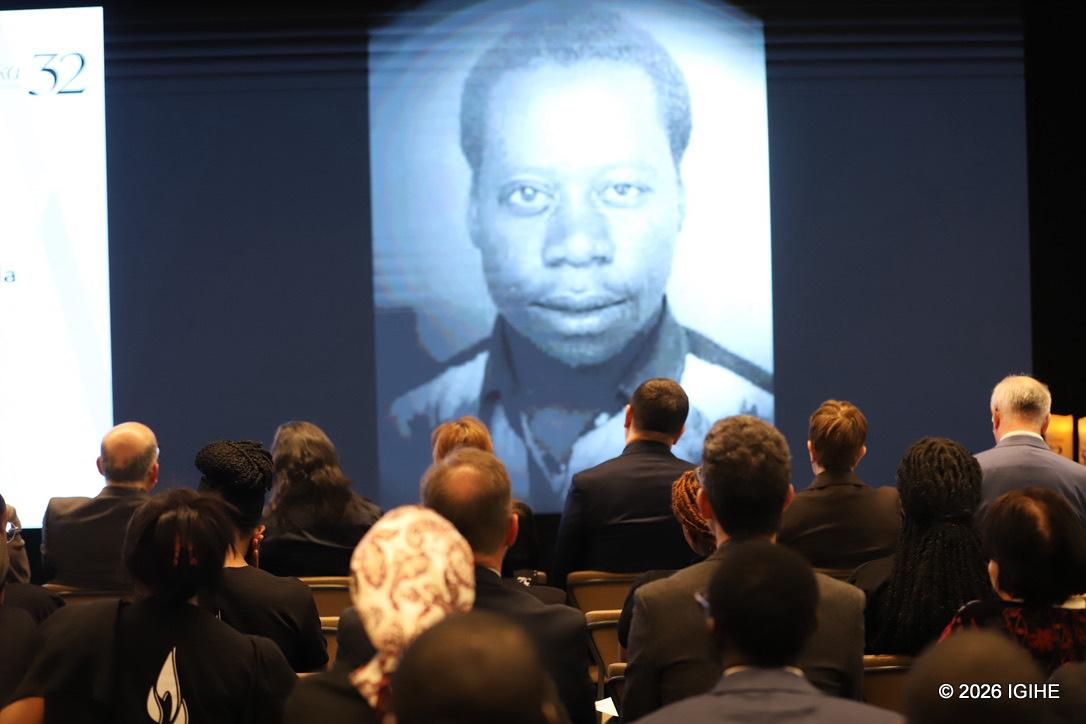
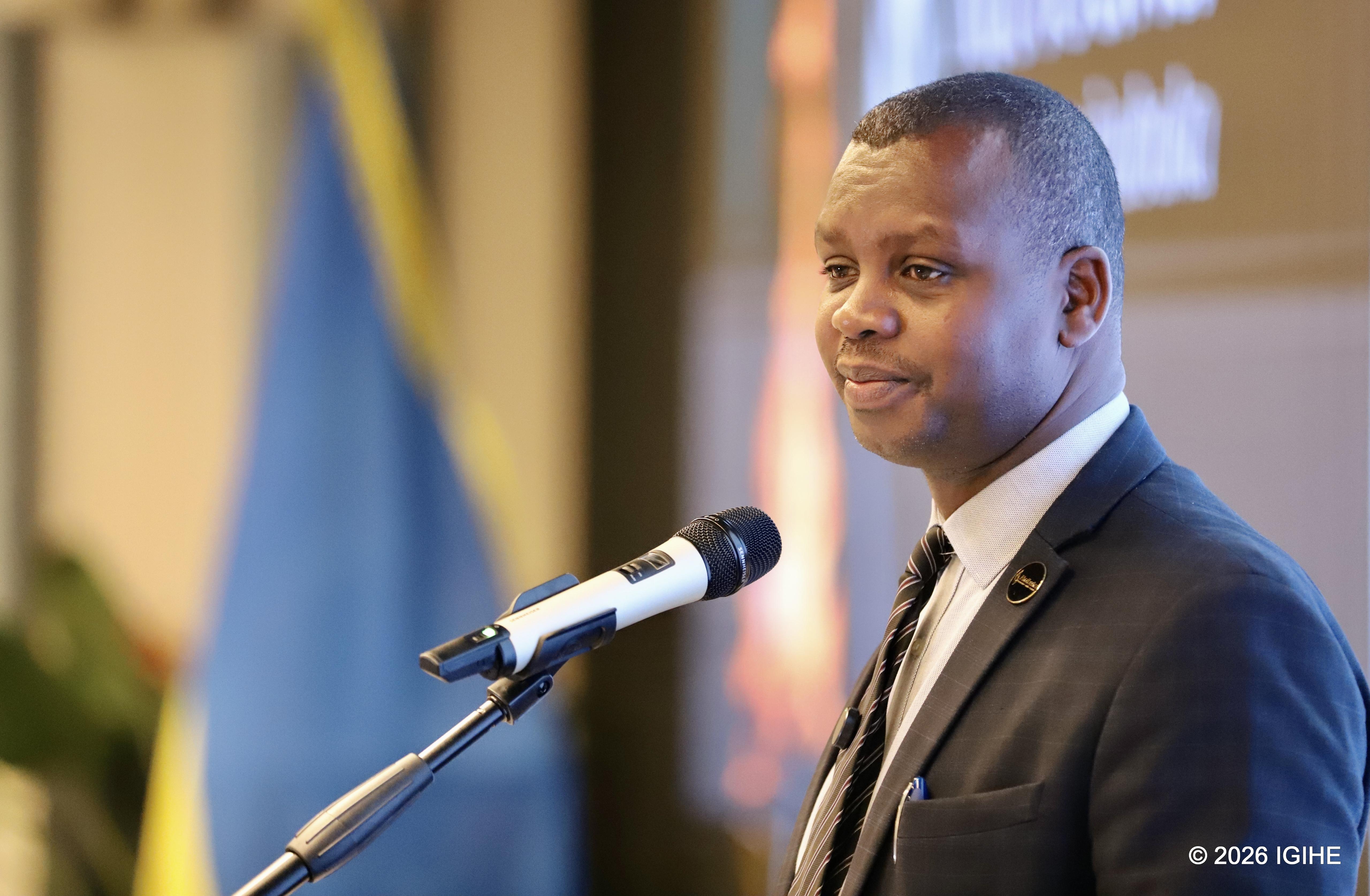
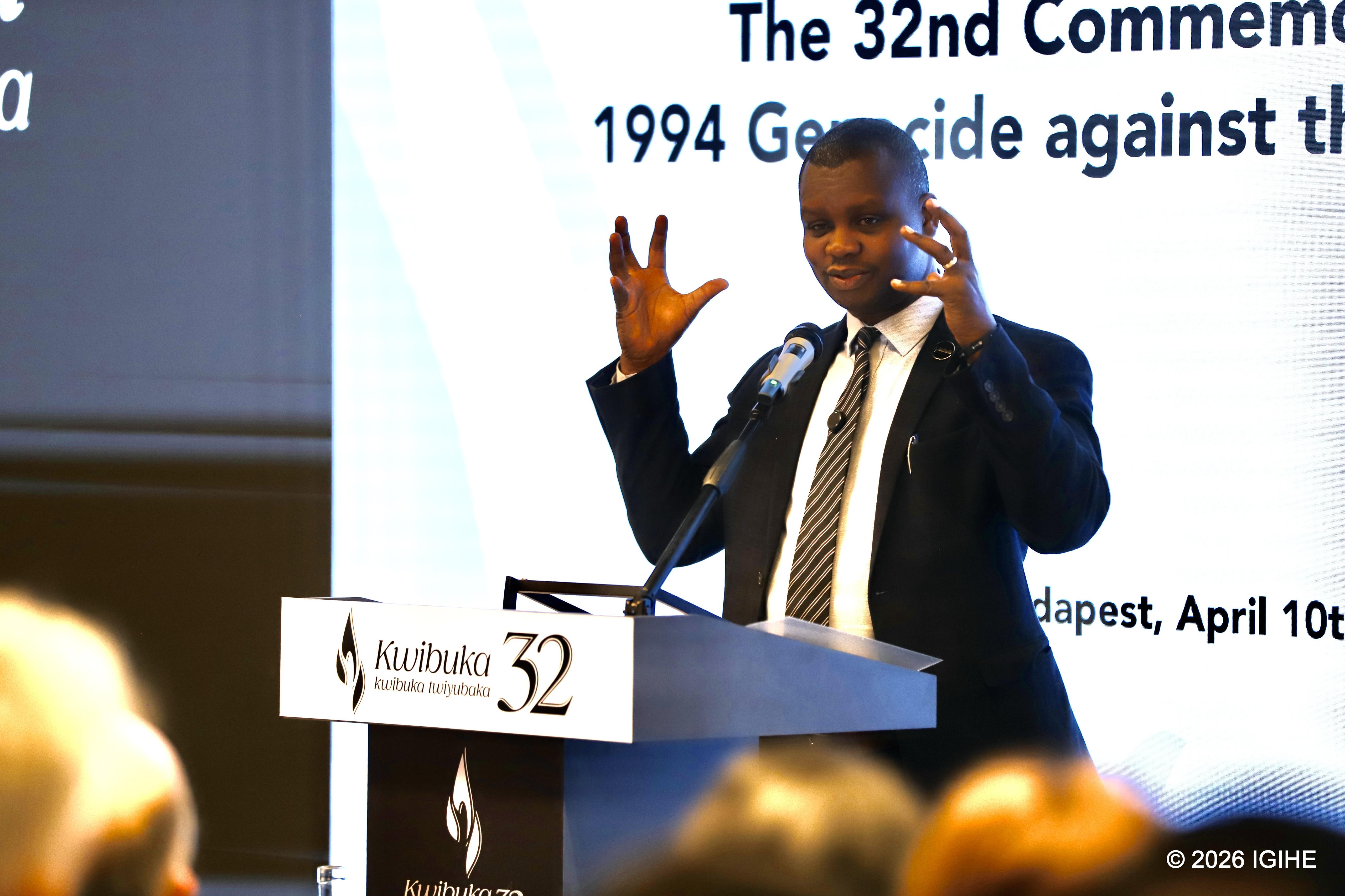
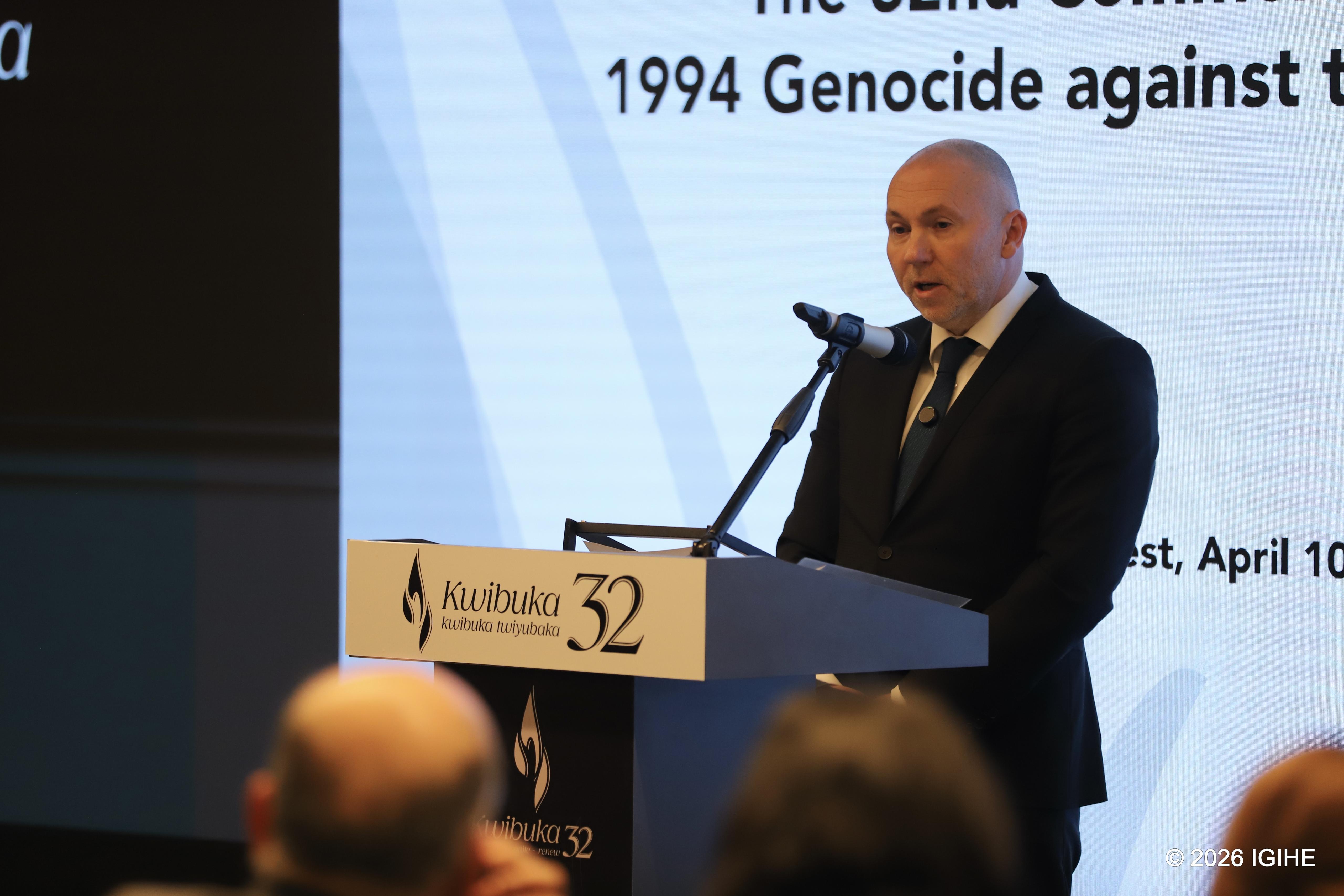
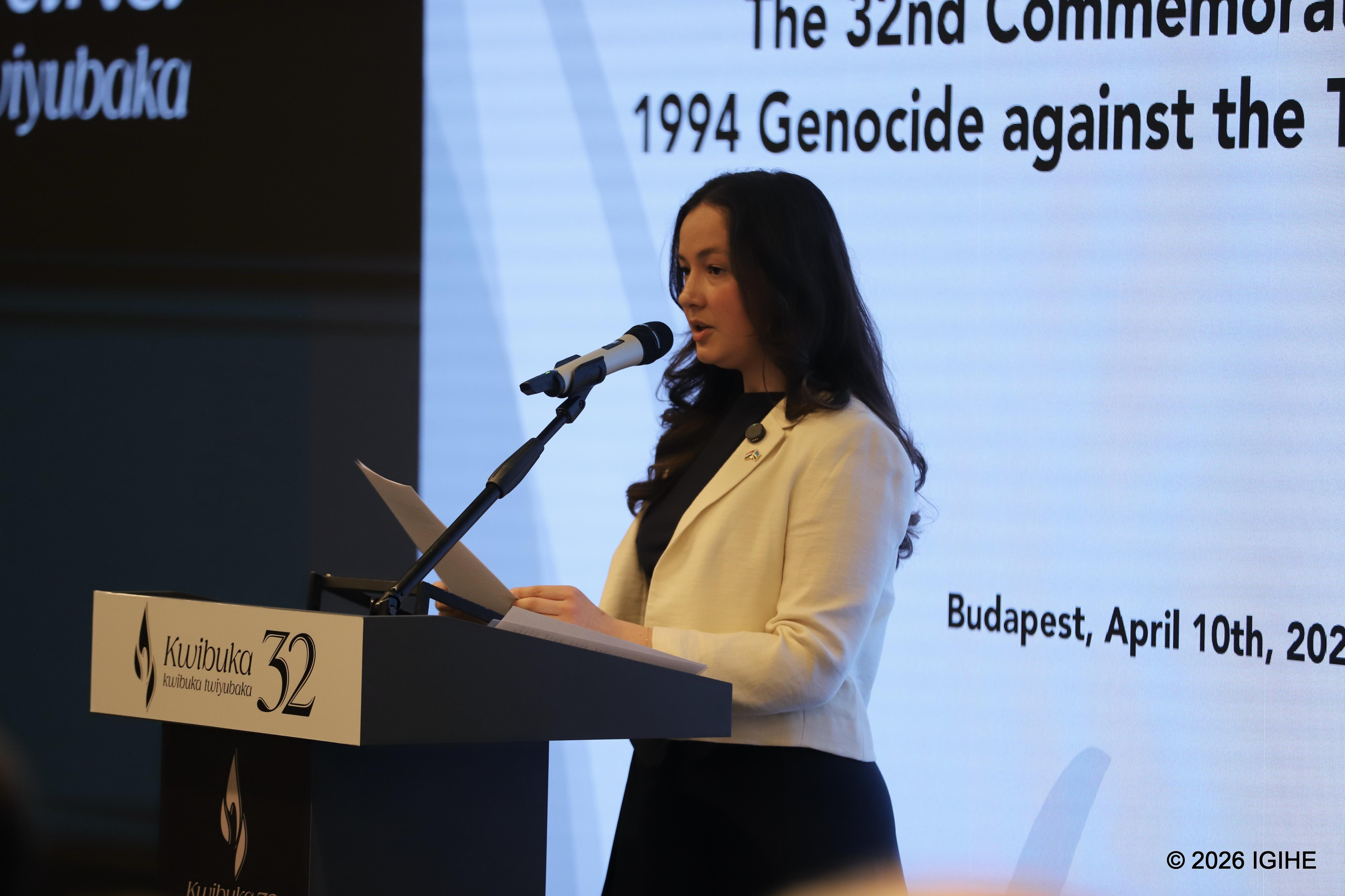
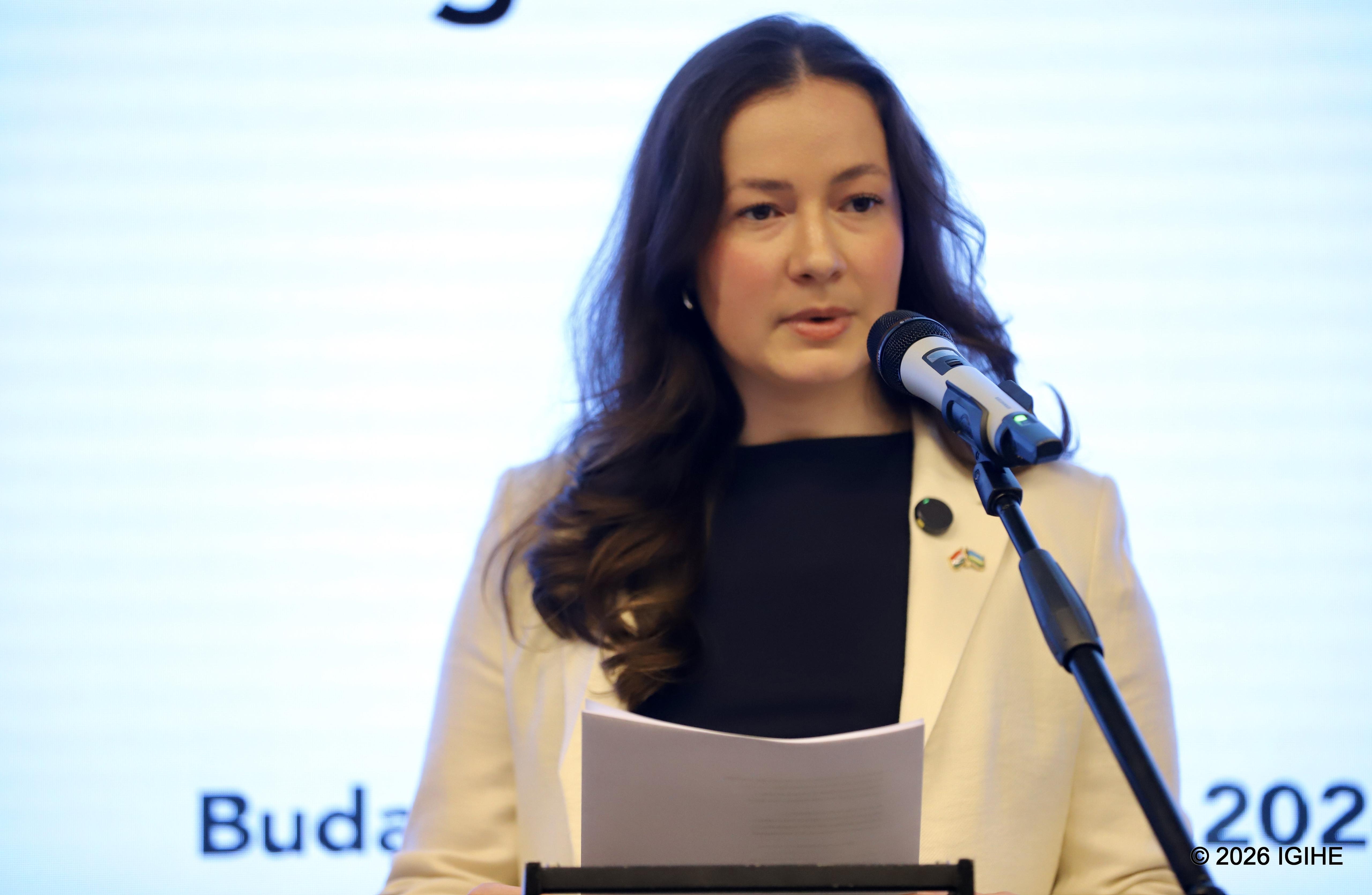
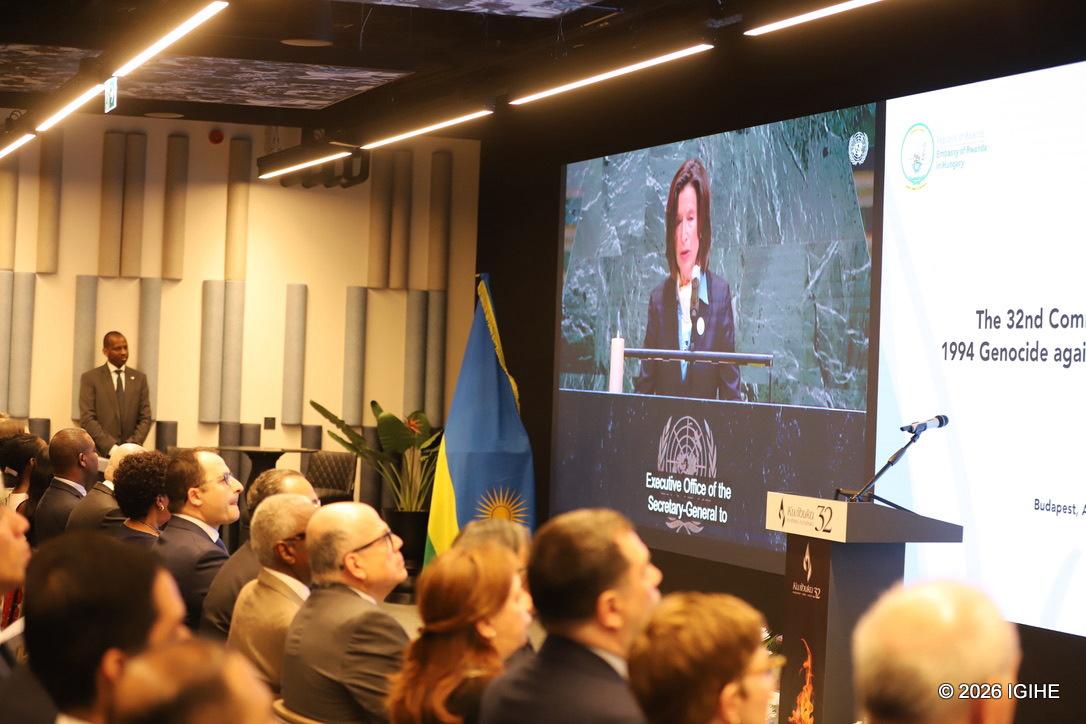
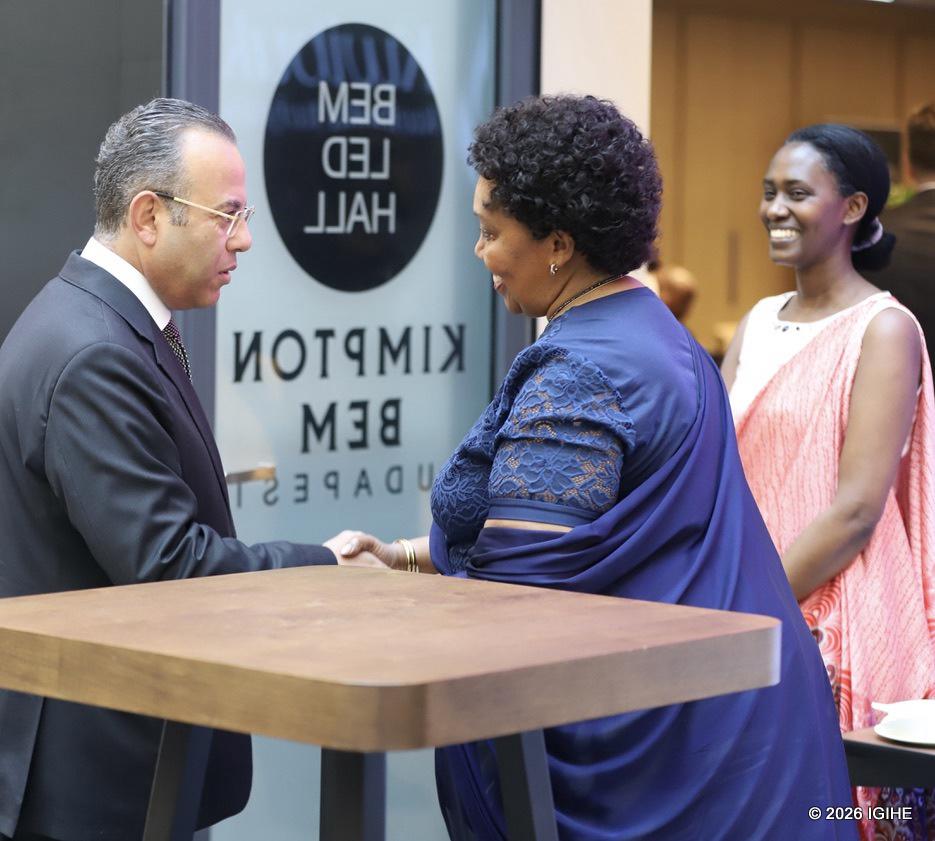
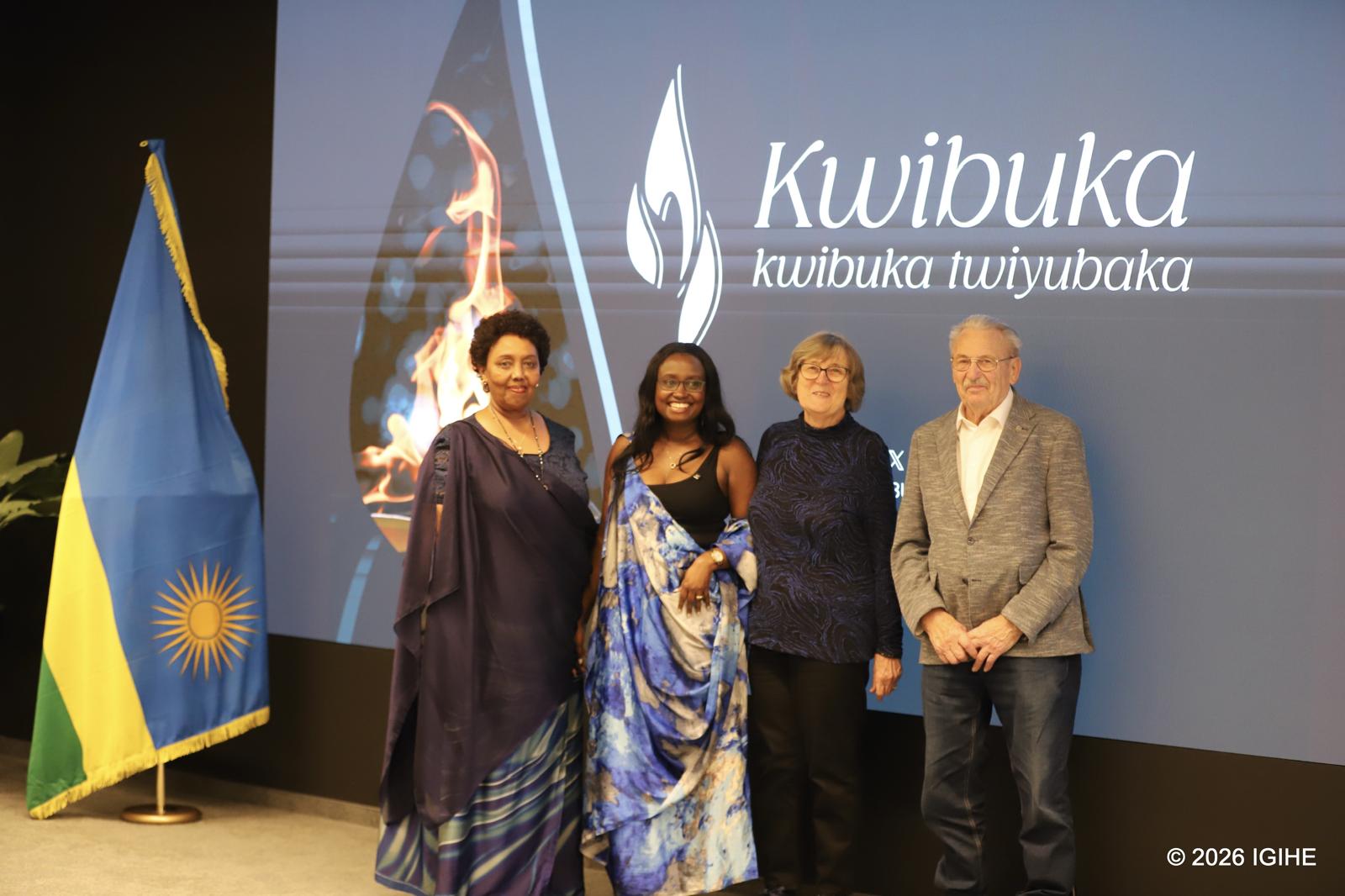
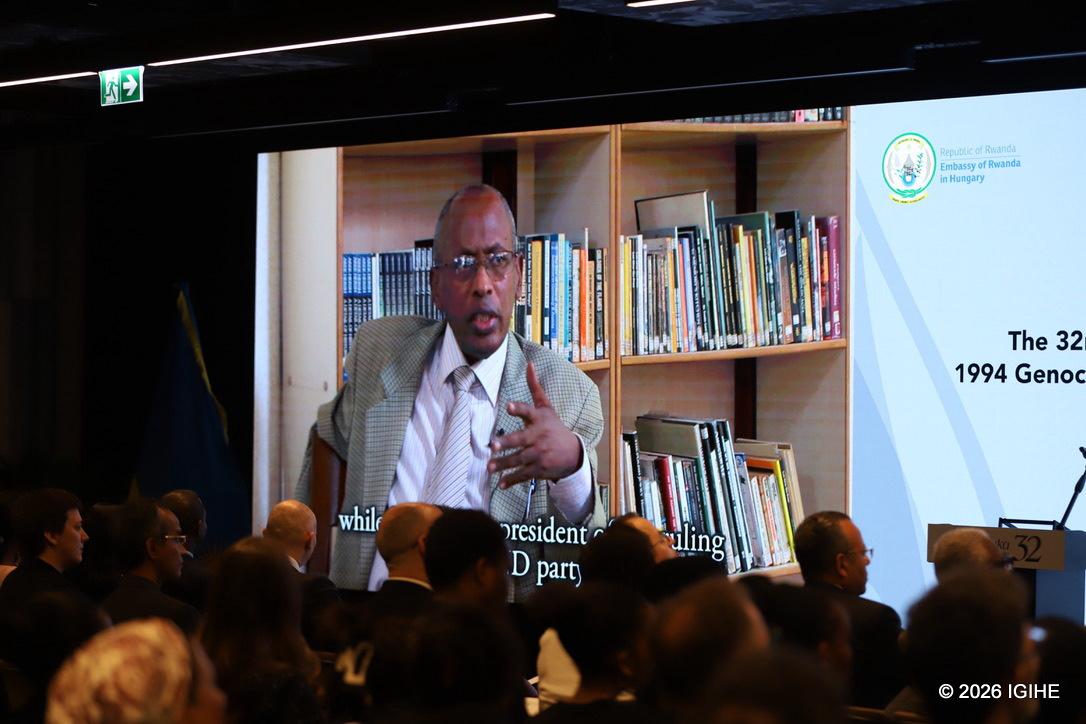
She made the call on April 10, 2026, during a solemn ceremony marking the 32nd commemoration of the 1994 Genocide against the Tutsi, held in Budapest.
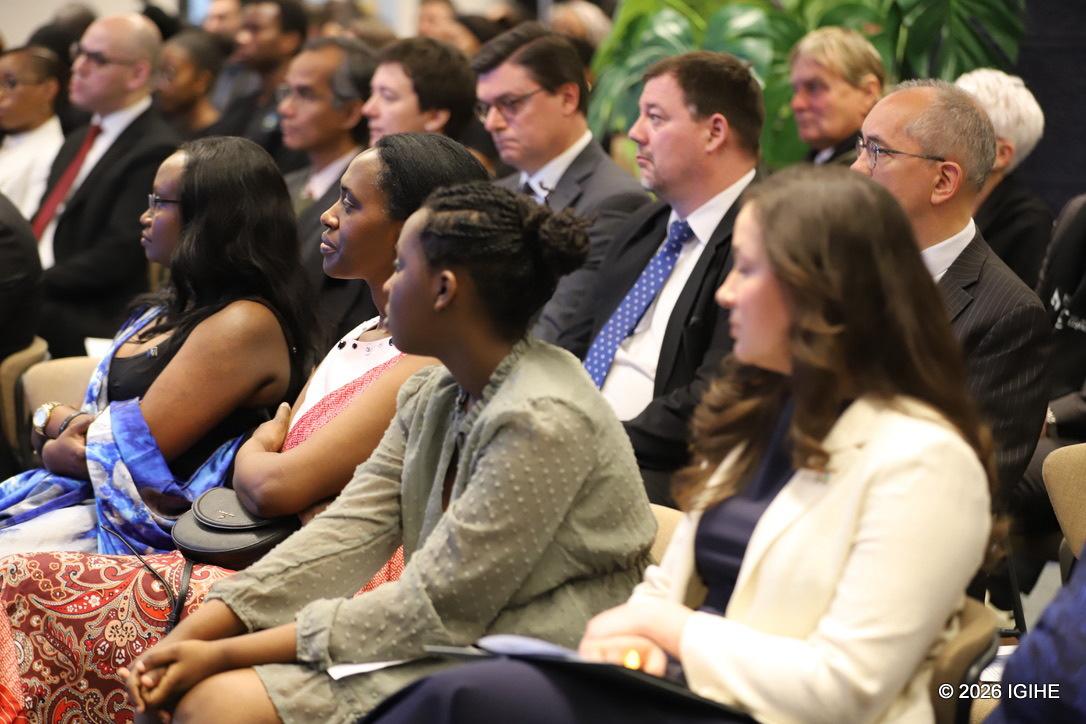
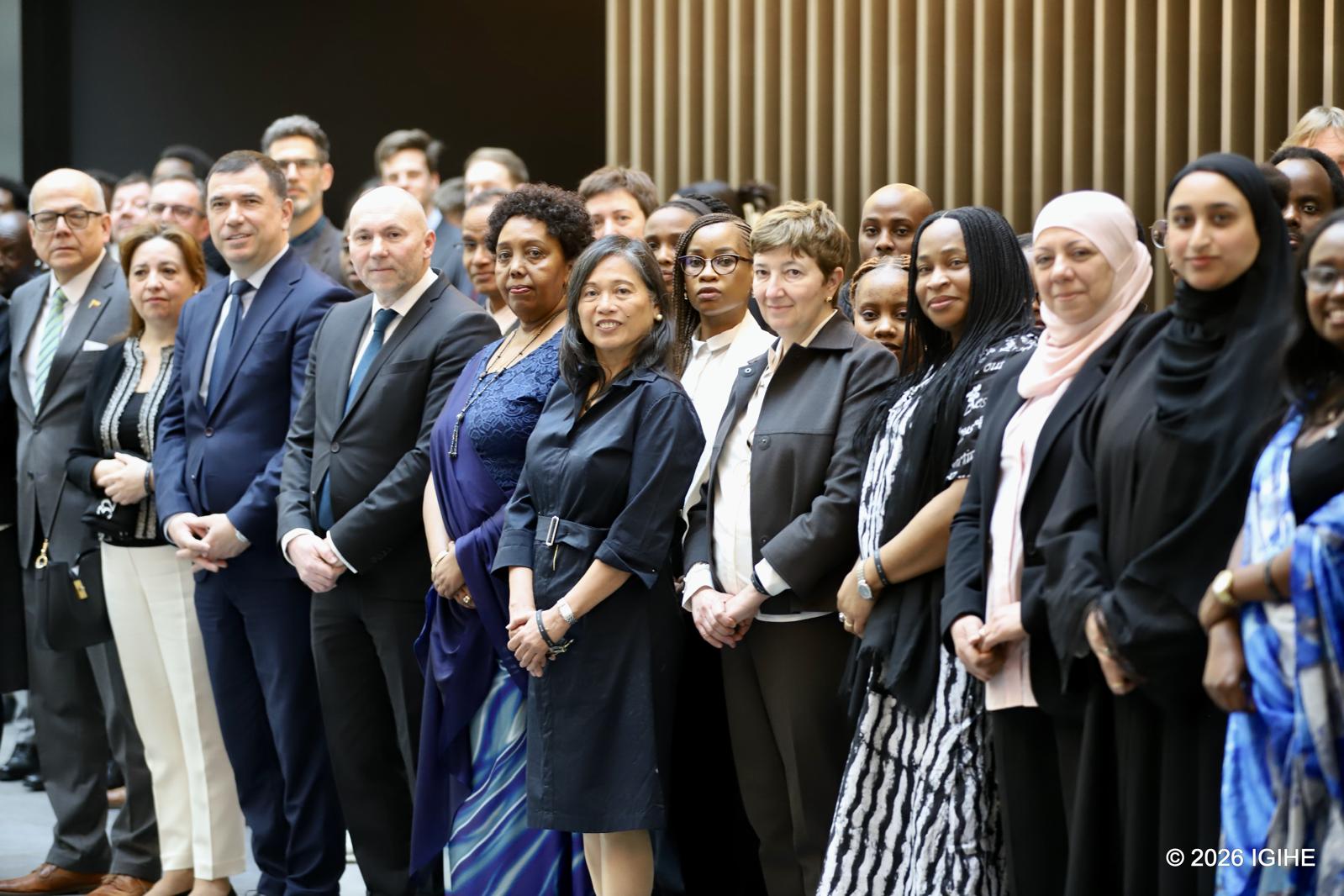
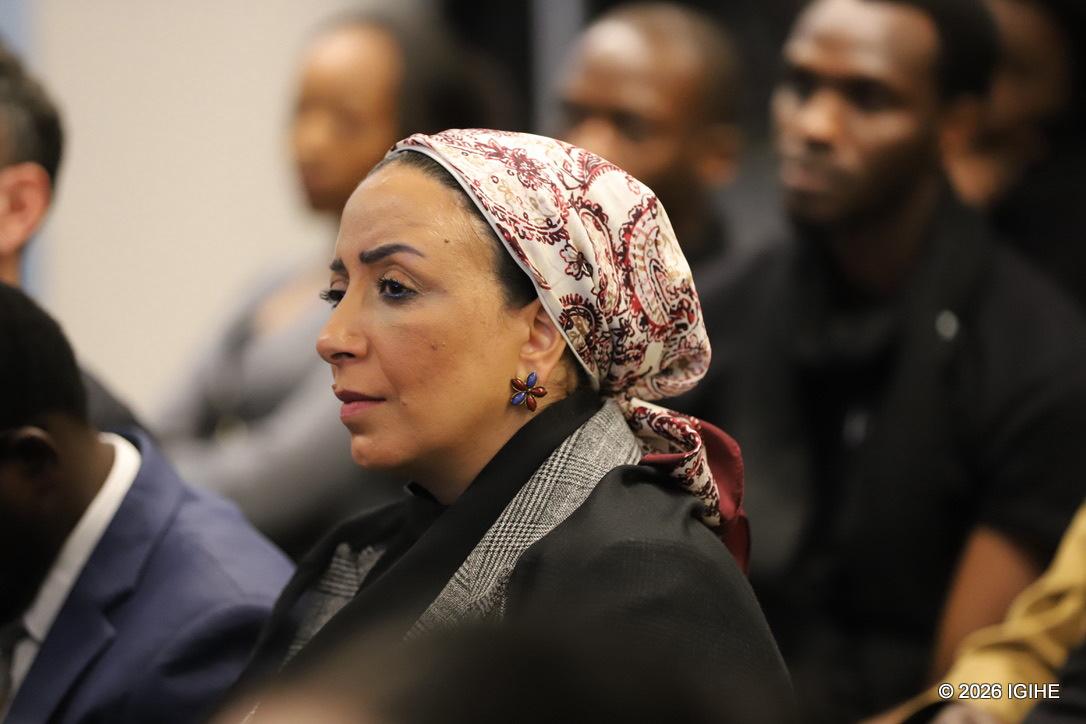
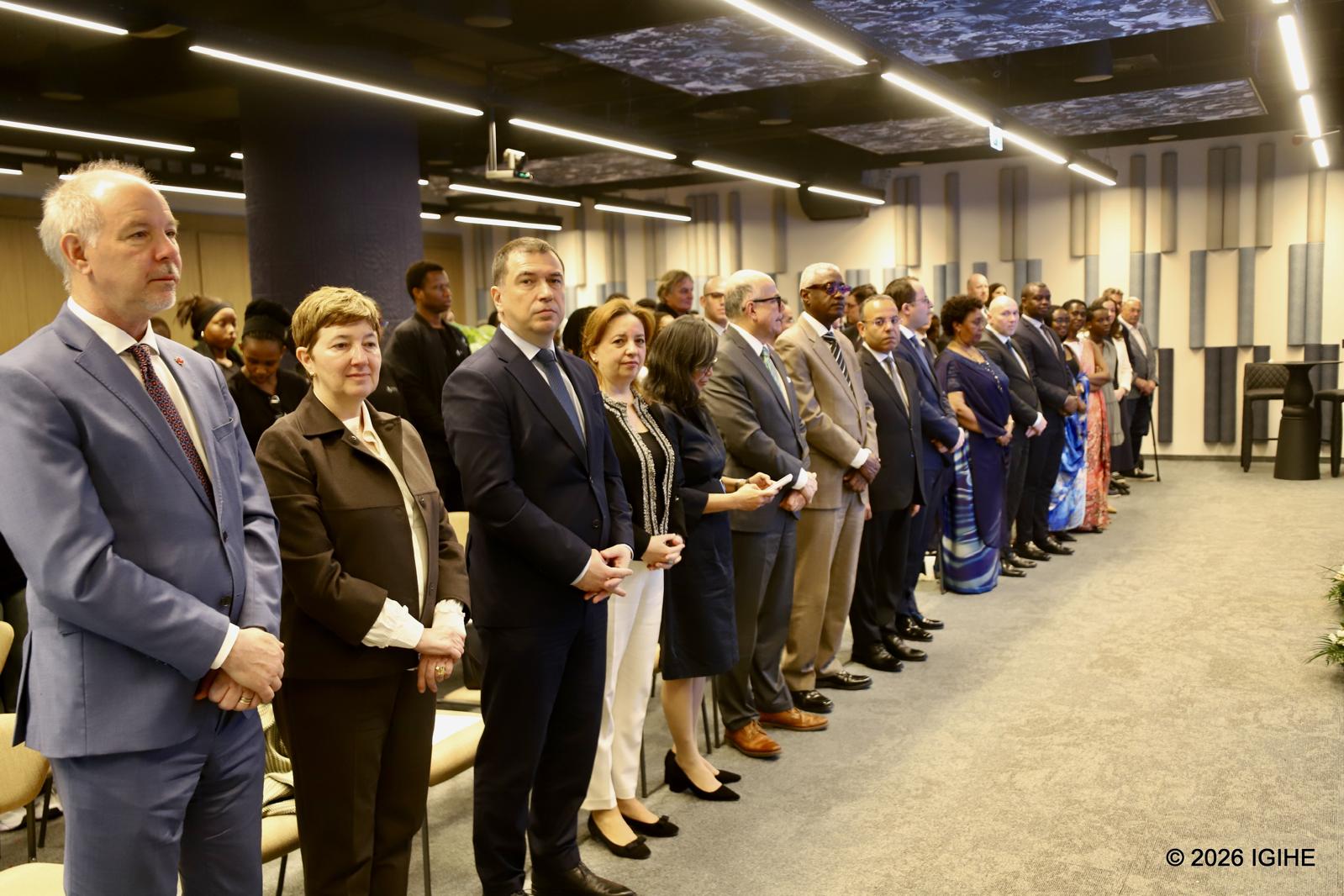
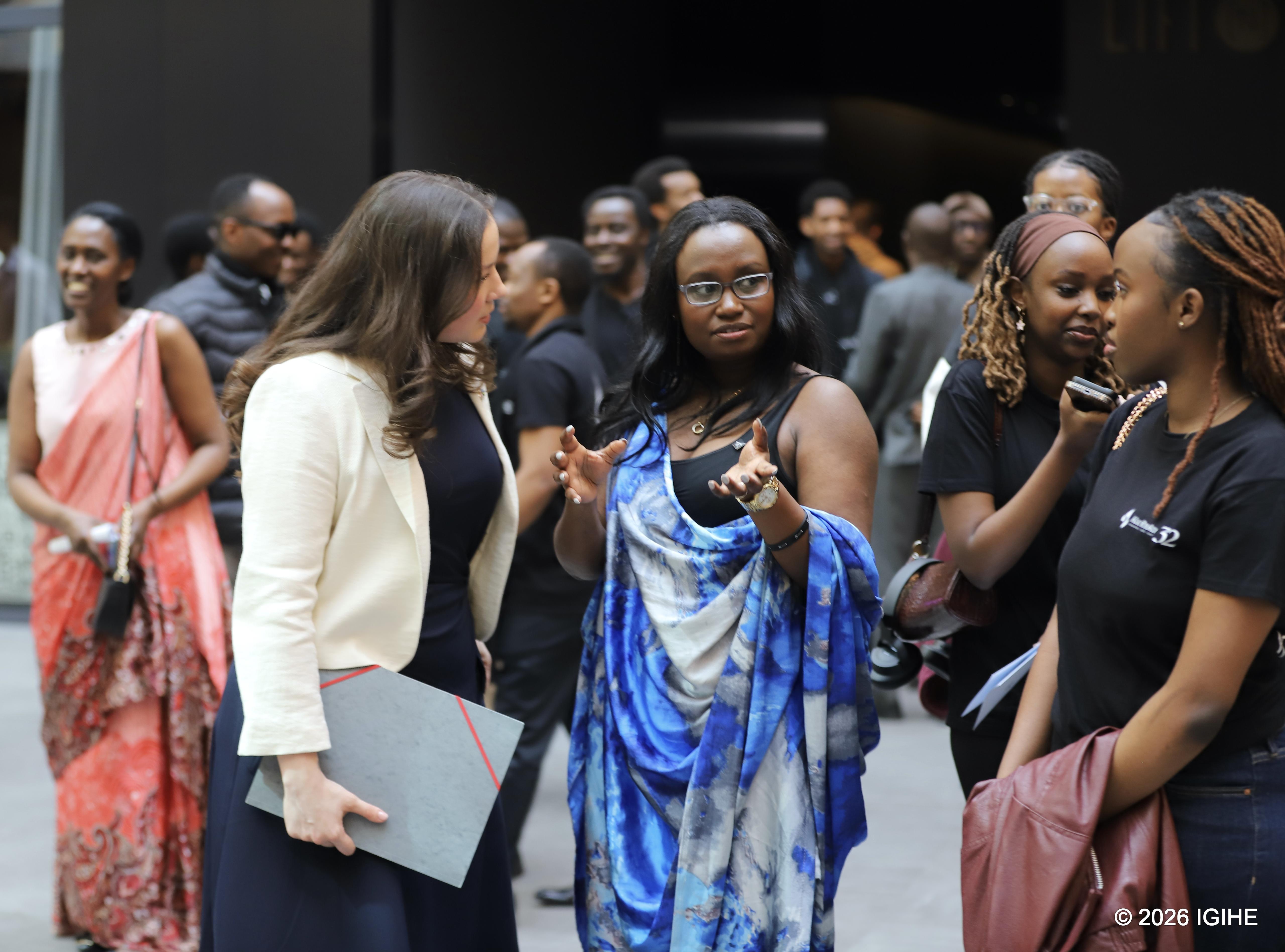
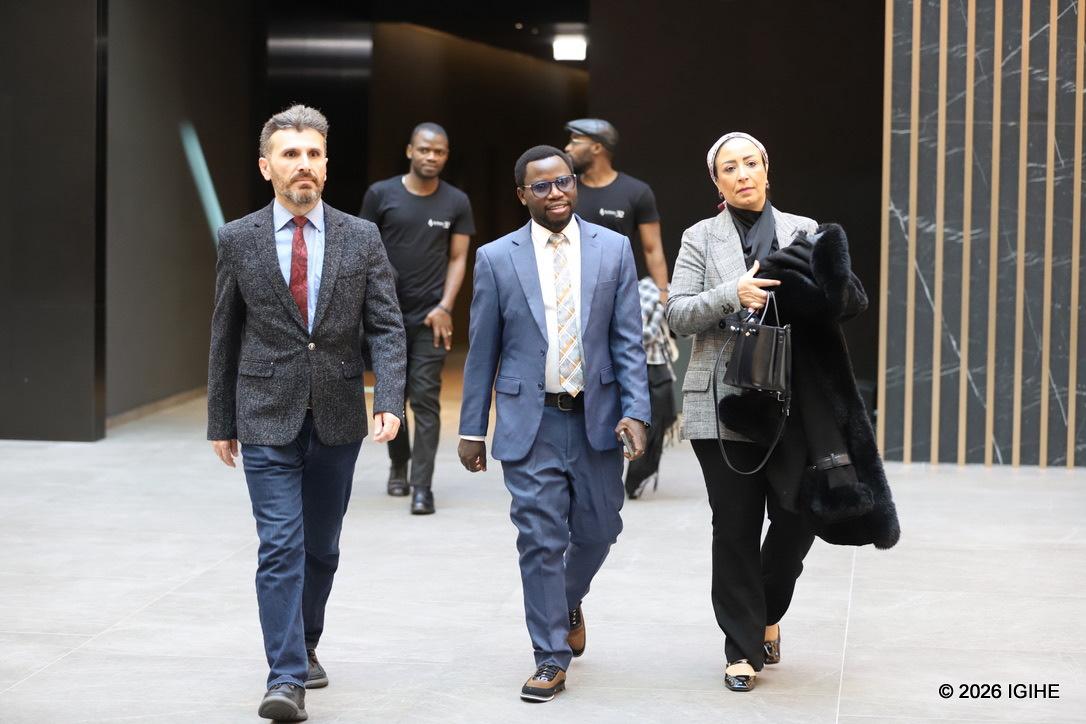
The event, organized by the Embassy of Rwanda in Hungary, brought together diplomats, Hungarian officials, members of the Rwandan community, survivors, and friends of Rwanda in a moment of remembrance and reflection.
In her address, Amb. Nyagahura stressed that genocide denial and distortion require urgent and coordinated global responses, including stronger education systems, justice mechanisms, and legal frameworks to safeguard historical truth.
“Genocide is never spontaneous. It is prepared, taught, and enabled by silence,” she said, warning that denial represents a continuation of that silence and a threat to remembrance itself.
She further emphasized that remembrance must go beyond symbolism and be treated as a shared global responsibility to confront hatred, protect human dignity, and prevent future atrocities. The ceremony paid tribute to more than one million victims of the genocide, while also honoring survivors and those who risked their lives to save others.
April 7, recognized by the United Nations as the International Day of Reflection on the 1994 Genocide against the Tutsi in Rwanda, marks the beginning of the annual commemoration period.
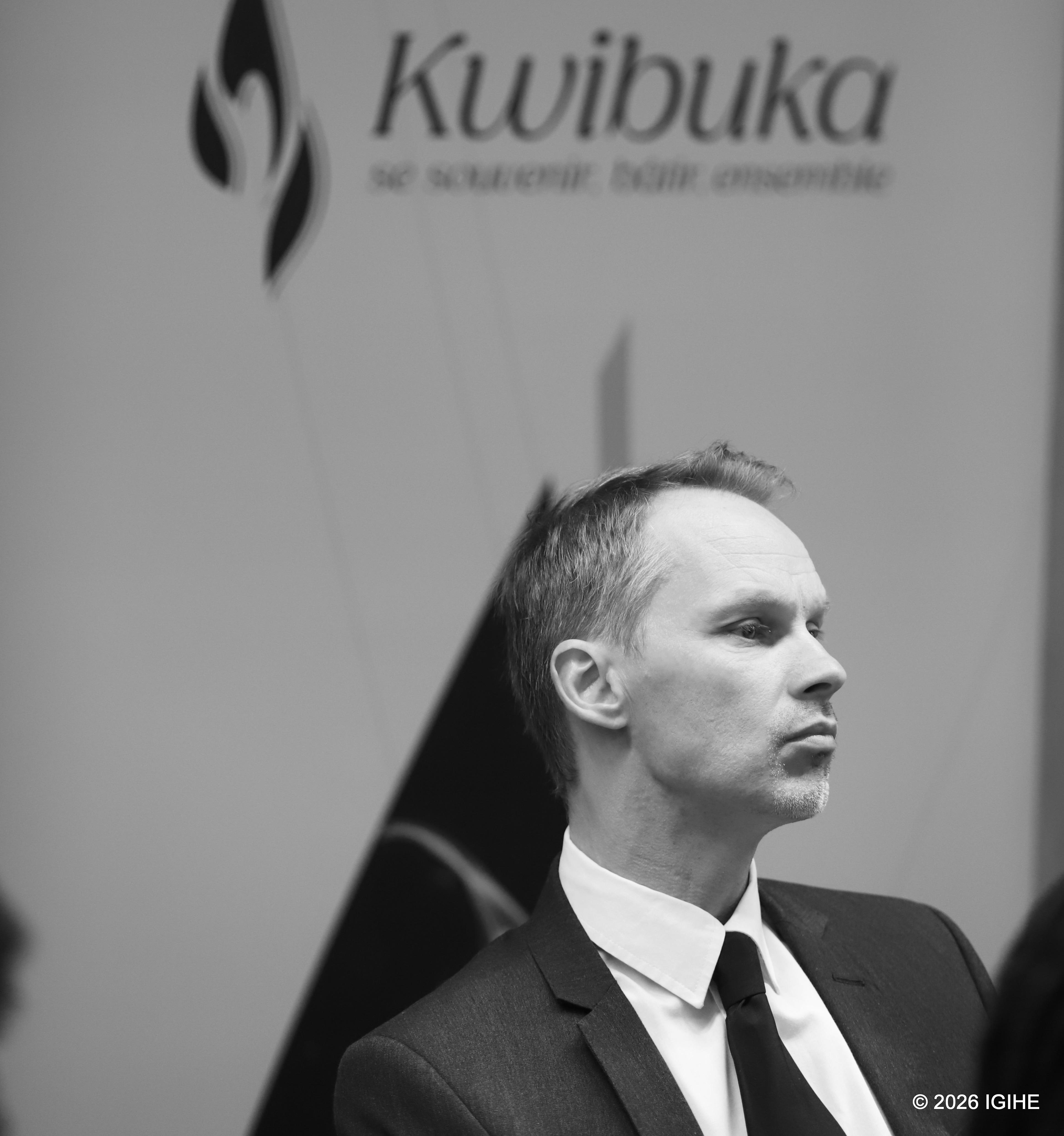
The term Kwibuka, meaning “to remember,” also reflects renewal, learning, and a commitment to preventing future atrocities.
Amb. Nyagahura recalled that the genocide was not a spontaneous event, but the result of decades of division, discrimination, and dehumanization rooted in colonial history and reinforced in the post-independence period.
She cited earlier waves of violence in 1959, 1963, and 1973, and the mass exile of Tutsi as warning signs that were not acted upon by the international community.
She highlighted Rwanda’s recovery journey under the leadership of President Paul Kagame, noting that the country chose a path of unity and reconciliation grounded in justice, social cohesion, and a shared national identity expressed through Ndi Umunyarwanda.
Today, she said, Rwanda stands as a symbol of resilience, with a new generation growing up in a country defined by unity and hope.
However, she warned that genocide ideology remains a persistent threat, particularly in eastern Democratic Republic of the Congo, where armed groups such as the FDLR continue to operate. She called on the international community, including Hungary, to support efforts aimed at dismantling such groups and strengthening regional peace and security.
The ceremony also featured remarks from Hungarian officials, including Attila Koppány, as well as testimonies from genocide survivors Freddy Mutanguha and Judence Kayitesi, who shared personal accounts underscoring the human dimension of the tragedy and the importance of preserving memory.
Amb. Nyagahura also urged renewed international commitment to truth, justice, and human dignity, stressing that the promise of “Never Again” must be actively upheld.
“Rwanda remains steadfast in its commitment to peace, unity, and reconciliation. We invite all nations and people of goodwill to join us in this mission,” she said.
During the event, Freddy Mutanguha, Chief Executive Officer of the Aegis Trust and a genocide survivor, delivered a powerful and deeply personal message calling for sustained vigilance against genocide ideology and denial.
Sharing his personal story, Mutanguha revealed that while he survived alongside his sister, his parents and four sisters were brutally murdered.
Despite the failure of the international community at the time, he paid tribute to the bravery of RPA soldiers who stopped the genocide, rescuing civilians and dismantling the genocidal regime.
In the aftermath, through strong leadership and homegrown solutions, the country embarked on a path of recovery and reconciliation.
Measures such as the abolition of ethnic identity cards, the establishment of community-based Gacaca courts, and the creation of memorials like the Kigali Genocide Memorial have played a crucial role in justice, healing, and education.
Today, Rwanda stands as a testament to resilience and transformation. With a National Unity Barometer exceeding 95%, the country has made remarkable progress in rebuilding trust and social cohesion.
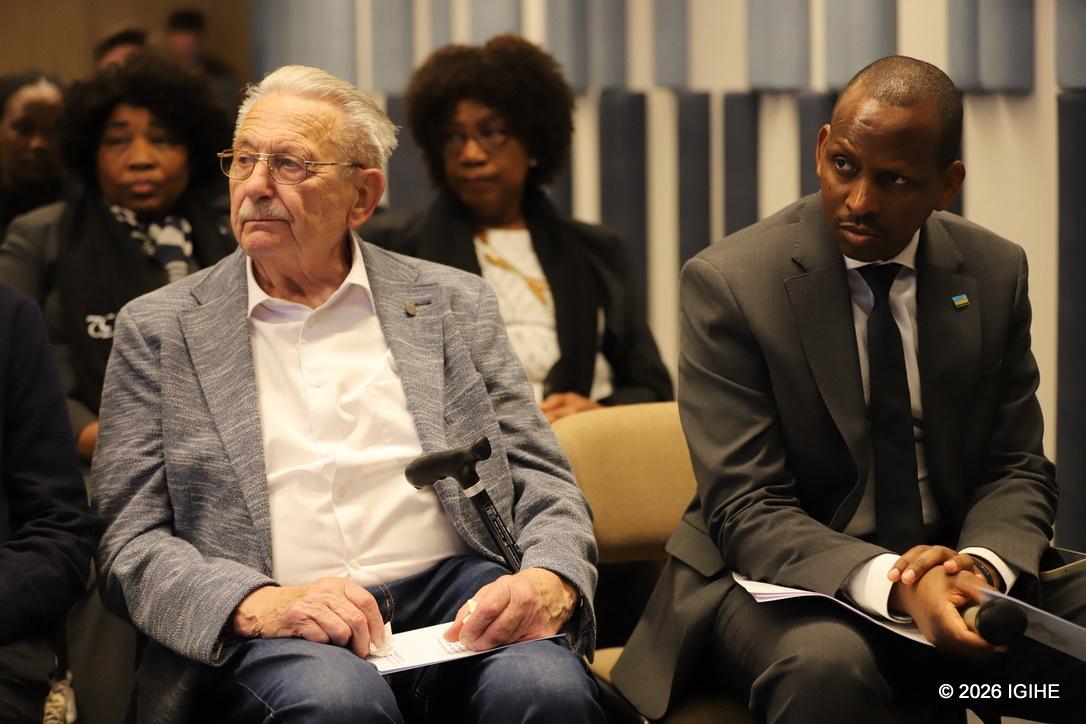
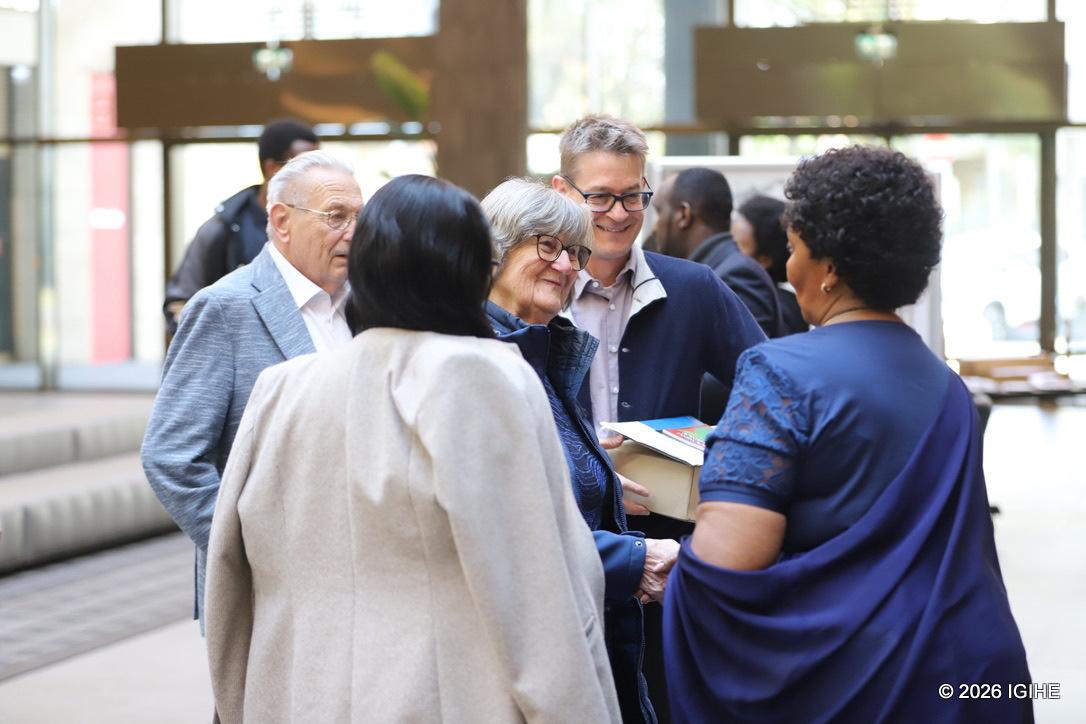
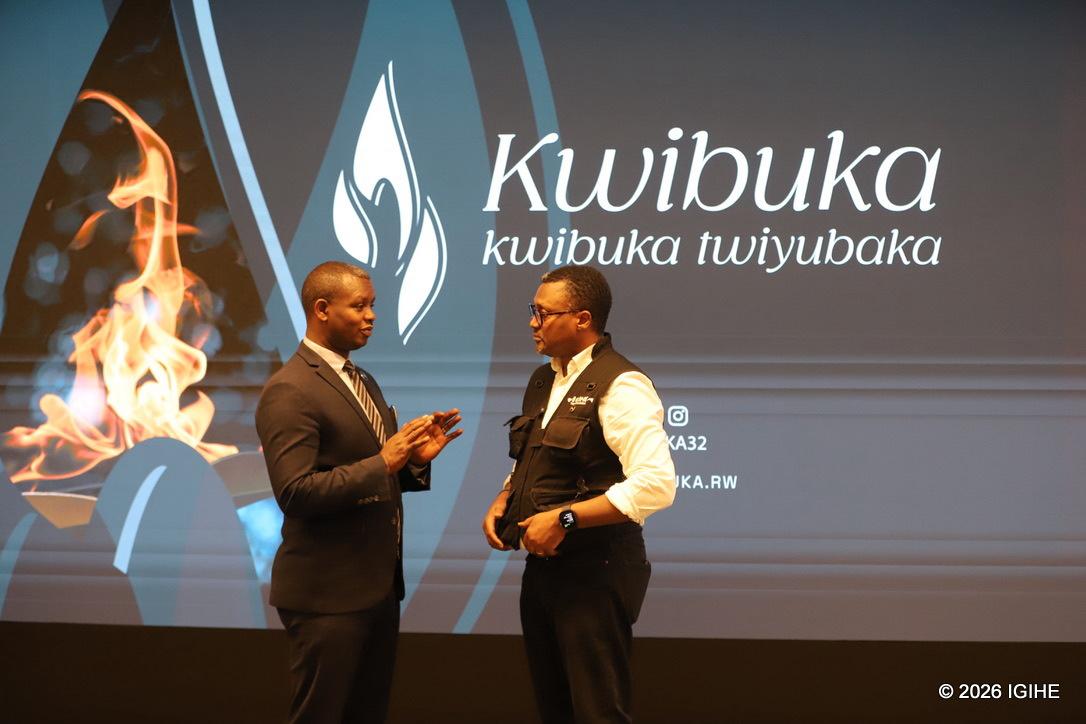
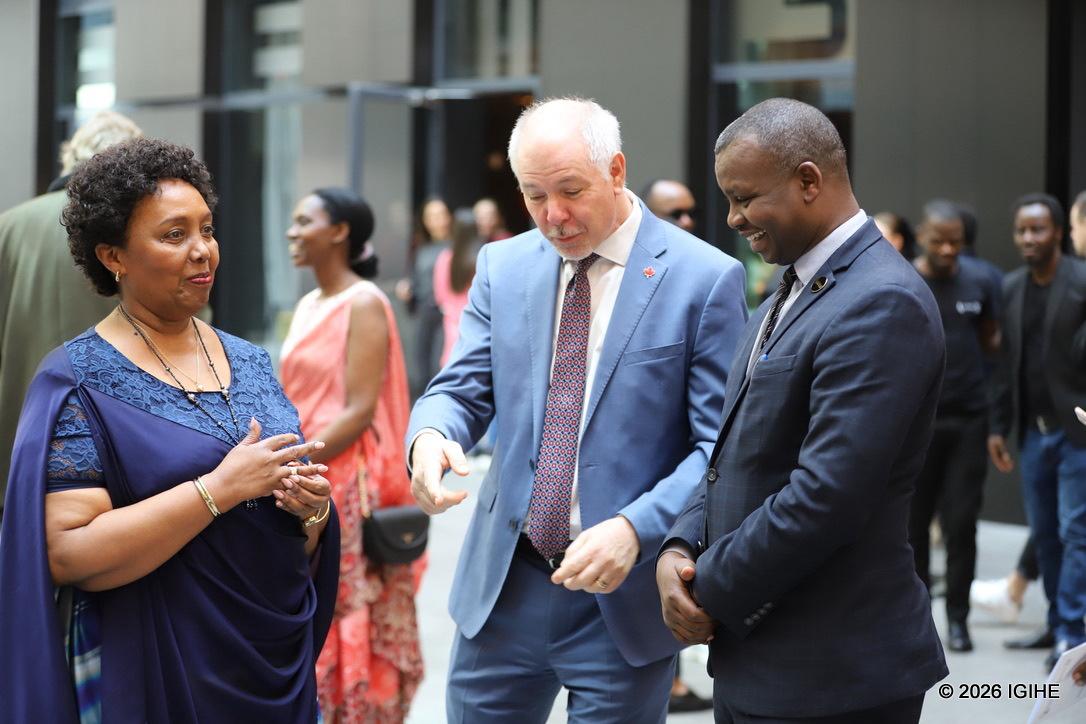
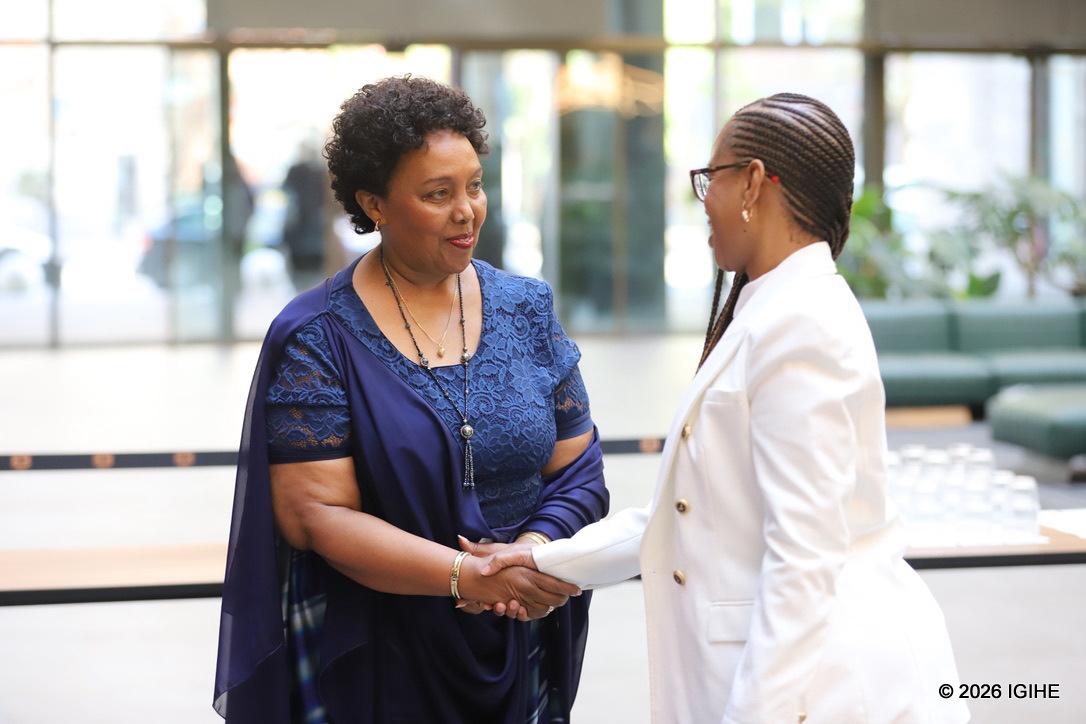
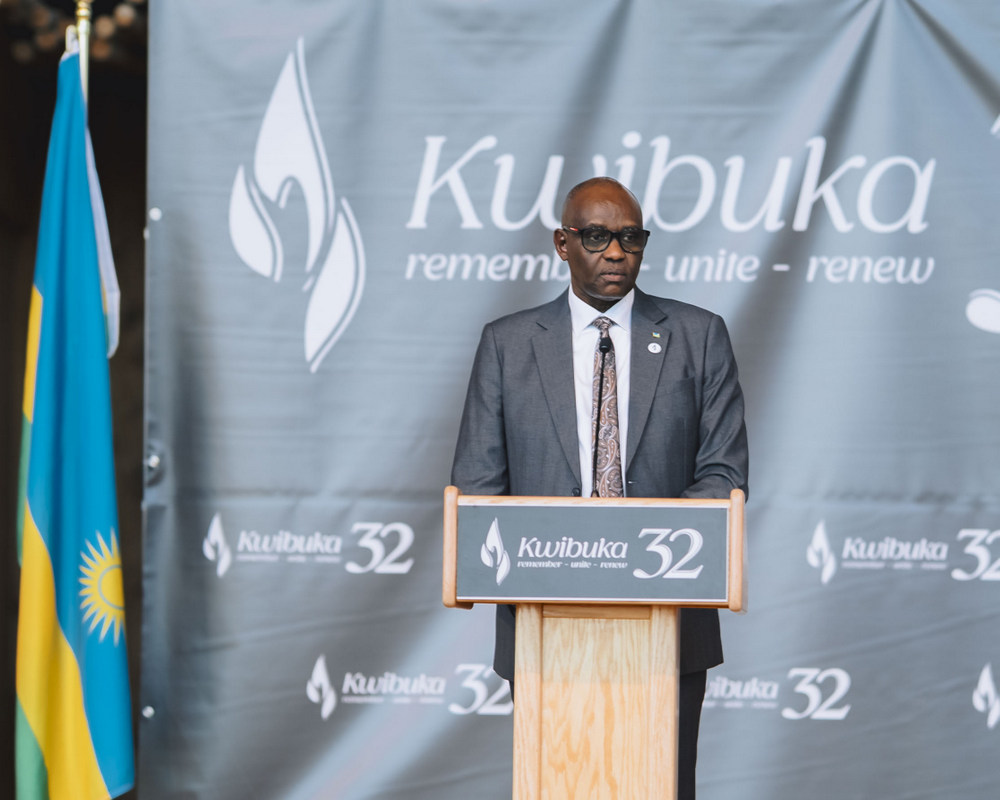
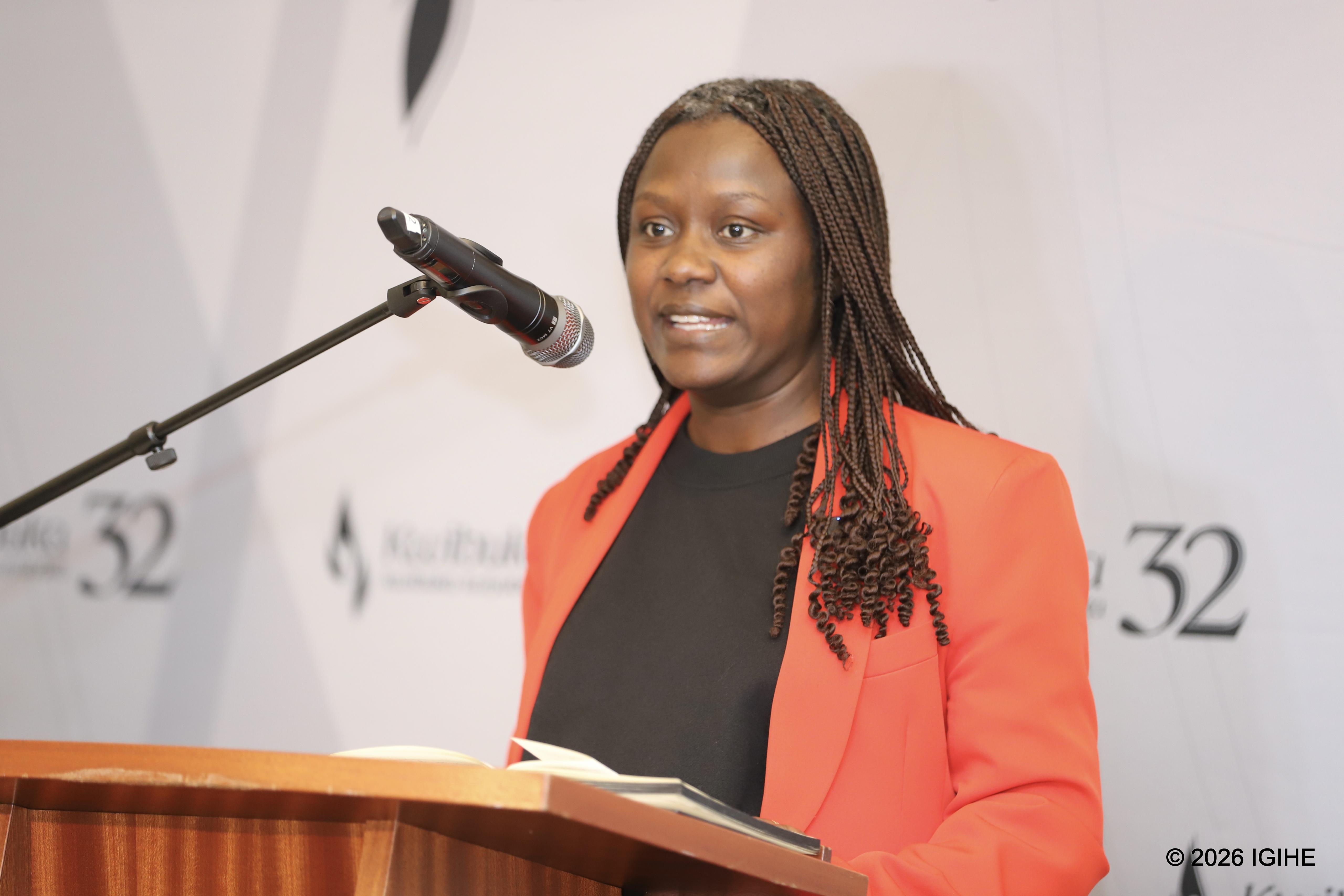
Rwanda’s Ambassador to Hungary, Margueritte Francoise Nyagahura delivering her remarks. Freddy Mutanguha, Chief Executive Officer of the Aegis Trust and a genocide survivor sharing his testimony. Ambassador Attila Koppány, Guest of Honor and Head of the Africa Department at Hungary’s Ministry of Foreign Affairs and TradeJudence Kayitesi shared her testimony. Benedicto Nshimiyimana, Minister-Counsellor facilitated discussions. The CEO of Aegis Trust, Freddy Mutanguha during an interview with IGIHE
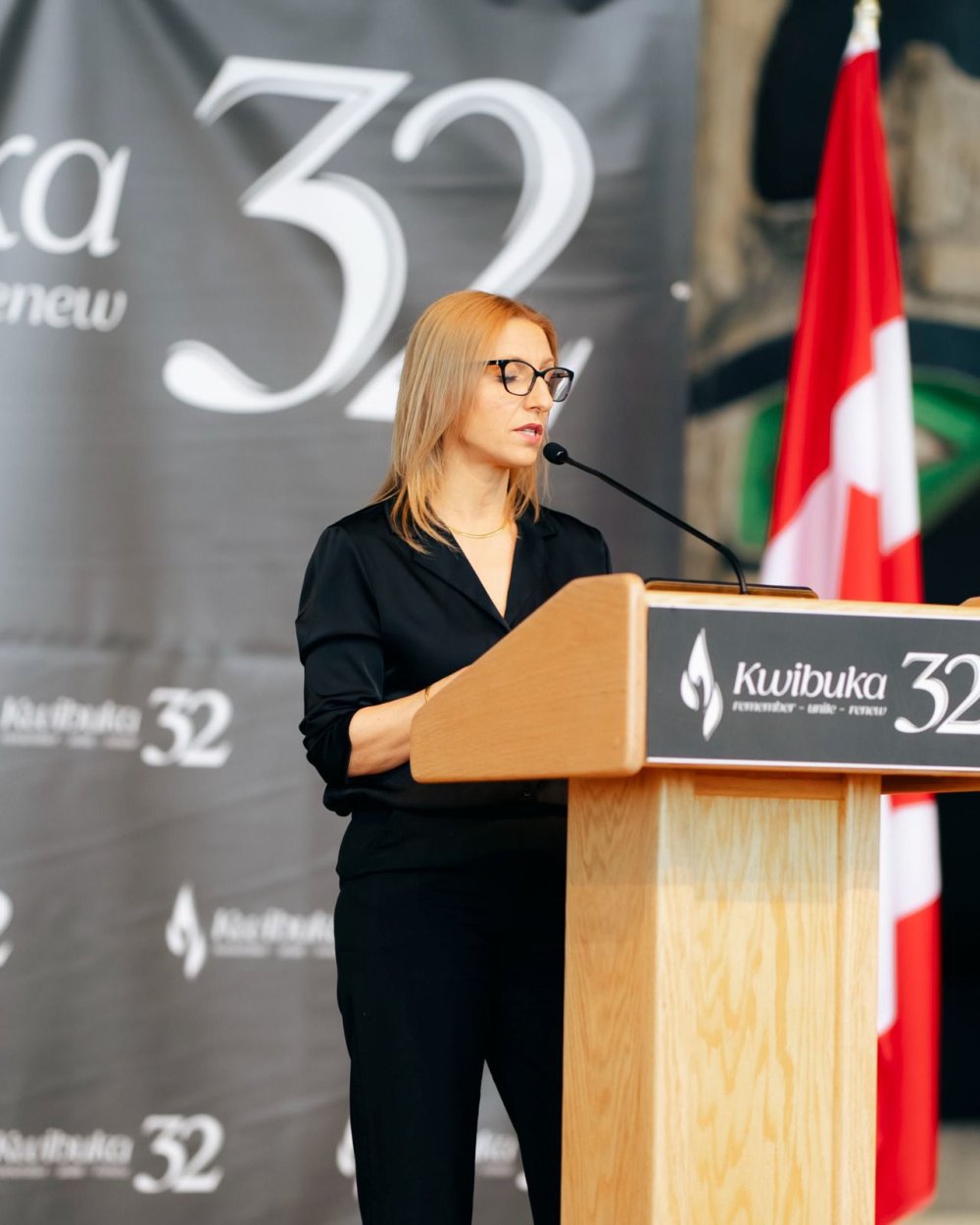
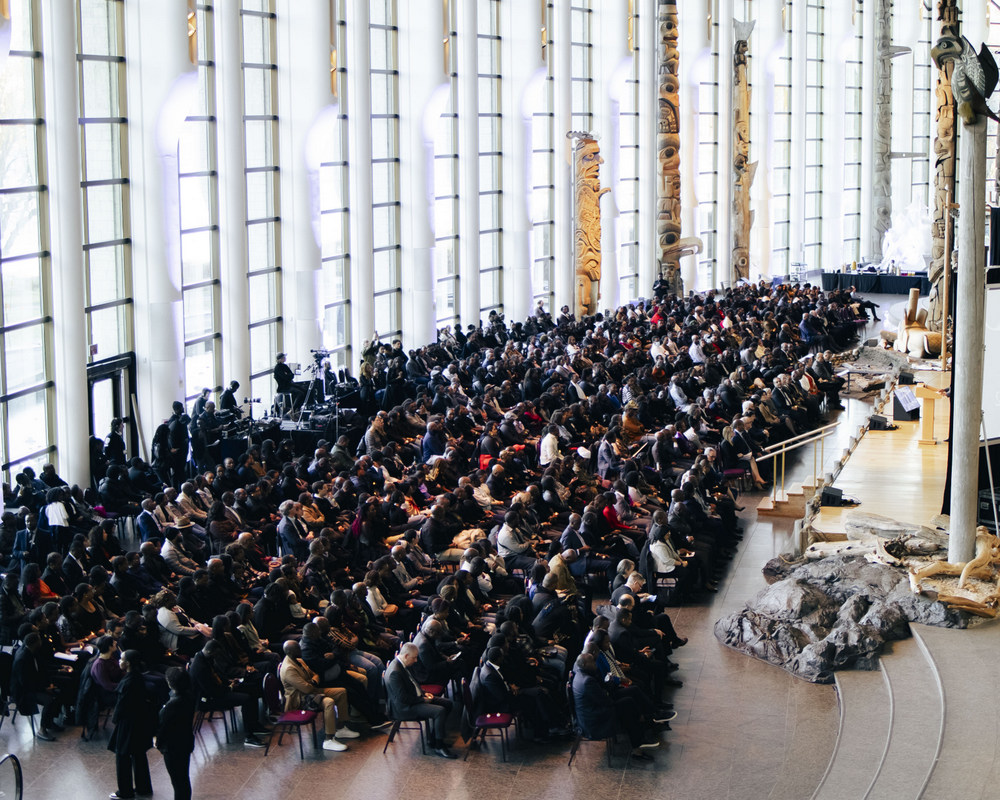
He was speaking during the 32nd commemoration held at the Canadian Museum of History.
“We remember the lives that were lost. We honour the dignity that was denied. And we reaffirm the responsibility that history has placed upon all of us. Kwibuka is not only an act of memory. It is an act of truth, an act of resistance, and a call to action,” he said.
Amb. Higiro also emphasized the urgent need to confront genocide denial wherever it appears, warning that indifference is never neutral: “Indifference is not neutral. It never was.”
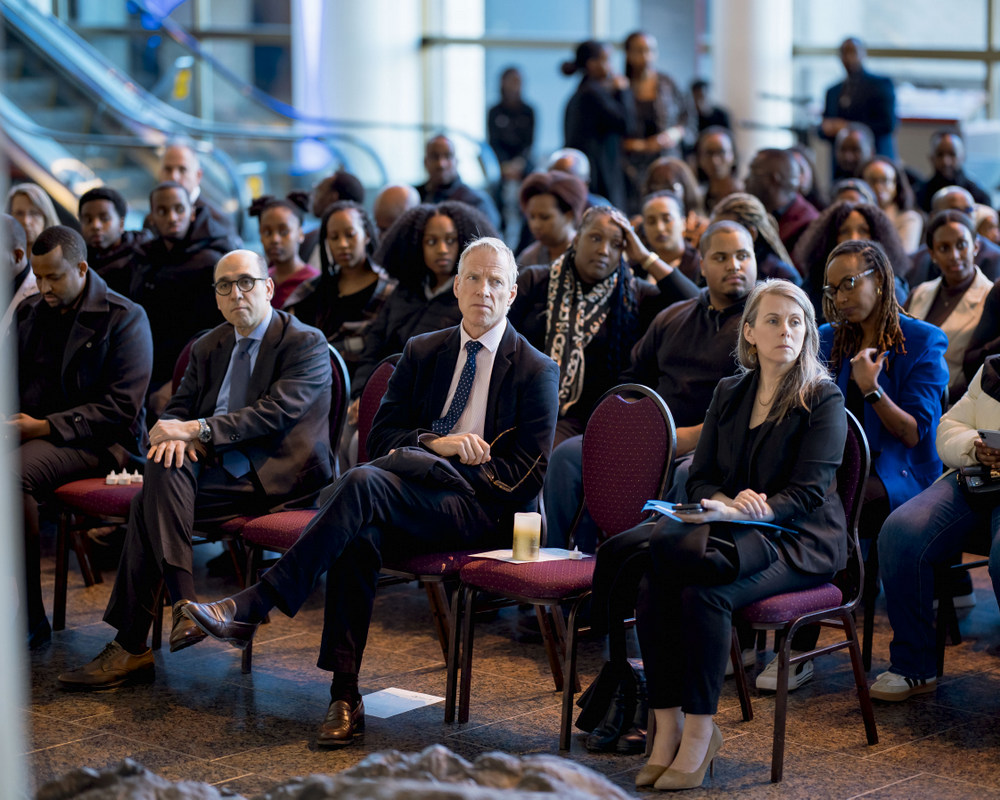
The commemoration, organized by the High Commission of the Republic of Rwanda in Canada in collaboration with RCA Ottawa-Gatineau, the Humura Association, and PLP Canada, drew approximately 800 participants, including members of the diplomatic corps, Canadian government representatives, Members of Parliament, the Rwandan community, and friends of Rwanda. The event was held under the theme “Remember — Unite — Renew.”
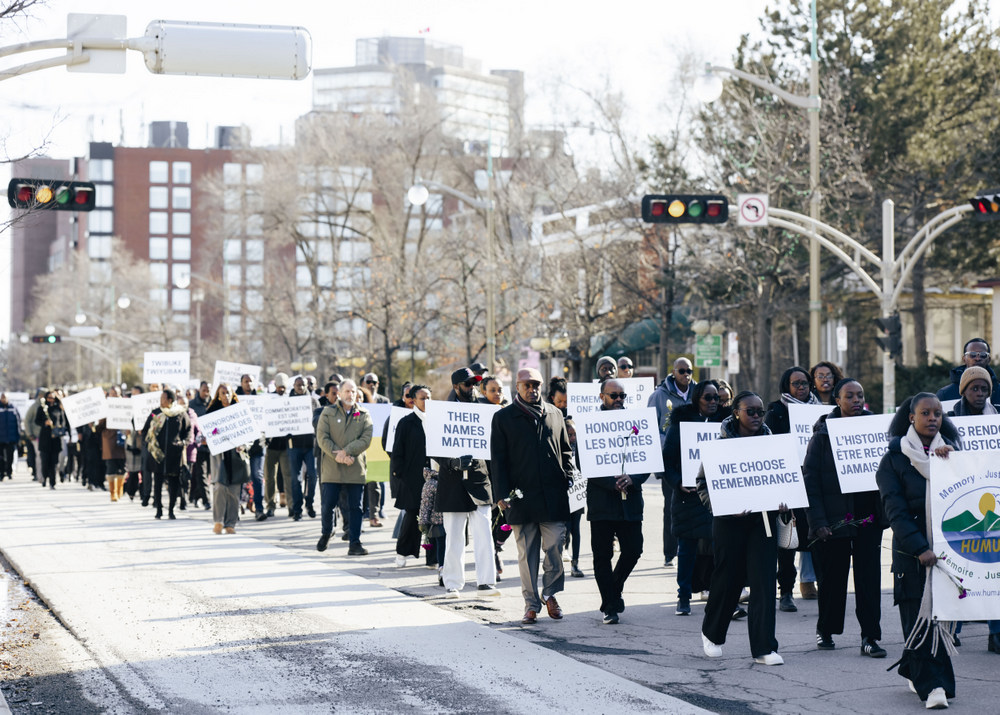
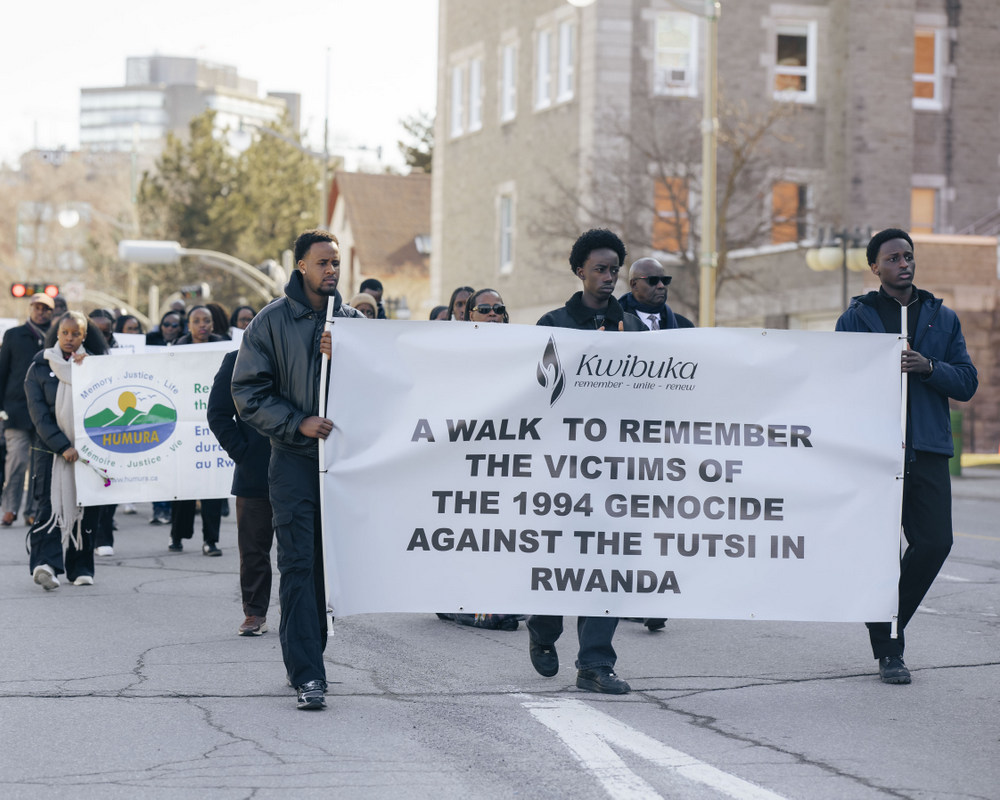
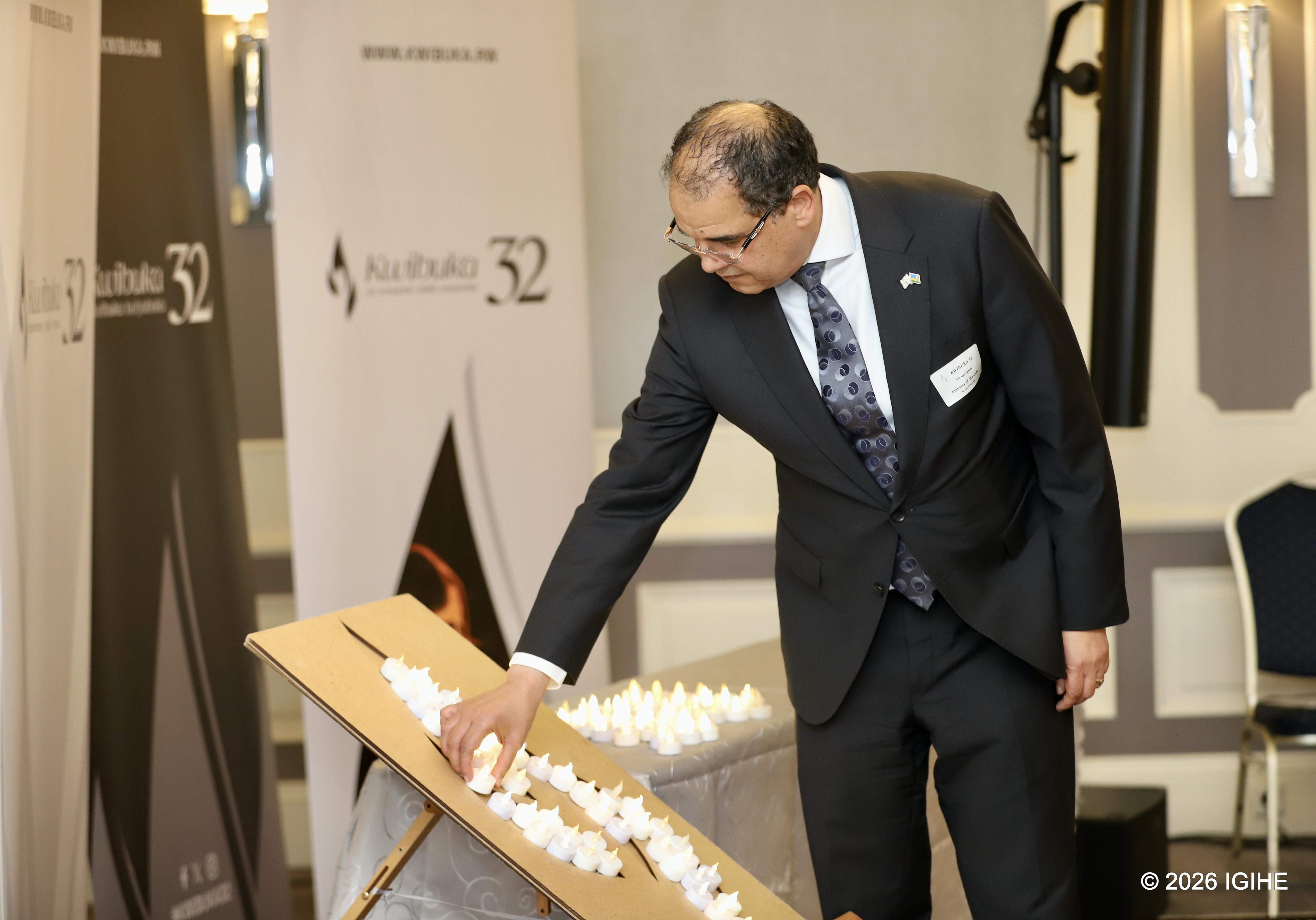
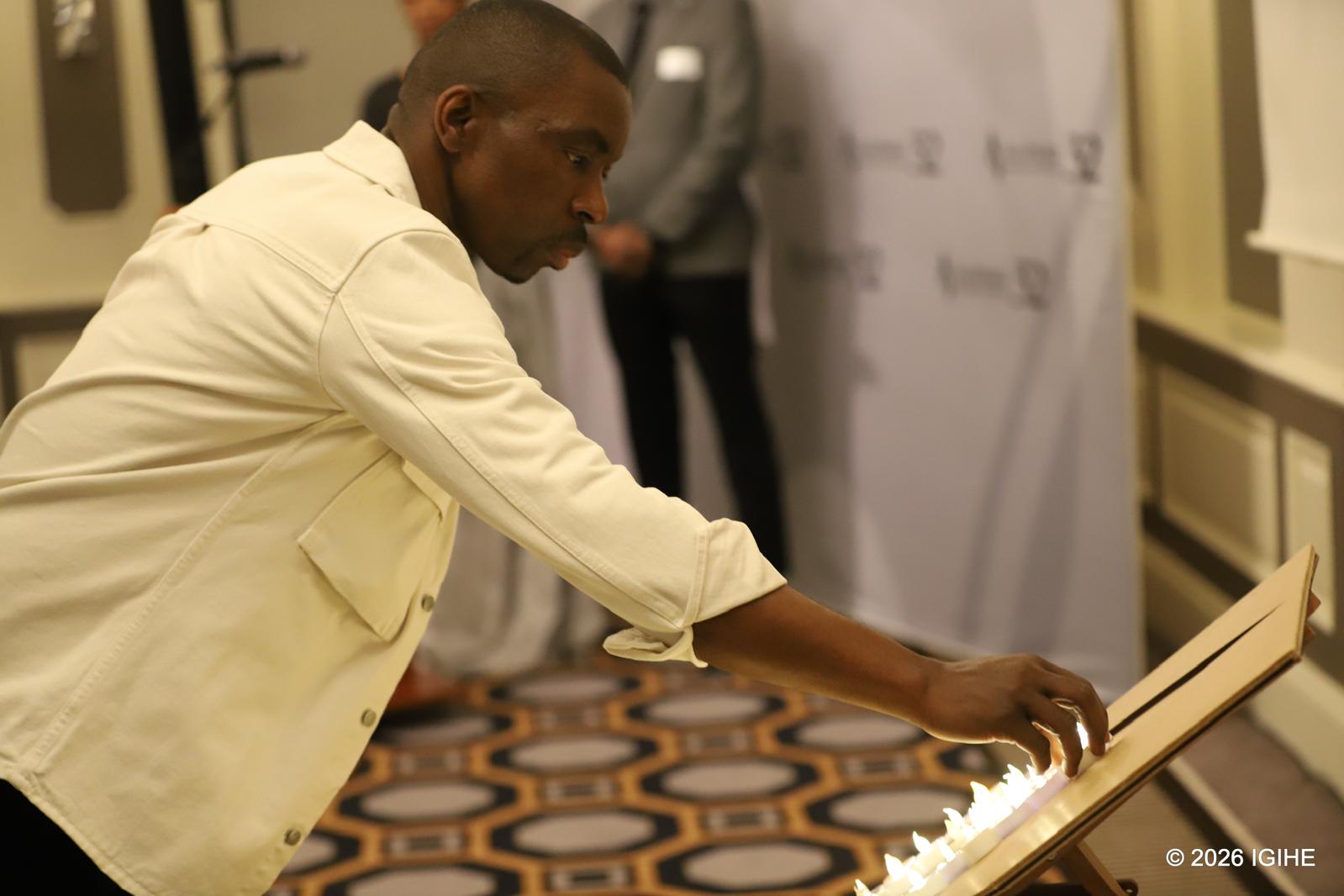
The afternoon began with the Walk to Remember, a symbolic procession led by the Humura Association along the Ottawa River, culminating in a flower release. The formal ceremony followed, featuring a moment of silence, candle lighting, a nondenominational prayer, survivor testimony, artistic performances, and remarks from distinguished speakers.
Canadian government engagement was notable.The Office of the Prime Minister posted on X: “Today, we remember and reflect on the horrific 1994 Genocide against the Tutsi in Rwanda. We honour the victims, survivors, and everyone whose lives were changed forever by the atrocities and commit to building a better world where such horrors are never forgotten or repeated.”
Greg Fergus, Member of Parliament, expressed solidarity with the Rwandan people, while Ms. Cheryl Urban, Assistant Deputy Minister, delivered remarks on behalf of the Government of Canada, reaffirming Canada’s commitment to remembrance and genocide prevention.
Arielle Kayabaga, MP for London West, sent a formal message recognizing the Humura Association’s role in fostering community unity and remembrance.
The keynote address was delivered by Dr. Bojana Coulibaly, PhD, Harvard University, who stressed the importance of confronting revisionist narratives: “Denial is not an opinion, it is part of the genocide process.”
A moving testimony from genocide survivor Diane Muberarugo reminded attendees of the human cost of the tragedy and the enduring resilience of survivors. The event concluded with closing remarks by Ms. Denyse Umutoni, President of the Humura Association, reflecting the strength of community partnership in Canada.
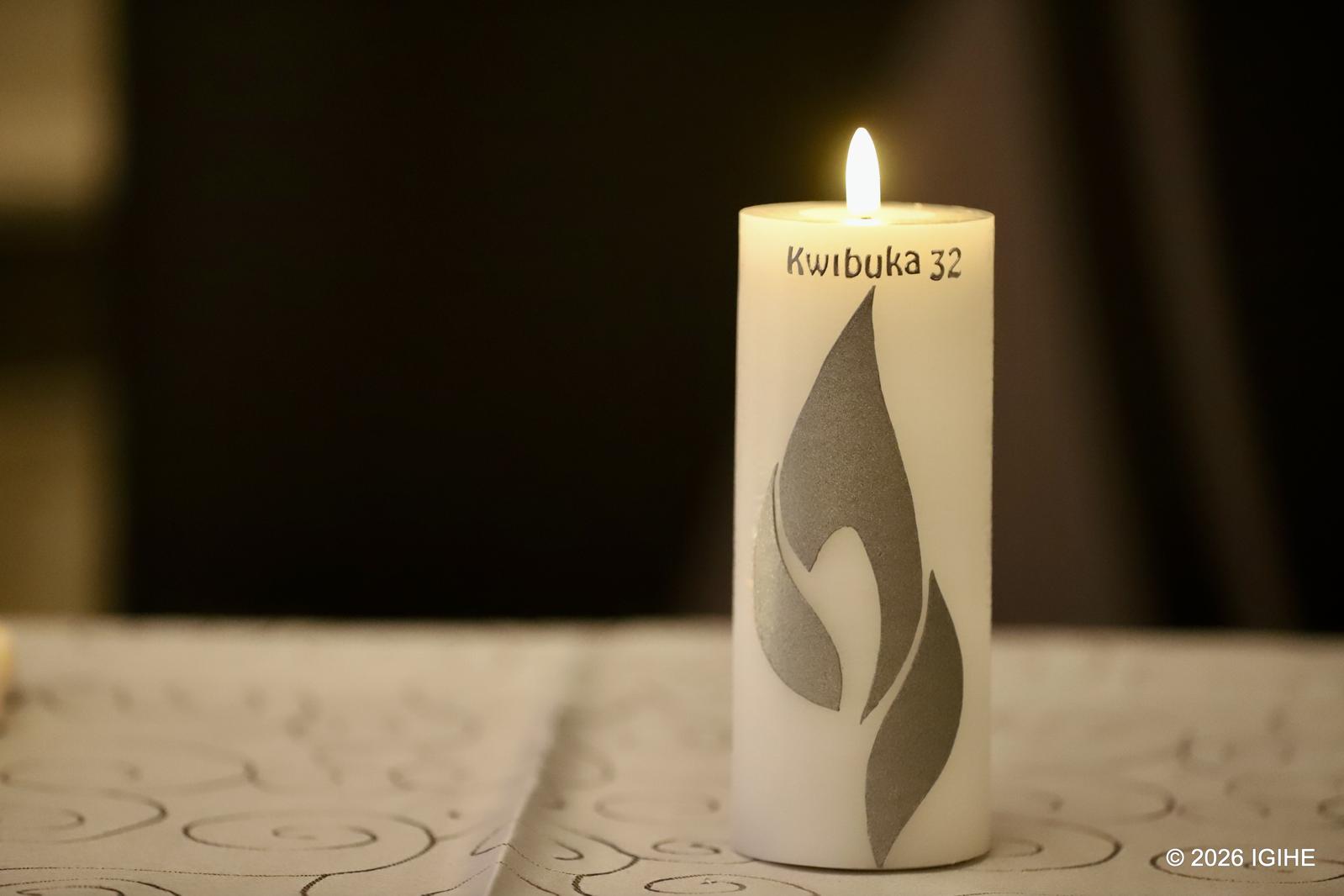
The 32nd commemoration of Genocide against the Tutsi , known as Kwibuka32, continues over a 100-day period, with commemorative activities taking place across Canada and worldwide, reinforcing the global commitment to remembrance, truth, and the prevention of genocide.
Prosper Higiro, Rwanda’s High Commissioner to Canada, has urged that remembrance of the 1994 Genocide against the Tutsi must go beyond reflection and become an active commitment to truth and justice. Dr. Bojana Coulibaly, PhD, Harvard University, stressed the importance of confronting revisionist narratives.The afternoon began with the Walk to Remember, a symbolic procession led by the Humura Association along the Ottawa River, culminating in a flower release.Various Canadian officials attended the event. The 32nd commemoration of Genocide against the Tutsi was held at the Canadian Museum of History on April 7, 2026.
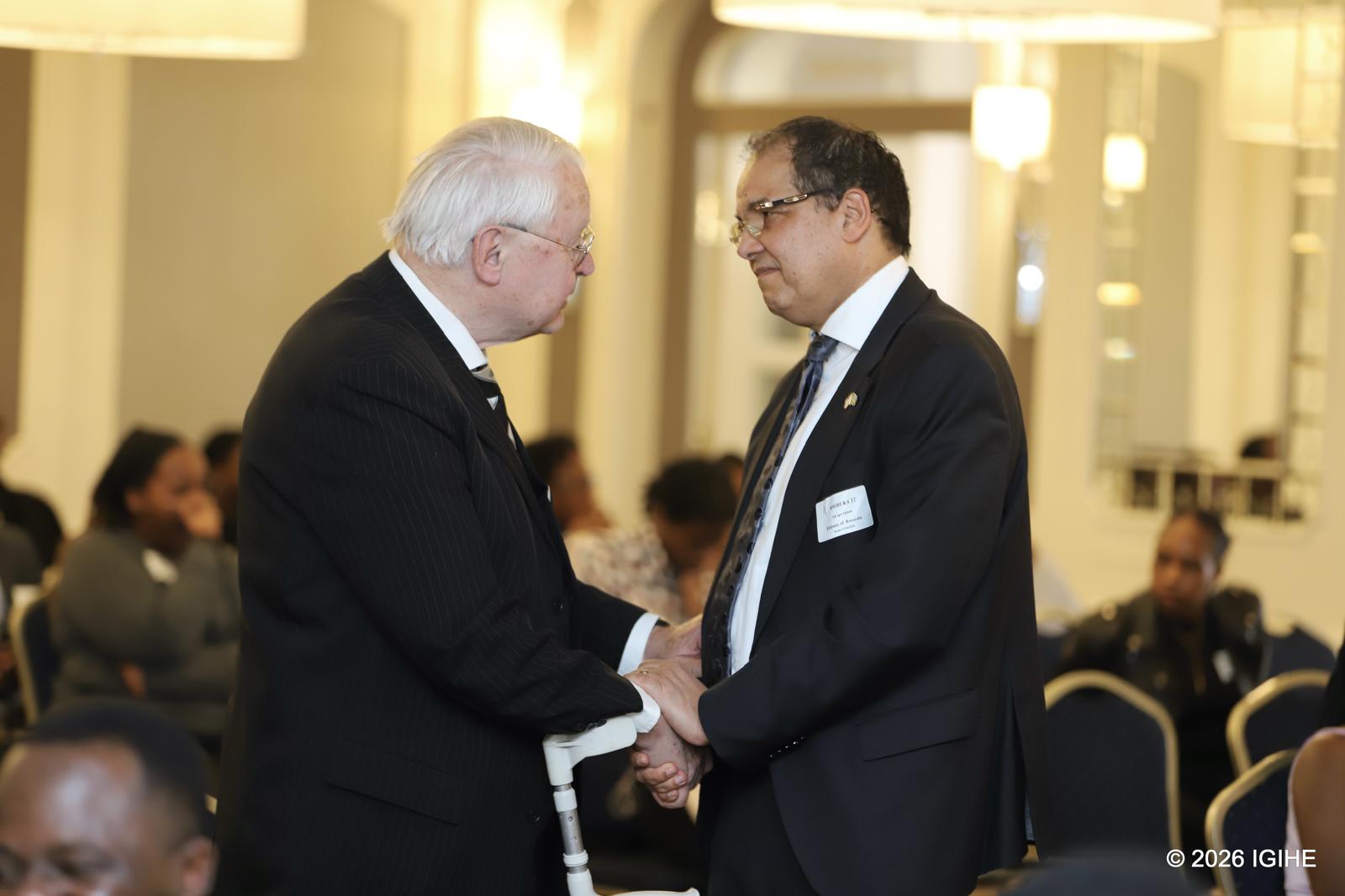
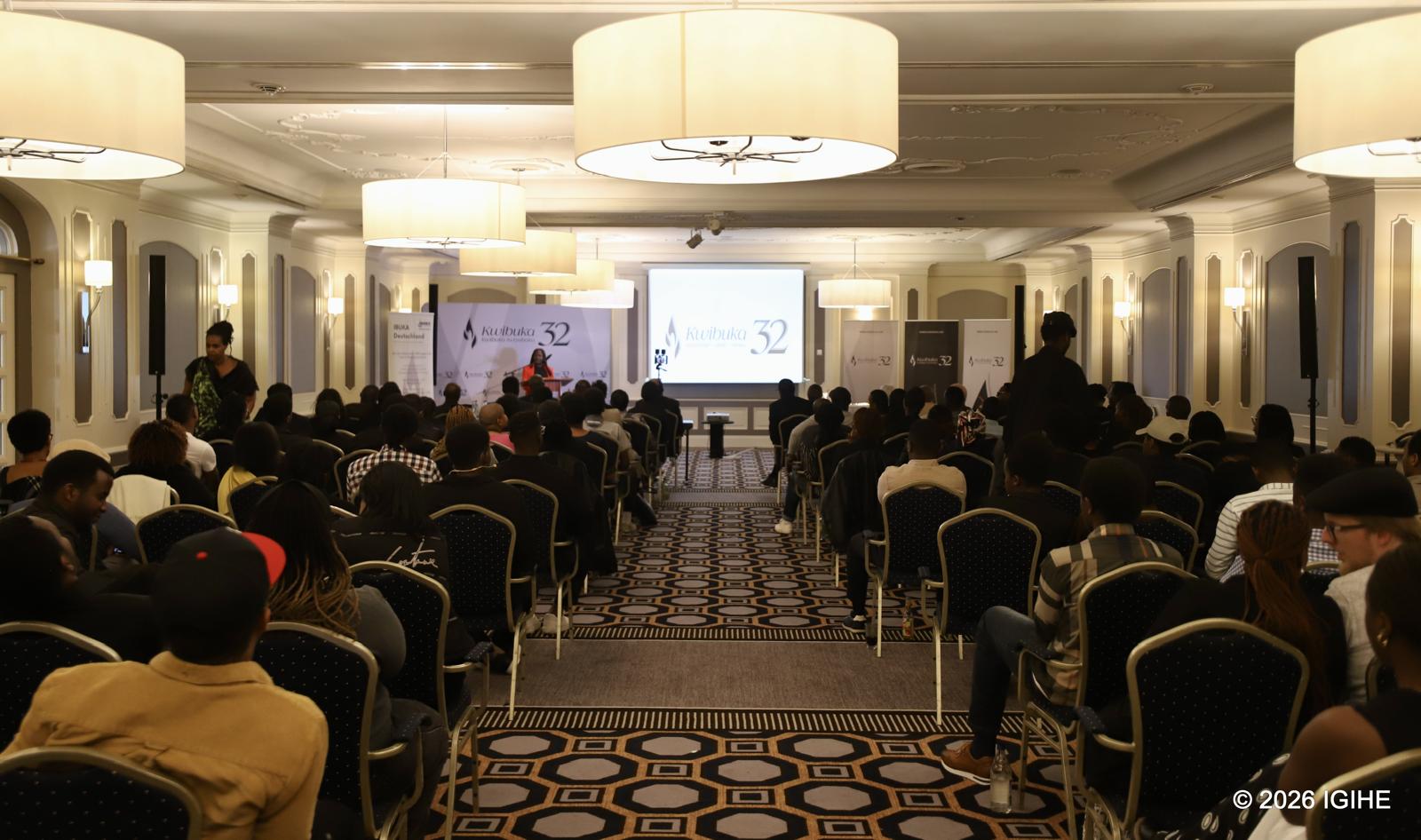
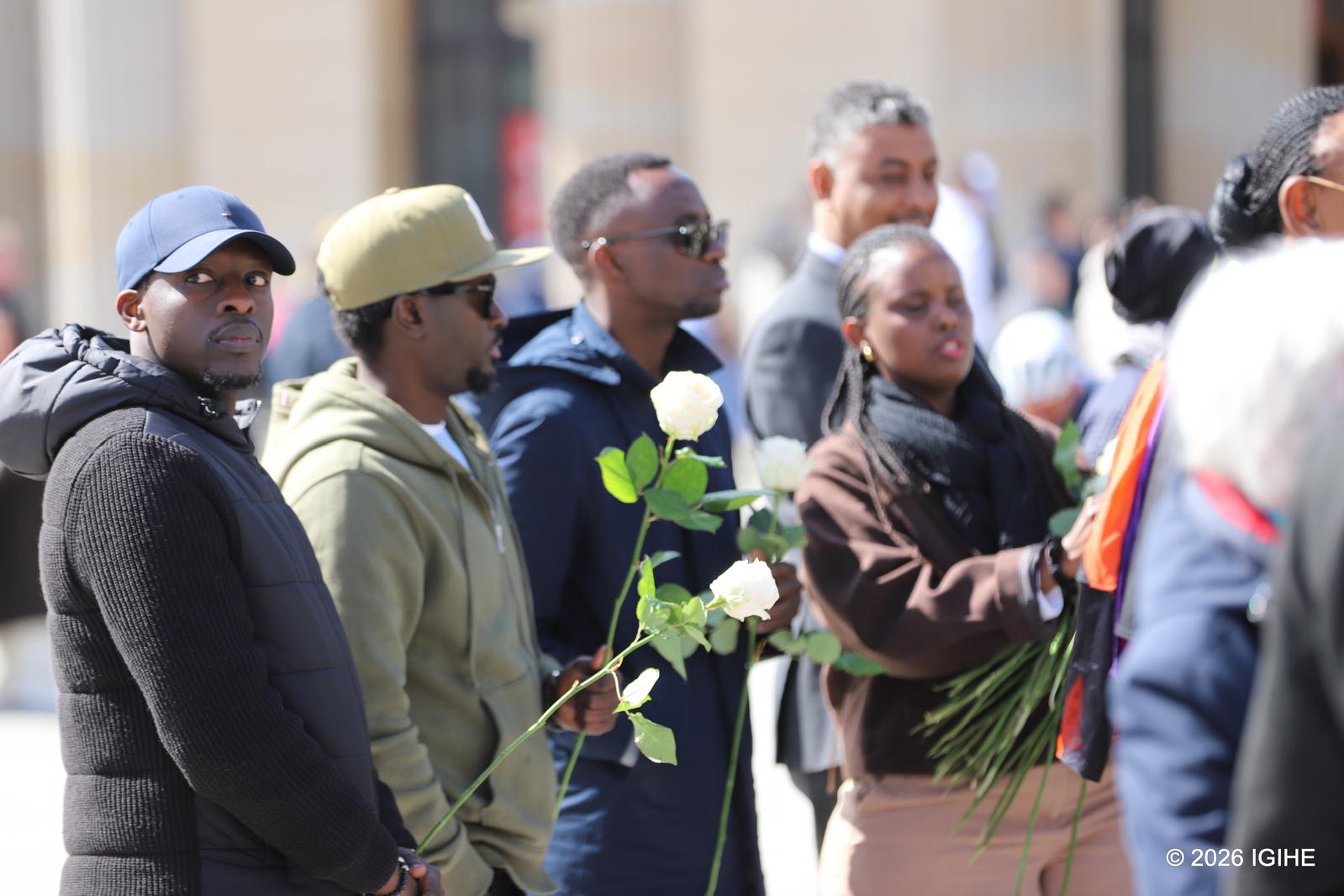
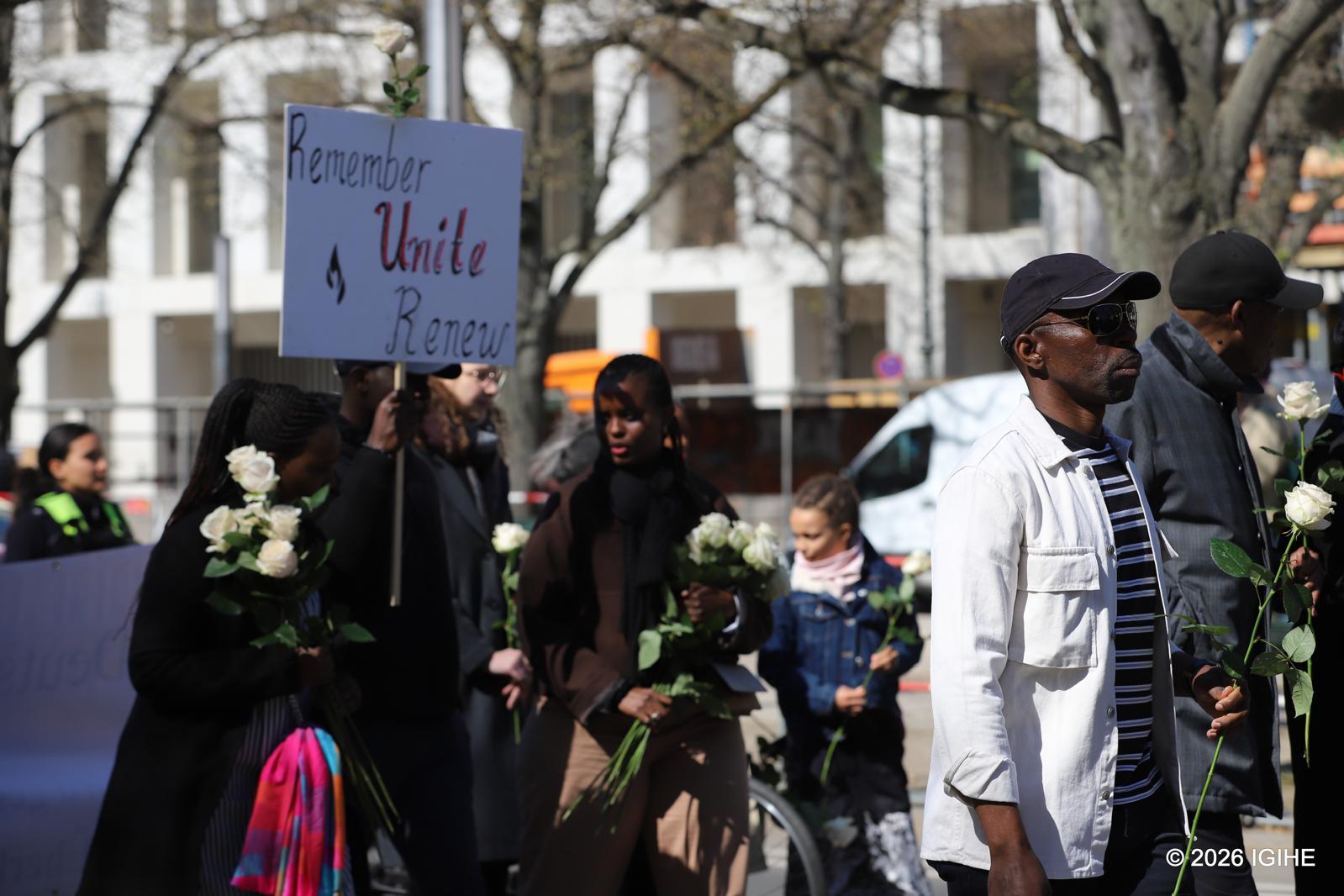
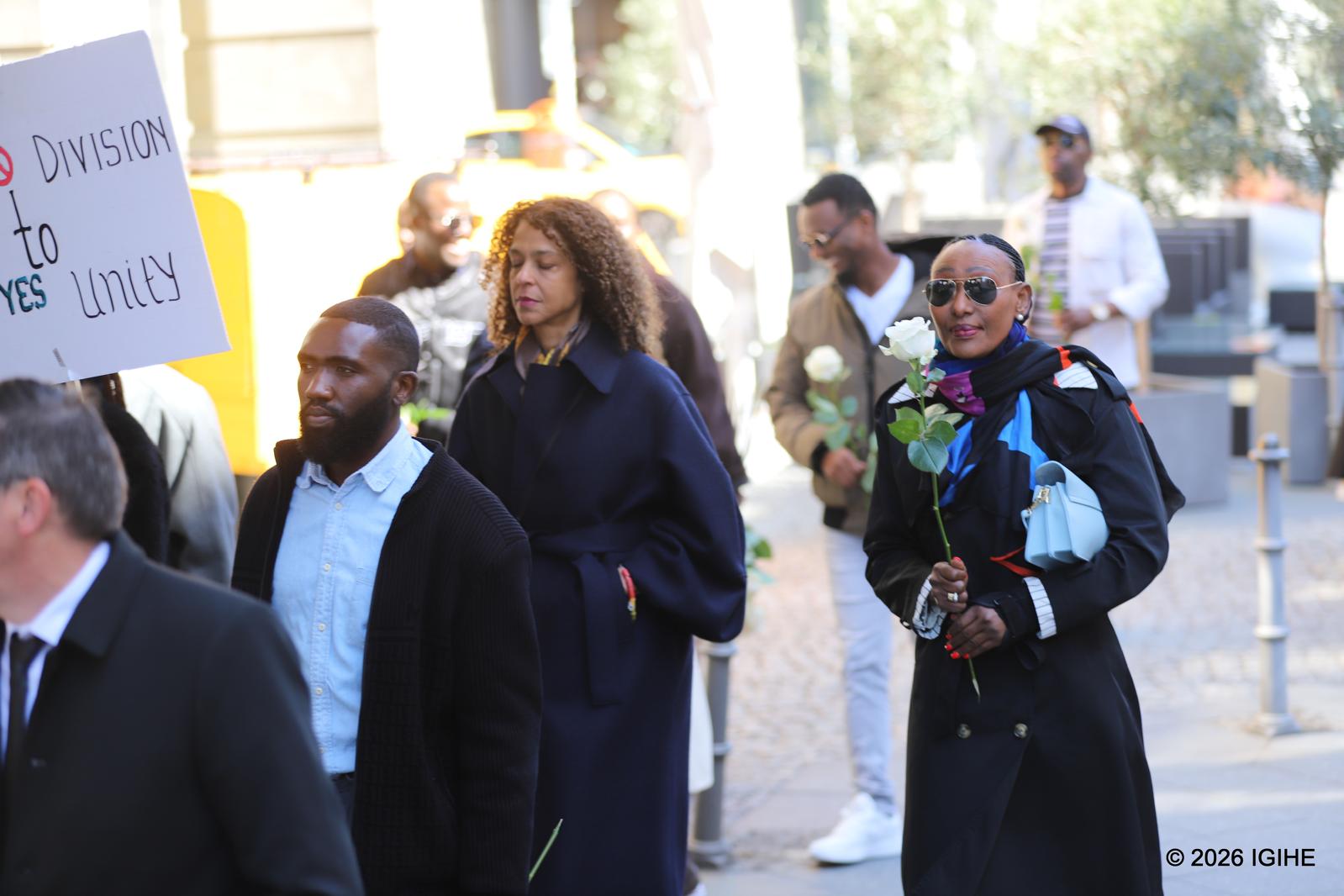
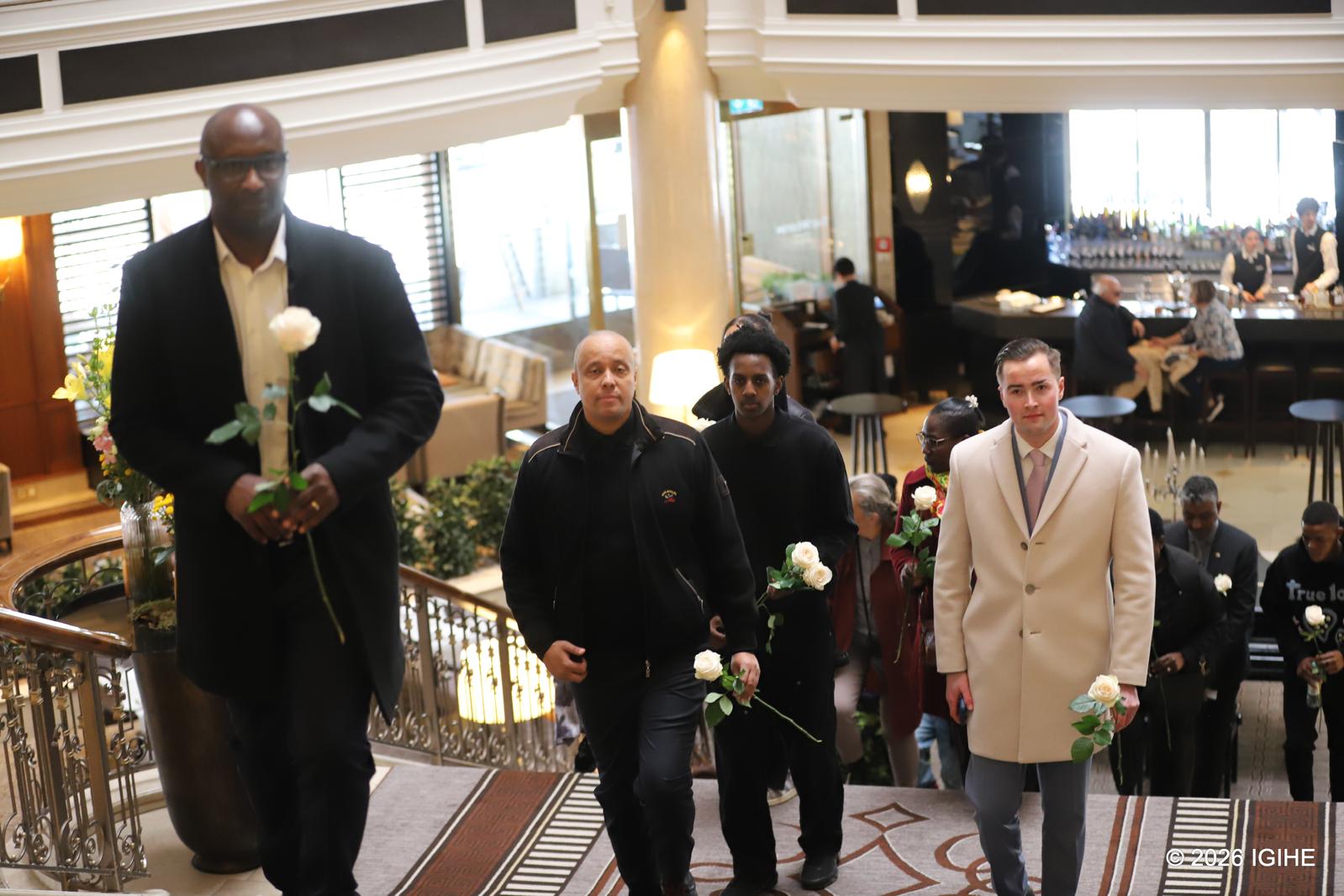
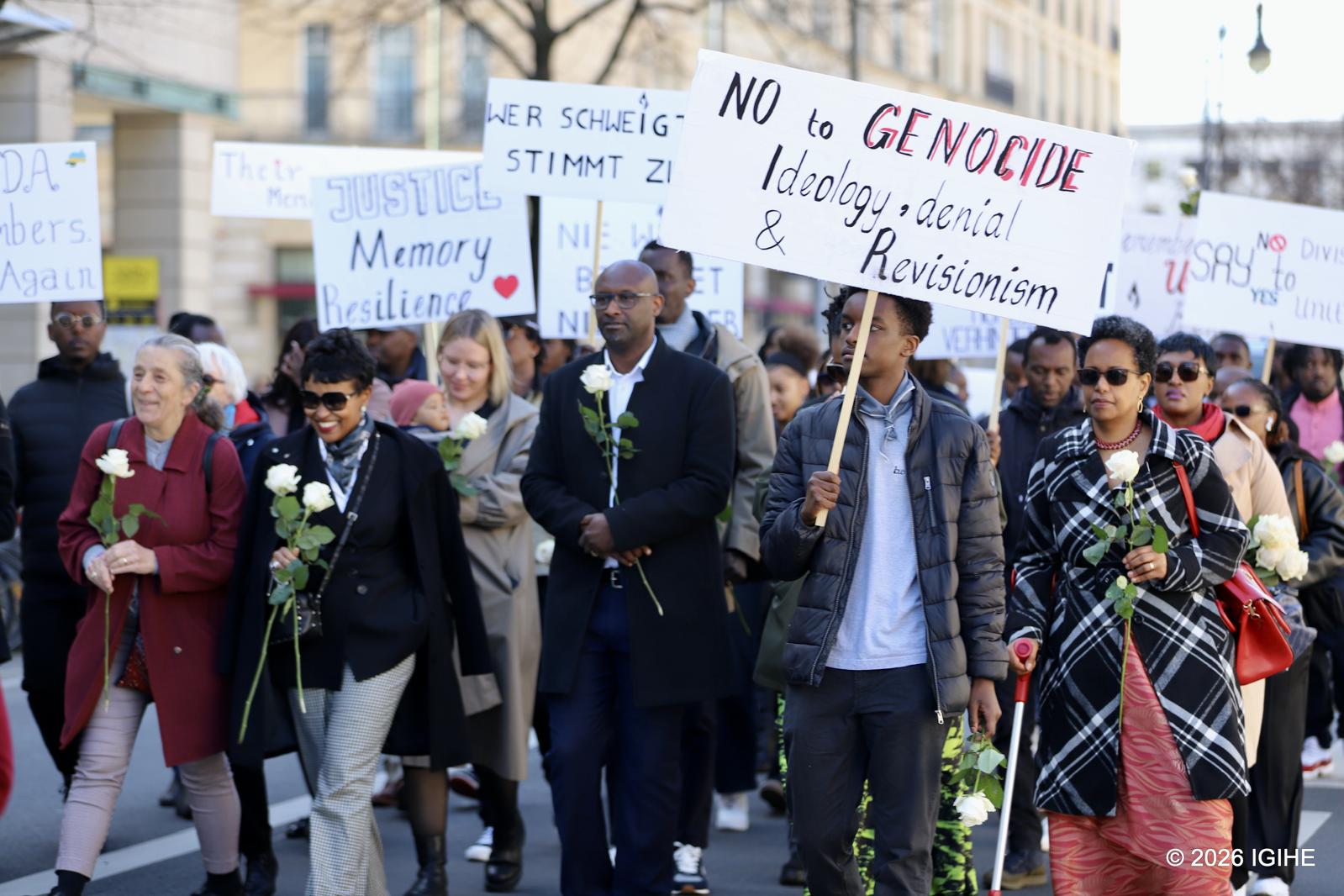
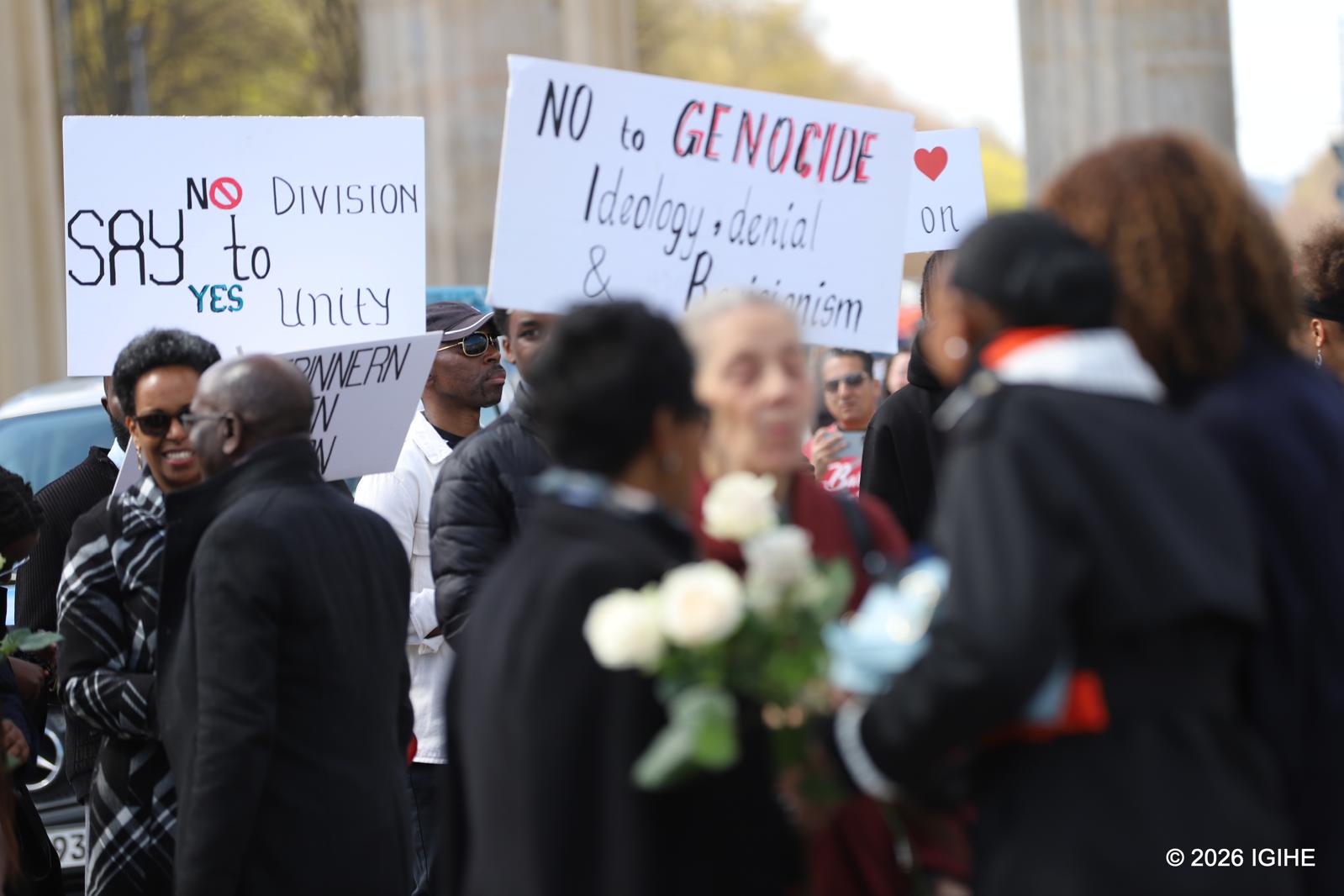
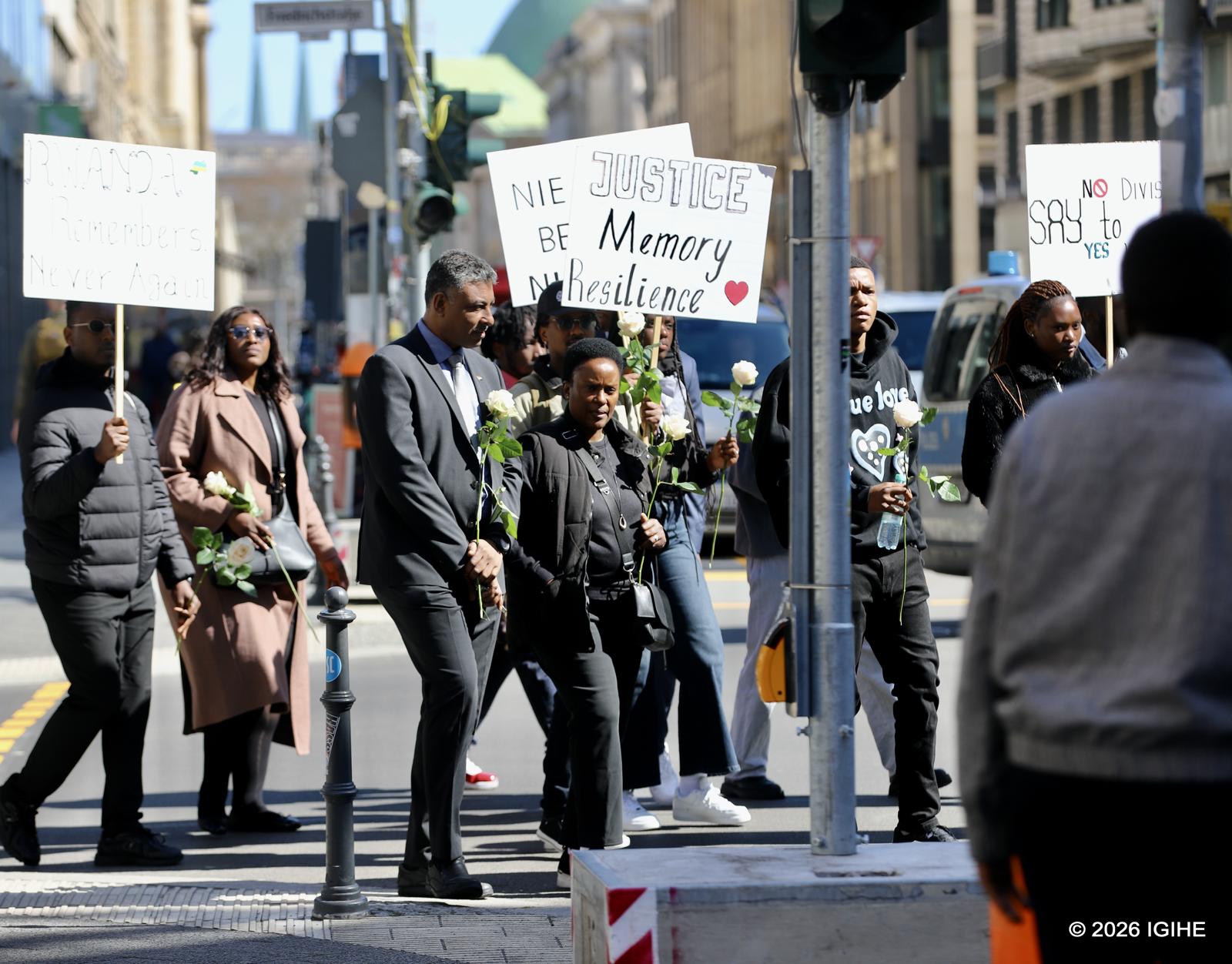
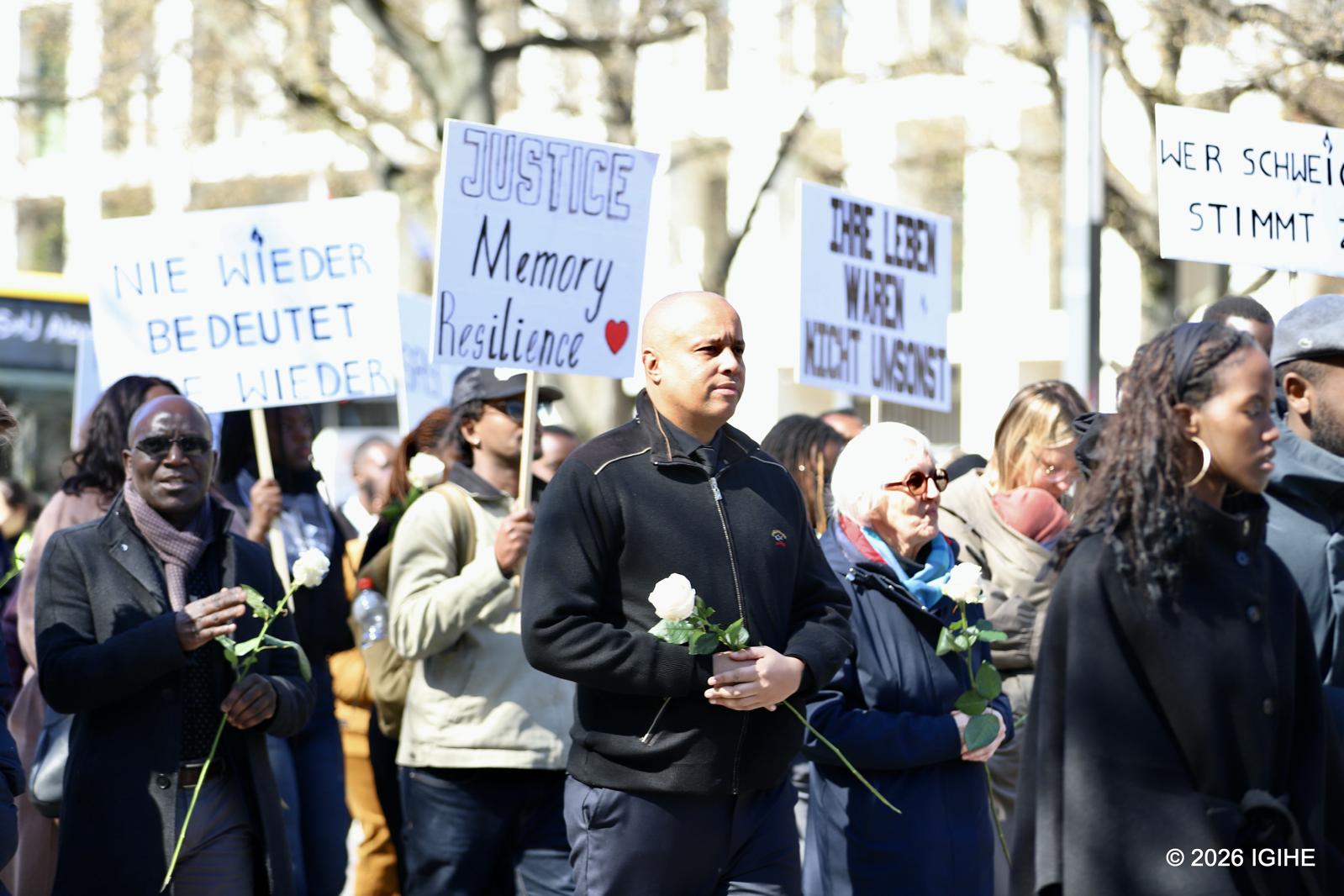
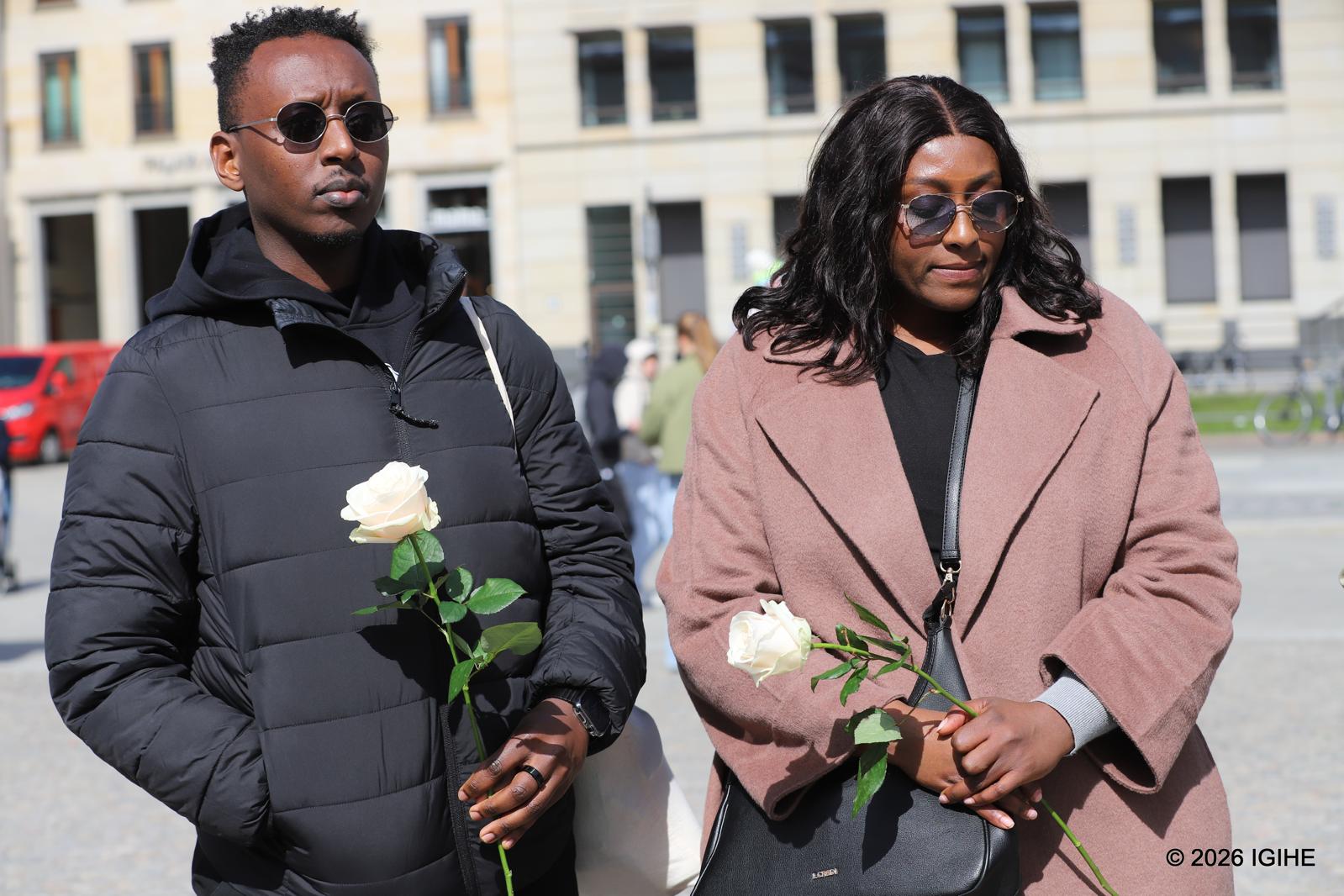
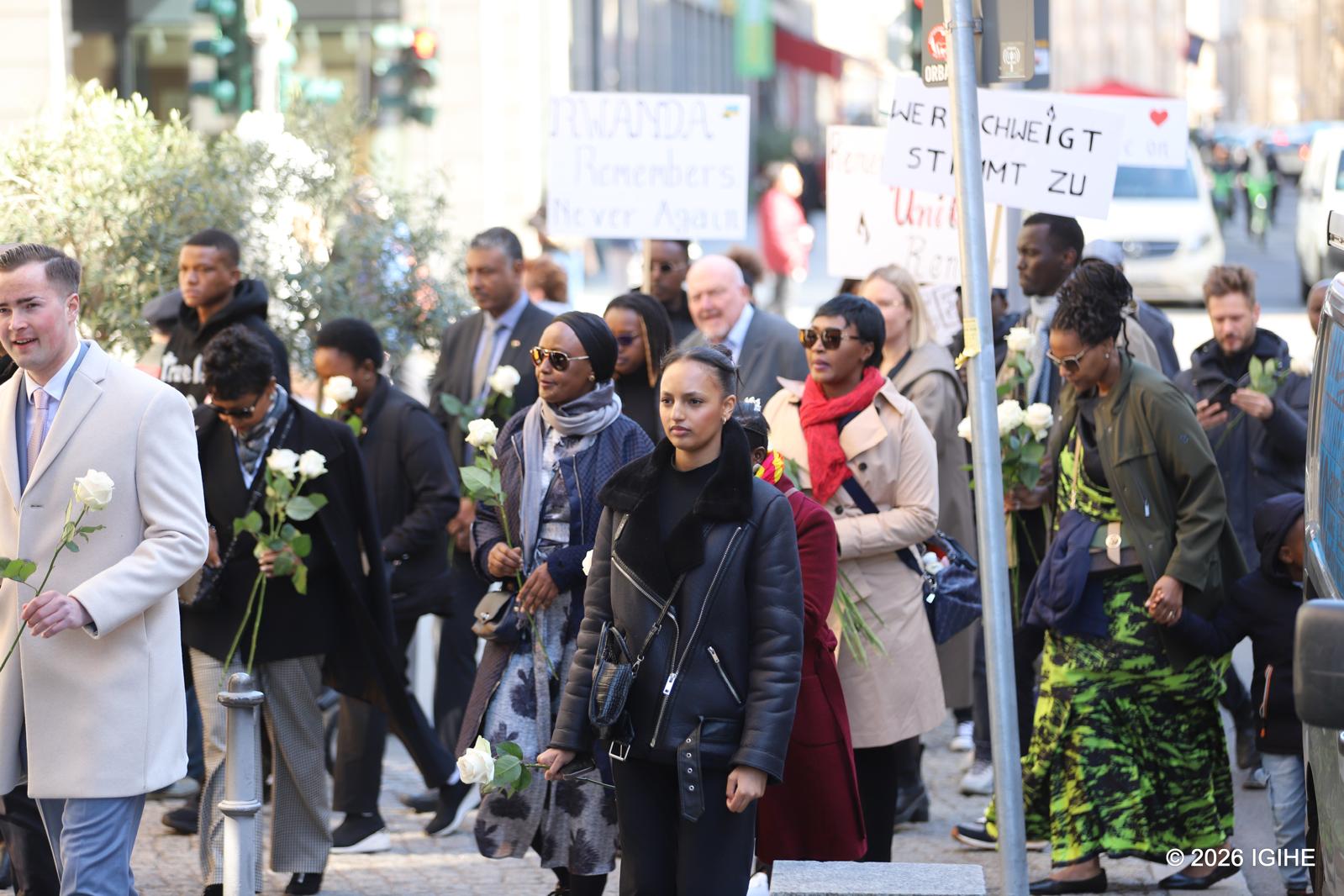
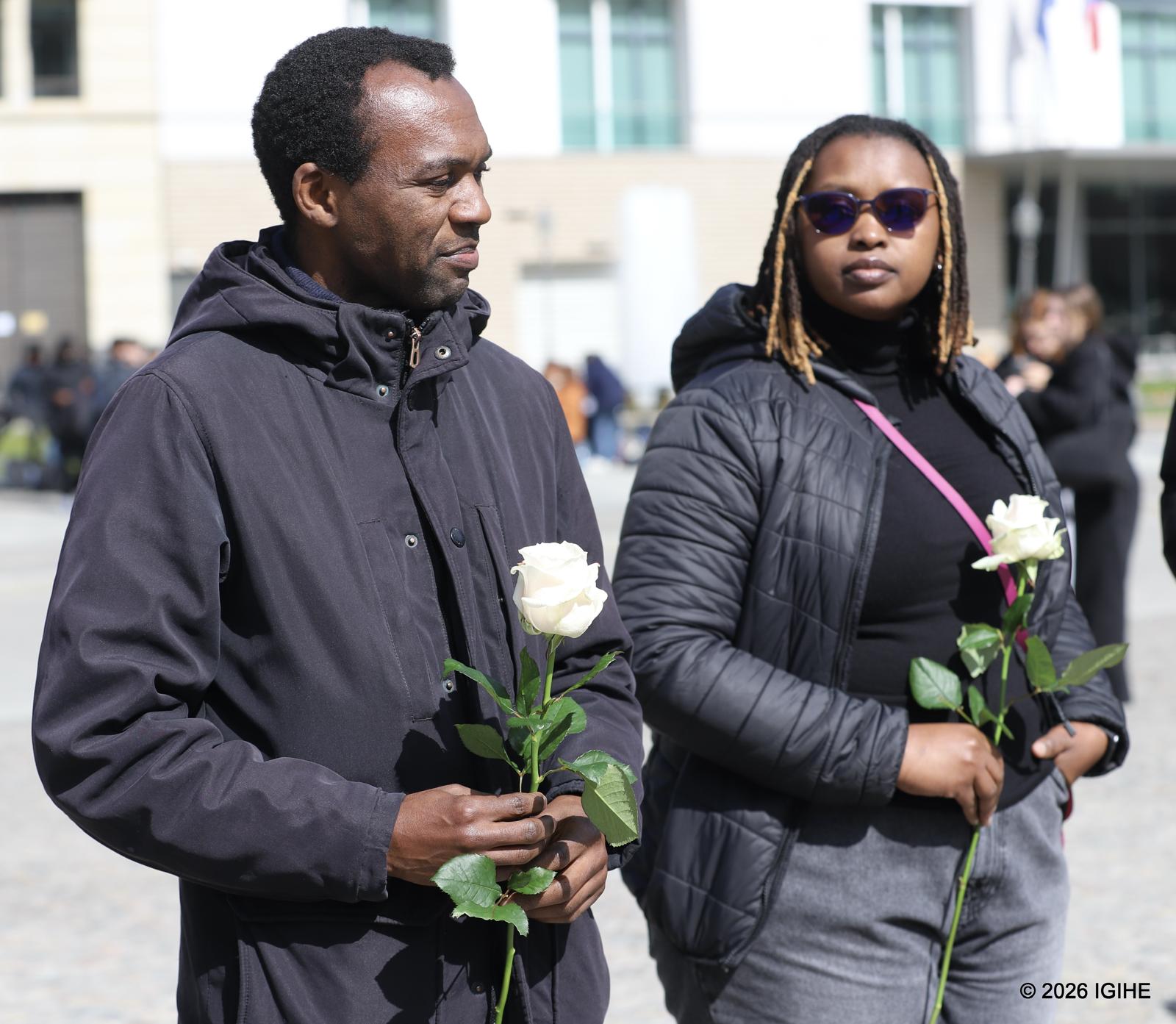
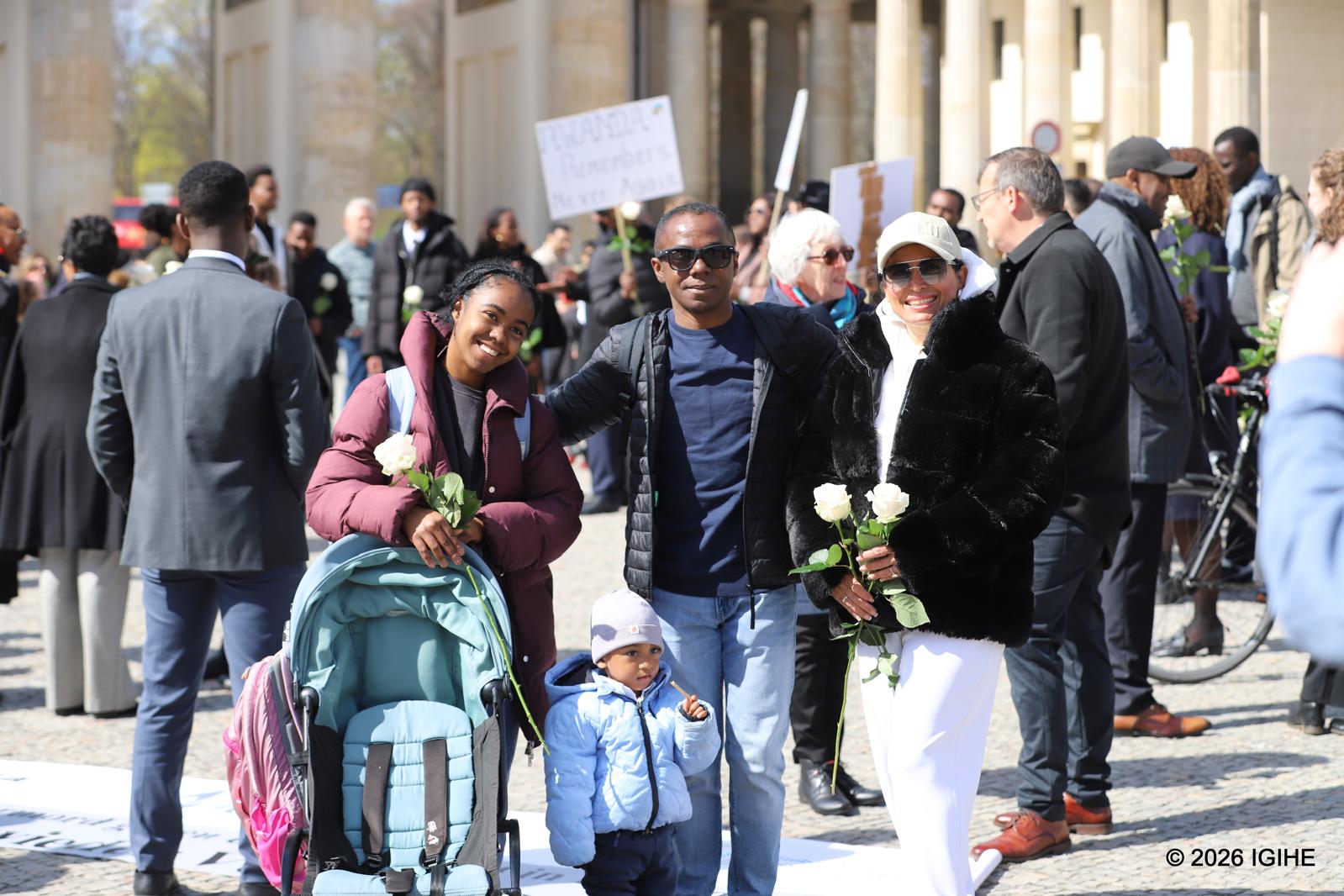
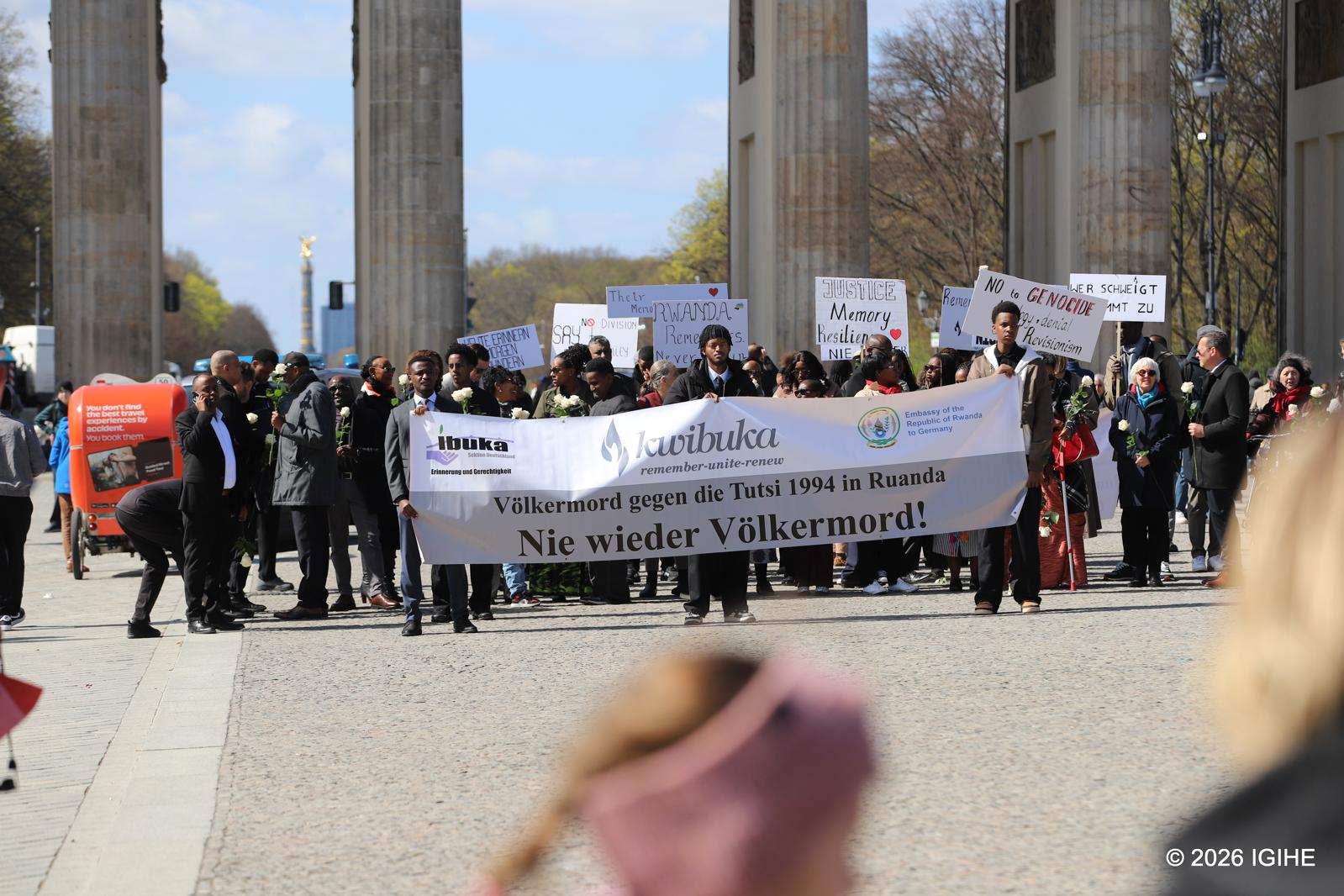
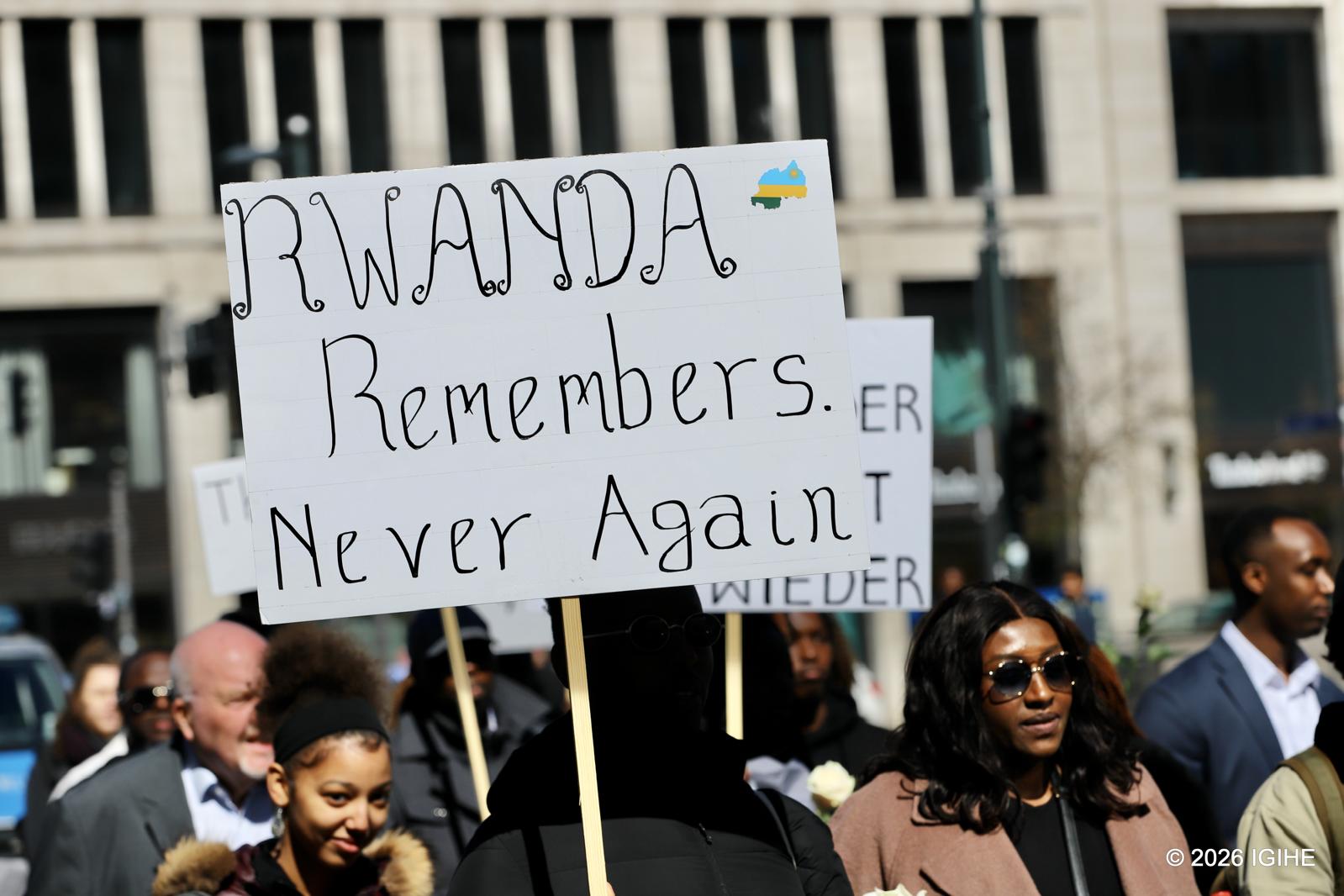
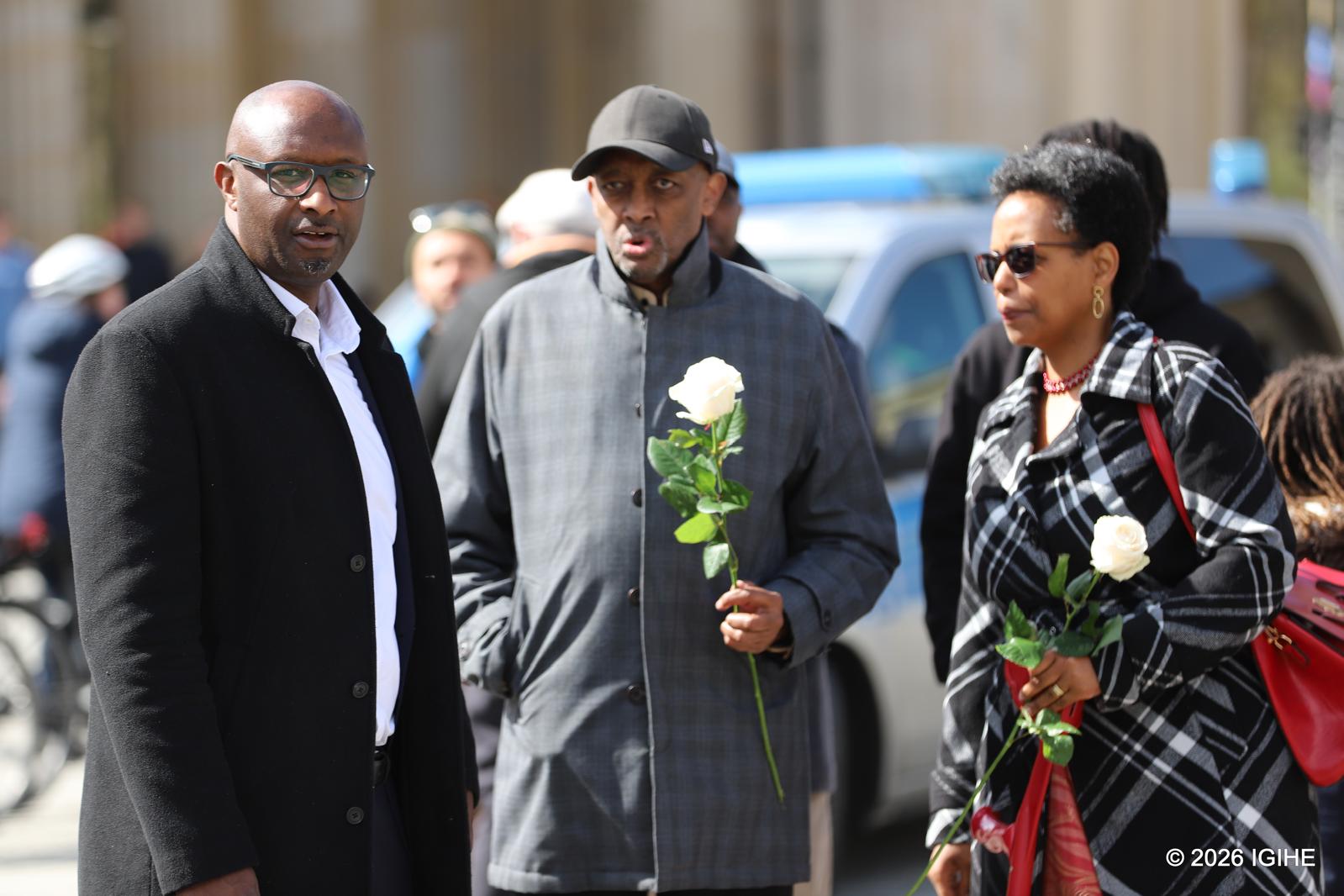
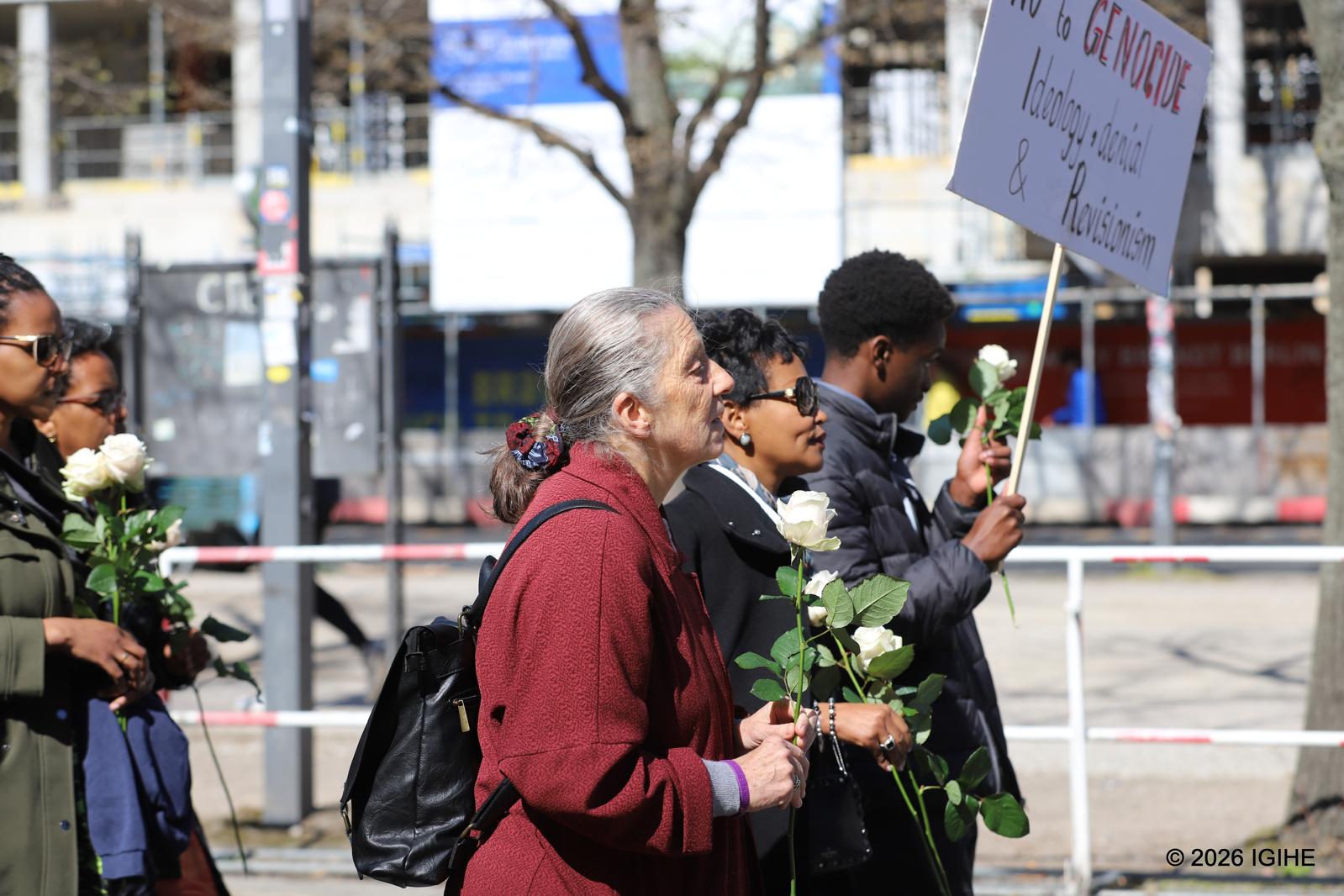
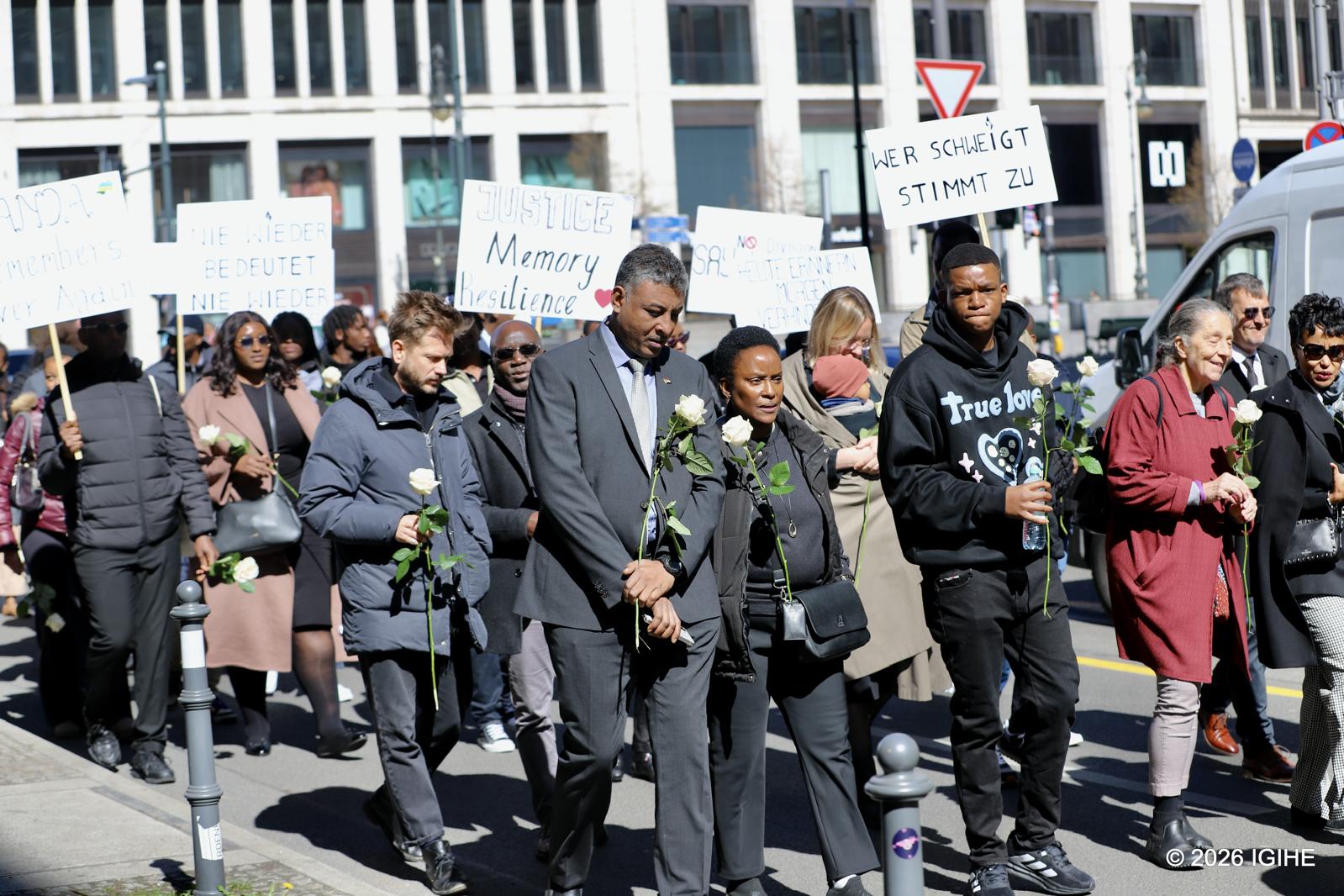
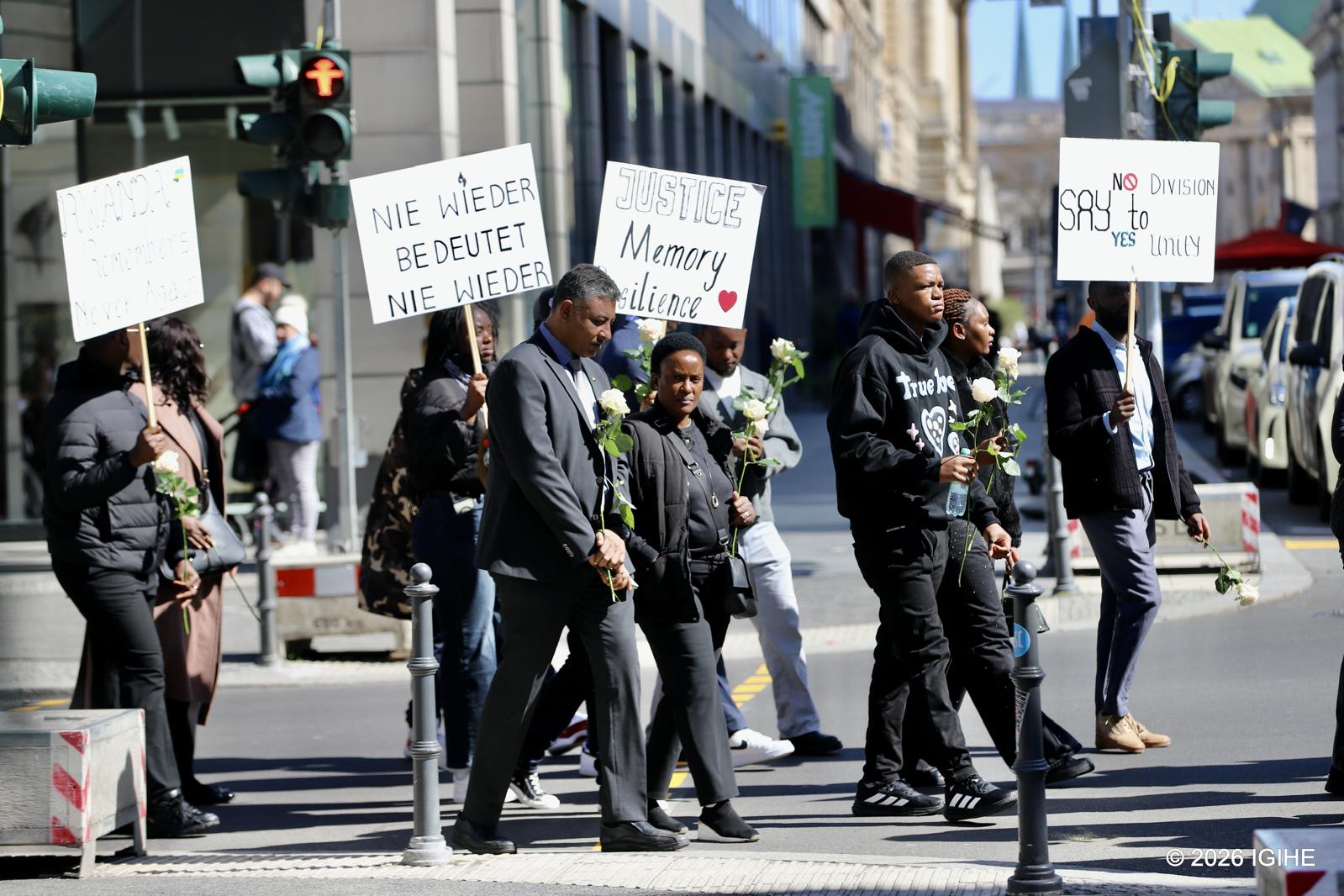
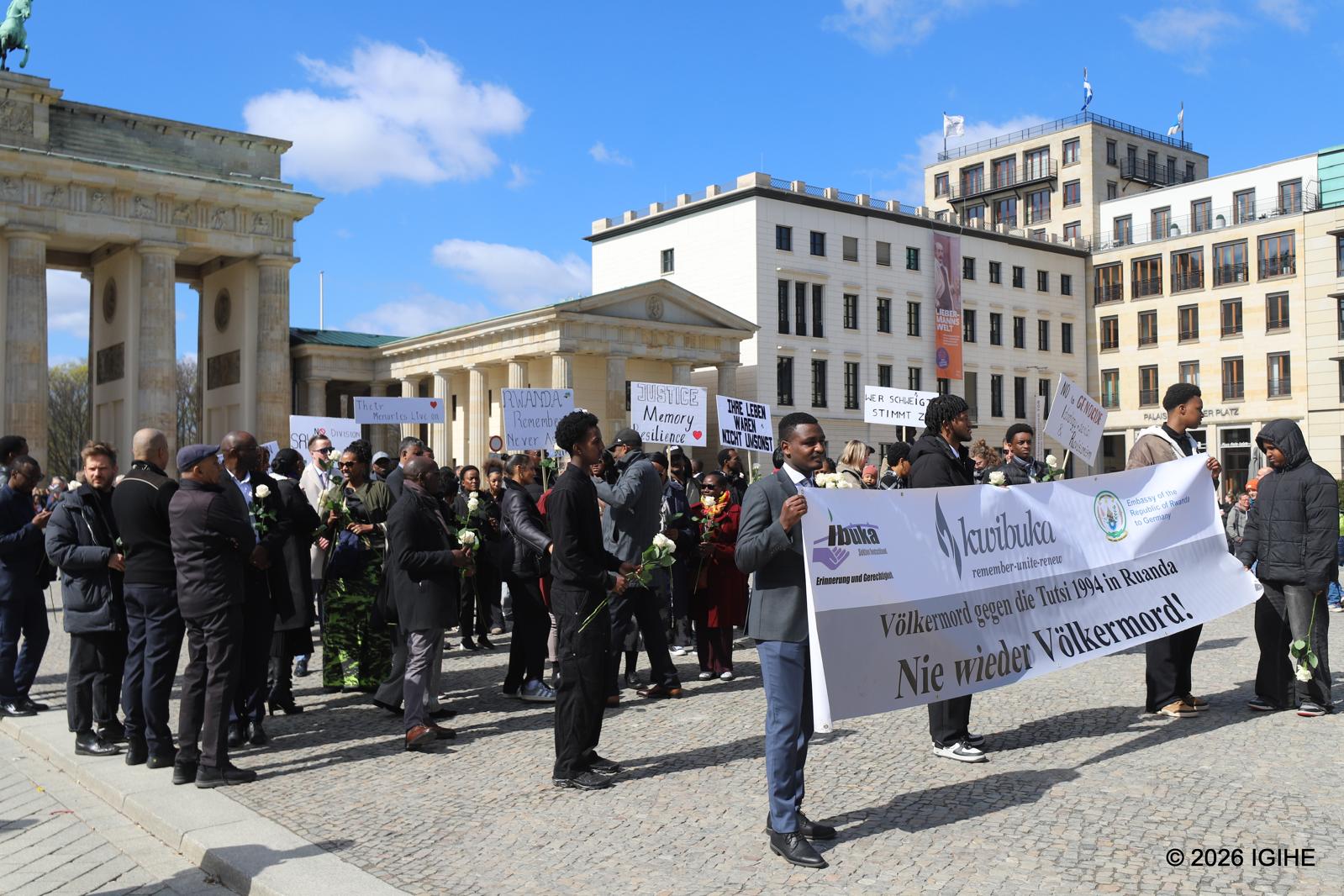
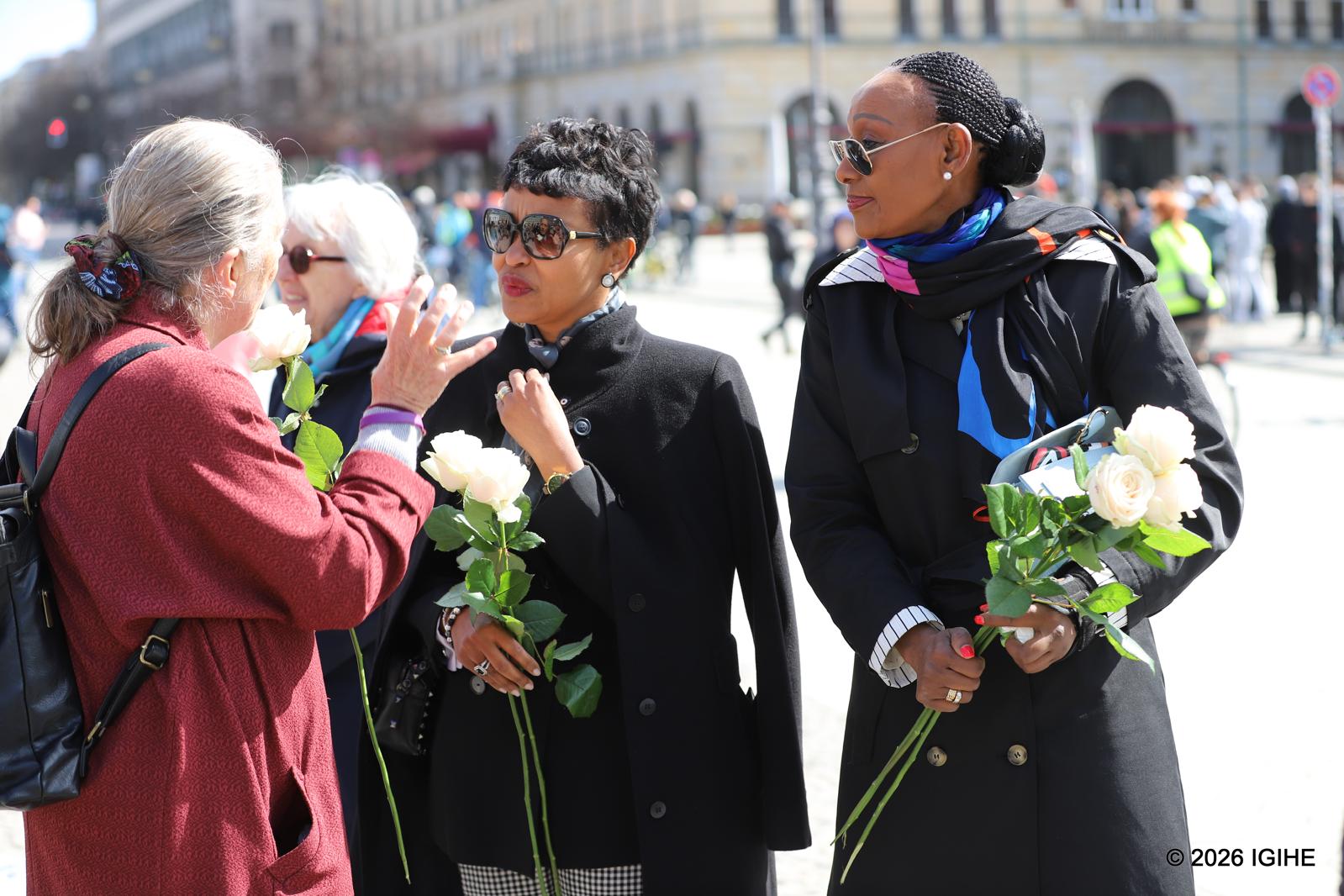
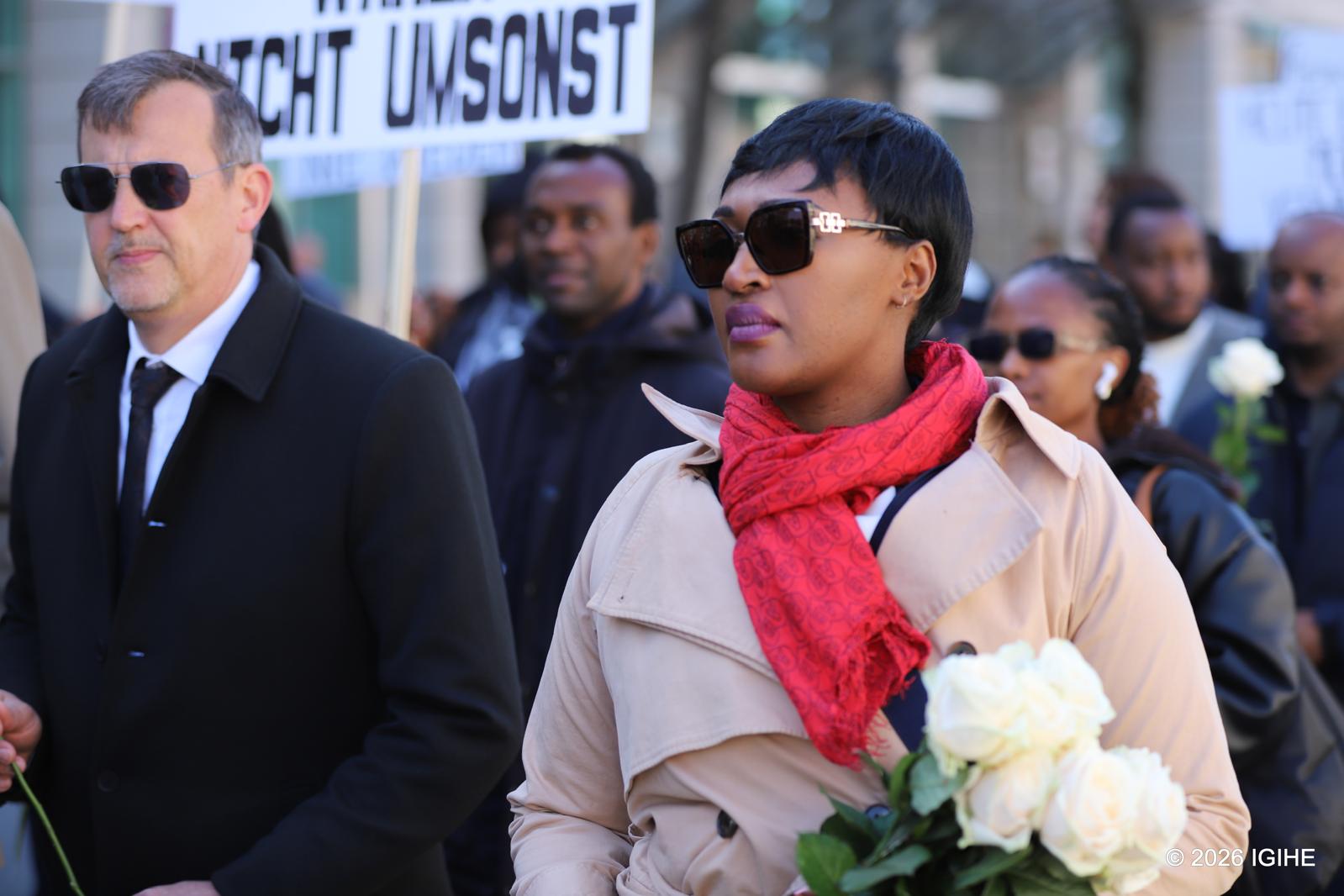
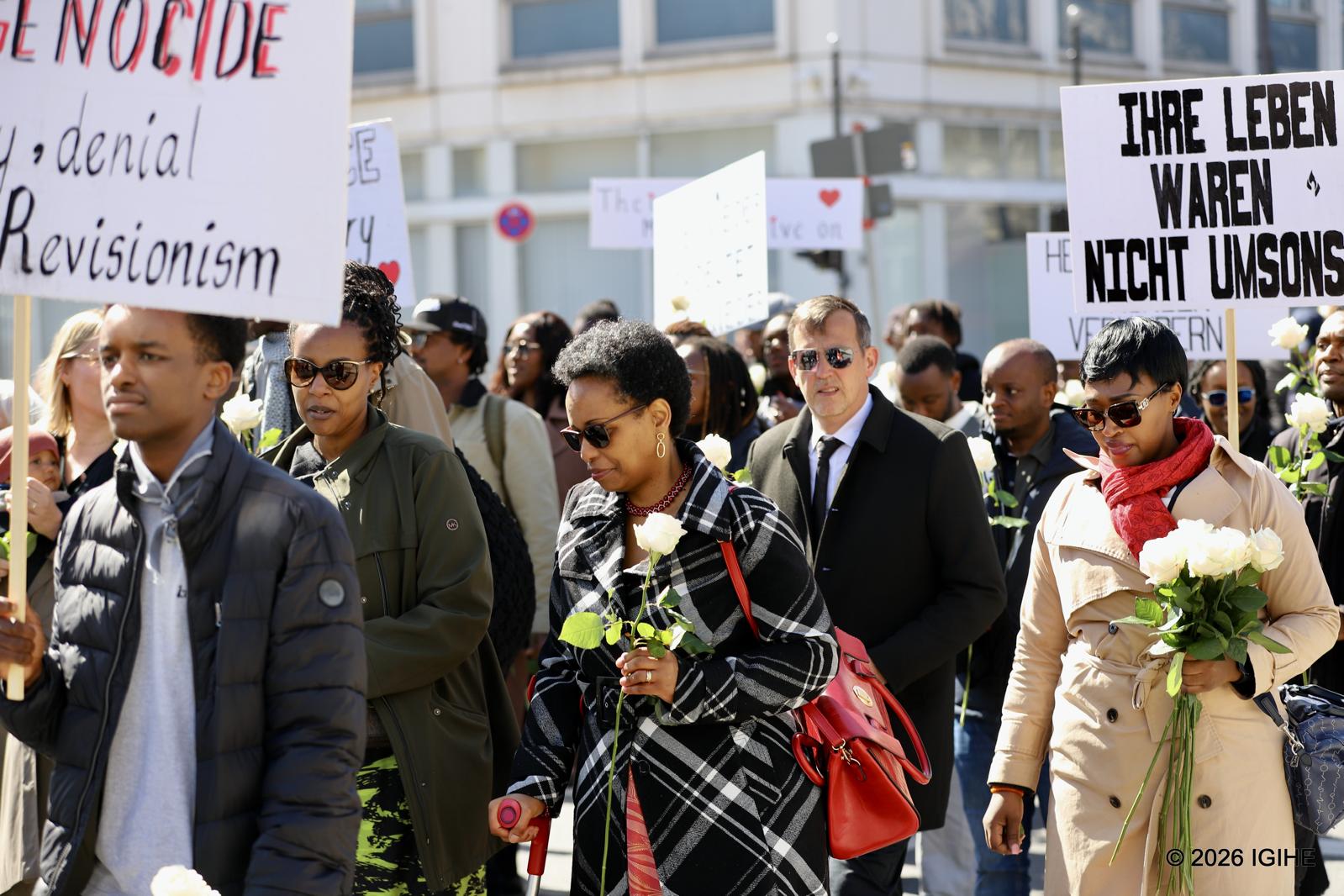
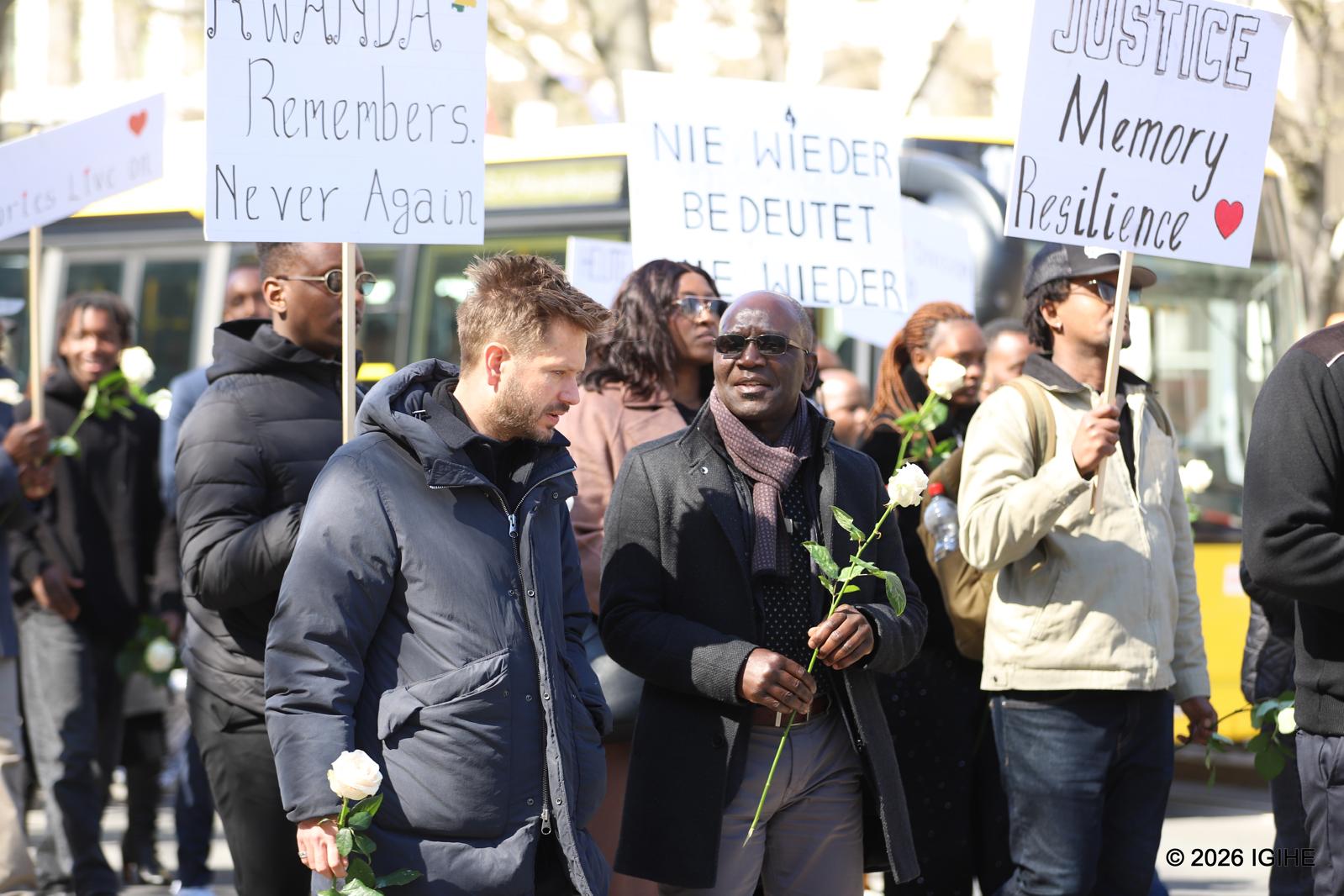
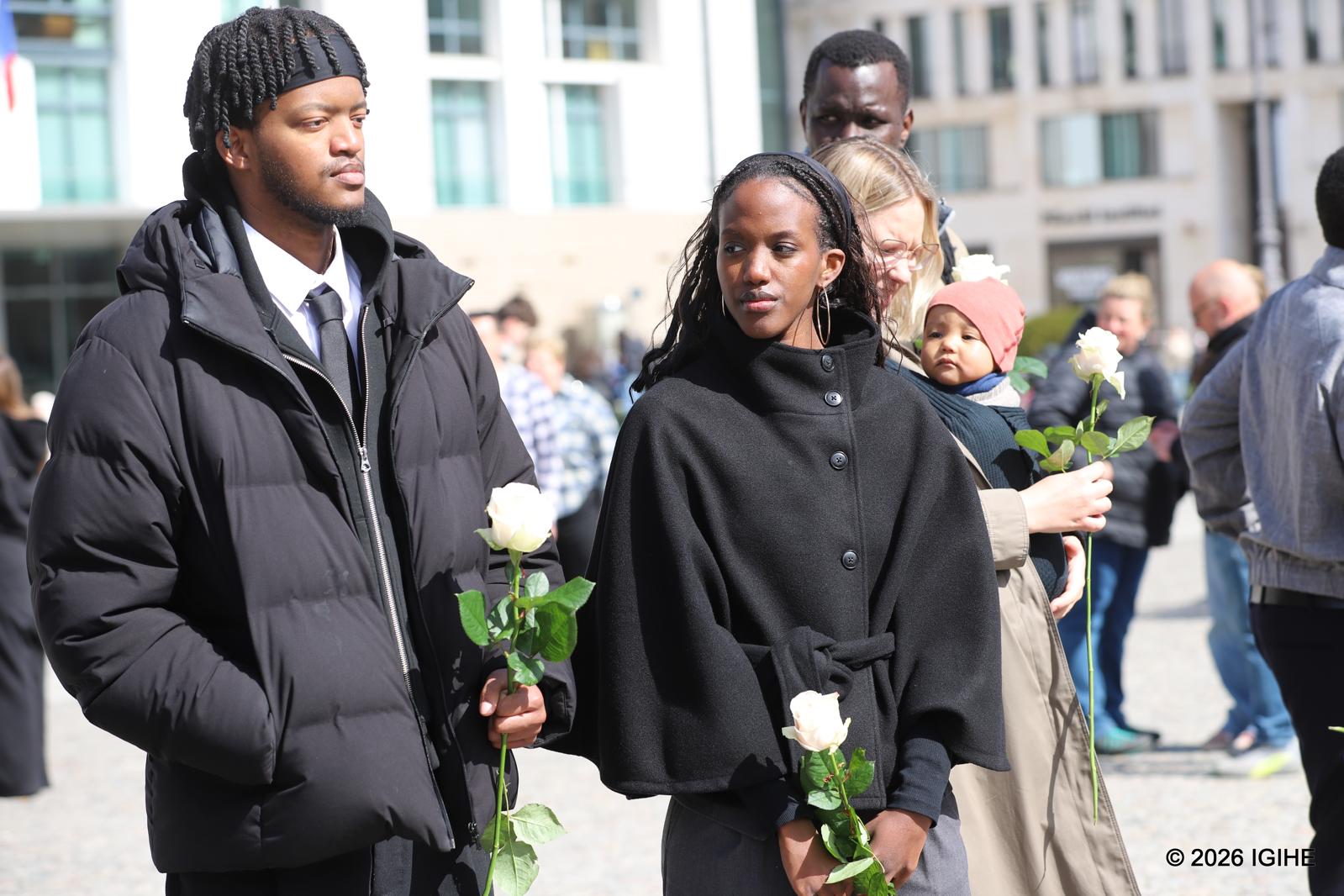
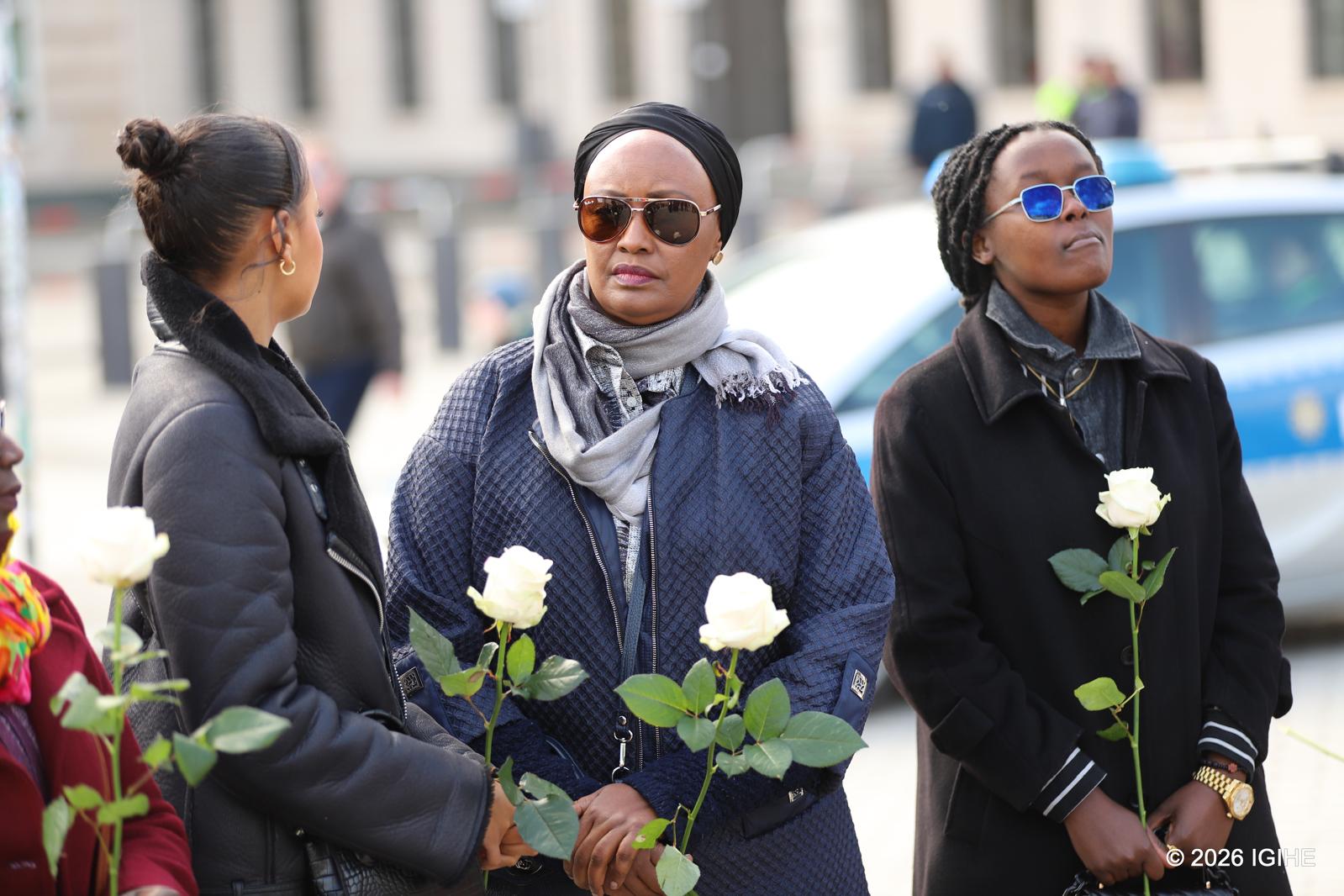
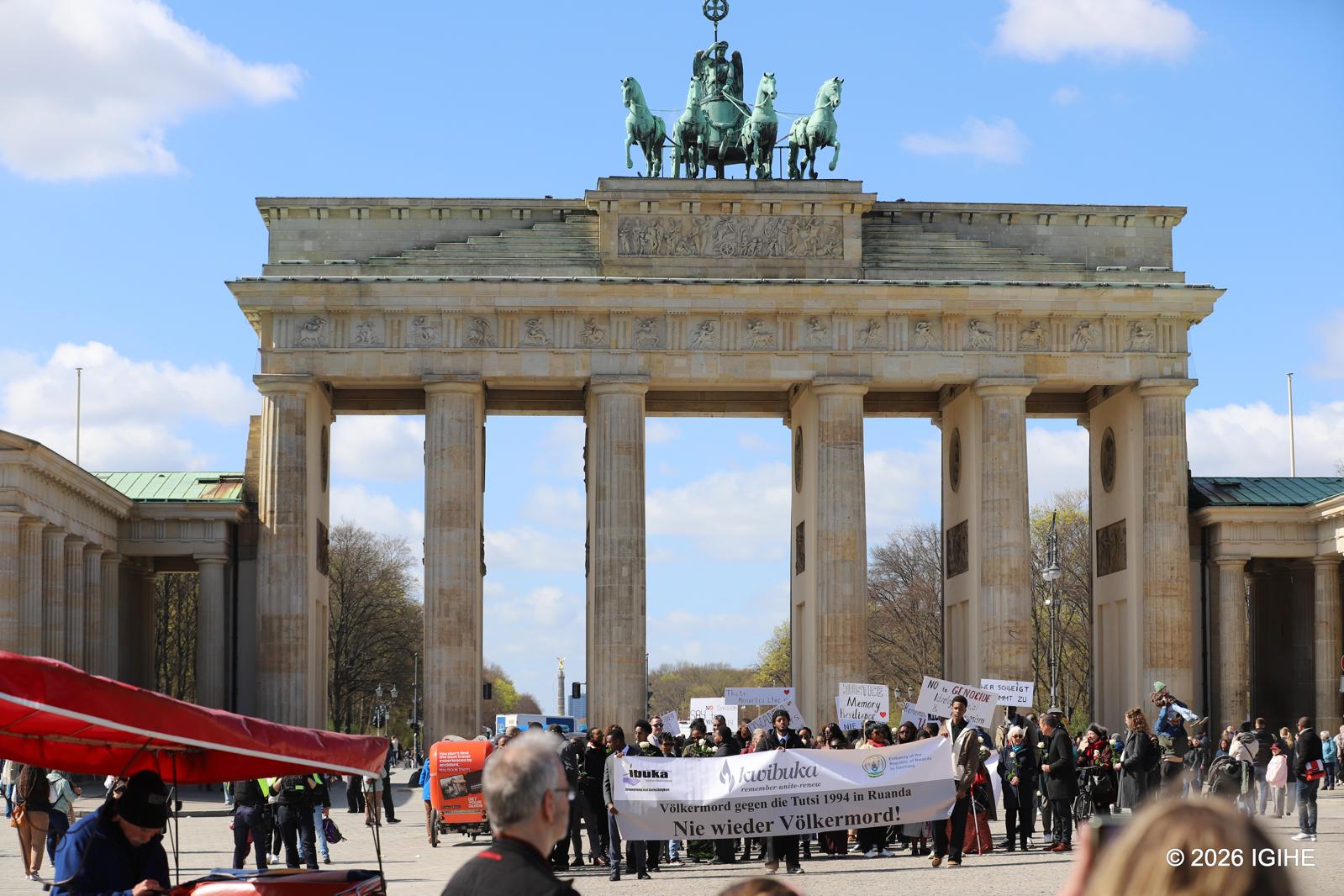
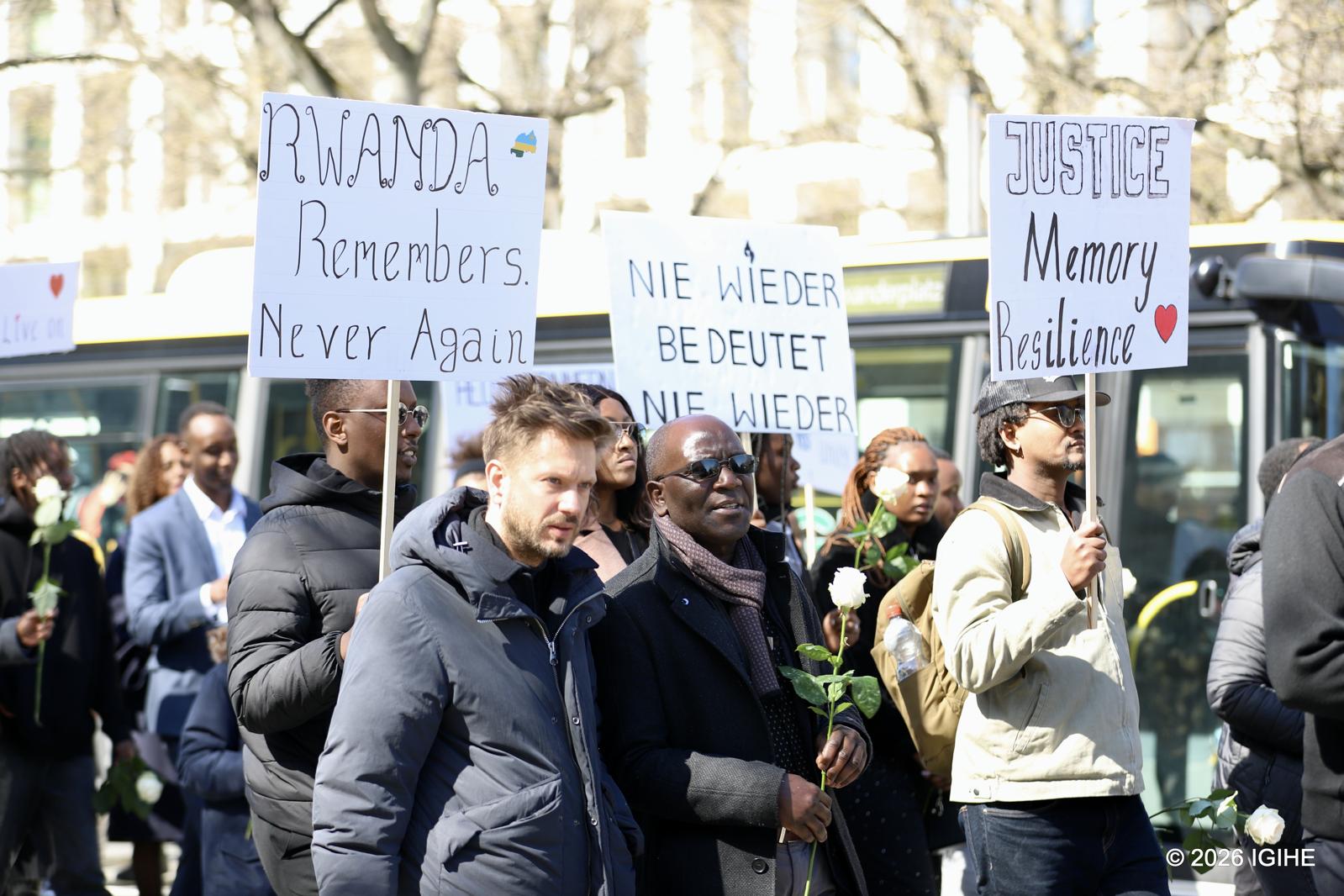
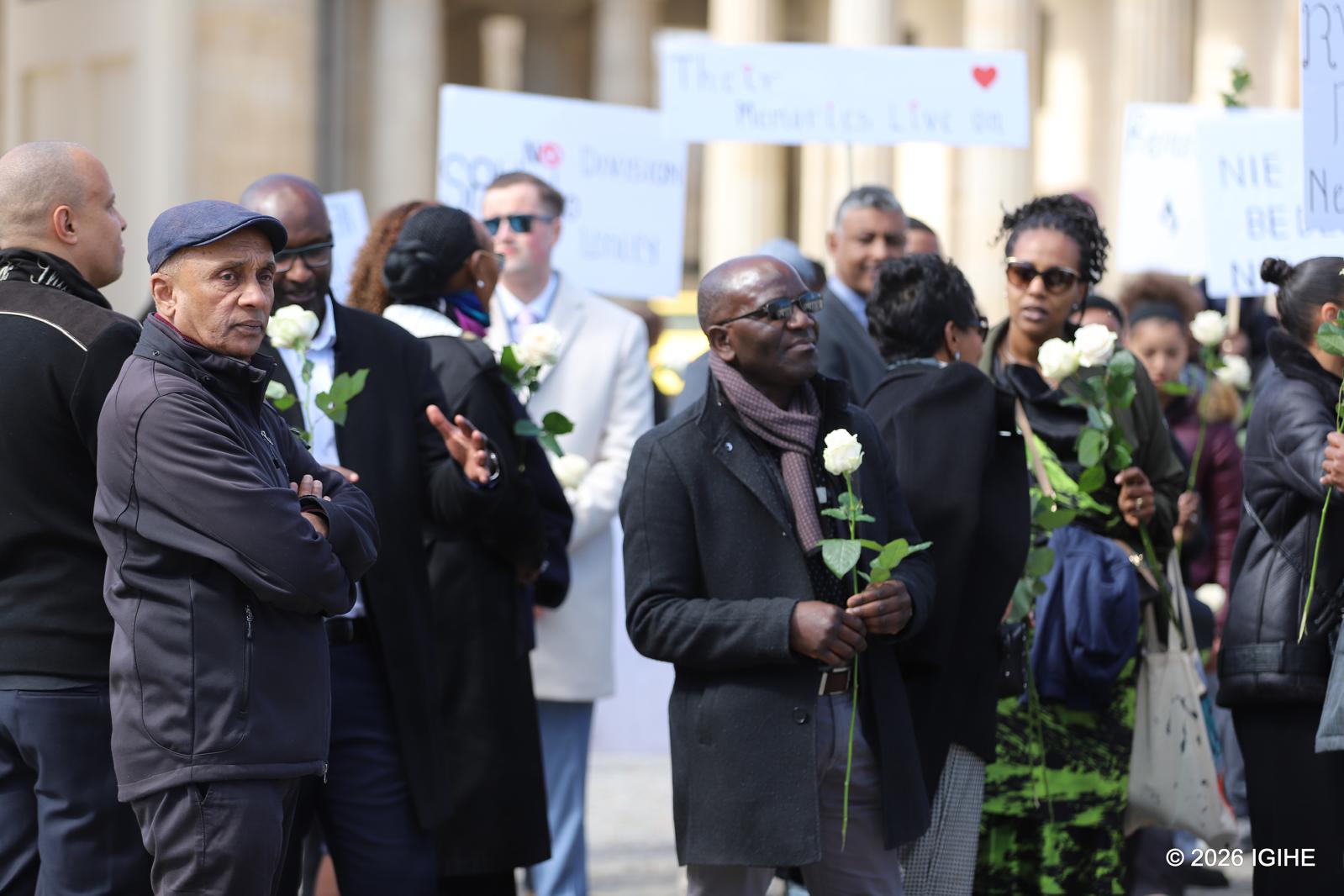
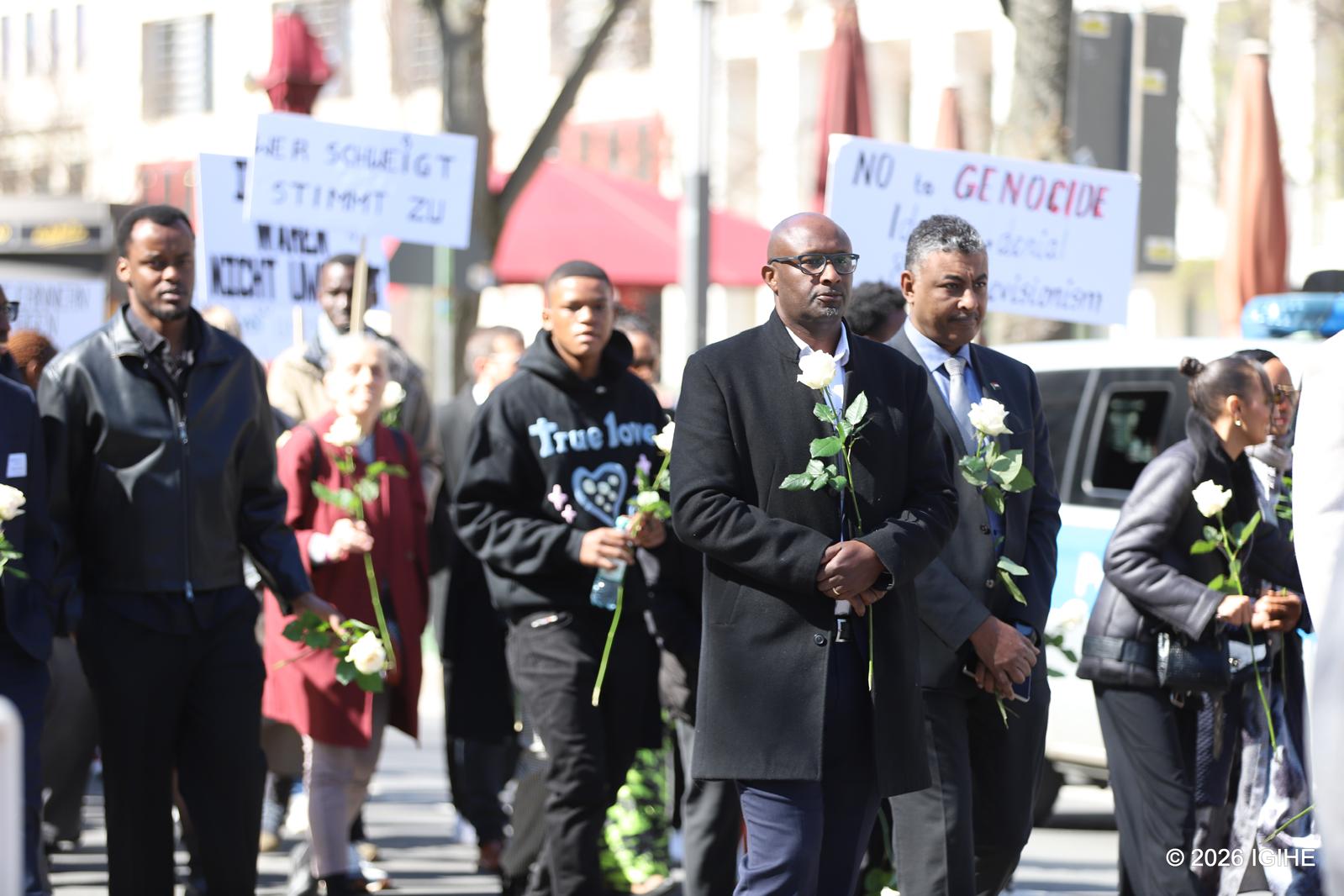
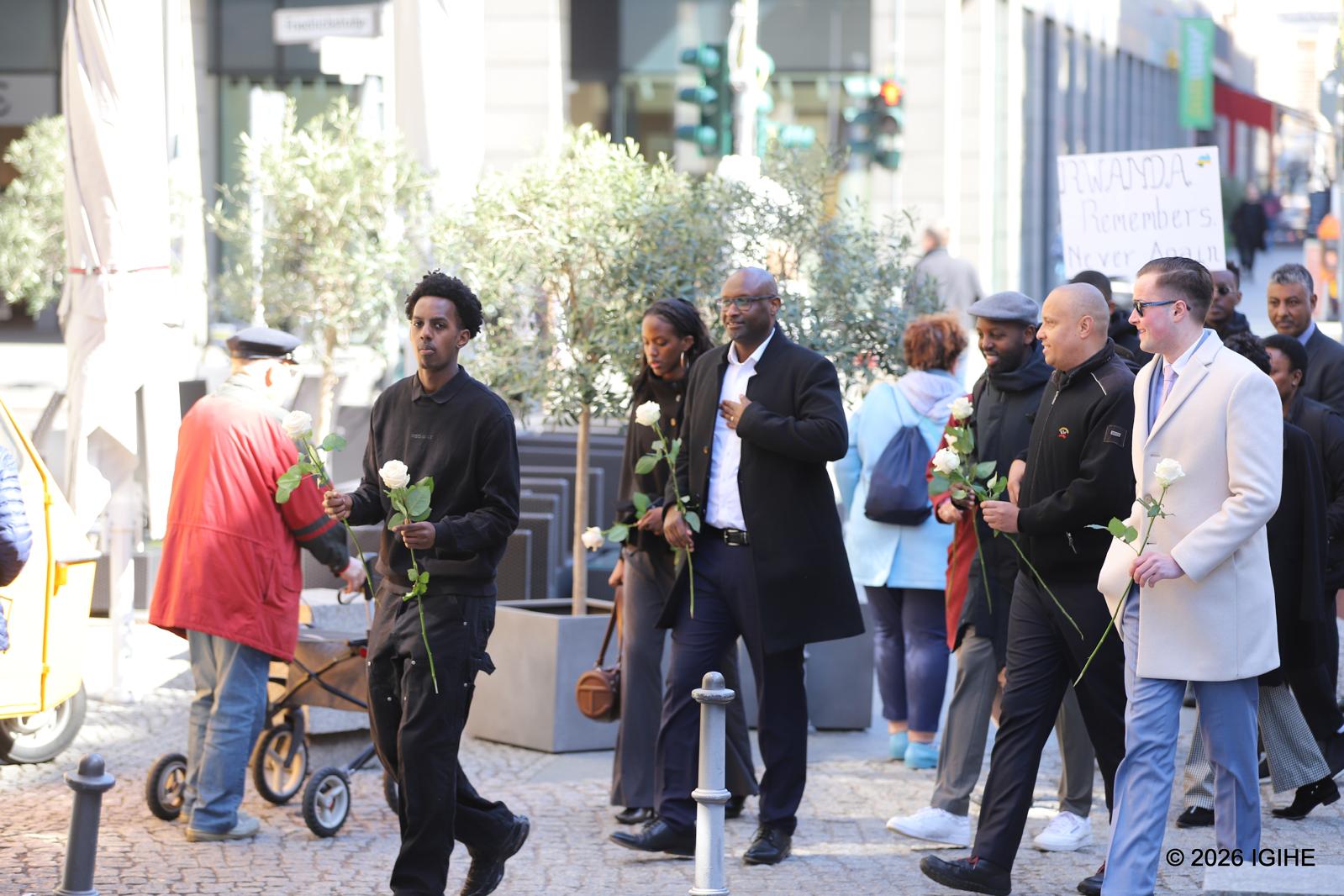
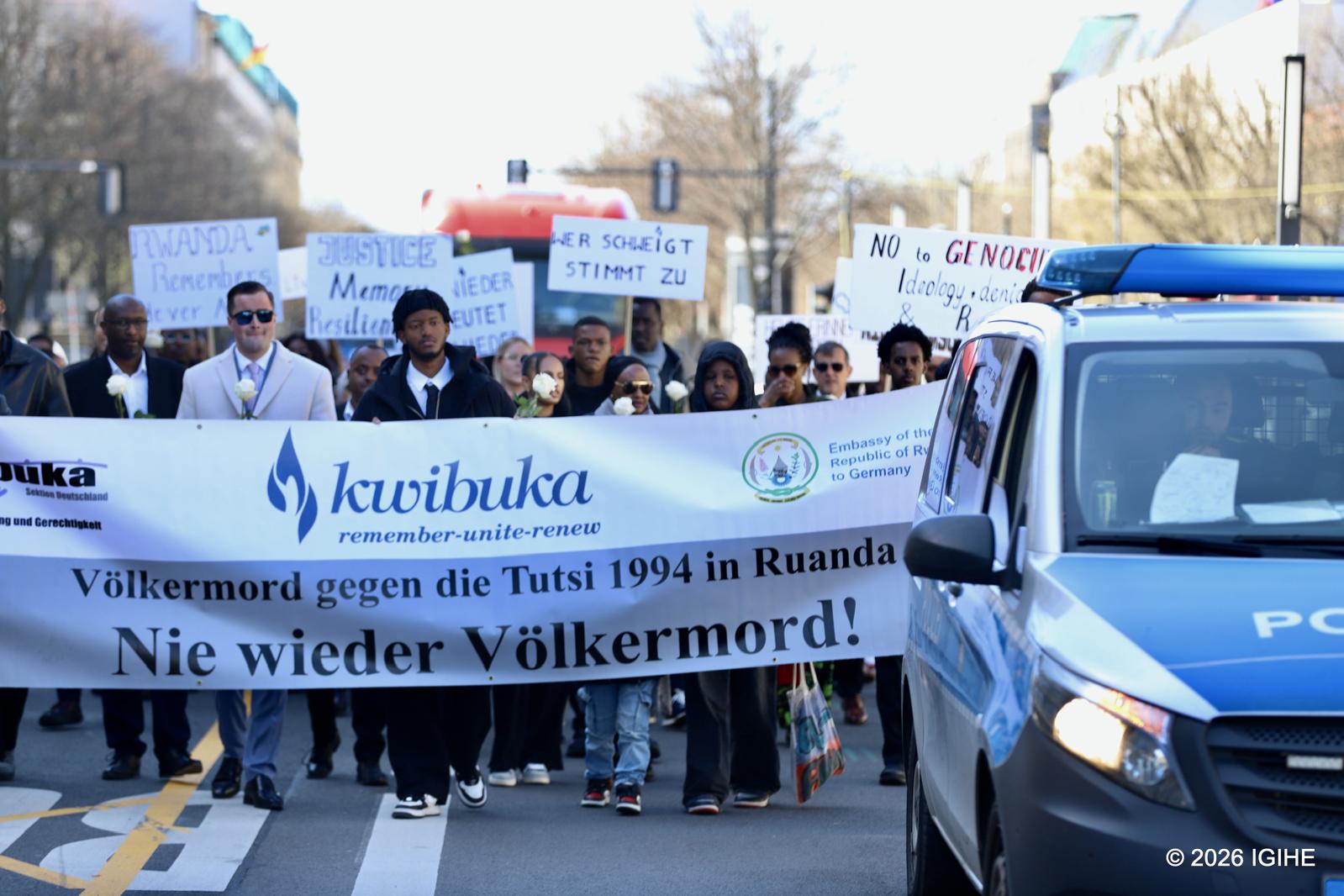
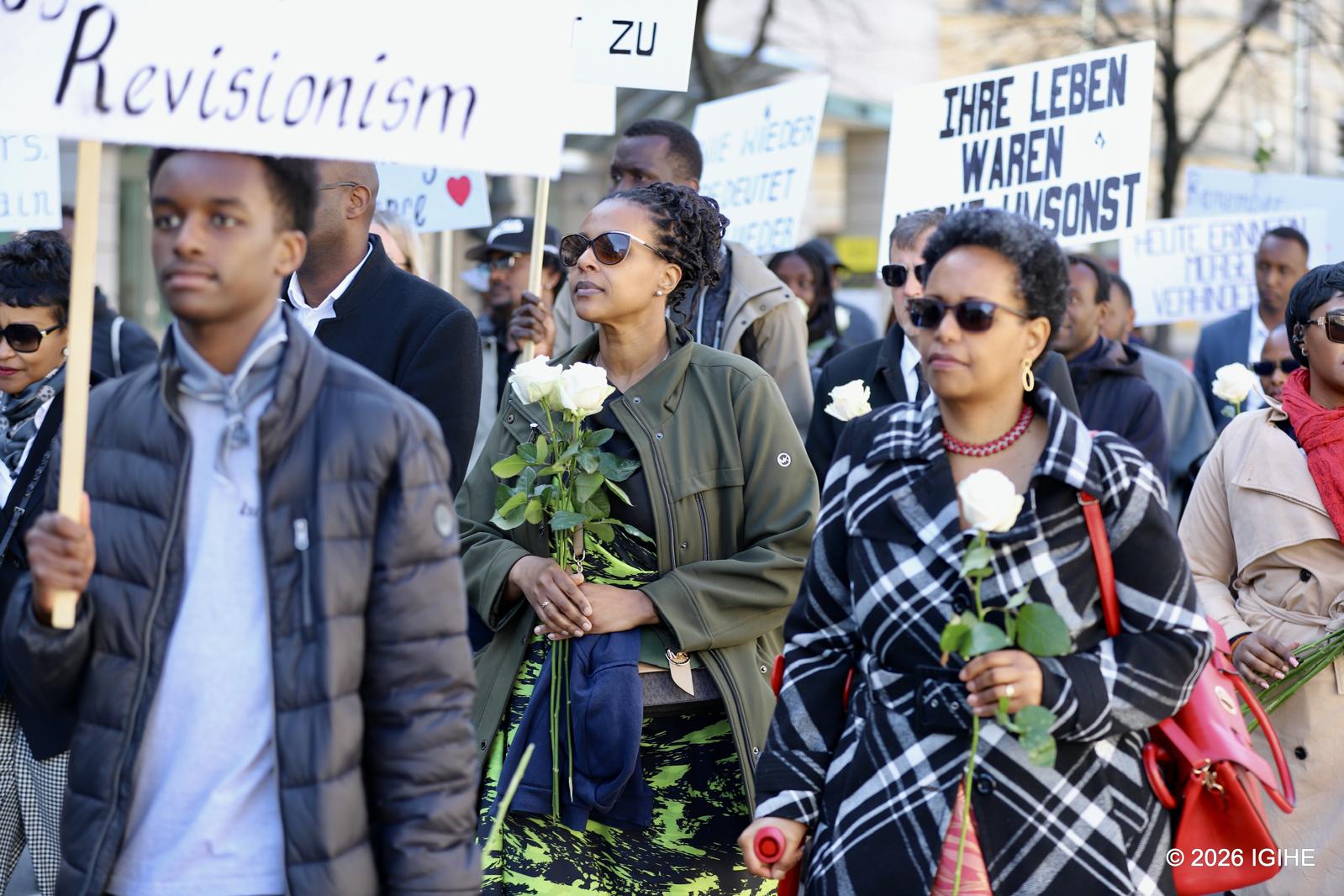
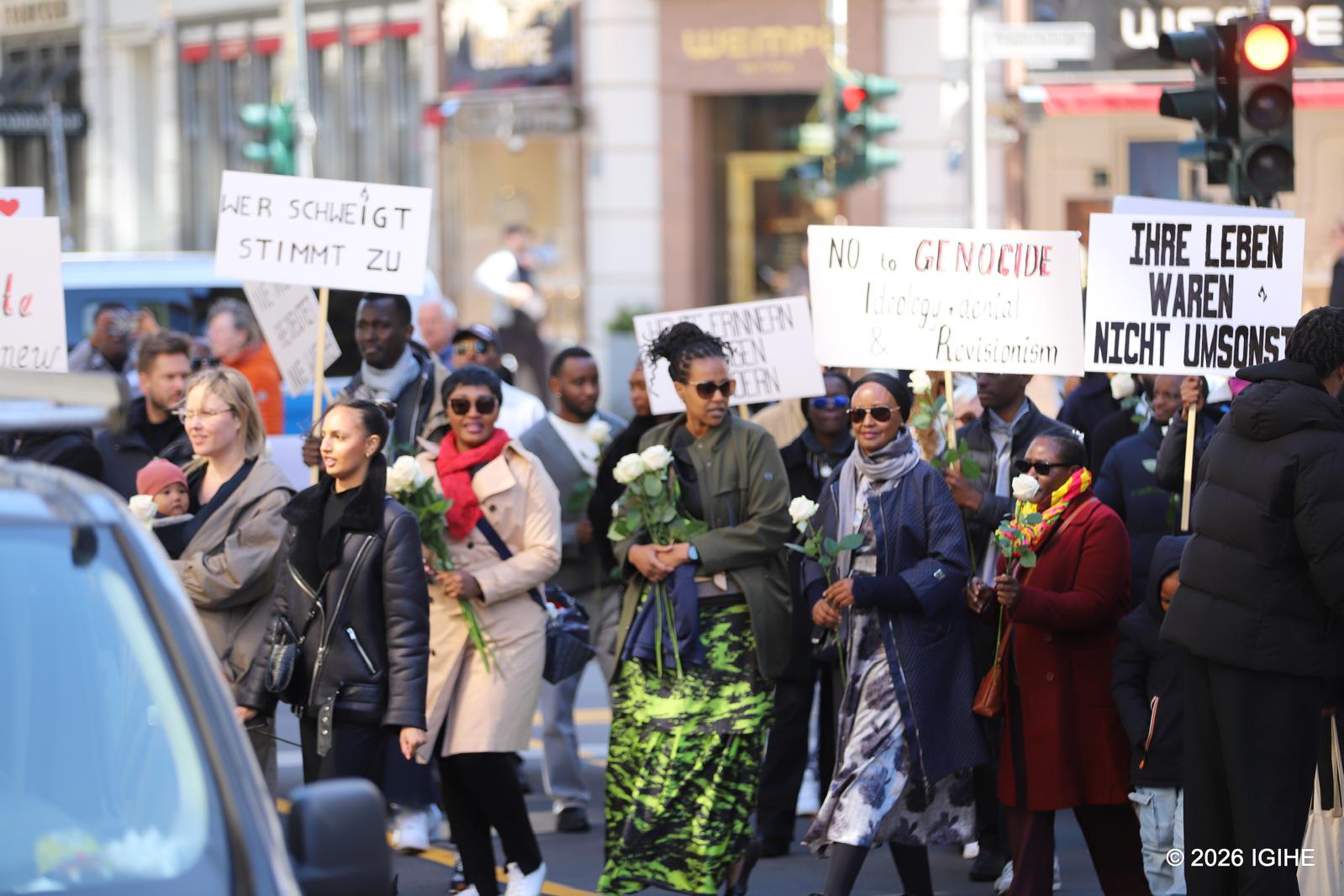
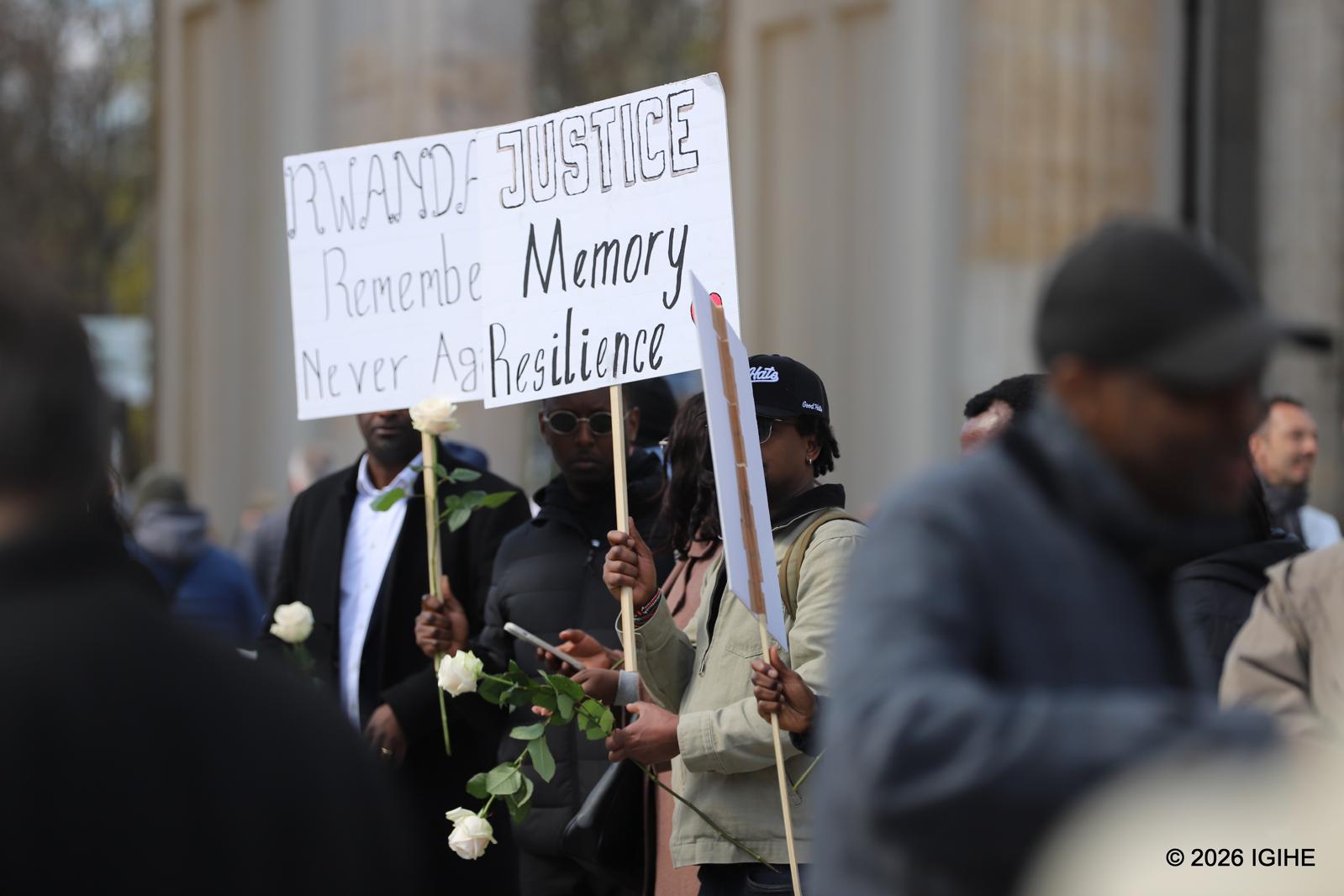
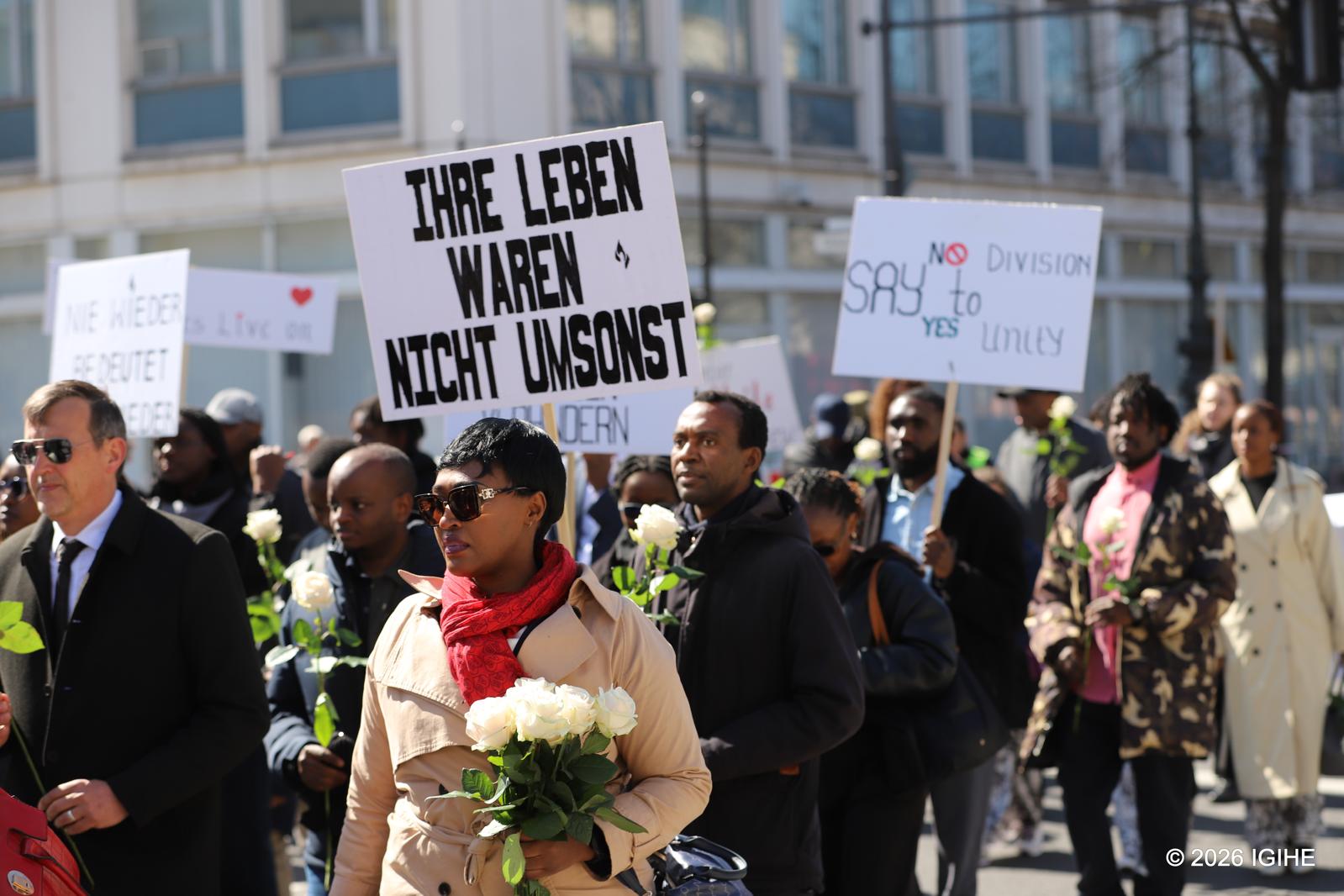
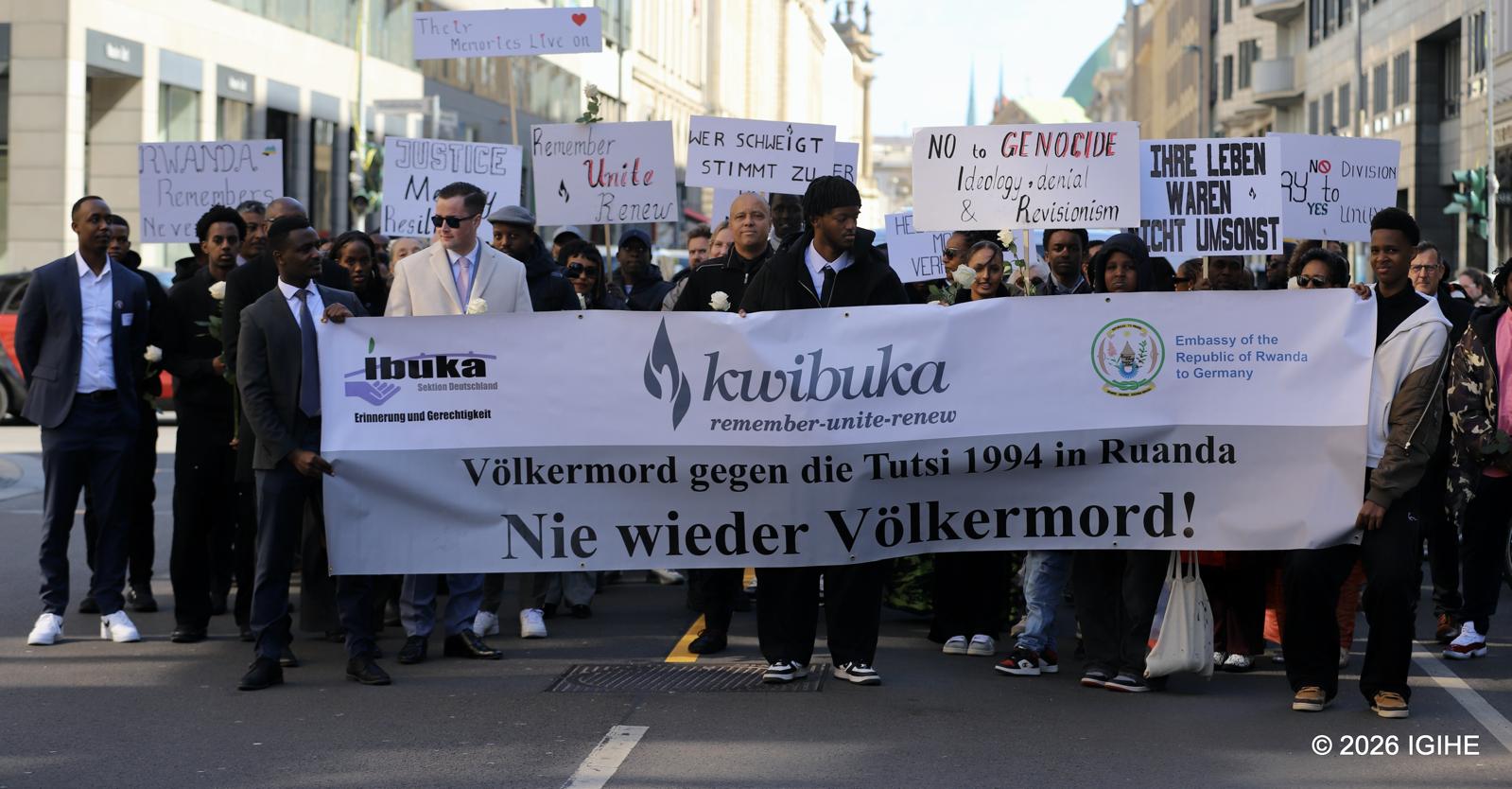
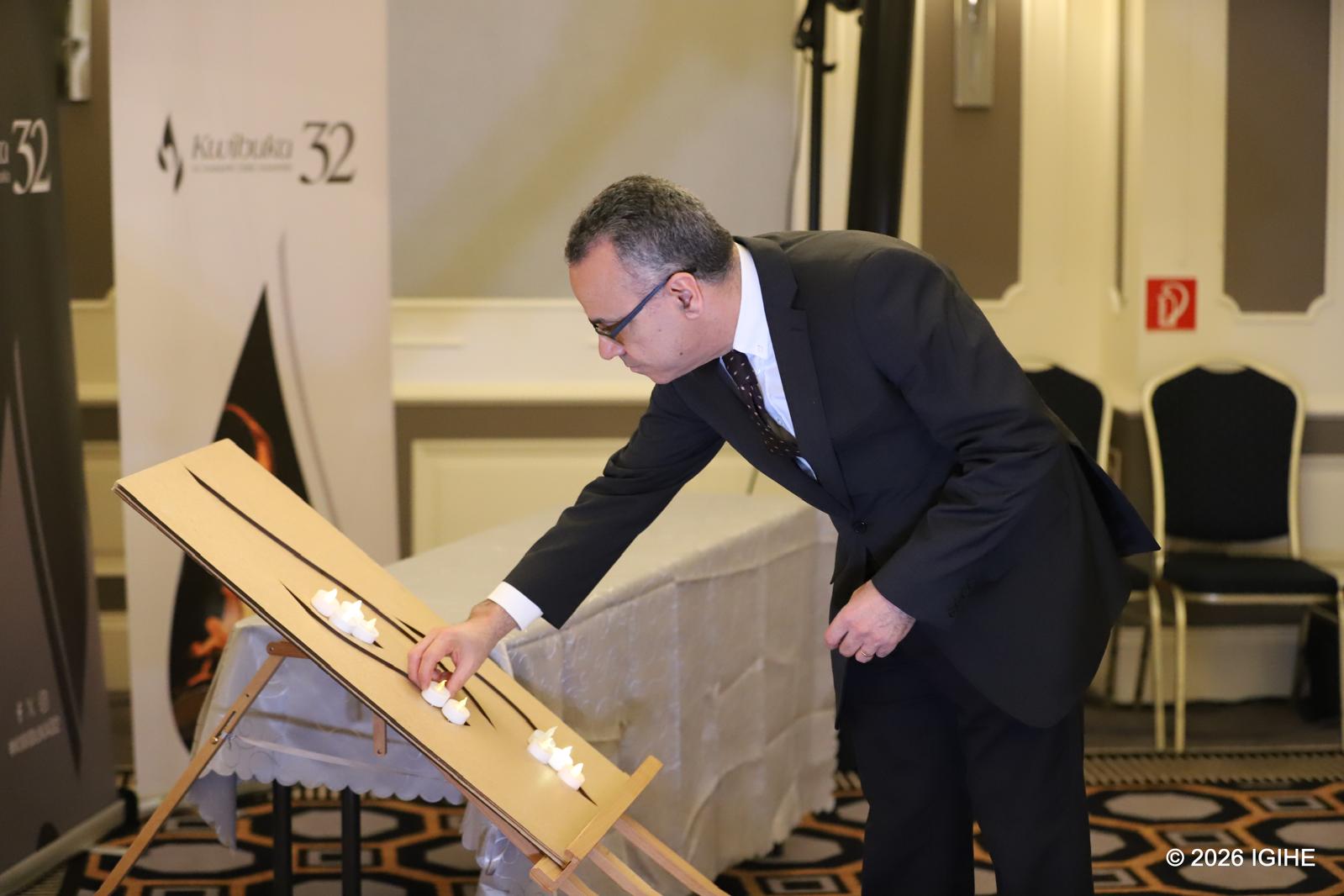
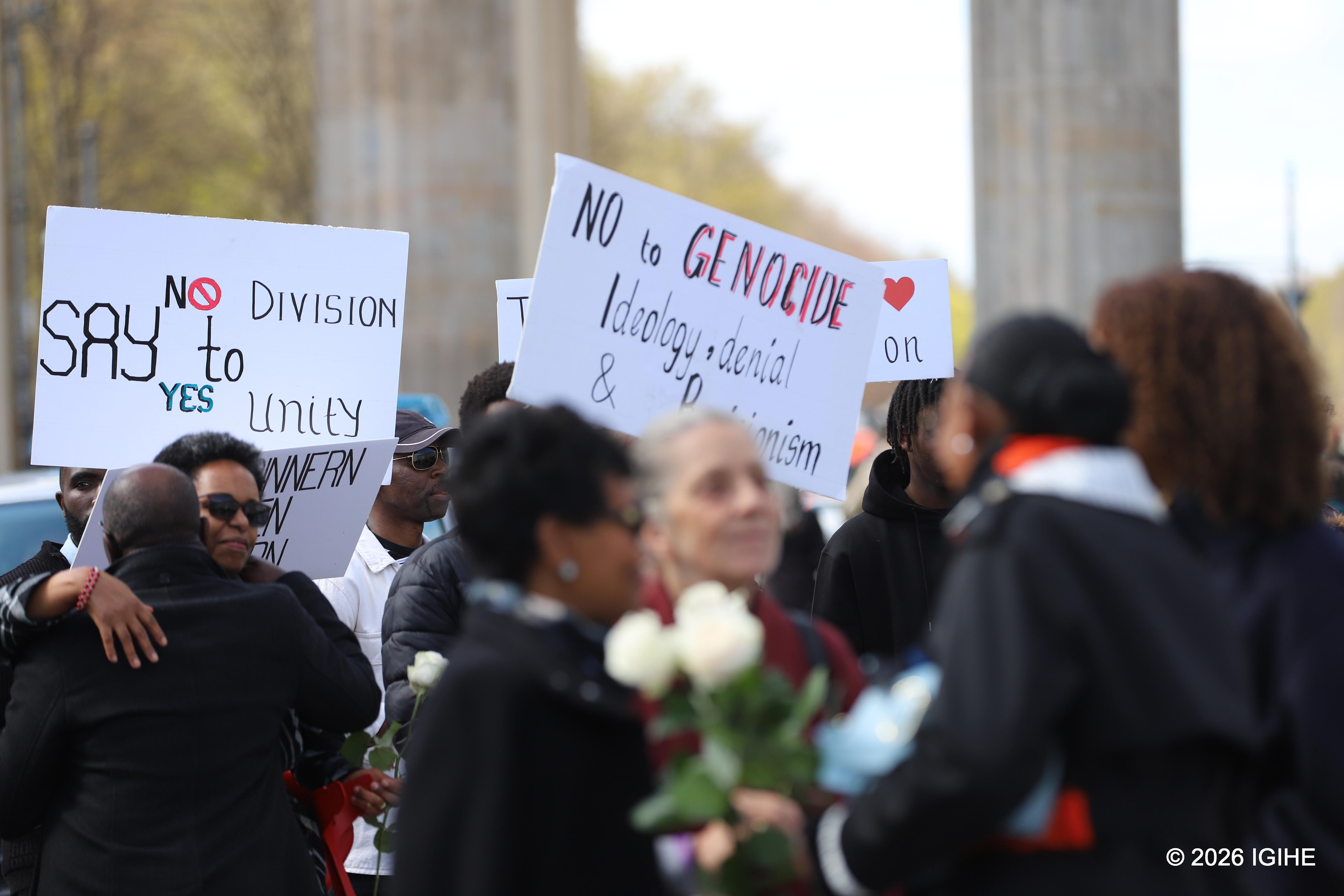
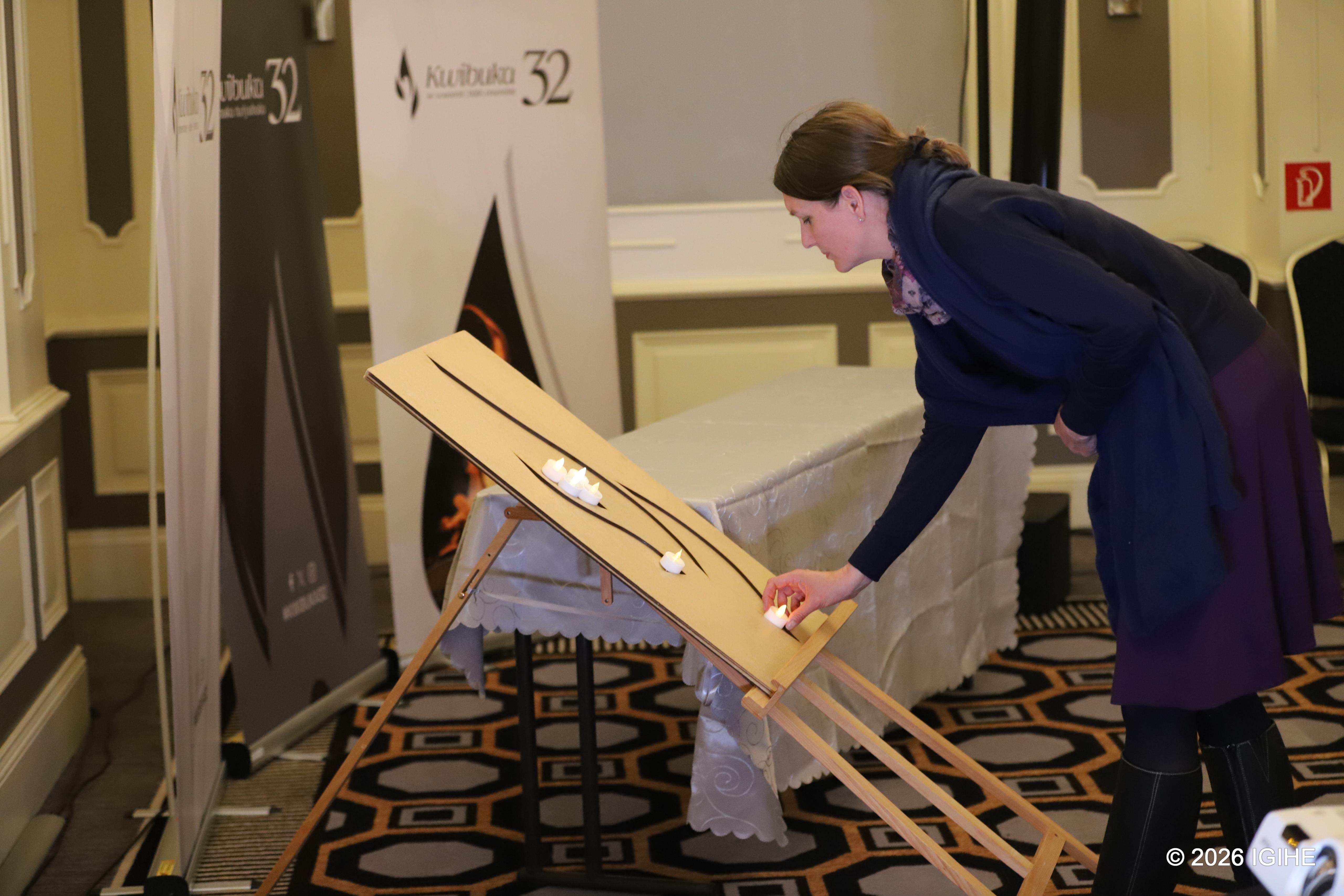
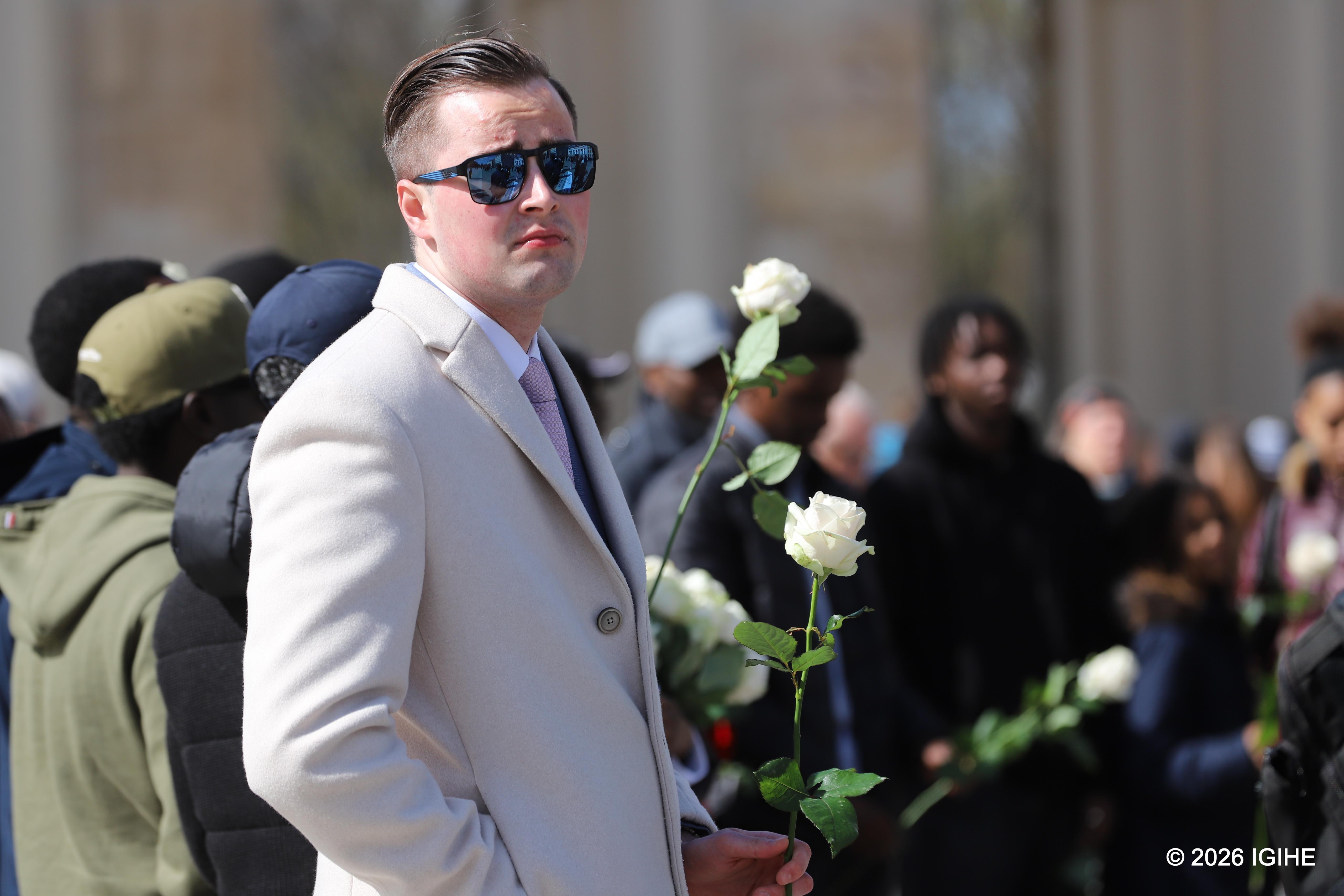
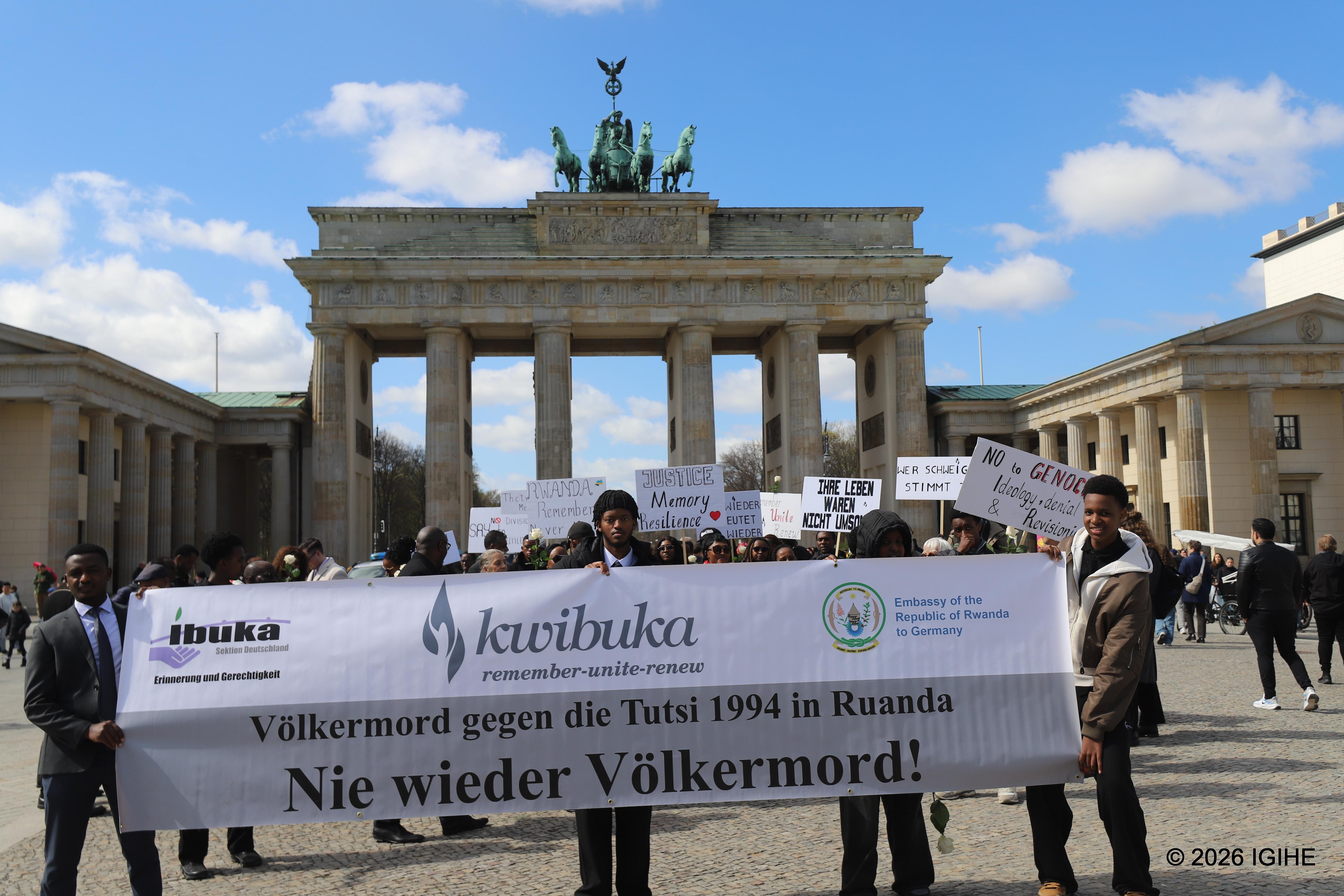
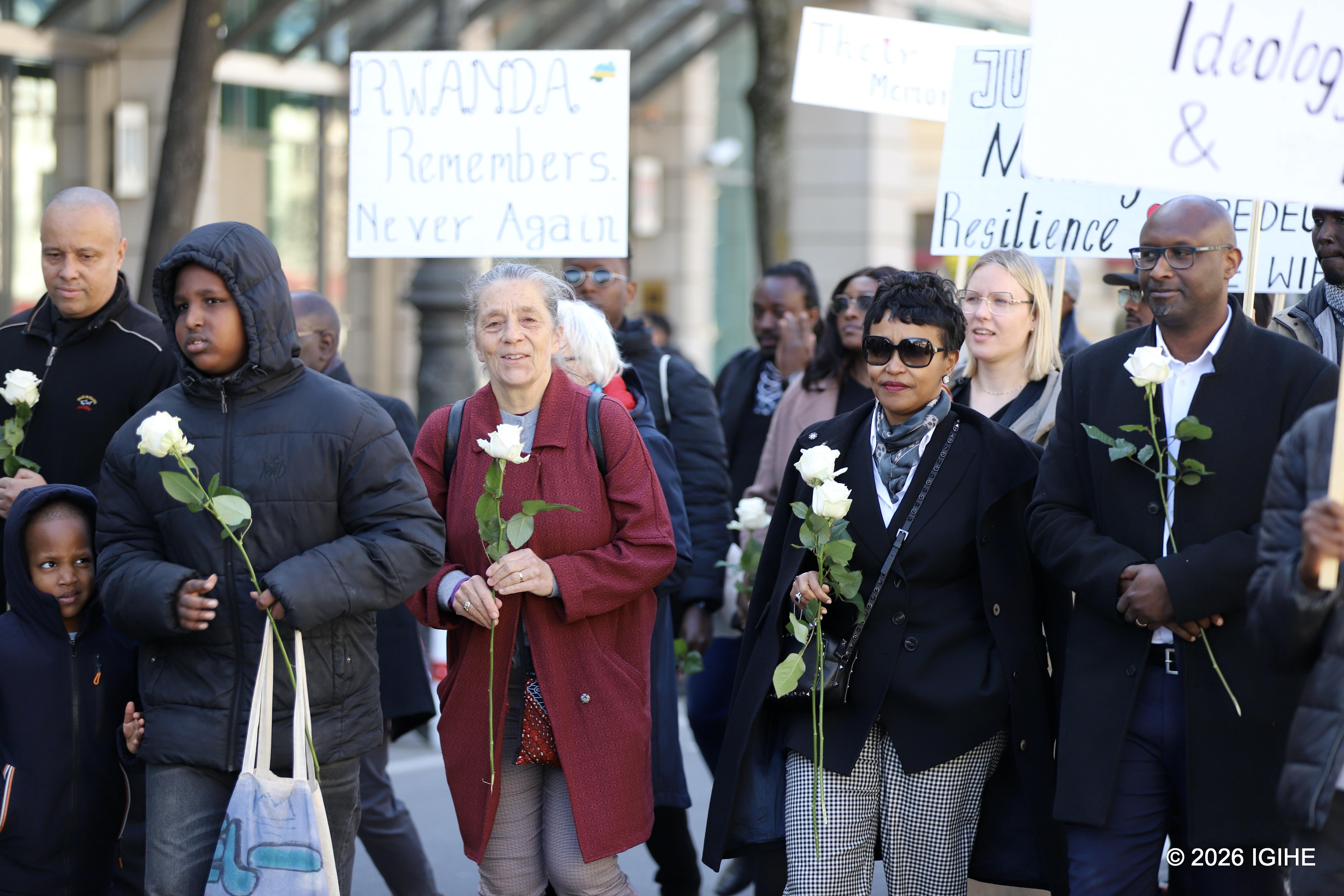
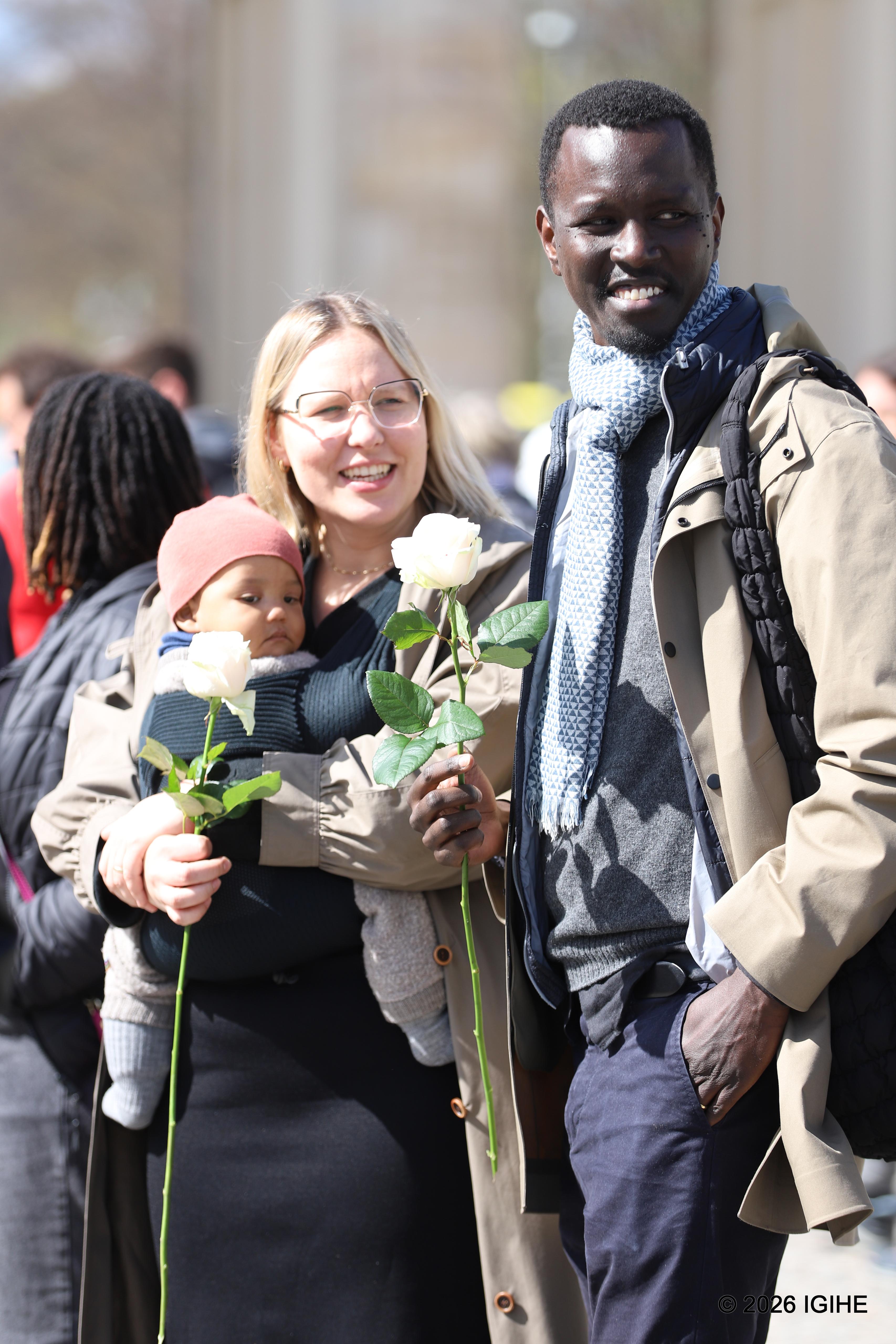
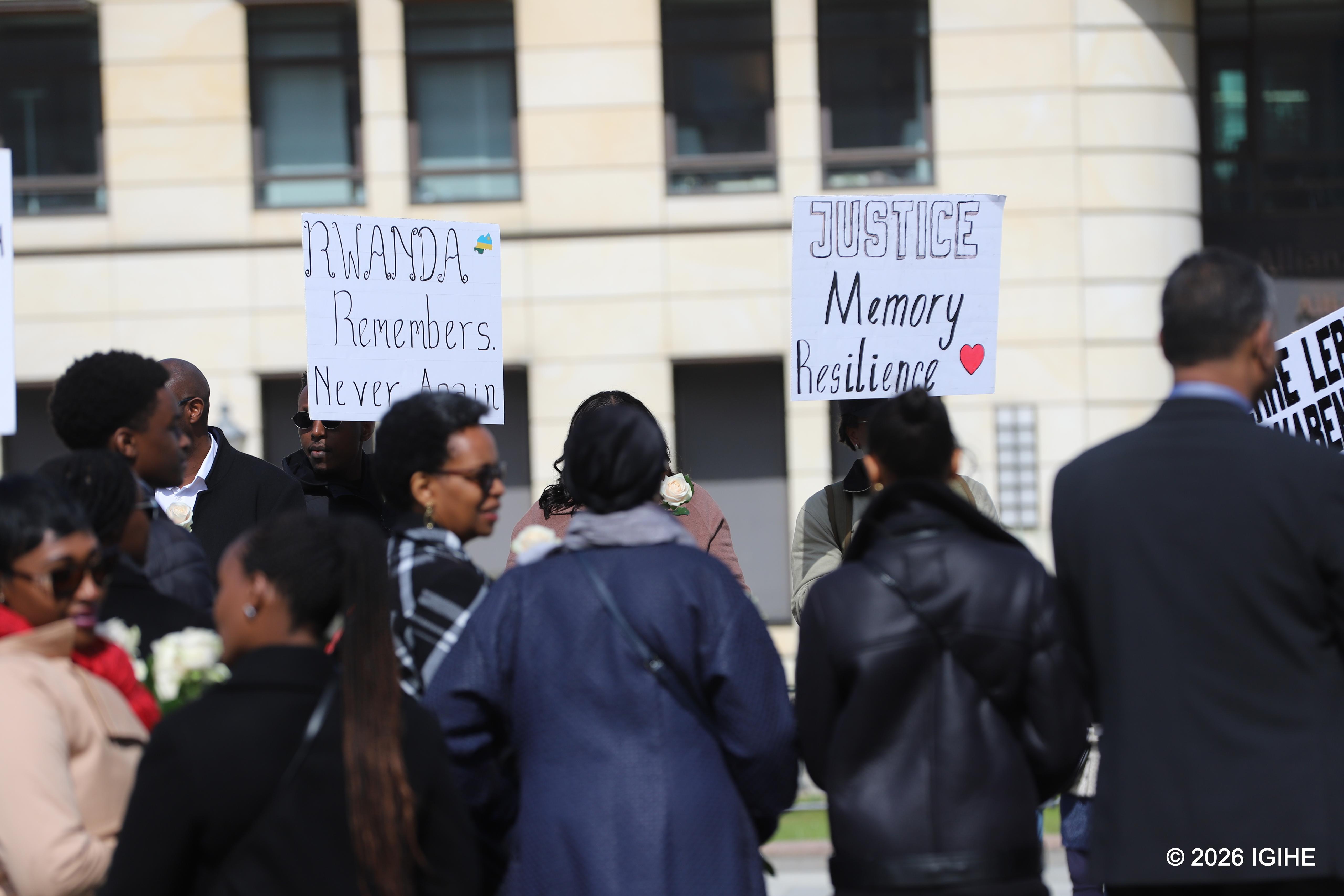
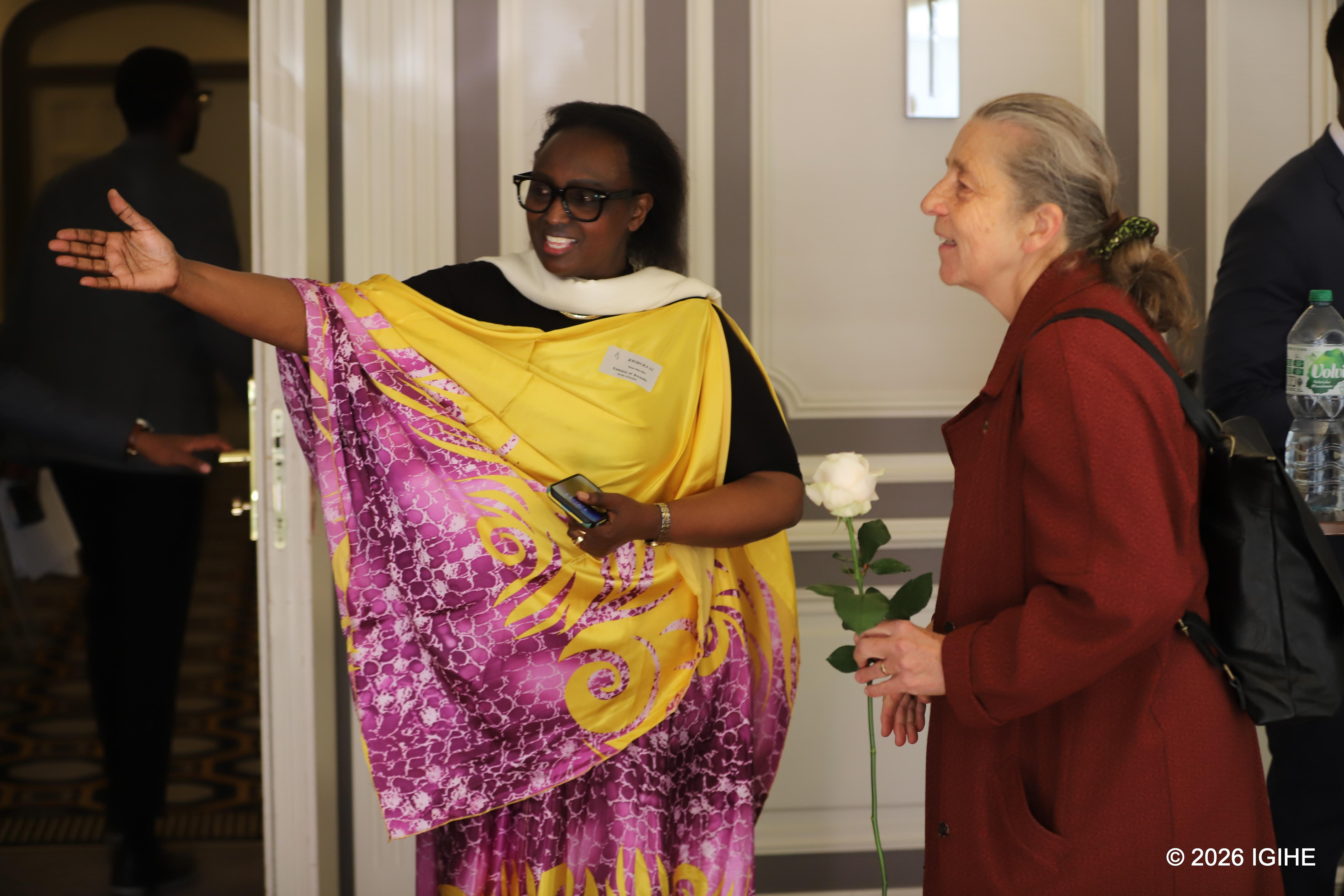
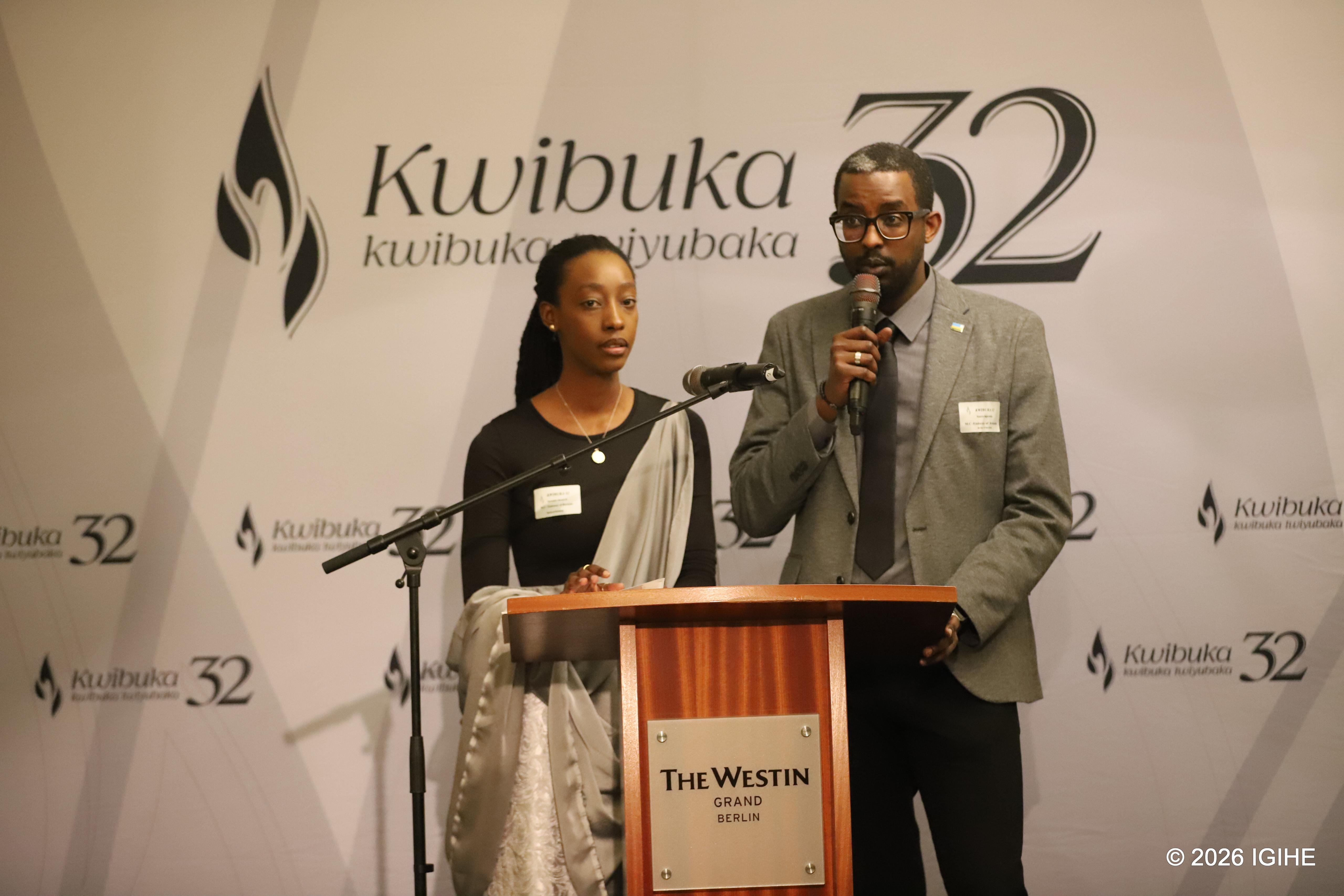
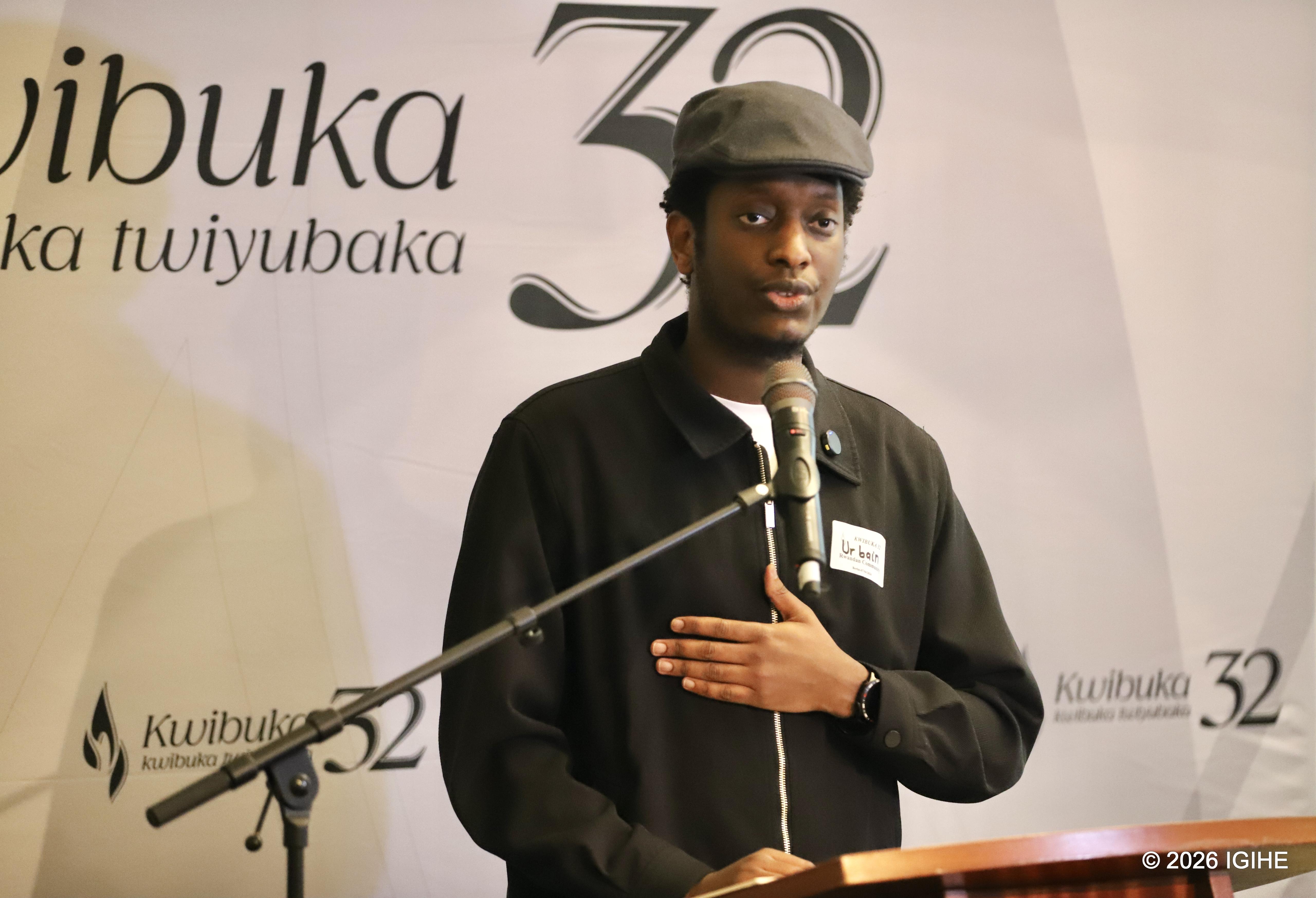
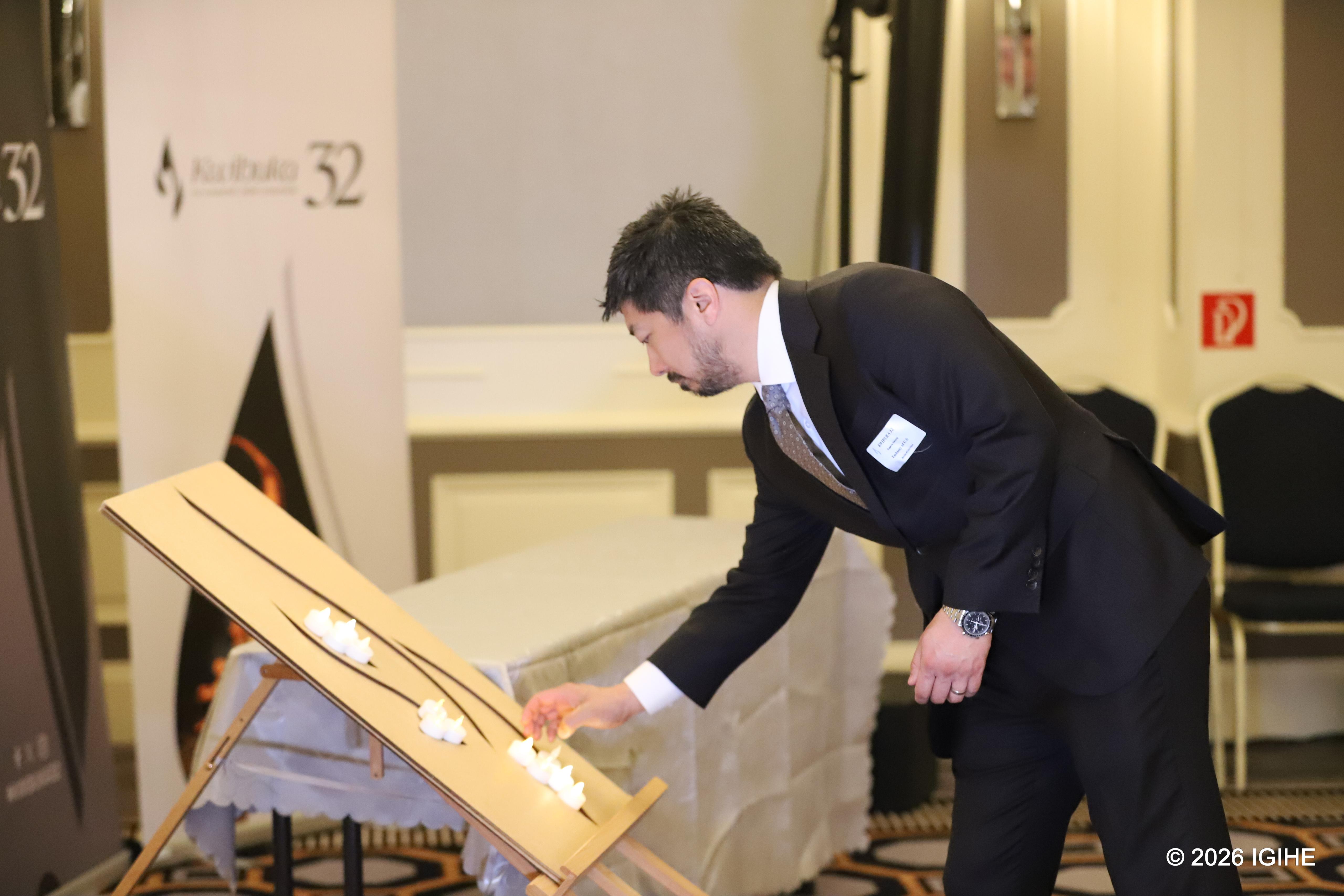
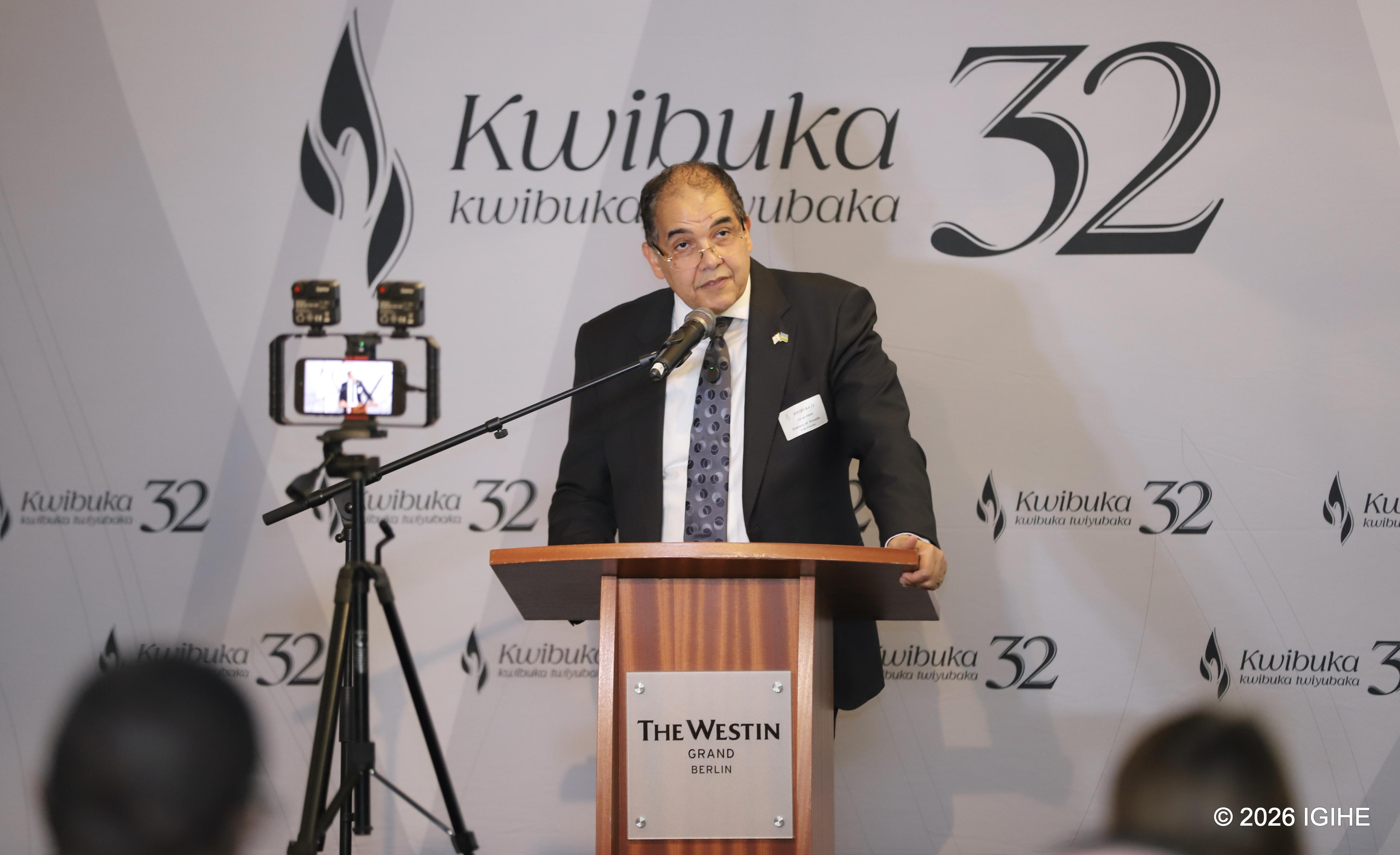
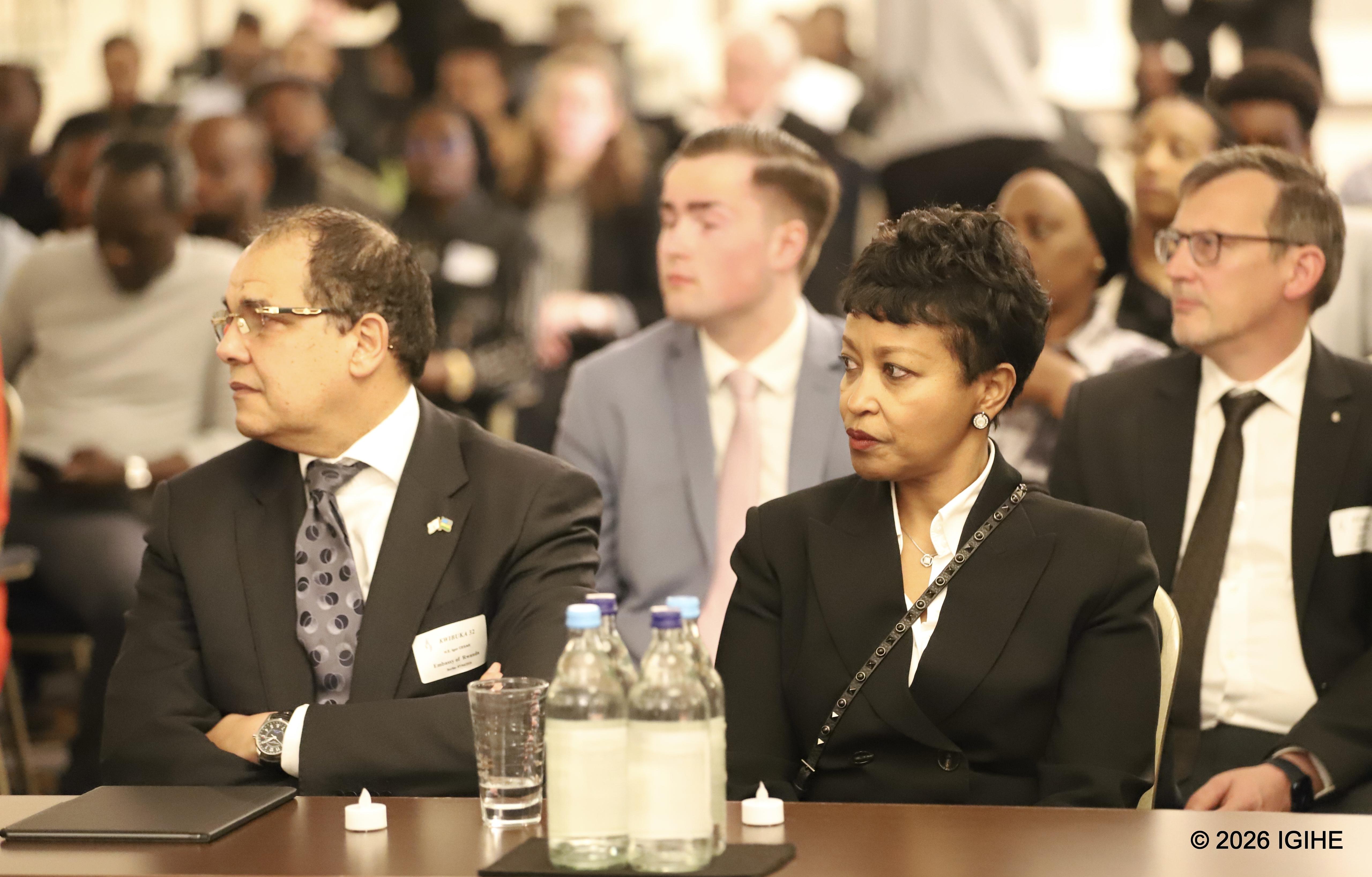
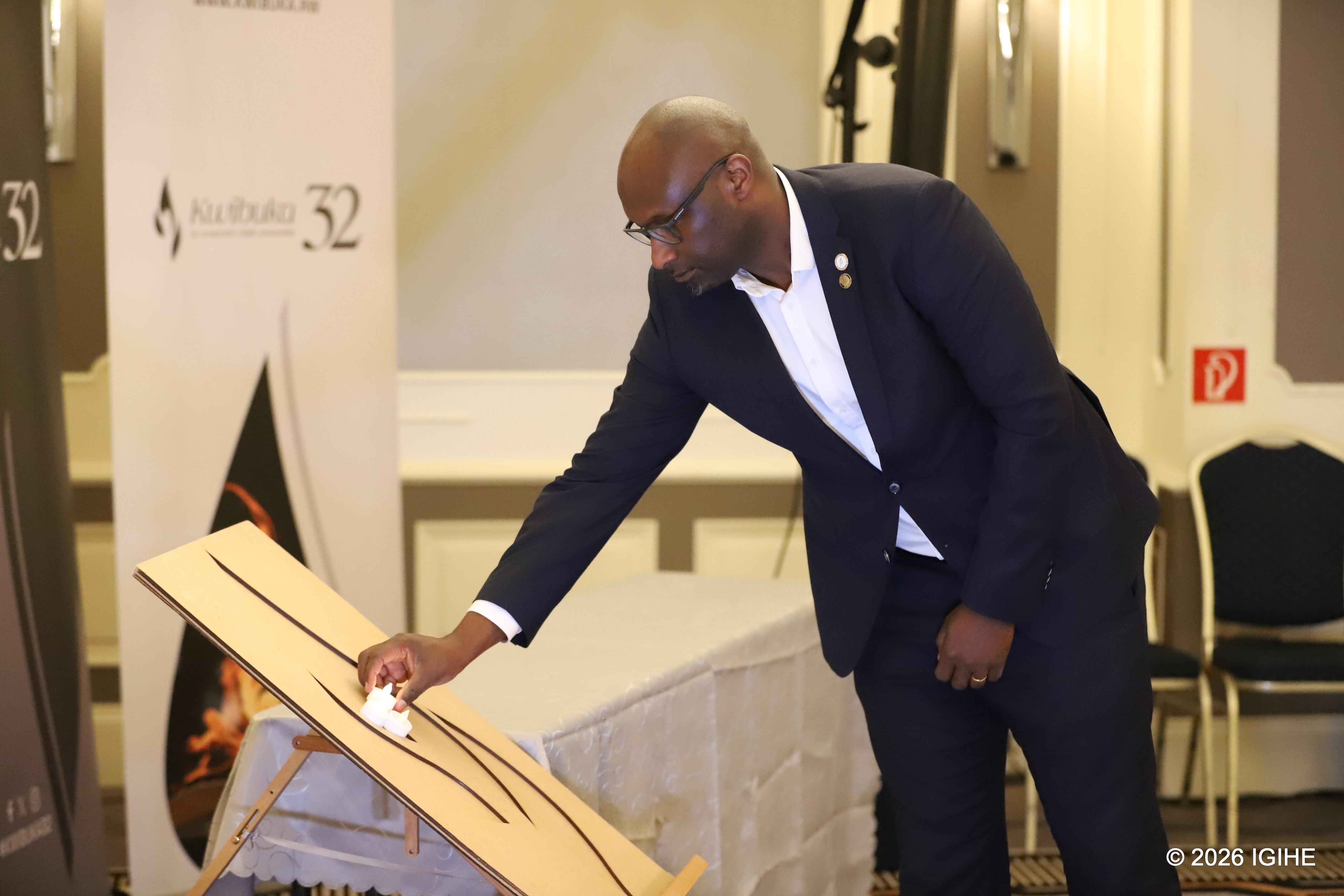
He made the remarks during the 32nd commemoration of the 1994 Genocide against the Tutsi, held in Berlin under the theme “Remember – Unite – Renew,” where government officials, representatives of IBUKA Germany, members of the Rwandan community, friends of Rwanda, and other distinguished guests gathered in solidarity.
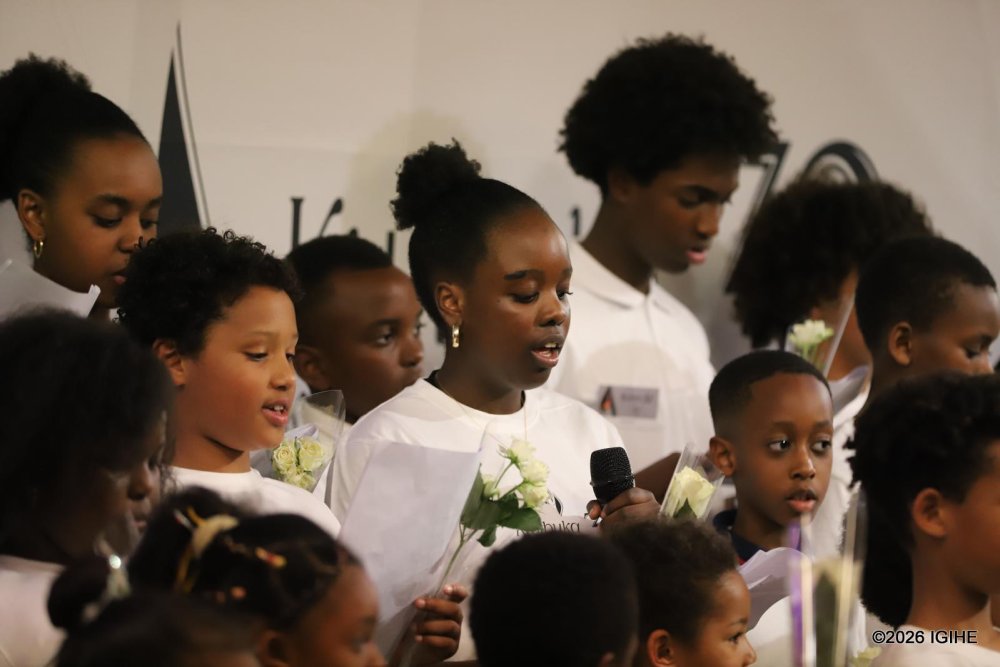
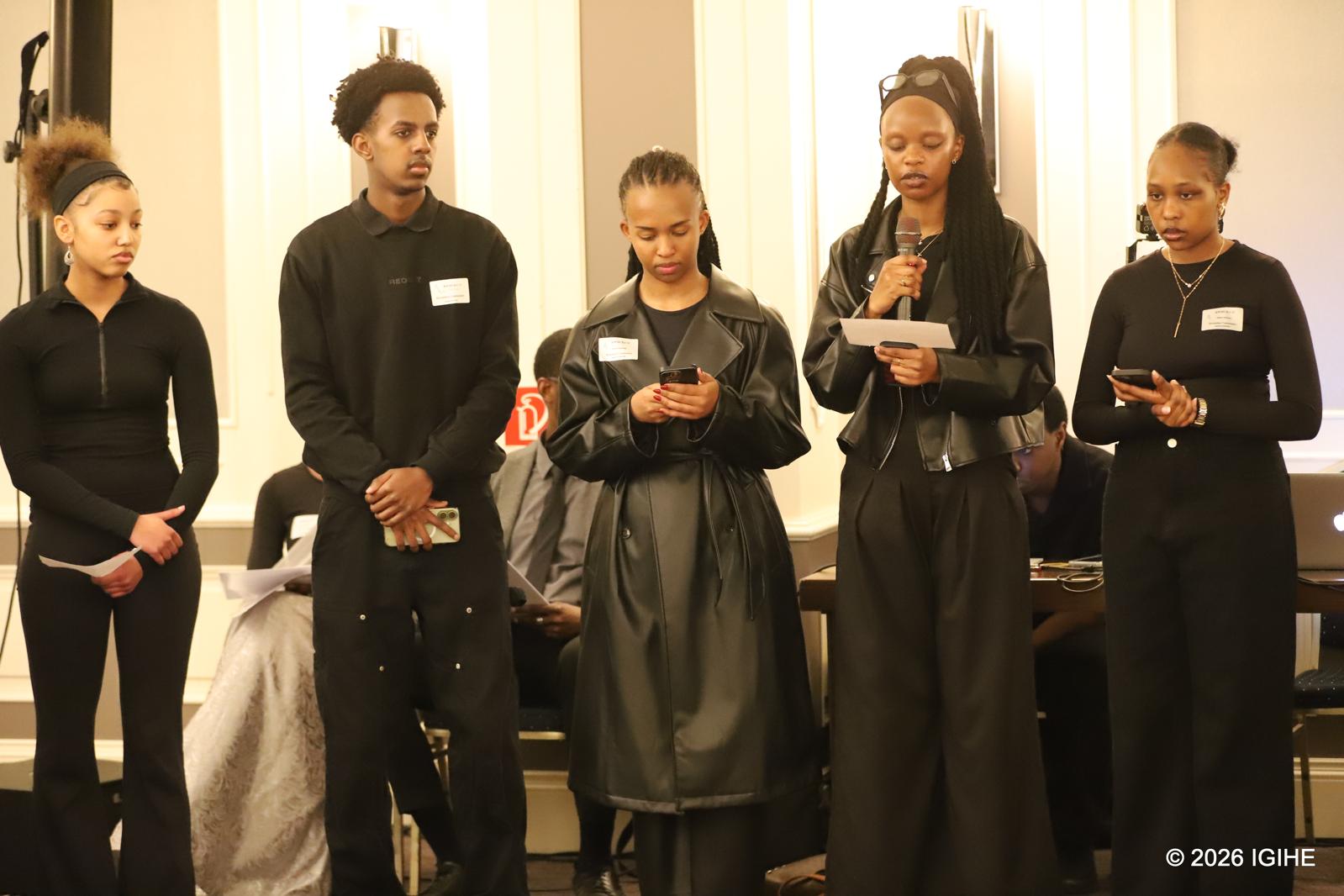
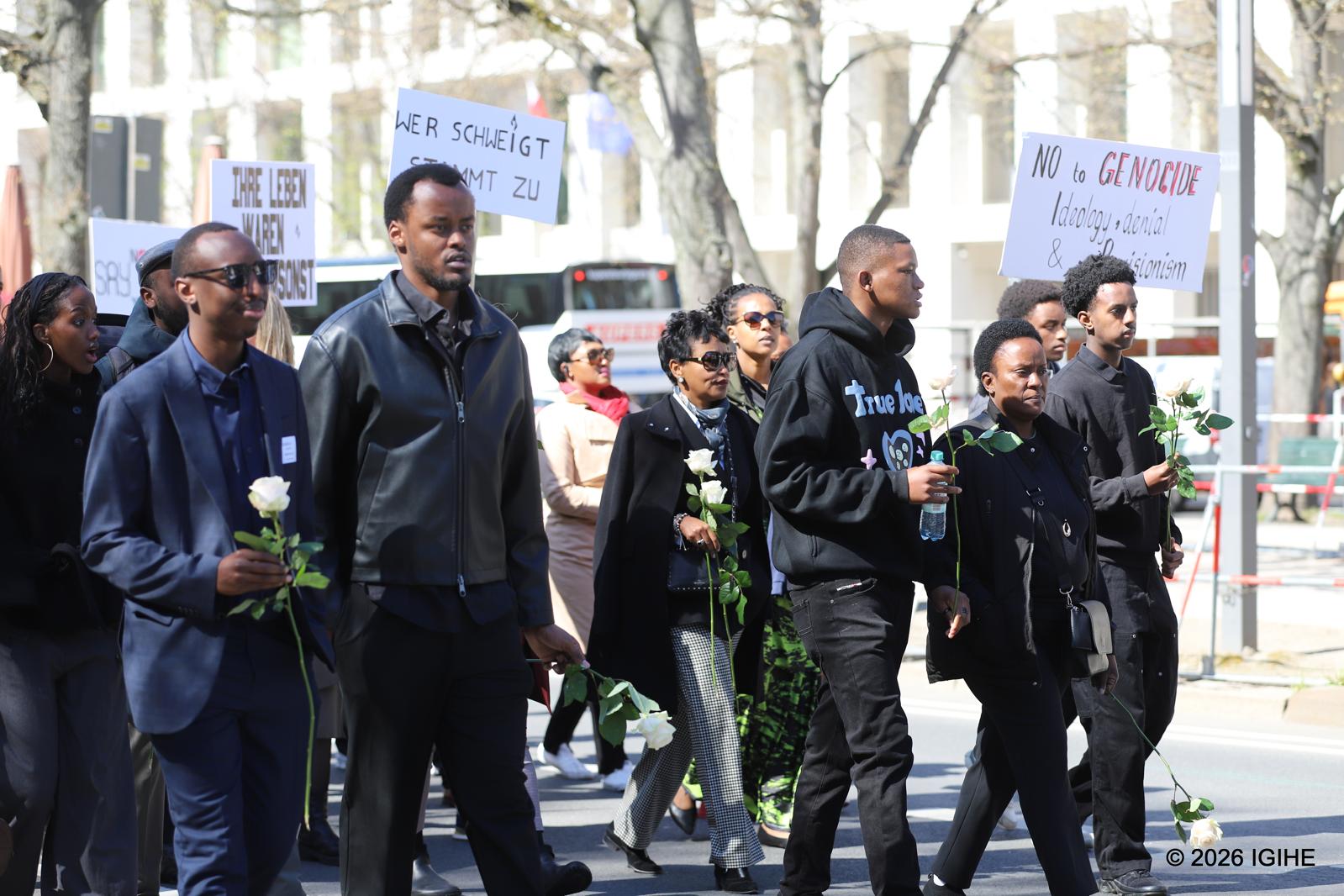
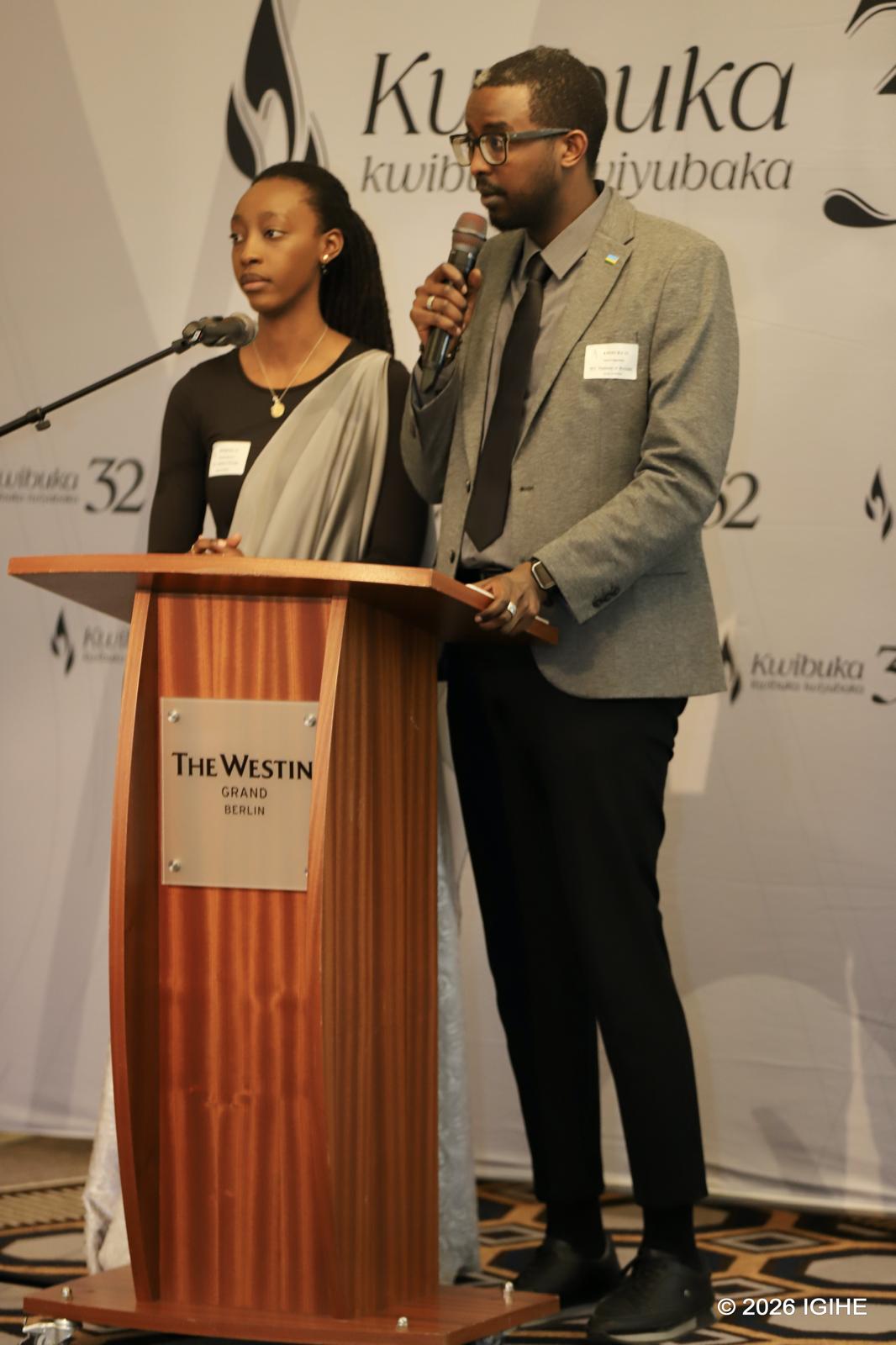
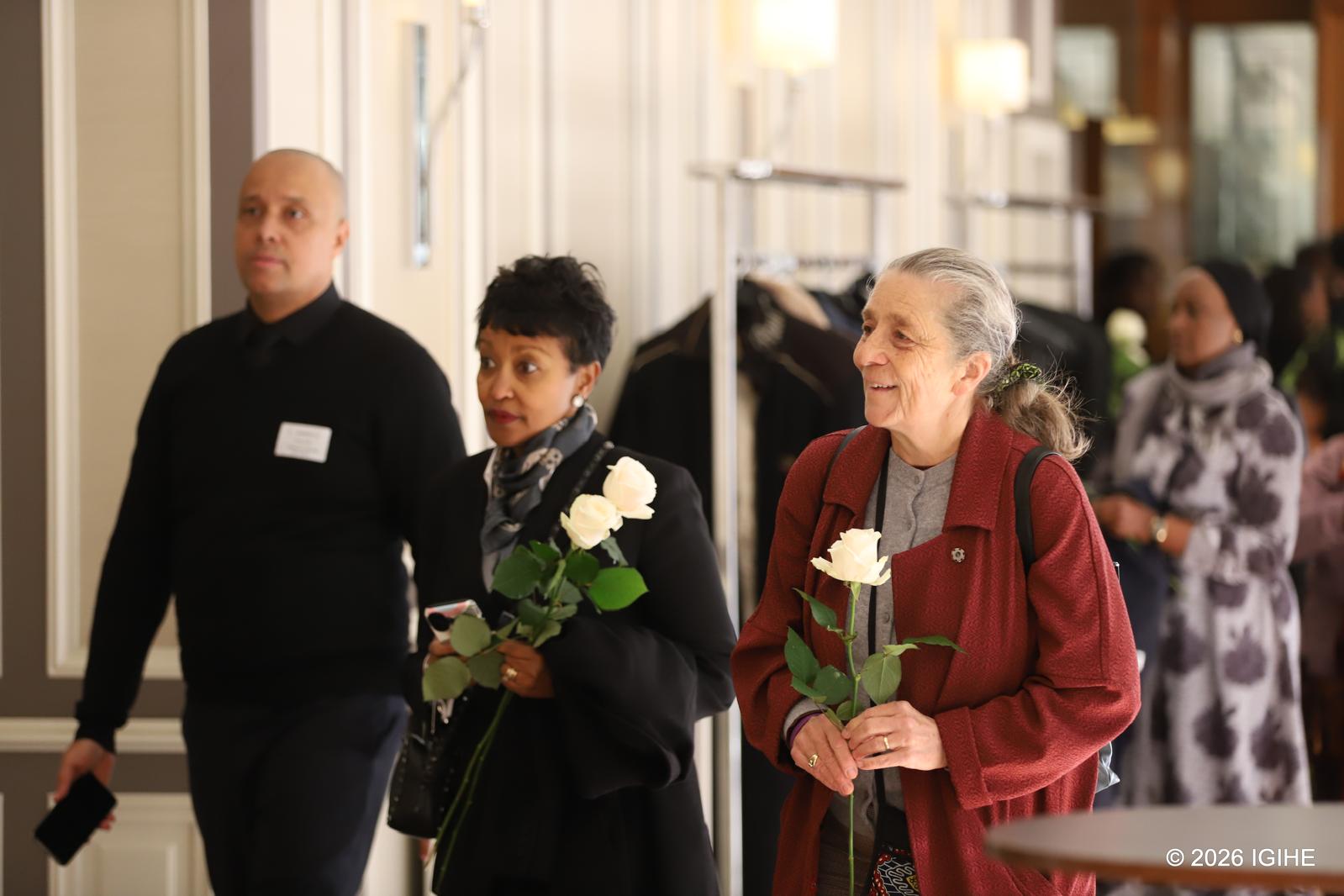
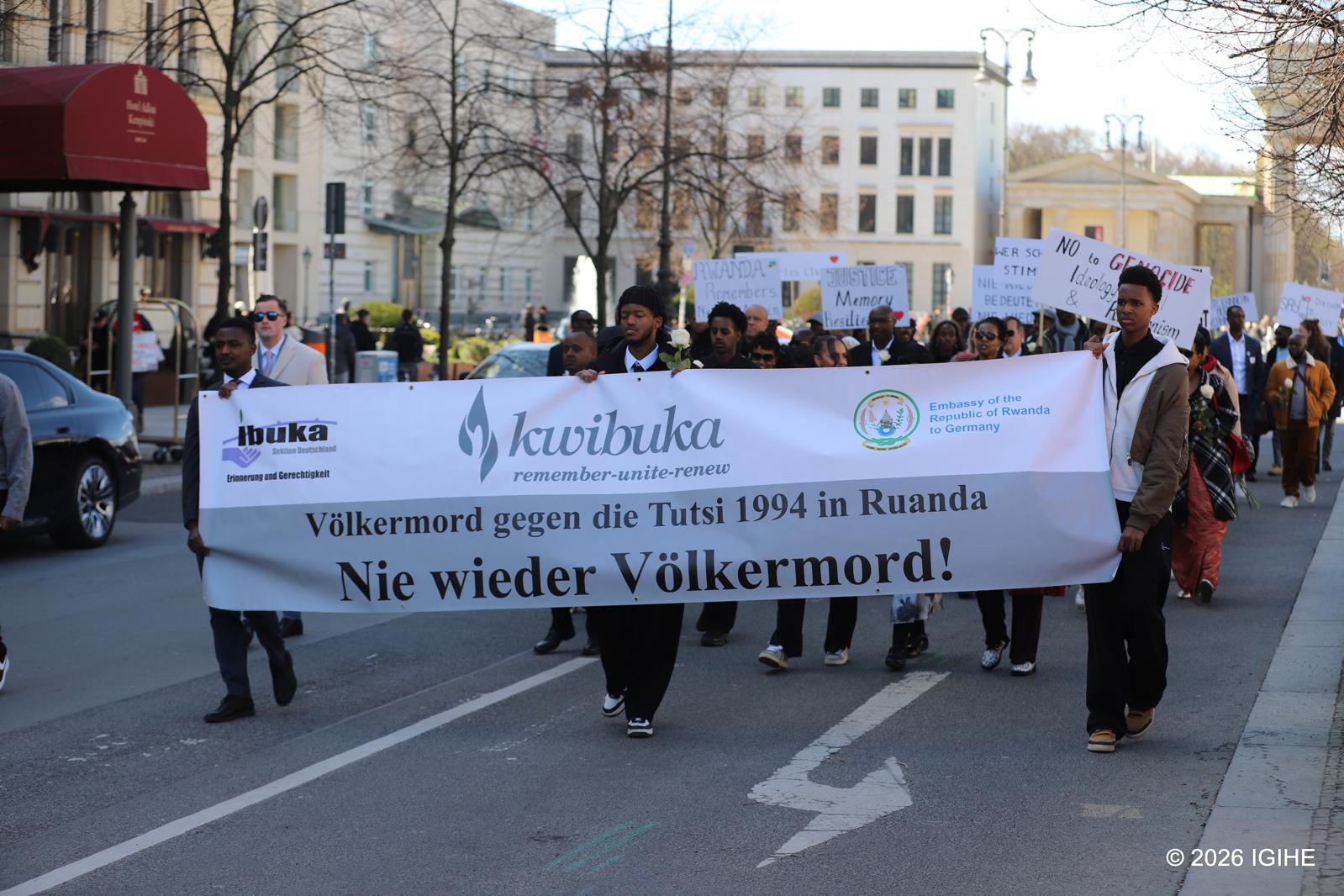
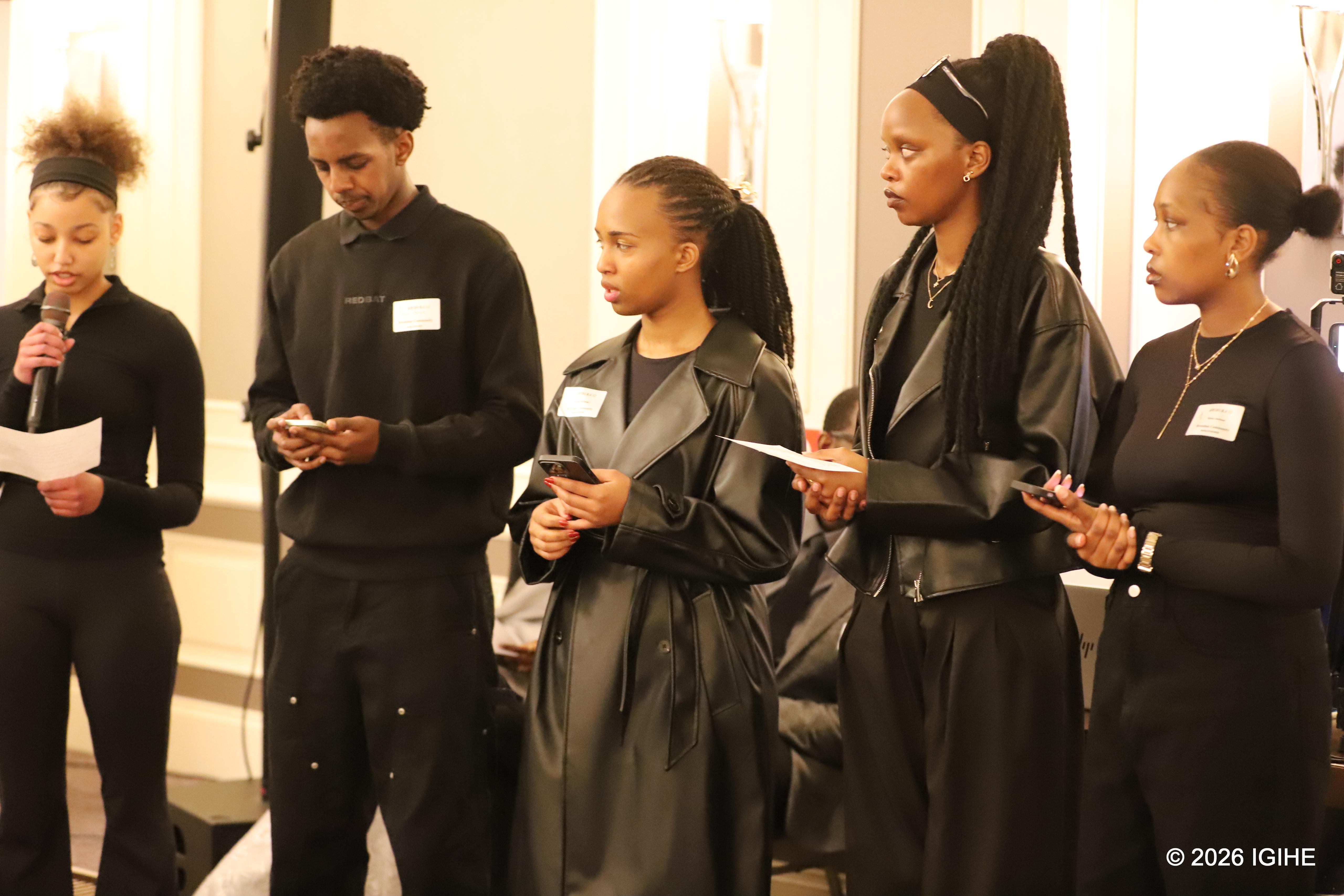
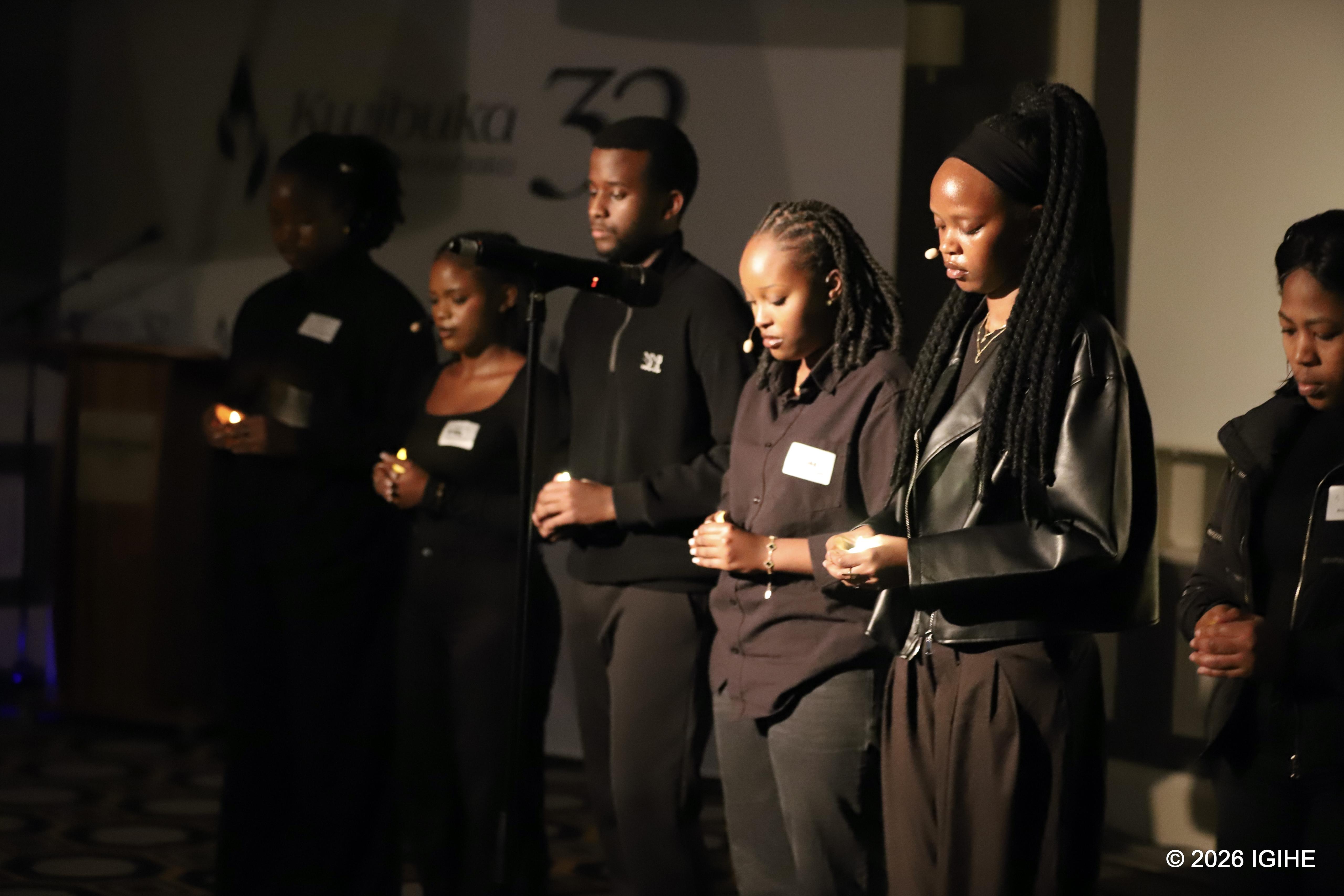
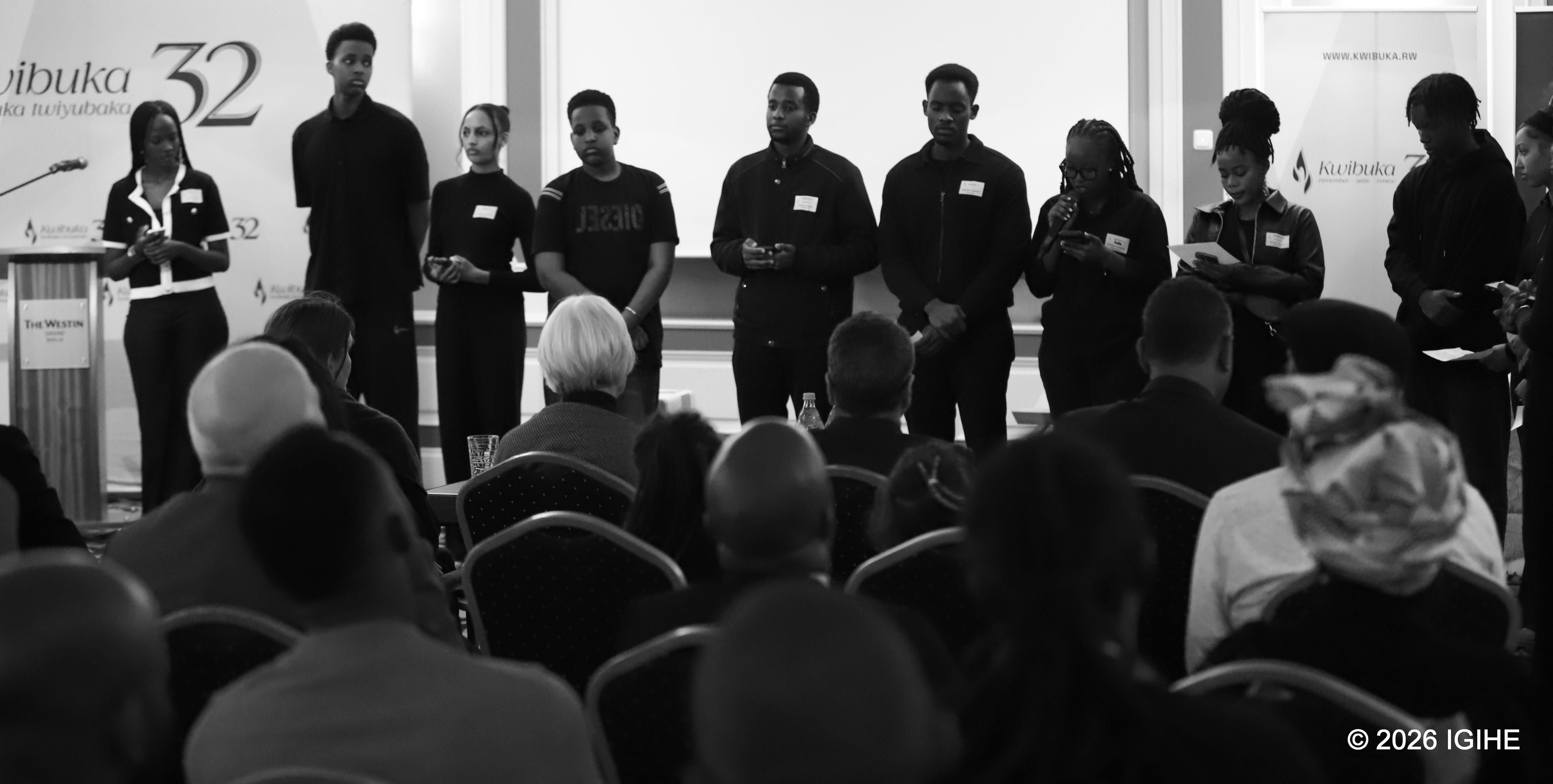
After a Walk to Remember, the commemoration continued with commemoration talks held at the Westin Grand Hotel, featuring a testimony by Umubyeyi Constantine, a poem recited by Sugira Hubert, and a theatrical performance by youth from Germany, all centered on the history of the Genocide against the Tutsi in Rwanda.
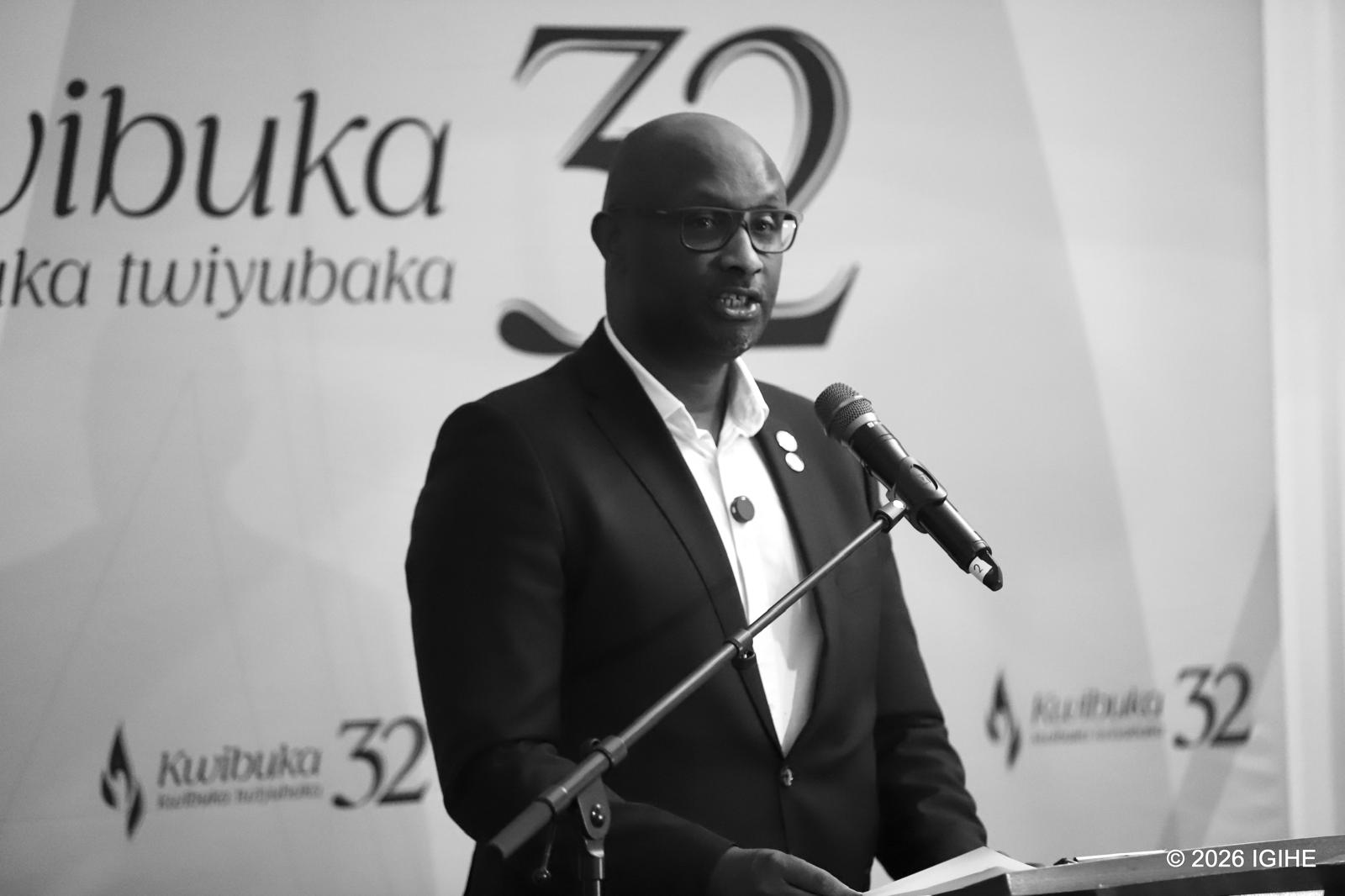
The representative of IBUKA in Germany, Philbert Gakuba, expressed gratitude to friends of Rwanda who attended.
He reflected on the history of the Genocide against the Tutsi, which left him orphaned, noting that today he has rebuilt his life, become a father, and moved forward with resilience.
Gakuba encouraged survivors to remain strong during this period of commemoration, acknowledging that it is a particularly difficult time, even though remembrance is something they live with every day.
He also addressed the youth, emphasizing that they are the ones who will carry forward the responsibility of remembrance. He noted that the commitment and actions already demonstrated by young people show that they are capable of sustaining this duty in the future.
Gakuba further reminded the international community of its inaction during the Genocide, stating: “This is why we remember, so that it never happens again.”
He also expressed sincere appreciation to Lise Nirk, a resident of Lauchringen, who played a significant role in supporting the establishment of the first genocide memorial in Germany.
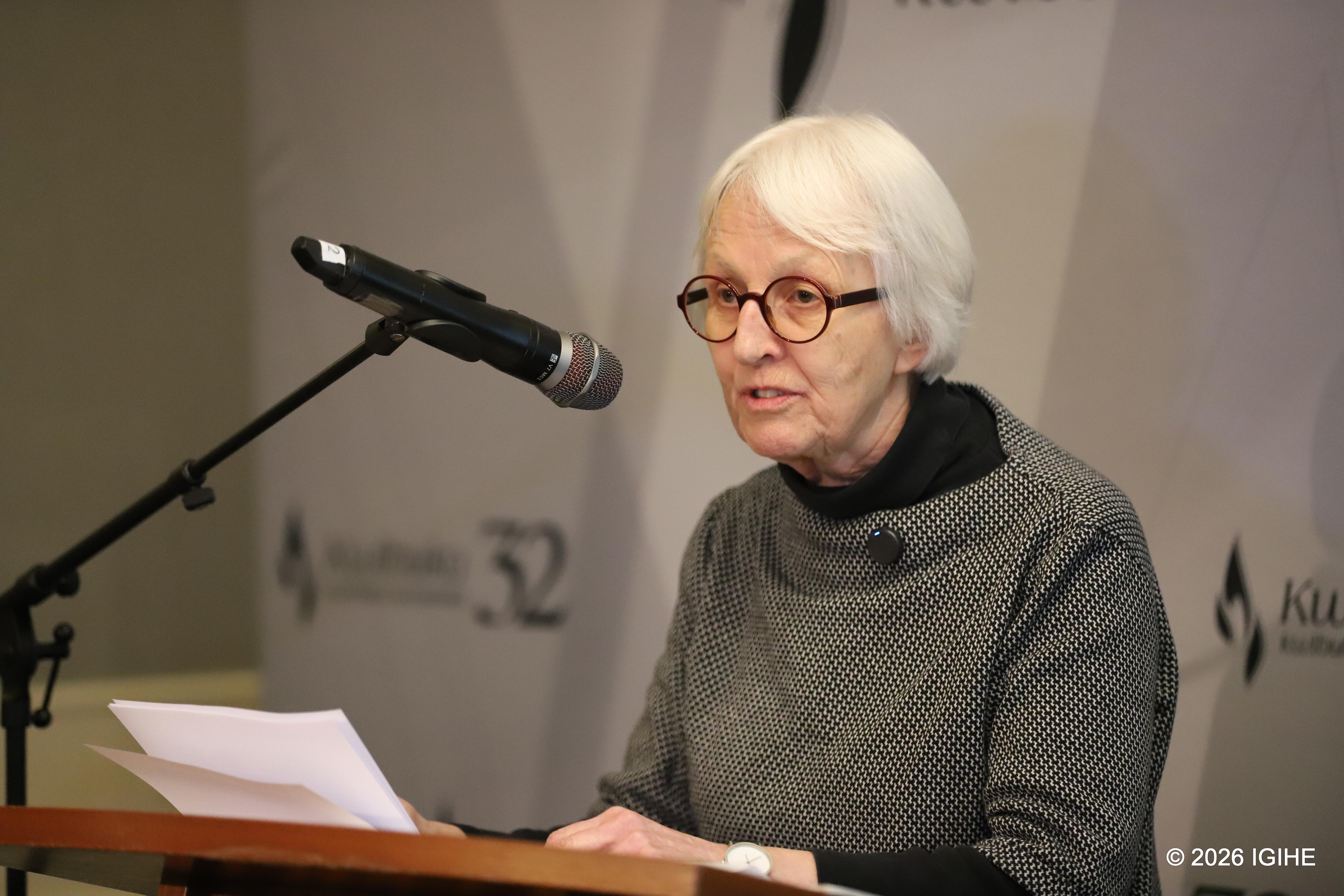
Dr. Charity Wibabara also delivered a presentation addressing genocide denial and minimization, and the ongoing efforts to combat them.
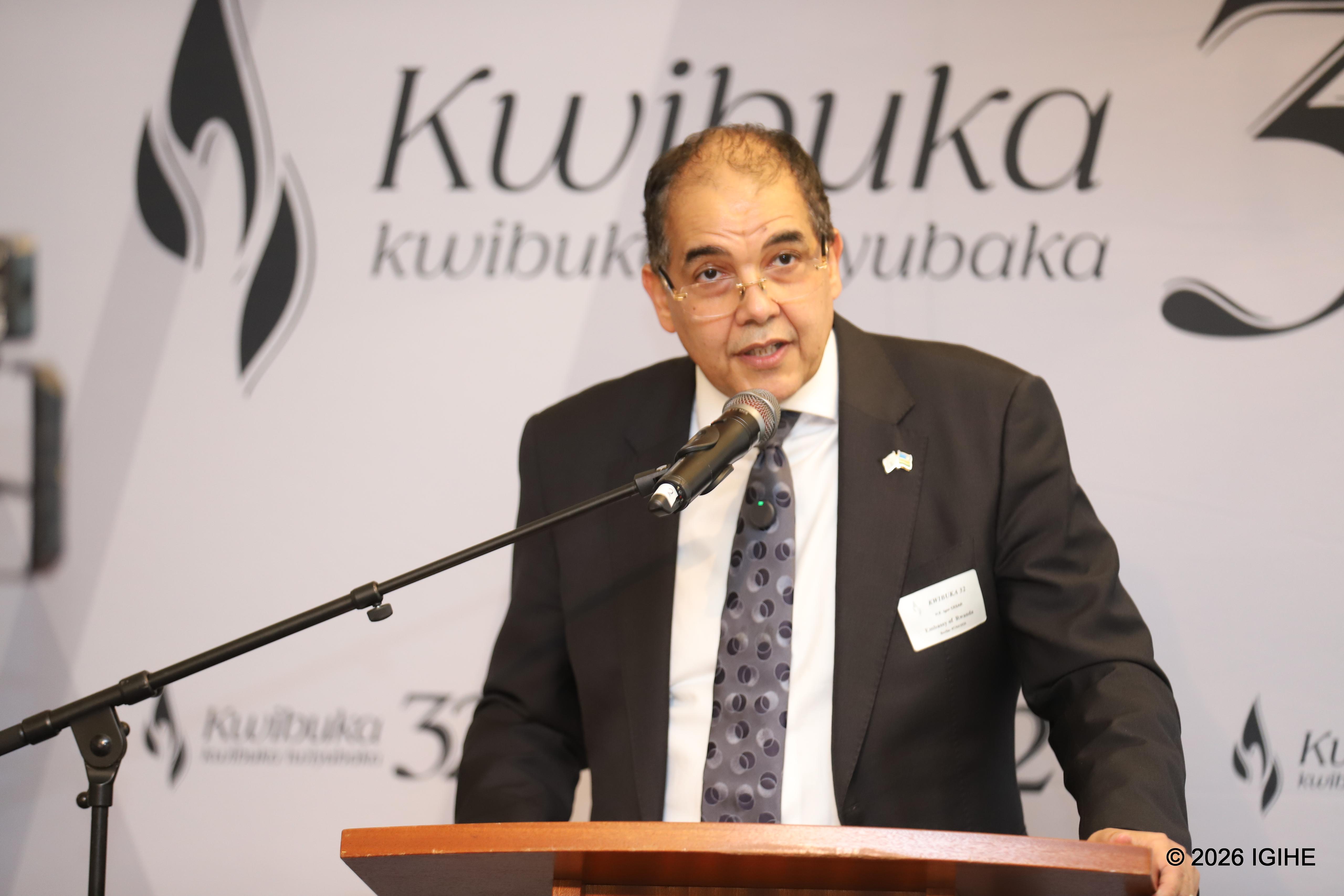
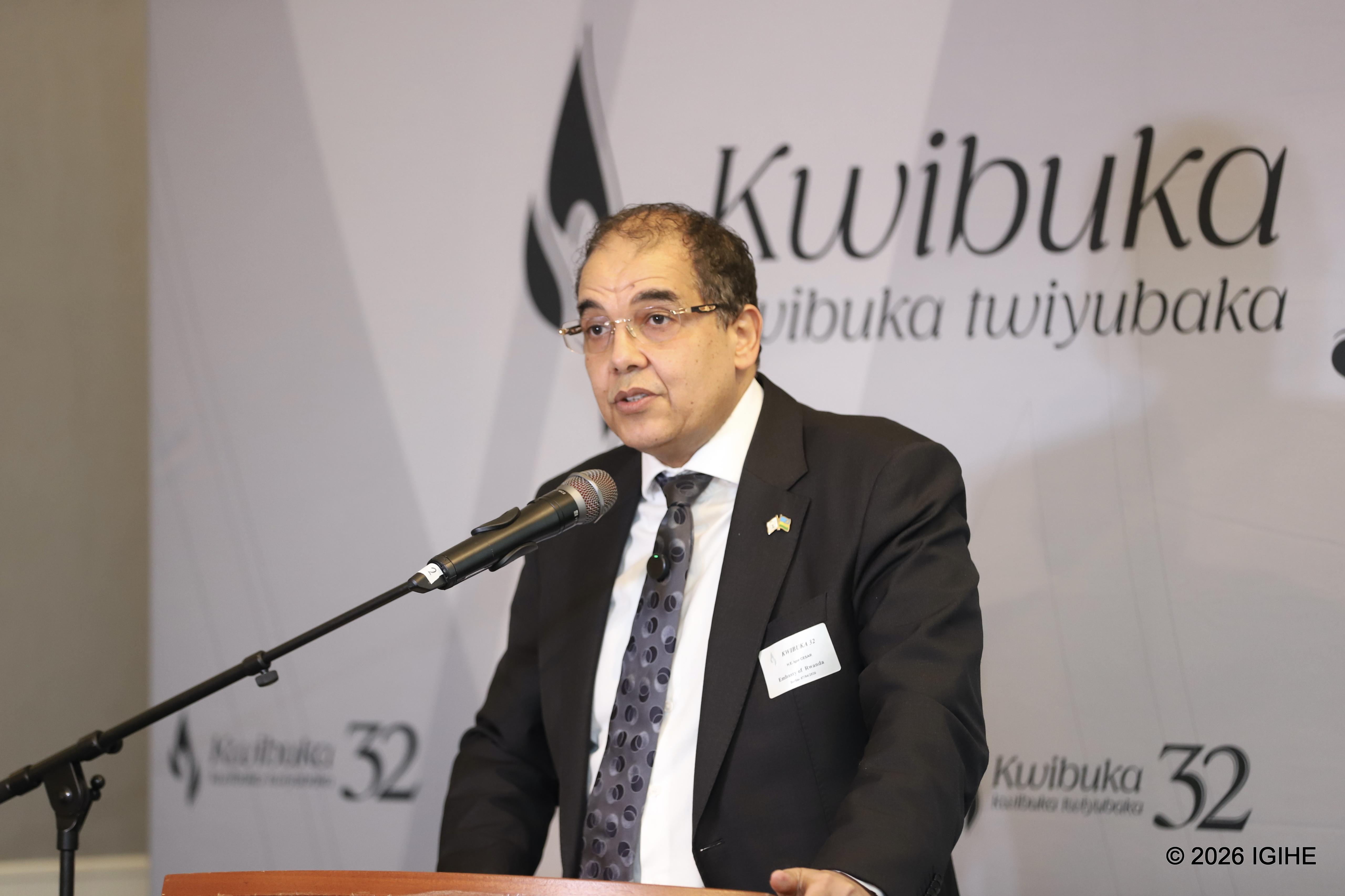
In his speech, Ambassador Igor César expressed sincere gratitude to participants for honoring the occasion, noting that their presence reflected a shared commitment to preserving memory and strengthening the global fight against genocide and hate speech.
He warned that genocide ideology, denial, and distortion are not only persisting but spreading rapidly across borders, often amplified by digital platforms and emerging technologies such as artificial intelligence.
“This makes our shared responsibility to remember, to educate, and to act more urgent than ever,” he stated.
Reflecting on the events of 1994, the Ambassador emphasized that the Genocide against the Tutsi was not spontaneous, but the result of a carefully orchestrated plan rooted in decades of division, discrimination, and dehumanization.
Long before 1994, Tutsis faced repeated persecution, exclusion, and violence, forcing many into exile. These injustices culminated in April 1994, when roadblocks were erected, lists of victims were used, and militias carried out killings with brutality.
In just one hundred days, more than one million people were killed, leaving behind devastating consequences. Approximately 250,000 women were widowed and around 300,000 children were orphaned, many forced to survive under unimaginable conditions.
Despite clear warning signs, the international community failed to act decisively, with the crimes denied, minimized, or mischaracterized.
“History will forever bear witness to that failure,” the Ambassador noted.
Ambassador Igor César explained that Kwibuka, meaning “to remember” in Kinyarwanda, reflects Rwanda’s commitment to honoring victims while firmly confronting denial. However, he cautioned that the ideologies that led to the genocide have not disappeared.
In some regions, particularly in the Great Lakes region, such narratives continue to fuel violence, persecution, and displacement, underscoring the need for constant vigilance.
“Silence in the face of such warning signs is complicity.”
He also urged governments to strengthen legal frameworks against genocide denial and revisionism, while highlighting the crucial role of education in ensuring younger generations safeguard the truth.
The Ambassador further highlighted Rwanda’s recovery since 1994, noting that the country emerged from devastation marked by collapsed institutions, a crippled economy, destroyed infrastructure, and a deeply traumatized population.
Rebuilding required restoring trust, delivering justice while fostering reconciliation, and reconstructing a fractured society. Through strong leadership, inclusive governance, and homegrown solutions, Rwanda chose a path of unity and nation-building.
Today, Rwanda stands as a testament to resilience, determination, and transformation.
Ambassador Igor also expressed gratitude to those who supported Rwanda’s reconstruction and continue to stand in solidarity, stressing that remembrance must be matched with action.
“‘Never Again’ must be a lived reality, not just a slogan.”
Additional remarks were given by invited guests, including German national Lise Nirk, a resident of Lauchringen, who was recognized for her key role as a friend of Rwanda in the establishment of the country’s first genocide memorial.
The discussions were moderated by Ngarambe Rwema and Samantha Umurera Kayitete.
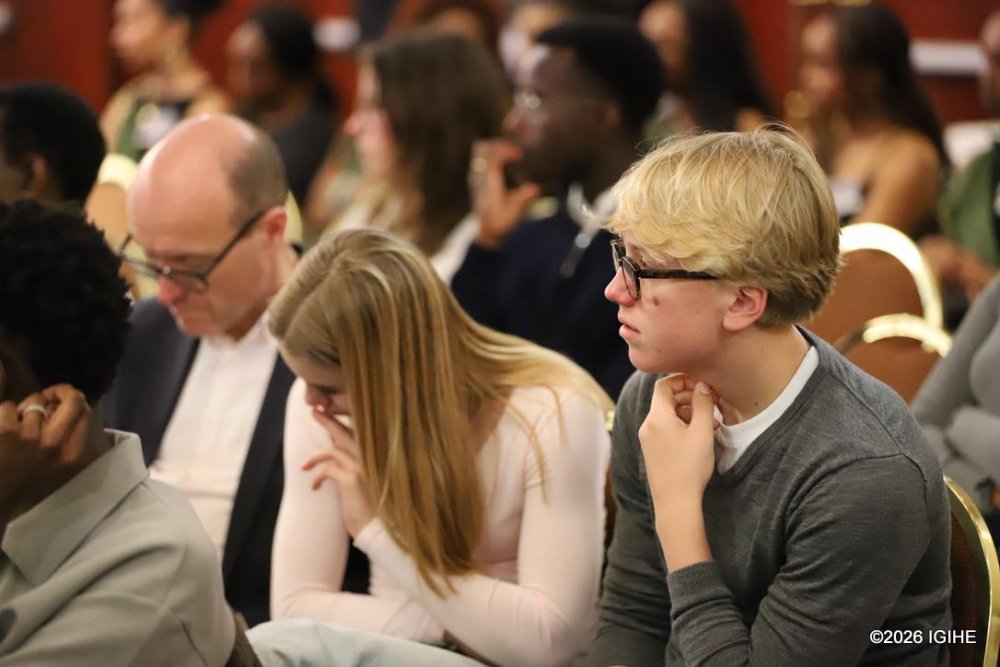
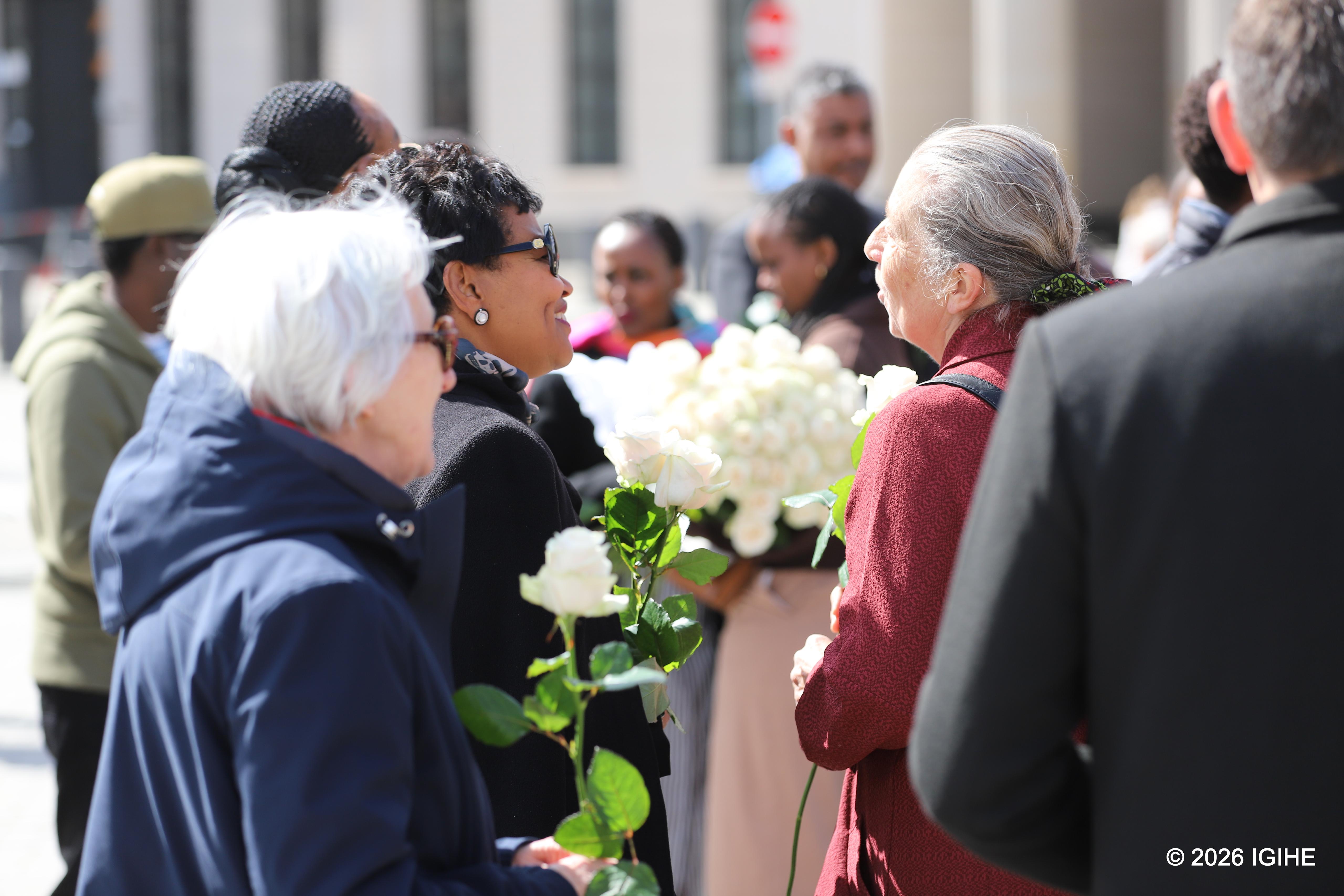
The representative of IBUKA in Germany, Gakuba Philbert, expressed gratitude to friends of Rwanda who attended and reflected on the history of the Genocide against the Tutsi.Ambassador Igor César addresses attendees during the 32nd commemoration of the Genocide against the Tutsi in Berlin.Rwanda’s Ambassador to Germany, Igor César, has called for renewed global commitment to confronting genocide ideology.Attendees gather in Berlin for the 32nd commemoration of the Genocide against the Tutsi under the theme “Remember – Unite – Renew.”A walk to remember preceded commemoration talks.
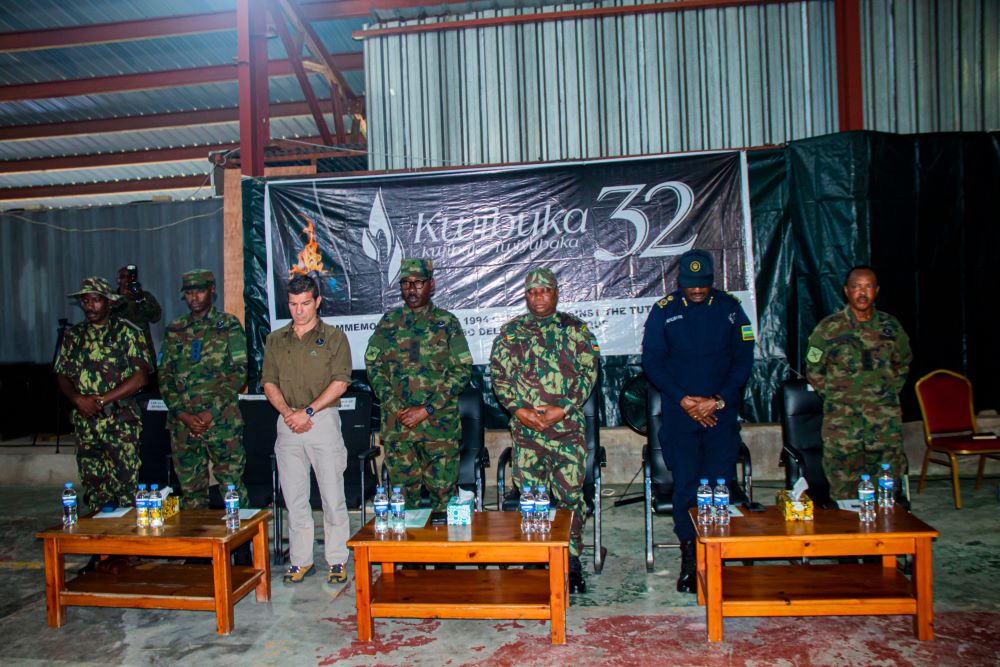
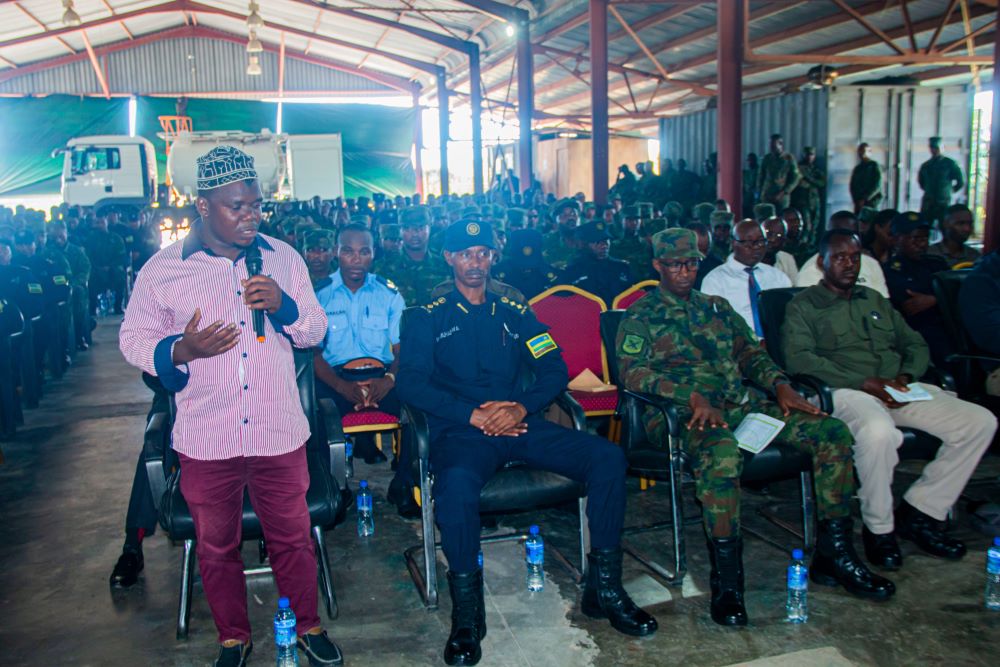
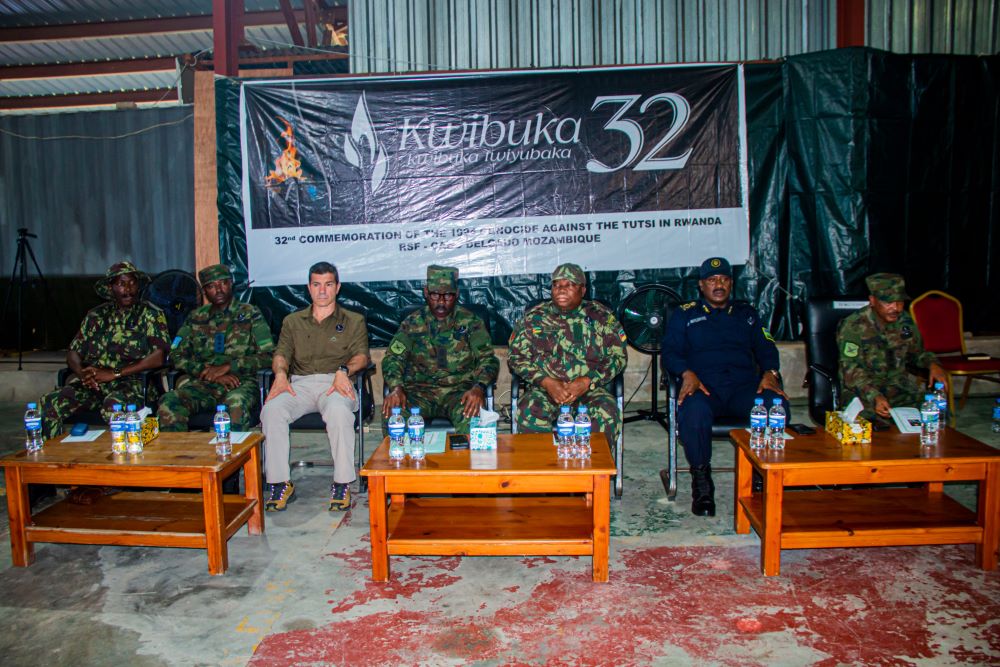
Heads of delegations who attended included Deputy Army Commander (FADM)- Brig Gen Tomás Mponha, Mr Savio- TotalEnergy GP, and leaders from different religious faiths residing in Mocímboa da Pria District.
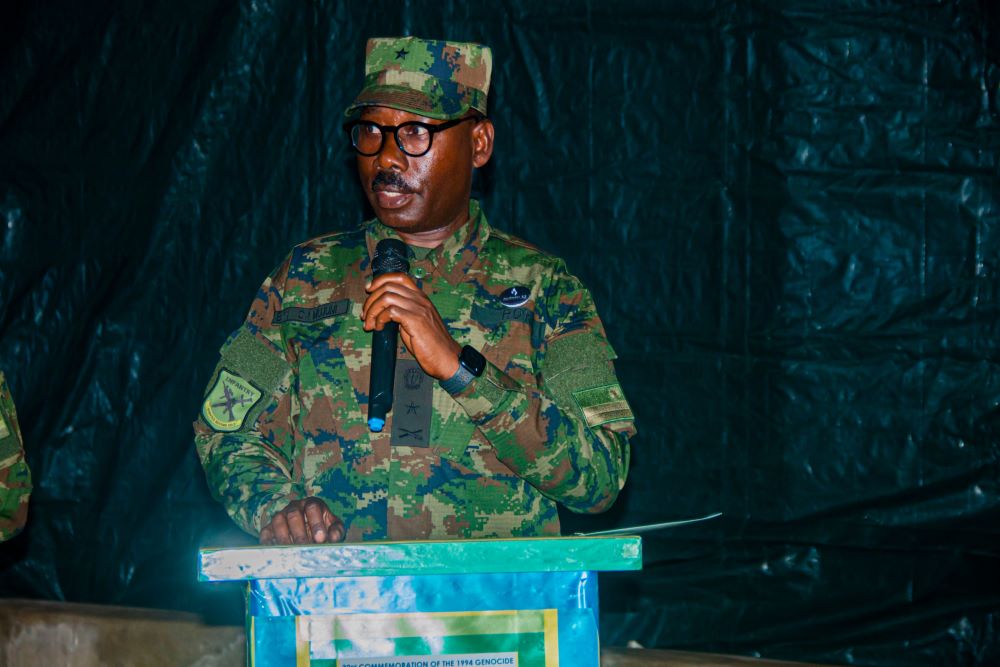
Addressing the gathering, Brig Gen CM Mujuni, the Joint Task Force Commander (JTFC) reiterated the importance of remembrance as a reminder to deter any acts of Genocide from happening again.
The JTFC noted that genocide stems from divisive ideologies rooted in colonial influence and poor leadership that had been adopted in the post-colonial Rwanda.
The divisive politics led to the extermination of over one million Tutsi people who perished in only 100 days while the International community watched.
Had it not been RPA’s intervention, even those who survived would have perished
Brig Gen Mujuni reaffirmed Rwanda’s commitment to unity, peace, and ensuring that such atrocities never happen again
On behalf of the Mozambican delegation, the Deputy Army Commander, Brig Gen Tomás Mponha, noted that Rwanda’s history especially the 1994 Genocide against the Tutsi offers significant lessons to Mozambique in particular and the world in general.
The FADM Gen further commended the sacrifice made to stop the genocide against the Tutsi and acknowledged the efforts made by the Rwanda Security Force to combat terrorism in Mozambique- Cabo delgado province.
The ceremony was concluded by listening to the televised strong message of remembrance, solidarity, and a shared commitment for peace and stability, delivered by Paul Kagame, the President of the Republic of Rwanda.
The commemoration event was held on April 7, 2026.Brig Gen CM Mujuni, the Joint Task Force Commander (JTFC) reiterated the importance of remembrance as a reminder to deter any acts of Genocide from happening again.Heads of delegations who attended included Deputy Army Commander (FADM)- Brig Gen Tomás Mponha, Mr Savio- TotalEnergy GP, and leaders from different religious faiths residing in Mocímboa da Pria District.
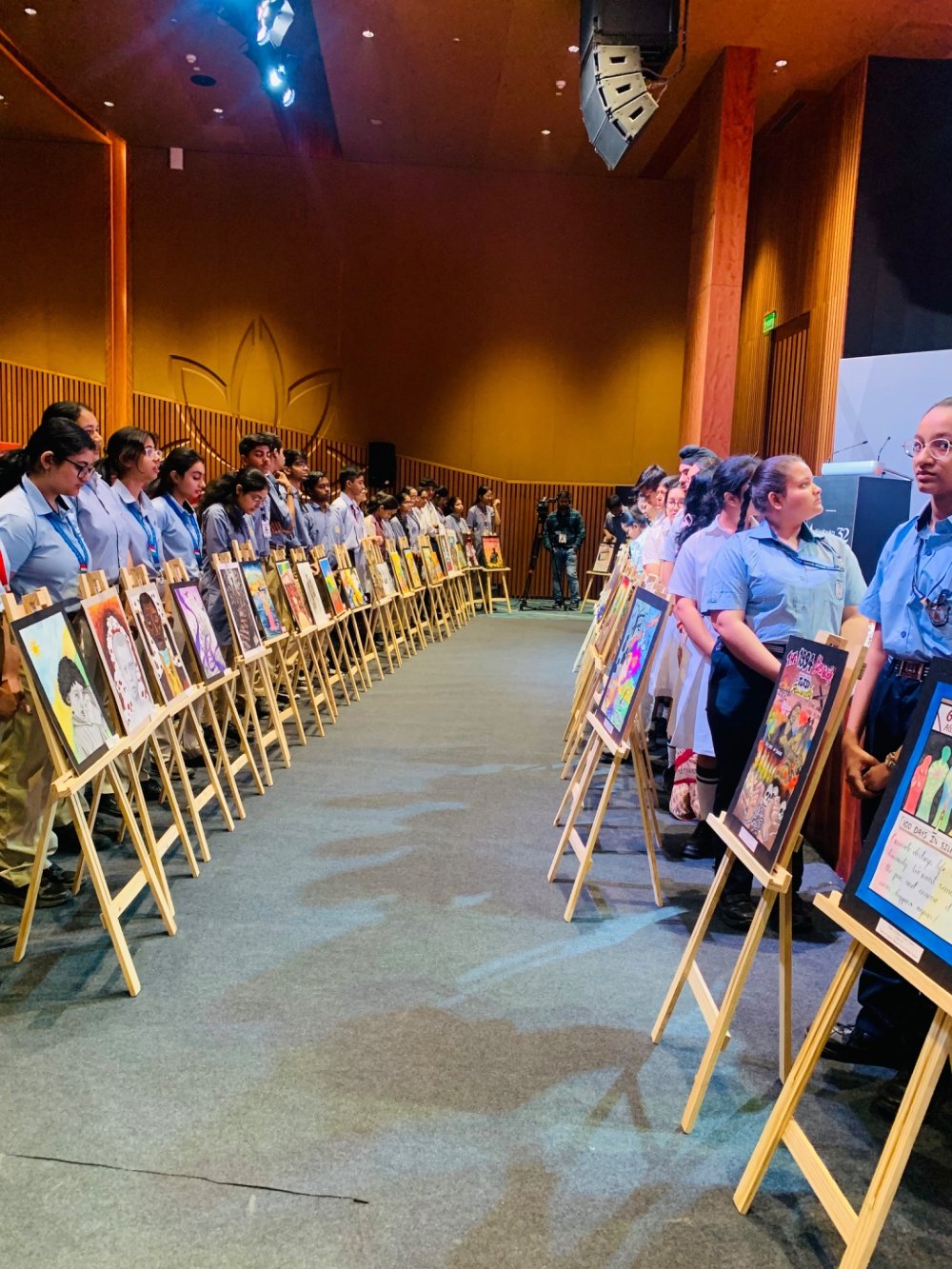
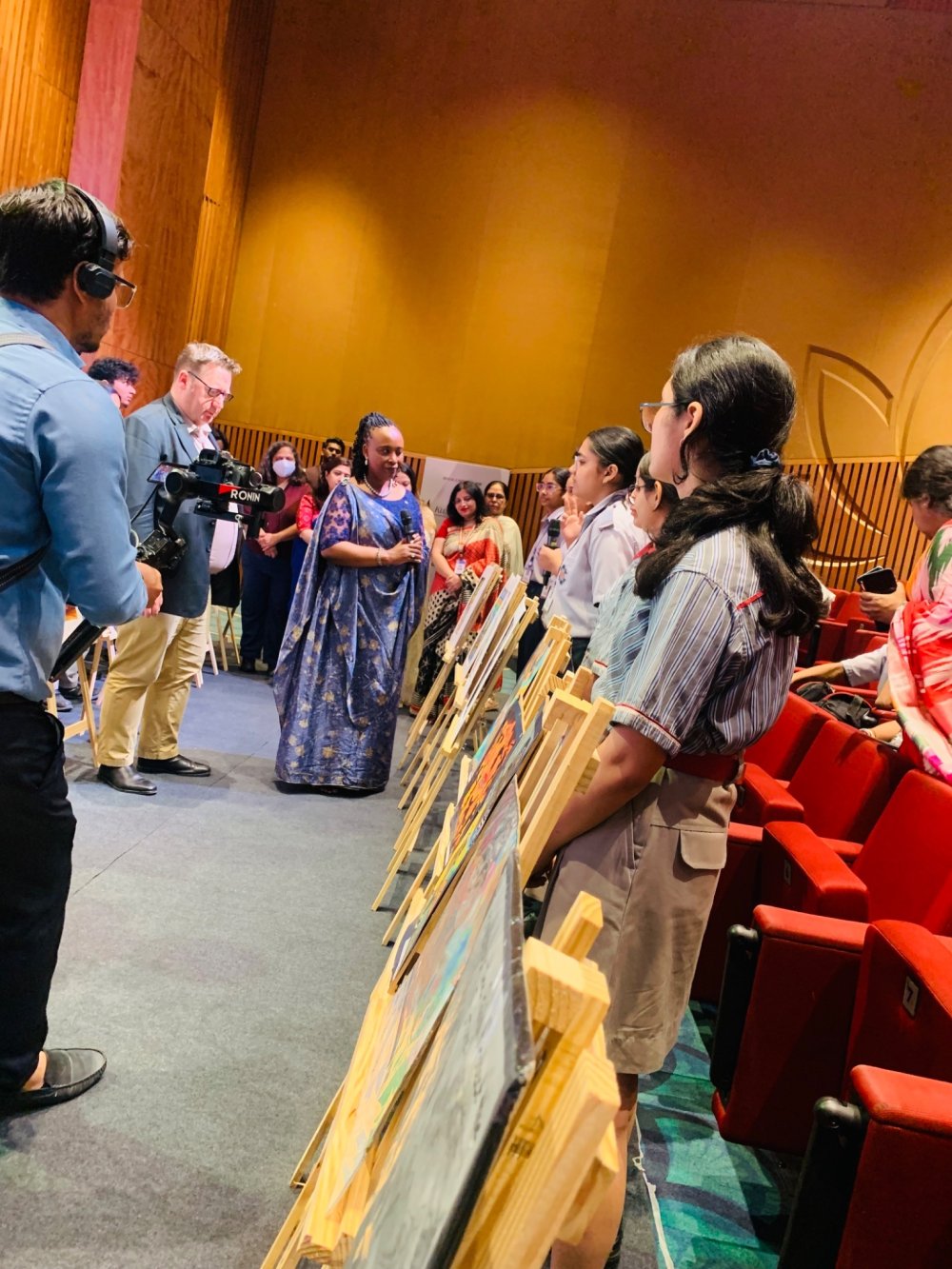
The exhibition took place on the morning of April 7, 2026, in the hall where the 32nd commemoration of the Genocide against the Tutsi was held.
The Rwandan Embassy in India reported that officials, including Rwanda’s High Commissioner to India, Jacqueline Mukangira, the Head of the UN Mission in India, Darrin Farrant, and school teachers, were given an introduction and explanation of the messages conveyed through the students’ works.
April 7 is observed annually as the International Day of Reflection on the 1994 Genocide against the Tutsi. This year marks the 32nd commemoration, when Rwandans and the global community remember the genocide.
In Rwanda, the 32nd Commemoration Week has begun nationally, alongside 100 days of remembrance activities.
Students in India on the morning of April 7, 2026, displayed artworks commemorating the 32nd anniversary of the 1994 Genocide against the Tutsi.