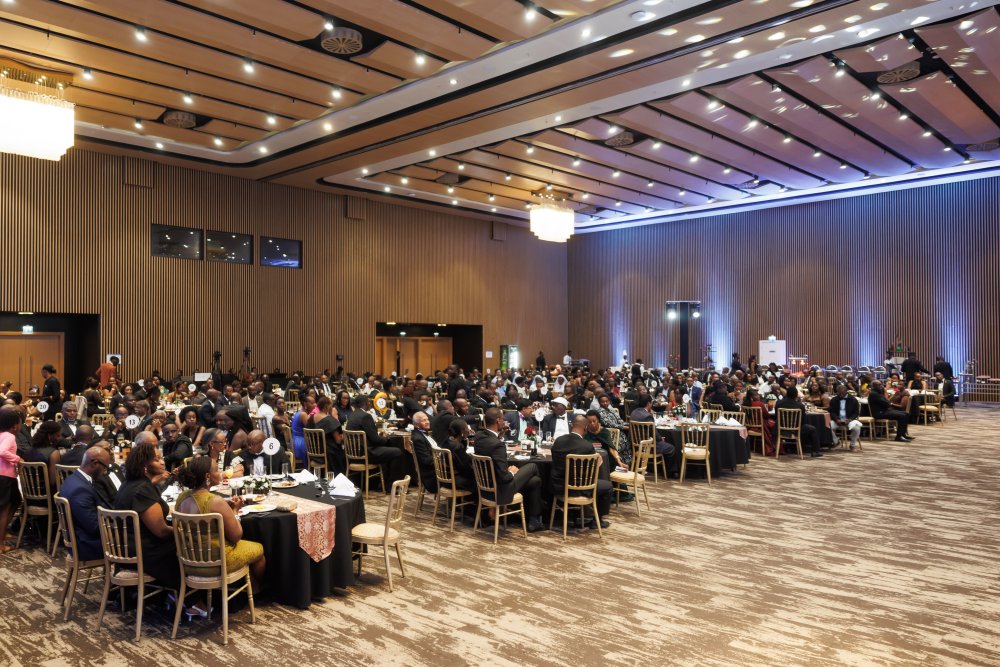
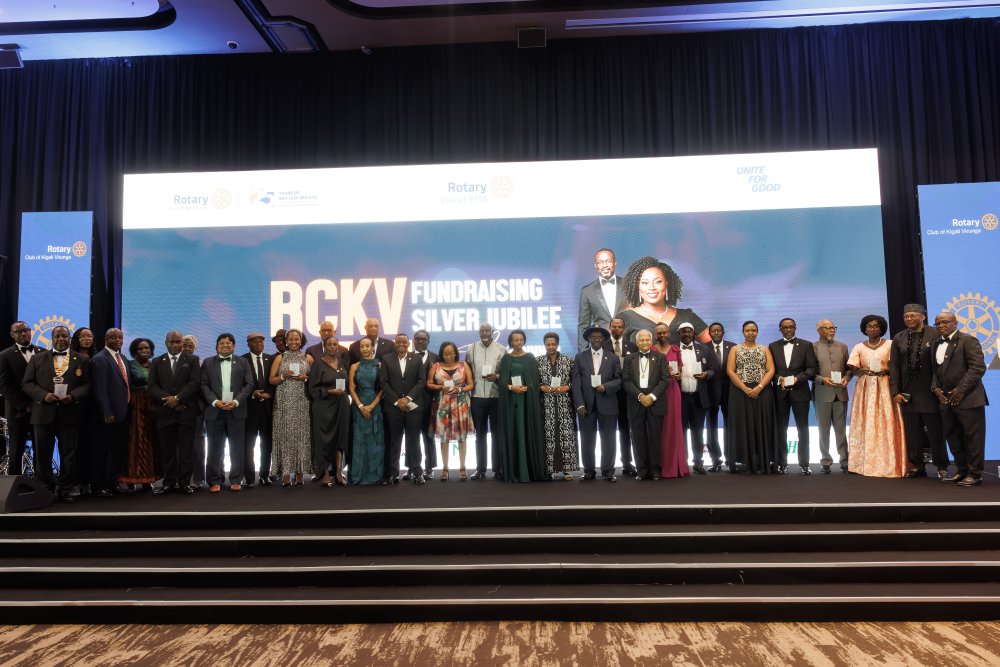
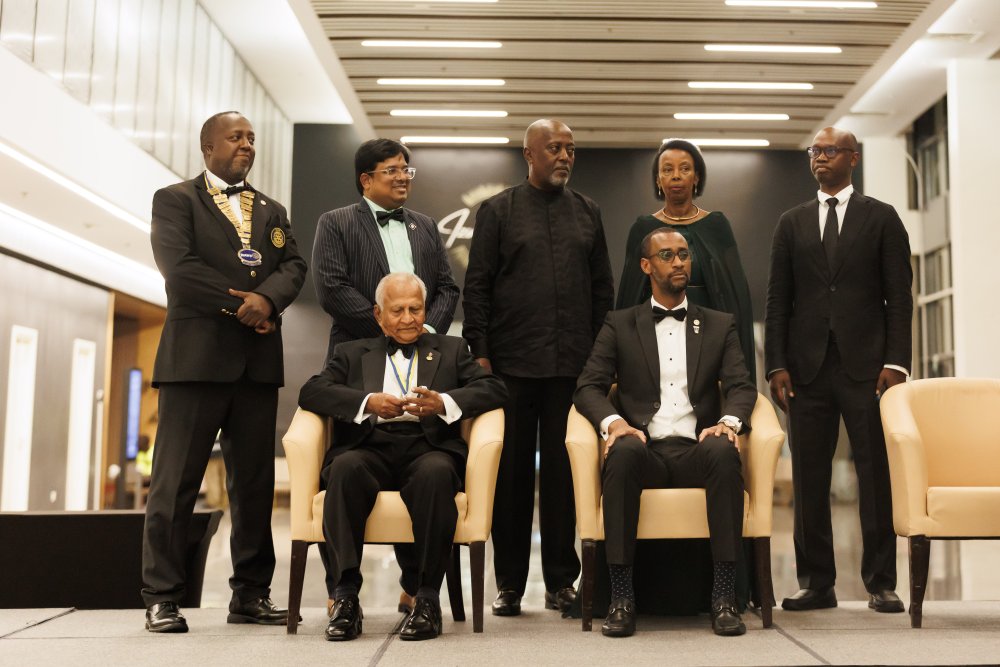
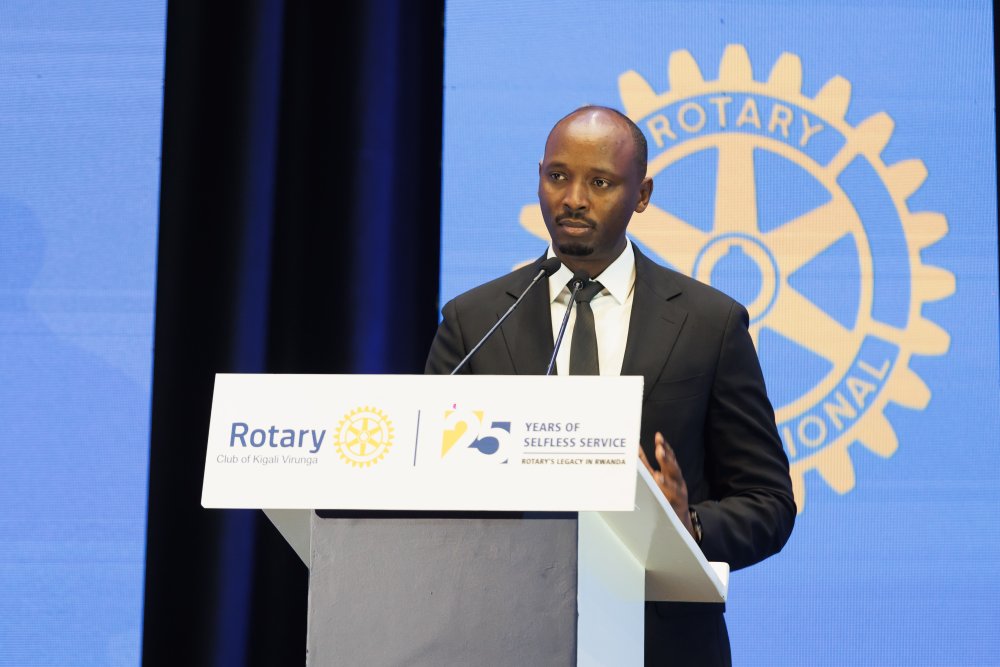
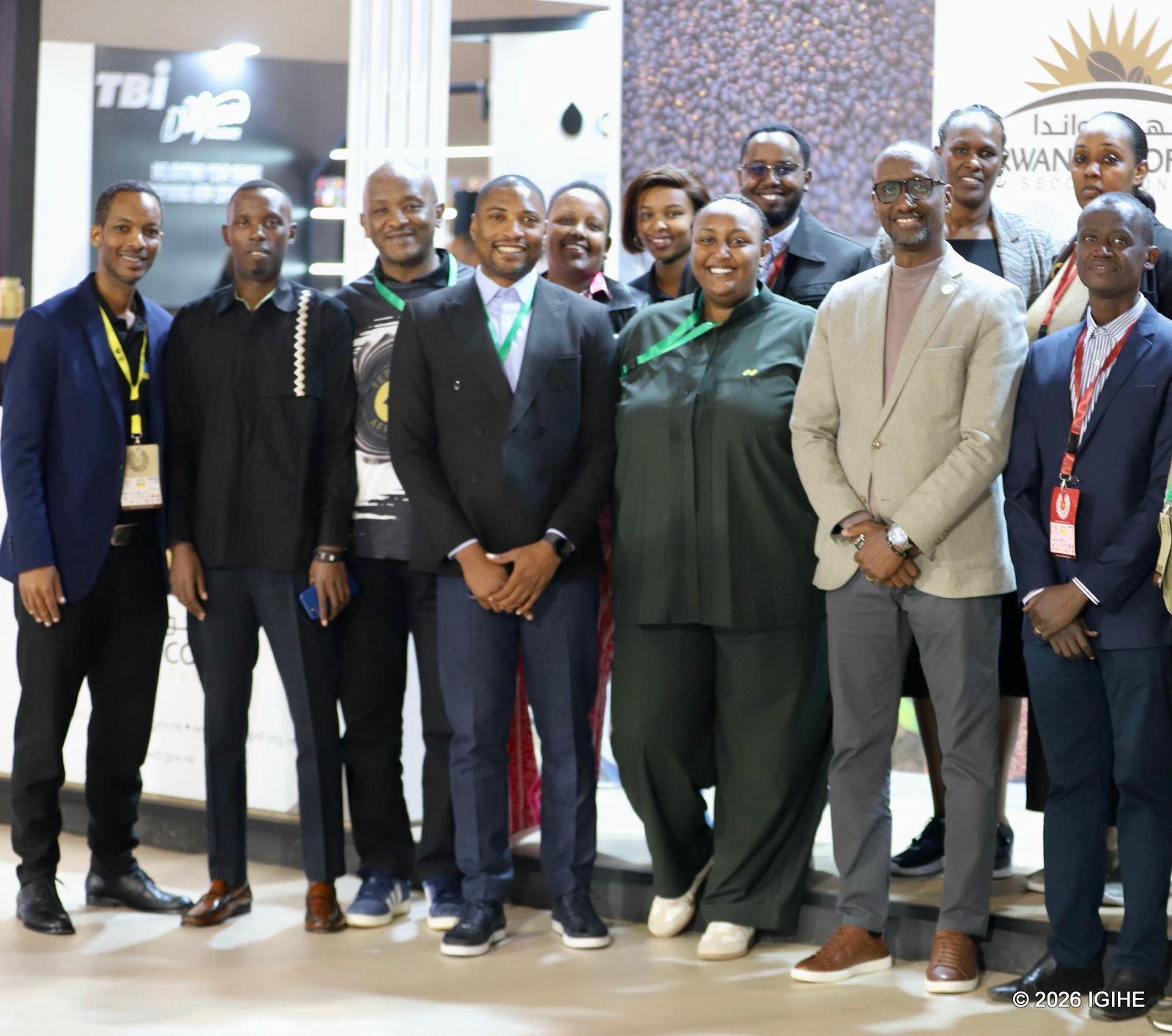
The commitment was made on March 28, 2026, during celebrations marking the club’s 25th anniversary.
Rotary is an international non-governmental organization dedicated to humanitarian work, including supporting the underprivileged, promoting public welfare services such as clean water, environmental conservation, combating epidemics, and contributing to community development initiatives.
Rotary International was founded by Paul Percy Harris in Chicago, United States, on February 23, 1905. In Rwanda, it was introduced in 1960 by the Rotary Club Kigali Doyen. The Kigali Virunga chapter was established in 2000 and currently has over 94 members.
Peter Malinga, President of the Rotary Club of Kigali Virunga, highlighted that over 25 years, the club has implemented numerous projects benefiting the community, including contributions to the Kigali Library, which cost over $6 million, with the club contributing $2 million.
“We have undertaken many projects that demonstrate the impact of the Rotary Club of Kigali Virunga in society. These initiatives reflect the achievements possible when government institutions and non-governmental organizations collaborate effectively,” he stated.
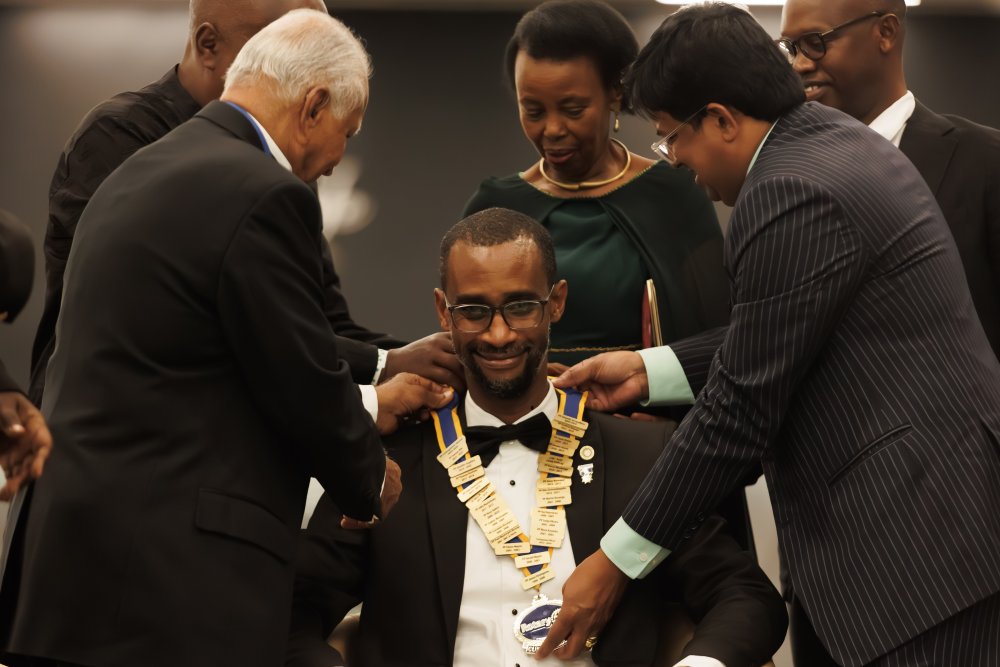
During the celebrations, members elected Alex Ndibwami as the new club president for the 2026/2027 term.
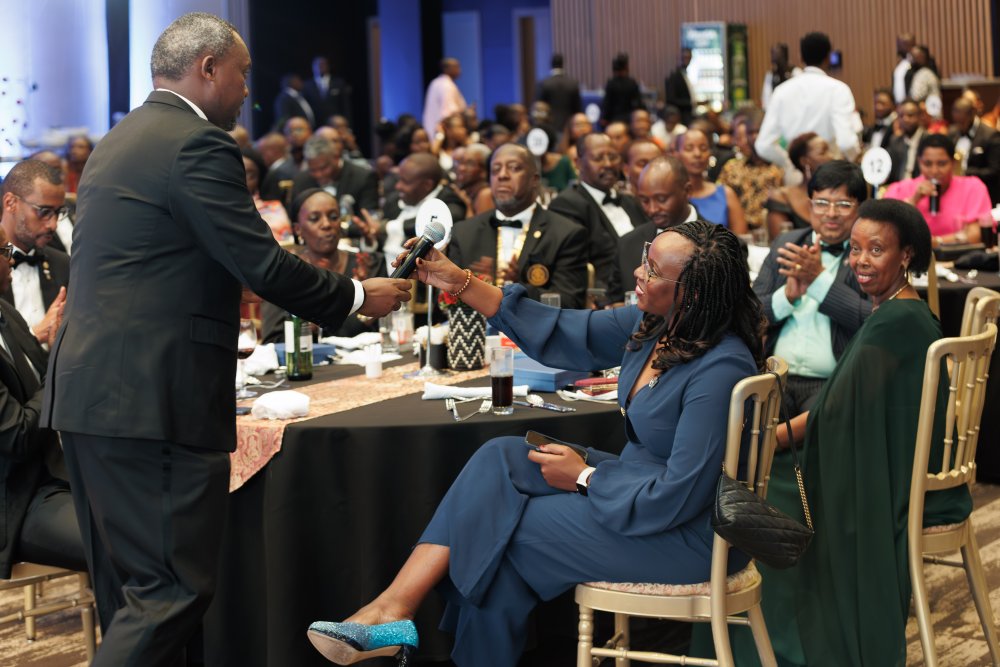
The club also raised over Rwf53 million to support the purchase of the SPECT Scan machine. Ndibwami emphasized that fundraising efforts will continue through partnerships with private companies, collaboration with other Rotary clubs in Rwanda, and additional grant applications.
He noted, “Within Rotary International, there are structured ways to request support, but it requires demonstrating what you have already accomplished. We will combine our local fundraising with support from other clubs and both private and government entities to complete this project.”
Rwanda’s Minister of Health, Dr. Sabin Nsanzimana, welcomed the initiative, noting that it complements government efforts to provide high-quality healthcare.
“Currently, breast and cervical cancers are on the rise. Introducing a machine like this, which can detect cancer early, is an opportunity for Rwanda, as many patients previously had to travel abroad at high cost to access such services,” he said.
The project to acquire the SPECT Scan machine is expected to be completed by 2028.
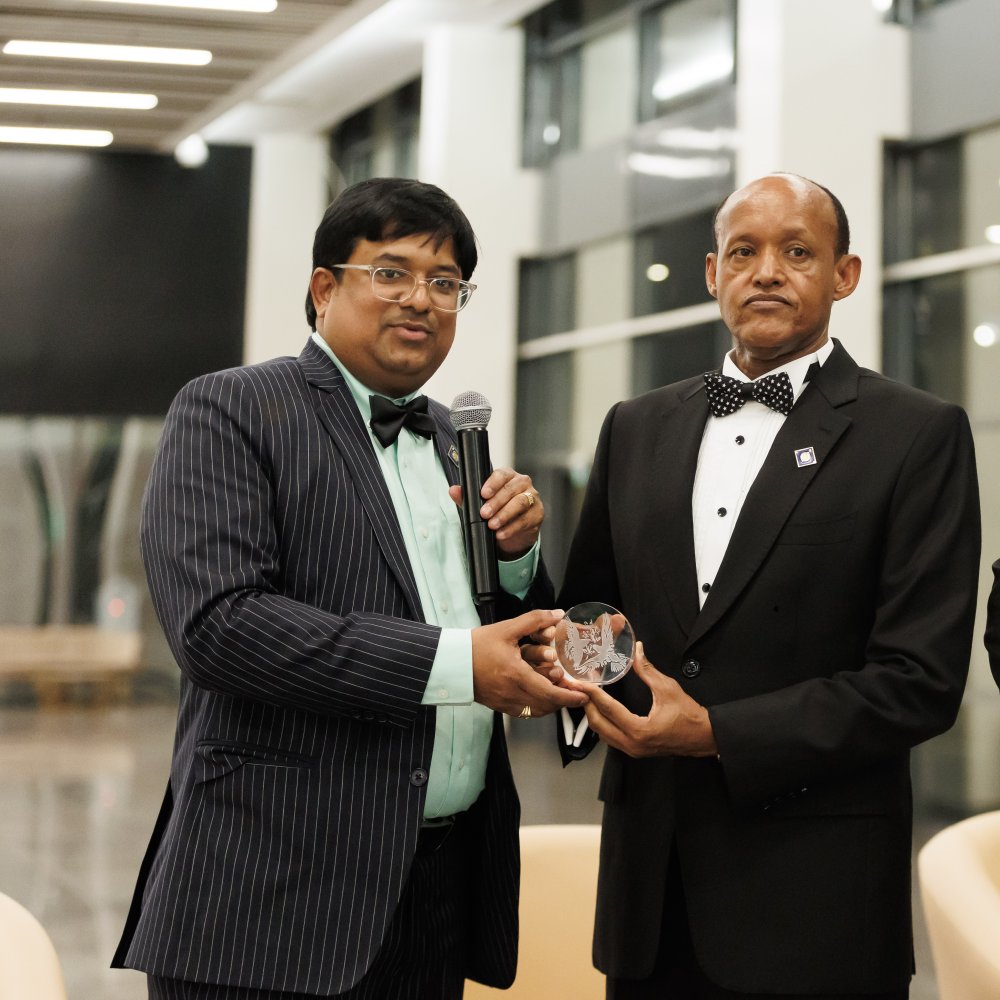
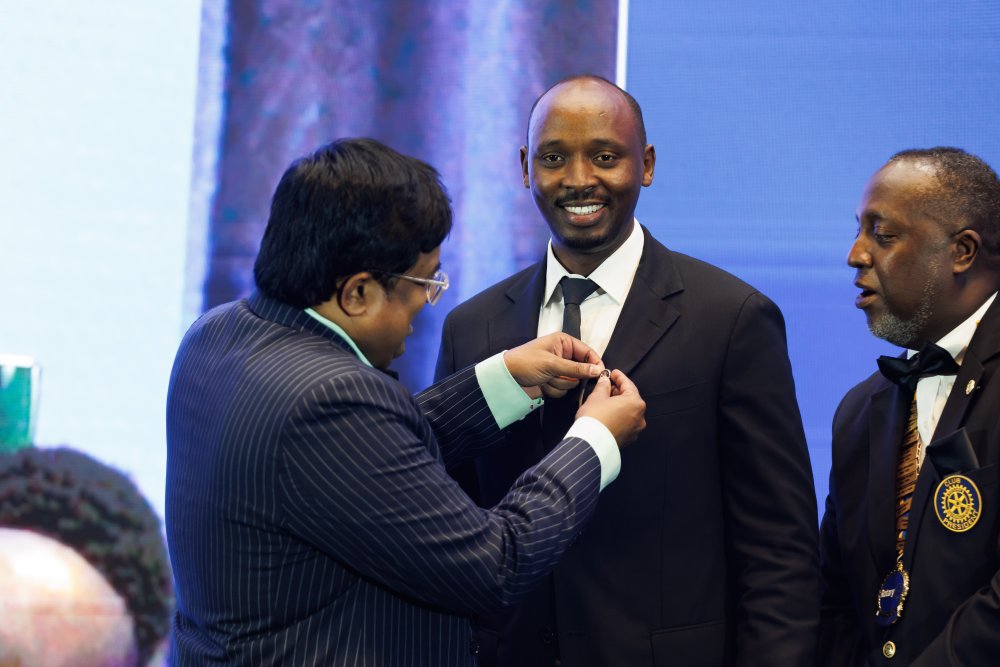
During the event, Past Assistant District Governor (PADG) and Centennial Past President (CPP) Paul Masterjerb Birungi, a dedicated member of the Rotary Club for 25 years, was recognized as the district’s top recruiter and inducted into the Membership Society, an honor reserved for Rotarians who have recruited more than 25 new members.
Notably, he is the only individual across the district, which spans 10 countries, to have reached this milestone.
Businessman Faustin Mbundu also received the Major Donor Label pin in recognition of his USD 10,000 contribution to the Rotary Foundation, which supports impactful community projects worldwide.
Over the past 25 years, he has remained closely connected to the growth of Rotary Club Kigali Virunga, frequently serving as a guest of honor and generously supporting various initiatives.
Rotary Club of Kigali Virunga has celebrated 25 years of serviceDuring the celebrations, Alex Ndibwami was elected as the new President of Rotary Club of Kigali VirungaMembers of Rotary Club of Kigali Virunga pledged $5 million to acquire a state-of-the-art medical scannerRotary Club of Kigali Virunga raised over Rwf53 million to purchase a SPECT Scan machineProminent businessman Mbundu Faustin was also awarded the Major Donor Label pin in recognition of his USD 10,000 contribution to the Rotary Foundation, which funds projects globally that impact communities. He has been closely involved with the growth of Rotary Club Kigali Virunga over the past 25 years, frequently serving as the club’s guest of honor and supporting numerous projects through generous donations.Health Minister Dr. Sabin Nsanzimana welcomed the SPECT Scan acquisition project
Miramago was previously the CEO of the Institute of Certified Public Accountants of Rwanda (ICPAR), where he played a pivotal role in advancing the accounting profession and improving financial governance in the country.
His appointment to the PSF comes at a time when the organization continues to play a crucial role in the development of the private sector and the country’s economic growth.
Miramago assumes his new position as PSF recently elected new leaders, including François Twagirumukiza, who has prioritized initiatives like establishing a new insurance fund for traders and encouraging businesses to operate 24/7.
Twagirumukiza emphasized that in the next three years, they will work closely with members, especially to promote participation in the new health insurance fund for traders.
This newly established insurance fund aims to assist traders who are unable to afford conventional insurance by providing a community-based safety net for them during times of crisis. Currently, the fund has nearly 900 members.
Additionally, one of the key initiatives PSF is focusing on is encouraging businesses to operate around the clock to ensure continuous service availability, addressing concerns about the lack of services during nighttime or weekends.
Amin Miramago’s leadership is expected to strengthen PSF’s efforts in advancing the private sector and contribute further to the country’s economic development.
During his tenure at ICPAR, he helped the organization become a permanent member of the International Federation of Accountants (IFAC), and he supported several reforms aimed at enhancing public financial management and transparency in government spending.
Miramago was previously the CEO of the Institute of Certified Public Accountants of Rwanda
Among these trailblazers is Clarisse Nzungize, Managing Director of COOPAC Ltd, a family-owned coffee company that has become a beacon of innovation, sustainability, and empowerment in Rwanda’s coffee industry.
COOPAC Ltd, founded in 2001 by Emmanuel Nzungize Rwakagara and Maggie Kagimbanyi, started as a small initiative nestled in the hills surrounding Lake Kivu. Over the years, the company has grown into one of Rwanda’s most respected specialty coffee producers. Today, it not only produces and exports high-quality Arabica coffee but also stands as a testament to the power of female leadership in traditionally male-dominated industries.
Nzungize, the third-generation leader at COOPAC, is at the helm of a company that combines a rich family heritage with modern innovation. Her leadership exemplifies how women in Rwanda are reshaping the coffee sector.
Under her guidance, COOPAC continues to grow, focusing on quality, sustainability, and empowering local farmers. The company now works with over 5,300 farming families across three districts, helping to elevate their livelihoods while producing top-tier coffee that has earned Fairtrade and Organic certifications.
COOPAC’s success story is rooted in its people-centered business model. The company doesn’t just produce coffee; it reinvests in the communities that make its success possible. COOPAC actively empowers farmers through training in best agricultural practices, offering fair and stable prices, and providing women with leadership opportunities in the industry. This approach drives social change, making each harvest a step forward for community development.
The company is equally committed to sustainability, with environmental initiatives like planting thousands of indigenous trees each year, soil conservation through terracing, and safeguarding natural resources around Lake Kivu.
Besides, the company’s livestock programs have distributed over 3,000 cows and goats, improving nutrition and boosting household income. In addition, COOPAC supports education and healthcare by constructing and renovating classrooms and assisting local health centers and community clinics.
As COOPAC looks to the future, its vision remains rooted in the values of family, sustainability, and community. With a commitment to inspiring the next generation of coffee farmers, the company continues to share the rich culture of Lake Kivu’s coffee with the world.
Nzungize’s leadership exemplifies the role of women entrepreneurs in transforming industries and creating lasting social impact. As Rwanda celebrates women’s rights this month, it is leaders like Nzungize who are turning coffee into a powerful tool for empowerment, change, and hope.
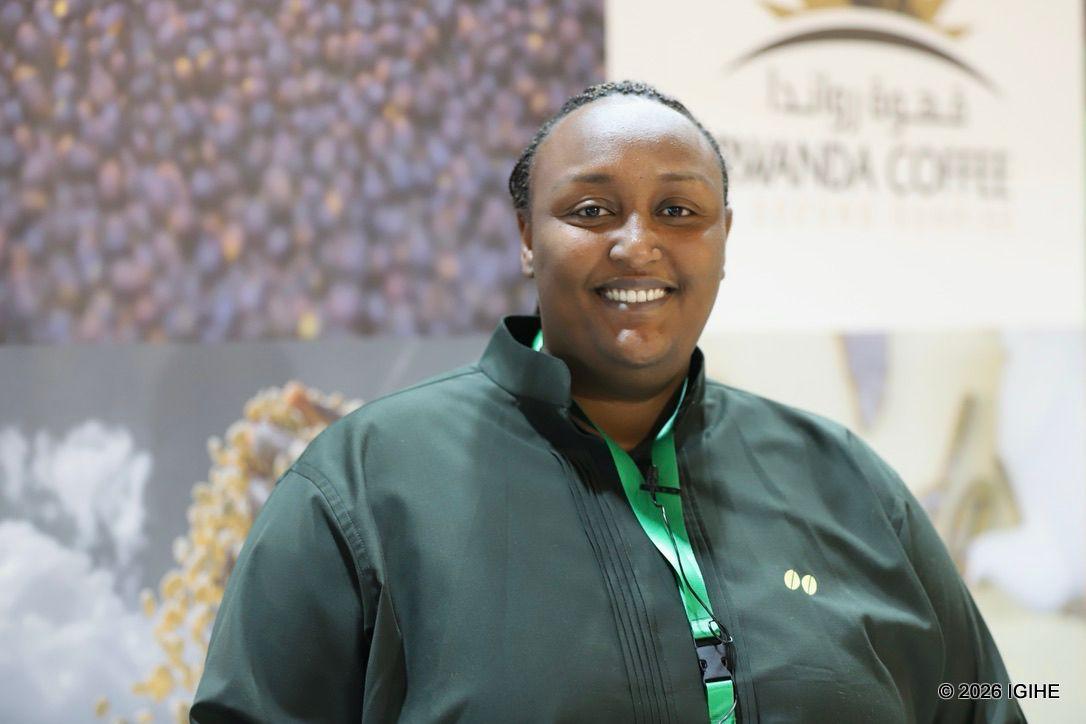
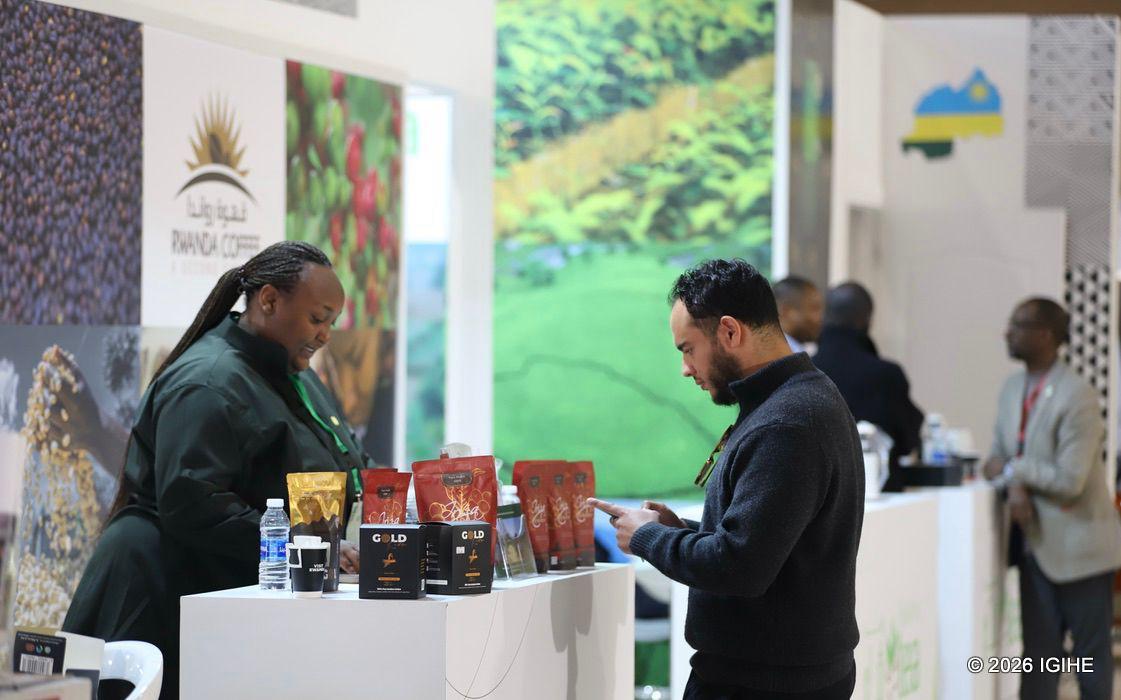
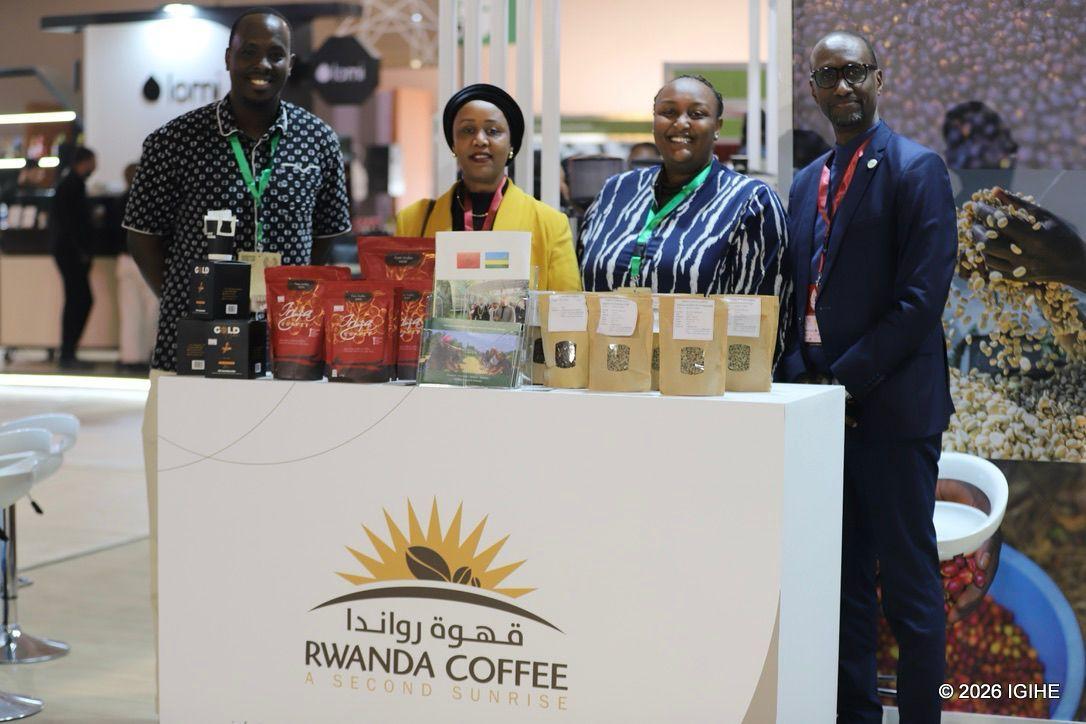
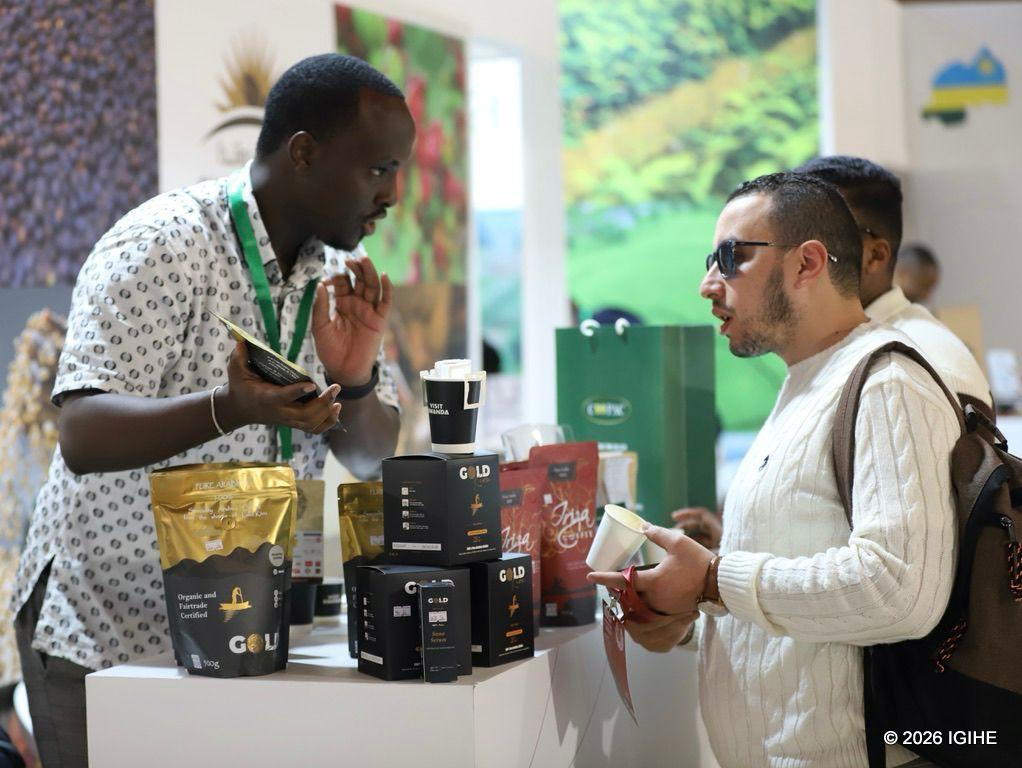
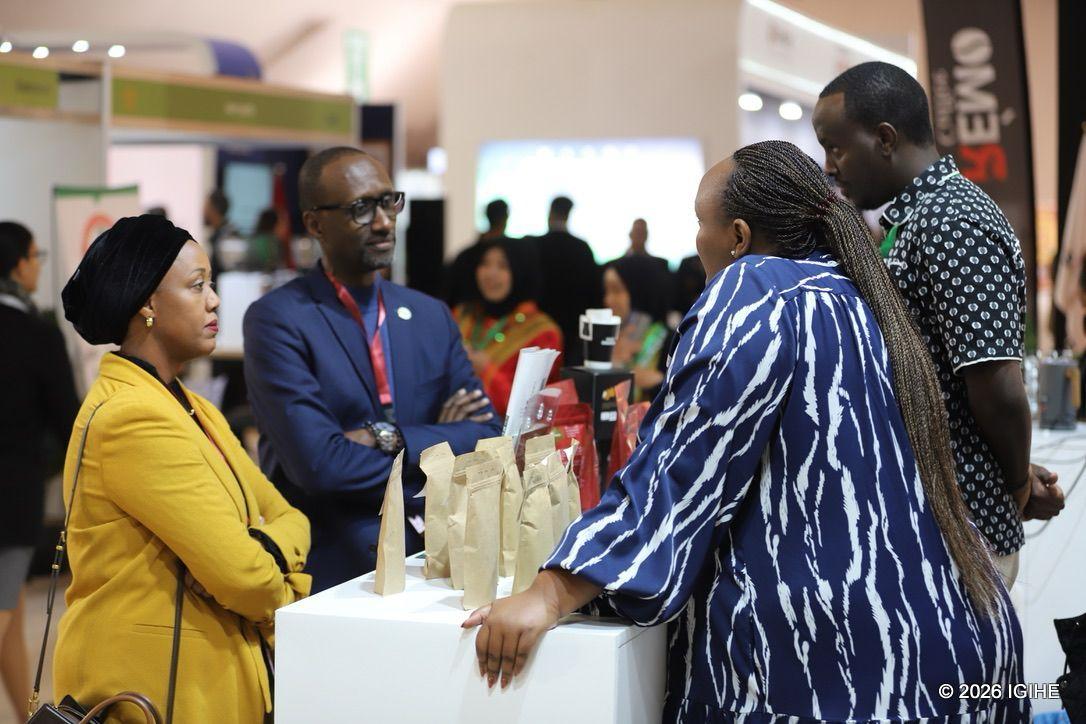
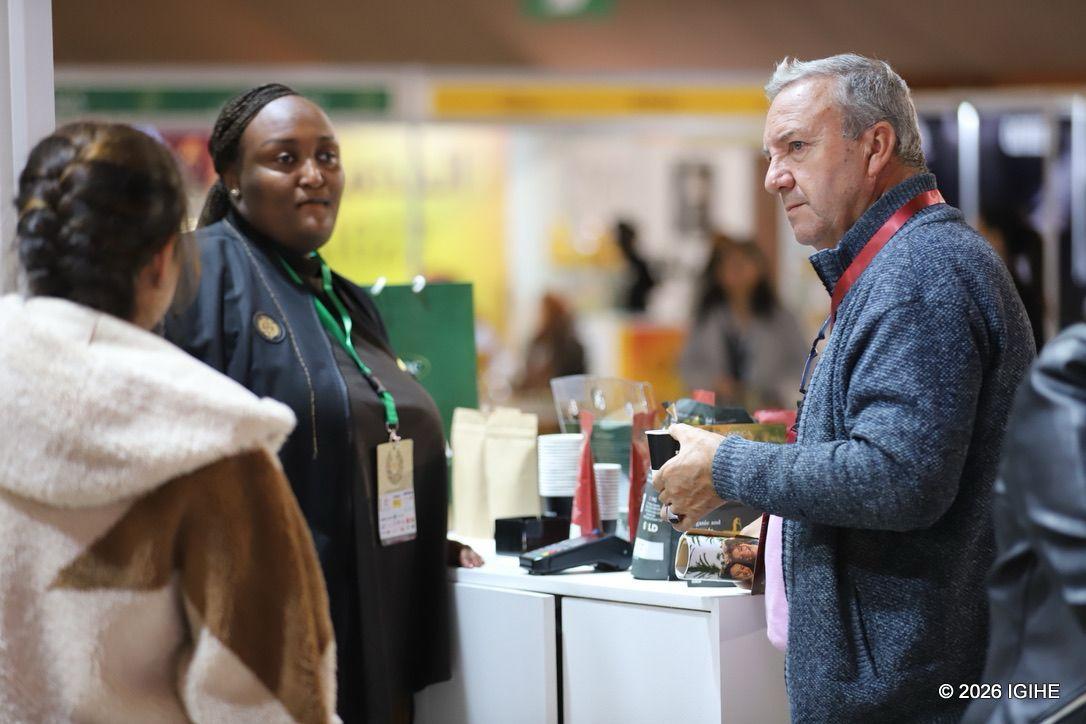
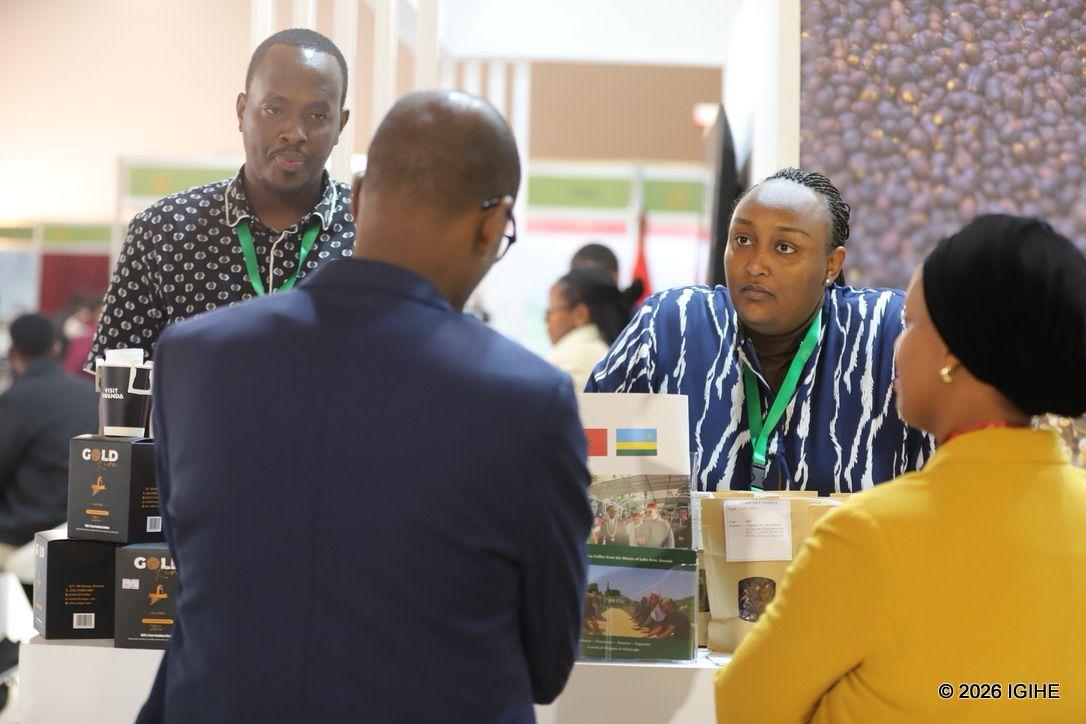
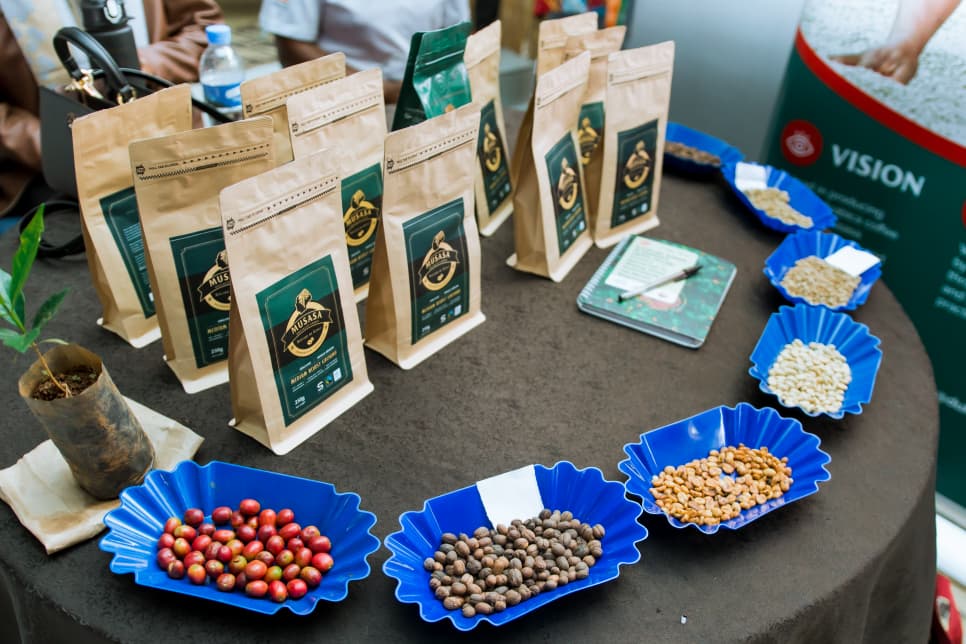
Clarisse Nzungize is the Managing Director of COOPAC Ltd Clarisse Nzungize, Managing Director of COOPAC Ltd, takes part in many exhibitions showcasing Rwanda. This illustration photo was taken in Morocco.Clarisse Nzungize, Managing Director of COOPAC Ltd attends many exhibitions.This photo shows her along with officials including NAEB CEO, Claude Bizimana at a past exhibition and Amb. Umutoni Shakilla, Rwanda’s Ambassador to Morocco.COOPAC Ltd stand at a past exhibition in Morocco. This photo shows samples of COOPAC Ltd coffee presented at the exhibition held in Marrakech.
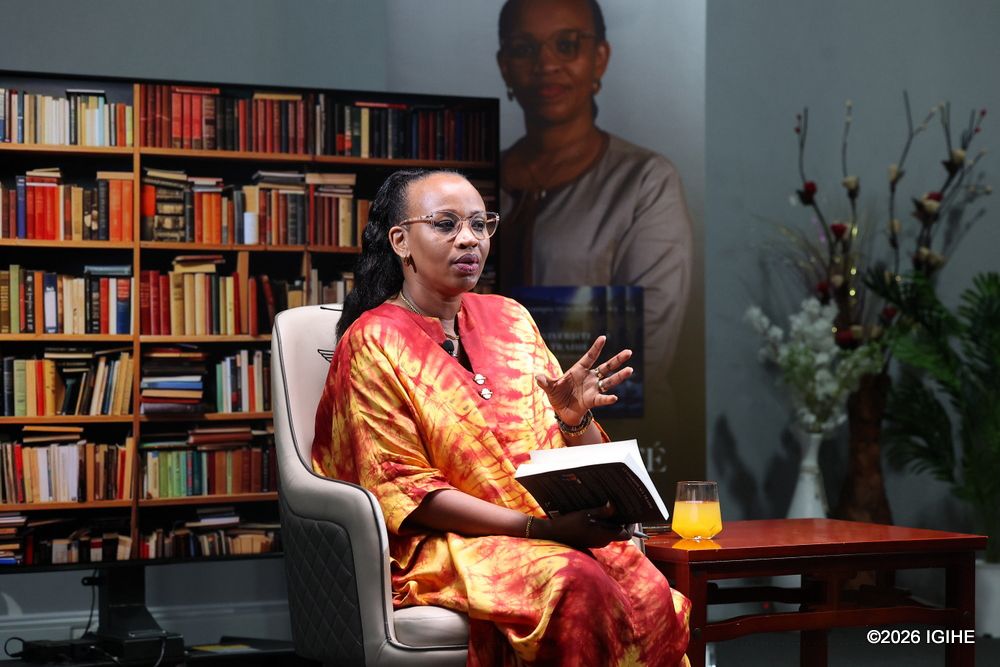
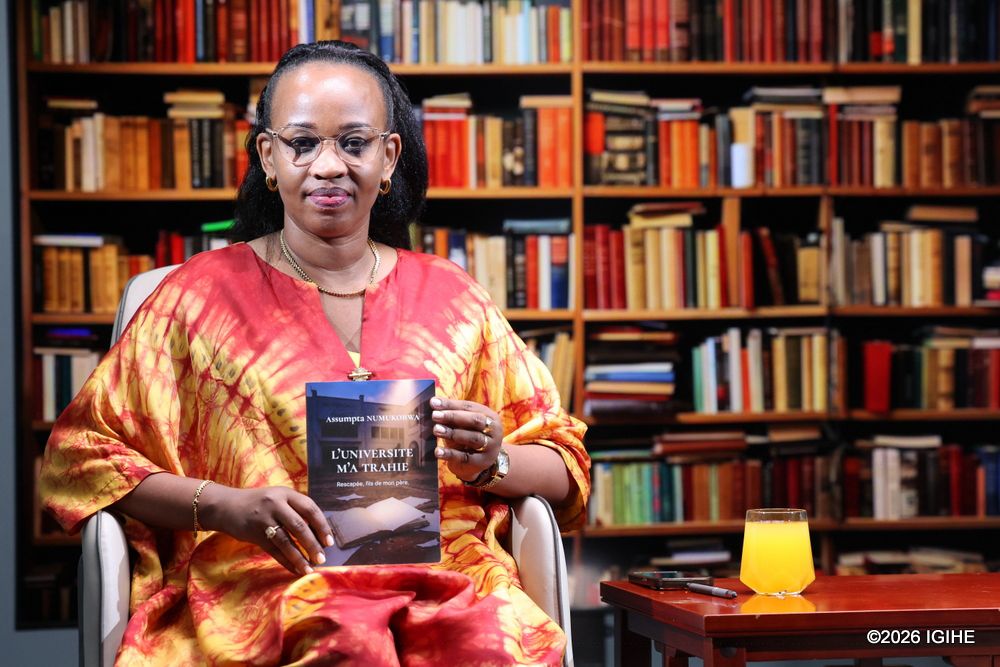
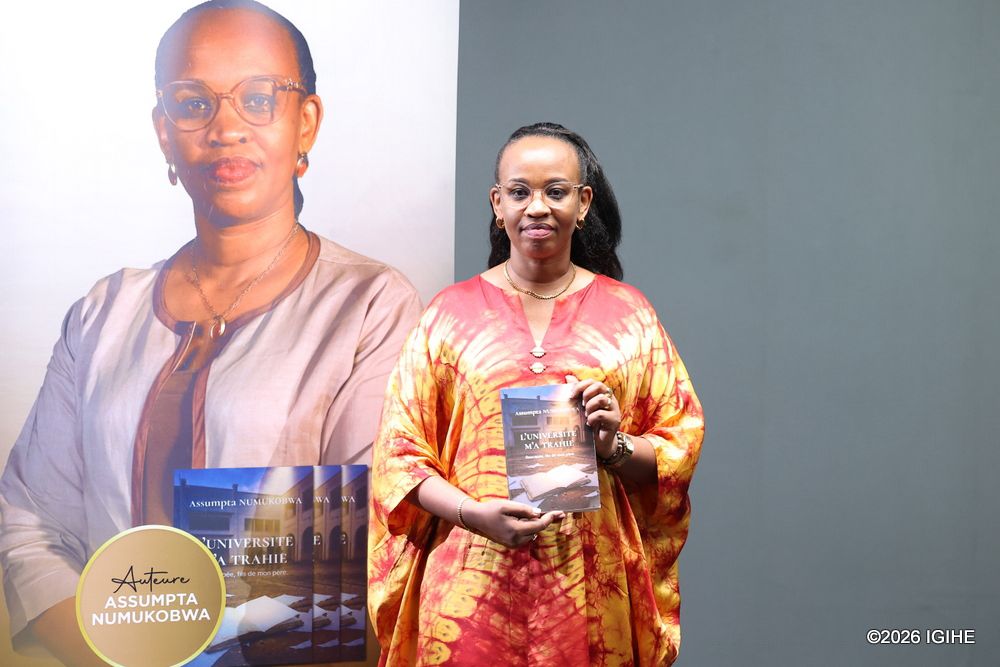
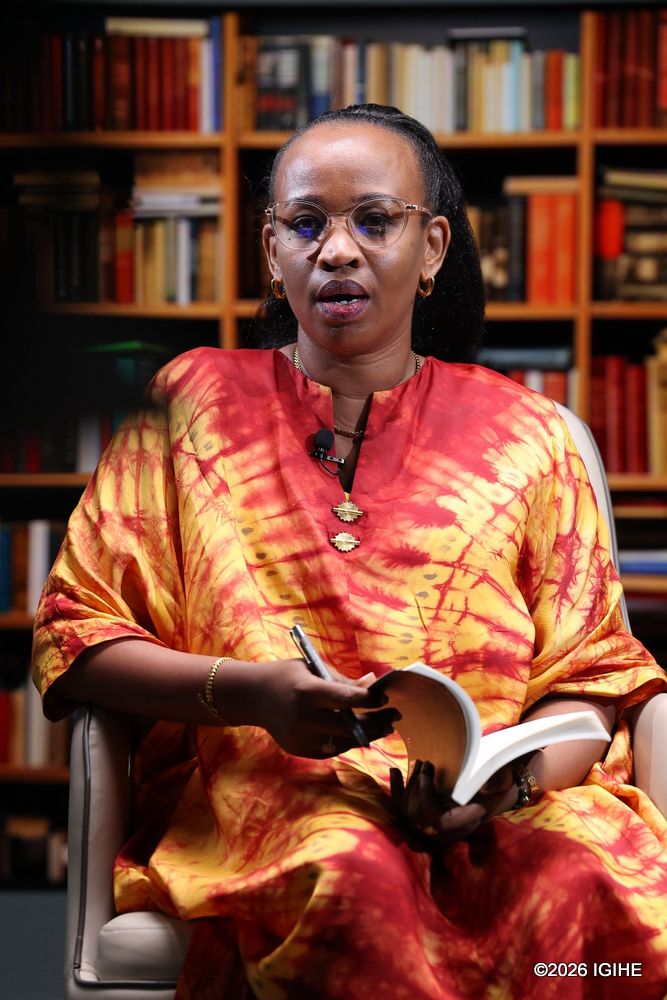
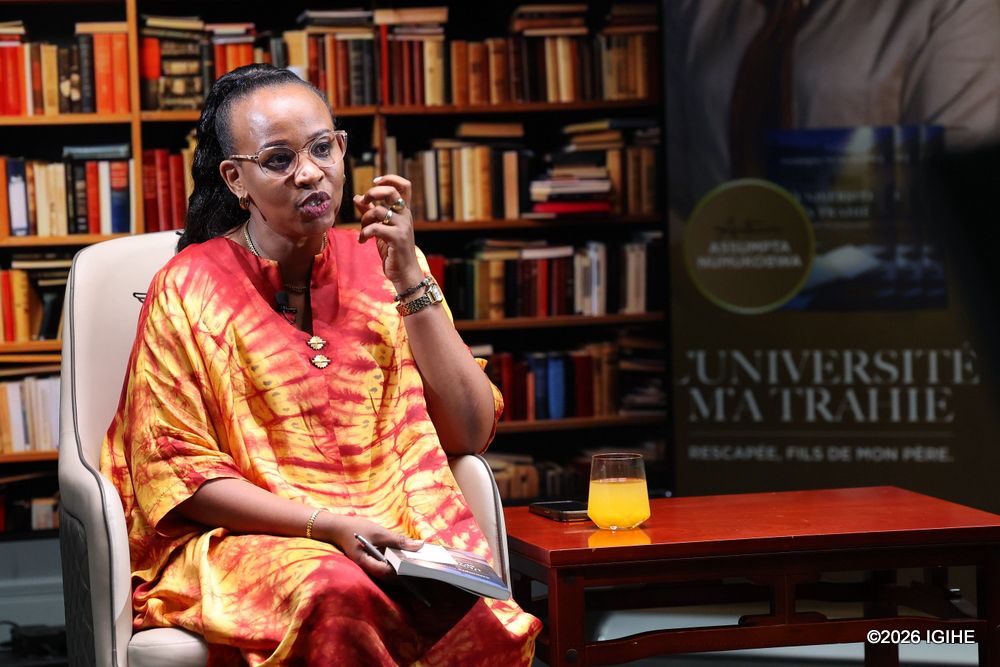
Through her book launched on Friday, February 27, at Kigali Genocide Memorial, the author seeks to preserve the memory of the students who were victims of the genocide on the campus of the National University of Rwanda in Butare, while also questioning the moral responsibility of educational institutions in the face of hatred and violence.
A childhood built around education and values
The story begins with the author’s childhood in Kigali, in a family deeply committed to Christian values, solidarity and the importance of education.
Despite economic difficulties and the unstable political context of Rwanda at the time, her parents encouraged their children to pursue their studies and to believe in the future.
Assumpta Numukobwa recalls her early school years with emotion, retracing her educational journey from primary school to her admission to Lycée Notre‑Dame de Cîteaux in Kigali.
At this renowned school, she discovered a world of learning, cultural activities, and youth movements that played an important role in shaping her personal development.
These experiences helped build her character, develop her sense of responsibility, and nurture her ambition to pursue higher education.
Yet behind this relatively normal school life lay a darker reality: Rwandan society was already marked by deep ethnic tensions and persistent discrimination against the Tutsi.
The dream of university
After completing her secondary education, Numukobwa briefly taught in a primary school. Encouraged particularly by her brother Emmanuel, she decided to pursue her dream of higher education.
Numukobwa eventually obtained a scholarship that allowed her to join the Faculty of Medicine at the National University of Rwanda in Butare.
For the young student, university represented the fulfillment of a dream. She imagined it as a space of intellectual freedom, discovery, and the construction of the future.
The Butare campus appeared dynamic and stimulating: university buildings, libraries, gardens, student residences, and meeting spaces created an environment conducive to exchanges and the training of the country’s future leaders.
However, the author quickly realized that the university was not entirely sheltered from the political tensions affecting Rwandan society. Students began to divide along political and ethnic lines, and the influence of political parties increasingly infiltrated university life.
Despite these tensions, student life continued; classes, discussions, friendships, and future plans shaped the daily lives of the young students.
Numukobwa has recounted her heartbreaking journey before, during, and after the 1994 Genocide against the Tutsi.
Warning signs
At the beginning of the 1990s, Rwanda entered a period of deep political turmoil. The liberation war launched in 1990 by the Rwandan Patriotic Front, the introduction of multiparty politics, and rivalries between political parties contributed to the radicalization of public discourse.
On the university campus, these divisions became increasingly visible. Students participated in political meetings, and hate speech circulated openly.
Media propaganda, particularly broadcast by Radio Télévision Libre des Mille Collines, fueled hatred against the Tutsi. The climate of mistrust and tension gradually intensified.
On April 6, 1994, when President Juvénal Habyarimana’s plane was shot down, this event was immediately exploited by the extremist faction of Hutu Power as a pretext to trigger the genocide against the Tutsi, which had been planned for long time.
What was meant to be a place of knowledge and dialogue gradually turned into a space of fear and violence.
University turned into a place of betrayal
In her testimony, Numukobwa painfully describes how the university, supposed to protect its students, became a place of denunciation and persecution.
Tutsi students were hunted, isolated, and threatened. Some classmates, as well as members of staff and even teachers, actively participated in their persecution.
This betrayal was particularly painful for the author because it often came from people she knew personally: dormitory neighbors, classmates, or teachers with whom she had previously shared everyday spaces.
Gradually, fear spread across the campus. Meetings organized under the pretext of security were sometimes used to identify Tutsi students. Information broadcast on the radio was used to publicly designate certain individuals as enemies.
Numukobwa also recounts the tragic disappearance of many classmates and friends. Many students were stopped at roadblocks, while others were killed on campus or in nearby areas.
The book pays tribute to those students whose dreams and ambitions were brutally cut short.
Surviving the unspeakable
For several months, the author lived in constant fear of death. Numukobwa had to hide, flee, and attempt to escape militias and killers.
Like many other survivors, she witnessed the loss of members of her family and friends.
Numukobwa speaks about the psychological trauma left by these events; painful memories, nightmares, and the difficulty of rebuilding a life after experiencing such violence. To survive also means carrying the weight of memory and the burden of irreparable loss.
Rebuilding and passing on memory
After the genocide, Numukobwa embarked on a long process of personal reconstruction in a country deeply marked by tragedy.
Institutions gradually resumed their activities, and survivors attempted to rebuild their lives.
The author eventually succeeded in rebuilding a professional and family life, but the memories of the genocide remained deeply embedded in her mind.
This duty of remembrance pushed her to testify regularly, particularly during commemorations organized on the Butare campus, now part of the University of Rwanda.
These testimonies ultimately led her to write ‘L’Université m’a trahie’ in order to preserve the memory of the students who were victims of the genocide and to pass on their story to future generations.
A reflection on the role of education
Beyond personal testimony, the book raises a fundamental question; how could an institution meant to transmit knowledge become a place that participated in genocide?
For the author, the tragedy highlights a profound gap between academic knowledge and human values. She argues that diplomas and scientific knowledge do not inherently guarantee morality or respect for human life. Without ethics and conscience, education, she warns, can be manipulated to serve destructive ideologies.
Her book serves as a powerful reminder that memory is crucial for understanding the past and preventing such tragedies from recurring.
Education, she asserts, should not only transmit knowledge but also shape citizens who are equipped to defend human dignity and resist hatred.
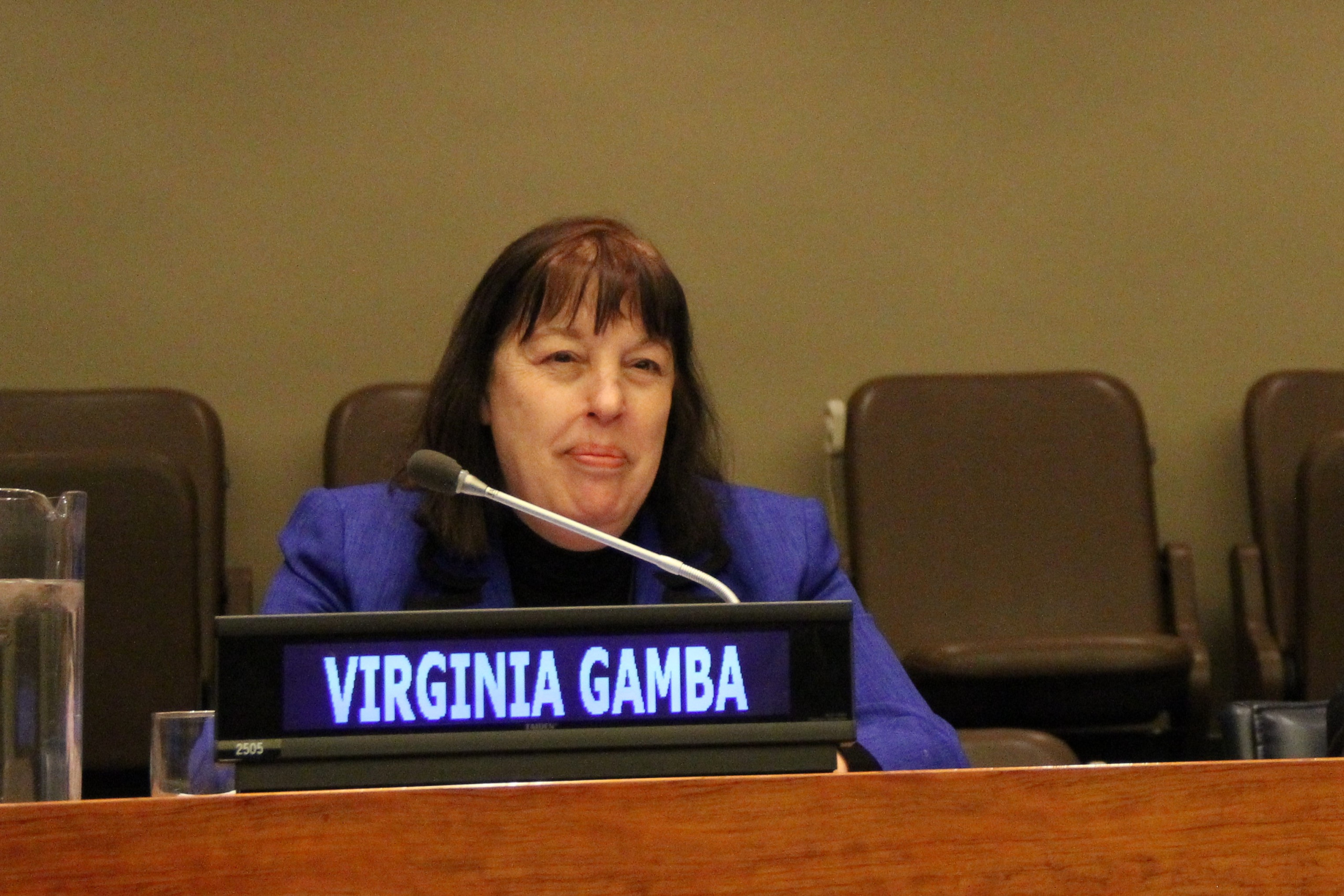
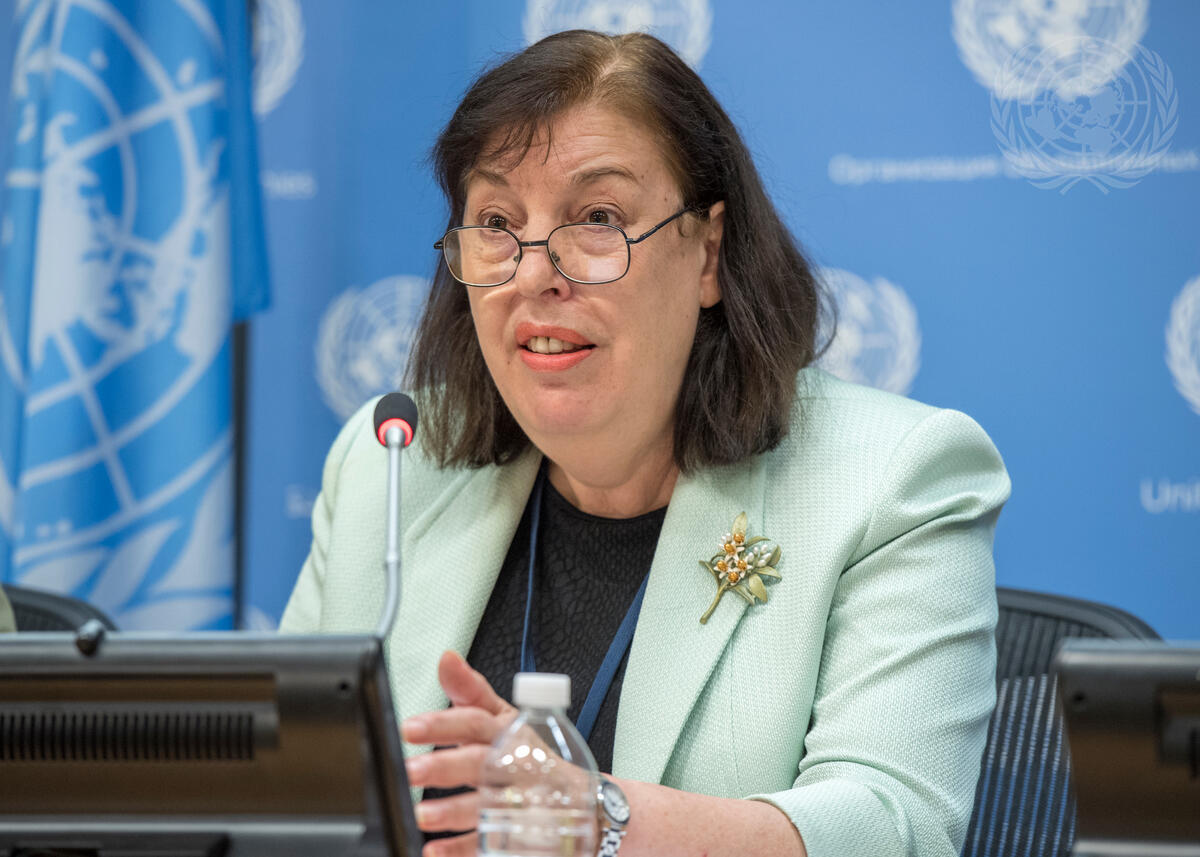
The Republic of Maldives has nominated Virginia Gamba, former UN under-secretary-general, for the position, according to a joint letter signed by UN General Assembly (UNGA) President Annalena Baerbock and Michael Waltz, president of the UN Security Council for March.
According to her curriculum vitae, Gamba is an Argentine scholar, practitioner and recognized authority on war and peace studies with over 40 years relevant experience on all themes related to peace and security, including crisis management.
At the United Nations, she served as under-secretary-general in two dockets: Children and Armed Conflict (2017-2025), and the Prevention of Genocide (2024-2025).
The four other candidates are former Chilean President Michelle Bachelet, nominated by Chile, Brazil and Mexico; Rafael Grossi, the current director general of the International Atomic Energy Agency, nominated by Argentina; Macky Sall, former president of Senegal, nominated by Burundi; and Rebeca Grynspan, economist and former vice president of Costa Rica, nominated by Costa Rica.
The UNGA is scheduled to conduct interactive dialogues with the candidates in the week of April 20.
Virginia Gamba served as the Special Representative of the UN Secretary-General for Children and Armed Conflict
New Faces New Voices Rwanda is a non-profit organization that advances women’s economic participation through financial inclusion, entrepreneurship development, and leadership strengthening, ensuring women are active contributors to Rwanda’s economic growth.
Since its establishment in Rwanda in 2015, NFNV has worked to expand women’s access to finance, entrepreneurship skills, cooperative structures, and leadership opportunities.
The organization equips women with practical tools to earn income, manage finances, access markets, and participate in local economic decision-making.
Over the past decade, this work has contributed to visible shifts at the community level. Young women who once operated informal or subsistence activities have formalized businesses through cooperatives, entered trades traditionally dominated by men, and strengthened household income through collective enterprise.
Young women with disabilities have also expanded their economic independence through targeted support and improved access to financial services.
The anniversary event in Ruhango highlighted these experiences as examples of how women shape local economic systems when barriers are reduced and opportunities are expanded.
NFNV’s progress has been supported by strong partnerships over the past decade, including collaboration with the Mastercard Foundation and Rugori Investment Network through the Women-led, Women-owned MSME Investment Readiness Program, as well as partnerships with UN Women and other institutions advancing inclusive economic empowerment.
NFNV also established Rugori Investment Network as a sister organization to strengthen access to capital for women entrepreneurs.
Within this ecosystem, New Faces New Voices Rwanda operates as an incubator supporting women-led businesses with training, mentorship, and investment readiness, while Rugori Investment Network serves as the investment partner investing in prepared entrepreneurs.
As guest of honor, Reeta Roy, former CEO and President of the Mastercard Foundation, emphasized the importance of generational leadership: “There is something deeply generational about the work being done. When older women pass their skills and knowledge to younger ones, they ensure continuity and long-term resilience. That is exactly what New Faces New Voices Rwanda is helping to achieve.”
A young program participant also reflected on her experience: “New Faces New Voices helped me believe in myself. Through this journey, I learned that I can lead others and have a clear direction for my life, especially knowing that NFNV is walking alongside me.”
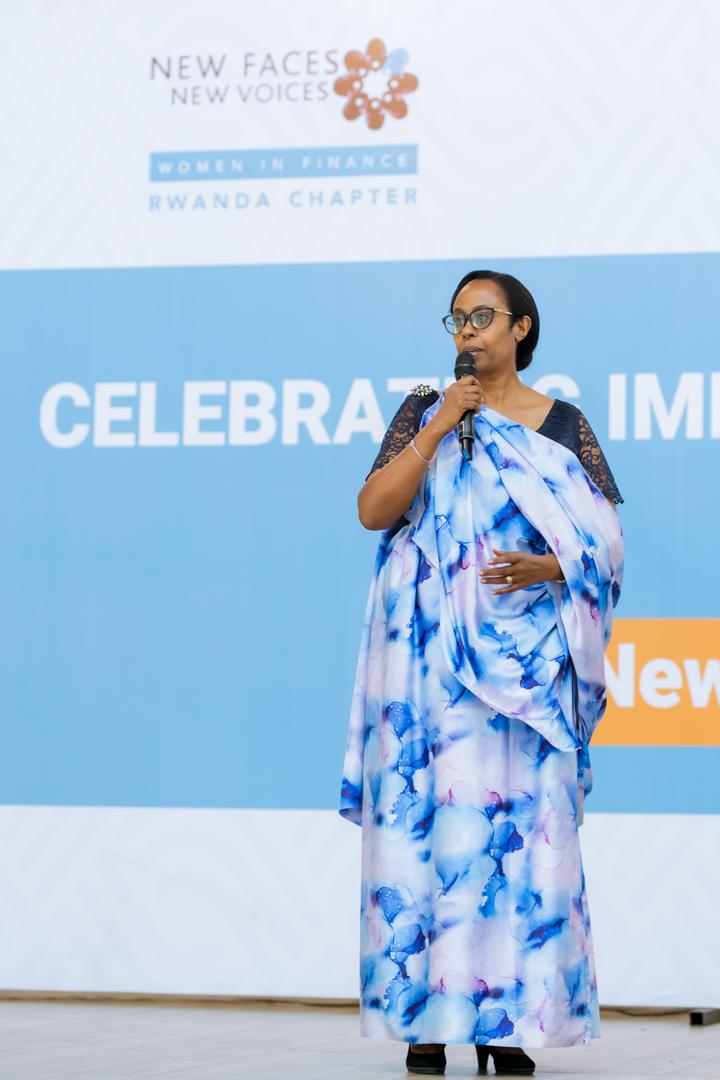
Joy S. Rwamwenge, CEO of New Faces New Voices Rwanda, highlighted the organization’s impact, from supporting 35 cooperatives in its early pilot to over 460 cooperatives creating 11,500 youth in work today.
“With a presence in 28 districts across Rwanda, we are witnessing what happens when preparation meets opportunity for women entrepreneurs,” she said
As NFNV enters its second decade, the organization seeks to focus on strengthening pathways from skills to income, deepening financial inclusion for underserved women, and working with partners to embed inclusive economic practices within cooperatives, financial institutions, and local markets.
With ten years of progress, the organisation emphasizes, the next phase will focus on scale, sustainability, and systems that work for women over the long term.
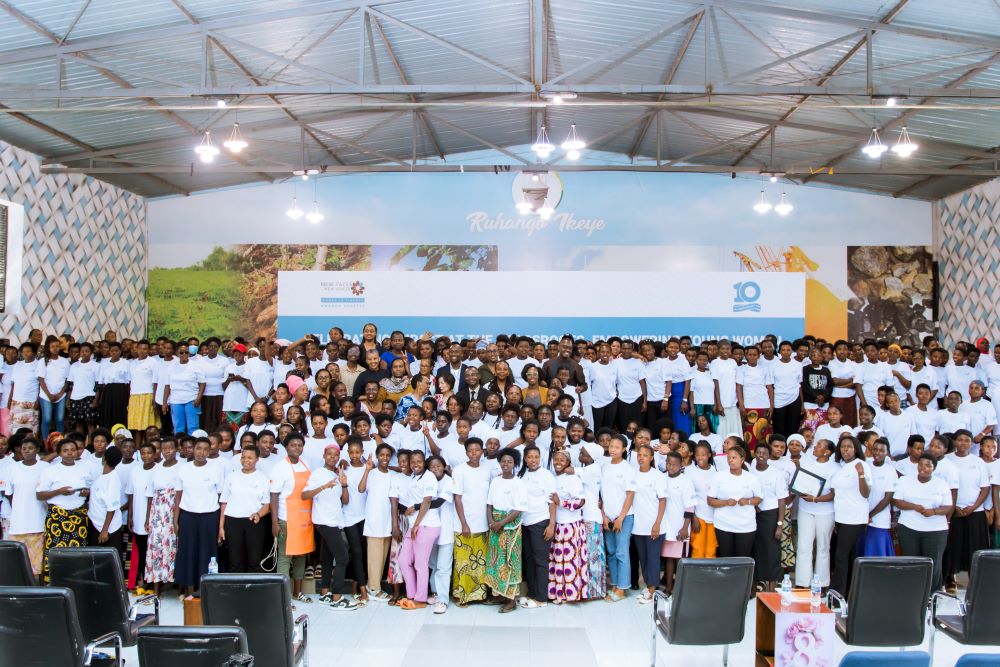
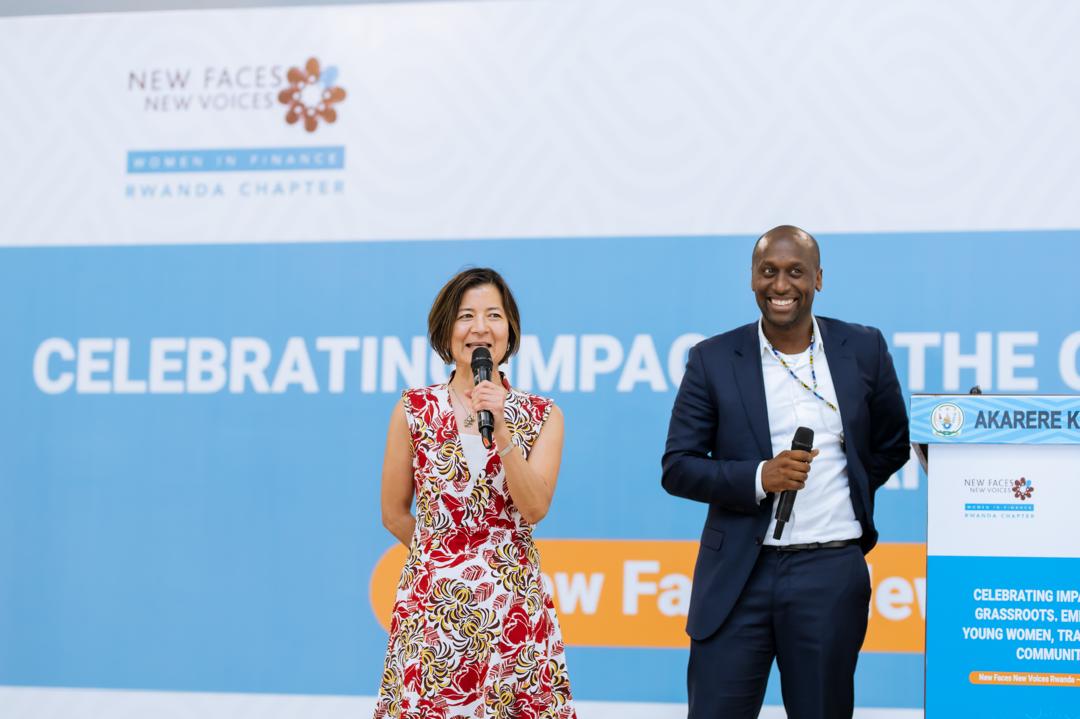
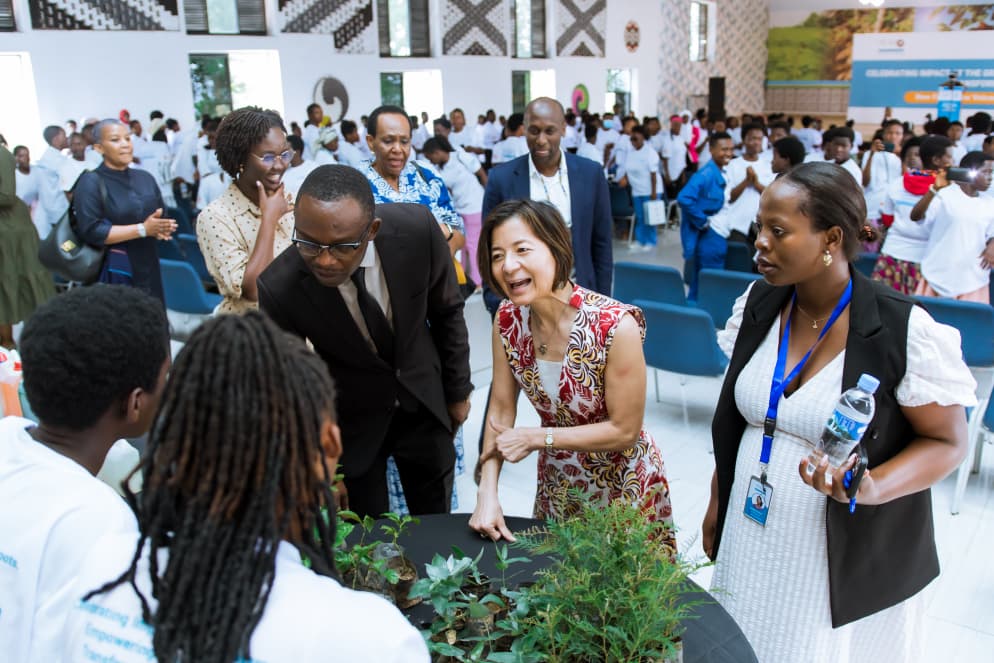
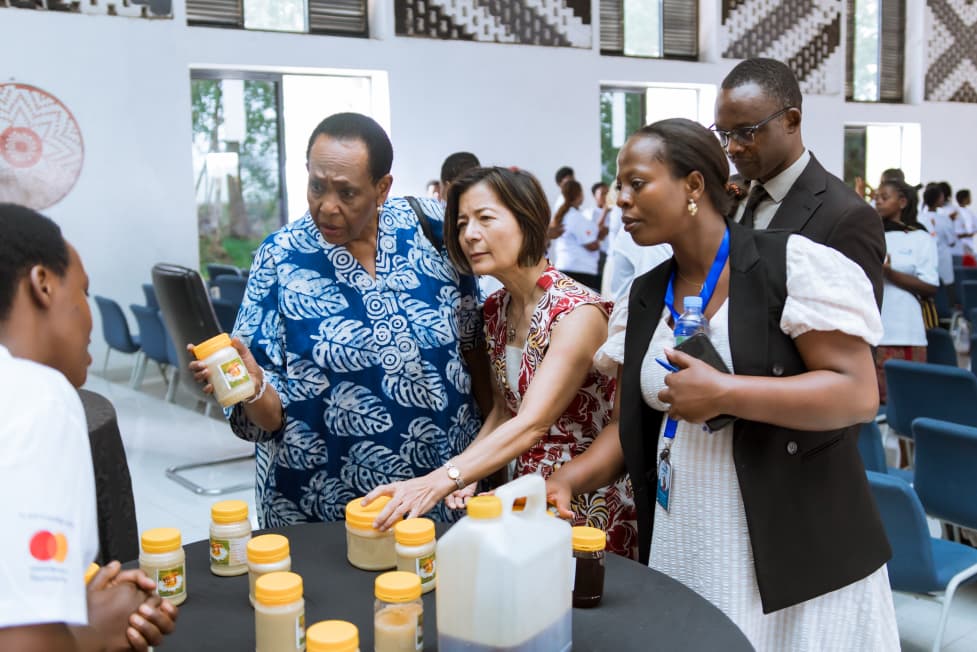
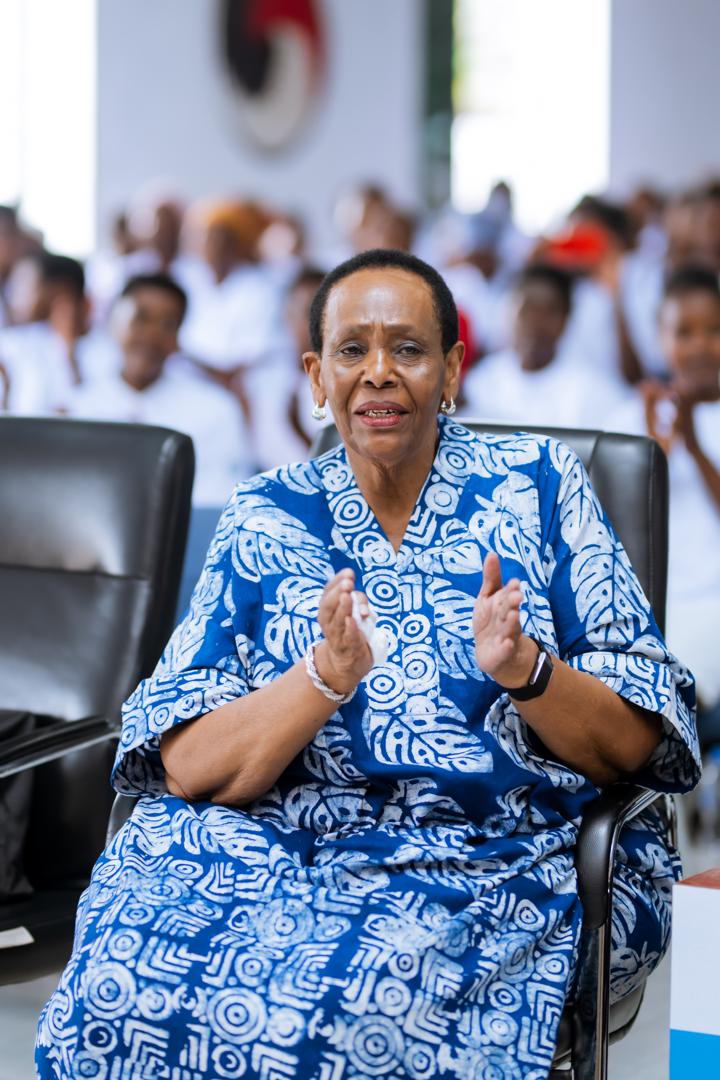
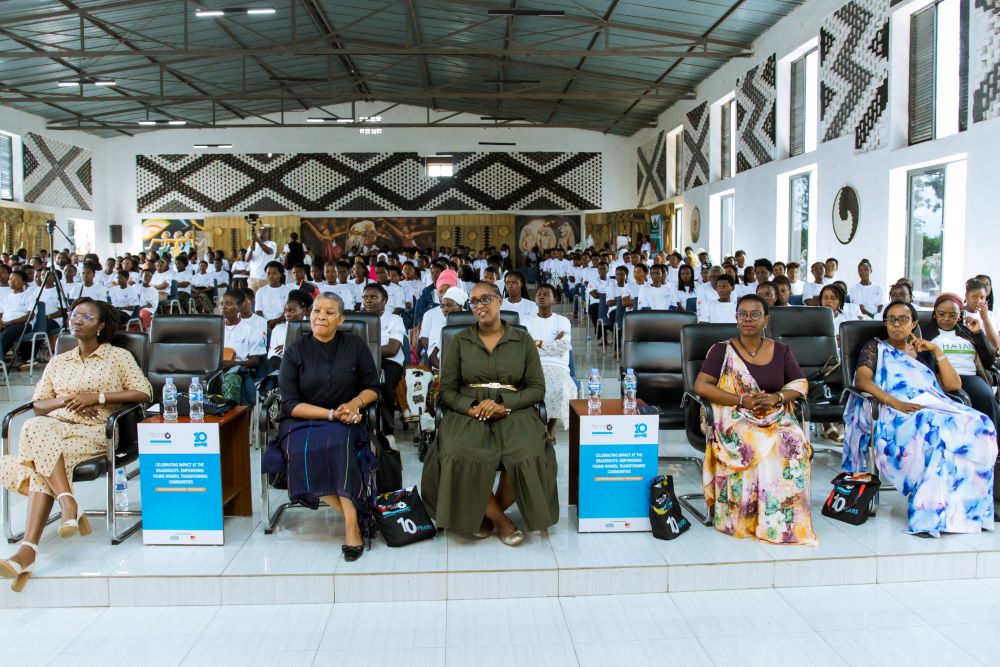
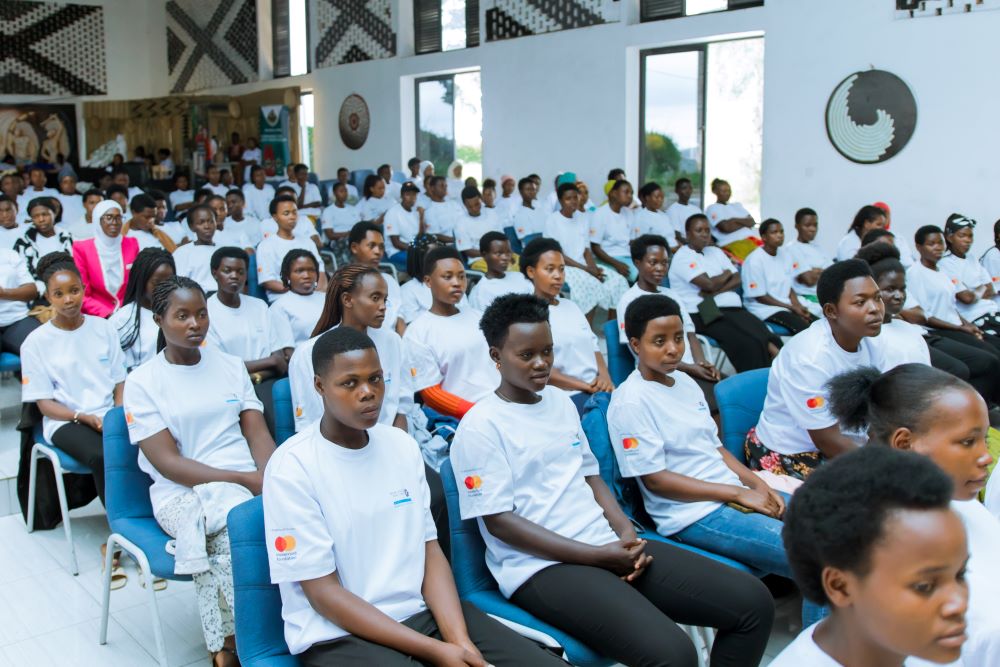
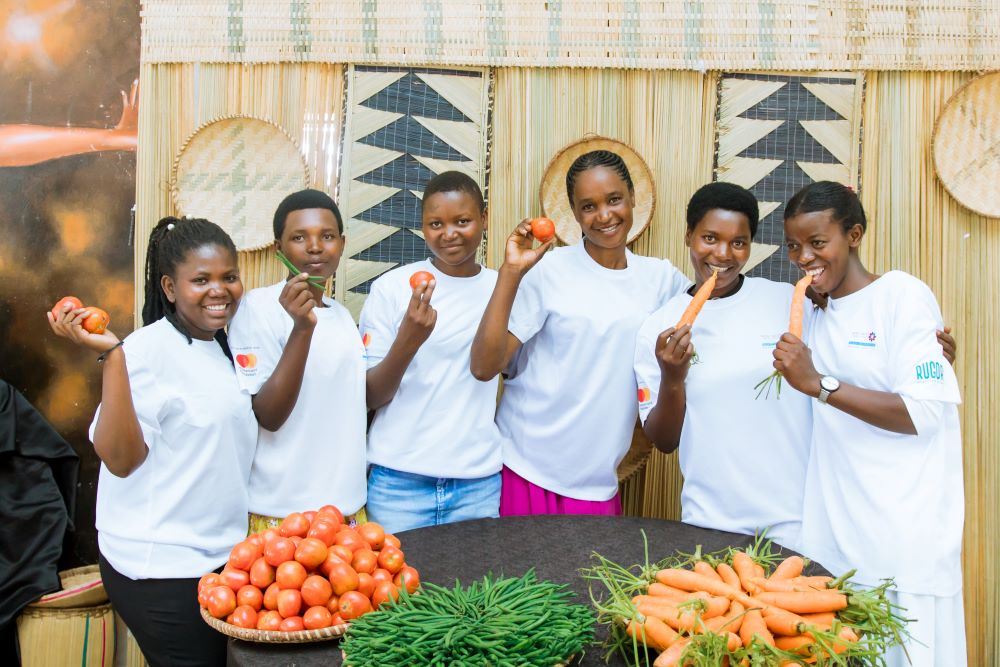
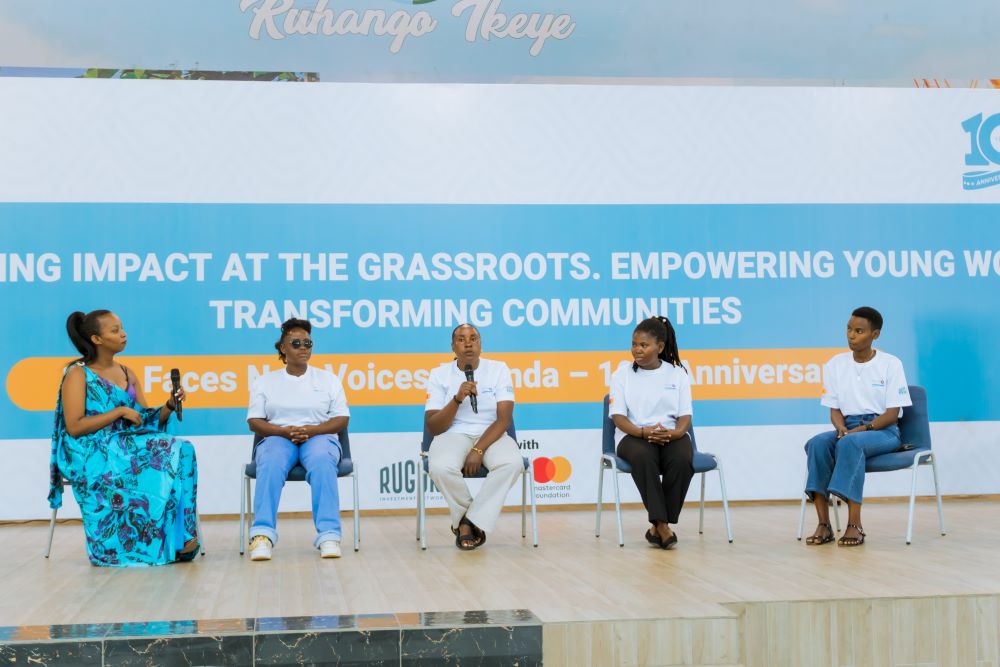
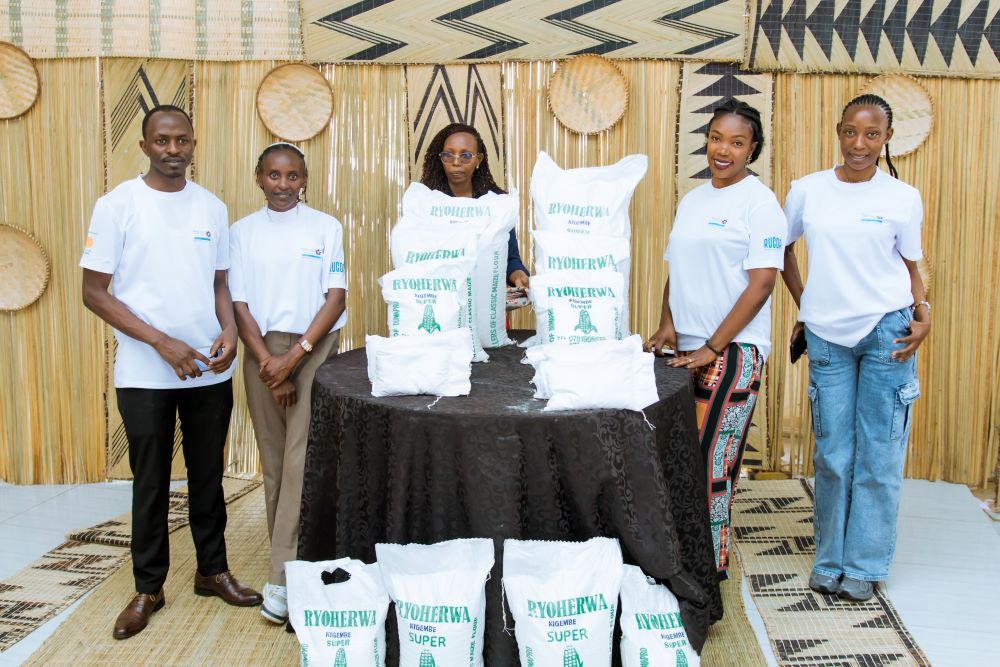
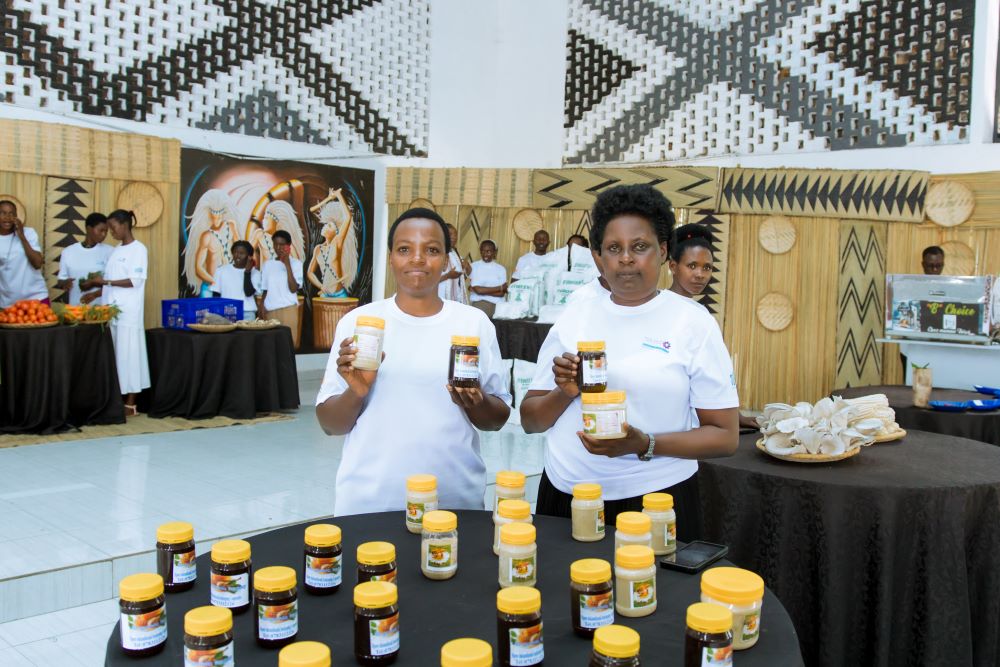
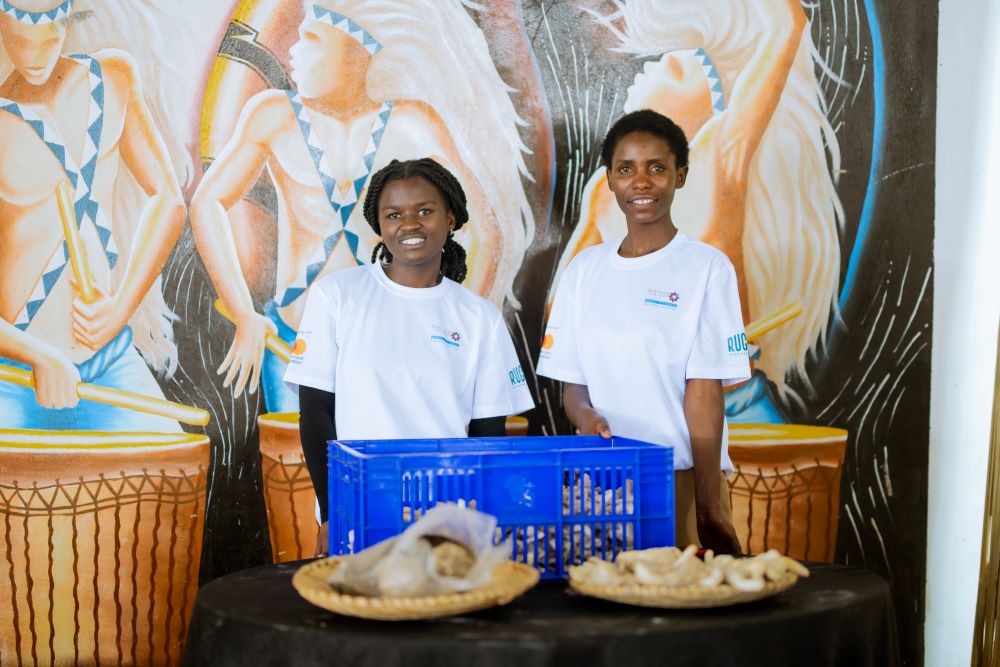
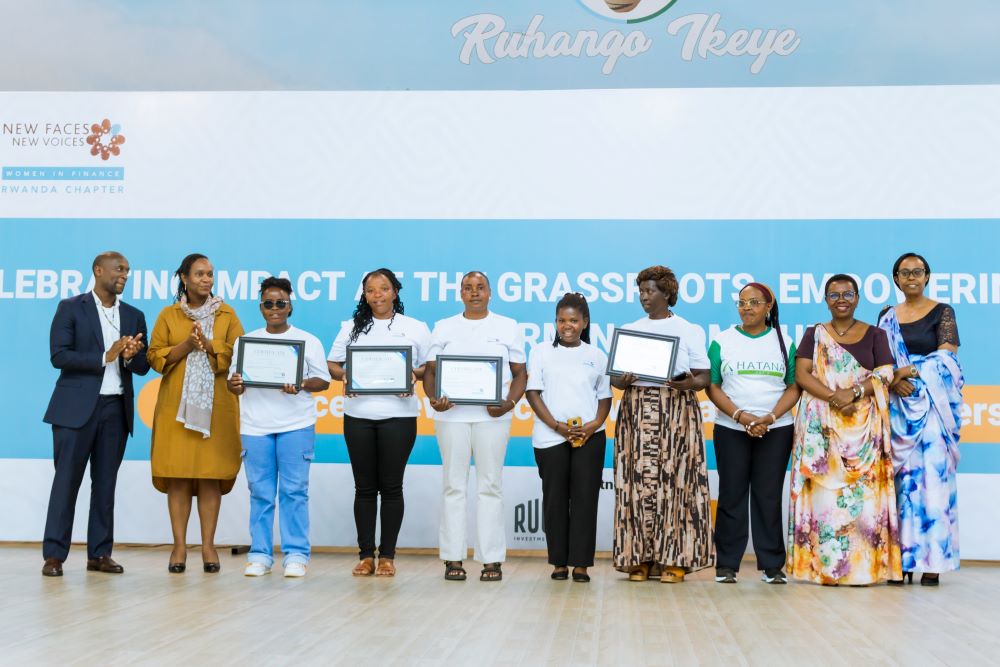
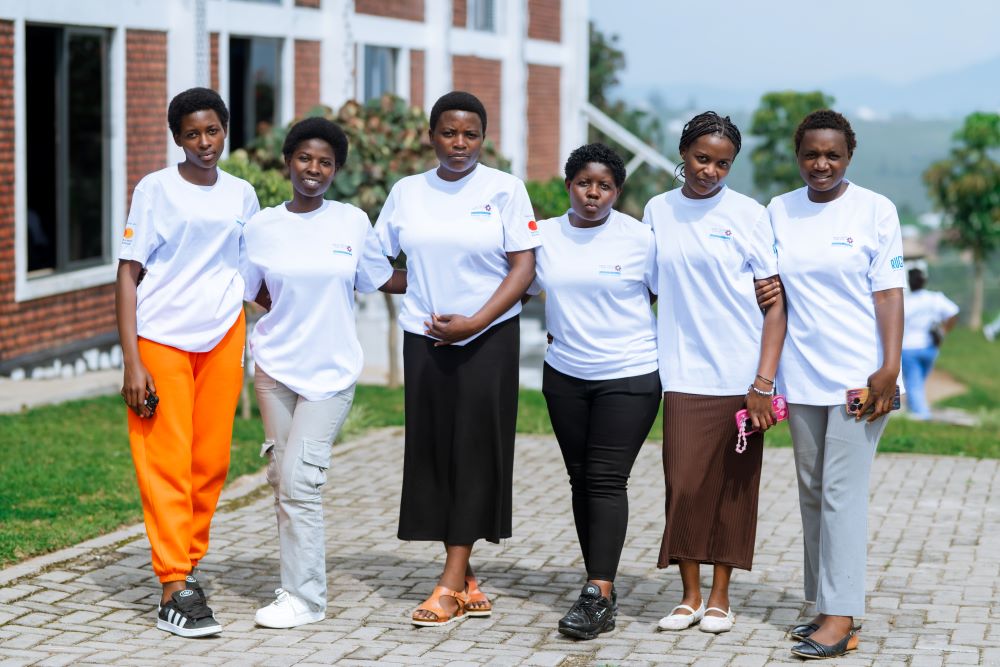
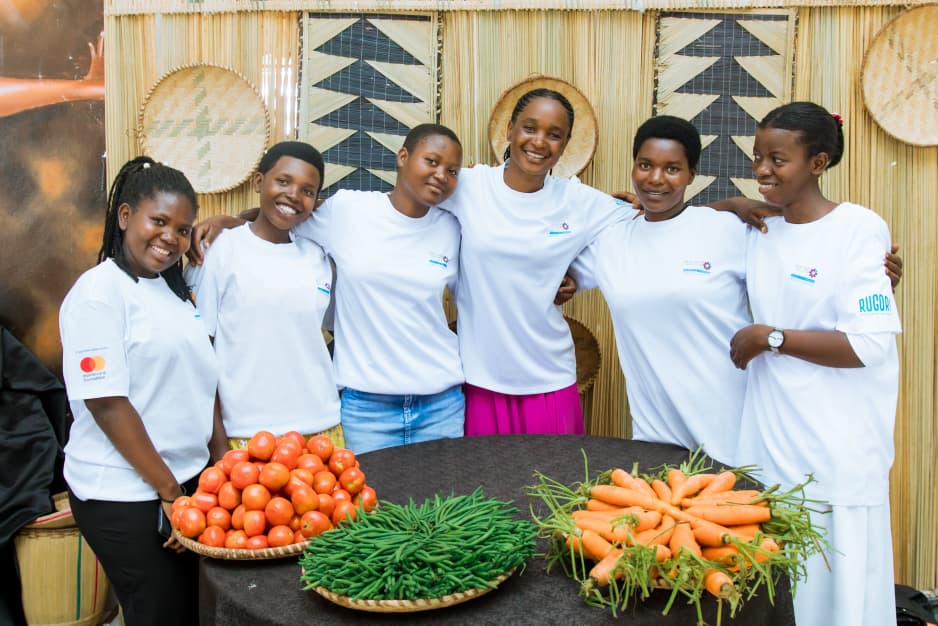
Reeta Roy, Former President of Mastercard Foundation, with Ivan Ntwali, Mastercard Foundation Country Director for Rwanda. Reeta Roy, former CEO and President of the Mastercard Foundation, toured the exhibitions and interacted with the participants.Joy Ndungutse Board Chair of New Faces, New Voices also graced the event. Joy S. Rwamwenge, CEO of New Faces New Voices Rwanda, highlighted the organization’s impact, growing from 35 pilot cooperatives to over 460, now engaging 11,500 youth in work.Representatives from partner institutions joined the celebration of a decade of women’s economic empowerment.Participants gather in Ruhango as New Faces New Voices Rwanda marks 10 years of advancing women’s economic participation.Participants listen during discussions on strengthening women-led enterprises.Women who benefited from entrepreneurship programs showcased the impact of skills training and mentorship.Leaders and partners reflected on a decade of empowering women economically across Rwanda. The anniversary event highlighted how women are shaping local economies through entrepreneurship and financial inclusion.Young women supported by New Faces New Voices Rwanda shared their experiences during the 10-year anniversary event in Ruhango District.Women entrepreneurs attended the anniversary event celebrating a decade of impact by New Faces New Voices Rwanda.Women were appreciated for their dedication. Young women supported by New Faces New Voices showcased their agricultural products.Other showcased art products. Different products were showcased by the beneficiaries.The organization seeks to focus on strengthening pathways from skills to income, deepening financial inclusion for underserved women
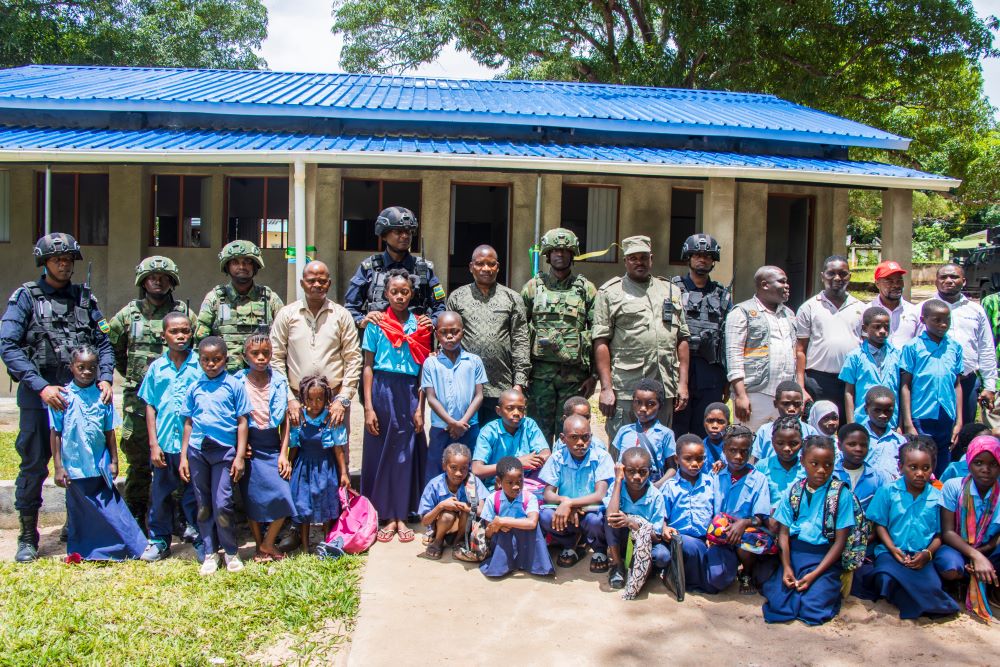
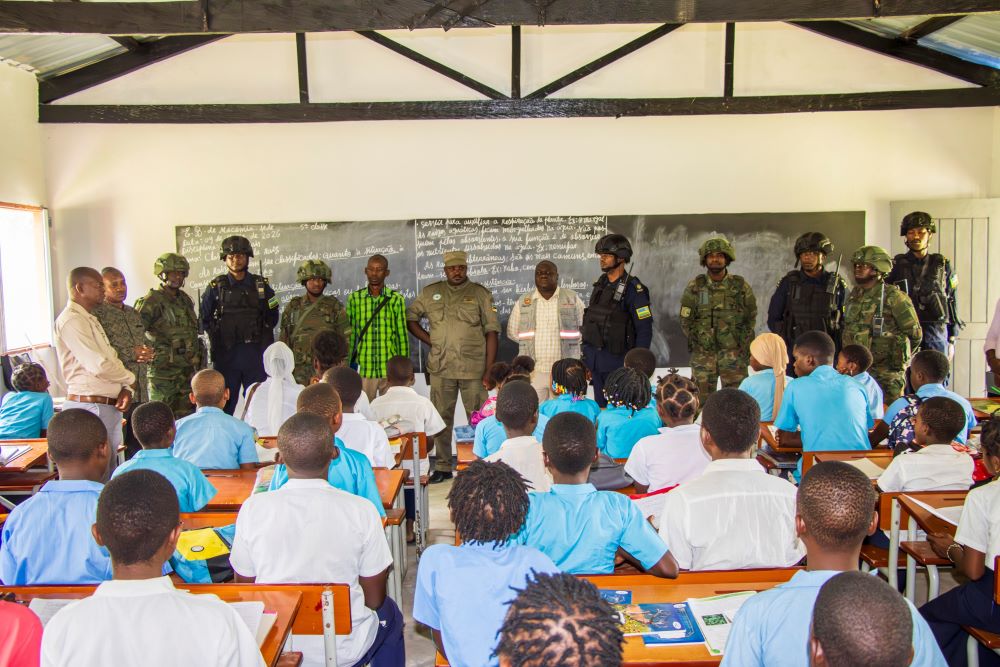
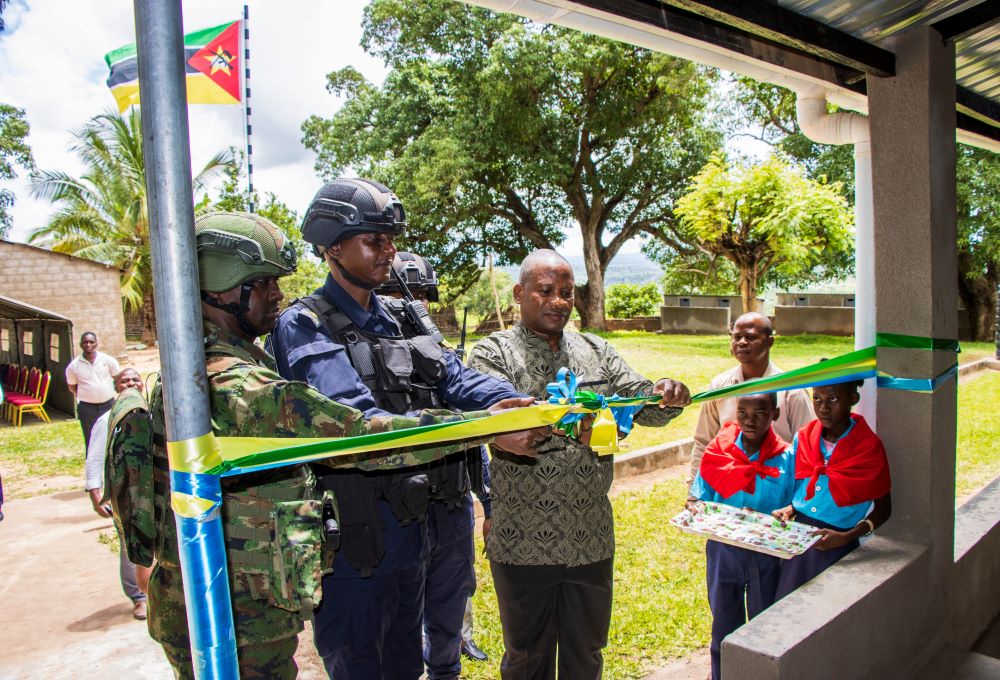
The ceremony was attended by local administrative authorities from Macomia District, community members, teachers, students from this school, security forces, as well as members of the Rwanda Security Force.
On behalf of the Rwanda Security Forces leadership, Lt Col Frank Rwabugande, RSF Head Civil and Military Cooperation, highlighted that the support was provided as part of an effort to help promote education for students and to strengthen the collaboration between the Rwanda Security Force and local communities in Mozambique.
“This school is more than a building; rather a symbol of unity and cooperation that presents the enduring brotherhood and solidarity between the people of Rwanda and Mozambique. It presents shared commitment to peace, security and stability through unity, development and education,” remarked Lt Col Rwabugande.
He underscored that lasting peace goes beyond military operations and therefore requires empowering communities through the rebuilding of infrastructure, such as schools and markets, to secure a better future for all Mozambican people.
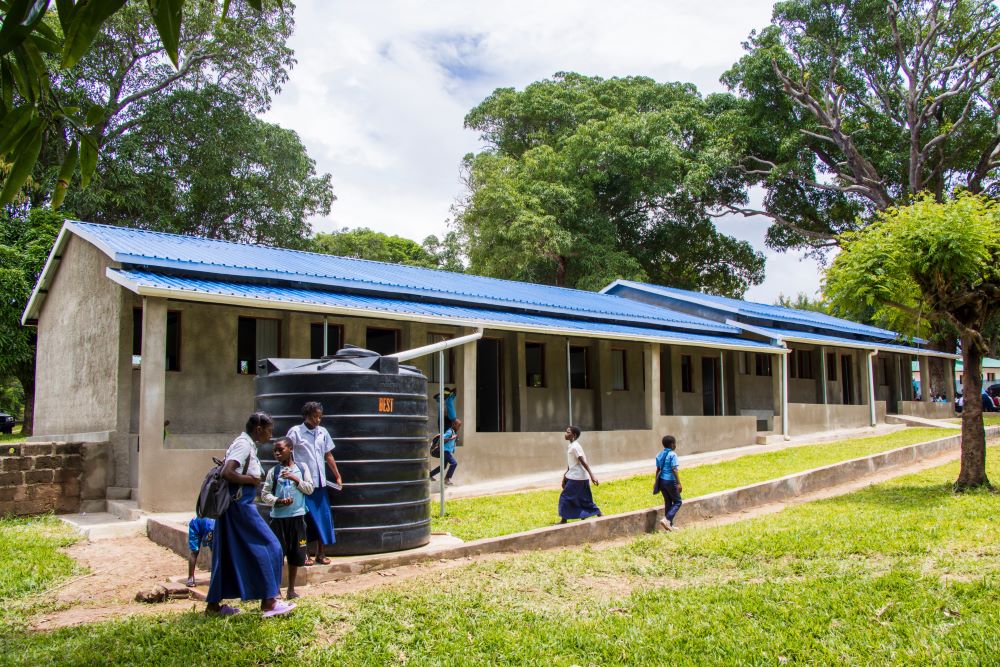
Tomás Badae, the Administrator of Macomia District, commended the rehabilitation of the school, noting that in previous years the school had not been in use because it had been damaged by terrorist activities. He therefore expressed appreciation to the Rwanda Security Forces for helping to restore confidence among the population.
He urged teachers, parents and students to take good care of the rehabilitated school.
The ceremony was attended by local administrative authorities from Macomia District, community members, teachers, students from this school, security forces, as well as members of the Rwanda Security Force.The school was handed over on March 9, 2026.The facilities were completed within three months and accommodate 150 pupils.Mozambican officials with representatives of RSF at the official inauguration.
“Only by going to the grassroots and staying close to the people can we understand their real needs, and every positive response from them makes all the effort worthwhile,” said Chen, who runs an agricultural company in Tianjin.
For her, fulfilling duties is not something that can be figured out sitting in a meeting room; what is needed is “walking into the hearts of the people”.
The 58-year-old has been serving as a national political adviser for two terms. A longtime advocate for people’s livelihoods, Chen has made the elderly and the children a major focus of her work over the past year.
During a visit to a nursing home last year, she found that the residents’ daily routines and meals were well taken care of.
Through conversations, she came to realize that what the elderly lacked most was not material support, but companionship. “What they want most is simply someone to sit with them and talk to them.”
The loneliness she witnessed prompted Chen to think about how to improve eldercare services. She began exploring a more integrated model that connects traditional services with social resources to offer companionship and explore AI applications in eldercare.
That same year, around Children’s Day, Chen took part in activities for children with special needs, including those with autism and physical disabilities. She was struck not only by the challenges those children face, but also by the pressures faced by their parents.
In a period of high-quality national development, special-needs children must not be left behind, and they need more attention and support from society, Chen said.
These experiences have reinforced her belief that fulfilling duties requires not just “physical presence”, but “genuine commitment”, truly keeping people’s urgent concerns and needs at heart, she said.
As a national political adviser from the Women’s Federation group and an agribusiness entrepreneur, women’s rights and development in rural areas, as well as rural vitalization, have long been her priorities.
Over the years, Chen has visited regions including the Xizang autonomous region and the Xinjiang Uygur autonomous region, and Gansu, Qinghai and Hubei provinces, establishing e-commerce platforms to help local women sell agricultural products, offering them technical training and support to engage in specialty industries such as ethnic handicraft production, and specialized planting and breeding.
With women now accounting for over 65 percent of the rural labor force, their contribution has become irreplaceable to rural vitalization, Chen said. “They are cultivators in the fields, creators of rural industries, and builders of harmonious and beautiful countryside.”
In the context of integrated agricultural, cultural, and tourism development, women are often the backbone running homestays, providing tourism services, and developing local industries. Their resilience, Chen said, makes them a key force in comprehensive rural vitalization.
To ensure sustainable development in rural areas, Chen also helped build service platforms and communication mechanisms between women entrepreneurs and agricultural science and technology experts and policymakers.
She also launched training programs, which helped create jobs for more than 200 women in villages surrounding Tianjin.
“As a CPPCC National Committee member and a woman entrepreneur, I want to convey the values of independence, resilience, and confidence,” Chen said. “When women grow stronger, they can fully demonstrate their capabilities across various sectors and contribute to national development.”
Speaking of this year’s two sessions, Chen said she will focus on using digital technology to empower rural women and improve eldercare services, as well as protecting the rights of women and children.
CPPCC National Committee members act as a bridge, bringing policies to the grassroots, and the voices from the grassroots back to the decision-making table, she said. “This is how we truly fulfill our duty to the country and our responsibility to the people.”
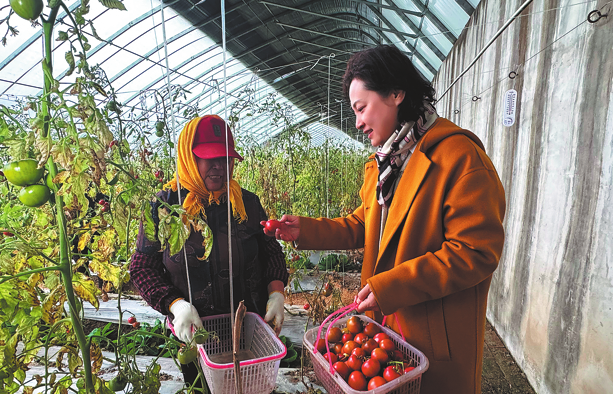
Chen Zhonghong (right) talks with a female farmer at a village in Tianjin.
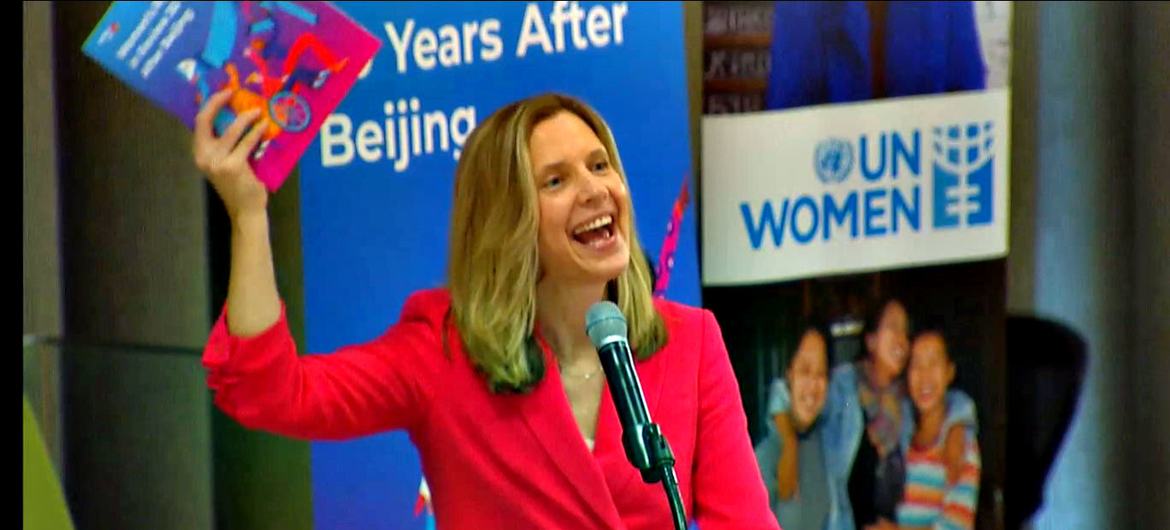
There’s also the shrinking of civic space as well as increasingly organized pushback on gender equality and the regression of women’s rights, said Sarah Hendriks, UN Women’s director of the Policy, Programme and Intergovernmental Support Division, on the global launch of the UN secretary-general’s report, “Ensuring and Strengthening Access to Justice for All Women and Girls,” ahead of International Women’s Day 2026 and the 70th Session of the Commission on the Status of Women, which is scheduled for March 9-19.
Hendriks warned that there are women who choose not to report the violence they experience, because they fear that they won’t be believed; there are women who are paid less than their male counterparts in the very same work in places where the law does not actually require equal pay; and there are girls who don’t have birth registration, face heightened risk of child marriage, and face heightened risk of trafficking.
“No country in the world has achieved full legal equality between women and men,” she said.
According to the secretary-general’s report, globally, women have 64 percent of the legal rights of men, as discriminatory legal frameworks continue to prevail; 54 percent of countries lack consent-based legal definitions of rape, while 72 percent allow child marriage in all or some circumstances; and in 44 percent of countries, the law does not mandate equal remuneration for work of equal value, meaning women can still legally be paid less for the same work.
While progress is possible as 87 percent of countries have enacted domestic violence legislation, and more than 40 countries have strengthened constitutional protections for women and girls over the past decade, discriminatory social norms — stigma, victim-blaming, fear, and community pressure — continue to silence survivors and obstruct justice, allowing even the most extreme forms of violence, including femicide, to go unpunished.
Women’s access to justice is also prevented by everyday realities such as cost, time, language, and a deep lack of trust in the very institutions meant to protect them, the report showed.
In a press release, UN Women’s Executive Director Sima Bahous said that “when women and girls are denied justice, the damage goes far beyond any single case. Public trust erodes, institutions lose legitimacy, and the rule of law itself is weakened. A justice system that fails half the population cannot claim to uphold justice at all.”
“Now is the moment to stand up, show up, and speak up for rights, for justice, and for action – so that every woman and girl can live safely, speak freely, and live equally,” Bahous stressed.
According to the release, as backlash against longstanding commitments on gender equality intensifies, violations of the rights of women and girls are accelerating, fueled by a global culture of impunity, spanning from courts to online spaces to conflict.
As technology outpaces regulation, women and girls face growing digital violence in a climate of impunity where perpetrators are rarely held accountable. And in conflicts, rape continues to be used as a weapon of war, with reported cases of sexual violence rising by 87 percent in just two years.
In the release, UN Women calls for urgent and decisive action: end impunity, defend the rule of law, and deliver equality — in law, in practice, and in every sphere of life — for all women and girls.
Sarah Hendriks, director of UN Women’s policy, programme and intergovernmental division, at the launch of the Beijing+30 Action Agenda.
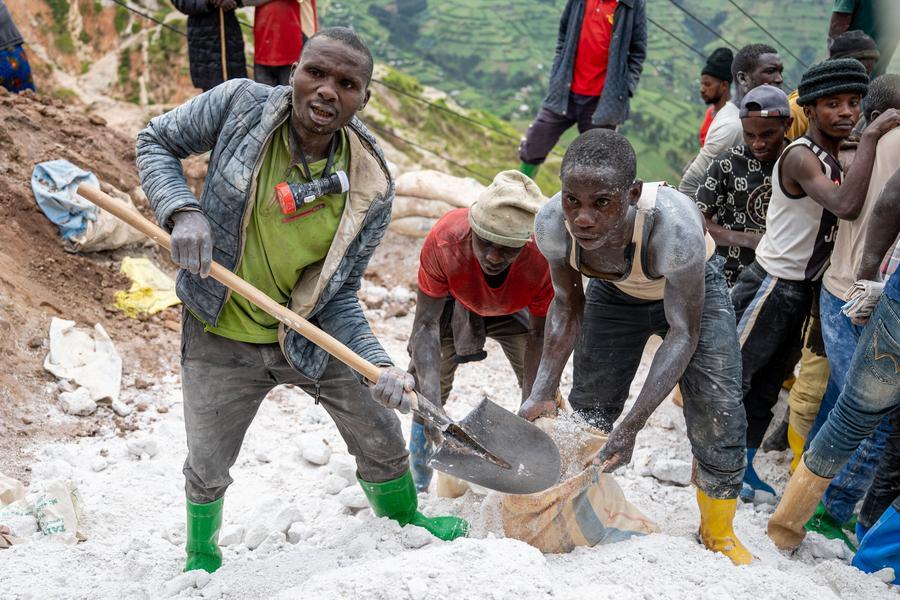
The incident occurred at the Rubaya mining sites, known for the coltan resources, in North Kivu province following “exceptionally heavy rains,” according to a statement issued by the DRC Ministry of Mines.
According to the provisional toll, more than 200 people lost their lives, including around 70 minors.
The Rubaya mining zone has been under the control of the March 23 Movement (M23) rebel group since 2024, making rescue operations particularly difficult, the statement said.
The ministry noted that the mining zone had previously been reclassified since November as a “red zone,” a designation that formally prohibits mining and mineral trading.
“There was indeed a landslide following heavy rainfall on the mountain known as Kasasa. The earth swallowed many people,” David Kasereka, an artisanal miner and resident of Rubaya, told Xinhua on Tuesday.
The M23 has not yet commented on the incident.
In January, at least 200 people were killed after several shafts collapsed at coltan mining sites in Rubaya. Local media reported that the death toll may have exceeded 400, excluding those still missing.
Coltan, or columbite-tantalite, is the main source of tantalum, a rare metal used in the production of advanced electronic devices. The United Nations estimated that the Rubaya mines alone account for about 15 percent of the global tantalum supply.
Miners load excavated ore at a coltan mining site in the town of Rubaya, the Democratic Republic of the Congo (DRC), on May 7, 2025.