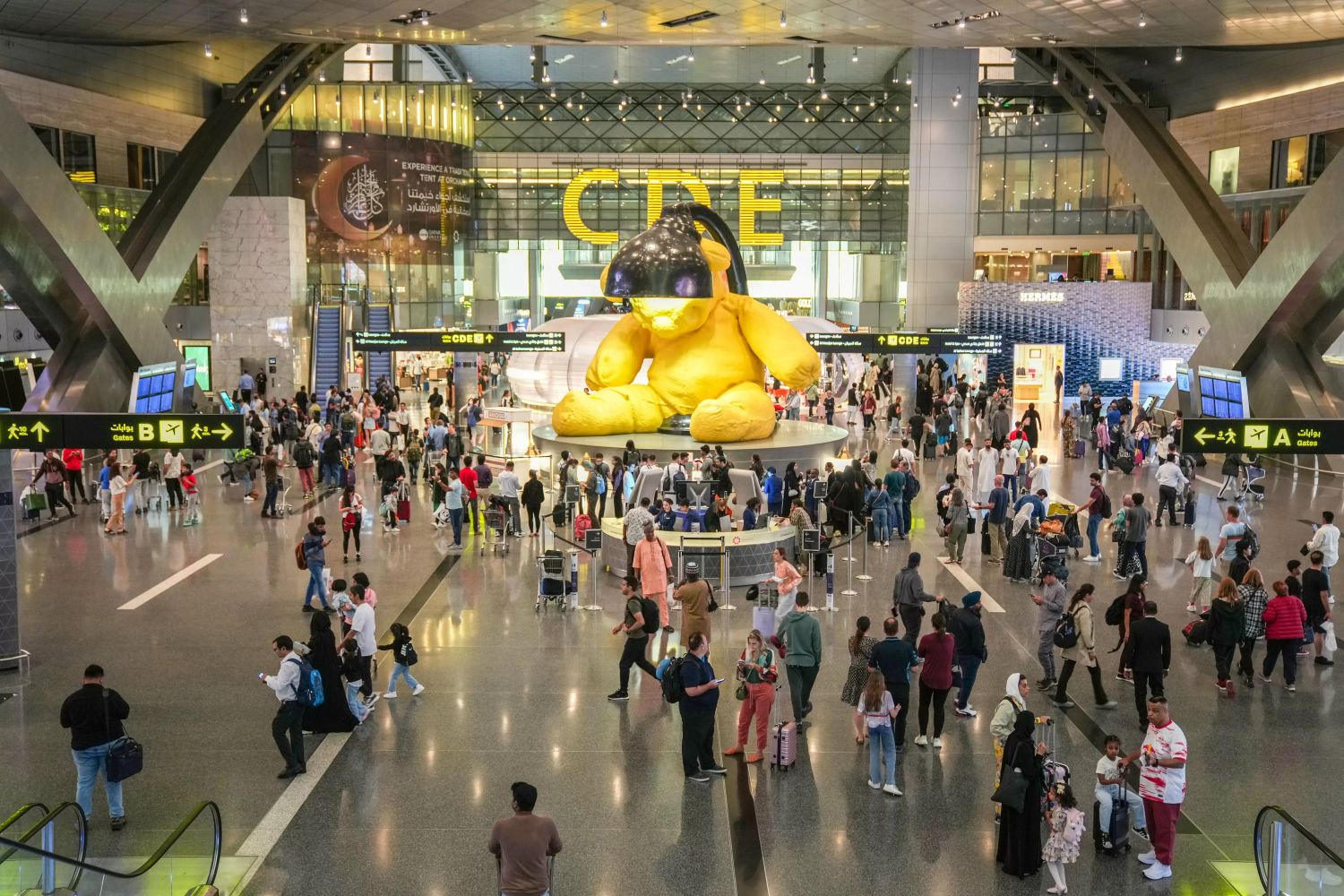
In a statement issued on April 20, 2026, QCAA said it had released a Notice to Airmen (NOTAM) authorising the phased restart of international airline services.
The authority said the decision followed a comprehensive assessment of the prevailing situation, conducted in coordination with all relevant national entities, to ensure the highest levels of readiness and operational efficiency.
QCAA emphasised that all flights and related airport operations would be conducted in line with internationally recognised safety and security standards, with all necessary precautions in place to protect passengers, crew, and aviation personnel.
“The safety and security of all remain our top priority,” the authority said.
Several international carriers had suspended or adjusted their services to Qatar as regional instability intensified, including RwandAir, which was among the airlines affected by the disruptions.
The ongoing Middle East conflict began in late February 2026, when coordinated US and Israeli strikes on Iranian military targets significantly heightened tensions across the region. Iran responded with retaliatory actions that quickly transformed the situation into a broader multi-front regional conflict.
The escalation severely disrupted global travel routes, trade flows, and energy markets, with airlines forced to reroute, delay, or suspend operations due to security concerns and airspace restrictions across parts of the Gulf and wider Middle East.
Qatar’s decision to gradually reopen operations for foreign carriers is expected to ease pressure on regional aviation and restore confidence among international airlines and travellers using Doha as a major transit hub.
The gradual resumption of operations for foreign airlines in Qatar through Hamad International Airport signals a cautious return to normalcy after months of disruption caused by the escalating Middle East conflict.
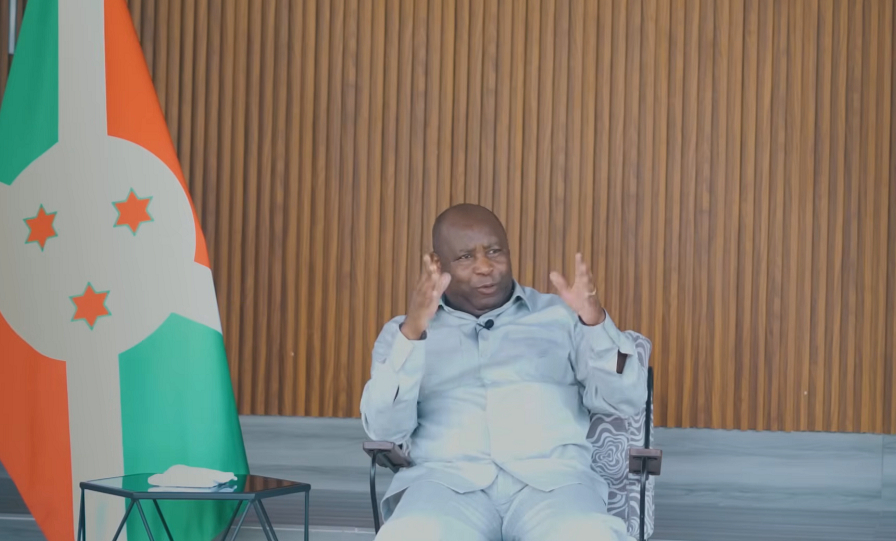
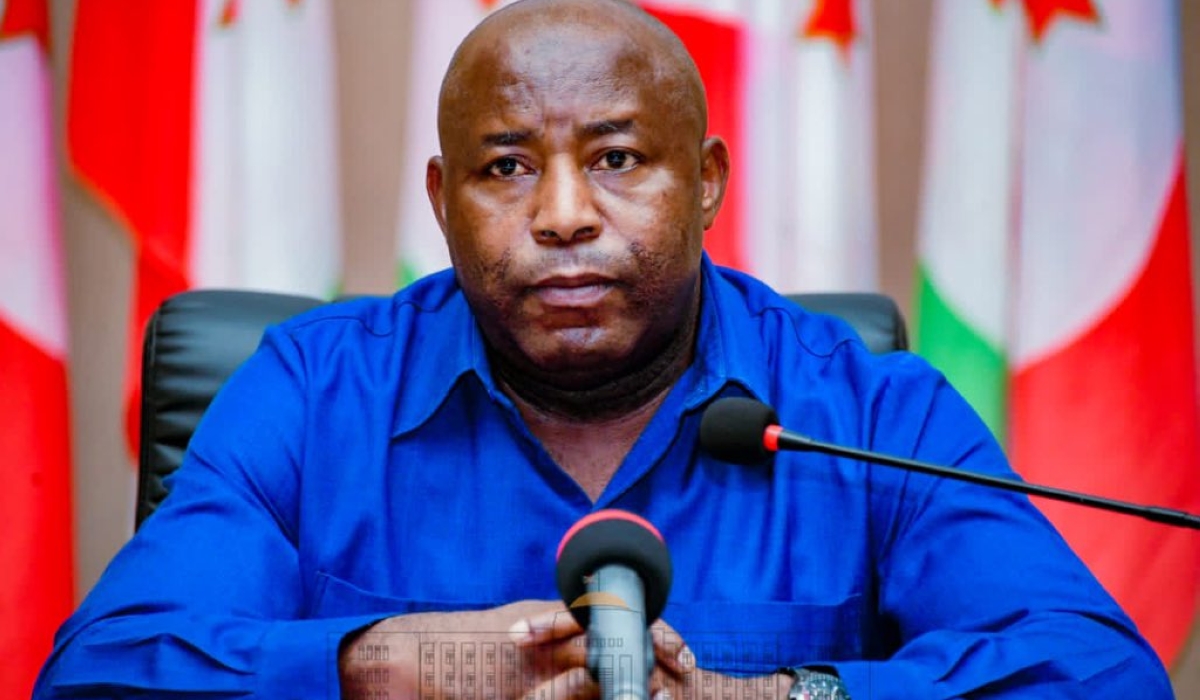
In an interview with Yaga Burundi, Ndayishimiye defended his decision to keep Burundi’s border with Rwanda closed, arguing that it was necessary to prevent cross-border infiltration by people intent on undermining Burundi’s security.
“We disagree with Rwanda on the issue of criminals who come to attack Burundi,” he said. “Rwanda opens the way for them, and they come to attack Burundi. Burundi has never opened its territory for anyone to go and attack Rwanda.”
Since late 2023, when Ndayishimiye began making these accusations publicly, Rwanda has consistently rejected them, maintaining that it has never collaborated with groups opposed to his administration and reminding the Burundian government of that position.
When asked whether Burundi could not secure itself with open borders, Ndayishimiye argued that unrestricted movement creates security gaps, saying some attackers manage to bypass security forces and carry out operations inside Burundi.
“Even if we lined up all 12 million Burundians from Ruhwa to Muyinga and left no gate unchecked, the way we manage security, you would understand it the day they come,” he said. “If we opened the border, you could find them already attacking you right here.”
Despite Ndayishimiye’s assertion that no attacks against Rwanda have originated from Burundi, armed groups, including FLN, have repeatedly crossed from Burundi’s Kibira forest into Rwanda’s south-western region, carrying out deadly attacks against civilians.
Among the notable incidents were attacks by FLN fighters in Nyabimata and Kitabi sectors of Nyaruguru and Nyamagabe districts in 2018 and 2019, after infiltrating from Burundi.
In May 2021, the group launched another attack in Bweyeye Sector of Rusizi District, but was repelled by Rwandan forces.
The Rwanda Defence Force later stated that the attackers had crossed from Giturashyamba in Mabayi Commune, Burundi. After being pushed back, they reportedly retreated across the Ruhwa River into Kibira forest.
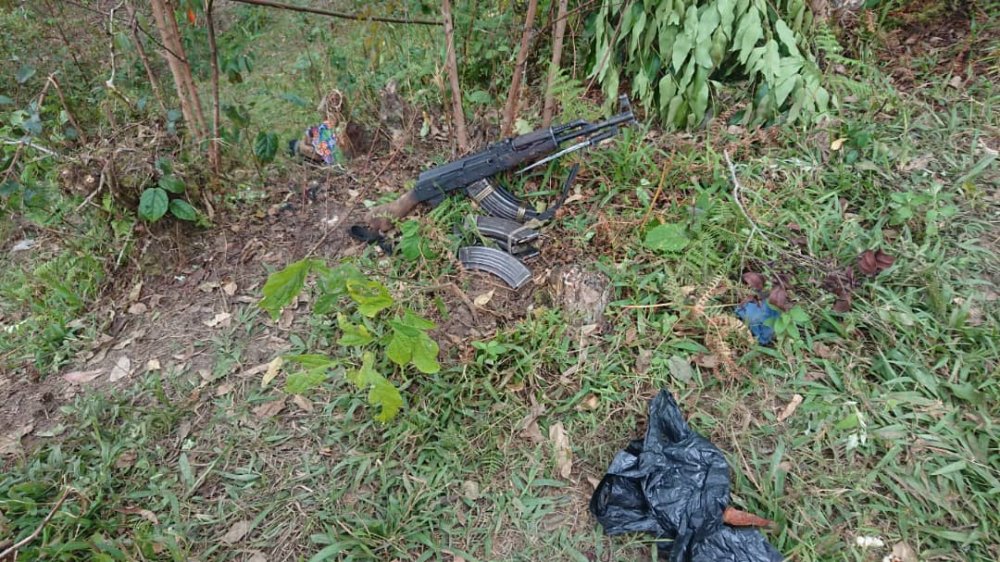
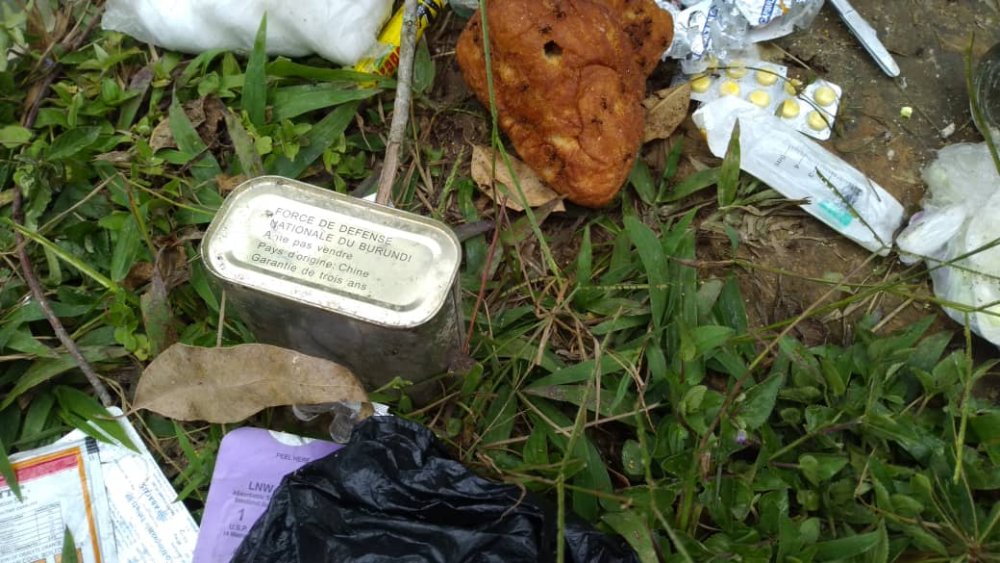
According to the RDF, the fighters were found with military equipment bearing the insignia of the Burundian army, strengthening claims that elements within Burundi were cooperating with FLN in operations aimed at destabilising Rwanda.
In May 2022, FLN fighters again launched an attack from Burundi, targeting a passenger bus travelling through Nyungwe National Park and killing two civilians. The group has continued to operate from Kibira forest.
Another case involved RED Tabara fighters who entered Kibira from the Democratic Republic of Congo and clashed with Burundian forces in September 2020. While fleeing, 19 of them lost their way in Nyungwe National Park and were arrested by Rwandan soldiers on patrol.
In October 2021, Rwanda handed the fighters over to Burundi, emphasising that it could not provide refuge to individuals seeking to destabilise a neighbouring country. At the time, Ndayishimiye had been in office for one year and three months.
A report by United Nations experts later indicated that as relations between Rwanda and Burundi deteriorated in late 2023, Burundi renewed and intensified cooperation with armed groups seeking to destabilise Rwanda, including FLN.
Beyond FLN, Burundi has also been linked to cooperation with the genocidal FDLR militia group, particularly in military operations against the AFC/M23 rebel movement active in North and South Kivu provinces of the Democratic Republic of Congo. Reports also indicate that such collaboration extends to broader plans aimed at undermining Rwanda’s security.
Ndayishimiye, in an interview with Yaga Burundi, insisted that no individuals who have carried out attacks against Rwanda have originated from Burundi.
In May 2021, between 10 and 15 FLN fighters crossed from Burundi and launched an attack on Bweyeye, during which they abandoned their equipment as they were repelled.Among the items used by FLN during their incursion into Rwanda were some bearing the insignia of the Burundian army
West Texas Intermediate crude oil futures for May delivery reached as high as 91.2 U.S. dollars per barrel at the start of trading for the new week, up 8.76 percent from the settlement on Friday. Meanwhile, Brent crude oil futures for June delivery had a high of 97.5 U.S. dollars per barrel, up from the previous session’s settlement of 90.38 dollars per barrel.
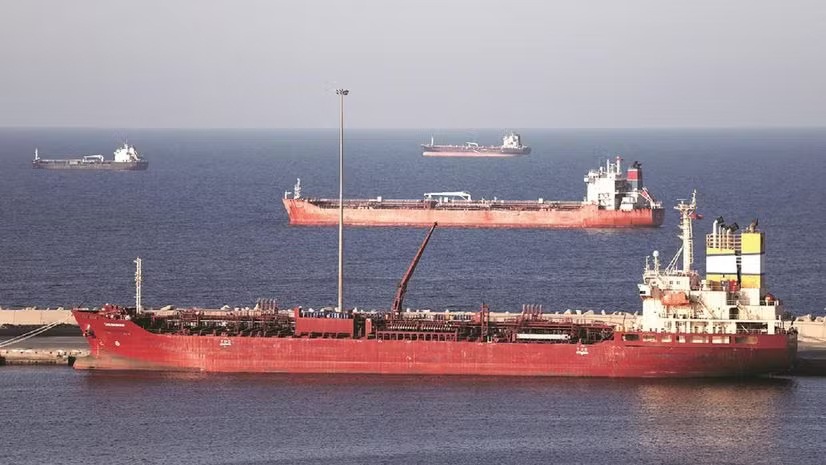
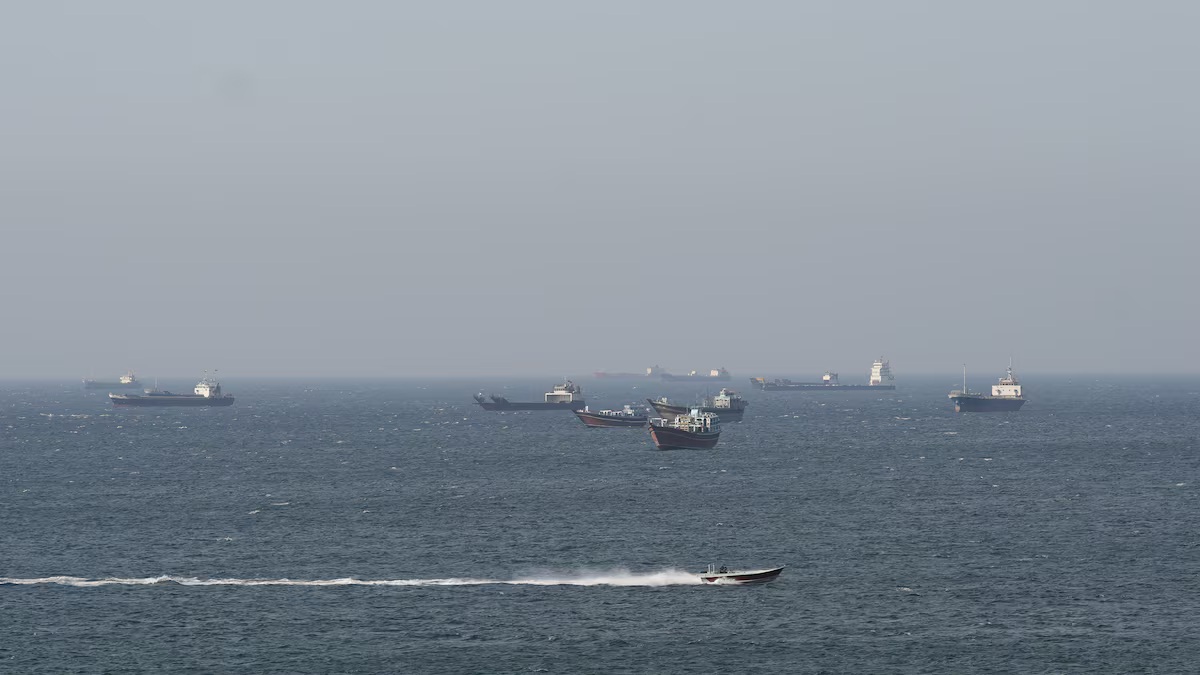
Thirty-five outbound vessels reversed course over the past 36 hours after Iran reimposed control over the Strait of Hormuz, a London-based maritime analytics firm said on Sunday.
On Saturday evening, the Navy of Iran’s Islamic Revolution Guards Corps announced that the Strait of Hormuz had been blocked. This announcement followed the Iranian government’s declaration on Friday that the strait would be open to all commercial vessels for the duration of the Lebanon-Israel ceasefire.
Moreover, Iran’s official news agency IRNA said on Sunday the country has rejected taking part in the second round of the peace talks with the United States.
The renewed tensions also sent U.S. stock index futures plummeting on Sunday evening, with precious metal futures dropping significantly.
The optimism over resumption of trade flows in the Strait of Hormuz led to an over 11 percent drop of West Texas Intermediate crude oil futures for May delivery, and sent the S&P 500 Index and Nasdaq Composite Index to new record highs on Friday.
The Strait of Hormuz, a vital shipping corridor accounting for around 20 percent of global oil flows, has effectively been closed to oil tanker transit since the outbreak of conflict in the Middle East at the end of February.
Thirty-five outbound vessels reversed course over the past 36 hours after Iran reimposed control over the Strait of Hormuz, a London-based maritime analytics firm said on Sunday.
He made the remarks during an interview with Yaga Burundi.
When asked whether the presidential jet was still in Madrid, President Ndayishimiye confirmed that it remains there. The journalist then questioned why it had not been sold as scrap metal.
“Then what is stopping it from being sold as scrap metal so that Burundians can see how to pool resources and raise money?” a journalist from the outlet asked.
In response, President Ndayishimiye acknowledged that he had also considered the idea, but said he refrained from pursuing it out of concern over public reaction.
“That idea also crossed my mind. I said to myself: I know Burundians, they are quick to get angry and would say I have stolen their plane. They would accuse you, thinking it is that simple. So I wondered what exactly should be done with it,” he said.
He explained that the situation surrounding the aircraft has persisted for years without a clear resolution, making it difficult for even officials to provide consistent explanations.
According to him, at one point, he even questioned whether the aircraft actually existed, prompting him to dispatch a verification mission to Spain.
“One day I said: what if they are lying, does that plane even exist? I said that and appointed the Prime Minister to lead a delegation, together with officials from ACB, to go to the airport in Spain. I said I would only believe it once they showed me proof. They went and recorded clear videos, including the Burundian flag,” he said.
He added that delays in resolving the issue have persisted over time, noting that, unlike humans, outcomes are not always immediate and require patience. Ndayishimiye also revealed that Burundi continues to incur costs for parking the aircraft at its current location in Madrid.
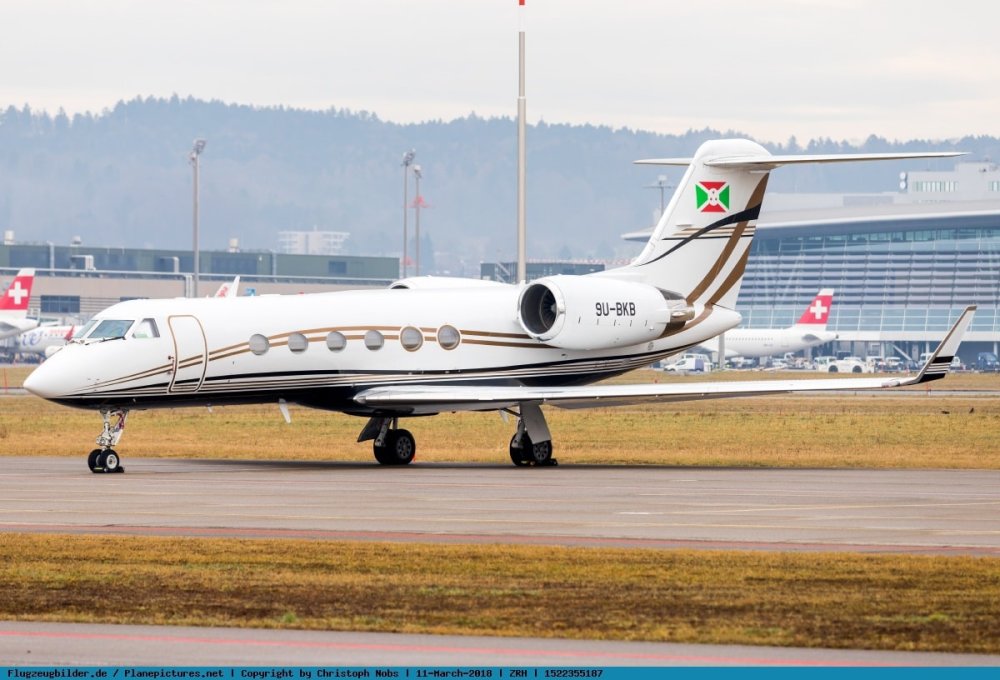
The aircraft in question is a Gulfstream IV presidential jet, which has remained grounded at Madrid airport in Spain after developing technical problems that could not be immediately resolved.
Burundi received the aircraft in 2016, after acquiring it from the United States, where it was manufactured. It was reported to have cost about €8.5 million, equivalent to approximately 14.5 billion Burundian francs.
The jet replaced a Falcon 50 previously used by the Burundian presidency, which was sold in 2007.
In 2017, the government decided to lease out the aircraft after it began deteriorating, particularly as then-President Pierre Nkurunziza was not undertaking international travel at the time.
It later emerged that the aircraft had developed technical faults requiring repairs, but it has remained out of service for years.
Although the jet is still parked in Madrid, Ndayishimiye noted that those who previously handled it confirmed it has technical issues and that specialists capable of repairing it are based in the United Kingdom.
Burundian President Évariste Ndayishimiye, in a recent interview, explained that the situation surrounding the aircraft has persisted for years without a clear resolution, making it difficult even for officials to provide consistent explanations.The grounded plane replaced a Falcon 50 previously used by the Burundian presidency, which was sold in 2007.
The meetings, organised by Uganda’s Ministry of Foreign Affairs in collaboration with the Ugandan Embassy in Kigali, are scheduled to take place from April 20 to 22, 2026, in Kampala.
The discussions are expected to bring together representatives from more than 15 ministries, with a focus on reviewing and enhancing cooperation across key sectors of mutual interest.
Uganda’s delegation will be led by the Minister of State for Foreign Affairs, John Mulimba, while the Rwandan delegation will be headed by the Minister of State in the Ministry of Foreign Affairs and International Cooperation, Dr. Usta Kaitesi.
According to Uganda’s daily NewVision, the meetings will be held at Mestil Hotel in Kampala. In addition to technical discussions, high-level closed-door sessions between ministers from both sides are expected, ahead of the adoption of joint resolutions and the signing of cooperation agreements.
Uganda’s Permanent Secretary in the Ministry of Foreign Affairs, Ambassador Richard Kabonero, said the talks will cover a wide range of areas, including defence and security cooperation, infrastructure development, immigration and border management, police cooperation, education, and other strategic sectors.
He added that the two sides will also review progress made in implementing previous agreements, particularly those reached during the 11th PJC session held in Kigali in 2023.
The Ugandan Ministry of Foreign Affairs further noted that the session will also explore new opportunities to deepen bilateral relations, boost trade and investment, and develop joint development initiatives aimed at fostering regional integration and mutual growth.
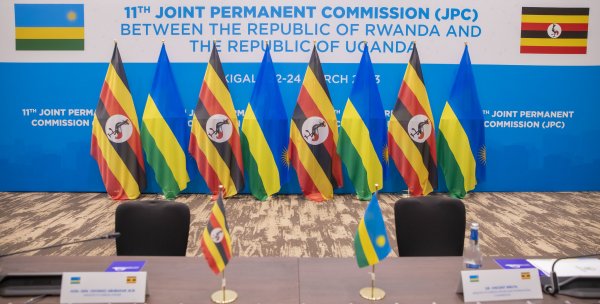
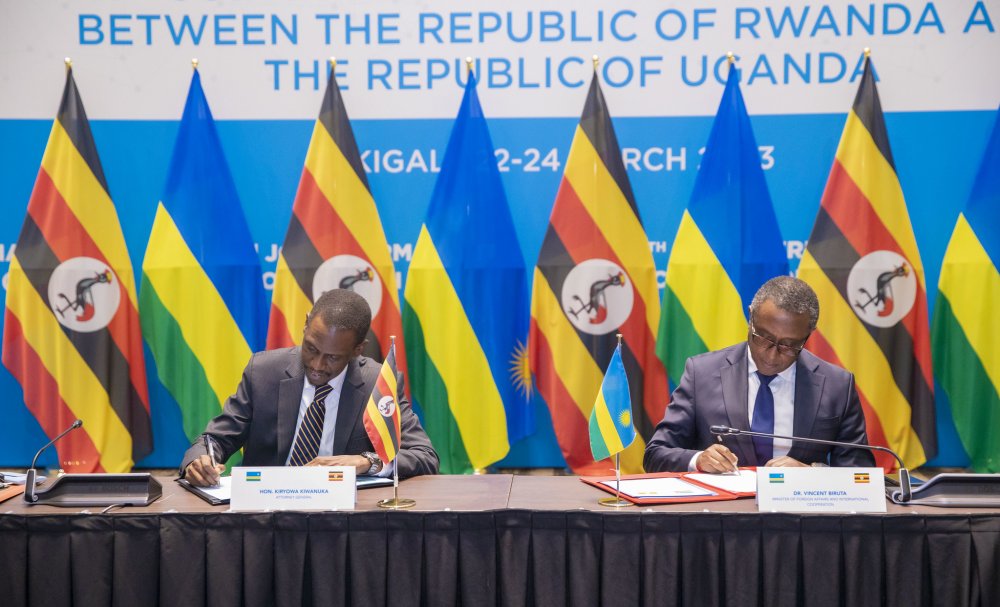
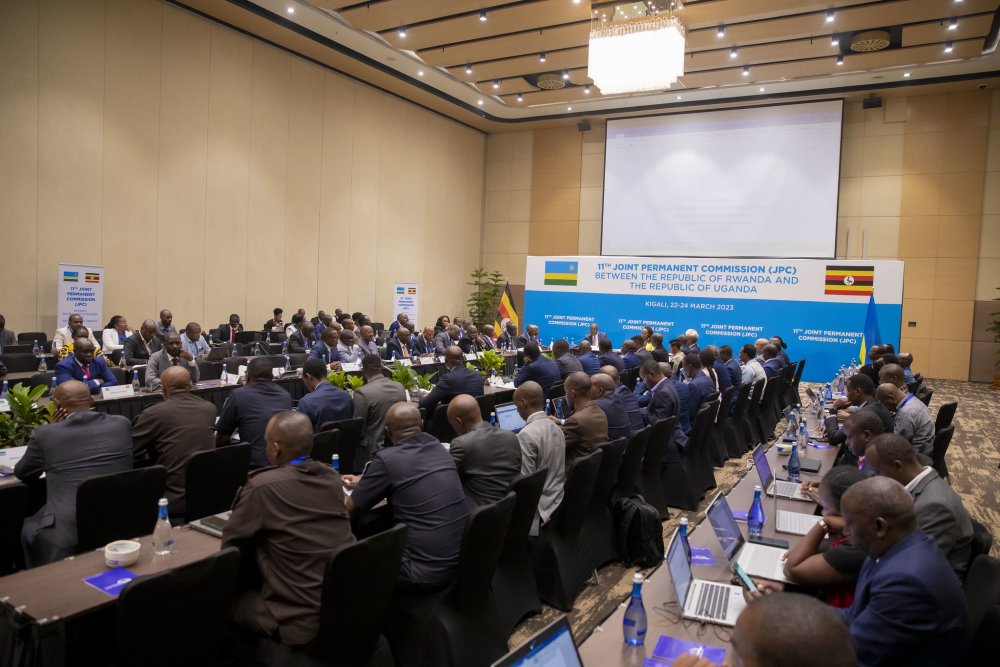
At the most recent session of the Permanent Joint Commission between Uganda and Rwanda, held in Kigali, the two countries concluded cooperation agreements aimed at strengthening bilateral relations.Representatives of Rwanda and Uganda are set to meet once again to discuss and strengthen bilateral cooperation between the two countries.
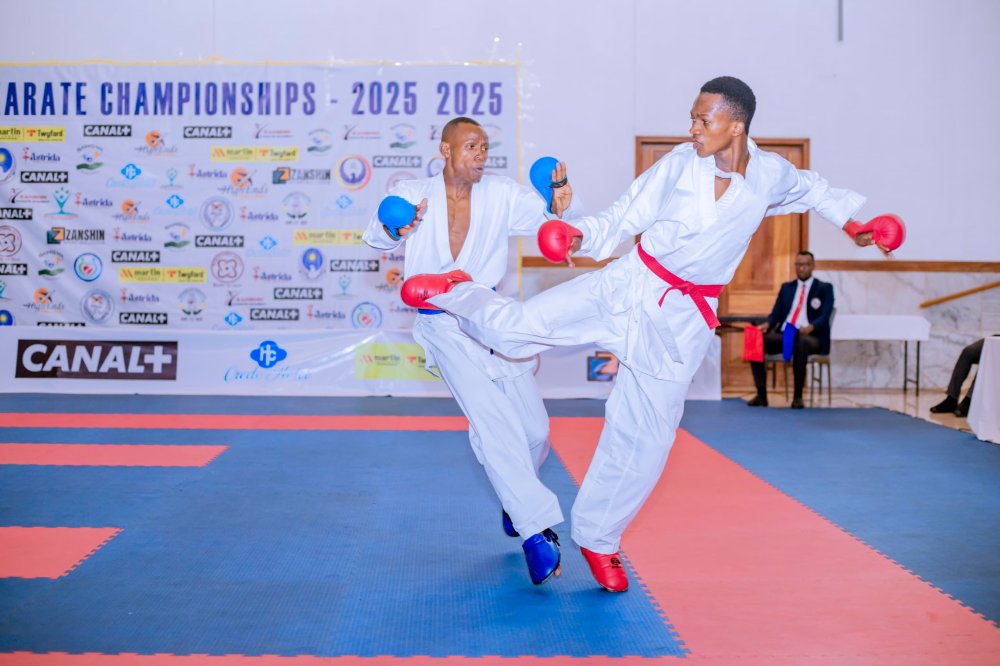
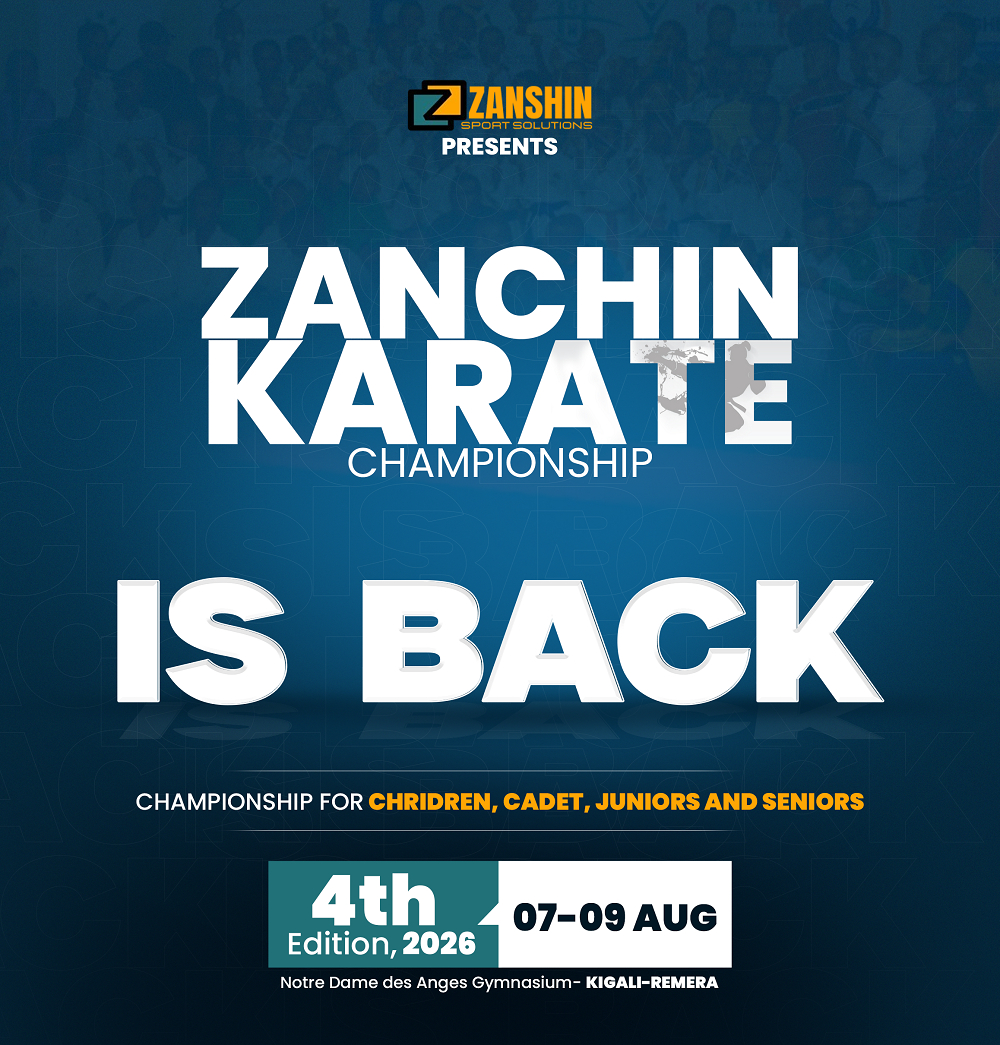
The international karate tournament will be held at the indoor sports and entertainment hall of Ecole Notre Dame des Anges in Remera, bringing together children, cadet, juniors, and senior athletes from Rwanda and beyond.
Previously staged in Huye, the championship features both male and female competitors aged six years and above, competing across different age and weight categories.
Young participants will compete in Kata (forms demonstration) and Kumite (sparring) based on age groups, while senior athletes will contest Kumite bouts according to weight divisions, in line with World Karate Federation regulations.
One of the tournament’s distinguishing features is the use of advanced Video Review (VAR) technology in scoring, allowing coaches to challenge refereeing decisions when they believe their athletes were denied deserved points.
The championship is also officiated by international referees and experts drawn from across the African continent.
Dieudonné Mwizerwa, Director of Zanshin Sport Solutions and the tournament organiser, said registration will open in June and run until the end of July 2026.
“This year, all preparations are well in place. We expect top international athletes to participate, and international referees from different African countries will officiate the matches,” he said.
Mwizerwa urged teams to register their athletes early and in large numbers, while also calling on supporters to attend and cheer on the competitors.
He also thanked FERWAKA and Martin Hardware & Twyford Rwanda, the main sponsor of the tournament, for their continued support.
He further encouraged other partners to collaborate with Zanshin in promoting karate development and nurturing young talent.
In the 2025 edition, Flying Eagles Karate Club won the Zanshin Karate Championship for Children, Cadets and Juniors (3rd Edition).
APR Karate-Do claimed the Zanshin Seniors Open Karate Championships (2nd Edition), which brought together senior athletes and was held at Hotel Credo in Huye District.
Participating teams included clubs from Rwanda and Kenya, as well as individual athletes from Gabon and the Democratic Republic of Congo.
The “Zanshin Karate Championship 2026” tournament will take place in Kigali from August 7–9. The karate tournament features both junior and senior categories.Dieudonné Mwizerwa, Director of Zanshin Sport Solutions and the tournament organiser, said registration will open in June and run until the end of July 2026.Teams from Kenya were among those that participated in the tournament during its most recent edition in 2025, which was held in Huye.
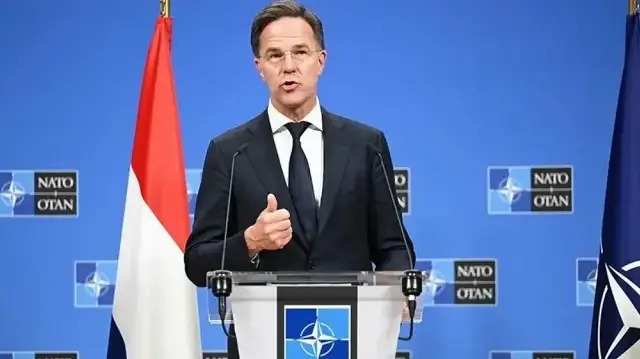
In a wide-ranging discussion with the German newspaper WELT AM SONNTAG, Rutte stated he does not foresee a future where the United States abandons its post-war security commitments. However, he balanced this reassurance with a stern call for a “stronger Europe within a stronger alliance,” suggesting that the burden of Western defense must be more equitably shared.
The remarks serve as a direct response to recent escalations from U.S. President Donald Trump. The President has intensified his “America First” stance, labeling NATO a “paper tiger” and expressing visible frustration over European involvement, or lack thereof, in Middle Eastern tensions, specifically regarding Iran. Trump’s repeated suggestions that he is “considering” a withdrawal have sent ripples of anxiety through Baltic and Eastern European capitals.
Rutte acknowledged that the U.S. commander-in-chief’s disappointment is not without merit.
“The President is visibly frustrated with certain members,” Rutte noted, acknowledging the long-standing U.S. grievance regarding defense spending. Currently, while more nations are hitting the 2% GDP spending target, several key European economies still fall short.
Despite the friction, Rutte emphasized that the structural foundations of the alliance remain indispensable. He reaffirmed that the U.S. nuclear umbrella continues to serve as the “ultimate guarantor” of European security, a deterrent that no individual European nation can currently replicate.
To ensure the alliance remains viable, Rutte argued that Europe must move beyond “rhetorical support” and invest in tangible military capabilities. Analysts suggest that by framing the issue as an opportunity for European growth, Rutte is attempting to bridge the gap between Trump’s isolationist leanings and Europe’s security requirements.
As the next NATO summit approaches, the focus will likely remain on these two pillars: maintaining the U.S. commitment while rapidly accelerating European defense autonomy to satisfy a frustrated Washington.
NATO Secretary General Mark Rutte dismissed growing concerns over a potential U.S. withdrawal from the alliance in an interview published Saturday.
The agreement also includes a Memorandum of Understanding (MoU) establishing regular political consultations, signalling a structured framework for deepening bilateral engagement between Kigali and Tashkent.
As both countries explore new areas of cooperation in trade, investment, and innovation, here are 10 key things to know about Uzbekistan.
Doubly landlocked, but strategically connected
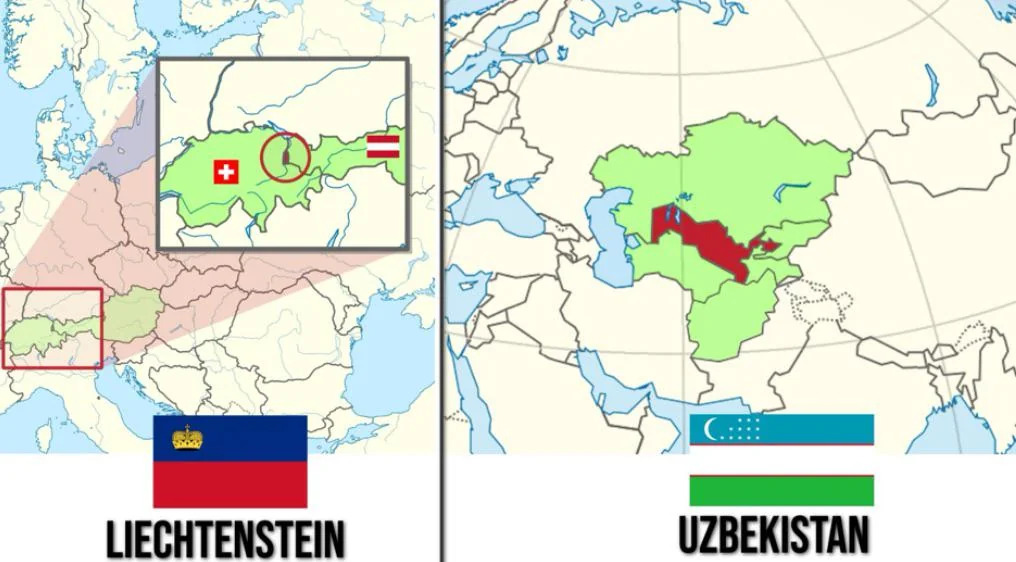
Uzbekistan is one of only two doubly landlocked countries in the world, the other being Liechtenstein, meaning it is surrounded entirely by other landlocked states. This unique geography makes it highly dependent on regional transit routes and cross-border cooperation, particularly through Kazakhstan and other Central Asian corridors.
Like Rwanda, which has long focused on overcoming geographical limitations through regional integration, Uzbekistan views connectivity as a core development priority under its South–South cooperation agenda.
A parallel growth story
Uzbekistan is often cited alongside Rwanda as an example of rapid, state-led economic transformation. Since reforms began in 2016, the country has transitioned from a relatively closed economy to one increasingly integrated into global markets.
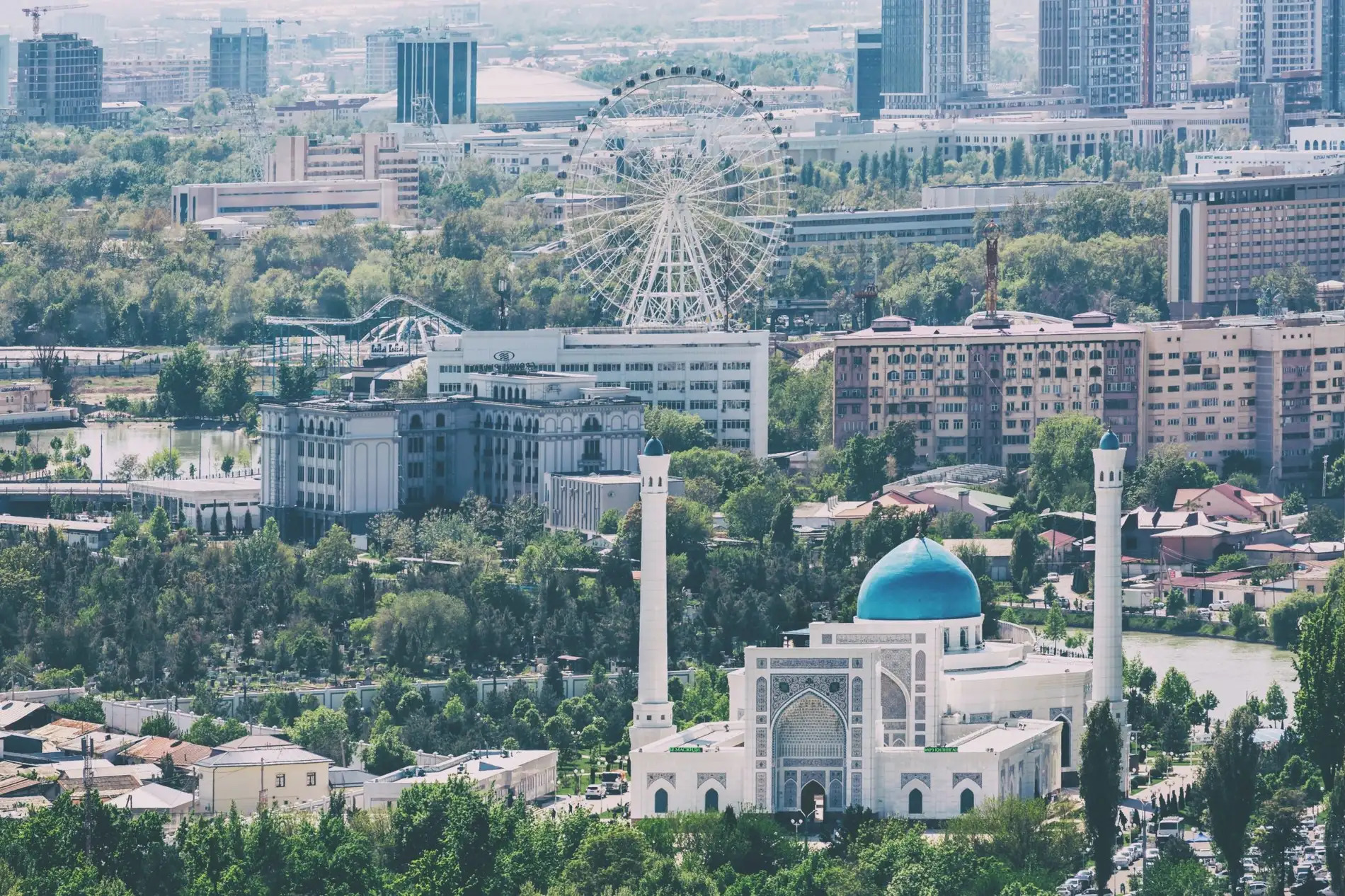
Tashkent is the capital of Uzbekistan.
In 2026, Uzbekistan is maintaining strong growth of around 6.7%, driven by privatisation, infrastructure expansion, and industrial modernisation, part of one of the fastest post-Soviet economic reform trajectories in recent years.
A multi-billion-dollar tech ambition
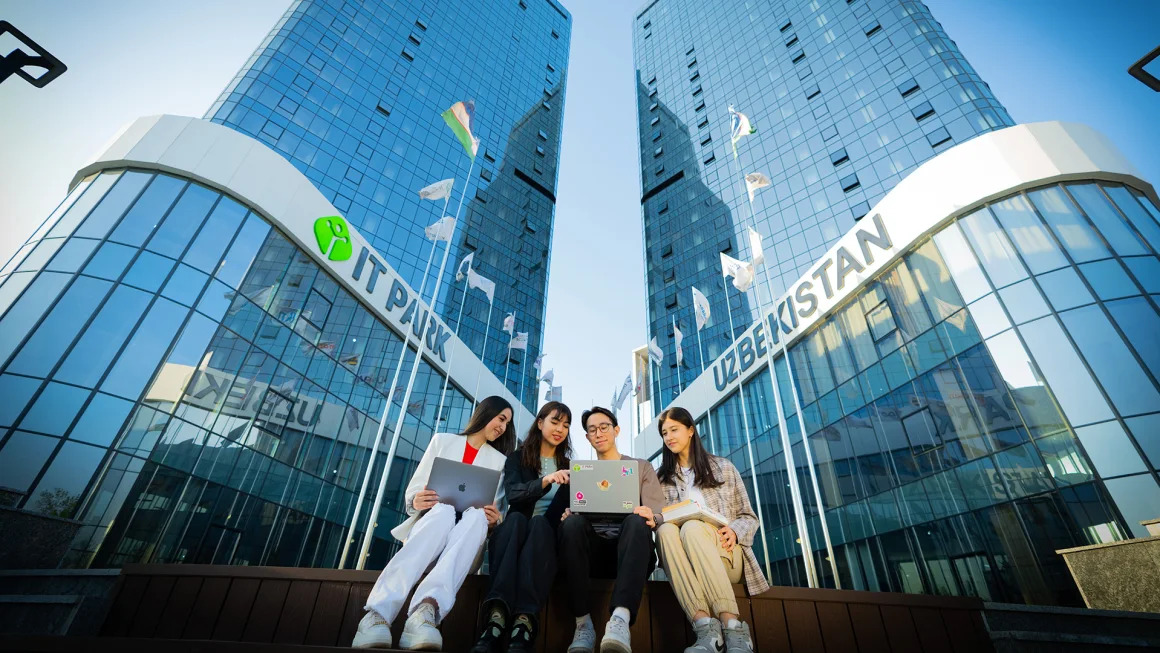
Uzbekistan is investing heavily in digital transformation through initiatives such as the IT Park Uzbekistan, a government-backed tech zone offering tax incentives for technology firms.
Uzbekistan is investing heavily in digital transformation through initiatives such as the IT Park Uzbekistan.
The country aims to reach $5 billion in IT exports by 2030, positioning itself as a regional digital hub. The model draws parallels with Rwanda’s innovation ecosystem, including Kigali Innovation City, creating potential for collaboration between African and Central Asian tech startups.
Silk Road heritage meets modern infrastructure
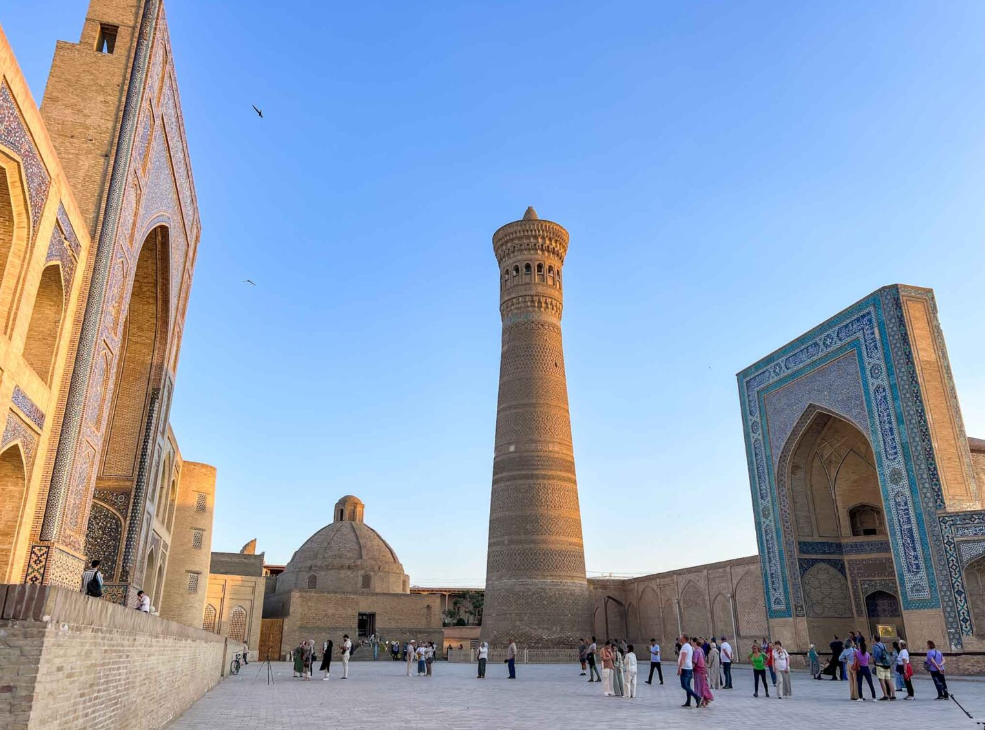
Uzbekistan was a major centre of the ancient Silk Road, with cities such as Samarkand playing a key role in global trade and cultural exchange for over two millennia.
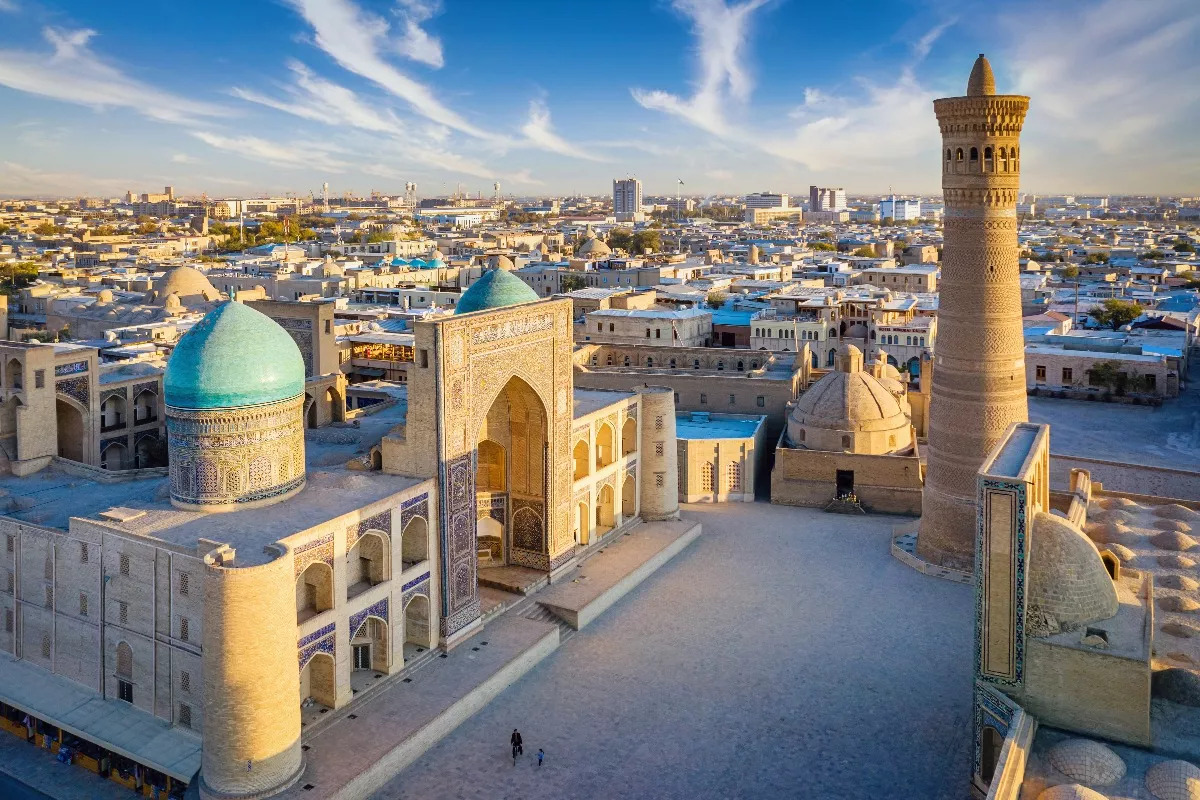
Po-i-Kalyan complex in Bukhara, Uzbekistan, is one of the most iconic landmarks along the ancient Silk Road.
Today, this heritage coexists with modern infrastructure. The Afrosiyob high-speed rail network connects Samarkand, Bukhara, and Tashkent, linking UNESCO-listed historical cities with fast-growing urban centres and reflecting the country’s push to modernise connectivity.
A mining and textile transformation economy
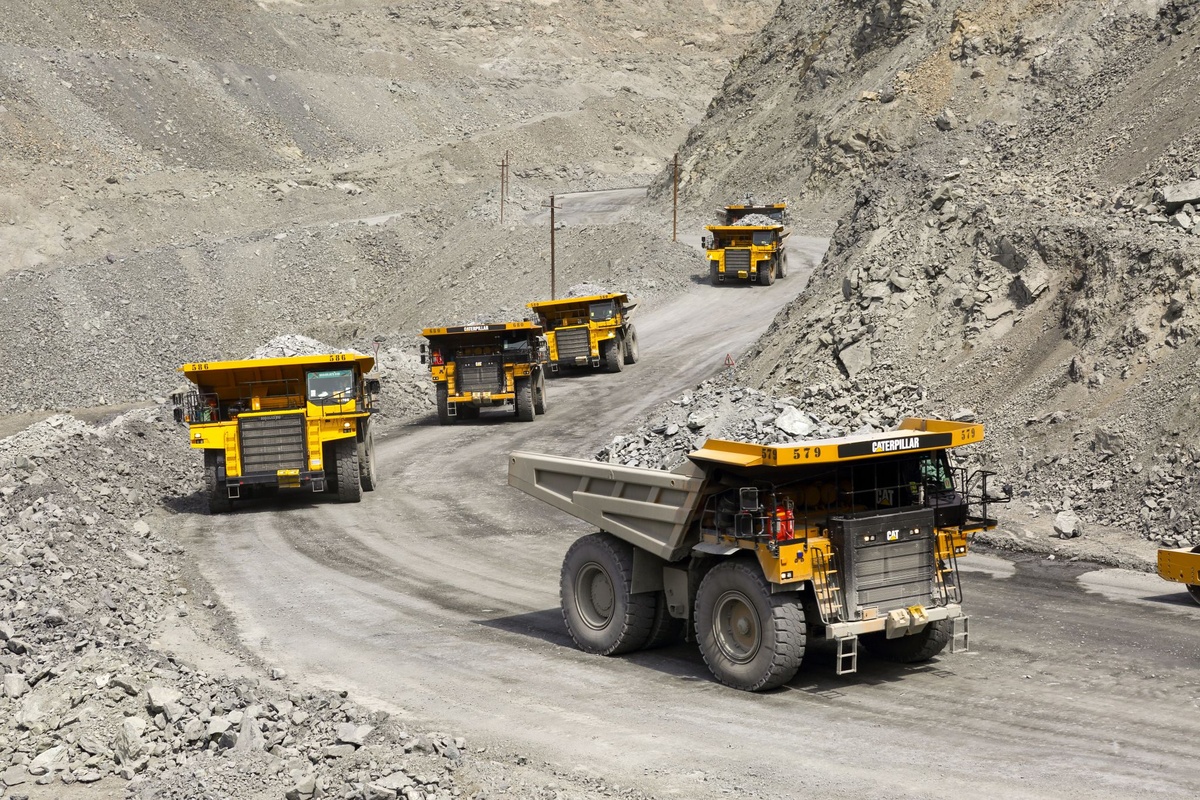
Uzbekistan is among the world’s leading gold producers, home to the Muruntau mine, one of the largest open-pit gold mines globally.
Muruntau produced 2.68 million ounces of gold in 2024, second only to the Nevada mine in the world.
While natural resources remain central, the country is gradually shifting toward value addition, particularly in textiles. It has developed a growing manufacturing base for products such as Ikat and Suzani fabrics, reflecting a broader strategy to move from raw exports to industrial production.
The Tashkent metro
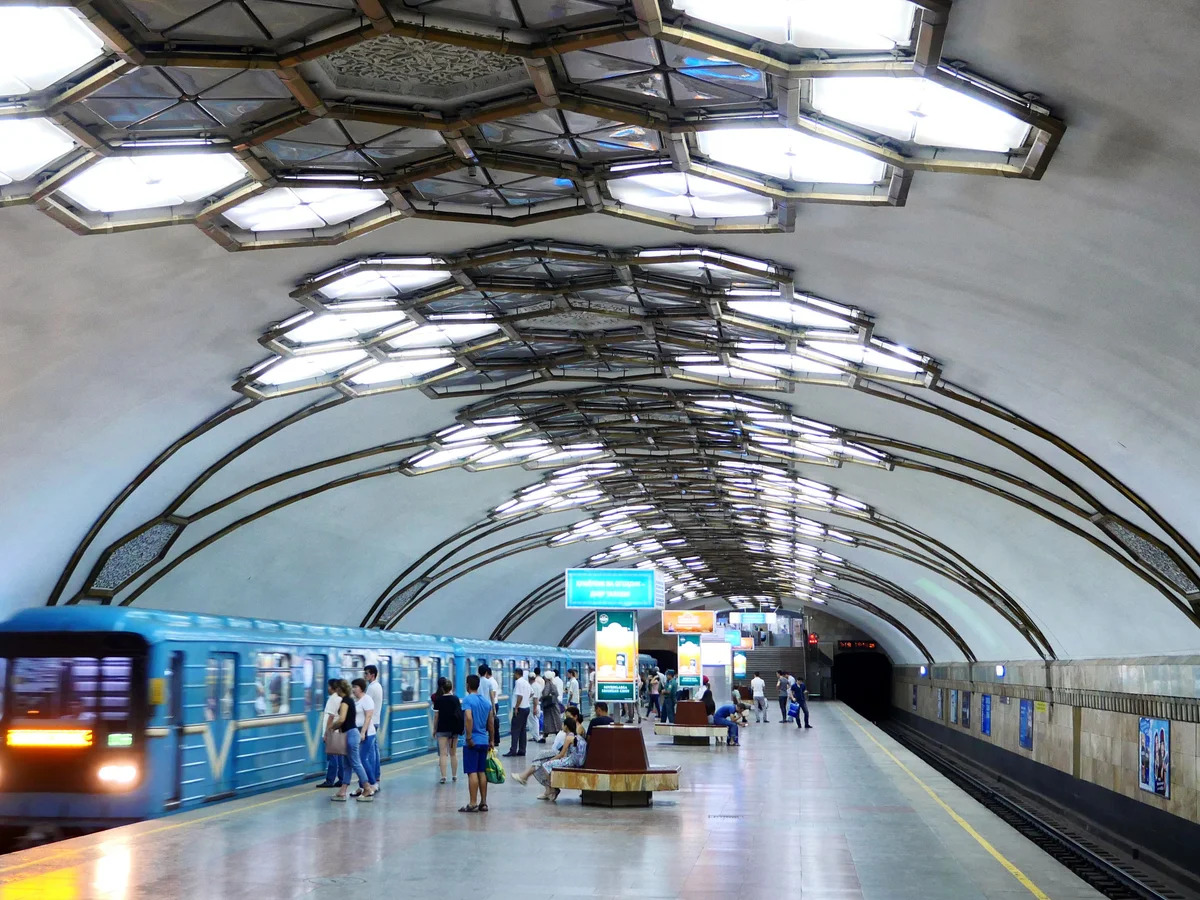
The capital, Tashkent, boasts a metro system that is widely considered a subterranean art gallery. Once a secret nuclear bunker where photography was banned, the stations now feature ornate marble, chandeliers, and murals. It serves as a reminder of how functional urban infrastructure can also be a point of national cultural pride.
The city of Tashkent boasts a metro system that is widely considered a subterranean art gallery.
Increasingly accessible for international visitors
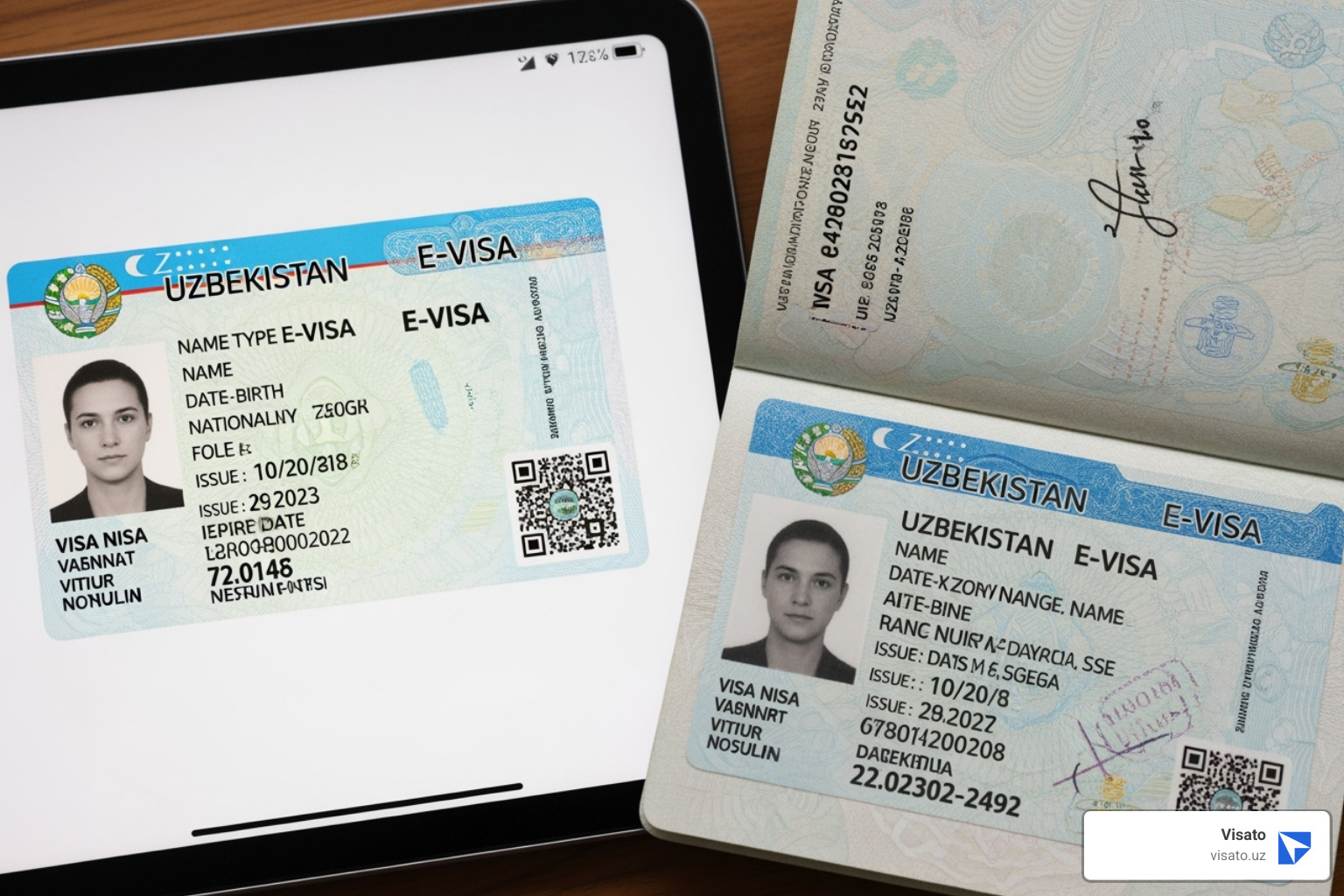
Uzbekistan has significantly liberalised its visa regime in recent years, introducing streamlined e-visa systems for many nationalities.
Visitors can typically obtain a 30-day stay permit online, reflecting the country’s broader efforts to open up to tourism, investment, and international exchange.
A young and growing population
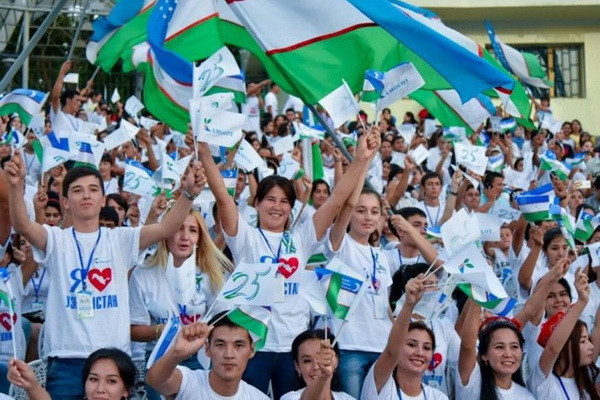
With a population of over 36 million people, Uzbekistan has a demographic structure similar to many African countries, with approximately 60% of its population under the age of 30.
Approximately 60% of the population of Uzbekistan is under the age of 30.
This “youth bulge” is shaping national priorities around education, skills development, and vocational training. International universities, including partnerships with institutions from the UK and Singapore, have established campuses in Tashkent to support workforce development.
A hub for “Halal Tourism”
Uzbekistan is increasingly positioning itself as a destination for cultural and Halal tourism, leveraging its Islamic architectural heritage and historic Silk Road cities.
Uzbekistan is increasingly positioning itself as a destination for cultural and Halal tourism.
Destinations such as Bukhara and Samarkand are attracting growing international attention, combining historical preservation with modern hospitality infrastructure.
Shared environmental advocacy
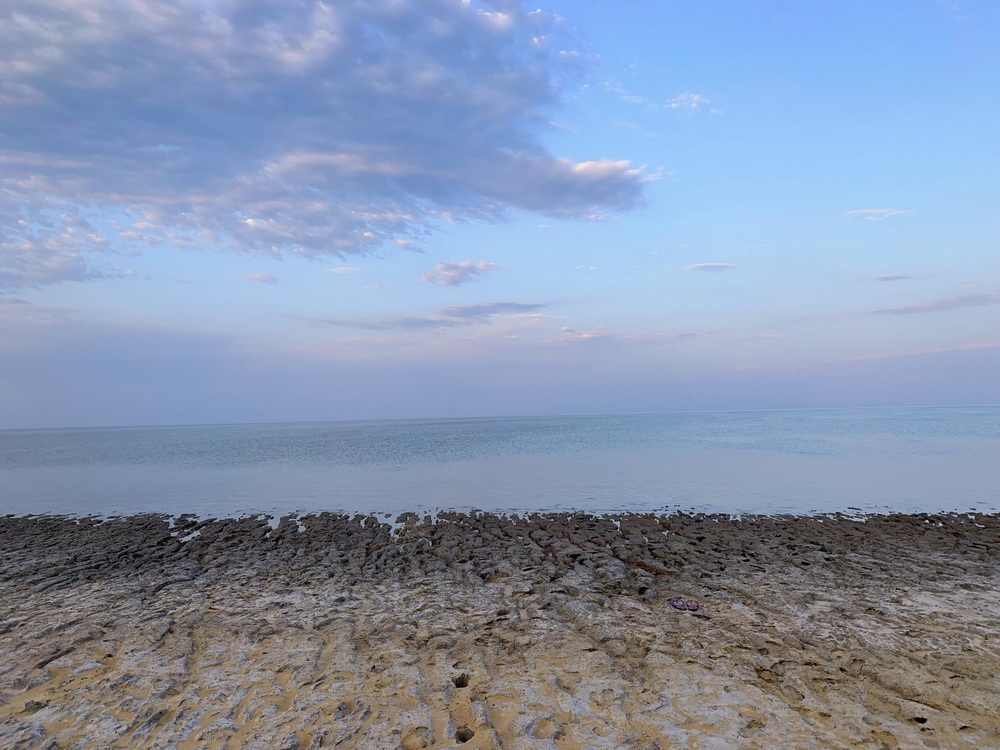
Uzbekistan faces significant environmental challenges, most notably the shrinking of the Aral Sea, one of the world’s most severe ecological crises.
Aral Sea.
This experience has driven national focus on water management, climate adaptation, and sustainable irrigation. These priorities align with Rwanda’s own environmental conservation agenda, particularly in wetland protection and ecosystem restoration, creating potential for future collaboration in climate resilience research.
As Rwanda and Uzbekistan formalise diplomatic relations, both countries are positioning themselves for expanded cooperation in trade, technology, education, and environmental sustainability. Despite being geographically distant, they share striking similarities in reform-driven development, youthful populations, and ambitions for global integration, laying the foundation for a potentially dynamic new partnership.
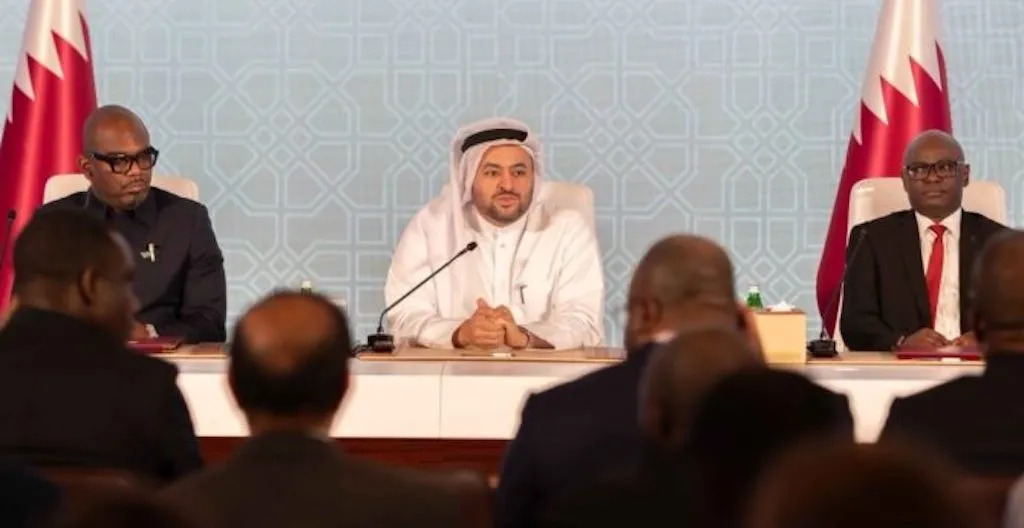
The discussions were facilitated by Qatar, the United States, Switzerland, the African Union Commission, and Togo in its role as African Union mediator, with participation from the International Conference on the Great Lakes Region (ICGLR).
The talks focused on strengthening humanitarian access, establishing mechanisms to monitor a ceasefire, and advancing confidence-building measures, including the release of detainees.
Humanitarian access and civilian protection
The two sides made substantial progress toward a protocol on Humanitarian Access and Judicial Protection, agreeing on the urgent need to ensure life-saving assistance for civilians in eastern DRC.
Both parties committed to comply with international humanitarian law, international human rights law, and international refugee law, as well as constitutional principles of the DRC.
They further agreed to prohibit attacks on or destruction of essential civilian infrastructure, including food supplies, agricultural areas, water systems, energy networks, telecommunications infrastructure, and health and education facilities.
The agreement also emphasises the protection of humanitarian workers and the guarantee of safe, rapid, and unimpeded access for aid delivery. Humanitarian assistance will be provided based on need, without discrimination on political, ethnic, religious, or social grounds.
“The Parties undertake to facilitate the transport of medical and humanitarian relief supplies by impartial humanitarian organisations to support the functioning of healthcare facilities and other medical units in areas affected by armed conflict,” a joint statement released by the parties reads.
Ceasefire monitoring mechanism activated
In a significant step toward implementing the ceasefire under the Doha Framework, the parties, together with ICGLR, signed a memorandum of understanding operationalising the Expanded Joint Verification Mechanism Plus (EJVM+).
This mechanism enables the Ceasefire Oversight and Verification Mechanism (COVM) to begin surveillance, monitoring, verification, and reporting on compliance with the permanent ceasefire.
Initial verification missions are expected to be planned within a week, with logistical support from the United Nations Organisation Stabilisation Mission in the DRC (MONUSCO).
Prisoner release within 10 days
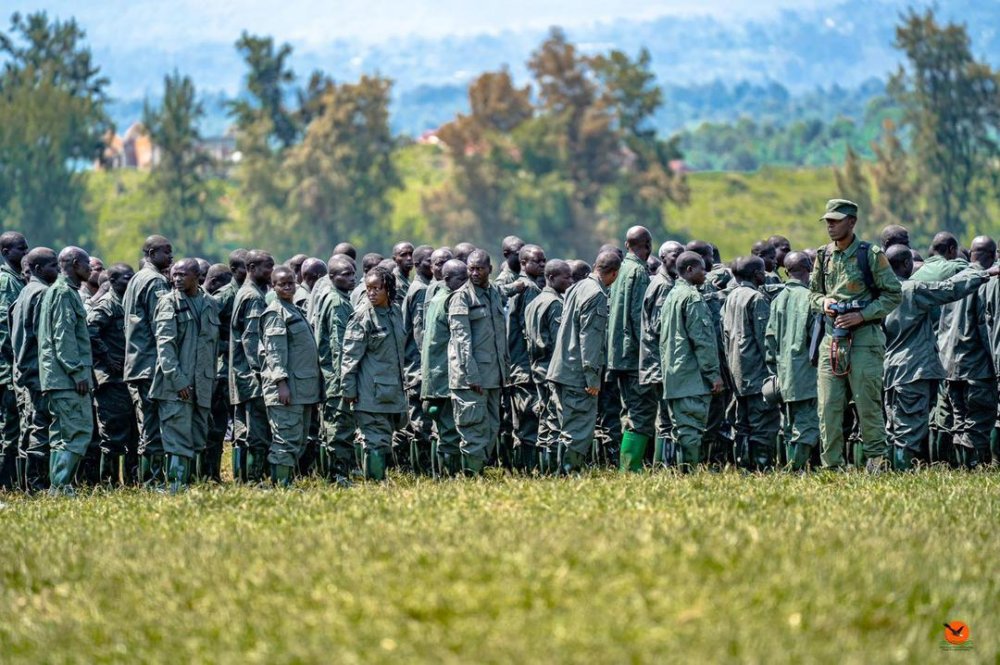
As part of confidence-building measures, the parties also agreed to release prisoners within ten days, in line with a previously established detainee release mechanism signed in September 2025.
Under the agreement, the DRC government is expected to release 311 prisoners linked to AFC/M23, while the rebel group will free 166 individuals held from the government side.
The International Committee of the Red Cross (ICRC) provided the relevant detainee lists to facilitate the process under agreed procedures.
The parties reaffirmed their commitment to sustaining momentum in the peace process and advancing remaining protocols under the Doha Framework. They also agreed to submit proposals for next steps to the mediation team to expedite negotiations.
After repeated setbacks in the implementation of the ceasefire, including accusations by AFC/M23 that Kinshasa forces have continued to carry out drone strikes on civilian populations, questions remain over whether the latest commitments will succeed in breaking the cycle of mistrust and restoring stability on the ground.
As part of confidence-building measures, the parties also agreed to release prisoners within ten days, in line with a previously established detainee release mechanism signed in September 2025.
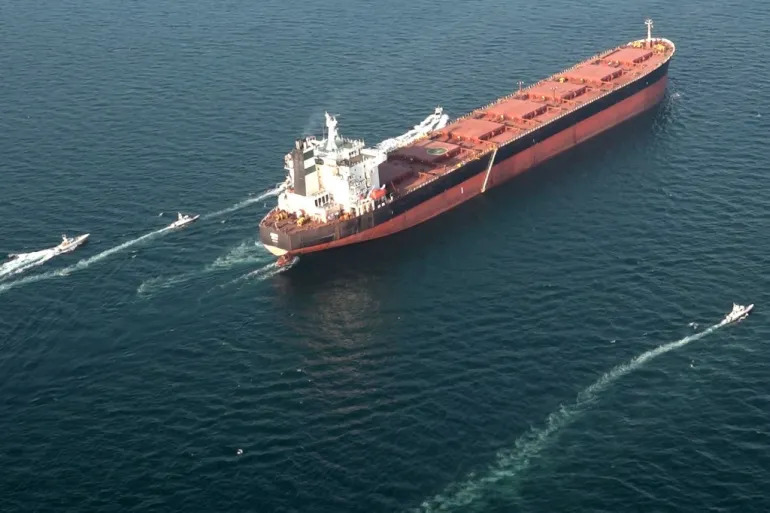
The U.S. “will actively pursue any Iranian-flagged vessel or any vessel attempting to provide material support to Iran,” Dan Caine, chairman of the Joint Chiefs of Staff, said Thursday.
The move will enable the U.S. to take control of Iran-linked vessels around the world, including ships carrying Iranian oil that are already sailing outside the Persian Gulf and those carrying arms that could support Tehran, the report said.
The operation would be carried out in part by the U.S. Indo-Pacific Command, according to Caine.
It marks a new phase of the U.S. pressure campaign against Tehran, dubbed “Economic Fury” by the Trump administration, aiming to maximize economic pressure on the Middle Eastern country as a temporary ceasefire between the two sides is set to expire next week.
U.S. President Donald Trump is optimistic that the naval blockade, combined with measures imposed under “Economic Fury,” “will help facilitate a peace deal,” White House spokeswoman Anna Kelly was quoted as saying.
The U.S. “will actively pursue any Iranian-flagged vessel or any vessel attempting to provide material support to Iran,” Dan Caine, chairman of the Joint Chiefs of Staff, said Thursday.