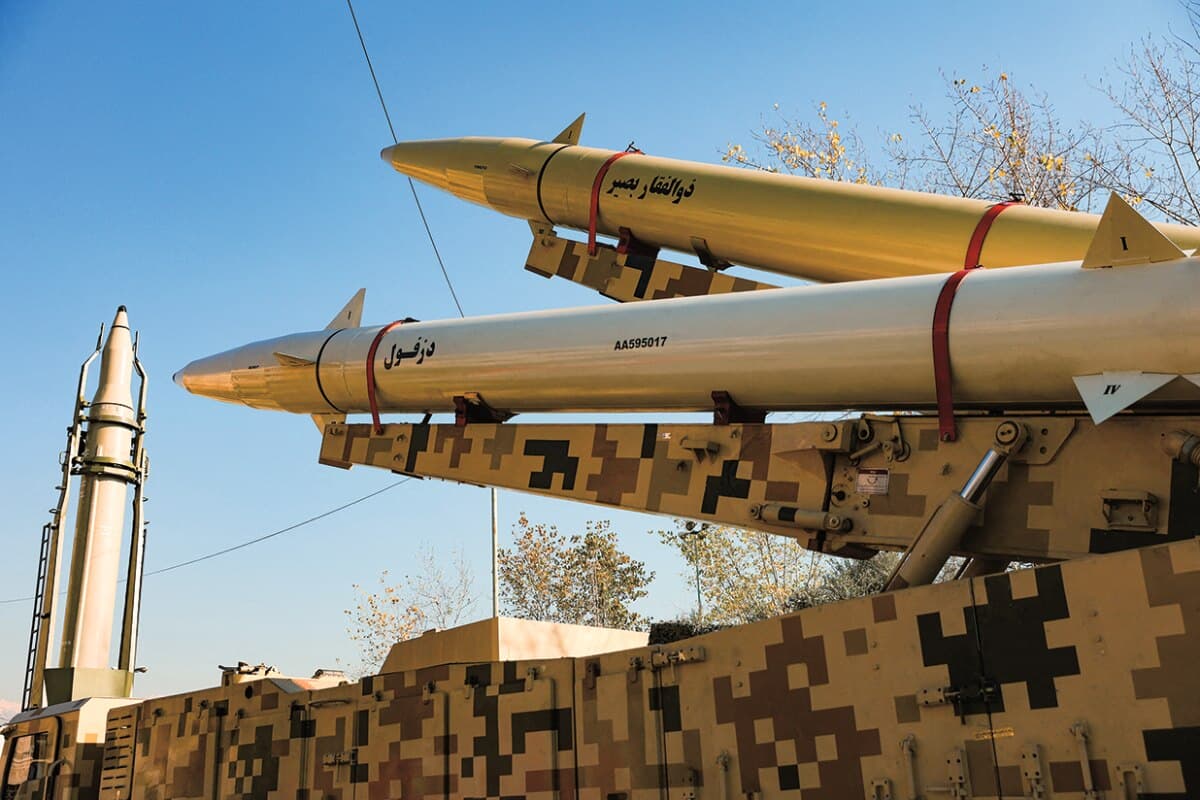
Speaking to PBS News, Araghchi warned that Iran had no intention of slowing its military response. “The firings continues, and we are prepared. We are well prepared to continue attacking them with our missiles as long as needed and as long as it takes,” he said.
He also ruled out diplomatic talks with Washington, citing past experiences during earlier negotiations. “I don’t think talking with Americans anymore would be on our agenda,” Araghchi said, adding that Tehran had “a very bitter experience of talking with Americans.”
Trump, however, suggested the conflict might not last long. Speaking at a news conference in Florida, he said: “It’s going to end soon and if it starts up again, they’ll be hit even harder.” The president had earlier described the campaign as a “short term excursion.”
The remarks came as tensions escalated across the Middle East. Iran, now led by newly appointed supreme leader Mojtaba Khamenei, launched a new wave of missile and drone attacks targeting Saudi Arabia, Bahrain, Qatar, the United Arab Emirates and Israel. Another missile was fired toward Turkey but was intercepted by NATO air defenses before reaching its target.
Meanwhile, the conflict has rattled global markets and energy supplies. The closure of the strategic Strait of Hormuz, through which about 20% of the world’s crude oil passes, sent oil prices above $100 a barrel before they later dropped.
French President Emmanuel Macron said France and its allies were considering a “purely defensive” naval mission to help reopen the waterway once the most intense phase of the fighting subsides.
As fighting spreads across several fronts, oil traders, policymakers and governments worldwide are closely watching the region, fearing further disruption to global energy supplies and shipping routes.
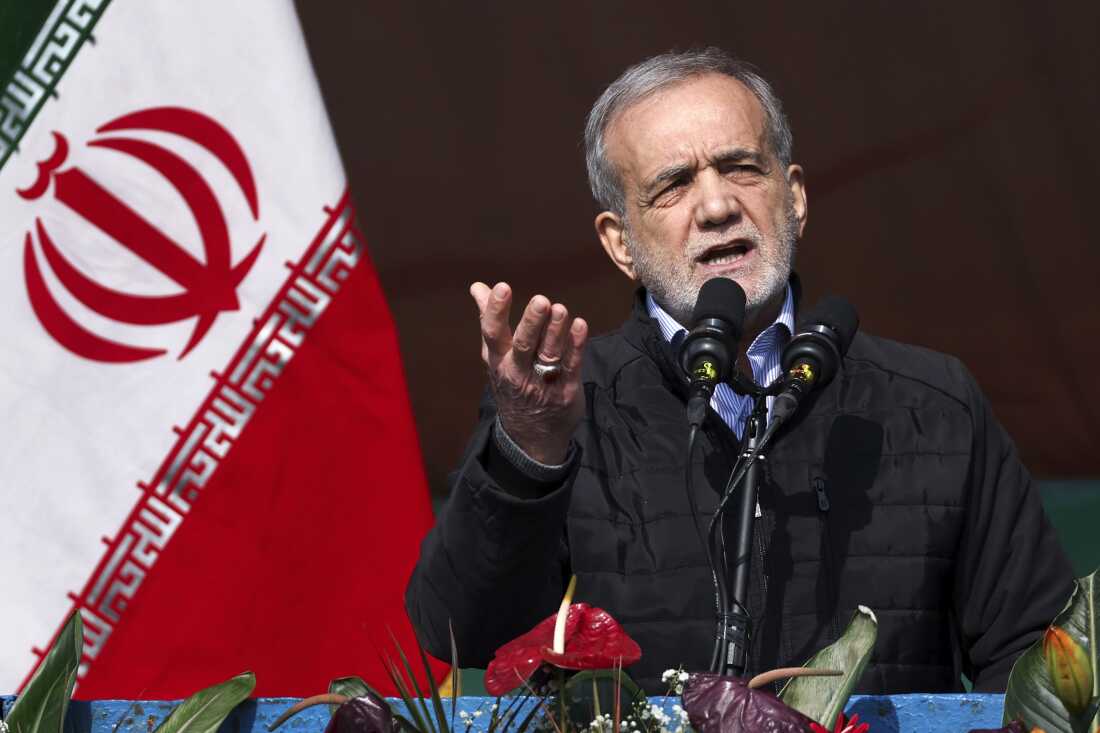
In this photo released by the Iranian Presidency Office, President Masoud Pezeshkian speaks during a rally commemorating anniversary of 1979 Islamic Revolution that toppled the late pro-U.S. Shah Mohammad Reza Pahlavi and brought Islamic clerics to power, in Tehran, Iran, Monday, Feb. 10, 2025. (Iranian Presidency Office via AP, file)
Speaking after a cabinet meeting in Ankara, Erdogan said all relevant institutions are working in coordination and remain on alert in response to the evolving security environment. He added that the government’s primary objective is to shield the country from the ongoing turmoil in the region.
His remarks came after a missile launched from Iran was intercepted over Türkiye’s southeastern province of Gaziantep earlier on Monday. The ballistic munition, which had entered Turkish airspace, was neutralized by NATO air and missile defence assets deployed in the Eastern Mediterranean. The ministry confirmed that there were no casualties or injuries.
“We are closely monitoring all developments with our experienced teams. We are not letting our guard down. Our goal is to keep our country away from this fire,” he said.
The president stated that Türkiye had delivered the necessary warnings to Iran, but “wrong steps” continued to be taken despite those warnings.
“Despite our warnings, wrong and provocative steps that could strain Türkiye’s friendship continue to be taken,” he said. “No one should pursue a course of action that would cast a shadow over our thousand-year-old neighborly and brotherly ties and leave deep wounds in the hearts and minds of our nation.”
“In the context of today’s incident, I once again remind that there should be no insistence or stubbornness in persisting in mistakes,” Erdogan said.
He added that Türkiye’s airspace was being monitored around the clock against potential threats. “Our F-16s, airborne early warning aircraft and tanker planes are observing our airspace 24/7 against possible threats,” he said.
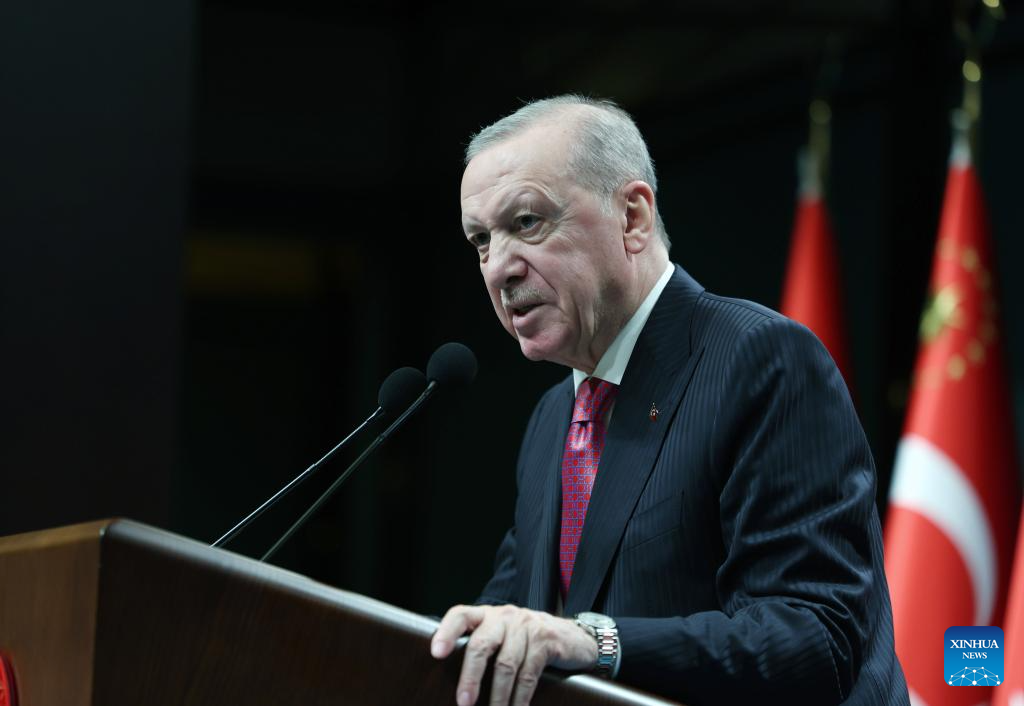
Turkish President Recep Tayyip Erdogan speaks at a press conference following a cabinet meeting in Ankara, Türkiye, on March 9, 2026. Erdogan said on Monday that Türkiye is maintaining a high level of vigilance amid escalating regional tensions, warning that “provocative steps” could strain Ankara’s relations with Tehran.
“The President of the Republic informs that, in accordance with the implementation of the Constitution, the government has ceased its functions and that he will soon proceed with the appointment of a new prime minister, in line with the provisions stipulated by the Constitution,” the communique said.
According to the communique, the secretaries-general of each ministry will handle routine affairs until a new prime minister is appointed and a new government is formed.
No specific date has yet been announced for the appointment of the next head of government.
The dissolved government, formed on Oct. 28, 2025, followed the appointment of Herintsalama Rajaonarivelo as prime minister on Oct. 20, 2025, three days after Randrianirina was officially sworn in as Madagascar’s head of state.
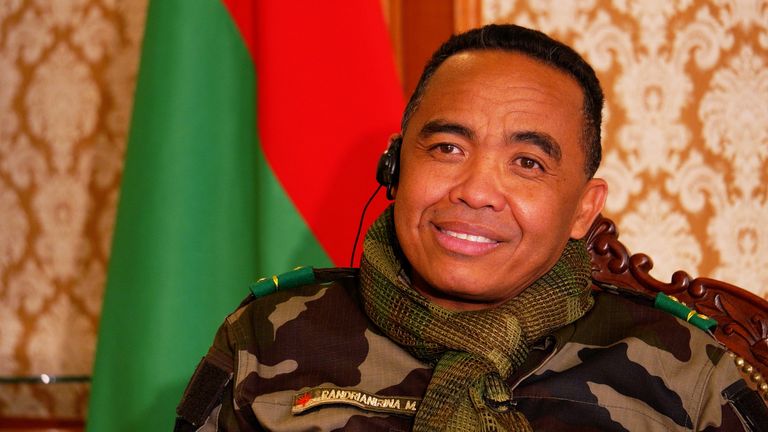
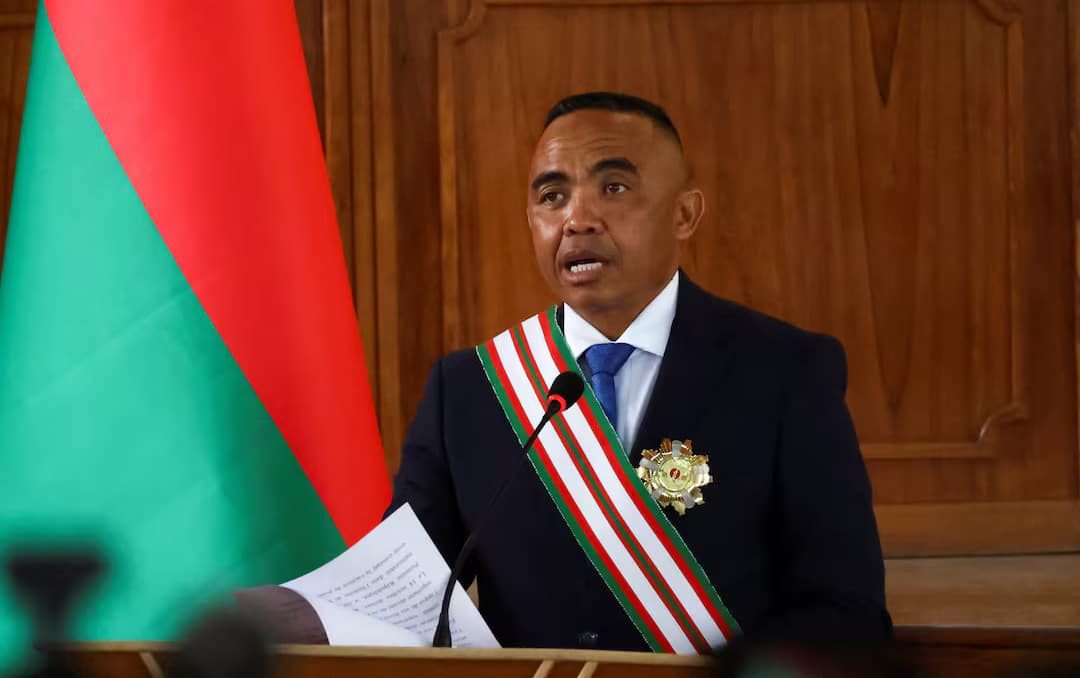
Madagascar’s President Michael Randrianirina has dissolved the government.
The discoveries were made during a six-week scientific expedition led by researchers from the UK Centre for Environment, Fisheries and Aquaculture Science (CEFAS) aboard the research vessel RRS James Cook.
According to BBC, the team explored waters surrounding the Cayman Islands, Anguilla, and Turks and Caicos Islands, areas where much of the deep ocean had never been studied before.
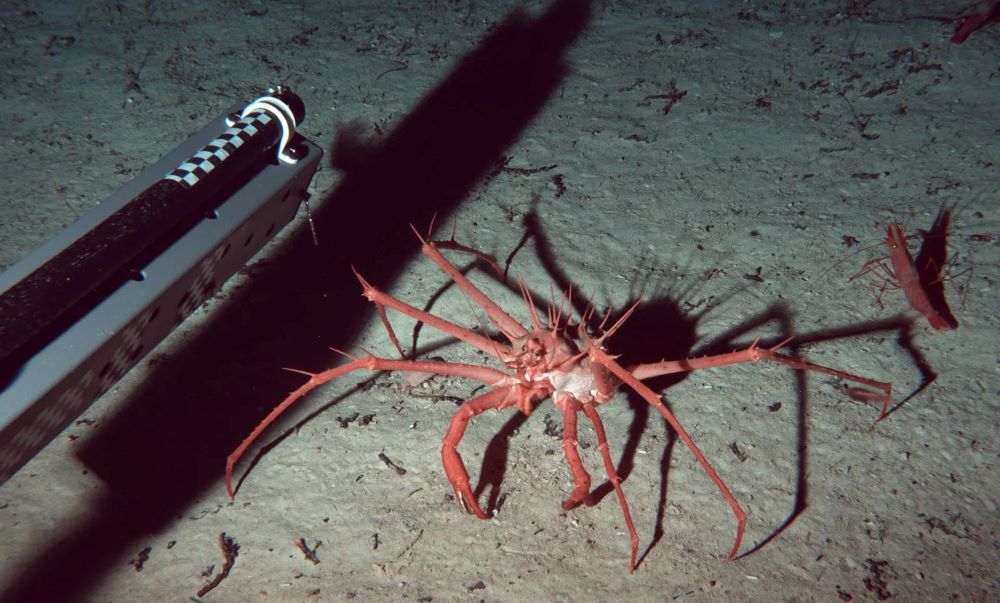
Working day and night, scientists used deep-sea cameras and acoustic mapping equipment capable of withstanding extreme pressure to explore depths of up to 6,000 meters (19,700 feet).
Because existing maps were outdated and sometimes inaccurate, researchers had to navigate parts of the ocean floor that had never been properly charted.
The expedition revealed remarkable biodiversity. Scientists recorded nearly 14,000 individual marine specimens and identified about 290 different types of sea life.
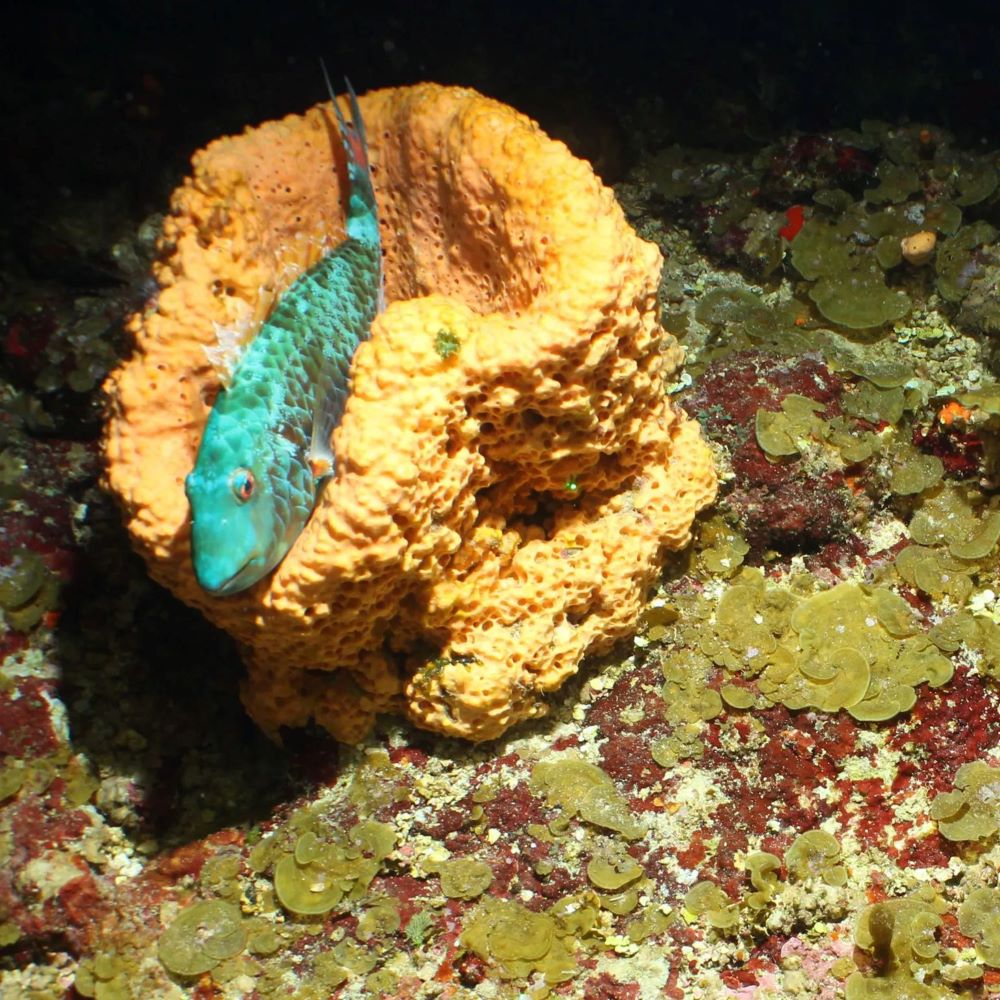
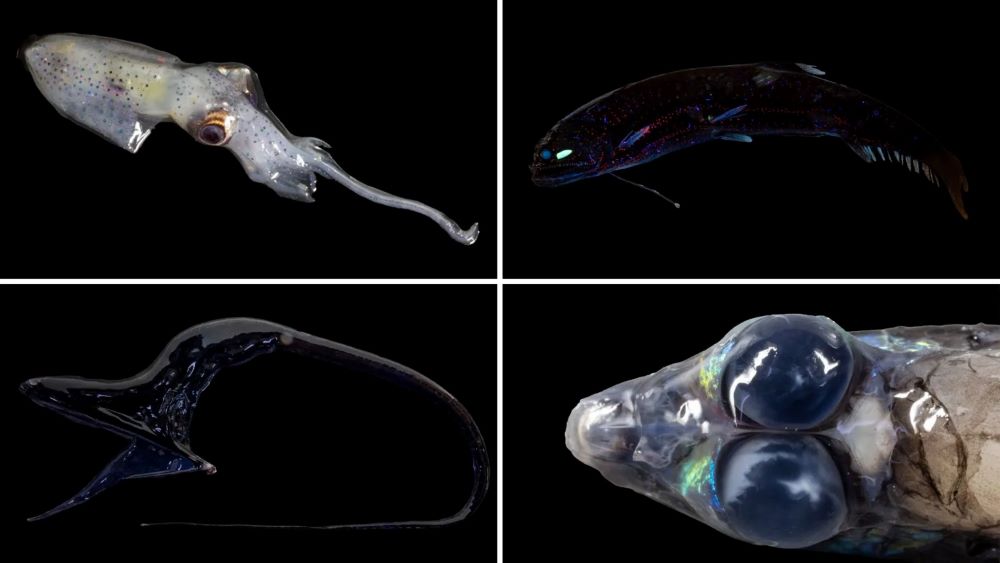
Among them were strange and rarely seen species, including a pelican eel with a glowing pink tail used to lure prey, a barreleye fish with upward-pointing tubular eyes, and a dragonfish with a luminous rod beneath its chin.
Dr James Bell, who led the expedition, said the discoveries highlight just how little humans know about the deep ocean.
“This is the first step into environments people have never seen, and in some cases didn’t know existed,” he said.
“Just yesterday we found a kind of type of swimming sea cucumber, and we still don’t know what it is,” he added, describing the diversity as “really, really astonishing”.
One of the most striking discoveries was an underwater mountain called Pickle Bank, located north of Little Cayman. Rising from a depth of about 2,500 meters to just 20 meters below the sea surface, the mountain’s slopes were covered with vibrant marine life.
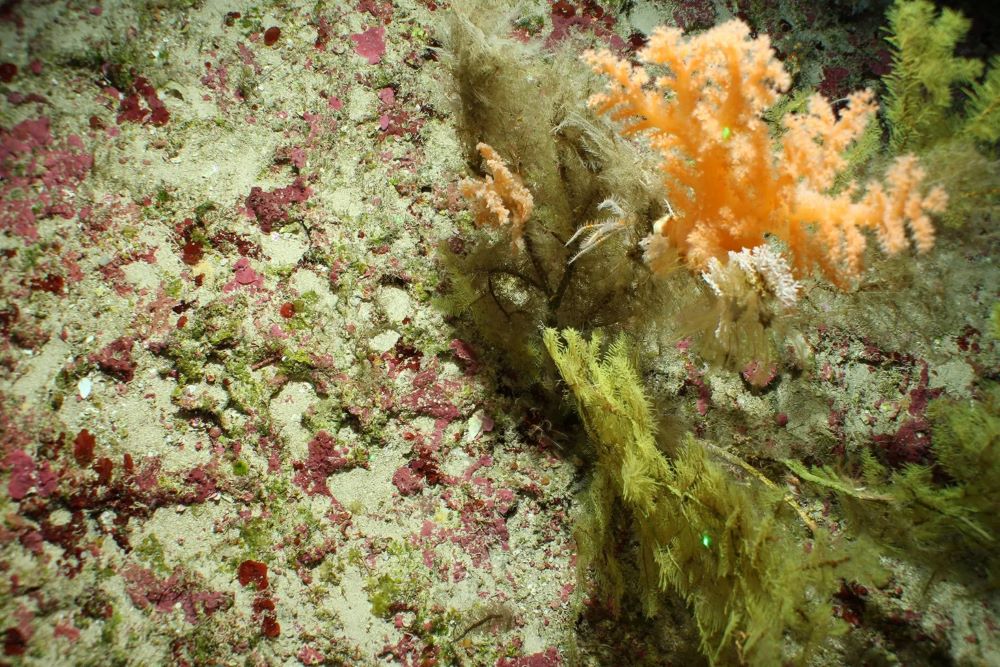
Video footage shows bright blue, yellow and orange coral formations, with fish darting between whip-like coral branches and jelly-like sea sponges.
Researchers say the area may contain one of the healthiest coral reefs in the Caribbean. Unlike many reefs across the region, it appears untouched by the stony coral disease that has devastated coral ecosystems in recent years.
Deep reefs such as this are often protected by their depth. They are also less exposed to rising ocean temperatures, which scientists say have damaged around 80 percent of the world’s corals since 2023.
The team also mapped nearly 25,000 square kilometres of seabed and captured more than 20,000 images of deep-sea life, including glowing lanternfish and unusual cephalopods.
Despite these advances, Dr Bell noted that much of Earth’s ocean remains unexplored.
“We know the surface of Mars or the Moon better than we know the surface of our own planet,” he said. “We can’t do that for our ocean. We have to map it bit by bit using acoustic instruments on ships.”
Among the most surprising findings was a steep underwater ridge in Turks and Caicos Islands waters. The ridge rises about 3,200 meters high and stretches 70 kilometres along the seabed, a major geological feature that was missing from existing maps.
The researchers also discovered a massive vertical sinkhole known as a blue hole south of Grand Turk.
“Imagine taking an ice cream scoop out of the sea-floor. That’s what we saw, a crater about 300m wide to 550m below sea level,” Bell explained.
The blue hole could rival the famous Great Blue Hole in size. Surprisingly, cameras sent into the formation revealed life inside, including sponges, sea urchins and several fish species.
Near Anguilla, the team confirmed the existence of a coral reef nearly four kilometres long after local fishers reported pulling up pieces of coral from the area. Some of the black coral found there may be thousands of years old.
“It tells us that these environments are really pristine and healthy,” said Bell.
The findings will help scientists and local authorities better manage marine ecosystems and identify sustainable fishing opportunities for island communities. The research is also part of the UK’s Blue Belt Programme, which supports conservation in British Overseas Territories.
“Our islands were literally born from the sea,” said Kelly Forsythe from the Cayman Islands Department of Environment. “But when it comes to our offshore environments, we really haven’t had a chance before to discover what’s out there.”
Researchers say the discoveries will also support global efforts to protect 30 percent of the world’s oceans by 2030 through marine protected areas.
“Anyone can draw a box on a map and say, ‘That’s a marine protected area’,” Bell said. “But unless you know what’s in it, you don’t know if that’s useful at all.”
An enope squid (Enoploteuthidae squid), dragonfish (Neonesthes), pelican eel (Eurypharynx pelecanoides) and barreleye (Opisthoproctus soleatus)Scientists used specialist deep sea equipment to survey marine biodiversity on the sea-floorMesophotic coral in Turks and CaicosPickle Bank Ancient Reef, Cayman
Titled ‘Climate Justice in Tourism’, the publication was edited by Freya Higgins-Desbiolles, Raymond Rastegar and Roshis Krishna Shrestha.
The book brings together research and case studies from around the world to explore the complex links between tourism development, climate change and social inequality.
Developed with input from researchers at the Griffith Institute for Tourism, the book is connected to the institute’s Climate Justice and Tourism research initiative. The project examines how climate policies in the tourism sector can be designed to address fairness and avoid deepening existing social and economic disparities.
Tourism remains one of the largest global industries and plays a significant role in greenhouse gas emissions, especially through aviation and other forms of transport.
At the same time, many popular tourism destinations, including islands, coastal areas and nature-based sites, are among the most exposed to climate threats such as rising sea levels, extreme weather events and environmental degradation.
Dr. Rastegar said the research highlights a fundamental contradiction within the sector.
“Tourism is both a contributor to the climate crisis and one of its victims,” he said. “If we want meaningful climate action in tourism, we must consider who benefits from tourism development and who bears the environmental and social costs.”
The book introduces a framework for examining justice within tourism, looking at how power structures, governance systems and global economic dynamics influence climate outcomes in the industry. It also questions traditional tourism models that prioritize economic growth while overlooking environmental sustainability and social wellbeing.
Instead, the contributors call for new approaches that respect the rights of local communities, indigenous peoples and ecosystems.
“Too often climate action focuses only on reducing emissions or protecting industry growth,” Dr. Rastegar said. “A climate justice perspective asks deeper questions about fairness, participation and responsibility, ensuring that climate policies support communities, workers and ecosystems rather than leaving them behind.”
Through interdisciplinary research and global case studies, the book offers insights for policymakers, researchers and industry leaders seeking more sustainable and equitable pathways for the future of tourism.
Tourism is both a contributor to the climate crisis and one of its victims
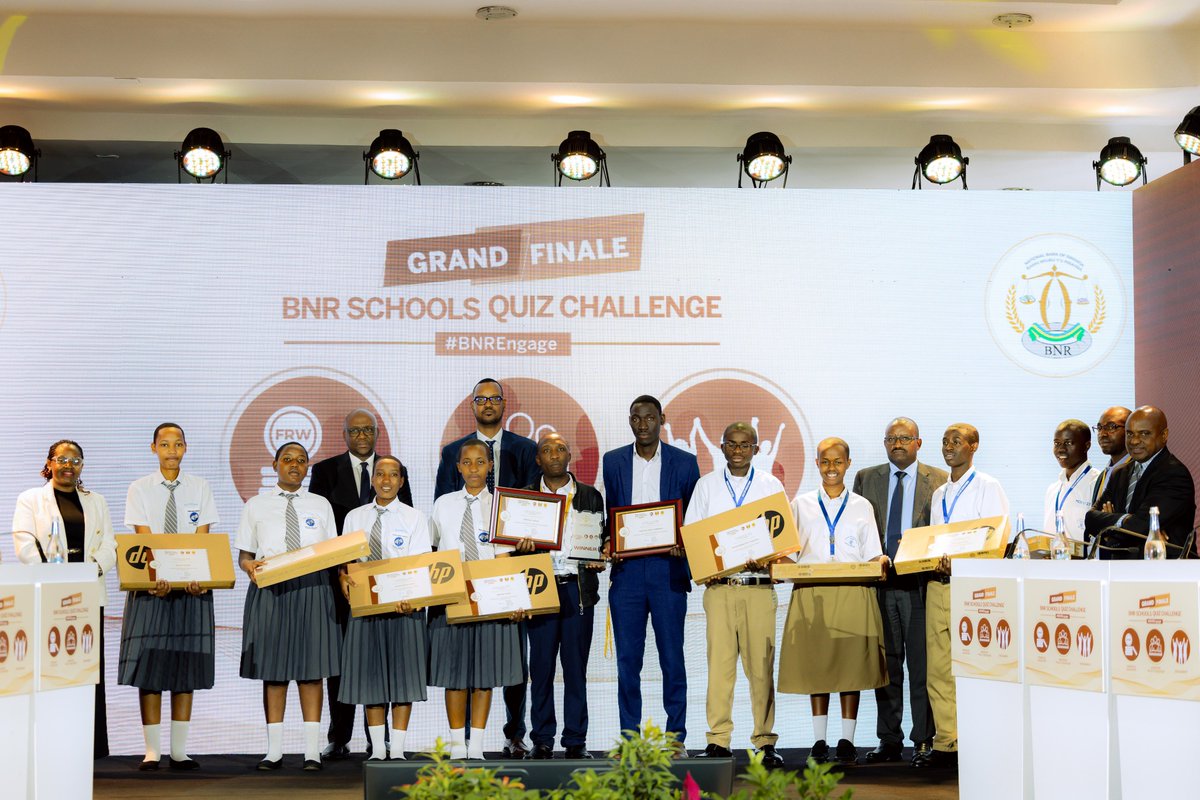
The annual competition, organized under the NBR Engage Program, brings together secondary school students from across the country to test their knowledge of economics, finance, and the role of the central bank. The initiative aims to strengthen financial literacy among young people and empower a generation capable of making informed economic and financial decisions.
This year’s edition, which is the 8th edition, attracted 44 schools and 176 students, making it one of the most competitive rounds of the challenge since its inception. So far, NBR has created 50 clubs in different secondary schools bringing together over 1000 students.
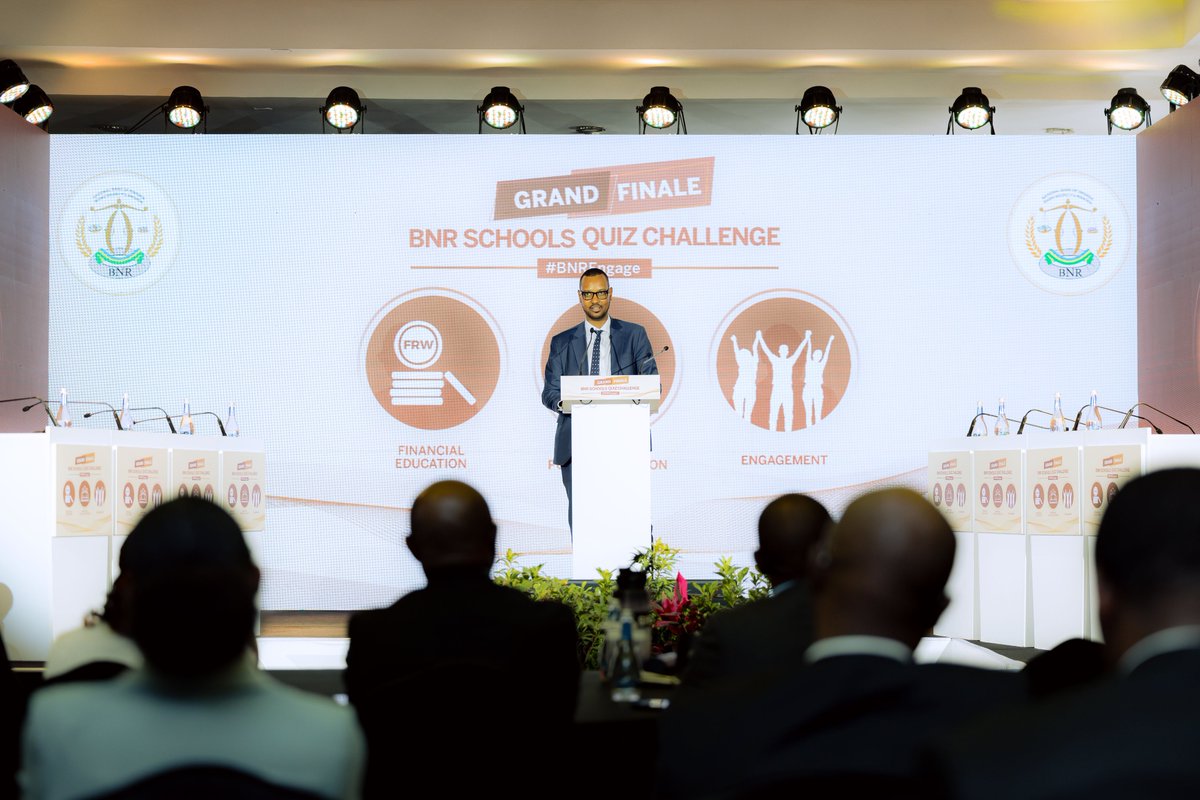
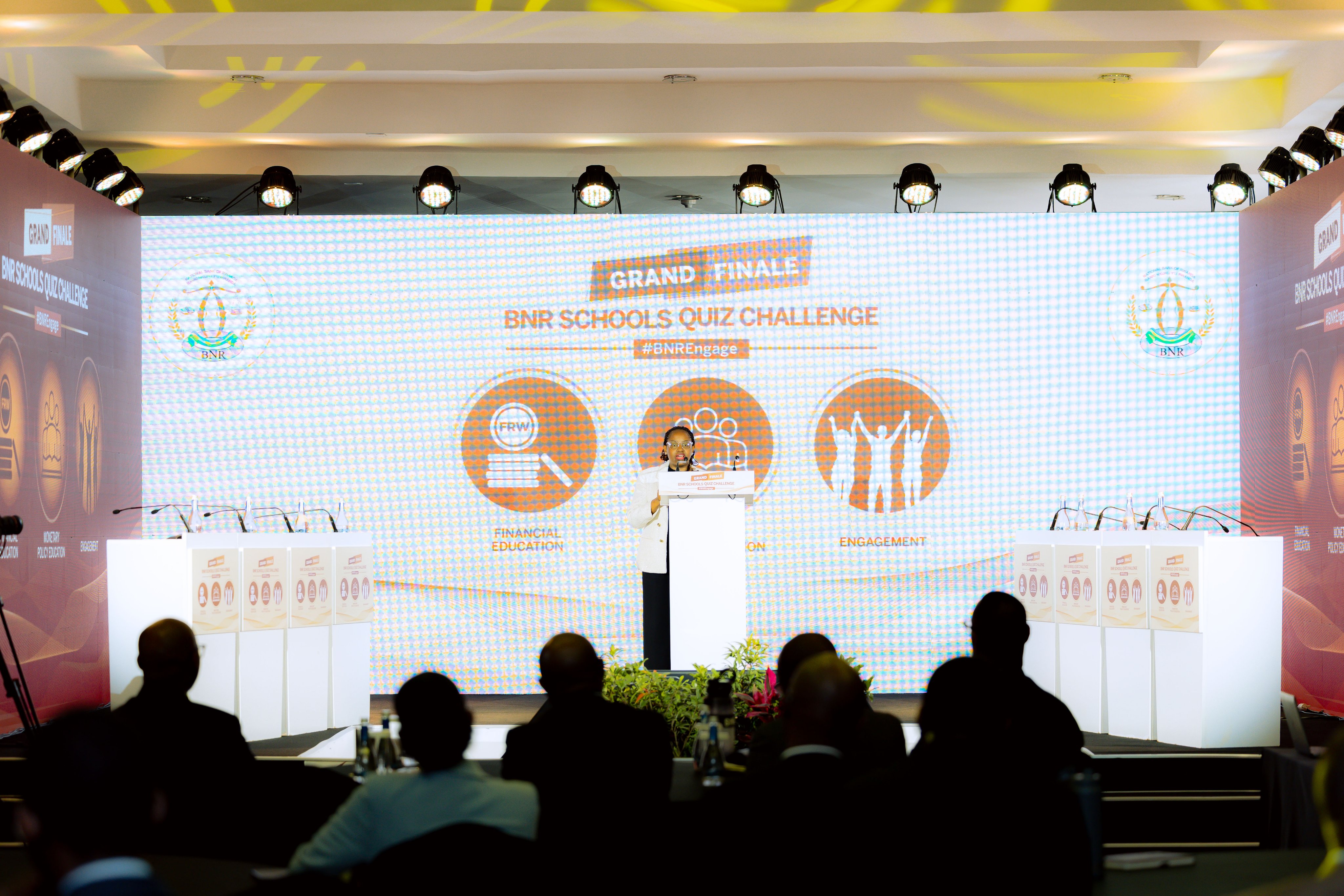
Speaking during the grand finale, NBR Chief Economist Dr. Thierry Kalisa said the competition plays an important role in helping young Rwandans understand how the economy works and how they can contribute to national development.
“Through the NBR School Quiz Challenge, we aim to nurture a generation of young Rwandans who understand how the economy functions and who have the financial and economic literacy needed to participate meaningfully in our country’s development,” Dr. Kalisa said. He added that the competition is more than just an academic contest.
“This programme is not simply a test of knowledge. It is a platform that allows you as young people to discover the relevance of economics and finance in everyday life and to become ambassadors of financial literacy within your families and communities,” he said.
Dr. Kalisa also commended teachers and mentors from participating schools for their dedication in preparing the students for the competition.
“Your commitment to guiding learners through this challenge and beyond is the foundation upon which this initiative is built. The curiosity, teamwork, and discipline demonstrated by these students will serve them far beyond this stage,” he said.
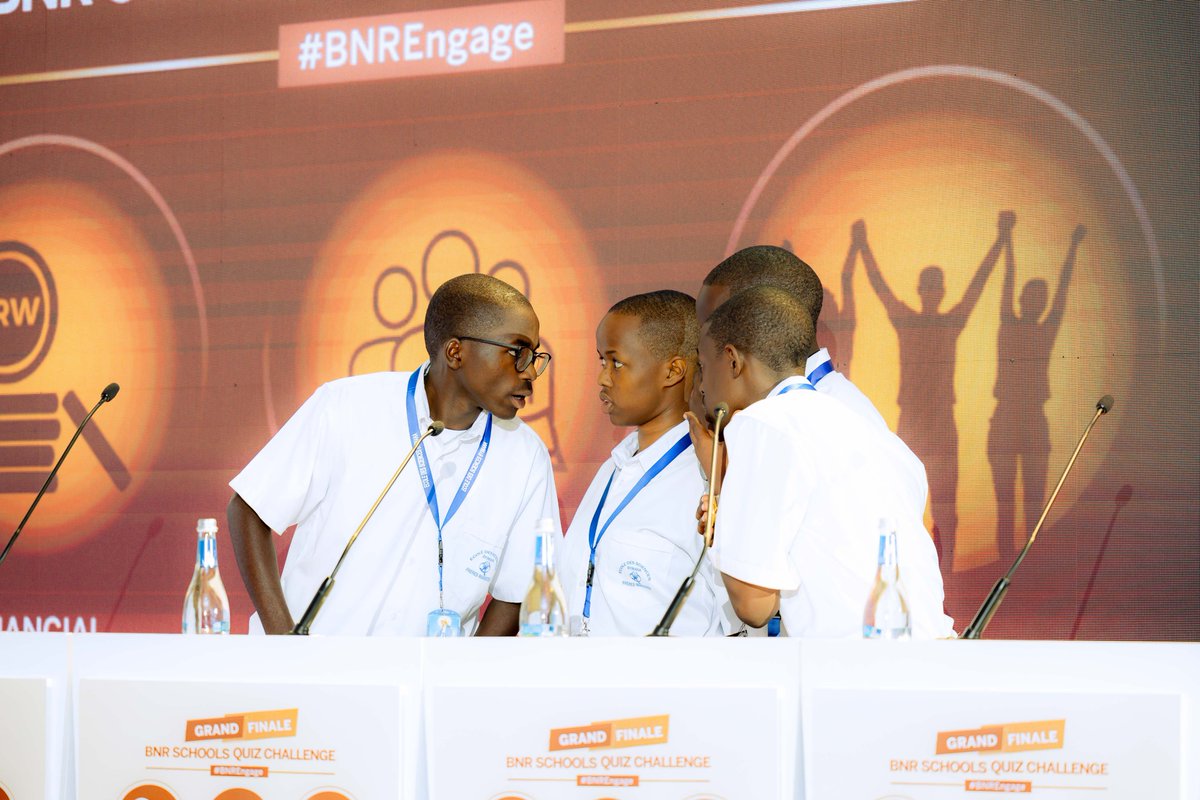
Students from Ecole des Science de Byimana consulting one another during the NBR School Quiz challenge.
A growing initiative
The NBR School Quiz Challenge has steadily expanded since it was first introduced in 2019 as part of efforts to promote financial literacy among students.
The challenge primarily targets members of NBR Economic Clubs, which are established in secondary schools to promote understanding of financial and economic issues.
Schools participating in the clubs were initially selected based on top-performing institutions identified by the Rwanda Basic Education Board (REB) across all provinces. However, other schools that expressed interest were also given the opportunity to establish the clubs and participate in activities such as the quiz challenge.
A multi stage competition
The competition is conducted through several stages designed to test students’ knowledge and analytical skills.
The preliminary rounds, held in late January and early February, brought together schools within their respective provinces. The top schools from each province then progressed to the quarter-finals, followed by the semi-finals, before the best two teams advanced to the Grand Finale held on March 4 at the NBR headquarters in Kigali.
Throughout the competition, students answered questions covering topics such as monetary policy, financial systems, and the role of the central bank in managing the country’s economy.
The questions are designed to promote critical thinking, decision-making, and problem-solving, while interactive elements such as joker cards, which teams can use once per round, add an element of strategy and excitement.
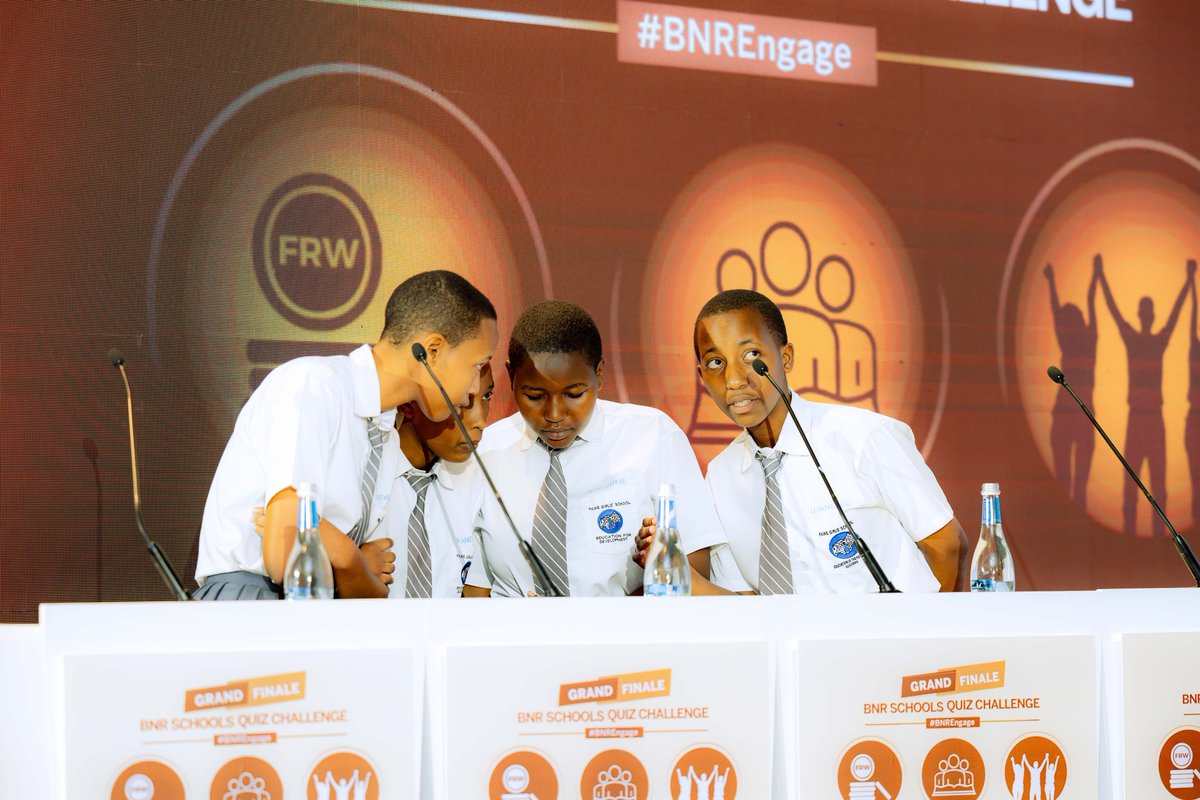
FAWE Girls students exchanging ideas during the competition.
Students reflect on the experience
For the students, the competition provided a valuable learning experience beyond their regular classroom studies.
Anita Niyonsaba, 17, from FAWE Girls’ School, said the challenge helped her understand the importance of financial knowledge in everyday life.
“Participating in the NBR School Quiz Challenge opened my eyes to how the country’s financial system works and how the economy affects every citizen,” Niyonsaba, a S5 student pursuing Physics, Chemistry and Mathematics, (PCM)) said.
“Even though we study sciences, understanding financial literacy is important because it prepares us to make informed decisions and contribute to the development of our country.” For Egide Tuyishimire, 19, from Ecole des Sciences de Byimana in Mathematics Chemistry and Biology (MCB) teamwork and persistence were key to their success.
“At the beginning it was challenging because economic topics were new to us since we study sciences,” he said. “But through teamwork, research, and curiosity, we were able to understand concepts such as monetary policy and how the National Bank supports the economy,” he added.
Each student was awarded a laptop and 400,000 Rwandan Francs bonds invested in national securities for them to start saving at an early age.
“The laptop we received will support our studies, while the treasury bonds introduce us to the culture of saving and investing for the future. It is a powerful lesson that encourages young people to think long-term.”
Students from Ecole de Sciences de Byimana and FAWE Girls school receiving awards.
Building a financially literate generation
Judith Nabaasa, the Chief Economist at the Ministry of Finance and Economic Planning (MINECOFIN) emphasized that initiatives such as the NBR School Quiz Challenge are essential for Rwanda’s long-term development.
“Economic and financial literacy is fundamental for Rwanda’s transformation into a knowledge-based economy. The choices we make as consumers, savers, and future professionals shape the trajectory of our economy,” she said.
As the programme continues to grow, the National Bank of Rwanda says it will keep expanding initiatives that promote economic and financial literacy among young people.
Dr. Thierry Kalisa, NBR Chief economist delivering a speech during NBR School Quiz Challenge.Judith Nabaasa, the Chief Economist at MINECOFIN speaking during the NBR School quiz competition.
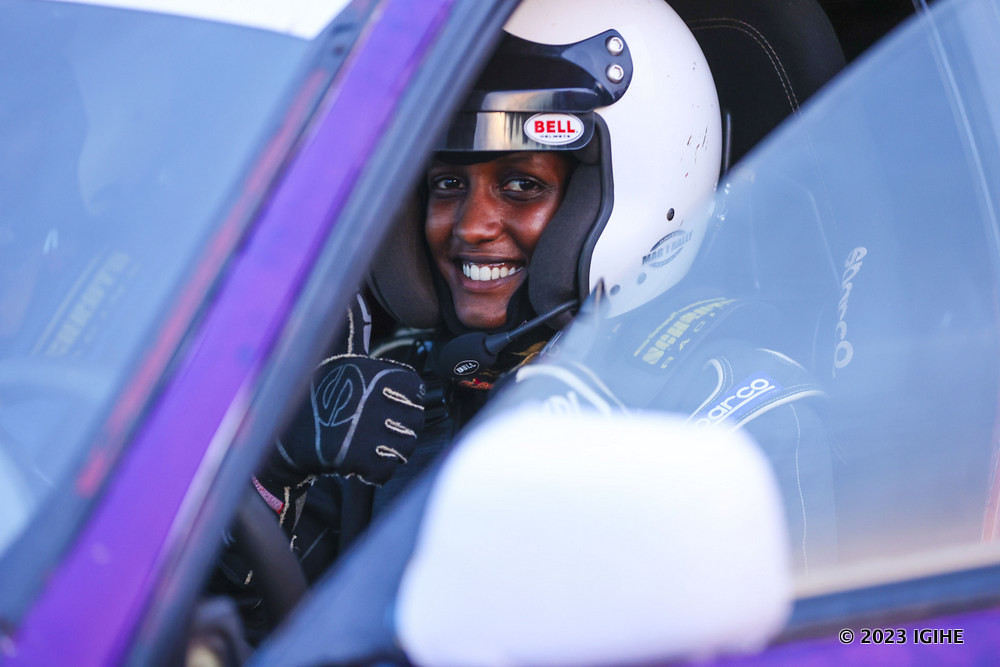
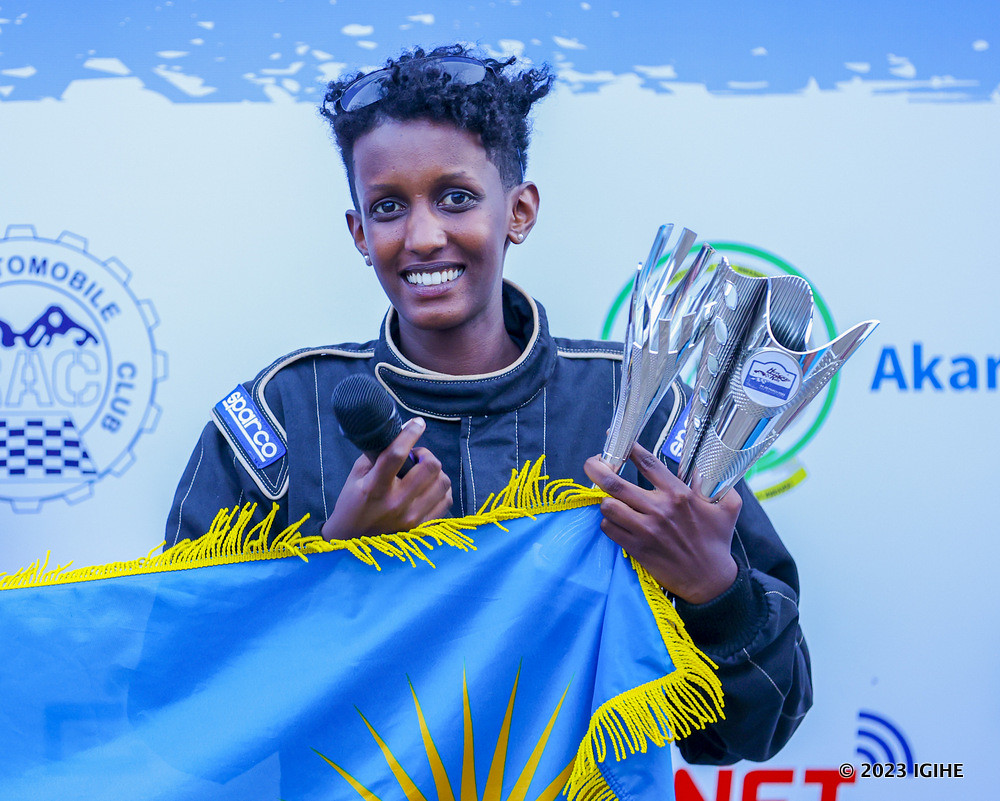
The Rwandan rally driver continues to carve her place in the sport, competing in local, regional, and now international events with a determination that reflects both resilience and ambition.
Born and raised in Kigali, Queen describes her childhood as energetic and adventurous. Growing up in a lively neighborhood filled with children, she spent much of her time outdoors playing games.
She often joined her older brother and his friends in activities such as football and bicycle tricks, experiences that shaped her competitive spirit and willingness to try new things. Before motorsports entered her life, Queen had already stepped into the public spotlight through the beauty pageant world.
After high school, she competed in the prestigious Miss Rwanda pageant, where she emerged as the 3rd Runner-Up in 2017. The experience, she says, was transformative. Beyond beauty, the platform emphasized intelligence, culture, and social responsibility.
During this time, she also worked with several organizations on community initiatives focused on empowering women, teenagers, and children while continuing her studies. Her journey into motorsports, however, began almost by chance.
What started as curiosity quickly evolved into passion as she discovered the thrill and challenge of rallying.
“At first, it was simply about trying something new and having fun,” she recalls. “But the more I learned about the sport and experienced the adrenaline of rallying, the more determined I became to pursue it seriously.”
Like many rally drivers, Queen’s path was not without setbacks. Her first rally ended in disappointment after a mechanical failure forced her team to finish last. Instead of walking away from the sport, she used the experience as motivation to improve.
Through preparation, learning, and persistence, her performances steadily improved. Initially competing as a co-driver, Queen began securing podium finishes before eventually making the bold transition into the driver’s seat.
Even then, her debut rally as a driver also ended with mechanical challenges. Yet the setbacks only strengthened her resolve. Her determination paid off in the following seasons as podium finishes became more frequent. Today, Queen proudly holds the title of defending champion in the Rwanda National Rally Championship, a milestone that reflects years of discipline, perseverance, and teamwork.
Until now, most of Queen’s rallying experience has been within Rwanda’s national championship circuit. That is about to change as she prepares for her first international competition at the iconic Safari Rally Kenya, one of the toughest and most historic events on the global rally calendar.
The opportunity comes through the KCB Racing Team, a platform that has supported several drivers competing in the rally.
For Queen, the call to join the team was both emotional and inspiring. “When I received the call, I honestly couldn’t believe it,” she says. “Competing in the Safari Rally and other international events has always been a dream. Motorsport requires significant financial resources, and opportunities like this don’t come easily. Thanks to the KCB Racing Team, that dream is beginning to take shape.”
For the rally, Queen will be partnered with her long-time co-driver, Olivier Ngabo. Ngabo is an experienced co-driver, professional mechanic, and mechanical engineering specialist with a strong background in transportation and car hire services.
His credentials include being part of the 2025 Rwanda National Rally Championship-winning crew and winning Best Co-Driver of the Year in 2019. The pair have worked together for three years, building trust and rhythm, an essential factor in rallying, where precision communication between driver and co-driver can determine success or failure.
For the upcoming rally, the team has upgraded their machine from a Subaru GC8 to a more advanced Subaru Impreza WRX STI GVB.
According to Queen, the car has undergone extensive testing across different terrains to ensure it is ready for the demanding rally stages.
“The car feels great, and the team has worked extremely hard on the preparation,” she says. “We believe it is ready for the challenge ahead.”
As a first-time participant in the Safari Rally, Queen’s immediate goal is simple but significant: to finish the rally cleanly while competing at a strong level. However, she admits that fighting for trophies would make the experience even more special.
Behind her pursuit of motorsports excellence is a strong support system. Queen credits her family for standing by her journey in a sport that demands immense time, focus, and resilience.
Beyond personal achievements, she hopes her story inspires more young women to step into spaces traditionally dominated by men.
She also acknowledges the progressive environment in Rwanda that encourages women to pursue diverse opportunities.
“To every young girl who dreams of doing something different, your gender should never define the size of your dream,” she says. “Believe in yourself, work hard, and don’t be afraid to pursue what excites you.”
Kalimpinya is preparing for her first international competition at the iconic Safari Rally Kenya.
The platform is designed to bring together MSMEs seeking support, qualified business growth service providers, and capital providers looking to engage with investment-ready enterprises.
It seeks to address persistent challenges facing MSMEs, including limited access to finance, inadequate support for business growth, and barriers to greater profitability and to creating dignified and fulfilling work.
The Terimbere MSME Facility serves MSMEs across Rwanda, with a particular focus on rural and peri-urban areas, and prioritizes MSMEs in agriculture, tourism, and hospitality, as well as other businesses linked to these sectors.
Facilitating the provision of business growth services and access to finance
Through the facility, MSMEs will be able to access tailored business growth support in areas such as financial management, operational efficiency, marketing, human resources management, technical sector-specific advisory, investment readiness, Environmental, Social, and Governance (ESG), etc.
The facility also works with financial institutions and capital market actors to facilitate tailored financial solutions, including MSME-centric loans, guarantee facilities, subsidy mechanisms, and targeted products for women and youth entrepreneurs.
Expanding access through digital and physical channels
MSMEs, service providers, and capital providers can access the Terimbere MSME Facility Platform online (terimberemsme.rw) to register, indicate their needs or services, and connect with relevant partners, access appropriate information and opportunities.
The platform is intended to simplify the process of finding credible, affordable, and tailored support, while helping enterprises to find appropriate financing more efficiently.
Recognising that many enterprises, particularly in rural and peri-urban areas, may still face barriers such as limited connectivity, information gaps, or distance from support services, Terimbere MSME Facility also operates Satellite Offices in five districts; Musanze, Rubavu, Rusizi, Kayonza, and Huye.
These offices are intended to bring support closer to entrepreneurs and MSMEs by offering a convenient local access point for guidance, onboarding, and support throughout the business diagnostic process that leads to tailored business growth support, as well as access to financial solutions for investment-ready MSMEs.
Commenting on the development, Jean Bosco Iyacu, Chief Executive Officer of Access to Finance Rwanda, said: “The Terimbere MSME Facility represents a significant step in strengthening Rwanda’s entrepreneurship ecosystem by connecting MSMEs to tailored services and financial solutions they need to scale, build resilience, and create meaningful and dignified jobs.
It also provides business growth service providers with a stronger platform to extend their impact, while enabling capital providers to connect with investment-ready enterprises that can drive inclusive economic growth.”
The initiative has been designed with a strong gender and social inclusion lens to ensure that women, especially young women, refugees, persons with disabilities, and entrepreneurs in rural areas are not left behind.
In addition to MSME-level support, the Facility will also contribute to improving the broader entrepreneurship and MSME finance ecosystem through research, market insights, and engagement with policymakers, regulators, and other key enablers.
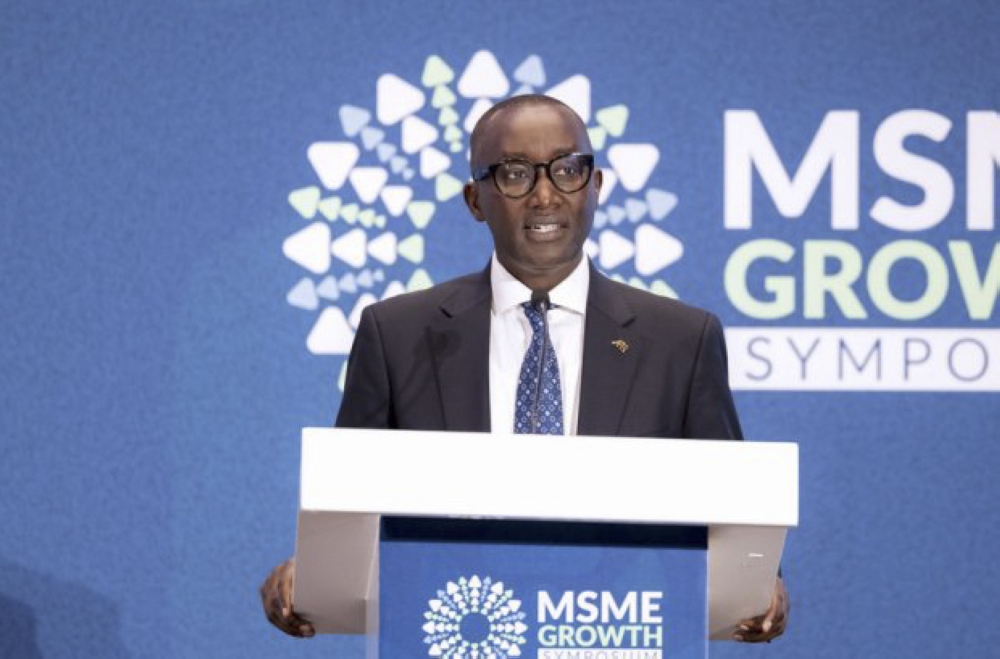
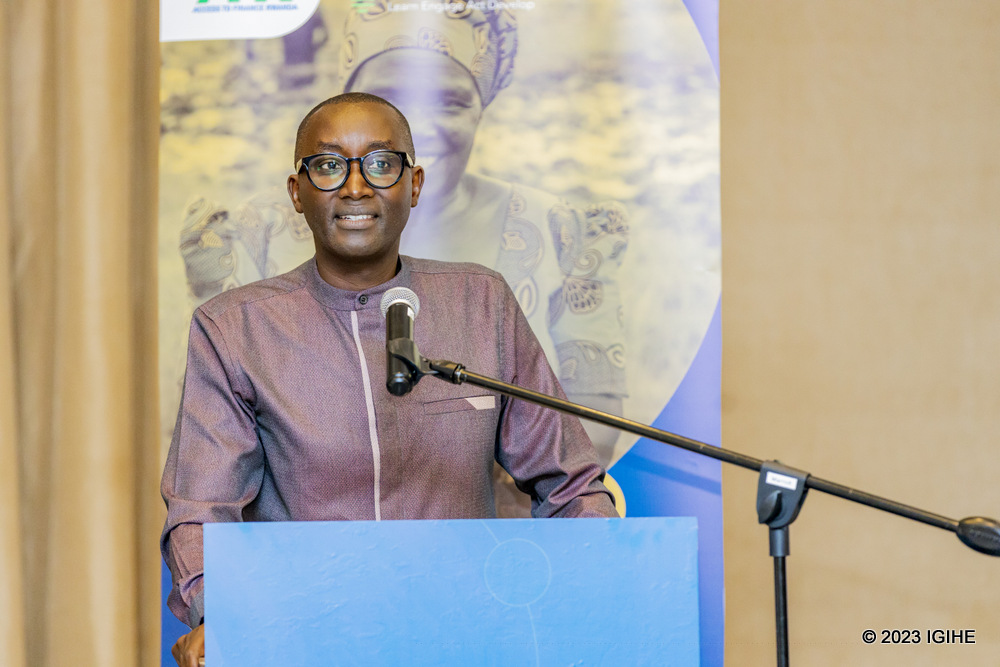
Jean Bosco Iyacu, Chief Executive Officer of Access to Finance Rwanda, said ‘Terimbere MSME Facility’ represents a significant step in strengthening Rwanda’s entrepreneurship ecosystem.
As Rwanda’s economy continues to transform and solidify its position among Africa’s most dynamic economies, the question of monetary sovereignty is becoming increasingly central. In a global economic environment marked by uncertainty, inflationary pressures, and market volatility, a country’s ability to safeguard its currency stability is a key pillar of economic resilience.
The recent decision by the National Bank of Rwanda (BNR) to raise its benchmark interest rate highlights ongoing efforts to maintain this stability. However, it also underscores a deeper reality: monetary policy, while essential, cannot alone ensure the long-term strength of an economy.
To truly reinforce Rwanda’s monetary sovereignty, a more structural approach is needed, combining monetary discipline, economic transformation, and strategic mobilization of national and international resources.
Credible monetary policy in the face of inflationary pressures
On February 19, 2026, the National Bank of Rwanda raised its benchmark interest rate by 50 basis points to 7.25 percent. This decision aims to curb inflation, which reached 8.9 percent in January, according to BNR data.
By increasing the cost of credit, the central bank seeks to slow inflationary pressures and stabilize economic expectations. The move reflects prudent macroeconomic management and sends an important signal to both domestic and international investors about the Rwandan authorities’ commitment to financial stability.
Yet international experience shows that monetary policy alone cannot resolve structural economic imbalances. When imports consistently exceed exports or when the value added of key products is captured abroad, the national currency remains vulnerable to external shocks.
In this context, monetary stability must be supported by deep economic reforms that strengthen productive capacity and national competitiveness.
Transforming exports to capture greater value
One of the most important levers for reinforcing monetary sovereignty lies in transforming exports. Rwanda is internationally recognized for the quality of its agricultural products, particularly coffee and tea.
In 2025, Rwanda exported nearly 24,000 tons of unroasted coffee valued at approximately $148.6 million. Yet much of the value added—from roasting and packaging to marketing and distribution—is generated outside the country.
This presents both a challenge and an opportunity. By expanding local coffee processing, developing strong national brands, and investing in packaging and branding, Rwanda could capture a significantly larger share of export value.
Such a strategy would increase revenues per kilogram exported, create skilled jobs in industrial sectors, strengthen local enterprise ecosystems, improve the trade balance, and generate additional foreign exchange, thereby reinforcing the stability of the Rwandan franc. More broadly, upgrading exports is essential for integrating Rwanda more deeply into global value chains.
Strengthening sovereign reserves to enhance financial stability
Another fundamental pillar of monetary sovereignty is the level of foreign exchange reserves. International reserves allow a country to stabilize its currency, finance critical imports, and withstand external economic shocks.
Rwanda’s reserves currently cover approximately 4.8 months of imports, a relatively strong position for an emerging economy.
However, in an increasingly volatile global environment, gradually building additional reserves could provide even greater protection against international turbulence.
Resource-rich countries have developed innovative strategies to manage surpluses and strengthen economic stability. Botswana’s Pula Fund demonstrates how a well-structured sovereign fund can stabilize a national economy while preparing for the future.
Similarly, Rwanda could consider creating a long-term mechanism to invest part of its strategic revenues in international assets. Such a fund could play a crucial role in macroeconomic stabilization while serving as a financing tool for high-value national projects.
Mobilizing strategic diaspora capital
Rwanda’s diaspora also represents a major economic and financial resource. Remittance inflows exceeded $517 million in 2024, according to BNR statistics.
These funds already provide significant foreign exchange for the national economy. Yet their strategic potential could be further leveraged if a portion were directed toward productive investments.
Several countries have successfully mobilized diaspora capital through innovative financial instruments such as diaspora bonds or dedicated investment funds, allowing members of the diaspora to contribute directly to their home country’s economic development while benefiting from attractive investment opportunities.
In Rwanda, transparent and well-structured mechanisms could channel diaspora capital into infrastructure projects, export-oriented industries, or innovative entrepreneurial initiatives. Such an approach would strengthen the country’s macro-financial resilience while reinforcing economic links between Rwanda and its diaspora.
Building a sustainable economic architecture
Monetary sovereignty depends not only on central bank decisions but also on a coherent set of economic policies that strengthen a country’s ability to generate wealth, attract investment, and earn foreign exchange.
For Rwanda, several pillars can help build this sustainable economic architecture: credible and disciplined monetary policy, local transformation of high-value exports, strategic accumulation of international reserves, structured mobilization of diaspora capital, and the development of innovative financial instruments.
By combining these levers, Rwanda can consolidate currency stability while maintaining openness to the global economy.
An opportunity to strengthen Rwanda’s economic resilience
The February 2026 rate hike sends a clear signal of the central bank’s vigilance in the face of inflationary pressures and demonstrates the growing maturity of Rwanda’s macroeconomic framework.
Yet beyond this temporary measure, the true challenge lies in the country’s ability to pursue strategic and sustainable economic transformation.
By adding value to its exports, consolidating financial reserves, and fully mobilizing the potential of its diaspora, Rwanda can strengthen monetary sovereignty while consolidating its position on the international economic stage.
This approach would not only stabilize the national currency but also create the conditions for sustainable prosperity for future generations.
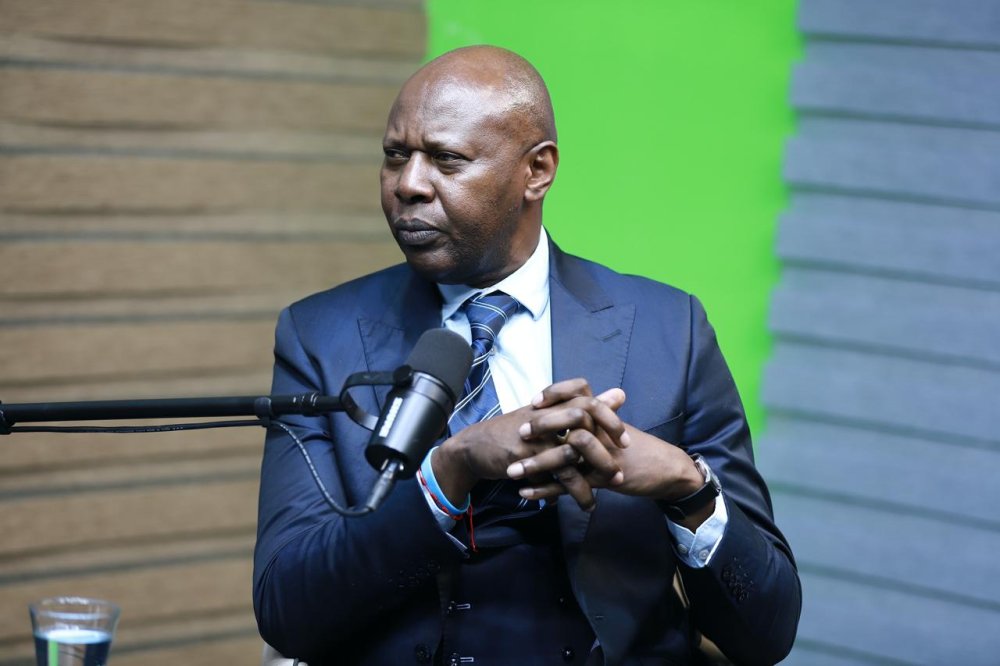
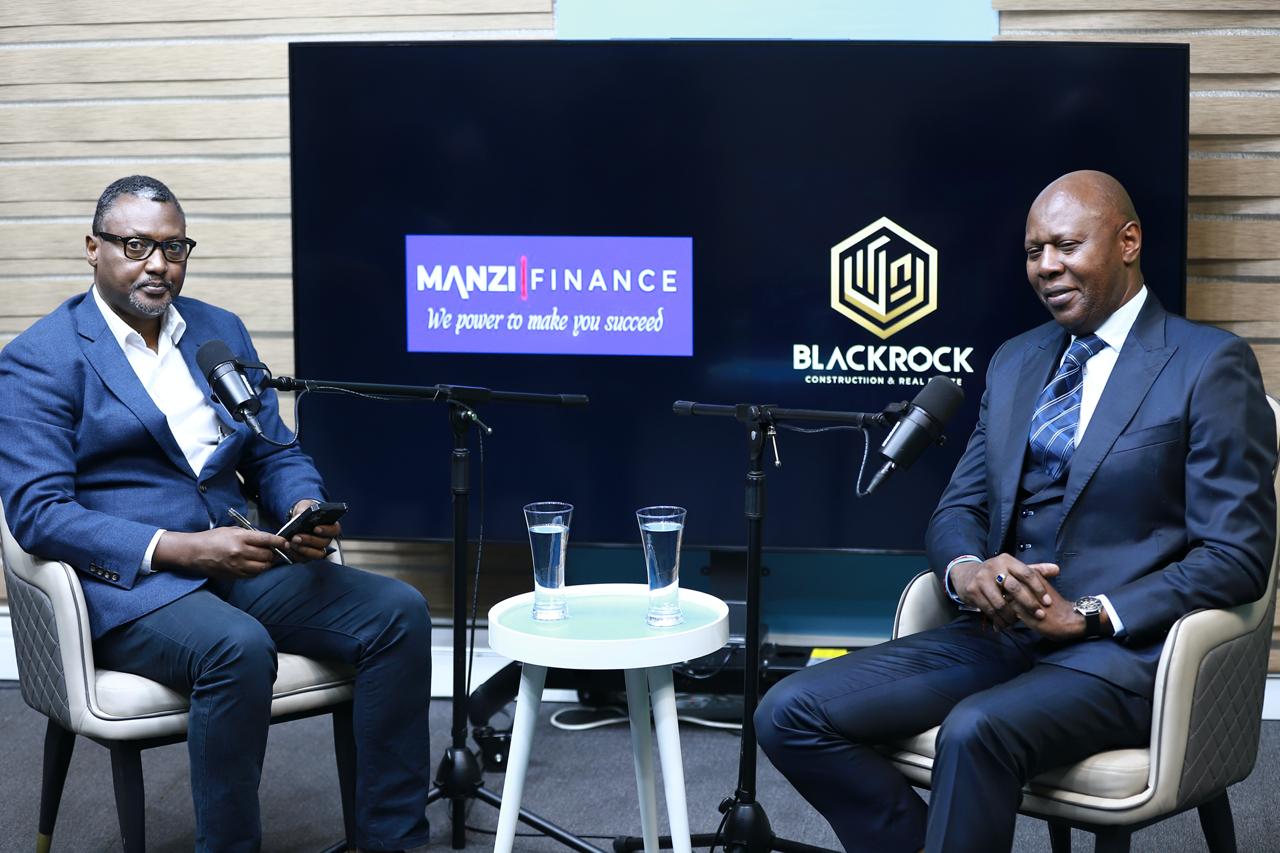
Aloys Manzi is the author of the article. Aloys Manzi during an interview with IGIHE
Aloys Manzi is Chairman of Manzi Finance Ltd and Chief Executive Officer of Flexero Ltd, based in London. He holds an MBA in General Management from Brighton Business School and a Master’s degree from the University of Reims, along with executive certifications in Artificial Intelligence (MIT) and in Blockchain and FinTech (University of Oxford). A specialist in financial innovation and diaspora capital mobilization, he focuses on macro-financial resilience strategies and economic transformation in emerging markets.
“The Israeli Air Force… completed an additional wave of strikes on infrastructure across Iran belonging to the Iranian regime,” a military statement said.
According to the statement, the targets included “a rocket engine production facility and several long-range ballistic missiles launch sites” considered a threat to Israel.
The military also reported hitting internal security facilities in the central city of Isfahan, including a police headquarters and other sites used by the Revolutionary Guards and the paramilitary Basij force.
“The Internal Security and Basij forces… constitute a central arm in the repression of the Iranian civilian population and are responsible for the use of brutal and systematic violence against it,” the statement said.
It added that the latest strikes were part of “deepening the damage to the core arrays and foundations of the Iranian regime.”
The announcement came shortly after Tehran named Mojtaba Khamenei as the Islamic Republic’s supreme leader late on Sunday, marking the first wave of Israeli strikes reported since the appointment.