In a new study, researchers found that tightening your abdominal muscles, something as basic as bending, twisting, or walking, may trigger tiny pressure changes that set brain fluid in motion, helping to circulate cerebrospinal fluid throughout the brain.
This process could support brain health by enhancing the removal of substances that, if accumulated, might interfere with normal function.
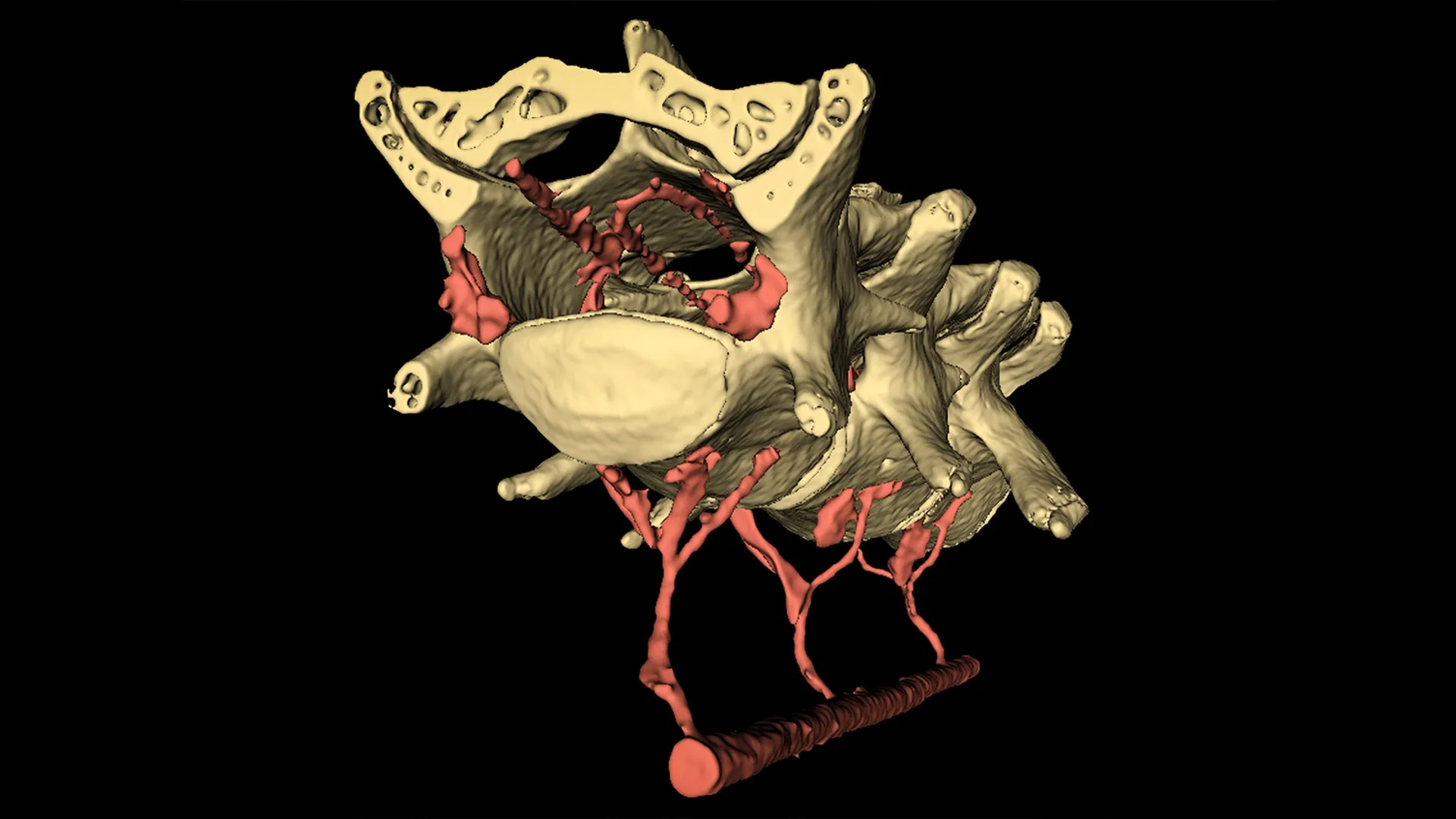
The research, led by scientists at Penn State University, used experiments in mice and computer simulations to reveal how this effect works. They discovered a network of veins that mechanically links the abdominal cavity with the spinal cord and brain.
When the abdominal muscles contract, they press on these blood vessels, pushing blood toward the spinal cord and causing slight movement of the brain within the skull. That subtle motion helps cerebrospinal fluid flow across the brain, creating a “brain cleaning” mechanism previously unknown.
The team used high‑resolution imaging techniques, such as micro‑CT scanning, to visualize these connections and understand how movement affects fluid dynamics. Their simulations showed that the gentle brain motion generated by muscle tightening can drive the flow of cerebrospinal fluid, which is essential for removing metabolic waste and maintaining a healthy brain environment.
While the research is still in early stages and most of the findings come from animal studies, the implications are exciting: it provides a biological explanation for why regular movement and physical activity are linked to better brain health.
The findings suggest that even small amounts of movement throughout the day could help keep the brain’s fluid system functioning well, potentially reducing the risk of cognitive issues later in life.
According to the researchers, this discovery adds a new layer to our understanding of the mind‑body connection. Rather than being isolated from the rest of the body, the brain appears to benefit directly from simple physical forces generated during ordinary activities.
Future research will investigate how these mechanisms work in humans and whether specific types of movement could be recommended to support long‑term brain health.
Leave a Reply