Looking across rows of robotic arms operating with minimal human intervention, he remarked: “We have no chance against this.”
The statement was more than corporate humility. It was a recognition that the global automotive order, long dominated by Detroit, Tokyo, and Stuttgart, is being fundamentally reshaped by China.
For decades, legacy automakers such as Toyota, Ford Motor Company, Honda, Volkswagen, and BMW set the pace of the global industry. Today, Chinese manufacturers like BYD, Xiaomi, XPeng, and Geely are changing the rules entirely.
The pressure is so intense that executives across the world are no longer speaking in terms of competition but survival.
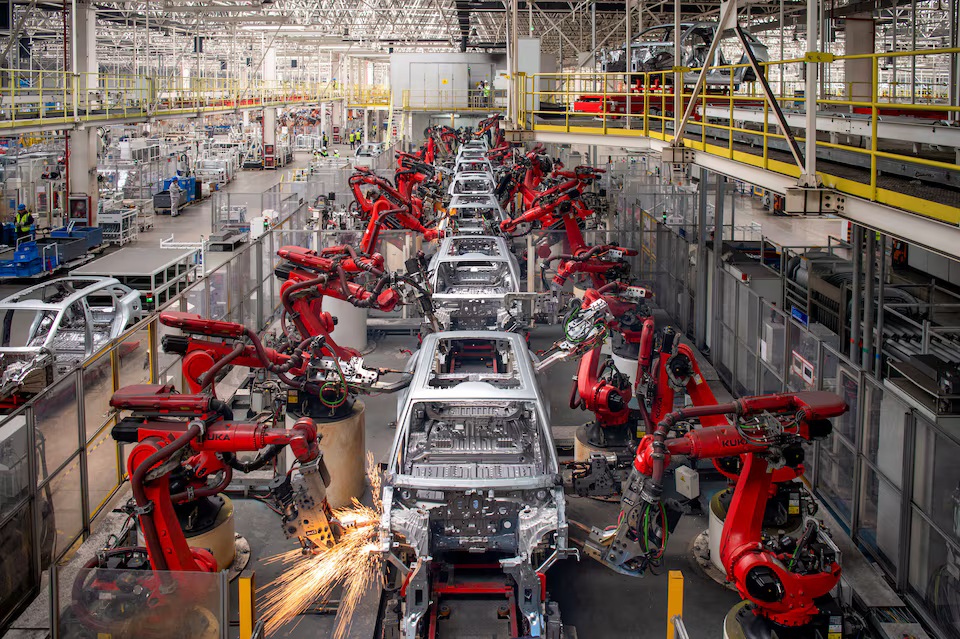
The rise of “China Speed”
For years, developing a new vehicle model, from concept to showroom, typically took between five and seven years.
Today, Chinese EV makers are compressing that cycle to less than 24 months.
This pace, often referred to as “China Speed,” is not simply about faster production. It reflects a deeper shift in how vehicles are designed and sold.
At the 2026 Auto China exhibition in Beijing, Chinese firms showcased vehicles that looked less like traditional cars and more like fully connected digital platforms.
BYD’s latest battery technology now allows some flagship models to reach near-full charge in under ten minutes, significantly reducing one of the biggest barriers to EV adoption: charging anxiety.
Meanwhile, Xiaomi’s SU7 has become one of the most talked-about vehicles in the industry. Jim Farley, CEO of Ford, publicly said he imported one to the United States and drove it for months, describing it as “fantastic.”
The car’s appeal lies not just in design, but in software integration, artificial intelligence, seamless connectivity, and a user experience that many traditional manufacturers are struggling to match.
Chinese firms also benefit from vertical integration, controlling everything from battery supply chains and mineral sourcing to vehicle software and assembly. That allows them to produce advanced EVs at prices many Western manufacturers cannot compete with profitably.
Japan’s warning signs
The concern is especially visible in Japan.
In March 2026, Toyota CEO Koji Sato warned hundreds of suppliers that unless the company adapted quickly, “we will not survive.”
For the world’s largest automaker, the challenge is not quality, it is speed.
Toyota’s long-standing philosophy of kaizen, or continuous improvement, is now being tested by the aggressive pace of Chinese competitors. The company has even begun reconsidering strict production standards on non-visible parts to improve speed and reduce costs.
“This is not a drill,” Sato told partners. “It is a difficult battle for the future of our industry.”
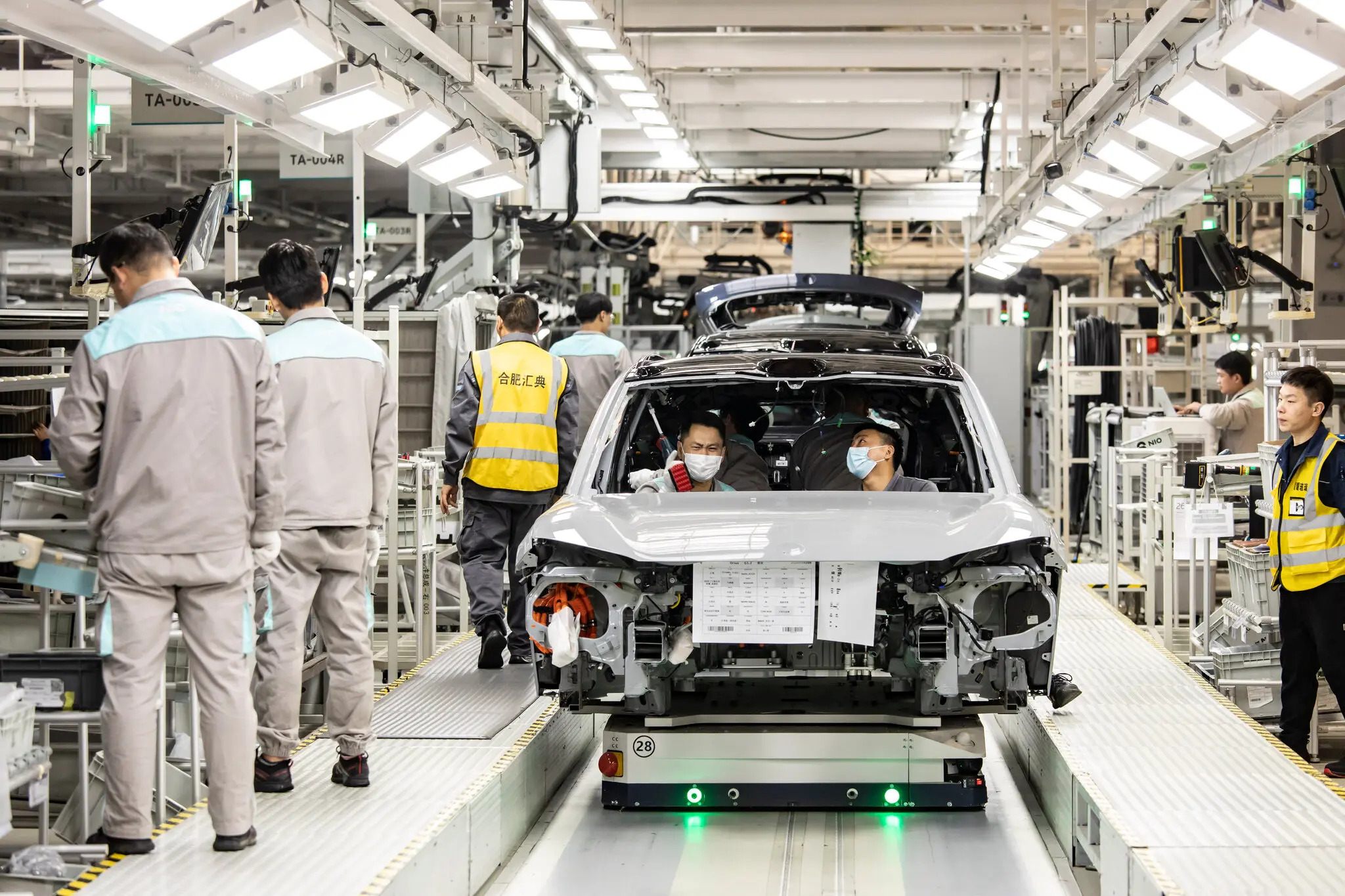
America’s growing concern
In the United States, the tone is equally serious.
Ford’s Jim Farley recently warned that China’s manufacturing capacity, estimated at more than 50 million vehicles annually, is large enough to supply the entire U.S. market and still have millions left over.
“They could put us all out of business,” he said.
For Farley, the issue is not only about competition but also about jobs and industrial survival. If U.S. automakers fail to compete, the country risks losing the manufacturing backbone that has supported its middle class for generations.
Ford is now betting heavily on a lower-cost EV strategy, including plans for a more affordable electric pickup platform capable of competing with Chinese pricing.
Rwanda is already seeing the shift
While the global debate often focuses on Beijing, Detroit, and Tokyo, the effects of China’s automotive rise are already visible in Rwanda.
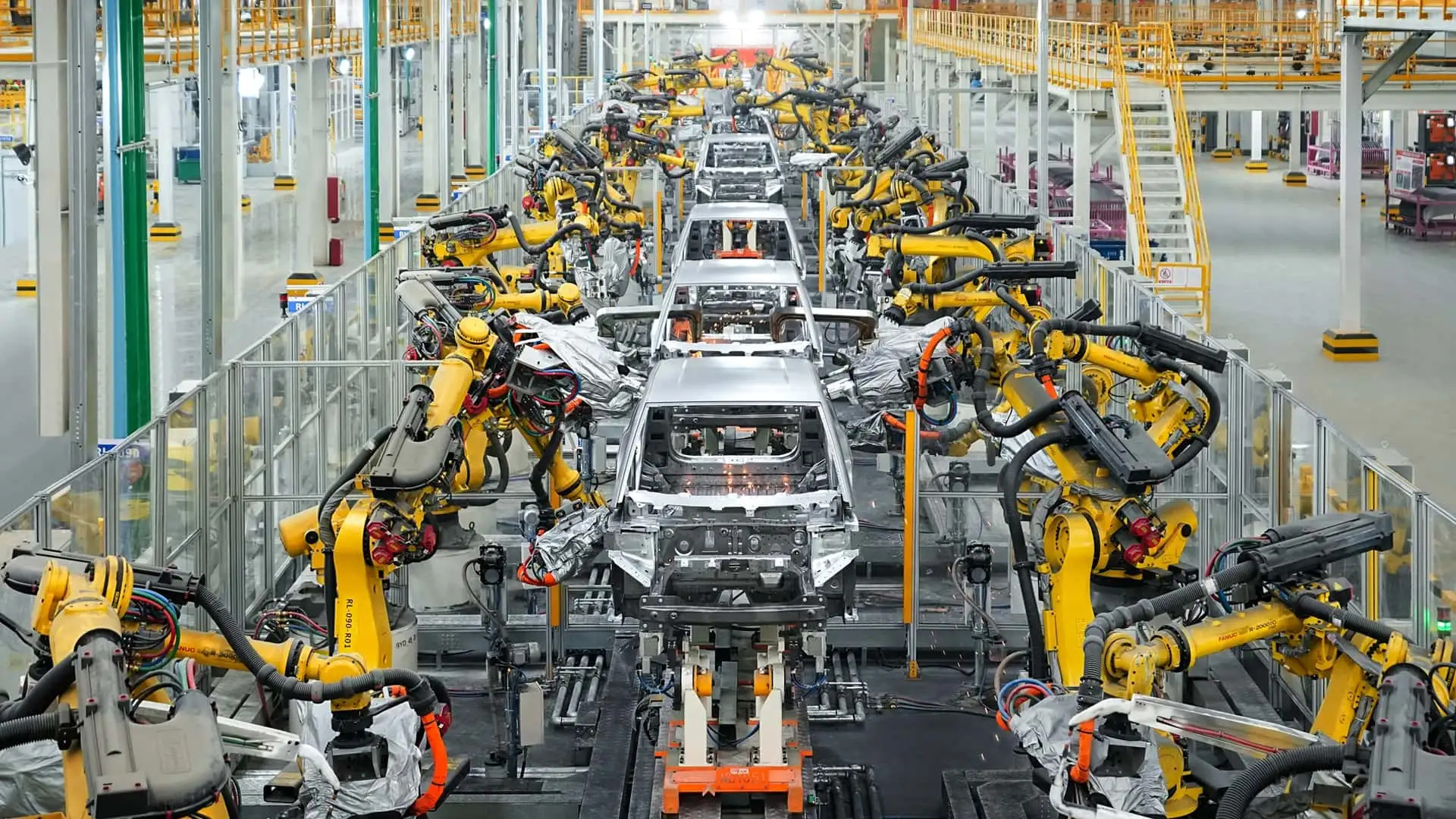
As of early 2026, Rwanda has recorded a sharp increase in electric vehicles, with rising number of fully electric cars operating in the country, many of them from Chinese brands such as BYD, Dongfeng, and Yutong.
Data from the Rwanda Revenue Authority (RRA) show that the combined number of electric and hybrid vehicles reached 7,172 in 2024. Official data also indicates that hybrids account for a significant share of low-emission vehicle imports, estimated at about 43 percent.
Electric buses have become increasingly visible in public transport across Kigali, while thousands of electric motorcycles are also entering the market as the country pushes for cleaner mobility solutions.
Chinese brands are playing a major role in that transition.
Popular EV models such as the BYD Atto 3 and Dolphin, alongside Dongfeng vehicles and Yutong buses, are becoming more common, often imported through dealers such as China Electric Vehicle Rwanda (CEVR). Charging infrastructure has also expanded rapidly.
Financial institutions are also adjusting. Equity Bank Rwanda has partnered with Chinese EV dealers, including CEVR, to provide financing options aimed at making electric vehicle ownership more accessible.
Government incentives, including VAT exemptions on EVs, batteries, spare parts, and charging equipment, have further accelerated adoption.
The momentum is also attracting larger industrial ambitions.
On April 23, 2026, President Paul Kagame received Xu Hui, head of Rich Resource International Investments, alongside senior leadership from Chery Holding at Urugwiro Village.
Discussions focused on potential investment opportunities, including plans to establish an electric vehicle assembly plant in Rwanda, an initiative that aligns with the country’s broader strategy to expand industrialisation and position itself as a regional hub for e-mobility.
The Ministry of Infrastructure recently also mandated that all public institutions ensure at least 30% of newly purchased vehicles are fully electric (EVs), effective April 2026. This initiative aims to reduce fossil fuel dependency, cut greenhouse gas emissions, and promote sustainable, clean mobility.
The end of legacy advantage
The concern expressed by executives in Japan, Europe, and the United States reflects a simple reality that history is no longer enough.
A century-old badge no longer guarantees relevance when consumers are prioritising battery performance, software experience, and affordability.
And as Rwanda’s own EV market shows, this transformation is no longer confined to major global economies. It is reshaping mobility choices, investment priorities, and industrial strategies across Africa as well.
The question is no longer whether Chinese companies will disrupt the global car market. They already have. The real question is which of the old giants will adapt fast enough to survive.
Leave a Reply