Researchers from McGill University and the Douglas Institute found that two types of brain cells behave differently in people with depression. The condition affects more than 264 million people worldwide and is a leading cause of disability.
“This is the first time we’ve been able to identify what specific brain cell types are affected in depression by mapping gene activity together with mechanisms that regulate the DNA code,” said Gustavo Turecki, a professor at McGill and senior author of the study. “It gives us a much clearer picture of where disruptions are happening, and which cells are involved.”
The researchers used rare post-mortem brain samples from the Douglas-Bell Canada Brain Bank, which includes donated tissue from people who had psychiatric conditions. They studied samples from 59 people with depression and 41 without, using advanced techniques to examine individual brain cells.
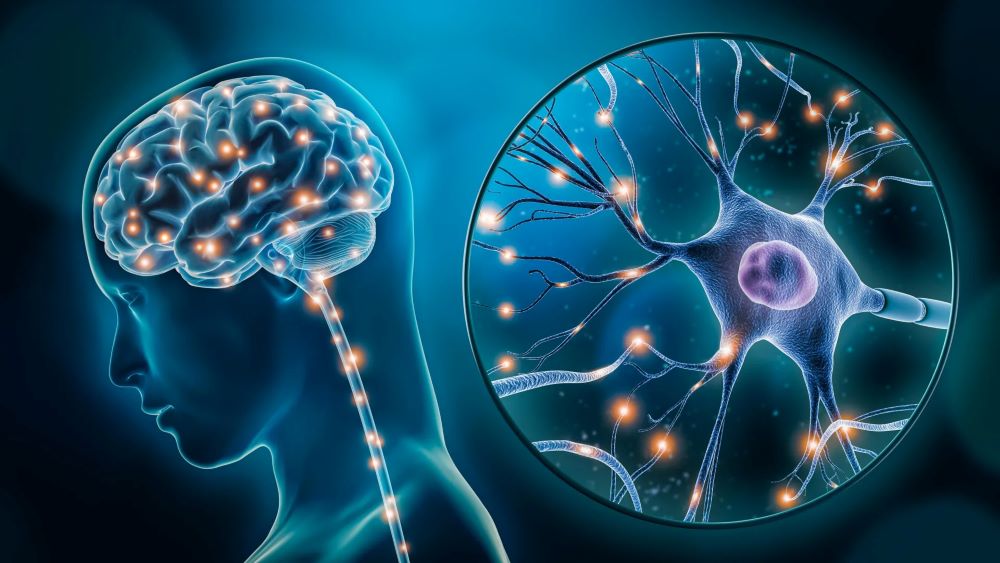
The study found changes in two key cell types: excitatory neurons, which help control mood and stress, and microglia, which act as immune cells in the brain. In both, gene activity was altered, suggesting they may not function normally in people with depression.
“This research reinforces what neuroscience has been telling us for years,” Turecki said. “Depression isn’t just emotional, it reflects real, measurable changes in the brain.”
By identifying the exact cells involved, the findings provide strong evidence that depression is a biological condition. Researchers now hope this discovery will lead to treatments that directly target these cells, improving care for millions of people worldwide.
Leave a Reply