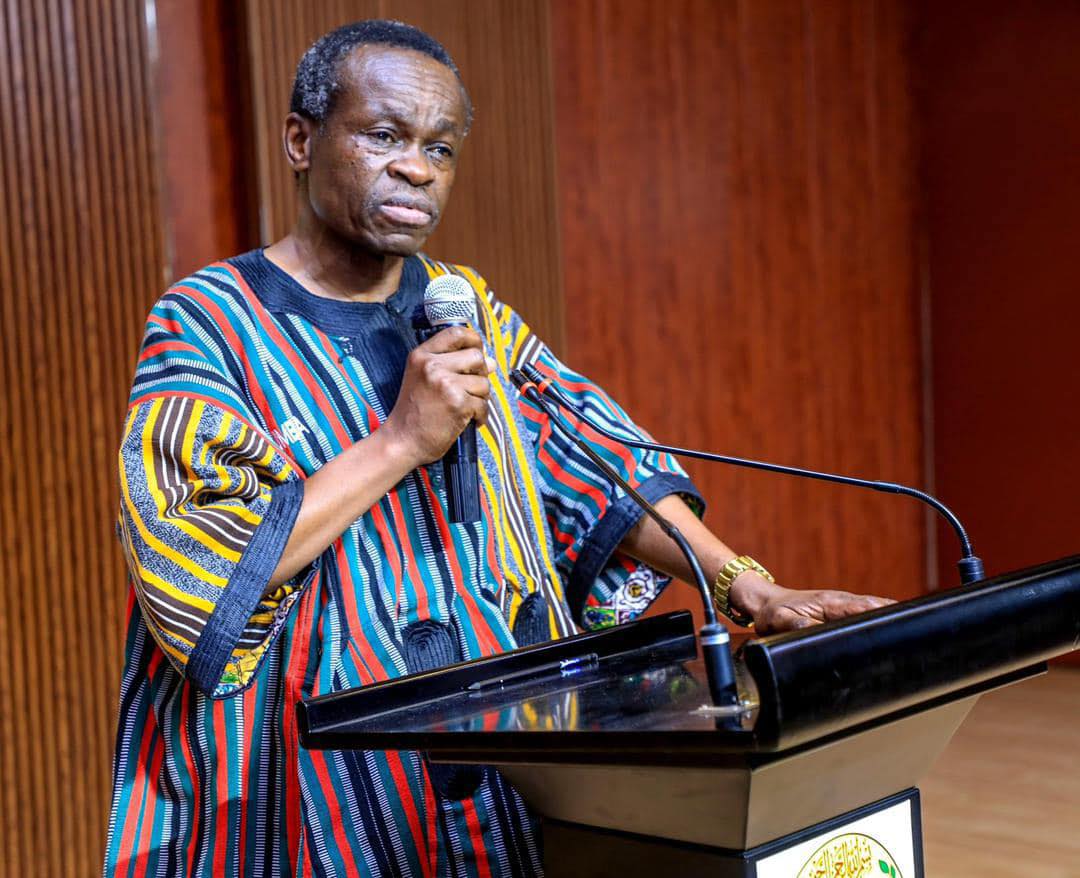
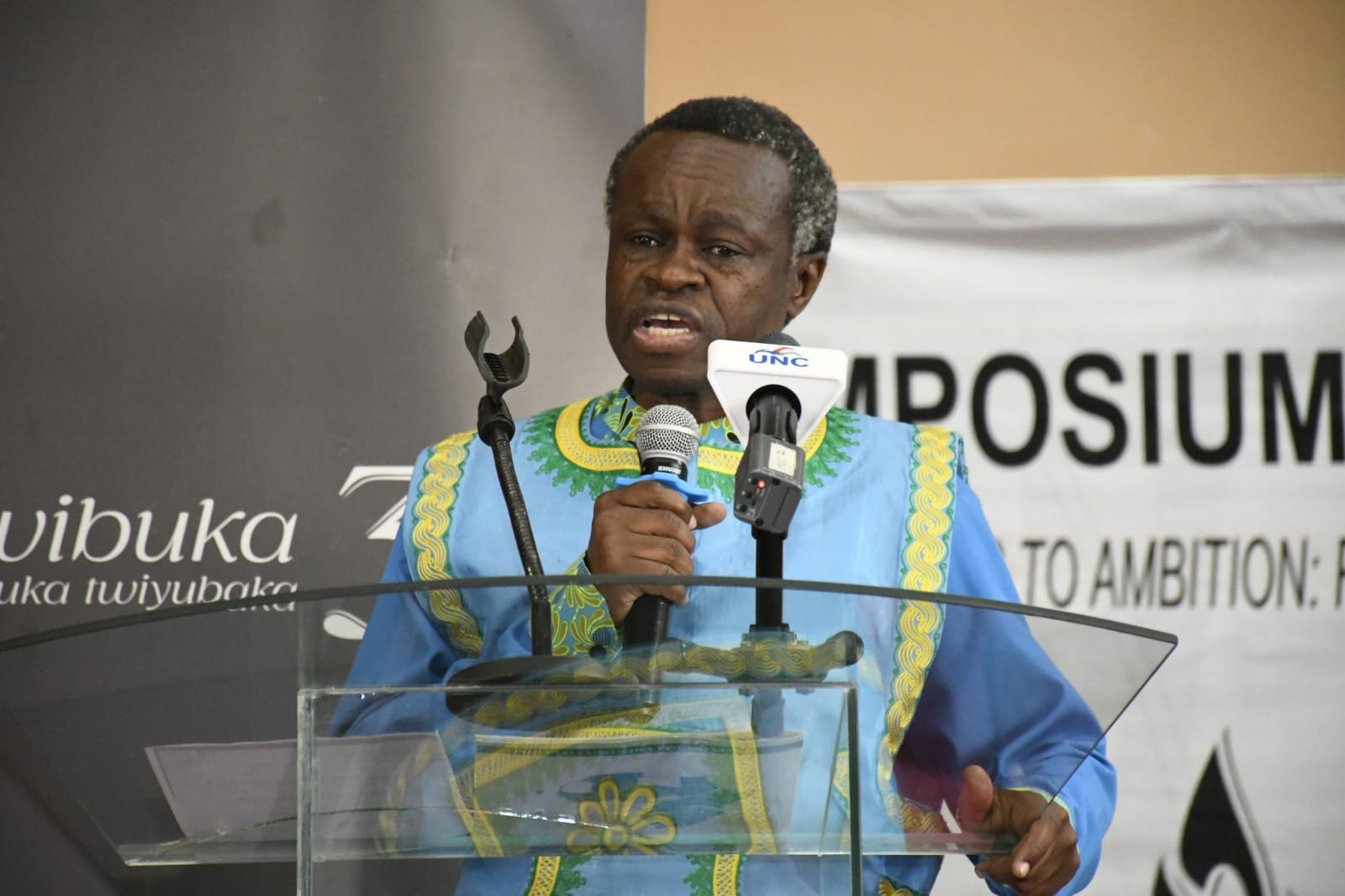
Speaking at a Symposium on Genocide Prevention organised by the Embassy of Rwanda in Kenya as part of the 32nd commemoration of the Genocide against the Tutsi, Lumumba urged the international community to move beyond rhetoric and ensure practical measures are taken to prevent future atrocities.
“We are not gathered here because it is an annual jamboree at which we congregate and make speeches to ourselves,” he said, stressing that the commemoration must serve as a serious reminder of humanity’s failures and responsibilities.
Warning against historical amnesia
Lumumba cautioned against revisionism and denialism, arguing that forgetting history increases the risk of repeating it.
“We are gathered here because history has taught us that if we are not careful, the only thing we learn from history is that we learn nothing from history,” he said.
He pointed to past global failures, including the inability of the international community to prevent the 1994 Genocide against the Tutsi, where a million people were killed over a 100-day period.
The scholar criticised the role of international institutions during the genocide, saying the world “watched in eloquent silence” as violence unfolded.
“The United Nations, East Africa, Africa, and the big powers with nuclear weapons watched,” he said, adding that places of worship were turned into sites of mass killings while the world remained paralysed.
He also referenced broader historical injustices, including slavery, colonial partitioning of Africa, and genocides in other parts of the world, arguing that global systems have repeatedly failed to prevent mass atrocities.
*Call for stronger international responsibility*
Lumumba urged international and regional bodies to take a more proactive role in preventing genocide, rather than issuing declarations without implementation.
“It is not the function of the international community to issue diktats without understanding circumstances on the ground,” he said, calling instead for meaningful engagement with local realities amid concerns over rising ethnic slurs targeting Banyamulenge and Tutsi communities in eastern DRC.
He stressed that prevention requires moral responsibility rooted in shared human values found across all major religions and philosophies.
Lessons from Rwanda’s recovery
While reflecting on the 1994 Genocide against the Tutsi, Lumumba also highlighted Rwanda’s recovery as a powerful example of resilience and reconstruction.
He praised the country’s leadership, led by President Paul Kagame and citizens for rebuilding a nation once devastated, noting that Rwanda has become a model of governance, order, and development.
“Rwanda, like the phoenix, rose from the ashes,” he said, describing Kigali as a benchmark for urban planning, infrastructure, and institutional efficiency.
He further commended Rwanda’s use of the Gacaca courts, which he described as an African-rooted system that contributed to reconciliation and justice by handling millions of cases at the community level.
Technology and new risks
Lumumba also warned that modern technology could accelerate the spread of hate and violence if misused.
“We are today in the era of artificial intelligence… if those who wanted to commit genocide decided to do so, they would do it in the twinkling of an eye,” he cautioned, highlighting the risks posed by social media and digital platforms in spreading misinformation and hate speech.
Concluding his remarks, Lumumba insisted that remembrance must be tied to responsibility.
“Never again must not be a slogan; it must be action,” he said, urging governments, institutions, and citizens to actively work to prevent the conditions that lead to genocide.
He ended with a call for unity and vigilance, emphasising that the lessons of history must be translated into sustained global action to ensure such atrocities are never repeated.
Leave a Reply