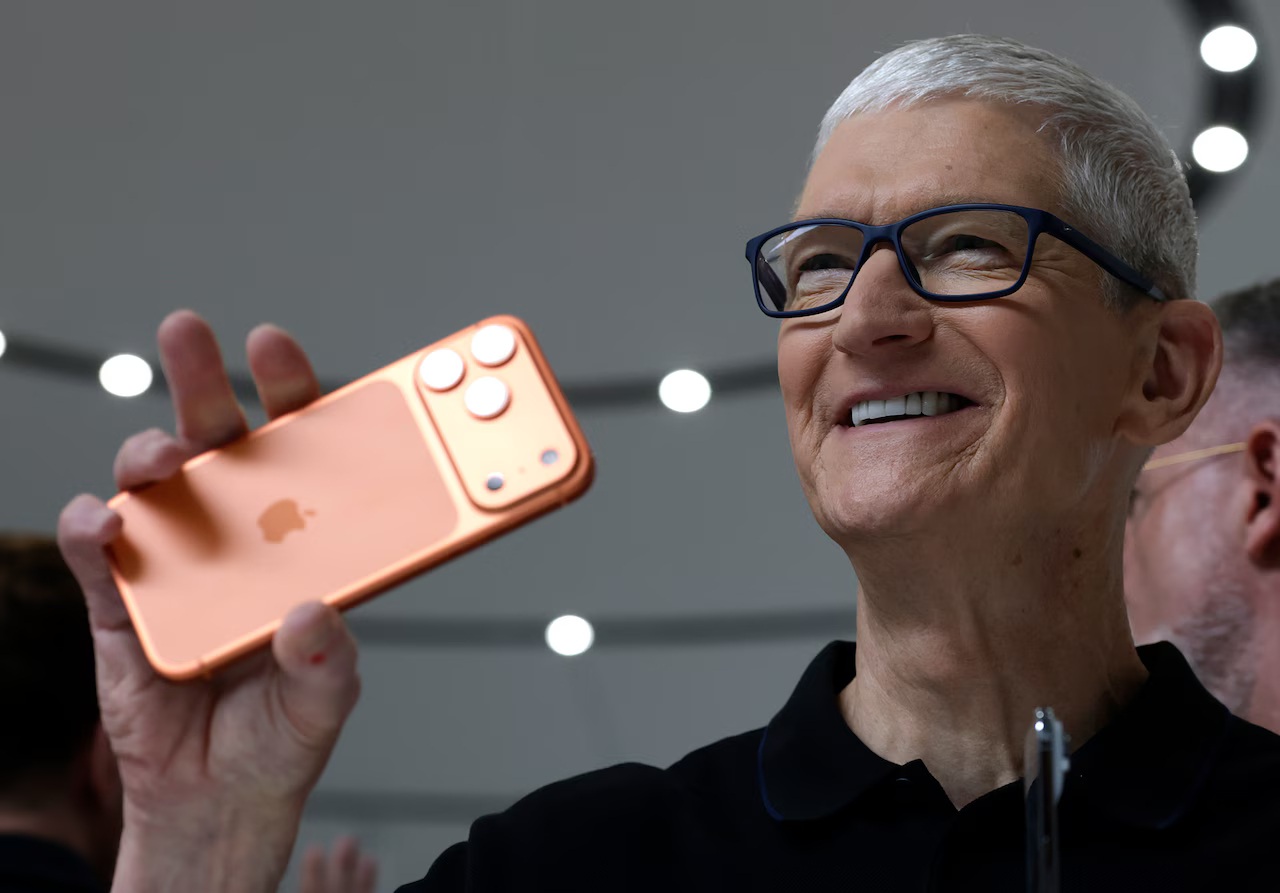
The change will take effect on September 1, 2026, marking the end of one of the most consequential leadership periods in the tech giant’s history. Cook will remain CEO until then to oversee a smooth handover before assuming a more strategic position focused on governance and engagement with policymakers.
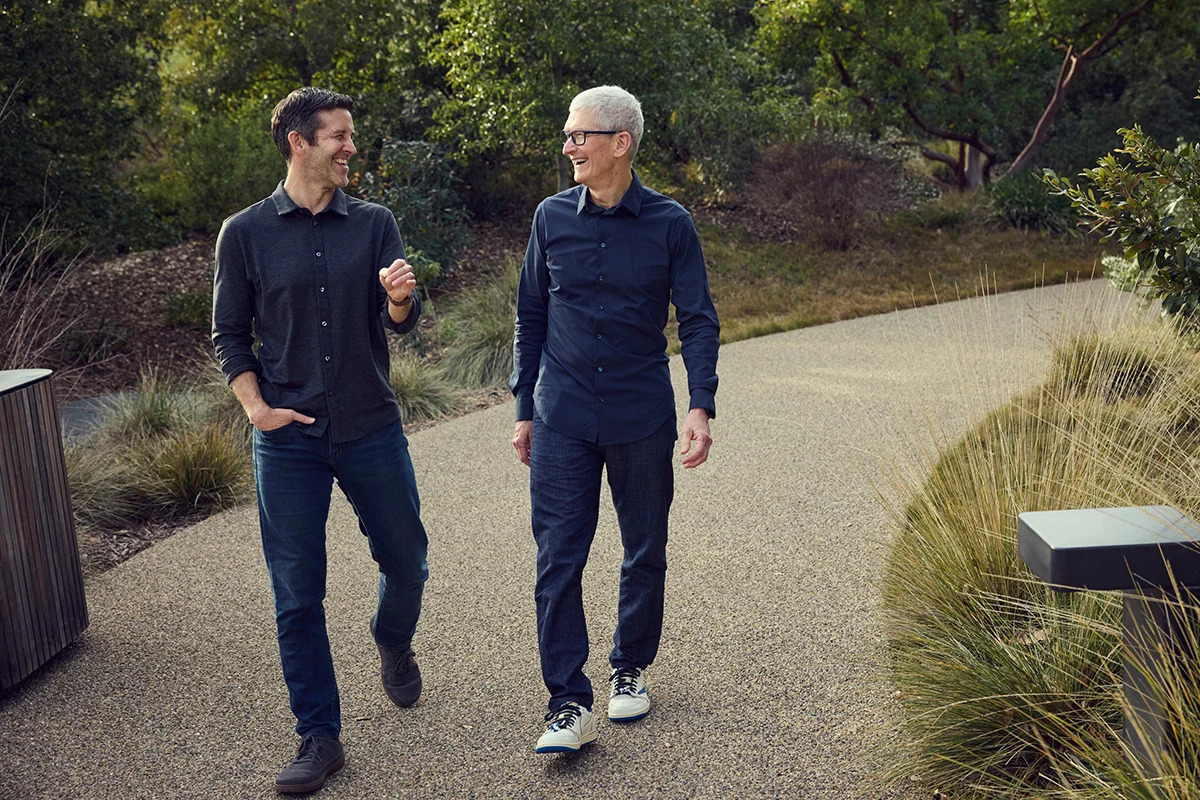
John Ternus, Apple’s senior vice president of hardware engineering, has been appointed as Cook’s successor. The appointment, approved unanimously by Apple’s board, makes Ternus the company’s next chief executive and signals the first leadership change since Cook succeeded Steve Jobs in 2011.
Apple said the transition reflects long-term succession planning rather than a dramatic strategic shift, with continuity expected across its core operations and business model.
A defining Cook era
Cook, only the second CEO in Apple’s history, took over following Steve Jobs’ resignation in 2011. Over his tenure, Apple evolved into one of the world’s most valuable companies, expanding its reach to more than 200 countries and territories and growing its active device base to over 2.5 billion.
Under his leadership, Apple’s market value surged from around $350 billion to approximately $4 trillion, while annual revenue rose from $108 billion in fiscal 2011 to more than $416 billion in fiscal 2025.
Cook is widely credited with strengthening Apple’s global supply chain, scaling its operations, and reshaping its business model through a major shift toward services. Products such as iCloud, Apple Music, Apple TV, and Apple Pay helped build a services division generating over $100 billion annually, providing stable, high-margin revenue beyond hardware sales.
Apple also expanded into new product categories, including the Apple Watch, AirPods, and Apple Vision Pro during his tenure, while increasing its retail footprint to more than 500 stores globally. The company also reported a significant reduction in its carbon footprint, cutting emissions by more than 60% compared to 2015 levels.
Ternus takes over as Apple’s hardware leader
John Ternus, who has spent more than two decades at Apple, brings a deeply technical and engineering-focused background to the top role. Joining the company in 2001, he rose through the hardware engineering ranks before becoming vice president in 2013 and joining the executive team in 2021.
Ternus has overseen development across Apple’s major product lines, including the iPhone, iPad, Mac, Apple Watch, and AirPods. He has also been associated with key innovations in materials, durability, and performance.
Recent product milestones under his leadership include the MacBook Neo and the iPhone Air, as well as improvements to AirPods featuring advanced noise cancellation technology. Apple also credits him with driving efforts in sustainability, including the use of recycled materials and extended product durability.
His appointment is widely viewed as a move toward reinforcing Apple’s engineering and product-led culture.
Balancing services growth with product innovation
Ternus takes over at a time when Apple faces growing pressure to accelerate innovation. While Cook’s tenure transformed Apple into a services-powered ecosystem, critics have argued that the company has recently relied on incremental product updates compared to earlier breakthrough eras.
At the same time, competitors such as Google and Microsoft are advancing rapidly in artificial intelligence, intensifying pressure on Apple to respond more aggressively in the AI space. The company is reportedly exploring partnerships, including integrating Google’s Gemini model into its next-generation Siri assistant.
Slower consumer upgrade cycles and global supply chain risks also present challenges. Apple has already begun diversifying manufacturing away from China to markets such as Vietnam in response to geopolitical uncertainty.
Analysts expect Ternus to emphasise hardware innovation while maintaining Apple’s highly profitable services ecosystem, striking a balance between product reinvigoration and stable recurring revenue.
Cook described the transition as “the greatest privilege of my life,” while praising Ternus as a leader with a strong engineering mindset. Ternus, in turn, expressed gratitude for the opportunity and pledged to build on Apple’s long-standing values.
As Apple prepares for this leadership shift, the company enters a new chapter shaped by continuity at the top, but with renewed expectations around innovation in an increasingly competitive global tech landscape.
Leave a Reply