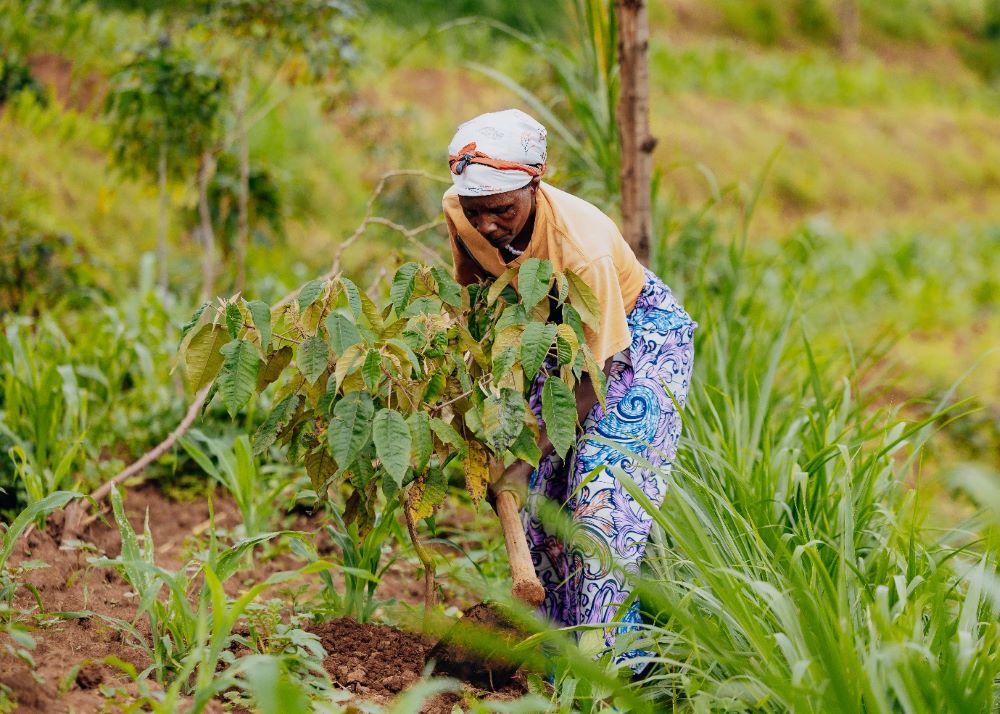
What is taking shape across western Rwanda, environmental leaders say, is more than land restoration, it is a synergy between climate action and human development.
“MuLaKiLa shows that restoring landscapes is not only about nature, it is equally about people,” says Dr. Sam Kanyamibwa, Founder and CEO of ARCOS, the organization implementing the project on the ground. “When farmers are empowered with knowledge and financial resources, conservation becomes a pathway to dignity, resilience, and long‑term development.”
That philosophy underpins the MuLaKiLa Project, a large‑scale landscape restoration and livelihood initiative operating around the Mukura–Gishwati Forest and the Lake Kivu catchment landscape.
According to Dr. Amani MABANO, Project Manager of MuLaKiLa, this carbon project was officially launched in 2023 to restore 22,266 hectares (ha) of degraded agricultural land and improve the livelihoods of 40,000 smallholder farmers’ households owning the land in Ngororero and Rutsiro districts.
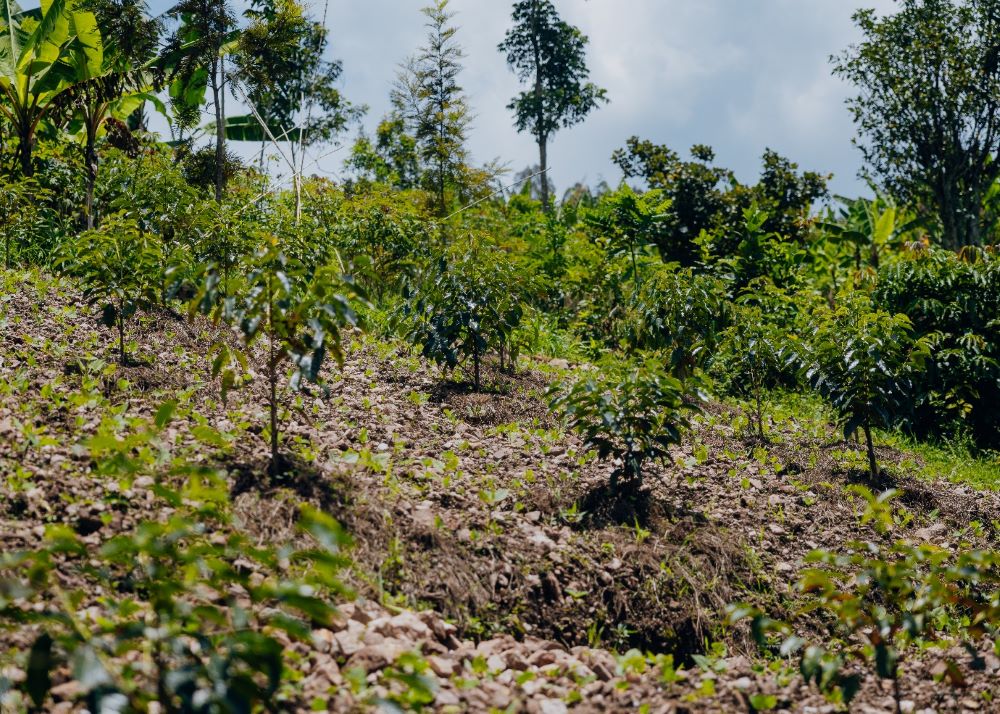
The land is being restored through two key initiatives: tree plantation and establishment of radical and progressive terraces. The project aims to plant 6 million carbon trees comprising native (50% of the trees), fruit (30% of the trees), exotic (20% of the trees) species.
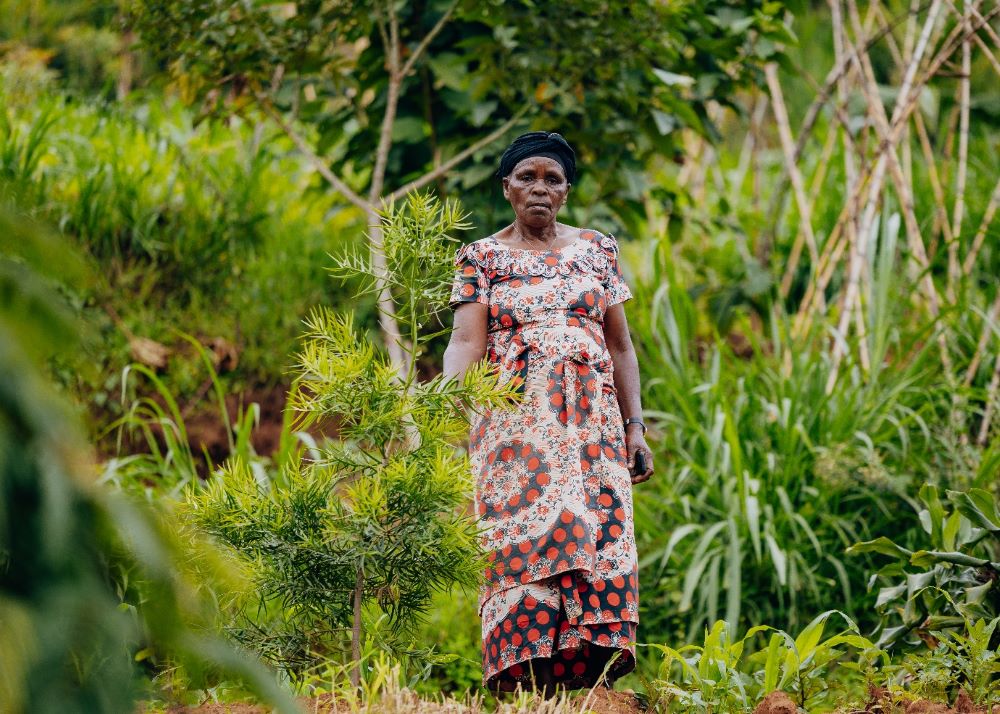
The radical terraces to be established on 2,400 ha and progressive terraces will cover 7,739 ha. The establishment of these terraces comes with package of organic manure, lime, shrubs, elephant grass, and seeds for the agriculture season following the construction of the terraces. As of March 2026, 5.7 million trees have been planted and radical terraces established on 1,650 plus 5,208 ha of progressive terraces.
The livelihoods of local communities will be improved through several initiatives, including a well-designed set of training modules, increased crop yield, employment, tree maintenance incentive, value chain development for different agro-products, implementation of green projects funded through the Umusave Fund (an NBCF), and carbon benefit sharing.
“Thus, the project intends to build resilience to climate change for the vulnerable landscape and its residents,” says Amani.
For farmers like Ildephonse Bizimana, a smallholder in Rutsiro District, the results are already tangible.
“Before the project, rain used to wash away our soil and our harvests were poor,” he says. “Now, with terraces and trees on my land, the soil is stable and my crops are growing better. I can already see the difference in my yields.”
For Devota Uwajeneza, a farmer in Ngororero District, the impact has reshaped farming itself.
“Before, we cultivated but never harvested enough,” she says. “Now the terraces hold water, the soil is getting fertile again, and even during heavy rains, our fields remain intact.”
From the outset, communities have been central to the project’s design and execution. The initiative operates entirely on smallholder land and has engaged farmers and local leaders through village‑level consultations since its inception.
“These farmers are our key stakeholders,” Amani underlines. “They were involved from the beginning and are the drivers of implementation.”
Beyond land restoration, MuLaKiLa targets economic resilience through the Nature‑Based Community Fund (NBCF), a revolving financing mechanism established in 73 cells across the project area. In 2024, €840,000 was deposited into the fund. By early 2026, communities had launched around 450 green projects, with nearly 900 million Rwandan francs invested in climate‑friendly enterprises.
For Kankindi Chantal, one of the beneficiaries, access to the fund was decisive.
“Through the community fund, our association was able to invest in livestock farming,” she says. “We repaid the loan and earned enough to plan to upscale our project. We are no longer just farming to survive; we are farming as a business.”
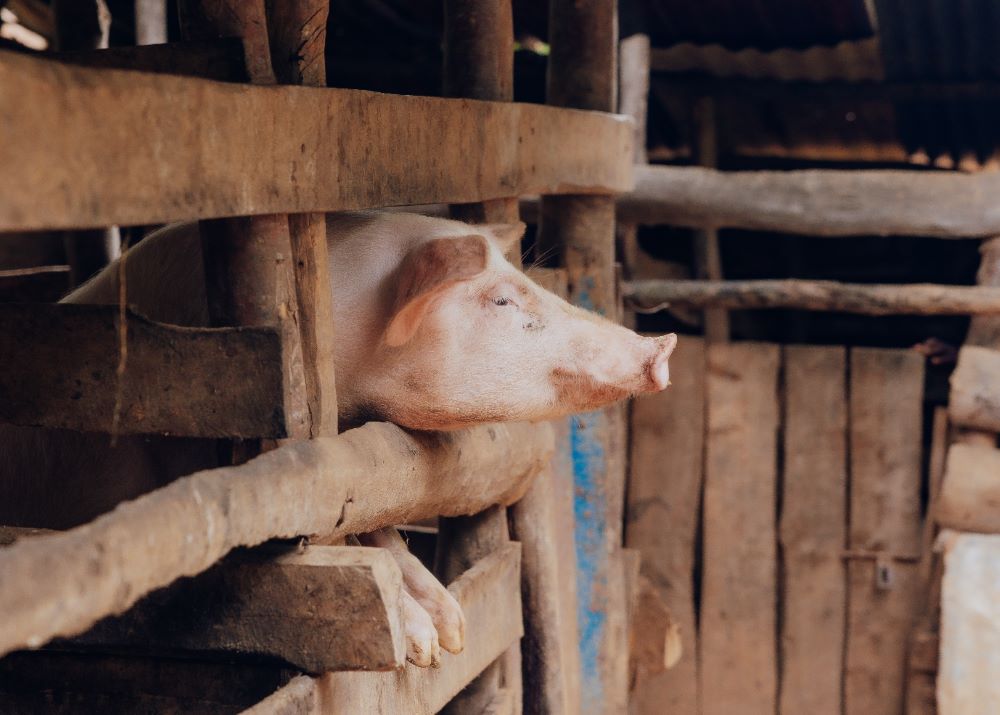
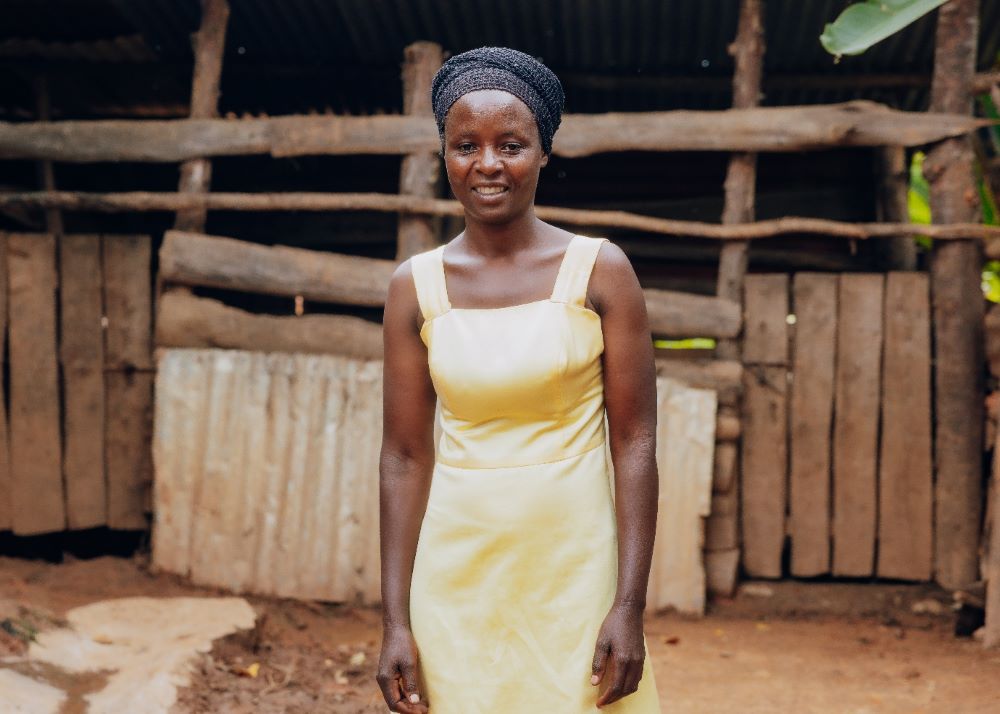
All loans have been fully repaid, with interest, an outcome project leaders describe as evidence of growing confidence and financial discipline among communities.
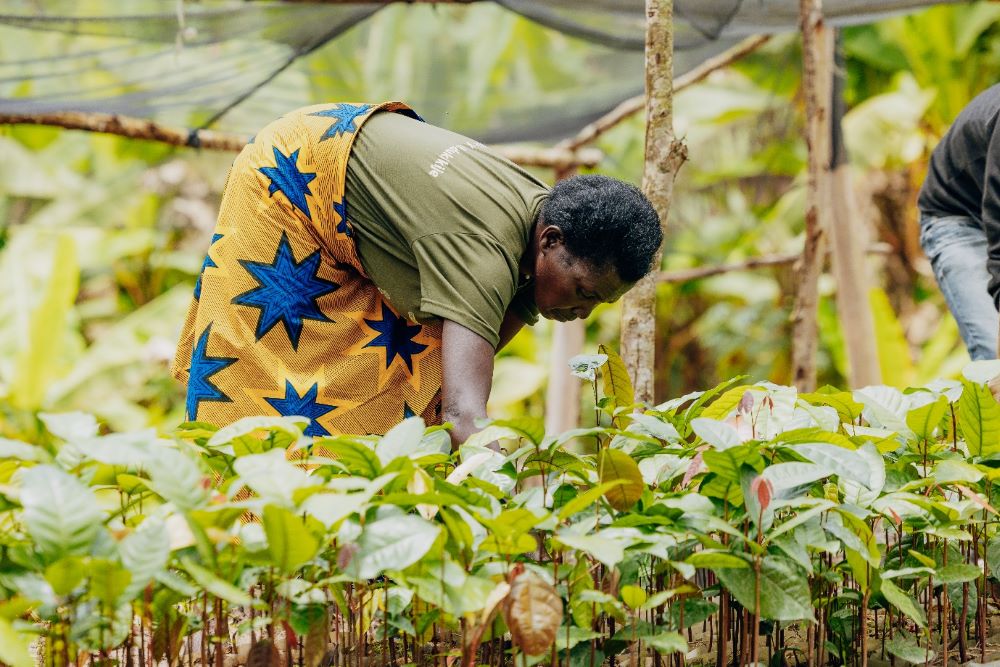
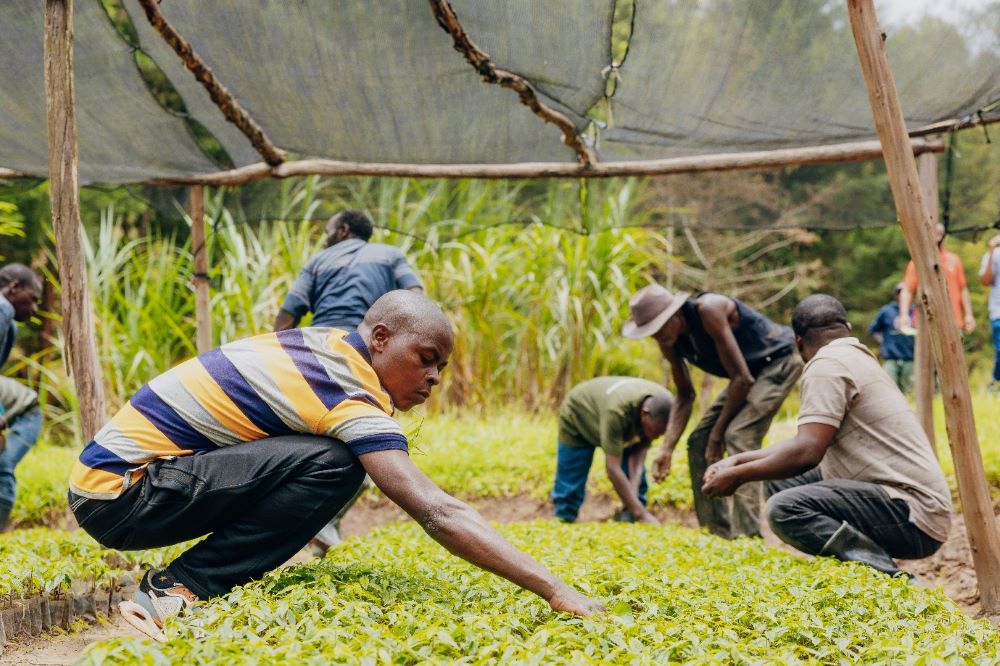
Training has reinforced this transformation. Farmers receive instruction in project management, nursery establishment, and sustainable agricultural practices, alongside basic farming tools and continuous technical support.
“The training also changed how we think,” added Chantal Kankindi. “We now plan, set objectives, and work together. Even when the project ends, these skills will remain with us.”
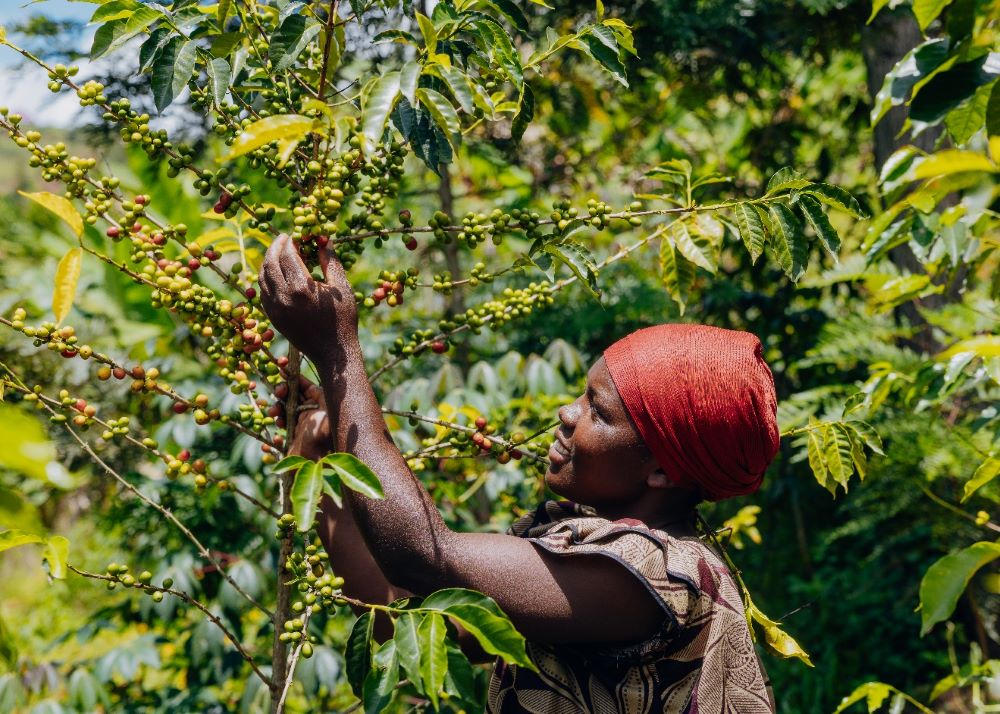
MuLaKiLa is also structured as a carbon project, allowing communities to benefit directly from climate action. Farmers receive annual incentives to maintain planted trees, while a share of revenue from carbon credits will be returned to communities.
“They are the stewards of the land,” Amani says. “So they should benefit from protecting it.”
The project is the result of collaboration among farmers, district authorities, national institutions, and partners such as Reforest’Action, the project developer. Mabano also credits AstraZeneca for providing the financial support that made the initiative possible.
Much work remains before MuLaKiLa reaches full maturity. But across western Rwanda’s hillsides, terraces are holding, trees are growing, and farmers who once watched their land degrade are now planning for the future.
“What makes us proud,” Amani says, “is when communities succeed. That is when our project succeeds.”
Leave a Reply