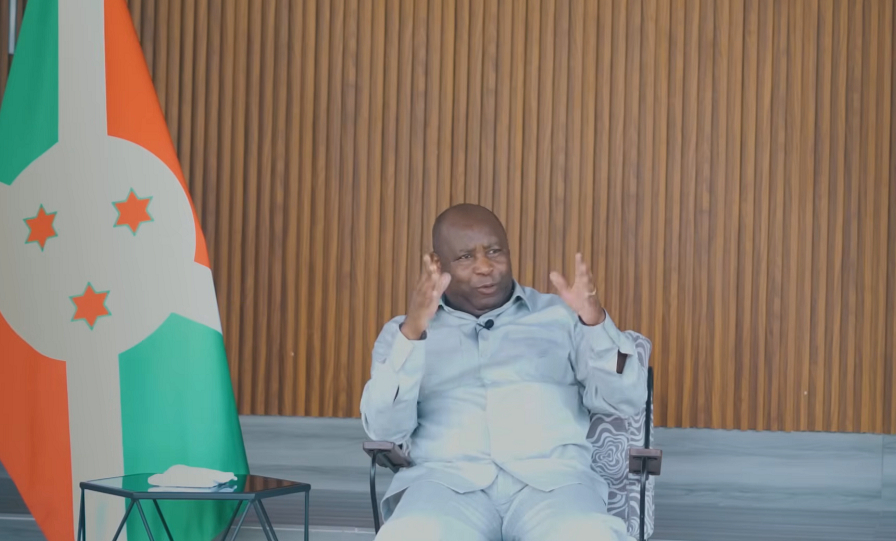
In an interview with Yaga Burundi, Ndayishimiye defended his decision to keep Burundi’s border with Rwanda closed, arguing that it was necessary to prevent cross-border infiltration by people intent on undermining Burundi’s security.
“We disagree with Rwanda on the issue of criminals who come to attack Burundi,” he said. “Rwanda opens the way for them, and they come to attack Burundi. Burundi has never opened its territory for anyone to go and attack Rwanda.”
Since late 2023, when Ndayishimiye began making these accusations publicly, Rwanda has consistently rejected them, maintaining that it has never collaborated with groups opposed to his administration and reminding the Burundian government of that position.
When asked whether Burundi could not secure itself with open borders, Ndayishimiye argued that unrestricted movement creates security gaps, saying some attackers manage to bypass security forces and carry out operations inside Burundi.
“Even if we lined up all 12 million Burundians from Ruhwa to Muyinga and left no gate unchecked, the way we manage security, you would understand it the day they come,” he said. “If we opened the border, you could find them already attacking you right here.”
Despite Ndayishimiye’s assertion that no attacks against Rwanda have originated from Burundi, armed groups, including FLN, have repeatedly crossed from Burundi’s Kibira forest into Rwanda’s south-western region, carrying out deadly attacks against civilians.
Among the notable incidents were attacks by FLN fighters in Nyabimata and Kitabi sectors of Nyaruguru and Nyamagabe districts in 2018 and 2019, after infiltrating from Burundi.
In May 2021, the group launched another attack in Bweyeye Sector of Rusizi District, but was repelled by Rwandan forces.
The Rwanda Defence Force later stated that the attackers had crossed from Giturashyamba in Mabayi Commune, Burundi. After being pushed back, they reportedly retreated across the Ruhwa River into Kibira forest.
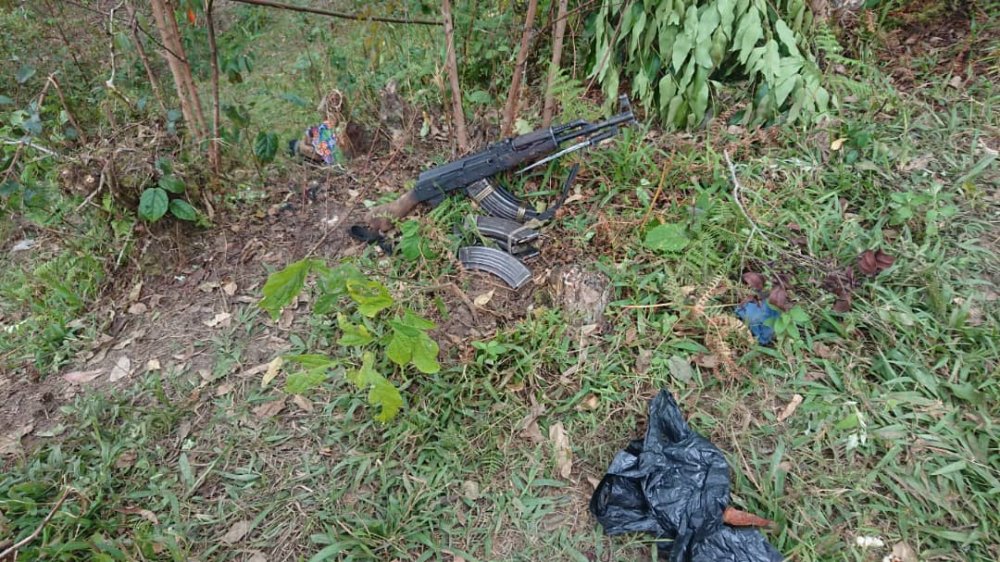
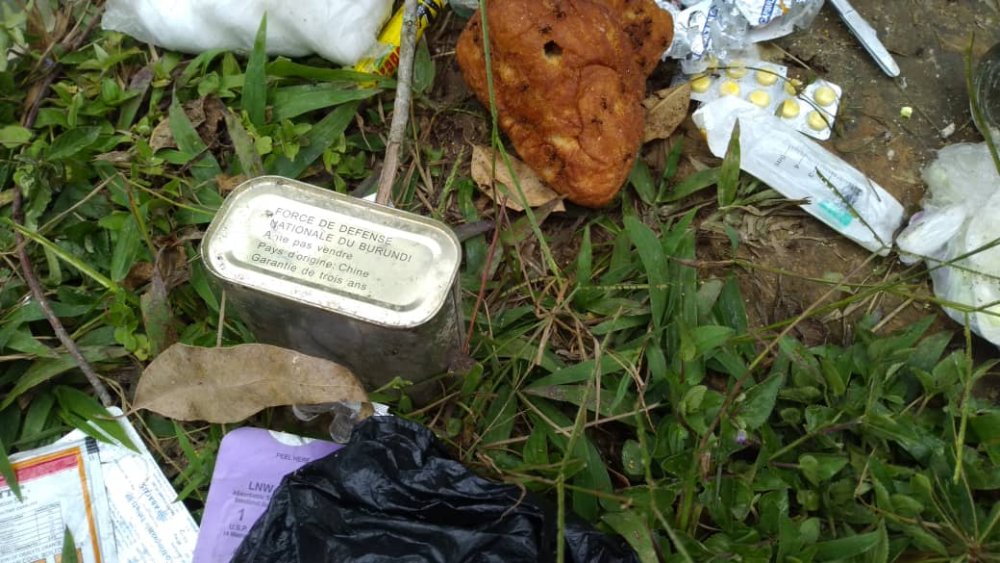
According to the RDF, the fighters were found with military equipment bearing the insignia of the Burundian army, strengthening claims that elements within Burundi were cooperating with FLN in operations aimed at destabilising Rwanda.
In May 2022, FLN fighters again launched an attack from Burundi, targeting a passenger bus travelling through Nyungwe National Park and killing two civilians. The group has continued to operate from Kibira forest.
Another case involved RED Tabara fighters who entered Kibira from the Democratic Republic of Congo and clashed with Burundian forces in September 2020. While fleeing, 19 of them lost their way in Nyungwe National Park and were arrested by Rwandan soldiers on patrol.
In October 2021, Rwanda handed the fighters over to Burundi, emphasising that it could not provide refuge to individuals seeking to destabilise a neighbouring country. At the time, Ndayishimiye had been in office for one year and three months.
A report by United Nations experts later indicated that as relations between Rwanda and Burundi deteriorated in late 2023, Burundi renewed and intensified cooperation with armed groups seeking to destabilise Rwanda, including FLN.
Beyond FLN, Burundi has also been linked to cooperation with the genocidal FDLR militia group, particularly in military operations against the AFC/M23 rebel movement active in North and South Kivu provinces of the Democratic Republic of Congo. Reports also indicate that such collaboration extends to broader plans aimed at undermining Rwanda’s security.
Leave a Reply