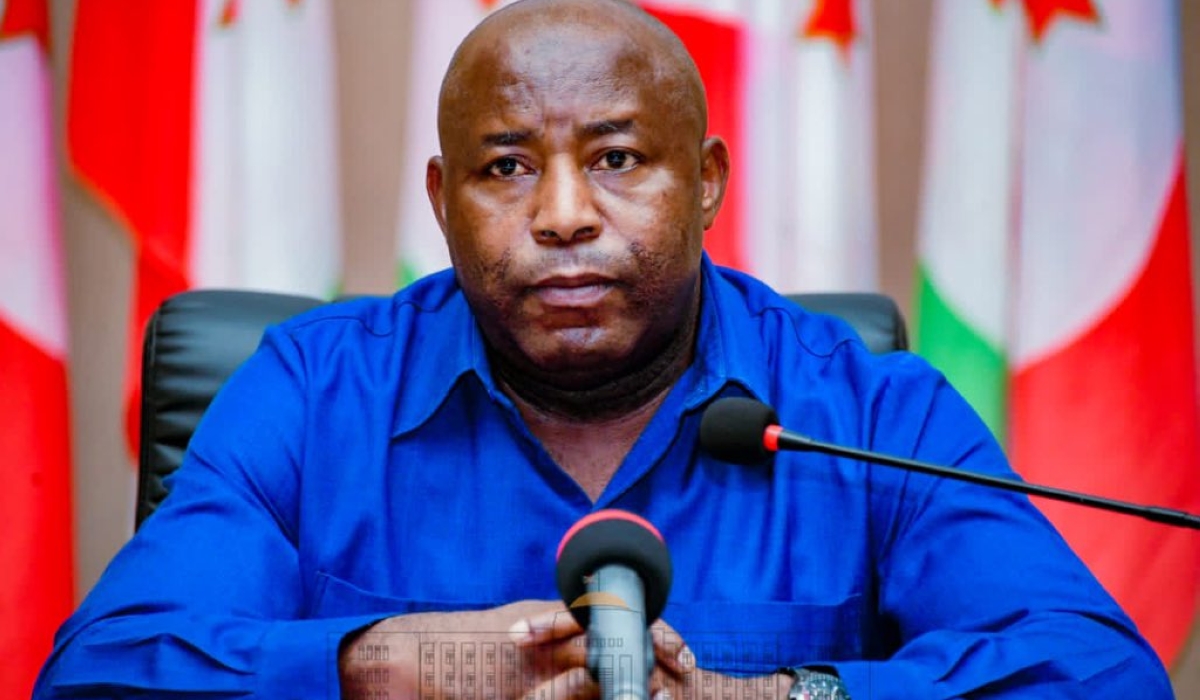
He made the remarks during an interview with Yaga Burundi.
When asked whether the presidential jet was still in Madrid, President Ndayishimiye confirmed that it remains there. The journalist then questioned why it had not been sold as scrap metal.
“Then what is stopping it from being sold as scrap metal so that Burundians can see how to pool resources and raise money?” a journalist from the outlet asked.
In response, President Ndayishimiye acknowledged that he had also considered the idea, but said he refrained from pursuing it out of concern over public reaction.
“That idea also crossed my mind. I said to myself: I know Burundians, they are quick to get angry and would say I have stolen their plane. They would accuse you, thinking it is that simple. So I wondered what exactly should be done with it,” he said.
He explained that the situation surrounding the aircraft has persisted for years without a clear resolution, making it difficult for even officials to provide consistent explanations.
According to him, at one point, he even questioned whether the aircraft actually existed, prompting him to dispatch a verification mission to Spain.
“One day I said: what if they are lying, does that plane even exist? I said that and appointed the Prime Minister to lead a delegation, together with officials from ACB, to go to the airport in Spain. I said I would only believe it once they showed me proof. They went and recorded clear videos, including the Burundian flag,” he said.
He added that delays in resolving the issue have persisted over time, noting that, unlike humans, outcomes are not always immediate and require patience.
Ndayishimiye also revealed that Burundi continues to incur costs for parking the aircraft at its current location in Madrid.
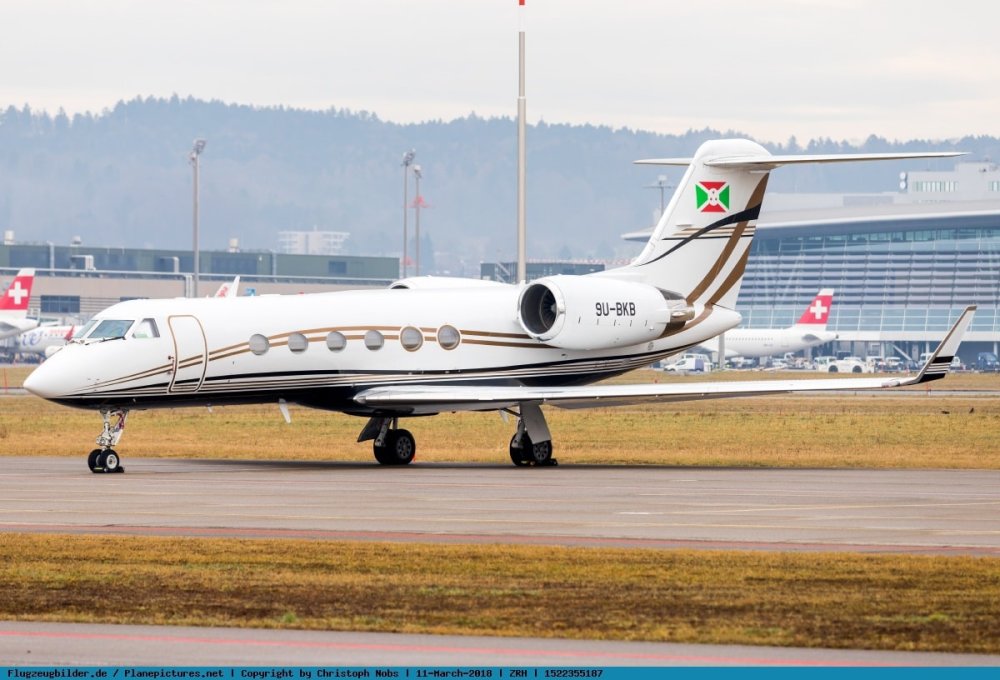
The aircraft in question is a Gulfstream IV presidential jet, which has remained grounded at Madrid airport in Spain after developing technical problems that could not be immediately resolved.
Burundi received the aircraft in 2016, after acquiring it from the United States, where it was manufactured. It was reported to have cost about €8.5 million, equivalent to approximately 14.5 billion Burundian francs.
The jet replaced a Falcon 50 previously used by the Burundian presidency, which was sold in 2007.
In 2017, the government decided to lease out the aircraft after it began deteriorating, particularly as then-President Pierre Nkurunziza was not undertaking international travel at the time.
It later emerged that the aircraft had developed technical faults requiring repairs, but it has remained out of service for years.
Although the jet is still parked in Madrid, Ndayishimiye noted that those who previously handled it confirmed it has technical issues and that specialists capable of repairing it are based in the United Kingdom.
Leave a Reply