The agreement also includes a Memorandum of Understanding (MoU) establishing regular political consultations, signalling a structured framework for deepening bilateral engagement between Kigali and Tashkent.
As both countries explore new areas of cooperation in trade, investment, and innovation, here are 10 key things to know about Uzbekistan.
- Doubly landlocked, but strategically connected
Uzbekistan is one of only two doubly landlocked countries in the world, the other being Liechtenstein, meaning it is surrounded entirely by other landlocked states. This unique geography makes it highly dependent on regional transit routes and cross-border cooperation, particularly through Kazakhstan and other Central Asian corridors.
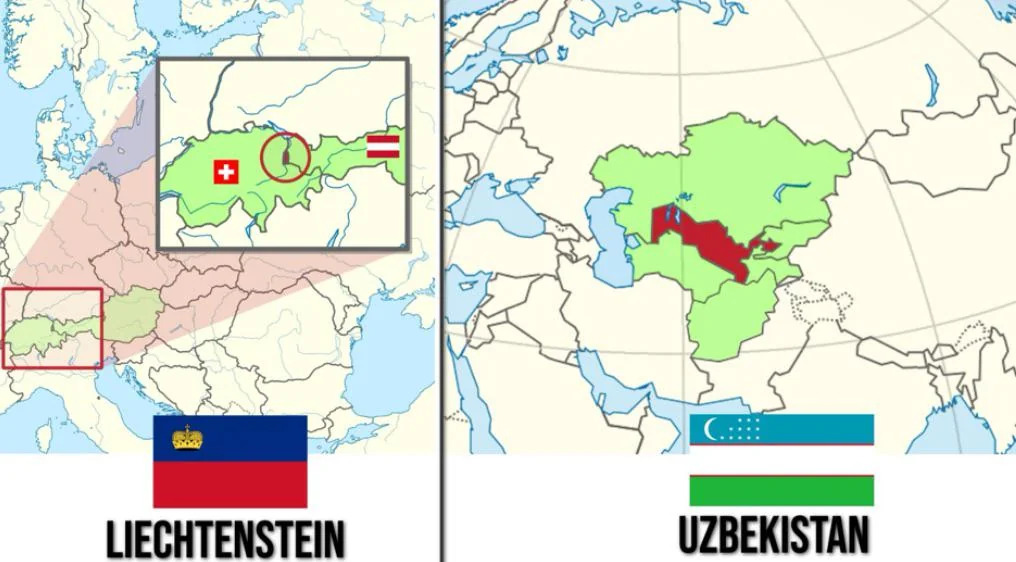
Like Rwanda, which has long focused on overcoming geographical limitations through regional integration, Uzbekistan views connectivity as a core development priority under its South–South cooperation agenda.
- A parallel growth story
Uzbekistan is often cited alongside Rwanda as an example of rapid, state-led economic transformation. Since reforms began in 2016, the country has transitioned from a relatively closed economy to one increasingly integrated into global markets.
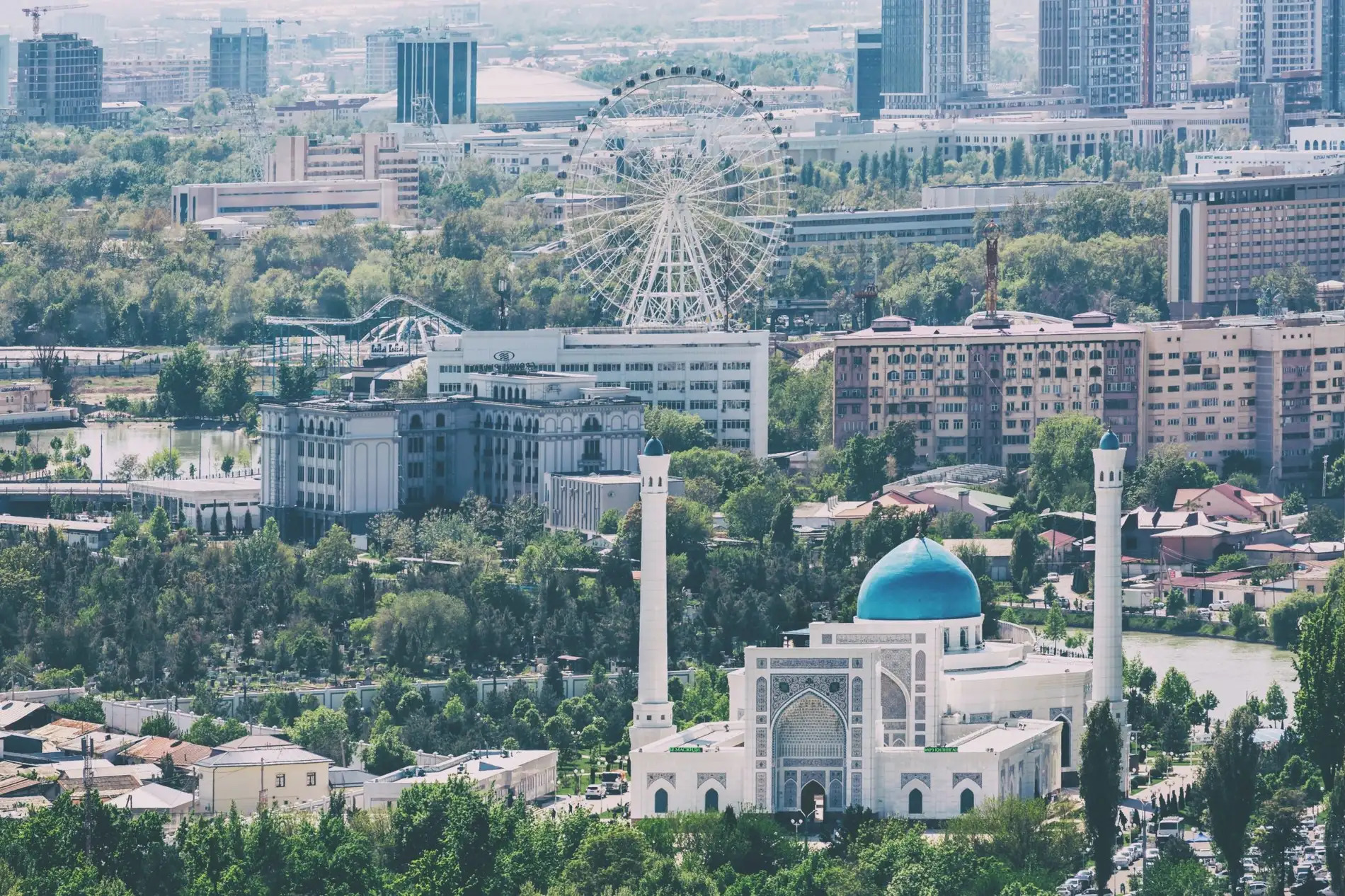
In 2026, Uzbekistan is maintaining strong growth of around 6.7%, driven by privatisation, infrastructure expansion, and industrial modernisation, part of one of the fastest post-Soviet economic reform trajectories in recent years.
- A multi-billion-dollar tech ambition
Uzbekistan is investing heavily in digital transformation through initiatives such as the IT Park Uzbekistan, a government-backed tech zone offering tax incentives for technology firms.
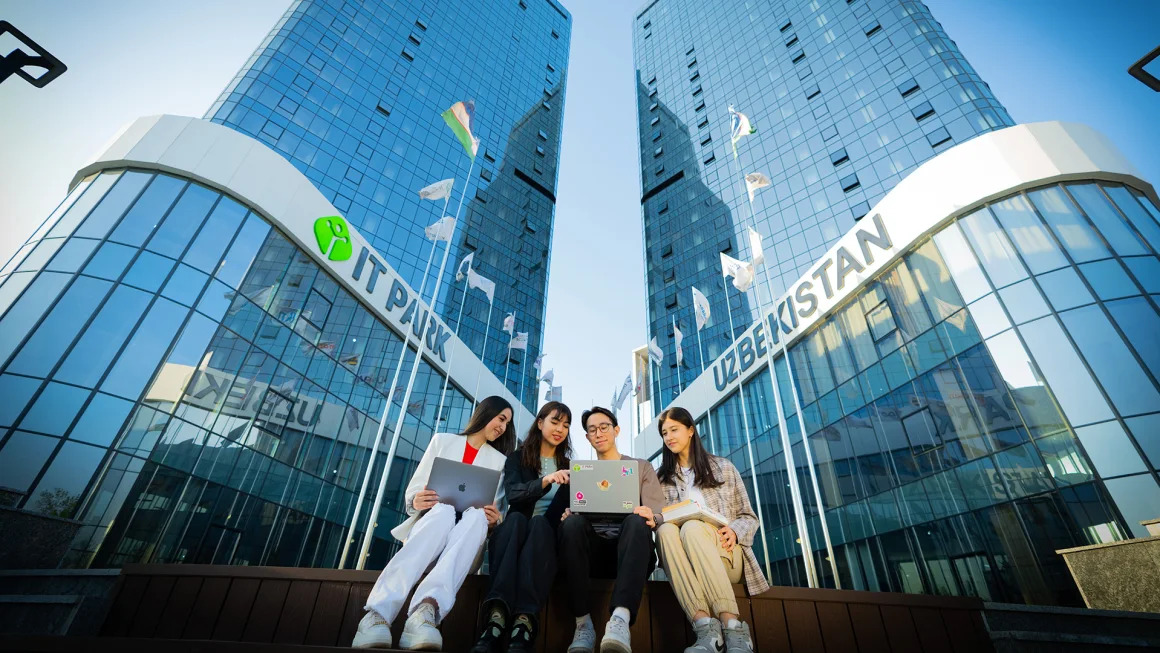
The country aims to reach $5 billion in IT exports by 2030, positioning itself as a regional digital hub. The model draws parallels with Rwanda’s innovation ecosystem, including Kigali Innovation City, creating potential for collaboration between African and Central Asian tech startups.
- Silk Road heritage meets modern infrastructure
Uzbekistan was a major centre of the ancient Silk Road, with cities such as Samarkand playing a key role in global trade and cultural exchange for over two millennia.
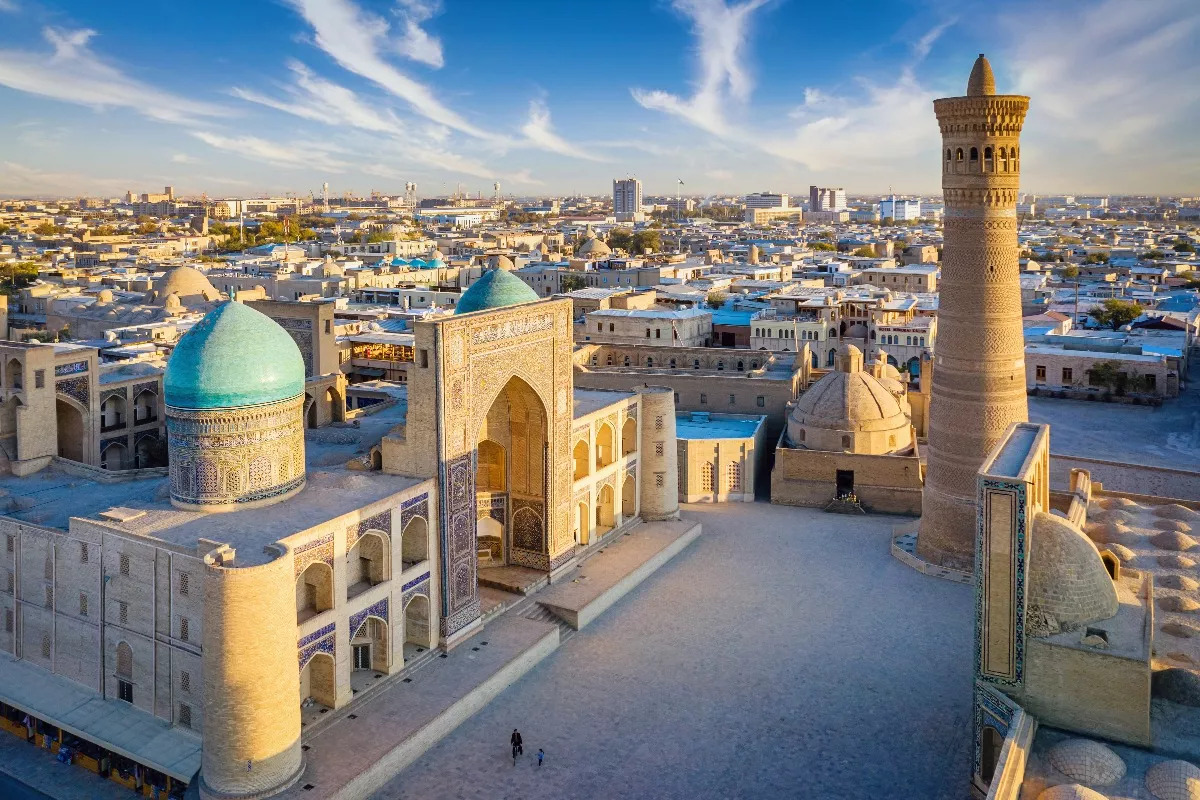
Today, this heritage coexists with modern infrastructure. The Afrosiyob high-speed rail network connects Samarkand, Bukhara, and Tashkent, linking UNESCO-listed historical cities with fast-growing urban centres and reflecting the country’s push to modernise connectivity.
- A mining and textile transformation economy
Uzbekistan is among the world’s leading gold producers, home to the Muruntau mine, one of the largest open-pit gold mines globally.
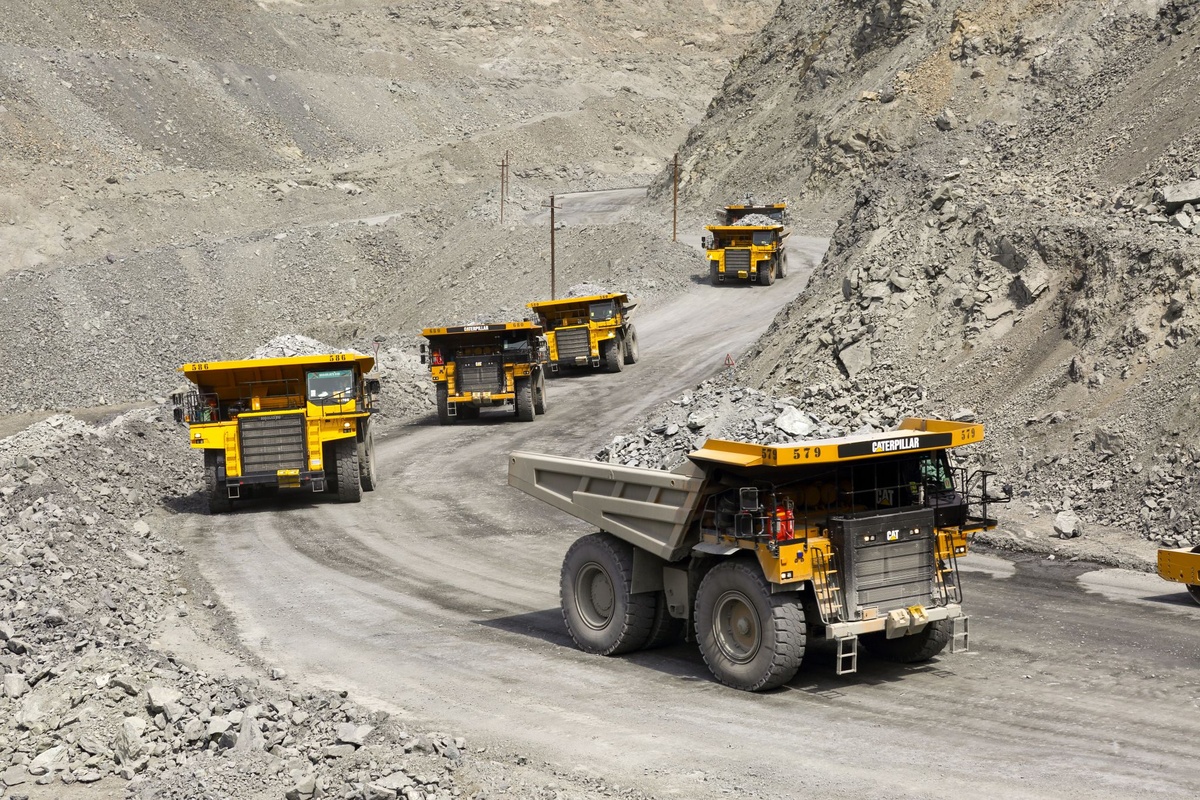
While natural resources remain central, the country is gradually shifting toward value addition, particularly in textiles. It has developed a growing manufacturing base for products such as Ikat and Suzani fabrics, reflecting a broader strategy to move from raw exports to industrial production.
- The Tashkent metro
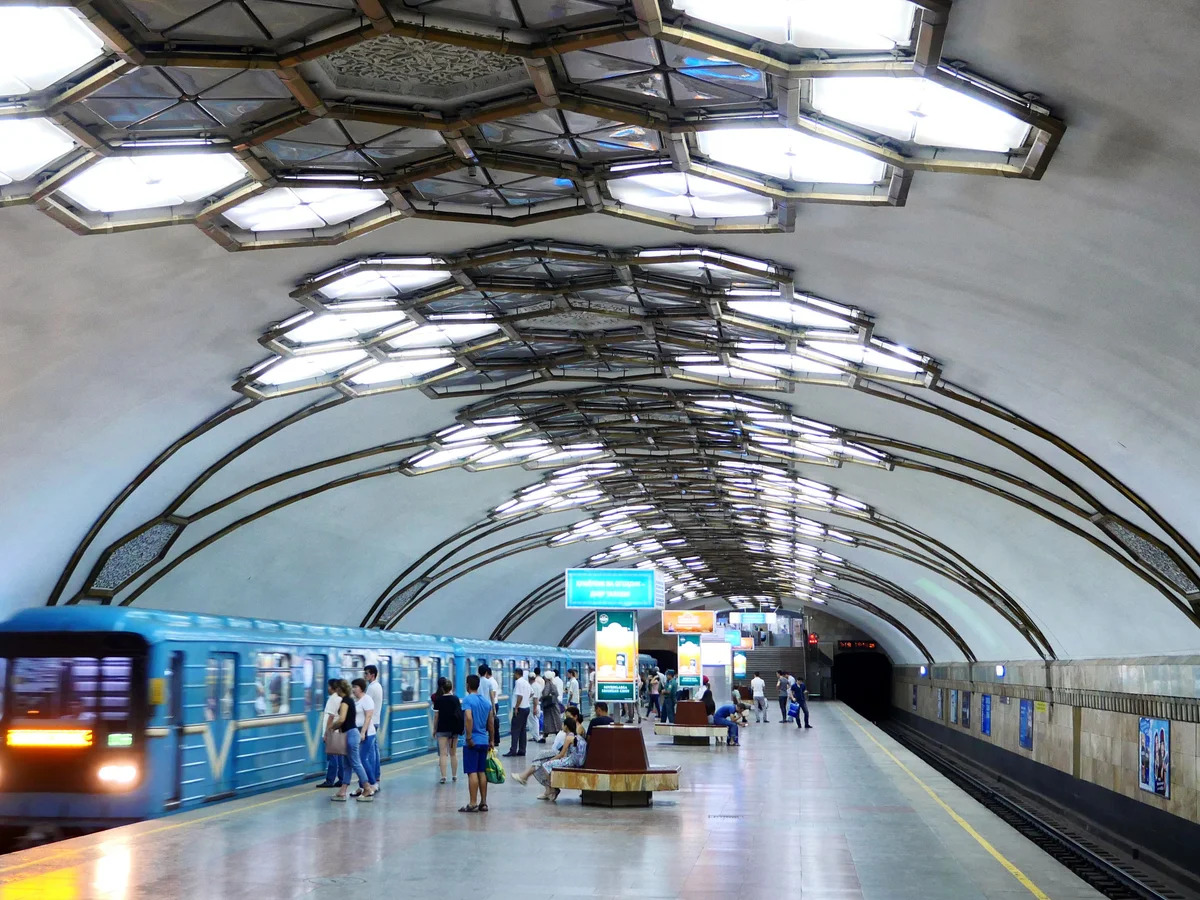
The capital, Tashkent, boasts a metro system that is widely considered a subterranean art gallery. Once a secret nuclear bunker where photography was banned, the stations now feature ornate marble, chandeliers, and murals. It serves as a reminder of how functional urban infrastructure can also be a point of national cultural pride.
- Increasingly accessible for international visitors
Uzbekistan has significantly liberalised its visa regime in recent years, introducing streamlined e-visa systems for many nationalities.
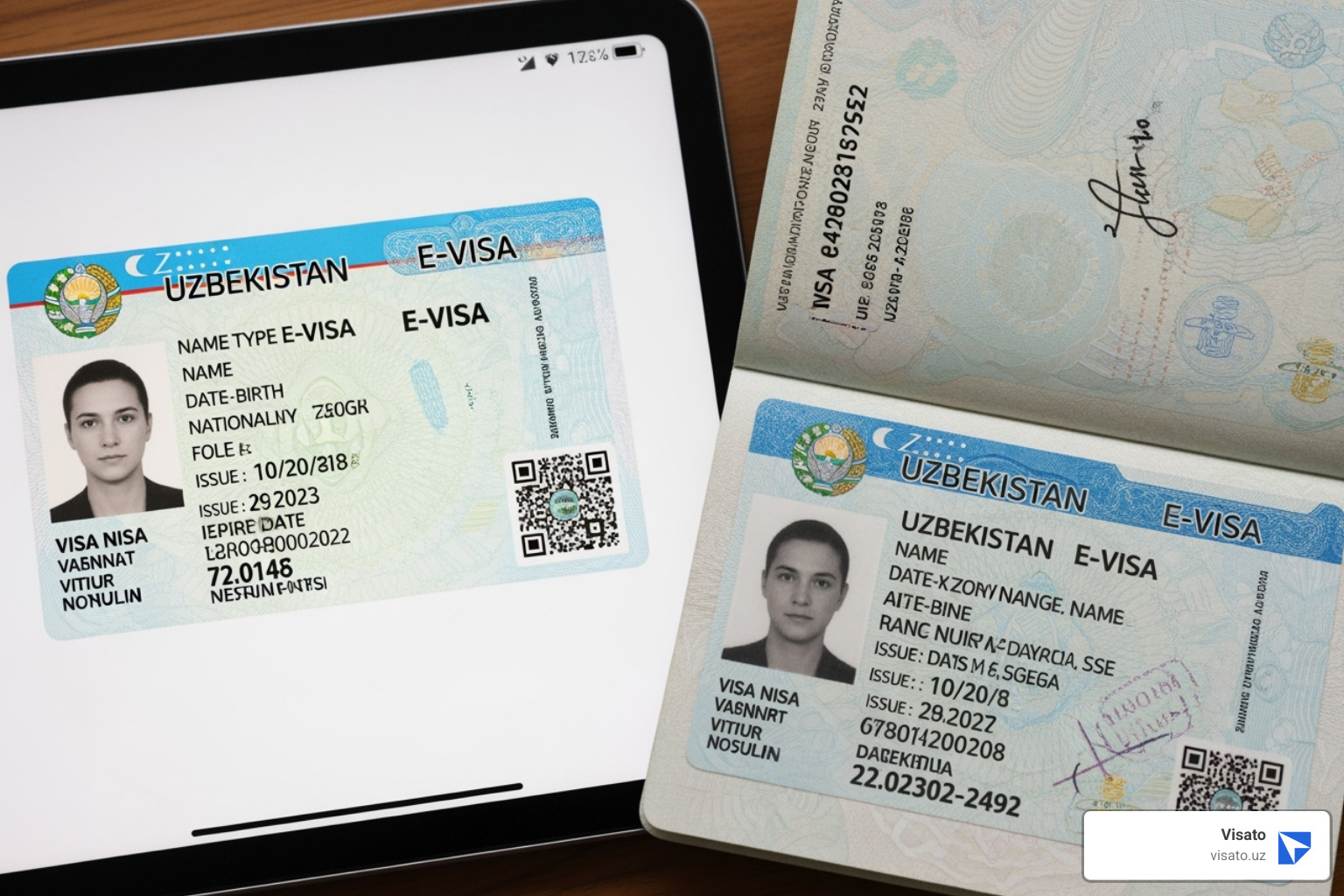
Visitors can typically obtain a 30-day stay permit online, reflecting the country’s broader efforts to open up to tourism, investment, and international exchange.
- A young and growing population
With a population of over 36 million people, Uzbekistan has a demographic structure similar to many African countries, with approximately 60% of its population under the age of 30.

This “youth bulge” is shaping national priorities around education, skills development, and vocational training. International universities, including partnerships with institutions from the UK and Singapore, have established campuses in Tashkent to support workforce development.
- A hub for “Halal Tourism”
Uzbekistan is increasingly positioning itself as a destination for cultural and Halal tourism, leveraging its Islamic architectural heritage and historic Silk Road cities.
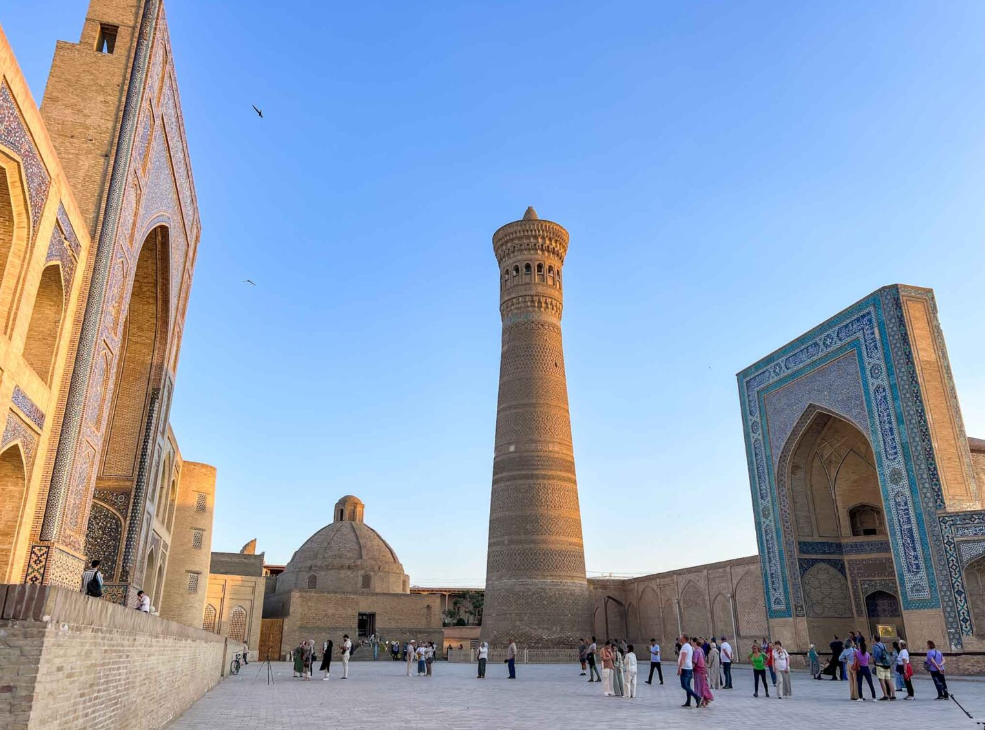
Destinations such as Bukhara and Samarkand are attracting growing international attention, combining historical preservation with modern hospitality infrastructure.
- Shared environmental advocacy
Uzbekistan faces significant environmental challenges, most notably the shrinking of the Aral Sea, one of the world’s most severe ecological crises.
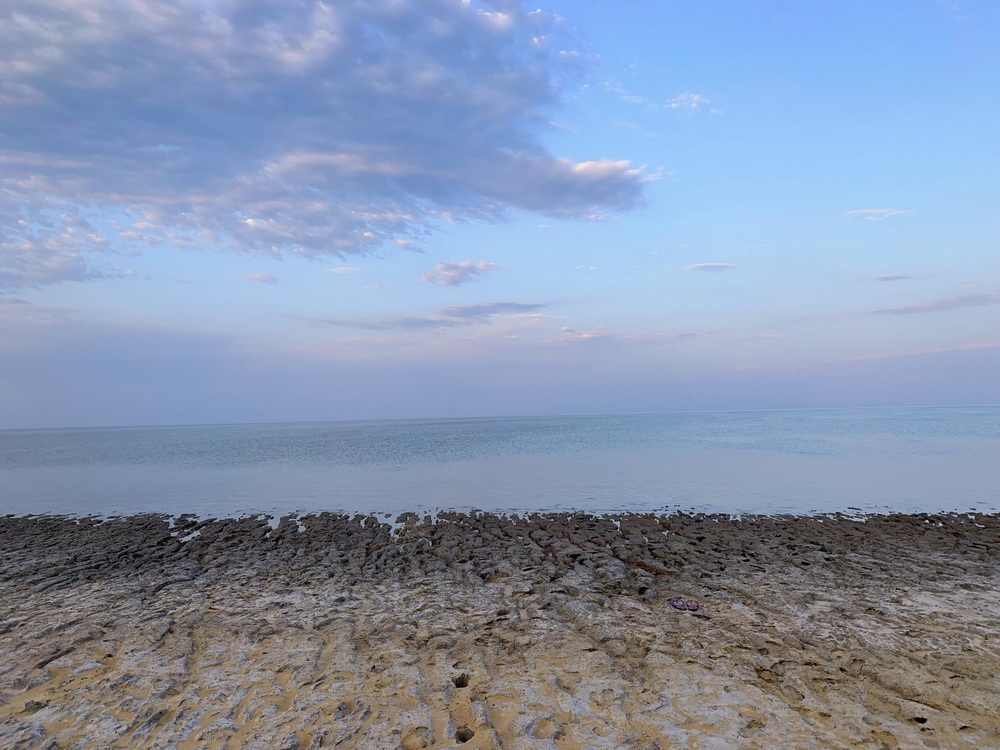
This experience has driven national focus on water management, climate adaptation, and sustainable irrigation. These priorities align with Rwanda’s own environmental conservation agenda, particularly in wetland protection and ecosystem restoration, creating potential for future collaboration in climate resilience research.
As Rwanda and Uzbekistan formalise diplomatic relations, both countries are positioning themselves for expanded cooperation in trade, technology, education, and environmental sustainability. Despite being geographically distant, they share striking similarities in reform-driven development, youthful populations, and ambitions for global integration, laying the foundation for a potentially dynamic new partnership.
Leave a Reply