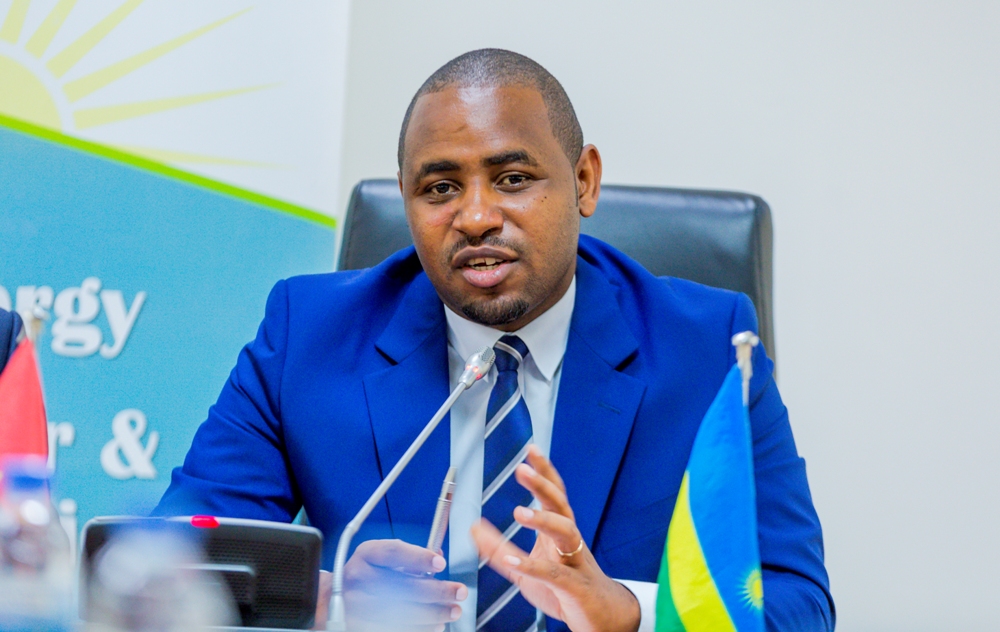
The State Minister for Infrastructure, Jean de Dieu Uwihanganye, made the appeal following a recent increase in petrol prices, emphasizing that public transport fares will remain unchanged since diesel, widely used in public transport, has not increased in price.
On April 16, 2026, Rwanda Utilities Regulatory Authority (RURA) announced that the price of petrol had risen from Rwf 2,303 to Rwf 2,938 per litre, an increase of Rwf 635. The new prices took effect on the morning of April 17, 2026. Meanwhile, the price of diesel remained unchanged at Rwf 2,205 per litre.
Speaking to Radio Rwanda, Uwihanganye attributed the rise in petrol prices to ongoing conflict in the Middle East, particularly involving Iran, the United States, and Israel—regions that are key sources and transit routes for petroleum products imported into Rwanda.
“We are in an extraordinary situation caused by the war involving Iran, the United States, and Israel in a region that supplies petroleum products. Supply has decreased, pushing prices up by nearly 20%,” he said, noting that global price fluctuations remain unpredictable as the conflict continues.
Despite the increase in petrol prices, the minister stressed that public transport fares will not be revised upward, since diesel prices have remained stable. He explained that this is part of government measures to cushion citizens from the full impact of global fuel price shocks.
“The price of public transport will not change because diesel, which is mainly used in public transport, has not increased,” he said.
Uwihanganye added that the cost of goods is also not expected to rise significantly, as diesel—commonly used in the transportation of goods—has remained stable.
However, he cautioned that price adjustments may continue depending on how the conflict evolves, noting that the government will keep balancing necessary changes with the welfare of citizens.
He explained that the government’s priority is to ensure a steady supply of petroleum products in the country, even as rising global prices require additional financial resources to maintain supply—costs that are partly passed on to consumers.
Sufficient fuel reserves
Addressing concerns about fuel availability, Uwihanganye reassured the public that Rwanda still has adequate reserves of both petrol and diesel.
“There are minimum stock levels that fuel traders are required to maintain, and these are still in place. In addition, the country has strategic reserves that can be used in case of disruptions,” he said.
He noted that Rwanda relies entirely on international markets for petroleum products, meaning supply chains can take time, which makes maintaining reserves essential.
However, he warned that despite the current stability in reserves, Rwanda is not immune to shortages, as seen in some countries affected by the ongoing conflict.
Call for responsible consumption
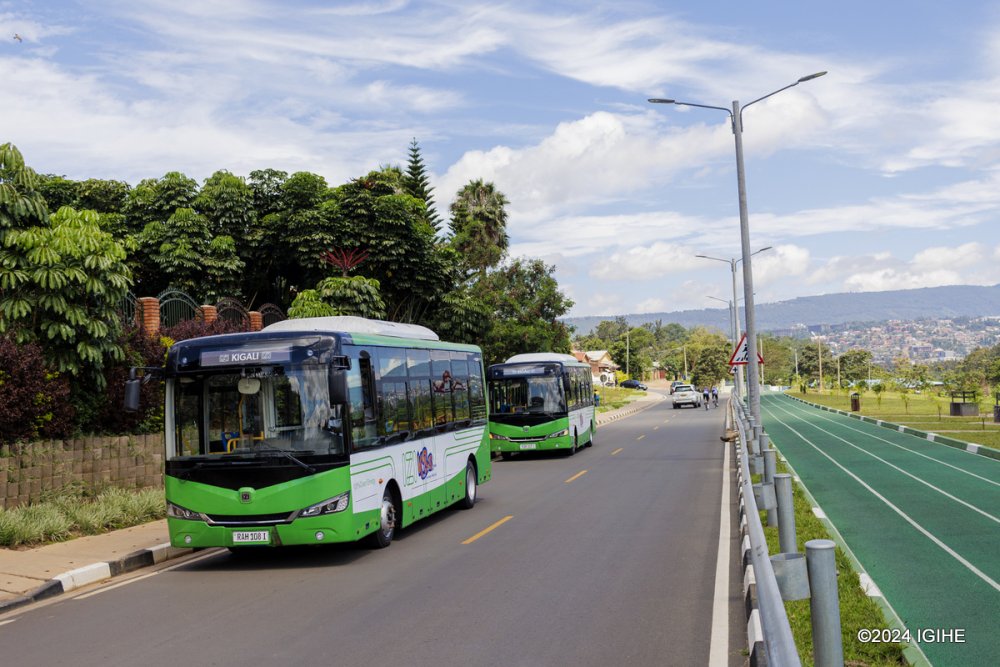
In light of the situation, the minister urged citizens to reduce non-essential travel and prioritize public transport such as buses instead of using private cars. He also encouraged households to use petroleum-based energy responsibly.
On the issue of subsidies, Uwihanganye said the government is already providing support, noting that without intervention, fuel prices—especially petrol—would be significantly higher based on international market trends.
“Current prices already reflect government efforts, including subsidies and support to fuel importers. Diesel has remained stable partly due to these measures,” he explained.
He also warned traders against exploiting the situation by unjustifiably increasing the prices of goods, stressing that the rise in petrol prices should not disrupt market stability.
Long-term measures
Looking ahead, Uwihanganye said the government is continuing efforts to secure fuel supply routes and maintain reserves, even as delays in deliveries have started to emerge due to the conflict.
He also encouraged Rwandans to consider adopting electric vehicles as a long-term solution to reduce dependence on petroleum products.
In the meantime, citizens have been advised to expect broader price increases due to the global situation, avoid unnecessary spending, and rely on government measures aimed at protecting livelihoods.
Leave a Reply