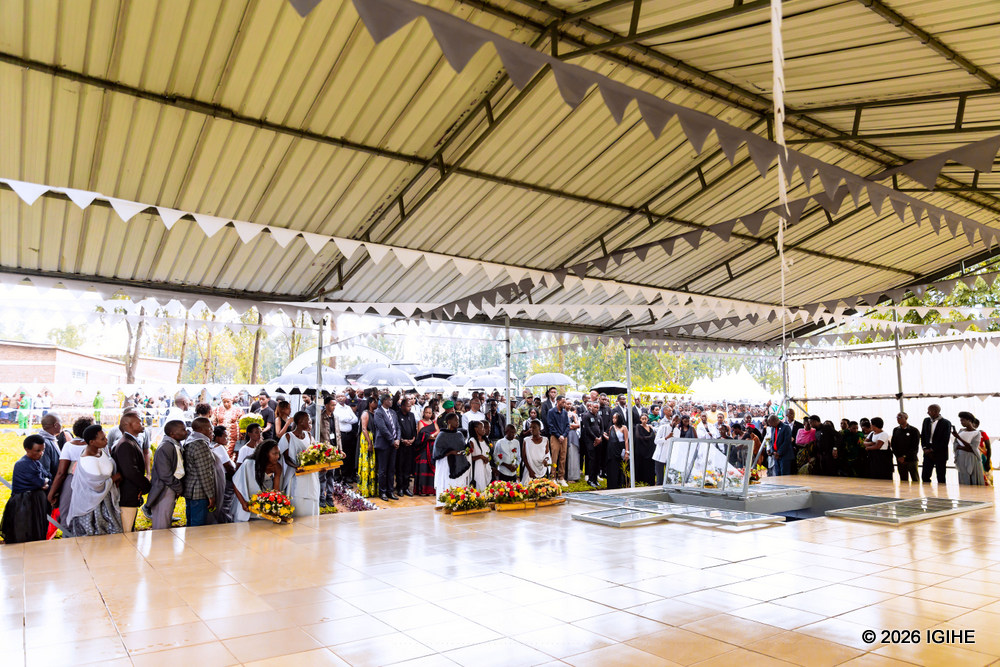
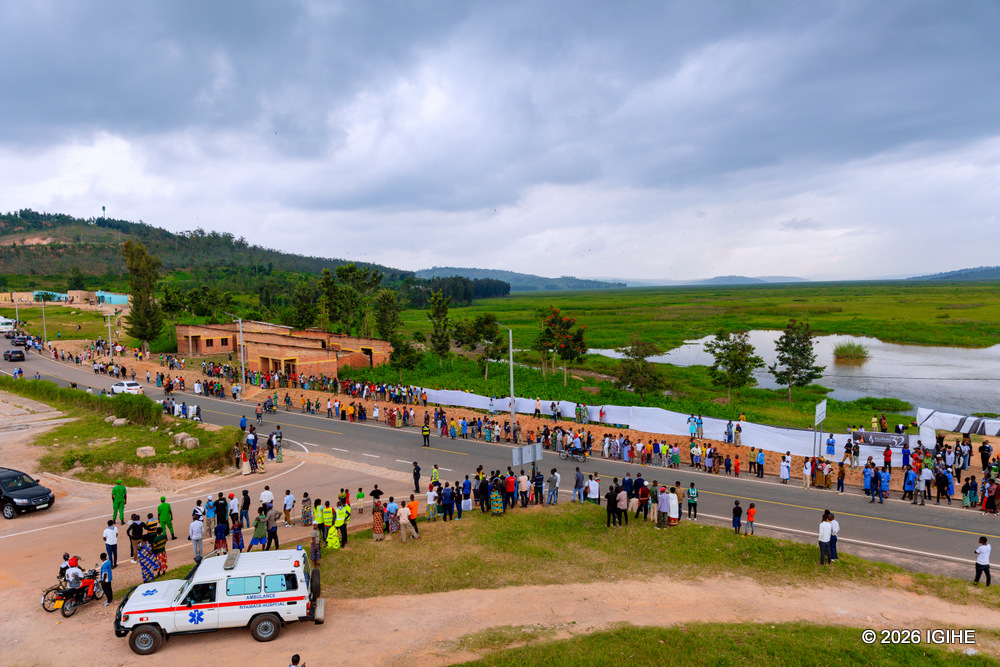
The commemoration ceremony took place at the Ruhuha Genocide Memorial. It was preceded by a wreath-laying ceremony at the Akanyaru River, followed by a moment of silence in honour of Tutsi victims who were thrown into the river and the Rwabusoro swamp.
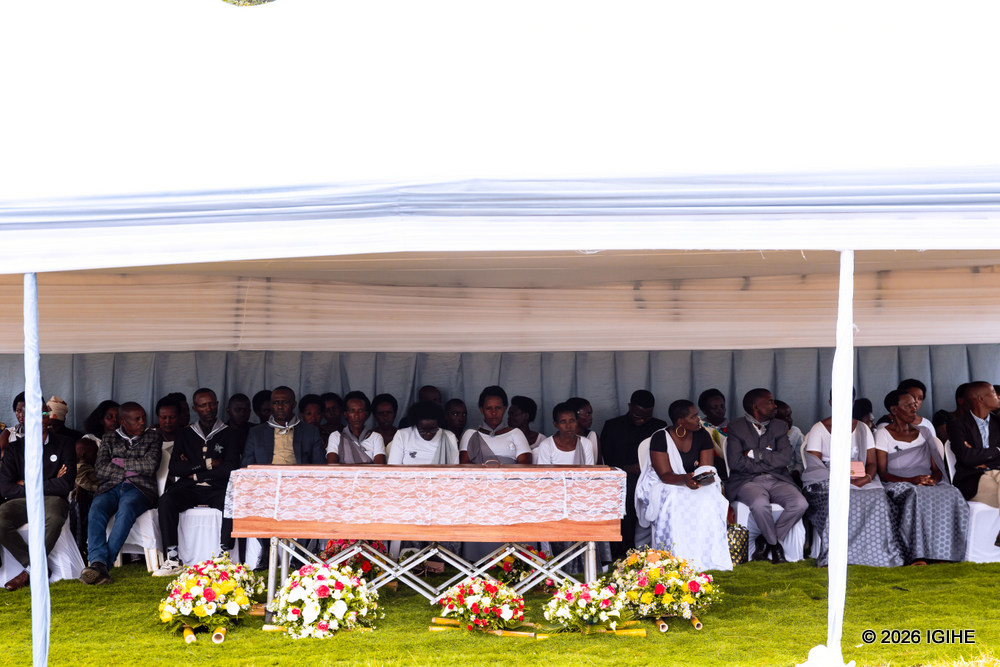
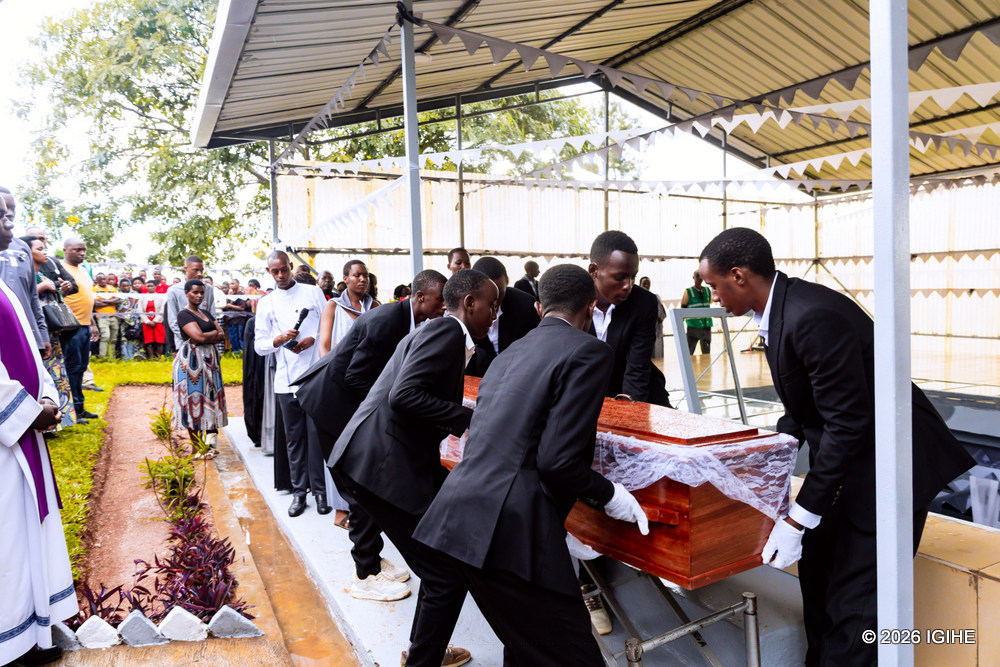
The remains laid to rest belong to a mother and three siblings of Mukasine Speciose. They were exhumed in Nyarugenge Sector from a farm owned by a resident who had purchased the land from a Genocide perpetrator who fled the country.
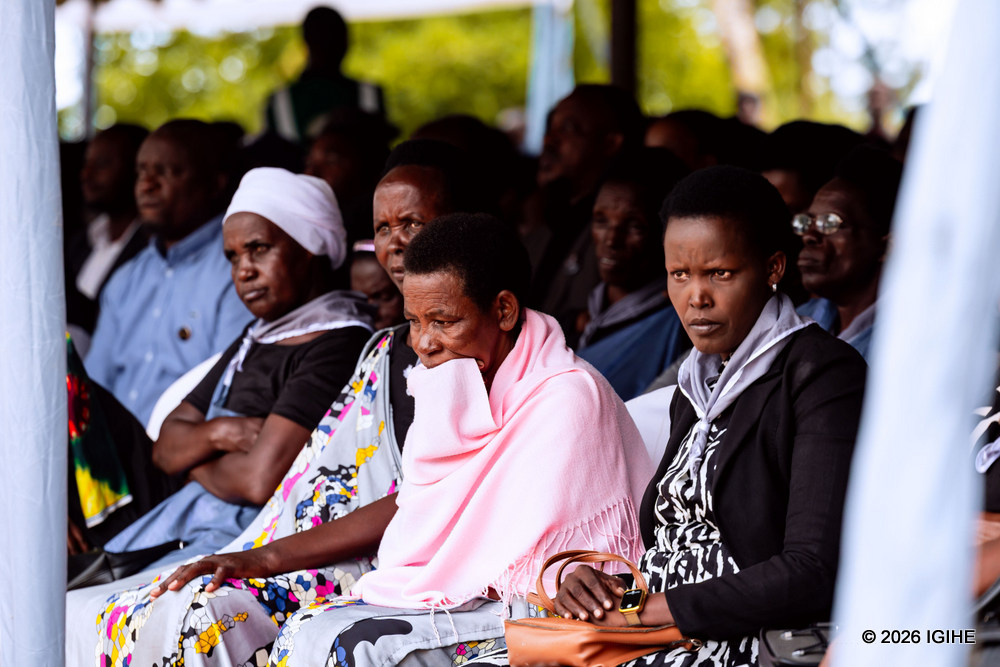
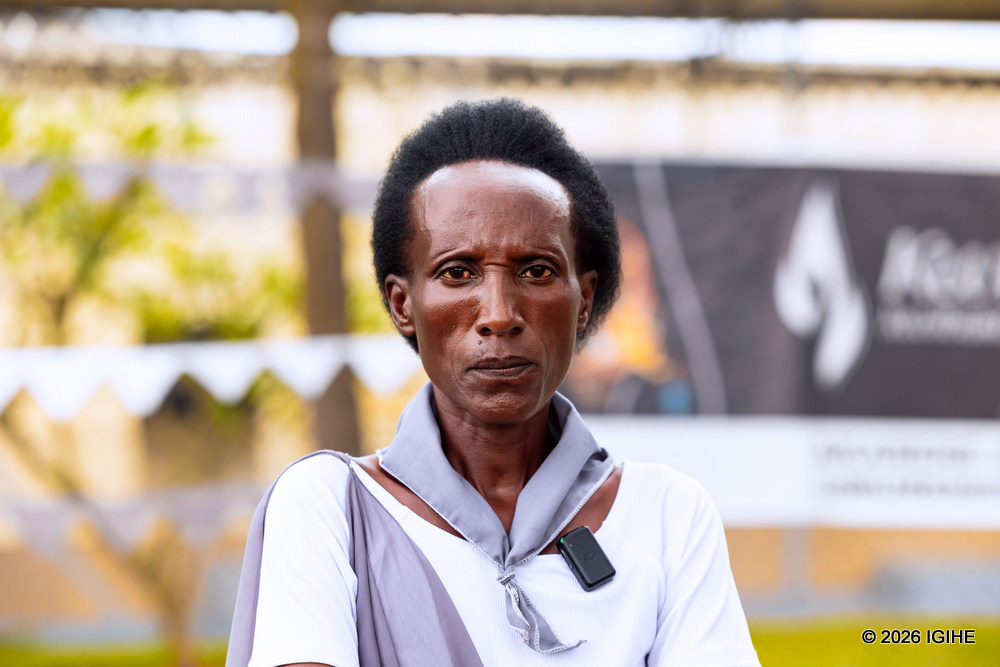
Speaking during the ceremony, Mukasine said the discovery of her relatives’ remains brought her long-awaited relief, after years of anguish caused by not knowing their whereabouts or being able to bury them with dignity.
“It had left me with deep emotional wounds to the extent that I never joined IBUKA associations. I would think about how others commemorate their loved ones because they were able to bury them, while I did not know where mine were and sometimes wondered if they might still be alive. When I was informed that my relatives had been found, I thanked God and felt a sense of peace in my heart,” she said.
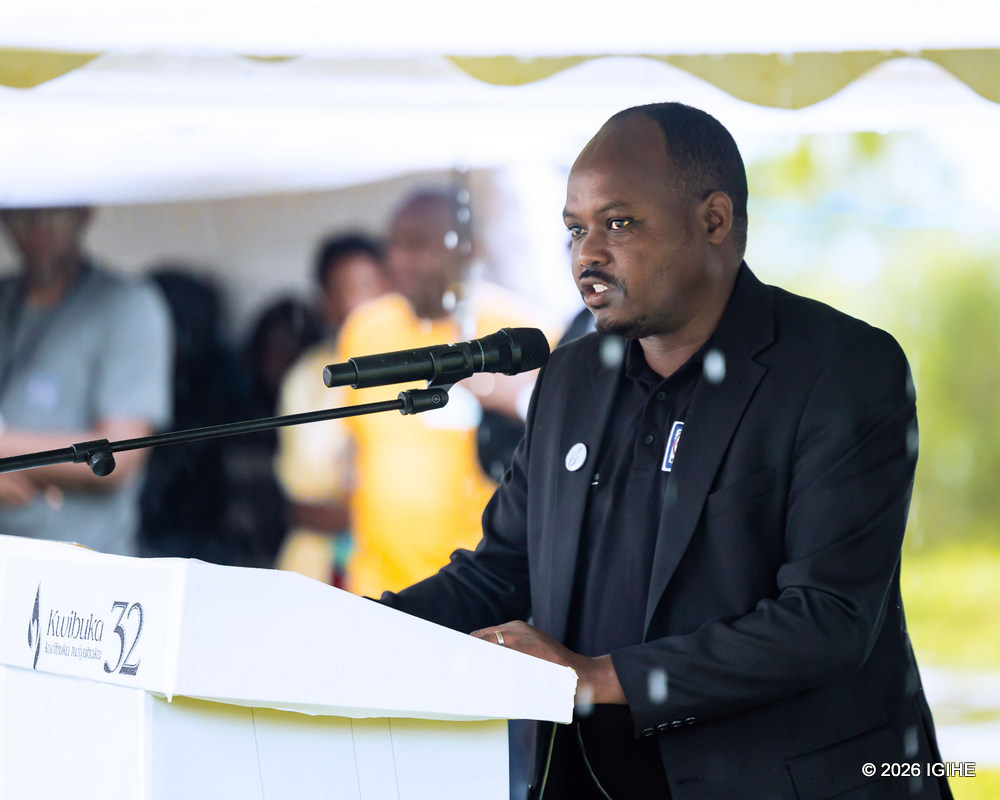
The Mayor of Bugesera District, Richard Mutabazi, said the act of dumping victims into water bodies underscores the extreme cruelty with which the Genocide was carried out.
“These waters, once a source of life, were turned into instruments of death. At the same time, they remain silent witnesses to the atrocities committed against those killed during the Genocide against the Tutsi,” he said.
Mutabazi added that the continued discovery and burial of victims more than three decades later, despite perpetrators knowing where bodies were disposed of, continues to reopen wounds for survivors who have made significant strides in rebuilding their lives.
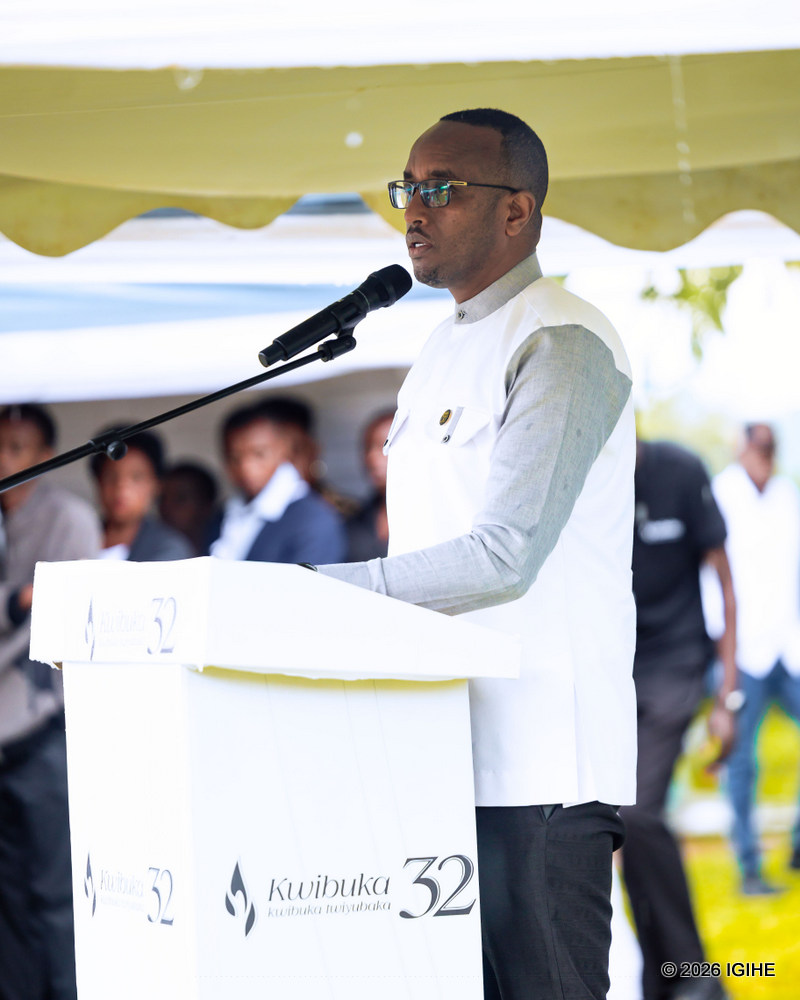
Jean Claude Rugero, the Coordinator of Dukundane Family, called for the installation of memorial markers at rivers and wetlands where many victims were killed, to support remembrance and preserve historical memory.
“We have worked with local authorities to establish memorial markers in several locations, including Cyome in Ngororero, Kirinda in Karongi, along the Akanyaru River in Nyaruguru, on the Nyabarongo in Nyarugenge, and at the confluence of the Nyabarongo and Akagera rivers. We are requesting that a similar marker be installed here so that residents can also have a place to remember,” he said.
In recent weeks, Bugesera District has also witnessed the dignified burial of 52 other Genocide victims, as the recovery of remains continues to bring long-awaited closure to bereaved families across the district.
Leave a Reply