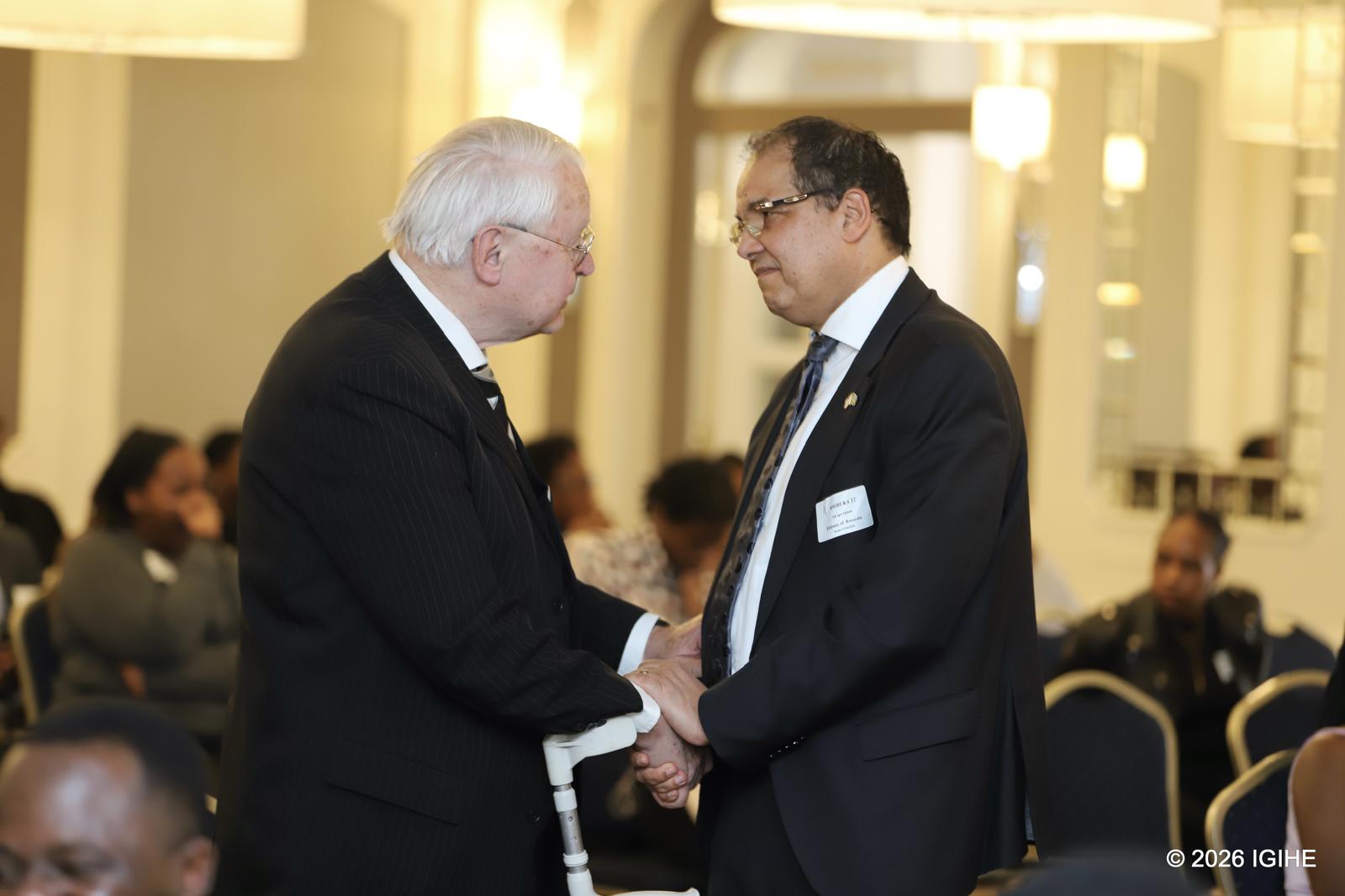
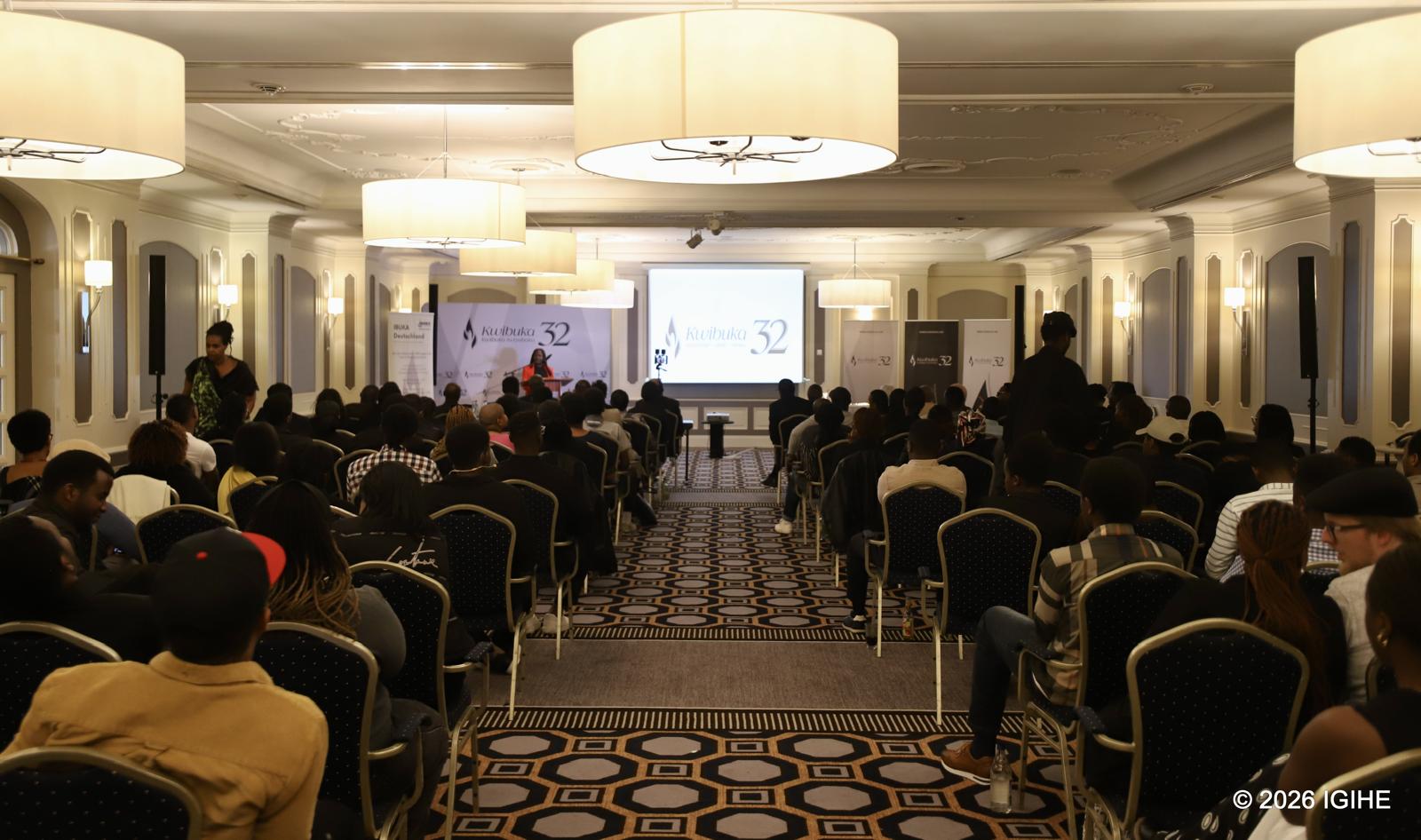
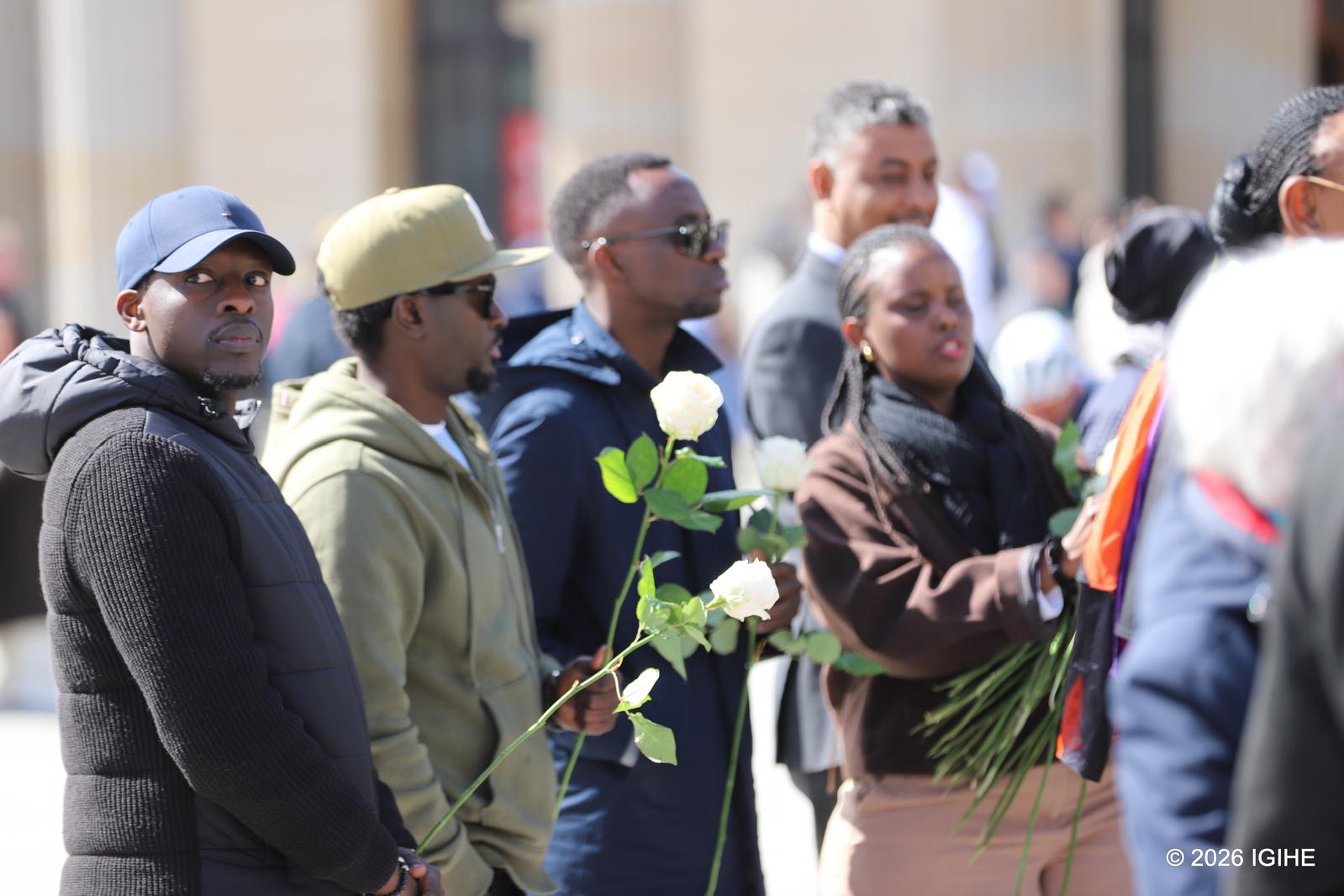
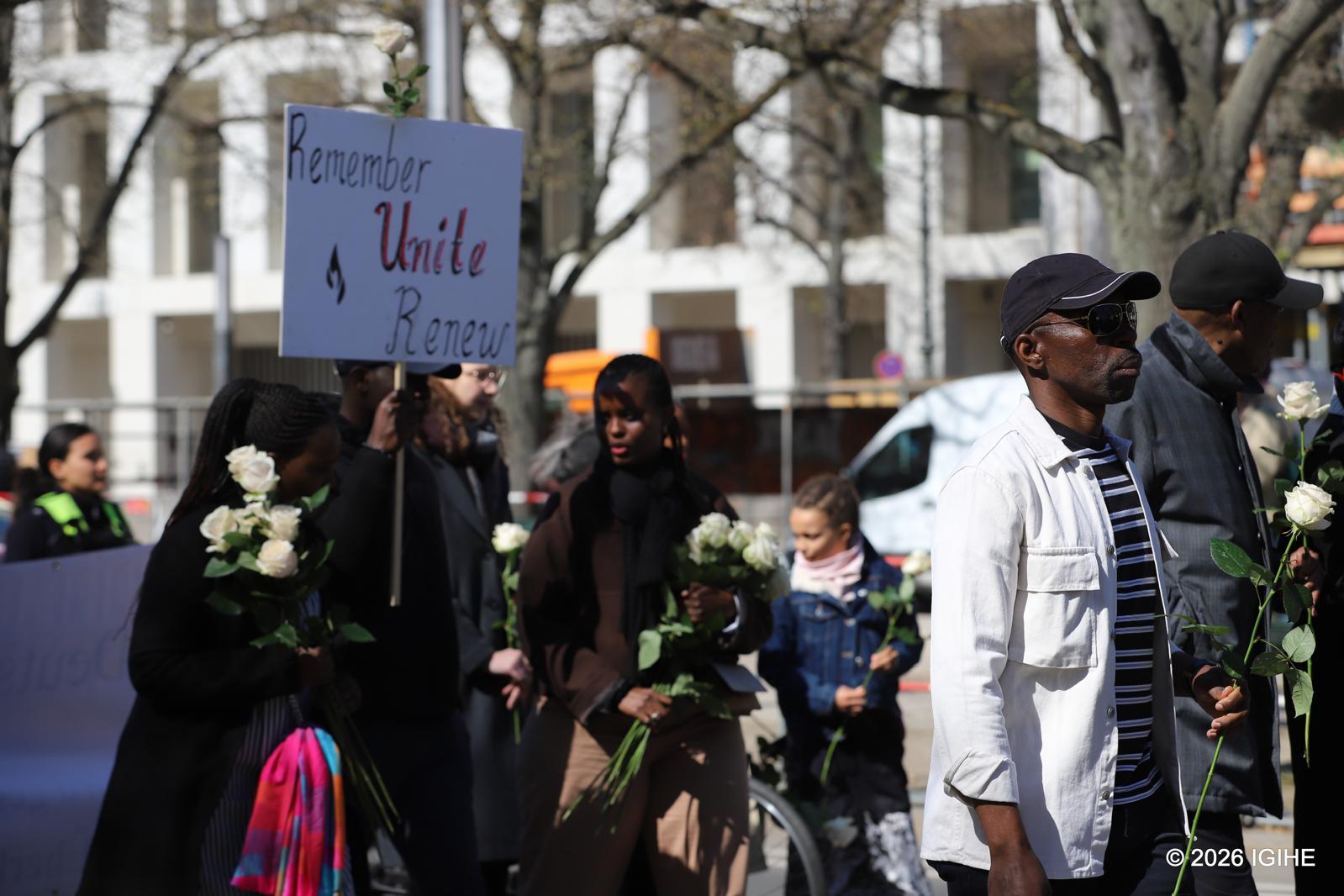
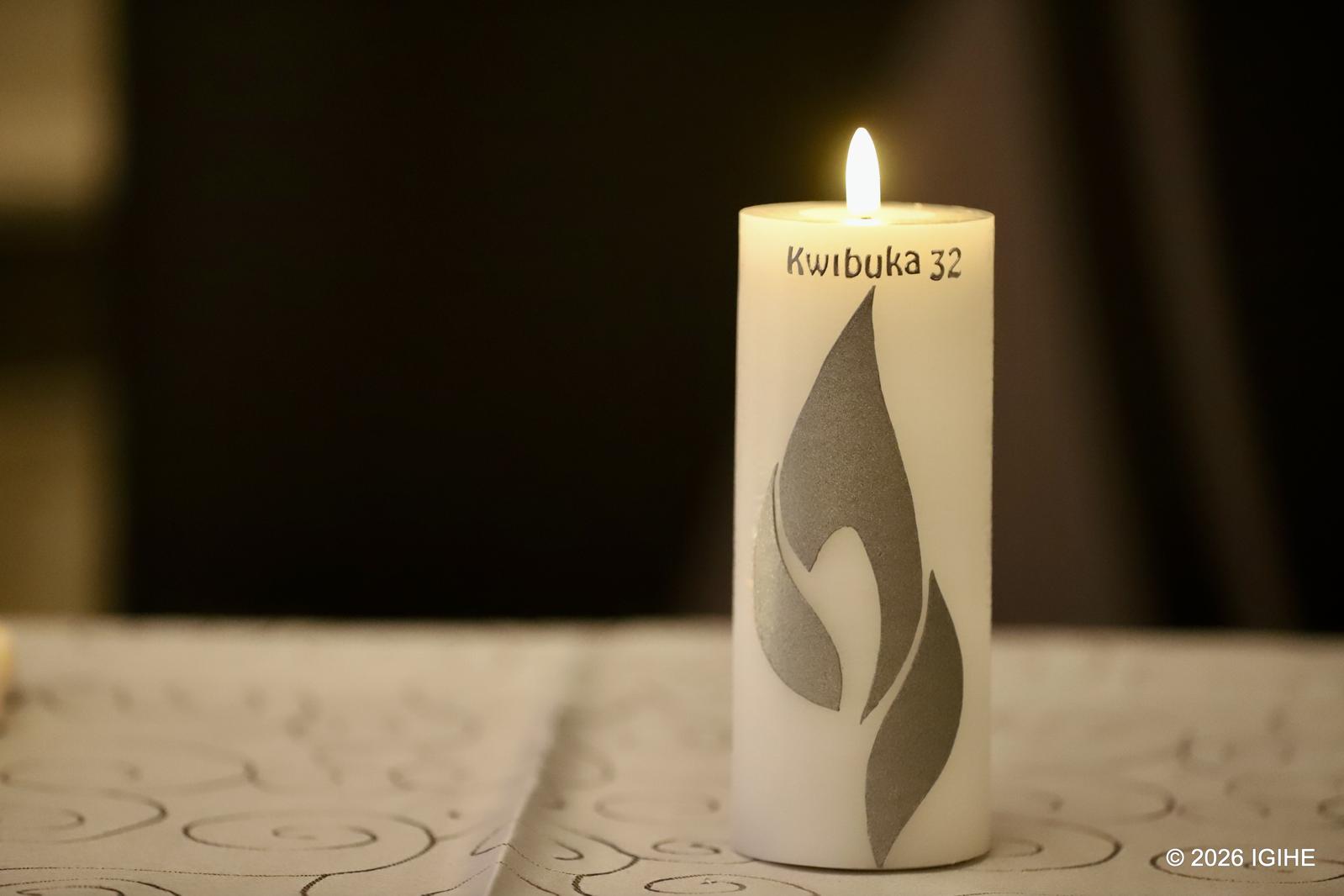
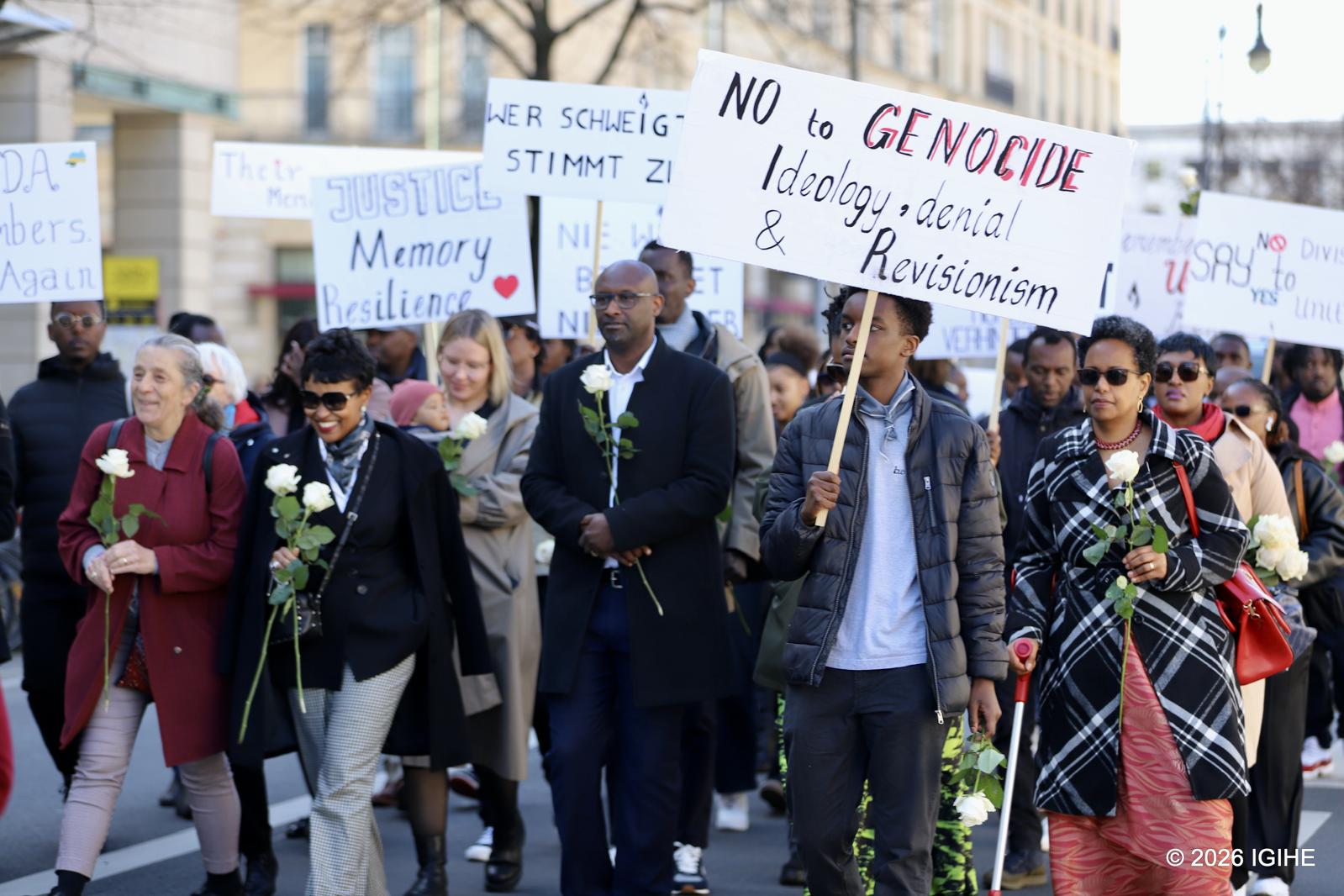
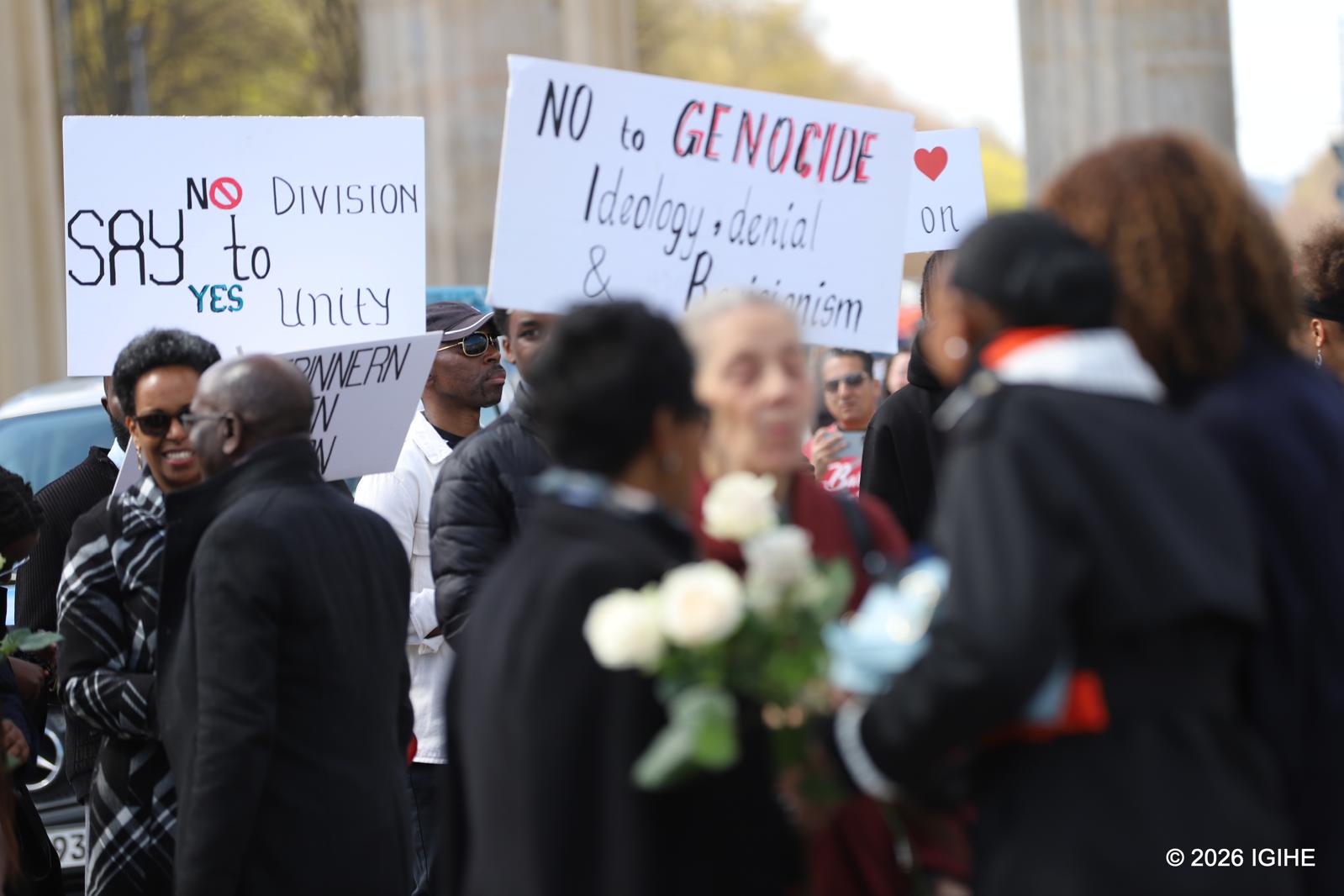
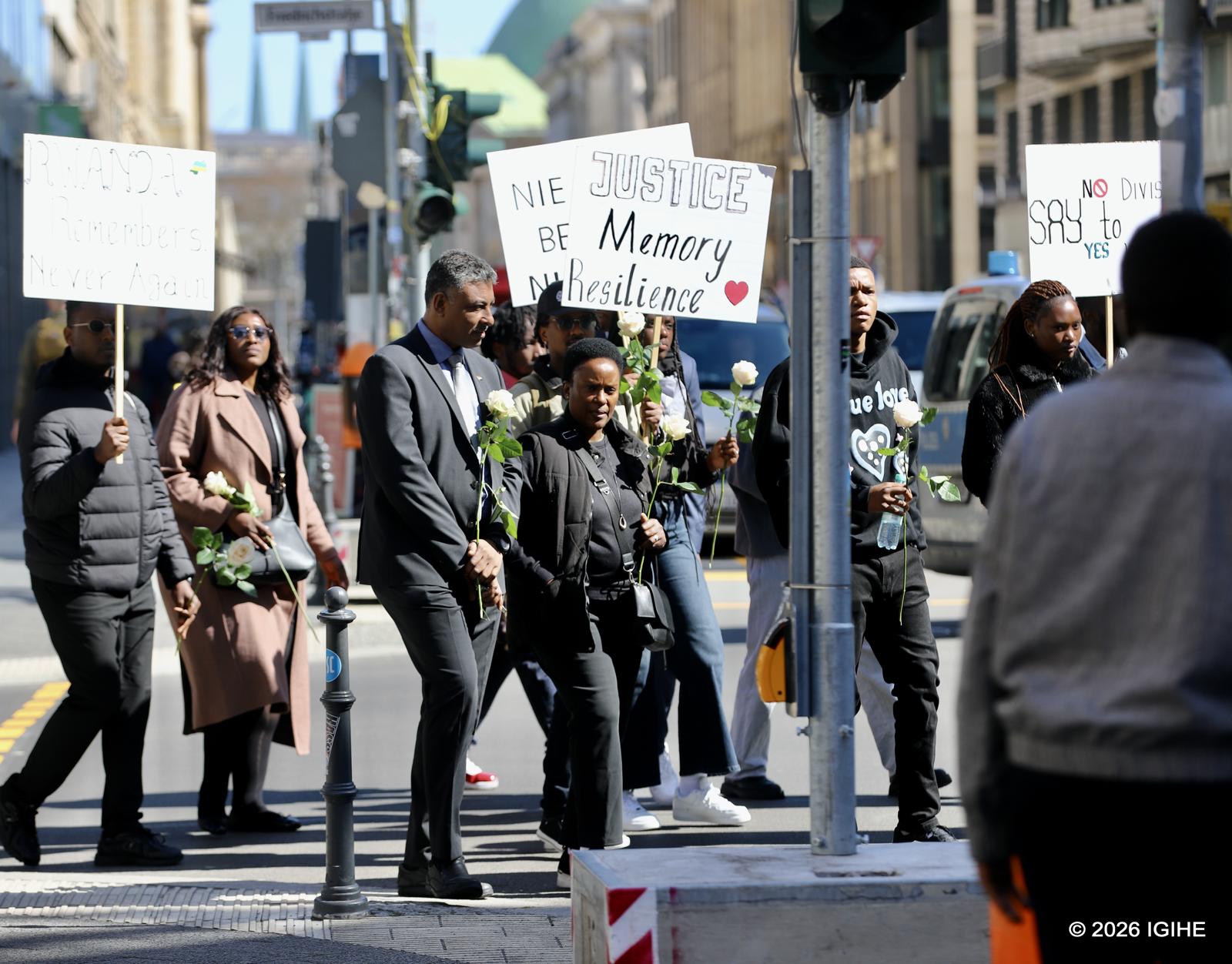
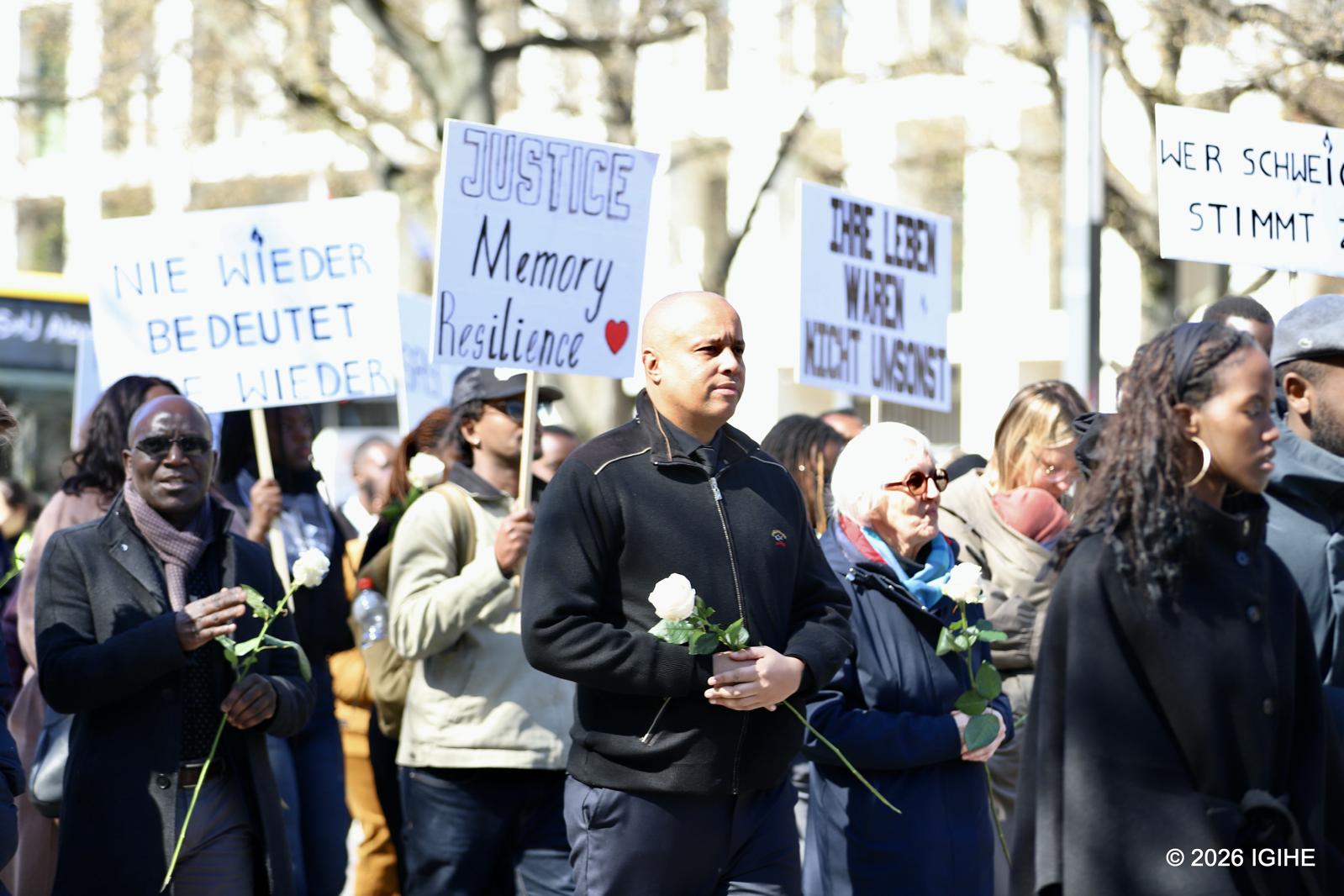
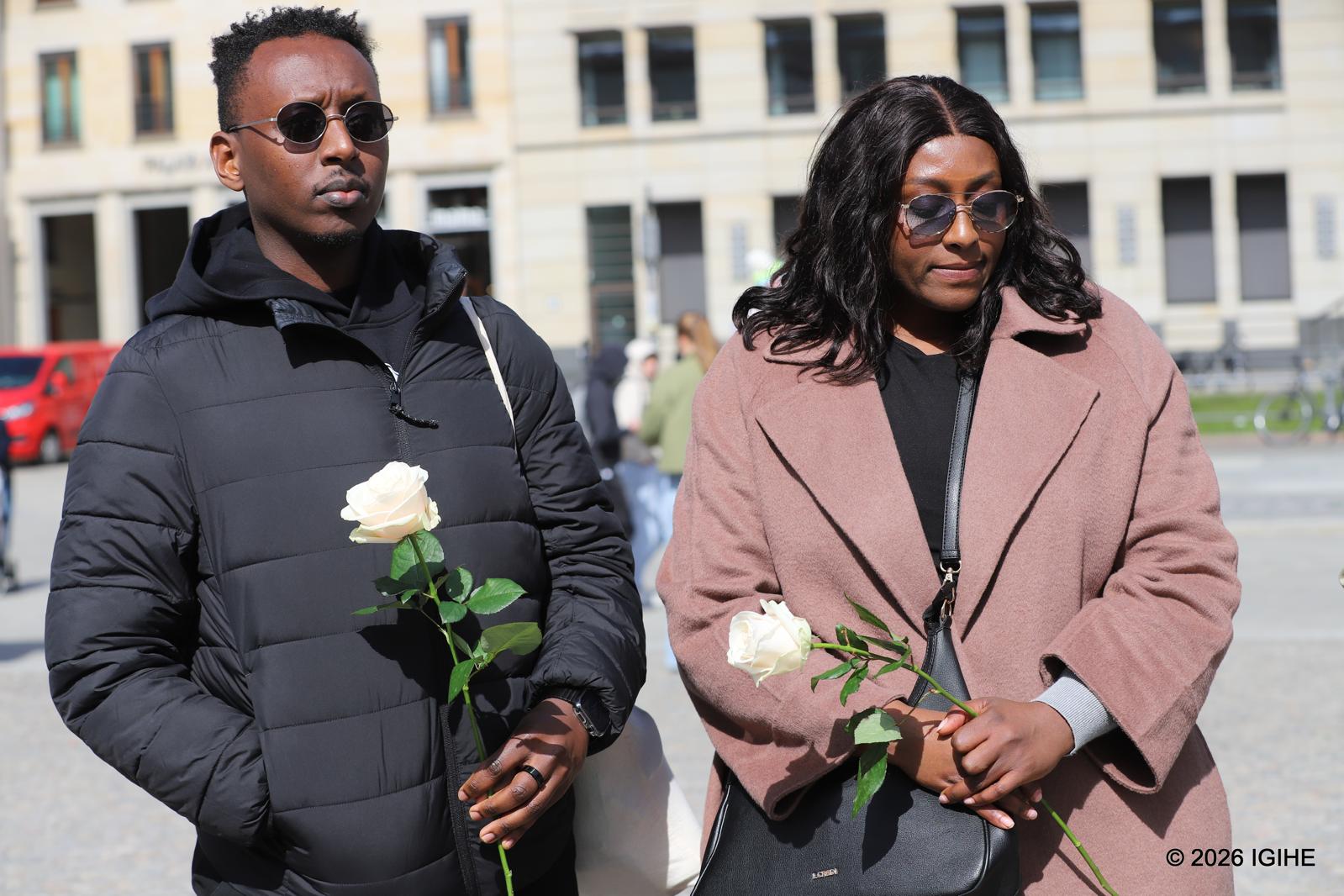
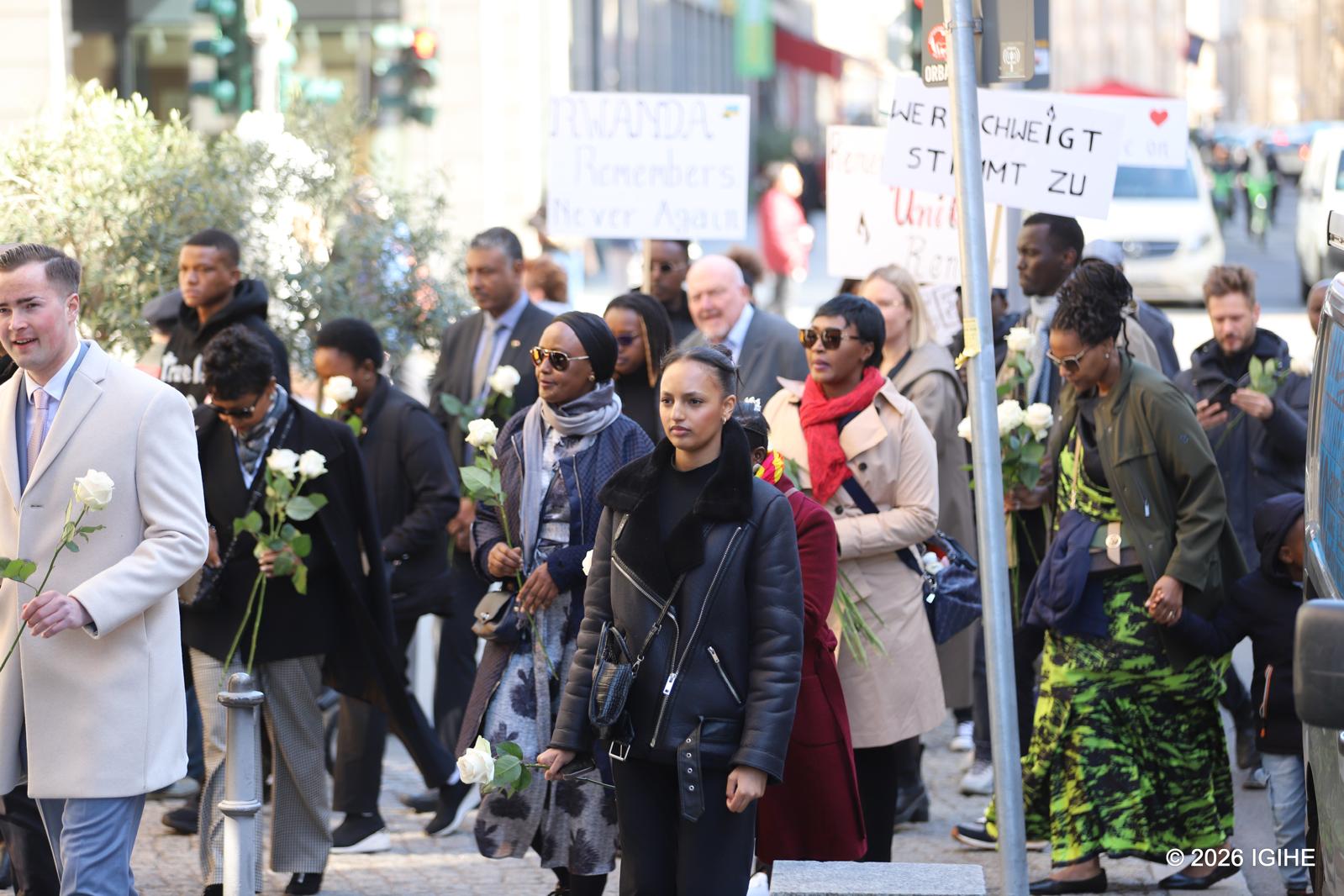
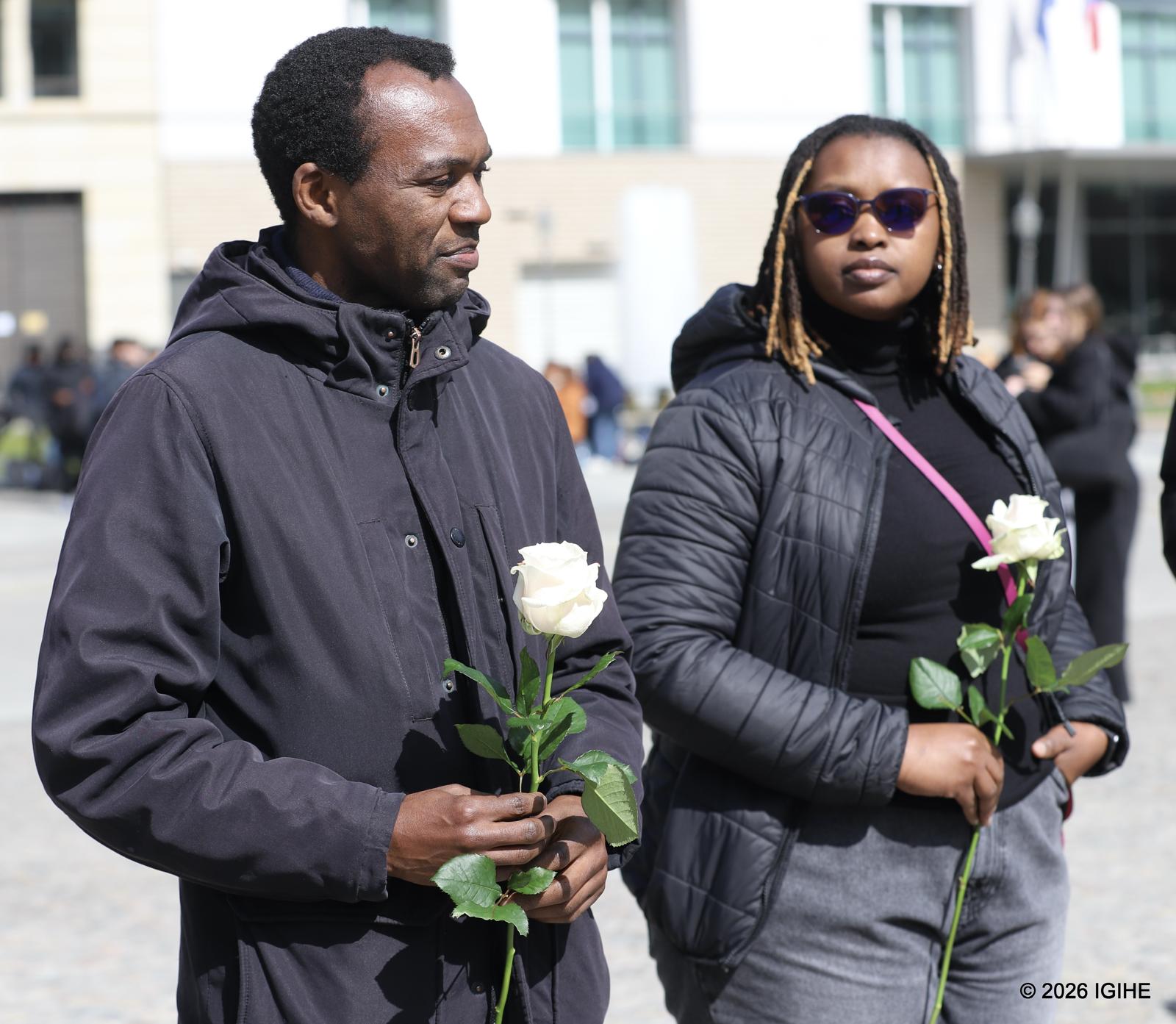
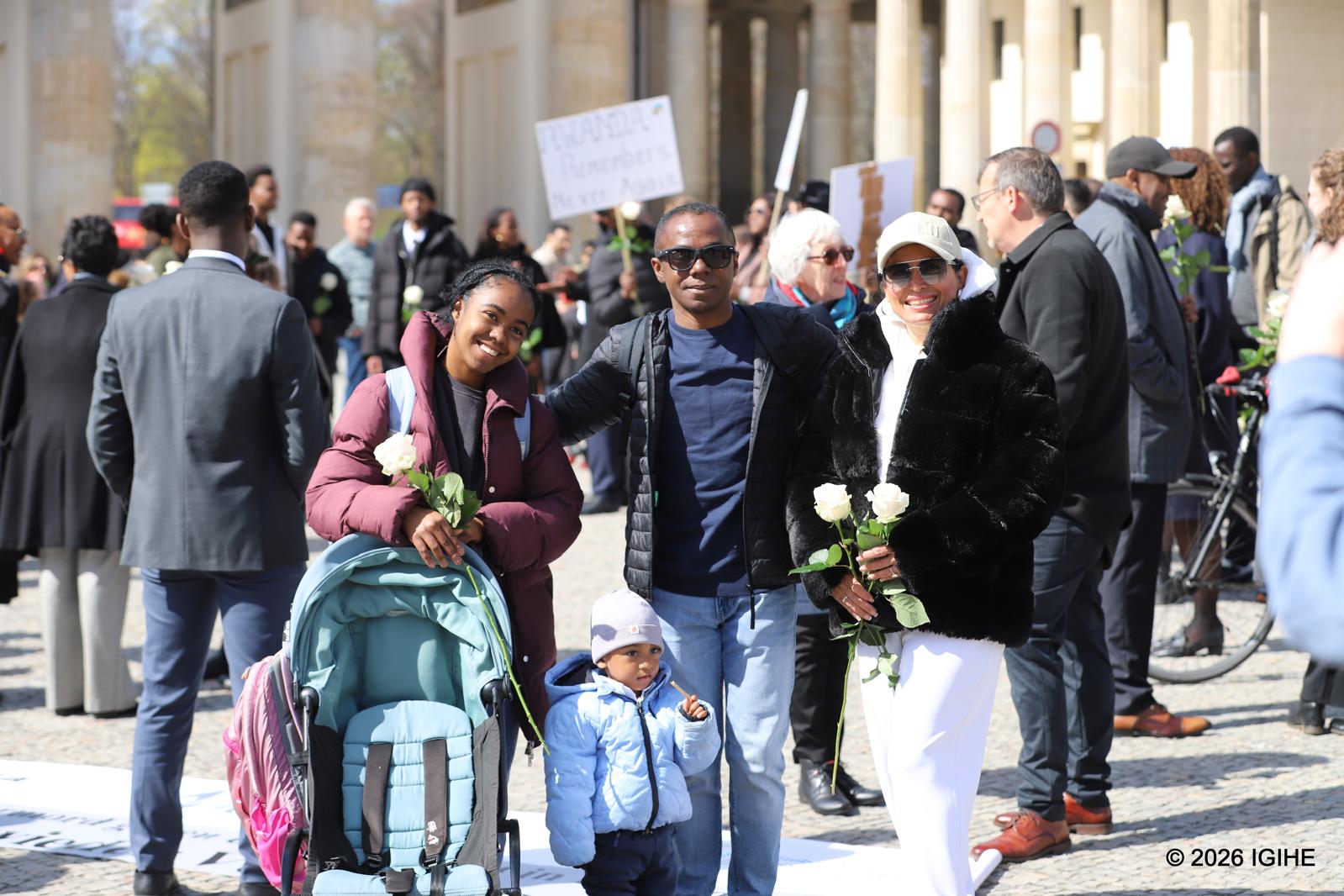
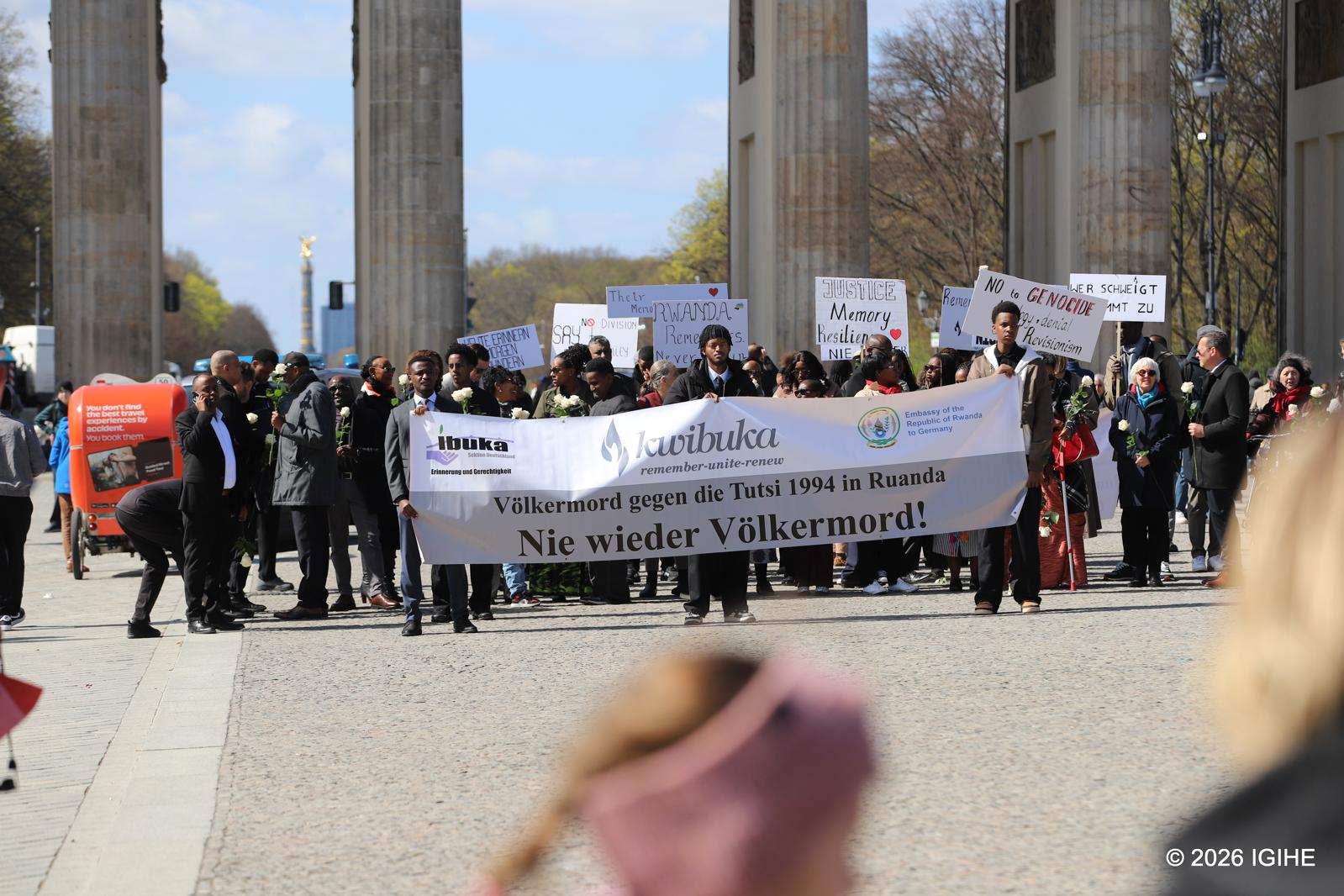
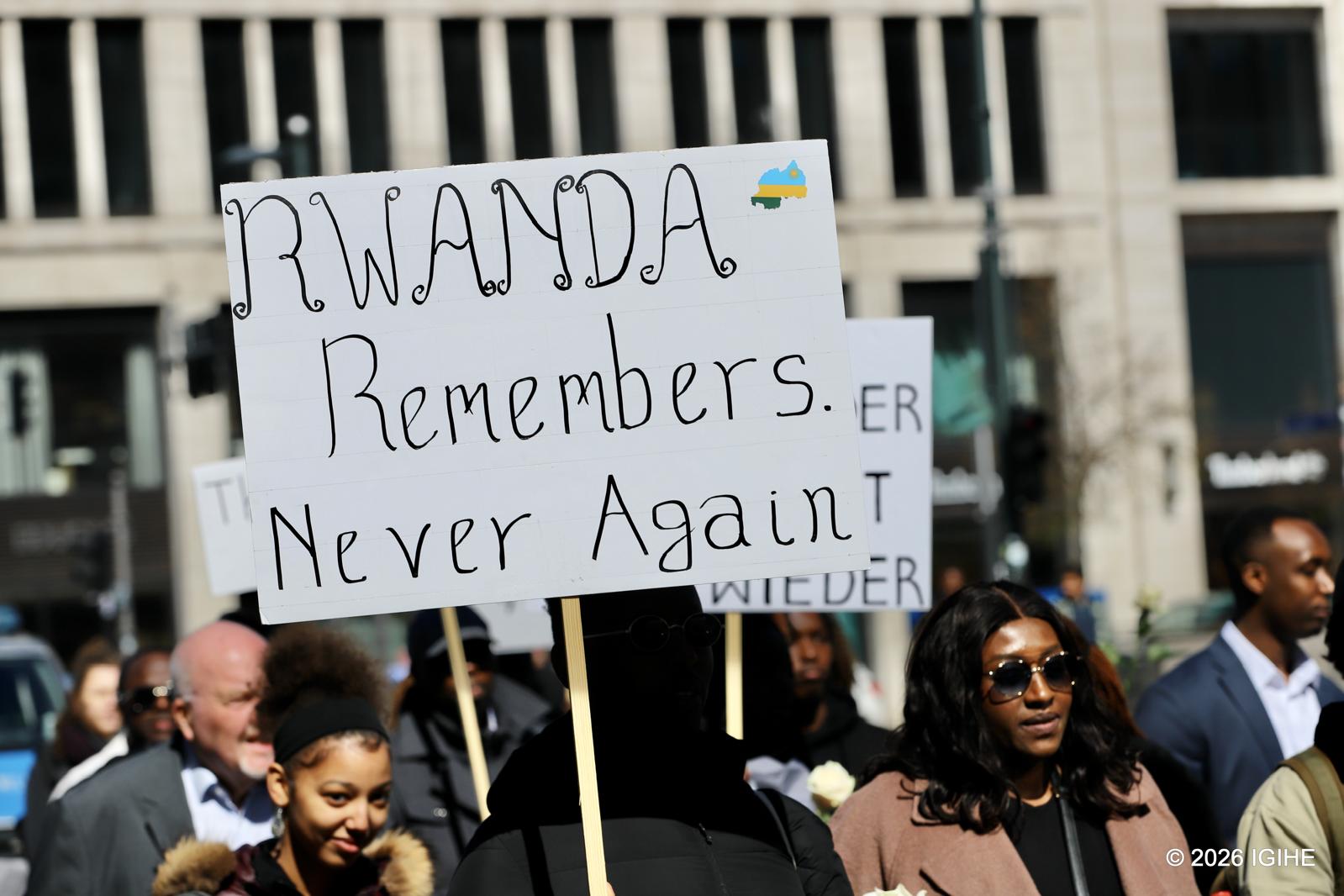
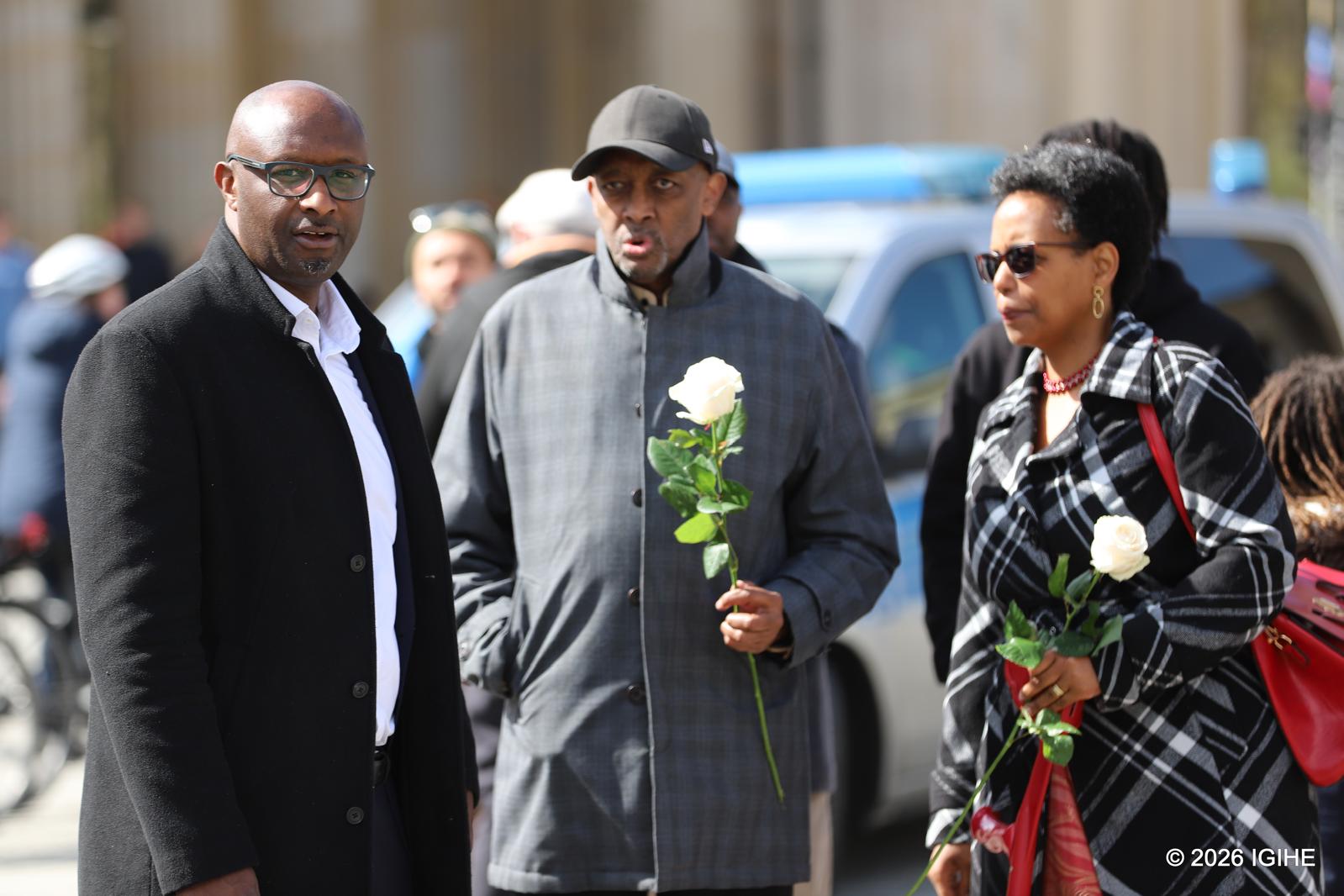
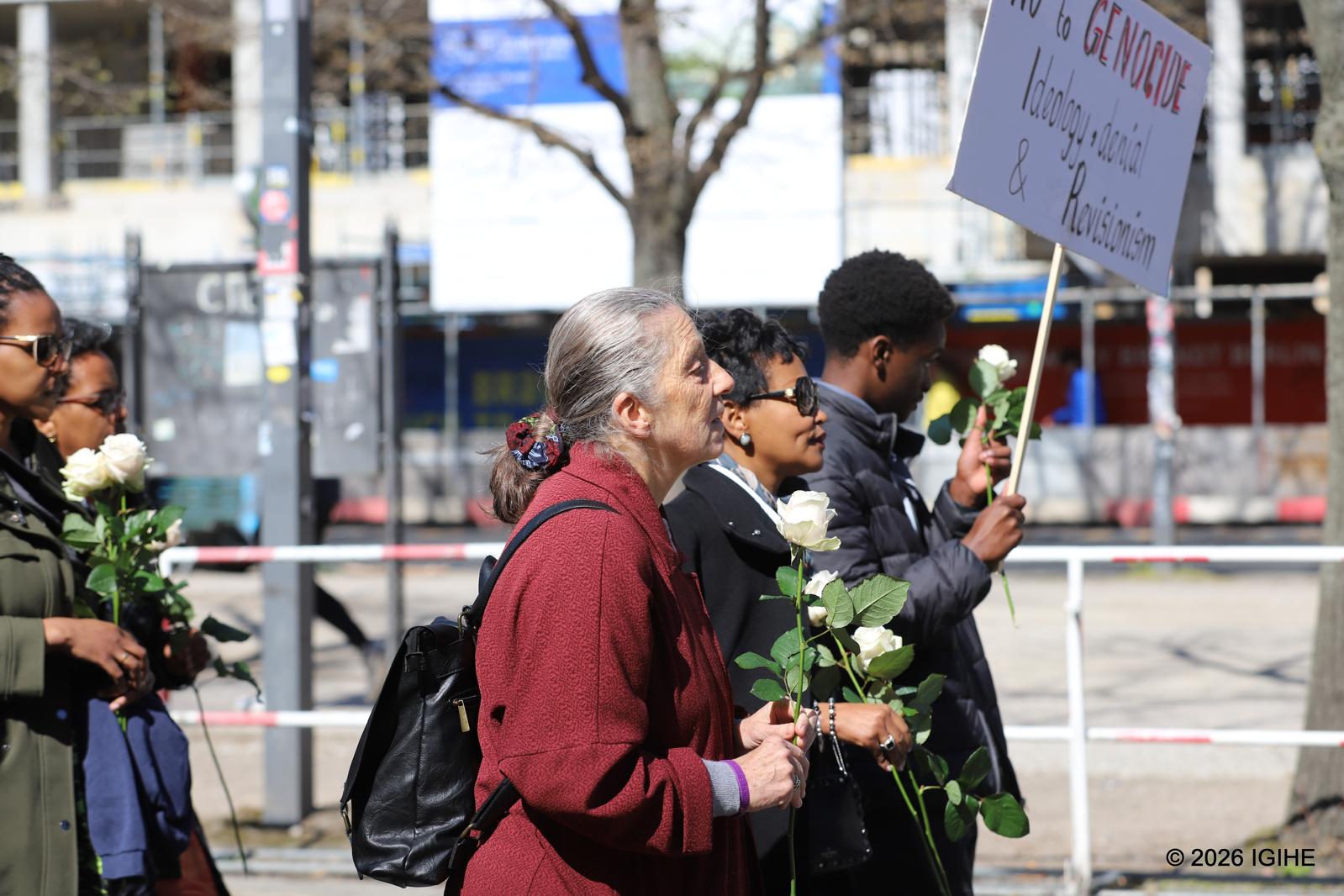
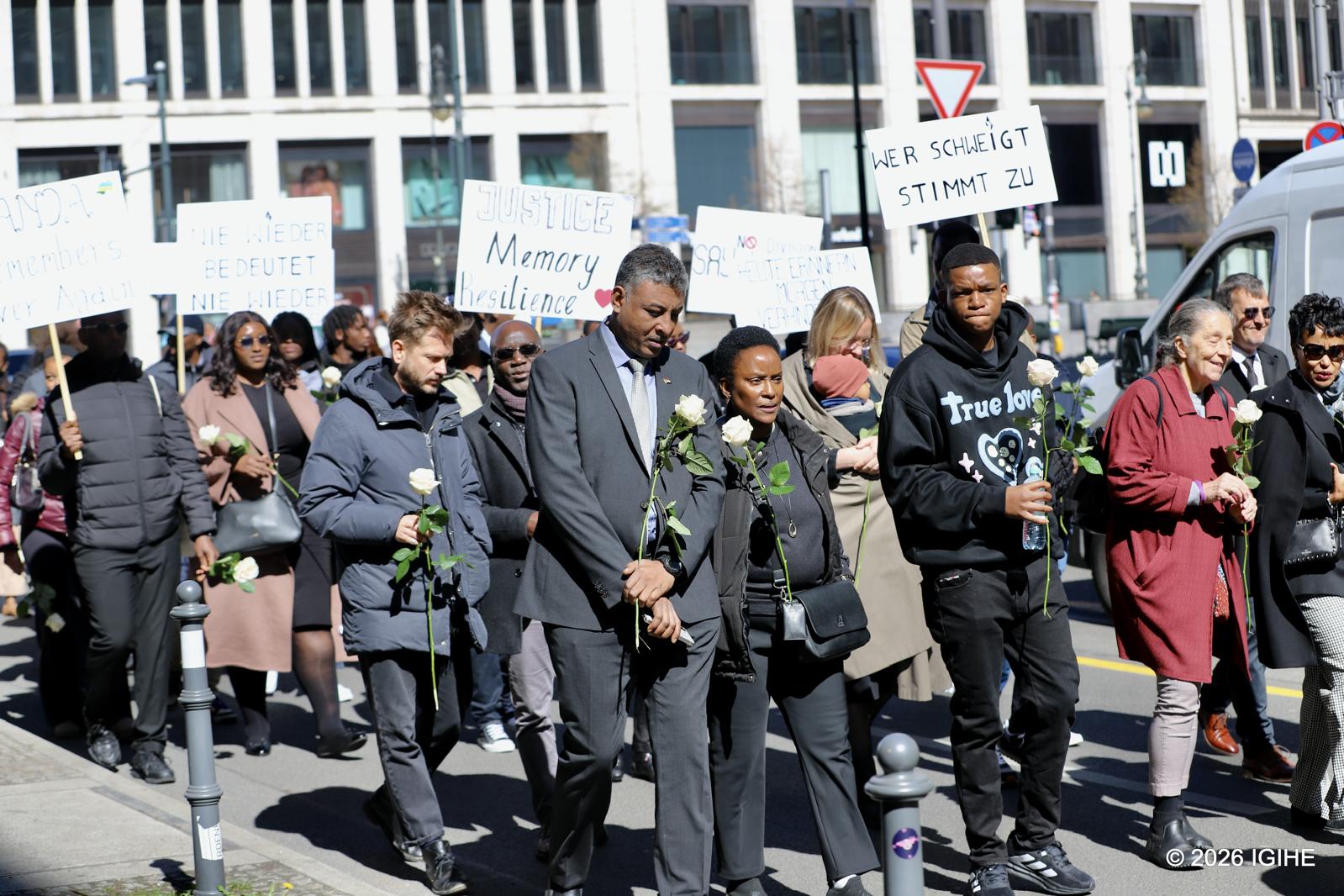
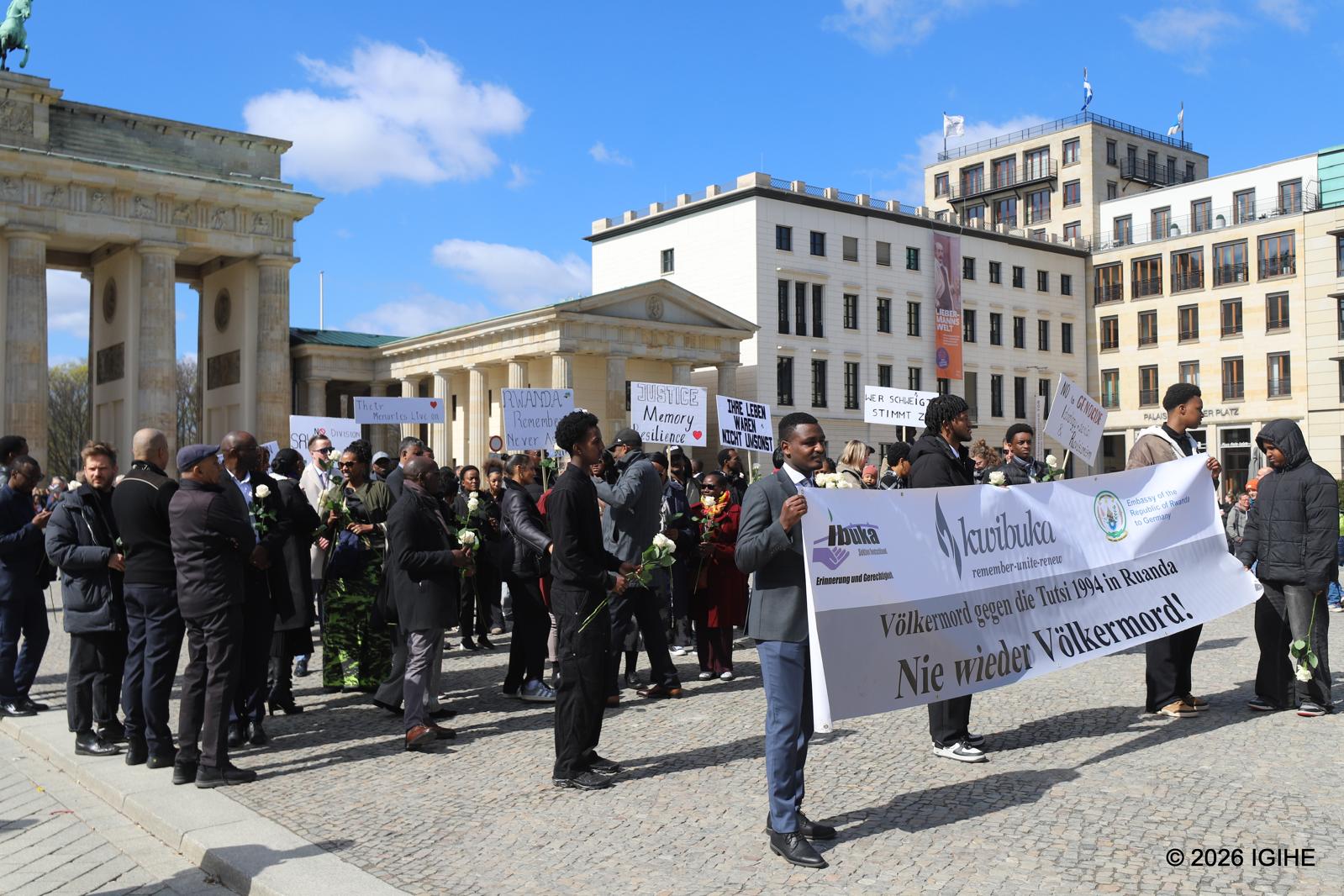
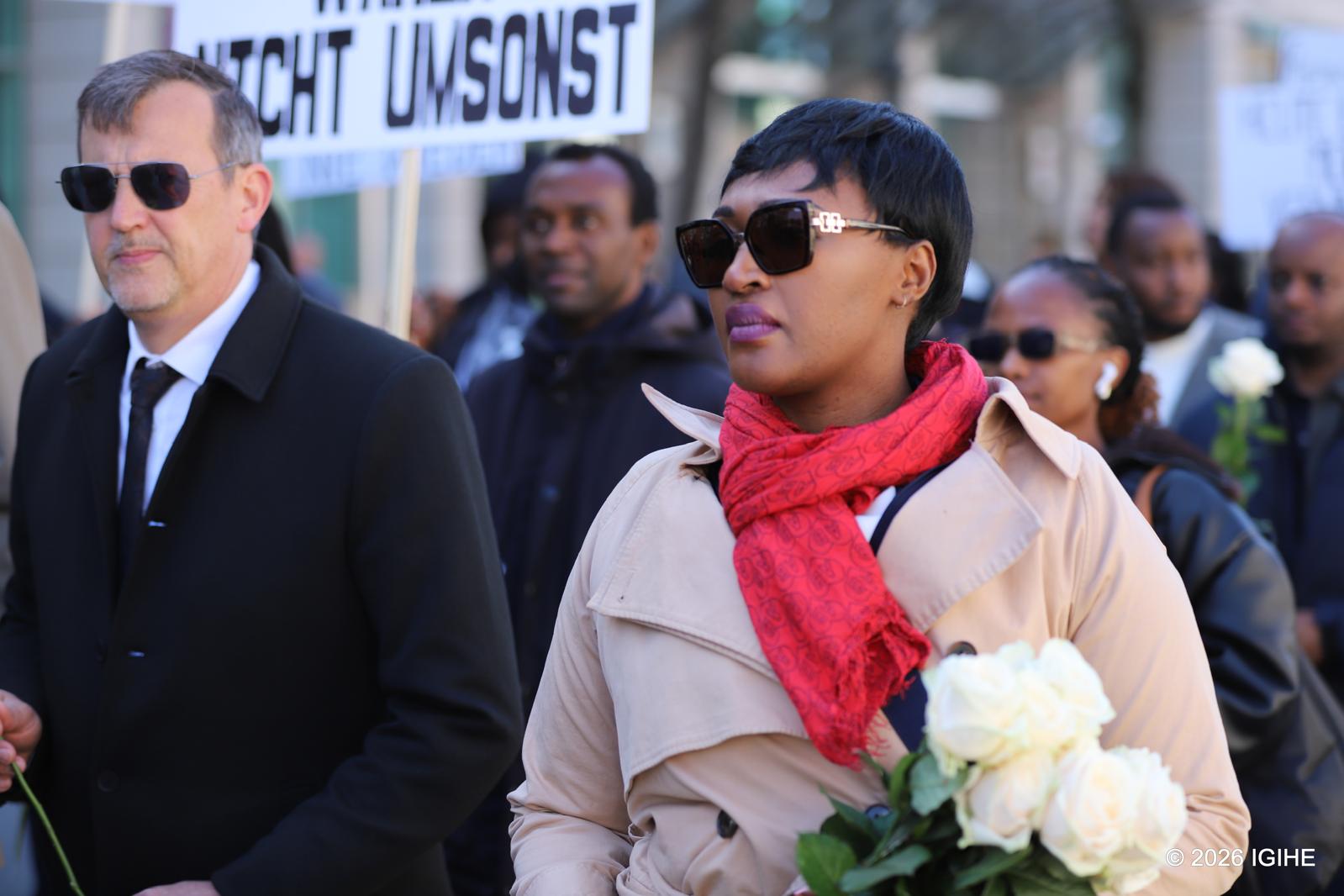
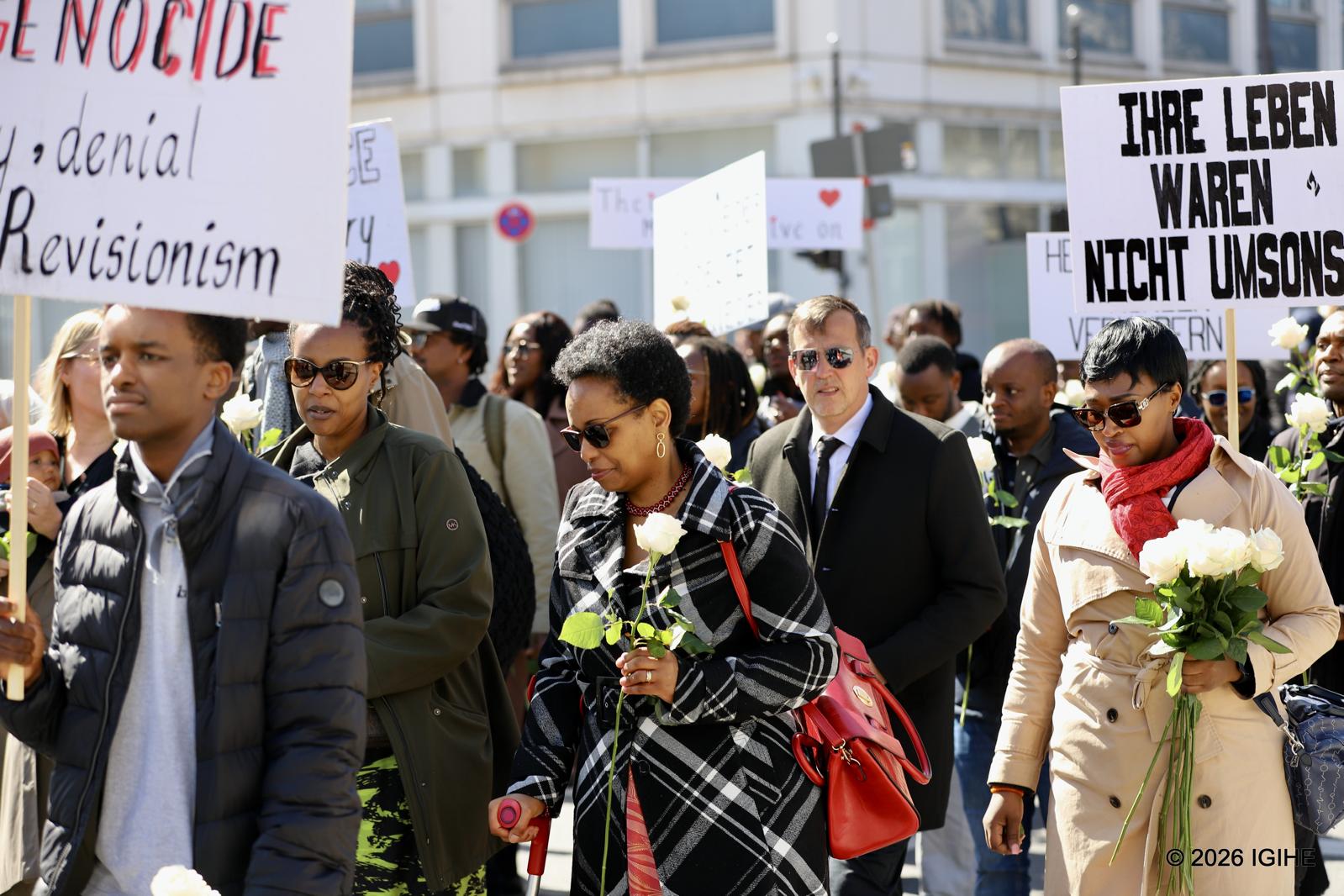
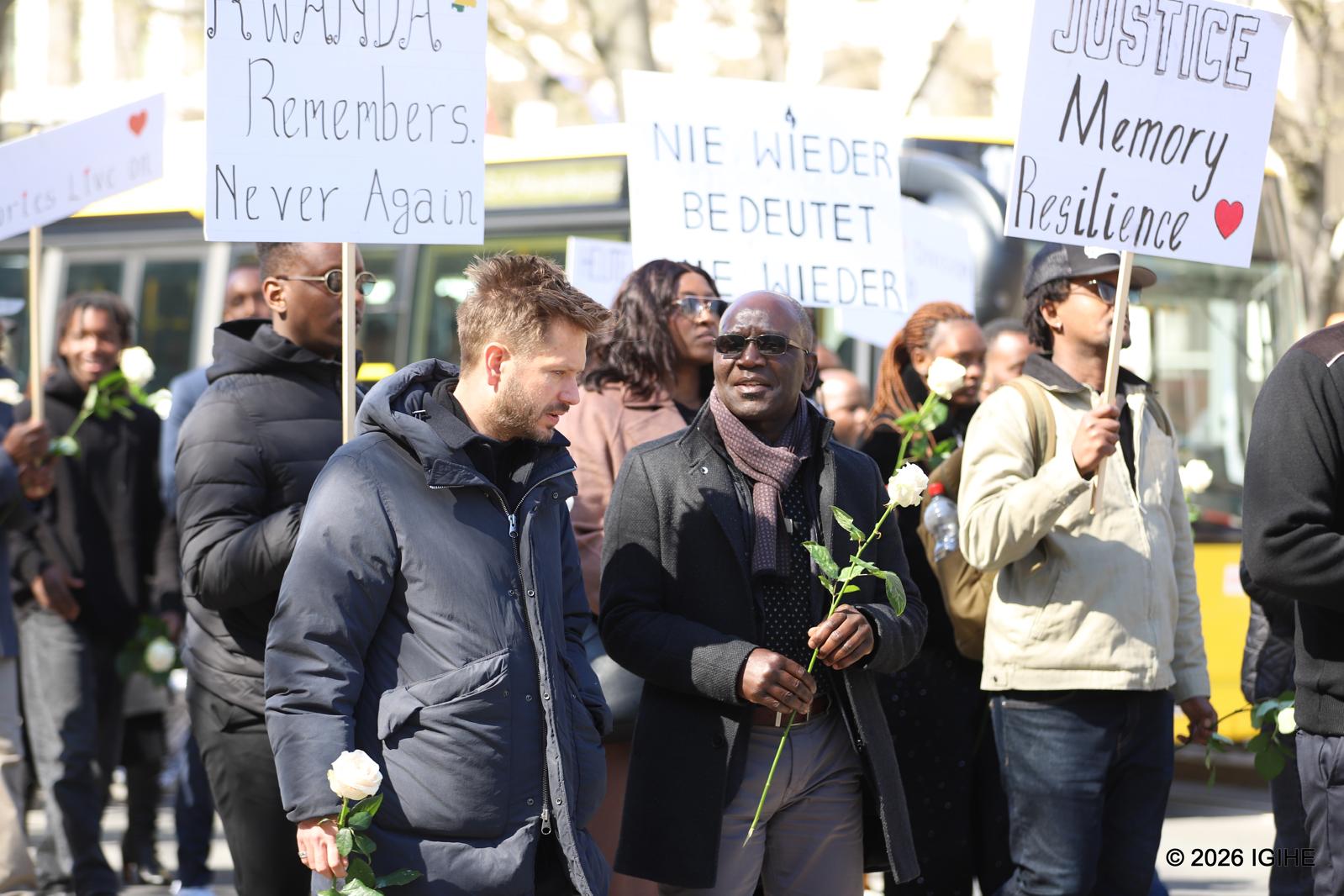
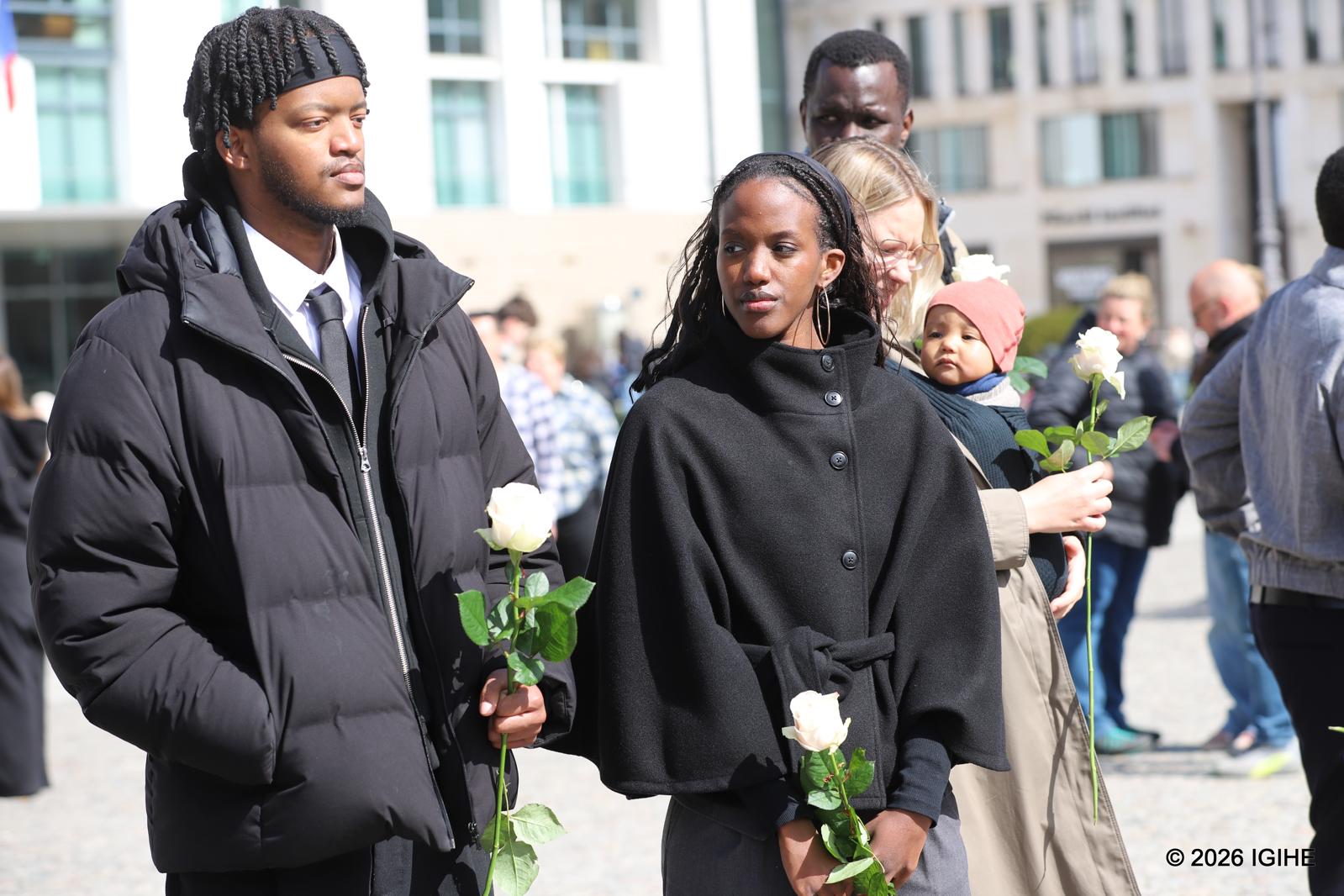
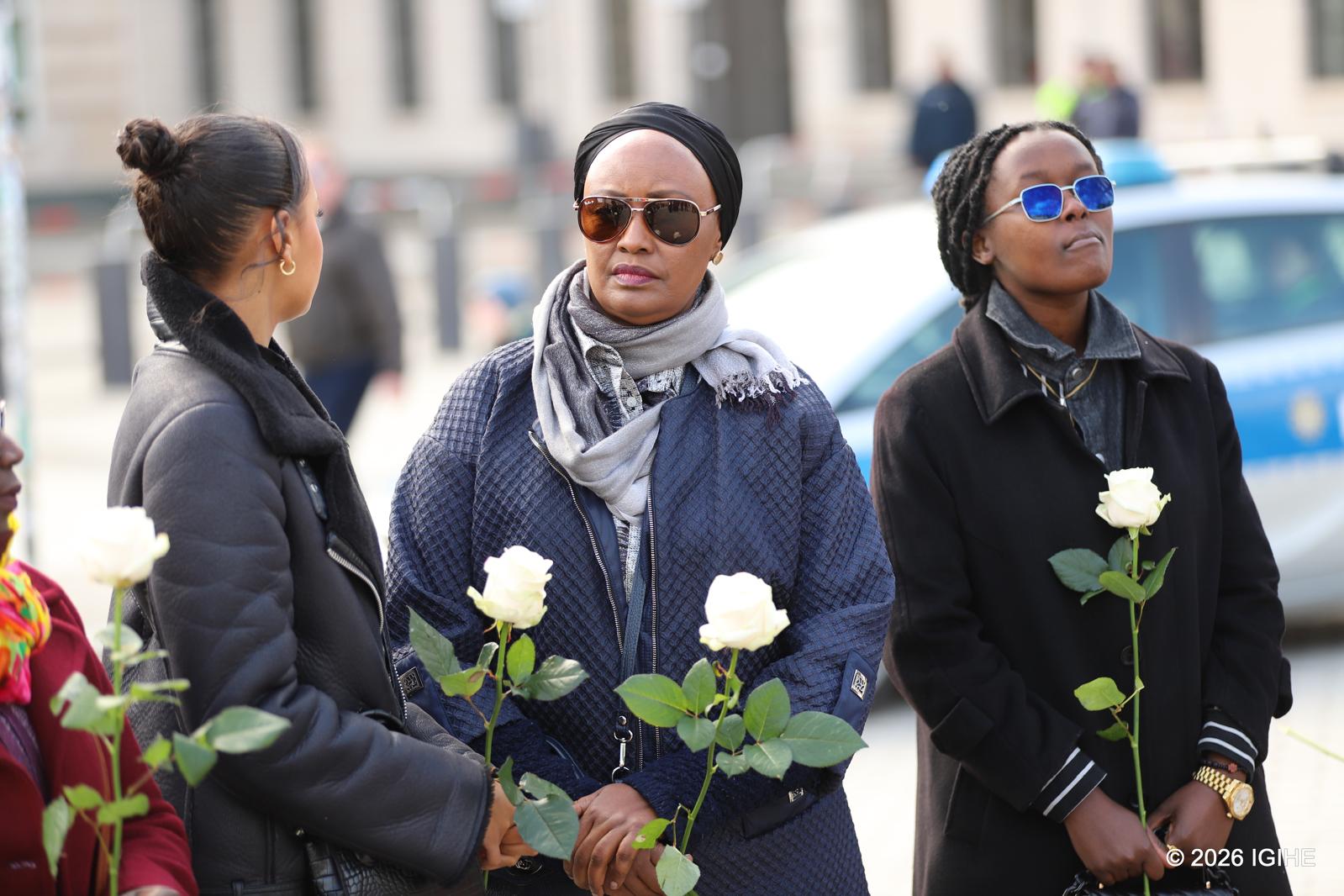
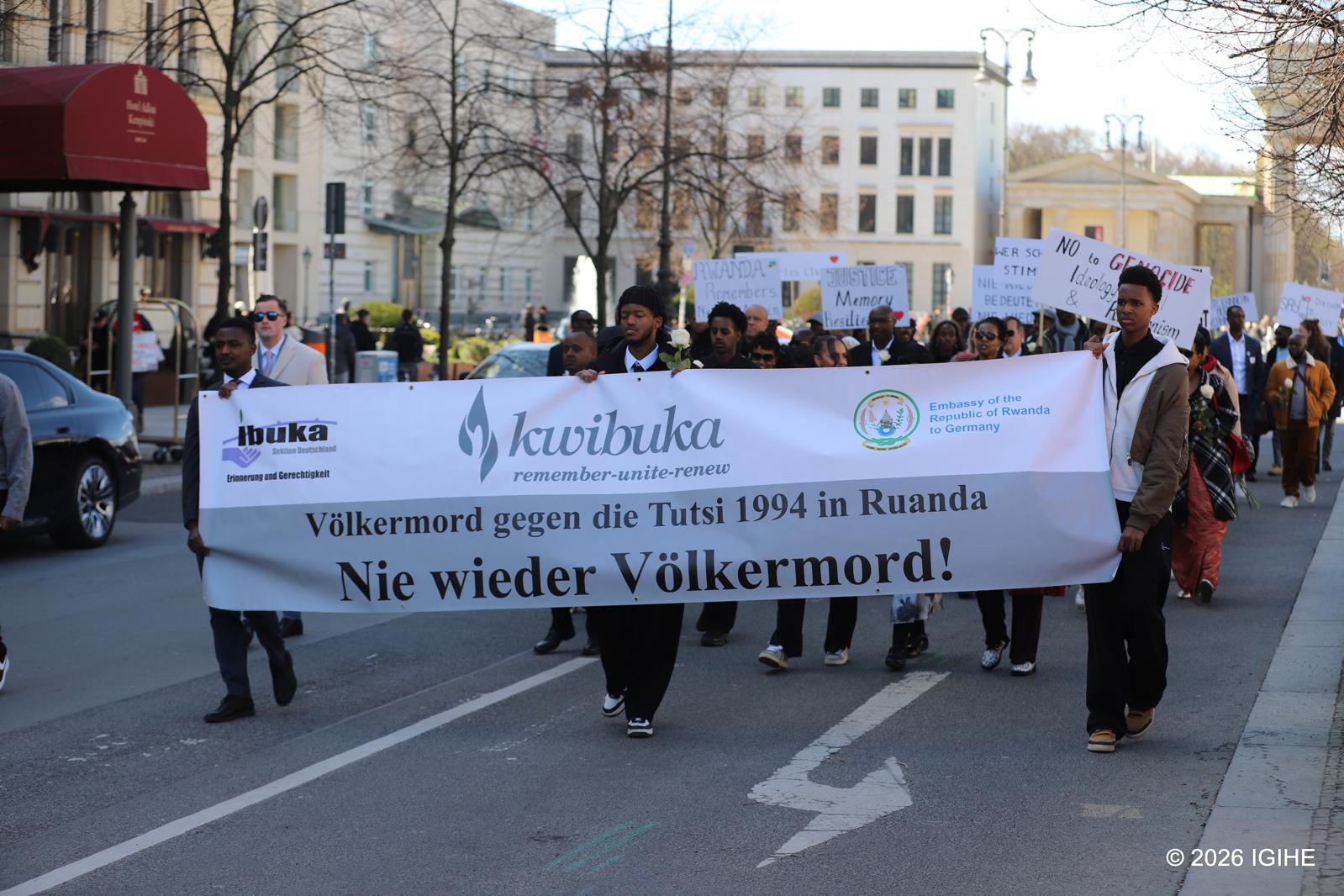
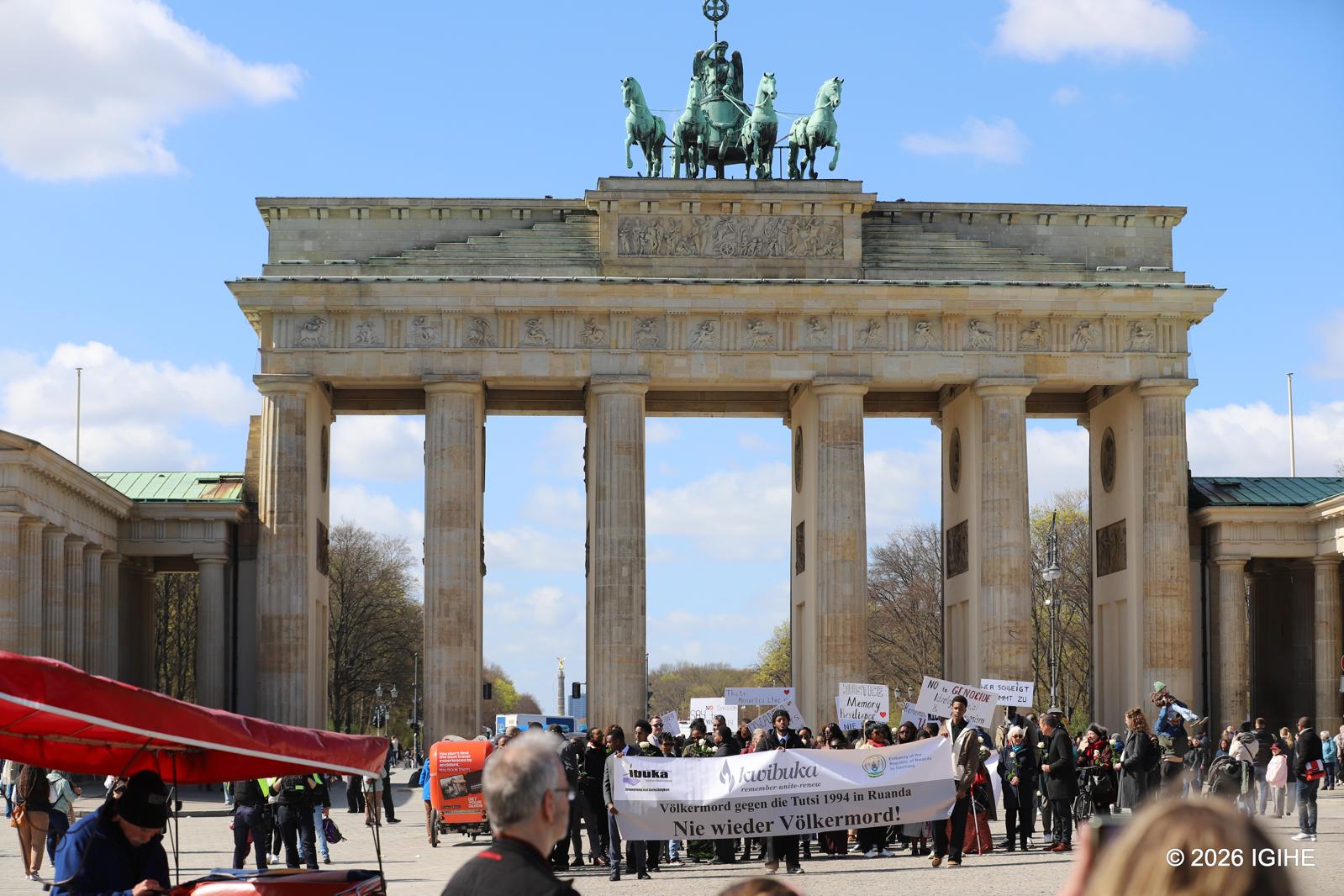
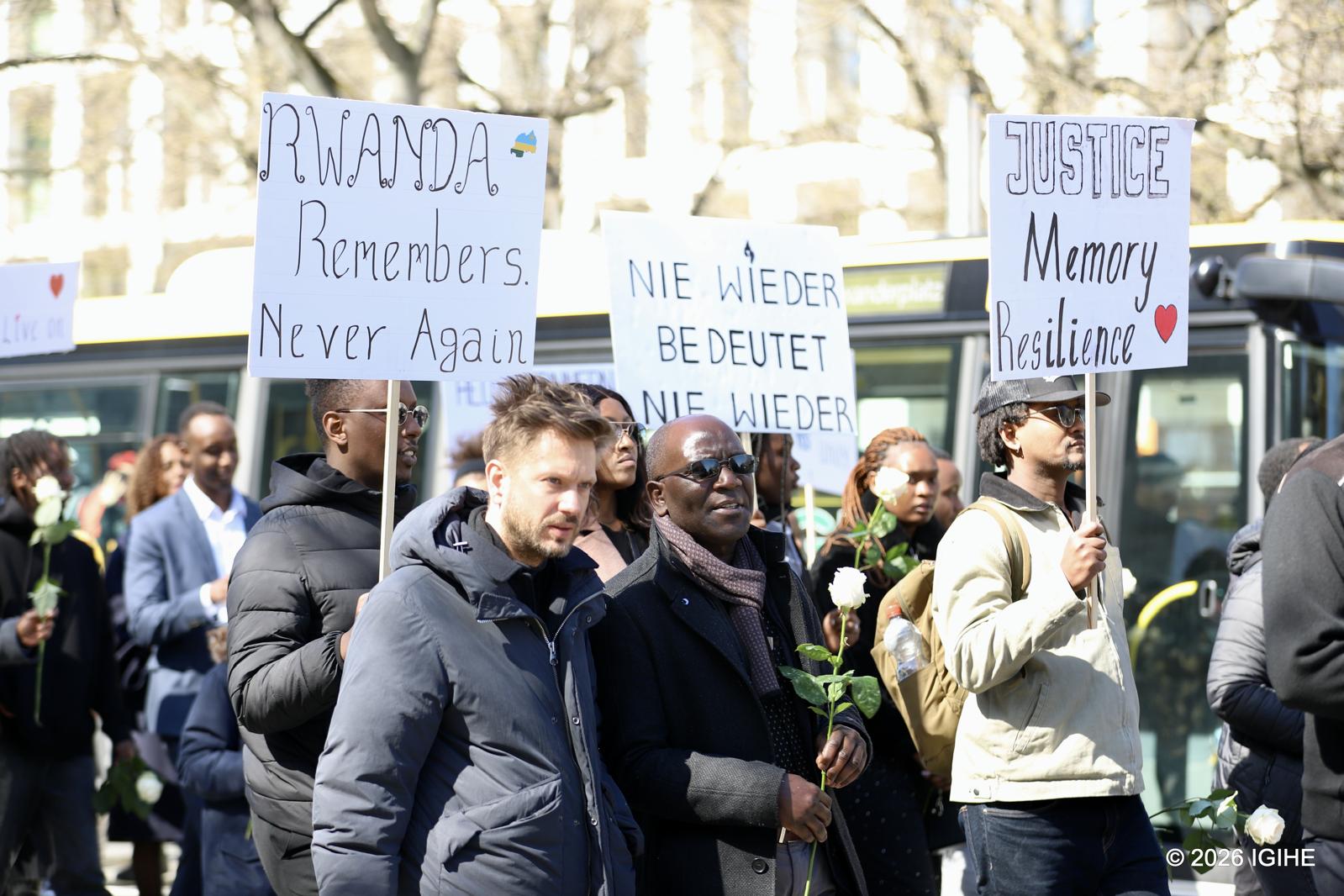
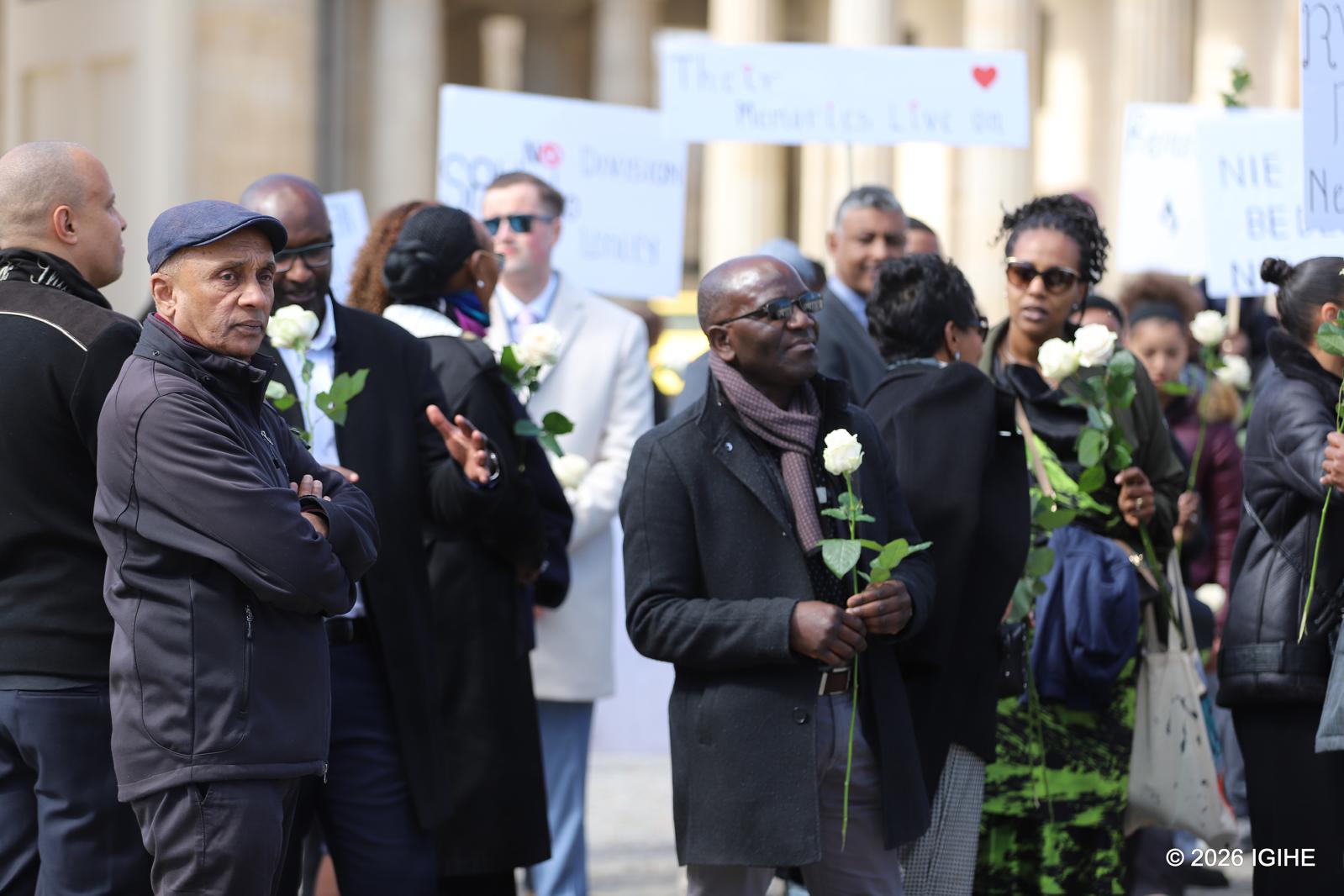
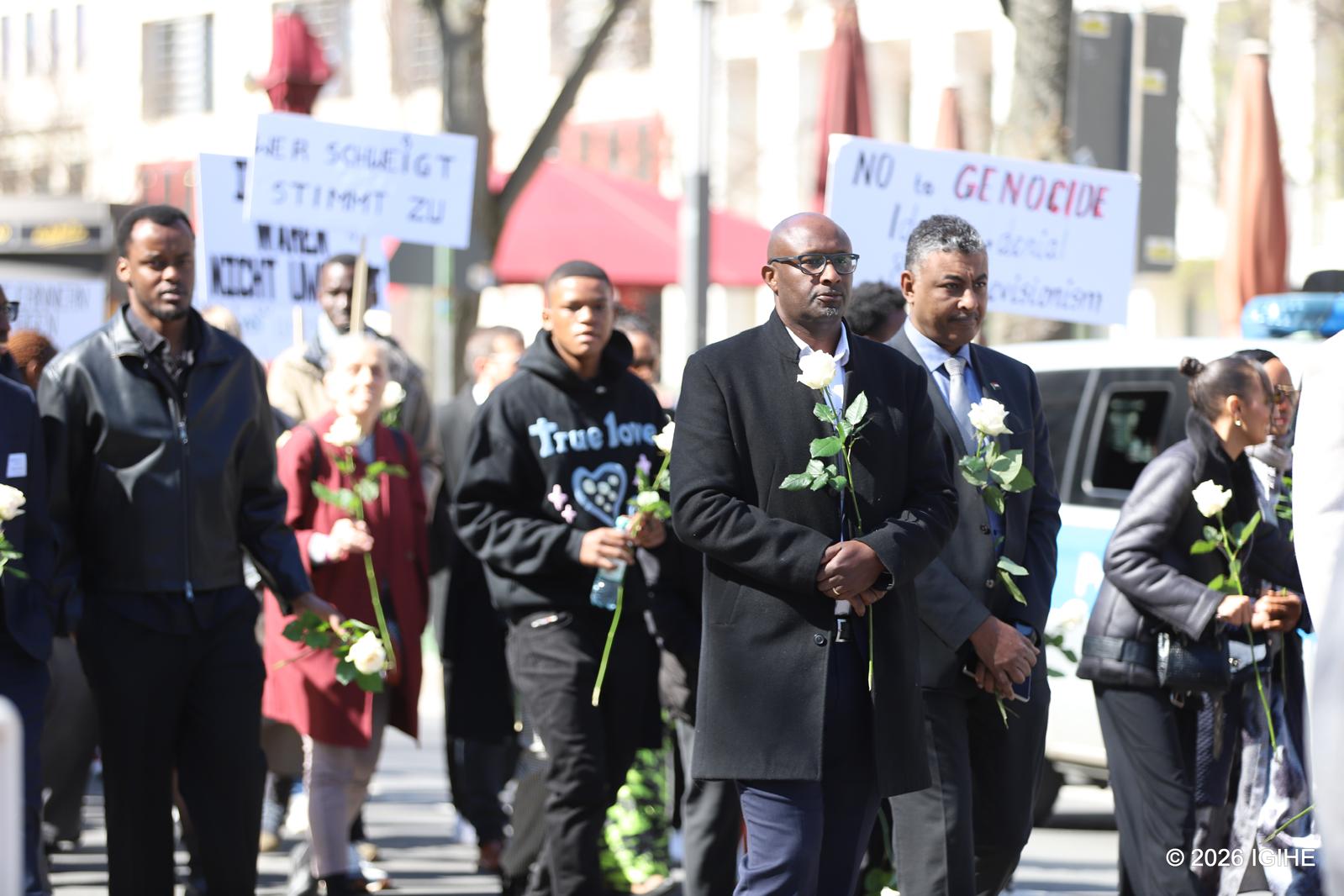
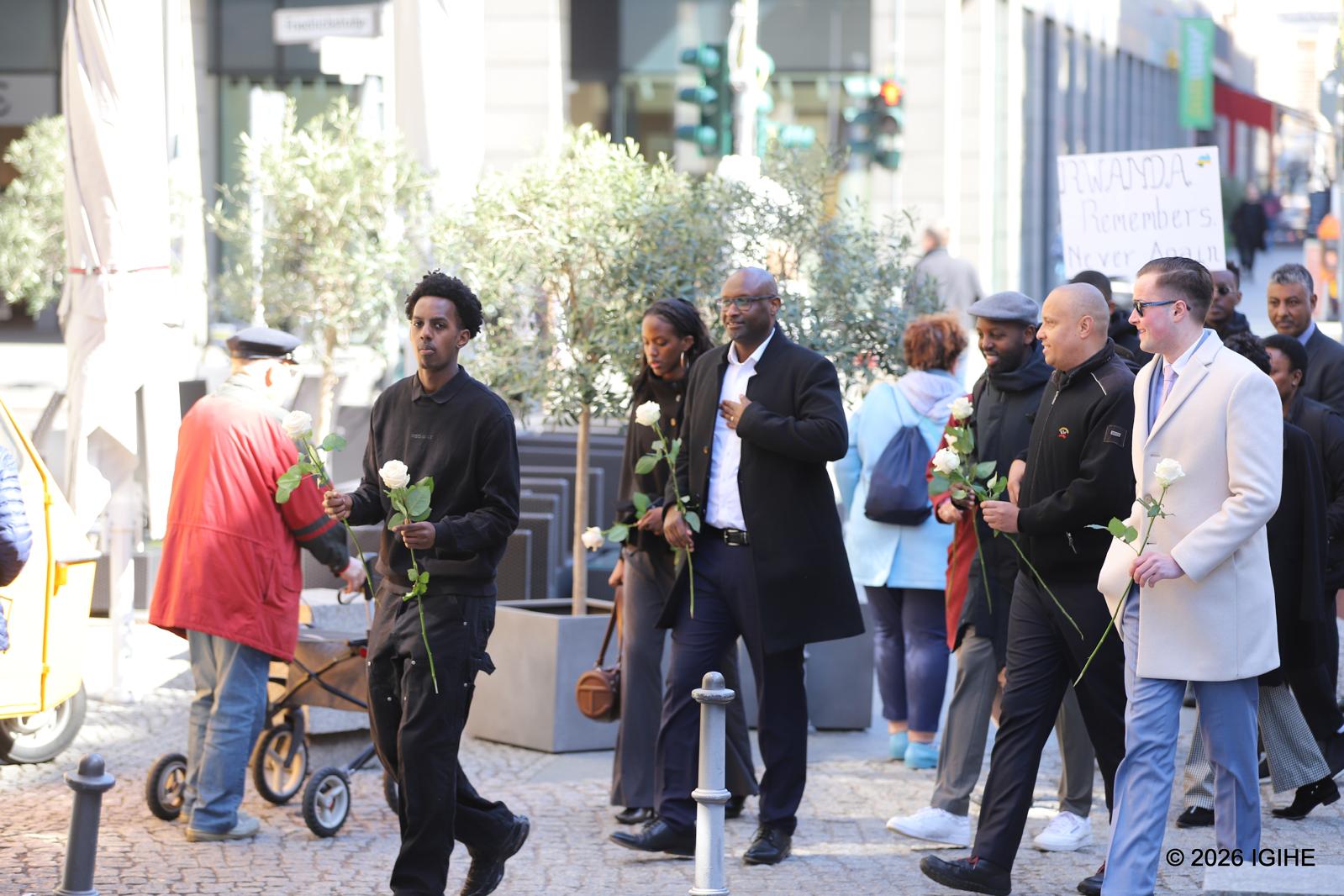
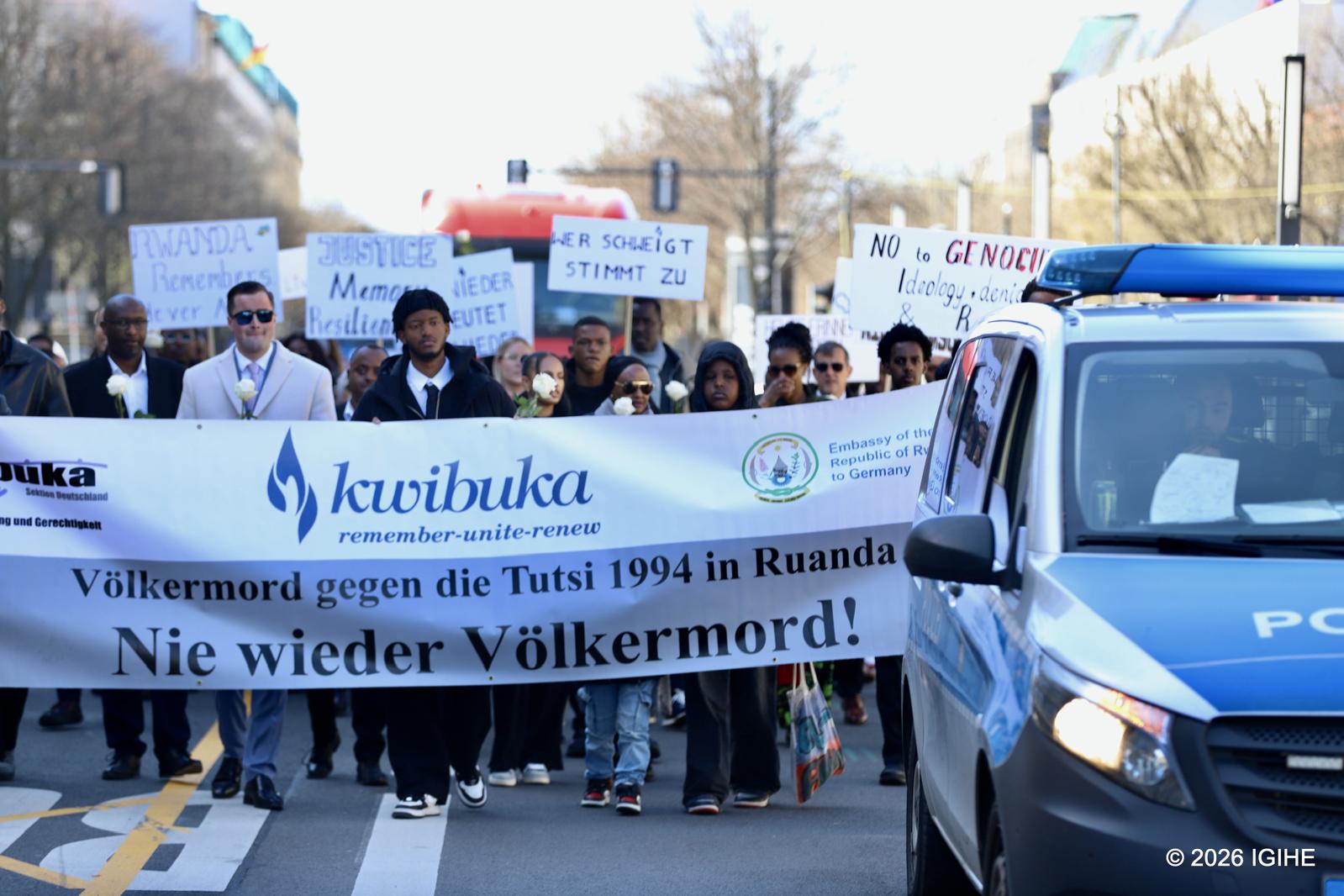
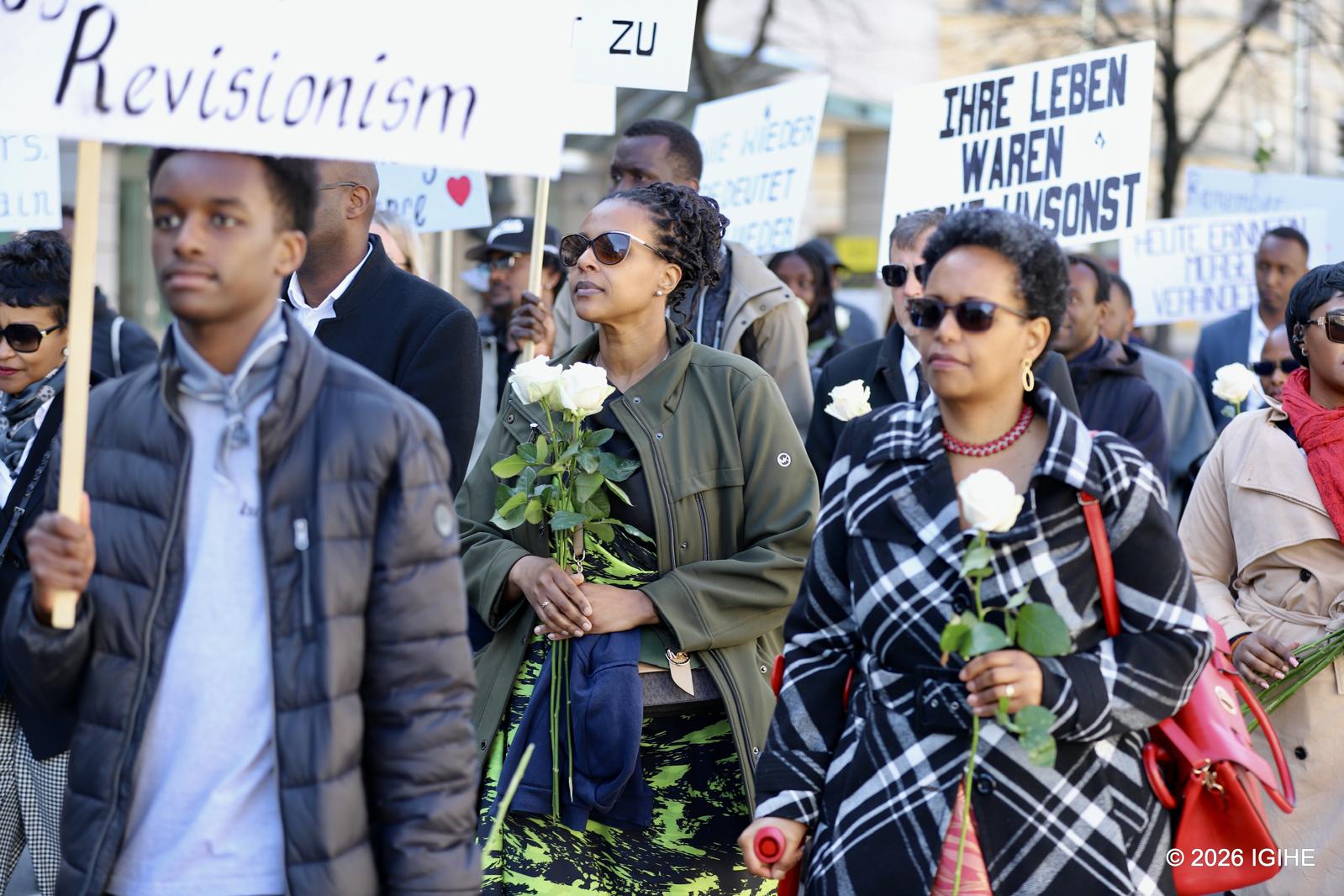
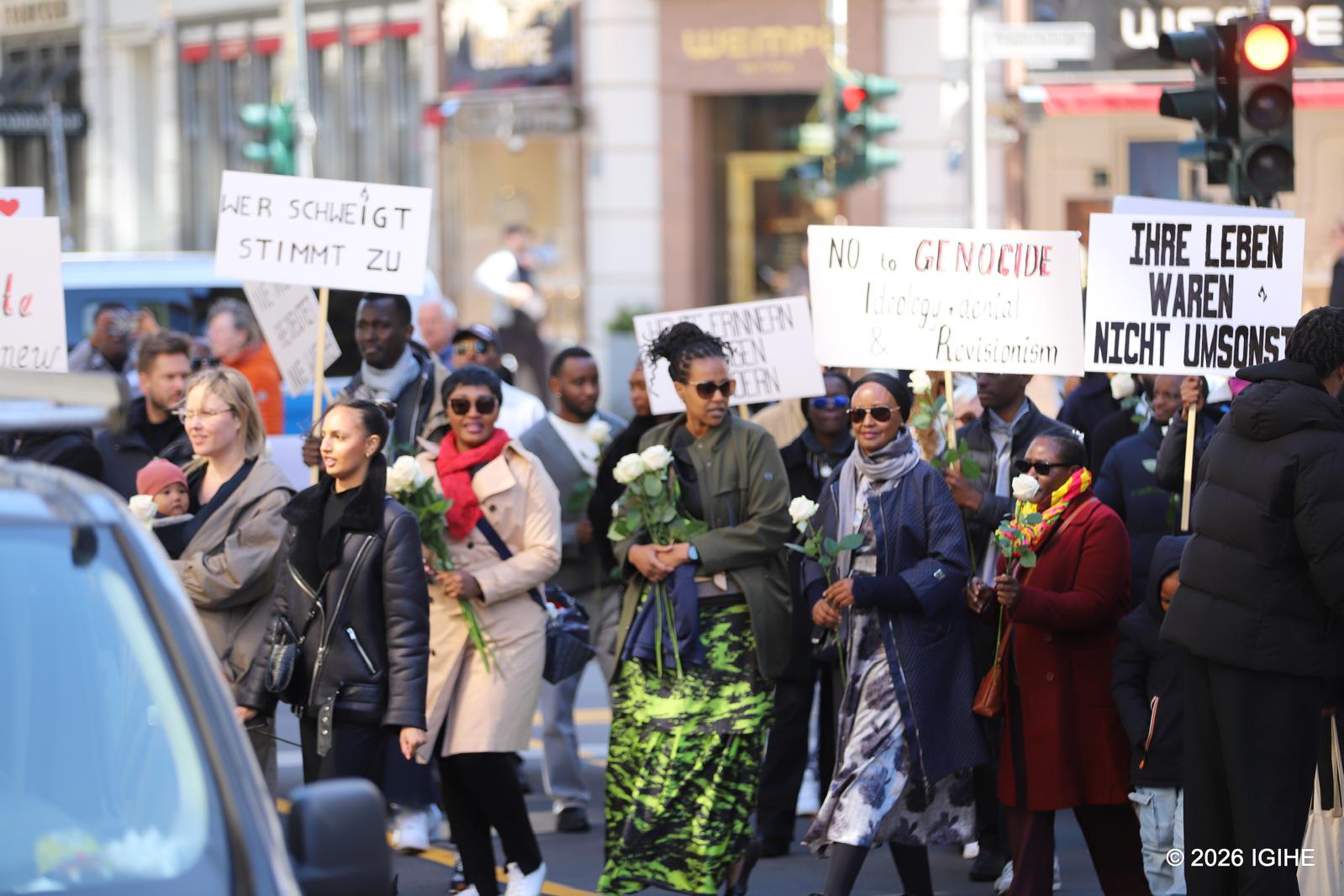
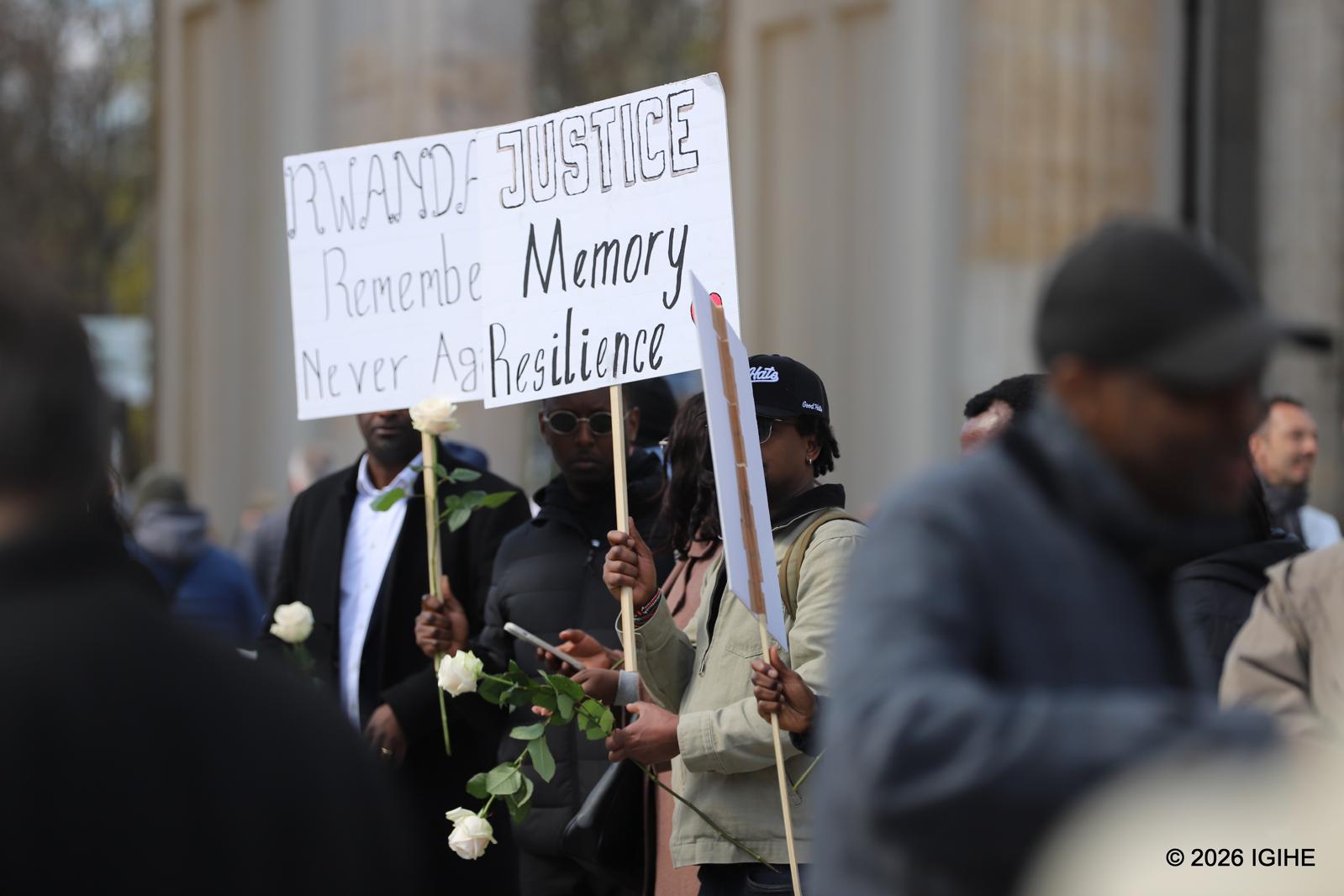
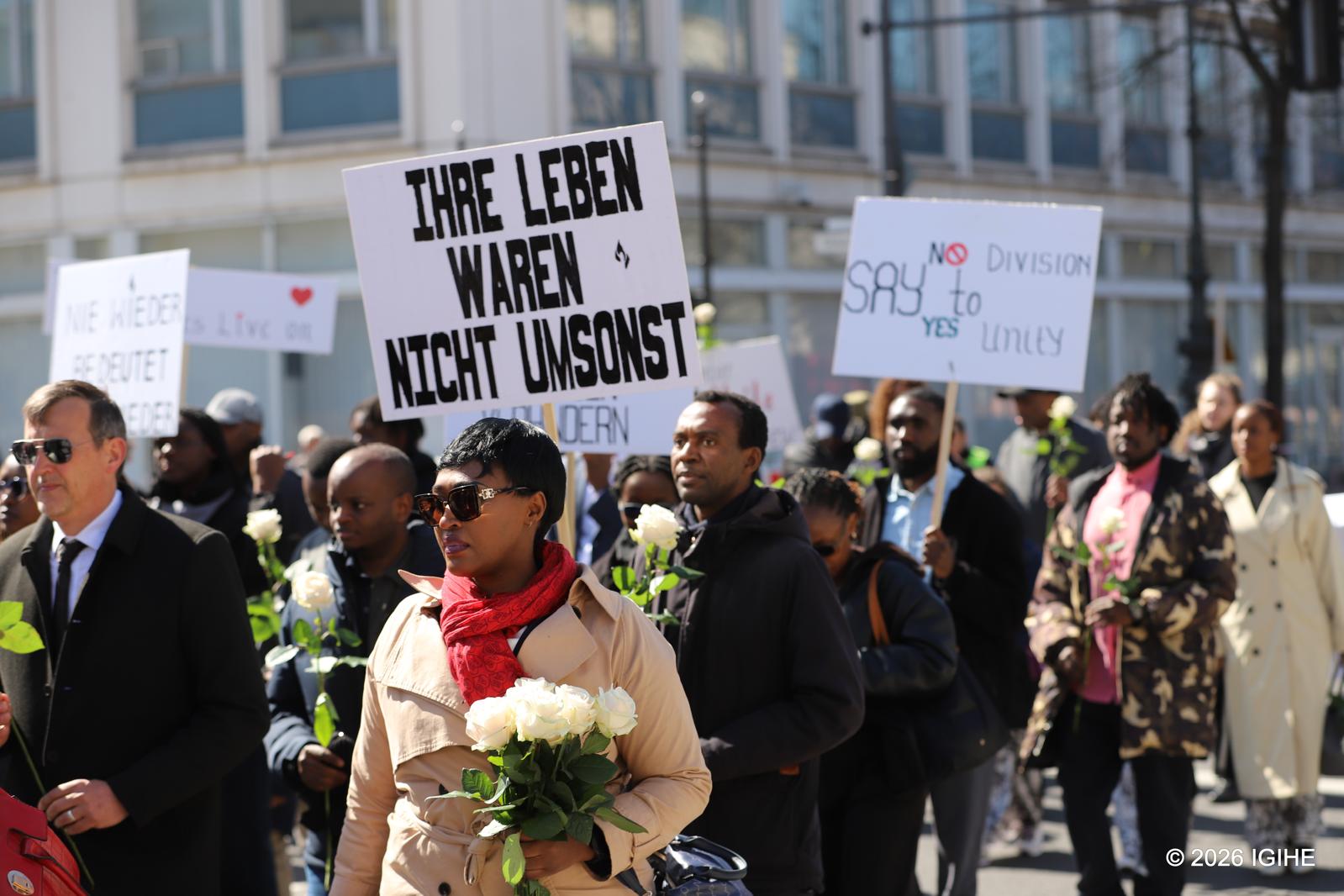
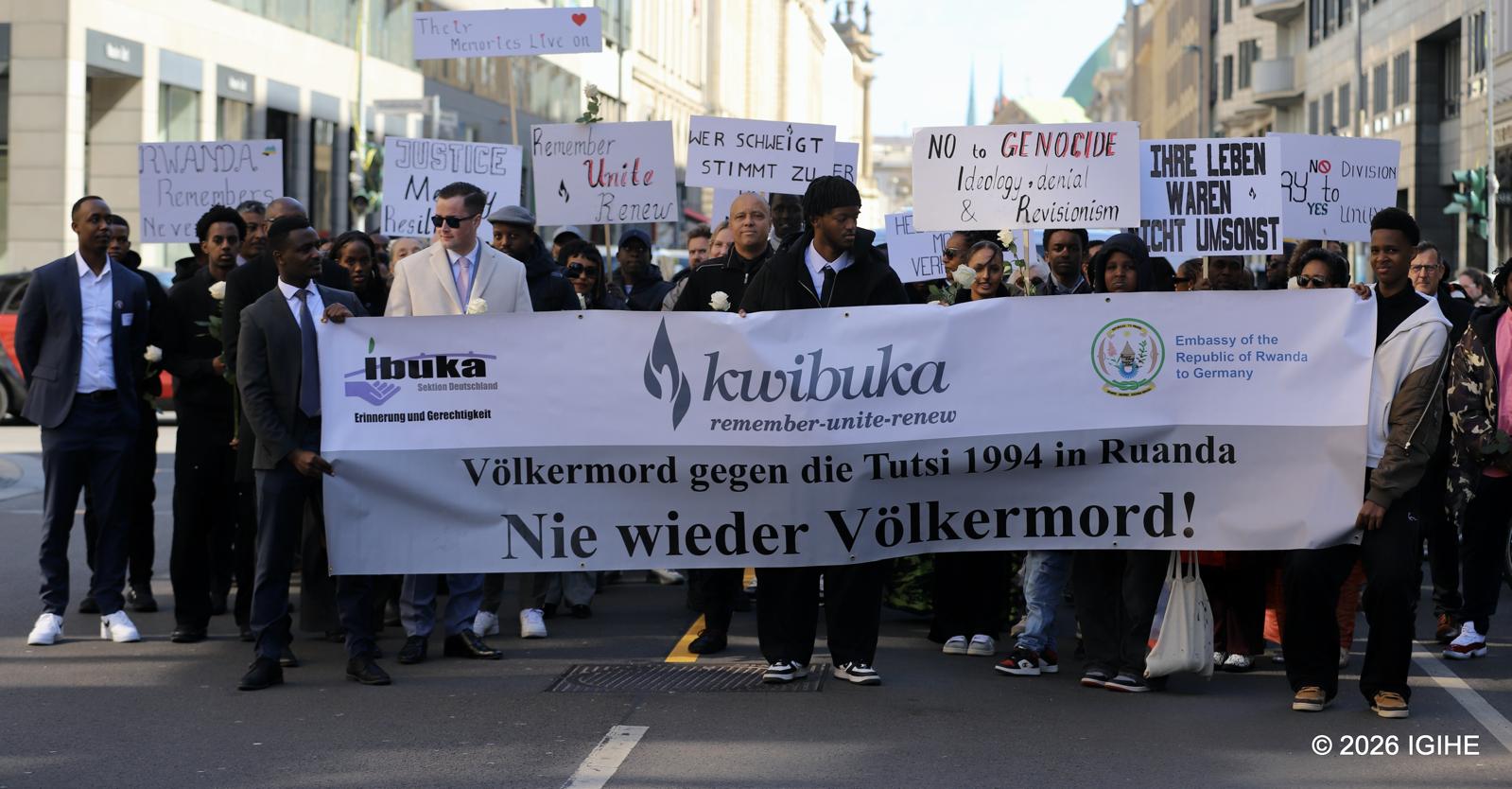
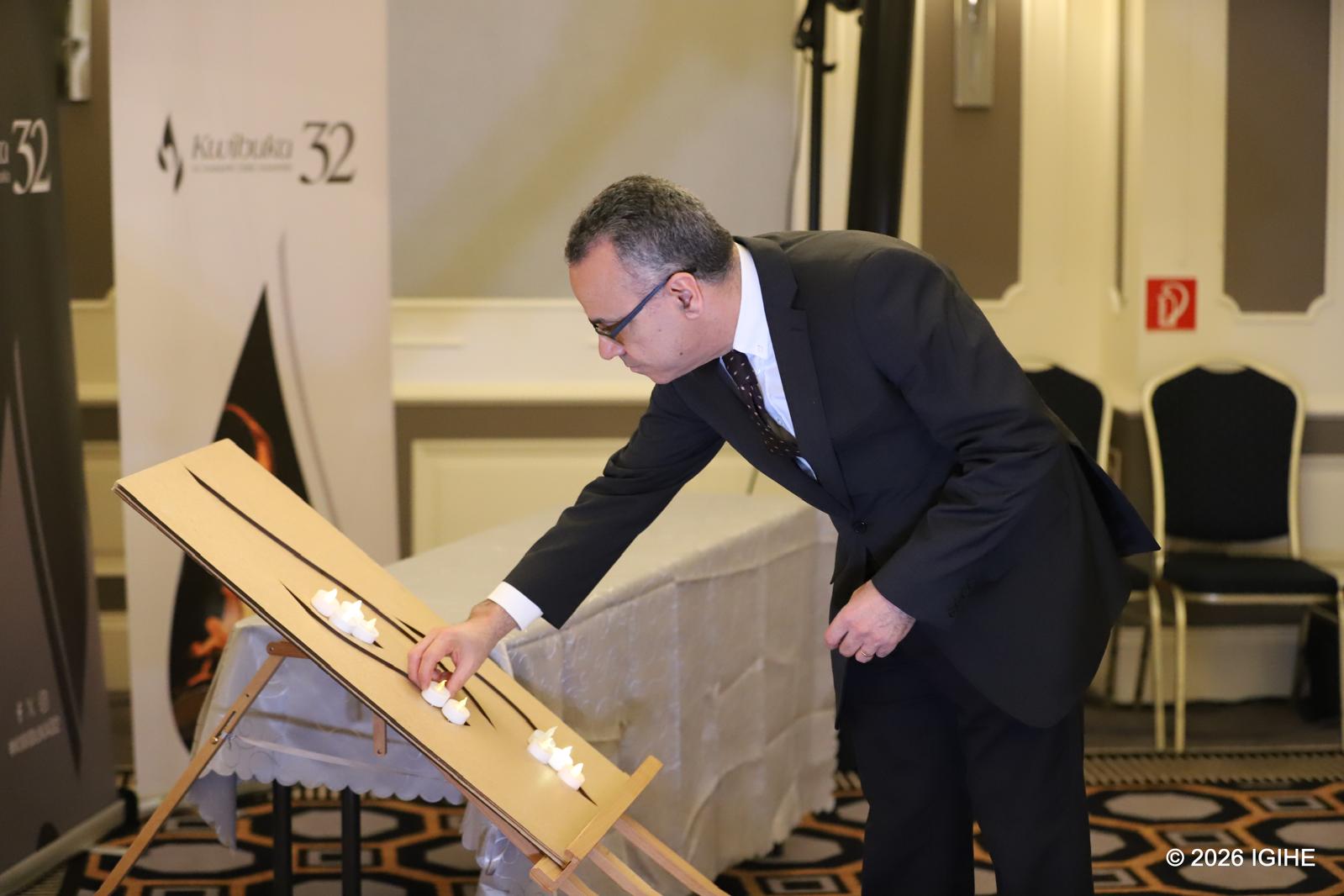
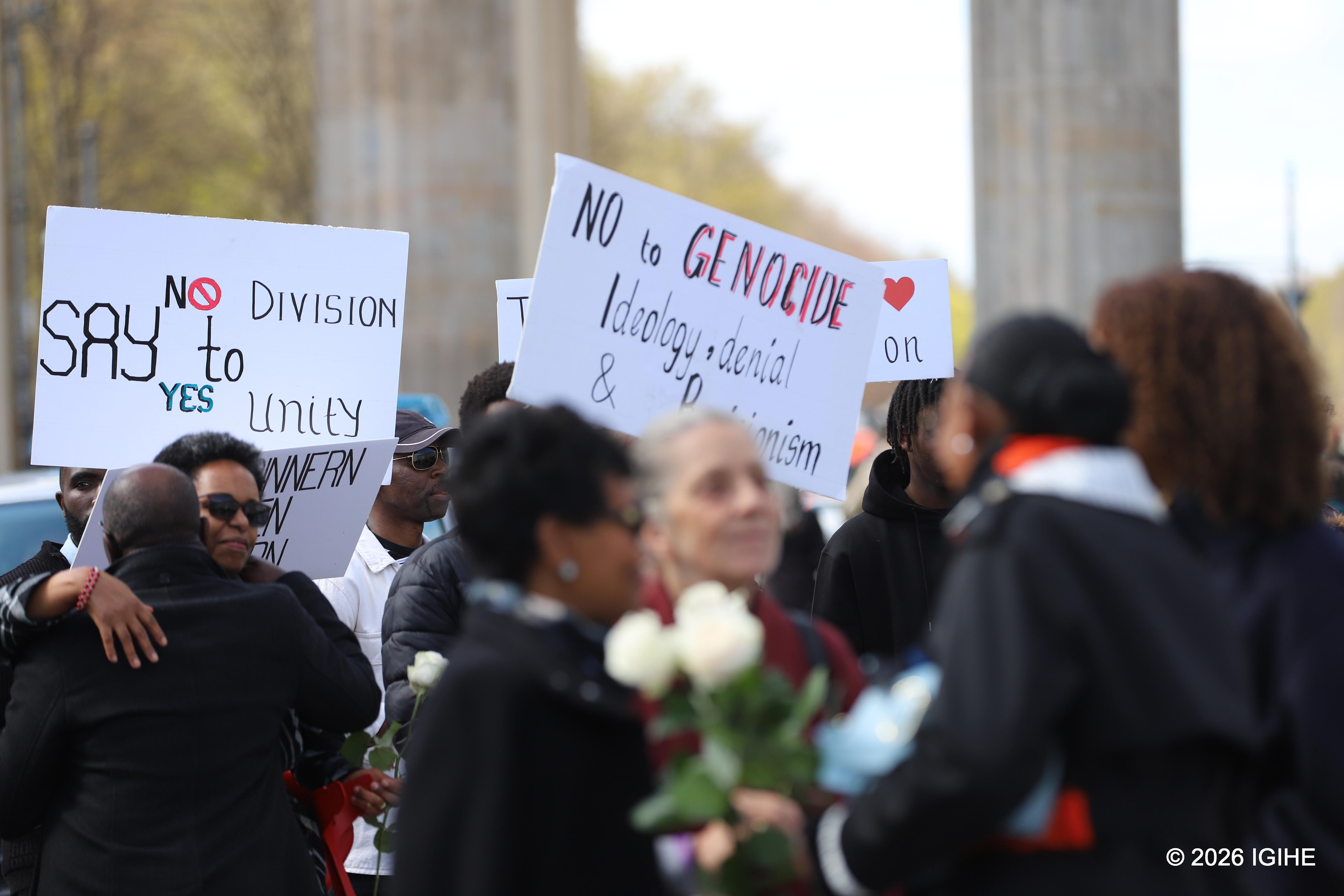
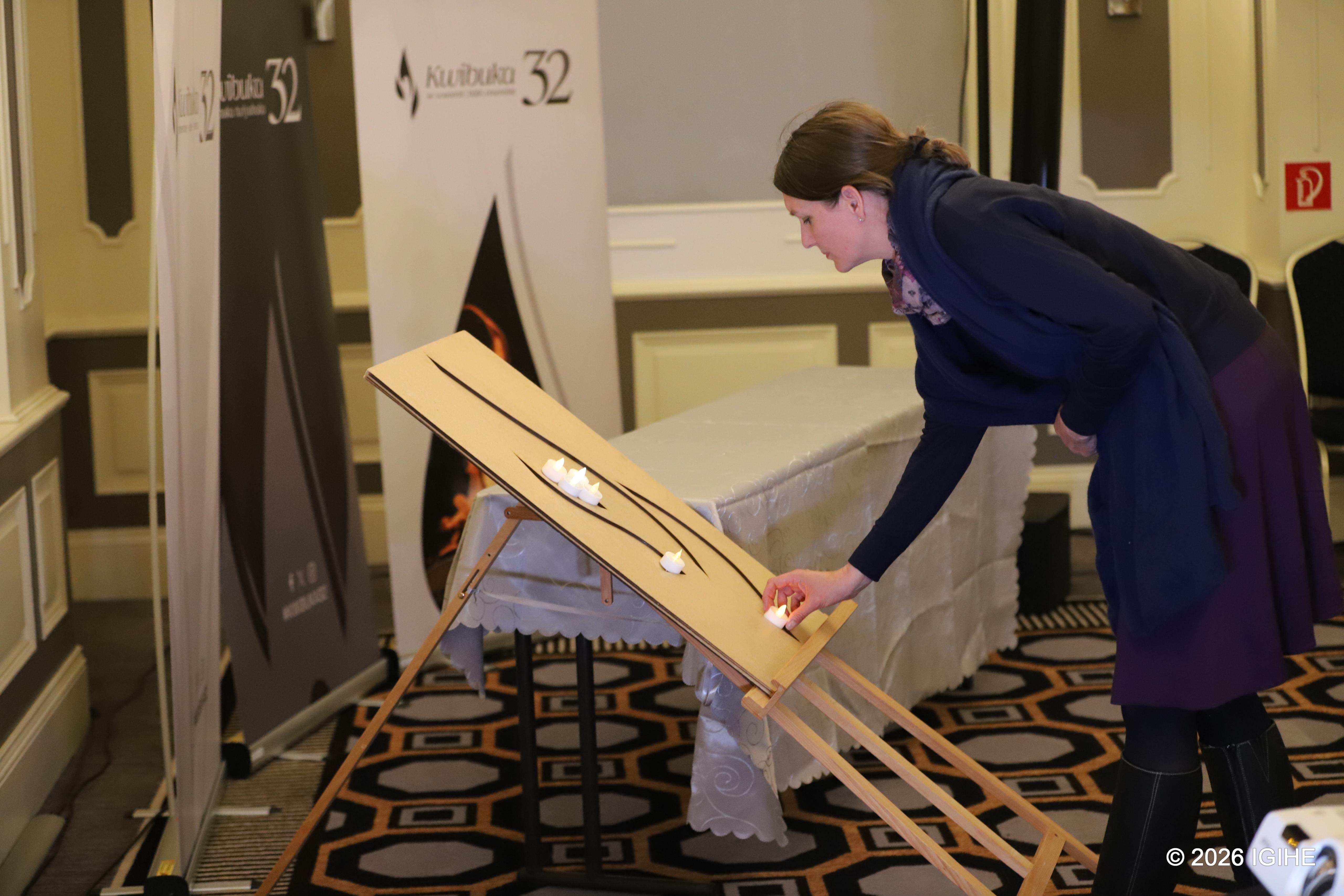
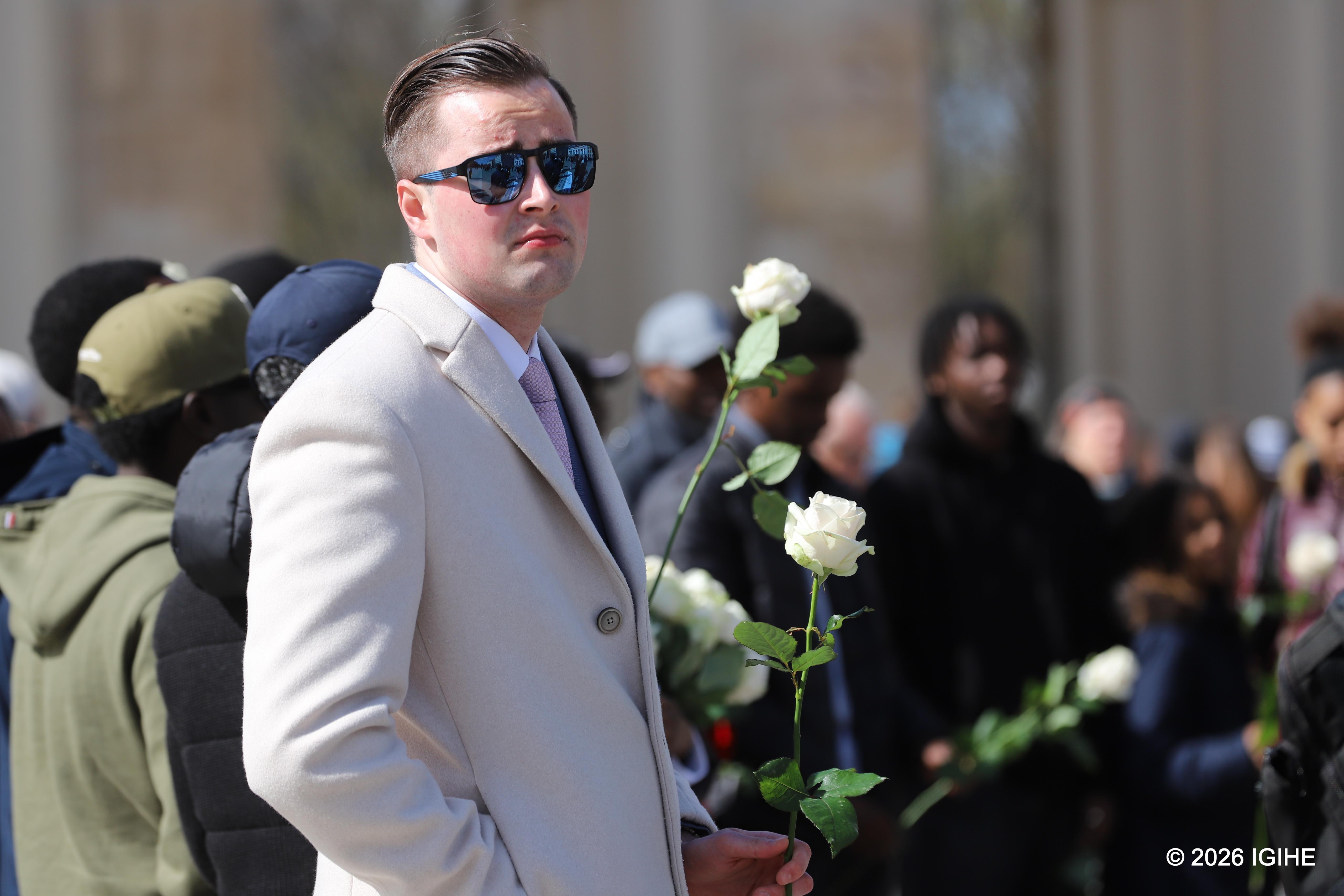
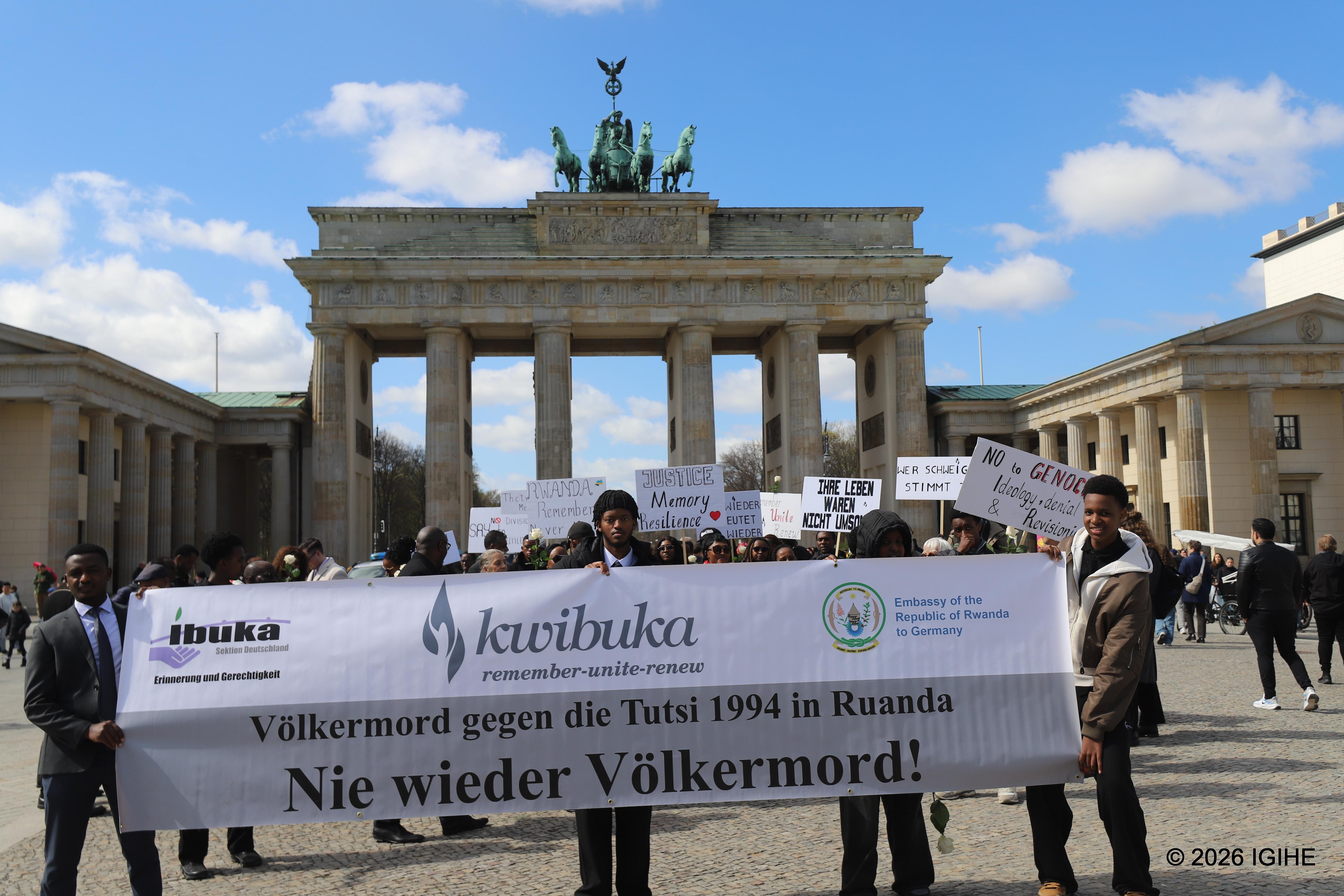
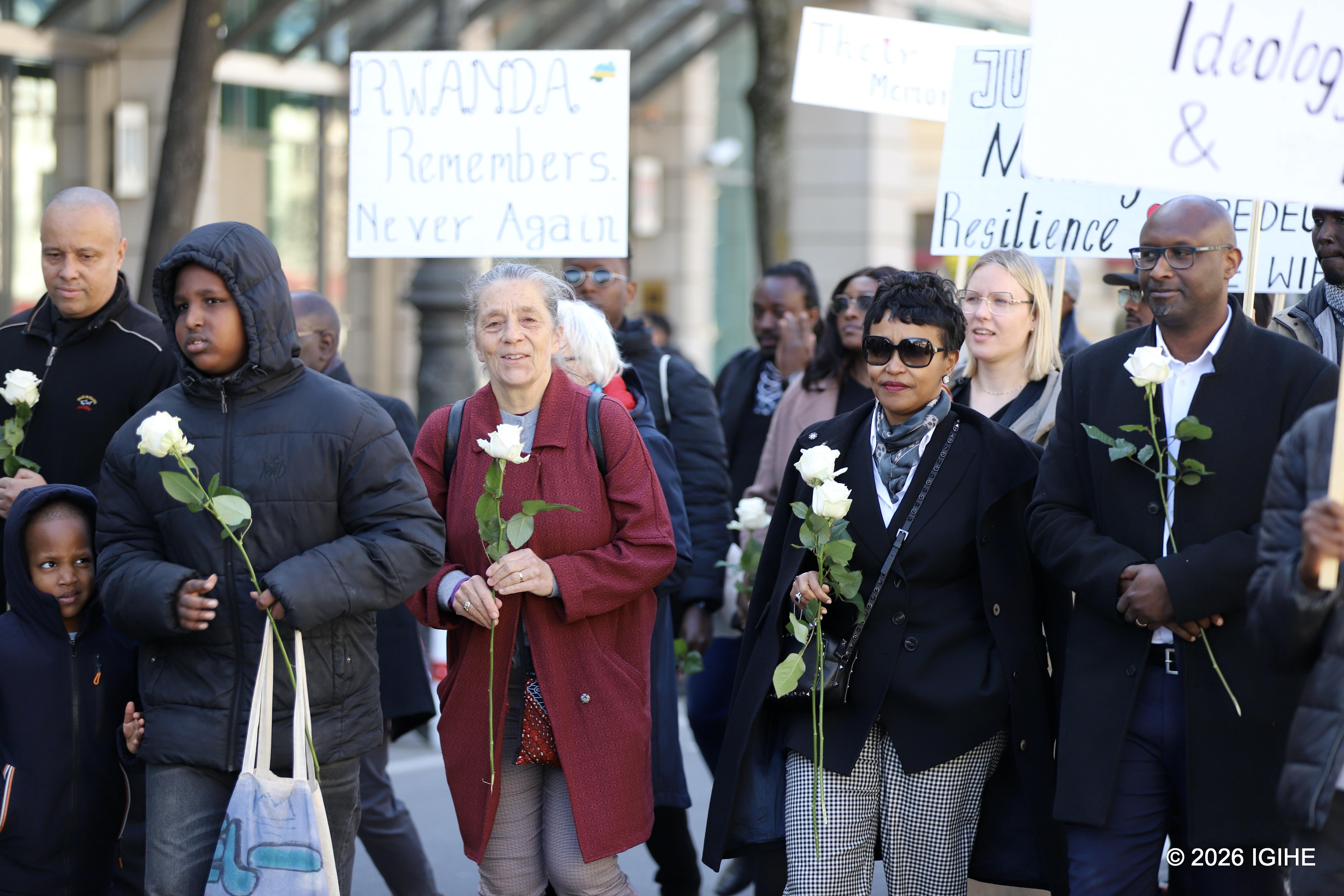
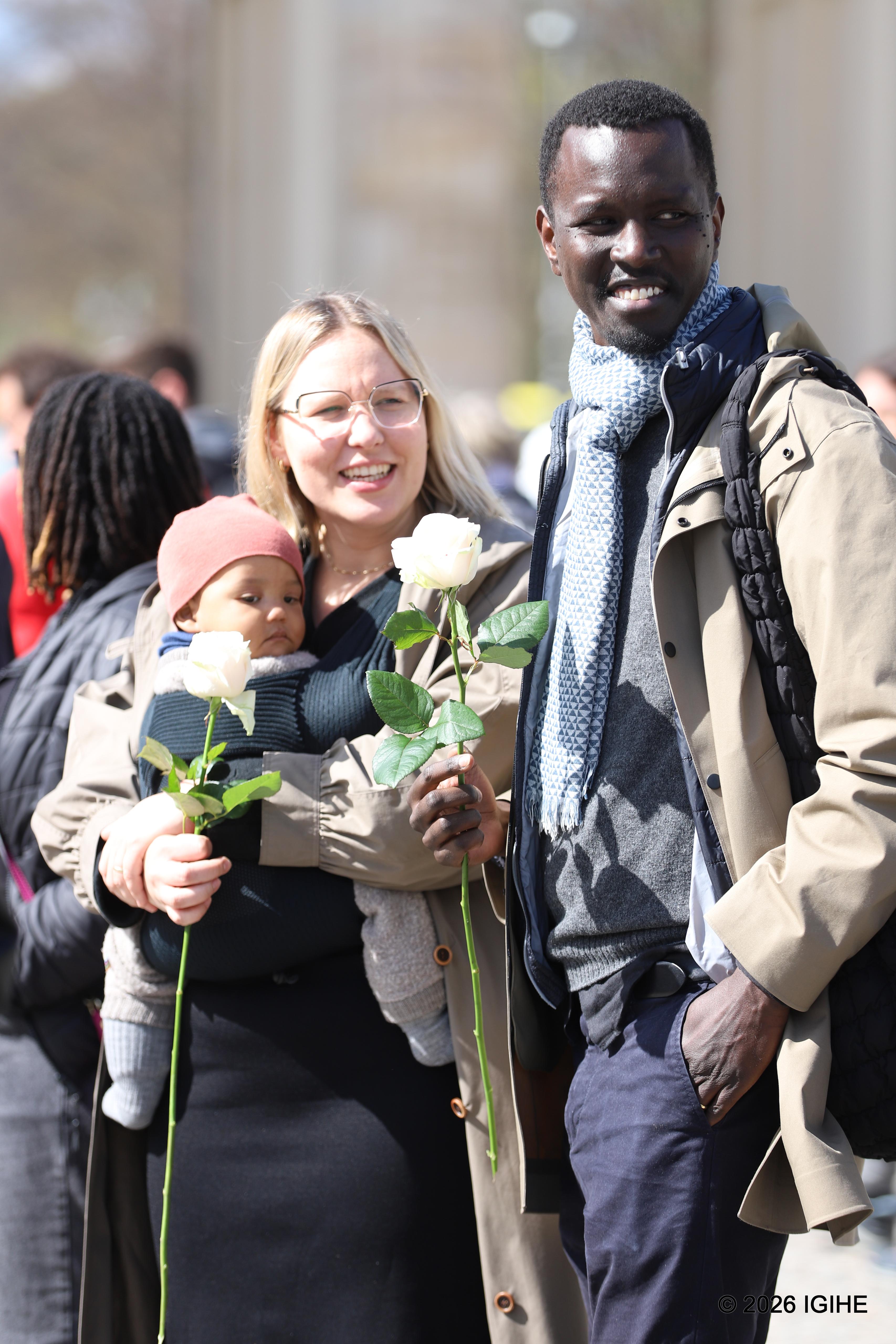
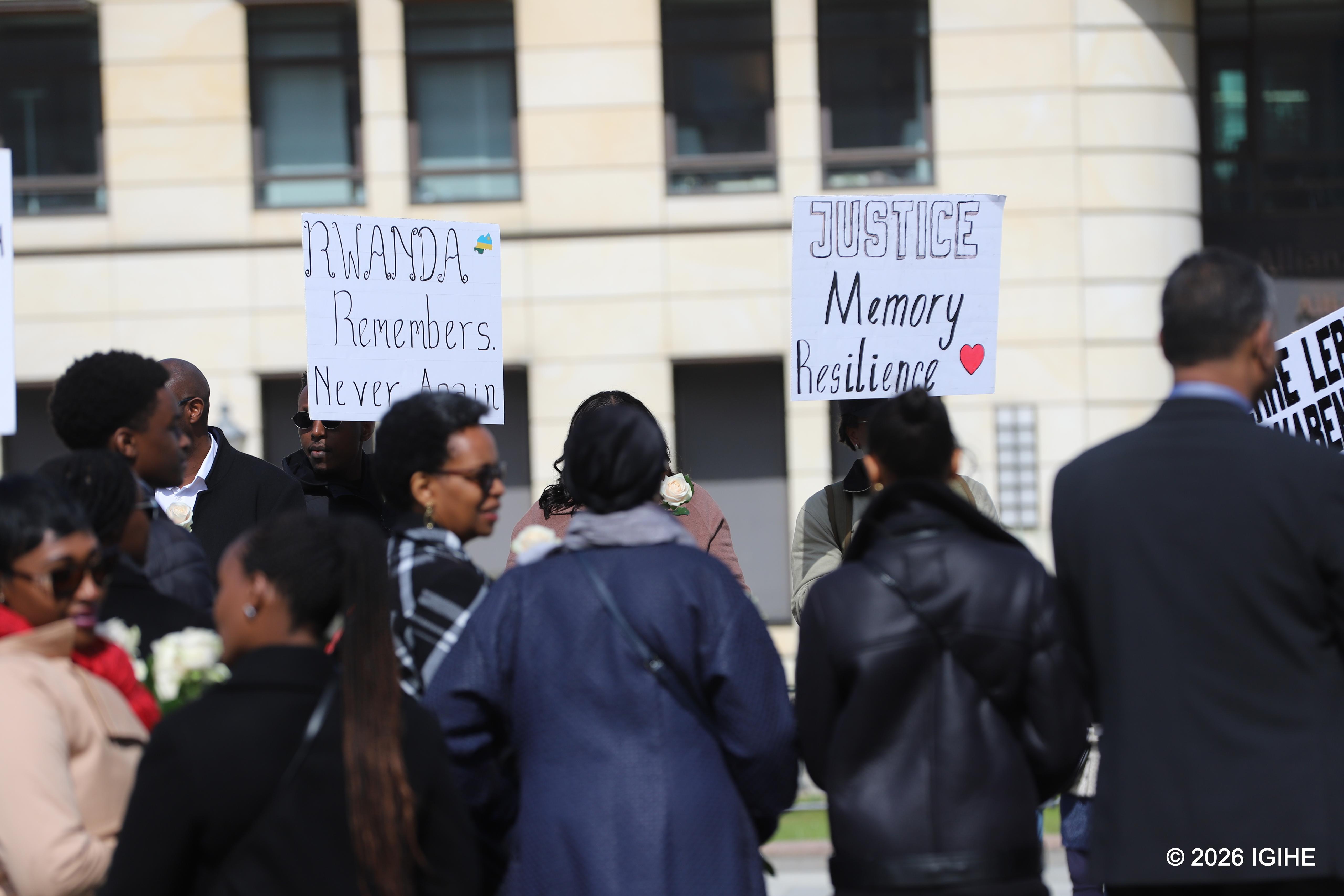
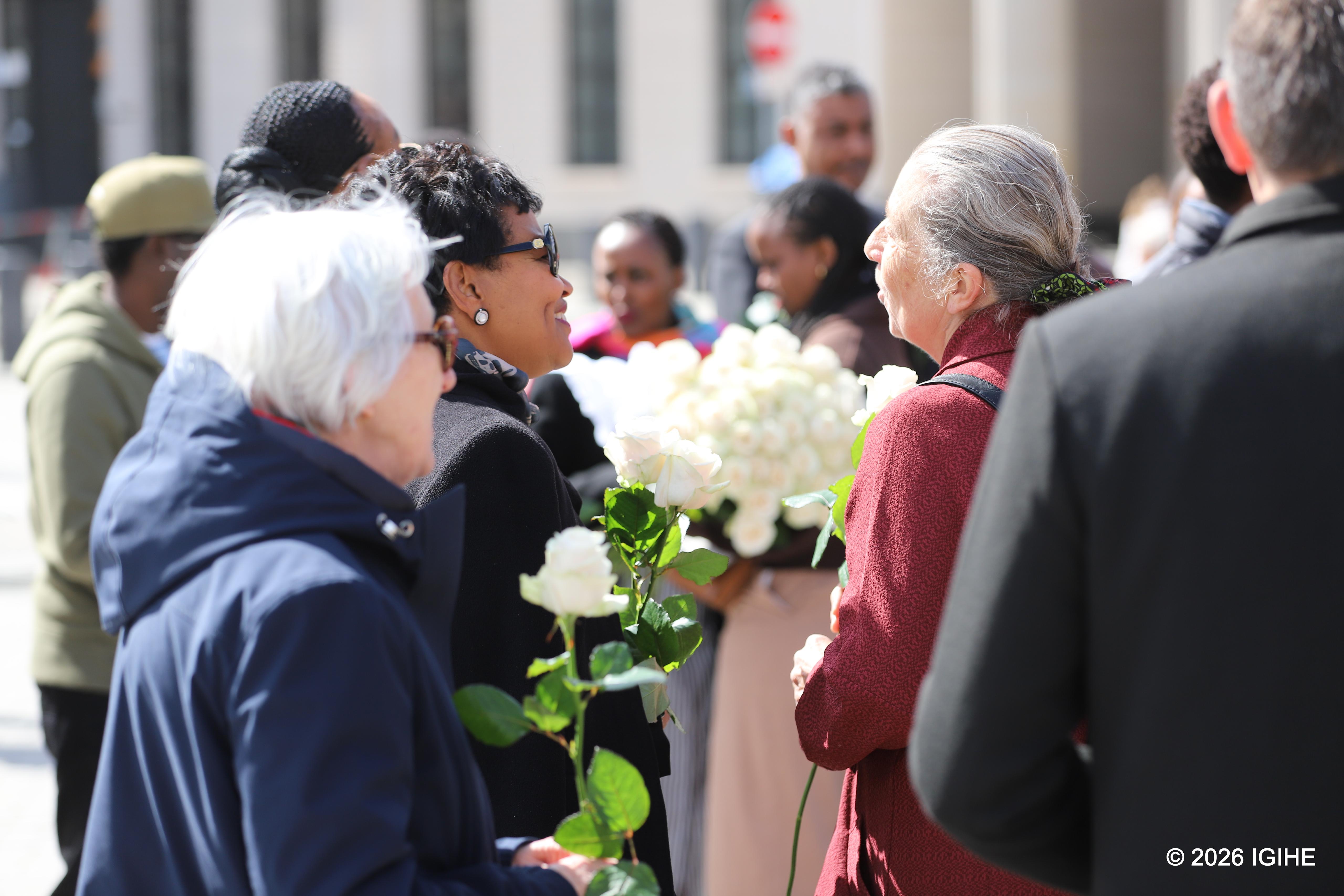
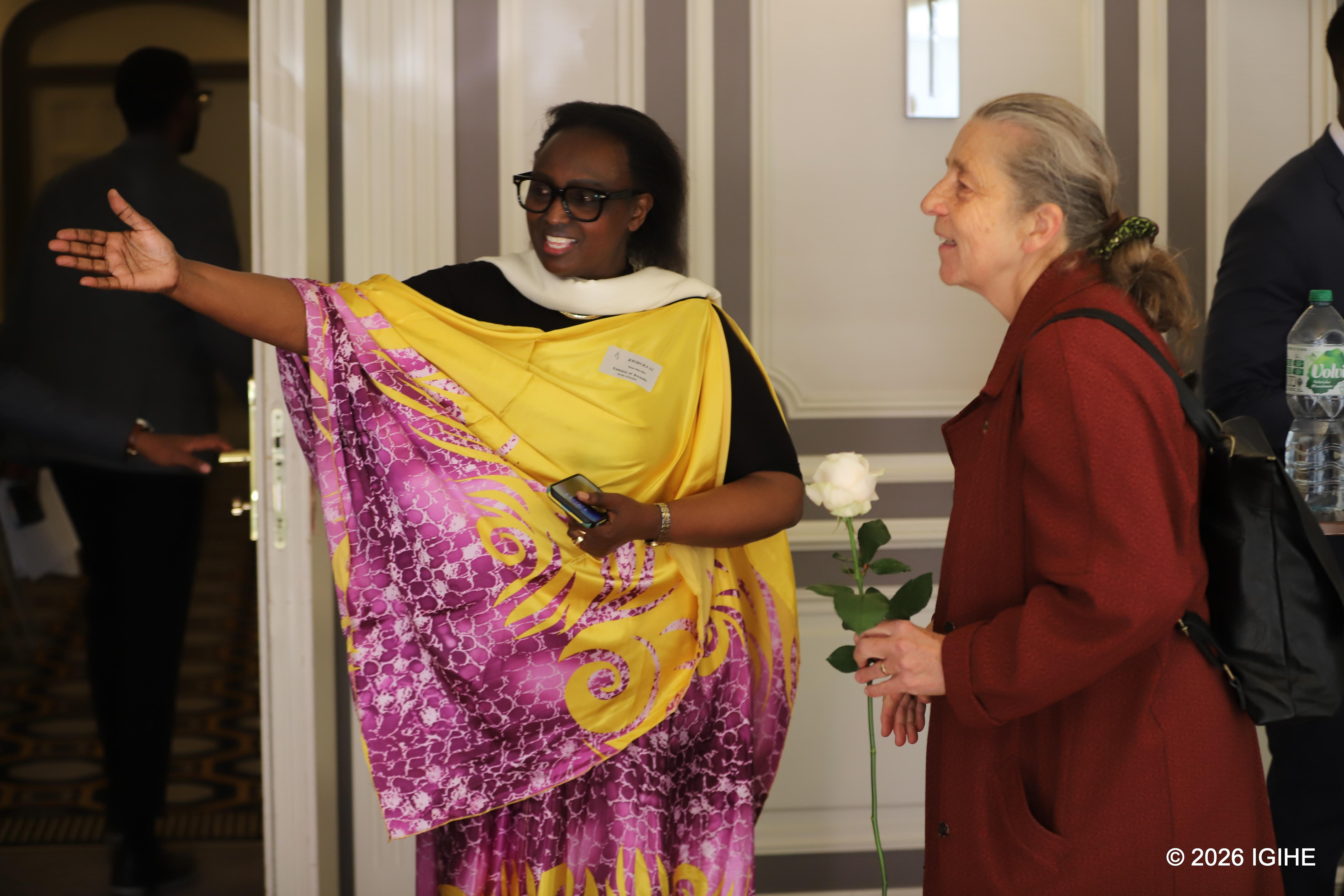
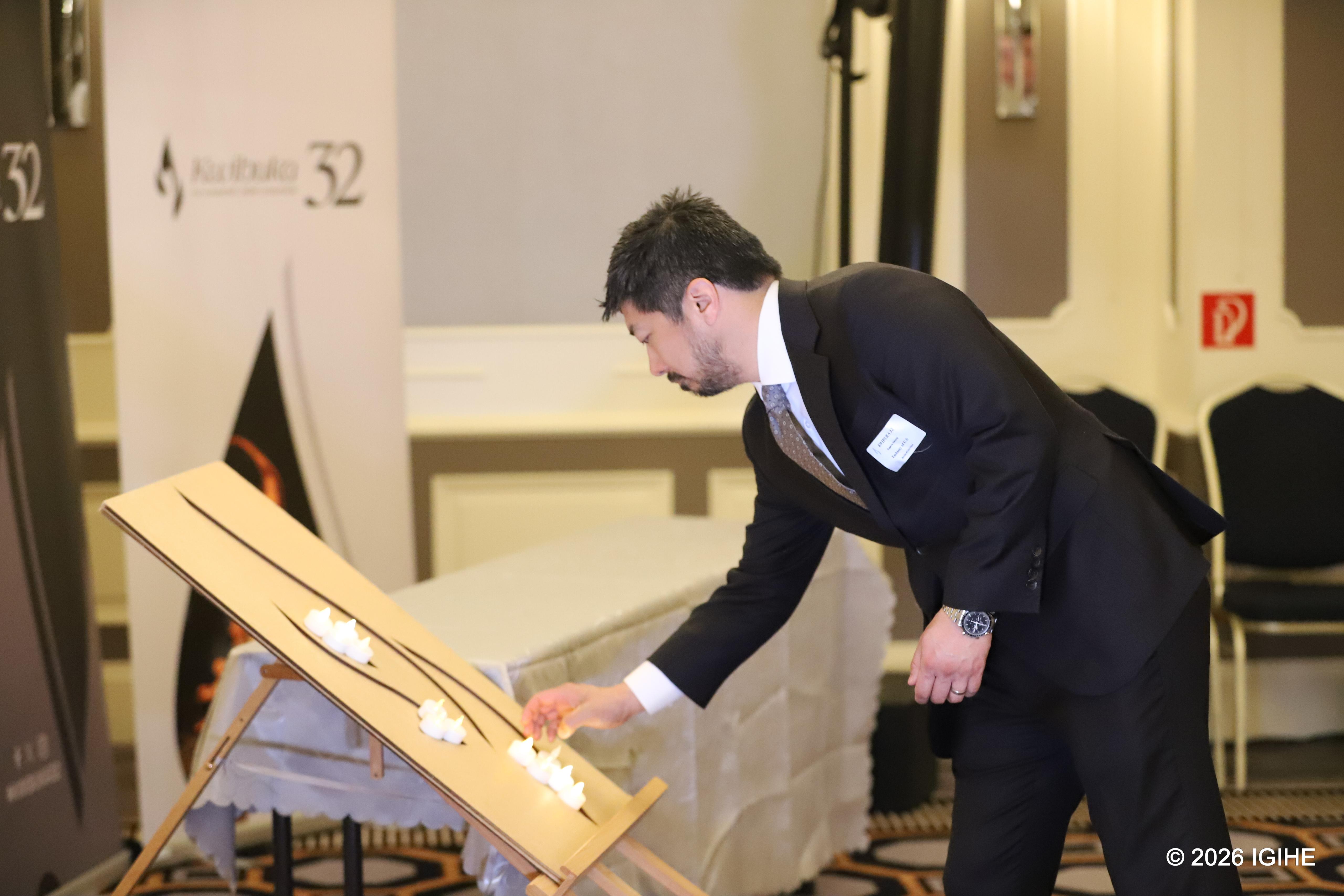
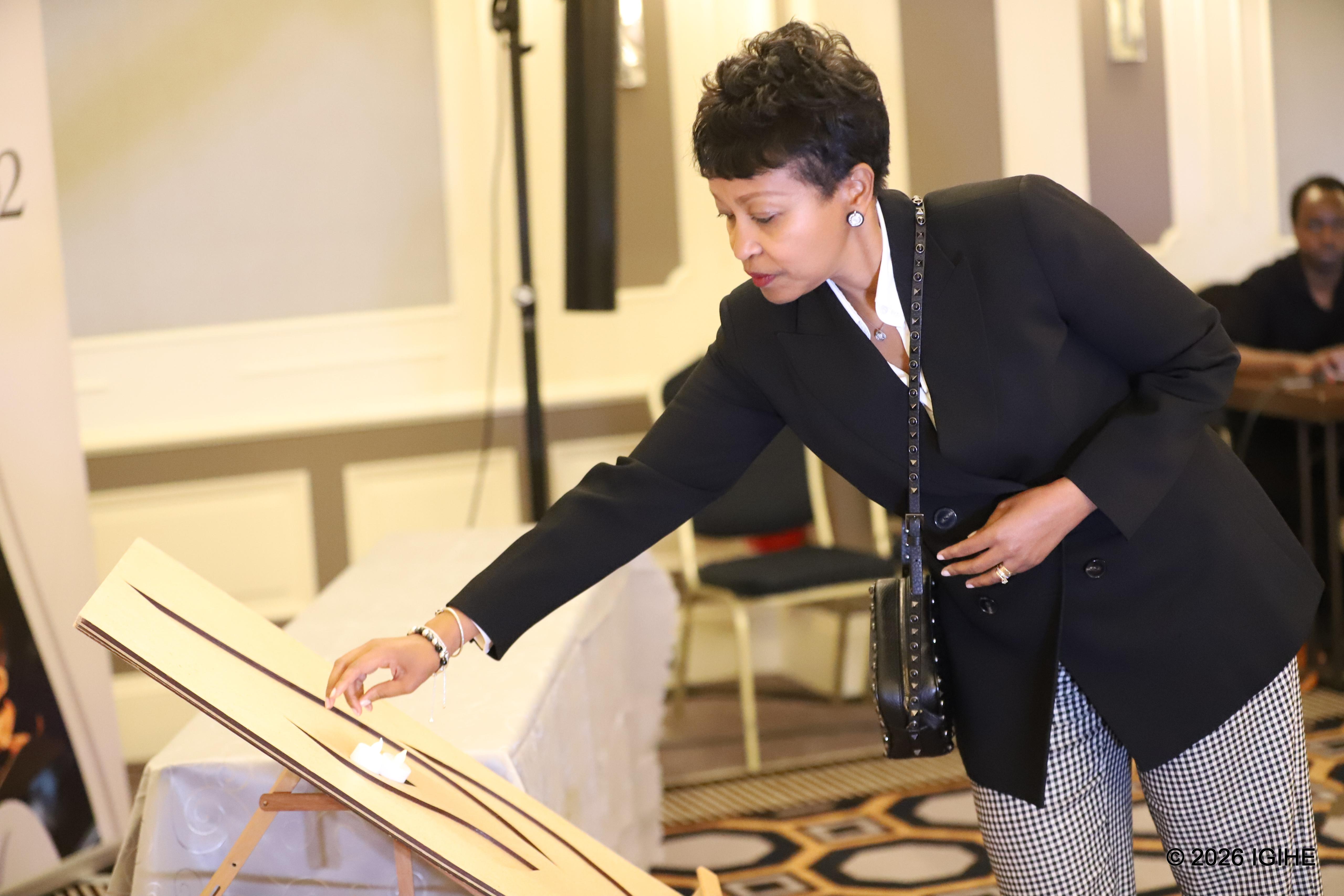
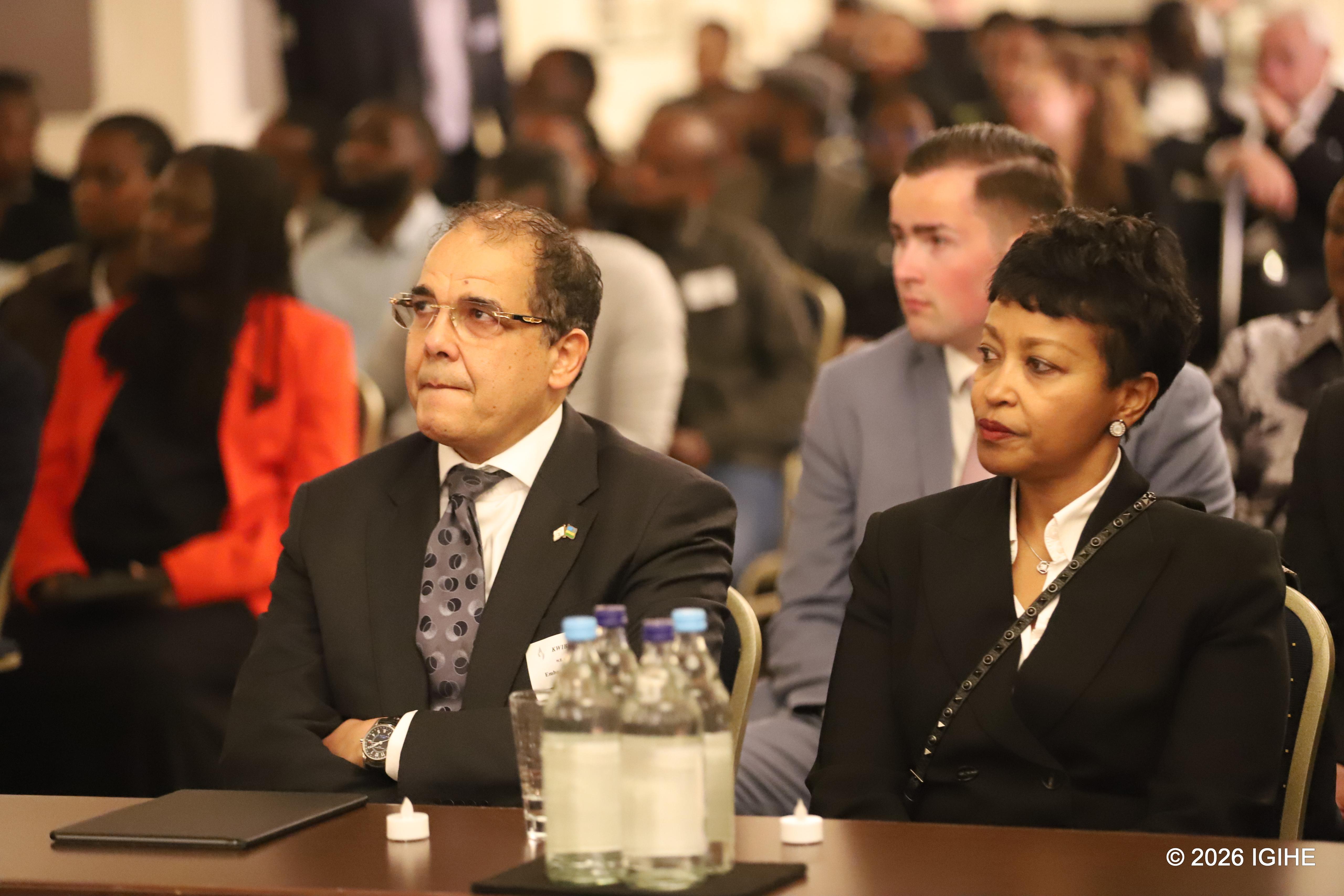
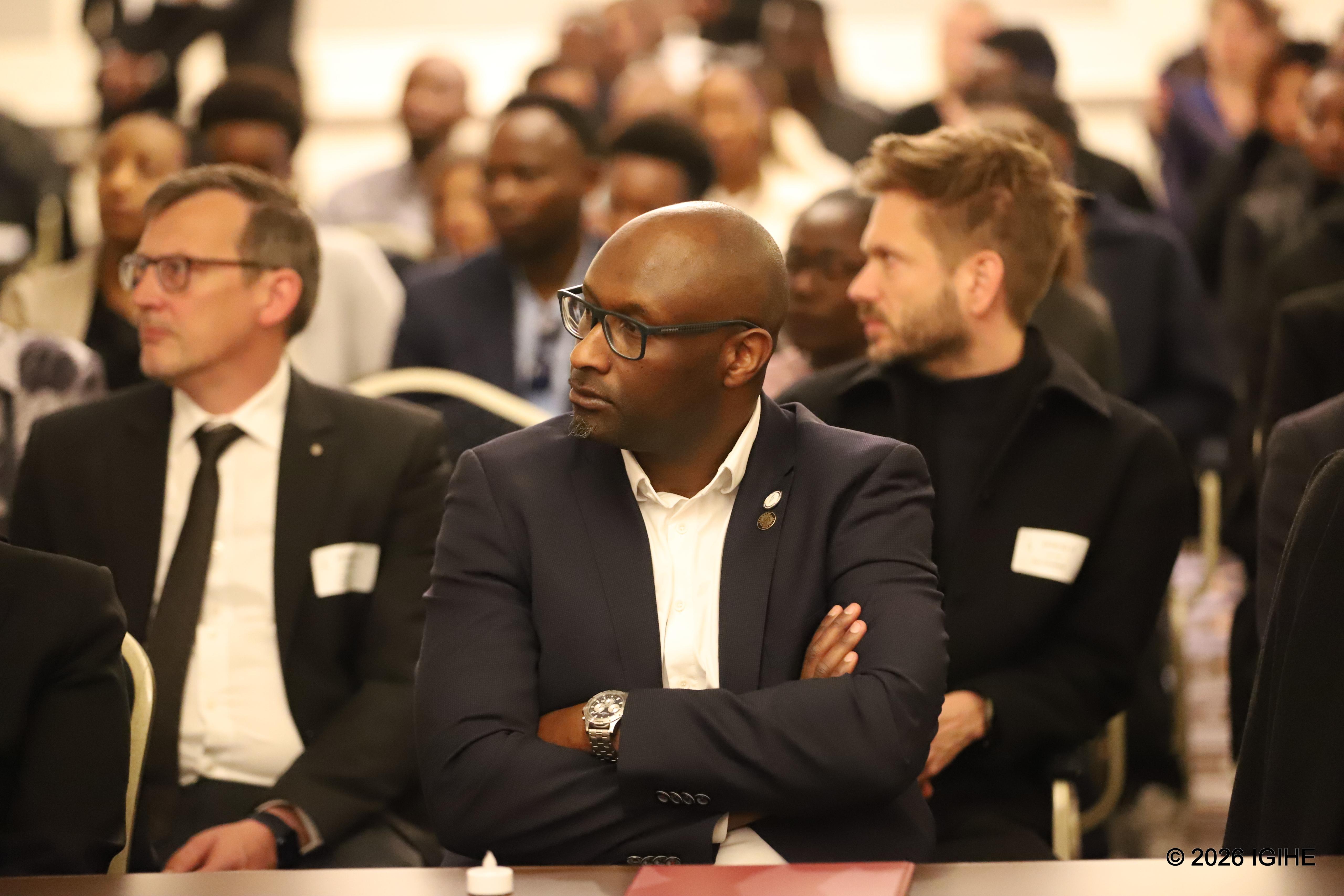
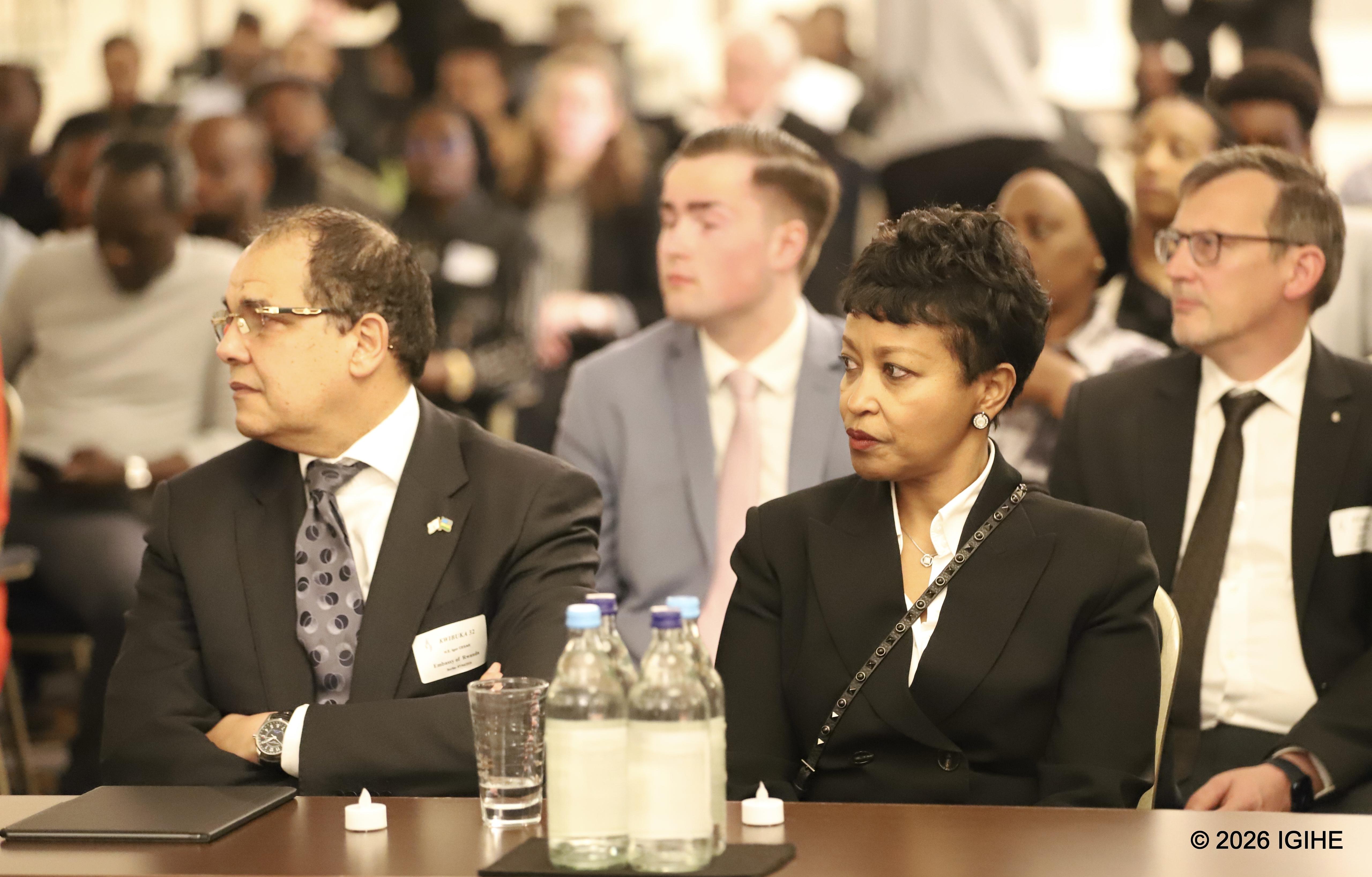
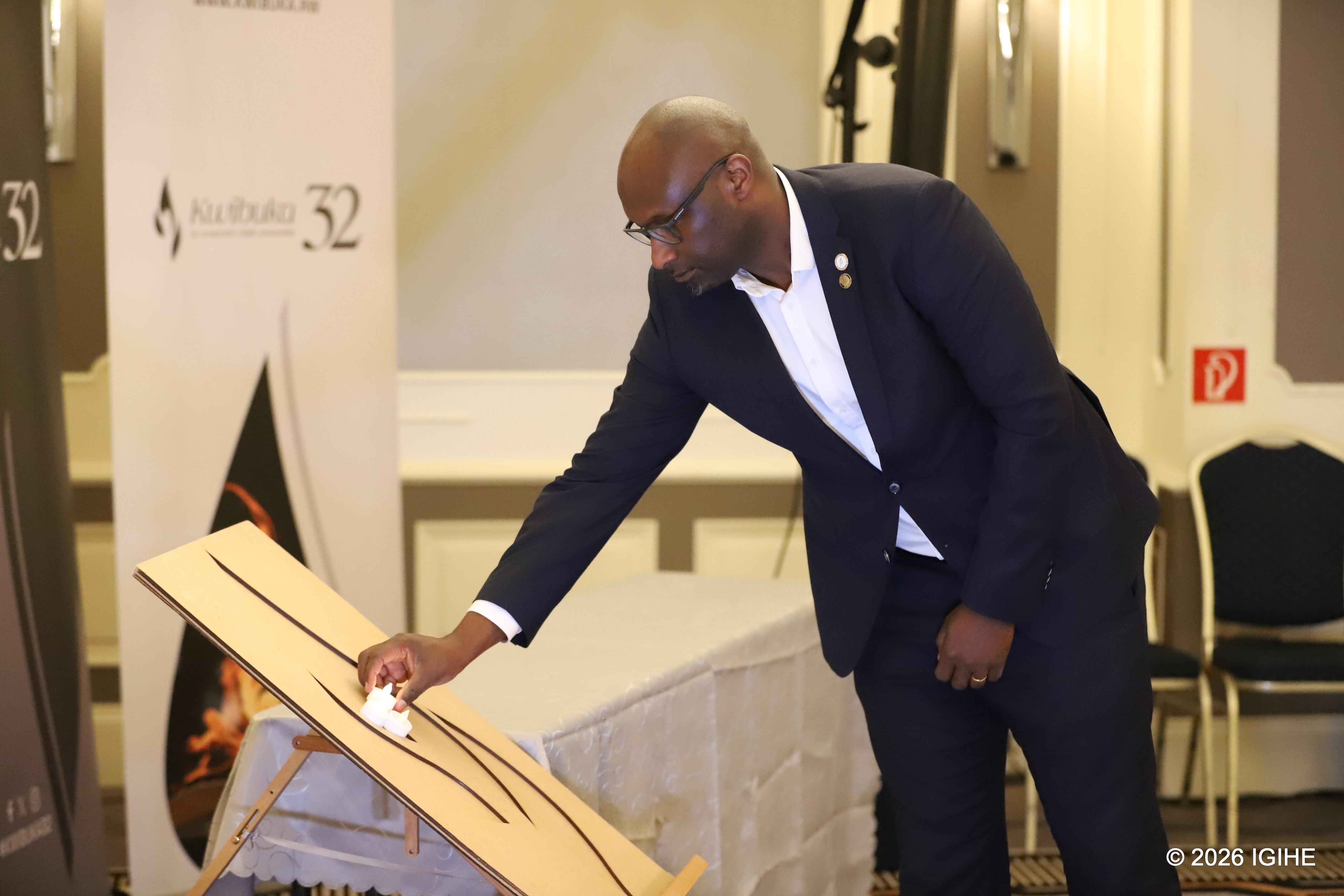
He made the remarks during the 32nd commemoration of the 1994 Genocide against the Tutsi, held in Berlin under the theme “Remember – Unite – Renew,” where government officials, representatives of IBUKA Germany, members of the Rwandan community, friends of Rwanda, and other distinguished guests gathered in solidarity.
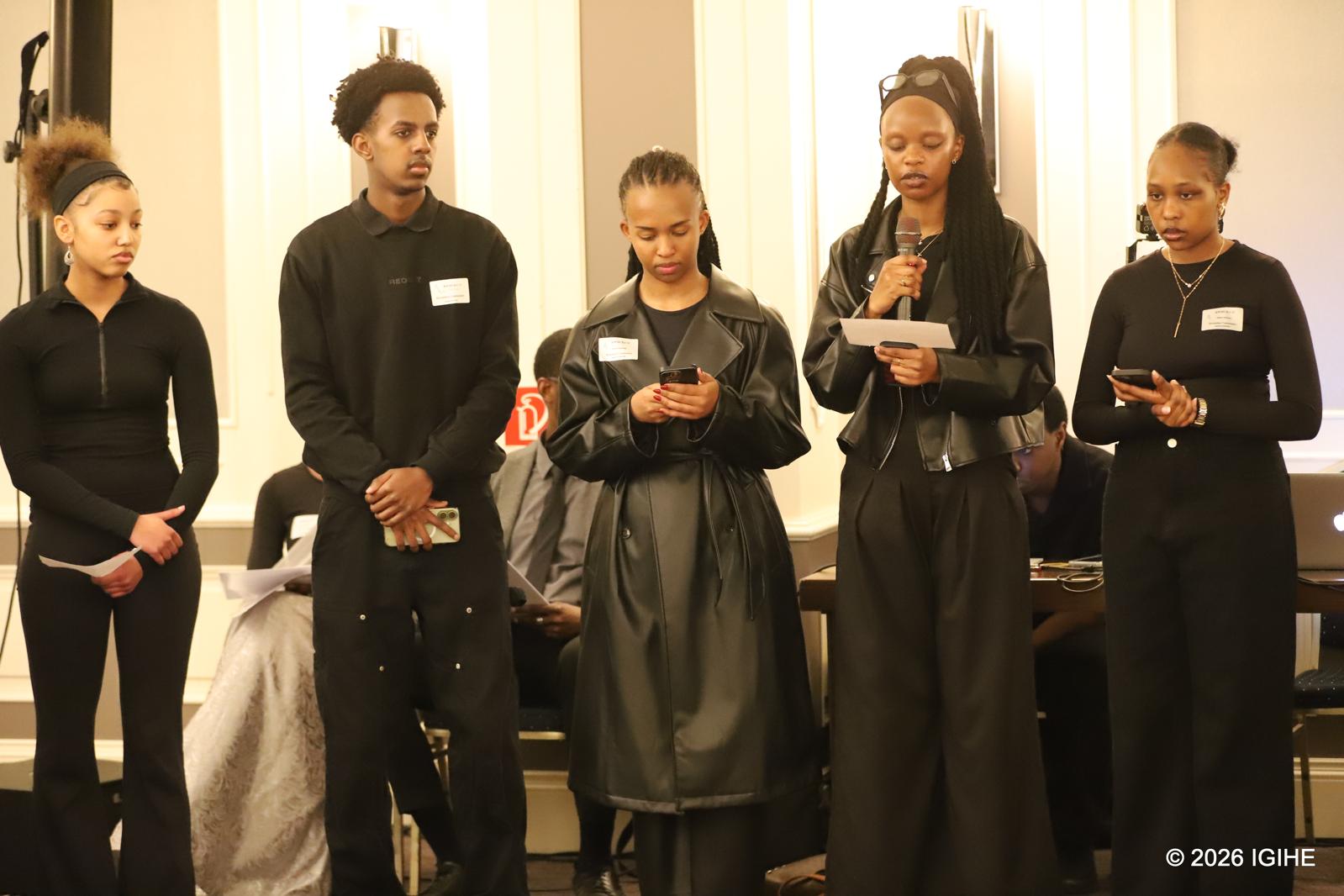
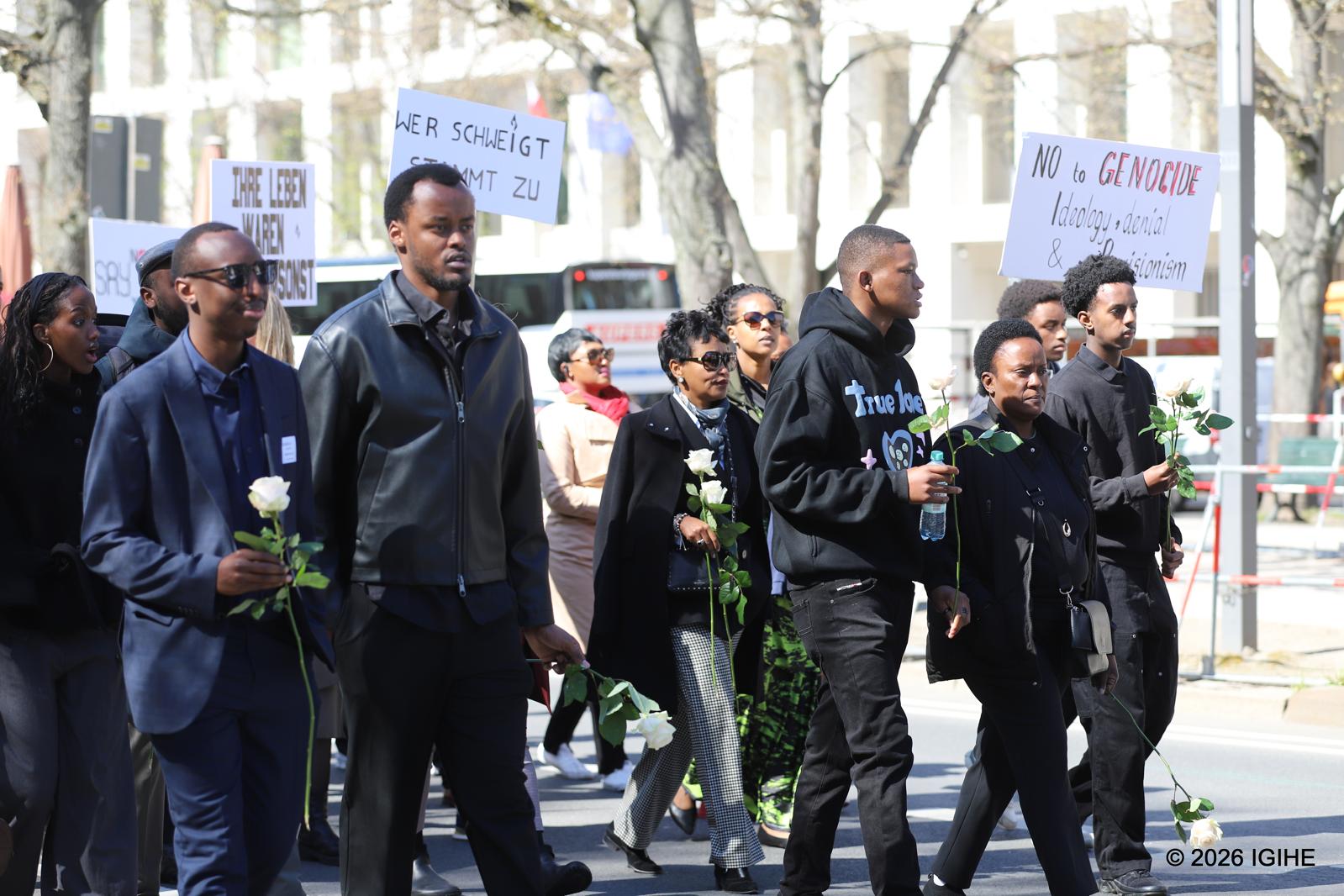
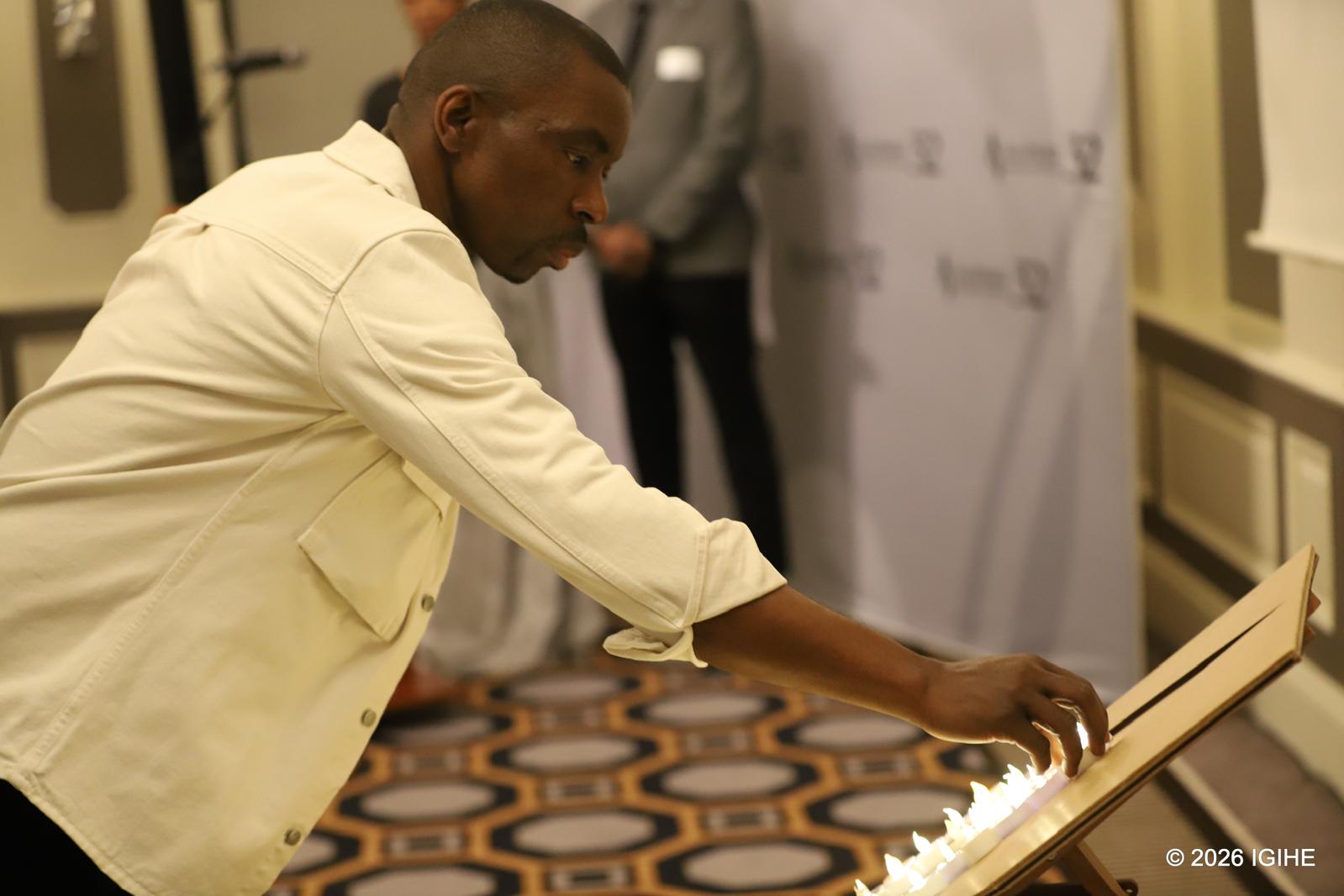
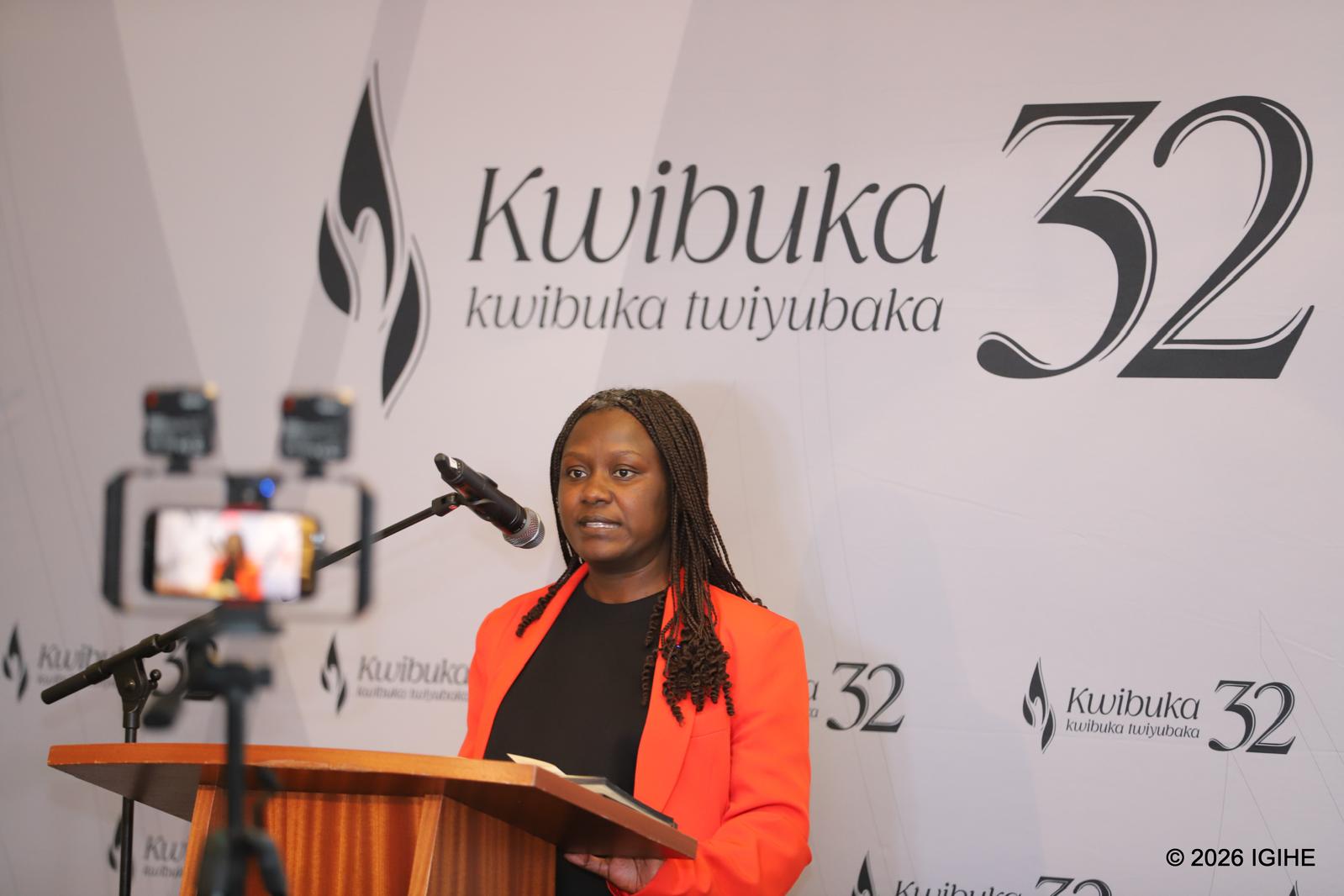
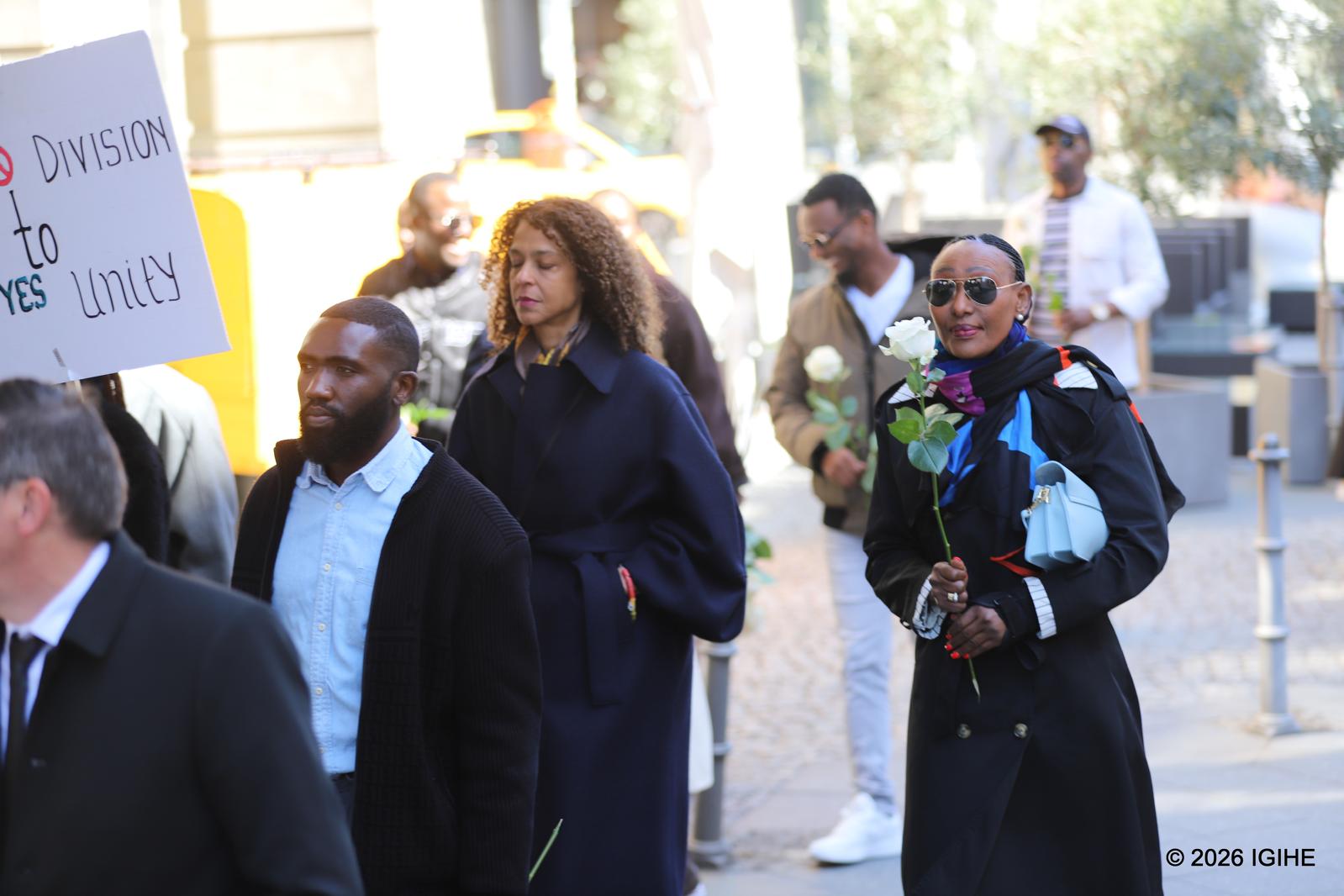
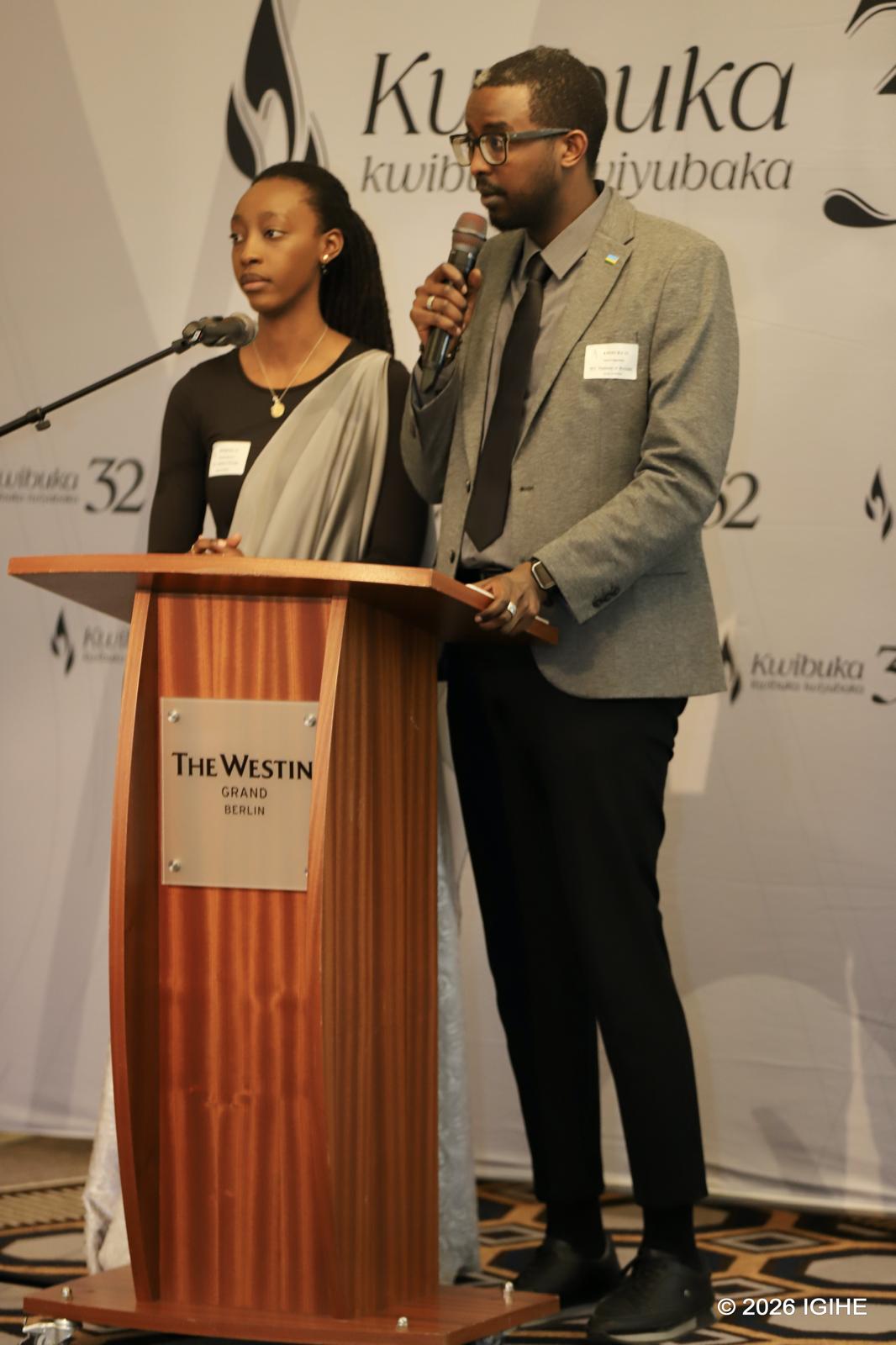
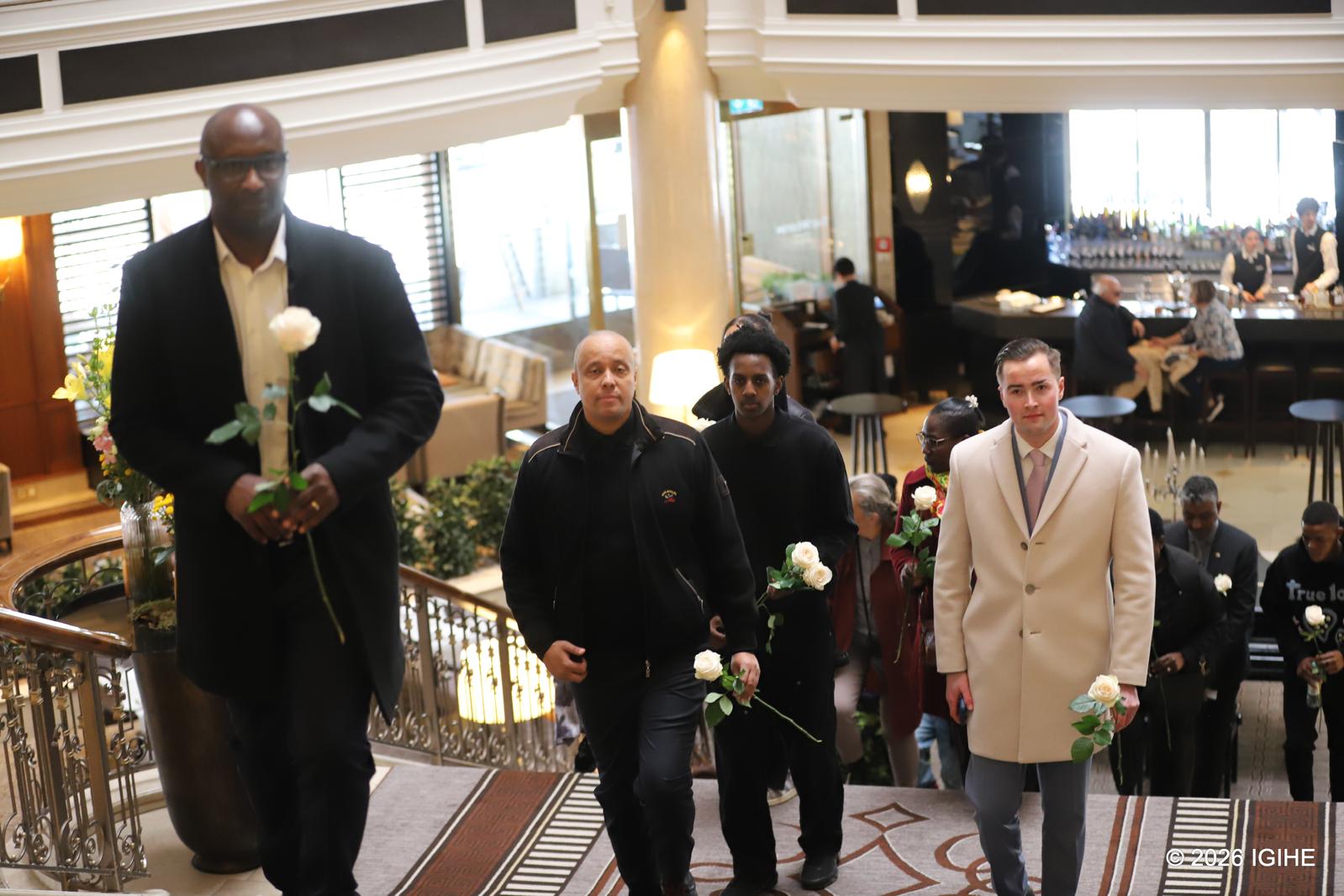
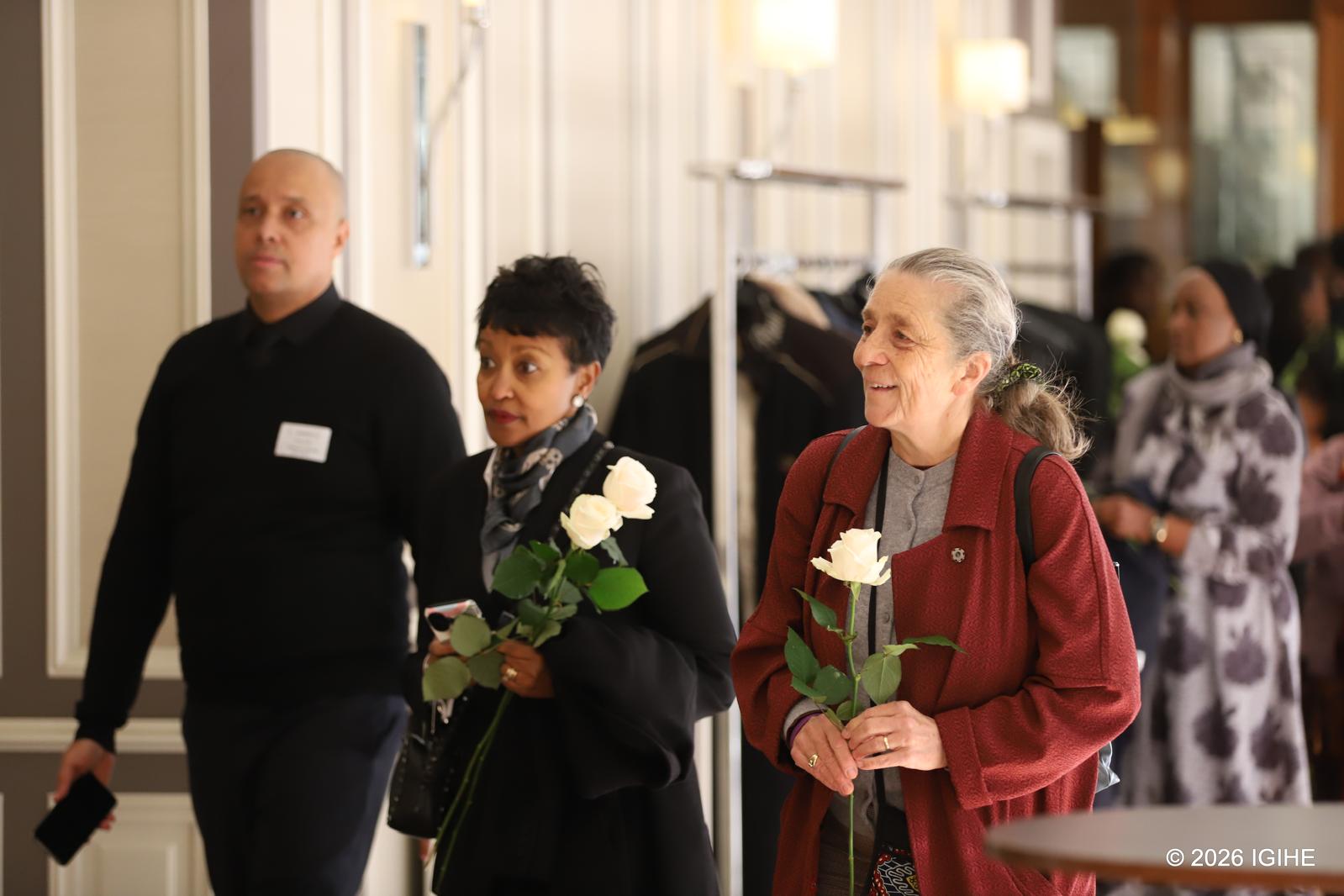
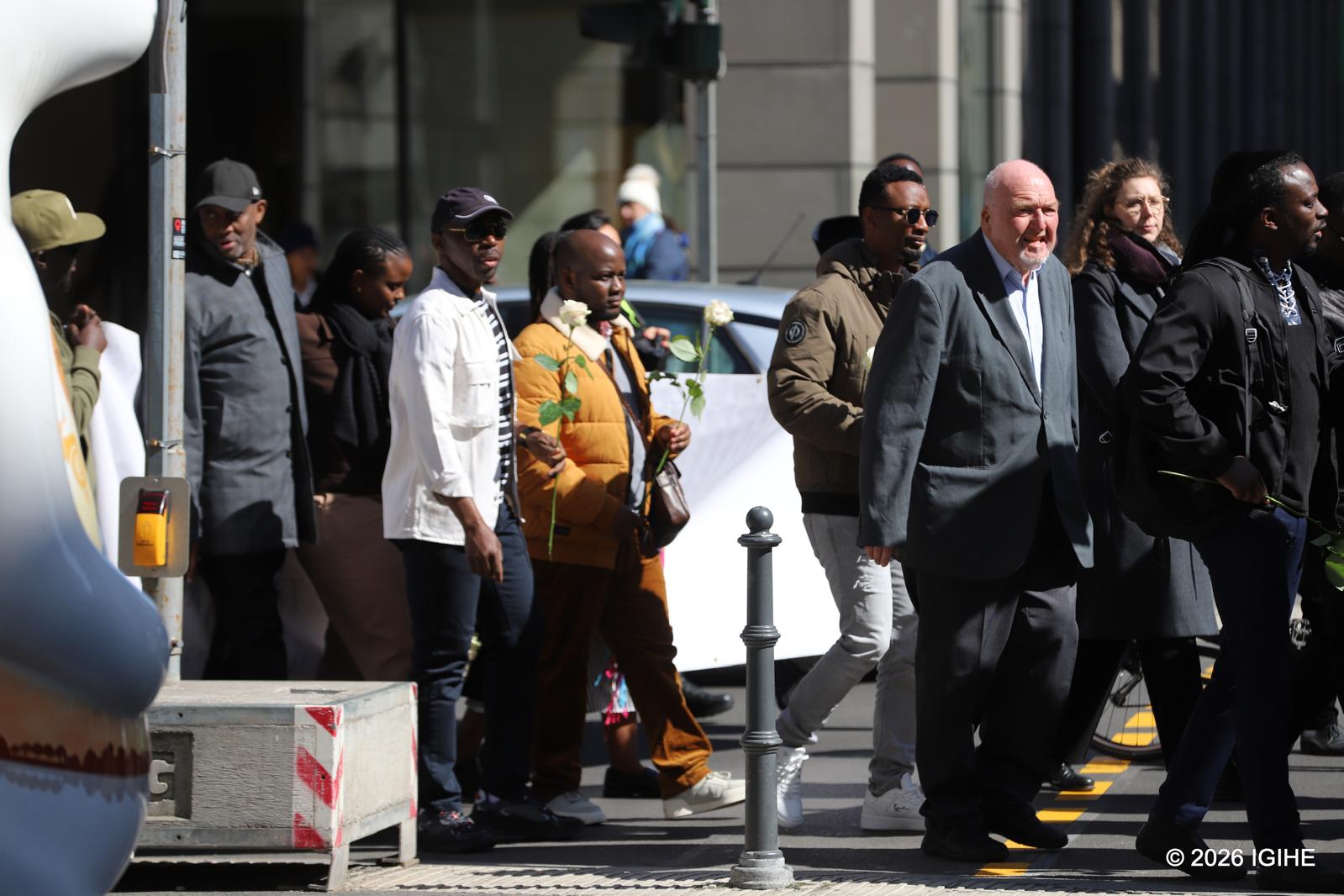
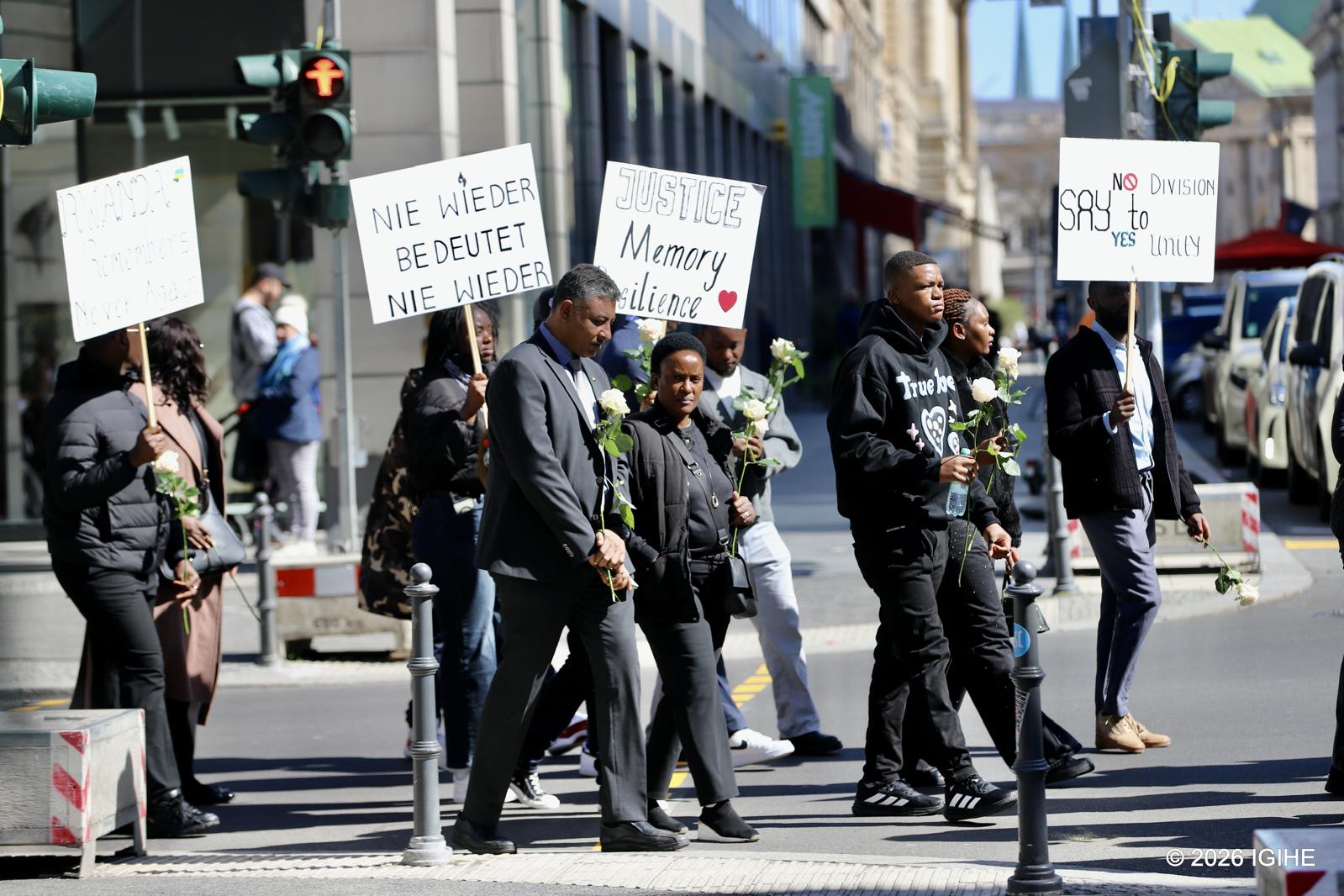
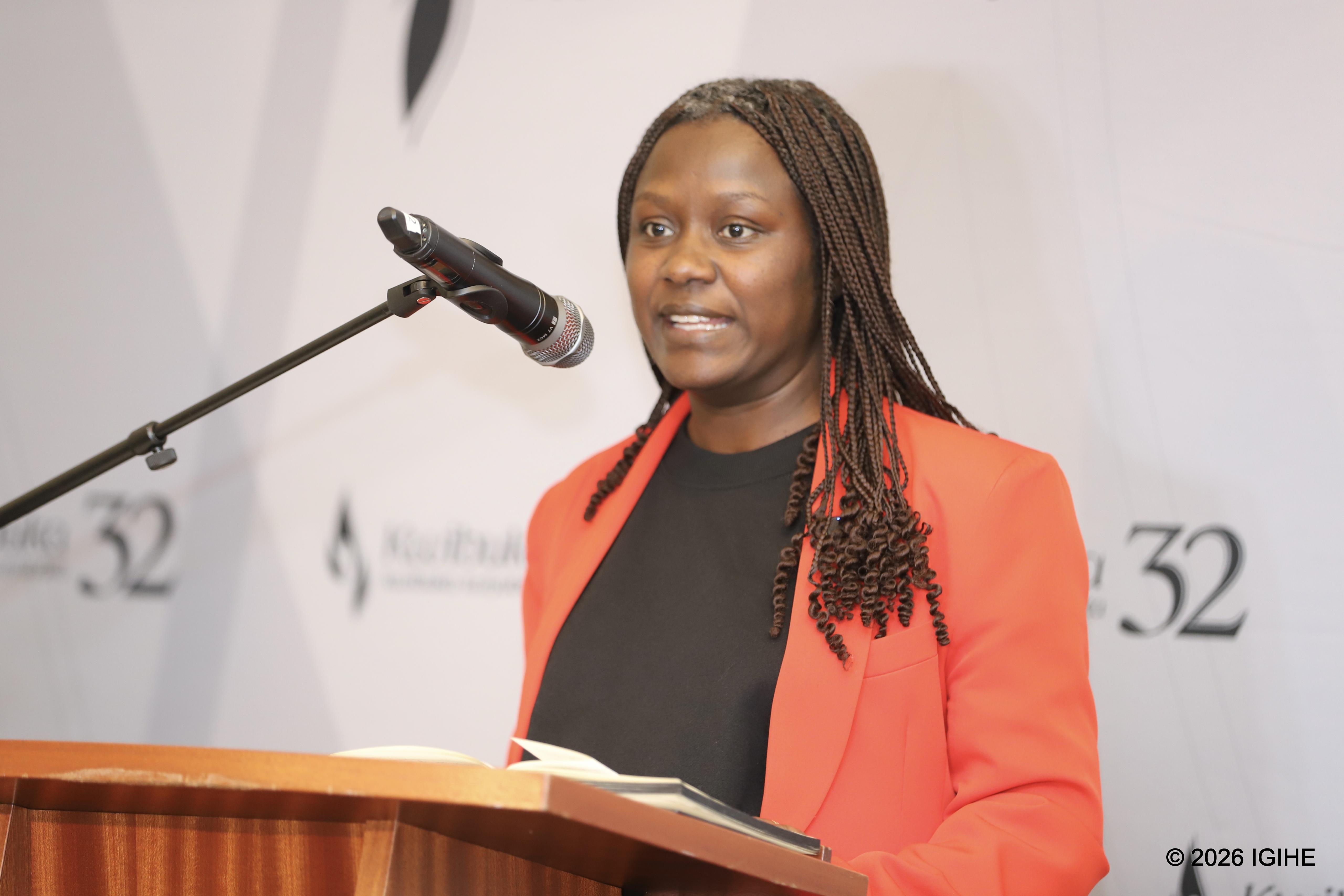
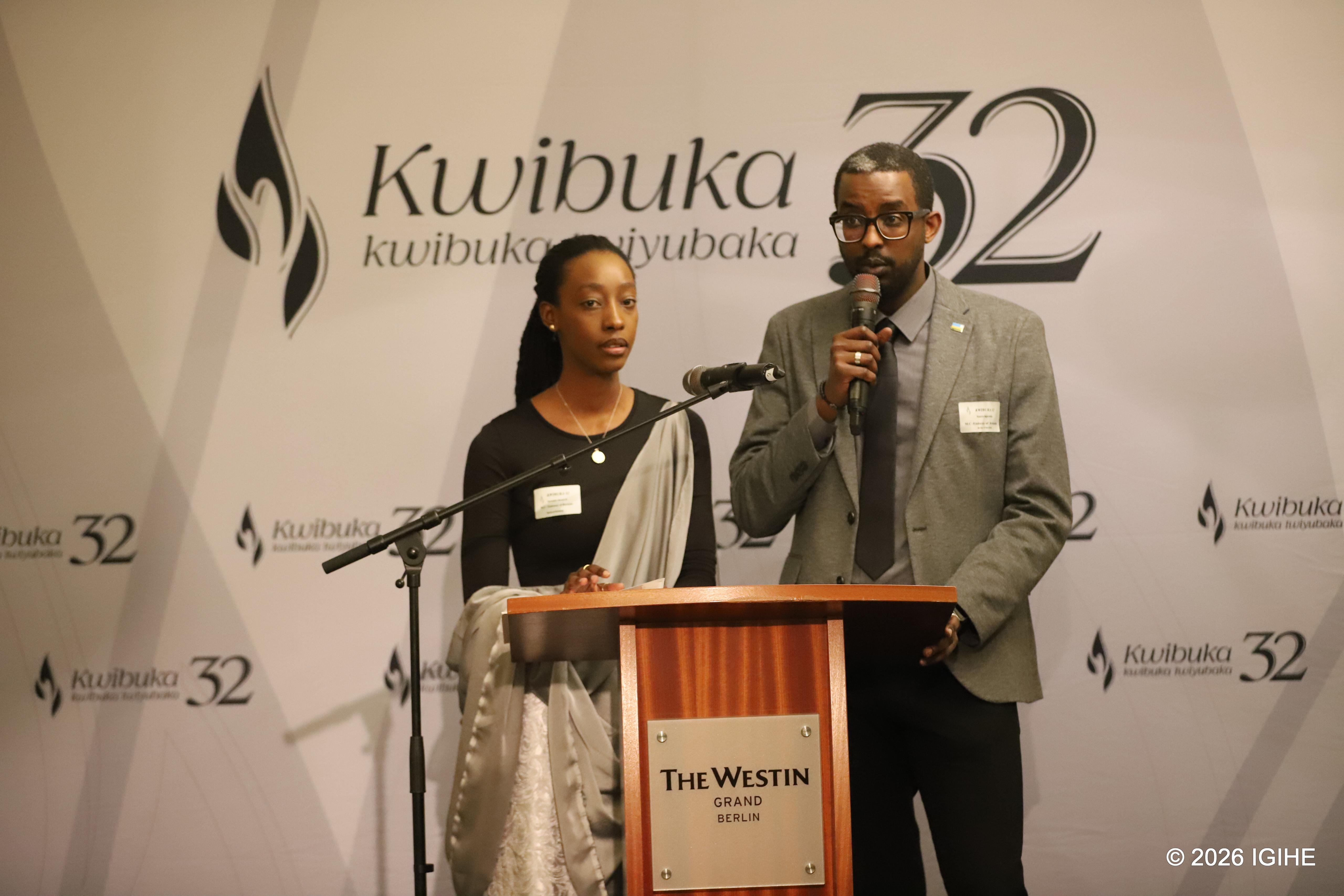
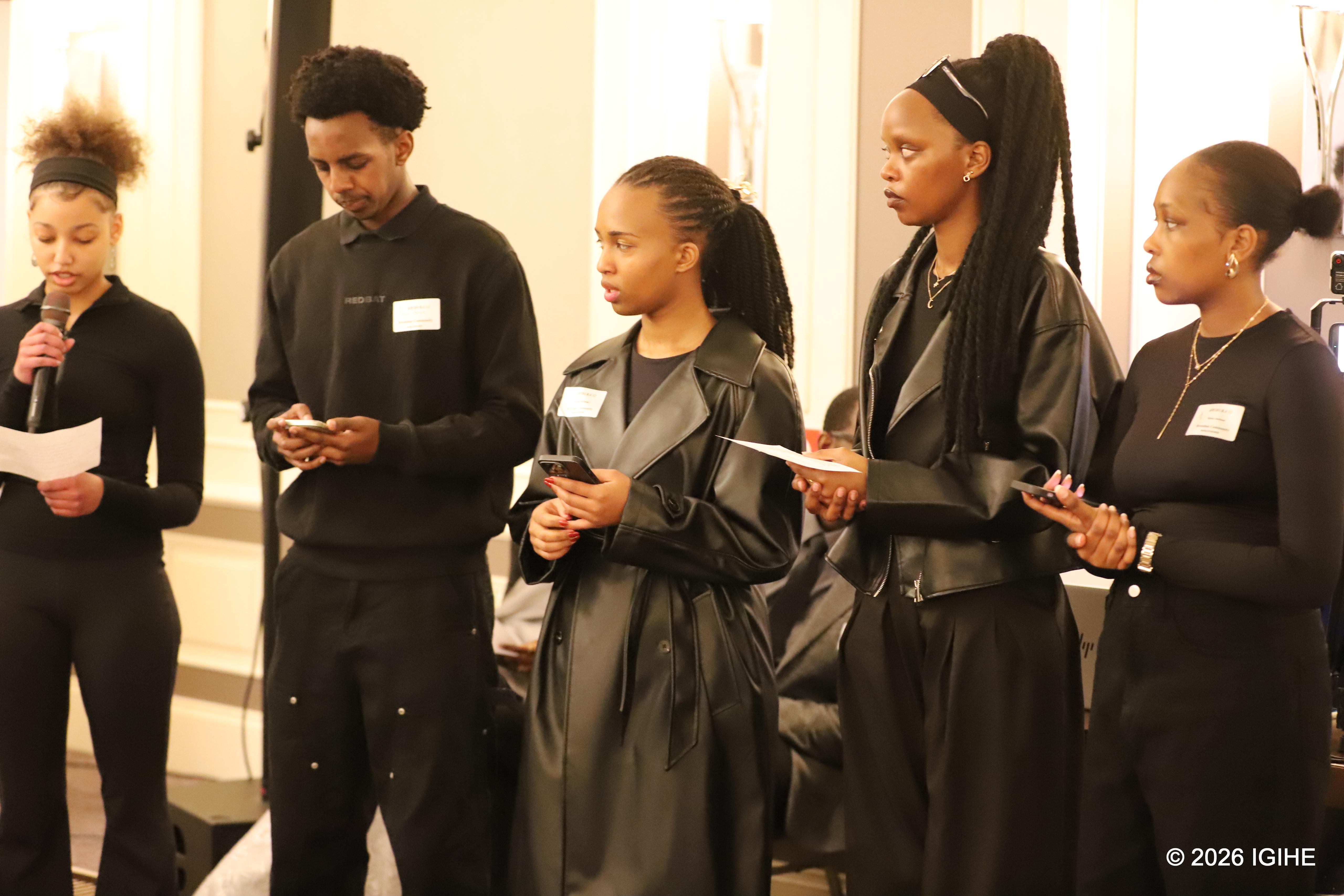
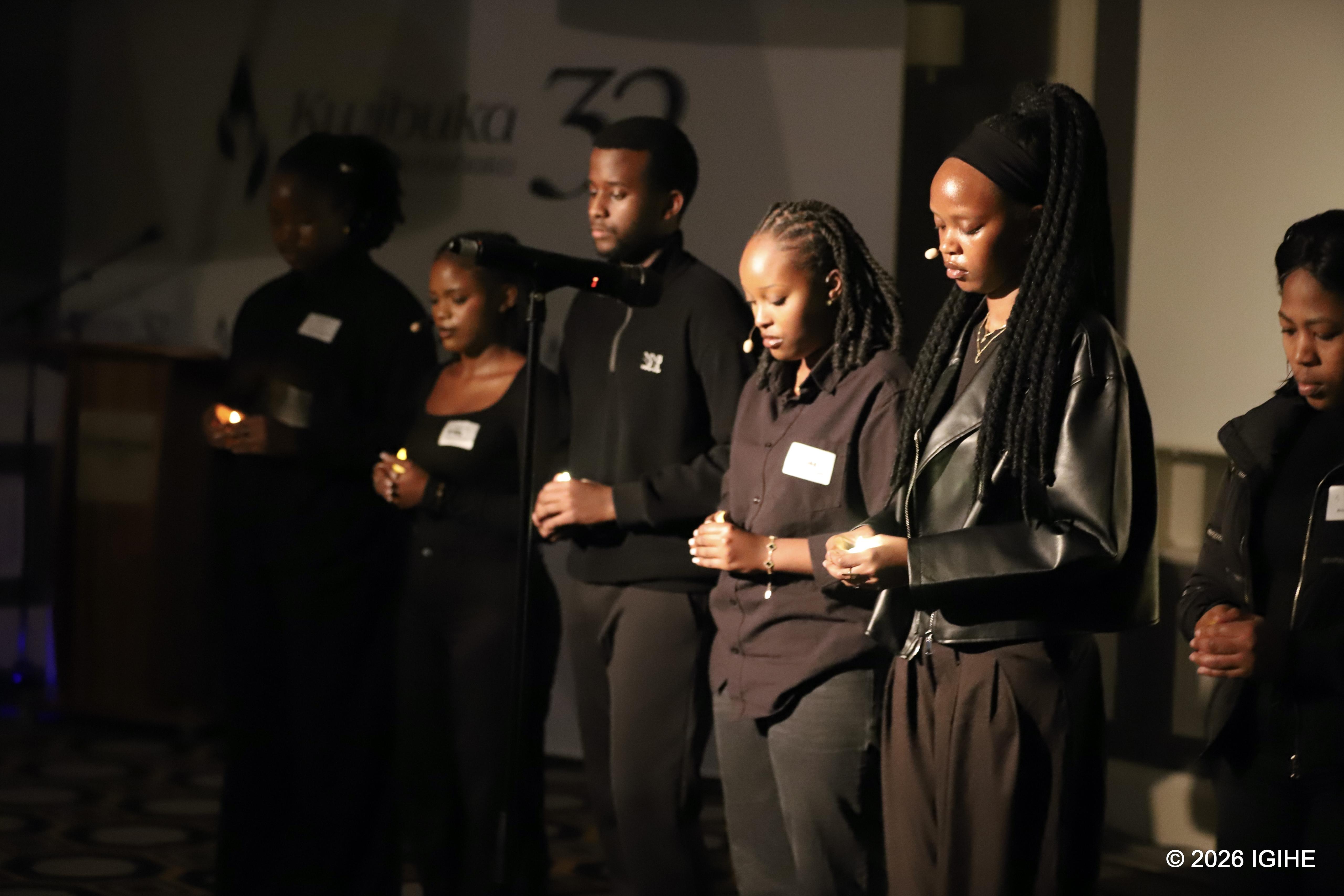
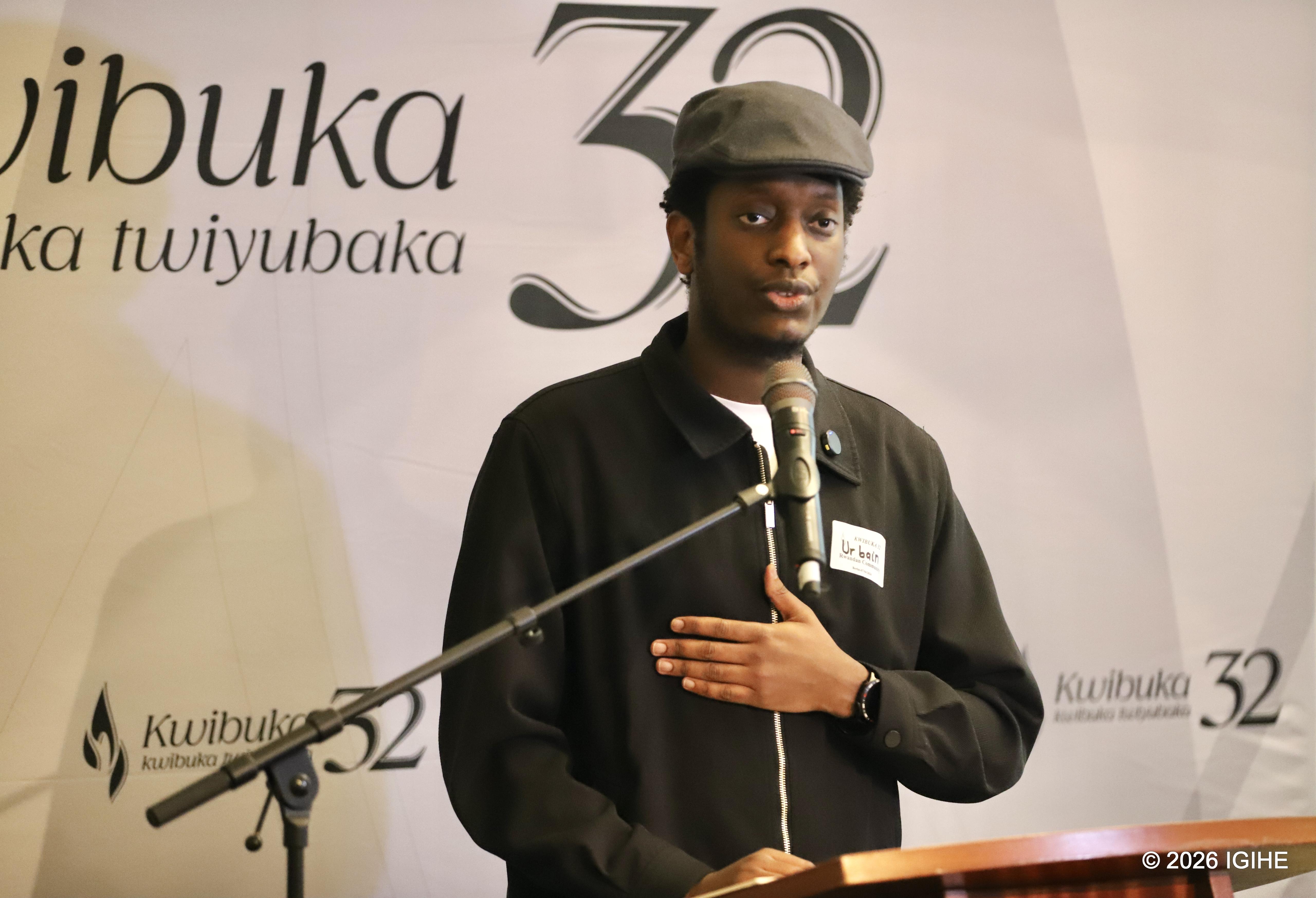
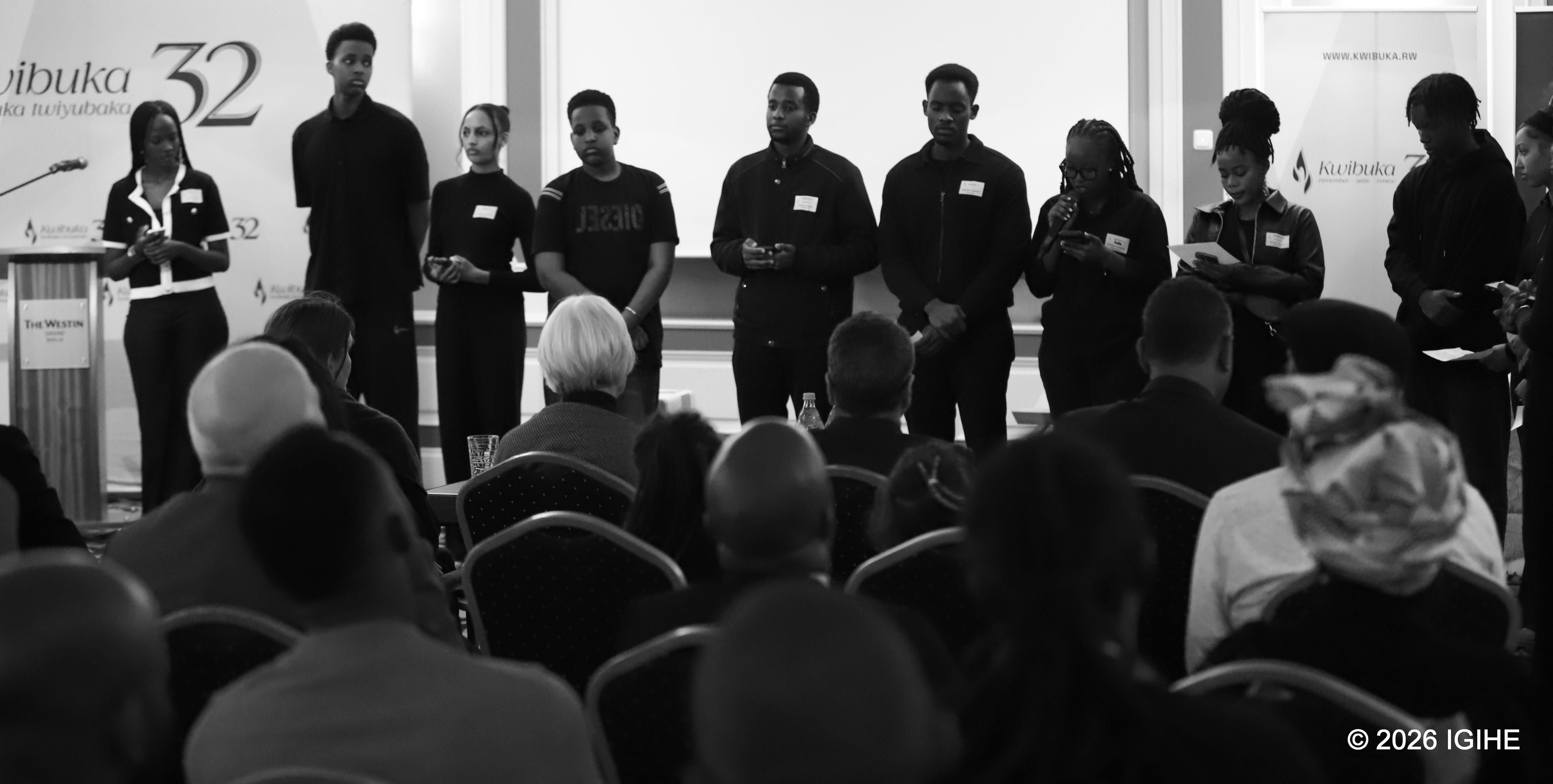
After a Walk to Remember, the commemoration continued with commemoration talks held at the Westin Grand Hotel, featuring a testimony by Umubyeyi Constantine, a poem recited by Sugira Hubert, and a theatrical performance by youth from Germany, all centered on the history of the Genocide against the Tutsi in Rwanda.
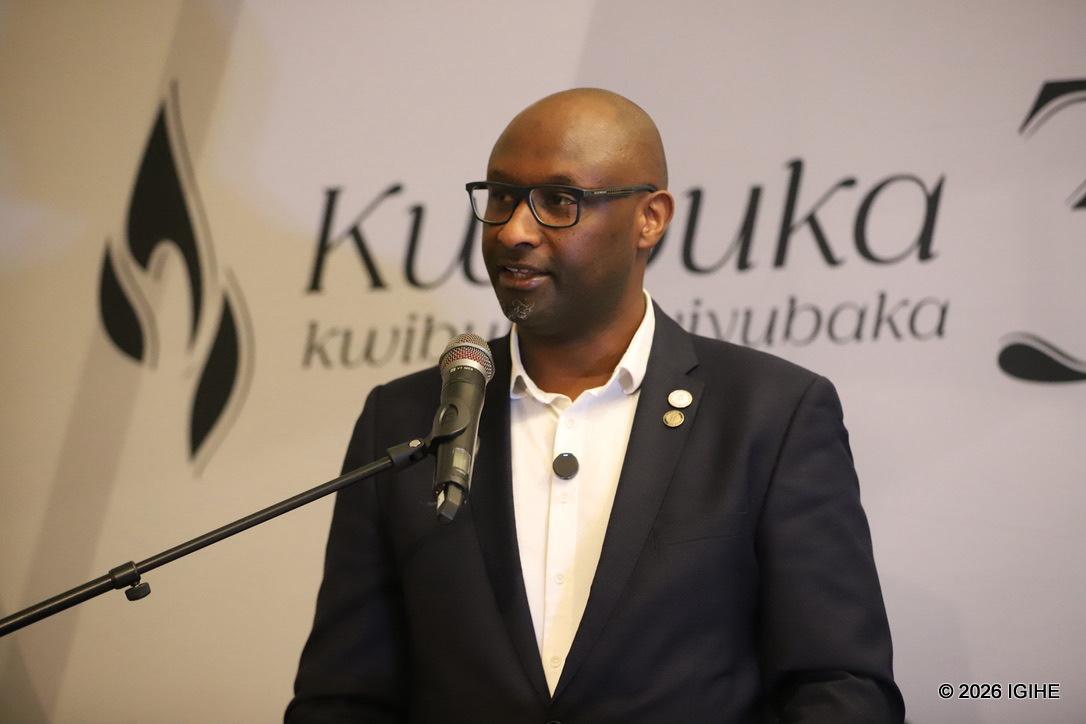
The representative of IBUKA in Germany, Philbert Gakuba, expressed gratitude to friends of Rwanda who attended.
He reflected on the history of the Genocide against the Tutsi, which left him orphaned, noting that today he has rebuilt his life, become a father, and moved forward with resilience.
Gakuba encouraged survivors to remain strong during this period of commemoration, acknowledging that it is a particularly difficult time, even though remembrance is something they live with every day.
He also addressed the youth, emphasizing that they are the ones who will carry forward the responsibility of remembrance. He noted that the commitment and actions already demonstrated by young people show that they are capable of sustaining this duty in the future.
Gakuba further reminded the international community of its inaction during the Genocide, stating: “This is why we remember, so that it never happens again.”
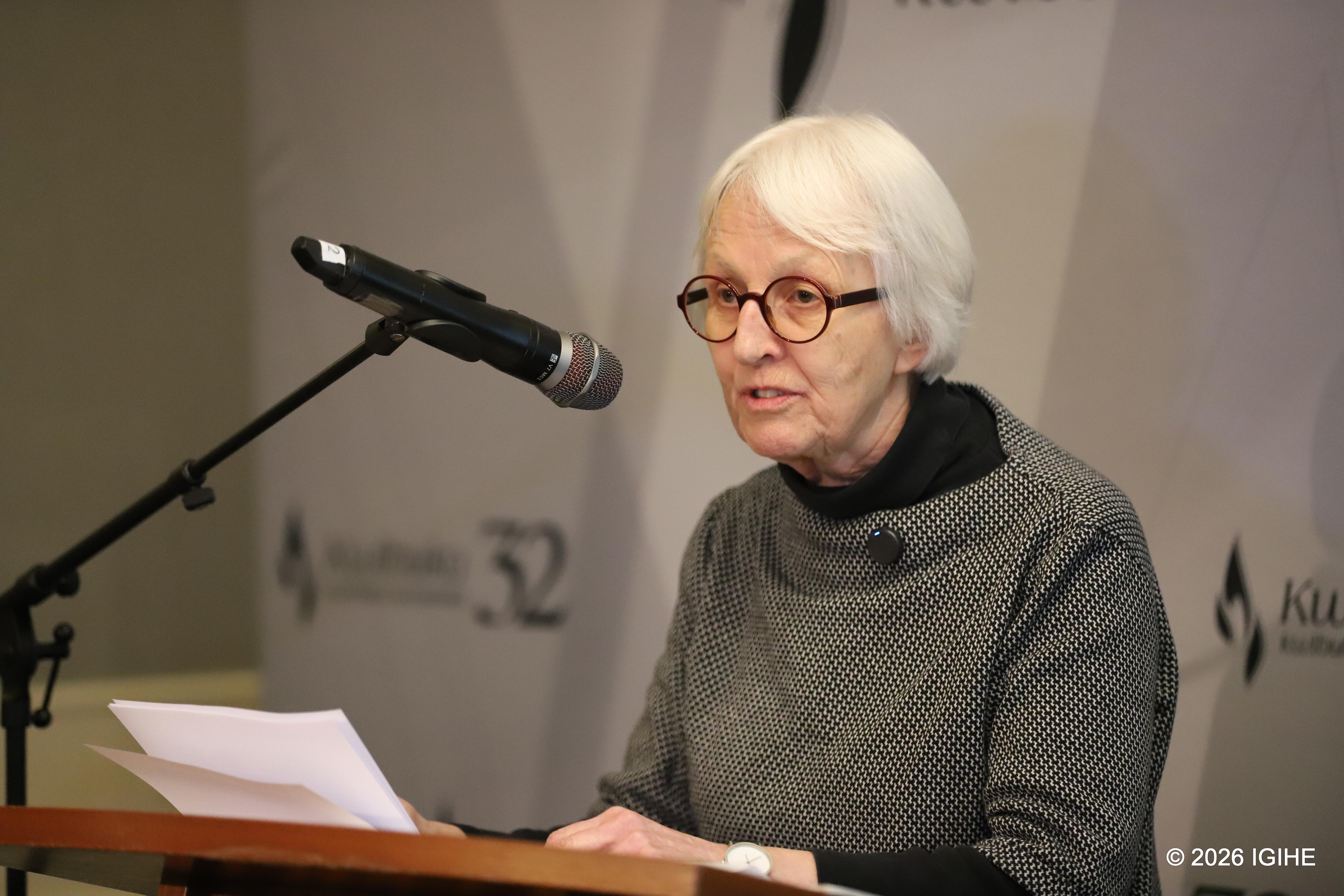
He also expressed sincere appreciation to Lise Nirk, a resident of Lauchringen, who played a significant role in supporting the establishment of the first genocide memorial in Germany.
Dr. Charity Wibabara also delivered a presentation addressing genocide denial and minimization, and the ongoing efforts to combat them.
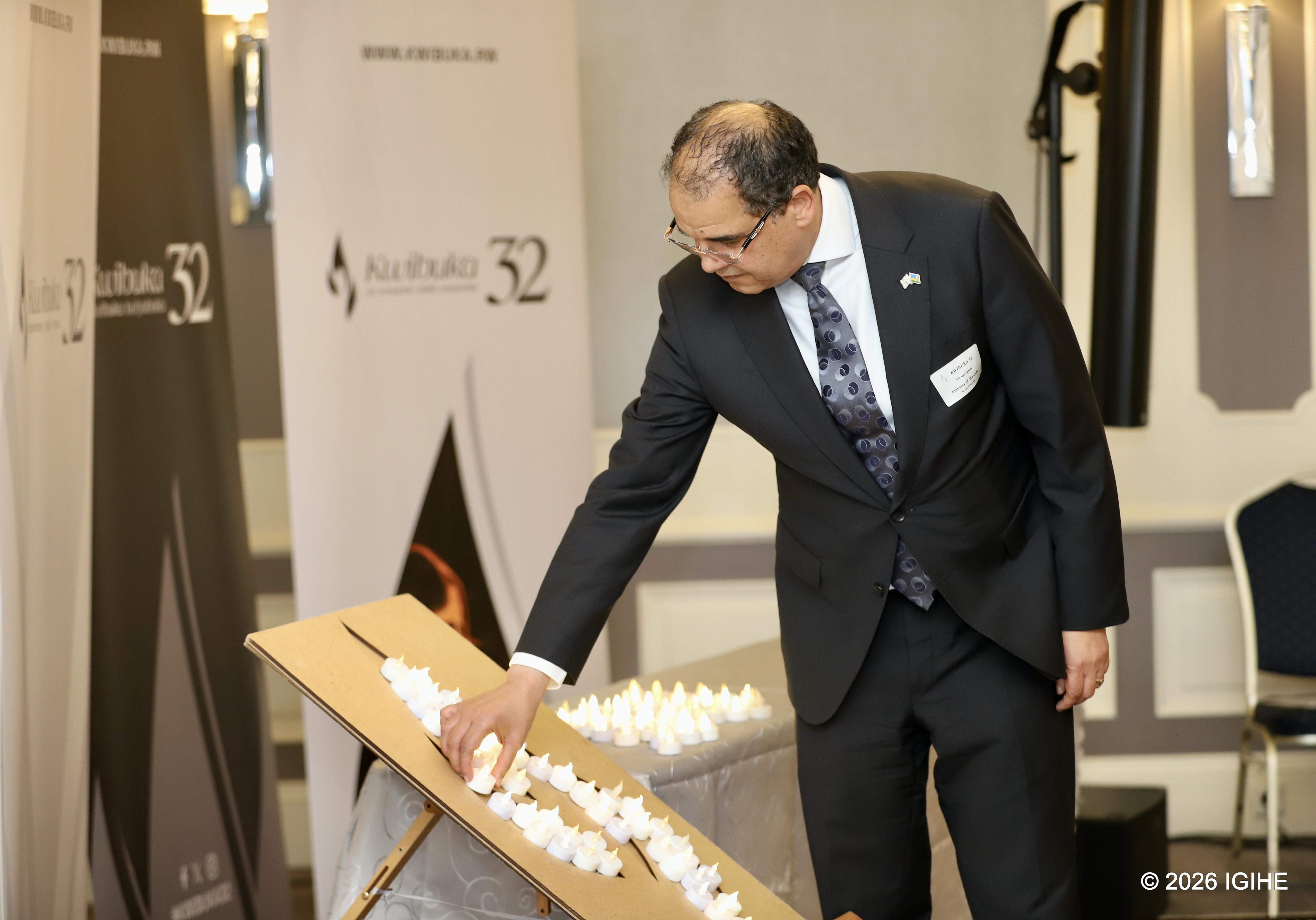
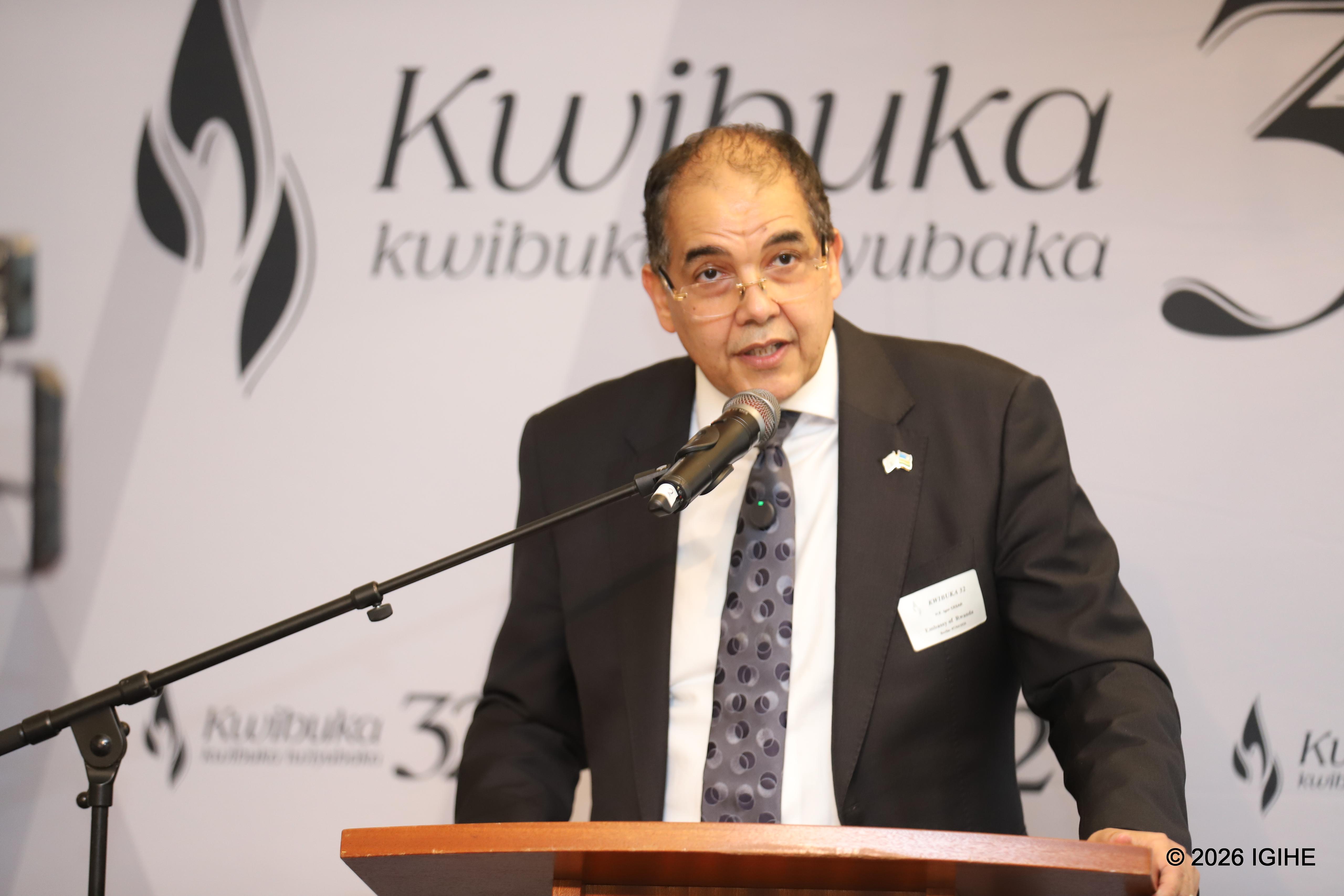
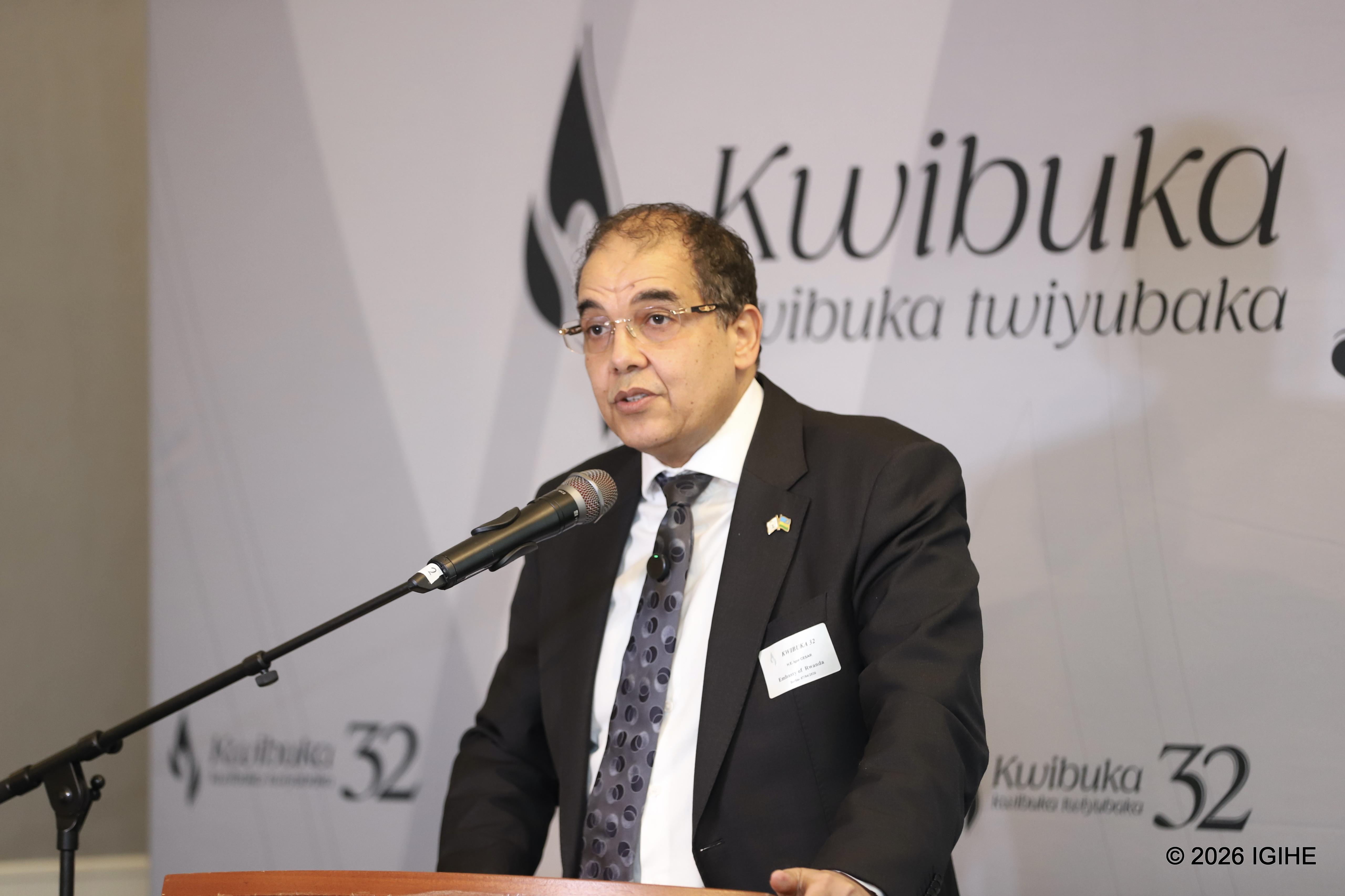
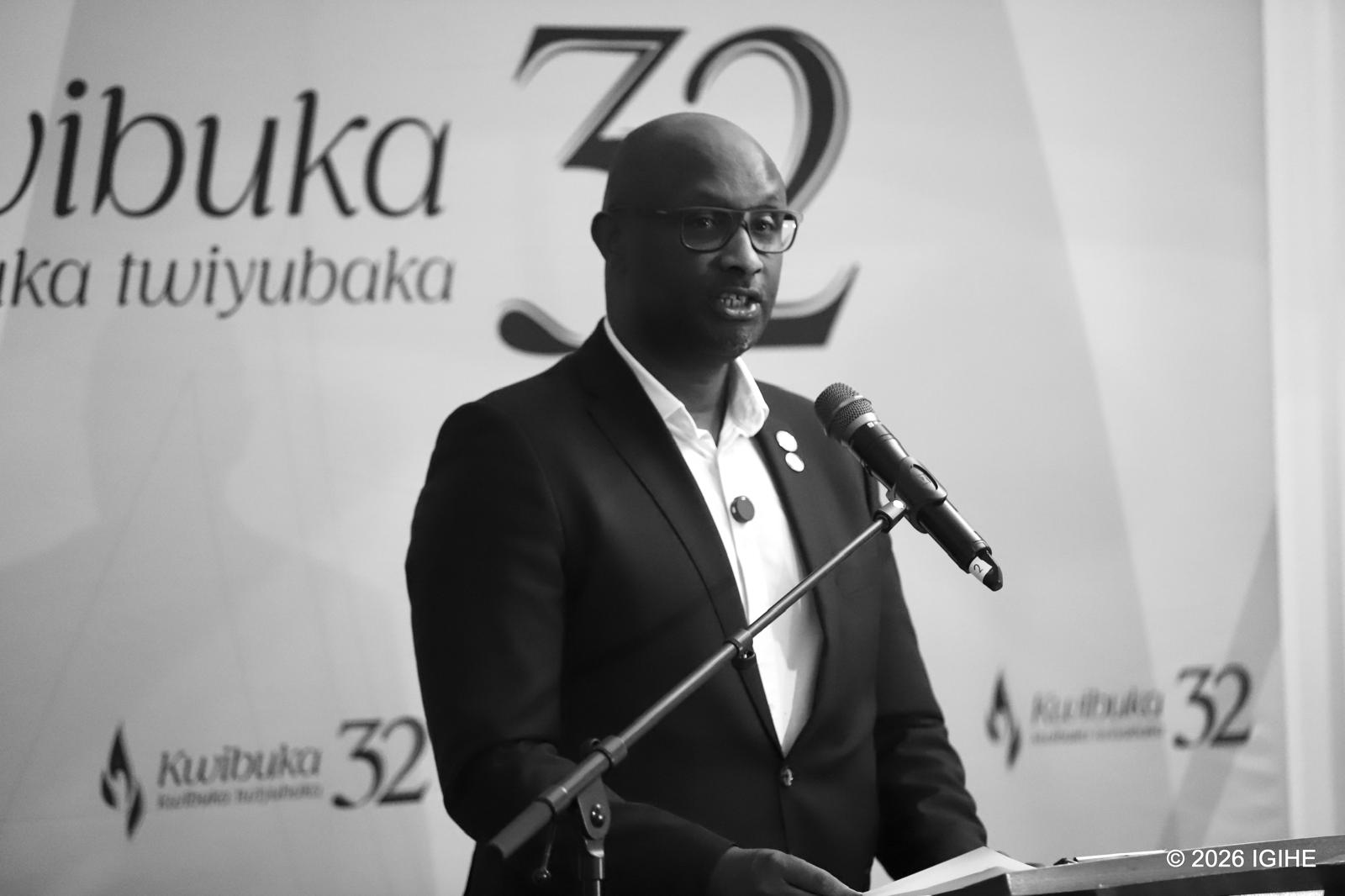
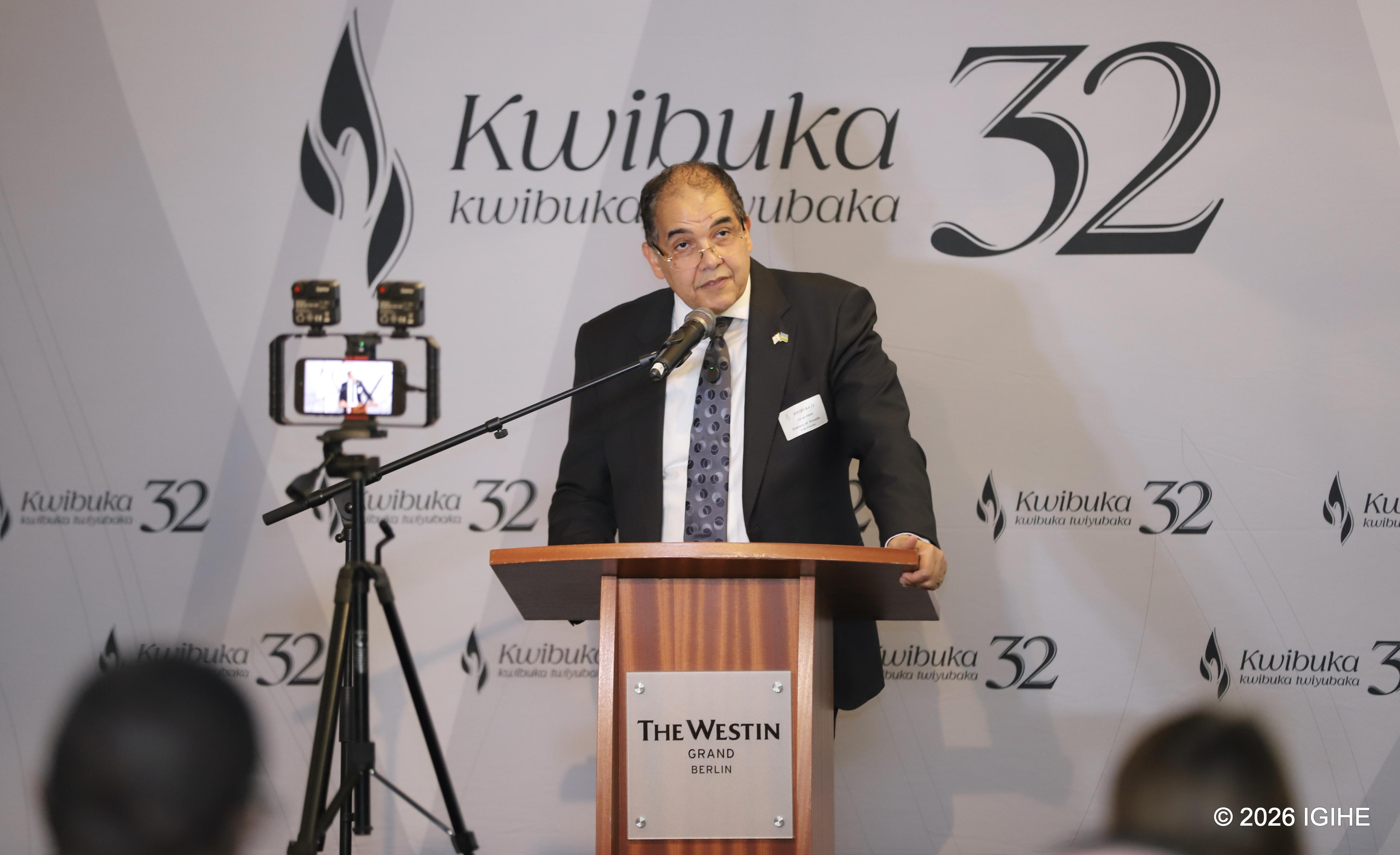
In his speech, Ambassador Igor César expressed sincere gratitude to participants for honoring the occasion, noting that their presence reflected a shared commitment to preserving memory and strengthening the global fight against genocide and hate speech.
He warned that genocide ideology, denial, and distortion are not only persisting but spreading rapidly across borders, often amplified by digital platforms and emerging technologies such as artificial intelligence.
“This makes our shared responsibility to remember, to educate, and to act more urgent than ever,” he stated.
Reflecting on the events of 1994, the Ambassador emphasized that the Genocide against the Tutsi was not spontaneous, but the result of a carefully orchestrated plan rooted in decades of division, discrimination, and dehumanization.
Long before 1994, Tutsis faced repeated persecution, exclusion, and violence, forcing many into exile. These injustices culminated in April 1994, when roadblocks were erected, lists of victims were used, and militias carried out killings with brutality.
In just one hundred days, more than one million people were killed, leaving behind devastating consequences. Approximately 250,000 women were widowed and around 300,000 children were orphaned, many forced to survive under unimaginable conditions.
Despite clear warning signs, the international community failed to act decisively, with the crimes denied, minimized, or mischaracterized.
“History will forever bear witness to that failure,” the Ambassador noted.
Ambassador Igor César explained that Kwibuka, meaning “to remember” in Kinyarwanda, reflects Rwanda’s commitment to honoring victims while firmly confronting denial. However, he cautioned that the ideologies that led to the genocide have not disappeared.
In some regions, particularly in the Great Lakes region, such narratives continue to fuel violence, persecution, and displacement, underscoring the need for constant vigilance.
“Silence in the face of such warning signs is complicity.”
He also urged governments to strengthen legal frameworks against genocide denial and revisionism, while highlighting the crucial role of education in ensuring younger generations safeguard the truth.
The Ambassador further highlighted Rwanda’s recovery since 1994, noting that the country emerged from devastation marked by collapsed institutions, a crippled economy, destroyed infrastructure, and a deeply traumatized population.
Rebuilding required restoring trust, delivering justice while fostering reconciliation, and reconstructing a fractured society. Through strong leadership, inclusive governance, and homegrown solutions, Rwanda chose a path of unity and nation-building.
Today, Rwanda stands as a testament to resilience, determination, and transformation.
Ambassador Igor also expressed gratitude to those who supported Rwanda’s reconstruction and continue to stand in solidarity, stressing that remembrance must be matched with action.
“‘Never Again’ must be a lived reality, not just a slogan.”
Additional remarks were given by invited guests, including German national Lise Nirk, a resident of Lauchringen, who was recognized for her key role as a friend of Rwanda in the establishment of the country’s first genocide memorial.
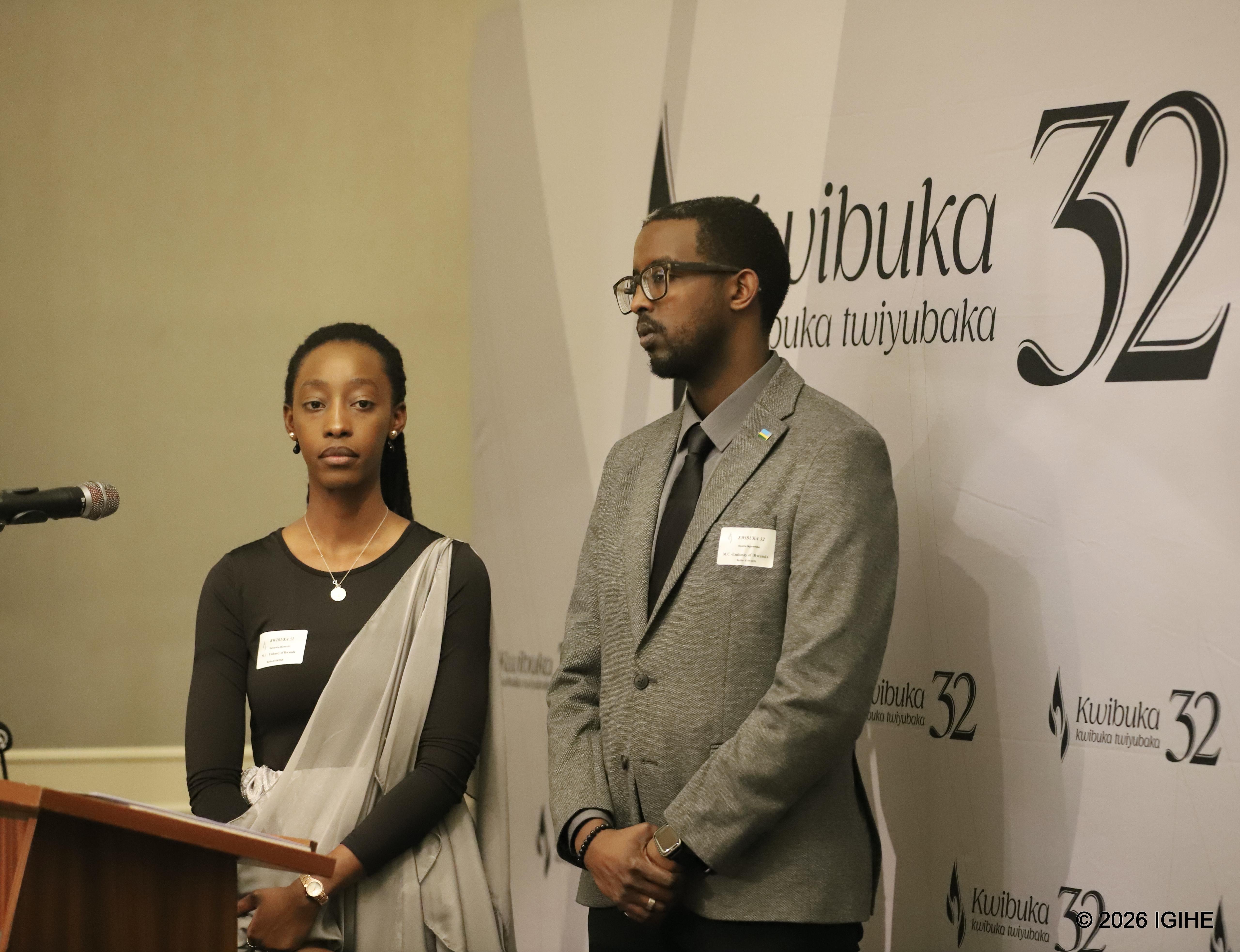
The discussions were moderated by Ngarambe Rwema and Samantha Umurera Kayitete.
Karirima@igihe.com
Leave a Reply