This groundbreaking find began with a simple fossil examination. Paleontologist Rudy Lerosey-Aubril noticed something unusual: a claw-like appendage in place of where an antenna should be.
Initially puzzling, closer analysis revealed that this claw belonged to a chelicerate, a group of arthropods that includes spiders and scorpions.
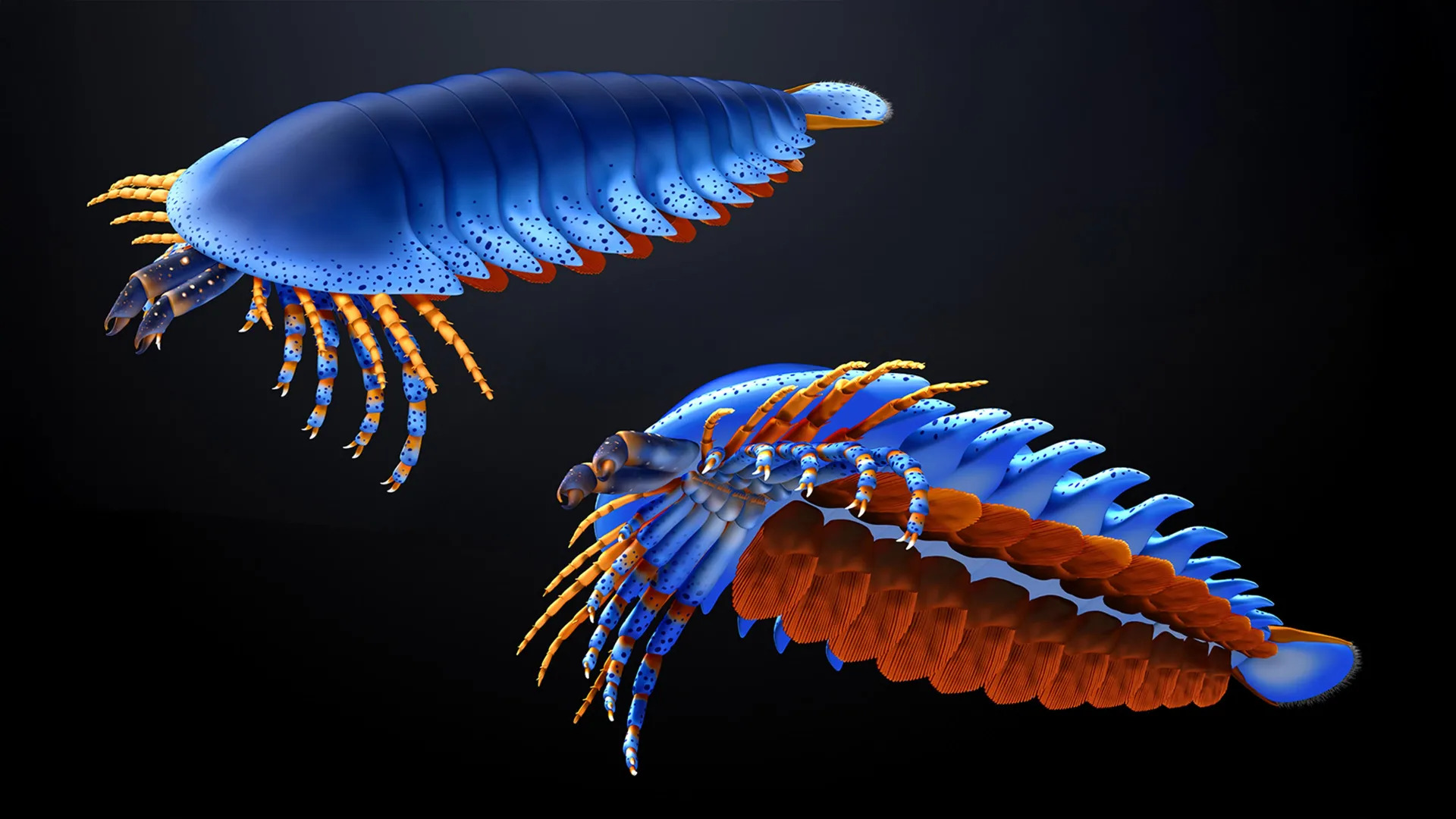
The fossil, named Megachelicerax cousteaui, is now regarded as the earliest and most primitive chelicerate discovered, predating previous finds by a stunning 20 million years.
What makes this find so remarkable is that it reveals complex body features that were thought to have developed much later in evolutionary history.
The fossil shows a segmented body with a head shield, legs, and respiratory structures similar to modern horseshoe crabs, but with the distinct chelicera at the front of the body a hallmark of chelicerates.
This pincer-like appendage sets them apart from other arthropods that instead possess antennae.
The Megachelicerax fossil fills a significant gap in our understanding of the Cambrian Explosion, the rapid diversification of life that occurred over half a billion years ago. Prior to this discovery, evidence of chelicerates from this period was scarce.
This tiny claw has now pushed back the origins of this ancient group, showing that specialized body plans and appendages were evolving much earlier than previously thought.
Named in honor of the renowned marine explorer Jacques-Yves Cousteau, the fossil reminds us of how even the smallest discoveries can have profound impacts on our understanding of evolution.
Today, chelicerates remain one of the most diverse and widespread groups of arthropods. Thanks to this new finding, we now have a clearer picture of their early origins, which were once hidden beneath the layers of time.
Leave a Reply