Data shared with IGIHE shows that between January 1 and March 11, 2026, disasters including lightning strikes, landslides and floods claimed lives in different parts of the country.
Among the victims, 14 people were killed by lightning, while five died in fires. Floods and landslides each killed three people, while two people died after houses collapsed. One person lost their life in a disaster linked to mining activities.
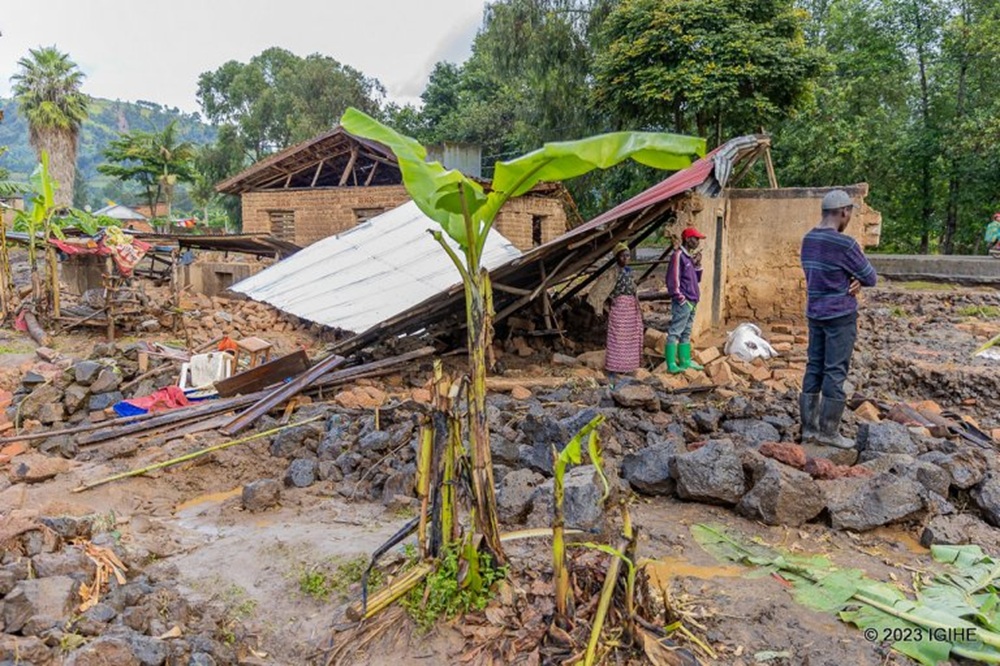
MINEMA also reported that besides the fatalities, 75 people have been injured since the start of the year, while 297 houses were damaged.
The disasters also destroyed crops on 220 hectares of land, killed 25 cows and nine other livestock, and damaged public infrastructure.
According to the ministry, the incidents also destroyed eight school classrooms, 14 roads, 22 electricity lines, and 22 bridges. In addition, one church and one market were damaged.
Recently, Rwanda’s Meteorological Agency warned that March 2026 is expected to receive above-average rainfall, which could increase the risk of disasters.
The meteorological agency said rainfall during the month could be slightly higher than the usual average, increasing soil moisture levels.
While this may benefit agricultural activities at the beginning of the Season B planting period, it could also bring strong winds and thunderstorms capable of triggering disasters, especially in areas where the ground is already saturated.
Forecasts indicate that rainfall between 100 and 350 millimeters is expected in the first and second ten-day periods of March, slightly above the usual average for those periods. Between March 21 and 31, rainfall is expected to return to normal levels ranging between 89 and 292 millimeters.
The Minister in charge of Emergency Management, Albert Murasira, recently urged residents to take precautions against disasters linked to heavy rains, particularly those living in high-risk zones.
He also called on people living in wetlands and high-risk zones to relocate to safer areas to avoid putting their lives in danger, stressing that long-term measures are being implemented to ensure communities do not settle in hazardous locations.
Leave a Reply