In a new assessment, the council estimates that disruptions to air travel, declining traveller confidence and reduced regional connectivity are costing the sector about $600 million per day in international visitor spending.
“Travel & Tourism is the most resilient of sectors,” the WTTC said, noting that losses across the region currently average “around US$600 million per day.”
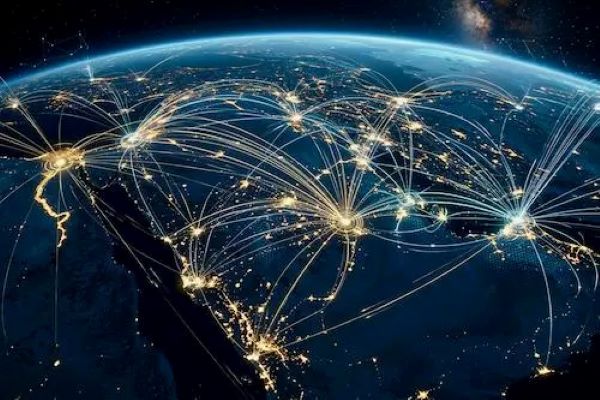
The Middle East plays a significant role in global travel flows, accounting for roughly 5% of international tourist arrivals worldwide and 14% of global transit passenger traffic. As a result, any instability quickly reverberates across the international travel network.
Major aviation hubs such as Dubai, Abu Dhabi, Doha and Manama, which together normally process more than half a million passengers daily, have experienced temporary closures and operational disruptions as tensions escalate.
The WTTC had projected that international visitors would spend about $207 billion in the Middle East in 2026, meaning even short-term interruptions could translate into significant economic losses for airlines, airports, hotels and other tourism services.
Despite the challenges, the organization says the sector has historically shown strong resilience, with tourism demand often rebounding within months when governments and industry coordinate efforts to restore traveller confidence and ensure safety.
Leave a Reply