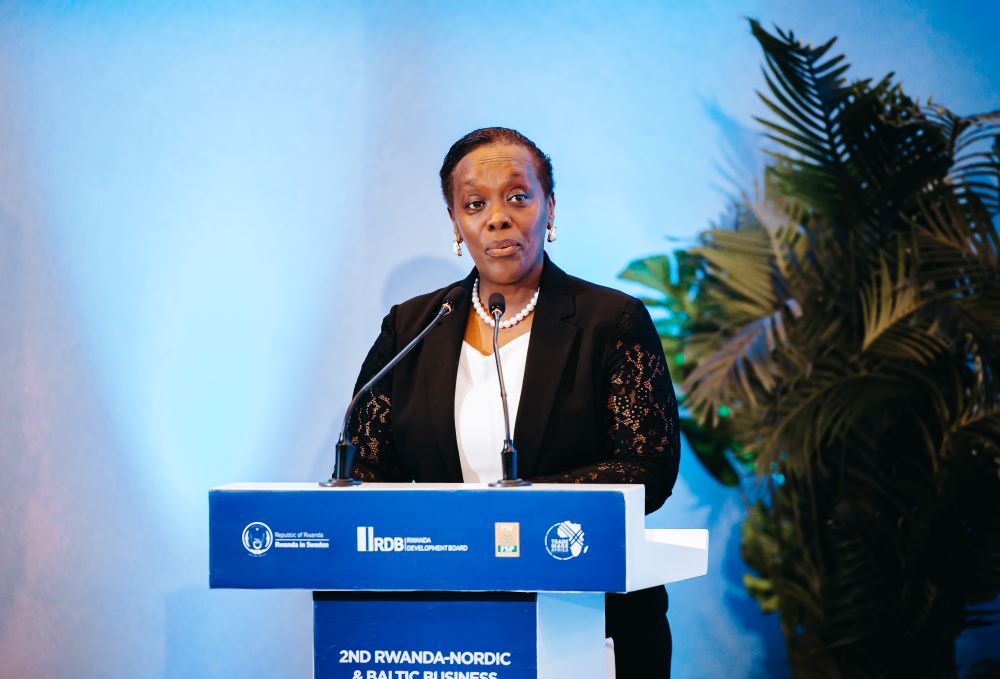
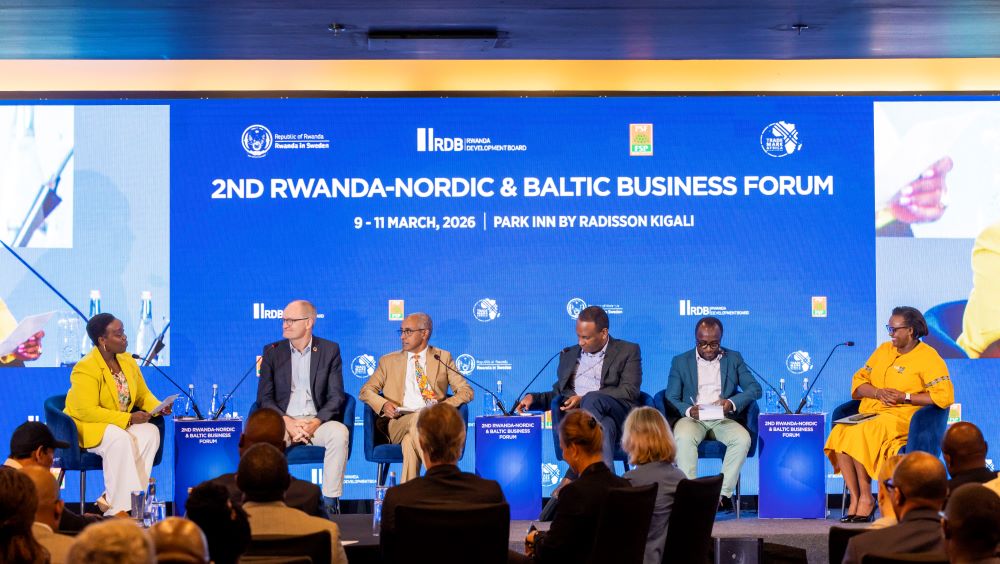
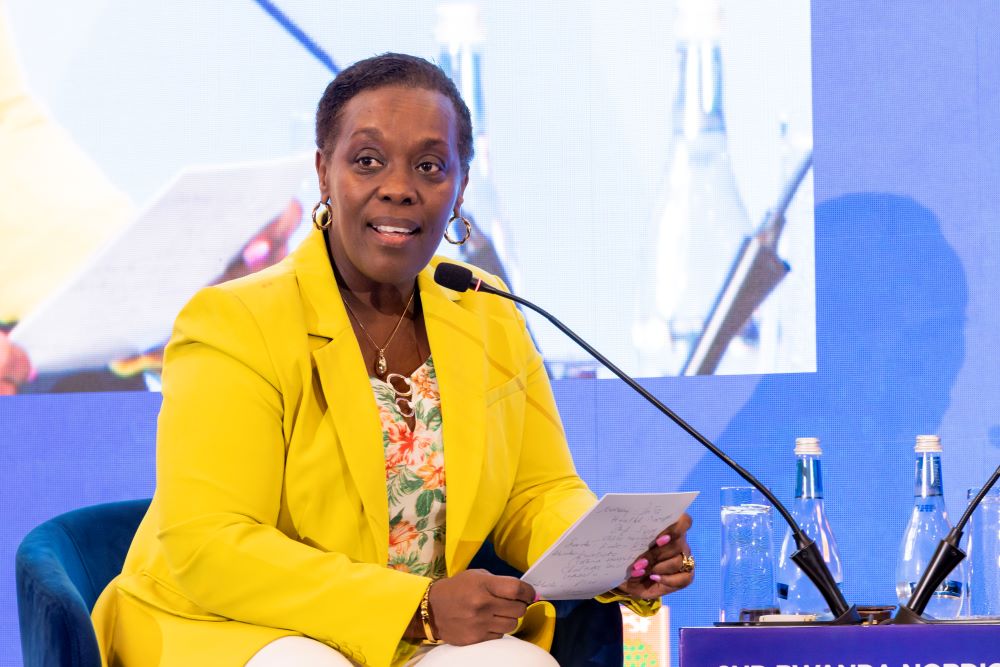
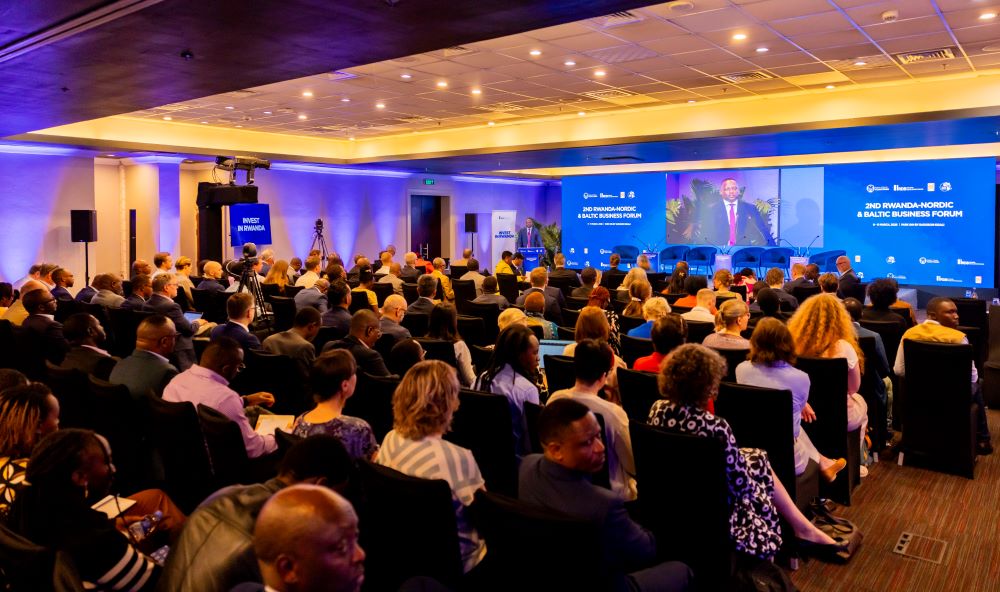
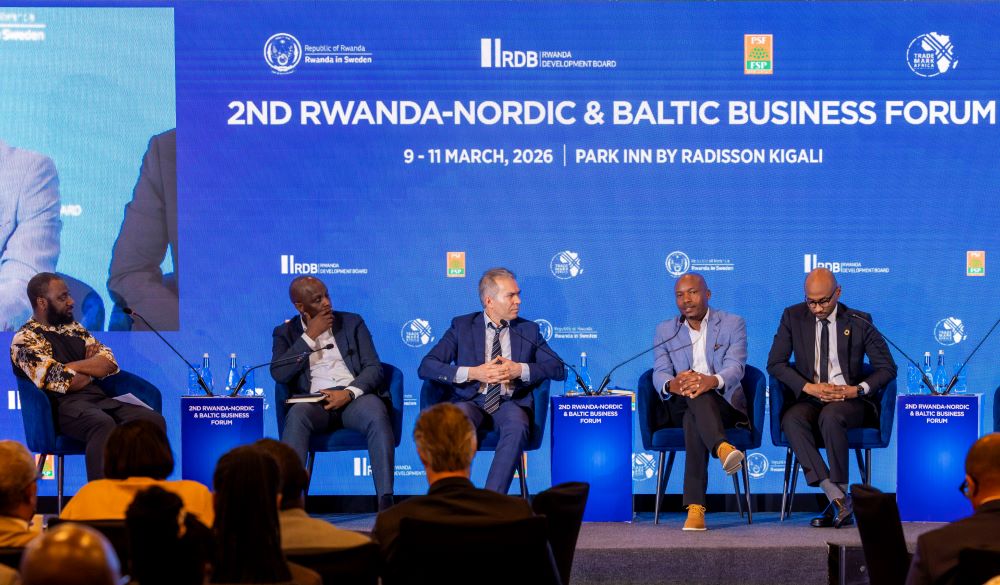
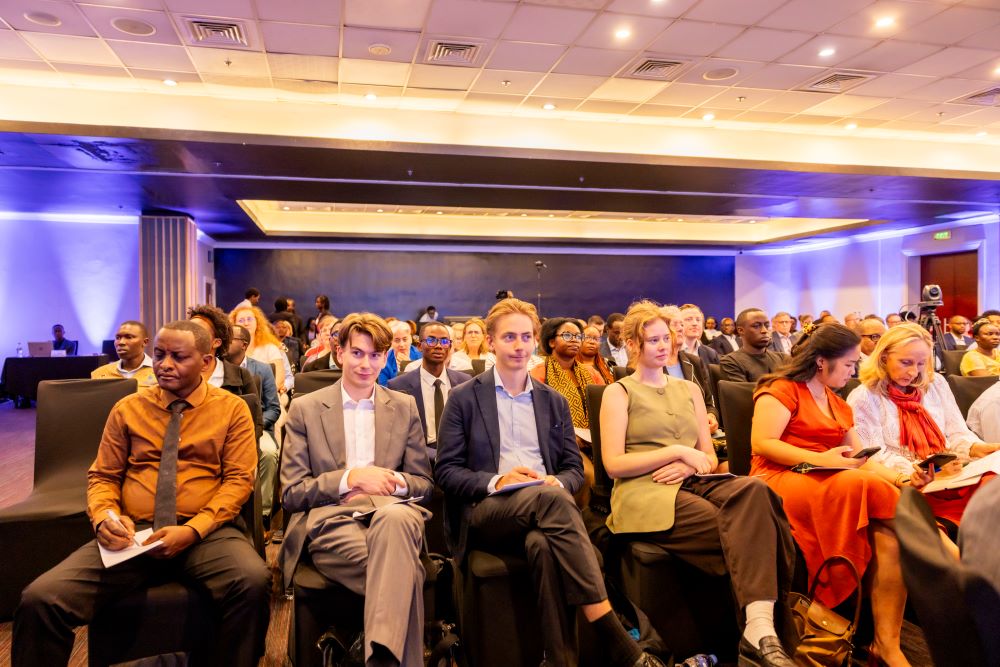
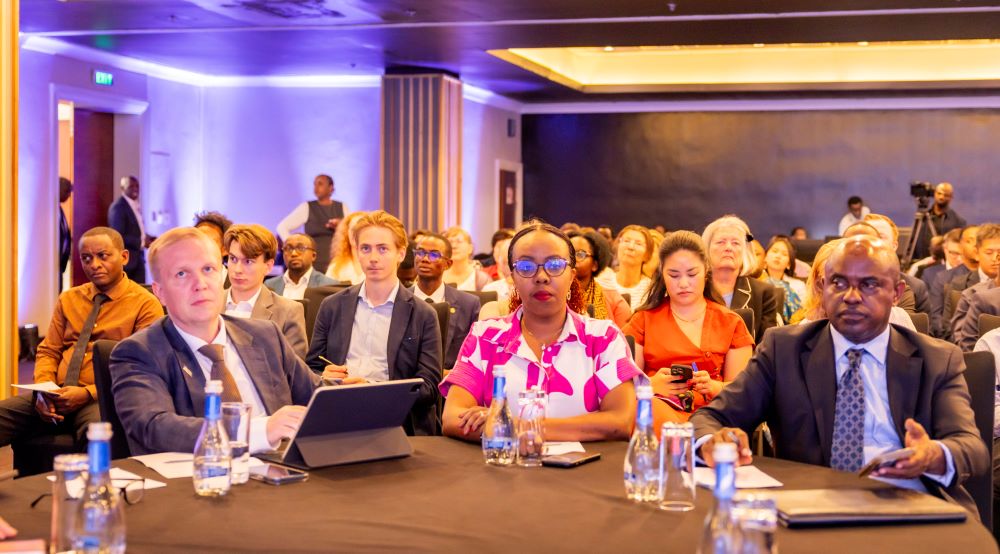
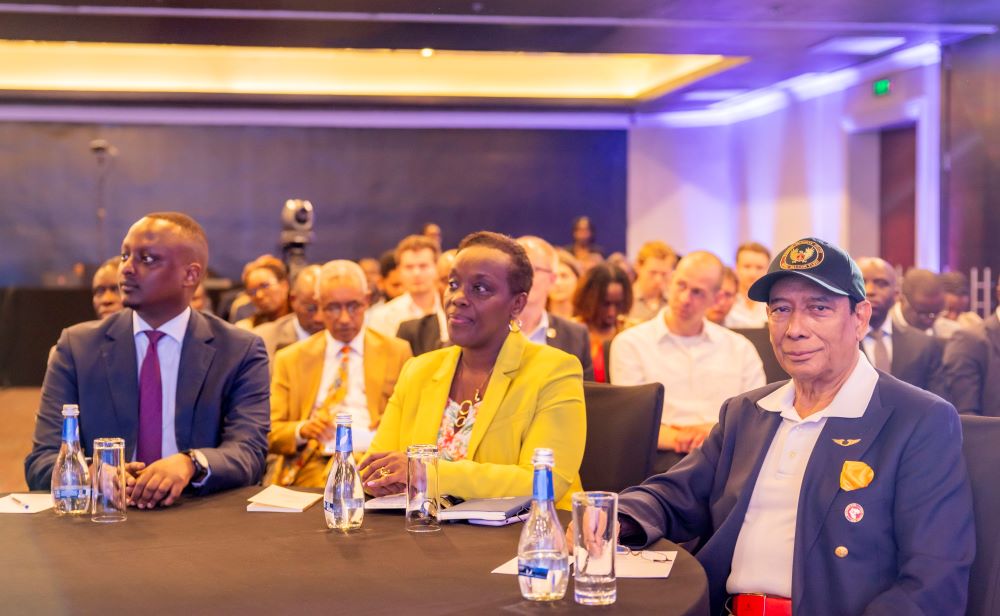
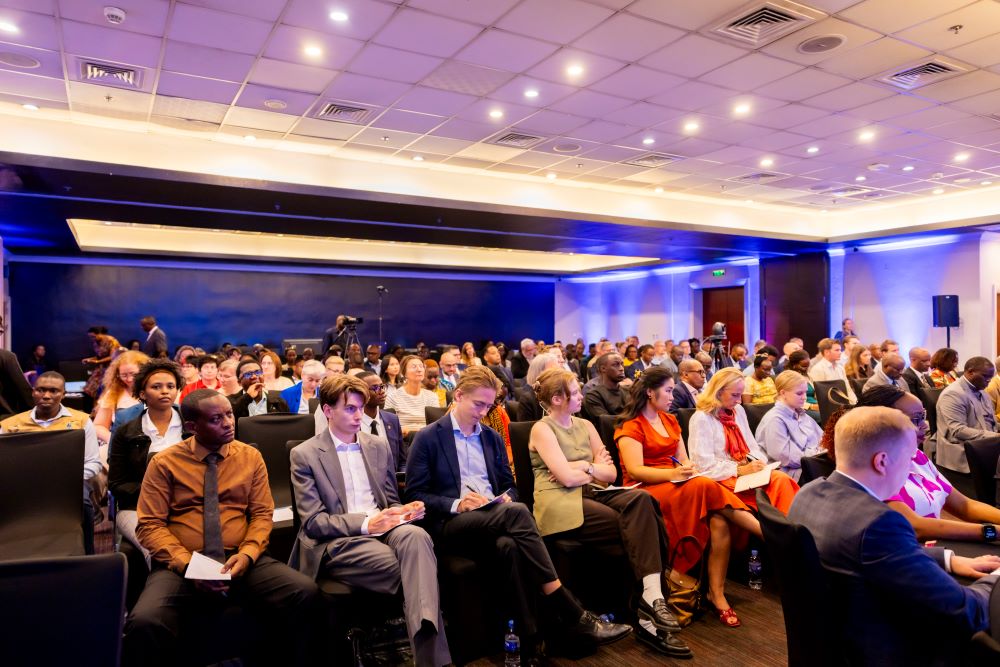
At the opening of the forum on March 9 , Rwanda’s Ambassador to Sweden, Diane Gashumba, welcomed the visiting delegations.
“I want to take this moment to thank the delegation from the Baltic and Nordic countries. You are welcome to the Land of a Thousand Hills and a thousand opportunities.”
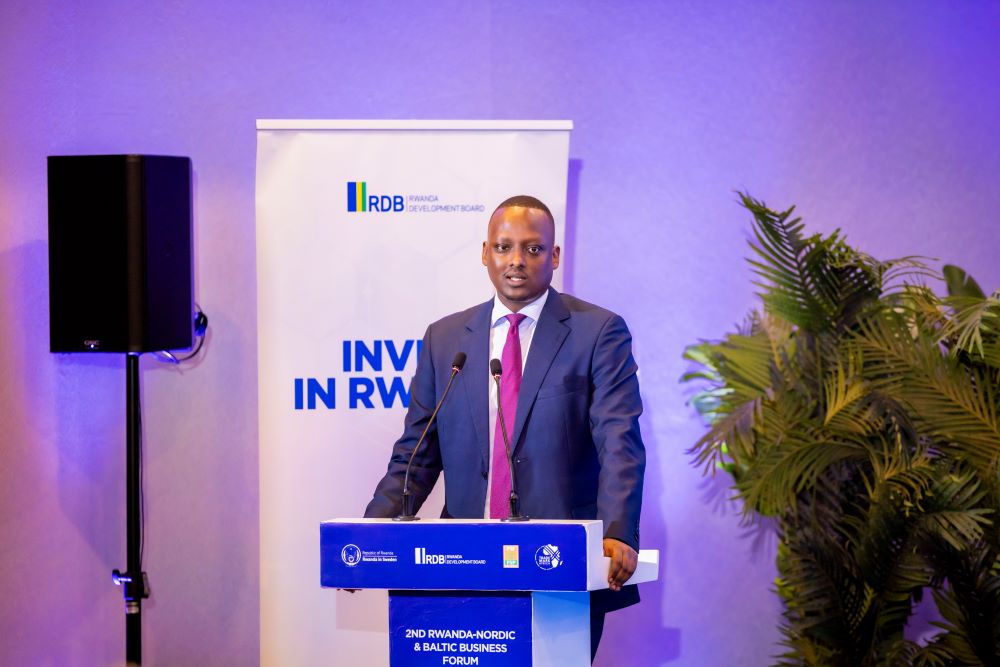
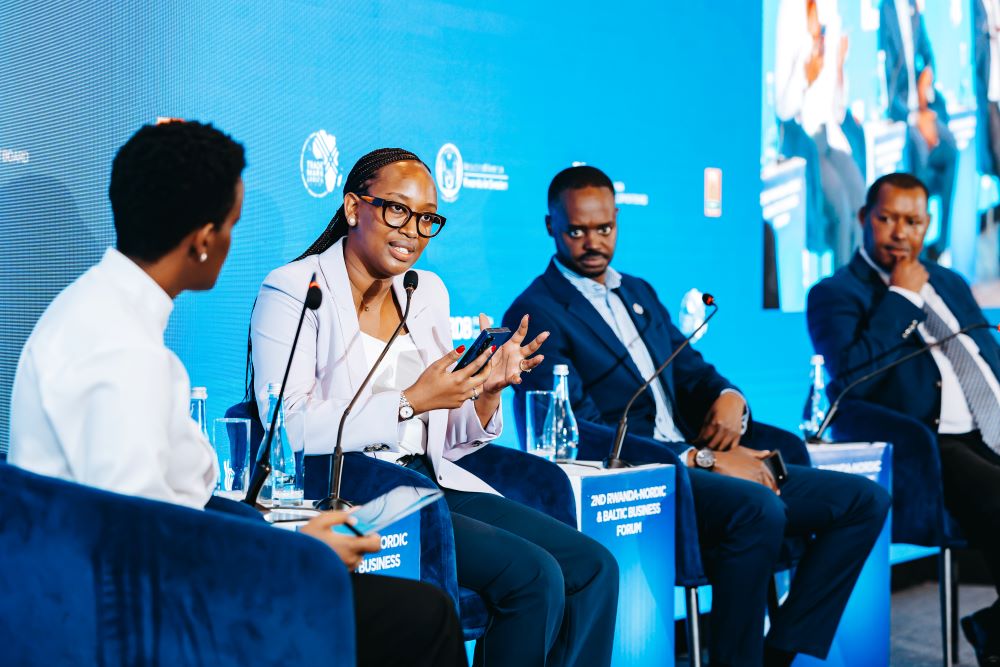
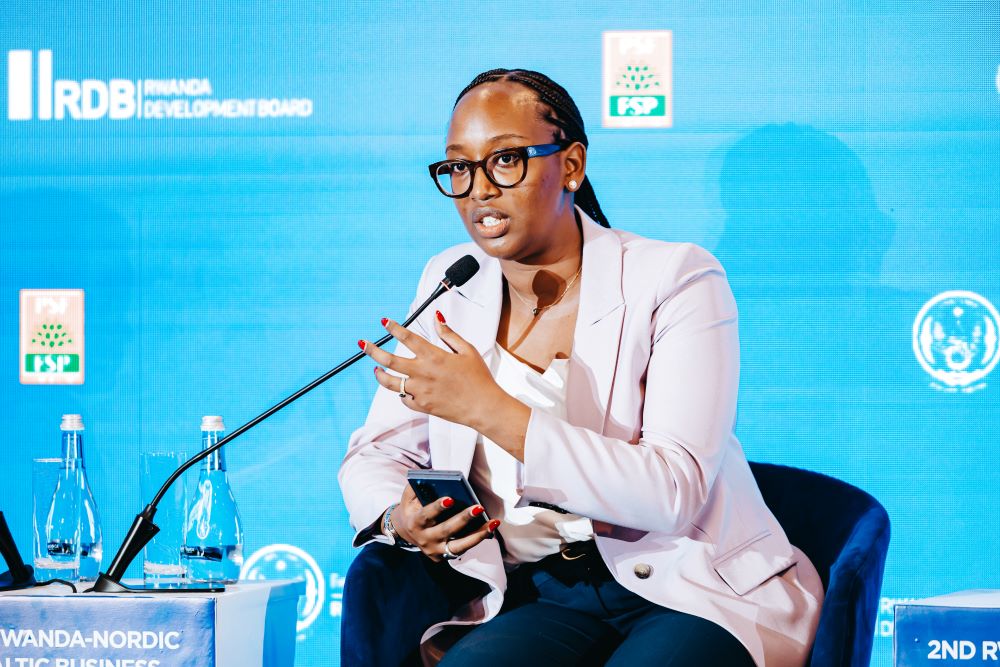
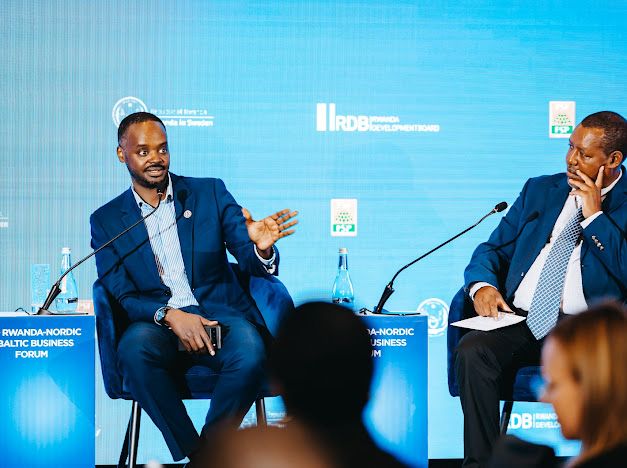
During the forum, the Minister of State for Primary Health Care at the Ministry of Health, Yvan Butera, highlighted the remarkable progress Rwanda has achieved in maternal and newborn health.
According to him, thanks to the joint efforts of the government and its partners, the country has made significant advances in recent years.
“Rwanda, together with its partners, is proud of the remarkable progress achieved in maternal and newborn health, and we are ready to take the next step forward with partners who share the same ambitions.”
The minister noted that maternal mortality has declined significantly, while 98% of births now take place in health facilities with skilled health providers, reflecting the country’s strong commitment to safe delivery.
Progress is also visible in childhood vaccination. Today, 94% of children aged 12 to 23 months are fully vaccinated with basic antigens, and 98% receive key vaccines such as BCG.
Rwanda has also strengthened access to healthcare through its health insurance system. More than 90% of the population is covered by community-based or private health insurance schemes, allowing citizens to access quality healthcare services without facing heavy financial burdens.
Minister Butera invited Nordic and Baltic countries to strengthen their collaboration with Rwanda in order to accelerate progress in the health sector.
“Rwanda is not only one of the fastest-improving health systems in Africa, but also a transparent and corruption-free environment where investments generate a real impact on people’s lives.”
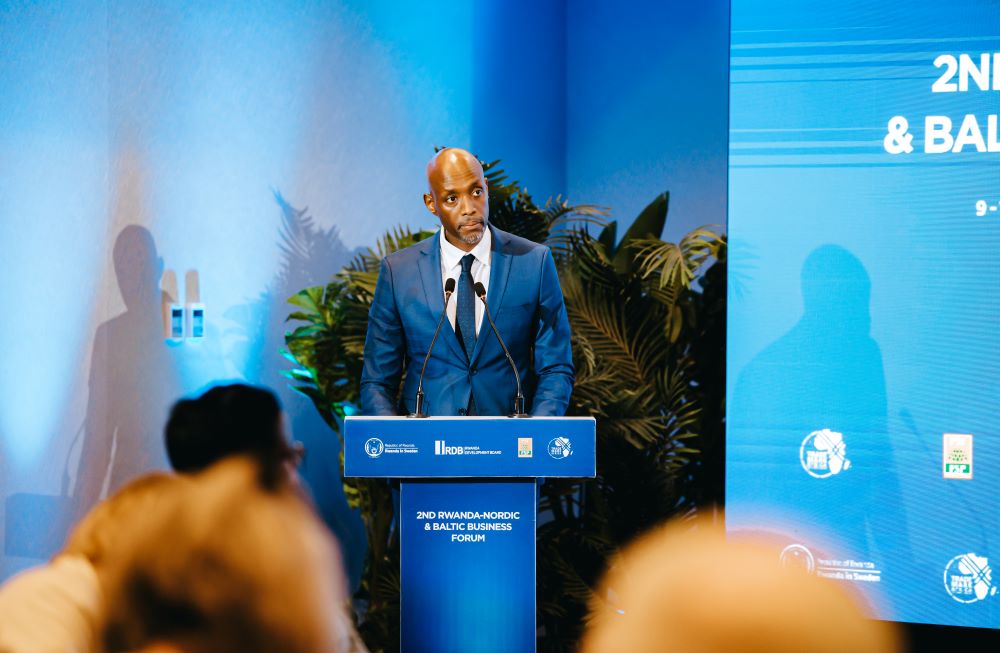
For his part, Rwanda Development Board (RDB) CEO Jean-Guy Afrika highlighted the country’s advances in pharmaceutical regulation and life sciences.
He noted that the Rwanda Food and Drugs Authority (Rwanda FDA) has reached World Health Organization (WHO) Maturity Level 3, demonstrating its ability to consistently and effectively regulate medical products according to internationally recognized standards.
Afrika also emphasized Rwanda’s ambition to become a regional biotechnology and vaccine manufacturing hub, notably through the establishment of facilities by BioNTech.
These infrastructures aim to produce vaccines locally in Africa, strengthen the continent’s health security, and improve access to innovative vaccines while reducing reliance on imports during future health emergencies.
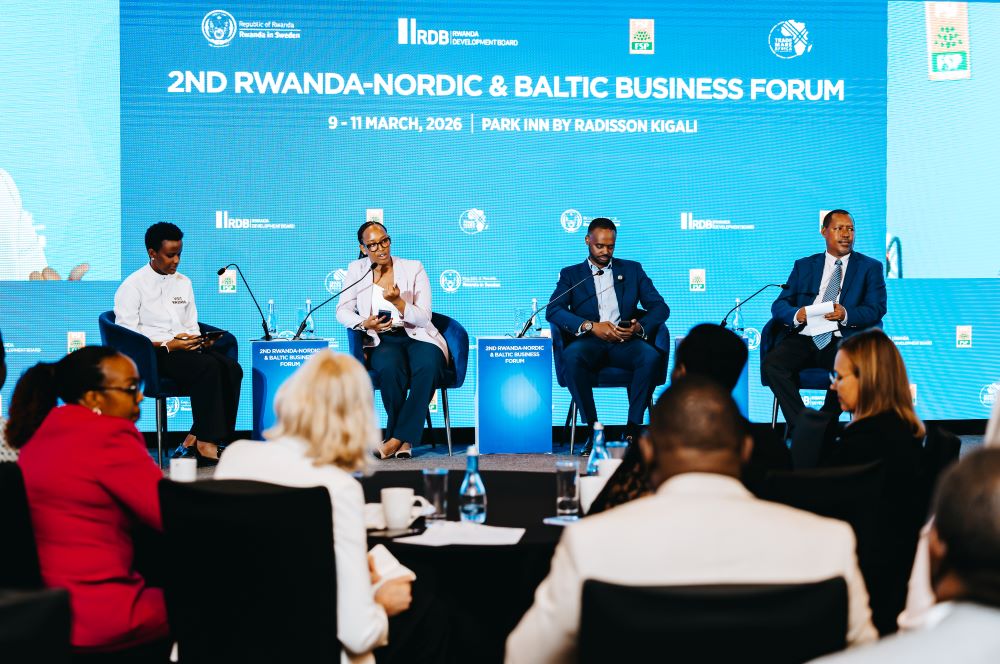
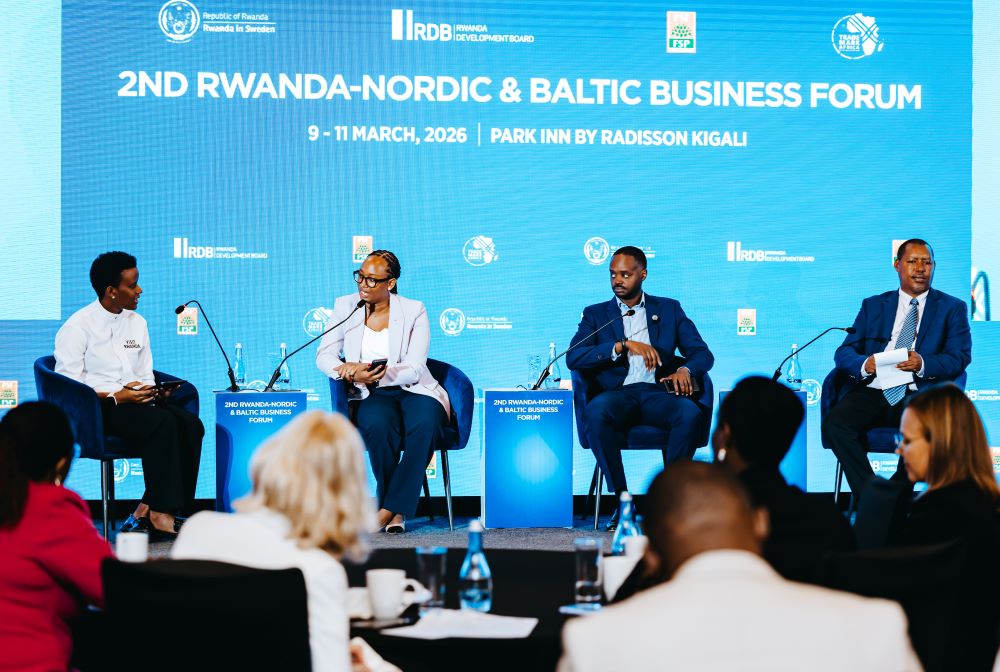
During the forum, Dr. Albert Tuyishime, Head of the Diseases Prevention and Control Department (HDPC), also shared Rwanda’s experience in building an African bio-manufacturing and vaccine innovation ecosystem.
Drawing on the country’s effective responses to various outbreaks, he highlighted several key lessons, including the importance of strong public policies, effective regulation, innovation, and research to support vaccine development.
According to him, these efforts are closely linked to health security and emergency preparedness.
On this occasion, Rwandan officials invited investors from Nordic and Baltic countries to explore opportunities in Rwanda’s Life Sciences sector, a rapidly expanding field in the country.

Leave a Reply