The report, produced by intelligence services in the Democratic Republic of the Congo in February 2019, details the activities of a coalition of armed groups known as P5, which was reportedly formed with the aim of overthrowing the Government of Rwanda.
According to the document, the coalition brought together several political and armed groups, including the Rwanda National Congress (RNC) led by former Rwandan army officer Kayumba Nyamwasa; FDU-Inkingi associated with Victoire Ingabire Umuhoza; CNRD-FLN linked to Paul Rusesabagina; RUD-Urunana led by Nshimiyimana Cassien; and the FDLR commanded by Victor Byiringiro.
The report claims that fighters from this coalition were recruited and trained at a military camp in Bijabo, located in Balala-Sud Groupement in the Tanganyika sector of Fizi Territory, South Kivu.
On the night of January 22, 2019, more than 1,500 fighters from the FDLR reportedly moved from Masisi Territory in North Kivu toward Shanje in Lowa-Numbi, within the Buhavu Chiefdom, where they were expected to link up with other P5 elements led by Nyamwasa.
The document further alleges that the coalition intended to establish operational bases in Burundi before launching attacks into Rwanda. At the time, Burundi was led by former president Pierre Nkurunziza, whose government is said to have provided logistical support and coordination for the coalition’s activities.
According to the report, Agricole Ntirampeba, then a senior adviser to President Nkurunziza, was responsible for coordinating FDLR activities in the region.
He reportedly facilitated cooperation among the various P5 groups with the goal of strengthening their ability to destabilize Rwanda and attempt to overthrow its government.
The 2019 attack in Musanze
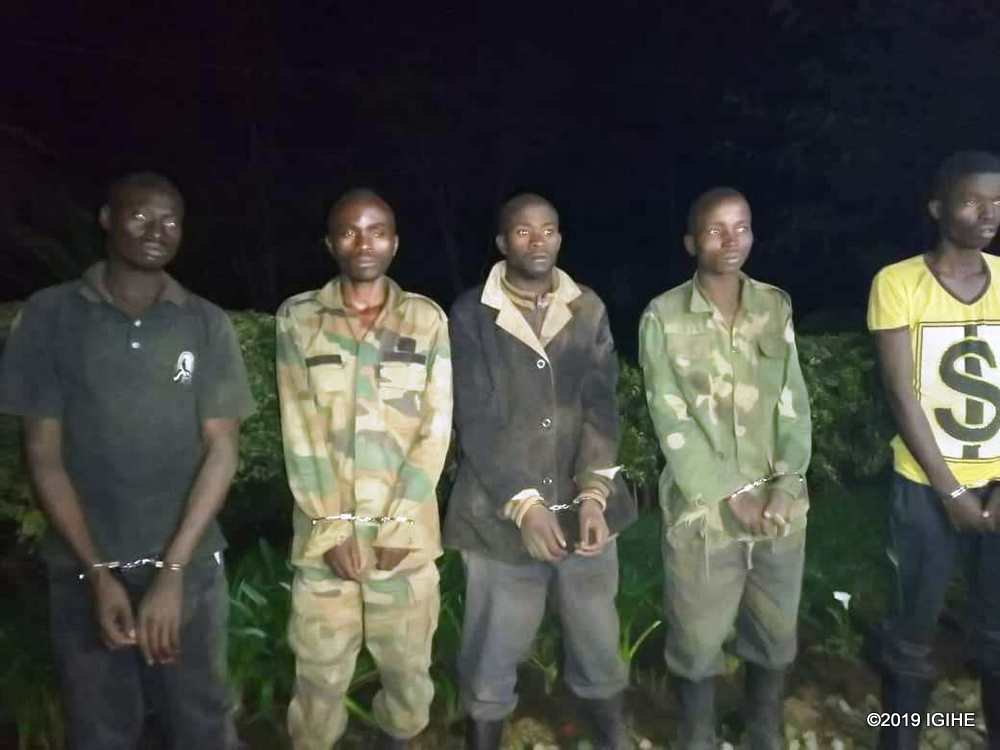
In October 2019, about 67 fighters affiliated with groups linked to the P5 coalition, mainly members of RUD-Urunana, entered Rwanda through Volcanoes National Park near Kinigi, close to the border with the DRC.
According to figures from the Rwandan government, the attackers killed 14 civilians and injured several others. Homes and businesses were looted, shops were destroyed, and food supplies were stolen during the assault.
Rwandan security forces launched operations to pursue the attackers, killing some and arresting others.
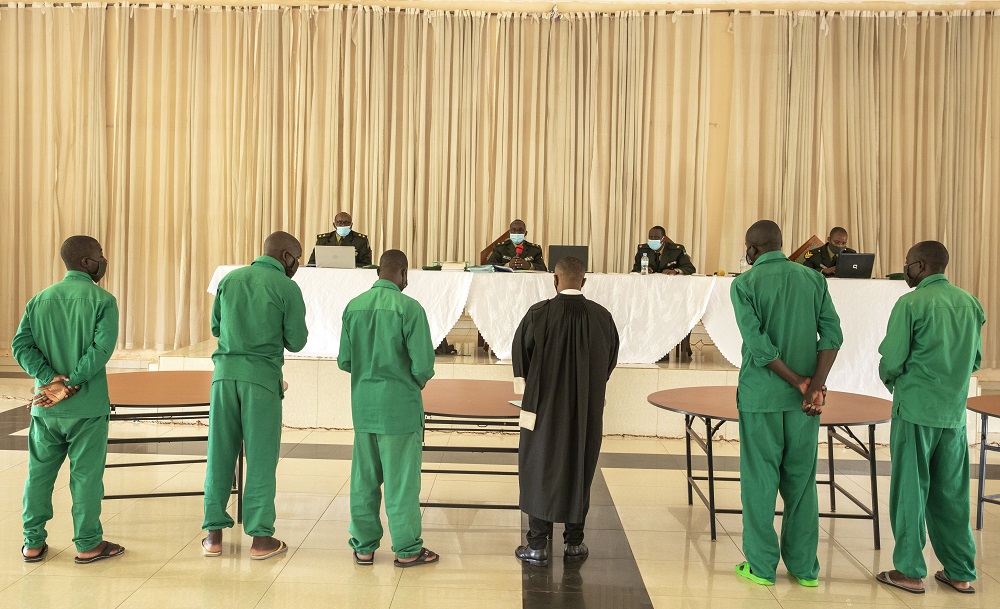
Those captured were later brought before the Military High Court in Kigali, where prosecutors charged them with crimes including membership in an illegal armed group, attempting to wage war against the state, and terrorism-related offenses.
Allegations of long-standing cooperation
The report also points to what it describes as a long-standing relationship between Burundi and the FDLR. According to the document, members of the armed group have at times found refuge in Burundi, and some of their activities have allegedly been facilitated from within the country.
It further claims that Burundi’s ambassador to Kinshasa at the time, Agricole Ntirampeba, helped facilitate communication between Félix Tshisekedi, president of the DRC, and the FDLR.
This reportedly contributed to joint military operations involving Congolese forces, the FDLR terrorist group formed by individuals responsible for the 1994 Genocide against the Tutsi in Rwanda and Burundian troops against the AFC/M23 coalition.
On December 5, 2019, the then commander of CNRD/FLN, Wilson Irategeka, was reportedly assisted by Burundian officials to travel to Bujumbura for medical treatment via Nyangezi-Ngomo and Kamanyola in South Kivu. Congolese soldiers stationed in the region allegedly helped transport him by motorcycle and ensured his security during the journey.
Recently, when asked about Burundi’s cooperation with the FDLR, President Évariste Ndayishimiye acknowledged the relationship, citing the adage: “The enemy of my enemy is my friend.”
Critics argue that despite presenting himself as a stabilizing figure in the region, Ndayishimiye’s policies and continued engagement with armed groups have contributed to ongoing instability in the Great Lakes Region.
Leave a Reply