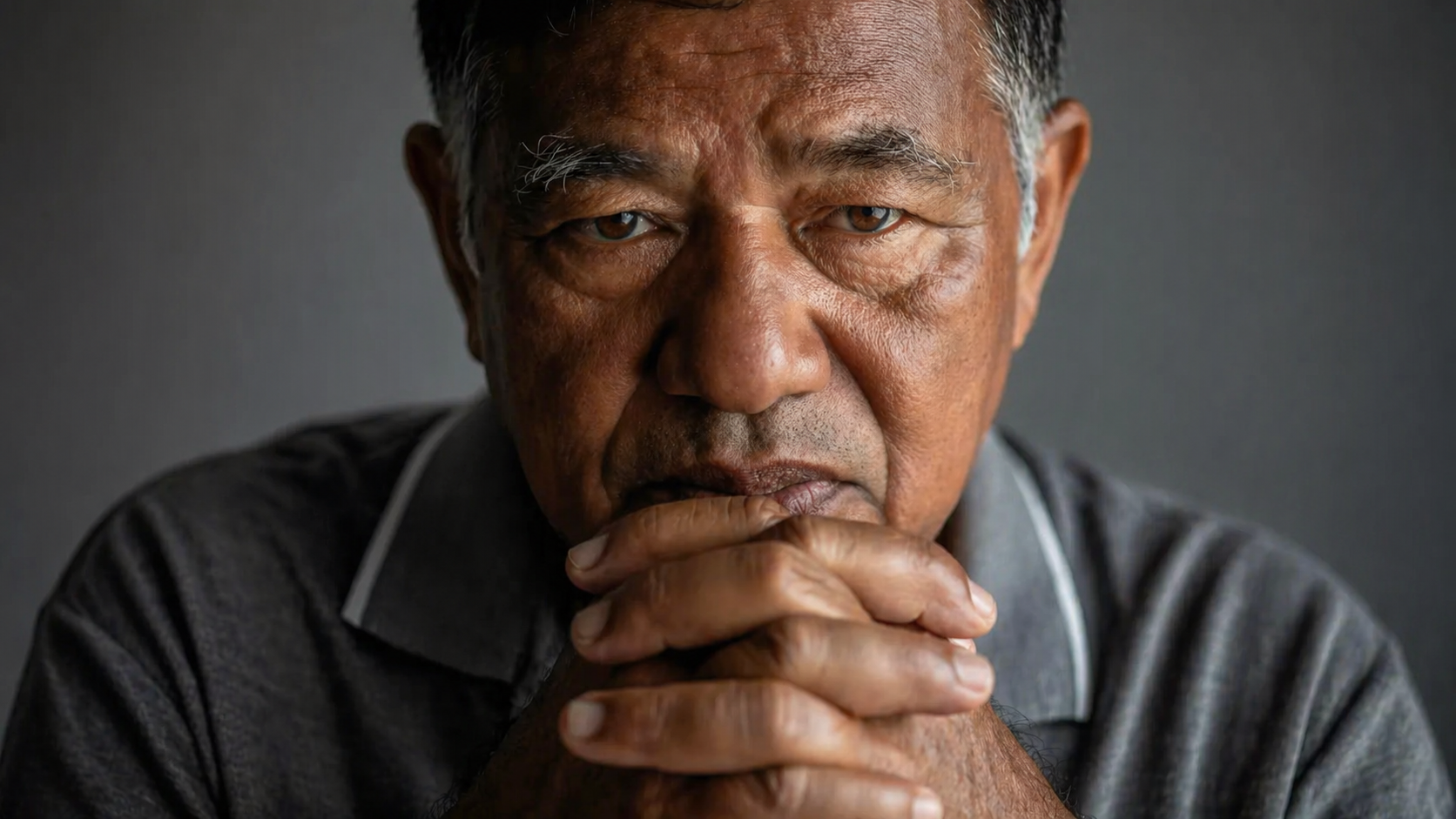
The research shows that internalised stress, particularly feelings of hopelessness and the habit of suppressing emotional struggles, may have a stronger effect on memory decline than many people realise.
Researchers discovered that when older adults tend to hold stress deep inside themselves, instead of sharing it or finding ways to cope, it may quietly weaken their memory over time. In other words, it is not just ageing itself that affects memory; the way people respond to stress also matters.
“Stress and hopelessness may go unnoticed in ageing populations, yet they play a critical role in how the brain ages,” said Chen, who is also an assistant professor of neurology at Rutgers Robert Wood Johnson Medical School.
“Because these feelings are modifiable, our goal is for this research to inform culturally sensitive stress-reduction interventions to mitigate these feelings in older adults.”
The study looked at more than 1,500 Chinese American adults over the age of 60 living in the Chicago area. This group was considered significant because older Asian Americans have been studied less in relation to brain ageing, despite their growing population.
Researchers found that people with high levels of internal stress, especially those experiencing hopelessness and a tendency to keep problems to themselves rather than discussing them, showed faster declines in memory over time.
This pattern appeared stronger than the influence of other social factors, such as feeling connected to a community or having support from neighbours.
The scientists believe that cultural pressures may also contribute to this issue. For example, stereotypes around always appearing strong, successful, and resilient can make some people feel they should not show weakness or ask for help.
Such expectations may cause emotional struggles to go unnoticed or be ignored, even when they have a serious impact on mental and cognitive health.
One of the most hopeful findings from the study is that internal stress is something that can be addressed. Since it is closely linked to feelings such as hopelessness, which can be treated, researchers say there is an opportunity to improve emotional well-being and protect brain health.
They recommend developing support programmes and care strategies that are sensitive to the cultural backgrounds and lived experiences of older adults.
This approach, they say, could help preserve memory, improve emotional resilience, and support healthier ageing.
Stress is not only something people feel emotionally; it can also shape how the brain functions over time. By understanding its impact better and helping older adults manage it in healthier ways, researchers believe memory problems could be reduced and ageing made easier for many people.
Leave a Reply