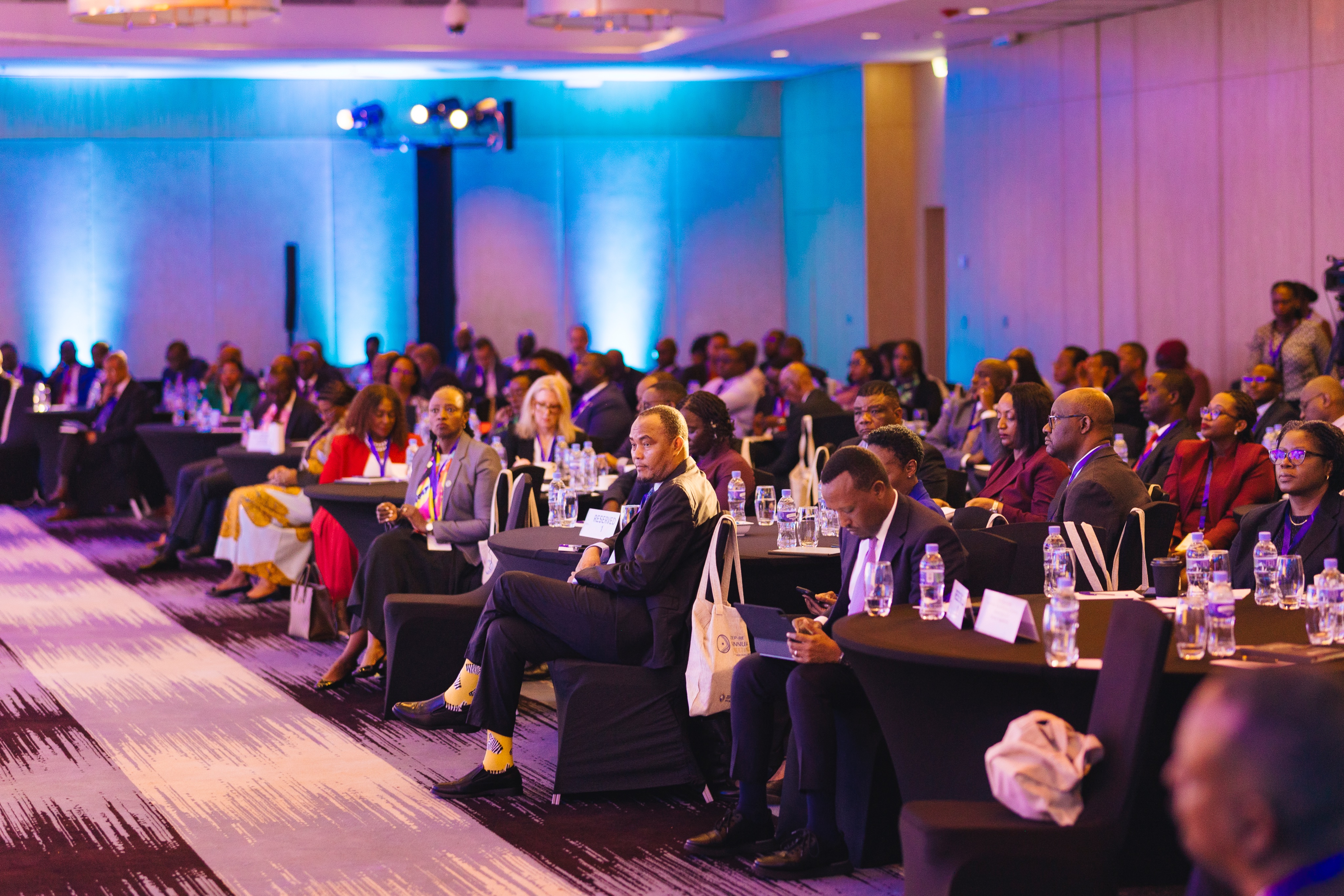
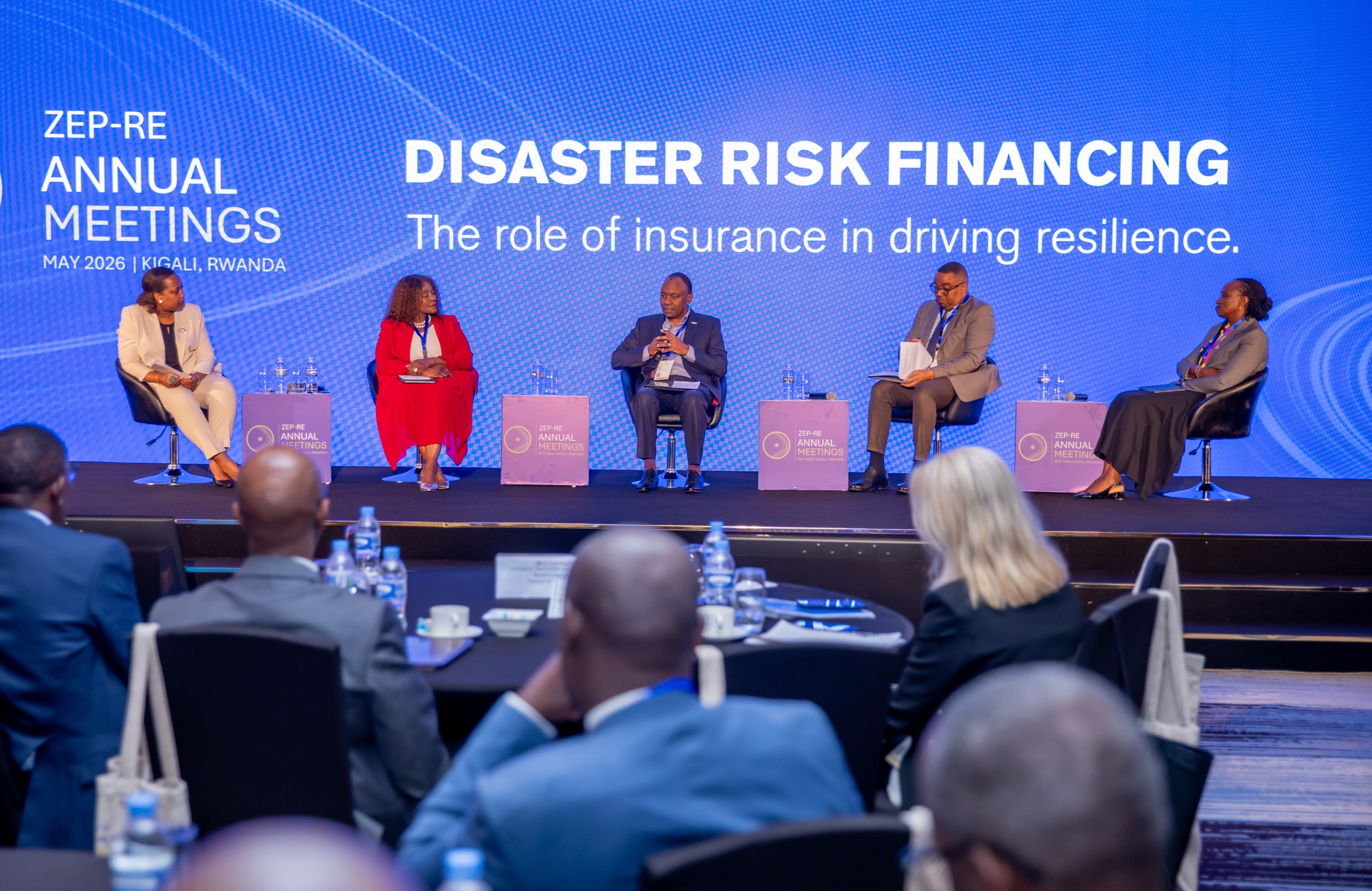
The high-level meeting, which opened at the Kigali Marriott Hotel on Monday, May 4, 2026, brings together government officials, regulators, industry executives, and development partners to discuss how insurance can better support African economies facing increasing climate shocks, fiscal pressures, and development challenges.
Insurance gap at the centre of debate
Opening the meeting, ZEP-RE Managing Director and Group CEO Hope Murera said Africa continues to face a recurring cycle where governments are forced to fund disaster recovery after events occur, often through costly borrowing, while vulnerable populations remain largely unprotected.
“When disasters happen, governments step in to rebuild… resources are eventually found, but sometimes too late,” Murera said. “In many cases, this comes as expensive debt that remains long after the disasters.”
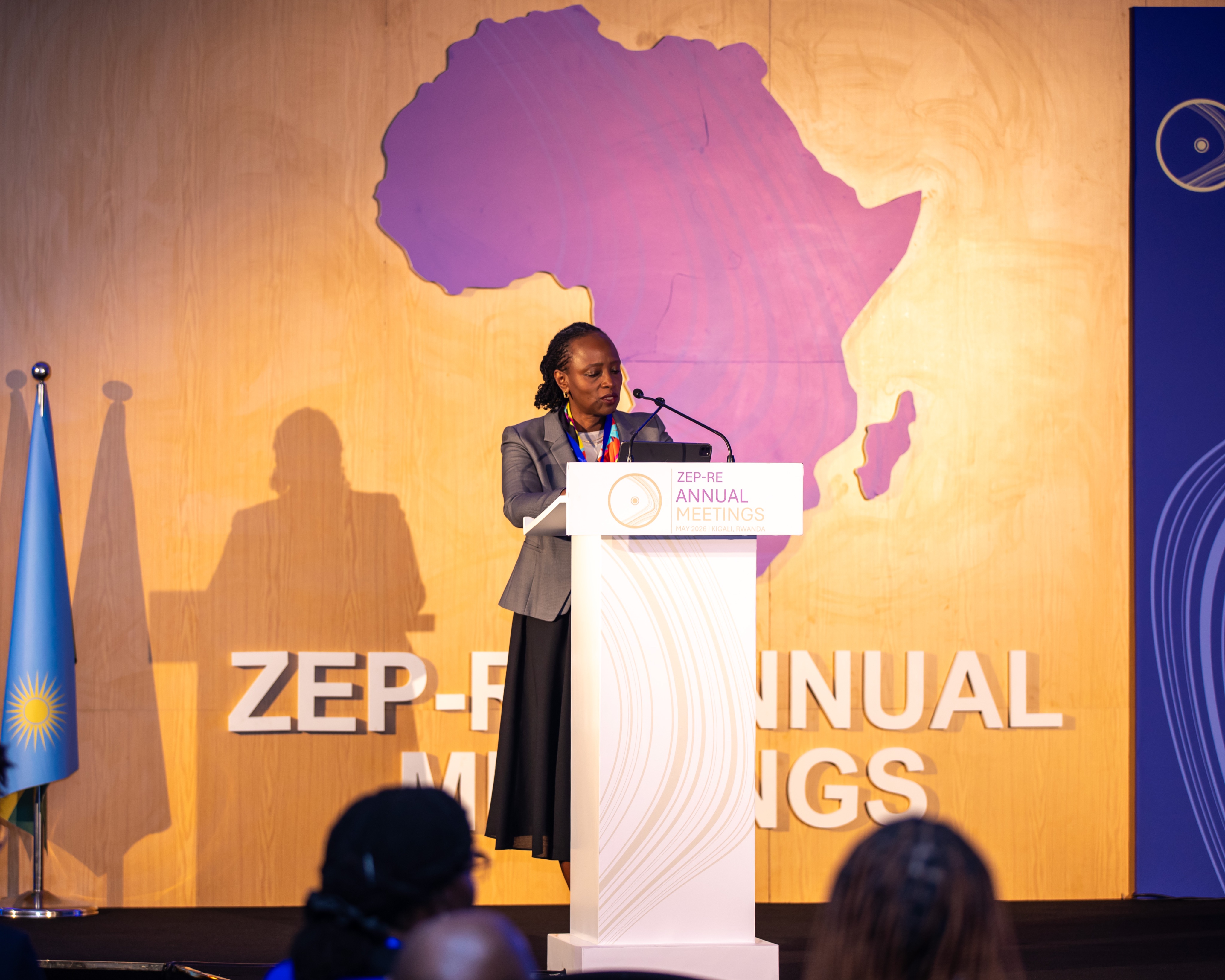
She noted that insurance penetration remains low across the continent, leaving smallholder farmers, women, youth, and small businesses particularly exposed to shocks such as droughts, floods, and other climate-related events.
Murera emphasised that insurance should play a stronger role in absorbing risks and de-risking African economies, but said fragmented risk financing systems and limited affordability continue to hinder progress.
“This is the gap that we, as an industry, seek to address and help close,” she said.
Call for collective action
ZEP-RE Vice-Chair Simon Chikumbu, speaking on behalf of the Board Chairperson, said Africa remains significantly underinsured, adding that the consequences are widely felt across economies and communities.
He stressed that addressing the challenge requires coordinated action across governments, regulators, insurers, and development partners.
“The challenges before us are significant. Africa remains underinsured to a great extent,” he said. “Addressing this requires more than individual effort. It requires collective engagement and purposeful dialogue.”
Chikumbu also underscored ZEP-RE’s founding mandate to build African reinsurance capacity, noting that while the institution has made progress, the continent’s insurance gap remains a major concern.
Delivering a keynote address, Rwanda’s Minister of Finance and Economic Planning, Yusuf Murangwa, highlighted the scale of the challenge, noting that Africa’s insurance penetration stands at about 2.7%, compared to a global average of 7%.
He warned that the gap leaves hundreds of millions of people exposed to financial hardship when disasters strike.
“The informal sector, the market stall owner, the smallholder farmer, the motorcyclist, taxi drivers, is not uninsurable; it is simply uninsured,” Murangwa said, adding that this distinction represents a major opportunity for industry growth and innovation.
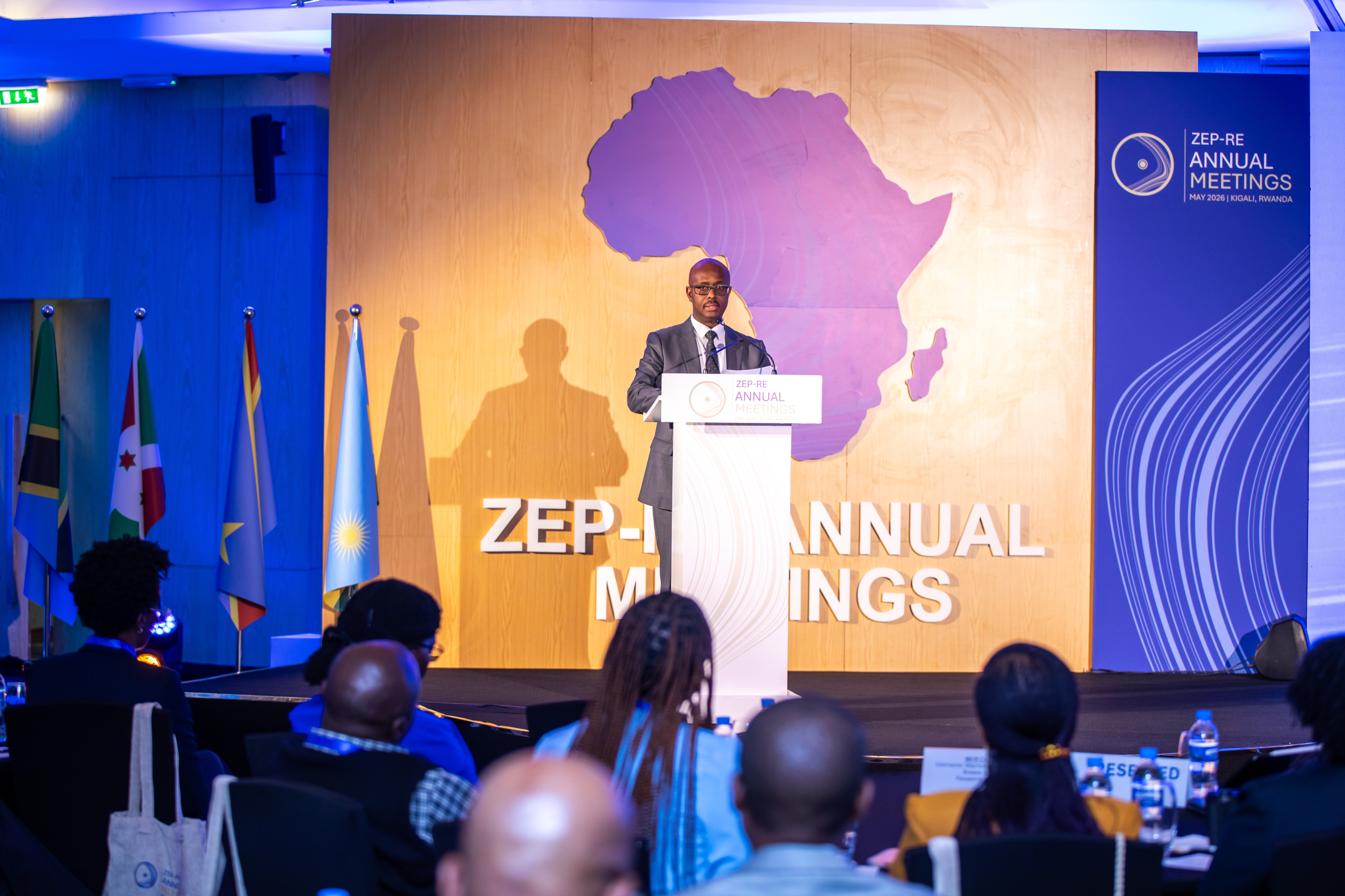
He also pointed to climate-related losses that continue to strain public finances, noting that most catastrophe-related costs in Africa are borne by governments, households, and businesses rather than insurers.
Murangwa called for faster and more ambitious action beyond pilot projects, urging stakeholders to scale up solutions that address climate risks and disaster preparedness.
Insurance as a resilience tool
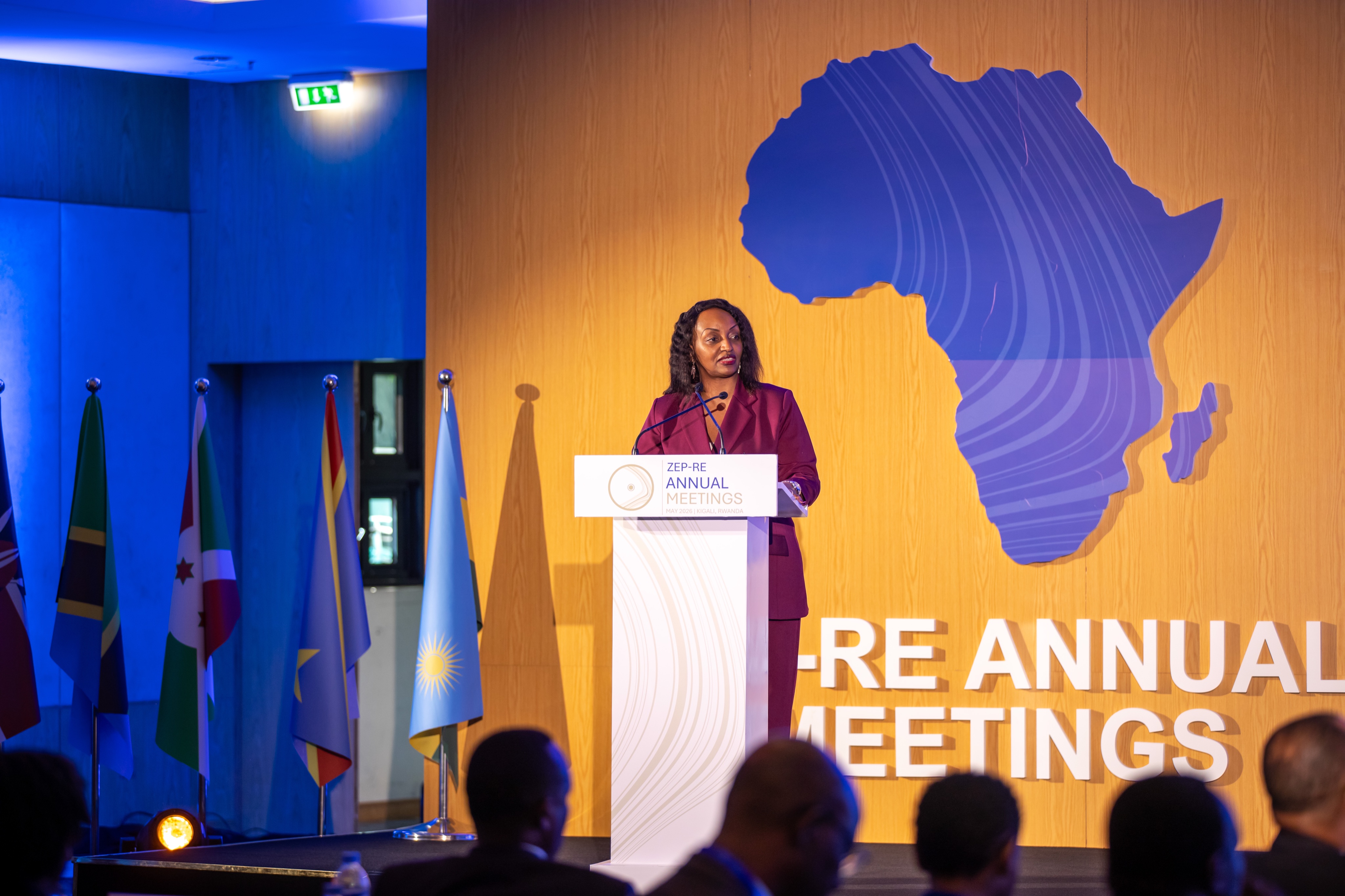
Governor of the National Bank of Rwanda, Soraya Hakuziyaremye, who opened the high-level panel discussions, said insurance must no longer be viewed as a niche financial product but as a strategic tool for economic resilience and growth.
She highlighted that Africa is increasingly exposed to climate shocks, citing floods, droughts, and storms that are becoming more frequent and severe.
“These shocks are no longer rare events, they are part of our new normal,” she said.
She added that more than 80% of catastrophe-related losses in Africa remain uninsured, shifting the financial burden to households and governments at times when they are least able to absorb it.
Hakuziyaremye also noted that Africa carries 19% of the global population and is expected to account for one in four people globally by 2050, increasing the urgency for scalable insurance solutions.
Innovation and regional solutions
Discussions at the meeting highlighted ongoing efforts to address Africa’s risk financing gap through insurance-based solutions, particularly index insurance models being developed in the agricultural sector.
Dr. Grace Muradzikwa, Commissioner of Insurance, Pensions and Provident Funds in Zimbabwe, noted that index insurance products have been developed with support from partners, including the World Bank, to help farmers manage climate-related risks. She cited agricultural insurance initiatives such as the
“Farmers Basket” scheme, which was first launched in one province and progressively expanded to eight provinces with support from multiple stakeholders.
According to Dr. Muradzikwa, such initiatives demonstrate how insurance can shift from post-disaster response to more proactive risk management, as governments, regulators, insurers, and development partners work together to structure more sustainable agricultural protection mechanisms.
Speakers also referenced regional insurance and risk-sharing frameworks, including the Common Market for Eastern and Southern Africa (COMESA) Yellow Card system, the Regional Compensation Transit Guarantee (RCTG), and African Risk Capacity (ARC) initiatives, aimed at strengthening resilience and facilitating risk pooling across African economies.
Moving from pilots to systemic impact
Participants agreed that while progress has been made in developing innovative insurance products, Africa must move beyond small-scale, pilot-driven approaches toward system-wide solutions that can deliver broader impact.
They emphasised the need for stronger collaboration between governments, regulators, insurers, and development partners to scale up insurance solutions that serve both agricultural producers and wider vulnerable populations.
However, challenges such as affordability, data limitations, low insurance awareness, and fragmented implementation across markets remain key barriers.
“In the world we are experiencing more than 10 types of disasters, such as floods, landslides, strong winds, lightning, and many others… In 2023, we experienced one of the strongest hazards in this country. In a single night, we lost more than 135 lives,” said Adalbert Rukebanuka, Director General of Policy, Planning and Risk Reduction at Ministry in charge of Emergency Management (MINEMA).
He noted that disasters are becoming more frequent and complex, placing increasing pressure on governments that already bear a significant share of recovery costs, underscoring the urgency of strengthening disaster risk financing systems that can deliver faster and more predictable responses while reducing pressure on public finances.
The AGM continues on Tuesday, May 5, with a closed session and concludes with the adoption of key resolutions.
ZEP-RE is a pan-African reinsurer established in 1990 under COMESA, operating in more than 45 African countries. It plays a central role in supporting insurance market development and building risk capacity across the continent.
Leave a Reply