At the center of the deadlock was the e-commerce moratorium, a long-standing rule that prevents countries from imposing customs duties on electronic transmissions such as streaming services, software, and other digital products.
Diplomats worked through Sunday to bridge the gap between Washington and Brasília, but positions remained far apart. The United States initially pushed for a permanent extension of the moratorium, later showing flexibility by backing a compromise proposal for a four-year extension with a one-year sunset clause, which would run until 2031.
Brazil, which had earlier proposed a two-year extension, later signaled openness to four years but insisted on a mid-term review clause, a proposal that failed to gain support.
Developing countries broadly resisted a long-term extension, arguing that the moratorium deprives them of potential tax revenues that could be reinvested into their economies and limits their ability to shape domestic digital industries.
Rwanda takes a balanced approach to the e-commerce moratorium at the WTO. As part of the Organisation of African, Caribbean and Pacific States, it shares the view that more discussion is needed to fully understand how the moratorium affects developing countries, especially in terms of lost revenue and long-term economic benefits.
Rwanda supports keeping the issue open for negotiation rather than rushing into a permanent decision, and it agrees that development concerns should be at the center of any outcome.
At the same time, Rwanda tends to be more open to digital trade than some of its peers. The country sees the growth of the digital economy as a real opportunity — to attract investment, create jobs, and connect to global markets.
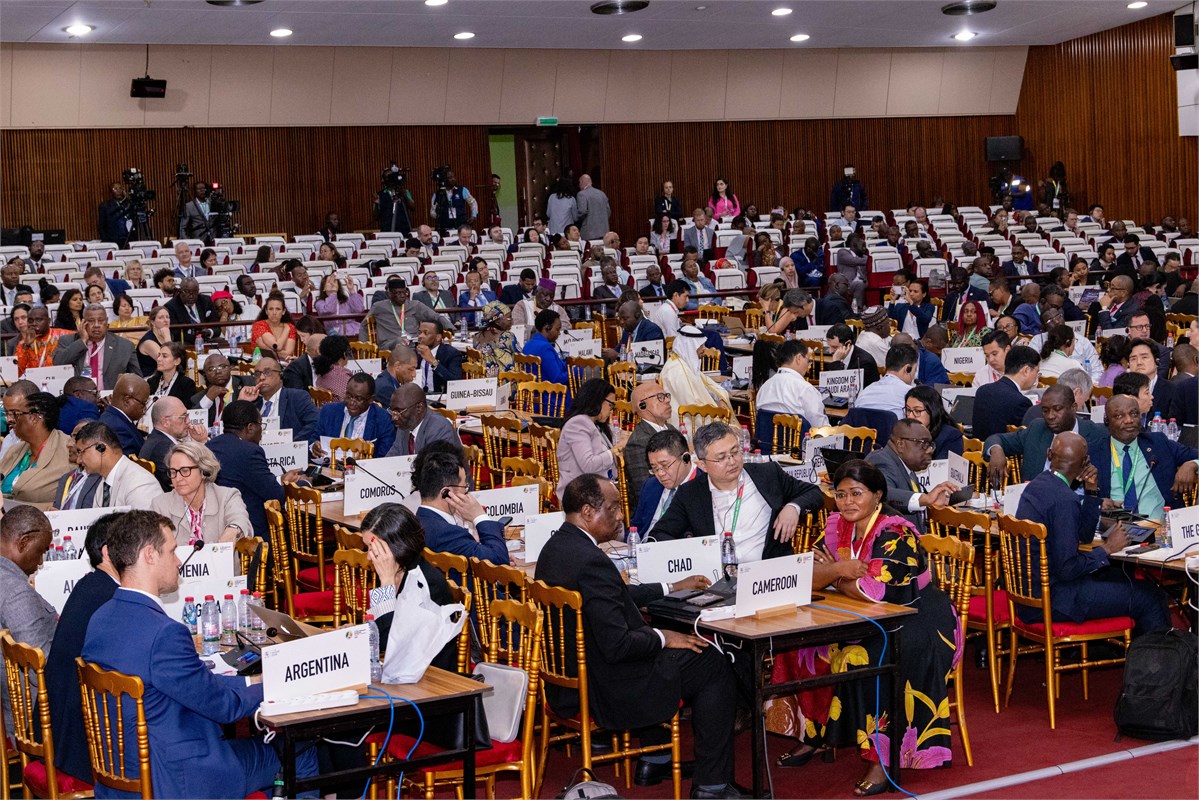
Instead of focusing on taxing digital services, Rwanda is more focused on building its own capacity: improving infrastructure, supporting innovation, and helping local businesses compete. In simple terms, Rwanda is saying that digital trade should remain open, but the rules must also give developing countries a fair chance to grow and benefit from it.
With no agreement reached, the moratorium is now set to expire, effectively opening the door for countries to impose tariffs on digital services such as streaming platforms, software, and other electronic transmissions. Such a shift could significantly reshape global digital trade, increasing costs for businesses and consumers while introducing new uncertainty into cross-border data flows.
Negotiations are now expected to move back to the World Trade Organization headquarters in Geneva, where members will revisit the issue during a General Council meeting scheduled for May.
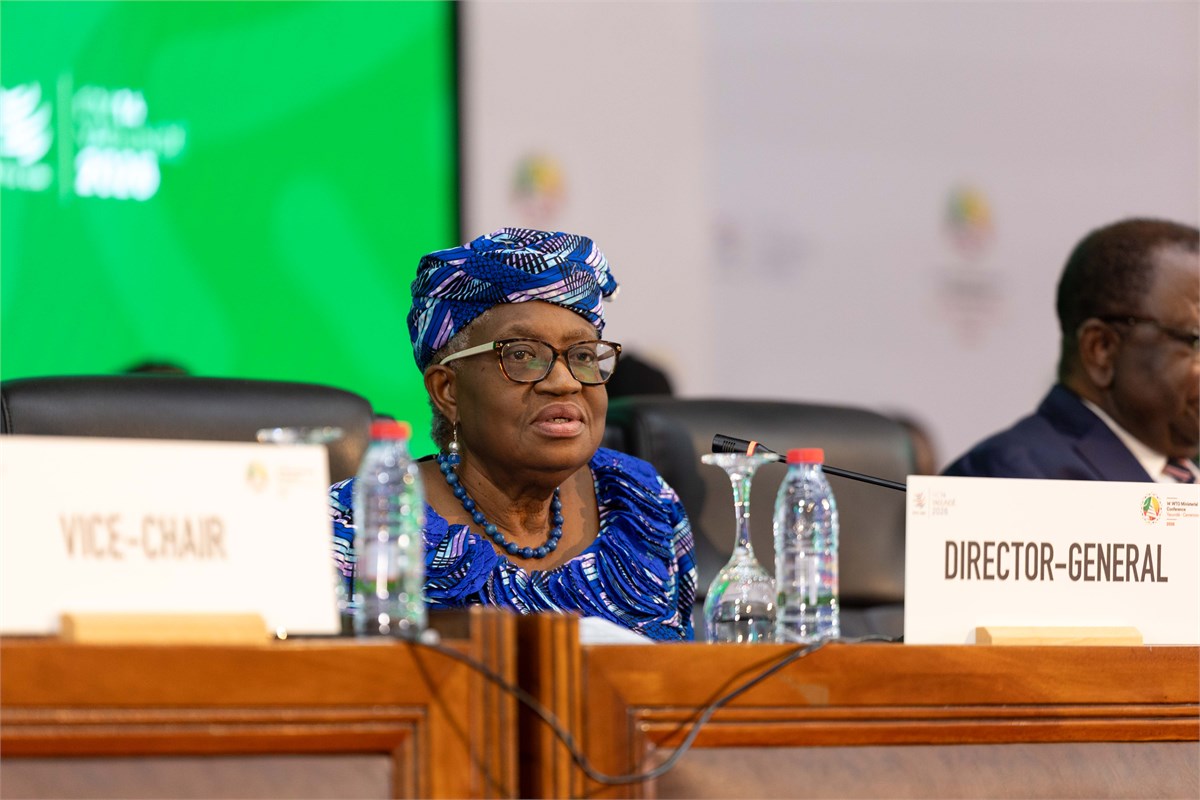
The failure to agree on the moratorium also derailed a broader reform package that had been taking shape during the four-day ministerial meeting in Yaoundé. A draft roadmap outlining timelines and key priorities for modernizing the WTO was reportedly close to agreement before talks ran out of time.
The reform plan aimed to improve decision-making in the WTO’s consensus-based system, increase transparency around industrial subsidies, and revisit rules governing special treatment for developing countries. The United States and the European Union have argued that current rules allow countries like China to benefit unfairly, while critics say reforms must also address development concerns.
Washington had also linked its support for the reform package to a satisfactory outcome on the moratorium, raising the stakes of the dispute and increasing pressure on negotiators.
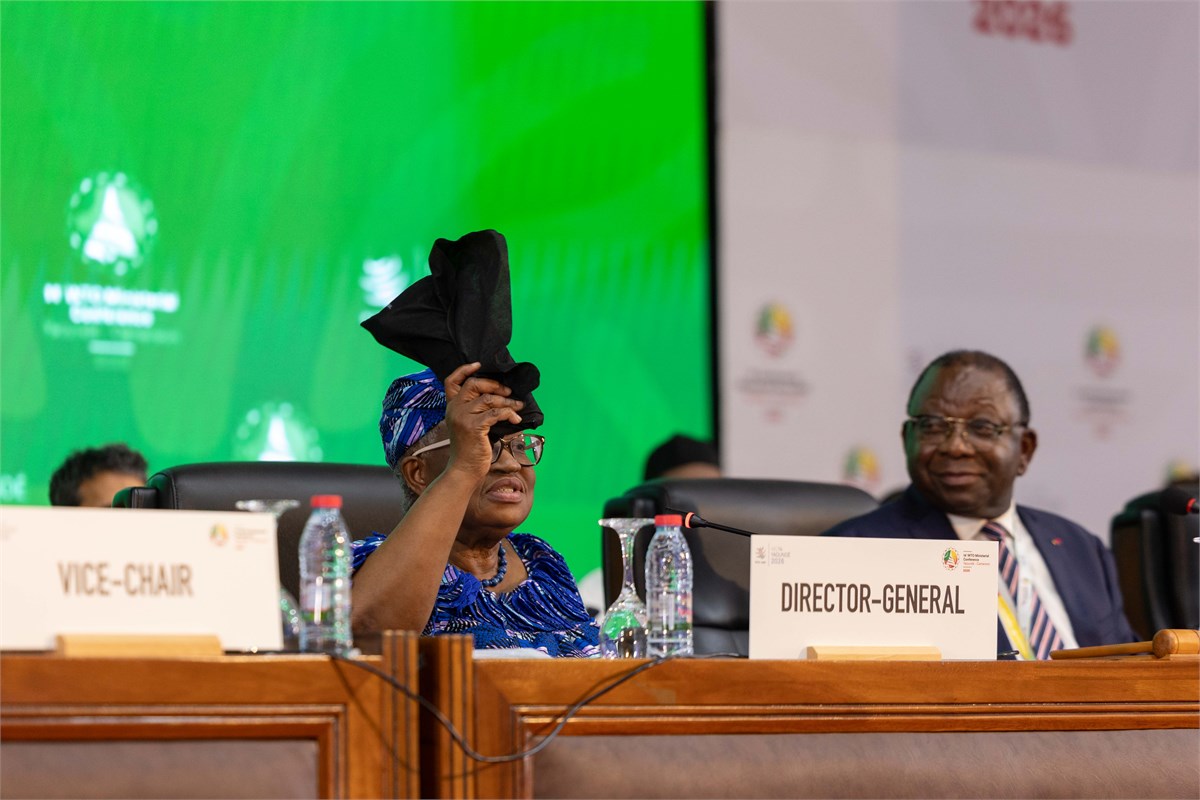
Despite the failure to reach a deal, WTO Director-General Ngozi Okonjo-Iweala said negotiations in Yaoundé had made significant progress, even as time ultimately ran out.
“We were supposed to finish at 1pm today, and it is now almost midnight. It’s been a long, hard day and I am deeply grateful to all of you for the patience you have shown today, as we tried to bridge a handful of remaining differences on some of the key files before us,” she said.
She acknowledged that practical constraints, including ministers needing to leave, brought the negotiations to an end before consensus could be reached.
“However, we have run out of time. Some have already caught flights, and some have changed flights, and some will need to go soon,” she added.
Okonjo-Iweala stressed that members had come close to agreeing on a comprehensive package of outcomes that could shape the future of the organization.
“We are very close to a Yaoundé package of agreements that would be important for Members and the future of the organization. We’ve worked really hard here, and we are very close, but we’re not all the way there yet.”
She urged members not to abandon the progress made, noting that the work done in Yaoundé could still form the basis for an agreement in the next phase of negotiations.
“It would be regrettable to lose so much effort and work, with the finish line in our sights… we believe that it would be appropriate to preserve the important texts we have developed here, and use them as a basis to finalize agreements in Geneva.”
Looking ahead, she signaled that the process is far from over. “We have come a long way. All we need is time. And we can give ourselves that between now and the next General Council.”
The collapse leaves both the future of digital trade rules and the WTO reform agenda uncertain, with upcoming discussions in Geneva expected to determine whether members can salvage the progress made in Yaoundé or whether the deadlock signals a deeper crisis in the global trading system.
Leave a Reply