Rather than a simple list of attractions, Rwanda unfolds as an interconnected journey, where wildlife encounters, cultural immersion, and lakeside retreats flow seamlessly together, and every adventure feels part of a larger story. This thoughtful balance is what makes Rwanda a standout choice for travelers in 2026: a destination that leaves a lasting impression, offering both authenticity and unforgettable moments.
Your journey often begins in Kigali, one of Africa’s cleanest and most welcoming capitals. The city’s impeccably tidy streets reflect a longstanding commitment to the environment, starting with the groundbreaking 2008 plastic bag ban and reinforced by nationwide community clean-up efforts.
This green ethos extends far beyond the city: Rwanda maintains around 30% forest cover through ambitious tree-planting campaigns and wetland restorations that curb flooding, boost biodiversity, and create urban gems like the Nyandungu Urban Wetland Eco-Tourism Park, with its scenic trails and over 100 bird species.
Layered onto this foundation is an unwavering reputation for safety, stability, and efficient infrastructure, making Rwanda genuinely accessible and reassuring for families, solo adventurers, and everyone in between.
Heading north to Volcanoes National Park, the experience becomes truly transformative. Here, mountain gorillas, now numbering close to 1,080 worldwide, thanks to relentless anti-poaching and habitat protection, offer one of wildlife’s most profound encounters.
The annual Kwita Izina ceremony, celebrating its 20th edition in September 2025, named 40 baby gorillas (bringing the total named since 2005 to nearly 400).
This vibrant tradition blends Rwandan cultural heritage with global conservation support, while gorilla trekking permits sustain high-value tourism. Crucially, 10% of park revenues flow back to surrounding communities through sharing programs, funding schools, clinics, clean water, and more, transforming local residents into active stewards of their shared heritage.
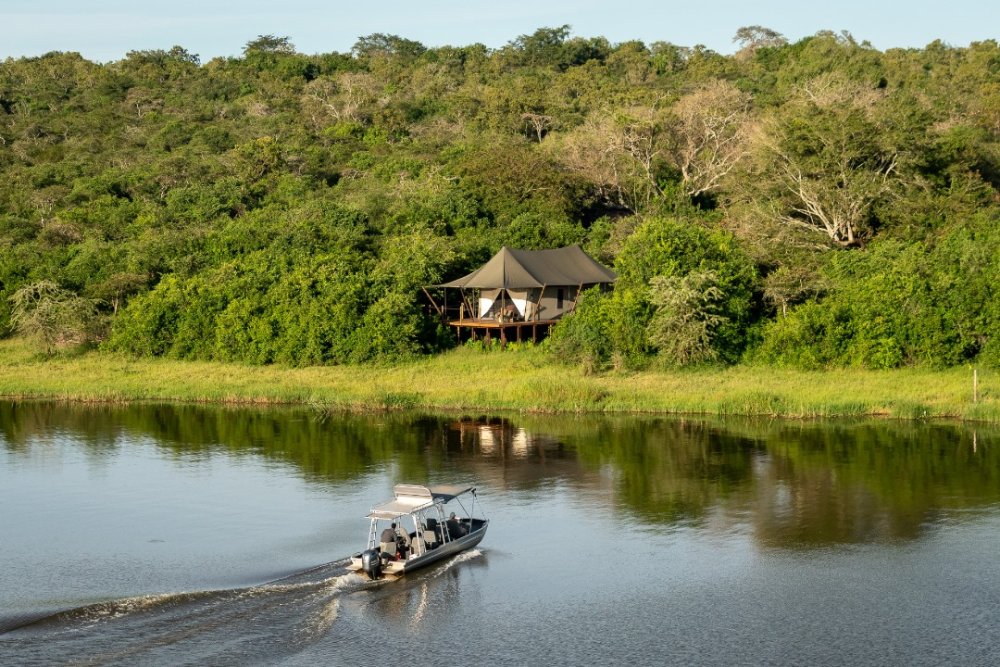
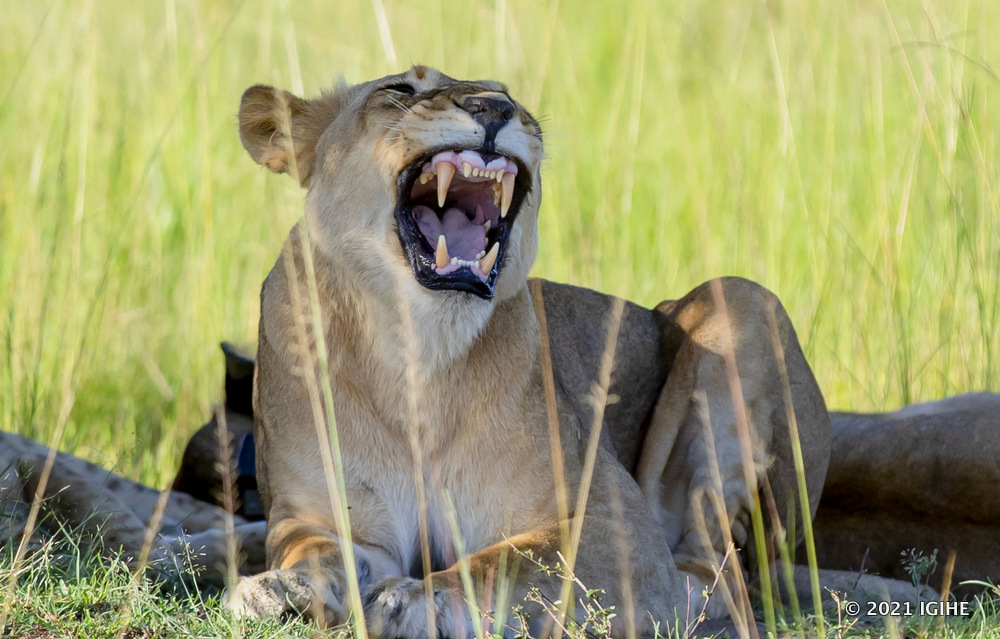
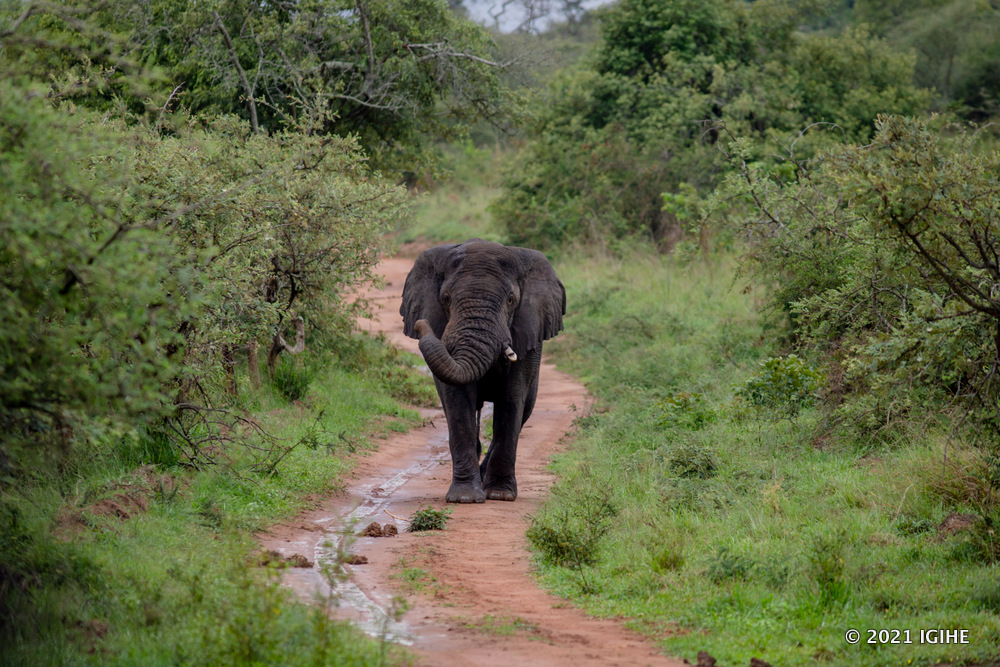
Eastward, Akagera National Park showcases the power of rewilding. Lions, reintroduced in 2015, now thrive with a population exceeding 40 through natural growth. Rhinos have made a bold return, highlighted by the historic translocation of 70 southern white rhinos in June 2025—the largest single operation of its kind in Rwanda’s history.
These achievements, driven by strong partnerships and zero poaching losses for key species since reintroduction, have restored classic Big Five safaris across sweeping savannas, lakes, and wetlands.
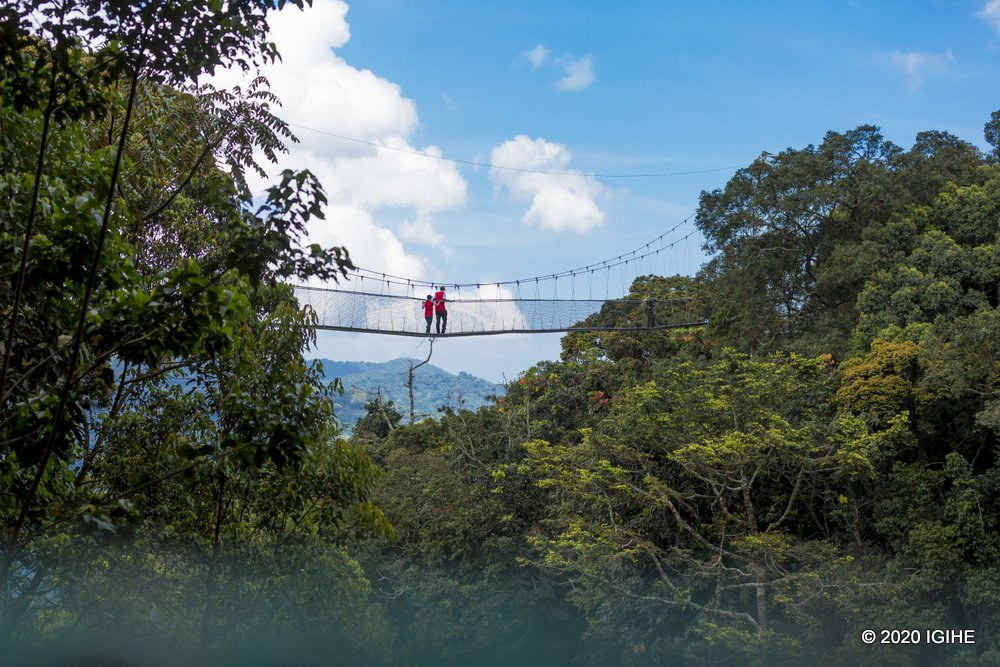
To the south lies Nyungwe Forest National Park, inscribed as a UNESCO World Heritage Site in 2023. As one of Africa’s oldest montane rainforests, it pulses with life: chimpanzees, rare birds, suspended canopy walks, and unparalleled biodiversity within the Albertine Rift.
Ongoing restoration efforts only deepen its global significance.
Rwanda’s protected areas continue to evolve, with the newer Gishwati-Mukura National Park safeguarding regenerating forests home to Eastern chimpanzees and golden monkeys, opening fresh avenues for eco-tourism and community empowerment.
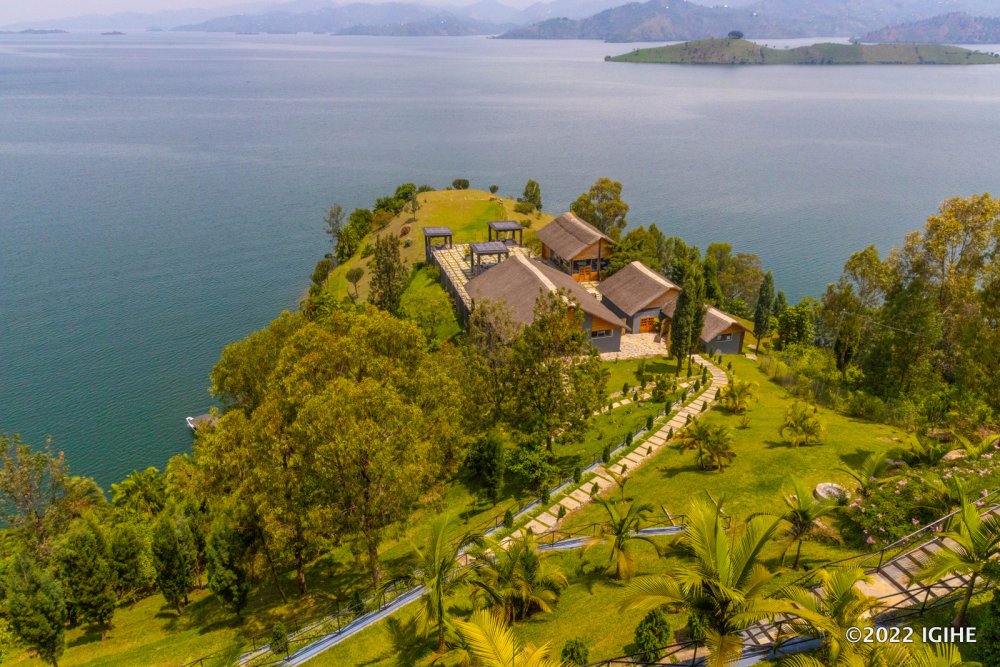
Beyond the parks, the country’s scenic shores, especially along Lake Kivu, offer tranquil lakeside lodges, cultural villages, and relaxed immersion, rounding out a portfolio that balances adventure with serenity.
Hospitality here mirrors this thoughtful approach: elevated yet unobtrusive, sustainable, and deeply connected to place. In Volcanoes, standout lodges like Singita Kwitonda (with sweeping volcano views), One&Only Gorilla’s Nest (nestled in eucalyptus groves), and Bisate Lodge (with its innovative, tradition-inspired pods) set benchmarks for luxury and responsibility.
In Nyungwe, One&Only Nyungwe House harmonizes with surrounding tea plantations; in Akagera, Magashi Camp delivers intimate wilderness immersion. These are just highlights in a landscape dotted with exceptional options, from misty highlands to serene lakesides and vibrant urban edges, ensuring every traveler finds spaces to rest, reflect, and reconnect.
This is merely a glimpse; Rwanda pulses with more: emerging trails, ziplines, cultural encounters, adventure pursuits, and new developments that keep the destination fresh and forward-looking.
The vision guiding it all is measured yet ambitious. From $647 million in tourism revenue in 2024 (boosted by a 27% surge in gorilla tourism), Rwanda eyes over $700 million in 2025, with a longer-term goal of $1.1 billion annually by 2029.
This growth stems from smart diversification; into Meetings, Incentives, Conferences, and Exhibitions (MICE), sports, nature-based experiences, and more, while redefining what sustainable African tourism can look like, ensuring revenues regenerate communities, spark positive change, and let visitors connect with genuine hope.
Leave a Reply