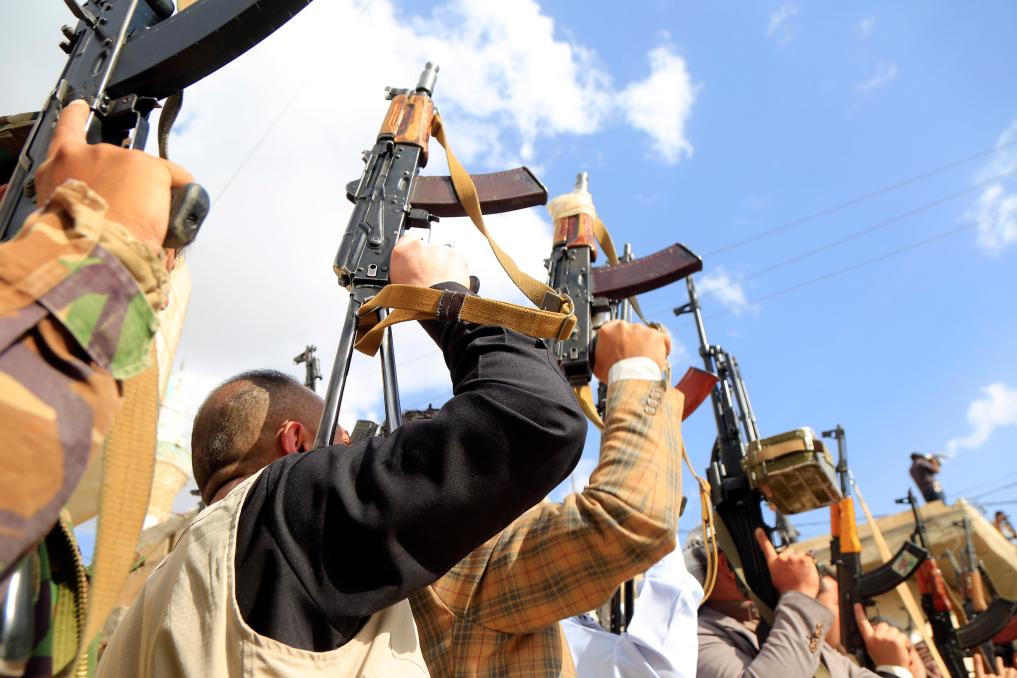
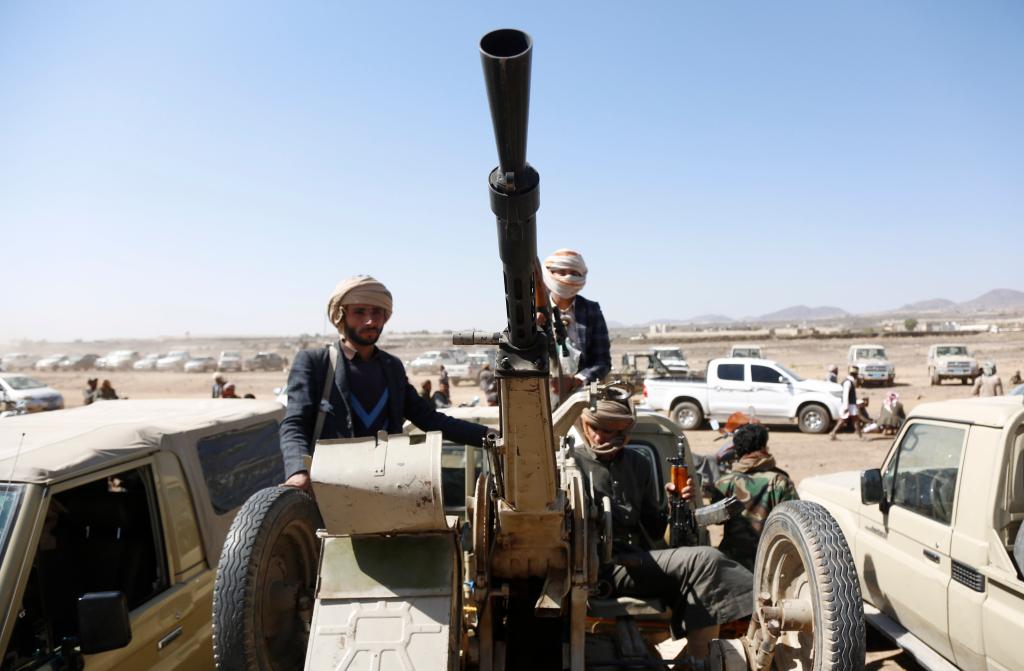
The Houthis control much of northern Yemen. They have stayed largely on the sidelines since the U.S. and Israel struck Iran on Feb. 28. The restraint contrasts with the Houthis’ actions during the Gaza war, when they repeatedly targeted shipping and disrupted global trade.
Why are the Houthis holding back? Will they join the fight? What would their involvement mean for energy markets? Here’s what you need to know.
Strategic restraint
After the Feb. 28 strikes, the Houthis pledged “full support” for Iran. Leader Abdul-Malik al-Houthi said March 5 that the group has its hands “on the trigger,” but has yet to act.
On Thursday, al-Houthi repeated that his group stands ready to take military action if the Middle East conflict escalates, while reaffirming close ties with Iran.
Analysts say the group is exercising “strategic restraint,” arguing that entering such a major war carries serious risks for the Houthis.
Joining the conflict would likely trigger U.S. and Israeli strikes on Houthi-controlled areas in northern Yemen, a region already under severe economic strain after years of war and blockade. Sustained bombardment could cost the Houthis both territory and public legitimacy.
A broader offensive could also give Yemen’s internationally recognized government an opening to launch a counteroffensive. The two sides have been at war for more than a decade. The Yemeni government has warned the Houthis against dragging the country into the wider conflict.
Possible action
On March 20, Houthi political bureau member Mohammed al-Bukhaiti told Russian state media the group was weighing all options, including blocking the Bab el-Mandeb to ships from “aggressor countries.”
He said any closure would target only vessels from states attacking Iran, Lebanon, Palestine, or Iraq.
The Wall Street Journal reported on March 21 that Saudi officials are working to keep the Houthis out of the fight. The U.S. and Israel are also trying to avoid provoking them, a U.S. official said.
Maysaa Shujaa al-Deen, a researcher at the Sana’a Center for Strategic Studies, said the signal to act may not have come because Iran does not yet need it.
Given Iran’s proximity to the conflict, a Houthi intervention may be seen as a card held in reserve — to be played only if fighting escalates into a full-scale ground war or a total blockade of Iranian interests.
Potential impact
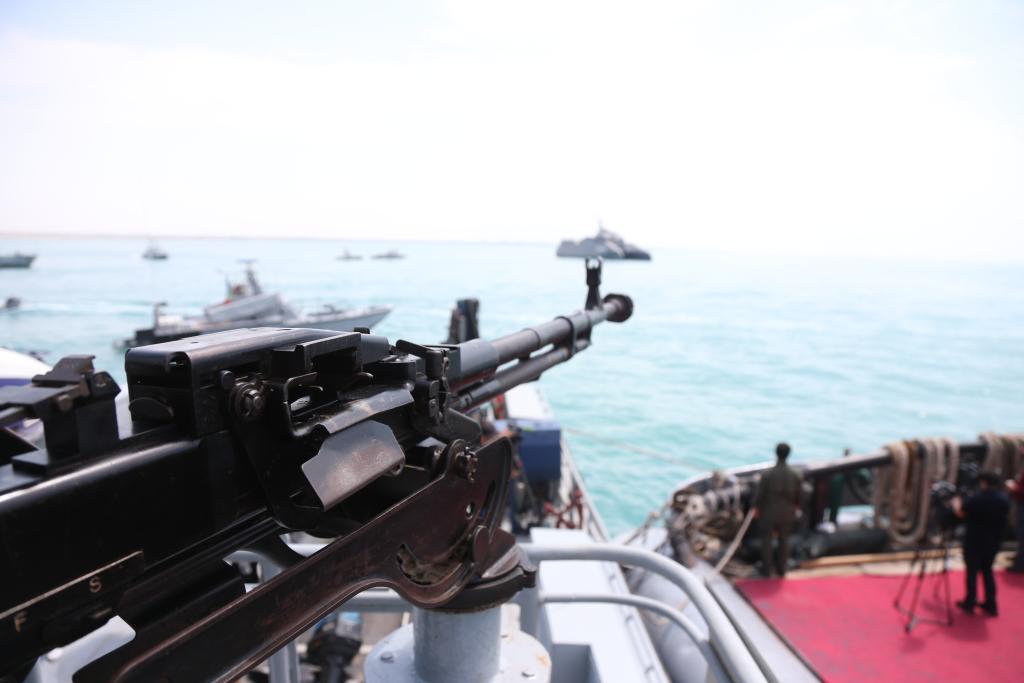
Iran is already restricting traffic through the Strait of Hormuz, a vital energy corridor, pushing up oil and gas prices.
The Bab el-Mandeb Strait connects the Red Sea to the Gulf of Aden and is a key chokepoint for shipping between the Atlantic, Indian Ocean, and Mediterranean. If the Houthis were to block it, global energy supplies could face a double disruption.
Reuters reported that the U.S. is considering deploying troops to secure the Strait of Hormuz and potentially strike Iran’s Kharg Island, about 15 miles off the Iranian coast, which handles roughly 90 percent of the country’s oil exports.
An Iranian military source issued a stark warning, saying that reckless U.S. action in Hormuz could trigger a second crisis. “They should be careful not to add another strait to their problems,” the source said.
On March 21, U.S. President Donald Trump threatened to “hit and obliterate” Iranian power plants unless Tehran reopened the Strait of Hormuz within 48 hours. He later ordered a five-day delay on strikes following “productive” talks with Iran, and on Thursday, extended the deadline another 10 days to April 6.
Leave a Reply