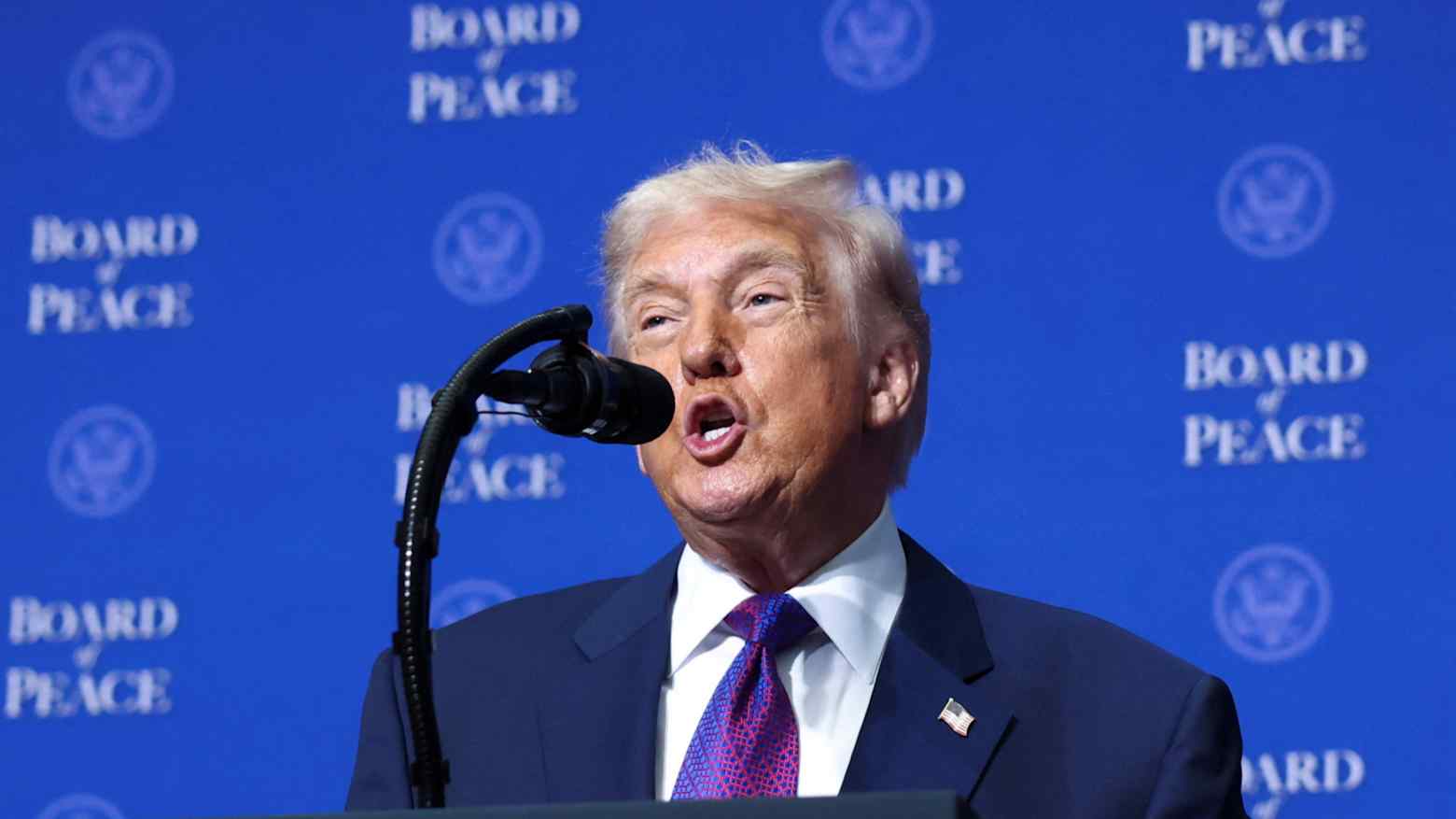
The U.S. Supreme Court ruled on February 20, 2026 that President Donald Trump exceeded his constitutional powers when he imposed sweeping tariffs using the International Emergency Economic Powers Act (IEEPA).
The court’s 6–3 decision rejected Trump’s expansive view that the president could unilaterally impose broad tariffs under emergency economic powers without specific congressional authorization.
Chief Justice John Roberts wrote the majority opinion, joined by a mix of conservative and liberal justices, holding that IEEPA does not grant the president open-ended authority to regulate imports through tariffs.
By limiting the president’s ability to act without explicit approval from Congress, the ruling serves as a major check on executive power particularly in economic and trade policy and injects uncertainty into future administration actions.
The decision could have far‑reaching financial effects. Economists estimate that more than $175 billion in U.S. tariff collections could be subject to refunds because the tariffs were struck down as unlawful, affecting trade partners and U.S. importers alike.
Trump reacted angrily to the court’s decision, criticizing the justices including two whom he originally appointed and vowing to pursue alternative legal avenues for imposing tariffs. Despite his remarks, legal experts say any new approach would likely be slower and require greater justification and involvement from Congress.
The ruling arrives as the U.S. approaches midterm elections, a period when legal and political constraints on federal power can have significant national impact. By affirming that Congress, not the president alone, holds the ultimate authority over major trade policies, the Supreme Court has reaffirmed a central constitutional principle: that executive power has defined limits under the law.
Leave a Reply