Tag: HomeNews

  • African countries urged to boost agricultural funding for food security

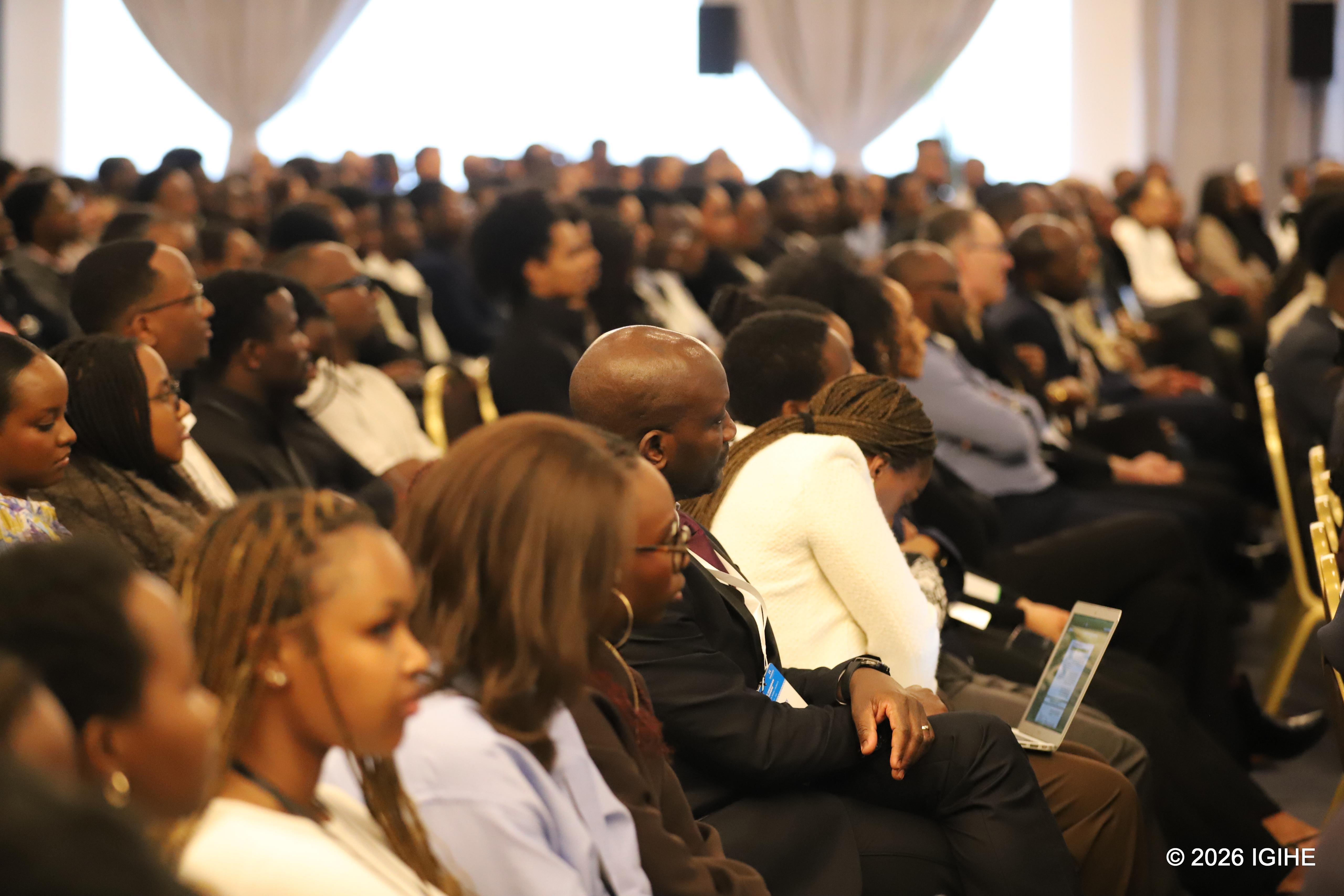
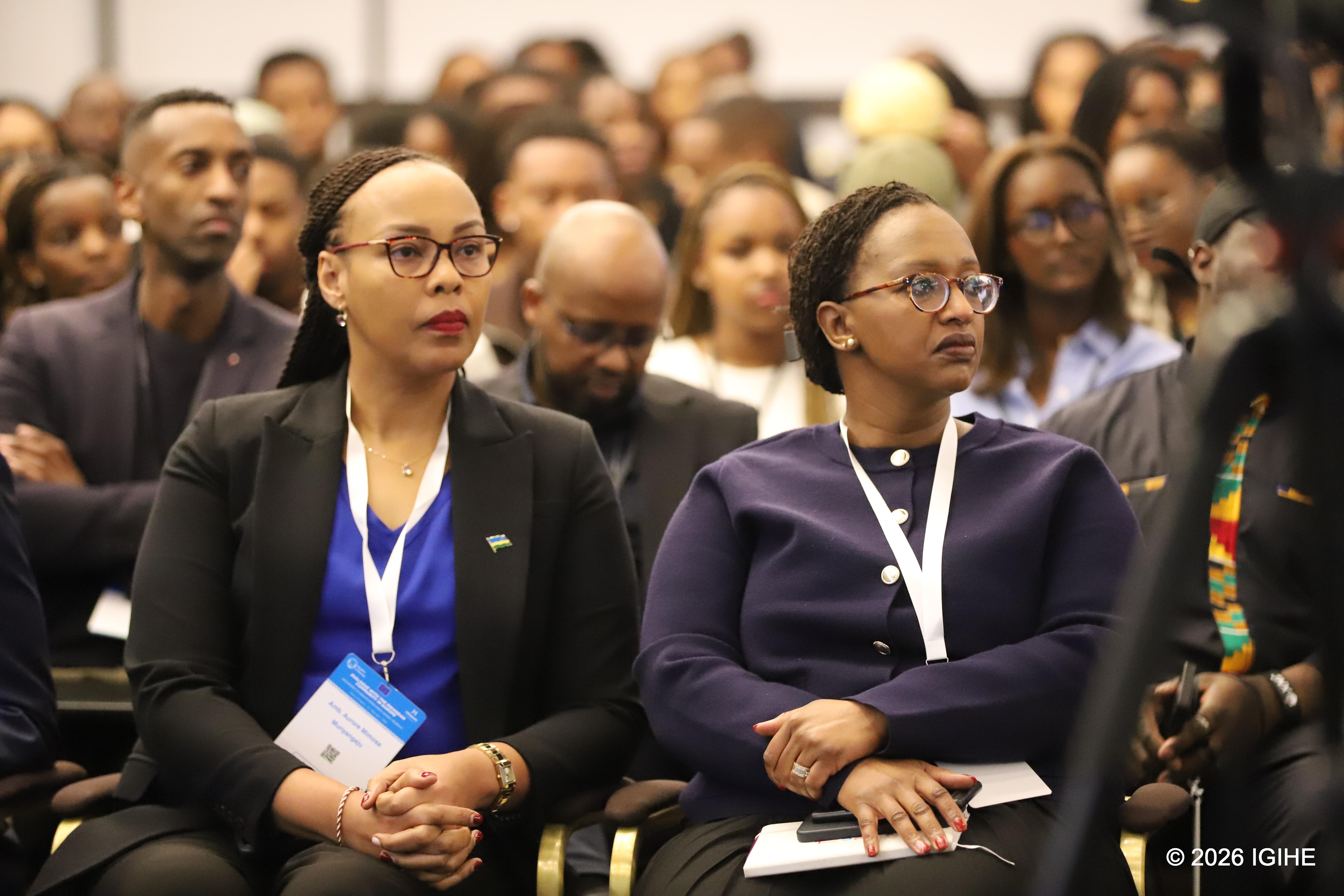
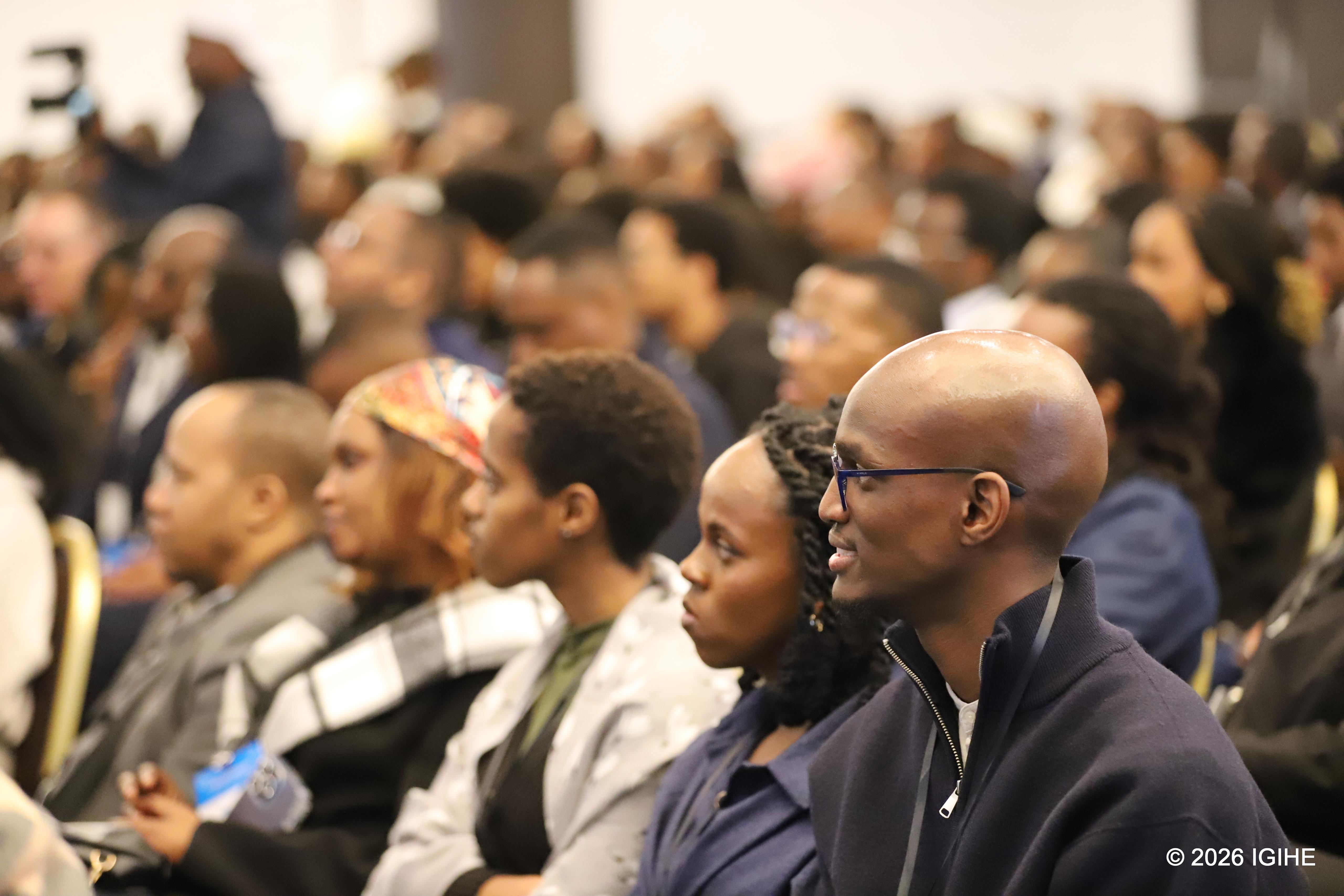
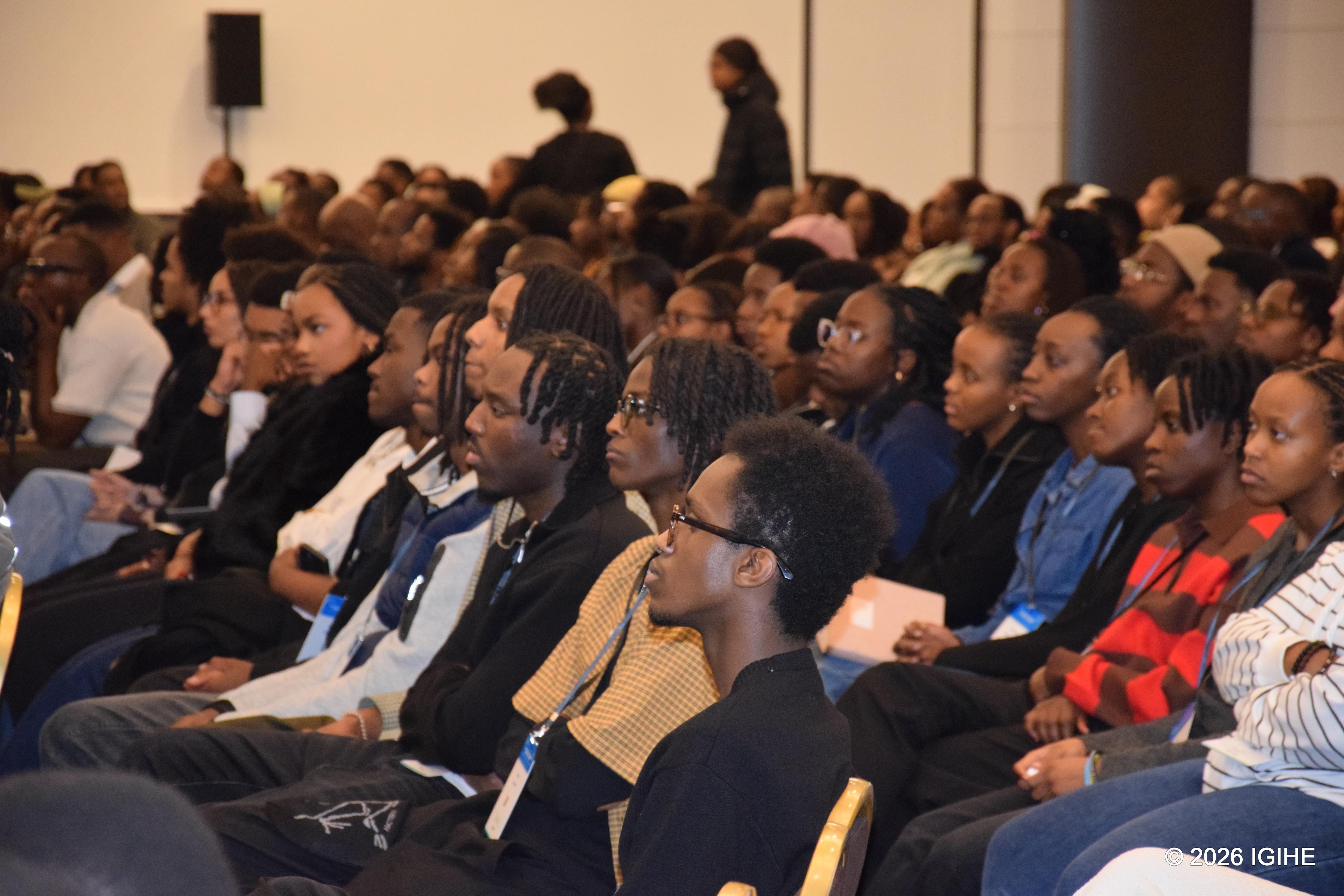
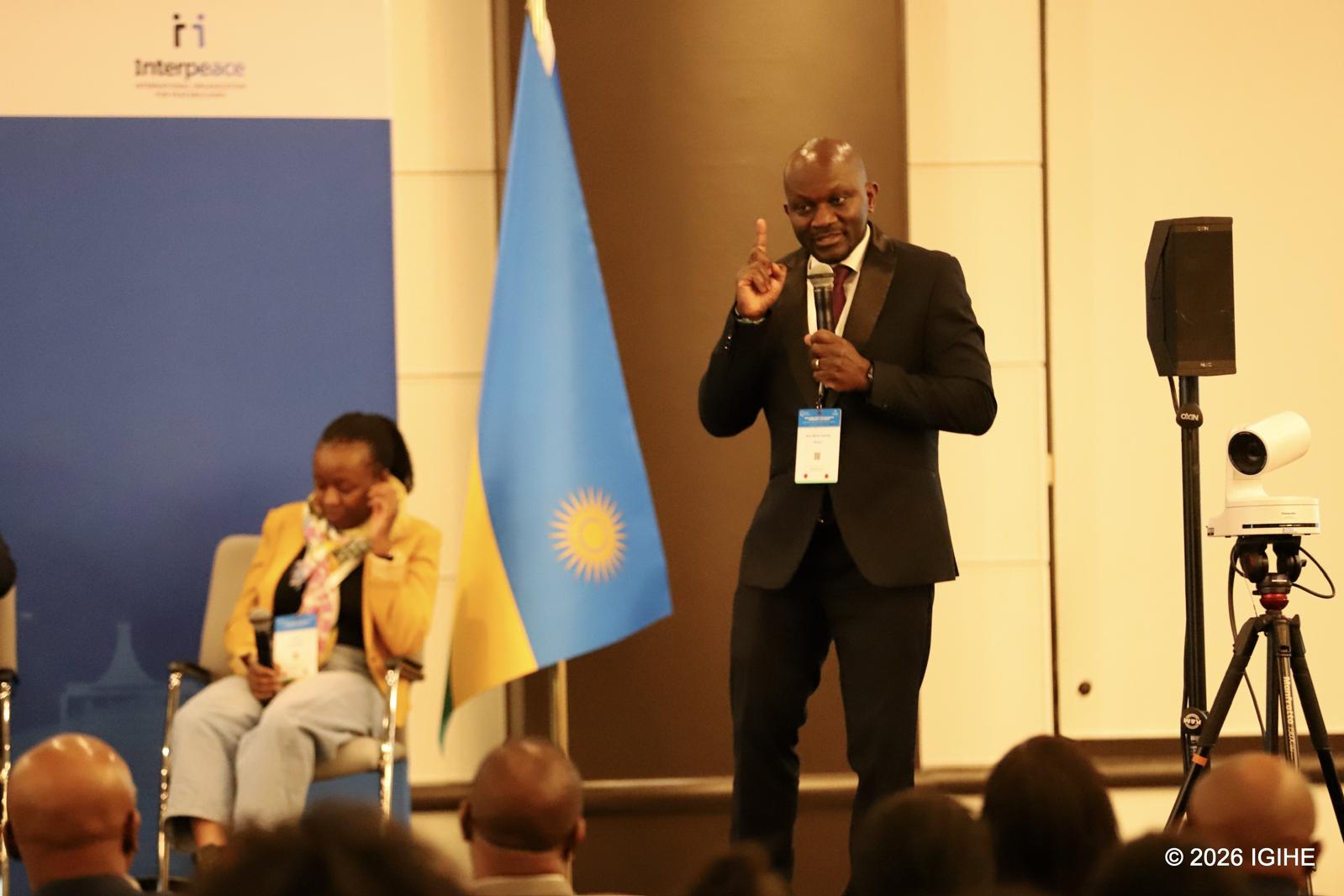
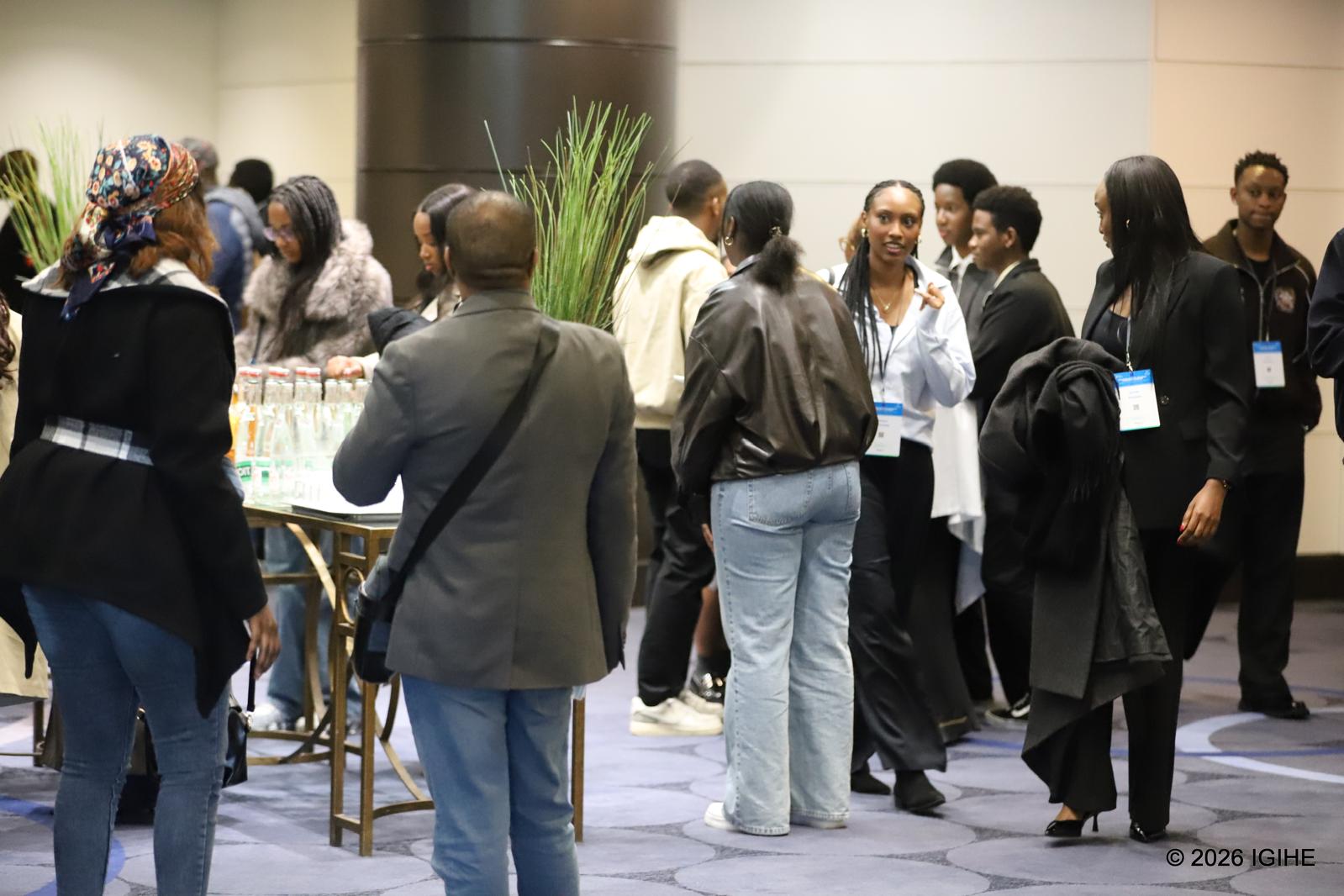
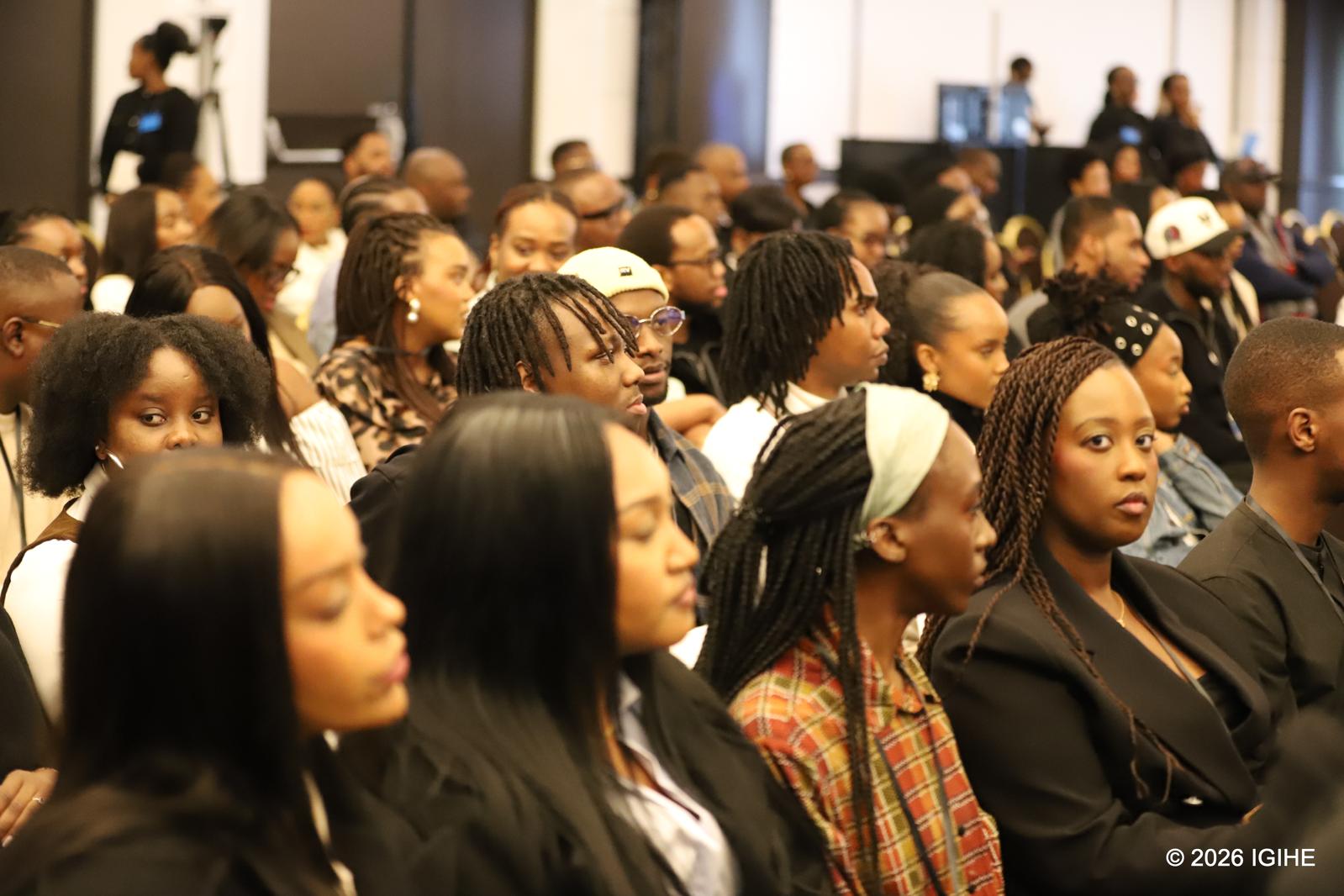
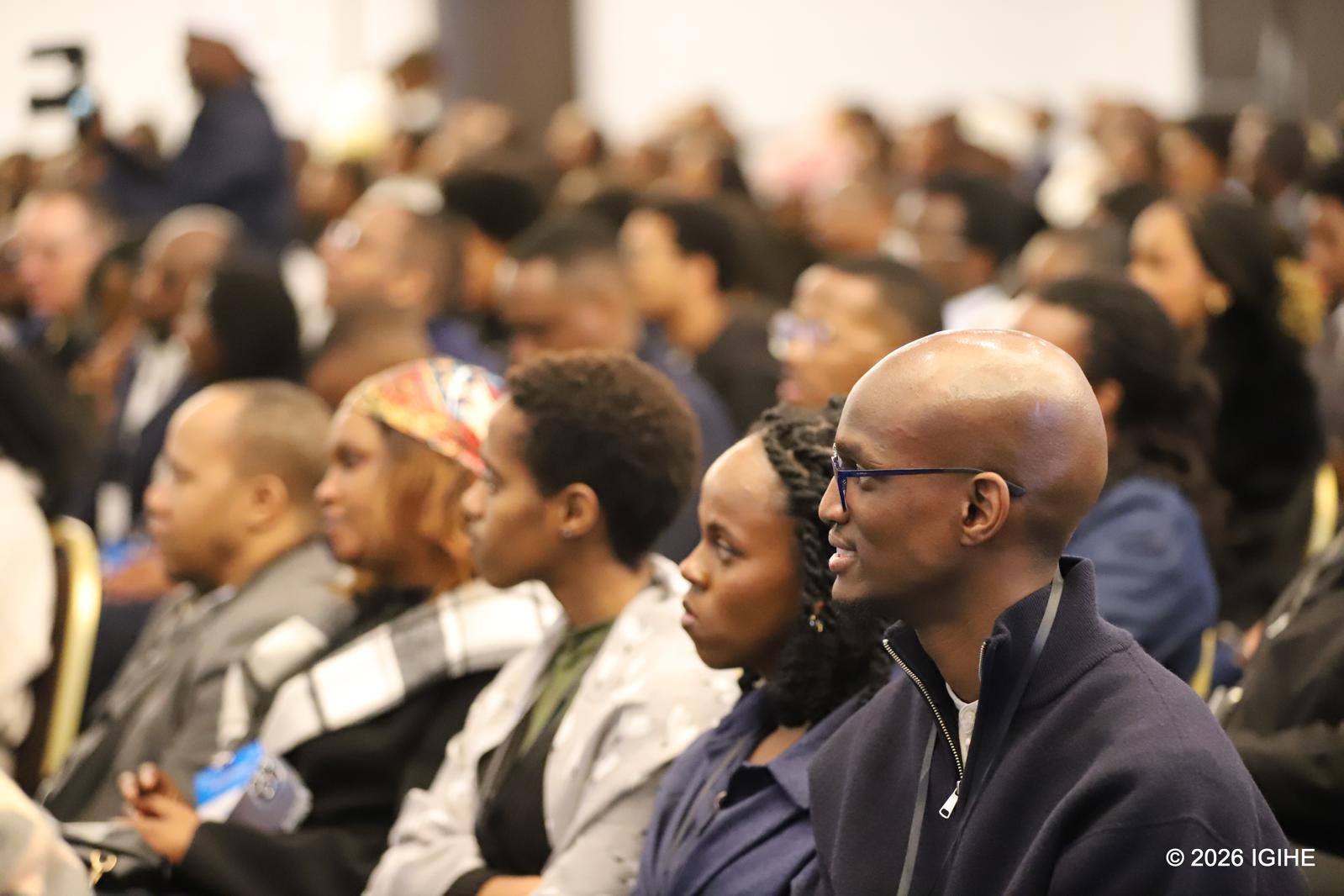
    Held under the theme “Taking Ownership: Rethinking Sustainable Financing for Africa’s Food Systems,” the Financing Agri-food Systems Sustainably Summit 2025 brought together policymakers and sector stakeholders to explore financing solutions for transforming food systems across the continent.

    At the three-day forum, delegates said that although agriculture employs over 60 percent of the continent’s population, it continues to receive disproportionately low investment.

    Mutahi Kagwe, Kenya’s cabinet secretary in the Ministry of Agriculture and Livestock Development, said the sector receives just three percent of the national budget despite contributing 22.5 percent to the country’s gross domestic product.

    “By raising the budgetary allocation to 10 percent, we shall not only be adequately investing in the sector, but also meeting the requirements of the 2014 Malabo Declaration on the Comprehensive African Agriculture Development Program (CAADP) and the Kampala CAADP Declaration of January 2025,” Kagwe said.

    Such a move could increase productivity by 45 percent, eliminate post-harvest losses, and triple intra-African agri-trade by 2035, Kagwe added.

    Veronica Nduva, secretary general of the East African Community, said the region is working to modernize agriculture into climate-resilient, value-driven systems. She stressed the need for investment in infrastructure, technology, research, and inclusive financial access, especially for smallholder farmers.

    Moses Vilakati, commissioner for agriculture, rural development, blue economy and sustainable environment at the African Union, said via video link that the continent has committed to mobilize 100 billion U.S. dollars by 2035 for food system transformation.

    He urged the adoption of innovative financing tools that de-risk agri-investments and empower smallholders, especially women and youth, who form the backbone of food systems.

  • AUC chief welcomes appointment of civilian prime minister in Sudan

    In a statement issued Tuesday, Youssouf said the appointment “will contribute meaningfully to ongoing efforts to restore constitutional order and democratic governance in Sudan.”

    The move follows a constitutional decree issued Monday by Sudan’s Transitional Sovereign Council Chairman and army chief Abdel Fattah al-Burhan, officially naming Idris to the post.

    Reiterating the AU’s readiness to support Sudan’s political transition, Youssouf called on all Sudanese stakeholders to redouble their efforts toward a peaceful, civilian-led, and inclusive process that reflects the aspirations of the Sudanese people.

    The chairperson of the 55-member continental organization also underscored the AU’s “firm commitment to the unity, sovereignty, and stability of Sudan and to the pursuit of a durable political solution that secures peace, development, and democratic governance for all Sudanese.”

    Idris’s appointment comes nearly three weeks after al-Burhan named Dafallah al-Haj Ali as acting prime minister and cabinet affairs minister. The position has been vacant since civilian leader Abdalla Hamdok resigned in January 2022 following a military coup led by Al-Burhan in October 2021.

    Idris, a legal expert, previously served as director general of the World Intellectual Property Organization and secretary-general of the International Union for the Protection of New Varieties of Plants.

    African Union Commission (AUC) Chairperson Mahmoud Ali Youssouf on Tuesday welcomed the appointment of Kamil Idris as Sudan's new prime minister, describing it as a step toward inclusive governance in the conflict-ridden country.

  • IHS Towers to exit Rwanda in $274.5 million sale deal

    The deal, announced on Tuesday, May 20, 2025, will see Paradigm Tower Ventures acquire 100% of IHS Rwanda Limited, which operates approximately 1,465 tower sites across the country.

    The transaction remains subject to government and regulatory approvals and is expected to be completed in the second half of 2025.

    The transaction reflects an enterprise value of $274.5 million, representing a multiple of 8.3 times IHS Rwanda’s adjusted EBITDA after leases. The valuation is considered a significant premium compared to the broader IHS Towers group’s current market multiple.

    “The agreement to sell our Rwanda operations to Paradigm Tower Ventures was carefully
    considered as part of our strategic initiatives targeted at shareholder value creation options and highlights the value of our Rwanda operations within our wider portfolio,” said IHS Towers Chairman and CEO Sam Darwish.

    In a statement reflecting on the company’s successful journey in Rwanda, the IHS boss expressed appreciation for the partnerships and conducive environment that have supported the firm’s growth over the years.

    “We have enjoyed more than 10 years of commercial success in Rwanda. We are deeply appreciative to our colleagues and customers, in addition to the Government of Rwanda for its exemplary and investor-supportive framework, who have all helped make IHS Rwanda the success it is today,” he added.

    Paradigm Tower Ventures, which is making its first investment under a new platform dedicated to wireless infrastructure growth in Sub-Saharan Africa, hailed Rwanda as a promising market.

    “Rwanda represents an exciting market with high demand for shared wireless infrastructure,” said Stephen Harris, Co-founder of Paradigm Tower Ventures.

    “The Paradigm team is very much looking forward to building a strong customer-focused business providing high-quality and secure infrastructure to mobile network operators.”

    Founded in 2019 by seasoned industry executives Stephen Harris, Hal Hess, and Steven Marshall, Paradigm Infrastructure has been involved in various tower acquisitions and operations across Africa.

    IHS Towers, listed on the New York Stock Exchange, operates more than 39,000 towers across eight markets, including Brazil, Cameroon, Colombia, Côte d’Ivoire, Nigeria, South Africa and Zambia.

    The deal, announced on Tuesday, May 20, 2025, will see Paradigm Tower Ventures acquire 100% of IHS Rwanda Limited, which operates approximately 1,465 tower sites across the country.

  • Qatari conglomerate AQI explores investment opportunities in Rwanda

    The delegation, led by Dr. Imad Al-Khoury, CEO of AQI, met with Rwanda Development Board (RDB) Deputy CEO Juliana Muganza on Monday. The group expressed interest in the pharmaceuticals, manufacturing, real estate, and agriculture sectors.

    The delegation also met separately with the Minister of State in the Ministry of Health, Dr Yvan Butera, in a discussion focused on investment opportunities in Rwanda’s pharmaceutical production, local manufacturing, and regional health security.

    Also in attendance were Waseem Hamad, CEO of Philex Pharmaceuticals, and Lee Farrelly, General Manager of Manal Food Factory.

    AQI was established in 2002 and operates across a wide range of industries, including construction, oil and gas, manufacturing, and medical services. The company is known for providing strategic and operational solutions across its portfolio, and has a growing interest in expanding into new markets.

    The visit by AQI and its partners marks a continued strengthening of economic ties between Rwanda and Qatar, with both governments actively facilitating cross-border investments to drive innovation, create jobs, and boost sustainable development.

    The visit also reflects Rwanda’s growing appeal to international investors, driven by its strong global rankings in business climate.

    According to the World Bank’s 2024 Business Ready (B-READY) report, Rwanda is among the top-performing countries in terms of ease of doing business.

    The country ranked 3rd globally for Operational Efficiency, scoring 81.31%, and 8th in Public Services with a score of 67.37%. It also placed 17th worldwide in Regulatory Framework, earning a score of 70.35%.

    A high-level delegation from Qatari conglomerate Abela Qatar International (AQI) is exploring investment opportunities in Rwanda, amid growing interest from multinationals in the country’s expanding market.The delegation, led by Dr. Imad Al-Khoury, CEO of AQI, met with Rwanda Development Board (RDB) Deputy CEO Juliana Muganza on Monday.Dr. Imad Al-Khoury, CEO of AQI, during the meeting with RDB Deputy CEO Juliana Muganza on Monday, May 19, 2025.RDB Deputy CEO Juliana Muganza during the meeting with Dr. Imad Al-Khoury, CEO of AQI, on Monday, May 19, 2025.The delegation also met separately with the Minister of State in the Ministry of Health, Dr Yvan Butera.

  • CMA launches campaign to educate students on stock market investment

    The campaign was officially launched at the East African University Rwanda (EAUR) Nyagatare campus on May 16, 2025. It is being implemented through the Capital Market Youth Forum, a platform that introduces young people to capital market opportunities.

    The initiative, conducted by CMA in collaboration with various partners, will extend to other universities across the country.

    During the campaign, students received in-depth insights into how the capital market functions, including strategies for saving through investment, and participated in interactive discussions to deepen their understanding.

    Freddy Rukundo, an Accounting student, shared that he learned how to save and invest starting with small amounts of money, and he now plans to join the stock market.

    “I used to think that anything under 100,000 Rwandan francs wasn’t enough to invest, but now I know it’s possible. I’ve registered to start investing in the Rwandan capital market, and I hope to graduate with savings that will make it easier to enter the job market,” Rukundo remarked.

    Esperance Muhoza, who also registered as an investor, said she learned how to invest while saving at the same time.

    “For instance, when parents give us money, I can set aside a small portion and start saving it by investing in capital market products. After school, I’ll use those funds to join others in investing in a business or opportunity,” she explained.

    David Mugabo, a Business Administration student and student representative, said EAUR students were impressed by how CMA taught them to become investors using the limited resources they currently have. He noted that they saw great potential and opportunities for future development.

    “We have gained knowledge in mid-growth markets as well as investment. The saving culture will provide a better future for the youth of today,” he revealed.

    Dr. James Ndahiro, Technical Advisor at the CMA, emphasised that university students were specifically targeted because they are at a pivotal stage, transitioning from academic life into the workforce, making it the right moment to influence their financial mindset.

    “Youth, particularly those at the university level, have the capacity, the drive, and the ability to understand important concepts. This is especially true as they are in a critical phase, transitioning from school to the workplace. We are preparing them to not only navigate that transition but also to recognise opportunities beyond traditional employment,” Ndahiro said.

    On the importance of financial discipline, he added: “Before they begin investing, we emphasise the importance of learning how to save, shifting from a culture of consumption without saving to one of saving before spending.”

    Emmanuel Masantura Ruziga, Head of Marketing and Sales at the Rwanda National Investment Trust (RNIT) Iterambere Fund—one of CMA’s partners in the campaign—noted that a segment of Rwandans still lacks sufficient awareness and education about saving.

    He affirmed that RNIT, a government-established company created to promote a culture of saving among Rwandans, is committed to addressing this gap.

    “We believe that there is a generation that has missed out on many opportunities to learn about saving. However, we are confident that with collective efforts and collaboration across all industry players, we can mobilise as many people as possible to understand, adopt, and strengthen this important culture of saving,” Ruziga noted.

    “If we want to build a society rooted in a strong saving culture, we must start by engaging young people, especially students in schools, colleges, and universities. Together, we must sit down with the Ministry of Education to ensure that financial literacy and the culture of saving are integrated into Rwanda’s national education curriculum,” he added.

    Following the awareness campaign taking place in May, members of the Capital Market Youth Forum will gather in Kigali on June 20, 2025, for a joint training session.
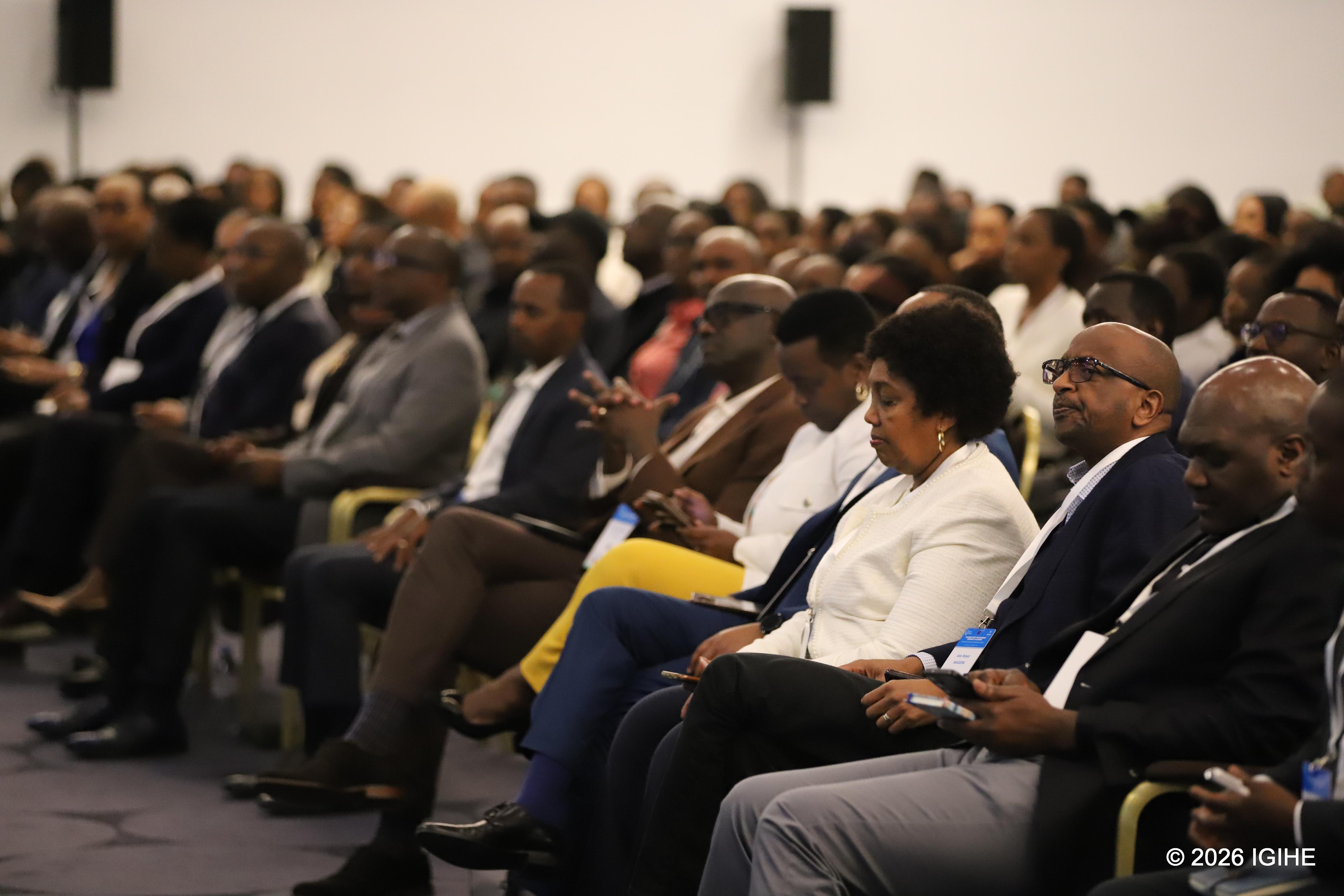
    Dr. James Ndahiro, Technical Advisor at CMA, emphasized that youth should prioritize building a saving culture over worrying about their income levels.EAUR Nyagatare Campus management participated in the awareness campaign.The capital market awareness campaign was launched at EAUR Nyagatare Campus.David Mugabo, a Business Administration student, said EAUR students appreciated how CMA showed them they can become investors with the limited resources they have.CMA staff gave detailed insights into finance and the capital market.Esperance Muhoza, who also registered as an investor, said she learned how to invest while saving at the same time.Emmanuel Masantura Ruziga, Head of Marketing and Sales at RNIT Iterambere Fund, highlighted the need to strengthen saving habits among the underserved segments.Freddy Rukundo, an Accounting student, shared that he learned how to save and invest starting with small amounts of money, and he now plans to join the stock market.cma10.jpgCMA’s awareness campaign is being conducted in various universities.cma11.jpgcma13.jpgcma14.jpg

  • ALX and Sharpen jobs launch “IntegoLabs” to boost youth employability in Rwanda

    The program is designed to empower youth with practical, job-ready skills and connect them directly with potential employers.

    Officially launched on May 17, 2025, IntegoLabs targets university graduates, current students, and young professionals—especially those who are unemployed or unsatisfied in their current roles.

    The program aims to address gaps in workplace readiness by offering monthly training sessions and curated employer meetups across various industries.

    Dare Daramola, Learning and Community Manager at ALX Rwanda, described the collaboration as a valuable opportunity, particularly for youth already engaged with ALX’s ecosystem.

    “This is a major opportunity for young people, especially those already benefiting from ALX Rwanda’s programs. I believe many will gain valuable skills and should take full advantage of this initiative,” he said.

    David Ngoga, Managing Director of Sharpen Jobs, explained that IntegoLabs is specifically designed to help youth navigate the workforce more confidently—whether they’re entering for the first time or looking to transition from roles they’re unhappy with.

    “IntegoLabs is a program we launched at Sharpen Jobs in collaboration with ALX Rwanda to support university graduates, current students, and young professionals,” Ngoga said.

    “You might be someone looking for a job or stuck in one that doesn’t fulfill you. Many young people don’t know how to present themselves professionally or access job opportunities. This program is here to build their skills and link them directly with employers.”

    Ngoga added that the program will feature monthly training themes and create opportunities for participants to connect with decision-makers from different organizations.

    Sharpen Jobs currently operates in seven African countries, and the IntegoLabs program is planned to run for two years, with the potential for extension depending on impact.

    Participation in IntegoLabs is free, and monthly registration updates will be shared through Sharpen Jobs’ official social media channels.

    Officially launched on May 17, 2025, IntegoLabs targets university graduates, current students, and young professionalsThe program is designed to empower youth with practical, job-ready skills and connect them directly with potential employers.The program aims to address gaps in workplace readiness by offering monthly training sessions and curated employer meetups across various industries.Sharpen Jobs currently operates in seven African countries.959a9011-enhanced-nr.jpgDare Daramola, Learning and Community Manager at ALX Rwanda, described the collaboration as a valuable opportunity, particularly for youth already engaged with ALX’s ecosystem.David Ngoga, Managing Director of Sharpen Jobs, explained that IntegoLabs is specifically designed to help youth navigate the workforce more confidently.The launch featured talks revolving around opportunities from the program.The youth were given platform to express their views.7-1514-0ddb7.jpg

  • Rwandan returnees share stories of survival after years under FDLR control

    These returnees are now receiving care and support as Rwanda begins the process of helping them reintegrate into society.

    For many, this homecoming marks the beginning of a new life—one filled with hope, dignity, and the long-awaited chance to reclaim the rights and opportunities they were denied for years. Access to education, healthcare, and security—once distant dreams—are now within reach.

    More than 2,500 Rwandans have expressed the desire to return voluntarily. The process is being coordinated with the United Nations High Commissioner for Refugees (UNHCR), which receives the individuals in eastern DRC and notifies the Rwandan government to prepare for their safe reception.
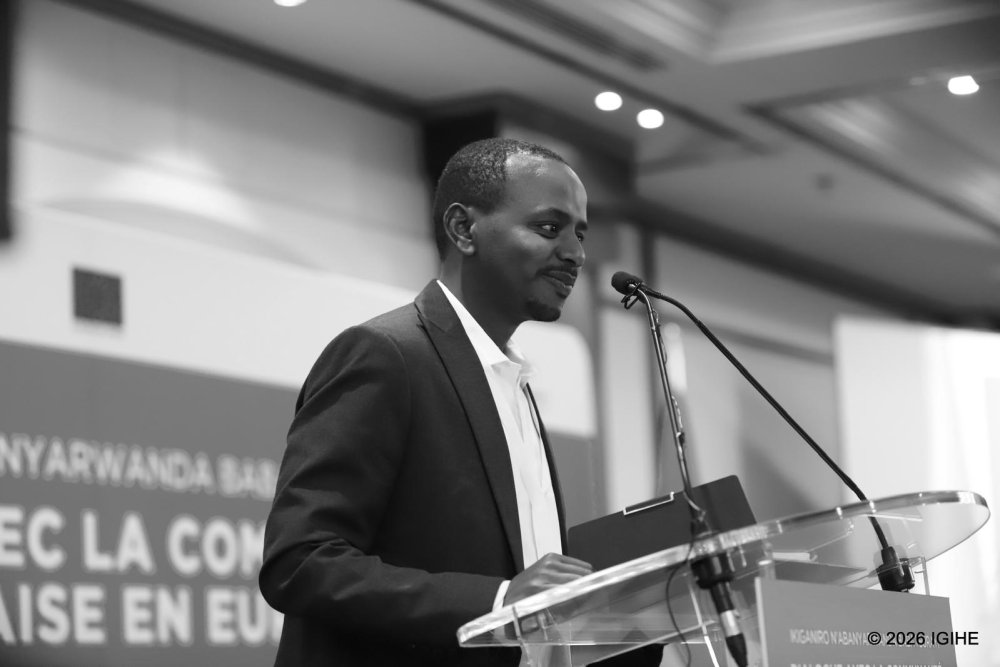
    Though recently arrived, many returnees are already expressing optimism and gratitude after escaping the harsh conditions imposed by FDLR control.

    Valentine Uwamariya recounted the fear that defined her life near FDLR strongholds.

    “They would come and abduct people. Some never returned. I remember someone named Dukundane—they took him and killed him. We lived in constant fear, never knowing who would be taken next.”

    Relieved to be reunited with her family in Rwanda, she returned with her six children and called it a second chance at life.

    For Marcel Nibishaka, a 31-year-old who was taken to the DRC as a child, life in exile meant growing up without education and in constant fear of abduction.
    “They used to come at night to steal livestock and food. We always heard they were taking young men. I lived with that fear every day,” he said.
    “I’m so happy to be back. I thought I would grow old without ever seeing my homeland again.”

    Japhet Mushimimana, another returnee, expressed deep appreciation for the warm welcome and support they’ve received. “Life in Congo was incredibly difficult. Even when we tried to raise cattle, the FDLR would take them. It felt like we were working for others. But coming back, seeing how Rwandans have developed and how well they live—it makes me proud to be Rwandan.”

    He admitted to initial worries about starting over in Rwanda, but those fears quickly subsided. “The way we’re being reassured, and the peaceful relationship between government and citizens here, makes us feel safe. Life here is nothing like what we experienced before. We finally feel we belong.”

    He added that what he appreciates most is the sense of security: “Back in Congo, people could rob you of your phone or money at any time. Here, we’re free, we’re fed, we’re treated with dignity. It gives me confidence that we, too, can live well and in peace.”

    Théogène Inyitaho admitted that his view of Rwanda before returning had been shaped by misinformation and fear.“We were told we’d never make it back. But seeing how we’ve been received, and everything we’re experiencing now, it’s clear we have nothing to fear.”

    Minister of Emergency Management, Maj Gen (Rtd) Albert Murasira, reassured the returnees—particularly those who had been hesitant due to fear of persecution. He stressed that Rwanda’s goal is not punishment, but reintegration and healing.

    “You are safe here. We will help you reintegrate, learn new skills, and live dignified, secure lives,” he said.

    A total of 1,156 Rwandans, previously held hostage by the FDLR, a terrorist group operating in eastern Democratic Republic of Congo (DRC), have safely returned home in two phases.The process is being coordinated with the United Nations High Commissioner for Refugees (UNHCR), which receives the individuals in eastern DRC and notifies the Rwandan government to prepare for their safe reception.Minister of Emergency Management, Maj Gen (Rtd) Albert Murasira, reassured the returnees—particularly those who had been hesitant due to fear of persecution.

  • Trump says phone call with Putin “went very well”

    Trump made the remarks in a social media post after the two-hour phone call about the war in Ukraine, saying Russia and Ukraine would start a negotiation in which the conditions could only be set by the two sides themselves.

    “Russia and Ukraine will immediately start negotiations toward a Ceasefire and, more importantly, an END to the War,” Trump wrote.

    “The conditions for that will be negotiated between the two parties, as it can only be, because they know details of a negotiation that nobody else would be aware of.”

    Trump noted that Russia wants to “do large-scale TRADE with the United States” when the current catastrophic situation is over and he expressed the belief Ukraine could benefit from trade as well.

    “There is a tremendous opportunity for Russia to create massive amounts of jobs and wealth. Its potential is UNLIMITED. Likewise, Ukraine can be a great beneficiary on Trade, in the process of rebuilding its Country,” the post read.

    Trump also said he shared details of the call with Ukrainian President Volodymyr Zelensky and other leaders, including President of the European Commission Ursula von der Leyen, French President Emmanuel Macron, Italian Prime Minister Giorgia Meloni, German Chancellor Friedrich Merz and Finnish President Alexander Stubb.

    U.S. President Donald Trump speaks during a bill signing ceremony of the Take It Down Act at the White House in Washington, D.C., the United States, on May 19, 2025. U.S. President Donald Trump said his telephone conversation Monday morning with his Russian counterpart Vladimir Putin

  • Sixth phase of SAMIDRC equipment drawdown routed through Rwanda

    The military hardware—previously used by SAMIDRC forces during operations against the M23 rebel group—is being repatriated following the decision by SADC heads of state on March 13, 2025, to formally conclude the mission.

    The phased withdrawal process began on April 29, 2025, and has seen SAMIDRC prioritize transporting its logistical assets through Rwanda, with Tanzania designated as the final staging area.
    On May 19, 2025, at approximately 6:30 p.m., a convoy carrying the sixth batch of equipment departed from Rugerero, in Rubavu District, moving through Musanze and Kigali en route to Tanzania.

    Although equipment repatriation is underway, most SAMIDRC troops remain stationed at camps in Goma and near Sake, as the mission continues to prioritize the drawdown of materiel before personnel redeployment.

    img_2508-4-7337e.jpgimg_2506-5-892bc.jpg1_33-2-6d70f-2.jpgimg_2505-3-53a08.jpg