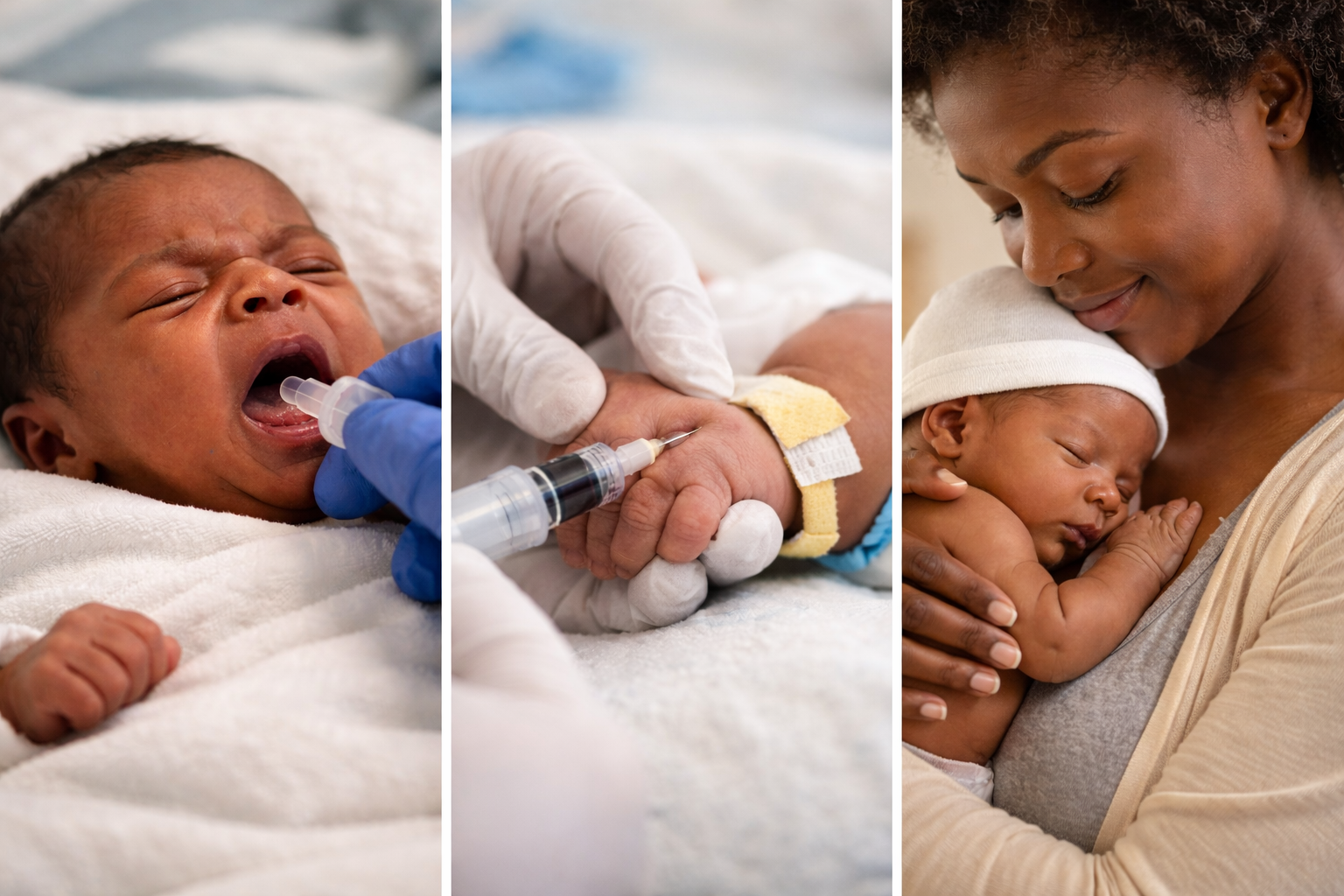
The review included 29 randomized controlled trials involving more than 2,700 preterm and full‑term neonates. It showed that infants who received sucrose just before or during the needle insertion probably experienced less pain than those who received no intervention, water, or only standard comfort care. Sucrose was found to lower pain scores during the procedure and for up to one minute afterward.
Dr Mariana Bueno from the University of Toronto, the lead author of the review, said: “Newborn babies undergo frequent needle procedures in hospital without any pain relief or comforting measures, even though older children and adults rarely have these procedures done without pain care.
The evidence shows that a small amount of sucrose given just before the procedure is a simple, fast, and effective way to reduce that pain. Our review helps clinicians use this evidence more confidently and consistently in practice.”
The review also found that sucrose appeared to be more effective than the use of pacifiers alone for reducing pain. However, evidence comparing sucrose with other comforting measures such as skin‑to‑skin care was limited.
Importantly, no studies reported harmful side effects such as gagging or pauses in breathing when sucrose was used in the small amounts required for pain relief.
Researchers emphasized that sucrose can be given orally in very small doses and that this simple intervention could help inform clearer clinical guidelines for neonatal pain management worldwide.
New research indicates that sugar helps relieve pain in newborns during venepuncture.
This concern was raised on March 10, 2026, during a report presented by the Committee on Economic Development and Finance, reviewing the government’s efforts to provide clean water to the public.
The report highlighted that 39.4% of water processed by treatment plants is lost.
The committee also revealed plans for the construction of 25 new water treatment plants, along with an expansion of the water supply network, which is expected to increase from 35,001 kilometers in 2024 to 39,639 kilometers by 2029.
Additionally, the volume of treated water is projected to rise from 329,652 cubic meters per day in 2024 to 688,696 cubic meters daily by 2029.
However, despite these efforts, Nsengiyumva Fulgence, the Chairperson of Committee on Economic Development and Finance, pointed out that the wastage rate of treated water remains alarmingly high, standing at 39.5%. This inefficiency, he stressed, represents a significant loss for the country.
He further stated, “We believe more focus should be placed on accelerating efforts to reduce water loss and finding ways to lower the expected wastage rate of 25% by 2029 to below 15%.”
Senator Nkubana Alphonse emphasized the need for technology to address the issue of water wastage.
He said, “Our recommendation is to implement technology that can quickly detect leaks. If a pipe bursts, WASAC should be notified immediately, enabling prompt intervention to minimize water loss. Many countries already use technology for fire detection, and we believe such systems would greatly assist in preserving more water.”
He also explained that, aside from the wasted water, the potential damage to infrastructure due to leaks could have serious long-term consequences.
Senator Uwera Pélagie expressed concern about the substantial loss this represents for both the country and its citizens, who are unable to access needed water in a timely manner.
“This is a huge loss to the country and a significant hardship for the people who need water, as they cannot access it as needed, despite the large investments made in the infrastructure. The amount of wasted water should have been reduced,” she stated.
She also highlighted the issue of water pricing at public taps, where RURA’s pricing regulations are often not being followed.
Senator Bideri John Bonds pointed out that supplying clean water to rural areas is relatively simple and that Rwanda is moving in the right direction. He called for significant reductions in water wastage.
Following extensive discussions, the plenary session of the Senate called on the Rwandan government to accelerate the construction of new water treatment plants, the expansion and renovation of water networks, the replacement of outdated equipment, and the implementation of measures to reduce the wastage of clean, treated water.
The Senate also urged the establishment of a reliable system to monitor the quality of all water provided to the public, including water supplied by private vendors in rural areas.
WASAC group urged to swiftly resolve the issue of wasted water.
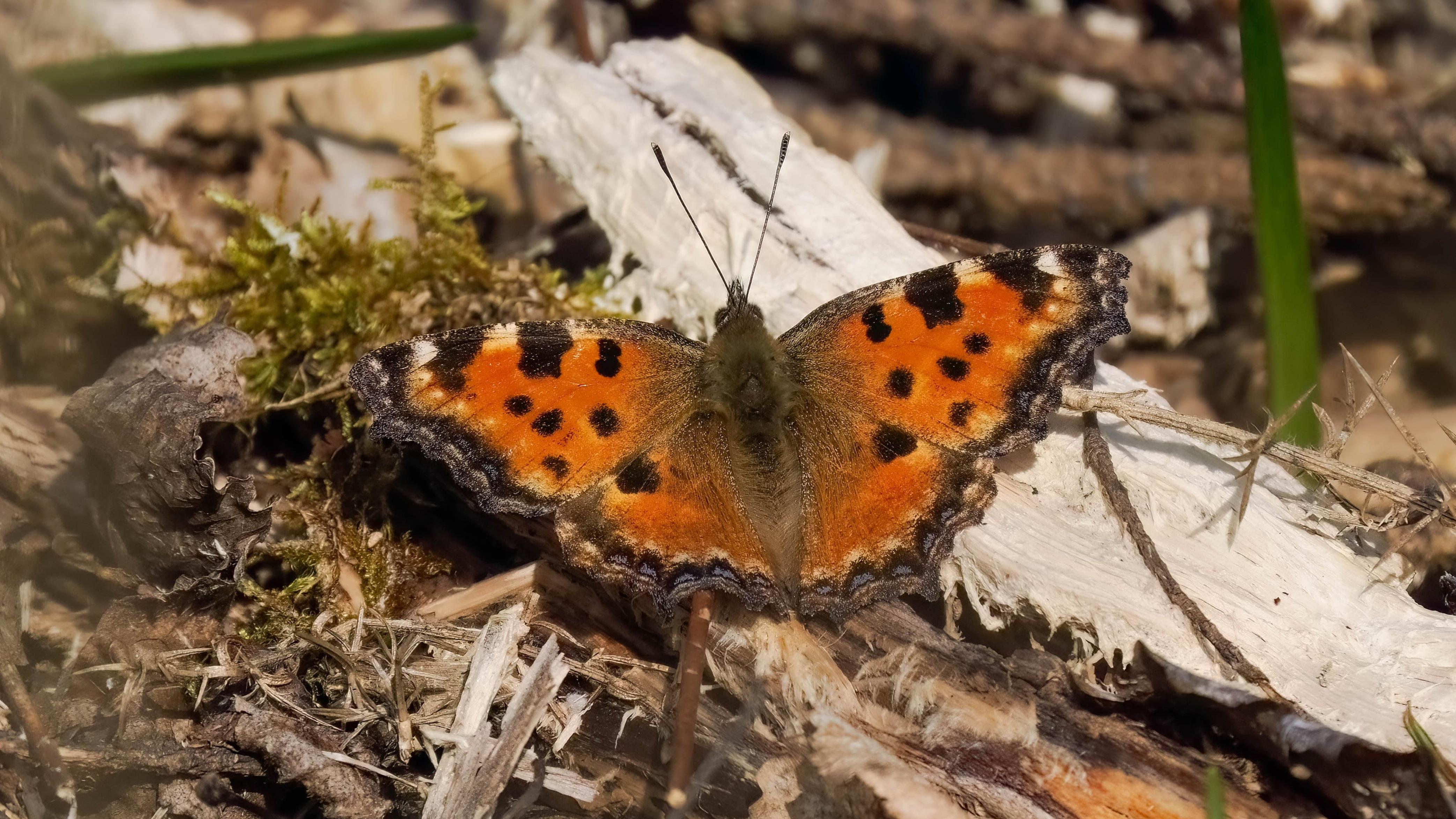
According to the charity Butterfly Conservation, the large tortoiseshell butterfly has recently been seen in counties including Kent, Sussex, Hampshire, Dorset and Cornwall, as well as on the Isle of Wight.
BBC has reported that the surge in sightings has led experts to conclude that the species is now breeding in the UK again rather than appearing only as an occasional migrant.
The Large Tortoiseshell Butterfly was once widespread across England and Wales but was last recorded breeding in Britain in the 1980s.
Its decline has largely been linked to the spread of Dutch Elm Disease across Europe during the 20th century, which devastated elm trees, an important host plant where the butterfly lays its eggs.
Although rare sightings have occurred over the years, conservationists say the recent cluster of around 20 reports suggests the species may be re-establishing itself.
Professor Richard Fox, head of science at Butterfly Conservation, told BBC that scientists are unsure why the butterfly disappeared from Britain in the first place. However, he believes climate change may now be helping expand its range again across Europe.
One enthusiast, Trevor Collett, travelled more than 90 minutes from Surrey to woodland near Ashford in Kent in search of the butterfly.
After hours of searching, he finally spotted one and described the moment as a “degree of elation.”
Conservationists say the renewed sightings offer a rare piece of good news at a time when many butterfly species are declining.
The large tortoiseshell has been declared a resident breeding species
According to Vatican News, the report is now available in English and Italian on the official Synod website, along with a summary translated into five languages. It follows the recent publication of reports from Study Groups No. 3 and No. 4, which examined the Church’s mission in the digital environment and the formation of priests from a missionary synodal perspective.
The publication was directed by Pope Leo XIV in a move aimed at promoting transparency and sharing the outcomes of the Church’s reflection with the wider Catholic community.
The document is structured in three main parts. The first section explains the history and working method of Study Group No. 5. The second offers a synthesis of the themes that emerged during the study, drawing from consultations with women working in Church structures, contributions from various Church bodies, and testimonies gathered by the Dicastery involved in the process.
This reflection places strong emphasis on listening to the experiences of women who already hold responsibilities within the Church. Among the key themes discussed are the recognition of the “question of women” as a sign of the times, the importance of local cultural contexts, and the relational and charismatic contributions women bring to ecclesial life.
The report also examines concrete steps taken by Pope Francis and Pope Leo XIV to appoint women to leadership roles within the Roman Curia, presenting these decisions as examples for the wider Church.
A final appendix compiles extensive materials on women’s roles in Scripture, Church history, contemporary leadership, and theological perspectives on authority in the Church.
The study groups that submitted their reports have now completed their mandate, while Church institutions will prepare practical proposals based on the findings for the Pope’s consideration.
Sisters of Life Beata Victoria, left, Léonie Thérèse, and Maria Augustine respond as New York Cardinal Timothy M. Dolan questions them on their readiness to dedicate themselves to God prior to professing their perpetual vows during Mass at St. Patrick’s Cathedral in Manhattan on August 6, 2025.
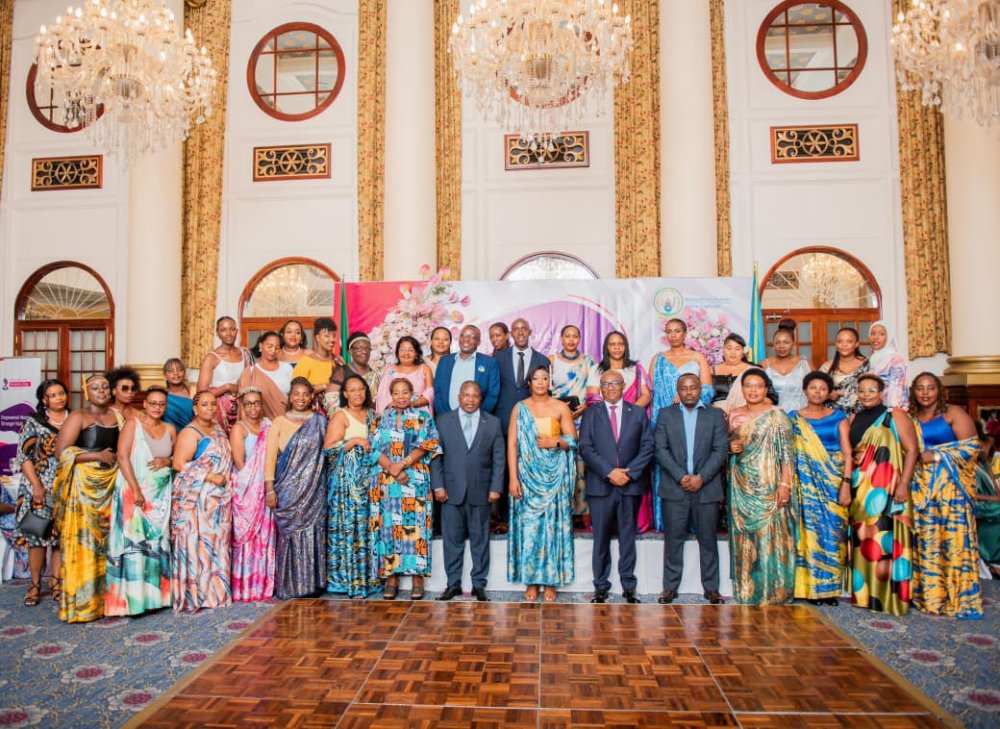
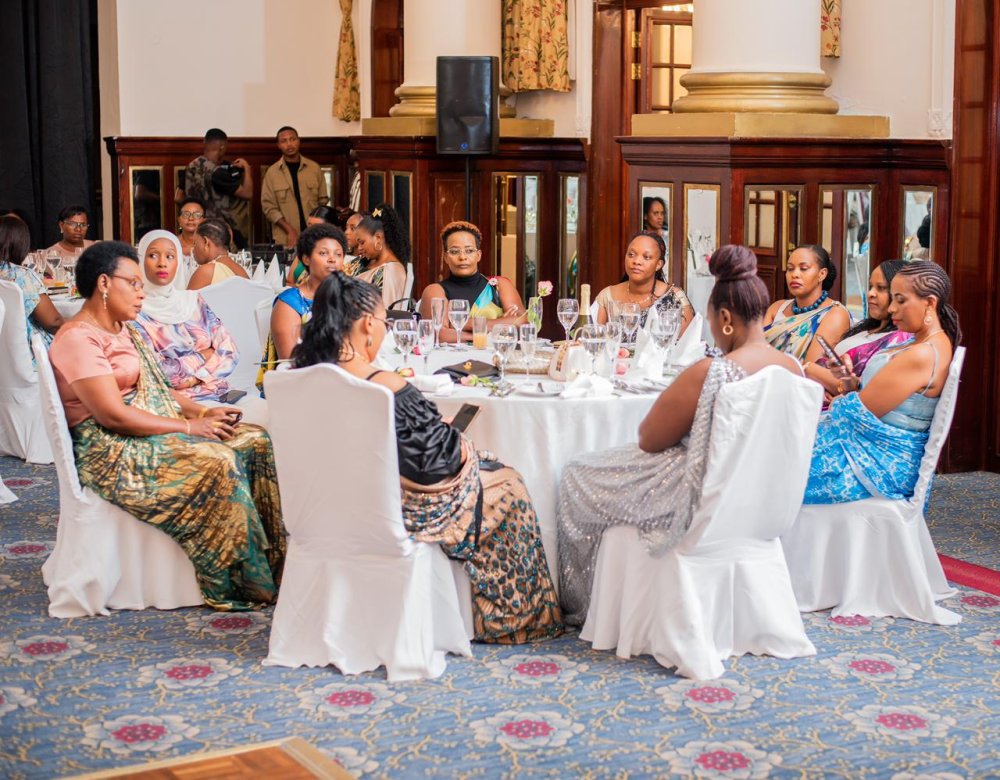
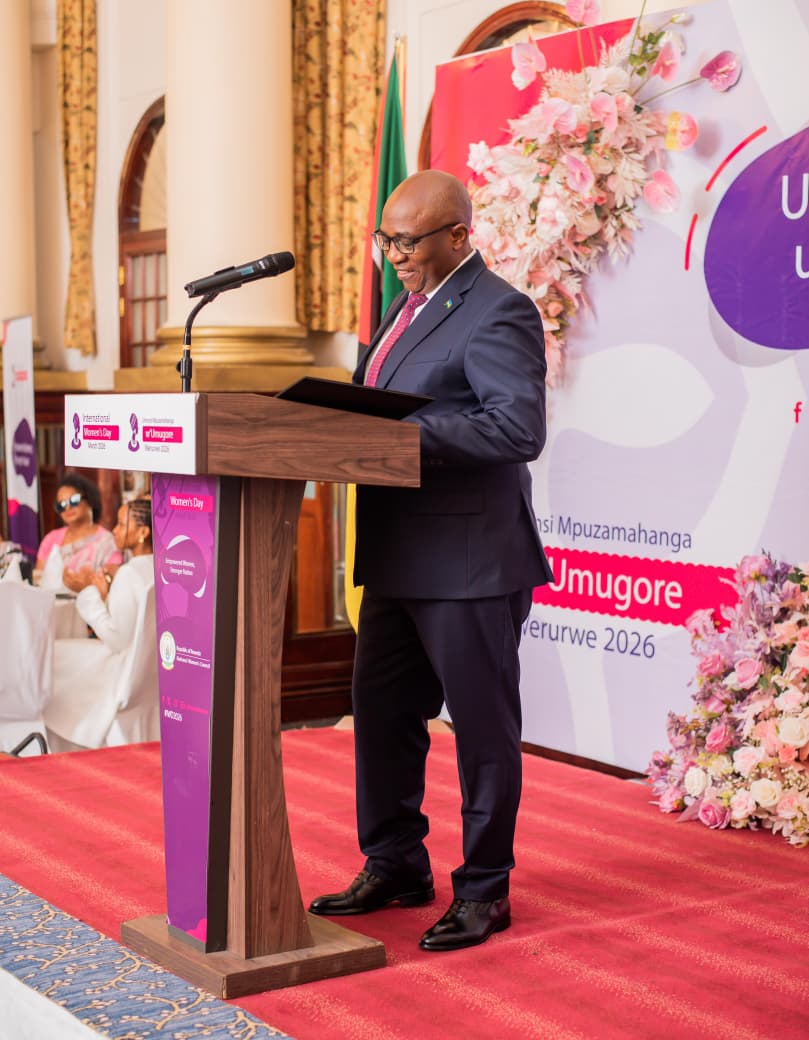
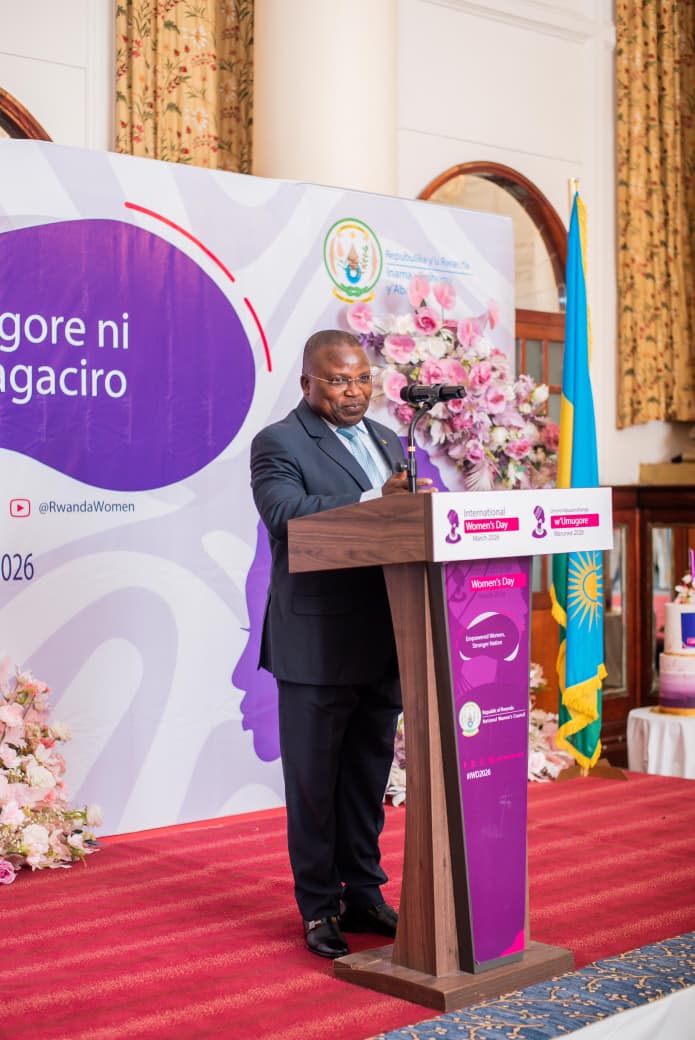
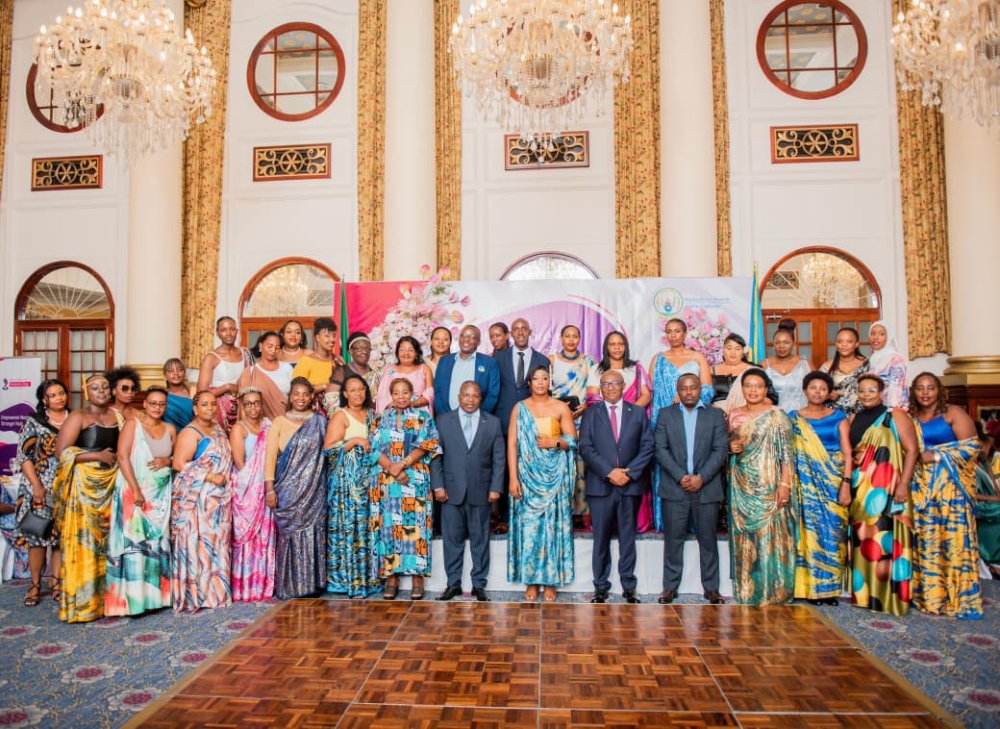
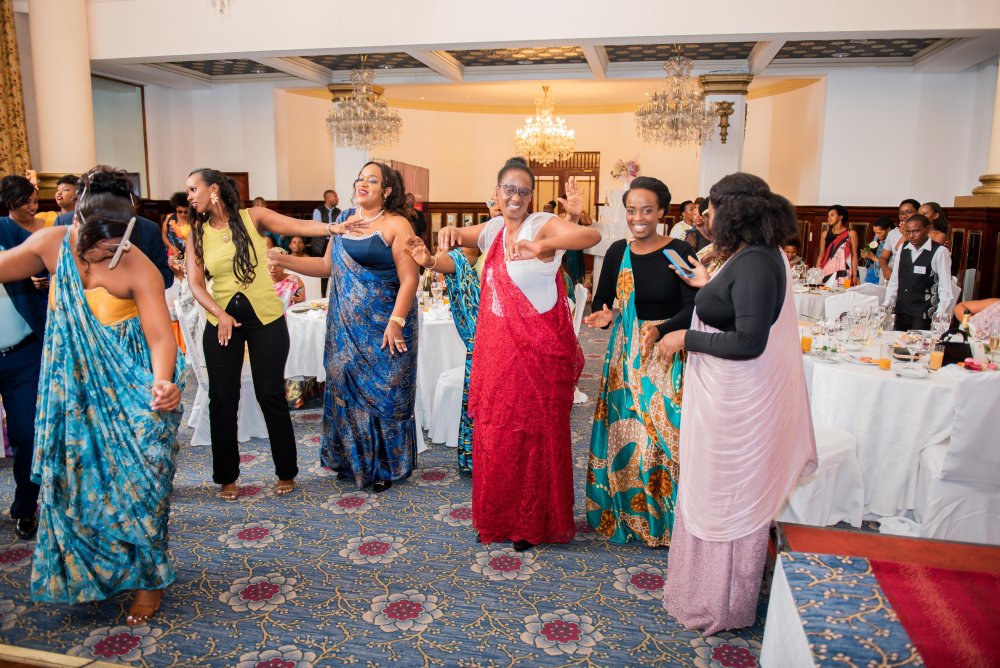
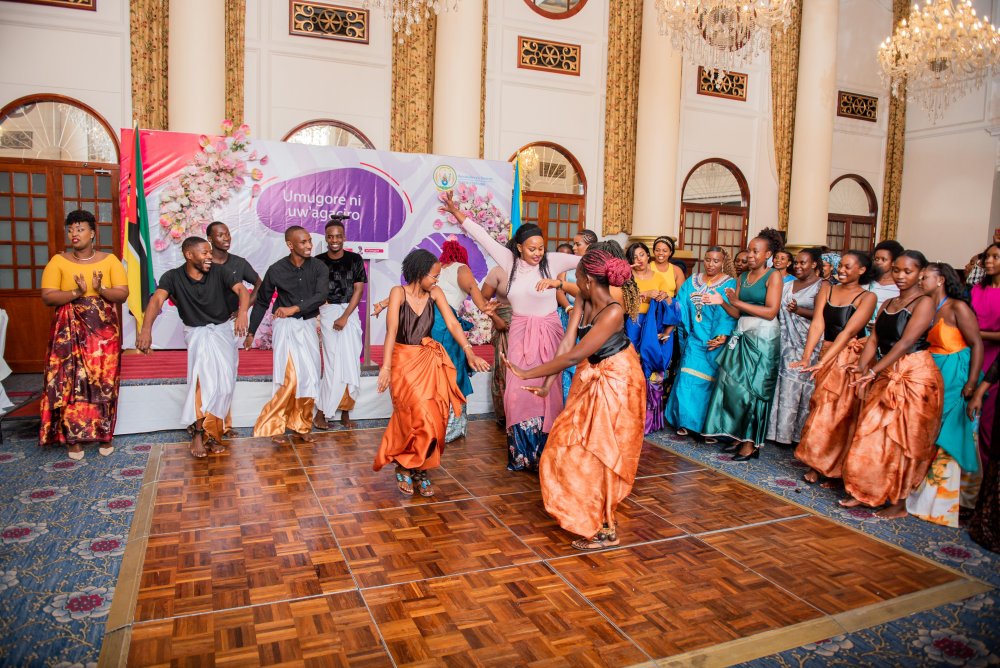
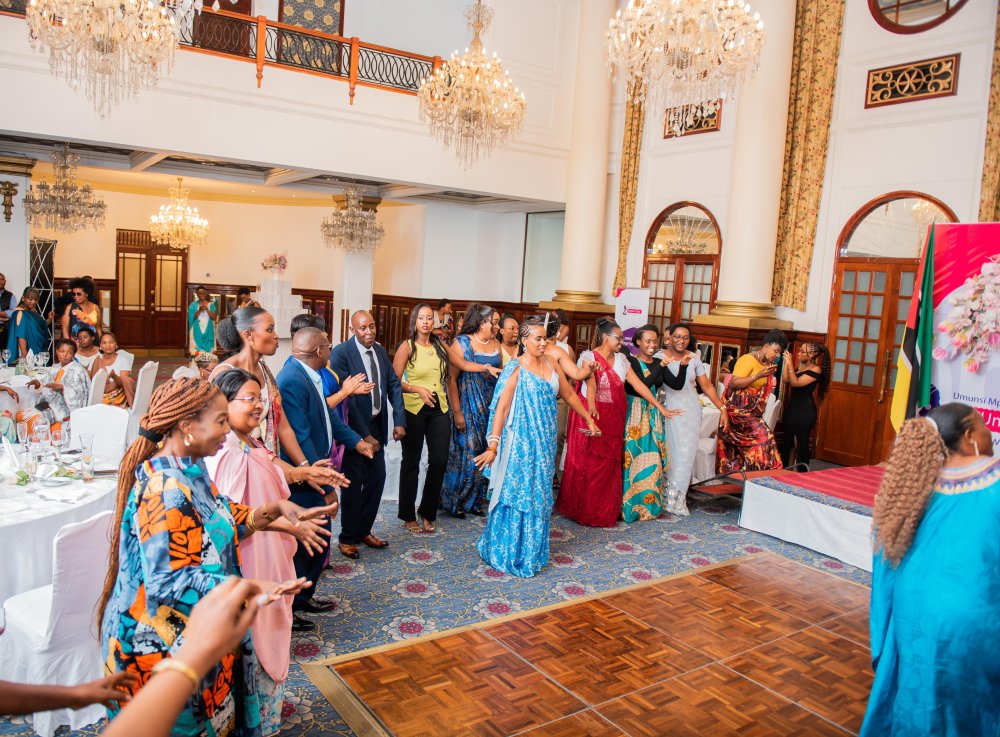
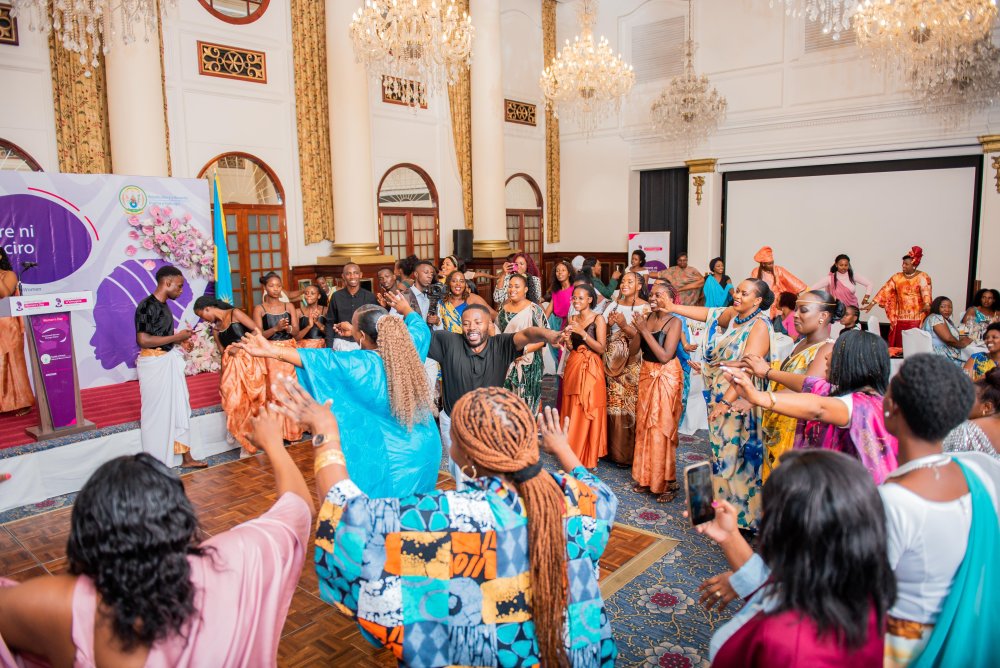
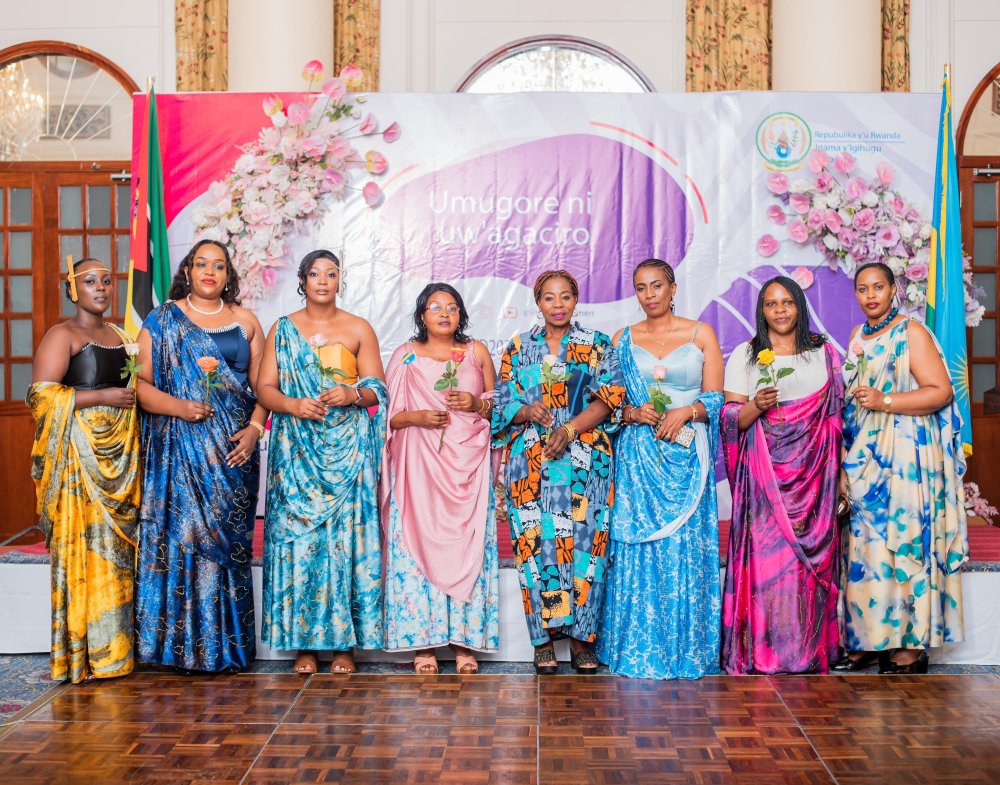
The event brough together over 120 people, including Kenneth Viagem Marizane, the Minister of State in the Ministry of Labor, Gender, and Social Affairs; Dr. Anabela Inguane, who represented the President of the Maputo City Council; and Rwanda’s Ambassador to Mozambique, Col (Rtd) Donat Ndamage.
Sangwa Aline, the Commissioner responsible for women’s development within the Rwandan community in Mozambique, emphasized that celebrating this day reaffirms the value women hold in the country’s development.
“Let us make the most of the opportunities granted to us by our country, build our self-confidence, and empower ourselves,” she stated.
Ambassador Col (Rtd) Donat Ndamage underscored that Rwandans have a duty to continue developing a nation that prioritizes gender equality, where women and girls play a full and active role in the country’s social, economic, and political life.
He remarked, “We must continue to build a country marked by equality, justice, and sustainable development, where women and girls are fully involved in the governance and life of the country. Women, do not hesitate, you are capable. In partnerships, you are no longer merely helpers.”
Ambassador Ndamage further stated, “Women have a significant role in the governance of the country. In the National Assembly, 63% are women, 28% of local government leaders are women, and 15% are deputy leaders of local governments. Although these numbers remain low, there is hope that they will continue to rise.”
He also expressed gratitude to President Paul Kagame and President Francisco Daniel Chapo of Mozambique for their continuous efforts in promoting women’s rights, gender equality, justice, and their inclusion in decision-making positions, reiterating that the citizens of both countries are one family.
Kenneth Viagem Marizane praised Rwandan women in Mozambique, saying, “Rwandan women are hardworking, intelligent, ethical, and truly beautiful.”
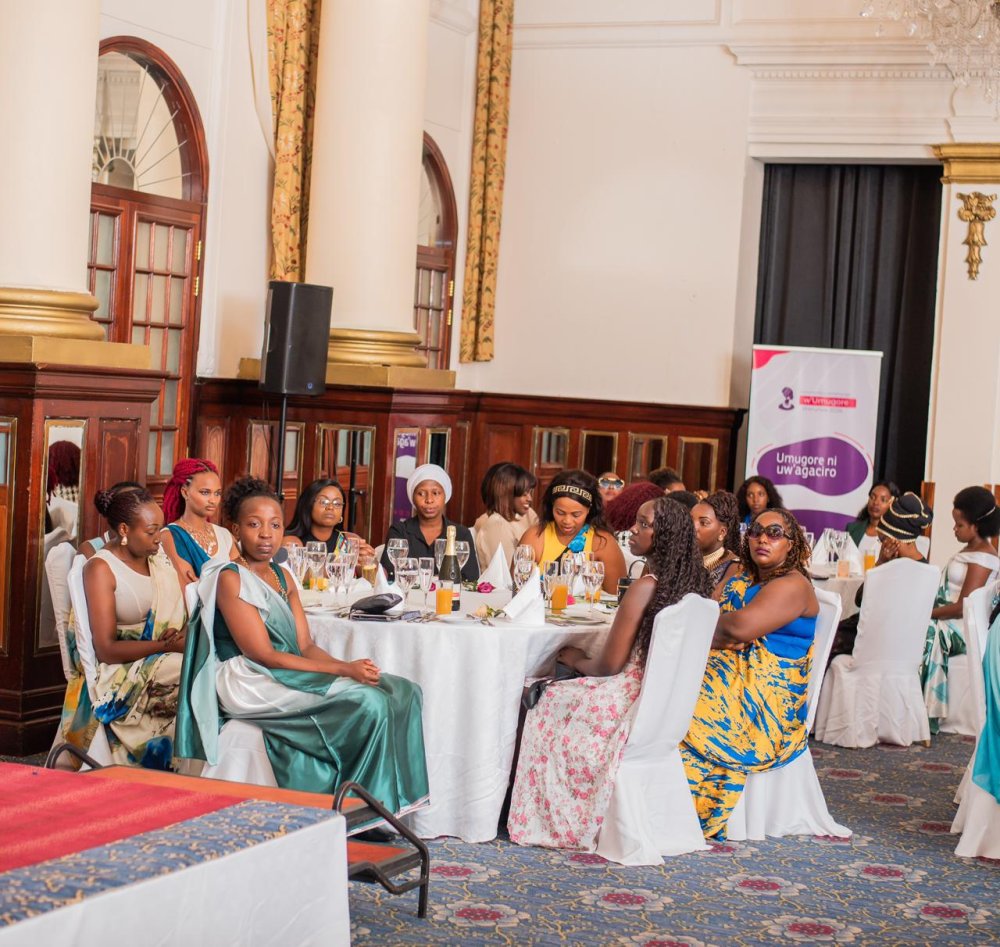
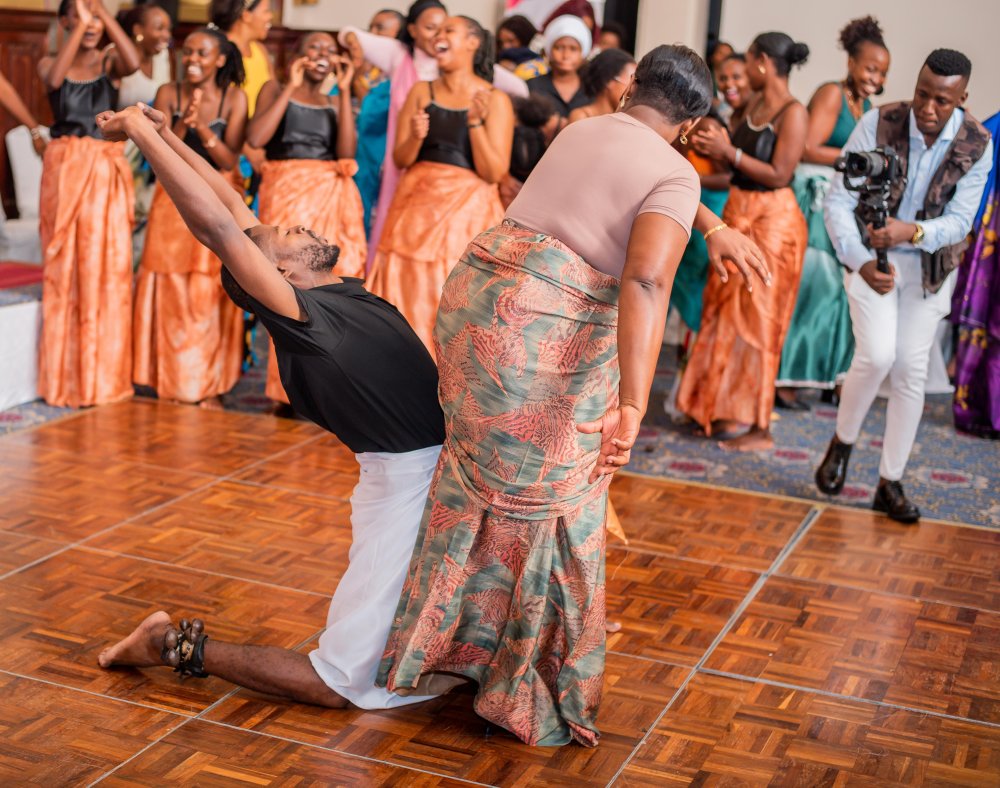
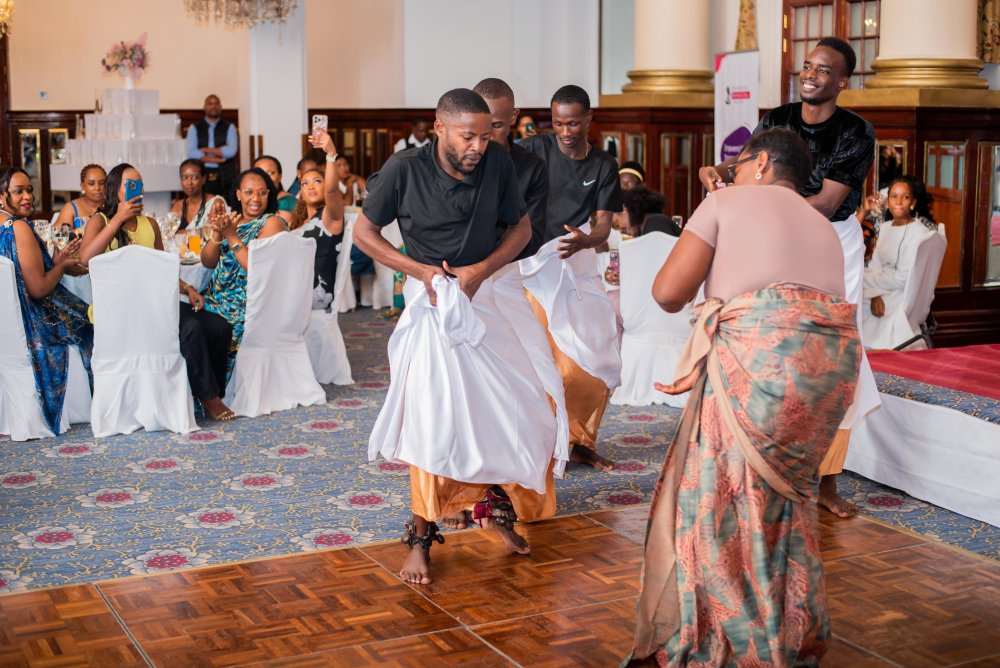
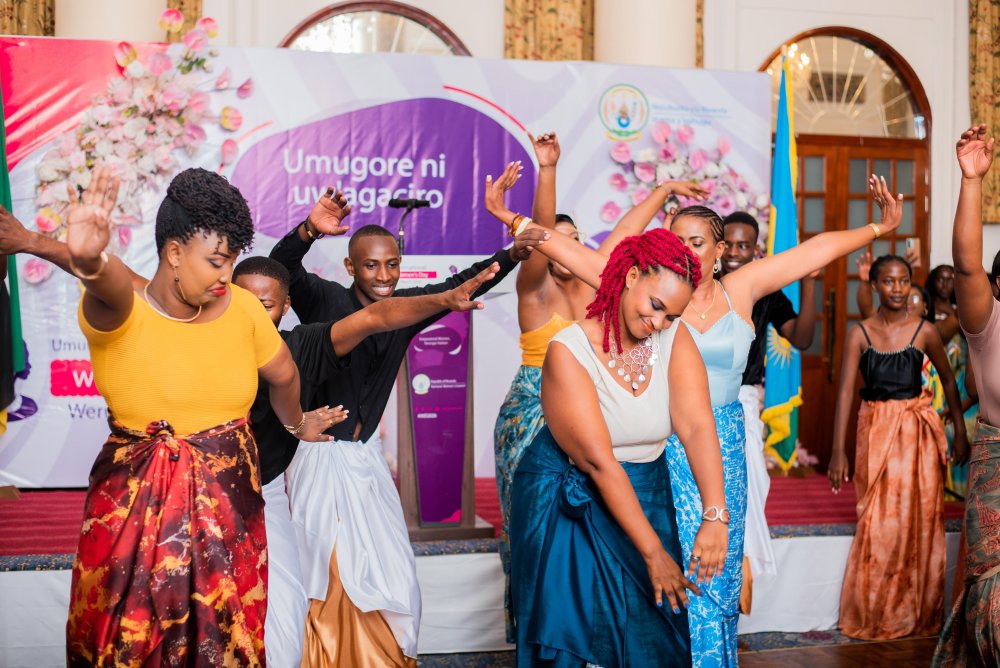
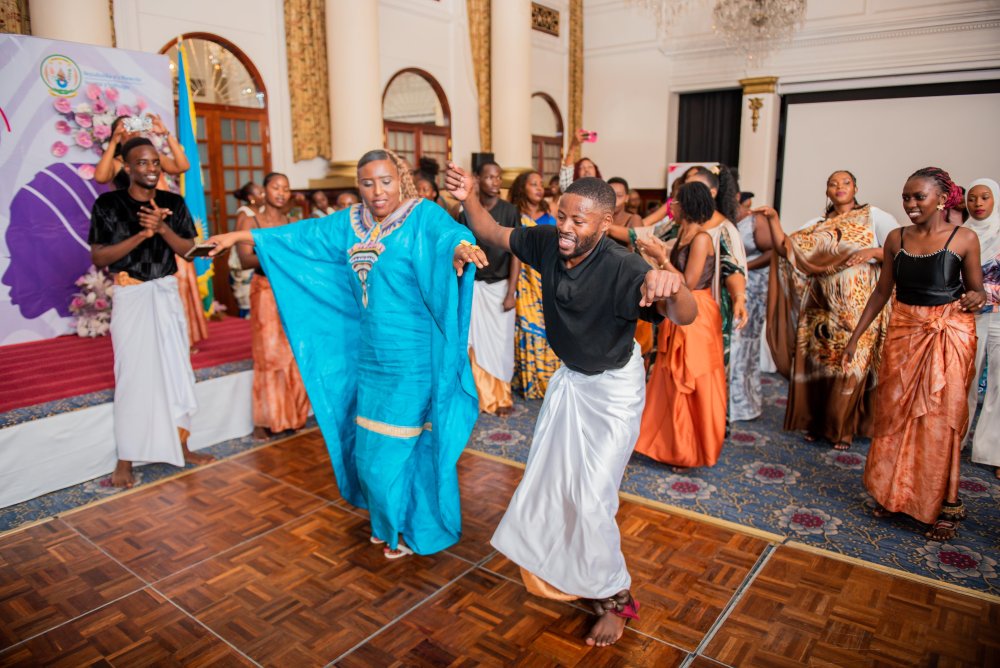
The Rwandan Embassy’s dance troupe in Mozambique entertained the attendees with traditional Rwandan songs and dances, particularly those celebrating the accomplishments of women. Following this, the event continued with social interaction and networking.
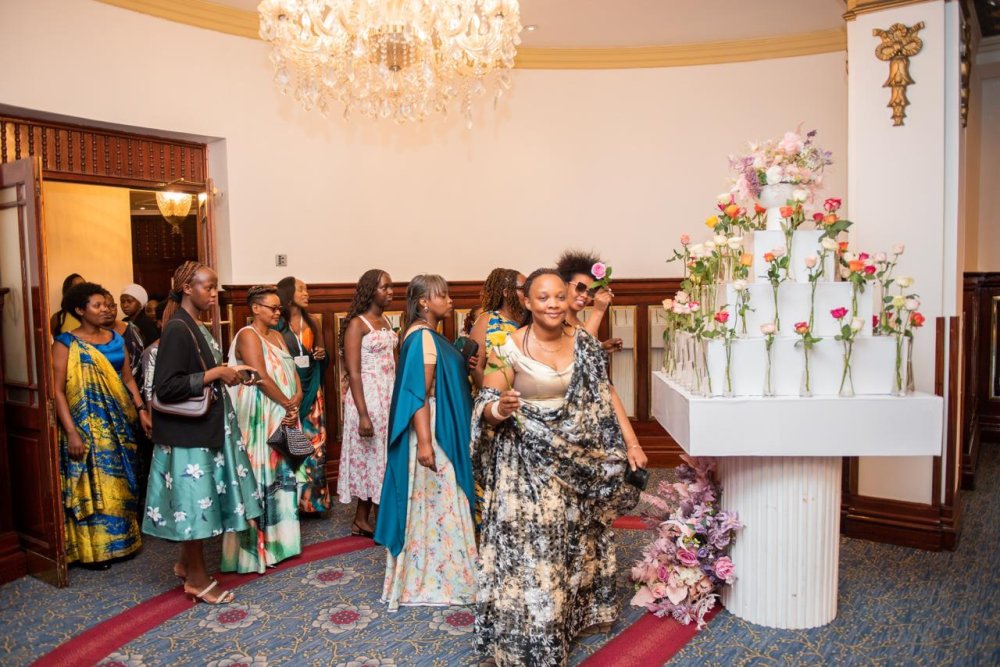
“A Woman is of Value” is the Theme for This Year’s International Women’s Day.The Rwandan Embassy’s dance troupe entertained the attendees at the event.The event also included a socializing session.Ambassador Col (Rtd) Donat Ndamage thanked the Presidents of Rwanda and Mozambique for their efforts in promoting women’s rights.Kenneth Viagem Marizane highlighted that Rwandan women are hardworking, intelligent, and ethical.The leaders gathered for a commemorative photo with Rwandan women living in Mozambique.It was an exciting atmosphere at the Polana Serena Hotel, where the event took place.Everyone danced to the best of their ability.
The discoveries were made during a six-week scientific expedition led by researchers from the UK Centre for Environment, Fisheries and Aquaculture Science (CEFAS) aboard the research vessel RRS James Cook.
According to BBC, the team explored waters surrounding the Cayman Islands, Anguilla, and Turks and Caicos Islands, areas where much of the deep ocean had never been studied before.
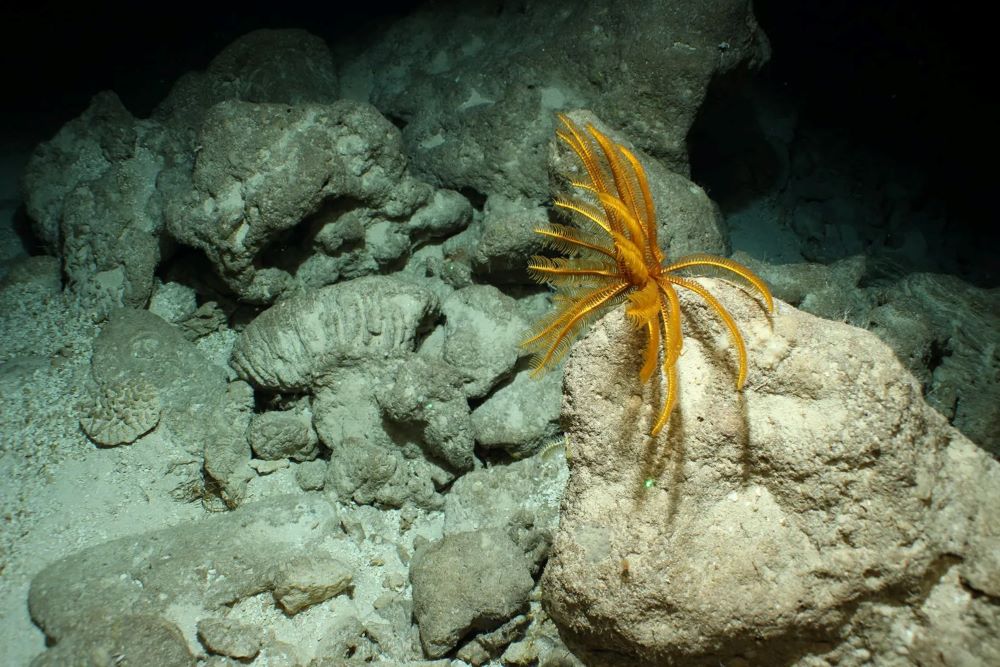
Working day and night, scientists used deep-sea cameras and acoustic mapping equipment capable of withstanding extreme pressure to explore depths of up to 6,000 meters (19,700 feet).
Because existing maps were outdated and sometimes inaccurate, researchers had to navigate parts of the ocean floor that had never been properly charted.
The expedition revealed remarkable biodiversity. Scientists recorded nearly 14,000 individual marine specimens and identified about 290 different types of sea life.
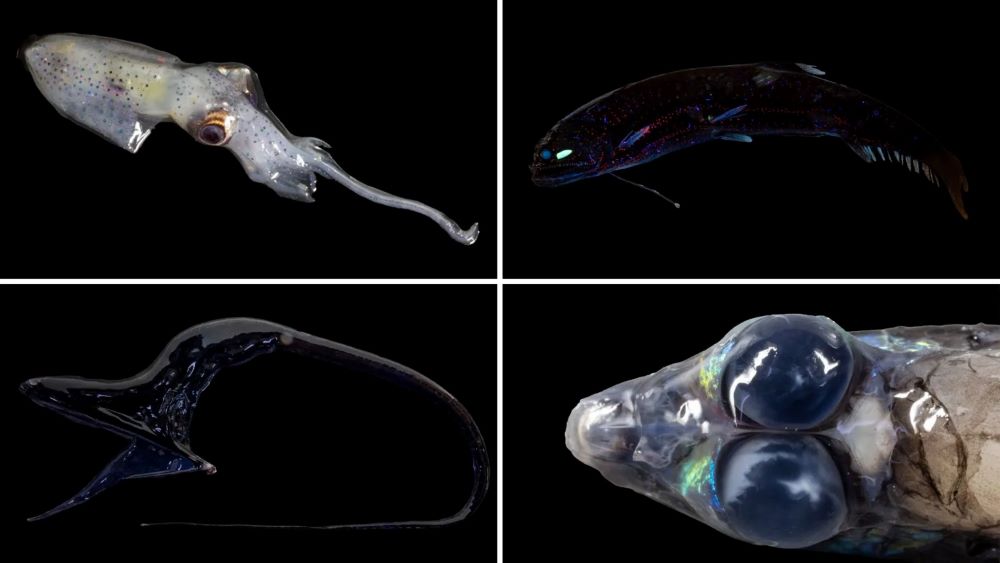
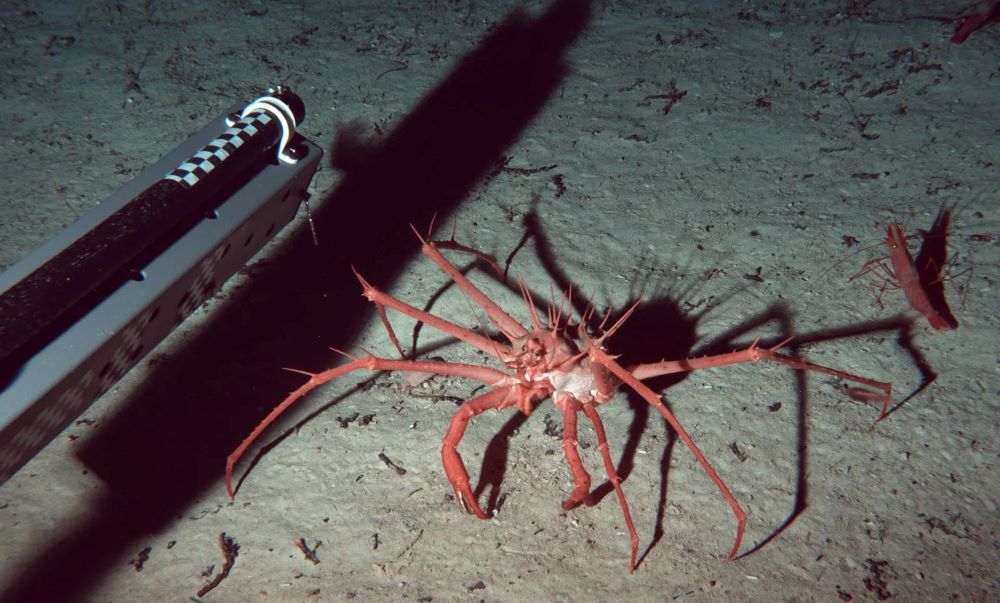
Among them were strange and rarely seen species, including a pelican eel with a glowing pink tail used to lure prey, a barreleye fish with upward-pointing tubular eyes, and a dragonfish with a luminous rod beneath its chin.
Dr James Bell, who led the expedition, said the discoveries highlight just how little humans know about the deep ocean.
“This is the first step into environments people have never seen, and in some cases didn’t know existed,” he said.
“Just yesterday we found a kind of type of swimming sea cucumber, and we still don’t know what it is,” he added, describing the diversity as “really, really astonishing”.
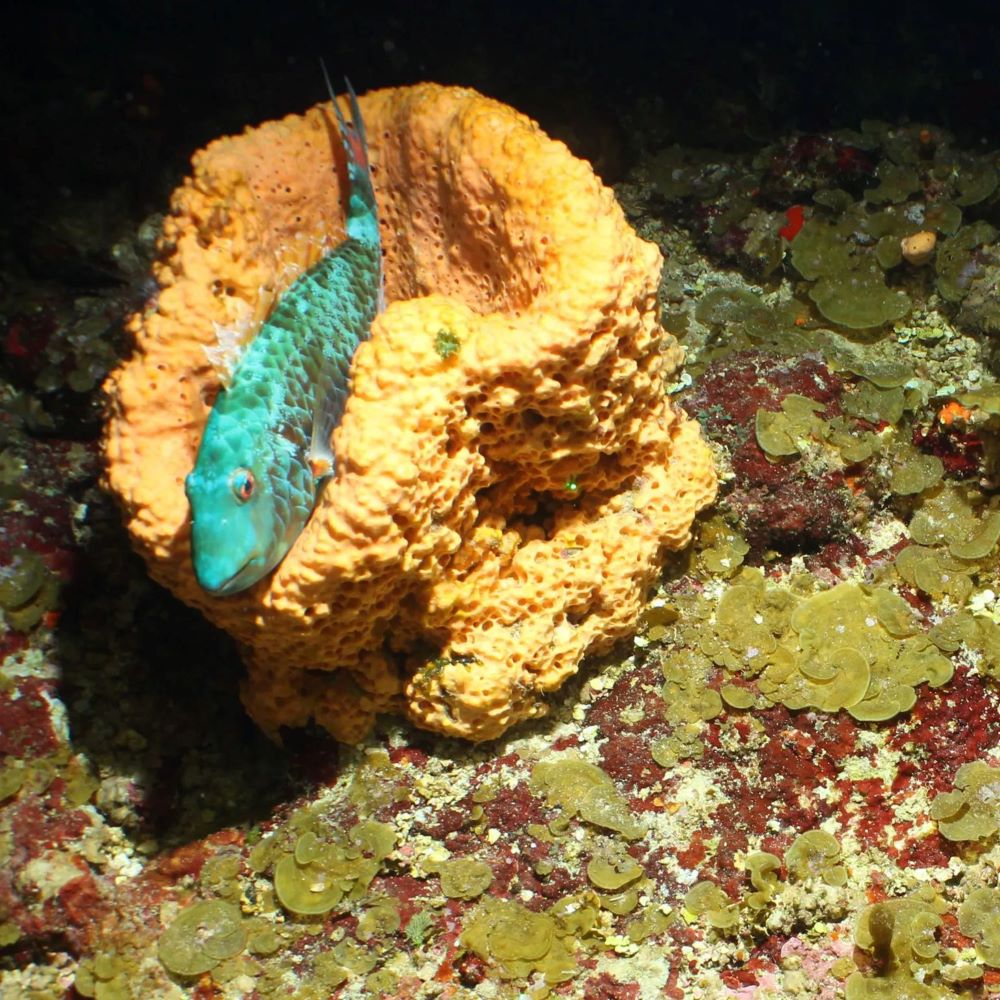
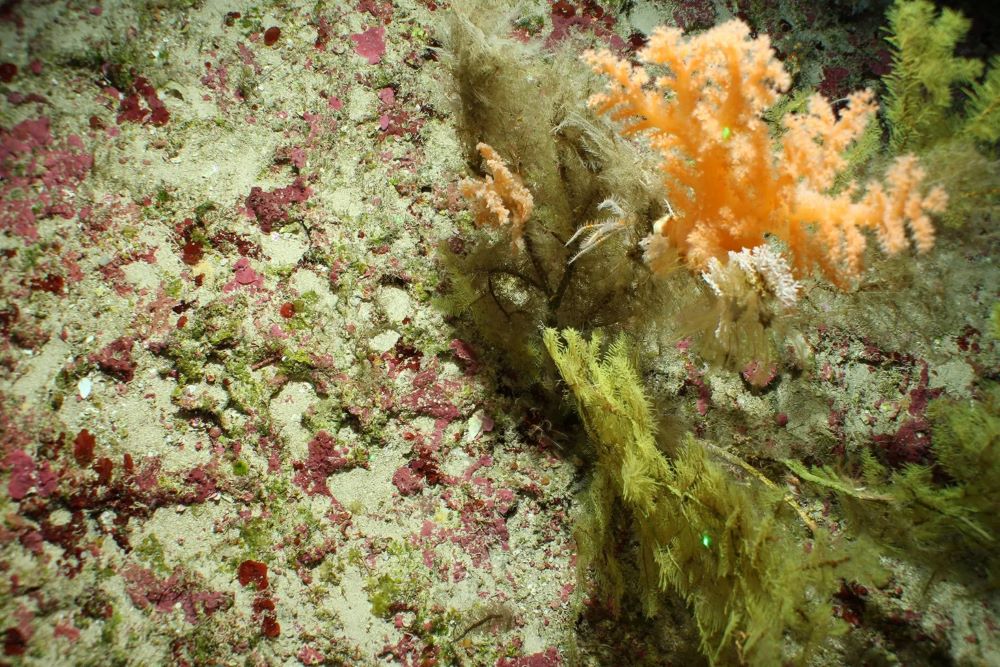
One of the most striking discoveries was an underwater mountain called Pickle Bank, located north of Little Cayman. Rising from a depth of about 2,500 meters to just 20 meters below the sea surface, the mountain’s slopes were covered with vibrant marine life.
Video footage shows bright blue, yellow and orange coral formations, with fish darting between whip-like coral branches and jelly-like sea sponges.
Researchers say the area may contain one of the healthiest coral reefs in the Caribbean. Unlike many reefs across the region, it appears untouched by the stony coral disease that has devastated coral ecosystems in recent years.
Deep reefs such as this are often protected by their depth. They are also less exposed to rising ocean temperatures, which scientists say have damaged around 80 percent of the world’s corals since 2023.
The team also mapped nearly 25,000 square kilometres of seabed and captured more than 20,000 images of deep-sea life, including glowing lanternfish and unusual cephalopods.
Despite these advances, Dr Bell noted that much of Earth’s ocean remains unexplored.
“We know the surface of Mars or the Moon better than we know the surface of our own planet,” he said. “We can’t do that for our ocean. We have to map it bit by bit using acoustic instruments on ships.”
Among the most surprising findings was a steep underwater ridge in Turks and Caicos Islands waters. The ridge rises about 3,200 meters high and stretches 70 kilometres along the seabed, a major geological feature that was missing from existing maps.
The researchers also discovered a massive vertical sinkhole known as a blue hole south of Grand Turk.
“Imagine taking an ice cream scoop out of the sea-floor. That’s what we saw, a crater about 300m wide to 550m below sea level,” Bell explained.
The blue hole could rival the famous Great Blue Hole in size. Surprisingly, cameras sent into the formation revealed life inside, including sponges, sea urchins and several fish species.
Near Anguilla, the team confirmed the existence of a coral reef nearly four kilometres long after local fishers reported pulling up pieces of coral from the area. Some of the black coral found there may be thousands of years old.
“It tells us that these environments are really pristine and healthy,” said Bell.
The findings will help scientists and local authorities better manage marine ecosystems and identify sustainable fishing opportunities for island communities. The research is also part of the UK’s Blue Belt Programme, which supports conservation in British Overseas Territories.
“Our islands were literally born from the sea,” said Kelly Forsythe from the Cayman Islands Department of Environment. “But when it comes to our offshore environments, we really haven’t had a chance before to discover what’s out there.”
Researchers say the discoveries will also support global efforts to protect 30 percent of the world’s oceans by 2030 through marine protected areas.
“Anyone can draw a box on a map and say, ‘That’s a marine protected area’,” Bell said. “But unless you know what’s in it, you don’t know if that’s useful at all.”
An enope squid (Enoploteuthidae squid), dragonfish (Neonesthes), pelican eel (Eurypharynx pelecanoides) and barreleye (Opisthoproctus soleatus)Scientists used specialist deep sea equipment to survey marine biodiversity on the sea-floorMesophotic coral in Turks and CaicosPickle Bank Ancient Reef, Cayman
Titled ‘Climate Justice in Tourism’, the publication was edited by Freya Higgins-Desbiolles, Raymond Rastegar and Roshis Krishna Shrestha.
The book brings together research and case studies from around the world to explore the complex links between tourism development, climate change and social inequality.
Developed with input from researchers at the Griffith Institute for Tourism, the book is connected to the institute’s Climate Justice and Tourism research initiative. The project examines how climate policies in the tourism sector can be designed to address fairness and avoid deepening existing social and economic disparities.
Tourism remains one of the largest global industries and plays a significant role in greenhouse gas emissions, especially through aviation and other forms of transport.
At the same time, many popular tourism destinations, including islands, coastal areas and nature-based sites, are among the most exposed to climate threats such as rising sea levels, extreme weather events and environmental degradation.
Dr. Rastegar said the research highlights a fundamental contradiction within the sector.
“Tourism is both a contributor to the climate crisis and one of its victims,” he said. “If we want meaningful climate action in tourism, we must consider who benefits from tourism development and who bears the environmental and social costs.”
The book introduces a framework for examining justice within tourism, looking at how power structures, governance systems and global economic dynamics influence climate outcomes in the industry. It also questions traditional tourism models that prioritize economic growth while overlooking environmental sustainability and social wellbeing.
Instead, the contributors call for new approaches that respect the rights of local communities, indigenous peoples and ecosystems.
“Too often climate action focuses only on reducing emissions or protecting industry growth,” Dr. Rastegar said. “A climate justice perspective asks deeper questions about fairness, participation and responsibility, ensuring that climate policies support communities, workers and ecosystems rather than leaving them behind.”
Through interdisciplinary research and global case studies, the book offers insights for policymakers, researchers and industry leaders seeking more sustainable and equitable pathways for the future of tourism.
Tourism is both a contributor to the climate crisis and one of its victims
The dangerous extensions were designed to look like helpful productivity tools that integrate artificial intelligence into the browser, offering features such as AI chat, writing assistance, or summarization.
Instead of performing useful tasks, the add‑ons collected sensitive data from interactions with popular AI platforms like ChatGPT and DeepSeek, including full conversation histories, prompts, responses, and even visited web page URLs.
These malicious extensions reached users through the Chrome Web Store, where they mimicked the branding and descriptions of legitimate AI tools to avoid suspicion.
Because browsers like Google Chrome and Microsoft Edge are built on similar Chromium architecture, the extensions were easily downloadable across both browsers, exposing individuals and organizations alike.
Once installed, the extensions operated quietly in the background, monitoring user activity. They logged browsing data and segments of AI chat content and then periodically uploaded that information to remote servers controlled by attackers. Researchers found that data was transmitted to suspicious domains making it appear like normal internet traffic and harder to detect.
Microsoft’s telemetry also showed that this malicious campaign extended beyond individuals to the corporate world, impacting more than 20,000 enterprise tenants whose employees regularly interact with AI tools using sensitive inputs.
The risk is significant: companies often paste proprietary code, internal workflows, strategic discussions, and other confidential material into AI chatbots, and these extensions can expose that material to attackers without users realizing it.
Unlike typical malware that tries to hide aggressively, these extensions behaved like ordinary add‑ons. Once installed, they automatically reloaded with every browser session and continued collecting data over extended periods without clear signs of malicious behavior.
To mitigate the threat, Microsoft urged organizations to take several defensive steps; audit and remove unverified browser extensions, enforce restrictions on extension installations through enterprise policies, monitor network traffic for connections to known malicious domains, and educate employees about the risks of installing untrusted AI tools.
Microsoft warns that 900,000 Chrome AI extensions are monitoring ChatGPT conversations.
Long COVID is a condition where symptoms of COVID-19 persist for weeks or months after the initial infection has cleared.
People with Long COVID often experience fatigue, shortness of breath, and “brain fog,” even if their initial illness was mild.
New research in mice sheds light on why coronavirus infections can have longer-lasting effects than influenza.
In the study published by European Medical Journala, researchers compared the long-term impact of coronavirus with influenza A on the lungs and brain.
Both viruses caused lung inflammation, but coronavirus led to ongoing tissue damage, including scarring, abnormal repair, and persistent activation of inflammatory and clotting pathways.
Influenza, by contrast, triggered a strong early immune response followed by effective lung repair, helping explain why breathing difficulties are more common after coronavirus infection.
The study also found that coronavirus affected the brain, even though the virus itself was not present there. Mice infected with coronavirus showed early microbleeds and sustained brain inflammation.
Changes in gene activity suggested blood vessel problems, immune system overactivity, and disrupted signaling in areas controlling hormones and sensory processing.
These changes mirror neurological symptoms reported by people with long COVID, such as fatigue and cognitive difficulties. Influenza did not produce these brain effects.
The findings suggest that long COVID is not just about lingering virus, but rather ongoing immune activation, blood vessel damage, and impaired tissue repair.
The research also points to lasting effects on how organs communicate, including the lung-brain connection.
While mouse studies cannot fully replicate human disease, these insights could help scientists develop targeted treatments to reduce inflammation, prevent lung scarring, and protect the brain.
Further clinical studies are needed to confirm these mechanisms in people, but this work helps explain why coronavirus can leave a longer-lasting mark on the body than influenza.
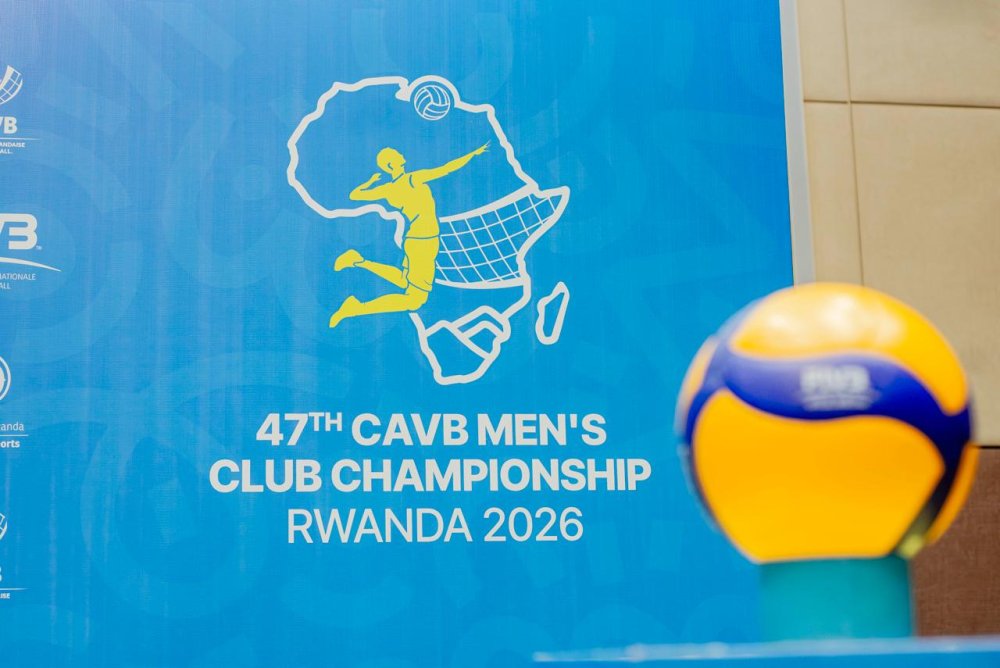
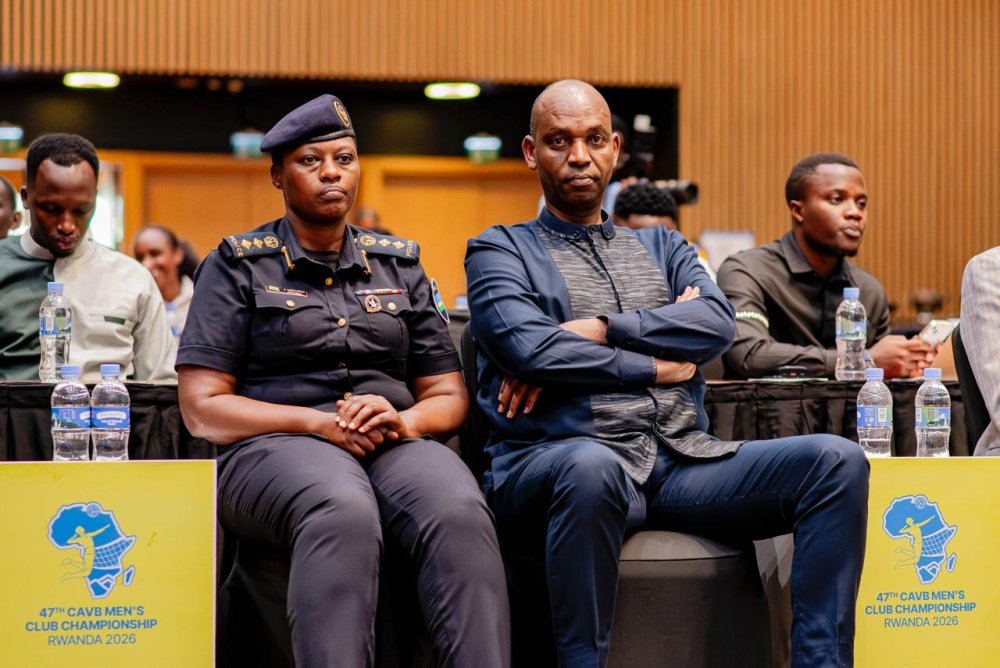
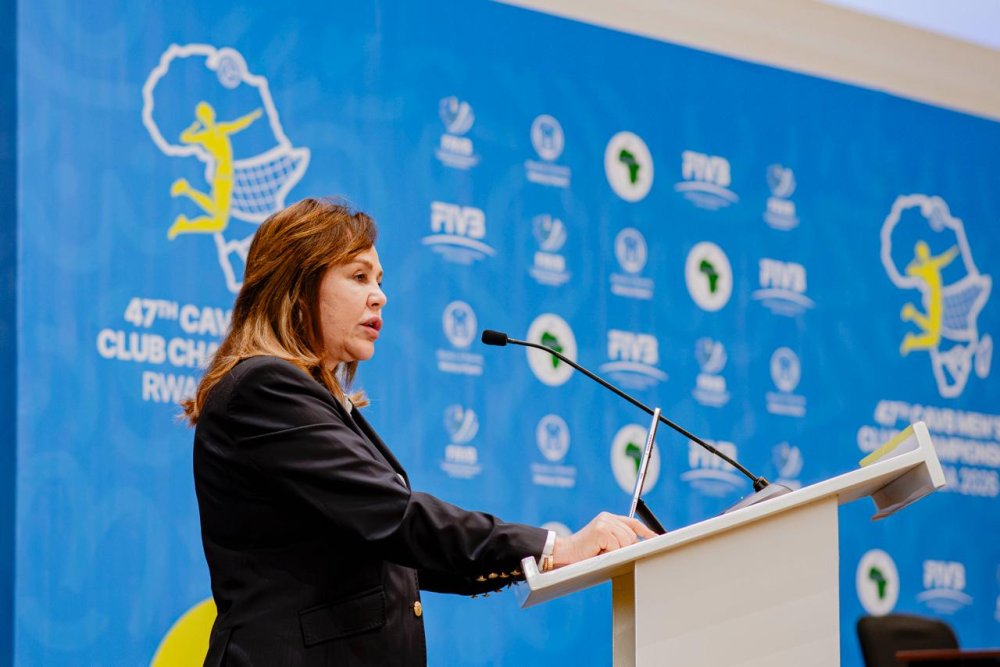
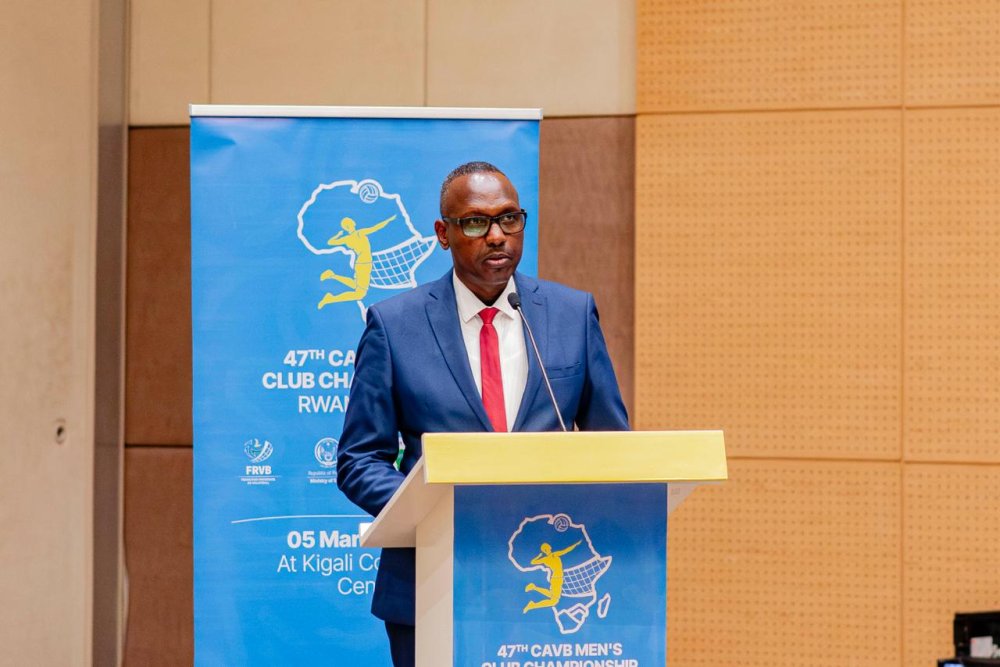
This annual event, now in its 47th edition, will bring together top-tier volleyball teams from across Africa, with additional strong teams from various nations expected to participate.
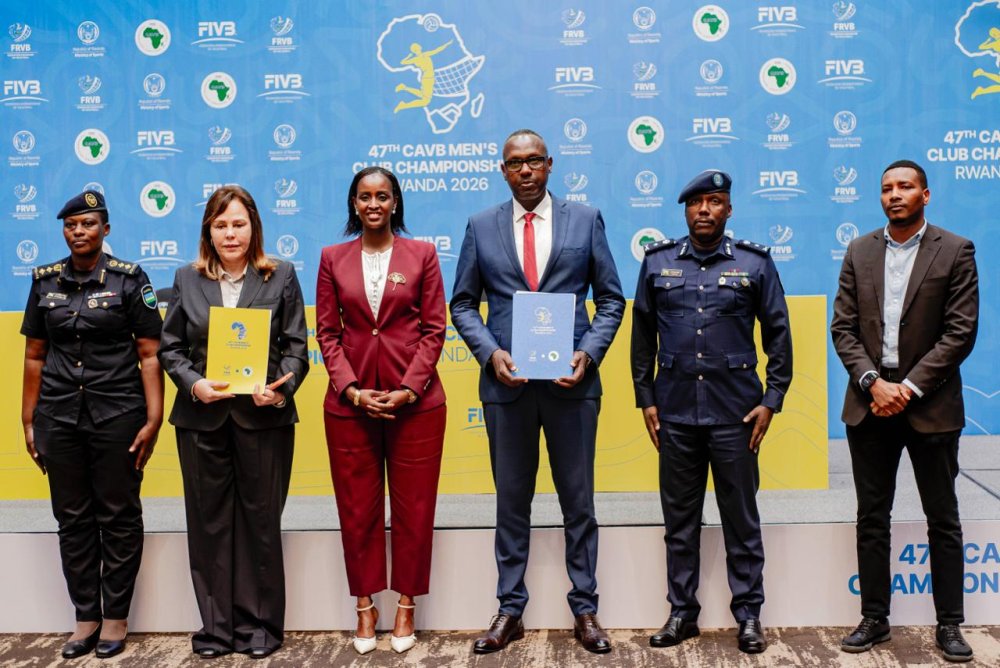
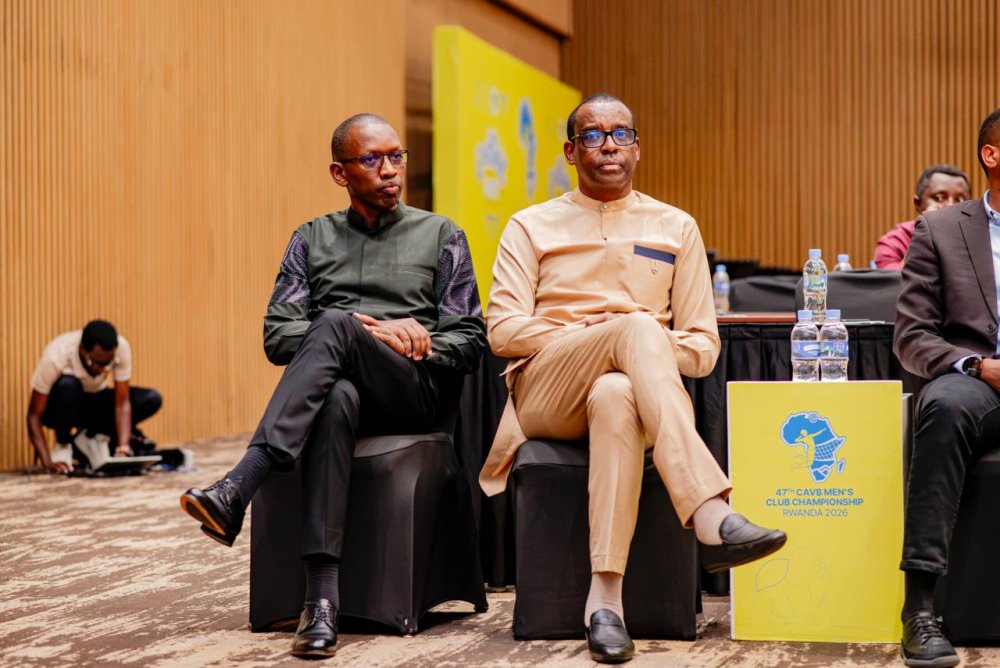
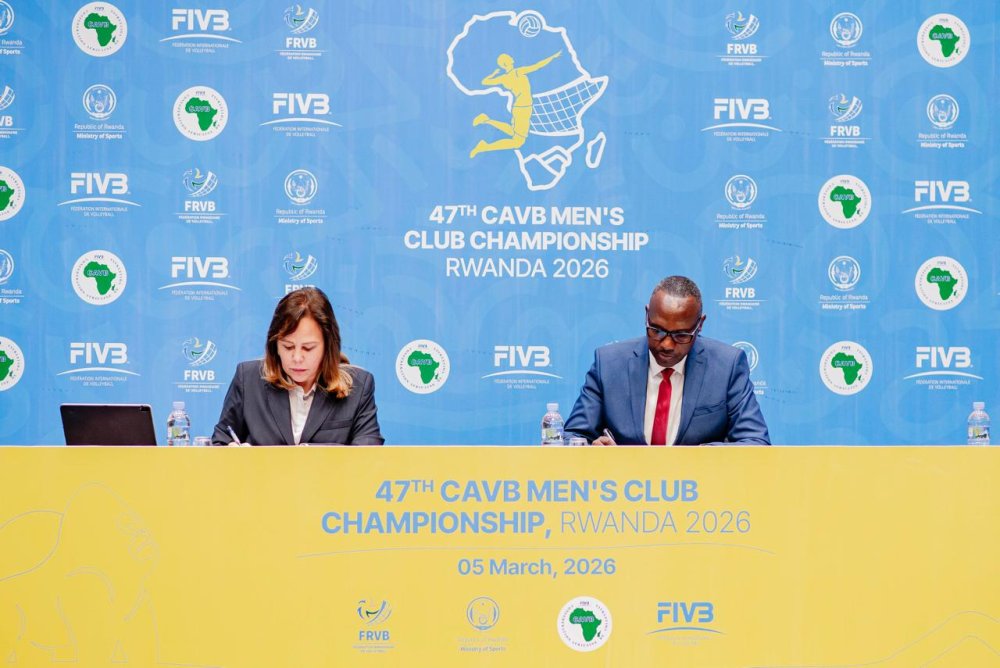
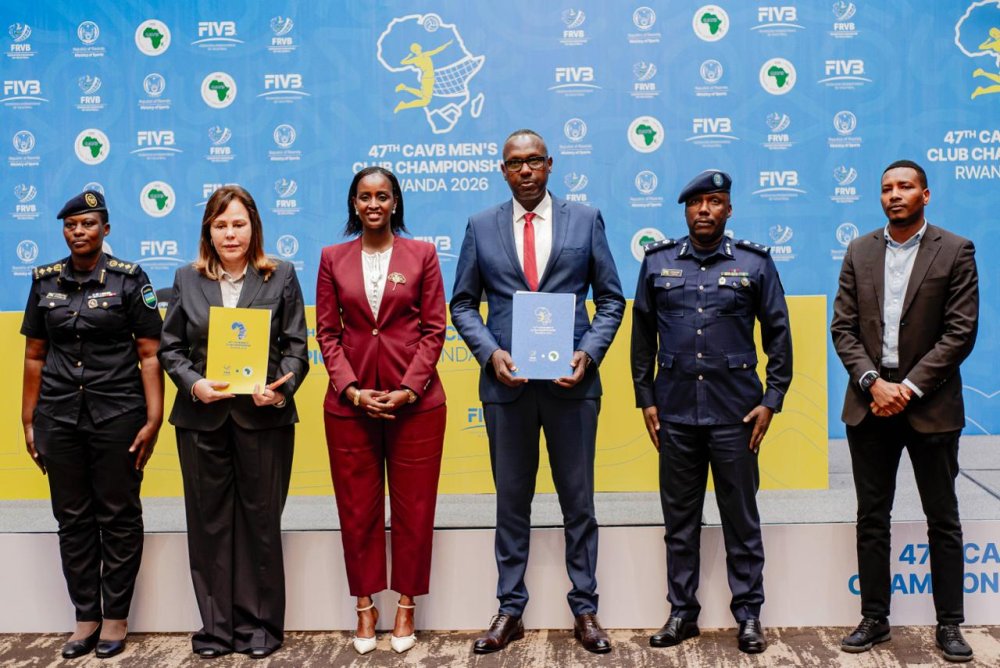
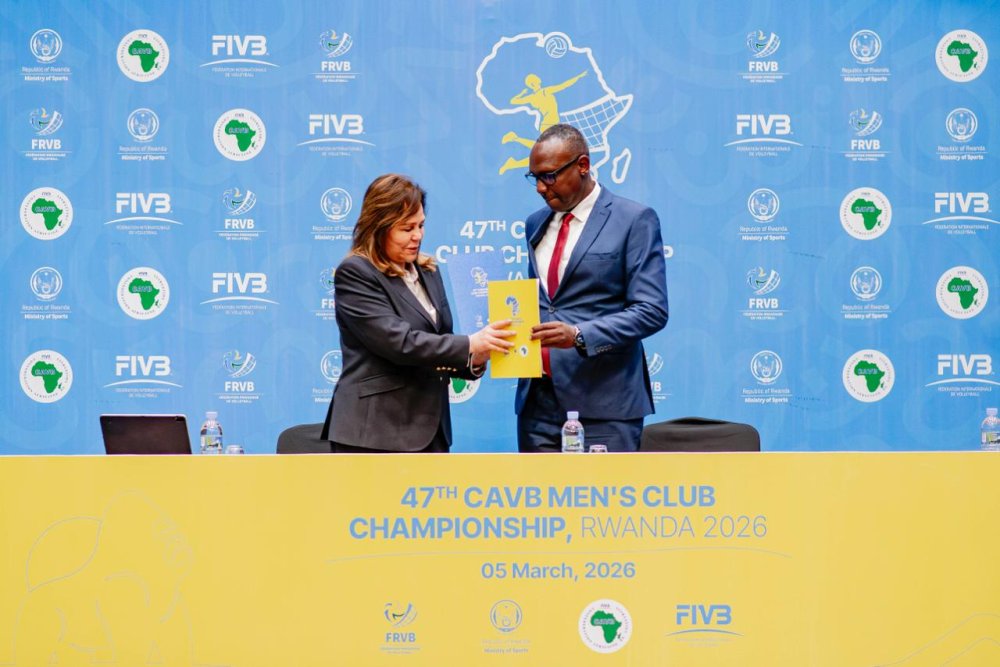
The agreement was signed in a ceremony held at the Kigali Convention Centre on Thursday, March 5, 2026.
FRVB was represented by its president, Raphaël Ngarambe, while CAVB was represented by its president, Bouchra Hajij.
Ngarambe expressed excitement about Rwanda hosting this major event, highlighting that the championship would provide valuable opportunities, including qualification for the World Cup for the participating teams.
Bouchra Hajij, president of CAVB, thanked Rwanda for agreeing to host the competition, expressing confidence that the event would be well-organized and stand out.
She noted, “Rwanda is a key partner for us. The country’s streamlined visa process for Africans is one of the factors that makes its events successful. Rwanda has demonstrated its capability to host international tournaments, and I am optimistic that the 2026 competition will be a resounding success.”
She further added, “I believe that the leadership of President Paul Kagame has played a pivotal role in nurturing talent and providing clear direction, which has significantly contributed to the country’s economic growth and sporting success.”
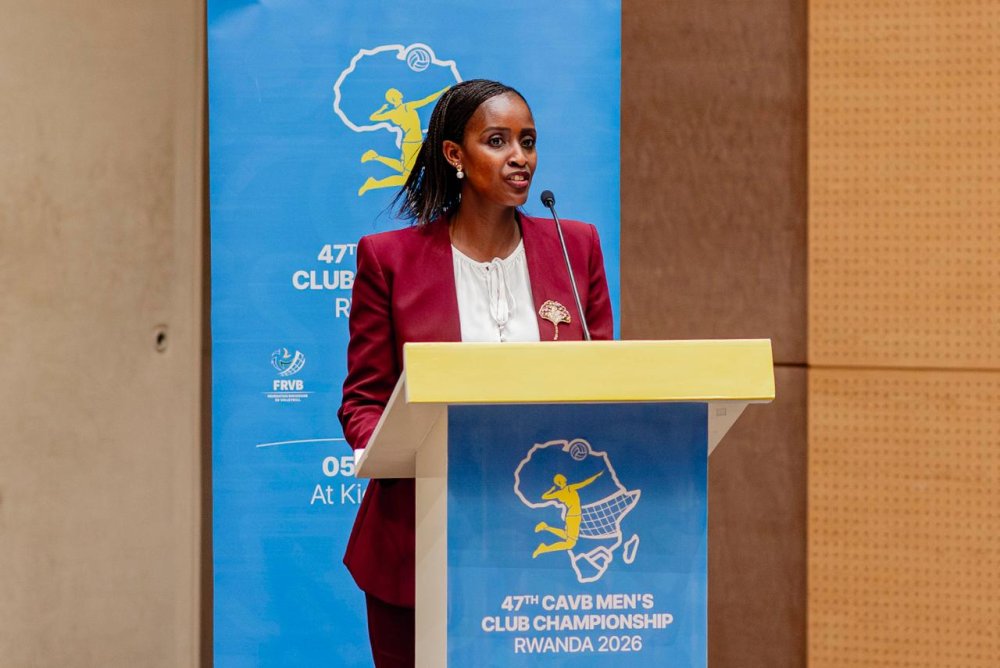
The Minister of Sports, Nelly Mukazayire, who was also present at the signing ceremony, expressed her gratitude to CAVB for placing their trust in Rwanda to host this important event. She reassured that the country’s facilities and commitment to sports excellence would leave a lasting impression on participants.
“It is an honor for us to host the African Championship for the first time, which will see 24 top teams compete. As the hosts, we are determined to demonstrate that Rwanda is well-equipped to showcase the talents of all athletes and provide them with world-class facilities,” she stated.
The signing ceremony was preceded by the unveiling of the official logo for the CAVB Men’s Club Championship to be held in Kigali.
The previous edition of the championship, held in 2025 in Misurata, Libya, saw Swehly Sports Club from Libya claiming the title, with APR VC from Rwanda finishing in fourth place.
As per the competition’s format, the host country is represented by the top four teams based on their performance in the previous year’s championship. This year, Rwanda will be represented by teams including; APR, Police, REG, and Kepler VC.
In a historic achievement, Gisagara VC made history in 2022 as the first Rwandan team to win a medal in this competition, securing third place by defeating Port de Douala 3-1 in the event held in Kelibia, Tunisia.
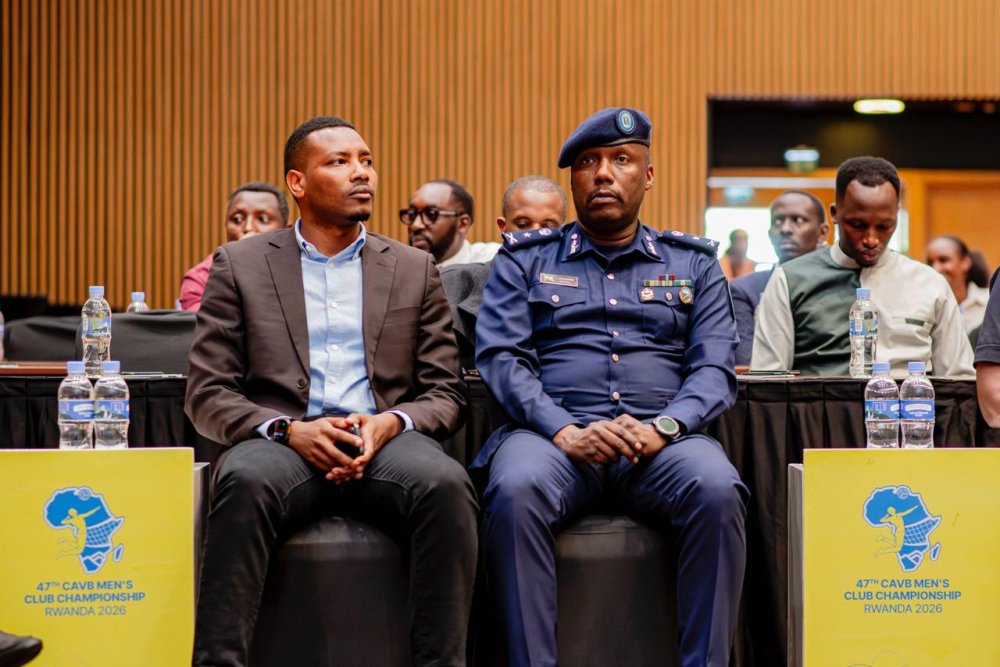
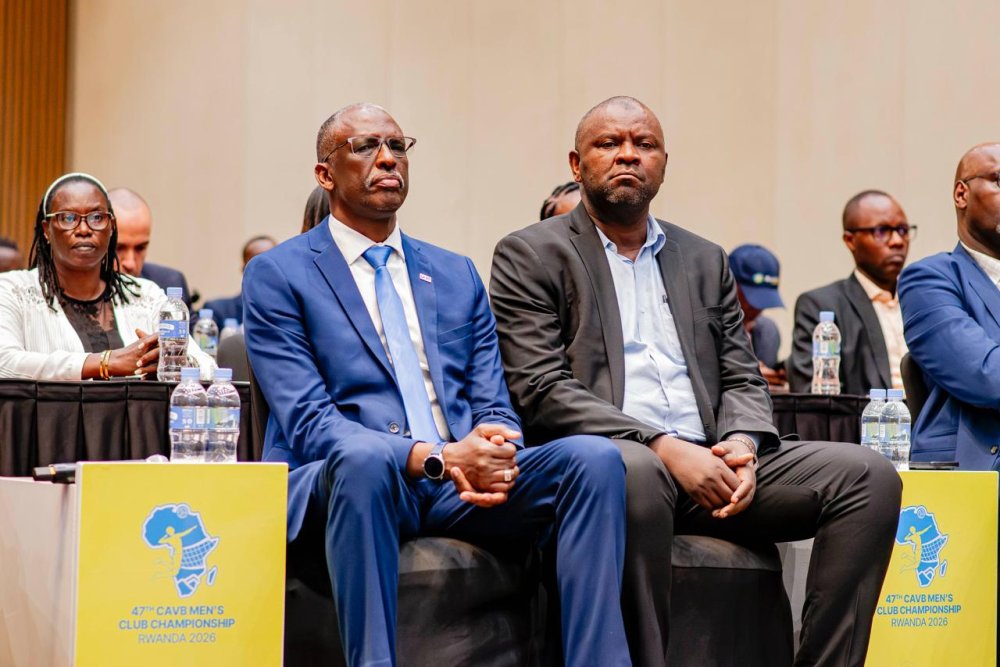
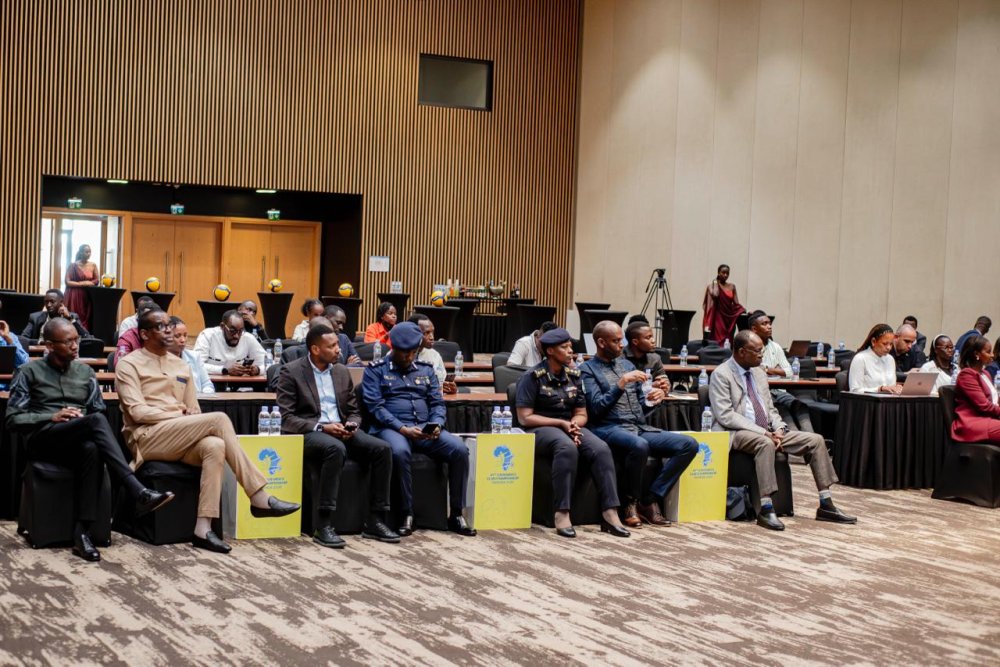
The officials attending the event observe the logo of the competition.The logo of the African Men’s Club Championship to be held in Kigali.The President of the Rwanda Olympic Committee, Alice Umulinga, also attended the signing of the agreement.FRVB President, Ngarambe Raphaël, and CAVB President, Bouchra Hajij, sign the agreement to host the African Men’s Club Championship.The Minister of Sports, Nelly Mukazayire, assured that the competition to be held in Kigali will be a success.