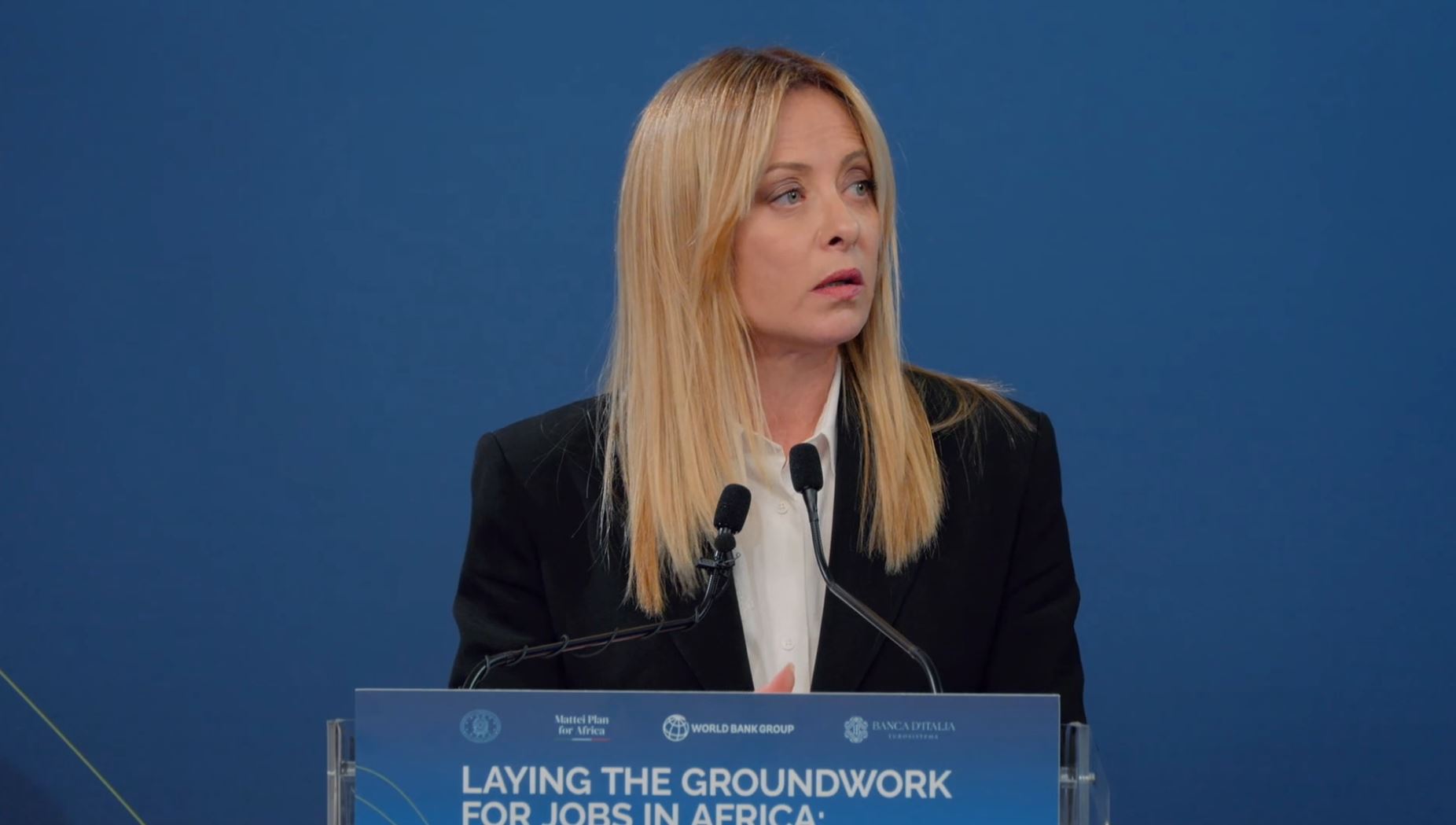
Meloni revealed the planned expansion while speaking at the conference “Laying the groundwork for jobs in Africa” held at the Bank of Italy on Wednesday, where she outlined Italy’s broader strategy for economic partnership with African countries.
“The Matte Plan has involved 14 countries, and in 2026, we will extend it to another 4: Congo, Rwanda, Gabon, and Zambia,” Meloni said.
The Mattei Plan is a strategic initiative launched by the Italian government to promote what it describes as a “non-predatory” and equal partnership with African nations.
The programme focuses on key sectors such as energy, infrastructure, education, health, and agriculture.
Backed by more than €1.2 billion in funding, the plan aims to boost development in partner countries while also helping to address the root causes of irregular migration toward Europe.
Meloni also stressed that the success of cooperation with Africa should be judged by practical results.
“We believe that the effectiveness of cooperation is measured not by good intentions but by the concrete results it achieves in terms of jobs created, businesses supported, and investments mobilized.
“This is our approach, and we believe it should also be the approach Europe and the West adopt toward Africa: less fragmentation, more coordination, less rhetoric, more construction projects, fewer promises, more innovative and concrete financial instruments, less charity, more development,” she noted.
Currently, the initiative involves 14 partner countries. The initial pilot group includes Algeria, the Democratic Republic of Congo, Egypt, Ethiopia, Kenya, Côte d’Ivoire, Morocco, Mozambique, and Tunisia.
Additional partners later added to the programme are Angola, Ghana, Senegal, Mauritania, and Tanzania.
Italian Prime Minister Giorgia Meloni announced a plan to extend the ‘Mattei Plan’ to more African countries.
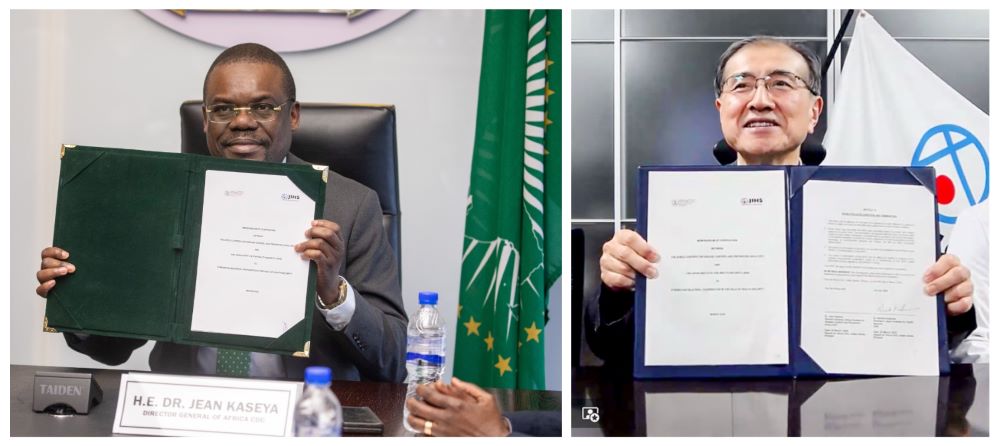
The agreement was simultaneouly signed on Thursday, March 5, 2026, in Addis Ababa by Dr Jean Kaseya, Director General of Africa CDC, and in Tokyo by Professor Dr. Norihiro Kokudo, President of JIHS.
According to a statement released by Africa CDC, the agreement establishes a framework for enhanced cooperation to address emerging and re-emerging public health threats and to strengthen pandemic prevention, preparedness, and response.
The partnership will promote closer collaboration in infectious disease surveillance and early warning systems, laboratory and research capacity, and coordinated responses to public health emergencies.
It will also support workforce development through structured training programs, institutional exchanges, and technical collaboration aimed at strengthening resilient public health institutions.
“Health threats cross borders, and preparedness depends on strong partnerships,” said Dr Jean Kaseya, Director General of Africa CDC. “This cooperation with JIHS will strengthen scientific collaboration, reinforce public health institutions and workforce capacity, and accelerate our ability to prevent, detect, and respond to outbreaks.”
The collaboration will also advance One Health and climate-resilient approaches to address zoonotic diseases, antimicrobial resistance, and other emerging risks.
“JIHS was established as an integrated national institution combining infectious disease intelligence, research and development, clinical expertise, and international cooperation,” said Professor Dr. Norihiro Kokudo, President of JIHS. “Through this partnership with Africa CDC, we look forward to expanding joint research, strengthening workforce development, and building practical collaboration that contributes to regional and global health security.”
The cooperation reflects a shared commitment to strengthening science-based preparedness and fostering mutual learning between institutions, researchers, clinicians, and public health professionals from Africa and Japan.
It also supports Africa CDC’s Strategic Plan (2023–2027) and theAfrica Health Security and Sovereignty (AHSS) Agenda. The partners will operationalize the agreement through a Joint Action Plan that will define priority activities, timelines, and implementation mechanisms.
The agreement was signed in Addis Ababa by Dr. Jean Kaseya, Director General of Africa CDC, and in Tokyo by Professor Dr. Norihiro Kokudo, President of JIHS.
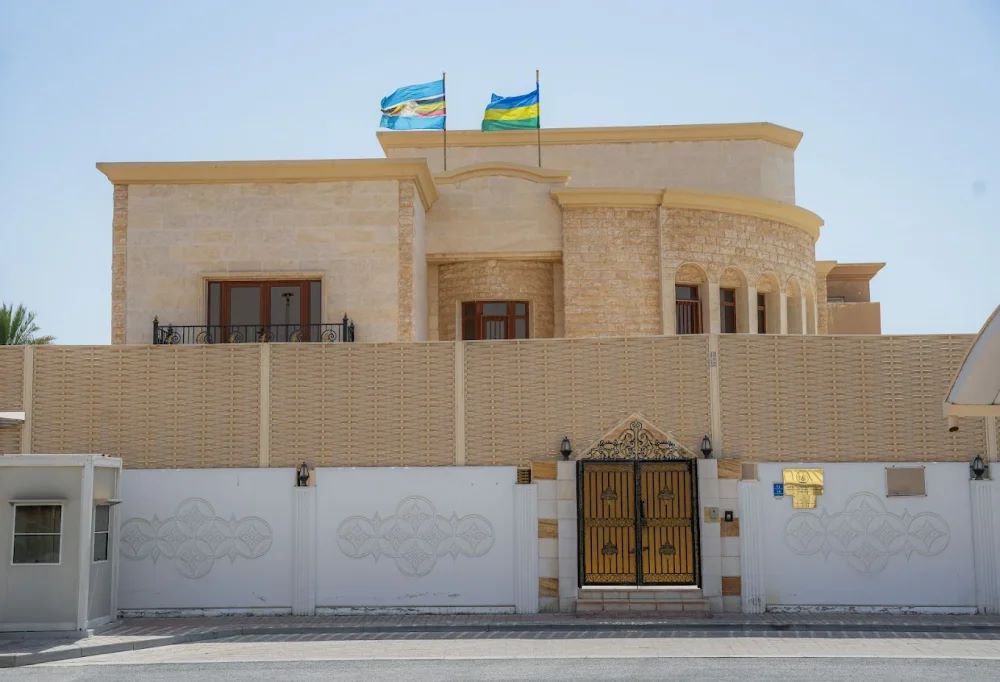
The decision was communicated in an announcement issued on March 4, 2026, by the Rwandan embassy in Doha.
“Due to the current security situation, the Embassy of Rwanda in Doha is currently operating online until further notice,” reads the notice.
The embassy reaffirmed full commitment to continue providing assistance to all those who require its services remotely.
The move comes as Iran continues to launch attacks on Qatar, which hosts a major United States military base.
The rising tensions follow strikes launched by the United States and Israel against Iran on February 28, 2026, escalating tensions across the Middle East.
In retaliation, Iran began targeting countries in the region that cooperate with the United States, including Qatar.
As a result of the attacks, several institutions in Qatar have temporarily suspended operations, including the national carrier, Qatar Airways.
Rwandan Embassy in Qatar has moved services online.
AFC/M23 stated that it conducted drone strikes on the airport on February 1 and March 1, 2026, targeting a section of the facility used by the DRC military and its allies.
The aim was to destroy part of the airport’s infrastructure utilized by the DRC military forces and their partners.
The alliance explained that the DRC military and its partners use the airport to prepare and launch drone strikes against AFC/M23 bases and civilians in North Kivu and South Kivu provinces.
Dr. Oscar Balinda, the Deputy Spokesperson for AFC/M23, revealed that the alliance has deployed commando units near Kisangani.
These units are tasked with carrying out operations aimed at disrupting the DRC’s plans to destabilize areas under AFC/M23 control.
“The commandos operate day and night, completing their missions and returning once the task is finished. Our goal is to halt this terror and restore peace so we can return to the negotiation table and work towards lasting peace,” he stated.
On March 2, 2026, AFC/M23 enrolled 1,518 special force recruits who were trained at the Rumangabo military camp in Rutshuru Territory.
The alliance clarified that these new recruits are specially trained commandos with advanced combat skills, prepared to undertake mobile operations and establish permanent bases.
Yannick Tshisola, Chief of Staff to AFC leader, hinted that these new fighters would be involved in future missions, similar to the recent strike on Bangoka International Airport.
Dr. Balinda stated that AFC/M23 fighters conduct targeted attacks in Kisangani before returning to their original positions.
The report, produced by intelligence services in the Democratic Republic of the Congo in February 2019, details the activities of a coalition of armed groups known as P5, which was reportedly formed with the aim of overthrowing the Government of Rwanda.
According to the document, the coalition brought together several political and armed groups, including the Rwanda National Congress (RNC) led by former Rwandan army officer Kayumba Nyamwasa; FDU-Inkingi associated with Victoire Ingabire Umuhoza; CNRD-FLN linked to Paul Rusesabagina; RUD-Urunana led by Nshimiyimana Cassien; and the FDLR commanded by Victor Byiringiro.
The report claims that fighters from this coalition were recruited and trained at a military camp in Bijabo, located in Balala-Sud Groupement in the Tanganyika sector of Fizi Territory, South Kivu.
On the night of January 22, 2019, more than 1,500 fighters from the FDLR reportedly moved from Masisi Territory in North Kivu toward Shanje in Lowa-Numbi, within the Buhavu Chiefdom, where they were expected to link up with other P5 elements led by Nyamwasa.
The document further alleges that the coalition intended to establish operational bases in Burundi before launching attacks into Rwanda. At the time, Burundi was led by former president Pierre Nkurunziza, whose government is said to have provided logistical support and coordination for the coalition’s activities.
According to the report, Agricole Ntirampeba, then a senior adviser to President Nkurunziza, was responsible for coordinating FDLR activities in the region.
He reportedly facilitated cooperation among the various P5 groups with the goal of strengthening their ability to destabilize Rwanda and attempt to overthrow its government.
The 2019 attack in Musanze
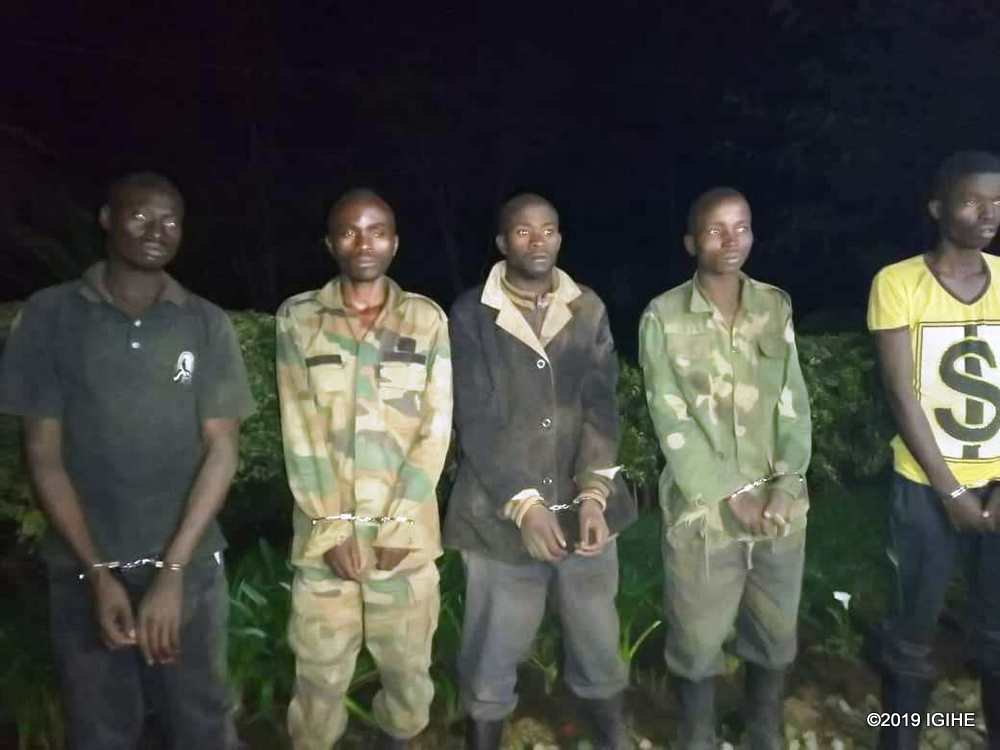
In October 2019, about 67 fighters affiliated with groups linked to the P5 coalition, mainly members of RUD-Urunana, entered Rwanda through Volcanoes National Park near Kinigi, close to the border with the DRC.
According to figures from the Rwandan government, the attackers killed 14 civilians and injured several others. Homes and businesses were looted, shops were destroyed, and food supplies were stolen during the assault.
Rwandan security forces launched operations to pursue the attackers, killing some and arresting others.
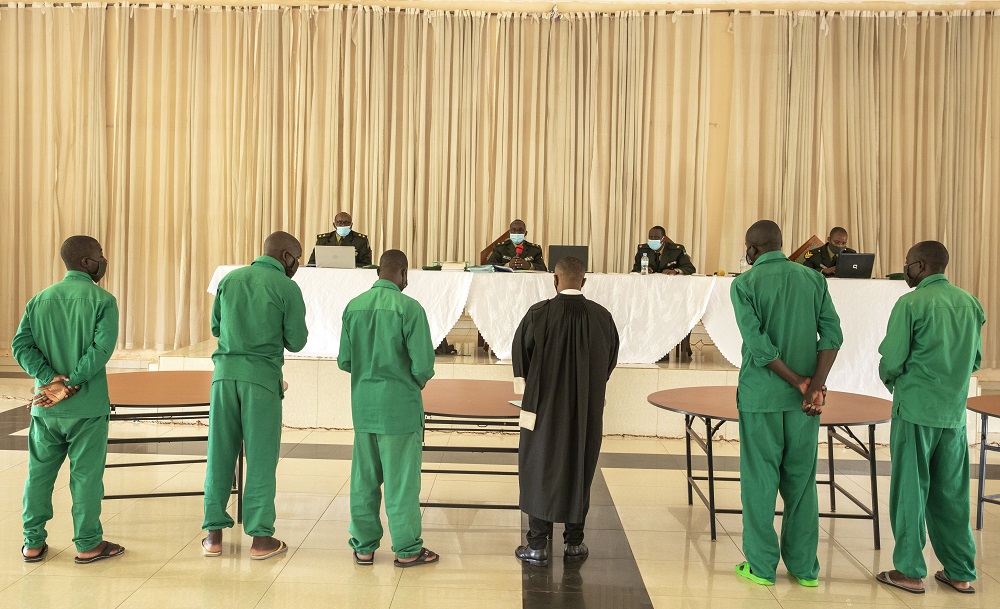
Those captured were later brought before the Military High Court in Kigali, where prosecutors charged them with crimes including membership in an illegal armed group, attempting to wage war against the state, and terrorism-related offenses.
Allegations of long-standing cooperation
The report also points to what it describes as a long-standing relationship between Burundi and the FDLR. According to the document, members of the armed group have at times found refuge in Burundi, and some of their activities have allegedly been facilitated from within the country.
It further claims that Burundi’s ambassador to Kinshasa at the time, Agricole Ntirampeba, helped facilitate communication between Félix Tshisekedi, president of the DRC, and the FDLR.
This reportedly contributed to joint military operations involving Congolese forces, the FDLR terrorist group formed by individuals responsible for the 1994 Genocide against the Tutsi in Rwanda and Burundian troops against the AFC/M23 coalition.
On December 5, 2019, the then commander of CNRD/FLN, Wilson Irategeka, was reportedly assisted by Burundian officials to travel to Bujumbura for medical treatment via Nyangezi-Ngomo and Kamanyola in South Kivu. Congolese soldiers stationed in the region allegedly helped transport him by motorcycle and ensured his security during the journey.
Recently, when asked about Burundi’s cooperation with the FDLR, President Évariste Ndayishimiye acknowledged the relationship, citing the adage: “The enemy of my enemy is my friend.”
Critics argue that despite presenting himself as a stabilizing figure in the region, Ndayishimiye’s policies and continued engagement with armed groups have contributed to ongoing instability in the Great Lakes Region.
Attackers were tried before the Military High Court.Some of arrested assailants who took part in Kinigi attack in 2019.
The report examines how much international visitors spend from the time they arrive in Rwanda until they depart, covering expenses such as accommodation, food, shopping, and other services.
In recent years, Rwanda has opened several high-end hotels capable of hosting international conferences that bring together thousands of participants from across the world to discuss different issues.
The country has also invested heavily in healthcare infrastructure, with existing facilities being expanded to increase capacity.
In the fourth quarter of 2025 alone, more than 1,400 people entered Rwanda specifically seeking medical services.
Among the most sought-after services are cancer treatment offered at Butaro Cancer Center of Excellence and specialized procedures such as heart surgery available in Kigali.
Sports infrastructure has also contributed to the inflow of international visitors. The recently completed Amahoro Stadium now hosts international matches organized by the Confederation of African Football (CAF) and FIFA.
During the 2025/2026 football season, Amahoro Stadium has hosted several continental matches after Al-Hilal SC reached the quarter-finals of the CAF Champions League.
The matches have attracted many foreign fans and officials to Rwanda, who in turn spend on services and goods during their stay.
In addition to football, Rwanda continues to host other international sporting events including cycling, handball, volleyball, and basketball competitions, as well as entertainment concerts that bring visitors from across the world to the “Land of a Thousand Hills.”
According to the Travel Expenditure Survey included in the fourth-quarter report, visitors who came to see Rwanda’s mountain gorillas were the biggest spenders during the period.
Data was collected from travelers passing through 11 border points, including Rusumo, Kagitumba, Buziba, Gatuna, Cyanika, Rusizi I, Rusizi II, Bugarama, La Corniche, and Kigali International Airport.
Information for foreign visitors was gathered at exit points, while data for Rwandans traveling abroad was collected when they re-entered the country.
In the fourth quarter of 2025, international visitors spent more than $161.5 million in Rwanda on shopping, accommodation, and other services.
Tourists traveling for holidays alone spent $65 million during the quarter, while revenue generated from gorilla tourism accounted for 71.4% of total tourism earnings.
NISR data also indicates that visitors from North America spent the most on shopping and purchasing goods in Rwanda, totaling $40.8 million.
Foreign travelers entering Rwanda by land spent about $24.9 million, with the majority traveling to visit friends and relatives, accounting for $11.3 million.
Strong performance in 2025
The report further shows that international visitors spent $130.7 million in the first quarter of 2025, $121.7 million in the second quarter, $190.6 million in the third quarter, and $161.5 million in the fourth quarter.
Leisure travelers made up the largest share of spending, accounting for 41.1% of total tourism revenue. They were followed by visitors traveling to see friends and relatives, while those visiting Rwanda for business and investment opportunities contributed 16.2% of the spending.
Meanwhile, Rwandans traveling abroad spent $83.7 million in the first quarter, $89.3 million in the second quarter, $90.1 million in the third quarter, and $95.9 million in the fourth quarter of 2025.
Rwandans who traveled abroad for business purposes accounted for the largest share of spending, representing 35.7% of the total. Those visiting friends and relatives spent 28.3%, while travelers seeking education-related services accounted for 23.1%.
A 2024/25 report from the Ministry of Trade and Industry shows that 1.15 million visitors entered Rwanda, including 37% who came for gorilla tourism, 24% visiting friends and relatives, and 17% traveling for business.
In the fourth quarter of 2025, international visitors spent more than $161.5 million in Rwanda on shopping, accommodation, and other services.
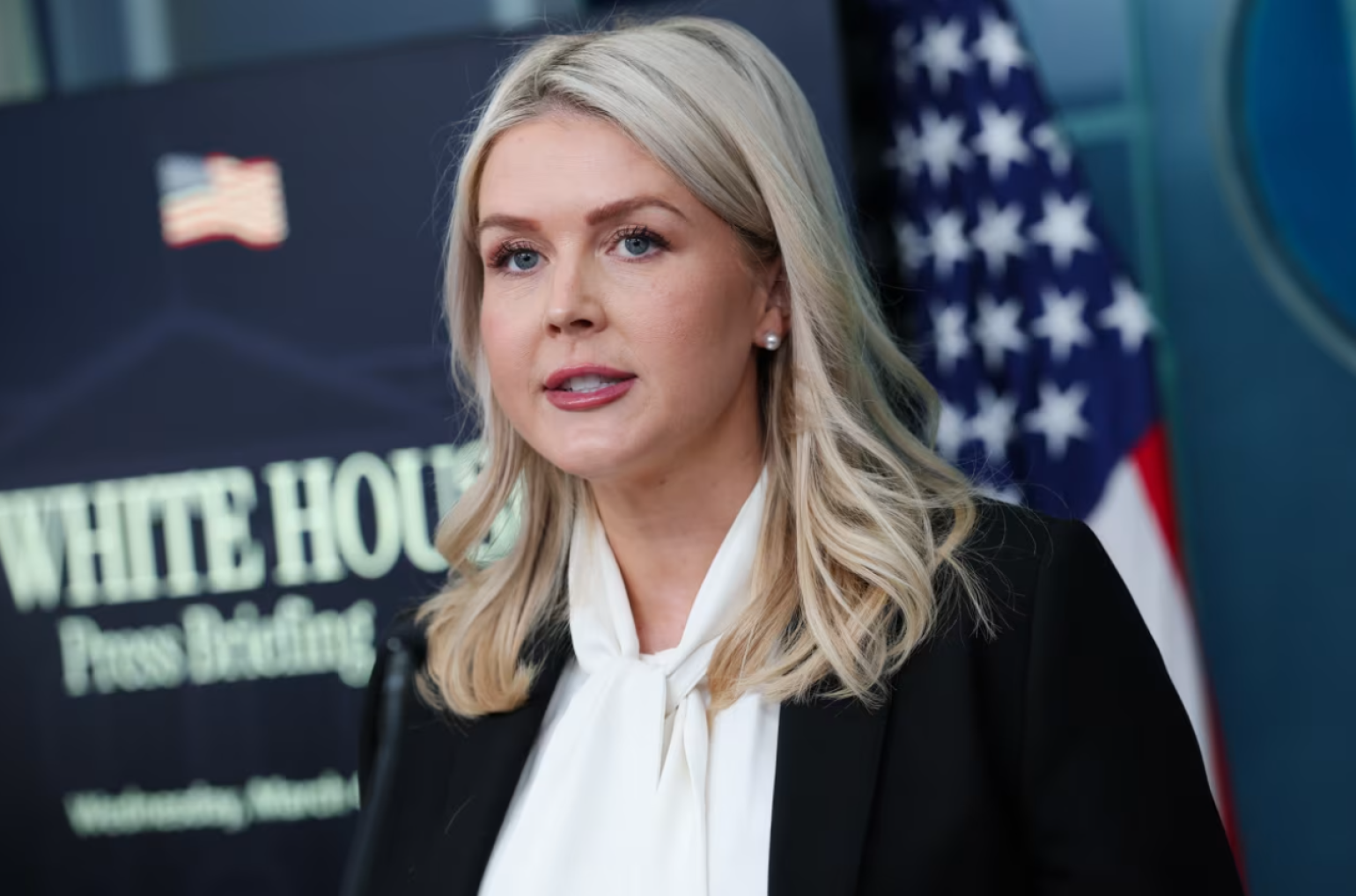
“We expect to have complete and total dominance over Iranian airspace in the coming hours,” Leavitt said at the White House daily press briefing.
She added that deploying U.S. ground troops to Iran is not currently planned, though U.S. President Donald Trump said earlier he is open to the option in the future.
Earlier in the day, U.S. Defence Secretary Pete Hegseth said at a Pentagon briefing that the U.S.-Israeli military operation against Iran is still in its early stages.
Dan Caine, chairman of the Joint Chiefs of Staff, said U.S. forces will begin striking progressively deeper into the Iranian territory as operations expand.
Iran and the Lebanese militant group Hezbollah have conducted their first coordinated attacks on Israel amid the ongoing escalation, the Israel Defence Forces told CNN on Wednesday.
On Saturday morning, U.S.-Israeli airstrikes against Iran killed Iran’s Supreme Leader Ayatollah Ali Khamenei, along with some of the leader’s family members, senior military commanders and civilians. Iran responded through waves of missile and drone attacks targeting Israel and U.S. bases across the Middle East.
White House press secretary Karoline Leavitt said Wednesday that the United States will have “complete and total dominance” over Iranian airspace in the next few hours.
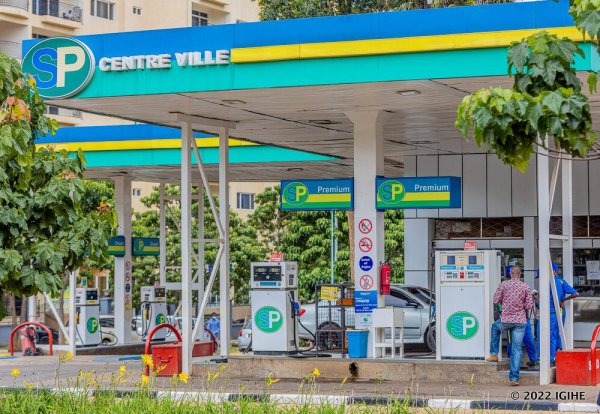
In a communiqué issued on Wednesday, the regulator said the new pump prices will take effect from 6:00 am on March 5, 2026. The maximum retail price of gasoline (petrol), inclusive of Value Added Tax (VAT), will remain at Rwf 1,989 per litre, while diesel will be capped at Rwf 1,948 per litre.
The adjustment raises diesel from the Rwf 1,900 per litre rate that had been in place since November 2025. Petrol prices remain steady at the same level set during the review.
RURA Director General, Evariste Rugigana, said the revised pump prices “reflect prevailing trends in the international market for refined petroleum products, and measures taken by the Government of Rwanda to mitigate the impact of evolving global developments.”
Global fuel prices have recently surged by more than 10 percent following the escalation of tensions between the United States and Iran, which disrupted traffic through the Strait of Hormuz, a critical shipping lane that handles about 20 percent of the world’s traded oil.
The Minister of Finance and Economic Planning, Yusuf Murangwa, recently highlighted the risk of rising fuel and commodity prices due to the global supply chain disruptions.
Speaking during an interview with the Rwanda Broadcasting Agency (RBA), he reassured the public that Rwanda’s fuel reserves remain stable and that the government is closely monitoring the situation.
He added that, if necessary, alternative markets will be explored to ensure continued economic stability.
The maximum retail price of gasoline (petrol), inclusive of Value Added Tax (VAT), will remain at Rwf 1,989 per litre, while diesel will be capped at Rwf 1,948 per litre.
Among the major resolutions adopted was a Ministerial Order granting release on parole to 1,874 convicts. The decision forms part of ongoing justice and rehabilitation efforts aimed at facilitating reintegration into society under established legal procedures.
Senior appointments approved
Cabinet also approved several high-level appointments across public institutions, according to a communiqué issued by the Prime Minister, Dr. Nsengiyumva Justin.
At the National Bank of Rwanda (NBR)Board of Directors, the following members were appointed:
Mr. Mukete Diko Jacob
Ms. Dushimire Alice
Mr. Nsengumuremyi Cyridion
Ms. Nabaasa Judith
Mr. Mwizerwa Jean Claude
Dr. Batamuliza Jennifer
Ms. Muhongerwa K Judith
For the Appeal Tribunal for Refugees and Applicants for Refugee Status, Cabinet appointed:
Ms. Mukabagwiza Edda, Co-President
Mr. Rusanganwa Jean Damascene, Co-President
Ms. Mukanyundo Patricie, Member
Ms. Nyirinkwaya Immaculée, Member
Mr. Rudasigwa Joseph, Member
Mr. Mukama Augustin, Member
Mr. Ndabirora Kalinda Jean Damascene, Registrar
Within the Ministry of Local Government (MINALOC), appointments included:
Mr. Ingabire Jean Claude, Director General of Planning, Monitoring and Evaluation
Ms. Mukobwa Justine, Executive Secretary of the National Council of Persons with Disabilities (NCPD)
Ms. Uwimanimpaye Jeanne d’Arc, Coordinator of Gitagata Rehabilitation Centre
Mr. Bizimana Servilien, Coordinator of Ngarama Rehabilitation Centre
At the Ministry of Environment, Cabinet appointed:
Dr. Biraro Mireille, Registrar of Land Titles
Mr. Twizeyeyezu Jean Pierre, Registrar of Land Titles
Mr. Uwaysenga Vedaste, Registrar of Land Titles
Ms. Kanyamugenge Akimana Adeline, Division Manager for Inspection at the National Land Authority
For the Rwanda Mines, Petroleum and Gas Board (RMB), the following officials were named:
Mr. Uwiduheye Jean d’Amour, Head of Department of Mines, Petroleum and Gas Exploration
Ms. Umuhorakeye Alice, Division Manager of Mining Extraction and Inspection
Mr. Maniragaba Ephrem, Division Manager of Mining Exploration
Ms. Kantengwa Catherine, Division Manager of Mining Cadaster and Digital Information
Key draft laws and policies
Beyond appointments and parole decisions, Cabinet approved several draft laws, including a draft organic law governing elections, a draft law on the National Commission for Human Rights, and a draft law regulating virtual assets businesses.
Cabinet also endorsed amendments to financing agreements between the Government of Rwanda and the International Fund for Agricultural Development relating to additional loans supporting small livestock markets and irrigation and watershed management projects.
In addition, members approved the National Anti-Money Laundering, Counter-Financing of Terrorism and Counter-Proliferation Financing (AML/CFT/CPF) Policy, applications for mineral and quarry licenses, a housing development agreement with Bauhaus International Rwanda Ltd, and the lease of state land to Kivu Waterfront Limited for investment purposes.
International engagements and upcoming events
Cabinet granted agrément to new diplomats representing Sweden, South Africa, and Cuba.
Ministers also briefed Cabinet on upcoming national and international engagements, including celebrations of International Women’s Day on 8 March 2026, Rwanda’s participation in the 70th Session of the United Nations Commission on the Status of Women, a three-month citizen outreach programme led by security organs, and preparations to host the International Astronautical Federation Global Space Conference on Climate Change (GLOC 2026) in June.
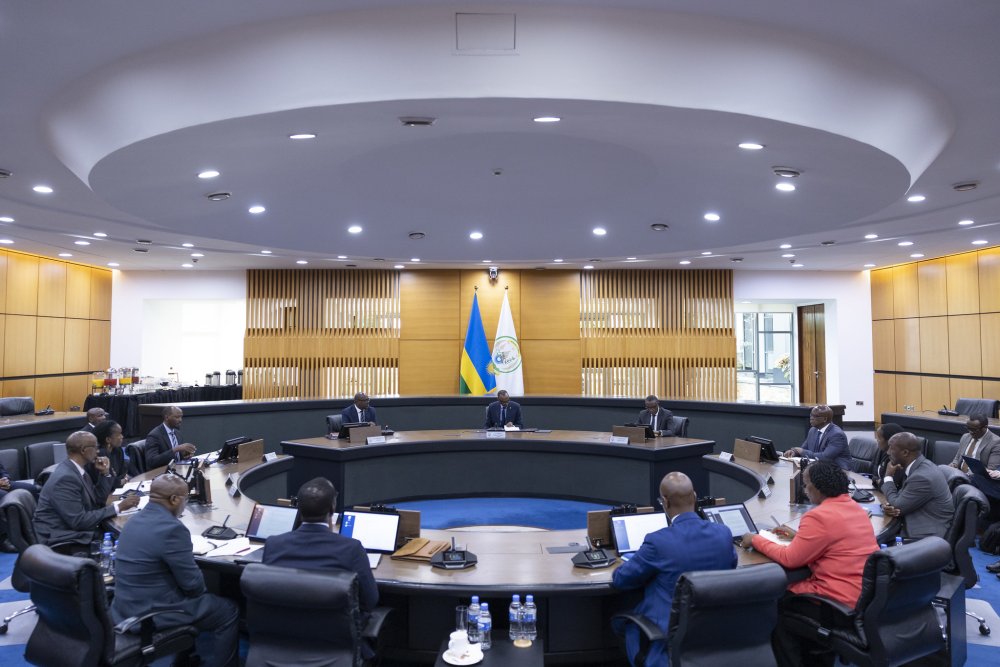
The Cabinet meeting was chaired by President Paul Kagame at at Urugwiro Village.
The military said the airstrikes now focus mainly on government targets in Tehran.
Earlier on Wednesday, Iran said 1,045 people had been killed in the country since Saturday as a result of the U.S.-Israeli operation.
Meanwhile, according to Israel’s Magen David Adom rescue service, Iranian missiles have killed at least 10 people in Israel.
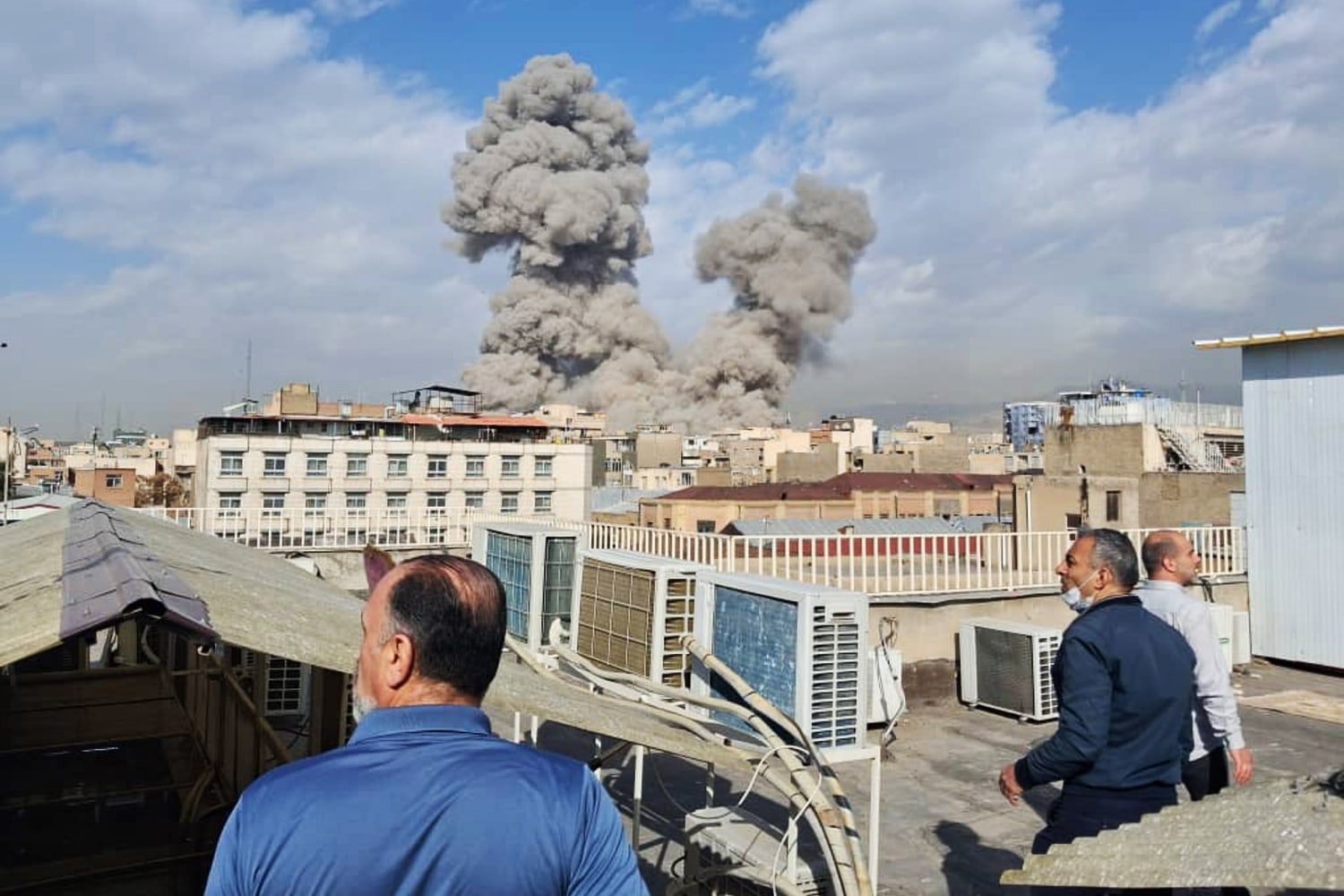
The joint U.S.-Israeli military operation against Iran, entering its fifth day, has triggered a sharp escalation across the Middle East, setting off waves of missile exchanges, mounting casualties, and far-reaching political, security, and economic repercussions.
Iran said at total of 1,045 people had been killed in the country since Saturday as a result of the U.S.-Israeli operation.