Earth’s day is not always exactly 24 hours. It changes naturally because of the moon’s pull and processes inside the planet. But recent climate change adds a new factor. As ice melts, water moves from land to oceans, shifting Earth’s mass. This slows rotation, like a figure skater spinning more slowly when stretching their arms.
To study how unusual this is, researchers looked at tiny marine fossils called benthic foraminifera. The chemical makeup of these fossils shows old sea levels. Using this data and a special computer model, scientists could estimate how day length changed over millions of years.
During past ice ages, growing and melting ice sheets changed day length, but none as fast as today. Only around 2 million years ago was the change somewhat similar, but still slower.
This shows that today’s climate change is faster than anything in the last 3.6 million years, according to said Benedikt Soja of ETH Zurich. By the end of this century, human-driven climate change could affect day length even more than the moon does.
Even though the change is only a few milliseconds, it can affect precise tasks like space travel.
Scientists from the University of Vienna and ETH Zurich say climate change is slowing Earth’s spin, making our days slightly longer.
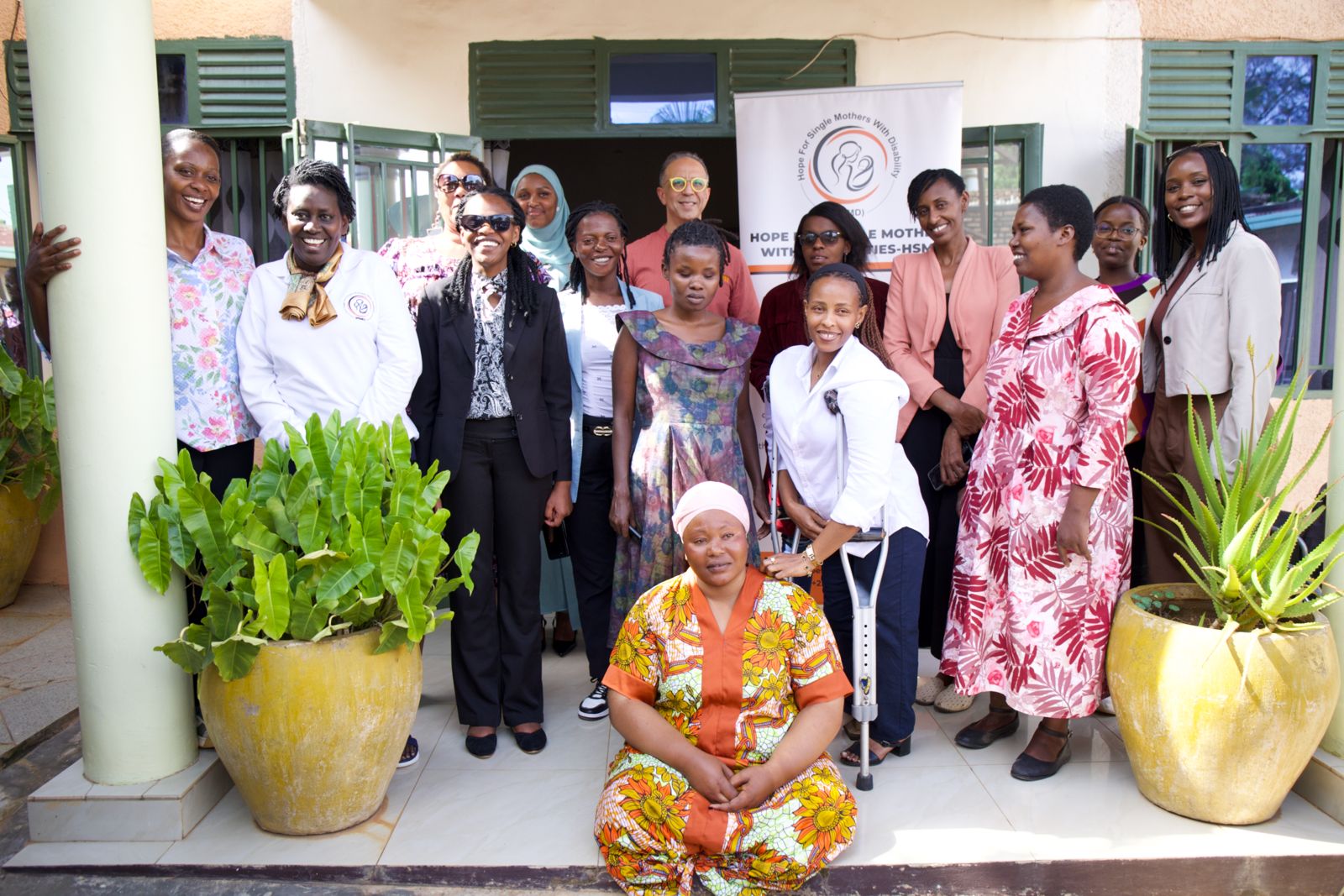
The visit centred on two of HSMD’s most pressing needs: economic empowerment and access to menstrual hygiene. In response, Zaria Court Hotel donated a two-year supply of reusable sanitary pads for 100 girls, each recipient receiving a complete pack sufficient to cover their full monthly cycle.
The choice of reusable pads was intentional and thoughtful: a sustainable, dignified solution that addresses a recurring need without placing an ongoing financial burden on women who already face significant economic hardship.
“There is a special kind of warmth you feel when you witness pure determination and hope, and we experienced that today at HSMD. Stepping away from the day to day of Zaria Court Hotel to spend time with these mothers and their children was a grounding experience.
“Their courage in the face of daily challenges is a lesson in humanity , and we are proud to stand beside them, not just as a hotel, but as neighbours and advocates,” said Walid Choubana, General Manager, Zaria Court Hotel, Tapestry Collection by Hilton.
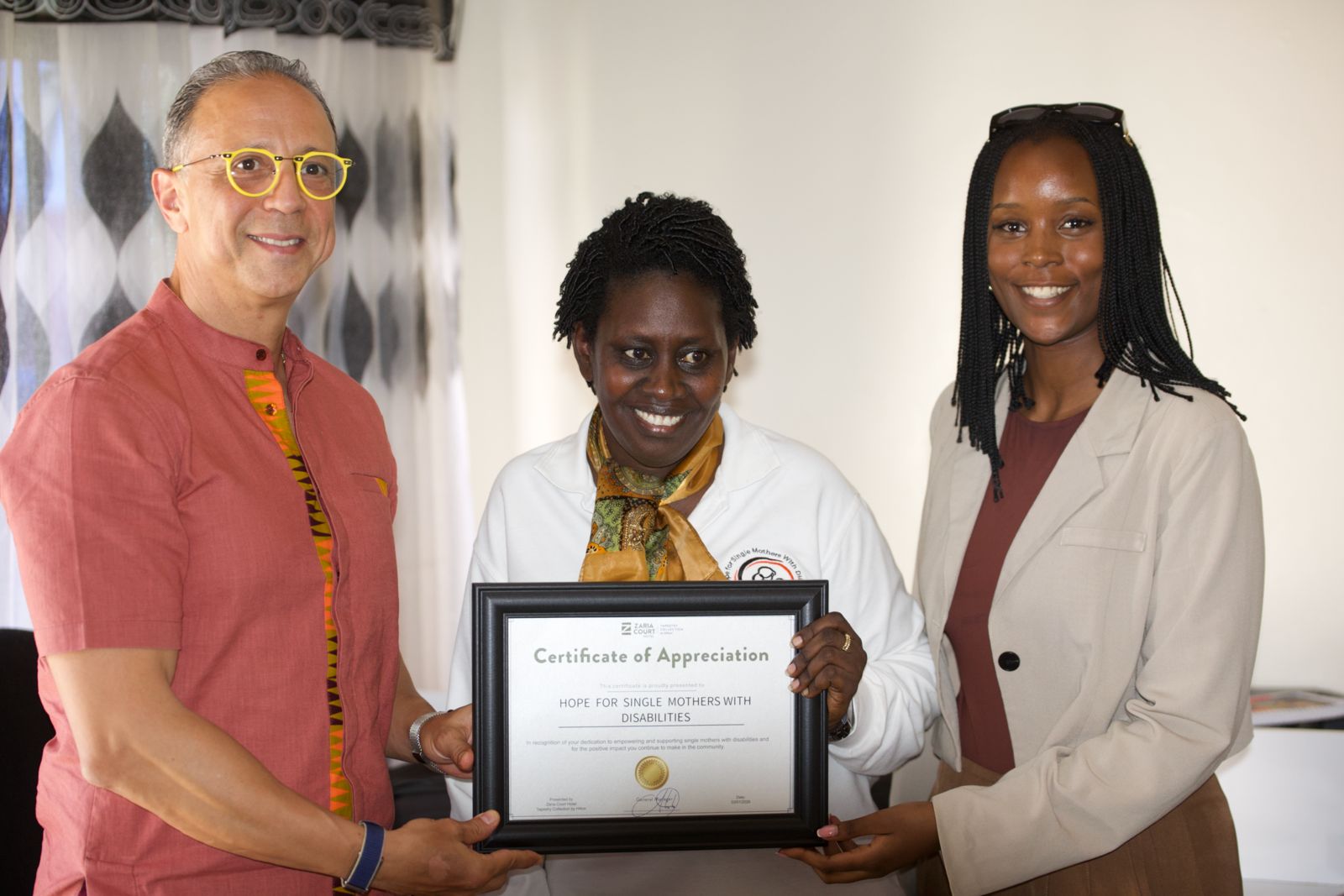
Beyond the material donation, Zaria Court Hotel presented HSMD with a Certificate of Recognition, a formal acknowledgment of the organisation’s tireless work in championing the rights and wellbeing of single mothers and girls with disabilities in Rwanda. HSMD’s vision of “a society where single mothers and girls with disabilities are self-reliant, live a dignified life free from violence” resonates deeply with Zaria Court Hotel’s own belief that prosperity in a community cannot be selective.
“We appreciate Zaria Court Hotel from our hearts for choosing to come and celebrate Women’s Month with us. You have seen our mothers and heard their testimonies . Now go and be our ambassadors. Advocate for the rights of single mothers with disabilities, be their voice, and help carry their stories far enough to change their lives,” said Ms. Tumwine Winnie, Executive Director, Hope for Single Mothers with Disabilities.
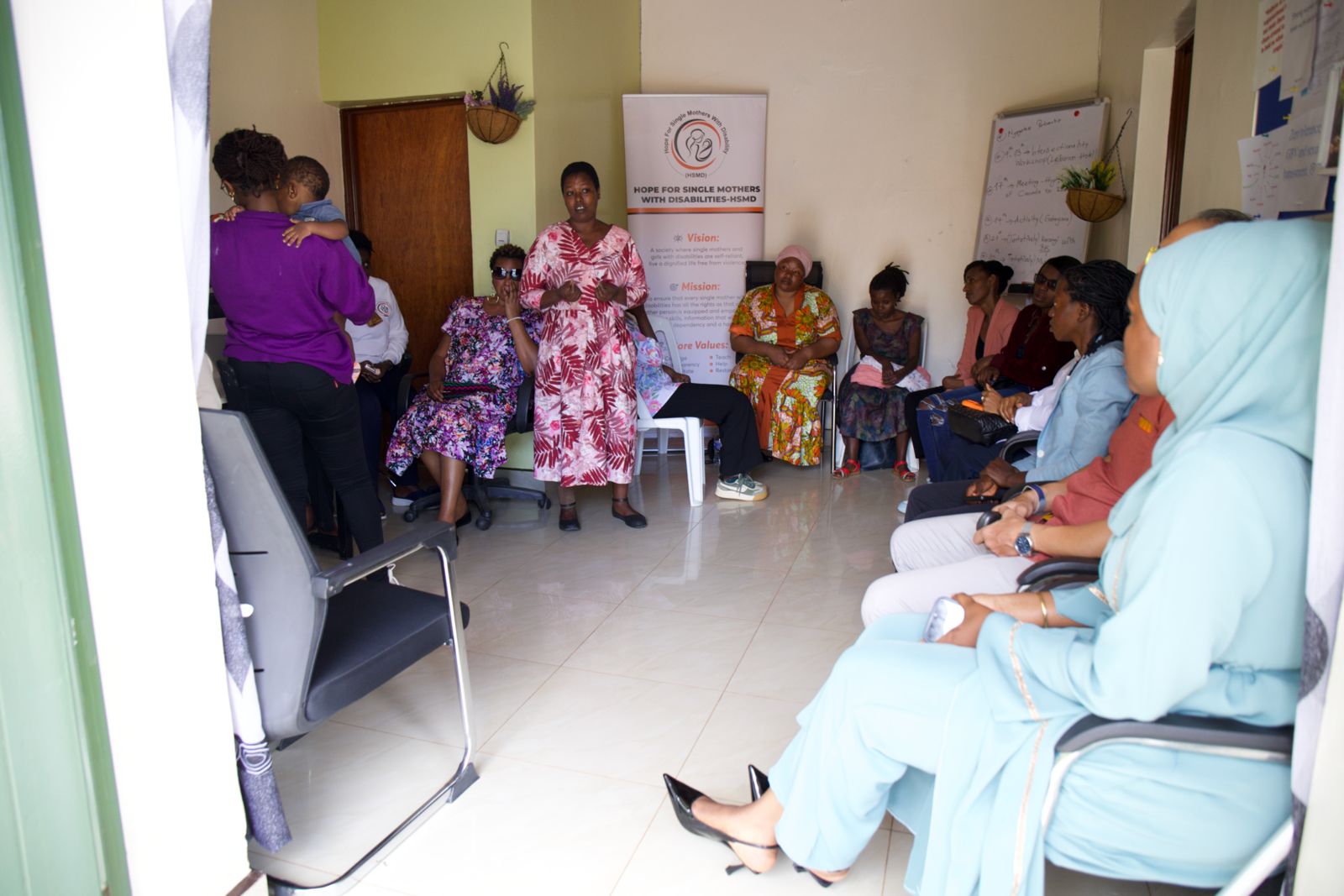
Perhaps the most quietly powerful moment of the visit was when the hotel’s team sat down to listen- Truly listen, to the stories shared by HSMD beneficiaries. Women who have navigated poverty, disability, social exclusion, and gender-based violence while raising children alone and willing to share their journeys with openness and grace. It was a moment that, as the Zaria team described it, “truly reinforced the importance of why we want to contribute impact into the community around us.”
“Living with visual impairment while raising a child alone is a challenge the world rarely stops to acknowledge. Too often, we are invisible. When Zaria Court Hotel walked through our doors, they brought more than gifts , they brought dignity. They sat with us, they listened, and they made us feel that our lives and our struggles matter. That kind of recognition gives you the strength to keep going. It reminded us that we are not alone,” noted Chantal Juru, Member, Hope for Single Mothers with Disabilities.
HSMD has been operational in Rwanda since 2018. The organisation works through an intersectional approach, recognising that single mothers and girls with disabilities face compounded barriers rooted in gender, disability, poverty, and geography.
Its programs span economic empowerment through skills training and microfinance support, protection from gender-based violence, access to sexual and reproductive health rights (SRHR), legal literacy, mental health services, and feminist leadership development. At its core, HSMD advocates for a Rwanda where no woman’s potential is capped by her circumstances.
“We came here to be with you today, to be part of this community and to show you that there are people out there who think of you every day. We promise to treat people with equality, regardless of their disabilities, including when it comes to employment,” stated Walid Choubana, General Manager, Zaria Court Hotel, Tapestry Collection by Hilton.
Zaria Court Hotel’s CSR initiative this Women’s Month reflects a growing conviction within the hospitality industry that businesses are not islands. As part of the Hilton family and one of Kigali’s premier establishments, Zaria Court Hotel recognises that the communities in which it operates are not just contexts, they are responsibilities. This visit to HSMD was not a one-time campaign; as it is the beginning of a conscious, ongoing relationship with the women and organisations shaping a more equitable Rwanda.
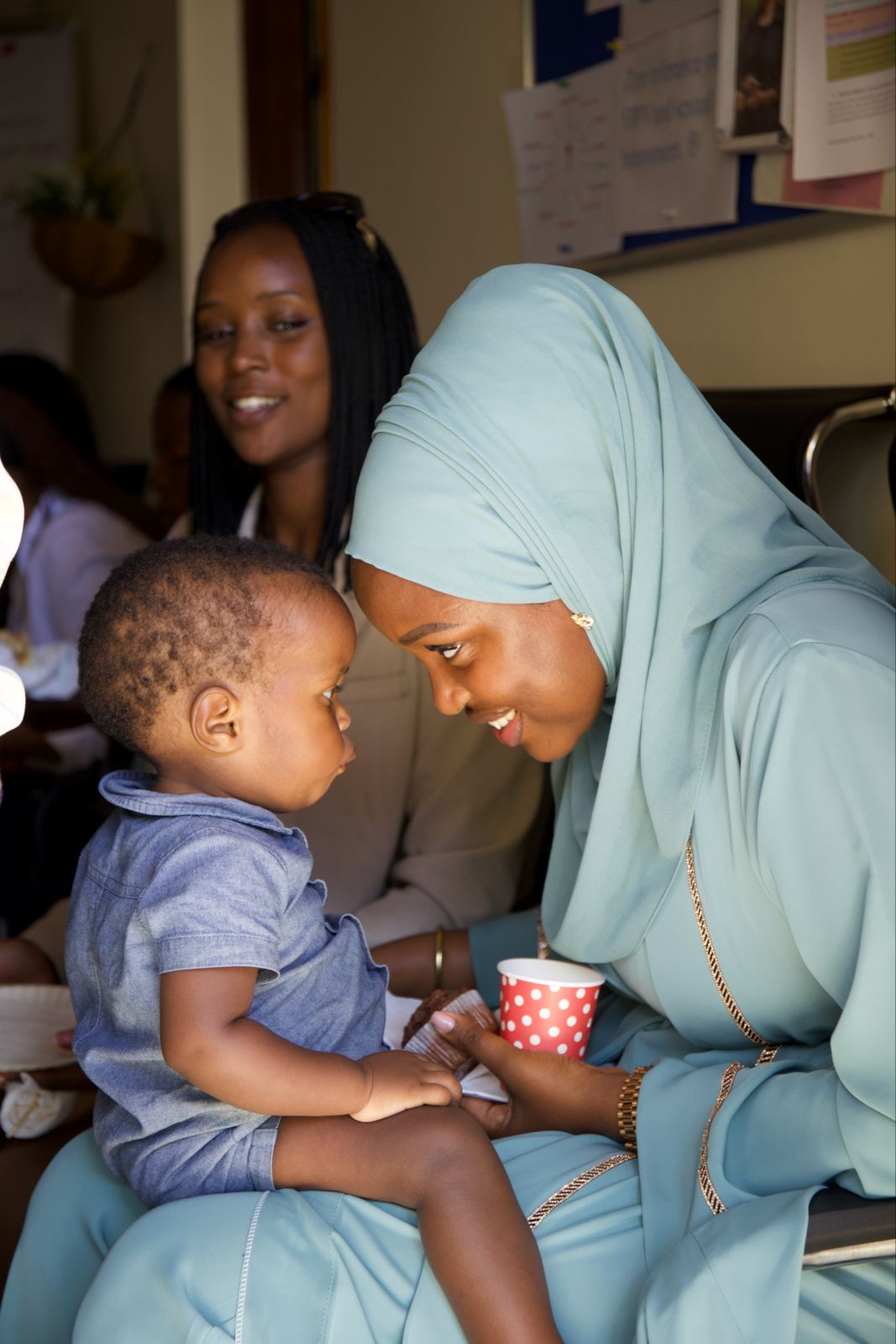
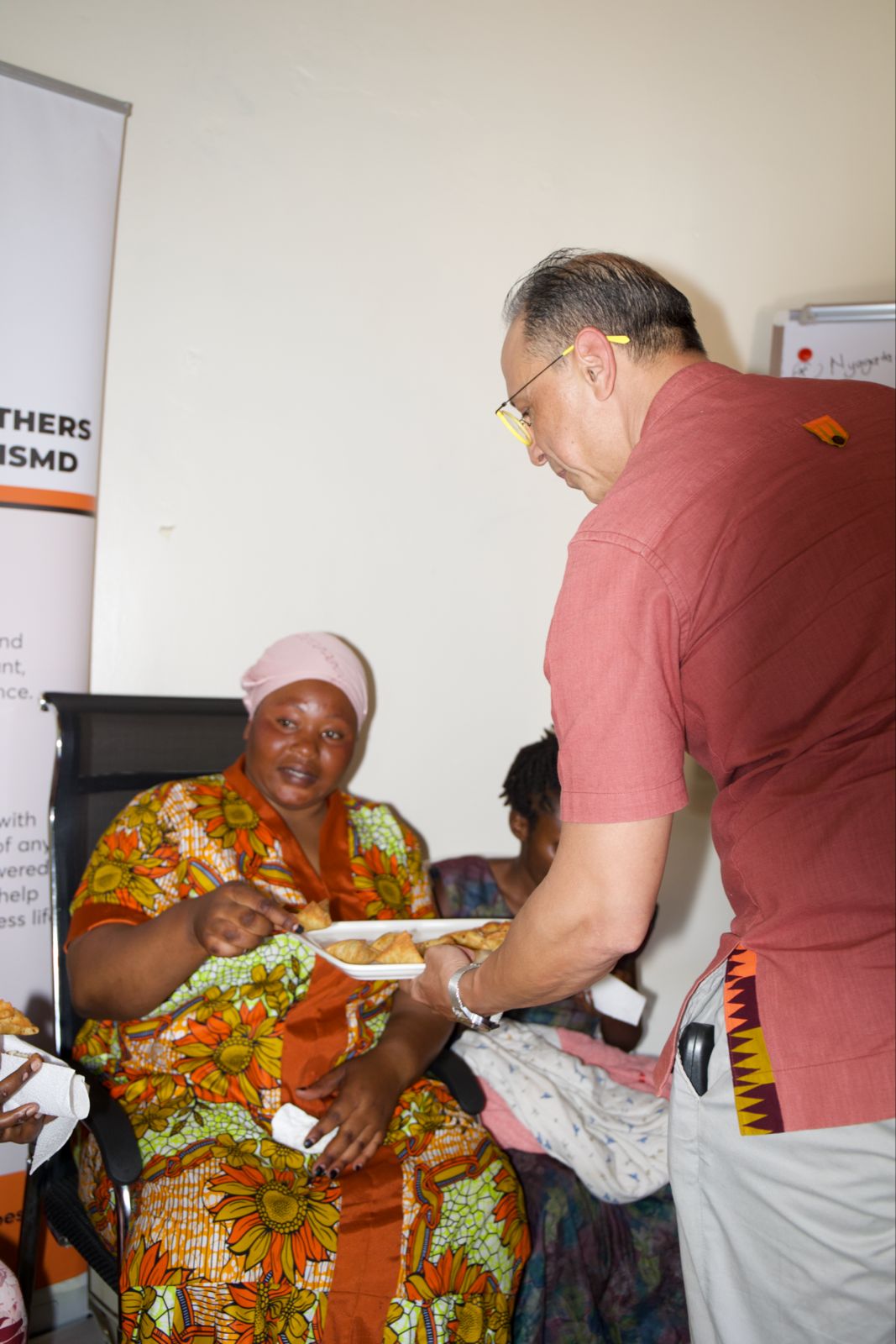
Zaria Court Hotel has celebrated Women’s Month with single mothers with disabilitiesThe visit centred on two of HSMD’s most pressing needs. The delegation also listened to the stories shared by HSMD beneficiaries. A delegation from the hotel visited Hope for Single Mothers with Disabilities on March 11, 2026. Beyond the material donation, Zaria Court Hotel presented HSMD with a Certificate of Recognition, a formal acknowledgment of the organisation’s tireless work in championing the rights and wellbeing of single mothers and girls with disabilities in Rwanda.
Heavy elements like gold and platinum are not formed on Earth. They are created during powerful cosmic events such as exploding stars or collisions between neutron stars.
During these extreme moments, a process known as the Rapid neutron capture process occurs. In this process, atomic nuclei quickly absorb neutrons, becoming heavier and unstable before breaking into more stable elements.
To better understand this transformation, scientists carried out experiments at the CERN using its ISOLDE Facility. The team studied a rare atomic form called indium-134 and tracked how it decays into different tin isotopes.
Their research revealed three major discoveries. The most important was the first measurement of energy released when unstable nuclei emit two neutrons during decay. This rare reaction helps scientists understand how heavy elements form during violent stellar events.
The researchers also identified a long-predicted nuclear state in tin-133 that had remained hidden for two decades. This discovery shows that the atomic nucleus still “remembers” how it was formed, challenging earlier theories that suggested the process erased such information.
Finally, scientists observed behavior that does not match existing nuclear models, suggesting that current theories may need to be revised.
The findings provide new clues about how elements like gold are created in the universe and could help scientists improve models that explain the origins of matter in space.
Scientists have made a breakthrough in understanding how precious metals such as gold are created in the universe.
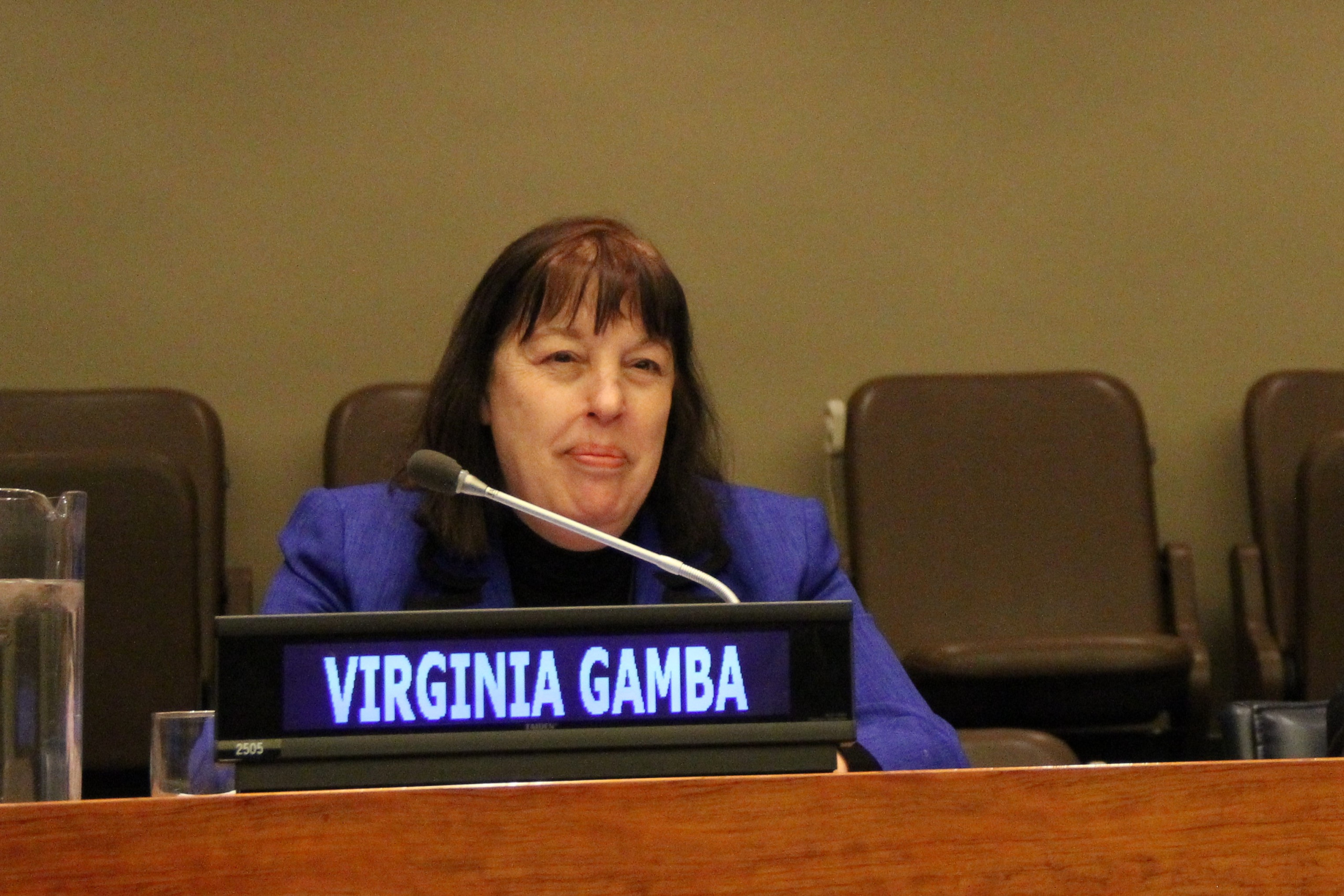
The Republic of Maldives has nominated Virginia Gamba, former UN under-secretary-general, for the position, according to a joint letter signed by UN General Assembly (UNGA) President Annalena Baerbock and Michael Waltz, president of the UN Security Council for March.
According to her curriculum vitae, Gamba is an Argentine scholar, practitioner and recognized authority on war and peace studies with over 40 years relevant experience on all themes related to peace and security, including crisis management.
At the United Nations, she served as under-secretary-general in two dockets: Children and Armed Conflict (2017-2025), and the Prevention of Genocide (2024-2025).
The four other candidates are former Chilean President Michelle Bachelet, nominated by Chile, Brazil and Mexico; Rafael Grossi, the current director general of the International Atomic Energy Agency, nominated by Argentina; Macky Sall, former president of Senegal, nominated by Burundi; and Rebeca Grynspan, economist and former vice president of Costa Rica, nominated by Costa Rica.
The UNGA is scheduled to conduct interactive dialogues with the candidates in the week of April 20.
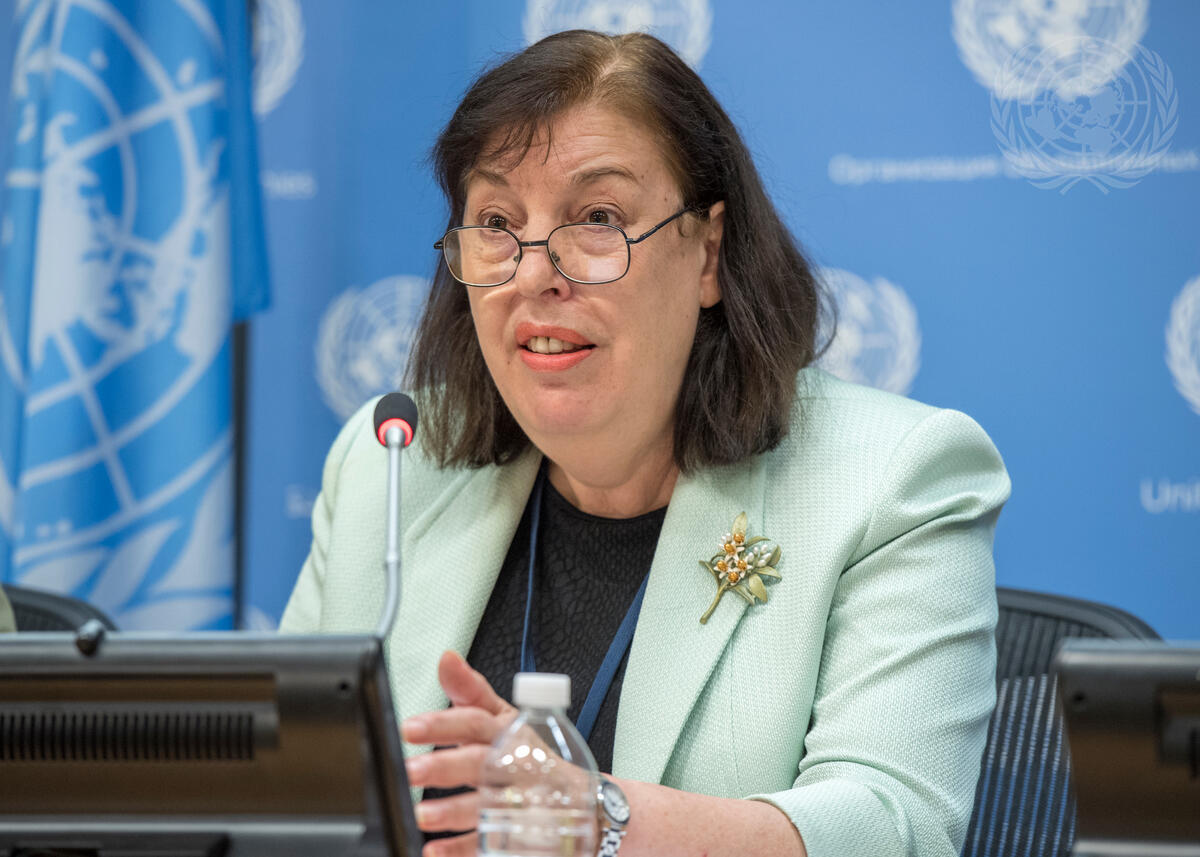
Virginia Gamba served as the Special Representative of the UN Secretary-General for Children and Armed Conflict
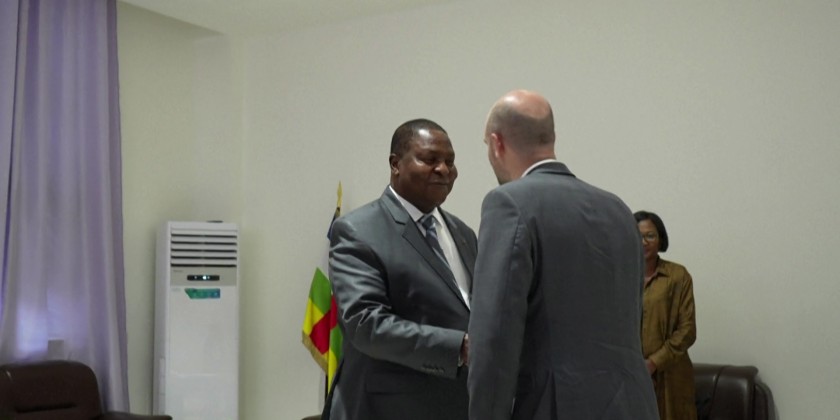
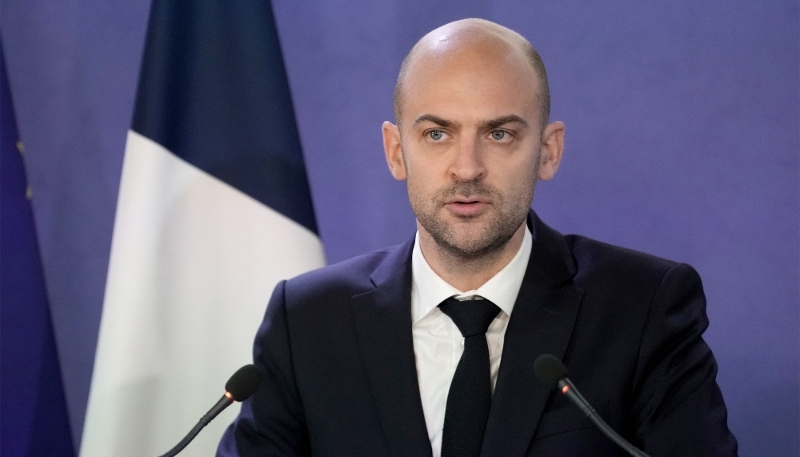
Barrot made the announcement during a two-day trip to the country.
“This is the first time in eight years that a French foreign minister is present in Bangui and my presence marks the complete restoration of relations between our two countries after a period of strain and tension,” Barrot told reporters.
He said France was looking forward to “reinforcing our relations in all sectors”.
In 2024, Faustin-Archange Touadera, president of the Central African Republic, met with his French counterpart Emmanuel Macron in Paris as part of efforts to resume ties.
FUFA announced the punitive measures following an investigation into a match played on December 21, 2024, in which Kitara FC defeated Express FC 7–0.
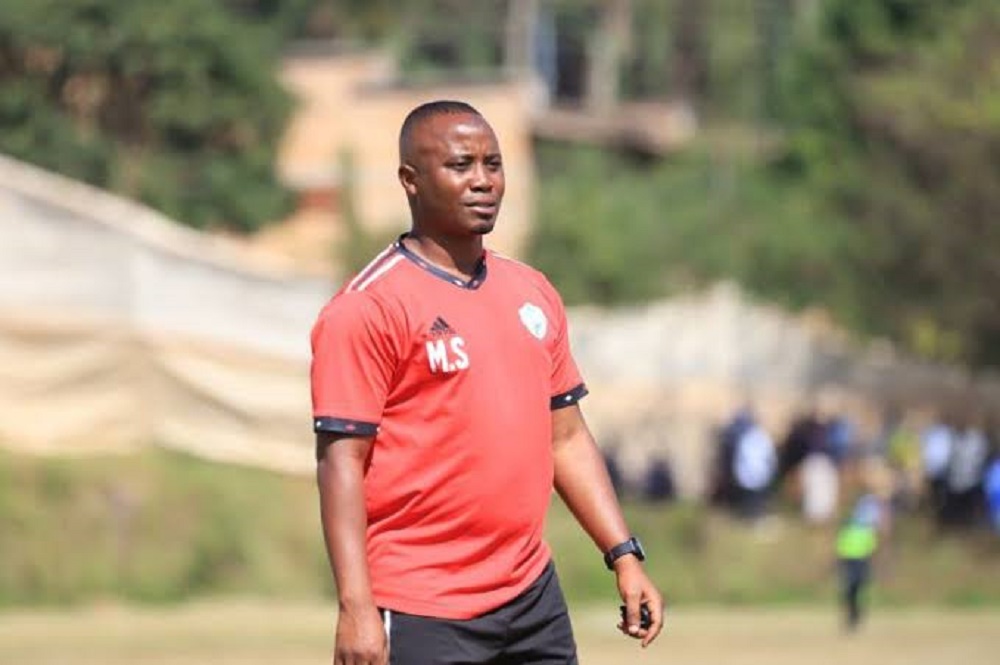
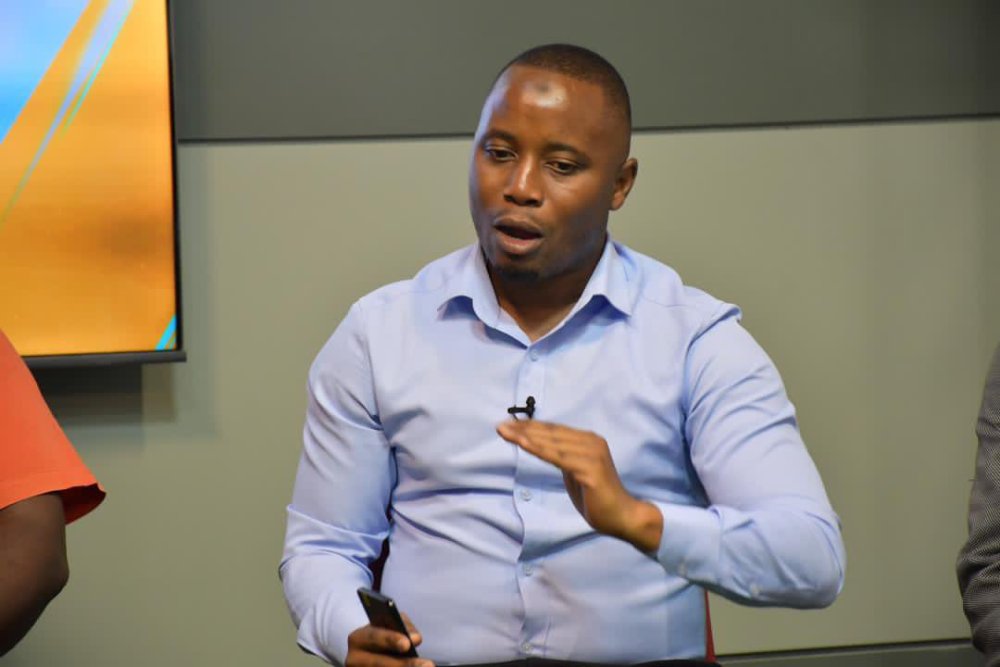
The suspended individuals include Mike Mutyaba, a former player for Uganda Cranes, Ivan Katende, a former FUFA staff member, Ashiraf Miiro, the Chief Executive Officer of Express FC, and two players —Emmanuel Kalyowa and Ashiraf Mbaziira.
FUFA’s Investigatory Chamber of the Ethics and Disciplinary Committee revealed that the match was reportedly fixed for betting purposes.
“After the match, FUFA was informed by FIFA via a betting report that the game had been fixed for betting purposes, with prior knowledge that Express FC would lose and concede at least five goals,” FUFA said in a statement.
Preliminary investigations suggest that Mutyaba coordinated the fix with Katende, who has previously been implicated in match-fixing cases. Mutyaba reportedly introduced Katende to Express FC CEO Miiro, and the three conspired to manipulate the match outcome.
Evidence shows that Ugandan betting accounts linked to Katende won millions of shillings at a Tanzanian-based betting company, which later blocked the payments after detecting fraud.
The inquiry also points to the involvement of players Kalyowa and Mbazira, who were allegedly recruited by Mutyaba to execute the fix on the field. Mutyaba assumed technical responsibilities for the team during the match due to the absence of head coach Kaddu Badru.
FUFA has formally engaged the Criminal Investigations Directorate, and the process remains ongoing.
“FUFA remains committed to protecting the integrity of football in Uganda by fighting all forms of match manipulation,” the federation said in a statement.
The suspended individuals include Mike Mutyaba, a former player for Uganda Cranes.Preliminary investigations suggest that Mutyaba coordinated the fix with Katende, who has previously been implicated in match-fixing cases.
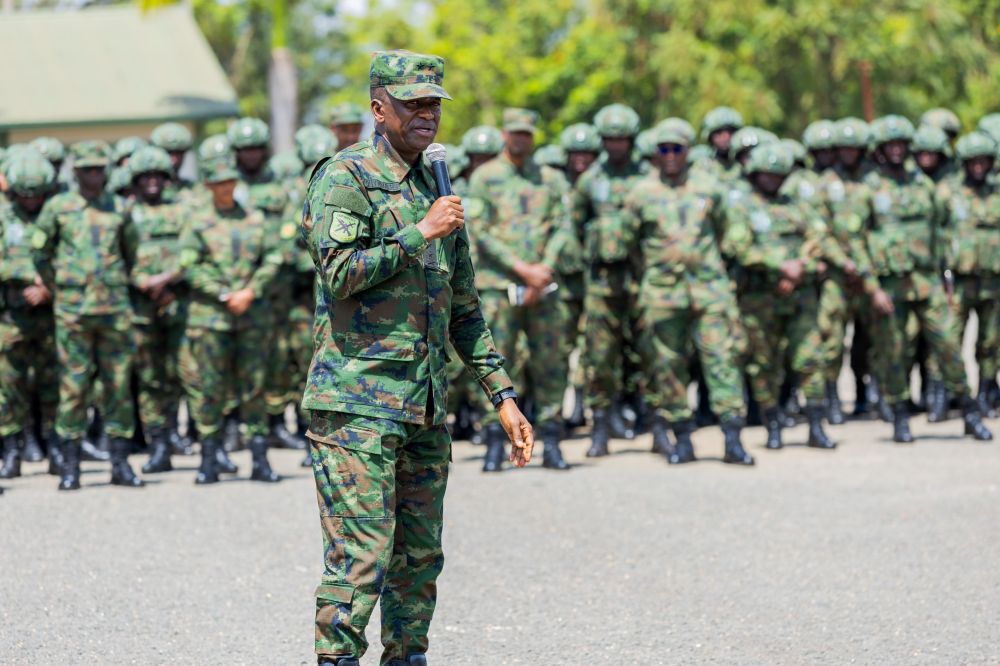
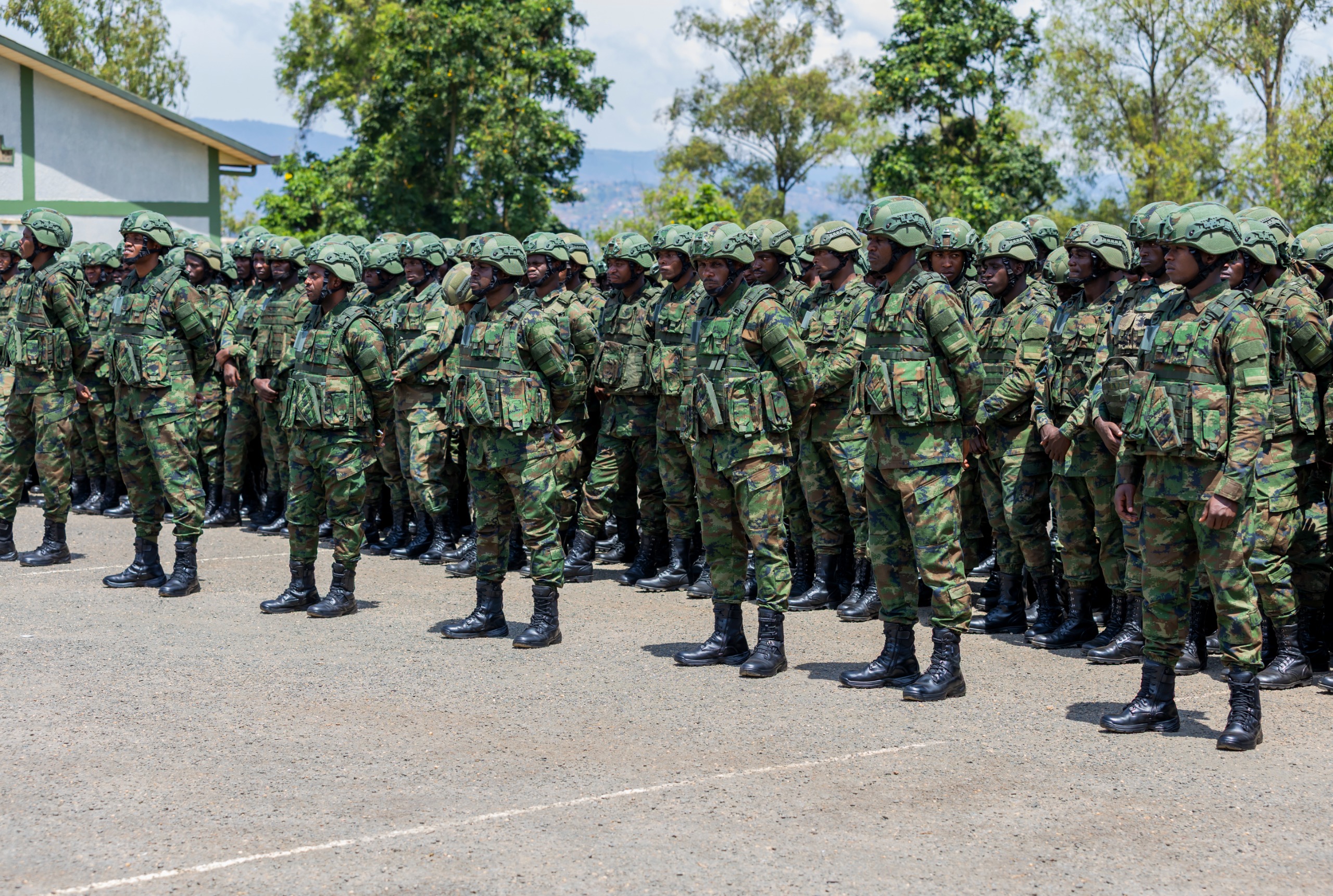
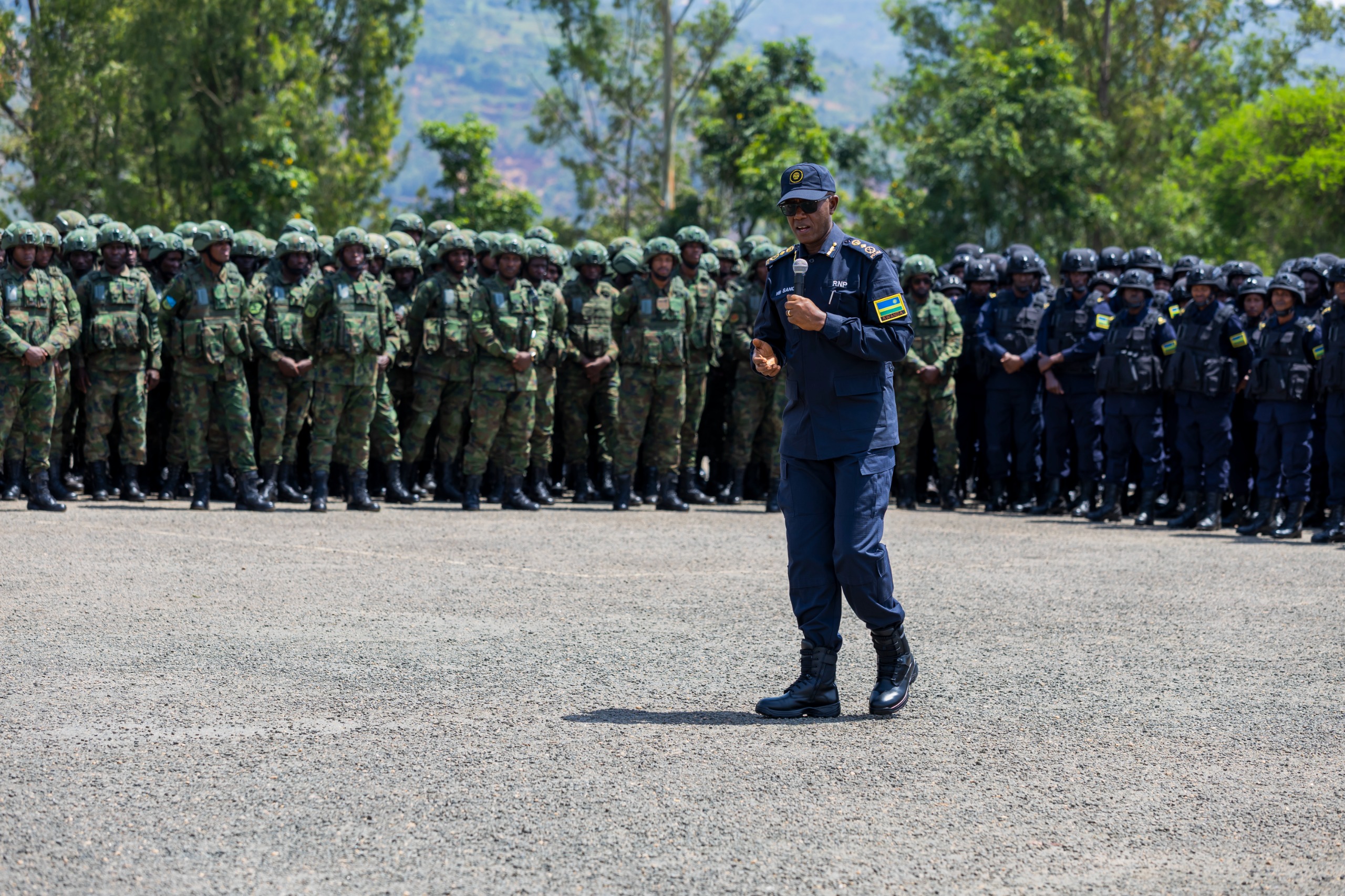
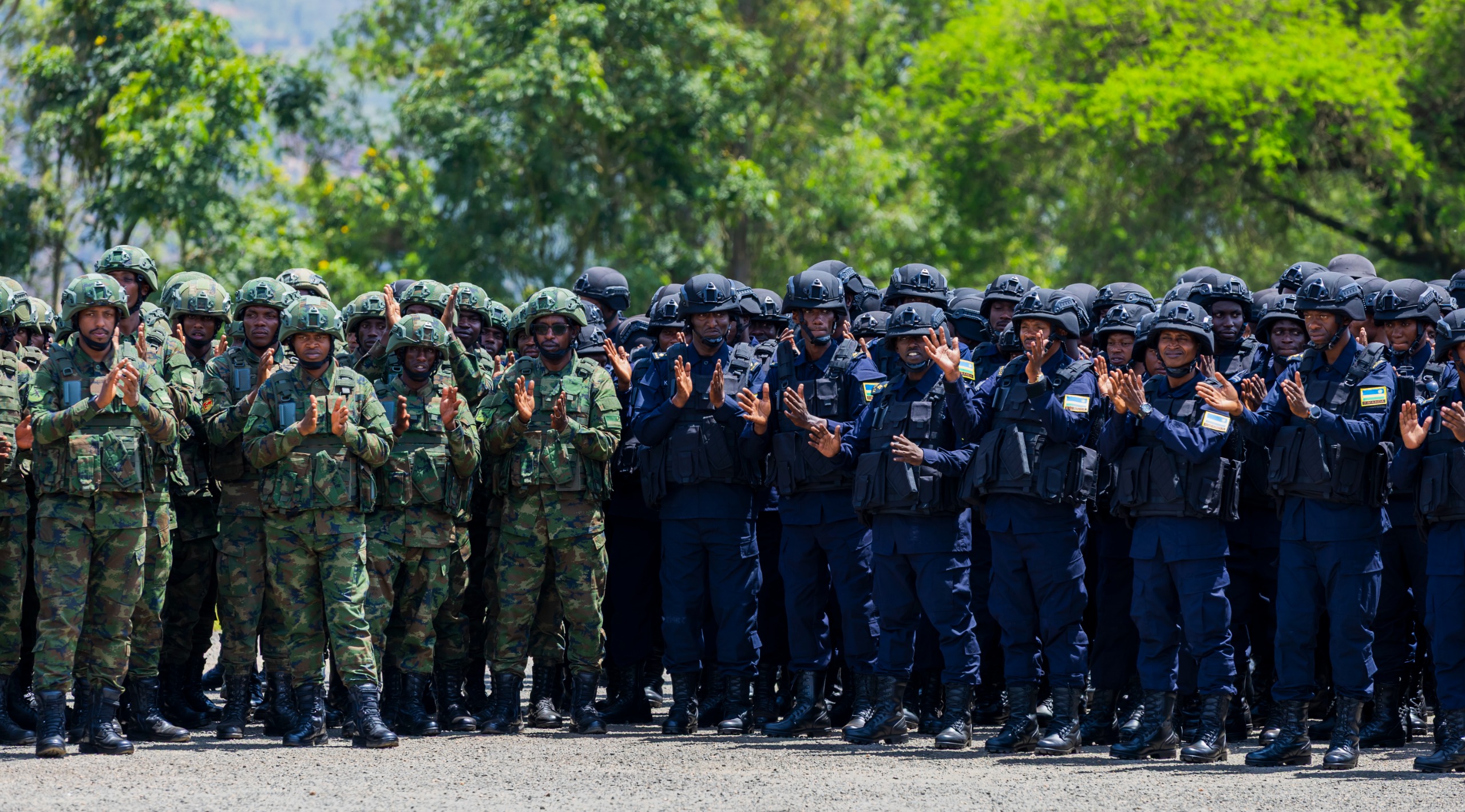
The contingent was briefed on Friday by Vincent Nyakarundi, the Army Chief of Staff of the RDF, during a ceremony held at Kami Barracks.
The briefing was also attended by the Deputy Inspector General of Police in charge of Operations, Commissioner of Police Vincent B. Sano.
During the briefing, Maj Gen Nyakarundi reminded the contingent that their mission is to protect civilians from terrorism and urged them to serve as good ambassadors of Rwanda. He emphasised the importance of discipline, teamwork, and professionalism, encouraging them to remain fully committed to their duties, just as their predecessors have done.
Rwandan troops were first deployed to Cabo Delgado in July 2021 at the request of the Mozambican government, following years of attacks by Islamic State-linked insurgents.
Since then, the joint operations between Rwanda Security Forces and the Mozambican army have significantly weakened the insurgency, restored security in several areas, and enabled thousands of displaced residents to return to their homes.
The latest deployment comes a few months after a visit by Mozambican President Daniel Francisco Chapo to Rwanda, during which a renewed Status of Forces Agreement on the support to fight terrorism in Mozambique was signed. The agreement extended Rwanda’s military support in Cabo Delgado province.
“Thanks to this cooperation, we can see peace returning to the region,” President Chapo said, acknowledging Rwanda’s role in stabilising Cabo Delgado despite ongoing sporadic attacks.
Maj Gen Nyakarundi reminded the contingent that their mission is to protect civilians from terrorism and urged them to serve as good ambassadors of Rwanda. The new contingent will relieve colleagues currently serving in Rwanda’s counter-terrorism mission in Cabo Delgado.The briefing was also attended by the Deputy Inspector General of Police in charge of Operations, Commissioner of Police Vincent B. Sano.
The evaluation, conducted from March 2–9, 2026, reviewed 19 key areas, including the country’s long-term nuclear energy plans, measures to protect people and the environment, financial frameworks for building and maintaining facilities, skilled personnel, and relevant legislation. The experts concluded that Rwanda is well-prepared in many of these areas.
Dr. Fidele Ndahayo, CEO of the Rwanda Atomic Energy Board (RAEB), said six priority areas require continued focus.
“We have made progress across all areas assessed, but there is still work to be done. The priority areas include preparing comprehensive documentation of what has been achieved and what remains, ensuring national leadership is fully informed, and reviewing all legislation to remove potential obstacles to the nuclear power plant project,” he said.
Rwanda plans to develop small nuclear power plants, which are expected to increase the country’s electricity capacity from 447 megawatts.
President Paul Kagame, speaking at the Nuclear Energy Summit in Paris, France, on Tuesday, said Rwanda’s long-term ambition to become a high-income country by 2050 requires a reliable and abundant electricity supply. He noted that nuclear energy will play a central role in diversifying the country’s energy mix and providing the stability needed for sustained economic transformation.
According to the Head of State, nuclear power offers Rwanda a dependable source of electricity that can support industrial expansion while helping reduce carbon emissions.
“We have decided to make nuclear central to our strategy,” Kagame said. “It will diversify our energy mix while providing the stability required for industrial growth and long-term transformation.”
The government estimates that $5 billion will be needed to establish nuclear power generation in the country.
Rwanda began collaborating with Russia in 2018 to establish a nuclear research center, paving the way for a future power plant. In August 2024, the country signed a partnership with U.S.-based Nano Nuclear Energy Inc. to develop new technology for generating electricity from nuclear energy.
RAEB projects that by 2028, the 234 skilled personnel required for the nuclear program will be in place, enabling the nuclear power plant to start supplying electricity by 2030.
In late 2025, the University of Rwanda introduced a new academic programme in nuclear science to build local expertise. Dr. Ndahayo also highlighted the need to support local industries to actively participate in building and operating nuclear-powered facilities.
As of early 2026, over 85% of Rwandan households have access to electricity, with residential and industrial sectors accounting for the highest demand.
Rwanda plans to develop small nuclear power plants, which are expected to increase the country’s electricity capacity from 447 megawatts.
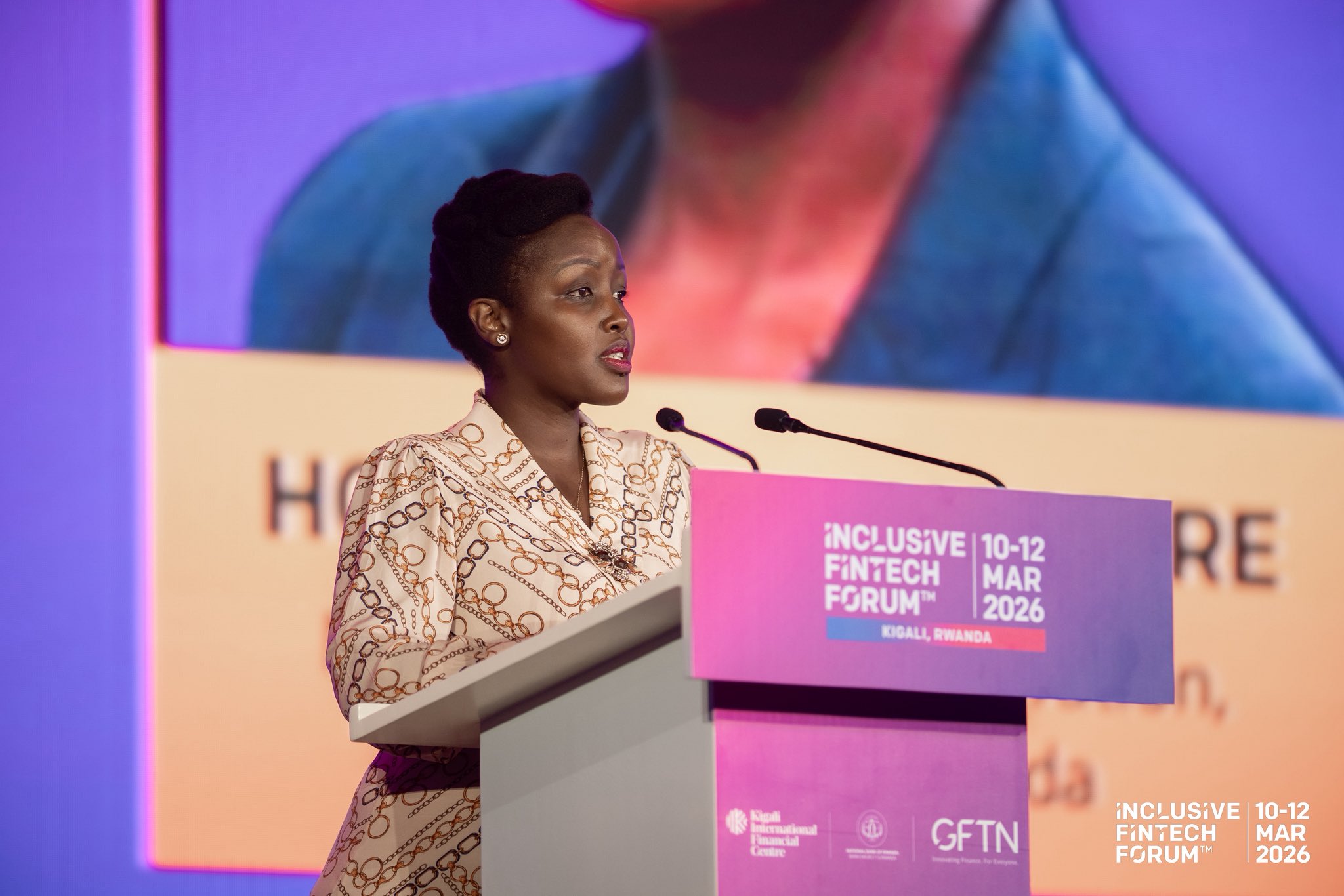
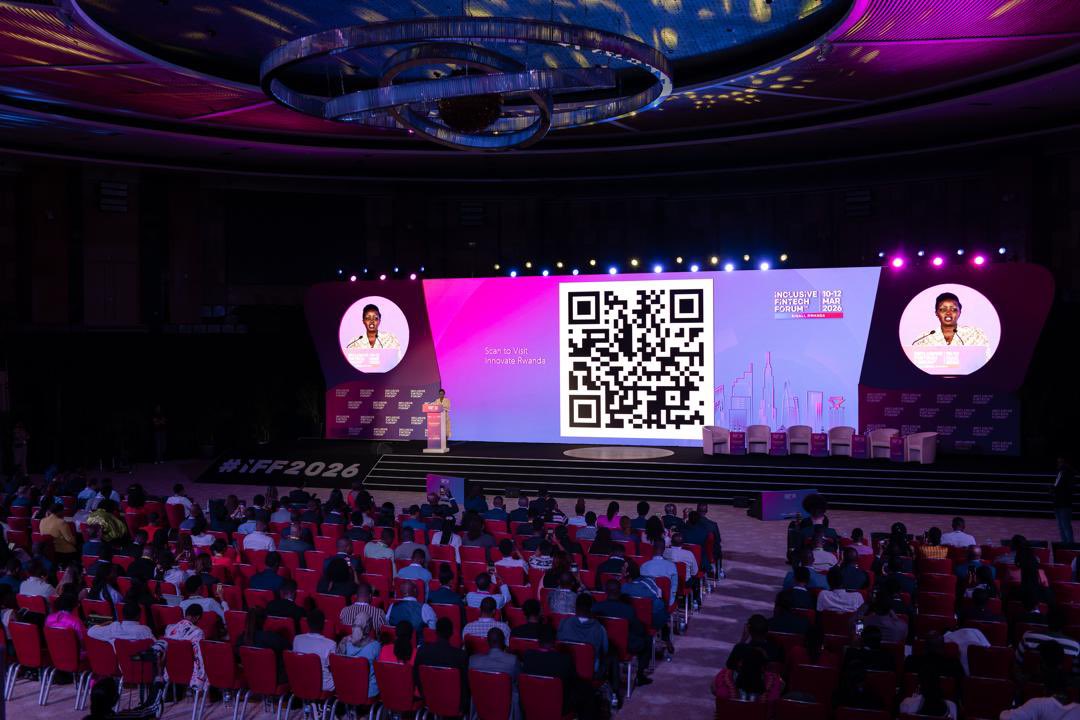
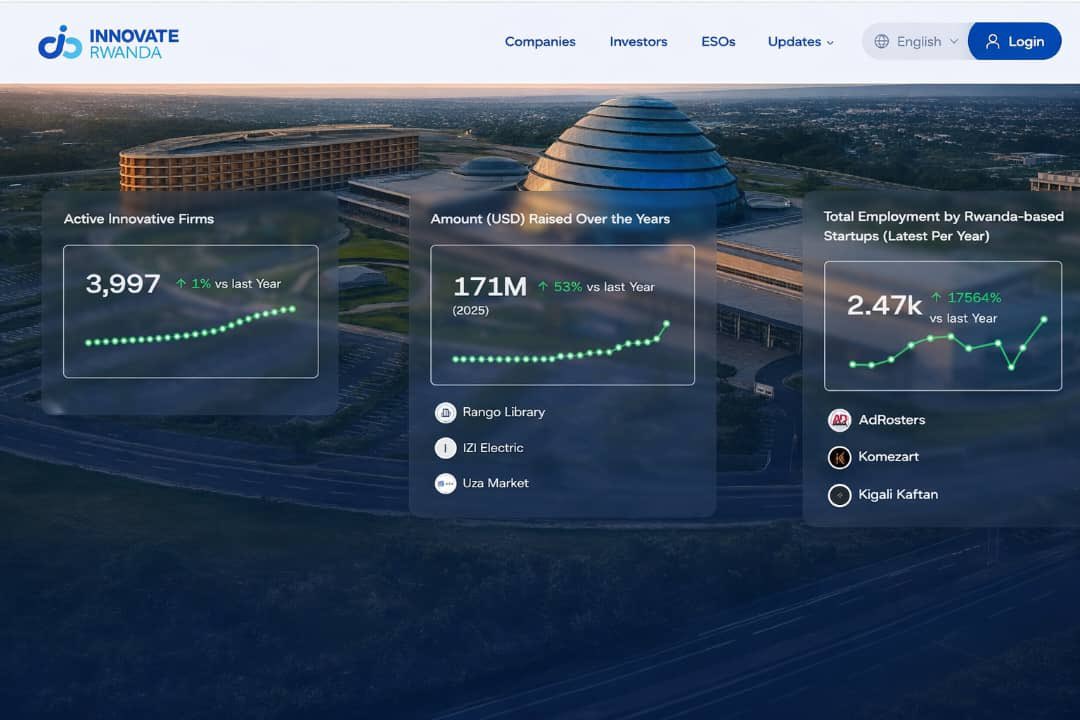
The platform, unveiled by Minister of ICT and Innovation Paula Ingabire on the sidelines of the Inclusive FinTech Forum, serves as a central gateway for Rwanda’s innovation landscape, making it easier for founders, partners, and investors to discover opportunities, collaborate, and grow innovative ventures.
“The platform will provide innovators and partners with an environment to experiment, collaborate, and develop solutions that address real challenges across digital finance, public services, and cross-border trade,” Minister Ingabire stated.
Innovate Rwanda enables ecosystem support organisations, including hubs, accelerators, incubators, and capacity-building programs, to better coordinate their efforts in supporting startups. Through the platform, the organisations can publish their programs, track startup engagement, and connect with partners working in similar sectors. By offering a shared space for visibility and collaboration, the platform aims to reduce fragmentation and improve the effectiveness of support for founders.
Minister of ICT and Innovation Paula Ingabire unveiled the platform on the sidelines of the Inclusive FinTech Forum.
For startups, Innovate Rwanda acts as a gateway to opportunities across Rwanda’s innovation ecosystem. Founders can create profiles to showcase their ventures, discover support programs, access funding and partnerships, and connect with ecosystem organisations that can help scale their ideas. The platform simplifies navigation of the innovation landscape, ensuring entrepreneurs find the right support at every stage of their journey.
The platform also enhances visibility for investors by providing a clear view of Rwanda’s startup pipeline. Investors can explore verified startup profiles, identify high-potential ventures, and engage with ecosystem organisations that facilitate deal flow and due diligence. This improved transparency helps investors discover opportunities and participate more effectively in the country’s growing startup scene.
Beyond connecting stakeholders, Innovate Rwanda strengthens coordination among ecosystem actors. By promoting programs, reaching the right founders, and aligning initiatives, the platform ensures that support, investment, and talent flow efficiently to innovators.
Ultimately, Innovate Rwanda positions Rwanda’s innovation ecosystem to be more connected, visible, and accessible both locally and globally, providing innovators with the resources and partnerships they need to grow and scale.
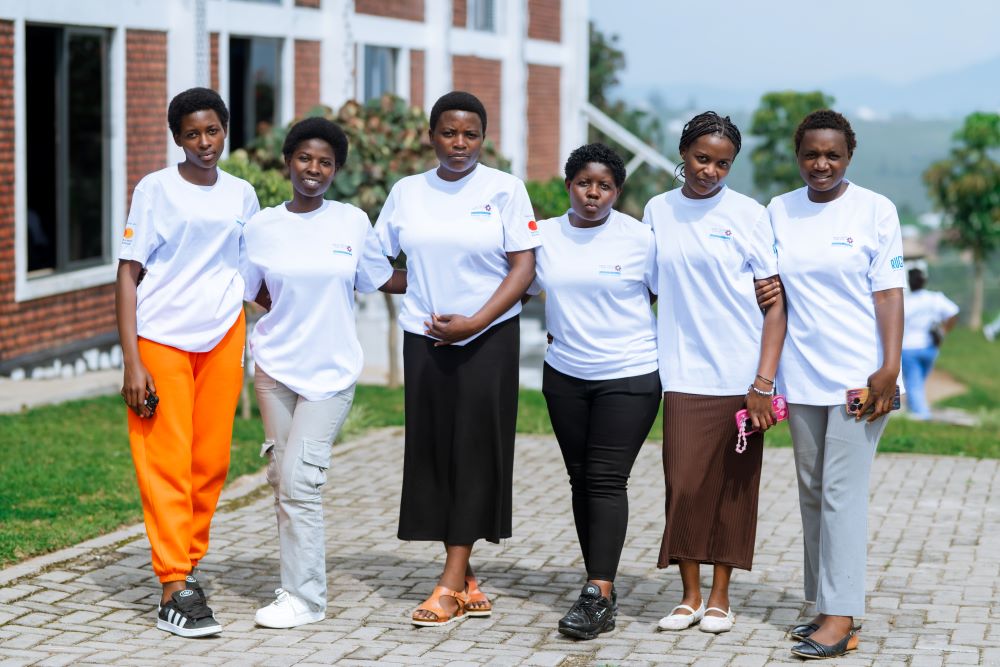
New Faces New Voices Rwanda is a non-profit organization that advances women’s economic participation through financial inclusion, entrepreneurship development, and leadership strengthening, ensuring women are active contributors to Rwanda’s economic growth.
Since its establishment in Rwanda in 2015, NFNV has worked to expand women’s access to finance, entrepreneurship skills, cooperative structures, and leadership opportunities.
The organization equips women with practical tools to earn income, manage finances, access markets, and participate in local economic decision-making.
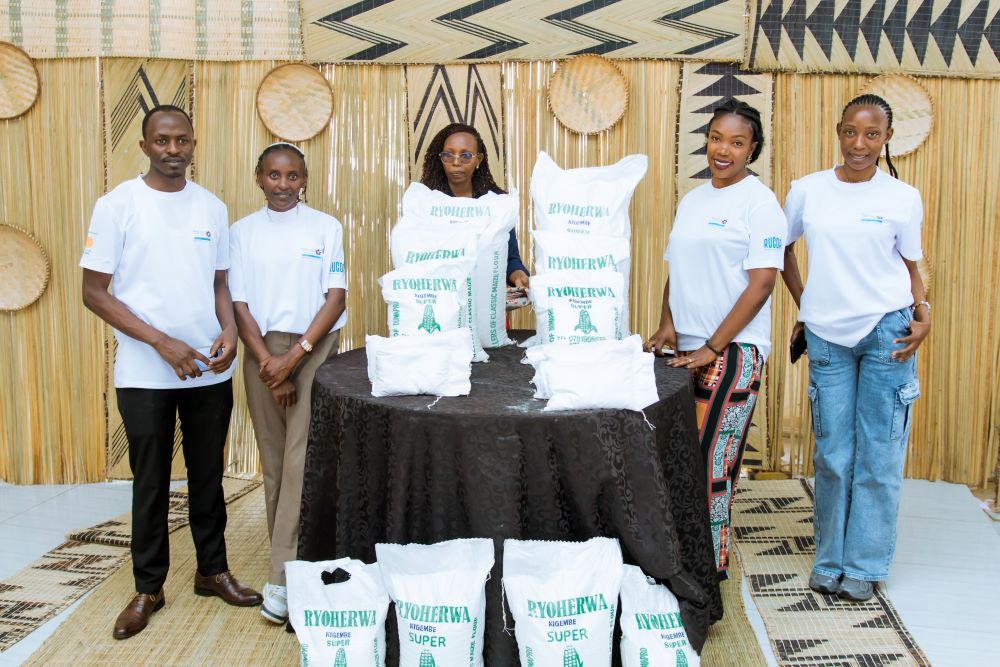
Over the past decade, this work has contributed to visible shifts at the community level. Young women who once operated informal or subsistence activities have formalized businesses through cooperatives, entered trades traditionally dominated by men, and strengthened household income through collective enterprise.
Young women with disabilities have also expanded their economic independence through targeted support and improved access to financial services.
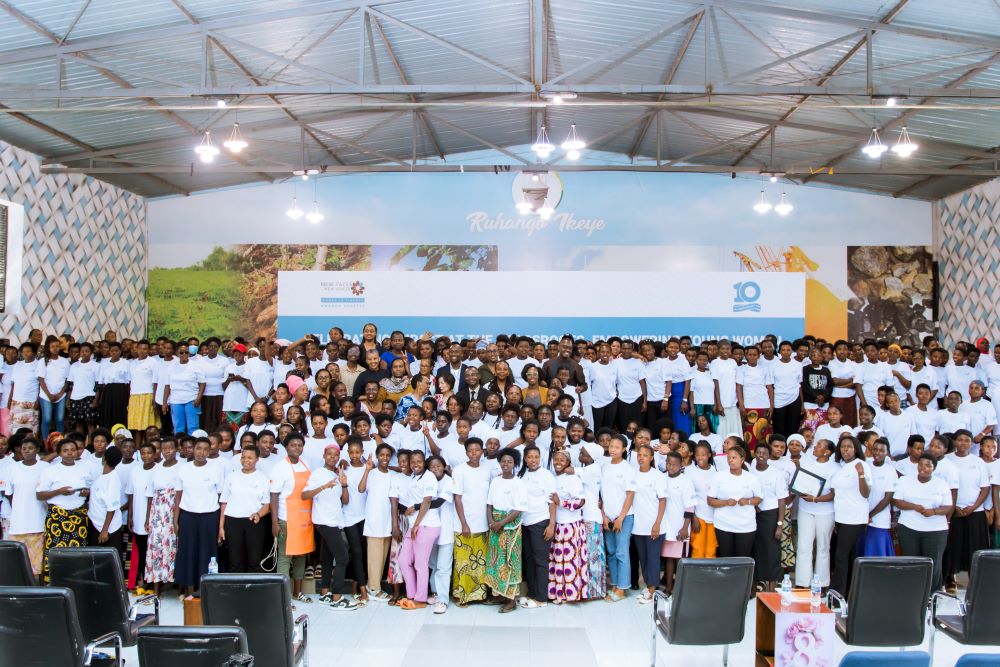
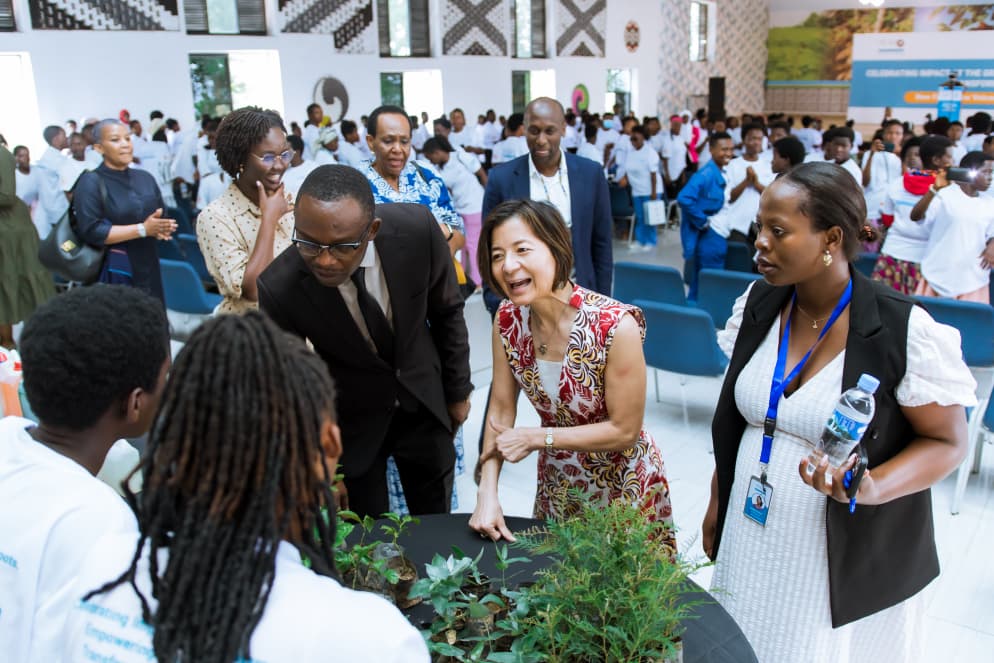
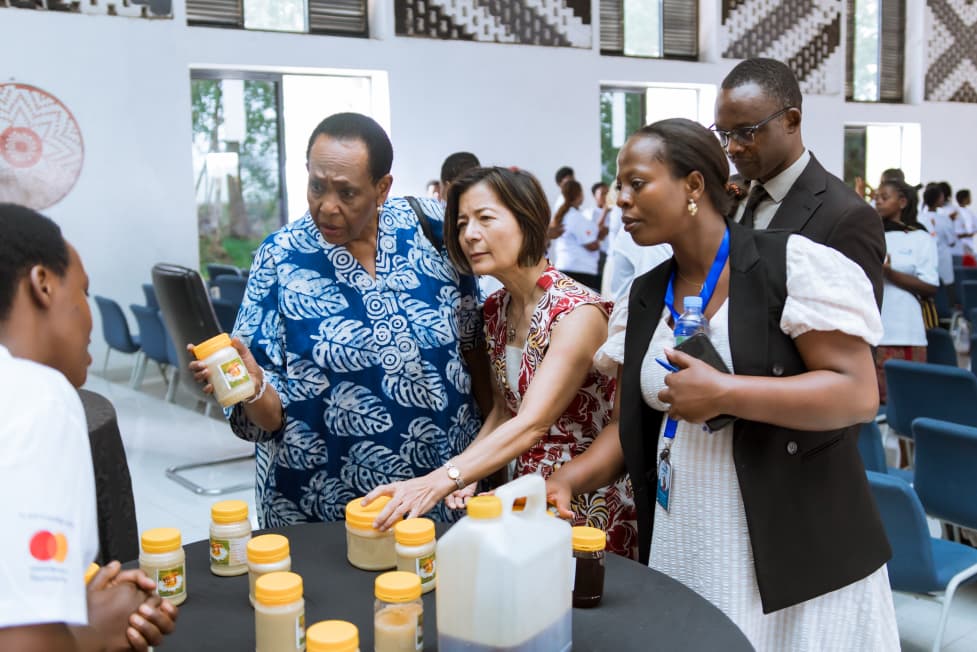
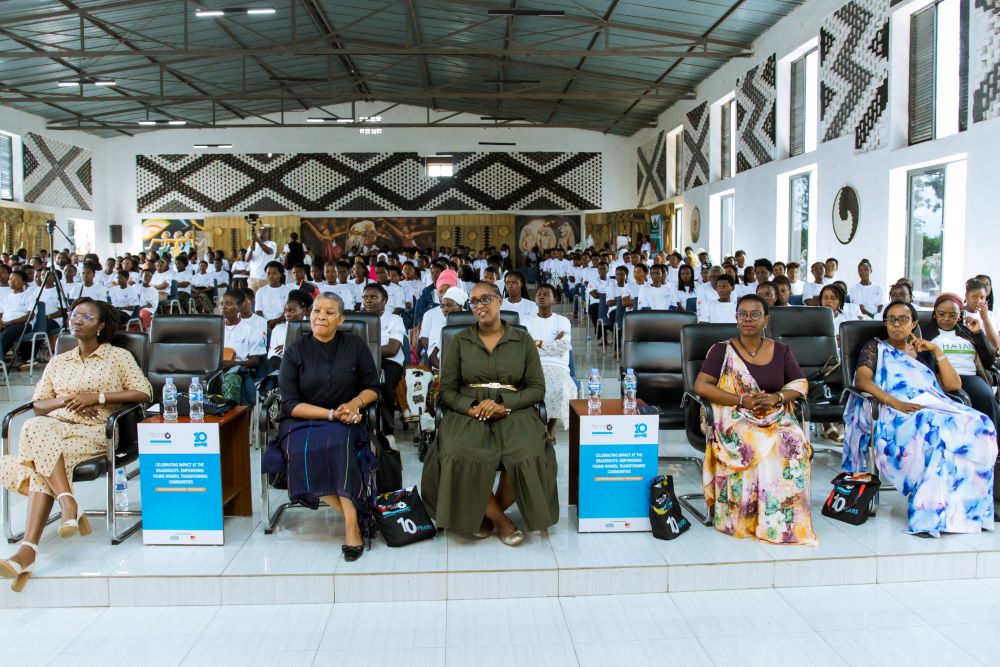
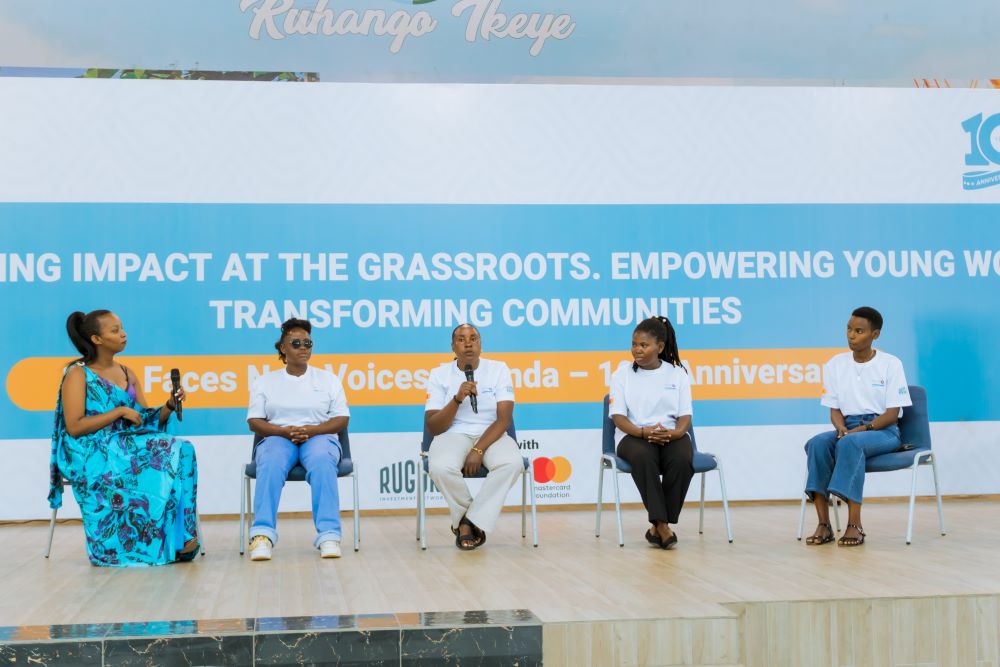
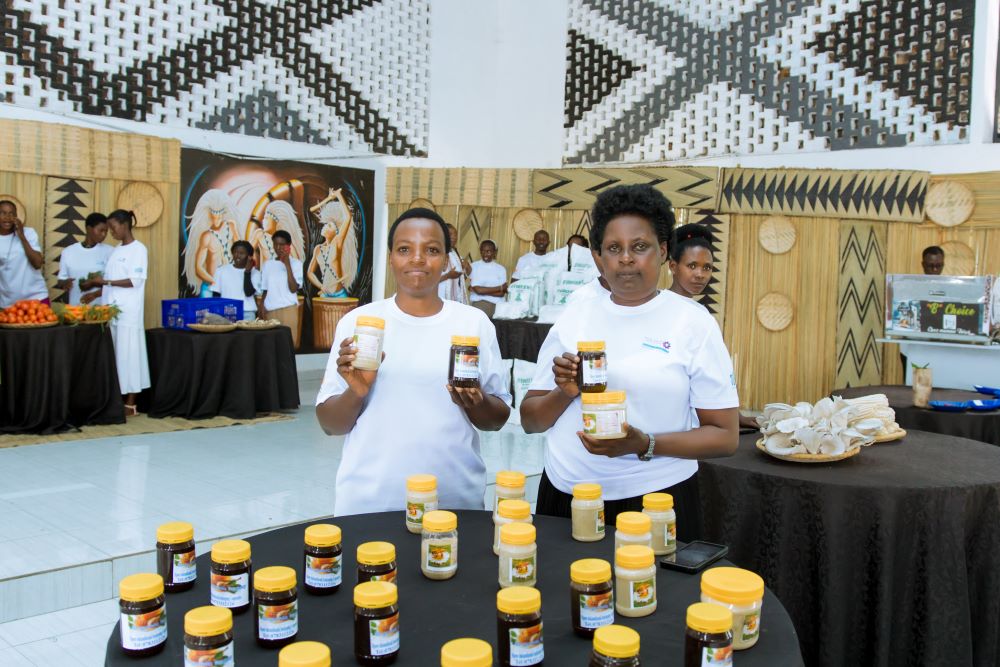
The anniversary event in Ruhango highlighted these experiences as examples of how women shape local economic systems when barriers are reduced and opportunities are expanded.
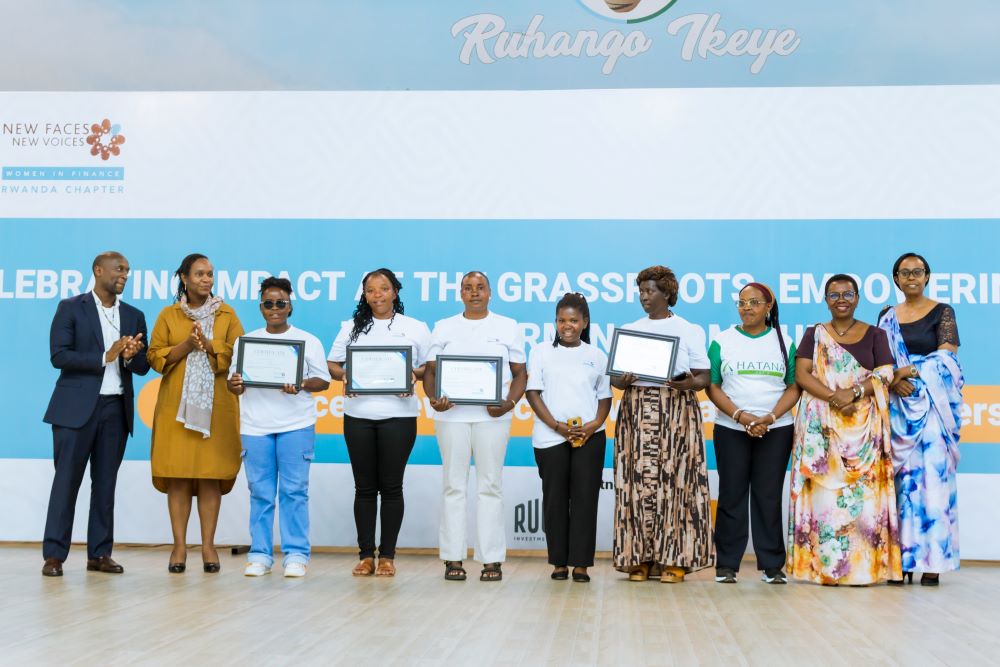
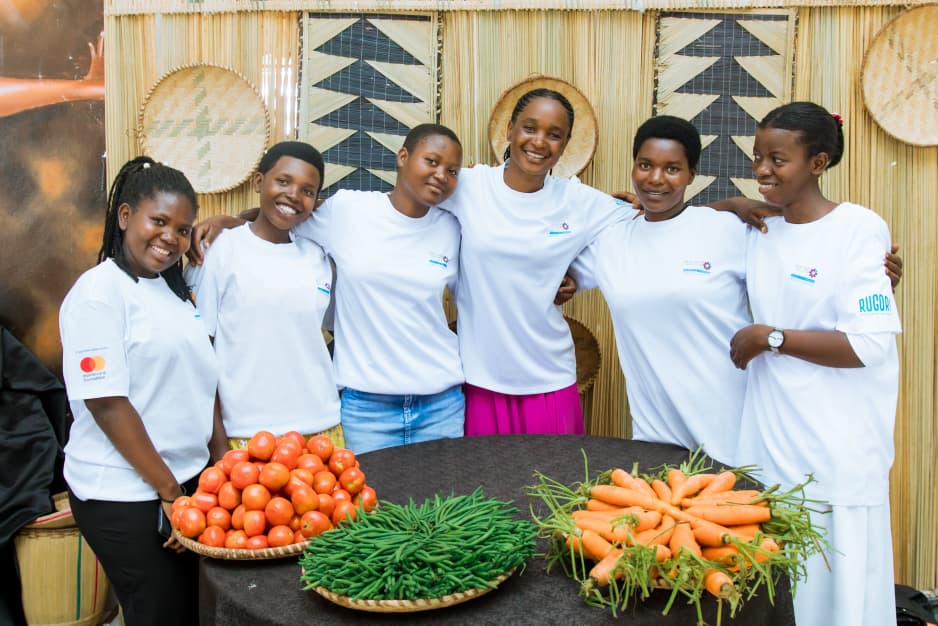
NFNV’s progress has been supported by strong partnerships over the past decade, including collaboration with the Mastercard Foundation and Rugori Investment Network through the Women-led, Women-owned MSME Investment Readiness Program, as well as partnerships with UN Women and other institutions advancing inclusive economic empowerment.
NFNV also established Rugori Investment Network as a sister organization to strengthen access to capital for women entrepreneurs.
Within this ecosystem, New Faces New Voices Rwanda operates as an incubator supporting women-led businesses with training, mentorship, and investment readiness, while Rugori Investment Network serves as the investment partner investing in prepared entrepreneurs.
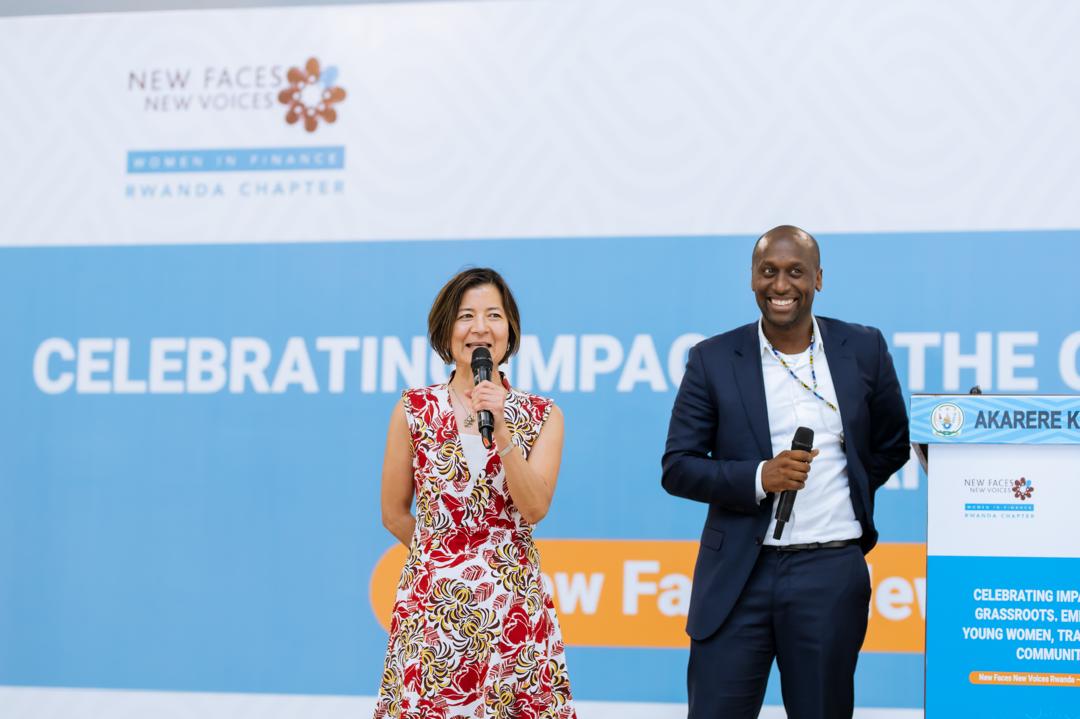
As guest of honor, Reeta Roy, former CEO and President of the Mastercard Foundation, emphasized the importance of generational leadership: “There is something deeply generational about the work being done. When older women pass their skills and knowledge to younger ones, they ensure continuity and long-term resilience. That is exactly what New Faces New Voices Rwanda is helping to achieve.”
A young program participant also reflected on her experience: “New Faces New Voices helped me believe in myself. Through this journey, I learned that I can lead others and have a clear direction for my life, especially knowing that NFNV is walking alongside me.”
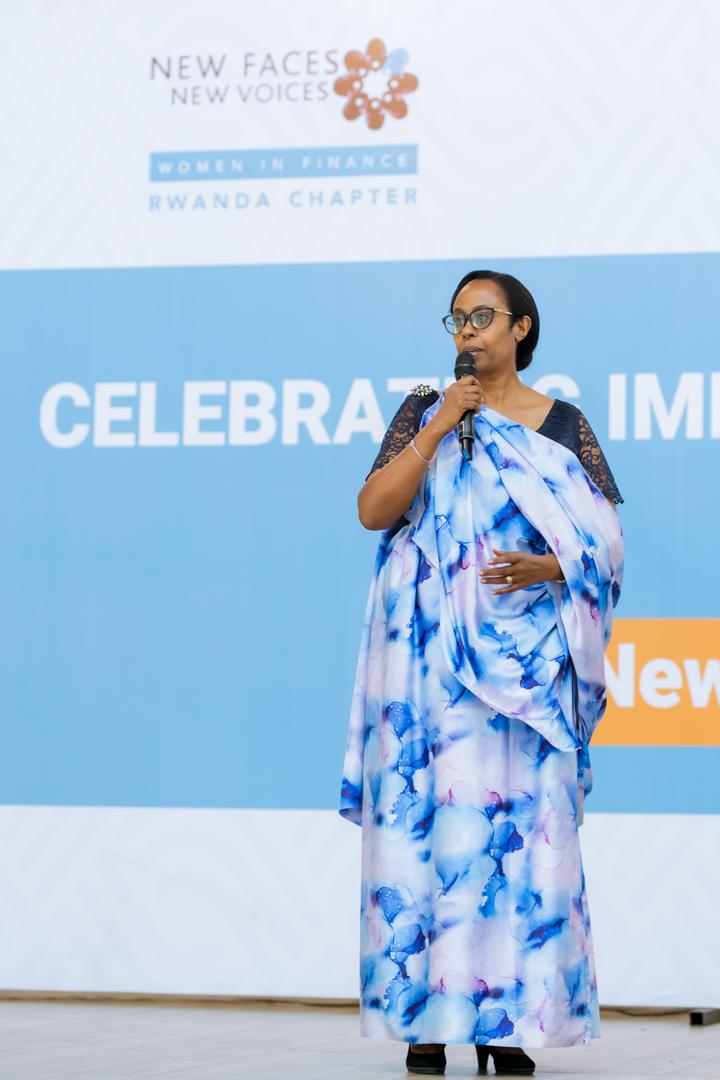
Joy S. Rwamwenge, CEO of New Faces New Voices Rwanda, highlighted the organization’s impact, from supporting 35 cooperatives in its early pilot to over 460 cooperatives creating 11,500 youth in work today.
“With a presence in 28 districts across Rwanda, we are witnessing what happens when preparation meets opportunity for women entrepreneurs,” she said
As NFNV enters its second decade, the organization seeks to focus on strengthening pathways from skills to income, deepening financial inclusion for underserved women, and working with partners to embed inclusive economic practices within cooperatives, financial institutions, and local markets.
With ten years of progress, the organisation emphasizes, the next phase will focus on scale, sustainability, and systems that work for women over the long term.
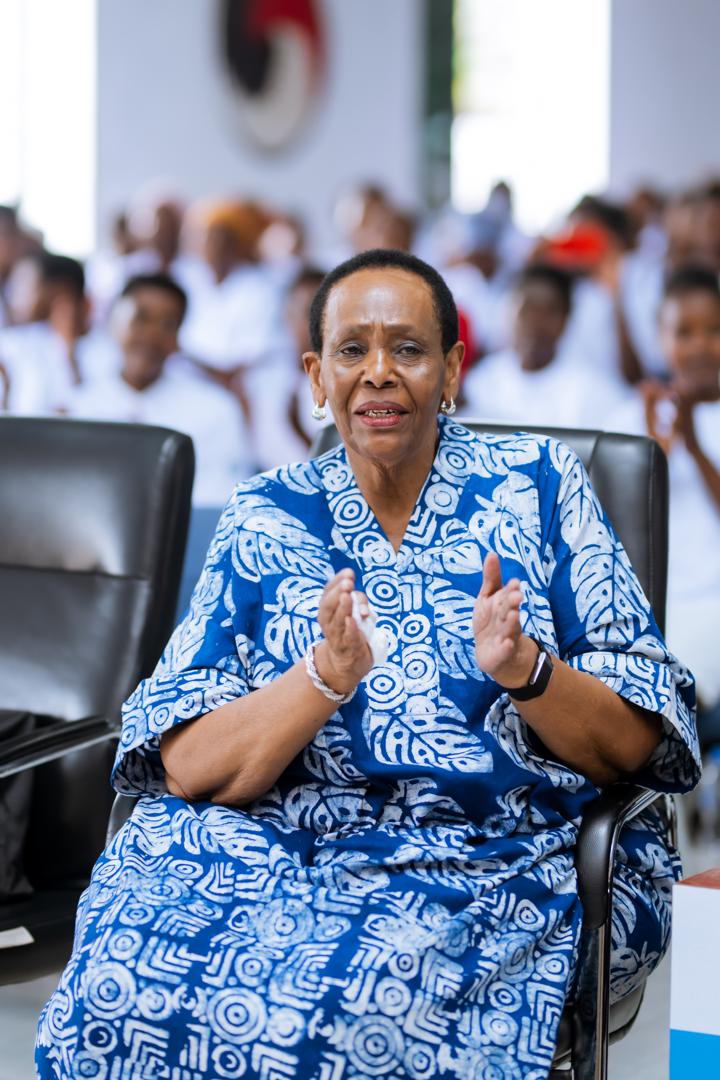
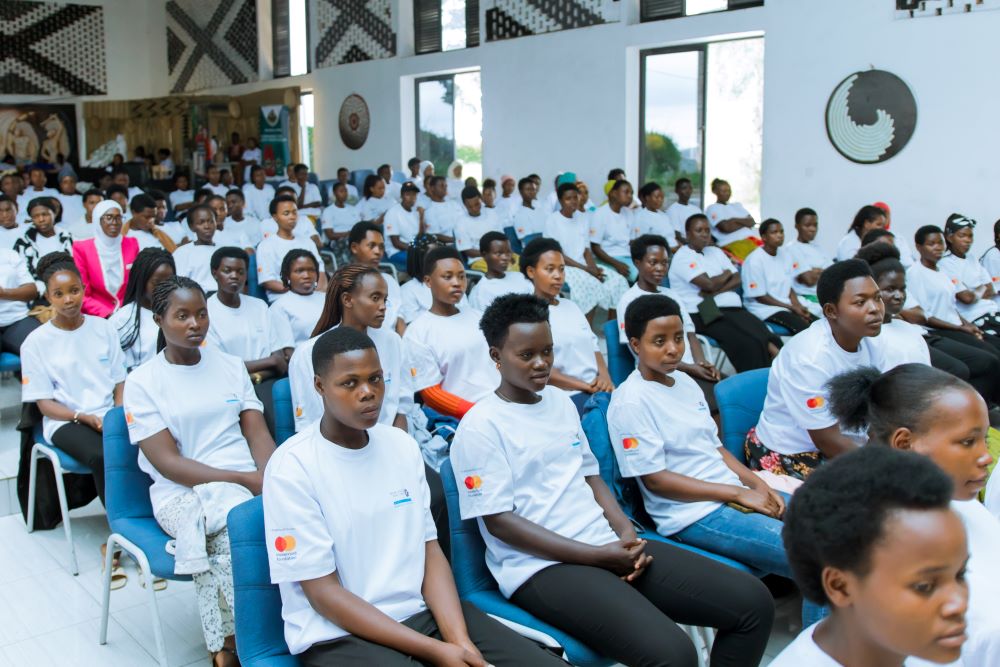
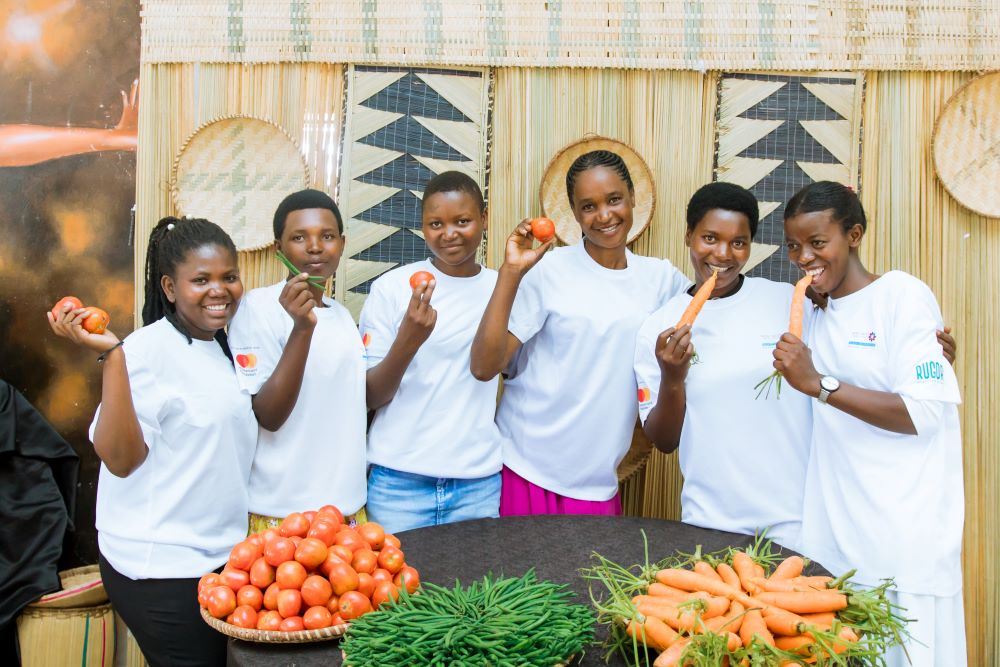
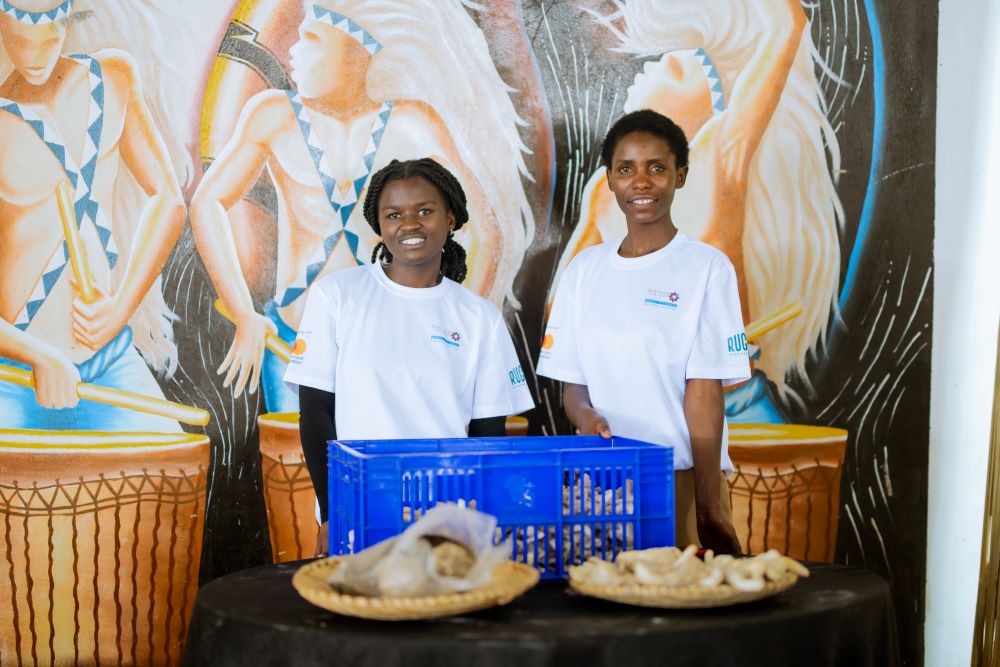
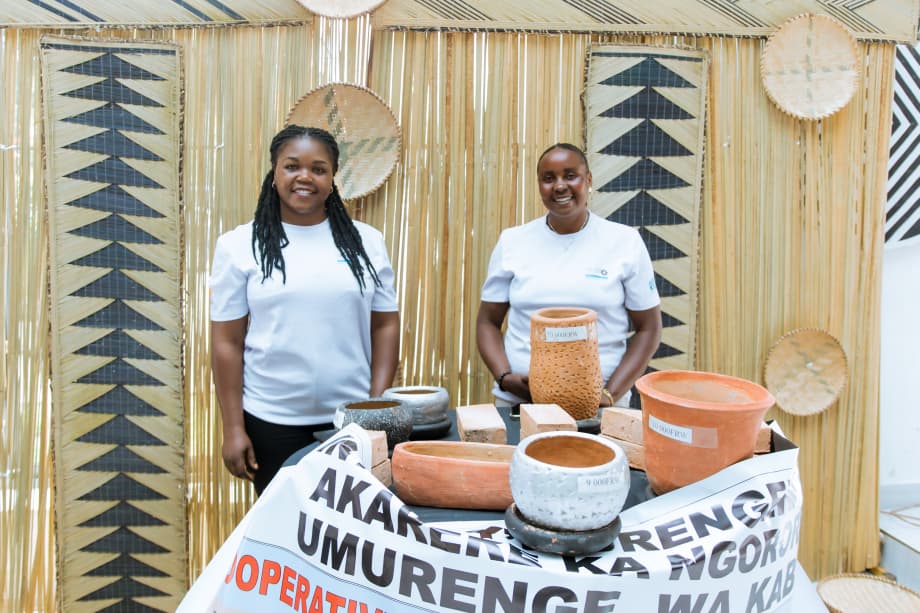
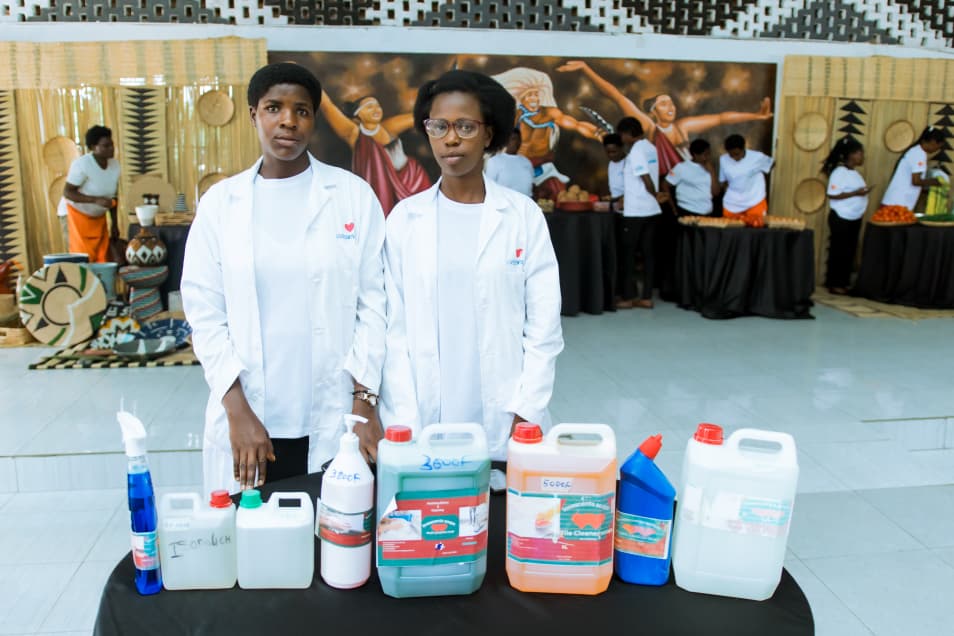
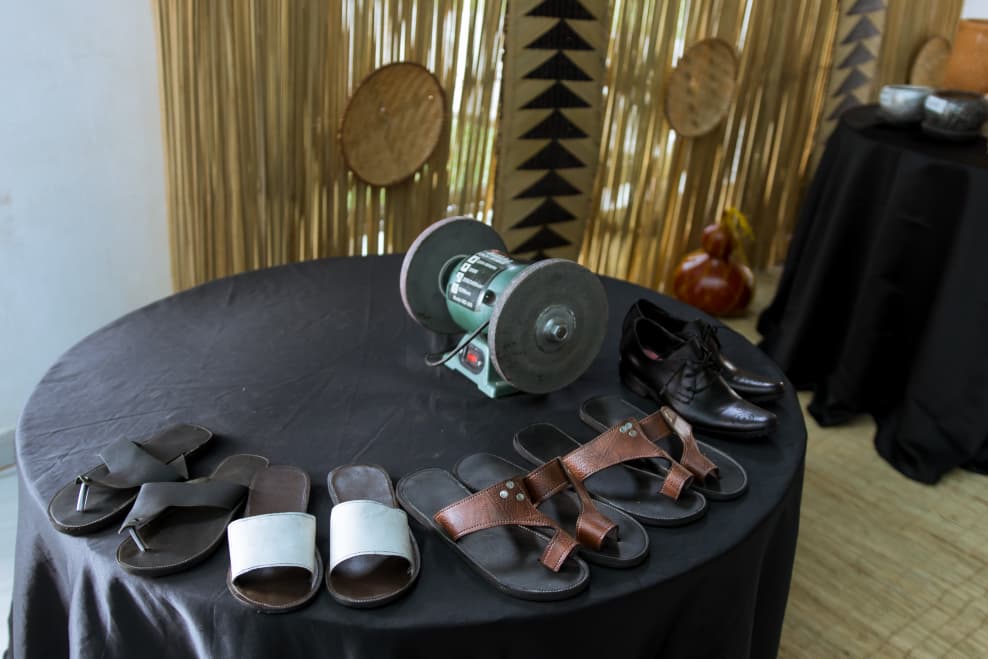
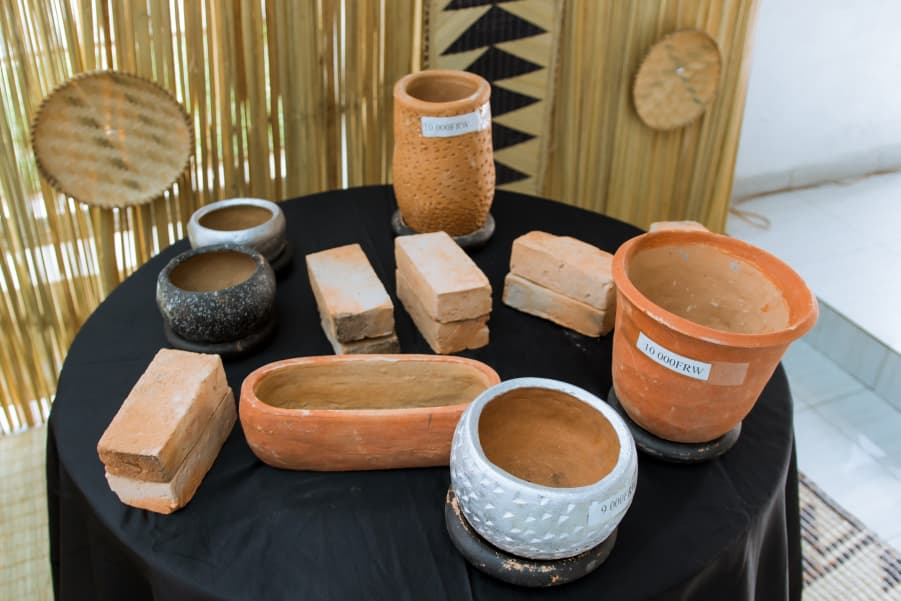
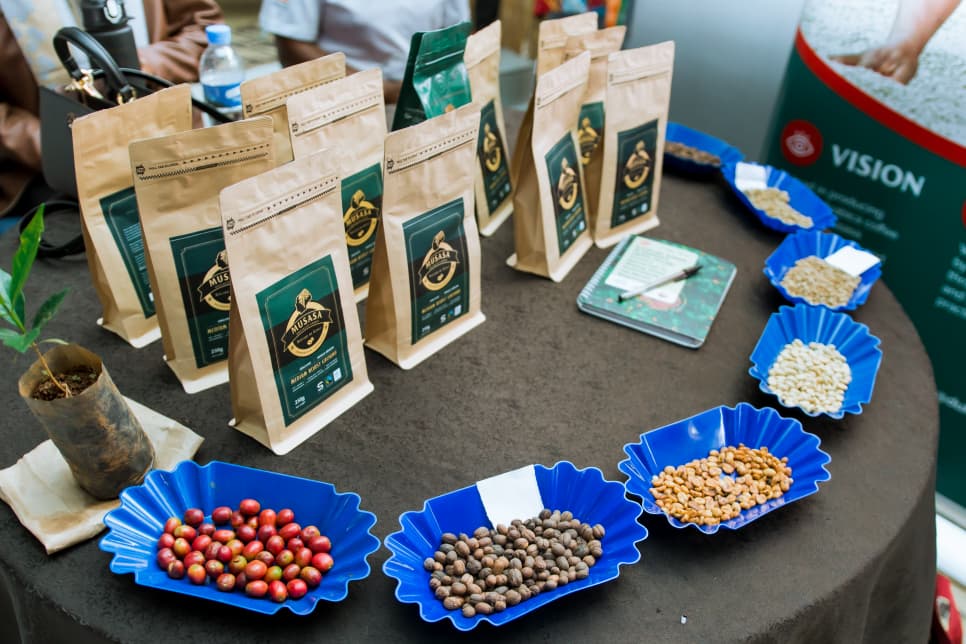
Reeta Roy, Former President of Mastercard Foundation, with Ivan Ntwali, Mastercard Foundation Country Director for Rwanda. Reeta Roy, former CEO and President of the Mastercard Foundation, toured the exhibitions and interacted with the participants.Joy Ndungutse Board Chair of New Faces, New Voices also graced the event. Joy S. Rwamwenge, CEO of New Faces New Voices Rwanda, highlighted the organization’s impact, growing from 35 pilot cooperatives to over 460, now engaging 11,500 youth in work.Representatives from partner institutions joined the celebration of a decade of women’s economic empowerment.Participants gather in Ruhango as New Faces New Voices Rwanda marks 10 years of advancing women’s economic participation.Participants listen during discussions on strengthening women-led enterprises.Women who benefited from entrepreneurship programs showcased the impact of skills training and mentorship.Leaders and partners reflected on a decade of empowering women economically across Rwanda. The anniversary event highlighted how women are shaping local economies through entrepreneurship and financial inclusion.Young women supported by New Faces New Voices Rwanda shared their experiences during the 10-year anniversary event in Ruhango District.Women entrepreneurs attended the anniversary event celebrating a decade of impact by New Faces New Voices Rwanda.Women were appreciated for their dedication. Young women supported by New Faces New Voices showcased their agricultural products.Other showcased art products. Different products were showcased by the beneficiaries.The organization seeks to focus on strengthening pathways from skills to income, deepening financial inclusion for underserved women