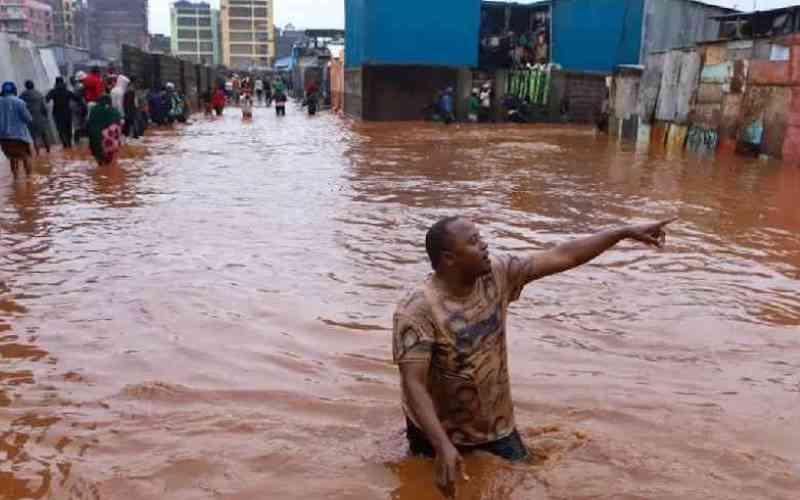
The Ministry of Interior and National Administration said the victims comprise 46 men, eight women, and eight children.
“Nairobi recorded the highest number of deaths with 33, followed by the Eastern region at 17, and Rift Valley region with seven,” the ministry said in an update released in Nairobi, the Kenyan capital.
The government said the floods have affected more than 10,000 households, with 4,845 people displaced and forced to seek shelter in safer areas.
The heavy rainfall has caused flooding in several parts across the East African nation, leading to road closures, property damage, displacement and distress among the affected communities.
In addition to the tragic loss of lives, significant damage to infrastructure and livelihoods has been reported.
The Kenya Meteorological Department has forecast continued heavy rainfall and urged residents to take extreme caution to prevent further loss of life.
Kenya said floods have affected more than 10,000 households, with 4,845 people displaced
According to sources familiar with the matter, the alleged strategy hinges on cooperation with the Democratic Forces for the Liberation of Rwanda (FDLR), an terrorist group formed by individuals linked to the perpetrators of the 1994 Genocide against the Tutsi in Rwanda. The effort reportedly seeks to create a broader coalition of groups opposed to Rwanda’s government.
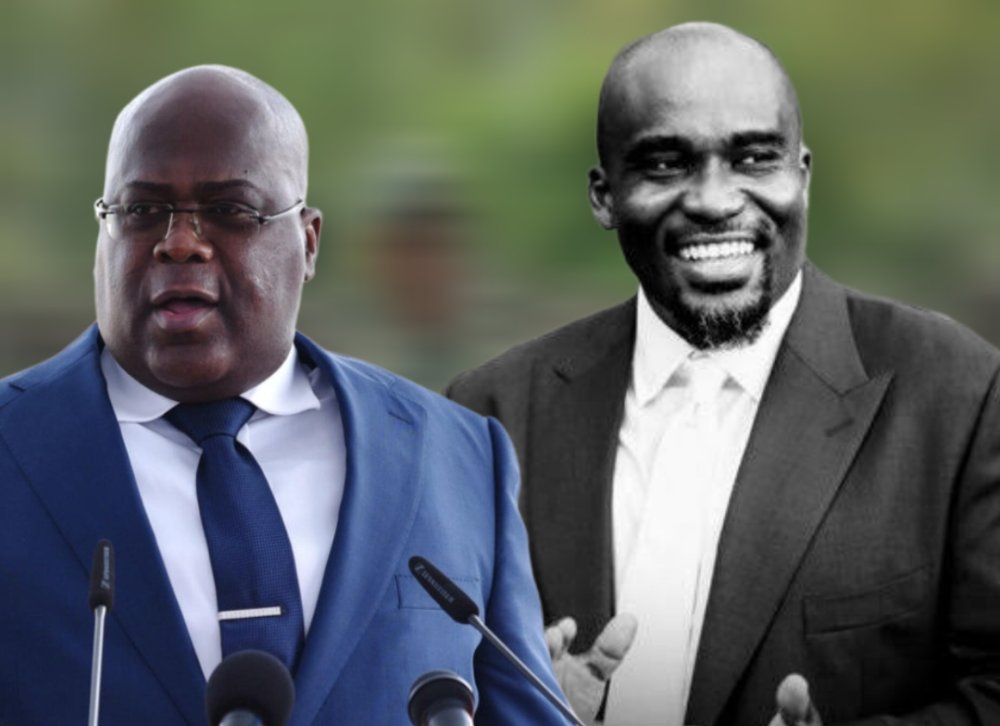
At the center of the reported initiative is Jean‑Luc Habyarimana, the son of the late president. Sources indicate he is being positioned as a figure capable of rallying remnants of the Hutu Power network and helping reorganize opposition groups under a new structure.
During a recent visit to Kinshasa, Jean-Luc reportedly met Désiré Cashmir Eberande Kolongele, President Tshisekedi’s special advisor on security matters.
According to individuals familiar with the meeting, he conveyed a message that plans were being developed to form a strong military alliance initially focused on confronting AFC/M23, before potentially expanding operations toward Rwanda.
Sources further claim that Jean-Luc, working with officials in the Congolese Ministry of Communication and Media, helped establish a platform known as Xtrafrica. The platform is reportedly used to promote narratives rehabilitating the image of Habyarimana, criticize the Rwandan government and support Tshisekedi’s regional agenda.
Meanwhile, Agathe Kanziga, the widow of Habyarimana, along with other figures associated with the Hutu Power ideology, is said to have advised Jean-Luc to rebrand the FDLR under a new name, the FCLR (Front Commun pour la Libération Rwandaise), in an effort to improve its international image while maintaining its existing structure and ideology.
The broader strategy reportedly involves bringing together political and military figures opposed to Rwanda’s government by offering them refuge and support in Congo.
Attention has also reportedly turned to Nyamwasa, a former senior officer in the Rwanda Defence Force who later founded the Rwanda National Congress (RNC).
Sources say he has been attempting to unite armed, political and propaganda networks in opposition to Rwanda’s leadership.
During a reported trip to Kinshasa in September 2024, Nyamwasa is said to have met leaders of the FDLR to discuss strengthening cooperation. Congolese officials familiar with the matter claim he has remained in close contact with Gaston Iyamuremye, the commander of the FDLR, a relationship described as key to efforts to align the RNC with the group.
In January 2026, Byiringiro reportedly appointed his brother-in-law Cyprien Ngabo as a liaison between the FDLR and an RNC faction led by Frank Ntwali, further indicating growing coordination between the groups.
Sources also claim that cooperation dates back several years. In early 2025, Byiringiro is said to have sent Emmanuel Hakizimana, an RNC member based in Canada, to the United States to represent the FDLR at a meeting of so-called Rwandan opposition figures.
The meeting was reportedly part of a long-running effort to unite fragmented groups opposed to Rwanda’s government. With alleged financial and political backing from individuals close to Tshisekedi, recruitment into the anti-Rwanda coalition is said to have intensified, involving supporters based in Uganda and prominent RNC-associated figures such as Charles Kambanda, Eugène Gasana, and Christine Uwizera Coleman.
Sources claim the initiative is becoming increasingly visible, pointing to alleged logistical support for the FDLR and outreach to individuals linked to or associated with the genocide, as part of a broader effort to unite groups opposed to Rwanda’s government under a single front.
New details have emerged on the coordination between President Félix Tshisekedi of the Democratic Republic of the Congo and son of former Rwandan President Jean Luc Habyarimana.
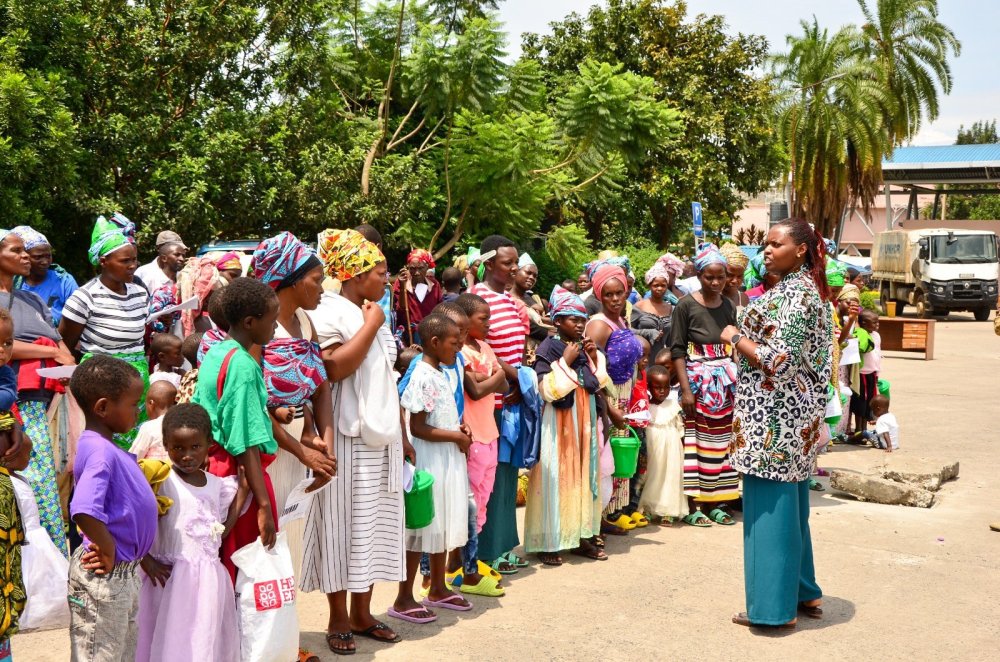
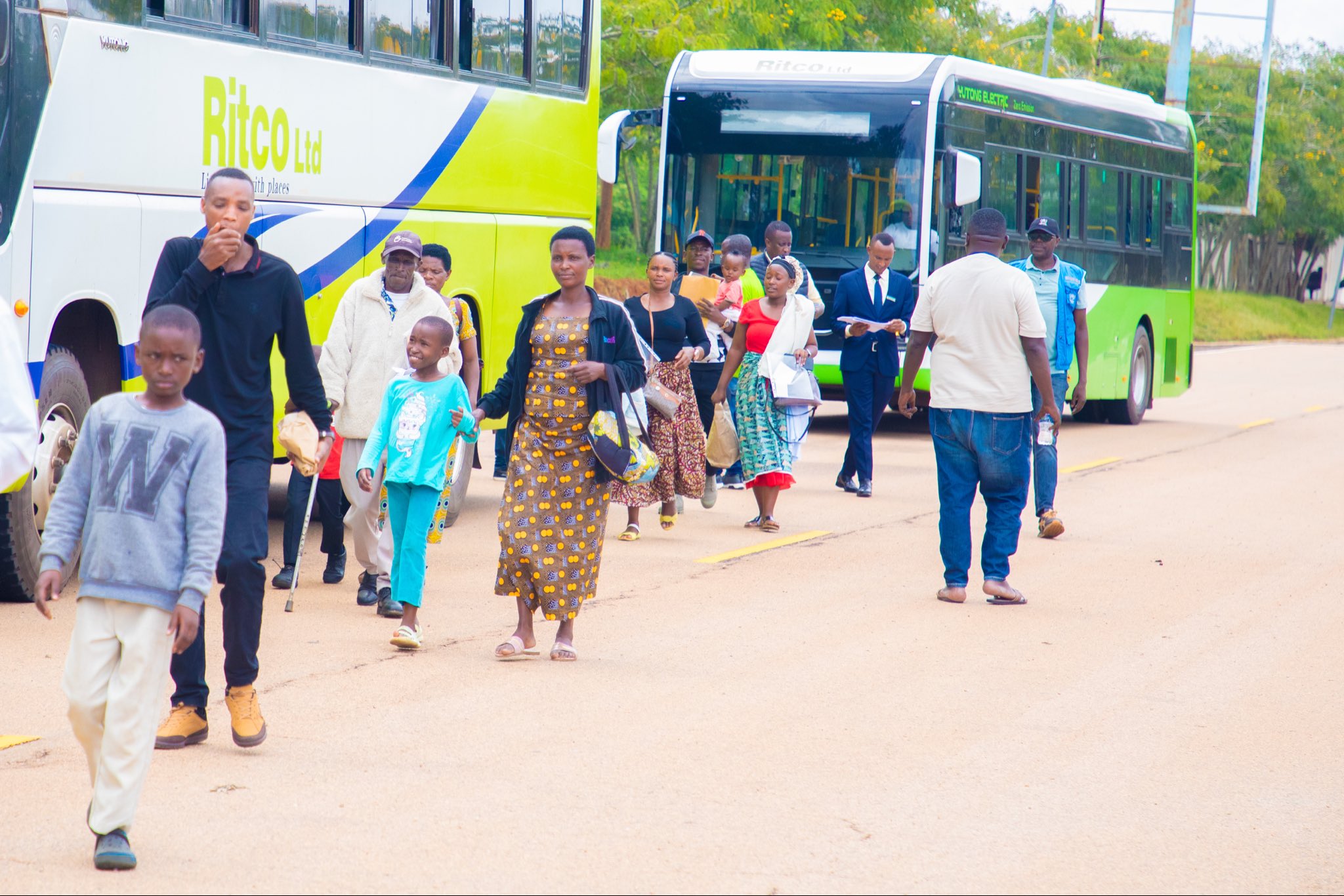
The group crossed into Rwanda on Thursday, March 12, 2026, through the main border post linking the two countries in Rubavu District, where they were received by the district’s Vice Mayor in charge of Social Affairs, Ishimwe Pacifique.
Most of the returnees are women and children, many of whom were born in the Democratic Republic of the Congo.
Speaking to the Rwanda Broadcasting Agency, several of them said they decided to return after being encouraged by fellow Rwandans who had previously repatriated and successfully rebuilt their lives back home.
Many of those returning had spent years under the control of the FDLR, a militia group formed by perpetrators of the 1994 Genocide against the Tutsi who fled to the DRC after being defeated by the Rwandan Patriotic Army (RPA).
Since the M23 rebel forces began taking control of large parts of eastern DRC, the returnees say security conditions have improved, allowing them to consider going back to Rwanda.
In cooperation with the United Nations High Commissioner for Refugees, those willing to return are being facilitated to repatriate.
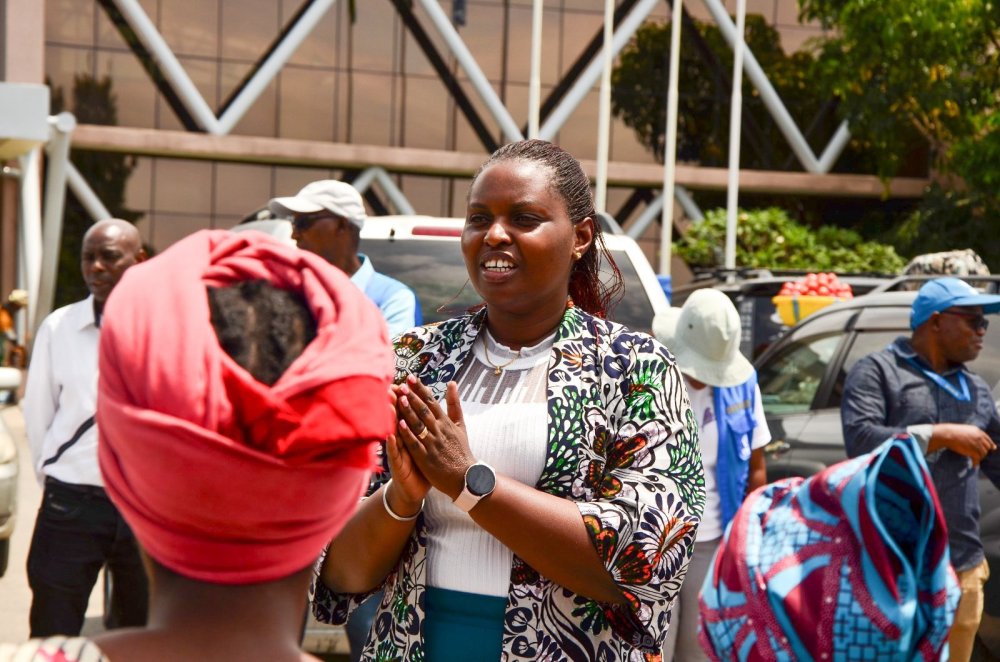
The returning Rwandan nationals were welcomed by the district’s Vice Mayor in charge of Social Affairs, Ishimwe Pacifique.
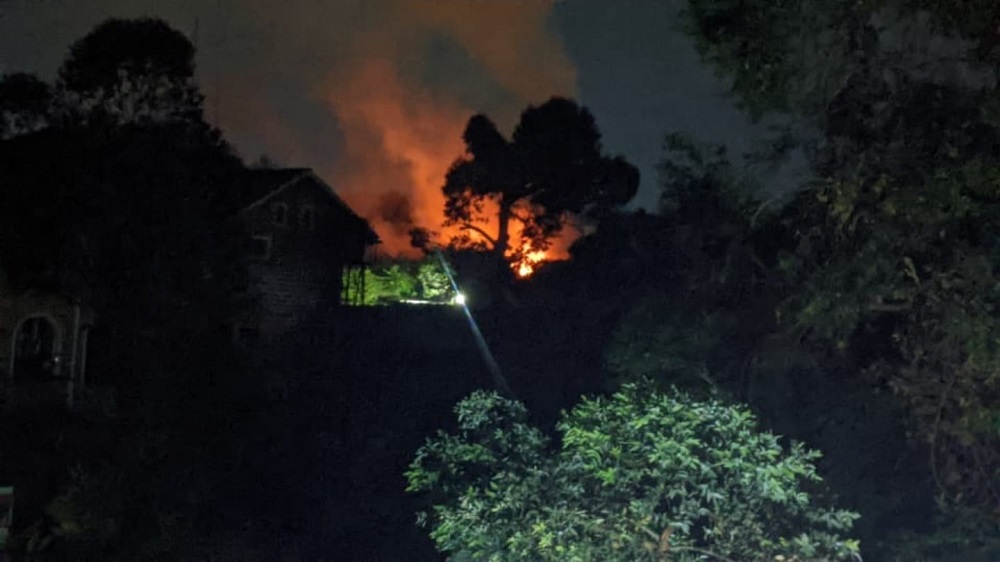
In the early hours of March 11, drones from the DRC military targeted civilian homes in the Himbi area, resulting in the deaths of three civilians, including Karine Buisset, a French national working for the United Nations Children’s Fund (UNICEF).
The AFC/M23 condemned the attack, criticizing the international community for remaining silent while the DRC government violated the peace agreements signed in Doha, Qatar.
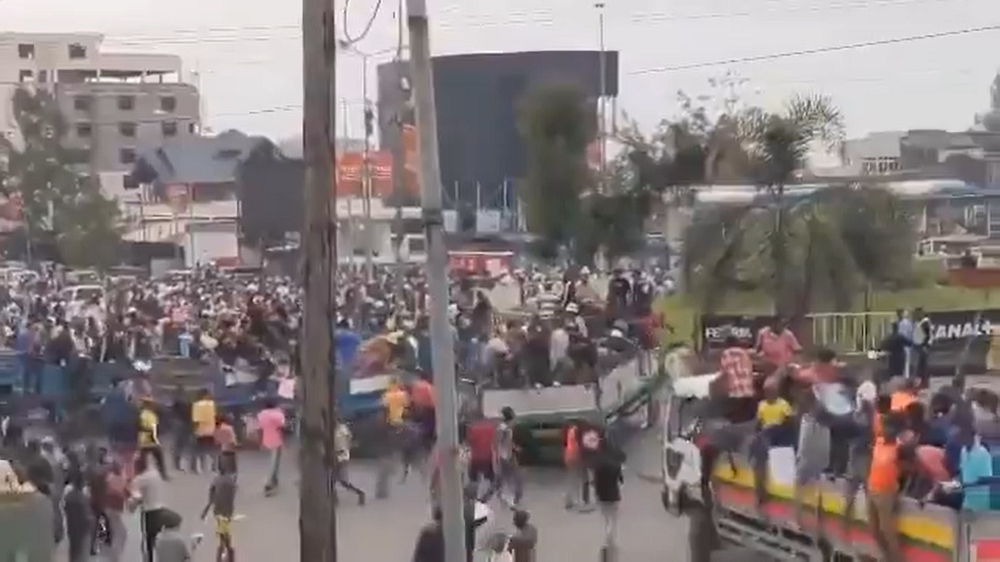
Responding to an invitation from civil society organizations, the residents of Goma paused their daily activities on March 12 and took to the streets in protest against the violence perpetrated by the DRC government.
Some of the protesters expressed their condolences to the families of the civilians killed in the drone strike and condemned the continued use of drones by the DRC military, which continues to target civilian-populated areas in North Kivu and South Kivu provinces.
The protesters expressed their belief that the ongoing drone attacks, which show complete disregard for civilian lives, serve as a sign that President Félix Tshisekedi is willing to do whatever it takes to retain power.
Lawrence Kanyuka, spokesperson for the AFC/M23, revealed that the protesters have demanded that AFC/M23 take control of the entire DRC, as the areas under government control have become centers of violence, insecurity, and the suffering of civilians.
Goma has been under the control of AFC/M23 since January 2025. This is the first time the city has been attacked by drones since it was taken from the DRC government’s control more than a year ago.
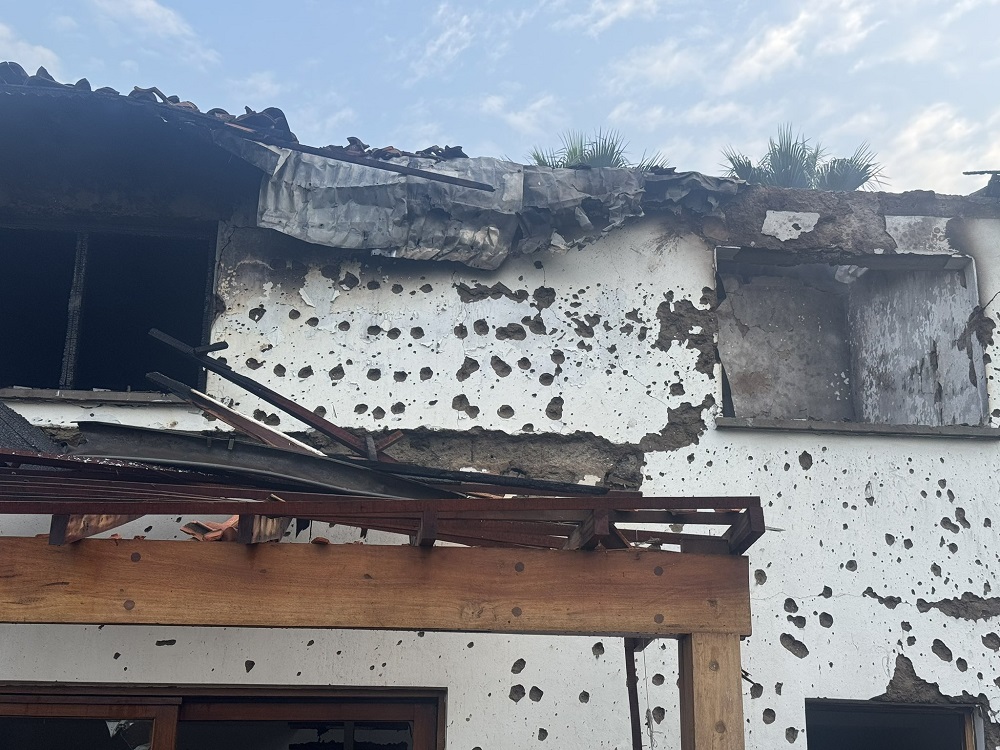
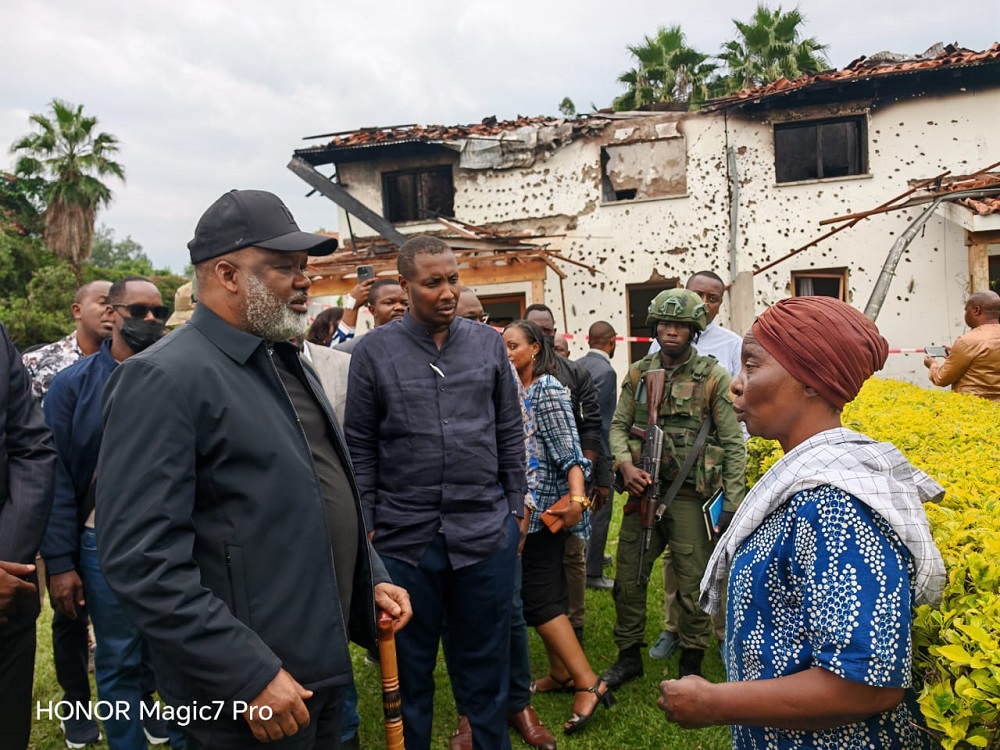
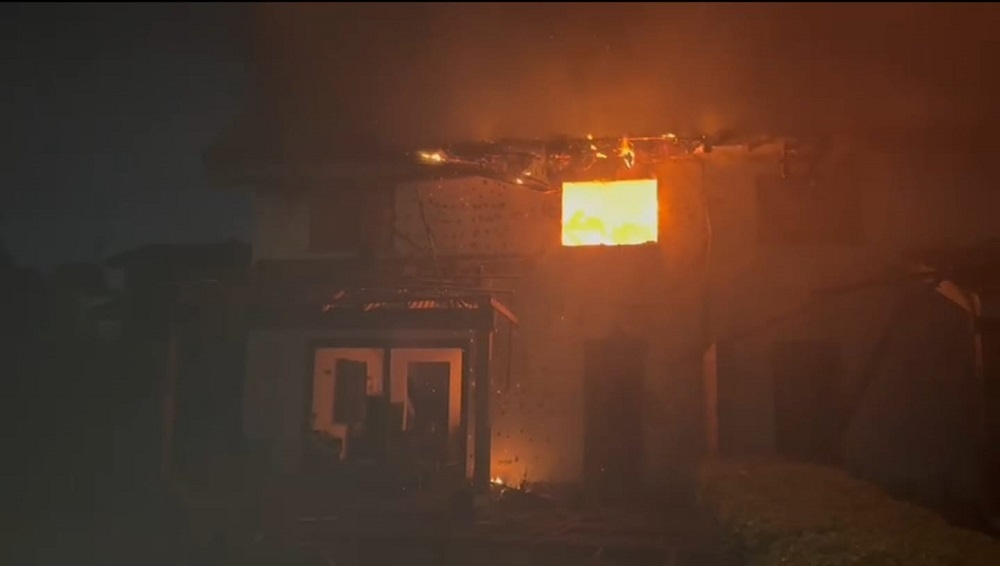
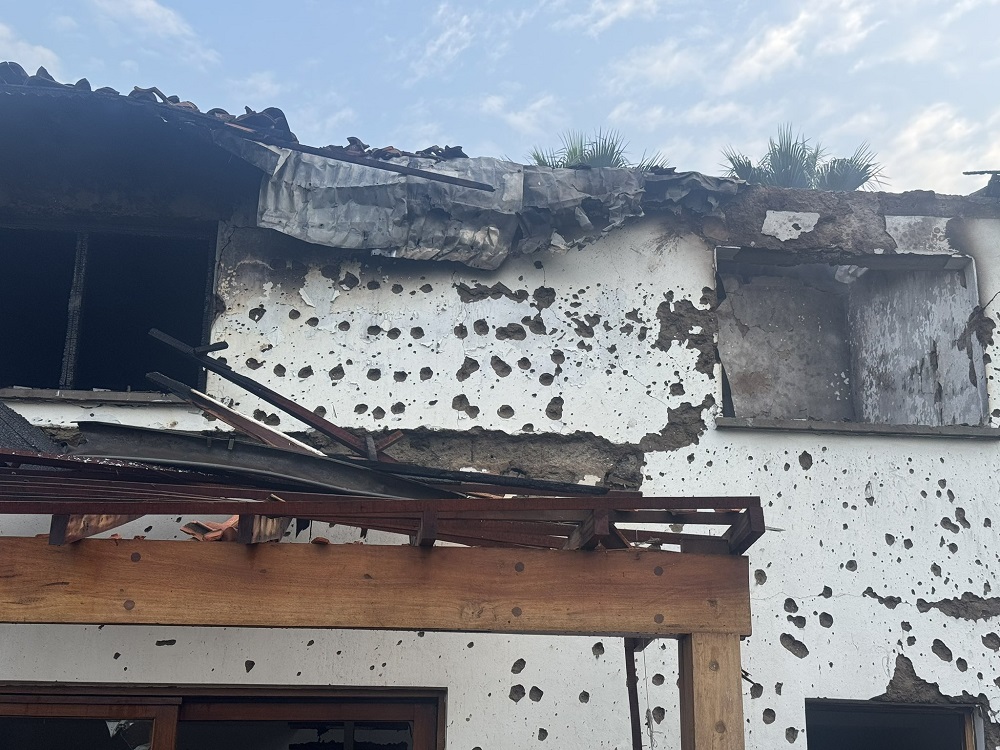
A house was severely damaged by drones from the DRC government forces.Senior officials arrived at the building and listened to testimonies from the residents. On the morning of March 12, the residents of Goma staged a protest condemning the attack.
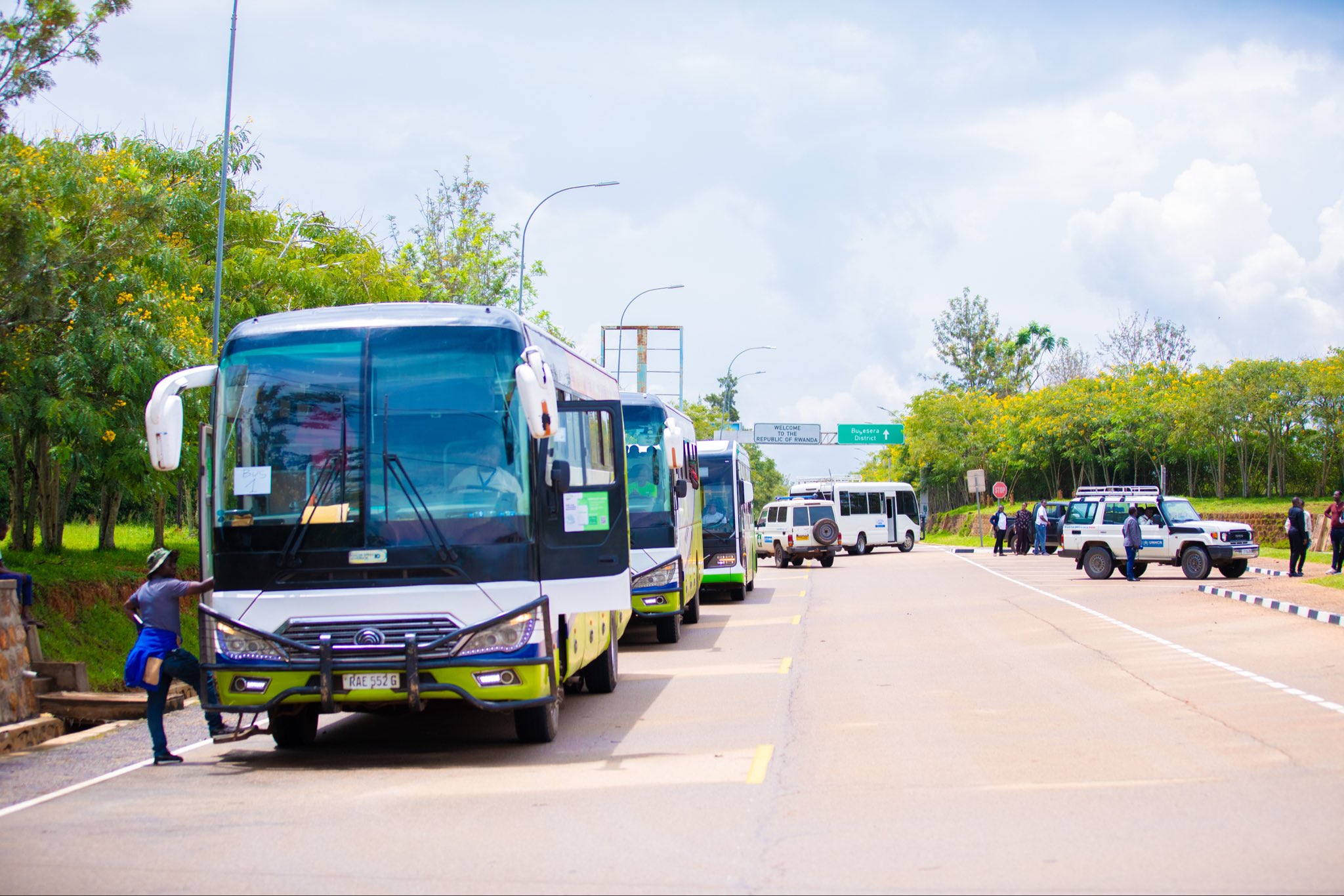
Seventy-four Burundians, who had sought refuge in Rwanda over the years, have voluntarily returned to their home country, expressing gratitude for the safety and support they received while in Rwanda.
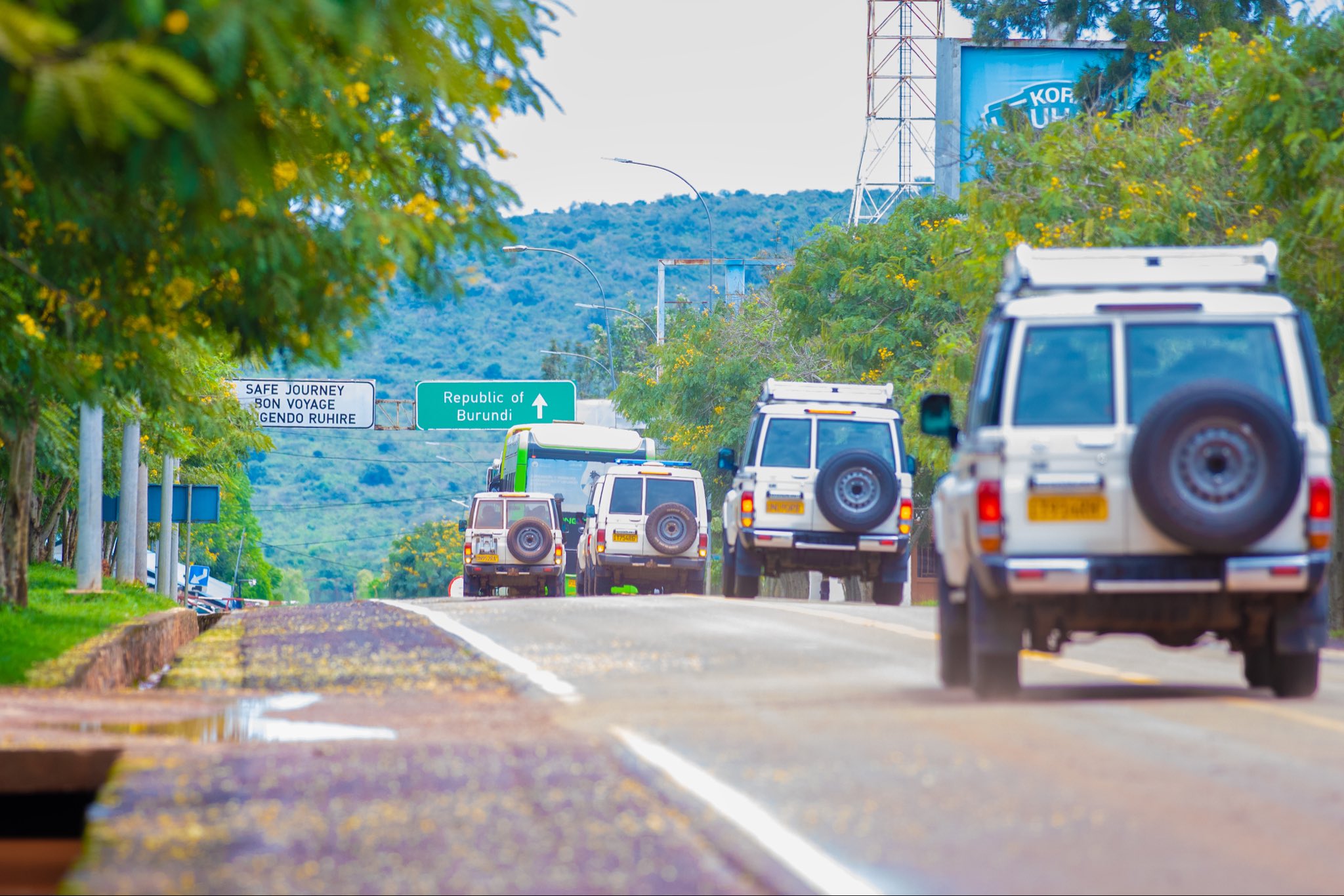
The group crossed the Rwanda-Burundi border at Nemba One Stop Border Post in Bugesera District on Thursday, March 12. The group included 44 men and 30 women from 47 families. Among them, 62 had lived in Mahama Refugee Camp in Kirehe District, while 12 had been residing in Kigali City.
They were received by officials from Burundi following their transfer, with representatives from Rwanda’s Ministry of Emergency Management (MINEMA) and the United Nations High Commissioner for Refugees (UNHCR) accompanying them.
The group crossed the Rwanda-Burundi border at Nemba One Stop Border Post in Bugesera District on Thursday, March 12.
Jérémie Havugiyaremye, who spent 25 years in Rwanda, said he lived a normal life during his stay and had four children there, adding to three he had brought with him, making seven in total.
“Life in the camp was not easy, but we did not face any problems while in Rwanda,” Havugiyaremye said. “However, a camp is not a place to stay permanently. I miss my country, and I have decided to return to rebuild my life there.”
He added that his decision was influenced by friends who had returned earlier and reported that peace had been restored in Burundi.
The voluntary repatriation was facilitated by the United Nations High Commissioner for Refugees (UNHCR) in coordination with officials from Rwanda and Burundi.
Oda Mariya, who had lived in Rwanda for 11 years after fleeing the unrest in Burundi in 2015, said she returned after learning that peace had returned.
“I fled alone, leaving my family behind,” she said. “Friends who returned earlier told us it was peaceful. I decided to go back and live normally with others, as we had no issues here in Rwanda.”
Karagire Gonzague, Refugee Programme Manager at MINEMA, said that since 2020, more than 31,000 Burundians have voluntarily returned home, with Burundi actively encouraging returns.
“In 2022, Burundi officials visited Mahama Camp and Kigali to speak with refugees and encourage them to return,” he said. “Last year, online discussions were held to explain to refugees the reasons for going back home.”
The 74 returnees join 115 others who returned in November 2025 from Mahama Camp and Kigali. MINEMA reports that since 2020, more than 30,000 Burundian refugees have returned home, while Rwanda continues to host over 50,000 others.
The Burundian nationals expressed gratitude for the safety and support they received while in Rwanda.
This statement followed a drone attack carried out by the DRC’s armed forces on the city of Goma on March 11, 2026. Nangaa revealed that the attack had been planned for some time, as a campaign led by Kinshasa had been urging the people of Goma to evacuate the city.
“This campaign directly preceded the recent assault by a coalition of government forces, including FARDC, FDLR, Wazalendo, FDNB, and mercenaries on Goma. The message instructing the residents to leave the city was spread across networks linked to President Tshisekedi’s administration, aiming to create the illusion for the international community that the people of Goma were fleeing,” he said.
Nangaa further stated that the DRC government has a plan to eliminate AFC/M23 leaders and opposition politicians in order to undermine any dissent, but he also warned that the government is working to “extend the war into a broader regional conflict.”
The AFC/M23 has emphasized that, as the DRC government continues to escalate the conflict, their fighters have a duty to protect the civilians under controlled areas. They also stated that President Félix Tshisekedi will be held accountable for the consequences of the looming war.
Corneille Nangaa asserted that President Tshisekedi will be held accountable for the consequences of the military offensives being conducted by the DRC’s government forces.
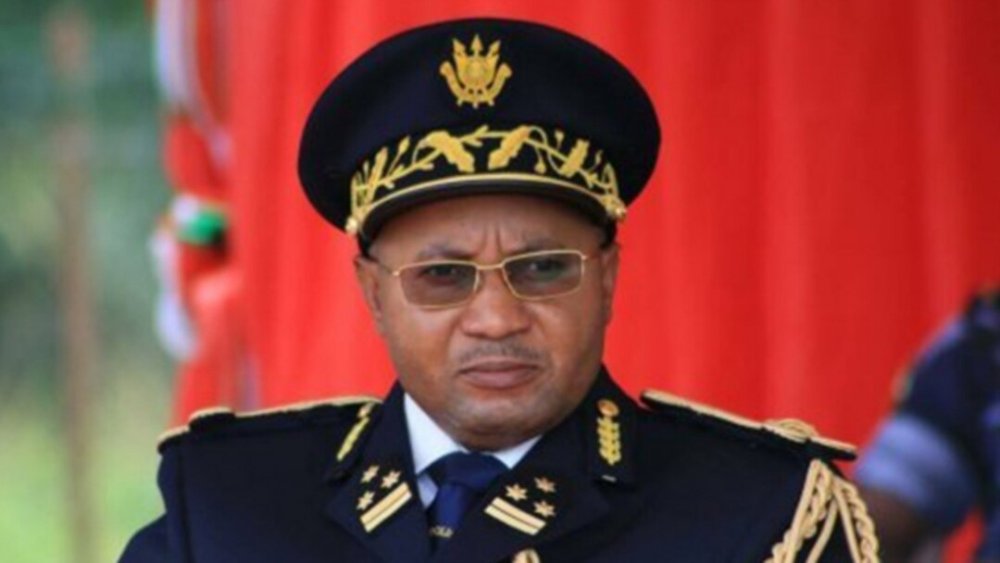
Bunyoni, who served as Prime Minister of Burundi from June 2020 to September 2022, was freed alongside ten other detainees on health grounds. The release was confirmed by security officials in Burundi as well as his lawyer Placide Gatoto.
One of the most influential figures in Burundi’s political and security establishment, Bunyoni held several senior positions during his career, particularly within the security sector. He was also the first person to receive the rank of General in the country’s national police.
He was arrested in April 2023 and accused of crimes linked to an alleged plot to harm President Évariste Ndayishimiye as well as charges related to undermining the country’s economy.
Following his trial, Bunyoni was convicted and sentenced to life imprisonment. He was subsequently transferred to Gitega Central Prison, where he had been serving his sentence.
At the time of his conviction, the court also ordered the seizure and sale of his assets, which reportedly included numerous buildings and vehicles. The proceeds were intended to compensate the Burundian state for funds he was accused of embezzling.
Bunyoni’s health had deteriorated significantly during his detention. On October 9, 2025, he was admitted to a hospital in Gitega after human rights activists who visited him in the special cell where he was being held warned that his condition could be life-threatening.
According to Pierre Claver Mbonimpa, chairperson of the human rights organization APRODH, Bunyoni was suffering from severe diabetes and serious mental health issues. Mbonimpa said the former prime minister sometimes became extremely frightened, even hiding under his bed when people visited him.
Medical treatment at the Gitega hospital reportedly failed to improve his condition. He was later transferred to the private Kira Hospital in Bujumbura, but he was discharged shortly afterward when no significant improvement was observed.
The Burundian government’s decision to release Bunyoni has fueled speculation that he may be allowed to seek specialized medical treatment abroad, where doctors may be better equipped to handle his condition than facilities in Bujumbura or Gitega.
Bunyoni served as Prime Minister of Burundi from June 2020 to September 2022.
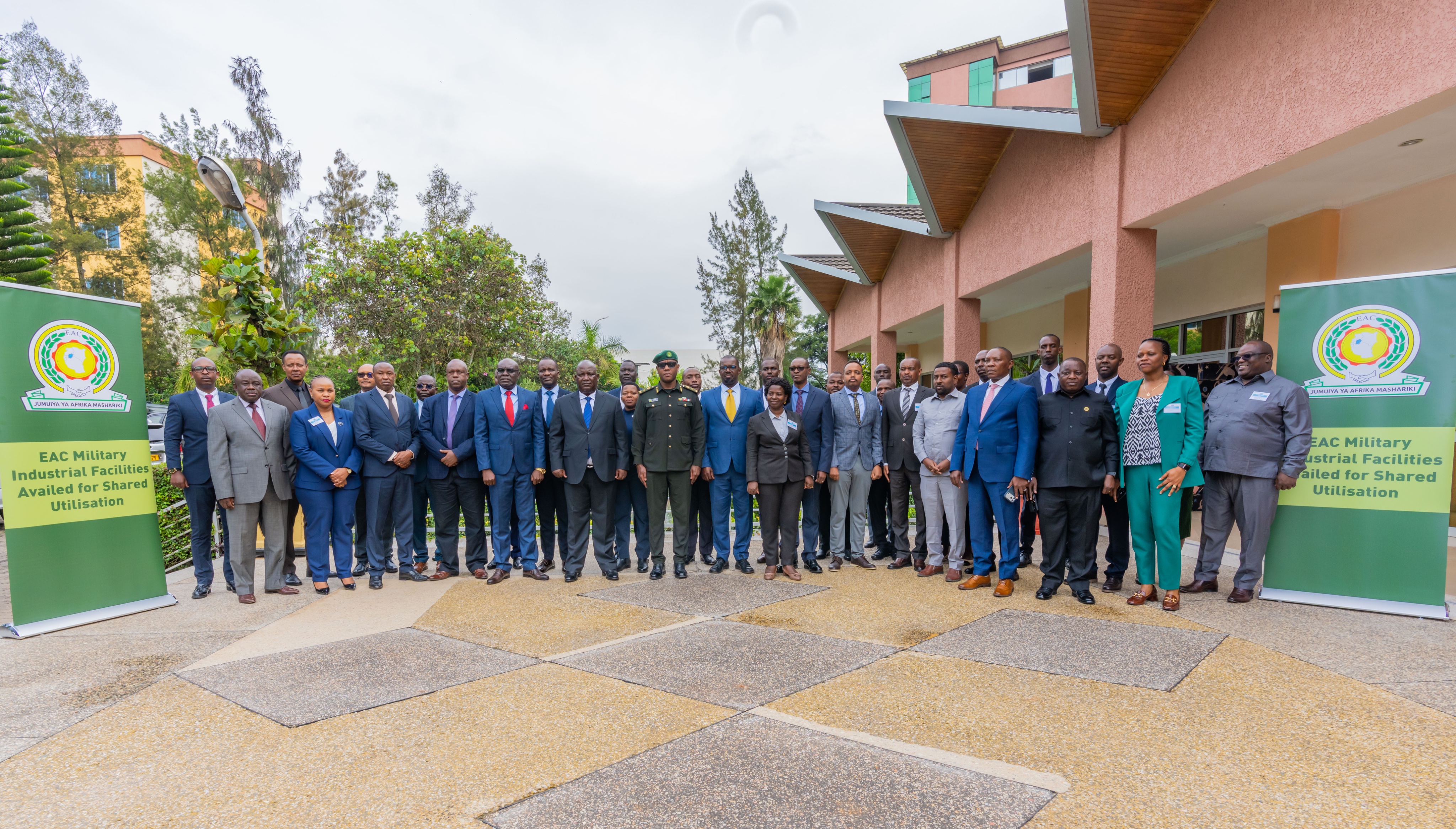
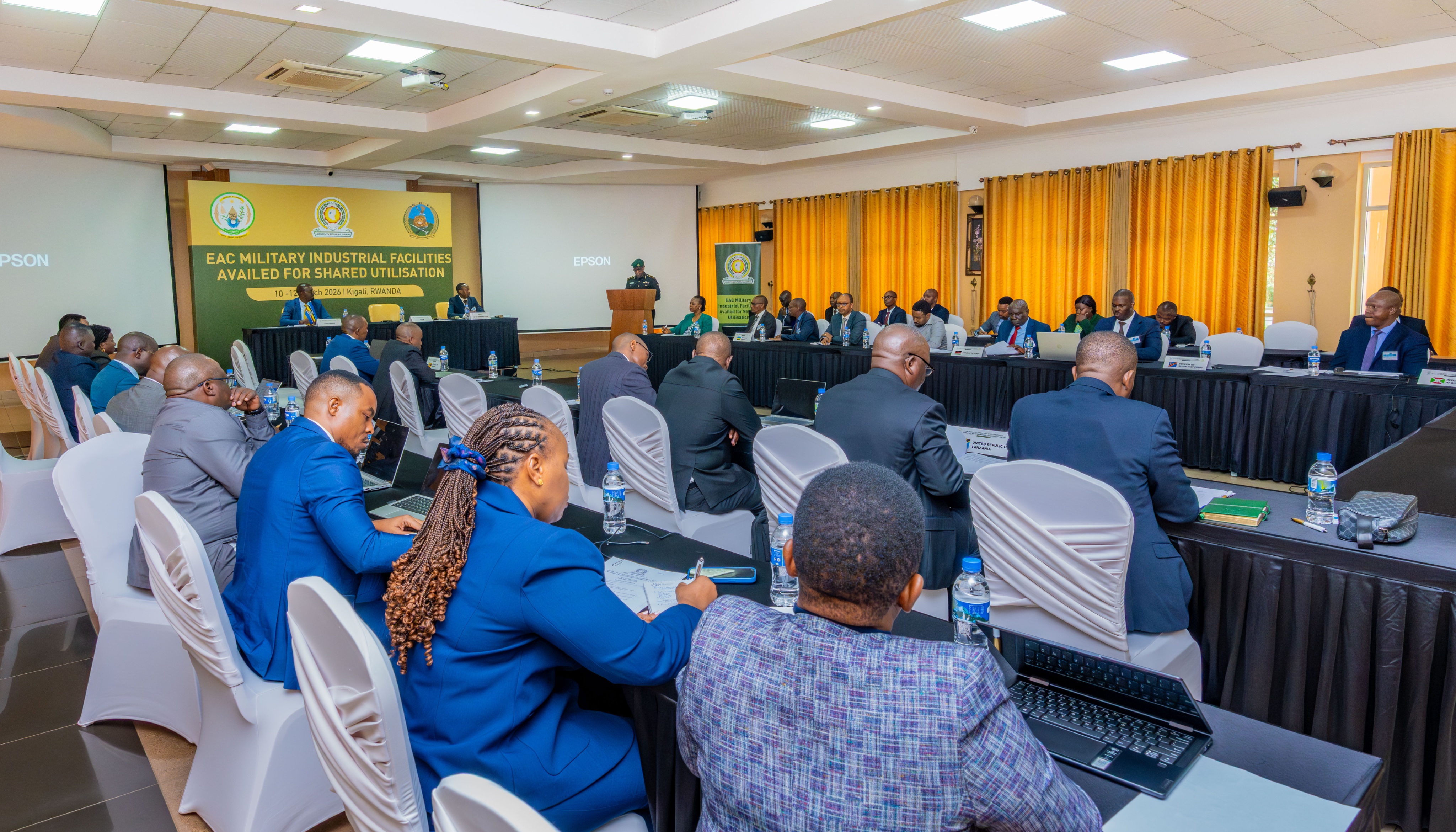
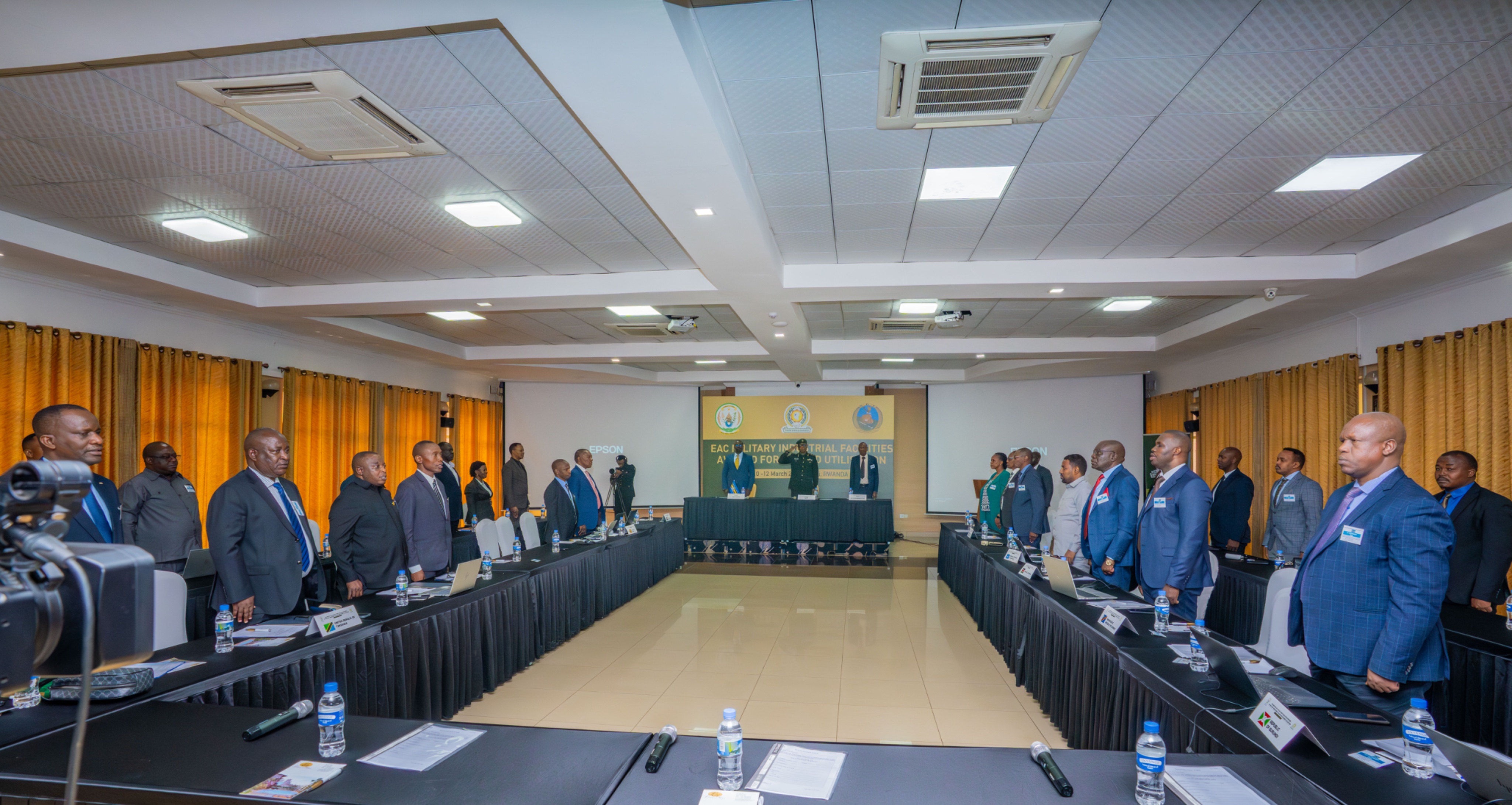
The meeting is being held pursuant to Article 2 of the EAC Protocol on Cooperation in Defence Affairs and in accordance with the EAC Defence Sector Calendar of Activities for the period January–June 2026.
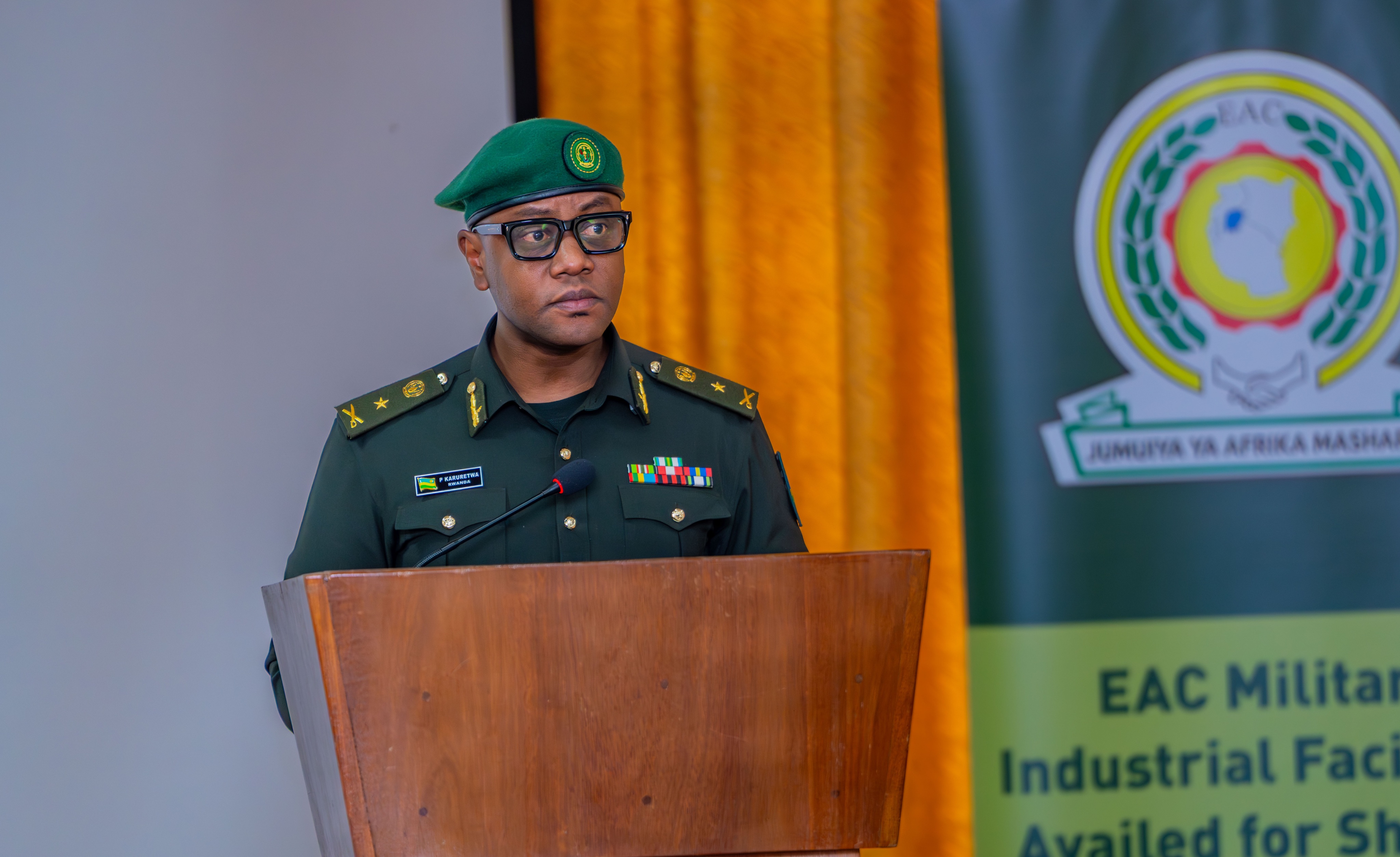
While opening the meeting, Brig Gen Patrick Karuretwa, Director General of International Military Cooperation at the Ministry of Defence, Rwanda, noted that the gathering reflects the collective commitment of EAC defence institutions to strengthening cooperation within the defence sector and enhancing the region’s security capabilities.
He highlighted that military industrial facilities play a critical role in enabling armed forces to operate effectively by providing reliable access to essential equipment, maintenance services, and technical capabilities. He further noted that defence industries contribute significantly to economic growth, industrial development, job creation, and technological advancement.
“For the East African Community, cooperation in this domain presents significant opportunities. Through the shared utilization of military industrial facilities, we can optimize our resources, strengthen regional capacity, and promote the exchange of knowledge, skills, and technological expertise,” he said.
Brig Gen Karuretwa further emphasized that Rwanda remains fully committed to working with all EAC Partner States to advance initiatives that promote collective security, innovation, and industrial development across the region.
The Chairperson of the meeting, Eng. James Mutamba from the National Enterprise Corporation of Uganda, expressed optimism about the engagement.
He noted that such meetings are essential for strengthening cooperation among EAC member states, enabling them to share available facilities within the region instead of relying on products from abroad.
He added that EAC countries have developed specific capabilities in defence manufacturing, making regional cooperation both practical and economically beneficial.
Countries represented at the meeting include Burundi, Kenya, Somalia, Tanzania, Uganda, and the host nation, Rwanda.
The meeting was opened by Brig Gen Patrick Karuretwa, Director General of International Military Cooperation at the Ministry of Defence.The meeting is being held pursuant to Article 2 of the EAC Protocol on Cooperation in Defence Affairs.Countries represented at the meeting include Burundi, Kenya, Somalia, Tanzania, Uganda, and the host nation, Rwanda.Chief Executive Officers of Military Industrial Facilities from member states of the East African Community (EAC) convened in Kigali for a three-day meeting from 10–12 March 2026.
Video footage from the site shows a building heavily damaged by the strike. DRC authorities reportedly believed the home of a Belgian national named Pascal was sheltering several group leaders.
Lawrence Kanyuka, spokesperson for AFC/M23, confirmed that three people died in the attack, including a foreign national. Among the victims was French UNICEF staff member Carine Buisset, who worked in Goma.
Bertrand Bisimwa, deputy coordinator of AFC/M23 in charge of politics, diplomacy, and governance, condemned the attack, accusing the DRC government of violating ceasefire agreements.
“At this moment, the city of Goma is under attack by drones from the Kinshasa regime. This latest escalation of violence reflects Kinshasa’s ongoing pattern of ceasefire violations, coupled with the surprising inaction of peace process partners,” he said.
On Wednesday morning, United Nations peacekeeping forces in DRC (MONUSCO)arrived at the site to investigate the attack.
The DRC government has indicated that it intends to reclaim territories held by AFC/M23 through military means, despite calls from the international community to prioritize political dialogue.
The Congolese National Center for Cybersecurity (CNC) has reportedly been used to track the phones of some AFC/M23 leaders and former President Joseph Kabila to facilitate drone strikes.
On March 24, 2026, a subsequent strike near the Rubaya stronghold targeted top AFC/M23 leaders, including the group’s commander, Gen. Maj Sultani Makenga. The attack killed the group’s military spokesperson, Lt Col Willy Ngoma, along with other fighters including bodyguards.
DRC authorities reportedly believed AFC/M23 leaders were present in the targeted area.The building in Himbi was heavily damaged after a drone strike.The house reportedly belonged to a Belgian national named Pascal.
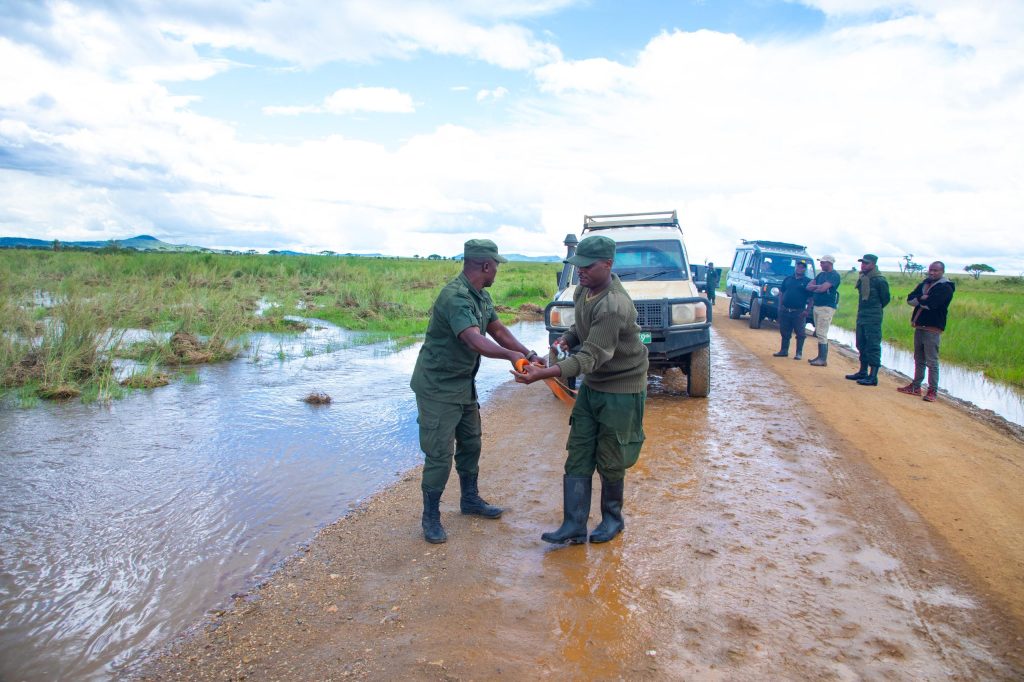
Kijaji made the remarks late Sunday during an inspection tour of the park, where she assessed the damage caused by recent downpours linked to climate change, which had left several tourist vehicles stranded for extended periods.
She said the government would urgently release the funds to ensure the timely rehabilitation of the affected infrastructure, including bridges and roads critical for tourism activities in the park.
“I urge tour guides to strictly follow instructions from rescue officers deployed by the Tanzania National Parks Authority in areas affected by the rains,” Kijaji said.
Serengeti Chief Park Warden Ismail Omary said the park had already taken emergency measures following the damage, including temporary repairs to roads and bridges, deployment of security personnel, and provision of emergency accommodation for stranded visitors and drivers.
Omary added that park authorities also assisted in rescuing stranded vehicles and waived overstay fees for tourists whose departures were delayed due to damaged roads.
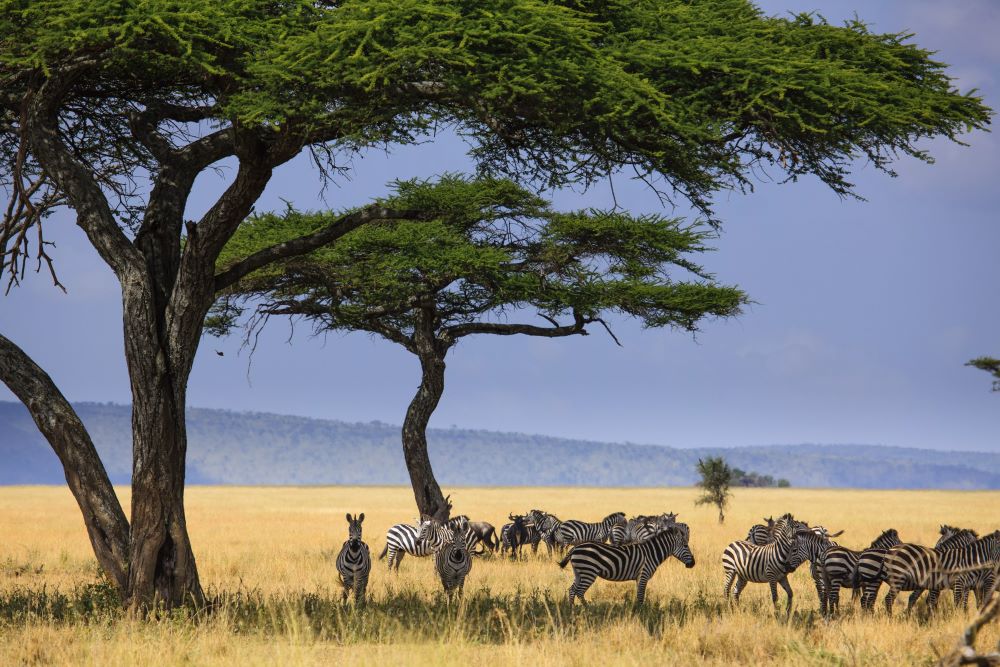
Serengeti National Park in northern Tanzania is a vast protected savanna ecosystem covering about 14,750 square kilometers, famous for its sweeping grasslands, scattered acacia trees, rocky kopjes, and one of the highest concentrations of wildlife in the world.
Tanzania will allocate 8.1 billion Tanzanian shillings (about 3.2 million U.S. dollars) to repair roads and bridges damaged by heavy rains in Serengeti National Park.