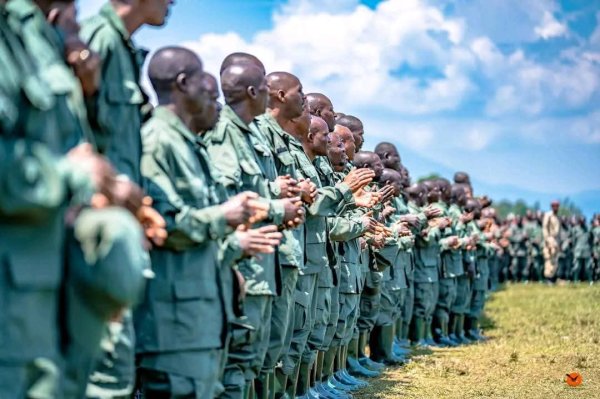
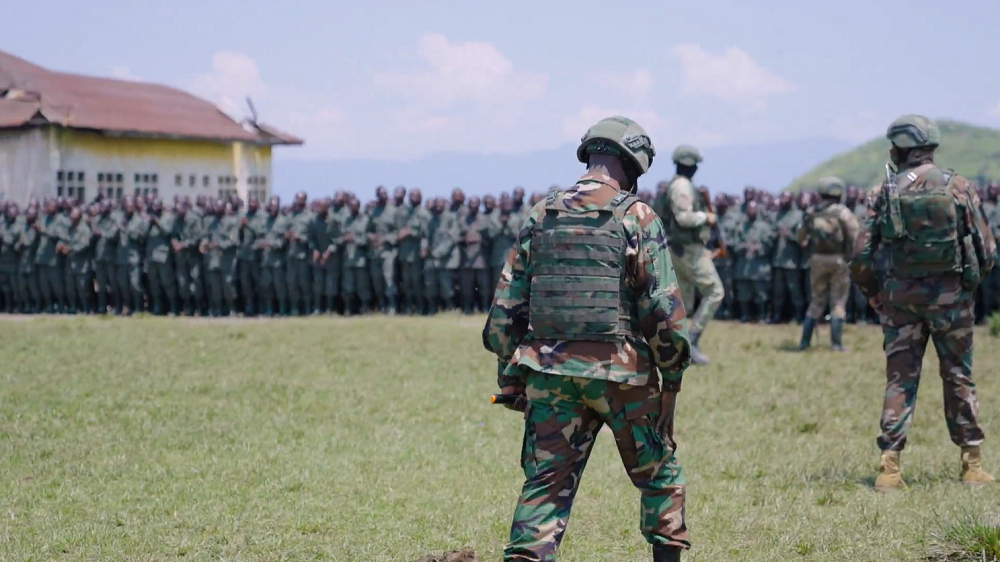
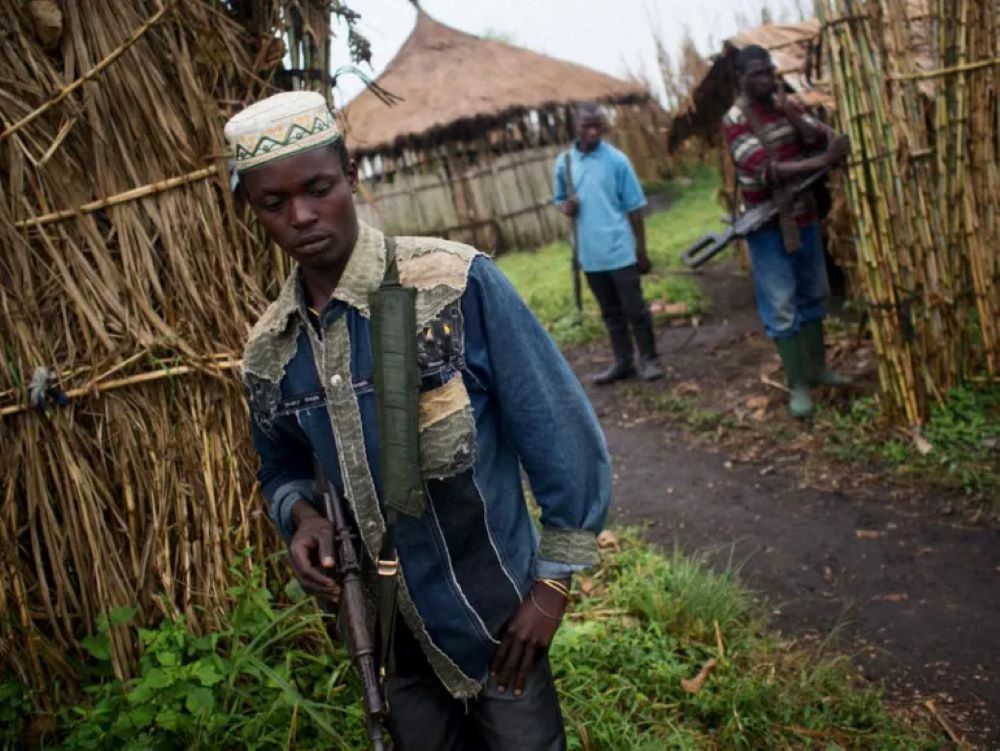
AFC/M23 is currently holding thousands of Congolese government troops, most of whom were captured during fighting in late January 2025, when the group seized the city of Goma and surrounding border areas.
On March 8, 2026, AFC/M23 announced plans to hand over 5,000 detainees to the International Committee of the Red Cross (ICRC) for transfer to the capital, Kinshasa. The group said the soldiers are being held at the Rumangabo military base and that their release is intended to support ongoing peace efforts and facilitate dialogue with the DRC government.
RFI reported on April 8, 2026, that the ICRC is prepared to transport the soldiers to Kinshasa, but that Congolese authorities have not yet authorized their reception. According to the report, the hesitation is linked to concerns that some of the soldiers could have been compromised or may pose a threat, although no official government statement has been issued.
The report also noted that AFC/M23 has been encouraging the DRC government to receive the soldiers, while a source close to President Félix Tshisekedi said the government was taking time to consider the offer.
Earlier, on February 20, 2026, AFC/M23 political coordinator Corneille Nangaa Yobeluo announced the release of 230 soldiers captured in Goma, though it remains unclear whether they were subsequently transferred to Kinshasa by the ICRC.
In a related development, in April 2025, 1,359 Congolese soldiers and police officers who had taken refuge at United Nations peacekeeping bases (MONUSCO) on the outskirts of Goma were repatriated to Kinshasa following negotiations involving the ICRC and AFC/M23.
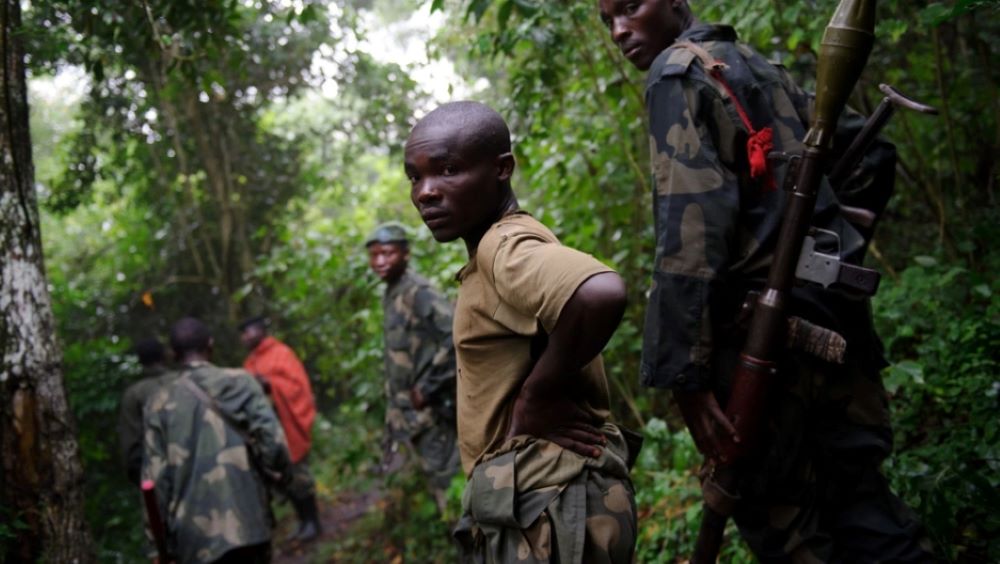
Many of the soldiers captured by AFC/M23 are being held at the Rumangabo military base.
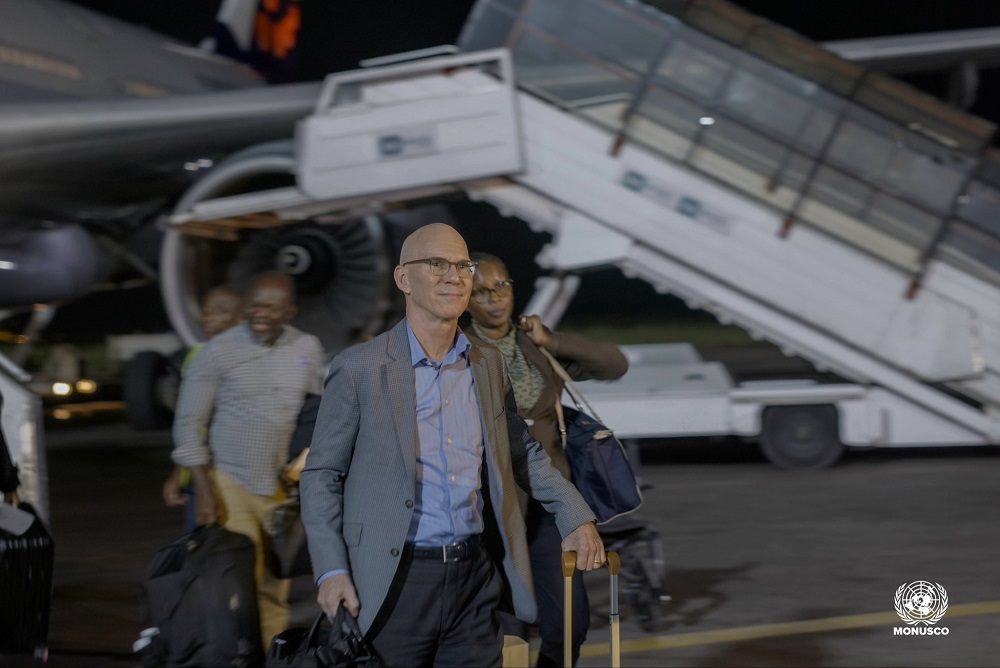
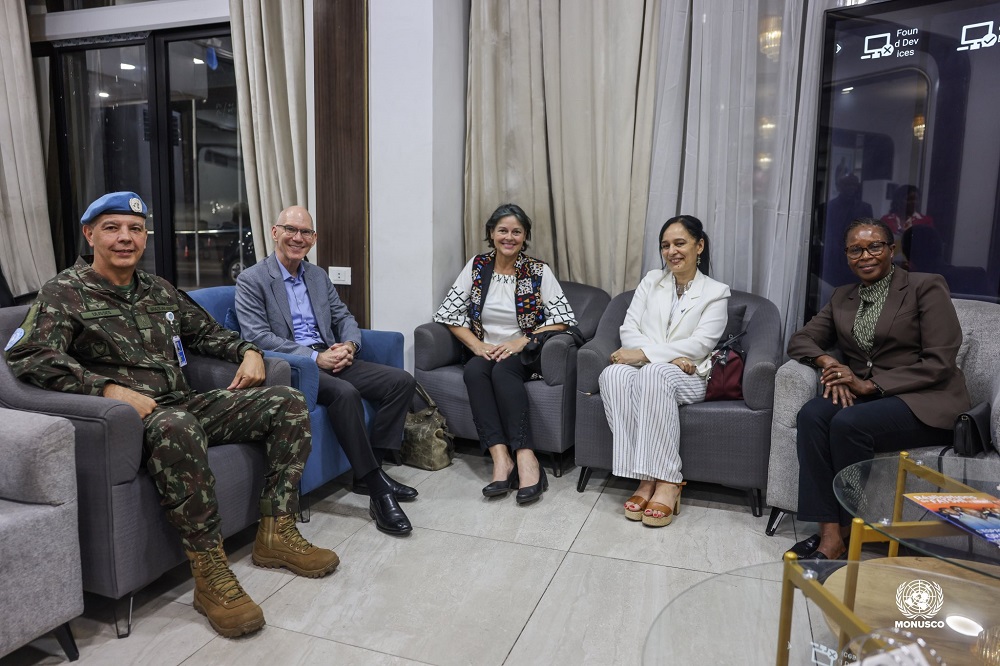
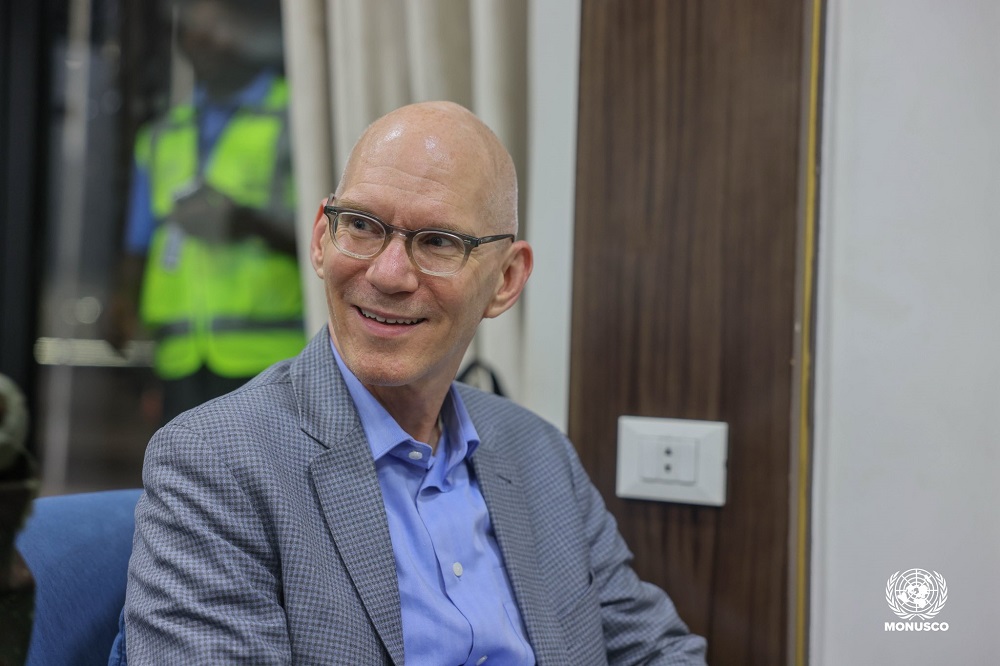
American diplomat James Swan has officially assumed leadership of the United Nations Organization Stabilization Mission in the Democratic Republic of the Congo (MONUSCO).
António Guterres appointed Swan as his Special Representative for MONUSCO early March 2026, succeeding Bintou Keita of Guinea, who left office on November 30, 2025.
Upon his arrival in Kinshasa on April 7, Swan underscored that the crisis in eastern DRC cannot be resolved through military means, pointing instead to dialogue, regional engagement, and the implementation of existing agreements as essential pathways to progress.
He reaffirmed that the protection of civilians remains MONUSCO’s central responsibility.
Swan further indicated that the mission will continue to support efforts aimed at reducing violence and creating conditions conducive to sustainable peace in the eastern region.
Swan assumes his duties at a time when MONUSCO has been tasked with overseeing the implementation of a ceasefire in Uvira territory, South Kivu Province, following the Doha negotiations between the Congolese government and the AFC/M23 coalition.
The United Nations Security Council has maintained that MONUSCO’s core mandate includes protecting civilians, preventing and responding to attacks on displacement camps, supporting the reintegration of former combatants, and monitoring compliance with sanctions related to arms flows.
In addition, the mission’s Force Intervention Brigade has been restructured to enhance its effectiveness in restoring stability in eastern DRC, with a strengthened mandate to conduct operations against armed groups independently or in coordination with national forces.
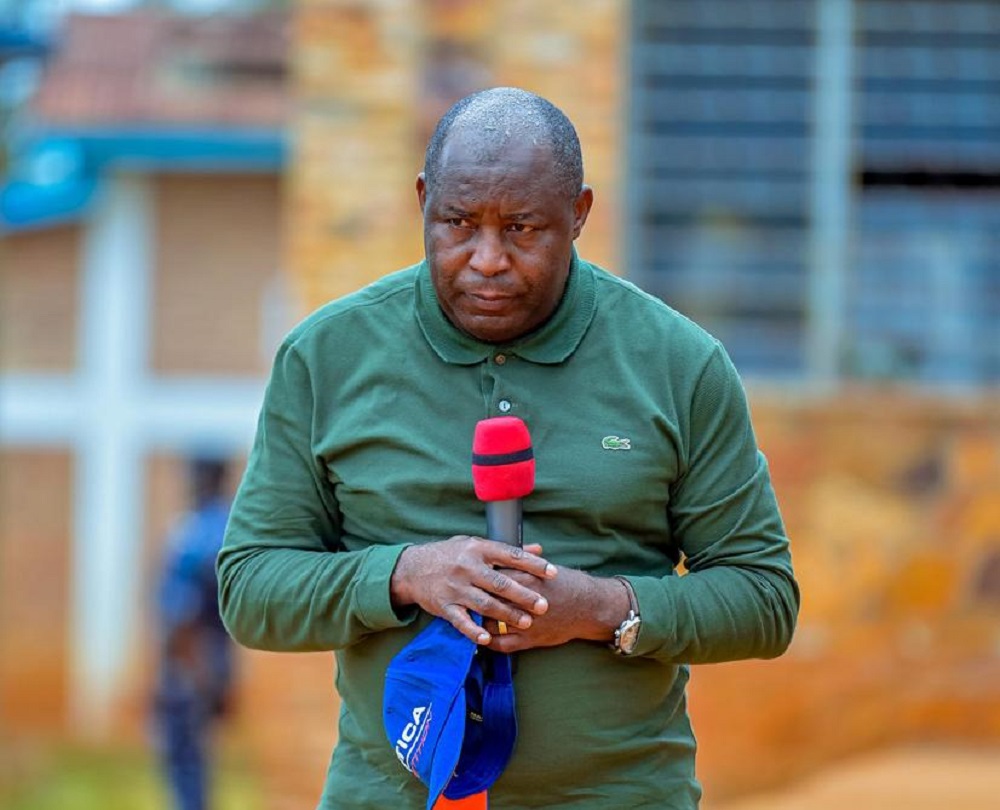
MONUSCO staff members welcomed Swan upon arrival The United Nations Secretary-General António Guterres appointed Swan as his Special Representative for the United Nations Organization Stabilization Mission in the Democratic Republic of the Congo (MONUSCO) early March 2026. Upon his arrival in Kinshasa on April 7, Swan underscored that the crisis in eastern DRC cannot be resolved through military means.
The night of March 31, 2026, was filled with celebration across the country as the national team defeated Jamaica 1-0, securing a World Cup spot for the first time in 52 years.
Residents in regions under AFC/M23 control, including the city of Goma, also celebrated the victory, demonstrating a sense of shared joy with citizens in other parts of the country, despite being under the rule of opposing factions.
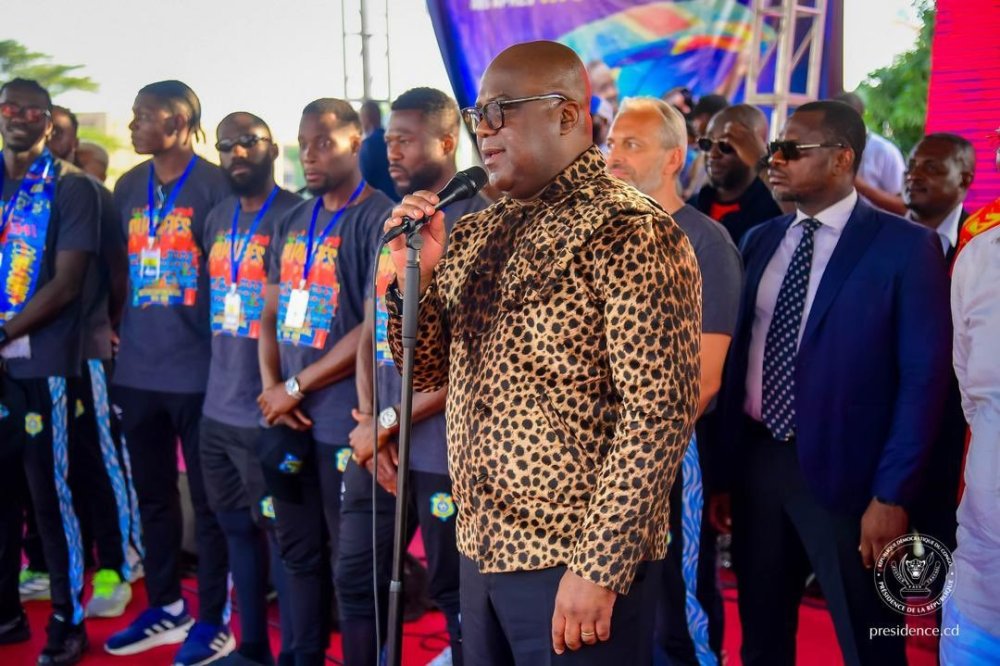
On April 5, 2026, during festivities in Kinshasa honoring the team and thanking the players for their achievement, President Tshisekedi noted that the happiness of people in the eastern regions reinforced his confidence in reclaiming these areas.
He stated, “You saw the footage—there is joy in these territories controlled by the enemy, and we will reclaim them soon because of these forces, because of this momentum.”
The Head of State expressed optimism about regaining the regions, even as AFC/M23 maintained that it had no plans to relinquish control and warned that any government attacks would be dealt with.
Whenever the Congolese government has tried to retake lost areas, AFC/M23 has countered effectively, often seizing additional territory.
The international community has emphasized political negotiations as the only viable solution to halt the conflict, but President Tshisekedi has remained adamant.
There are reports that peace talks between the DRC government and AFC/M23 could resume in April 2026, though not in Doha, Qatar, due to the ongoing conflict in the Middle East; suggesting the venue may be moved to Switzerland.
President Tshisekedi noted that the happiness of people in the eastern regions reinforced his confidence in reclaiming AFC/M23 controlled areas.
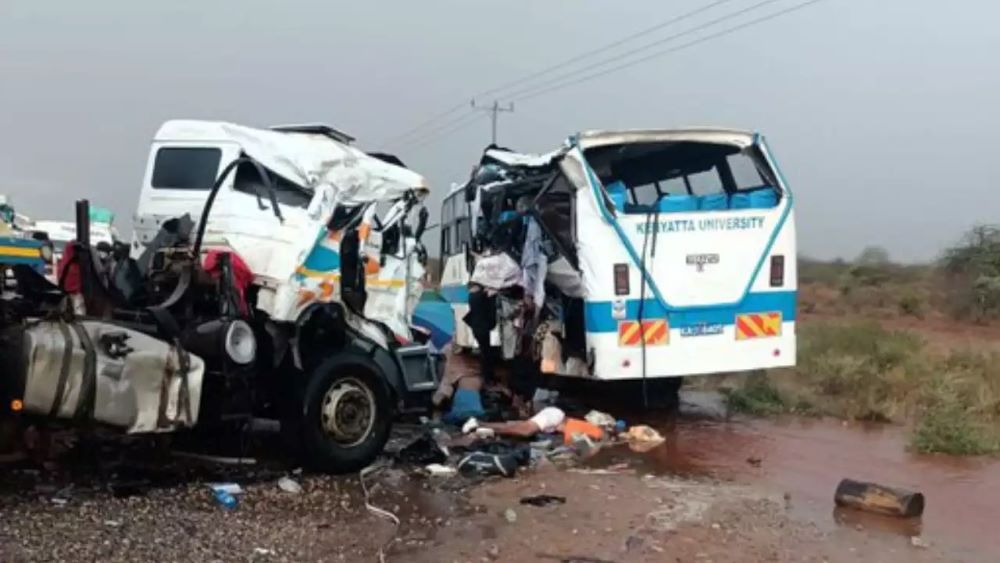
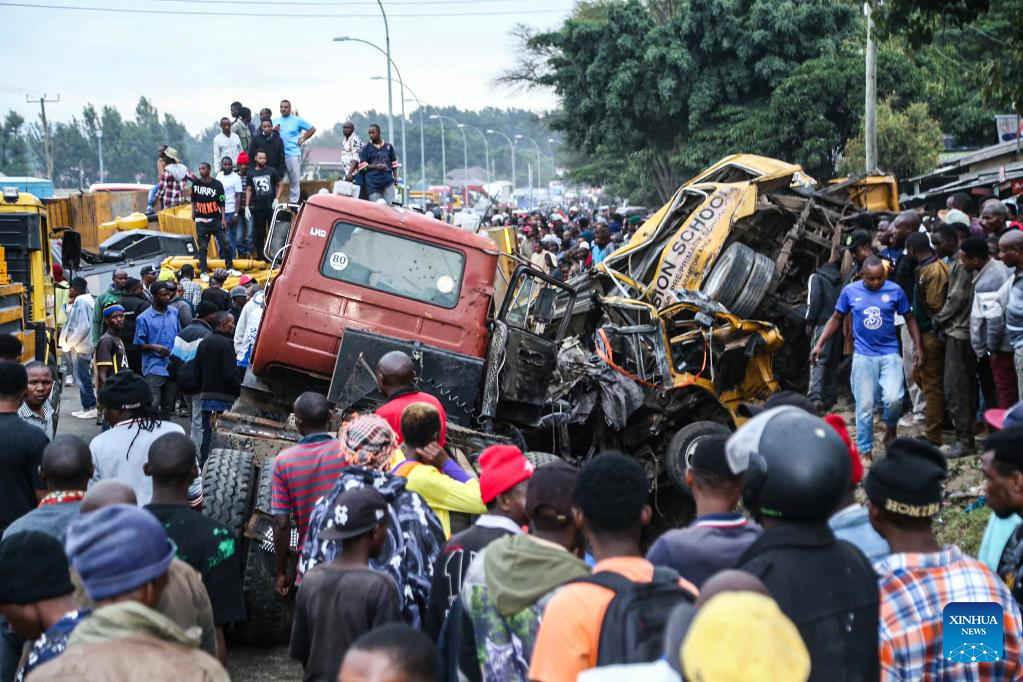
Police said the incident occurred at around 9:30 p.m. local time (1830 GMT) and involved a 10-seater minibus, locally known as a matatu, which was traveling from the lakeside town of Naivasha toward Nakuru City.
According to police, the minibus rammed into a stalled truck that had been parked along the highway due to a mechanical problem.
The latest incident brought the total number of people killed in separate accidents on Friday to 20, which includes 16 passengers and four riders, police said, adding that 27 others were injured.
According to police, fatal accidents are common in Kenya due to reckless driving, dangerous overtaking, drunk driving, and failure to use helmets.
An estimated 4,000 Kenyans die in road accidents annually despite concerted efforts by the state and the private sector to promote road safety, according to the National Transport and Safety Authority.
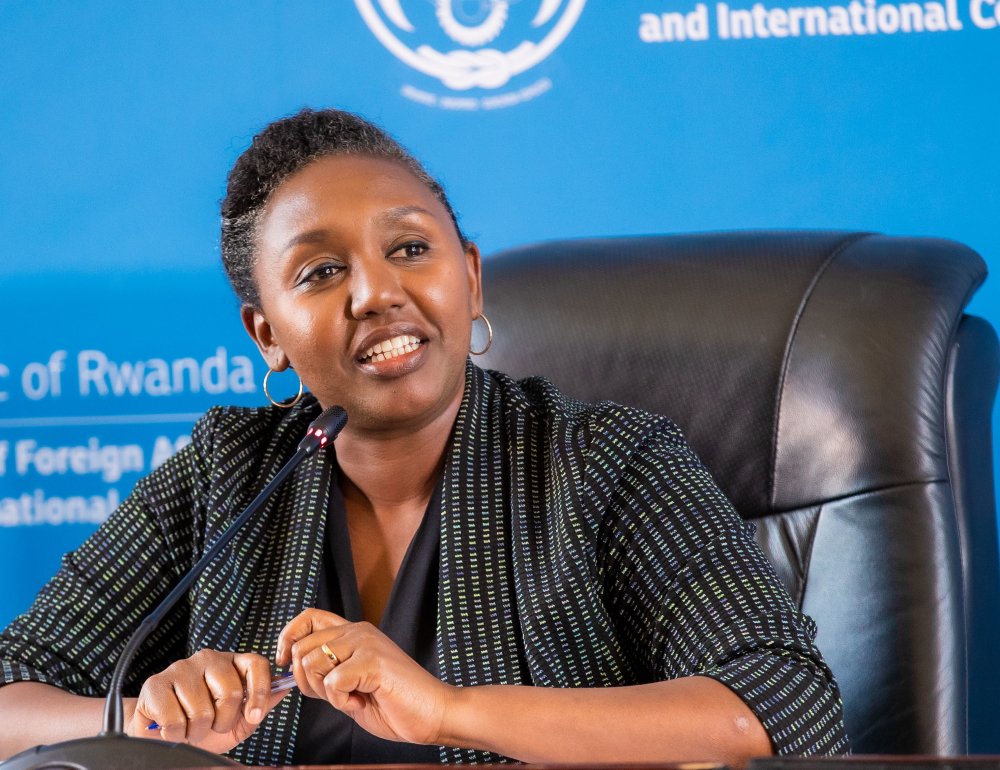
She emphasized that these assaults are, in fact, conducted by the Congolese Army (FARDC) in coordination with Burundian troops and the Wazalendo forces.
Makolo’s remarks came in response to statements by DRC Government Spokesperson Patrick Muyaya, who had insisted that attacks on the Banyamulenge in Minembwe are perpetrated by M23.
Addressing Muyaya’s claims, Makolo highlighted the deliberate misrepresentation of facts, referencing what has become known as the classic poisonous tactic.
“‘Accusation in a mirror’ – where perpetrators falsely attribute their own crimes to their intended victims. Often used to incite violence or genocide, reversing reality to portray attackers as defenders against a threatening out-group and preemptively shift blame,” she stated.
The DRC has long propagated false narratives in its conflict with M23. Even during moments of ceasefire agreement; FARDC, Burundian forces, FDLR, and allied groups have continued attacks in areas controlled by M23.
Peace talks in Doha included agreements on prisoner exchanges and temporary ceasefires, yet FARDC reportedly violated them by continuing targeting civilians.
Rwanda maintains that sustainable peace in the region will only be possible when the DRC takes decisive action against the FDLR, the terrorist group responsible for spreading genocidal ideology throughout the region.
The Spokesperson of the Government of Rwanda, Yolande Makolo has dismissed DRC’s false claims on attacks against the Banyamulenge community.
During a press conference, FDNB spokesperson Gaspard Baratuza said that the explosions were caused by a fire that broke out in the ammunition depot of the logistics brigade, located in the Musaga area in Mugere district.
He specified that the fire resulted in material damage to homes, private vehicles, and military equipment and installations.
“The FDNB extends its condolences to the families who lost their members in this accident and wishes a speedy recovery to the injured being treated in various hospitals,” Baratuza said.
Despite the losses suffered, Burundi remains standing and retains its defense capabilities to guarantee the peace and security of the country, he said.
The spokesperson called on the Burundian people to remain calm and to report any unexploded ordnance immediately to the administration or security forces.
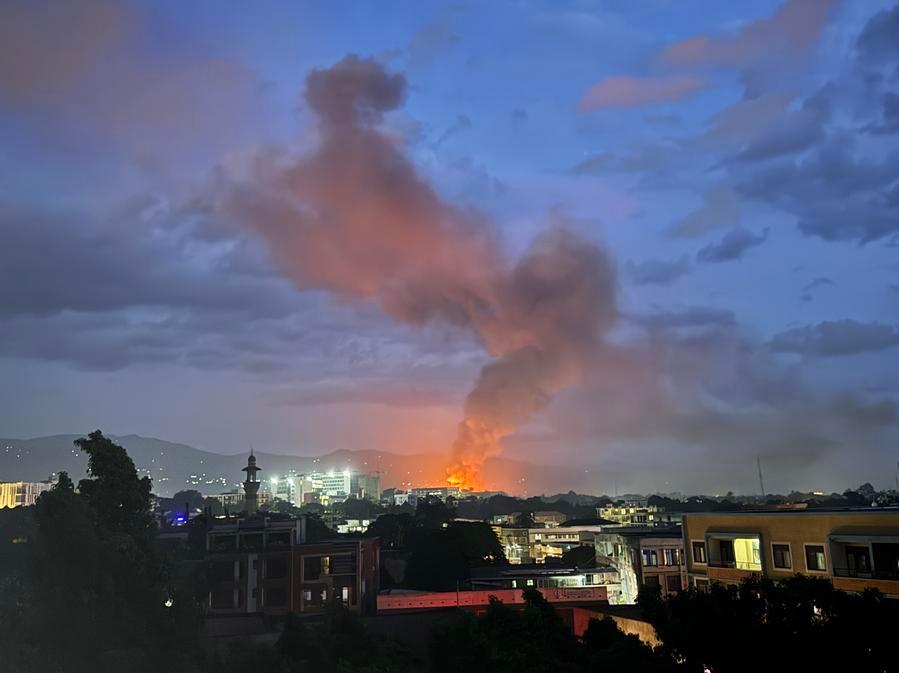
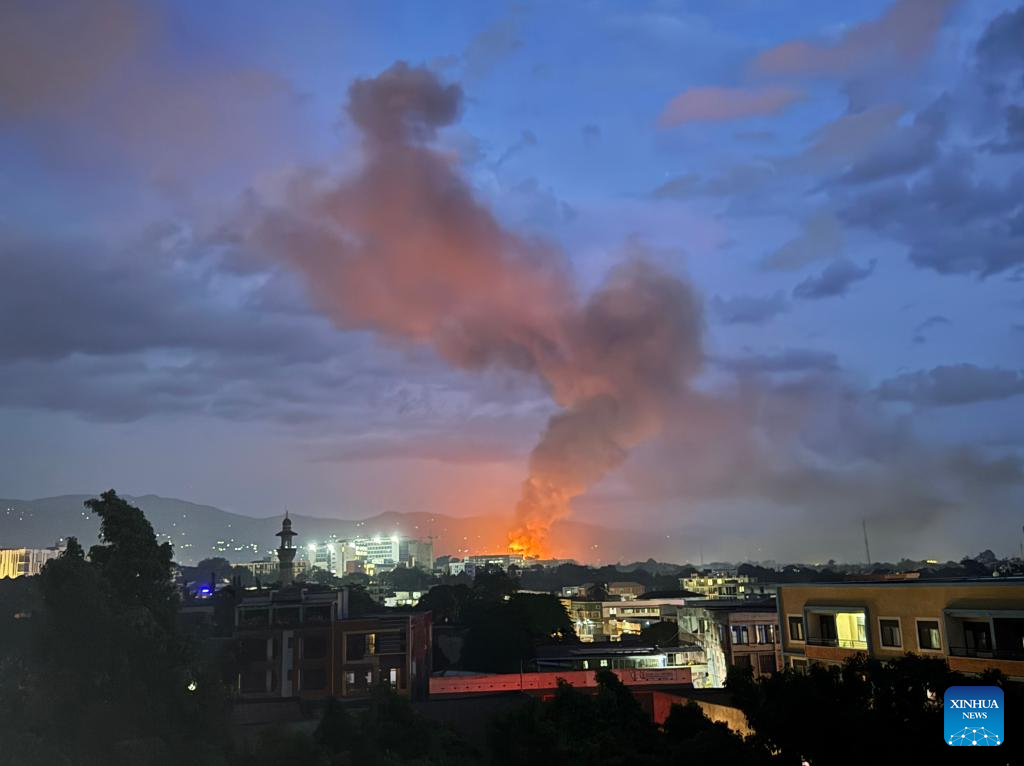
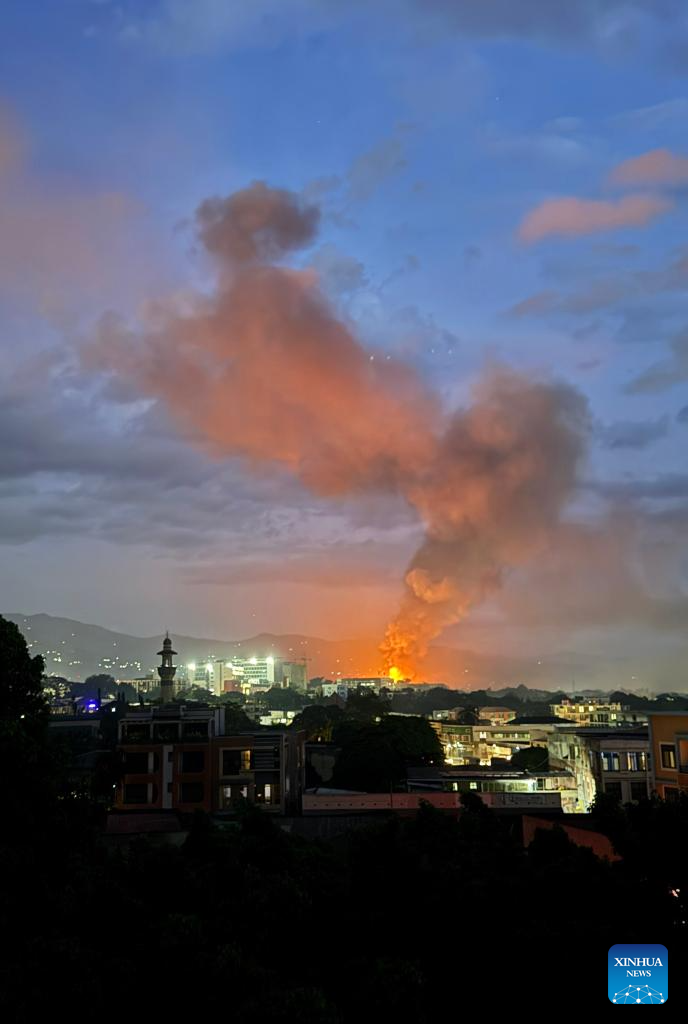
Photo taken on March 31, 2026 shows smoke rising after explosions followed a fire at a military camp in Bujumbura Province, Burundi.
He made the remarks following an announcement by the Congolese armed forces (FARDC) on March 29, 2026 that it had sent its deputy chief of staff, Lt Gen Nduru Jacques Ychaligonza to Kisangani to initiate operations to disarm FDLR fighters.
The Democratic Republic of Congo (DRC) has often claimed that the FDLR, terrorist group which Rwanda accuses of collaboration in destabilizing the region, is being used as a pretext.
Rwanda has shown that its fighters are already integrated into FARDC forces, both in combat operations in eastern Congo and in Kinshasa, and have long been involved in teaching genocidal ideology.
Lt Gen Nduru told the media on March 29, 2026 that he had been sent to eastern DRC, in the Kisangani area, to prepare operations against the FDLR. He stated: “They must surrender their weapons voluntarily or by force.”
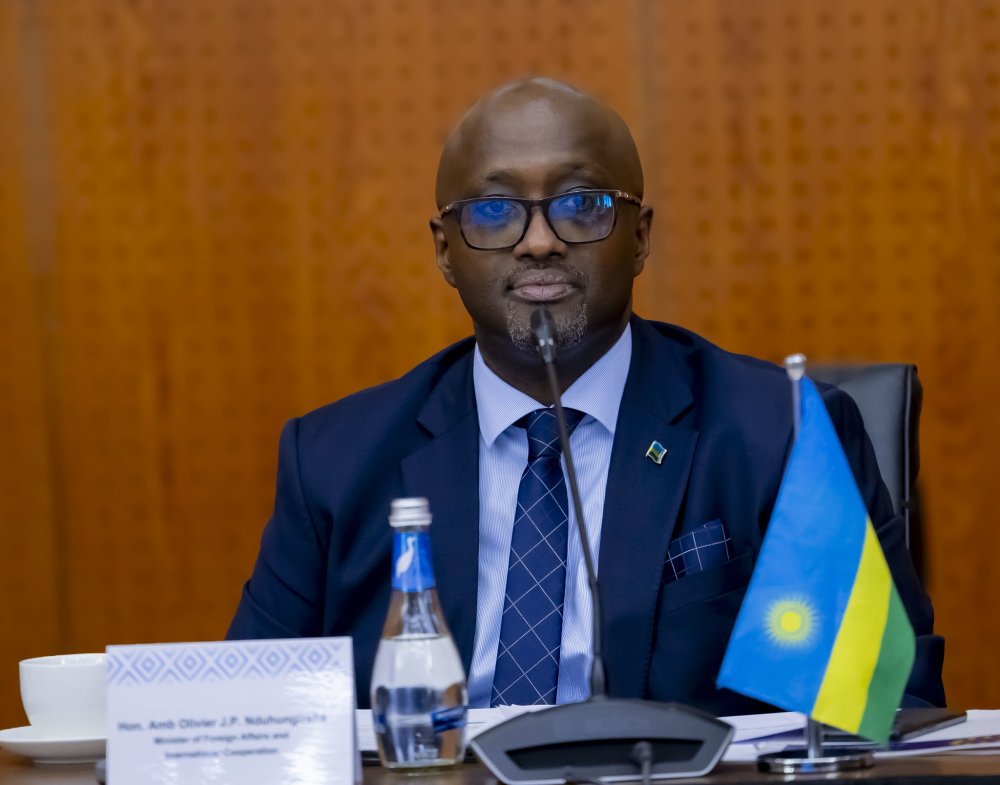
Minister Nduhungirehe, commenting on a report by RFI about FARDC’s push for FDLR disarmament, emphasized that agreements cannot be implemented through words alone.
“The implementation of the Washington Peace and Prosperity Agreements requires concrete actions on the ground, not empty words, unfulfilled promises, endless awareness campaigns, or a government cacophony over the existence or threat posed by the FDLR genocidaires,” he said.
The Concept of Operations (CONOPS) under the peace agreement signed by Rwanda and DRC in Washington, with support from the United States, indicates that the removal of Rwanda’s security measures will be preceded by actions by the DRC to dismantle the FDLR terrorist group.
Col (Rtd) Augustin Nshimiyimana, also known as Col Bora, a former FDLR combatant, recently told IGIHE that FARDC’s statements about dismantling the FDLR would be hardly achieved, given the ongoing collaboration.
“If they truly intended to act, they should start in Kinshasa, because the FDLR is there, and there are FDLR members within FARDC even today. These statements are deceptive—they plan the operation secretly, but instead of announcing it, they should act immediately because the FDLR is already within FARDC ranks. Where would they even pursue them when they are already integrated?” he wondered.
Previously, the number of FDLR combatants was estimated between 7,000 and 10,000 fighters.
Rwanda continues to emphasize its commitment to the Washington Peace Agreement signed on December 4, 2025 and supports the Doha process.
Minister Nduhungirehe has called for concrete actions to dismantle the FDLR.
The incident occurred on the night of March 31 at a military facility known as “Base,” located in the Musaga area of Bujumbura.
Burundi’s military and the Ministry of Internal Security stated that the fire was caused by an electrical fault.
In a message posted on social media platform X, President Ndayishimiye expressed his sympathy to affected citizens and reassured the public.
“I extend my condolences to those affected by the fire that broke out in one of the depots at a military base in Musaga zone. We reassure all Burundians that national institutions are doing everything possible to respond and maintain security. May God protect Burundi,” he said.
The fire triggered a series of powerful explosions from the stored weapons, with blasts heard across several parts of Bujumbura.
According to reports by BBC, explosions were still being heard as late as 10:30 p.m.
The incident caused panic among residents, with some seen fleeing their homes. People living near the military base reported damage to their houses, forcing some to relocate to safer areas within the city.
Fragments from the explosions landed in residential neighborhoods including Kinanira 3 and 4, while others reached Ngagara Zone, particularly Quartier 9, located more than five kilometers from the site of the incident.
As of now, the full extent of the damage remains unclear, though reports indicate that several injuries and dozens of casualties have already occurred near the base and in other areas affected by the explosions.
President Ndayishimiye expressed his sympathy to affected citizens and rcalled for divine protection. Photo taken on March 31, 2026 shows smoke rising after explosions followed a fire at a military camp in Bujumbura Province, Burundi. Several blasts were heard in Bujumbura, Burundi’s economic capital, on Tuesday.
The accident occurred in Mkiwa Village in Ikungi District when a bus traveling from Dodoma to Mwanza hit a pothole in the middle of the road, causing a front tire to burst and the driver to lose control.
Singida Regional Police Commander Amon Kakwale confirmed the incident, saying officers at the scene were instructed to secure passengers’ belongings and establish the identities of the deceased and injured.
Ikungi District Commissioner Thomas Apson said the injured and the bodies of the deceased were taken to Manyoni District Hospital and Singida Regional Referral Hospital for treatment and further procedures.
According to Bwire James, Manyoni district hospital medical officer, the facility received all 55 injured victims — 34 men and 21 women — along with six bodies of those who died at the scene.
This photo taken on Feb. 24, 2024 shows a road accident site in the Ngaramtoni suburb of Arusha, northern Tanzania.
Despite its ongoing presence, there are those who downplay its significance, particularly in the international community. Often, it is portrayed as an organization no longer a threat to Rwanda, to the Congolese civilians, or to the Great Lakes region in general.
The first mistake made by those who hold such views is the neglect of the fact that the FDLR is rooted in genocide ideology. The extremists within this group continue to wreak havoc in eastern Congo while seeking to destabilize Rwanda.
Although the group remains under UN and U.S. sanctions, this has not stopped it from continuing its operations, even receiving occasional political, military, and logistical support from the Kinshasa government over the years.
Congolese authorities have repeatedly claimed that the FDLR is no longer a formidable force and is merely composed of elderly individuals fleeing justice. However, this claim is far from the truth. The FDLR remains active in politics, military actions, and the propagation of its genocidal ideology.
This has been further demonstrated in the ongoing conflict between the Congolese government and the M23 rebel group.
Reports from UN experts in 2024 and 2025 revealed that the administration of President Félix Tshisekedi has utilized the FDLR and other groups such as Wazalendo as auxiliary forces to support government troops against M23. These developments should decisively eliminate any confusion or misinformation about the group being a mere historical relic.
Who are the current leaders of the FDLR?
The FDLR is currently led by Lt Gen Iyamuremye Gaston, also known as Byiringiro Victor or Rumuri, who serves as the group’s president.
Iyamuremye, born in 1948 in the current Musanze District, now resides in Hembe, Bashali-Mokoto, in Masisi, eastern DRC. He is under both UN and U.S. sanctions.
During the 1994 genocide against the Tutsi, Iyamuremye held the rank of major and led an armoured battalion.
His continued leadership of the FDLR underscores the fact that the group is still directed by individuals with direct involvement in the genocide.
Iyamuremye has close associates in both political and military operations within the FDLR. These include Moïse Izabayo, who is in charge of foreign relations and also based in Hembe, and Maj Gen Bunani Daniel, also known as Busogo Ukwishatse, responsible for security.
Another key figure is the FDLR’s spokesperson, Augustin Maniragaba, known as Cure Ngoma, who also operates from Hembe. Maniragaba, who hails from Nyamutera in Ruhengeri, Rwanda, was a teacher during the 1994 genocide against the Tutsi and has been a prominent advocate for the group’s genocidal ideology.
FDLR continues to pose a significant threat to both the region and Rwanda
Military backbone of the FDLR
The FDLR’s military wing, the Forces Combattantes Abacunguzi (FOCA), is led by Maj Gen Pacifique Ntawunguka, known as Omega. Ntawunguka was born in 1964 in Gisenyi (now Rubavu) and resides in the Kirama forest in the Rutshuru area of North Kivu. He was a lieutenant in the FAR (Rwandan Armed Forces) during the 1994 genocide against the Tutsi and later fled to Congo after the defeat of the genocidal regime.
Ntawunguka, with his extensive military training, remains a senior leader within the FDLR, having undergone military education in Egypt, Greece, and France. His role and leadership show that the FDLR is not a random or ill-trained group, but one with substantial military expertise. He continues to express his defiance, stating that he will not return to Rwanda until no Tutsi is left.
Intelligence and propaganda within the FDLR
The FDLR also has an intelligence division led by Brig Gen Uwimbabazi Sebastien, known as Kimenyi Gilbert Nyembo. Uwimbabazi was sanctioned by the U.S. in 2023 for his involvement in the ongoing conflicts in eastern DRC. He was a lieutenant colonel in the Rwandan gendarmerie during the genocide and is closely linked to the group’s propaganda efforts.
FDLR also runs a military academy, headed by Brig Gen Hitimana Bernard, who has been instrumental in training the group’s forces. Hitimana was involved in the FDLR’s operations in 2008-2009 and has served in various leadership capacities in the group.
Ntawunguka, with his extensive military training, remains a senior leader within the FDLR, having undergone military education in Egypt, Greece, and France.
Elite forces
Among the most notorious commandos within the FDLR is Lt Col Rurakabije Pierre Célestin, known as Samba Guillaume, who leads an elite unit called CRAP (Commandos de Recherche et d’Action en Profondeur).
Rurakabije is listed on four international sanctions lists due to his involvement in promoting violence and insecurity in eastern DRC.
Another prominent figure is Col Kubwayo Gustave, known as Sircof Modeste, who leads operations under the name SINAI in many areas of Rutshuru, including Kahumiro, Kazaroho, Katanda, and Mayamoto.
Additionally, there is Col Oreste Ndatuhoraho, who uses the names Uwikunda Oreste or Issa Pierre. He leads CANNAN/JERICHO, which is considered the main headquarters of the FDLR.
Ndatuhoraho was born in Rutobwe in 1970 and worked as a secondary school teacher before joining armed groups. In 1994, he participated in military training for the Interahamwe militia to use weapons aimed at killing the Tutsi during the Genocide.
FDLR is not a group to underestimate
The FDLR is a highly organized and skilled group, with a clear political, military, and ideological agenda. It is not a group of displaced individuals without power, as some would suggest. On the contrary, the FDLR continues to pose a significant threat to both the region and Rwanda, bolstered by military expertise, political ties, and a genocidal ideology that remains influential.
To dismiss the FDLR as a mere historical artifact is to ignore the real threat it still poses today. The international community must recognize the continued existence of this threat and work together to address it. Military action alone is not enough to dismantle the FDLR; a coordinated and sustained international effort is necessary to address the root causes of this violent group.
The FDLR is currently led by Lt Gen Iyamuremye Gaston, also known as Byiringiro Victor or Rumuri, who serves as the group’s president. The FDLR remains active in politics, military actions, and the propagation of its genocidal ideology.