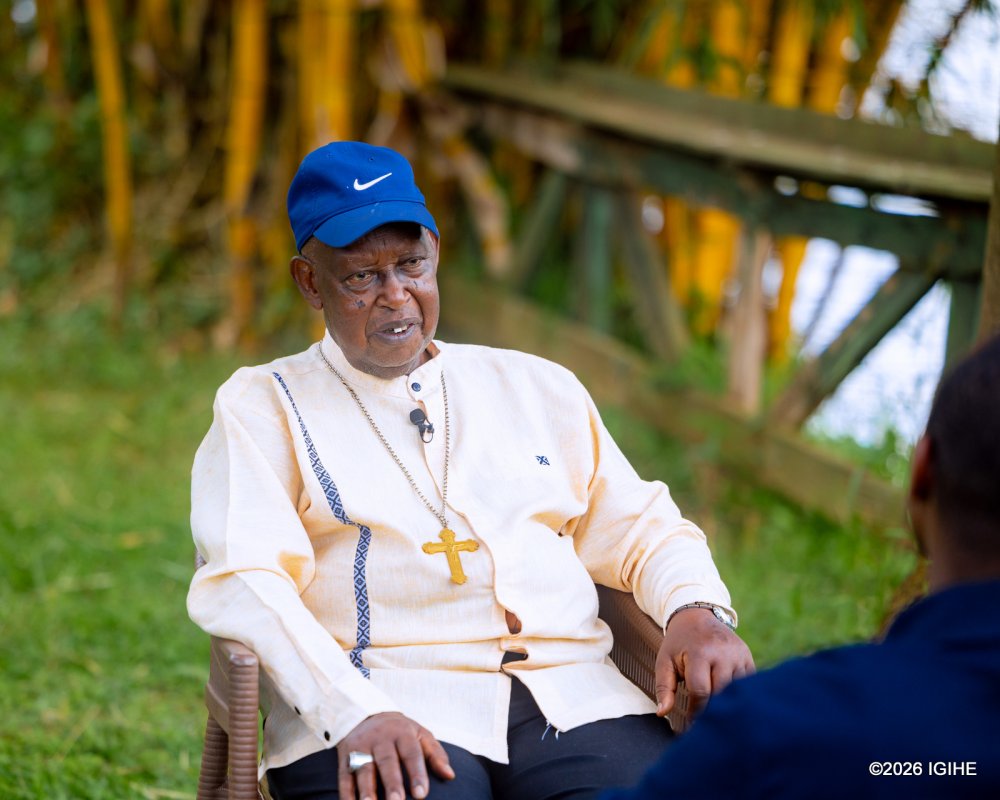
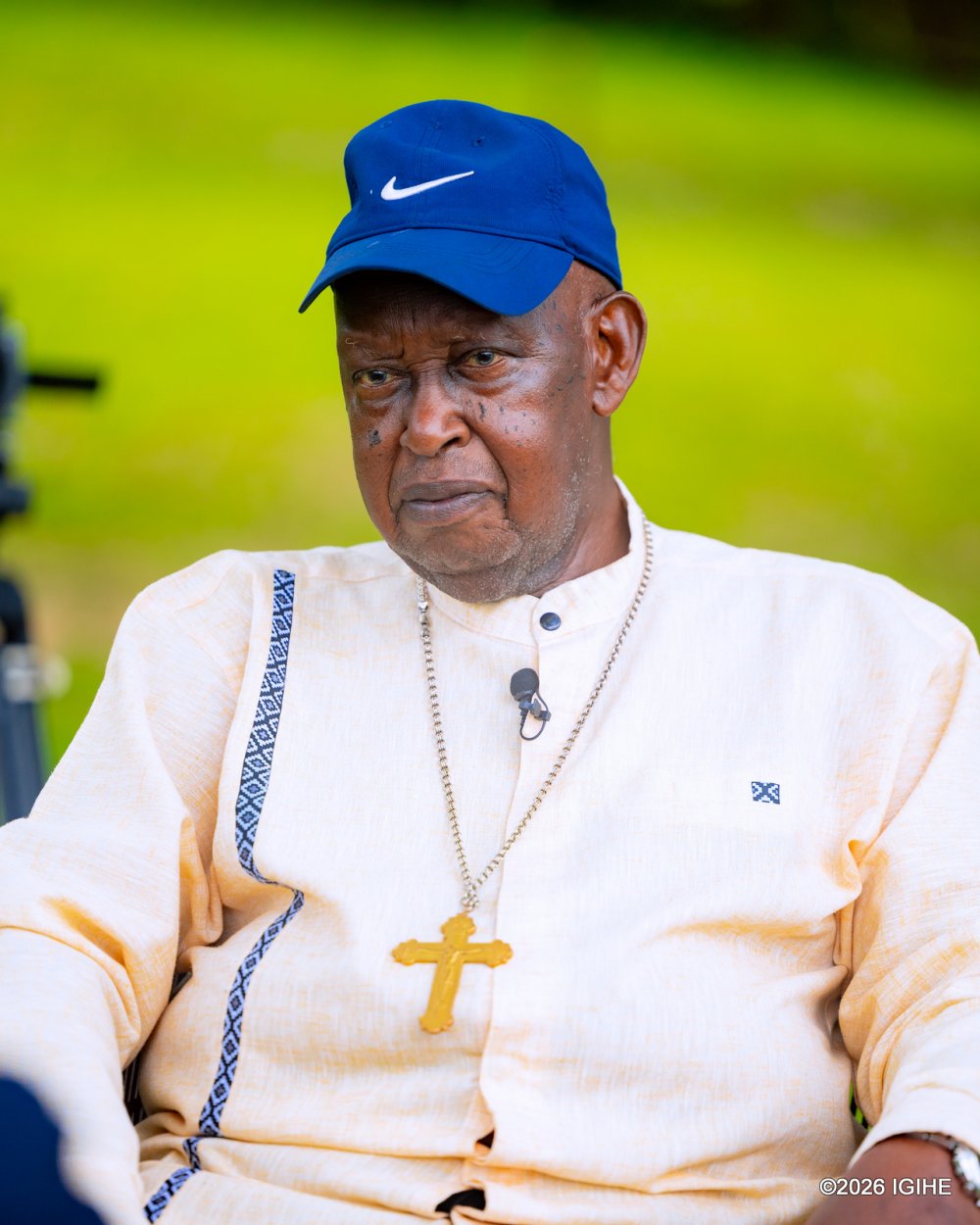
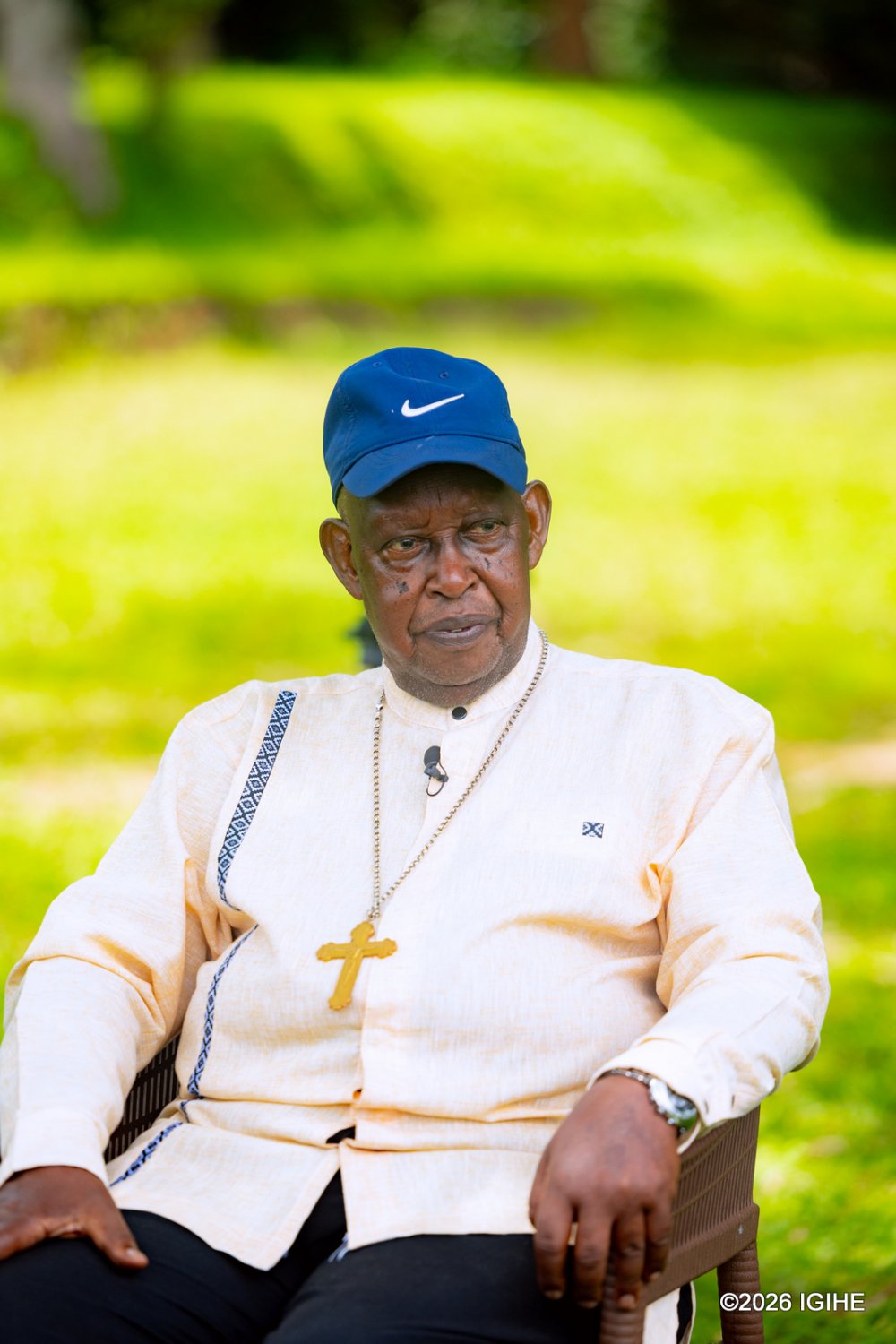
Bishop Nzakamwita, 82, retired since 2022 after 27 years of service as Bishop of Byumba Diocese. When he assumed the role, the diocese had 13 parishes, a number that has since grown to 21.
In a recent interview on IGIHE’s program ‘Ingingo Nkuru‘, Bishop Nzakamwita reflected on how hatred was deeply rooted in society and eventually spread into the Church. He spoke about the situation in seminaries, where even those preparing for priesthood were affected by ethnic divisions.
His testimony also addressed the role of the Church during that period, including the conduct of some priests who were influenced by ethnic divisions.
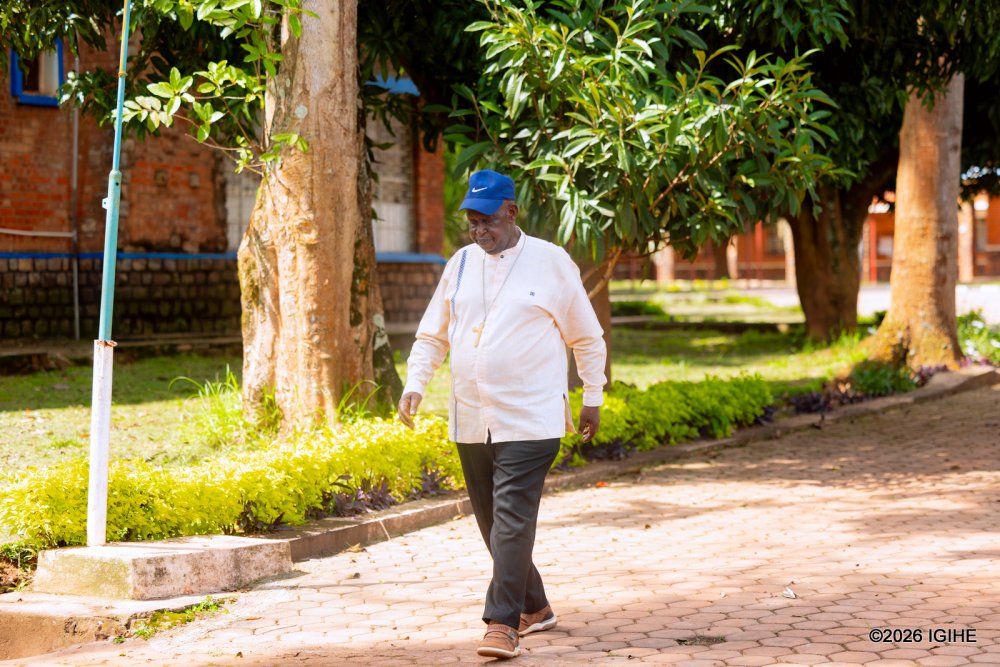
IGIHE: You have now spent four years in retirement, having requested to retire in 2018 and receiving approval in 2022. How has life been?
Bishop Nzakamwita: In reality, one no longer holds specific responsibilities during retirement, but continues to offer support. I remain active trough teachings related to the priestly ministry, lead retreats, and respond to invitations such as weddings or times when people have lost loved ones and need support. So, I continue to serve both as a priest and as a bishop, although I no longer hold any formal or specific duties.
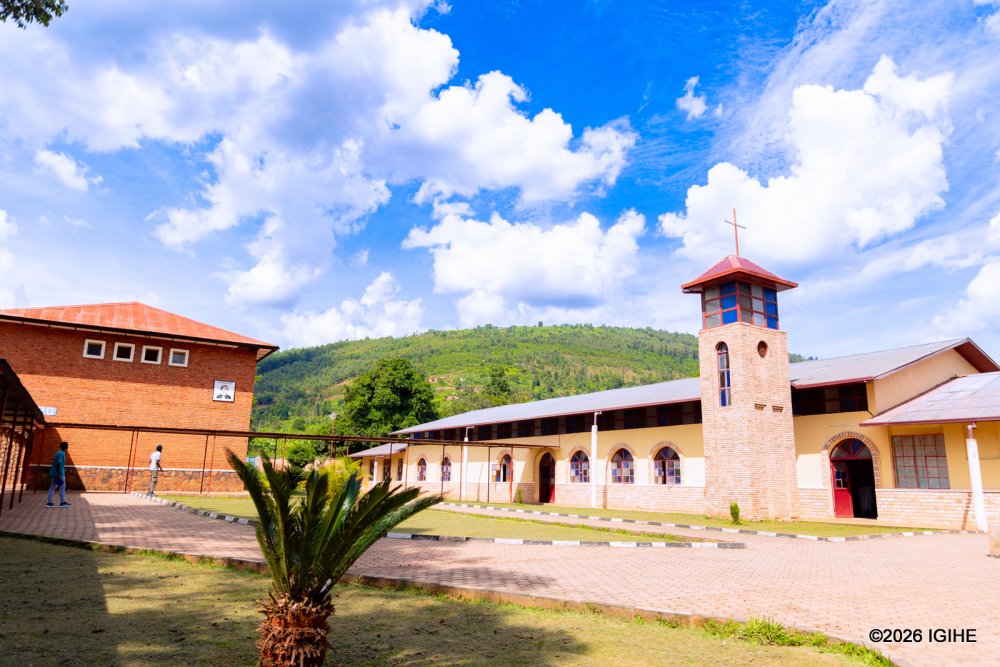
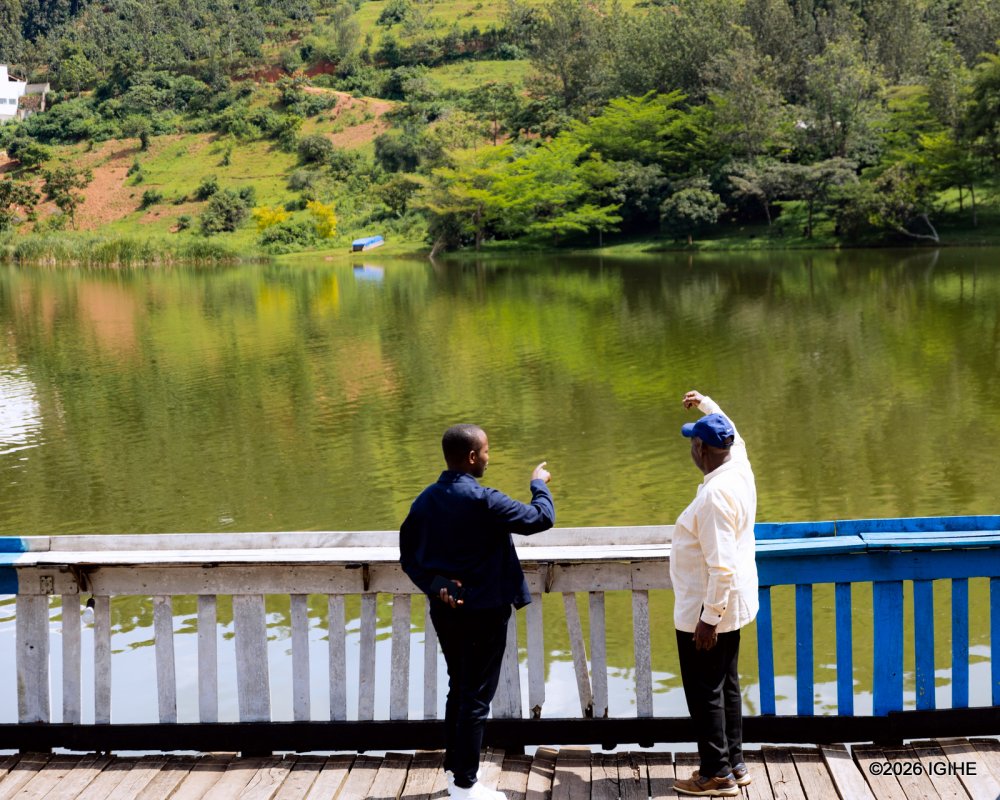
IGIHE: During retirement, you chose to settle in Rwesero, near the lake. Why did you choose this place?
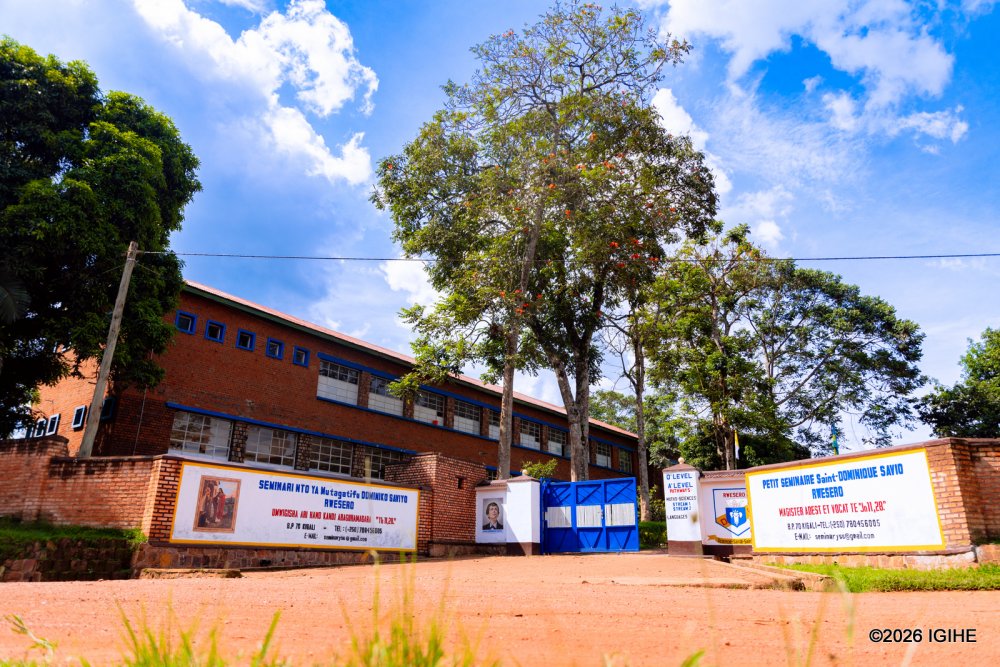
Bishop Nzakamwita: It is a peaceful place, and I am very familiar with it. I studied here from 1958 to 1963, after which I moved to Kabgayi. In 1965, I went to Nyakibanda, where I spent six years.
In 1971, I was ordained as a priest and began my pastoral work. I started in Ruhengeri at the cathedral. In 1975, I was sent to Janja as a parish priest, where I served for a long time. I left in 1986 to come here to Rwesero as a formator, and in 1987 I was appointed to succeed our previous rector, Thaddée Nsengiyumva, who had been appointed as Bishop of Kabgayi Diocese.
In 1989, I was sent for further studies in Belgium, where I spent two years. Upon my return in 1991, I was assigned to the Major Seminary of Rutongo. Later, in 1996, I was appointed Bishop of Byumba.
IGIHE: How would you assess Catholic Church education, particularly in seminaries, compared to the past?
Bishop Nzakamwita: Seminary education remains fundamentally the same. Its purpose is to prepare young men for the priesthood while supporting their overall formation. At the same time, they pursue academic studies just like other students.
IGIHE: What proportion of seminary students eventually become priests compared to those who pursue other paths?
Bishop Nzakamwita: Only a small number go on to become priests. The majority choose to pursue other careers and ways of life.
IGIHE: Does that mean they lack a genuine calling?
Bishop Nzakamwita: The choice ultimately belongs to each individual. We are aware from the beginning that not all of them will become priests. Those who clearly choose the priesthood are the ones who proceed to the major seminary.
IGIHE: Does this suggest that the number of people choosing religious vocations is declining today?
Bishop Nzakamwita: Yes, it is declining significantly. People are increasingly choosing different paths in life. However, this is something we accept. What matters is that even those who pursue other careers leave with a strong moral and Christian foundation, so our efforts are not in vain.
IGIHE: Do you think Rwanda could eventually face a shortage of priests, as seen in some other countries?
Bishop Nzakamwita: Rwanda still has many vocations. We have not yet reached a point where choosing the priesthood is disappearing, especially since the Christian faith remains strong among the population.
IGIHE: Let us revisit the period before the Genocide. You were present and serving as a priest at the time. How did Rwandan society move from the values of love taught by the Church and other religions to such deep hatred?
Bishop Nzakamwita: First, we must understand that in this world and in our lives, we are constantly engaged in a struggle to overcome evil and uphold good, to defeat hatred and promote love. This is a universal struggle.
There was a period in Rwanda when the country’s leadership fell into the tragedy of dividing its people. Some were turned against others, and it escalated to the point where certain groups, particularly the Tutsi, were targeted and killed. These events were deeply painful for all of us and continue to have lasting consequences.
This was not caused by Christianity. Rather, it was the result of political leadership that chose to divide Rwandans for political interests prevailing at the time.
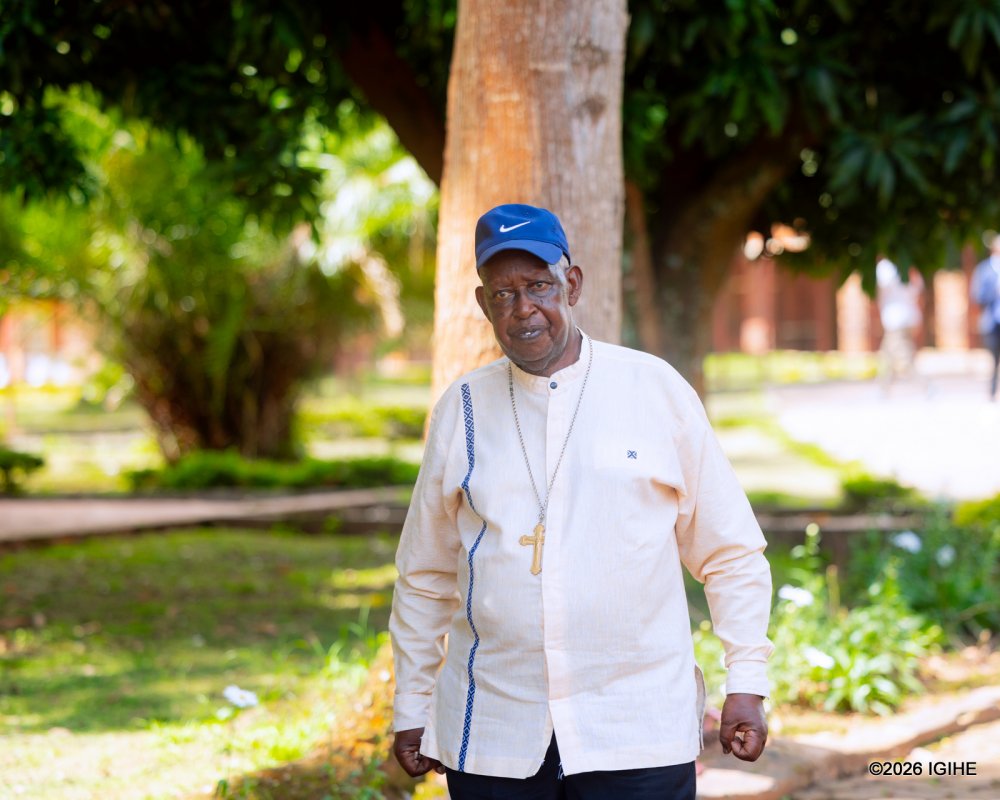
IGIHE: At that time, you were actively teaching. How did you manage to teach love when people would leave and encounter politicians spreading a different message?
Bishop Nzakamwita: That is precisely the mission of the Catholic Church to teach love, which is the legacy we received from Jesus Christ Himself. That is what we continued to teach.
When the problem of division emerged in Rwanda, where leaders encouraged citizens to hate one another, we intensified our efforts to guide the faithful. We urged them not to be carried away by hatred, but instead to choose what is good and to live peacefully with others.
However, many people were ultimately overwhelmed, especially because those in leadership were actively promoting division. Many succumbed to this influence, which eventually led to the Genocide against the Tutsi, aimed at eliminating one group so that another could dominate both political power and life in Rwanda.
IGIHE: You mentioned that, as religious leaders, you continued teaching despite being overpowered by other influences. Yet some priests were involved in the Genocide. How do you explain this?
Bishop Nzakamwita: Priests, like all members of society, included both Hutu and Tutsi, and they too were affected by divisionism. Some were overcome by hatred and betrayed their religious commitments.
While some failed, others resisted. That resistance is part of why Rwanda did not completely collapse or fully achieve the destructive goals set by those in power. There were individual priests, religious figures, and ordinary Christians who courageously opposed these actions and stood firm in their responsibilities.
IGIHE: While you were in Janja, divisive ideology was already spreading. What did you personally witness?
Bishop Nzakamwita: The atmosphere was tense. The culture of hatred and violence was already present. At times there would be brief periods of calm, but then violence would resurface openly, people being expelled from schools, dismissed from their jobs, and even killed.
This cycle continued, but from 1990, when the Inkotanyi launched their struggle, the situation worsened significantly and escalated steadily until 1994.
IGIHE: What memories from that period have remained with you and continue to stand out?
Bishop Nzakamwita: One significant period was in 1973, when President Habyarimana took power from Kayibanda. It was a difficult year marked by killings and expulsions from jobs. Although the situation later appeared to stabilize, discrimination persisted. Tutsi children, for example, did not have equal access to education compared to Hutu children.
That year was particularly painful. Students were expelled from schools, and many people fled the country to Burundi, Uganda, and Congo.
Another period I remember clearly began around 1989, when a new wave of expulsions and division emerged, especially among students.
At that time, I was transferred for further studies, but tensions remained high, and children were increasingly influenced by divisive ideologies.
IGIHE: Did such divisions also exist within seminaries?
Bishop Nzakamwita: Yes, they did. However, we made efforts to contain them. By 1990, when the war began, the situation worsened. Some students were imprisoned, others were killed, and many were expelled. There were also casualties among both students and staff.
IGIHE: Were these actions carried out by seminary teachers?
Bishop Nzakamwita: No, they were carried out by local administrative authorities, prefectures and communal leaders. However, the divisions also spread among students themselves, with some harassing others and even attempting violence.
Some students fled for safety, while others remained and tragically lost their lives. Others were arrested and taken to Byumba during the period when people accused of being “accomplices” were being detained.
IGIHE: How many seminarians were taken?
Bishop Nzakamwita: Initially, four seminarians were taken, but one of them was killed. He had helped others escape by taking them to his home, which was nearby. Later, when the seminary temporarily closed due to the unrest, he was arrested and accused of being an accomplice. He was ultimately killed along with others who were similarly accused.
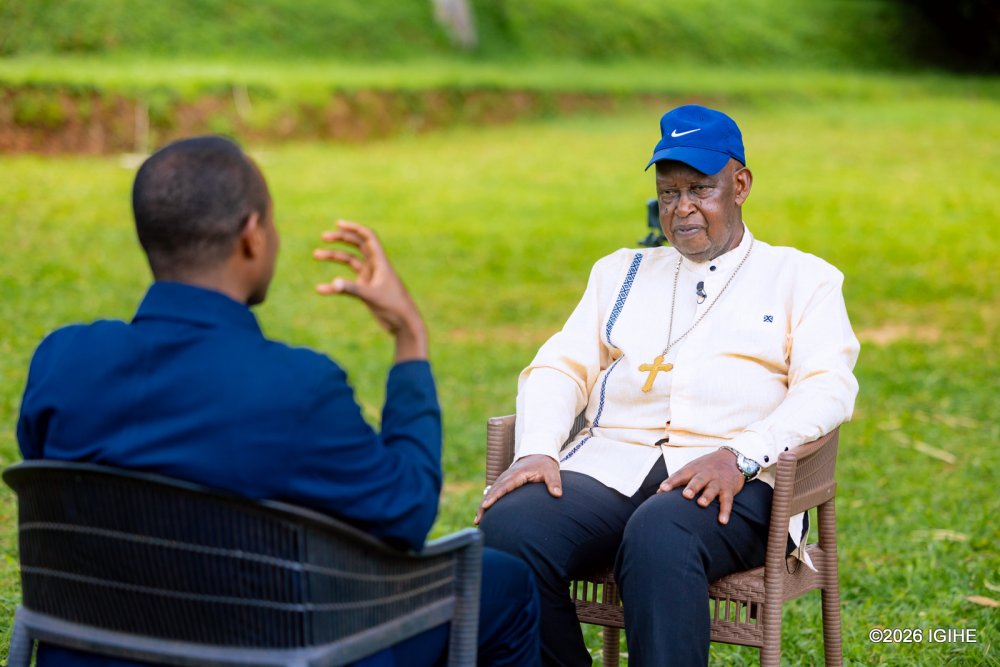
IGIHE: When you returned in 1991, how did things unfold? When and how were your siblings killed?
Bishop Nzakamwita: When I returned to Rwanda in 1991, it was not easy. I was hesitant because there was already war in the country. During that time, my family was targeted, some of my siblings were persecuted, and in 1990, several of them were killed in Gatsirima, in Kiyombe Sector, then part of Kiyombe Commune. They were accused of being accomplices and were killed by local residents.
At the time, I was still in Belgium. When I received the news of their deaths, I went into mourning. Returning home was difficult. I kept asking myself, “Where would I go?” I feared that if I had been at home, I too might have been killed. Others also warned me about the risks I could face upon returning.
When I consulted my bishop about whether I should come back, he reassured me, saying that the situation had calmed down and that negotiations were underway.
After that reassurance, I returned and was assigned to Rutongo. We were there when events of 1994 unfolded. During the years from 1991 to 1994, tensions persisted, even among our students. Some held divisive and hateful ideologies, but we worked to counter them, and in the seminary, they often listened to us.
I recall that at one point, we even suspended classes to engage in dialogue with the students, as the environment had become very challenging. Education itself was affected by ethnic divisions.
IGIHE: What kind of discussions did you have with the students?
Bishop Nzakamwita: We emphasized that unity and good relationships were the right path, and that hatred had no place. Some students would claim that the Tutsi were at war and fighting against the Hutu.
Our role was to correct such views, teaching them that such thinking was wrong and not compatible with Christian values or the calling of seminarians.
IGIHE: You mentioned that your siblings were killed in 1990 after being labeled accomplices. How many were killed?
Bishop Nzakamwita: My younger brother, my elder brother, and my elder brother’s wife were killed. The children were not there; some were studying in Kigali, while others had been sent to Congo because access to education in Rwanda was very limited at the time. My younger brother’s wife had already passed away in 1989 due to illness.
So, it was my younger brother, my elder brother, and my elder brother’s wife who were killed there.
IGIHE: What happened where you were during that time?
Bishop Nzakamwita: In 1994, shortly after Easter, the plane carrying President Habyarimana was shot down. Authorities instructed everyone to remain where they were, assuring us that our security would be protected.
From April 6th to 9th, we remained in hiding at the seminary. During that time, we also received refugees fleeing from surrounding sectors. Many arrived wounded, while others came seeking safety.
By April 9th, we were still in hiding and trying to defend ourselves, as Interahamwe militia were attacking us. We set up barriers on the roads leading to the church and the seminary and resisted them by throwing stones.
On that same day, RPF forces (Inkotanyi), advancing toward Kigali from Byumba, passed through Rutongo and rescued us. Had they not arrived, we would all have been killed.
When they reached the area, they encountered Interahamwe militias who had arrived in trucks and buses intending to kill both us and those who had taken refuge with us. Fighting broke out, and the attackers were driven away, allowing us to survive.
Later, on April 18th, due to ongoing fighting, we fled from Rutongo to Byumba.
At the time, I was serving as the bursar (Econome), and since we had livestock and property belonging to seminarians who were on holiday, I initially remained behind in Rutongo while others fled. RPF soldiers occasionally passed through on their way to Kigali, and a unit was stationed there to maintain security, as the area was strategically important.
However, on April 28th, I was advised to leave due to heavy shelling coming from areas like Murambi and Shyorongi. I was told it would be safer for me to evacuate. We then fled to Byumba and later returned after Kigali had been taken in July.
IGIHE: Before the RPF arrived in Rutongo, were there Tutsi refugees who were killed by Interahamwe, or were you able to continue defending yourselves?
Bishop Nzakamwita: In surrounding areas, many Tutsi were indeed killed. Those who were fortunate managed to reach the seminary or the parish for protection.
IGIHE: Were any people killed at the seminary?
Bishop Nzakamwita: No. We resisted from the beginning, defending ourselves by throwing stones. Before 1994, there had been killings elsewhere, but at the seminary, we managed to protect those who had taken refuge there. When the RPF arrived, they reinforced our defense. No one who had sought refuge at the church was killed.
IGIHE: After the Genocide, people had to live together again, with unity and reconciliation, and perpetrators were expected to ask for forgiveness. Was this process easy?
Bishop Nzakamwita: What was easy? Even after Kigali was taken and the RPF began stopping the Genocide in the areas they controlled, the situation remained extremely difficult.
In reality, the conflict did not end immediately. Fighting continued until around 1997. The war between the RPF, the Interahamwe, and the former government forces evolved into an insurgency, as infiltrators continued to wage attacks.
IGIHE: I would like to focus particularly on your personal experience during those difficult times. Did you forgive those who killed your family during the Genocide?
Bishop Nzakamwita: When I returned to Rwanda in 1991, in our home area of Mutara and much of Byumba, many residents had fled due to the war with the Inkotanyi. I was unable to reach my home because there were hardly any people left, some had fled, while others had been killed.
I only managed to return there in 1996, after I had been appointed Bishop of Byumba. When I went back, the area had become overgrown with bush. I did not even know where my relatives had been buried. I had to search for them, and eventually discovered that their remains had been thrown into a latrine. By that time, only bones remained. We did our best to give them a decent burial.
That same year, 1996, I began my ministry in Byumba as bishop, living among the people.
At that time, many residents were still in exile, some in Tanzania, Congo, and Uganda. Those who remained or had returned were very few, and many parishes were closed. I believe only about four parishes were functioning, and even those had very small congregations.
As people gradually began to return, especially in 1997 when refugee camps in places like Benako (Tanzania) and Congo were dismantled, many came back to their homes.
IGIHE: How did you respond to that situation?
Bishop Nzakamwita: It was a very difficult challenge. Some of the people who had killed my relatives returned to their communities. At the same time, earlier refugees who had fled in 1959 had already returned with the Inkotanyi between 1994 and 1996 and settled on land that had been abandoned.
When the 1994 refugees began returning, tensions arose. Coexistence became difficult. Many who returned from Benako in Tanzania were afraid to live alongside those who had already settled there, particularly returnees from Uganda, so they set up camps nearby instead.
We had to address this situation by working with local authorities, including the mayor, to find ways for people to live together again. There was deep fear on both sides; some feared attacks from Interahamwe, while others feared revenge from the Inkotanyi, who were now in power.
To resolve this, we focused on bringing people together both the older returnees and those who had fled in 1994.
IGIHE: How did you manage to reunite them? Is this the origin of the housing initiative?
Bishop Nzakamwita: Yes. We started by bringing together young people, aged roughly 15 to 30. Initially, we gathered about 150 youth, then brought in more. We provided them with guidance and education, supported by priests and educators.
These young people became a bridge for reconciliation, helping to bring their parents together. While many parents were still in camps, we connected them with those who had already begun rebuilding on their land.
We first united the youth through shared activities, games, teachings, and cultural events. We then invited their parents to participate, encouraging dialogue and mutual understanding. We emphasized that both groups, those who had fled long ago and those who had fled more recently were all returning to their rightful homes and needed to share the land and live side by side.
Since many houses had been destroyed, we helped provide construction materials such as roofing sheets and tools, as well as skilled builders. At the same time, we encouraged the communities to work together to rebuild their homes.
We told them that neighbors who live in conflict cannot coexist peacefully, but those who choose unity can rebuild together. They accepted this message.
Local authorities then allocated plots of land, reorganizing settlements into villages, as people had previously been scattered. With support in materials and labor, communities worked together to rebuild homes and ultimately lived side by side in peace.
IGIHE: Did individuals who killed your relatives ever ask you for forgiveness?
Bishop Nzakamwita: No, none of them ever asked me for forgiveness. Perhaps they felt that I had already forgiven them, as I did not seek revenge. We resumed living together as before. They do not avoid me, and I do not avoid them.
IGIHE: Were those involved in the killings held accountable?
Bishop Nzakamwita: Yes, they were arrested and imprisoned.
IGIHE: Are they still in prison?
Bishop Nzakamwita: Some remain imprisoned, while others have passed away.
IGIHE: Have any of those who were released come to ask for your forgiveness?
Bishop Nzakamwita: Some have been released and are now living on their land. We live together peacefully.
IGIHE: Have they ever asked you for forgiveness?
Bishop Nzakamwita: No one has ever directly asked me for forgiveness. However, I hear them say that the war led them into wrongdoing. People express regret, but no one has personally come to me to confess their actions or ask for forgiveness. Those identified as responsible were prosecuted, but we have not had direct conversations about it.
IGIHE: Among those you helped rebuild homes, were there individuals who had taken part in the killings?
Bishop Nzakamwita: Possibly, yes. But I did not choose people based on that. Land was distributed to everyone, and they all rebuilt their homes. I never sought to identify who specifically killed my relatives. Those who were identified were reported to authorities, arrested, and some were later released.
Those who admitted their crimes and sought forgiveness through the justice process were released, while others remained imprisoned or died in prison. Some fled to Uganda. I neither know all of them nor sought to find out.
What matters is that those we helped rebuild their lives still appreciate that gesture. They are even able to visit me freely, and we coexist peacefully. In fact, when the government sought individuals who had demonstrated exemplary conduct, these same community members testified that I had not sought revenge. As a result, I was recognized nationally and included among the Guardians of the Covenant (Abarinzi b’Igihango).
This recognition came from those very people we lived alongside, some who had participated in the attacks and others who had failed to intervene. The act of helping rebuild their lives and choosing not to seek revenge deeply moved them. Even though they never explicitly asked for forgiveness, they showed remorse and acknowledged my forgiveness through their actions.
IGIHE: Beyond your role as a religious leader teaching love and forgiveness, do you think it is appropriate for someone who committed such serious crimes to remain silent without explicitly asking for forgiveness?
Bishop Nzakamwita: I believe we made it easier for them, and they felt that forgiveness had already been granted. That is how I see it. Many express that the killings, especially of the Tutsi, brought them pain and shame. However, some still carry traces of hatred and may even avoid you. In certain circumstances, if provoked, some could relapse into violence.
IGIHE: Do you still observe such attitudes today?
Bishop Nzakamwita: Yes, in some cases. For example, at a memorial site we established, a photograph of the victims was once destroyed. I was told it was done by “mad people,” but it shows that some individuals still harbor hatred. If given the opportunity, they might act on it again.
IGIHE: What should be done to eliminate hatred completely?
Bishop Nzakamwita: We must practice humility, patience, and mutual understanding. We must demonstrate that love still exists, the love God created us with. Using that love is a constant struggle, as evil exists within people and affects everyone.
We must continue fighting that inner battle and overcome it. If you look at places like Congo, you still see violence being allowed by leadership. This reminds us that we must remain vigilant and actively resist evil, understanding that it can influence anyone.
IGIHE: When you interact with students here at the seminary, what do you observe in their mindset?
Bishop Nzakamwita: The students here live together in harmony. Even though some come from families that may still hold divisive ideologies, such attitudes are not visible here. Most of them were born after 2000 and are not directly familiar with the events of 1959 or 1994.
Of course, conflicts can still arise among young people, as is natural. But such disagreements are not based on ethnic divisions. Students may argue or fight, but it is not about being Hutu or Tutsi, it is simply part of human interaction.
In the seminary, we teach them to strive for love and unity, values they are expected to carry forward as future priests.
Leave a Reply