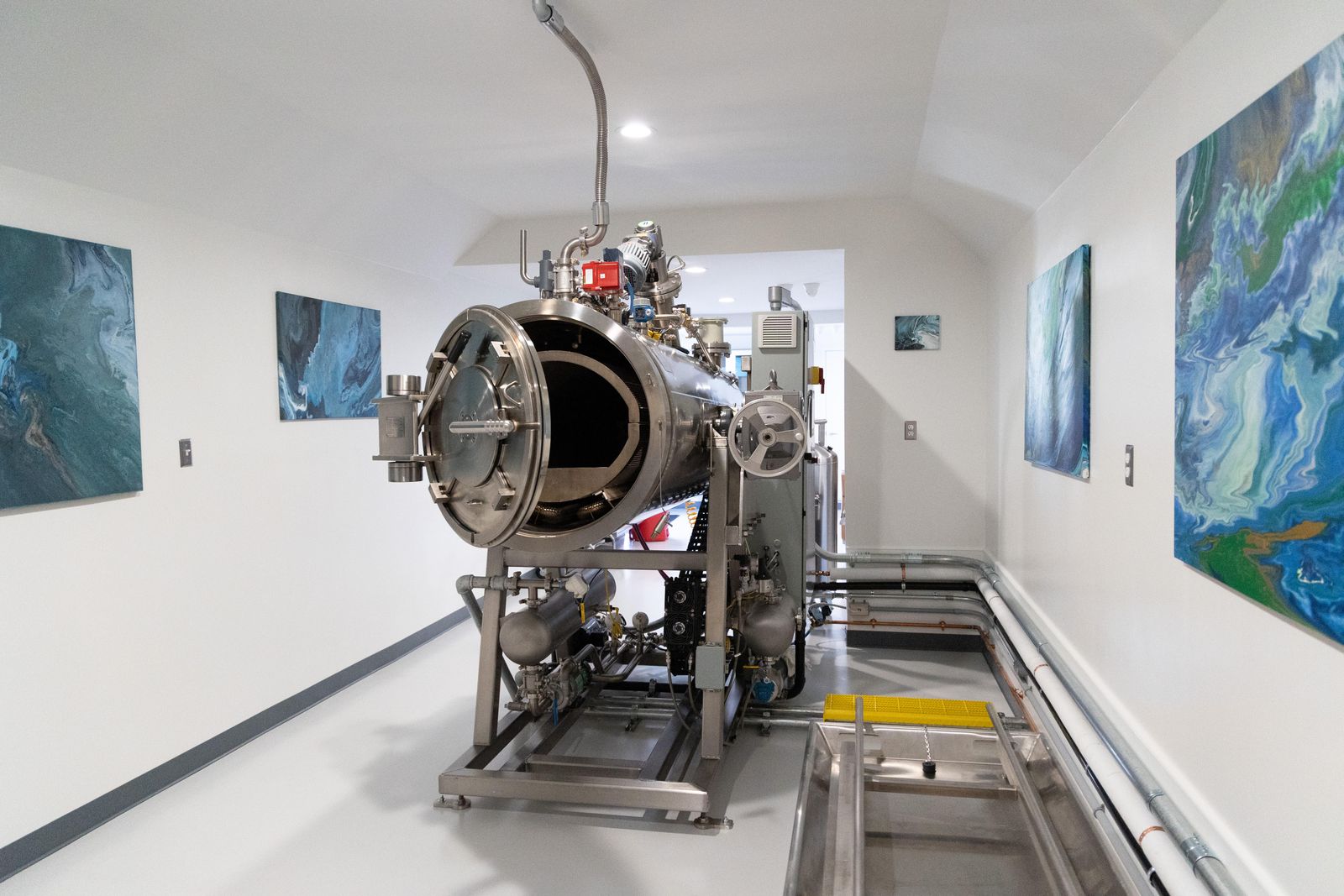
Hydrolysis mirrors the natural decomposition process but accelerates it. The body is placed in a pressurised metal chamber filled with water and about 5% alkaline solution, such as potassium hydroxide, and heated to around 150°C for three to four hours.
The process dissolves soft tissue, leaving only bones, which are dried and reduced to a fine white powder. Families may keep, scatter or bury the remains, as they would with conventional ashes.
Scotland’s public health minister, Jenni Minto, described the change as a response to growing public demand for greater choice. She said decisions about funeral arrangements are deeply personal and stressed that hydrolysis would be subject to the same regulatory standards as existing methods.
Kindly Earth, the company holding exclusive UK rights to manufacture hydrolysis equipment, said Scotland’s first facility could take up to nine months to become operational, pending planning and water authority approvals. The firm called the move a historic moment for the funeral sector.
Already legal in parts of the United States, Canada, Ireland, South Africa, Australia and New Zealand, hydrolysis is seen as producing no direct toxic air emissions and potentially reducing the need for single-use coffins.
Supporters say interest in sustainable funeral options continues to grow across the UK.
Cremations account for almost 80% of UK funerals, according to the Cremation Society.
Elsewhere in the UK, the Law Commission in England and Wales is considering a regulatory framework for new funerary methods, including hydrolysis and human composting.
Leave a Reply