In a statement issued on Tuesday, April 14, the Ministry of Finance and Economic Planning said the commercial loan carries a 15-year maturity and a six-year grace period, positioning it as a cornerstone of the government’s strategy to lower borrowing costs and manage debt sustainably.
The ministry described the transaction as part of a “prudent and proactive approach to sovereign debt management,” adding that Rwanda intends to systematically favour blended finance solutions to secure a low cost of debt, a smooth repayment profile and enhanced access to stable sources of funding.
A key feature of the deal is its backing by two major arms of the World Bank Group: the International Development Association (IDA) and the Multilateral Investment Guarantee Agency (MIGA). The structure combines an IDA Policy-Based Guarantee, which provides first-loss coverage, with a MIGA guarantee acting as second-loss protection. This layered guarantee mechanism reduces risk for lenders and enables Rwanda to secure more competitive financing terms.
Notably, Rwanda becomes the first country to benefit from MIGA’s revised policy allowing second-loss guarantees in cases where IDA provides first-loss coverage, highlighting the deal’s significance as a pioneering model in sovereign financing.
The deal was executed against a backdrop of heightened geopolitical tensions and tightening conditions in emerging market credit, yet Rwanda secured what it described as highly favorable terms, reflecting strong international investor confidence in its credit profile.
In line with its debt management strategy, the government negotiated a six-year grace period to ensure that principal repayments begin only after the maturity of its outstanding Eurobond. This approach aims to avoid refinancing pressures and maintain a stable debt servicing trajectory.
The ministry noted that the combination of a long maturity, an extended grace period, and exceptionally competitive pricing illustrates how the blended finance approach directly translates into tangible benefits for Rwanda.
Proceeds from the facility will be used for general budget support, aligned with a World Bank-supported development programme targeting inclusive growth and job creation across sectors such as infrastructure, health, education, agriculture, and industry.
The transaction builds on Rwanda’s previous €200 million ESG-linked loan completed in 2024 and comes amid improving credit sentiment. Recent actions by Fitch Ratings and Moody’s affirming stable outlooks point to strengthening fiscal metrics and continued structural reforms.
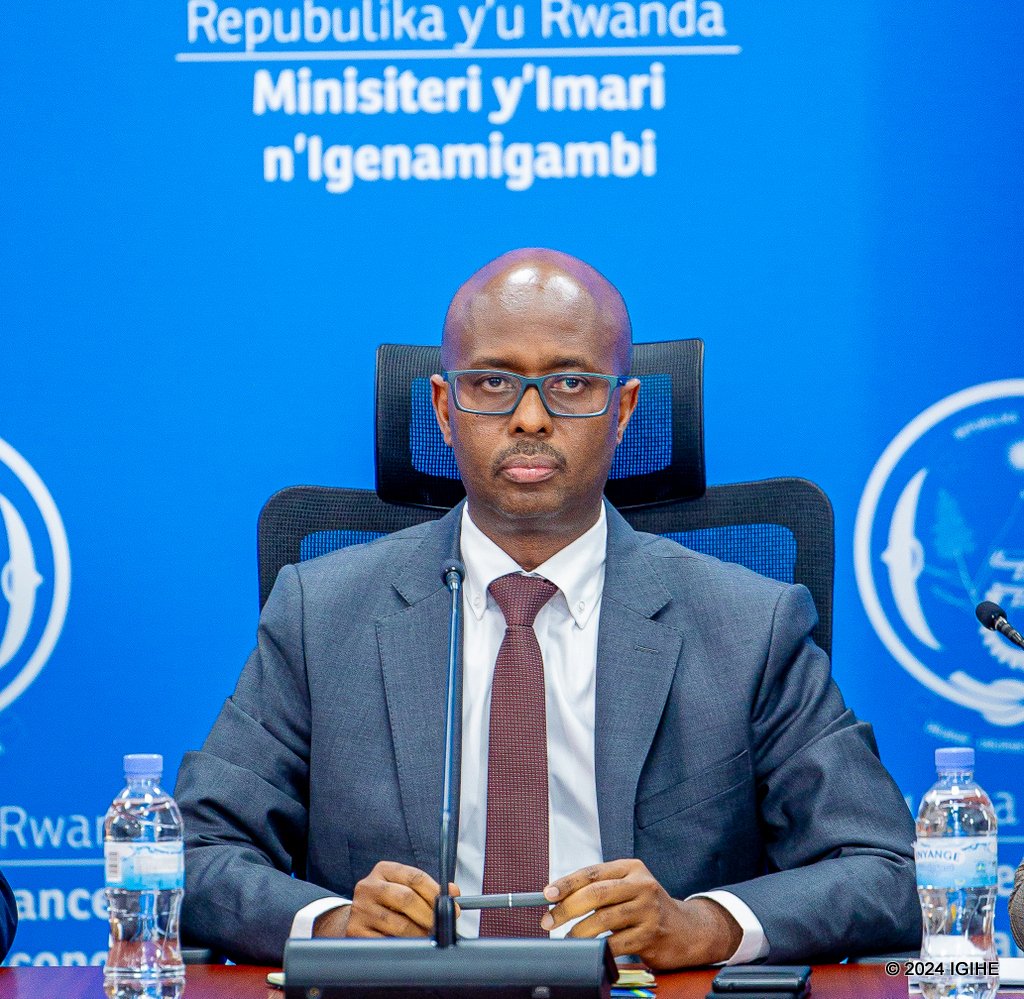
Finance Minister Yusuf Murangwa said the deal highlights the government’s continued focus on innovative financing.
“This landmark financing demonstrates Rwanda’s unwavering commitment to innovative and prudent debt management,” Murangwa said. “Blended finance is at the heart of our borrowing strategy, enabling us to secure long-term funding at an exceptionally competitive cost, while maintaining a smooth repayment profile and safeguarding our debt sustainability.”
He added that the guarantee structure “is a testament to the strength of our partnership with the World Bank Group and a model for future transactions.”
Leave a Reply