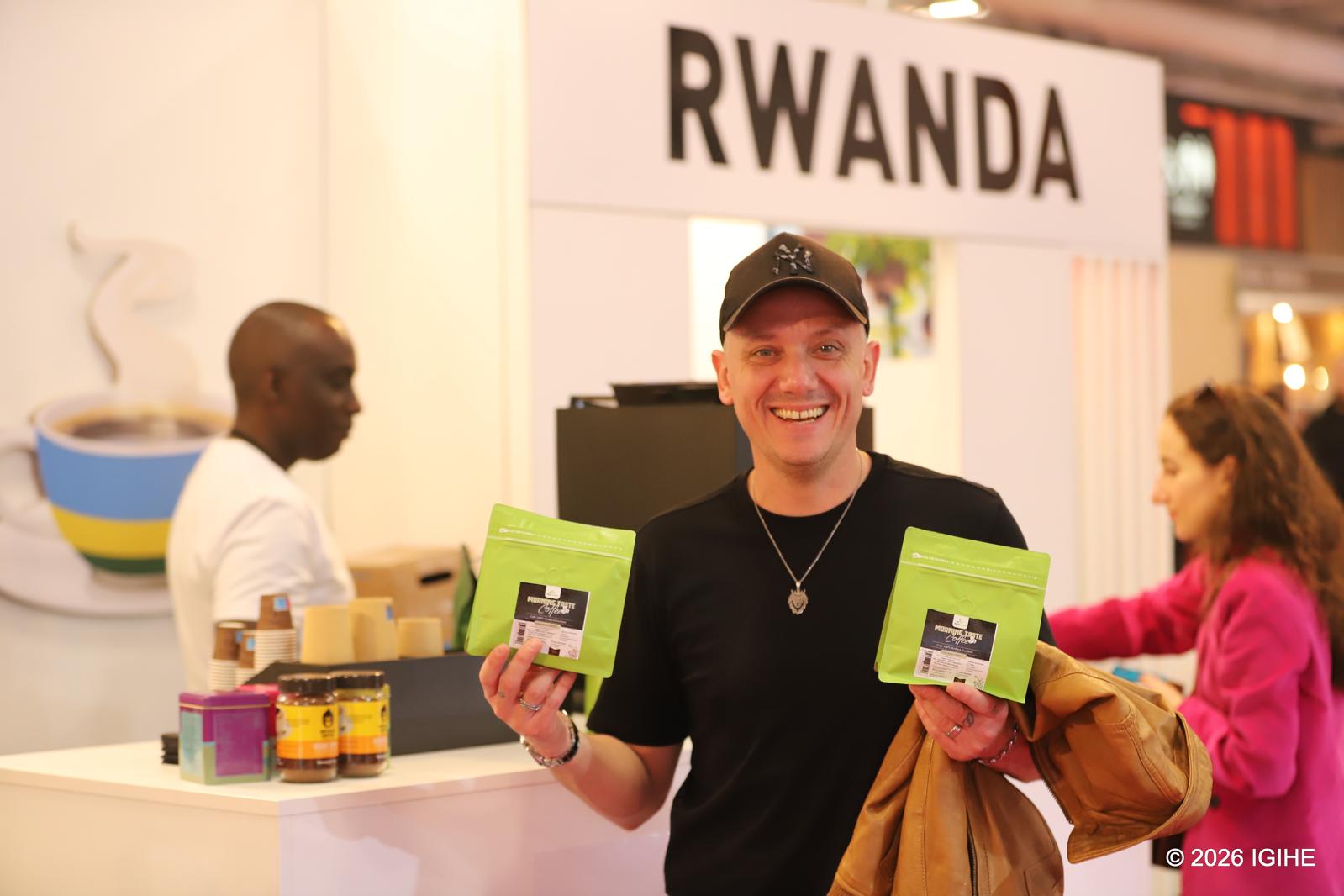
Rwanda has concluded its participation in the 2026 edition of the Paris International Agricultural Show (SIA), marking its fifth appearance at one of Europe’s largest agriculture and livestock exhibitions.
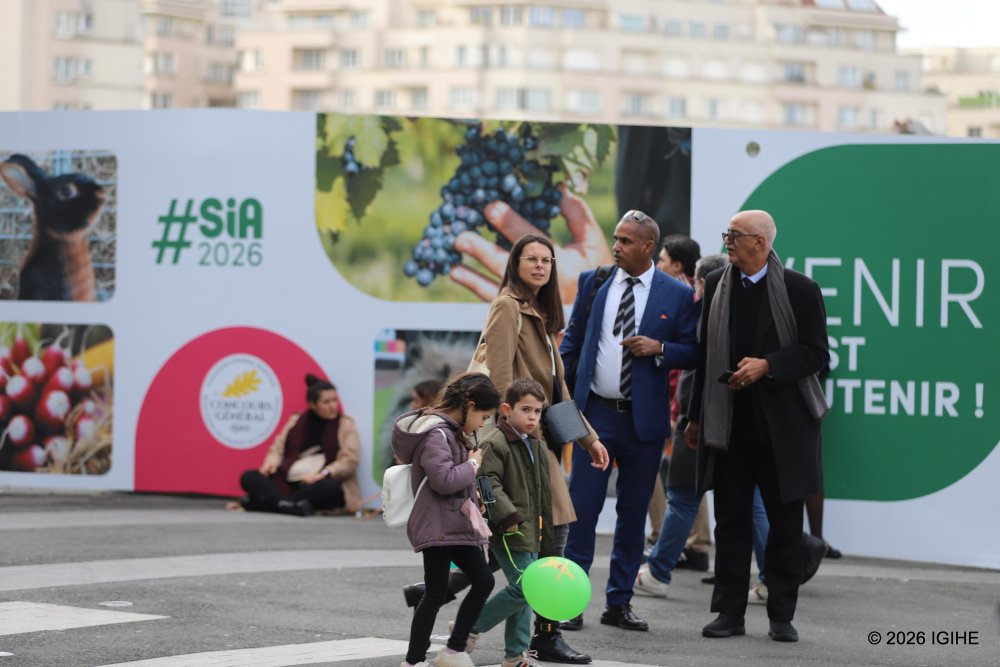
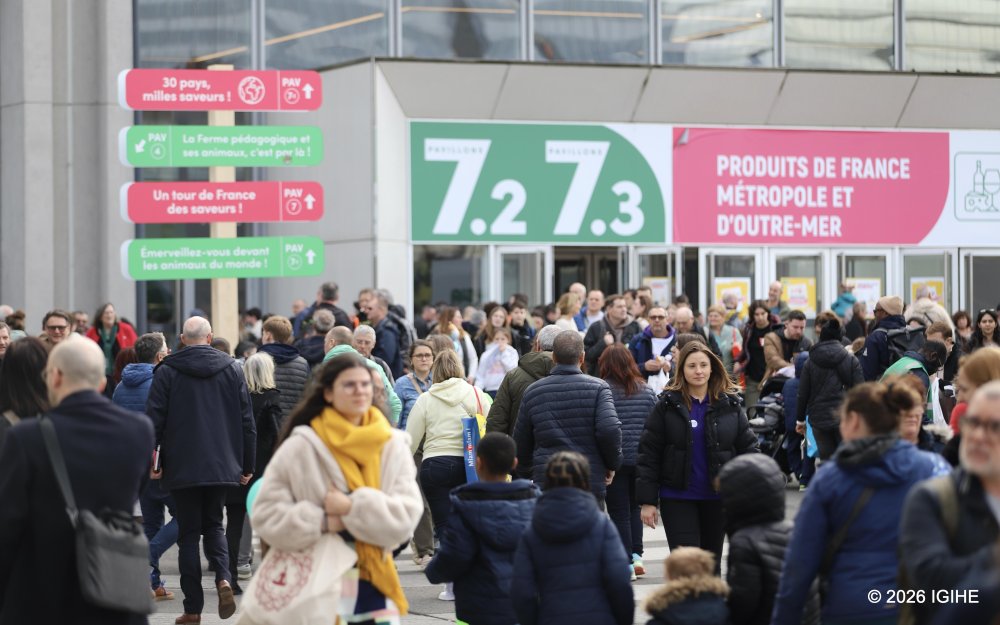
Held over nine days at Paris Expo–Porte de Versailles and officially opened by French President Emmanuel Macron on February 21, the global trade fair brought together more than 1,000 exhibitors and over 100 participating countries, attracting hundreds of thousands of visitors.
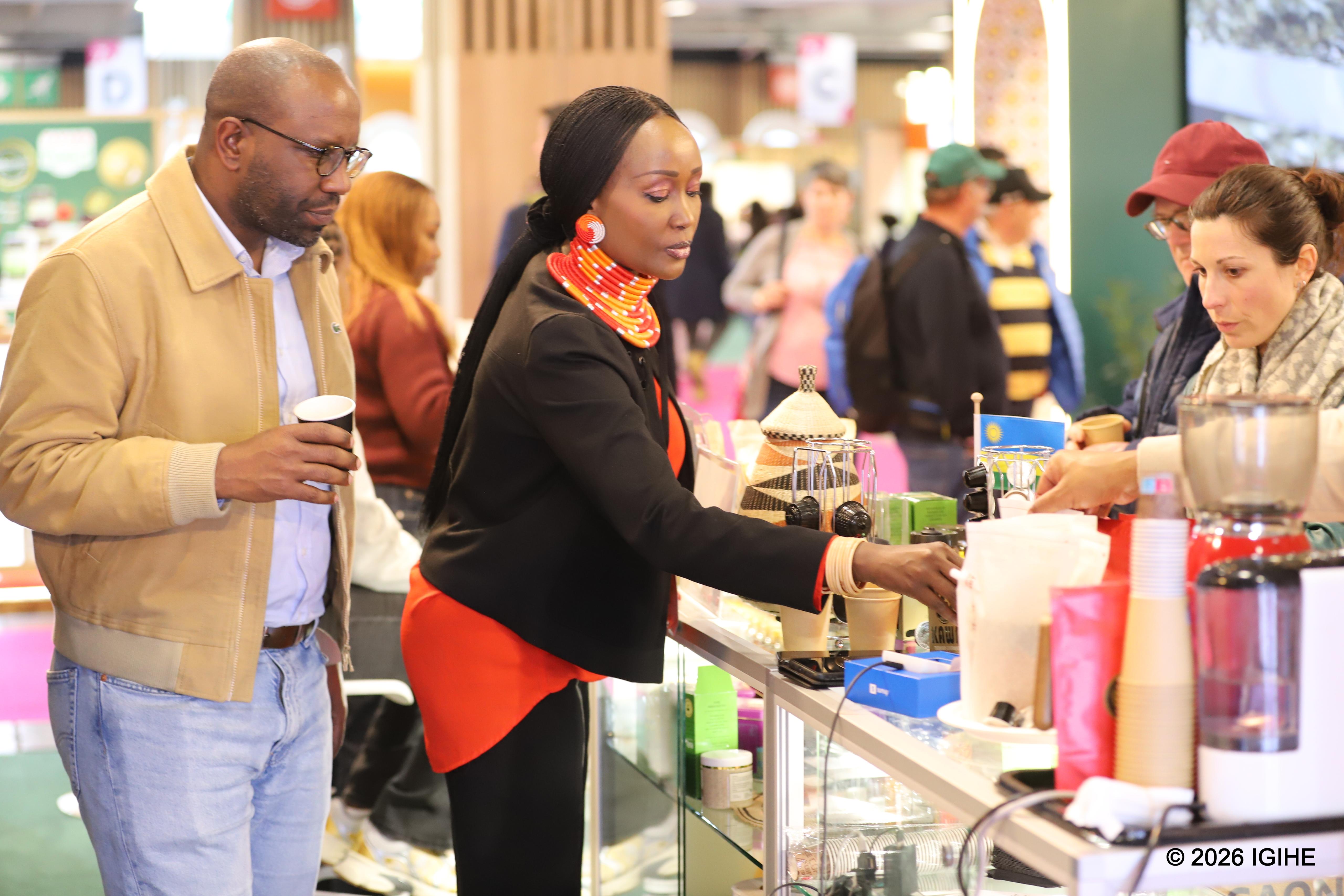
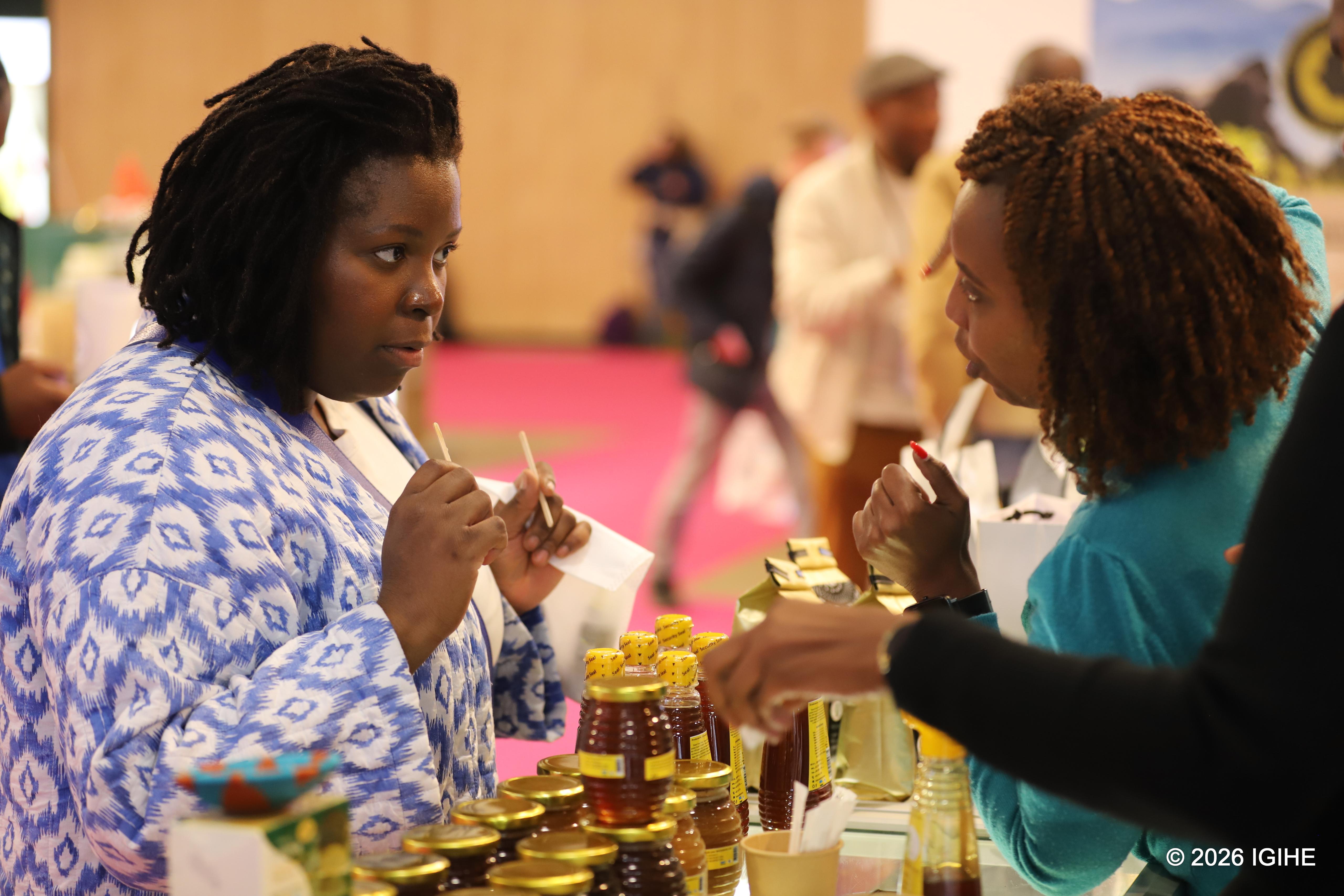
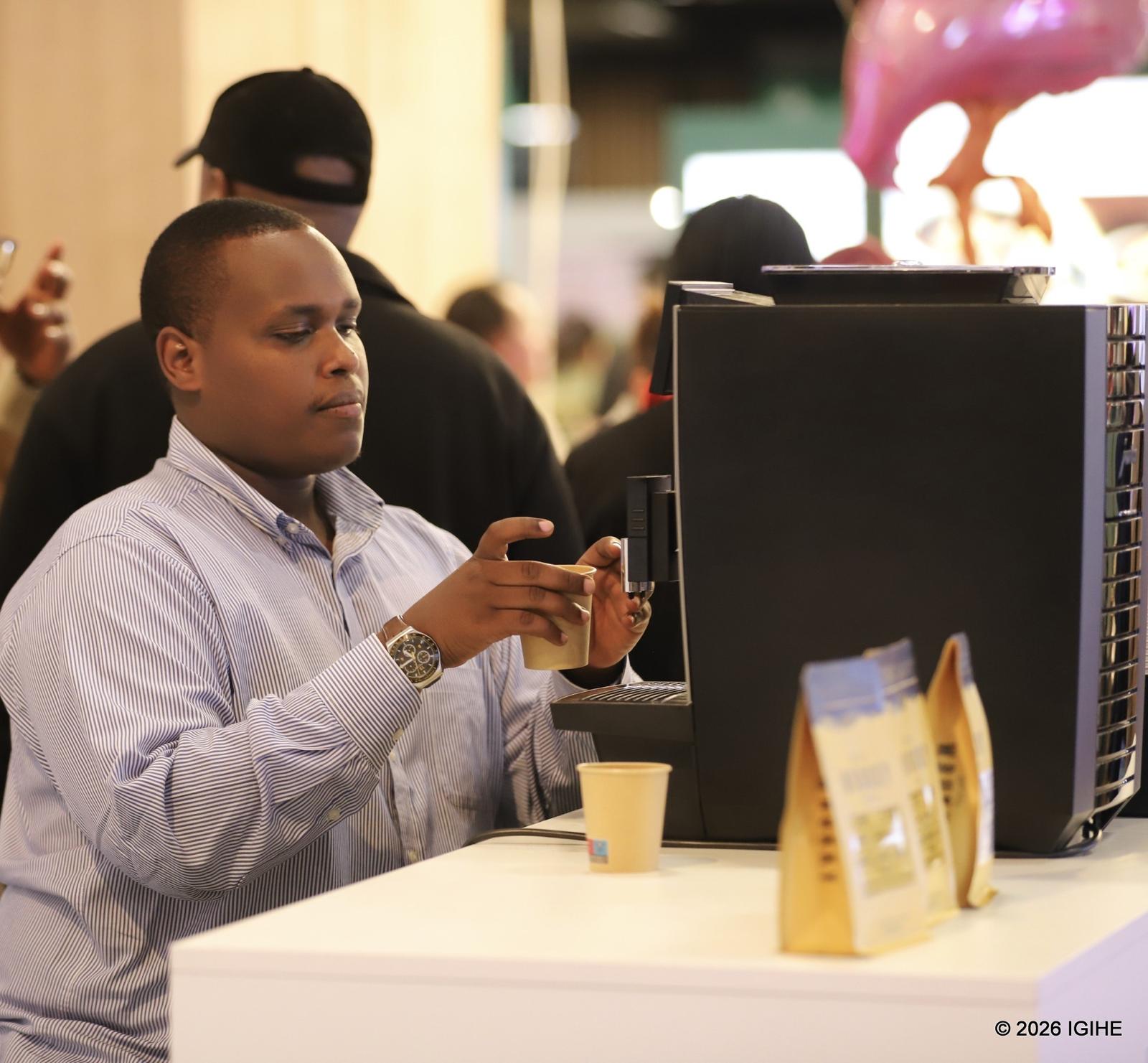
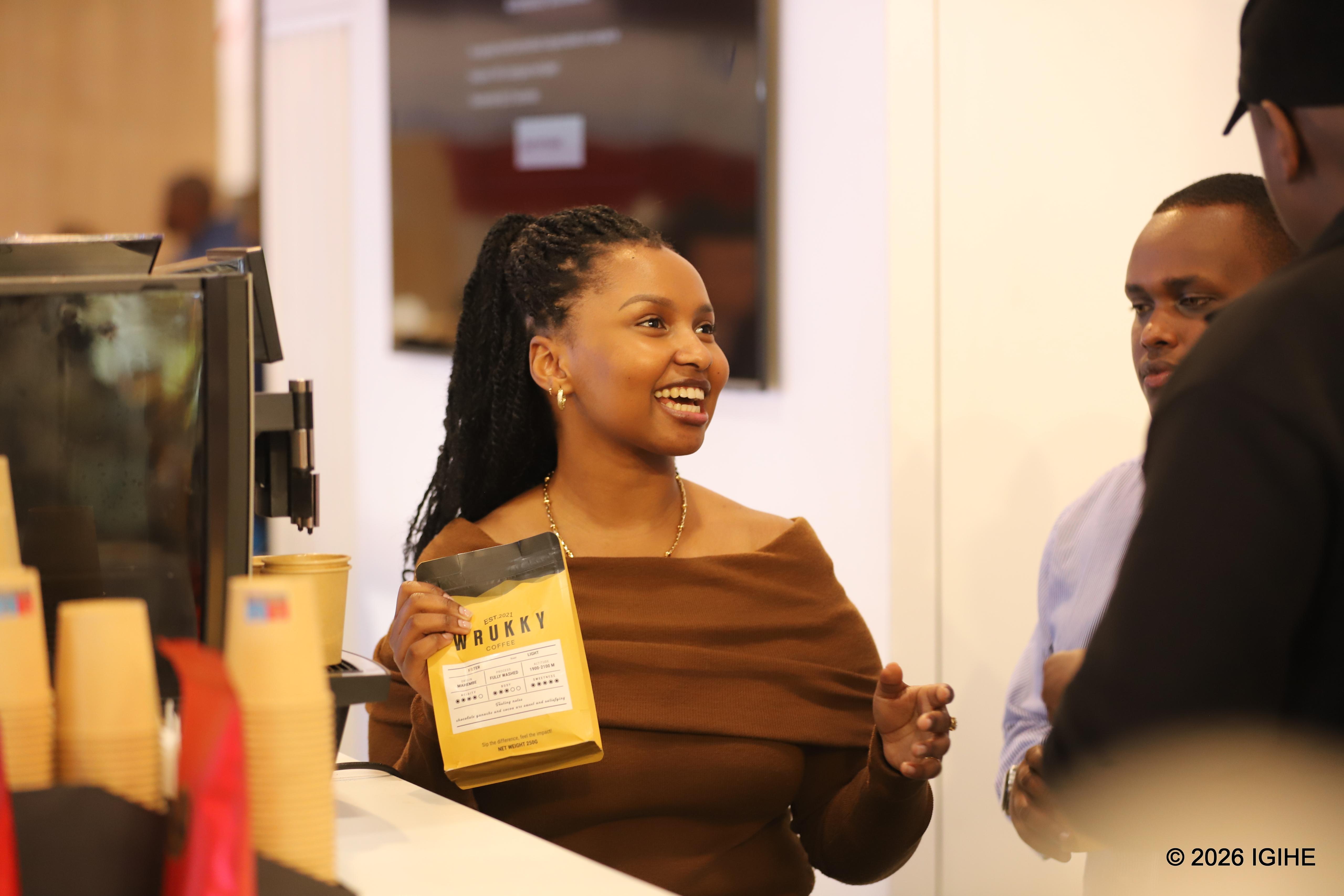
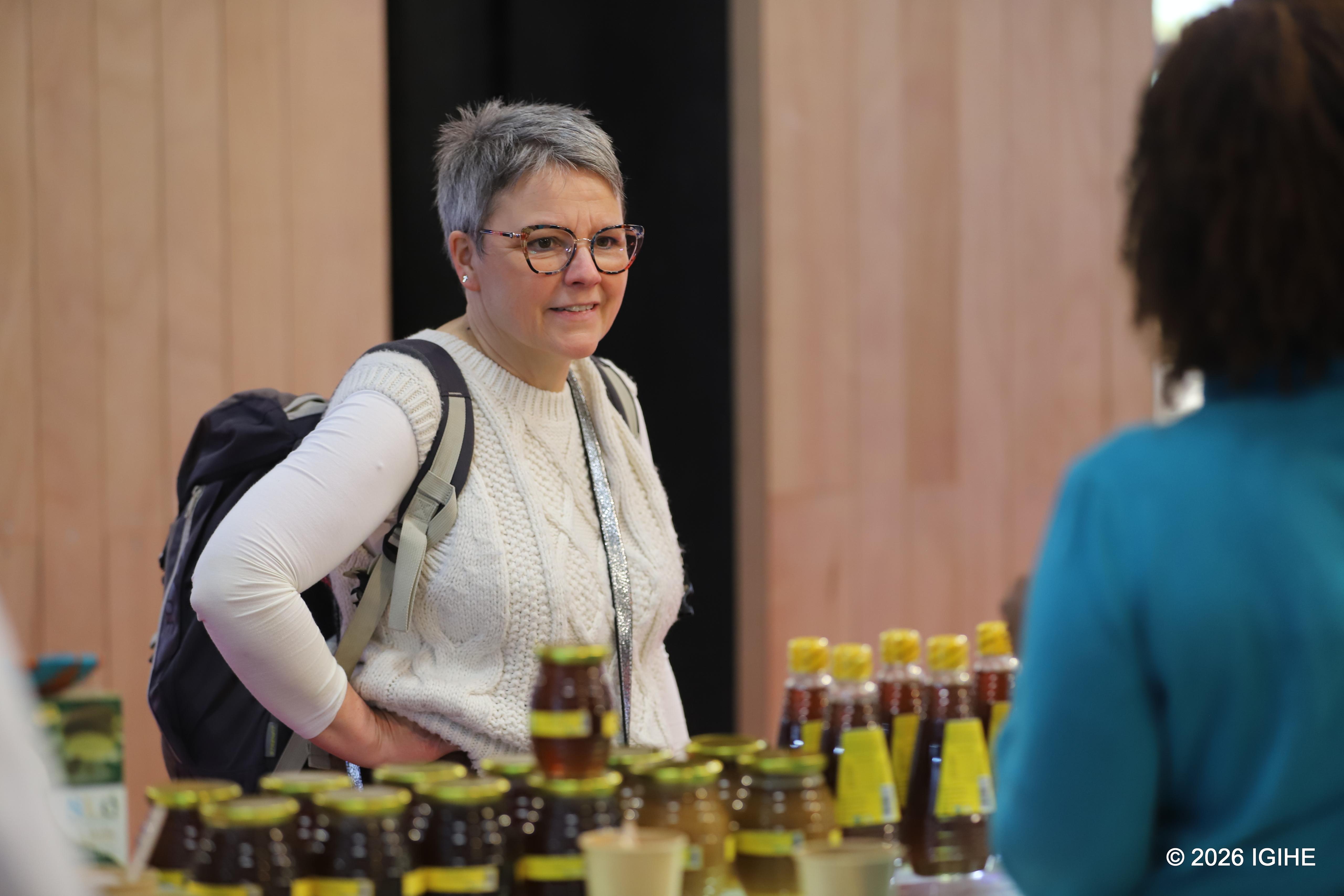
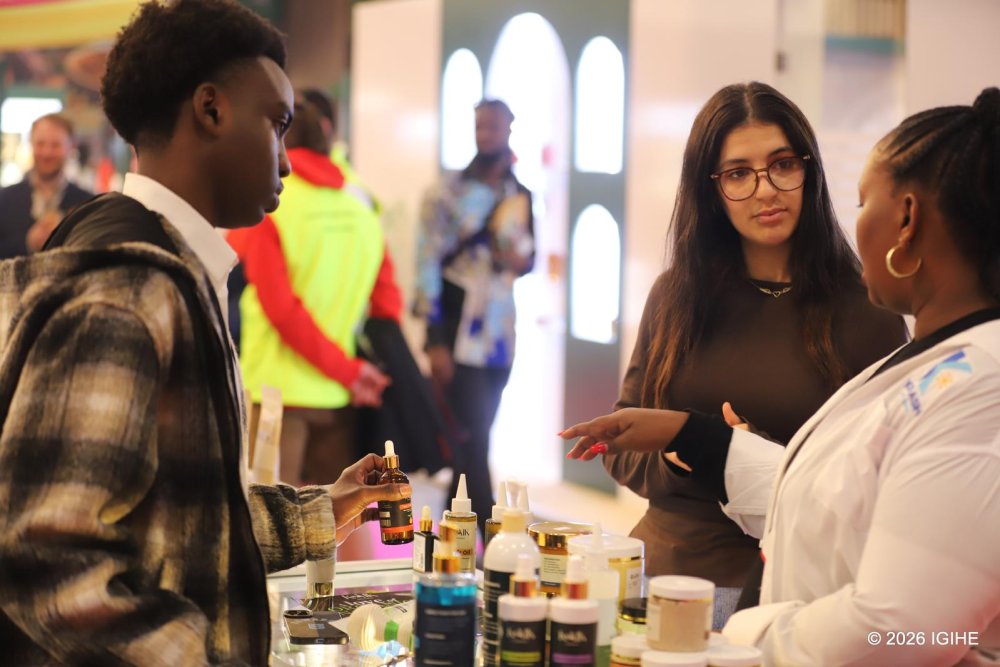
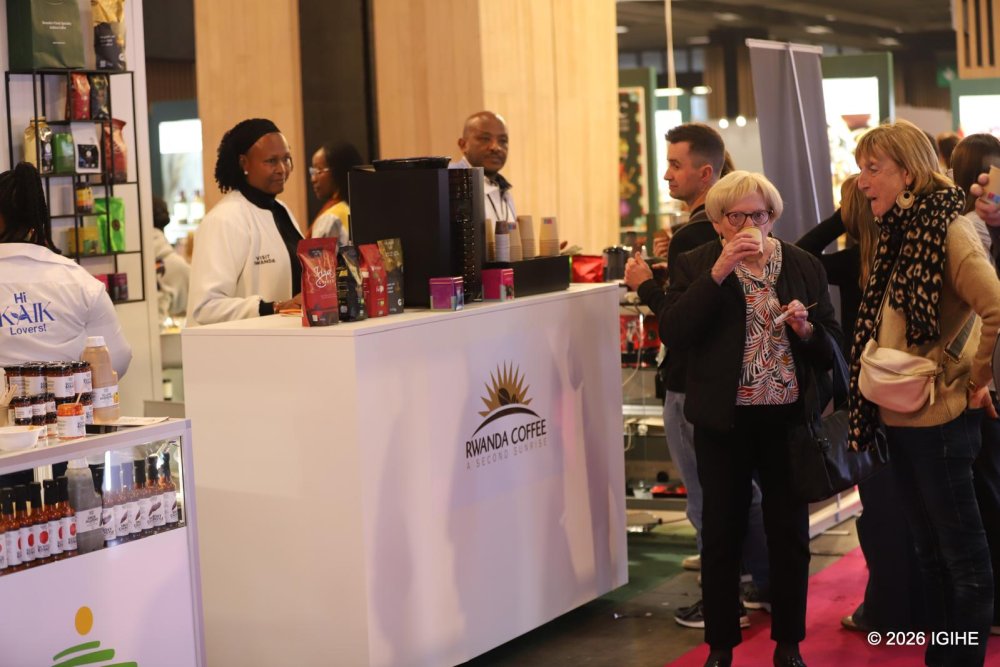
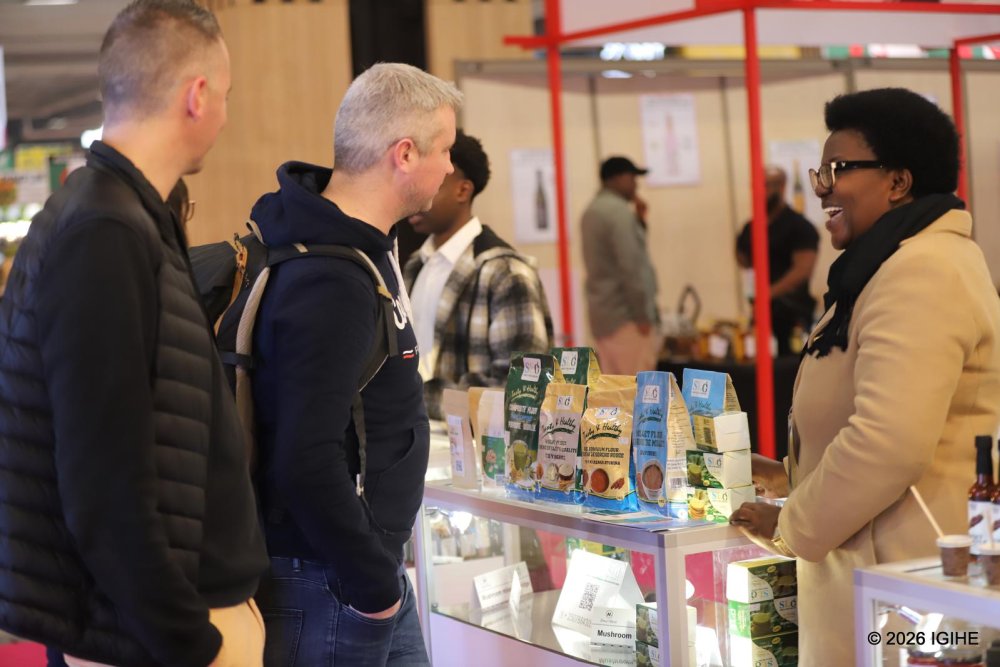
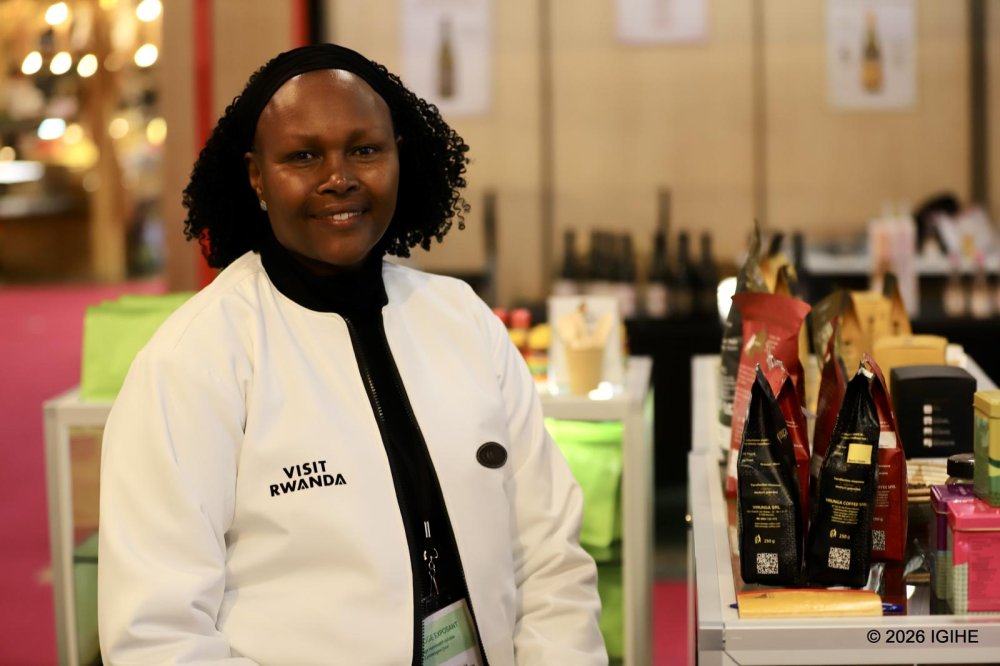
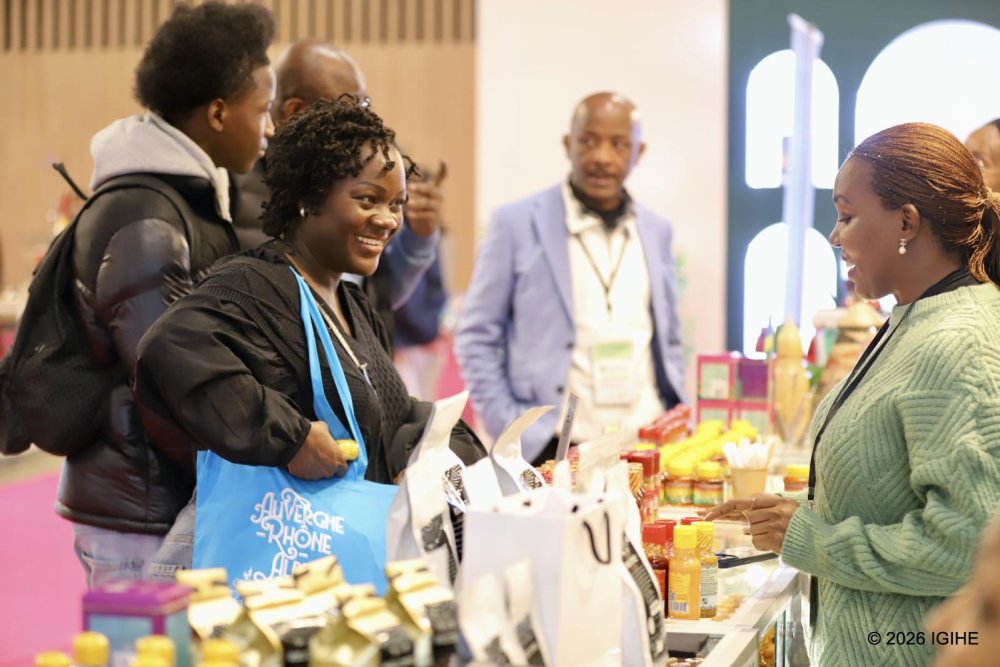
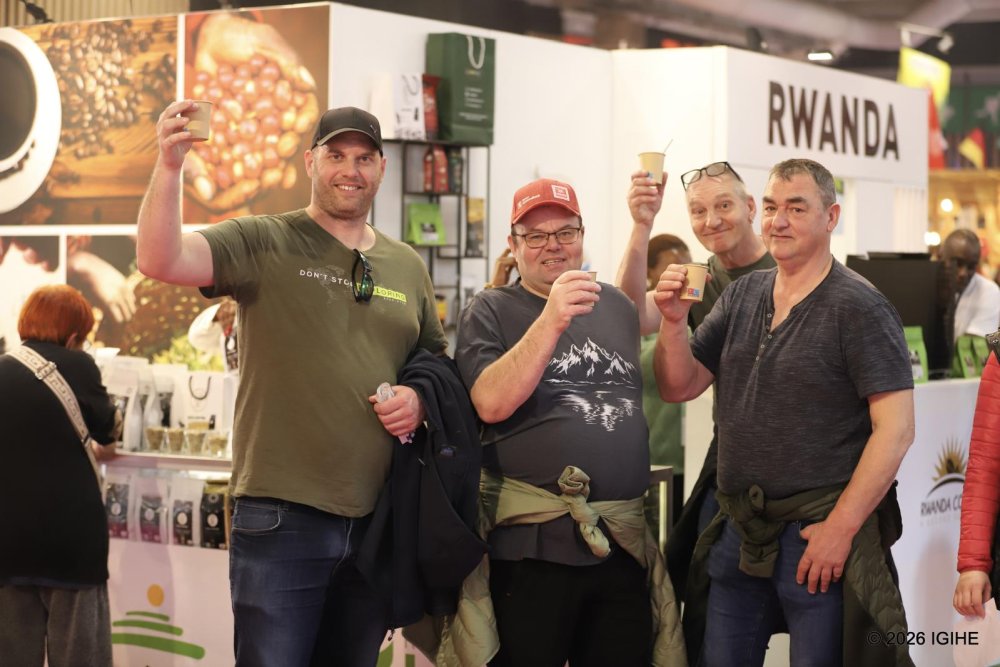
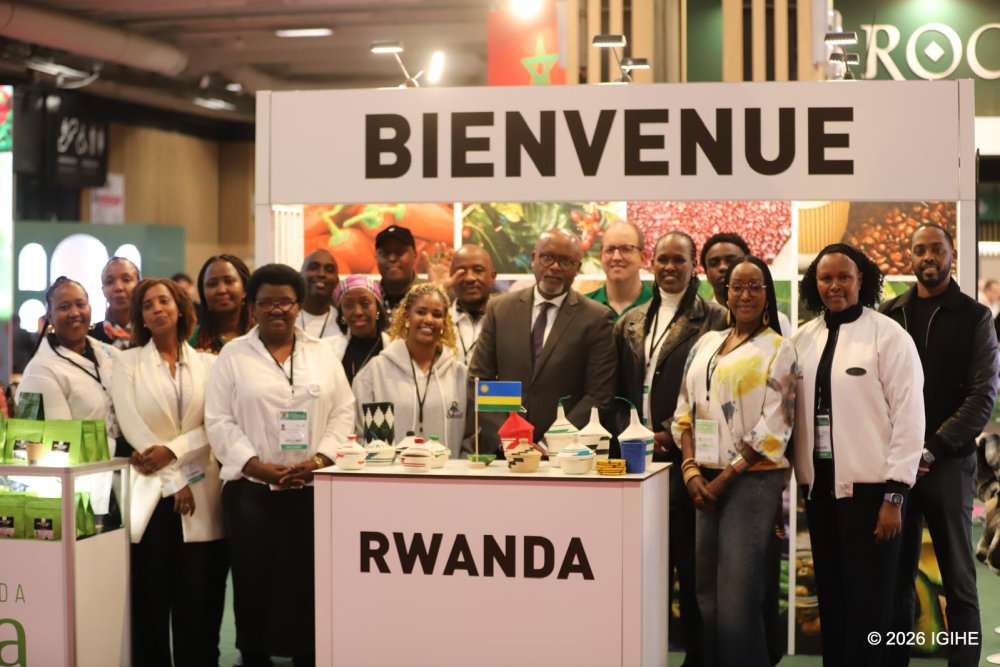
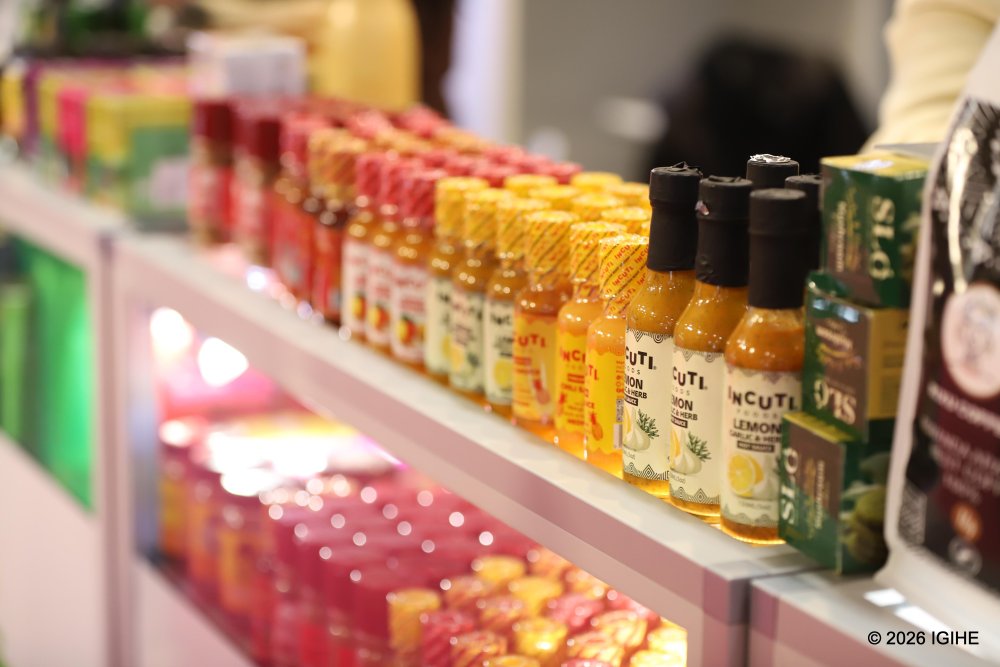
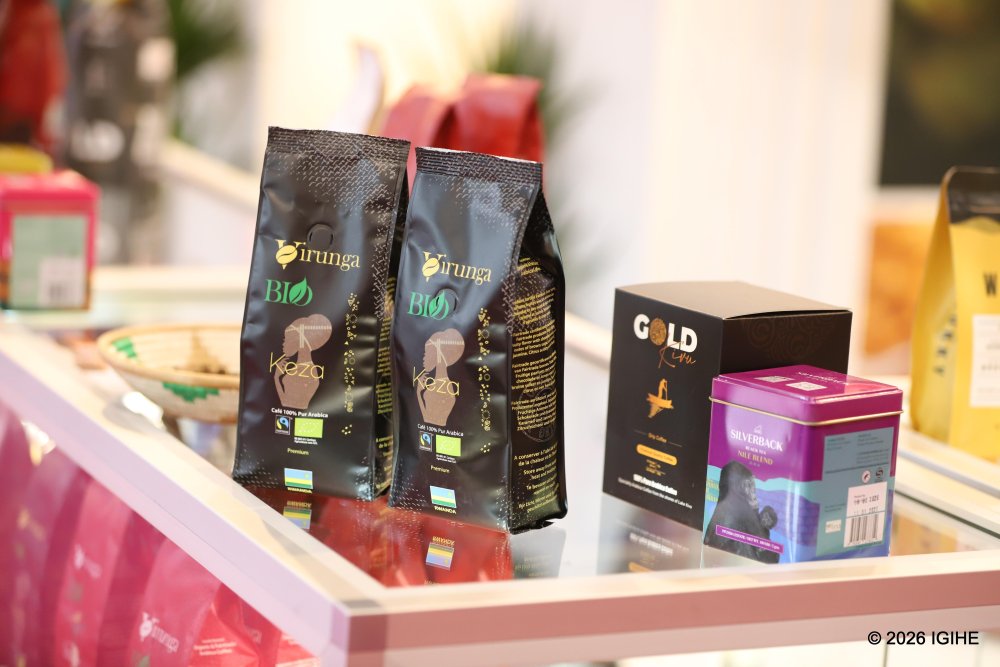
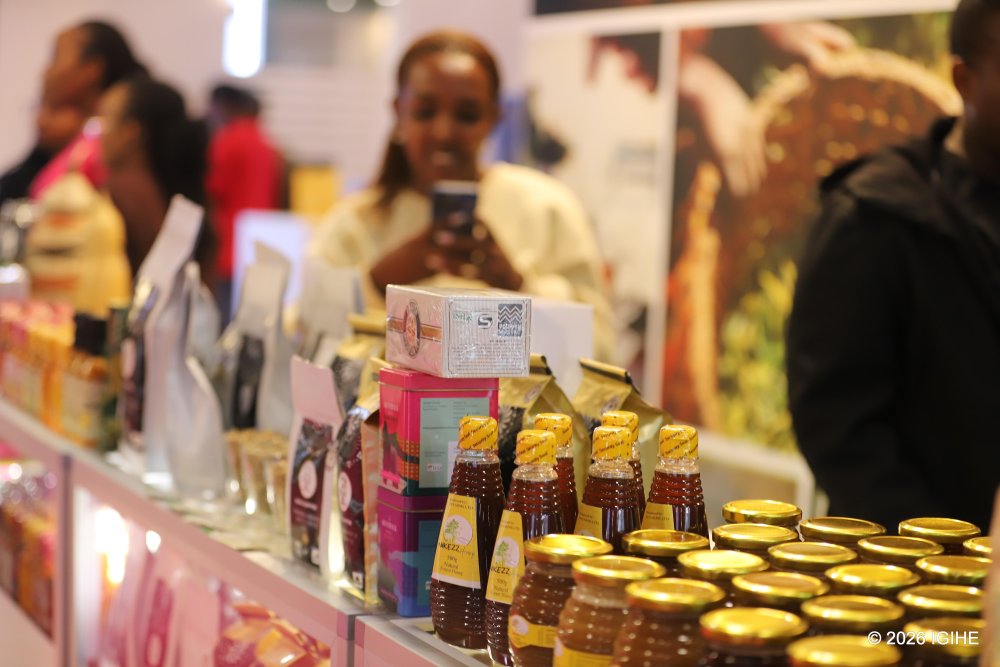
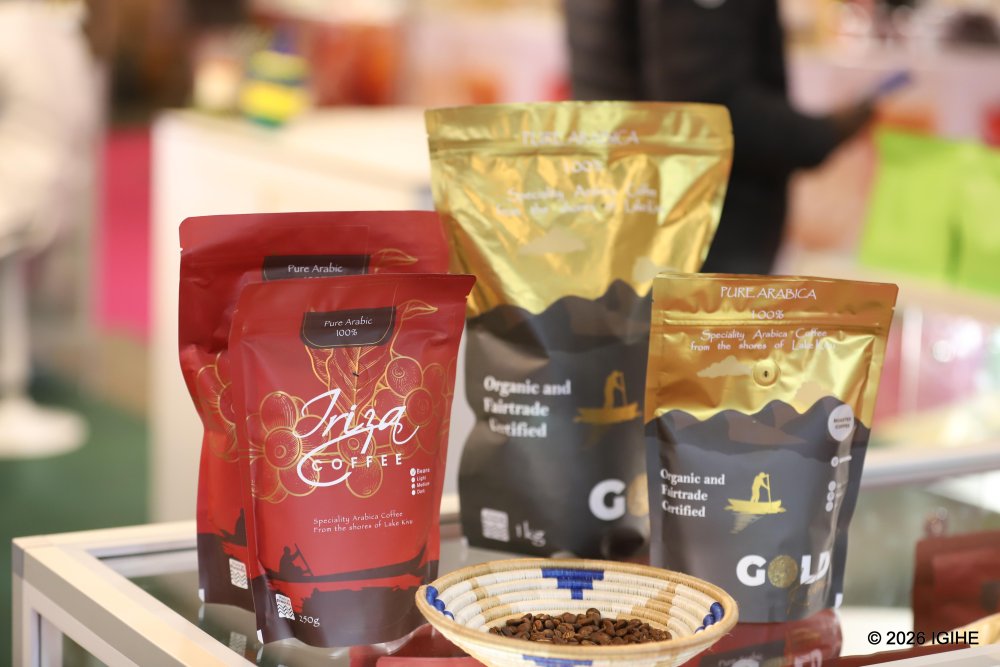
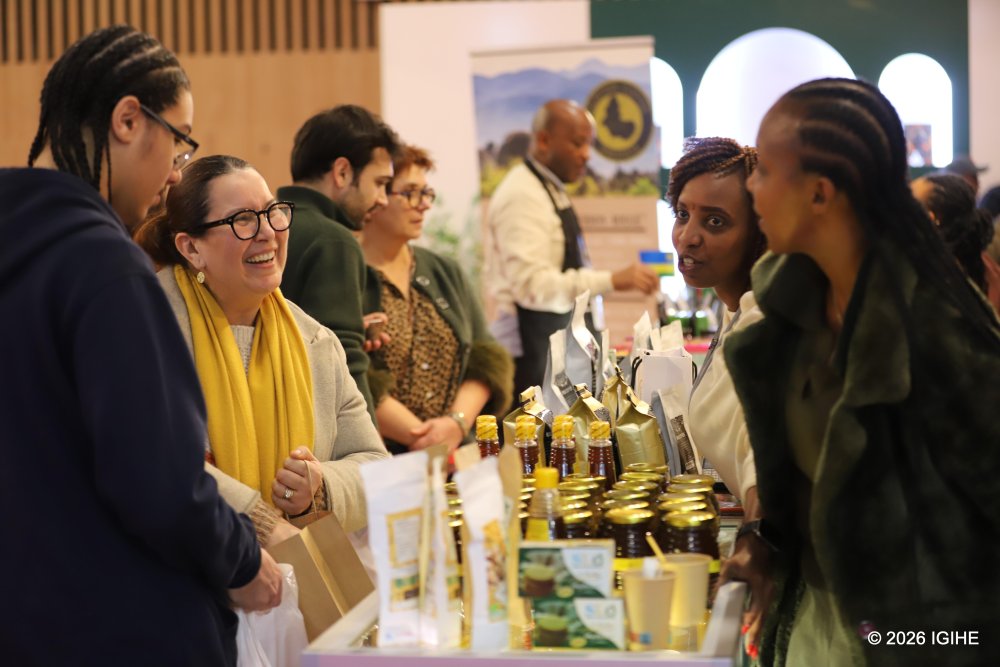
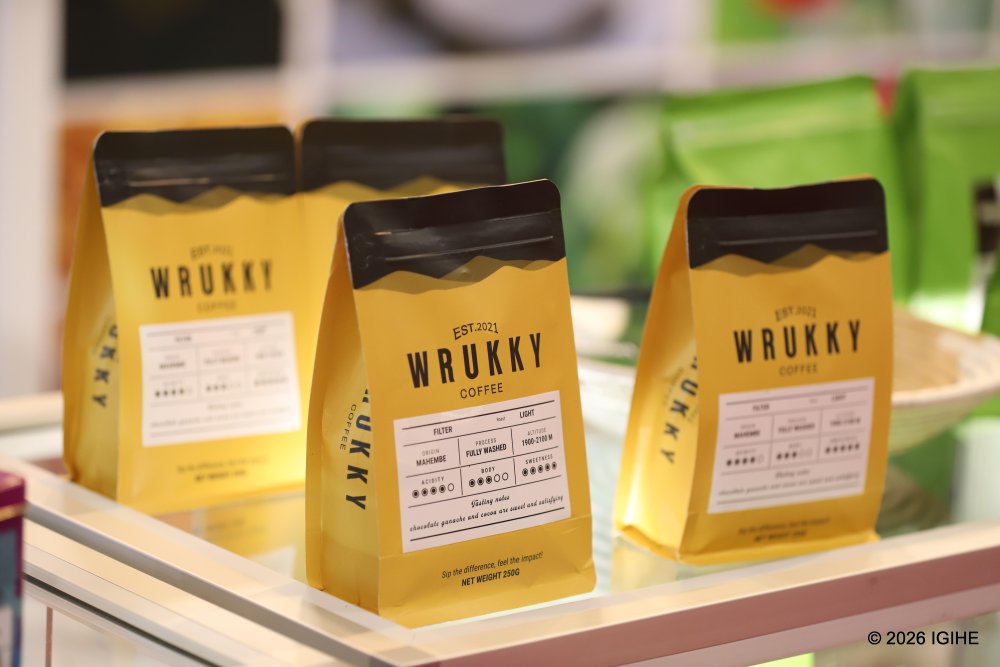
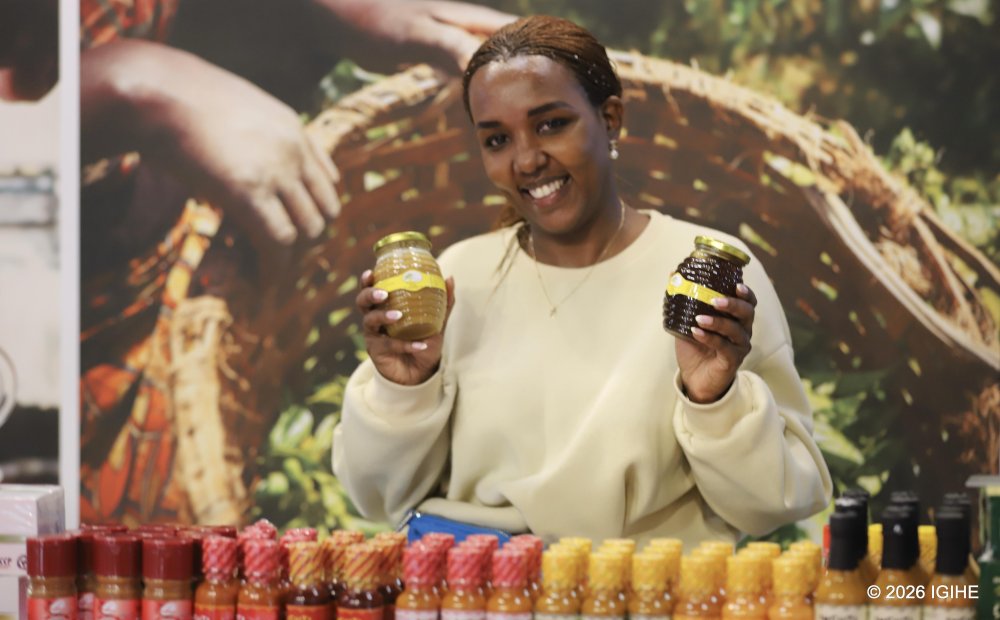
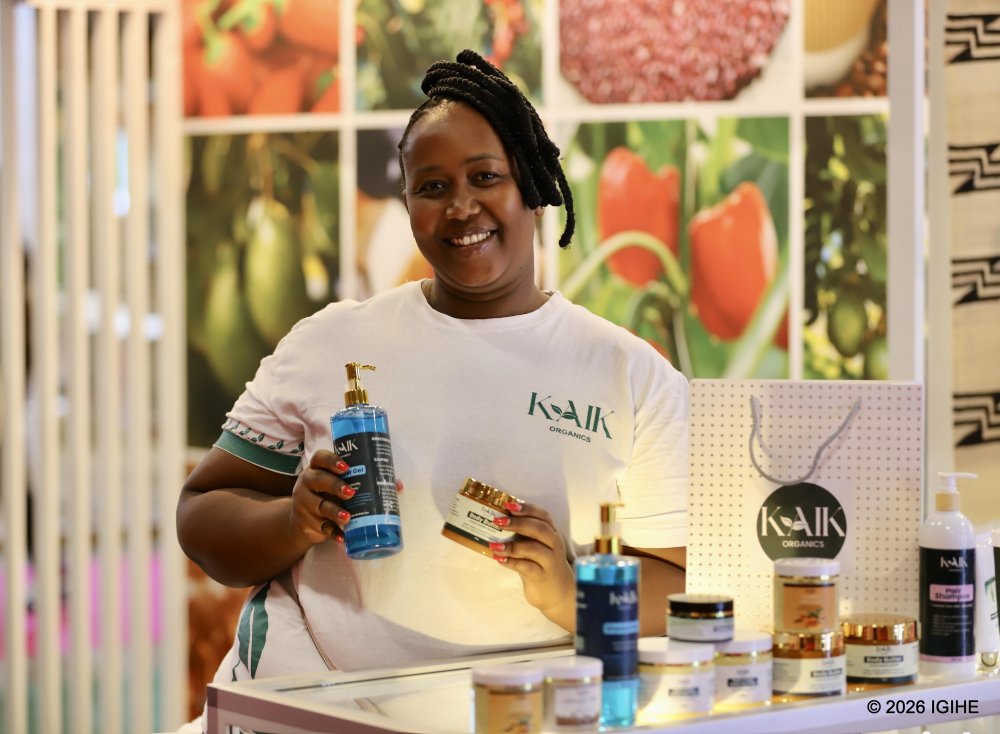
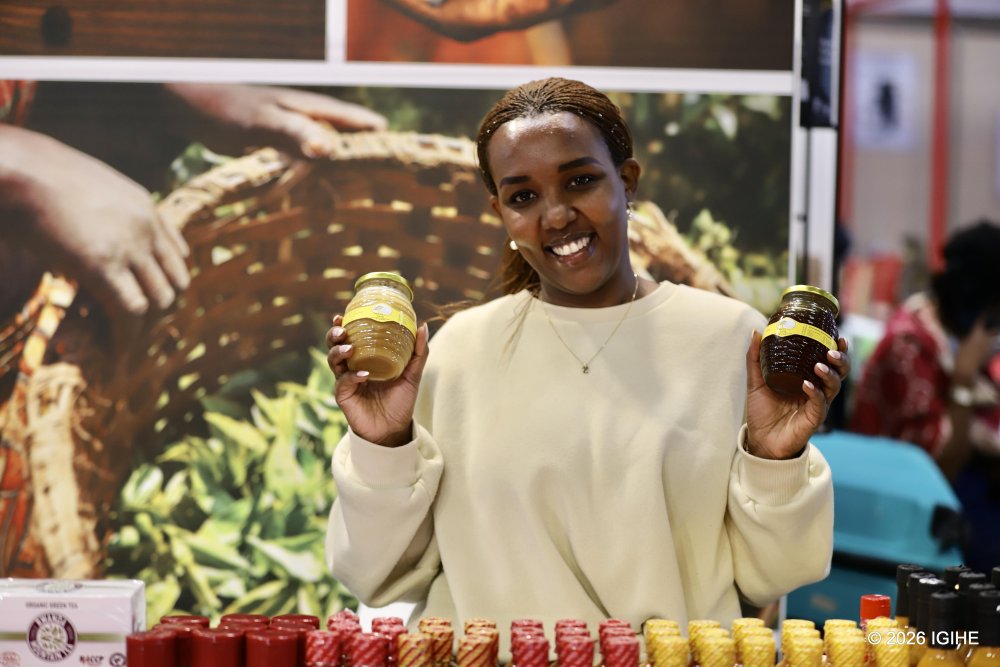
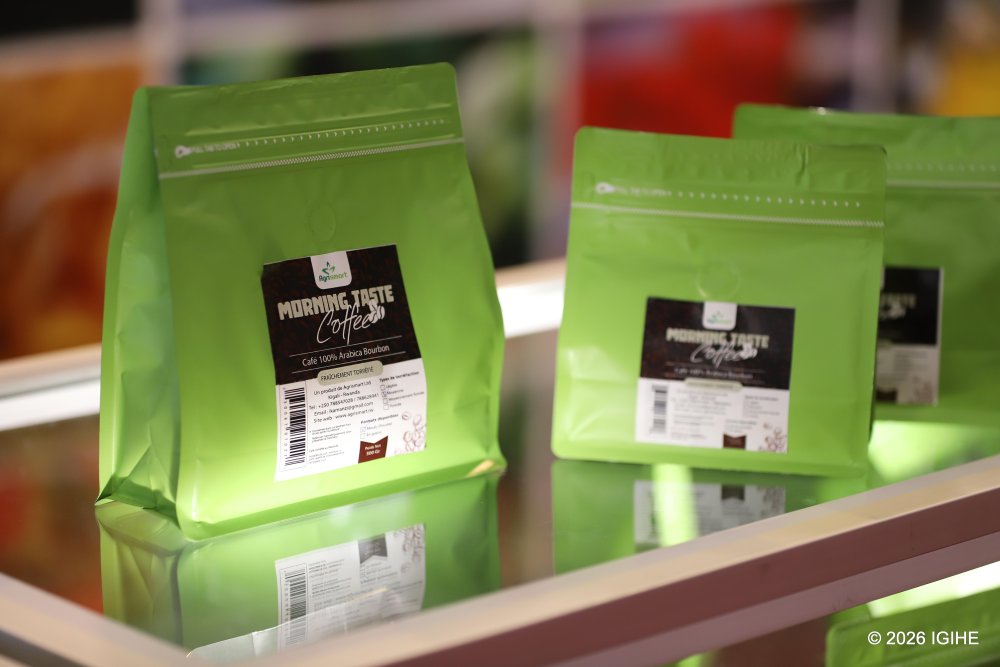
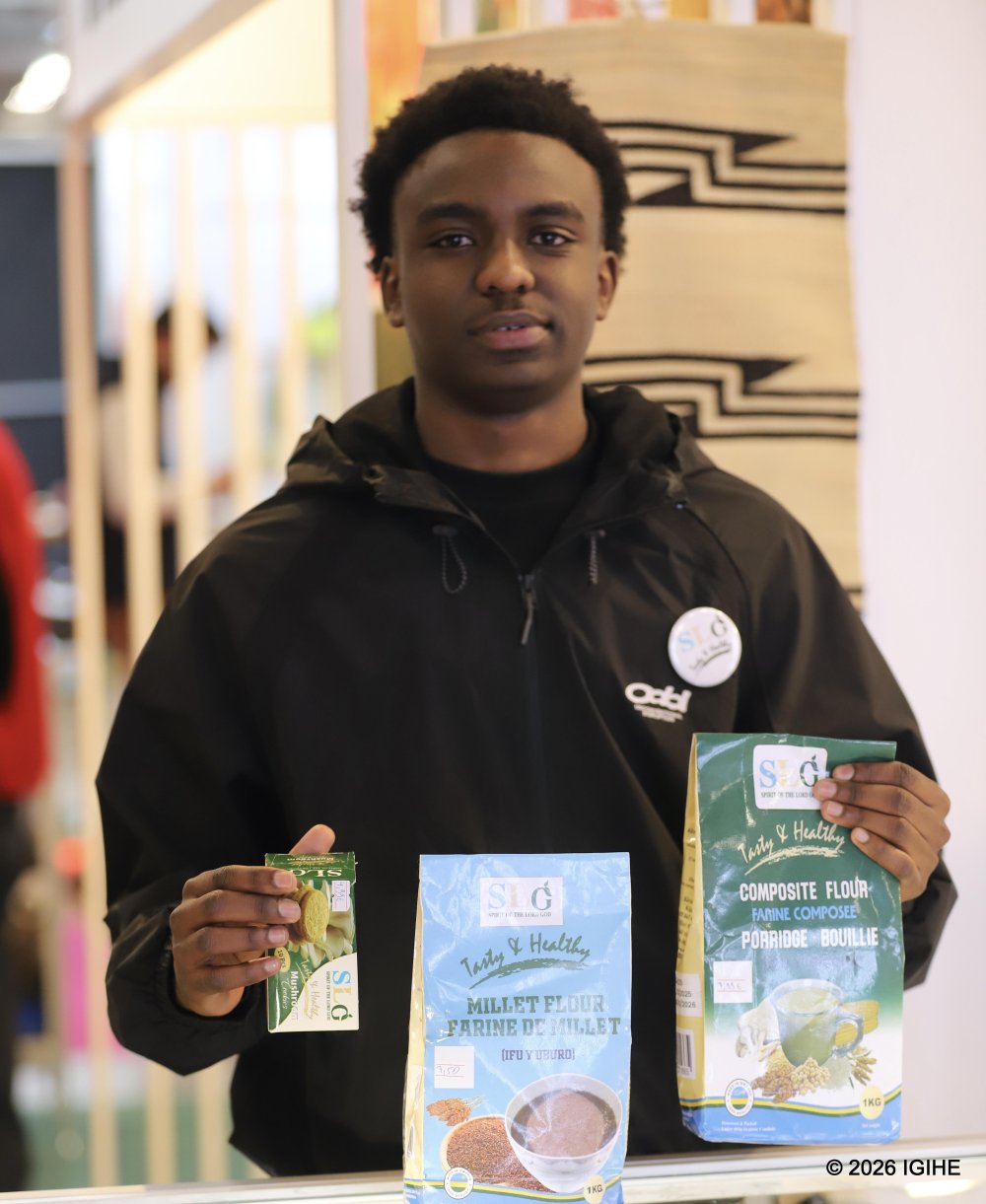
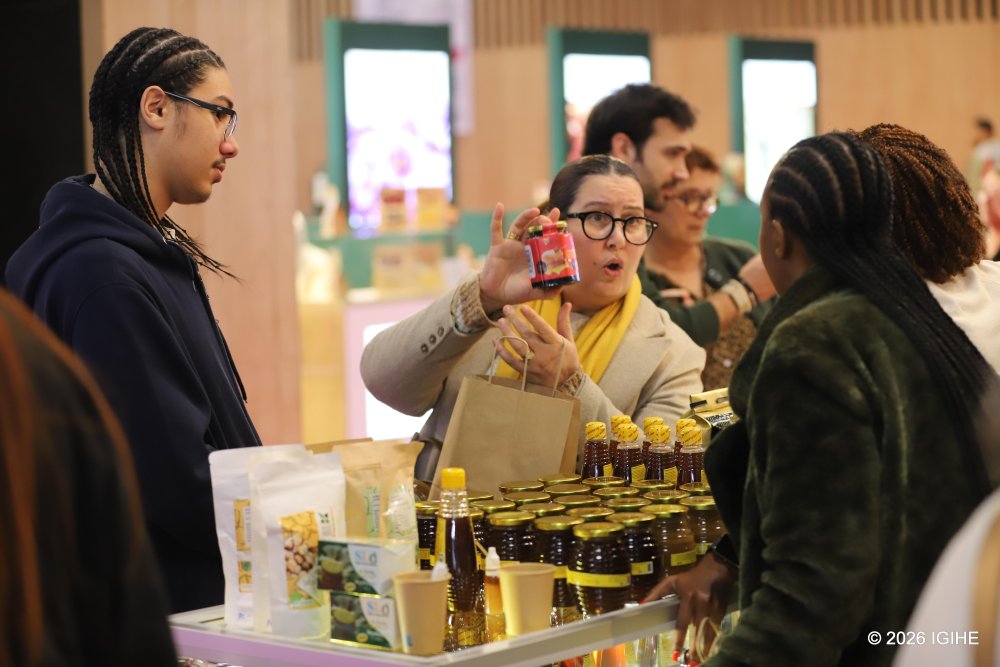
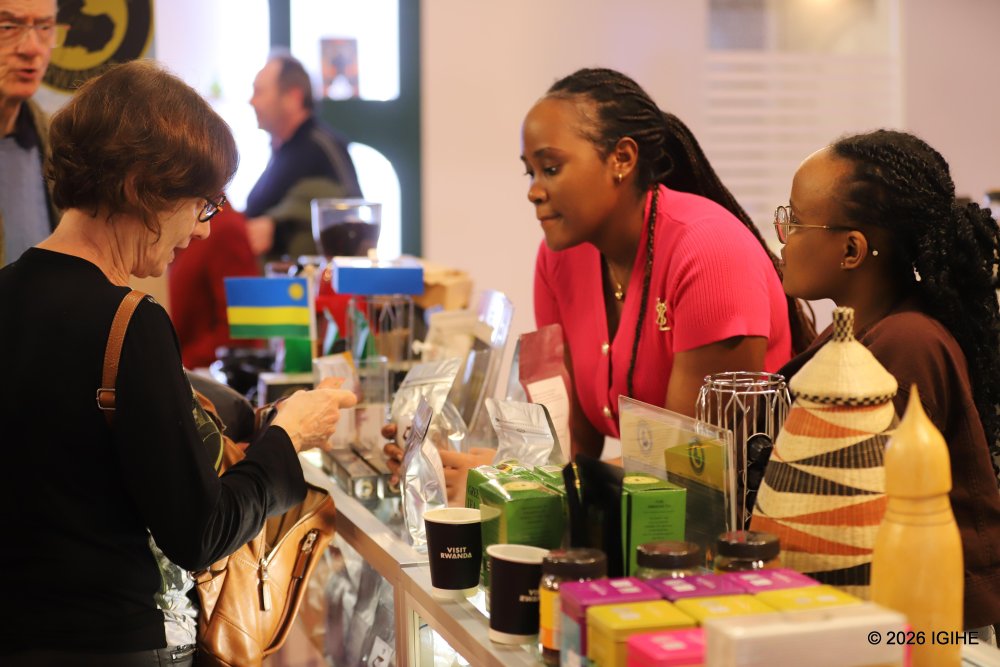
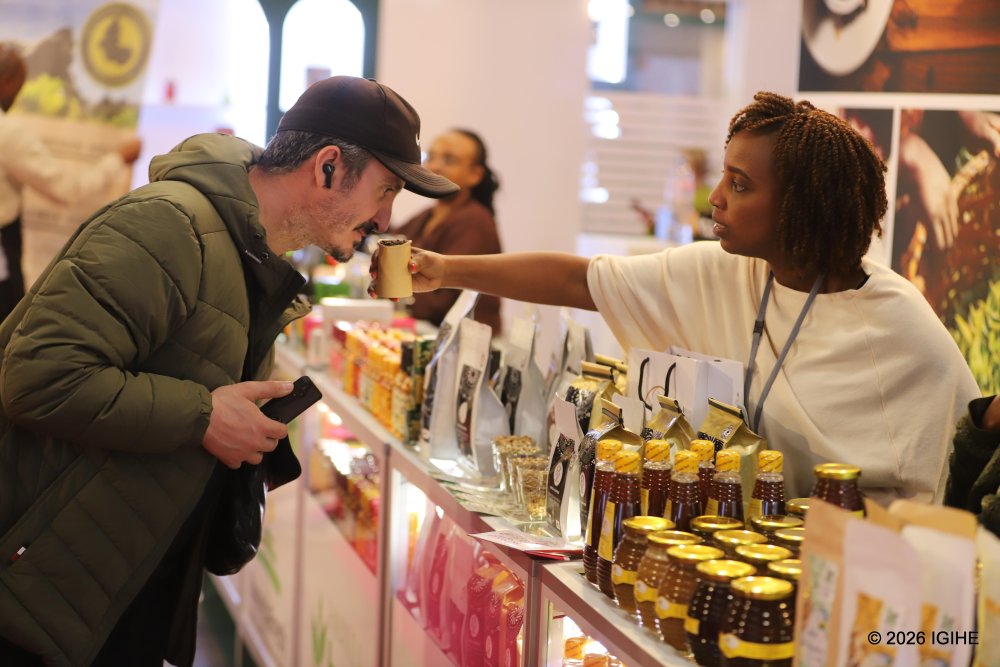
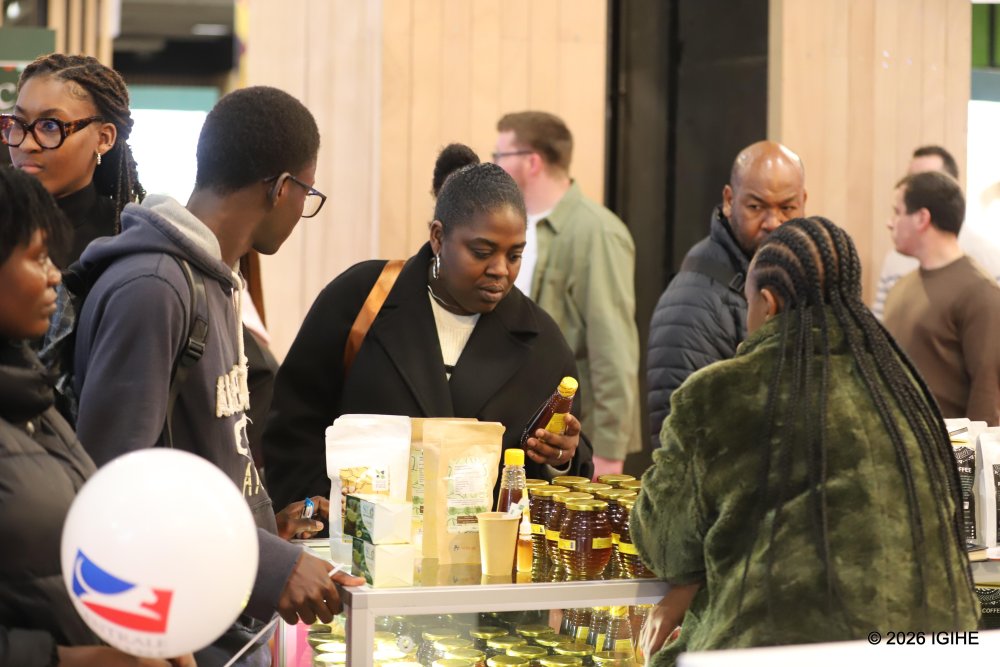
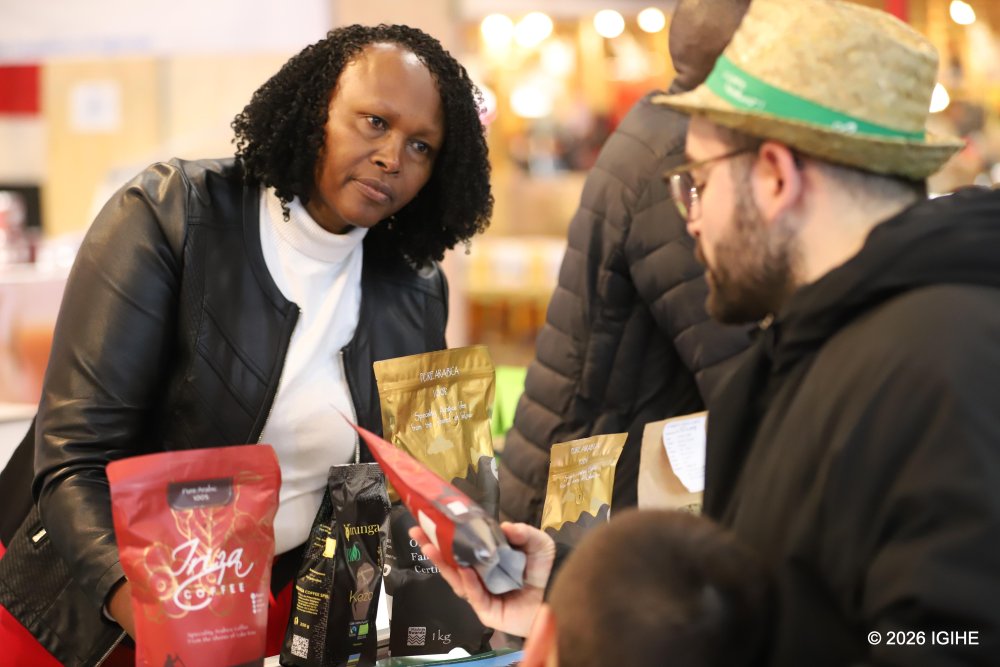
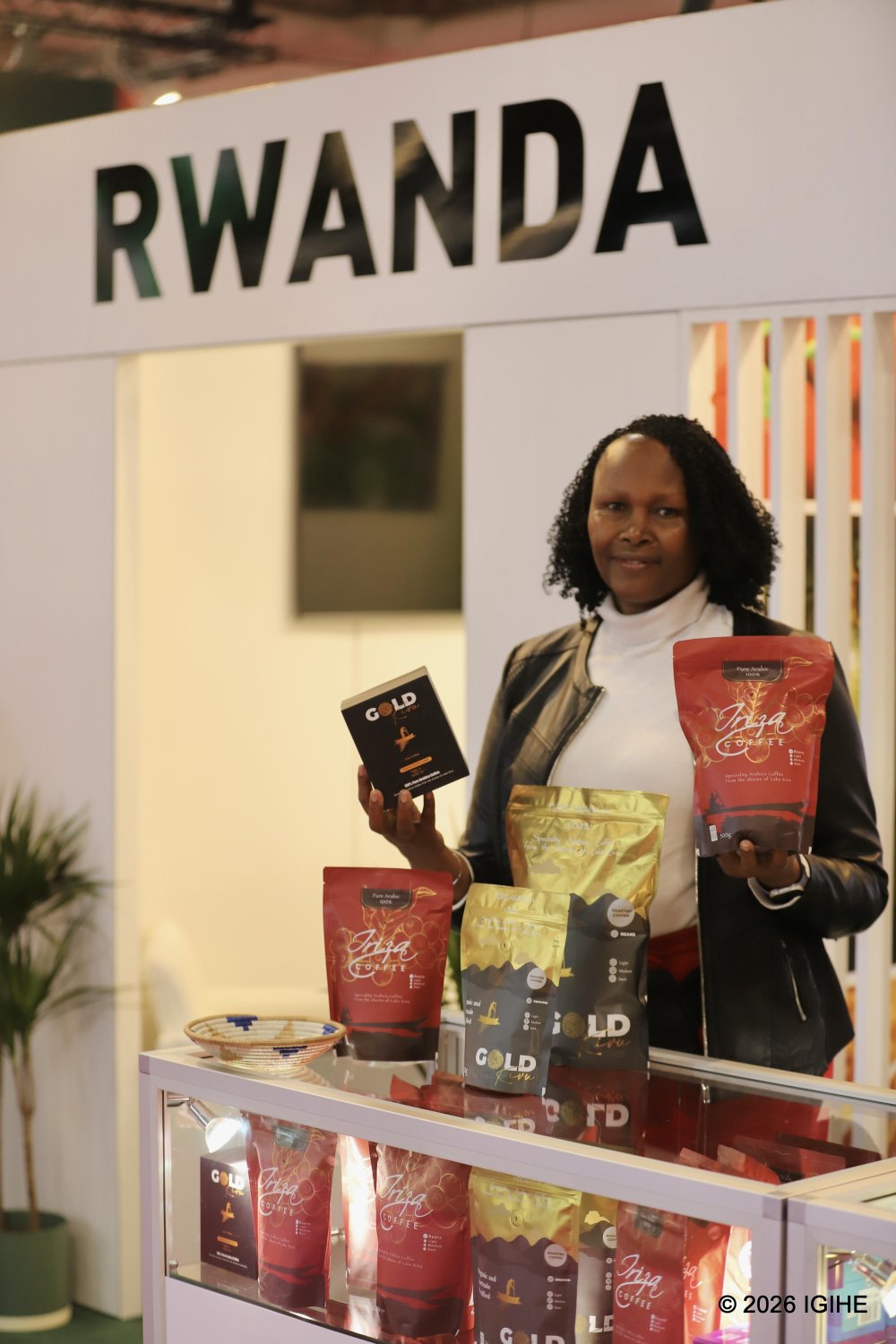
Rwanda was represented by the National Agricultural Export Development Board (NAEB), the Embassy of Rwanda in France, and 15 exporting companies showcasing products including coffee, tea, honey, chili, and other value-added agricultural goods.
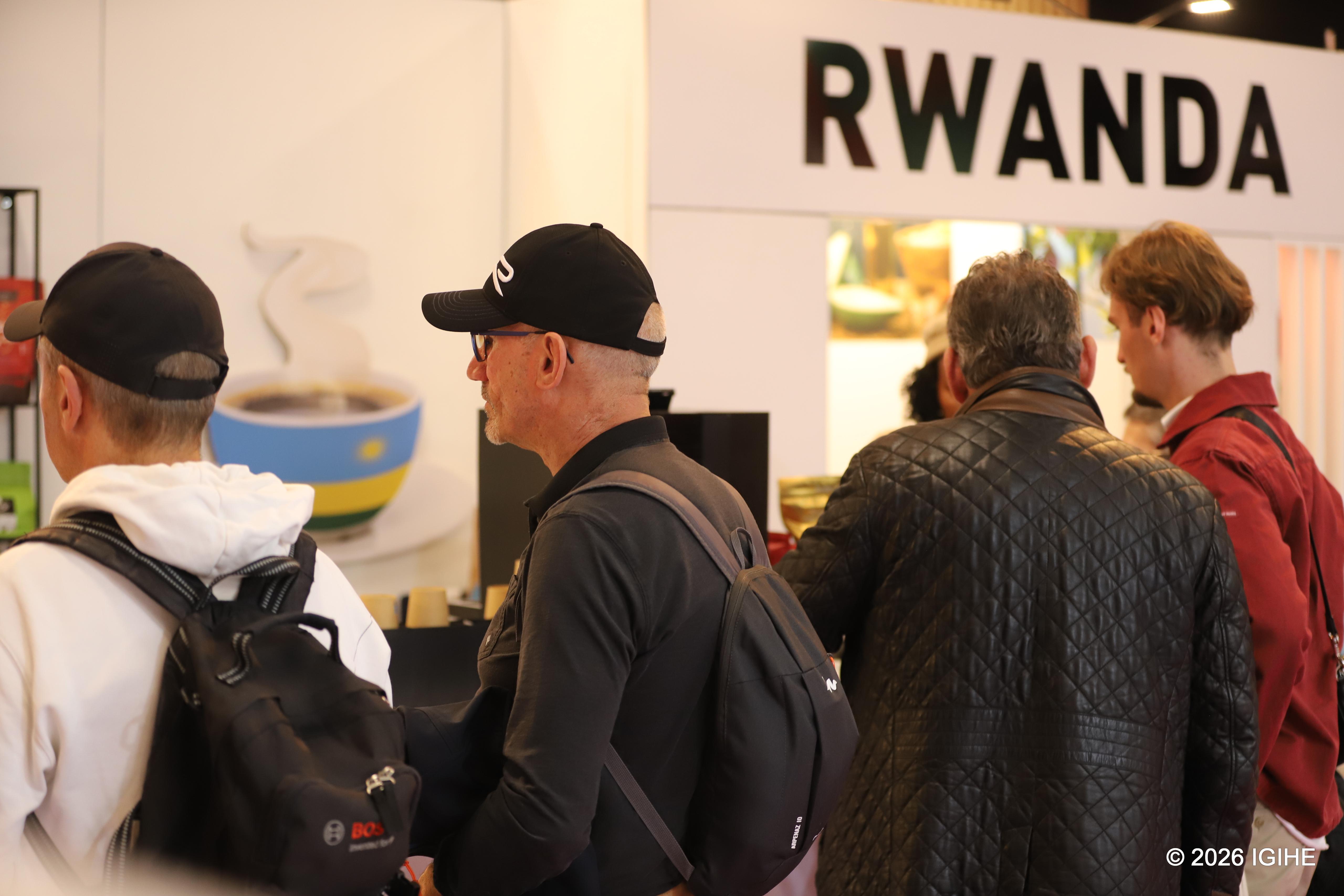
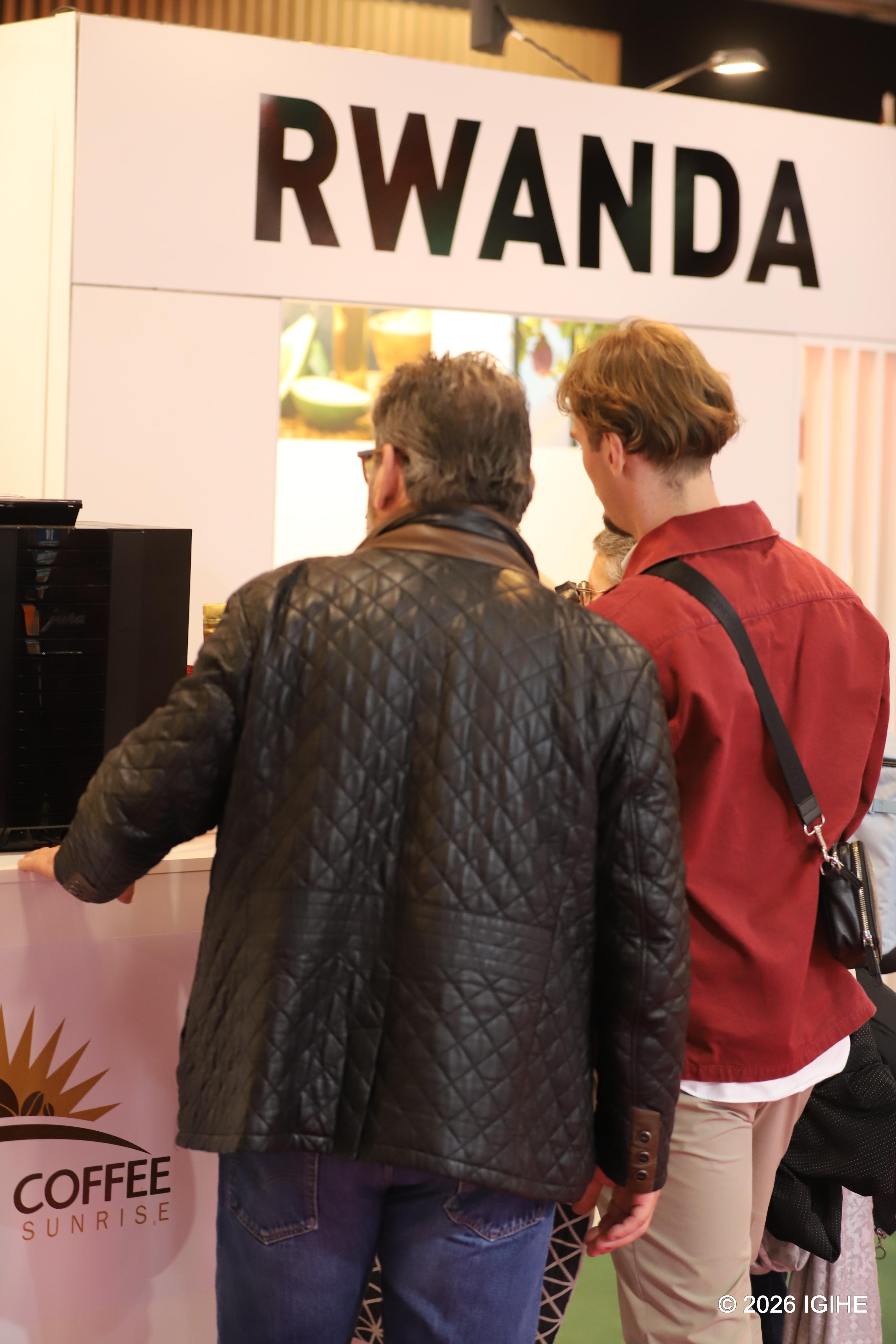
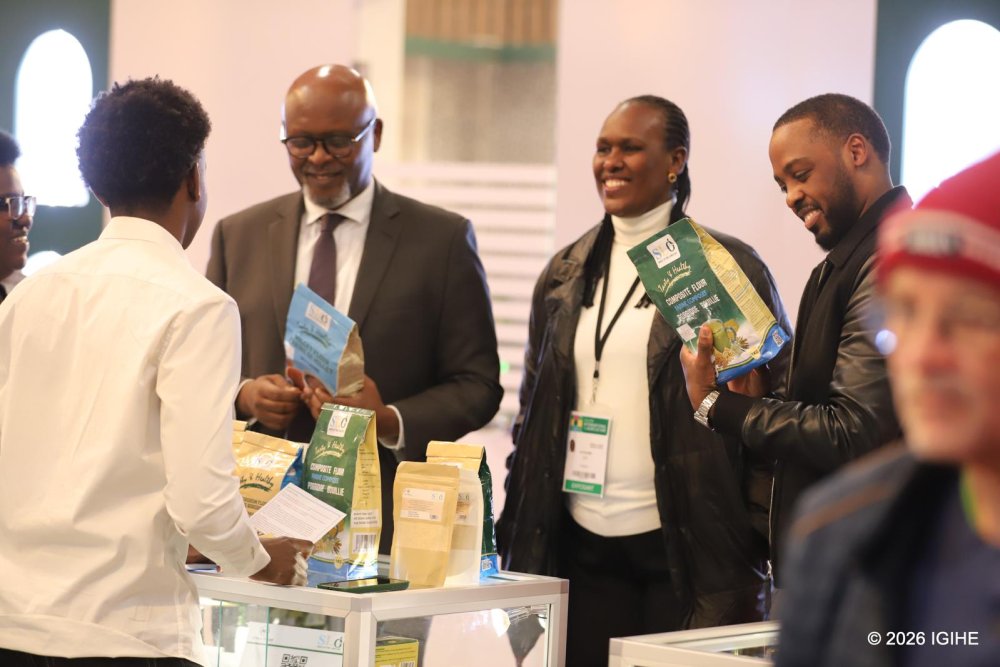
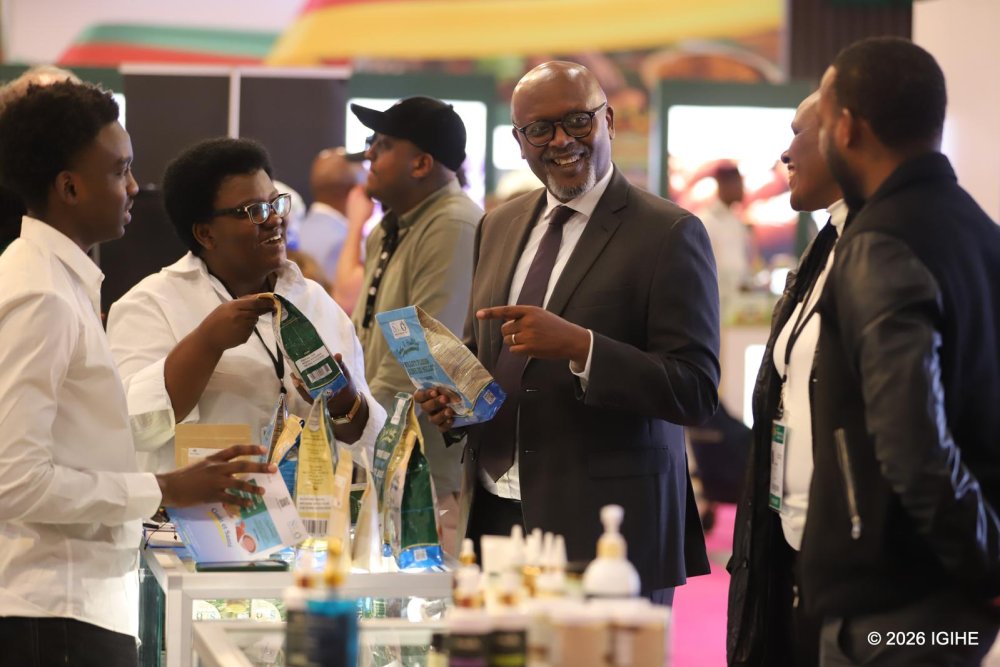
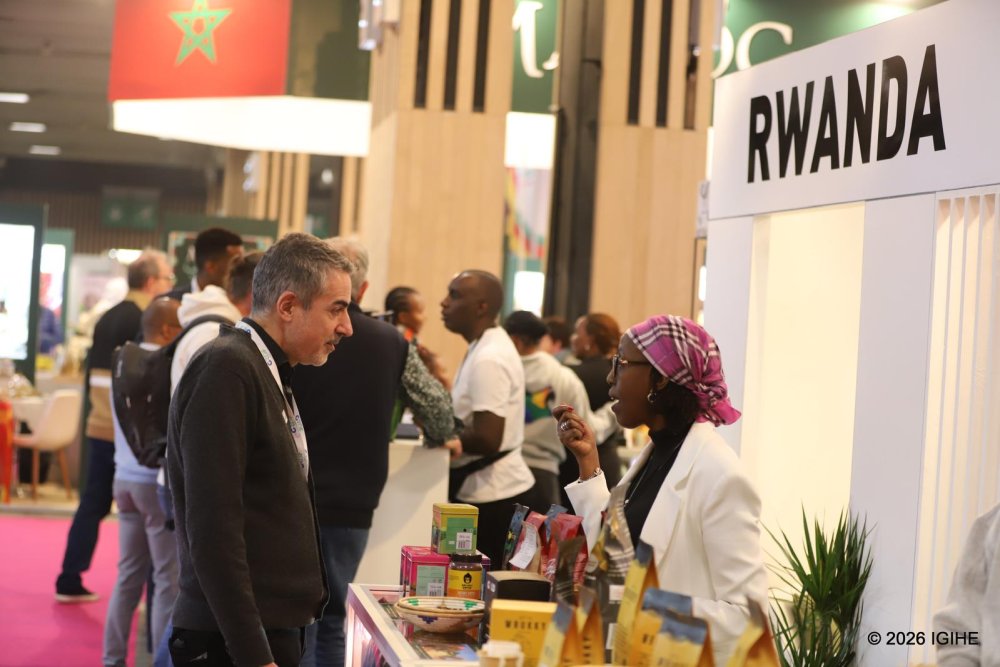
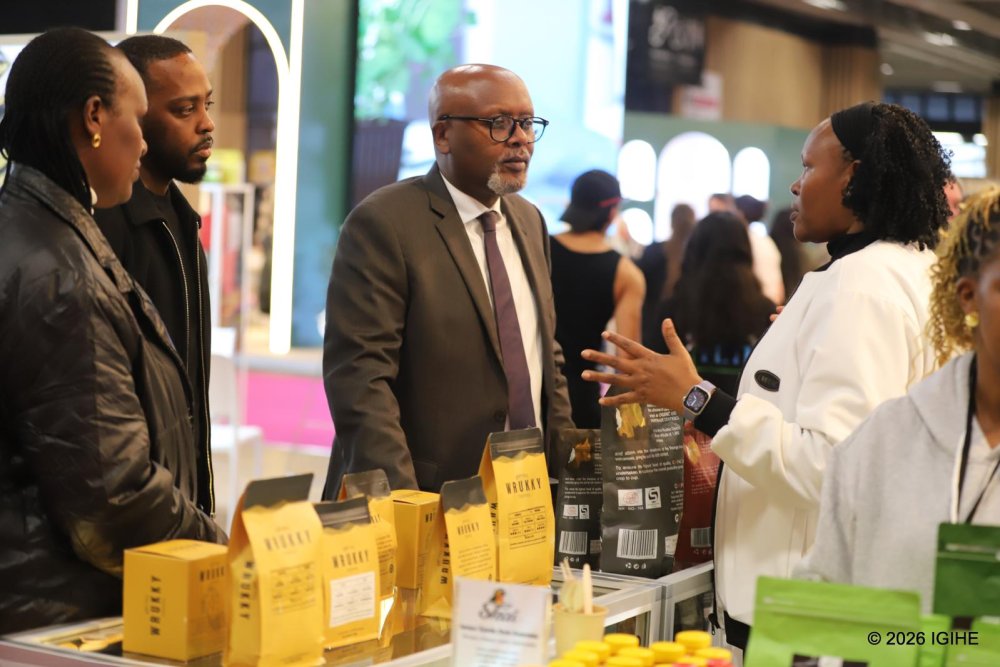
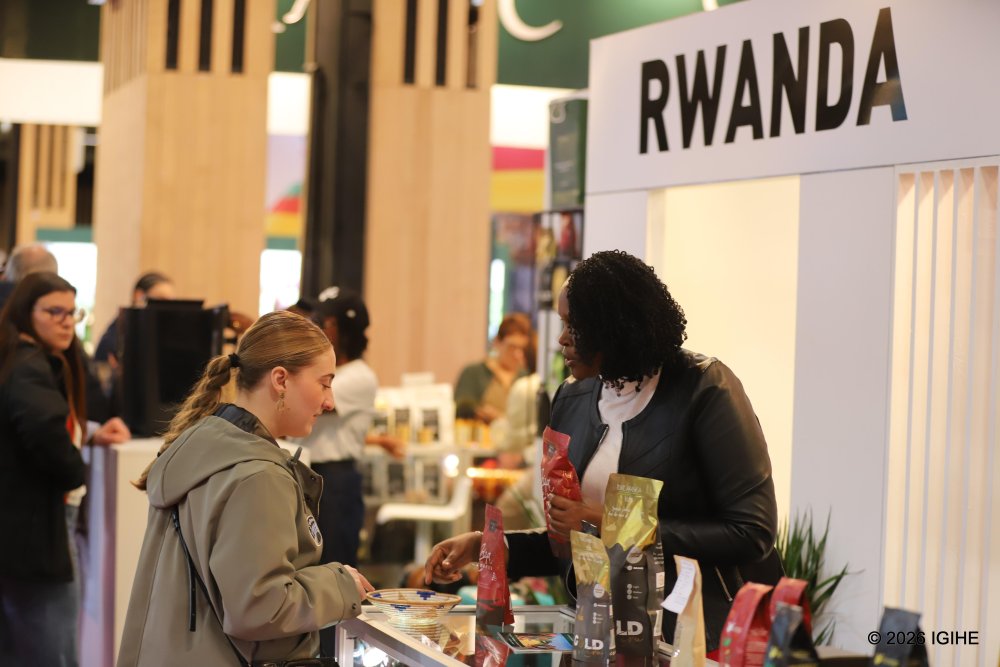
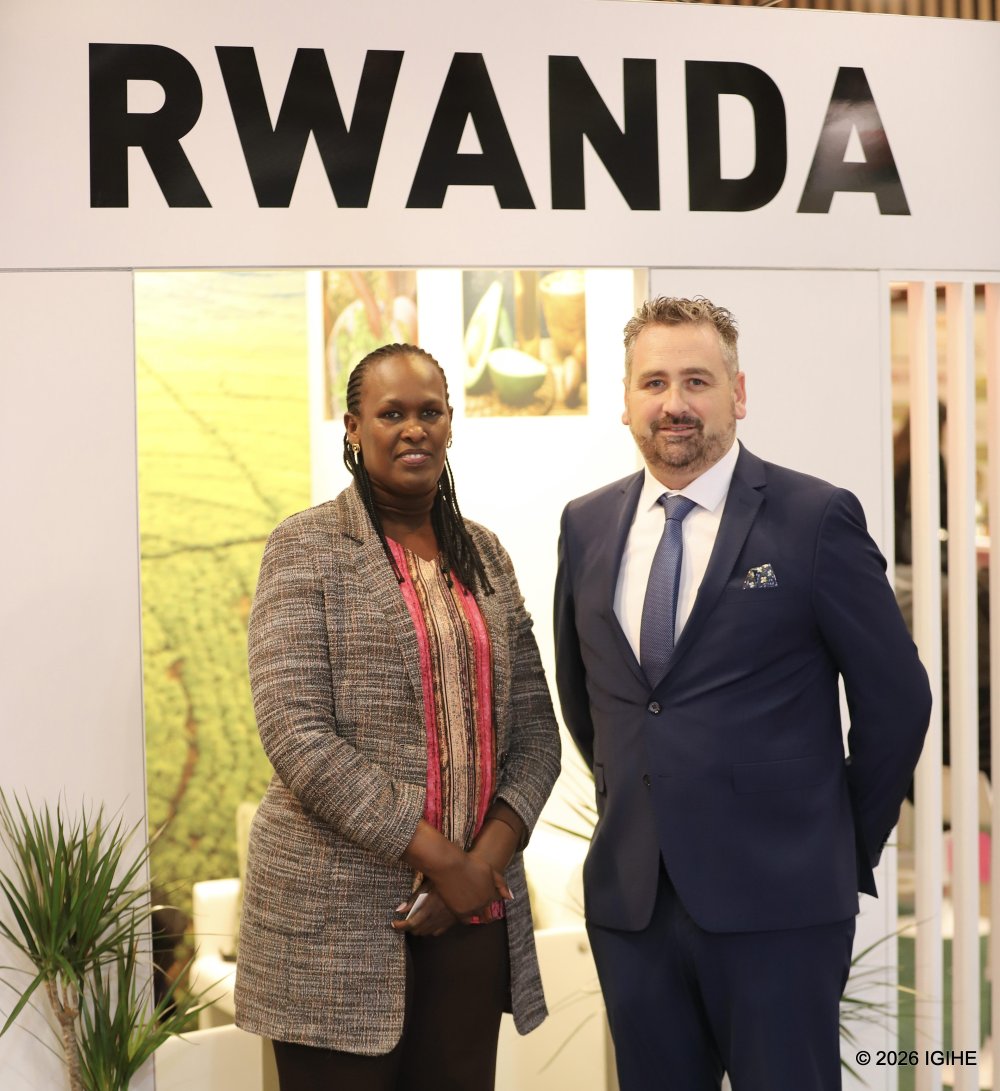
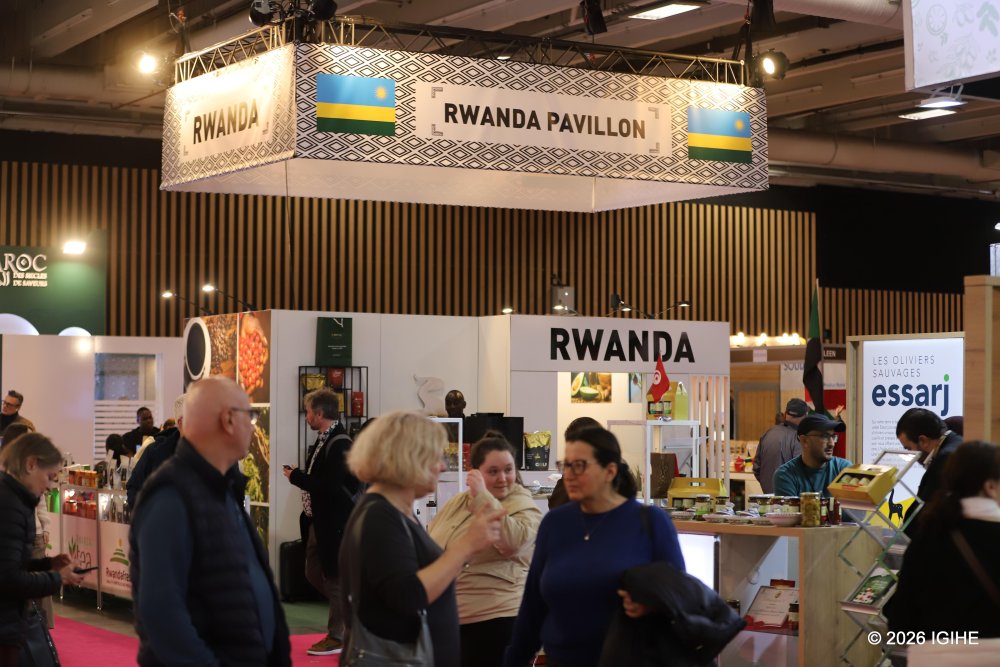
Located in Pavilion Seven, the Rwandan stand highlighted the country’s progress in developing export-ready products and strengthening agricultural value chains.
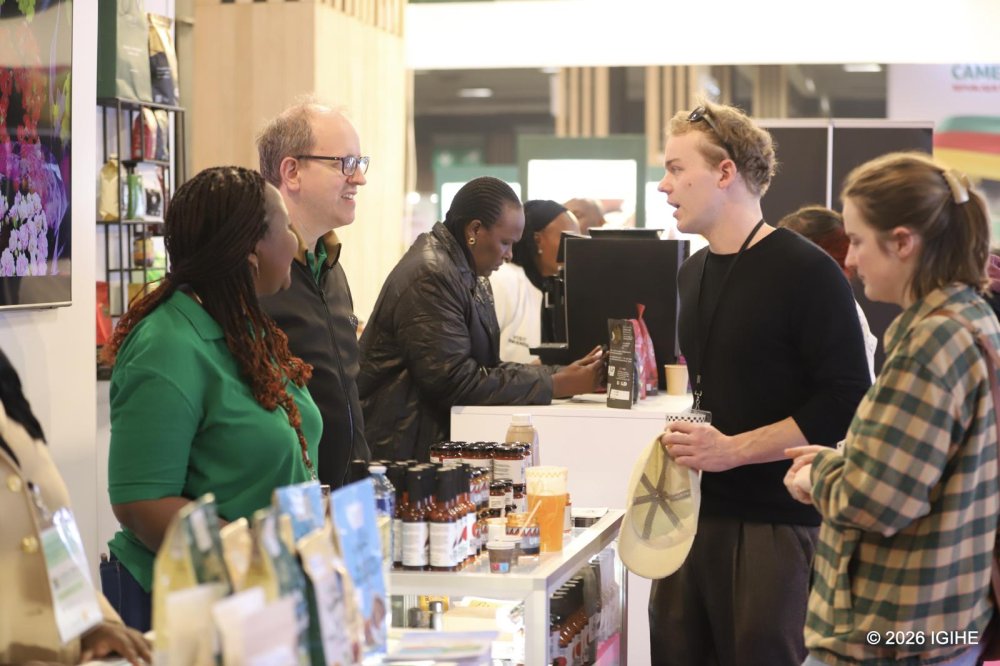
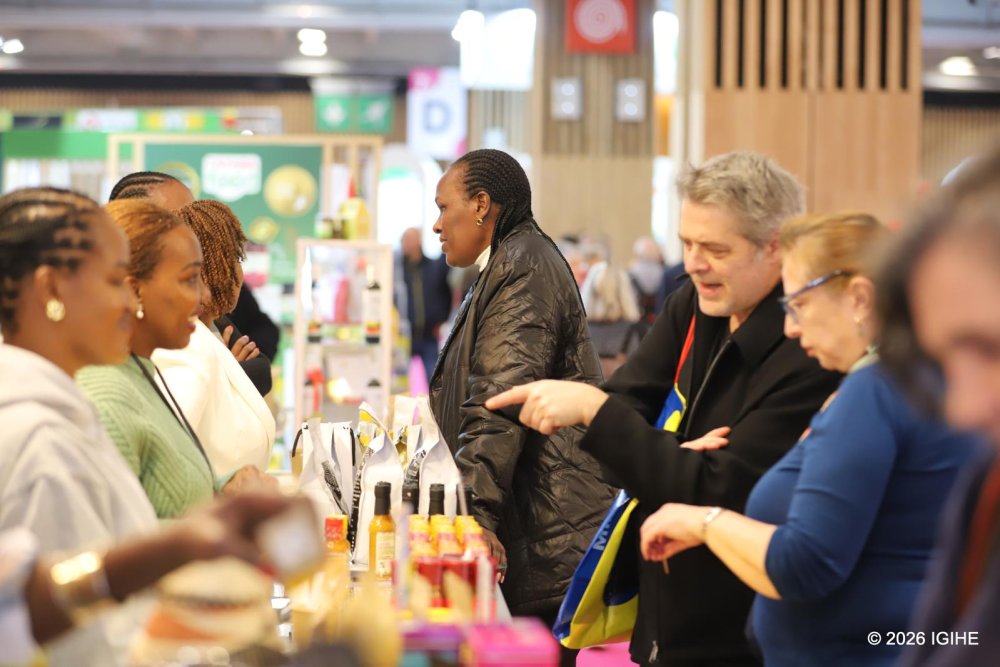
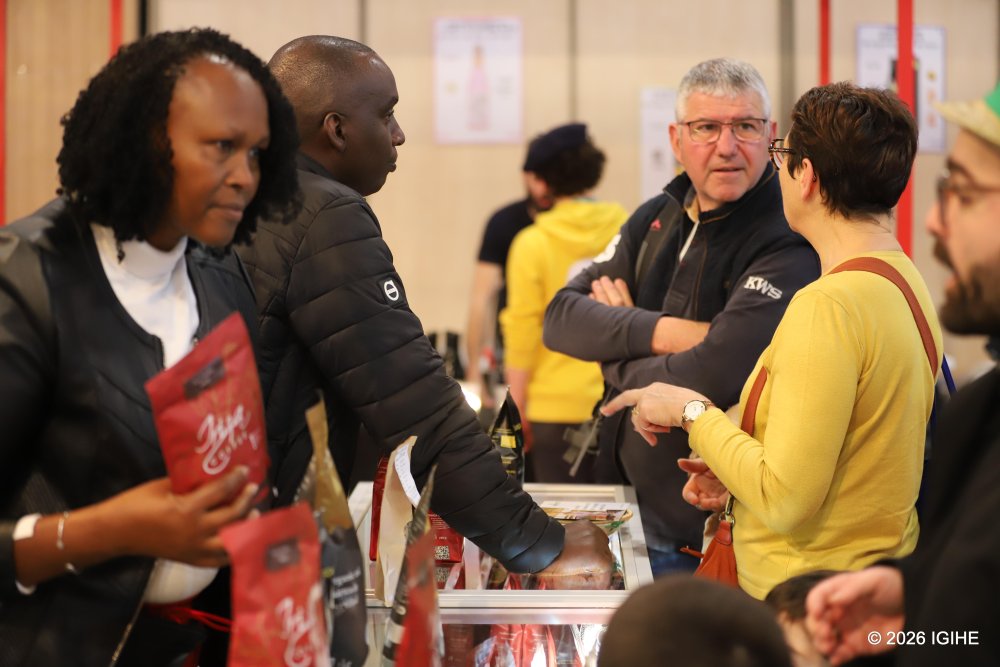
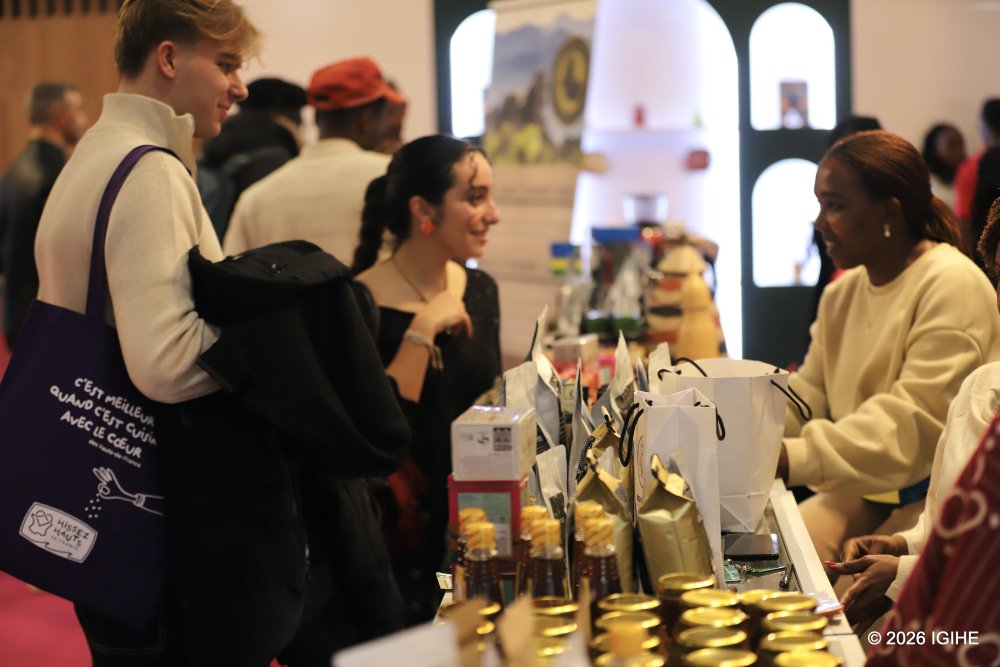
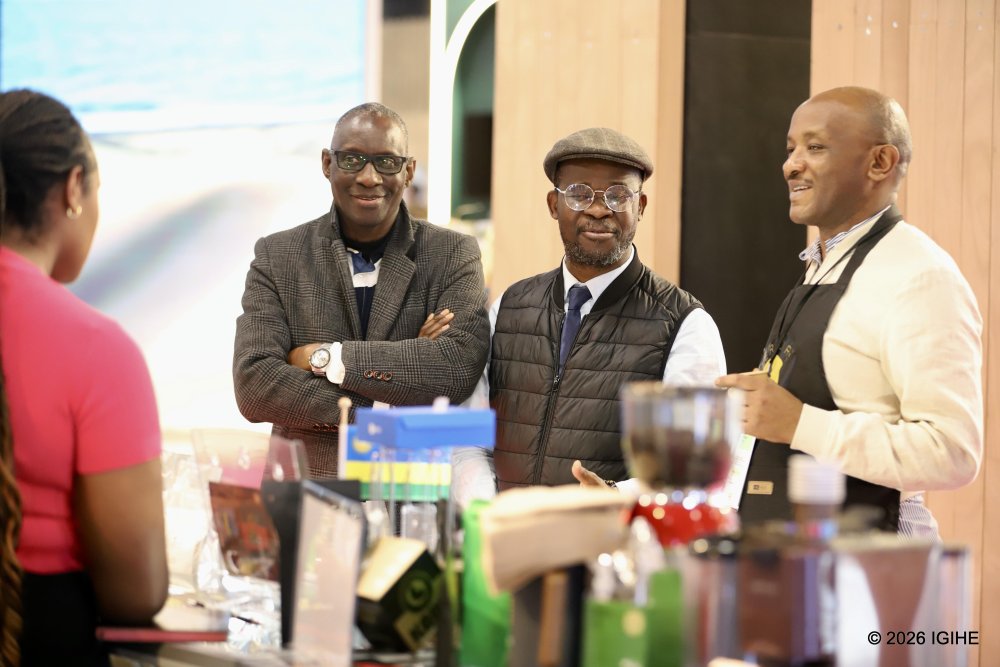
The exhibition provided a platform for farmers, entrepreneurs, traders, and investors to exchange expertise, build partnerships, and explore market opportunities. Beyond product displays, participants engaged in business meetings and networking sessions with global buyers and importers.
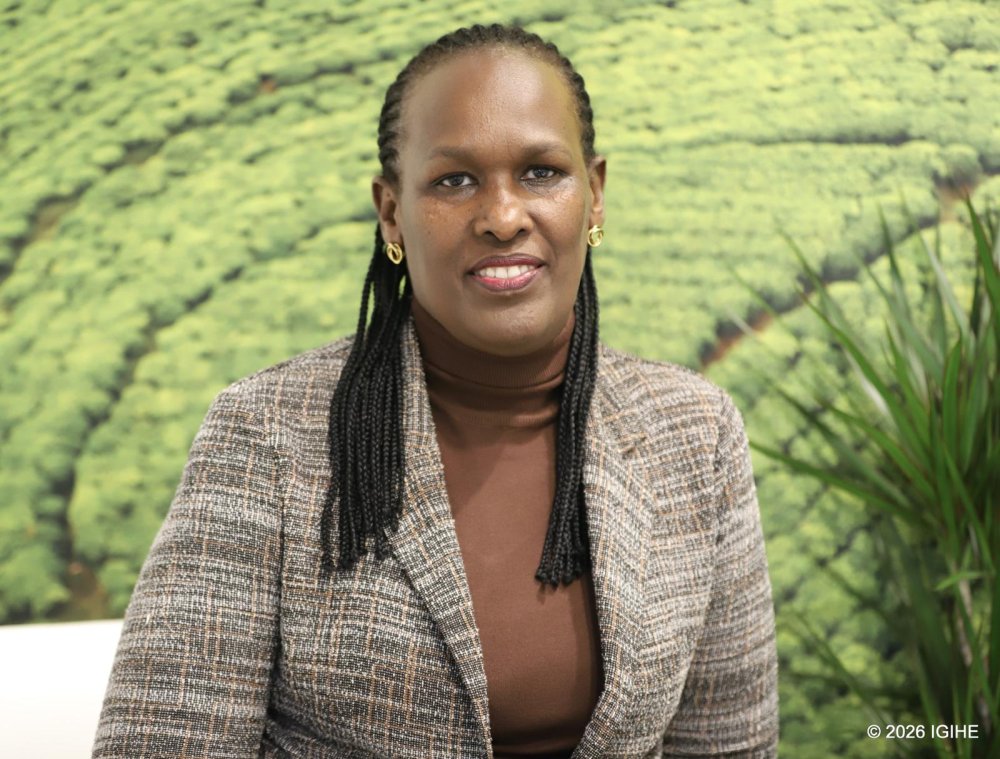
Janet Basiima, Export Market Development and Innovation Division Manager at NAEB, said Rwanda’s presence focused on expanding market access and strengthening the international visibility of its agricultural products.
“We came with around 15 exporters showcasing tea, coffee, honey, and other agricultural goods. Our participation is aimed at expanding markets for Rwanda’s agricultural and livestock products,” she said. Basiima added that while more than 100 countries are represented at the exhibition, France remains a strategic market, currently ranking fourth among destinations for Rwanda’s agricultural exports.
She also noted that improved logistics continue to support export growth. According to Basiima, direct flights operated by RwandAir between Kigali and Paris three times a week provide a practical advantage in transporting Rwandan products to European markets.
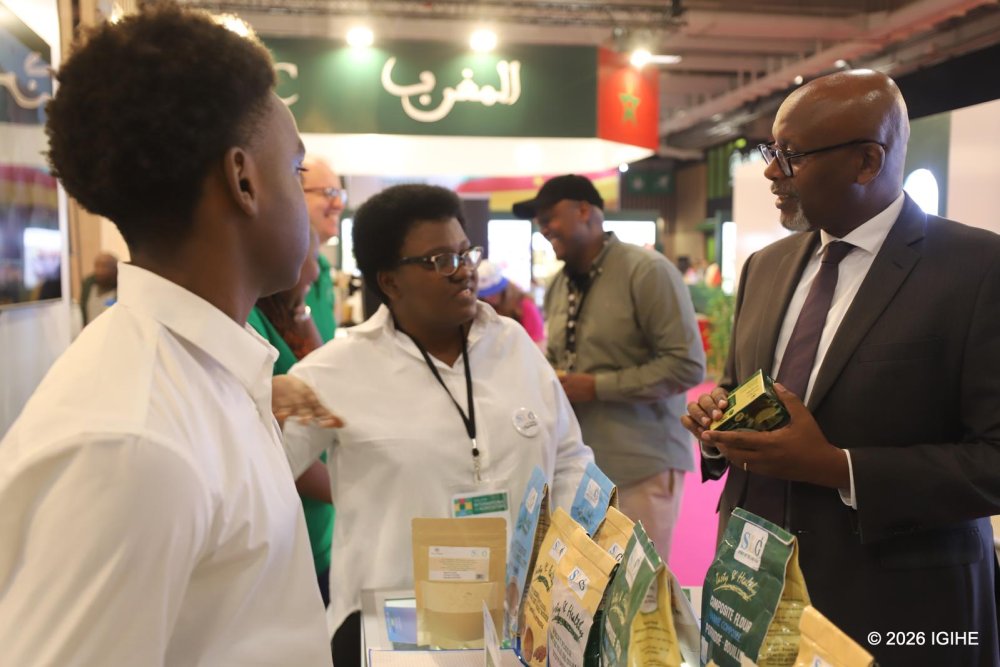
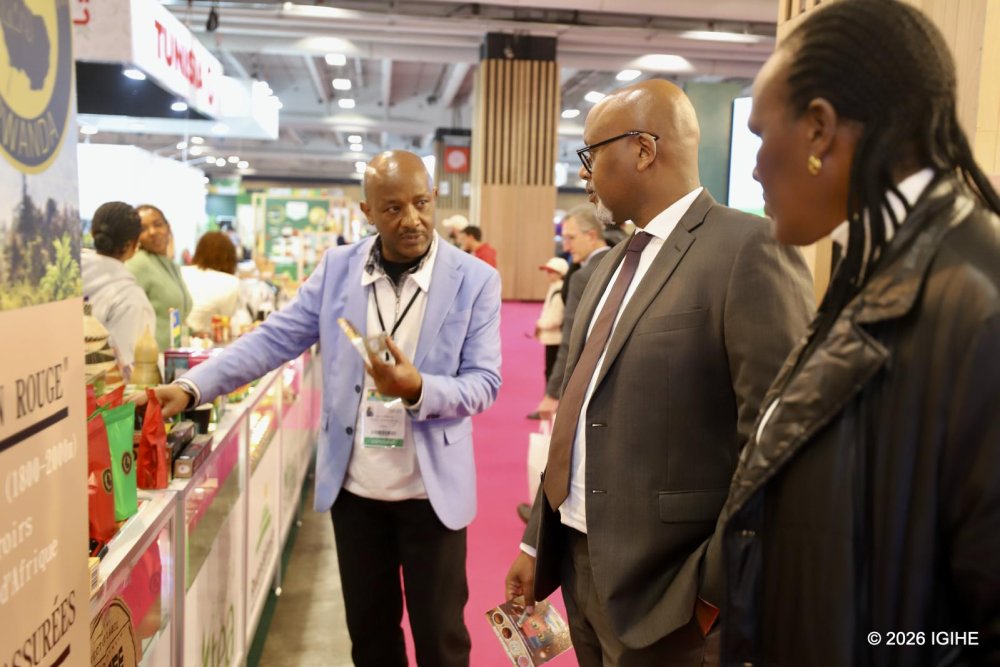
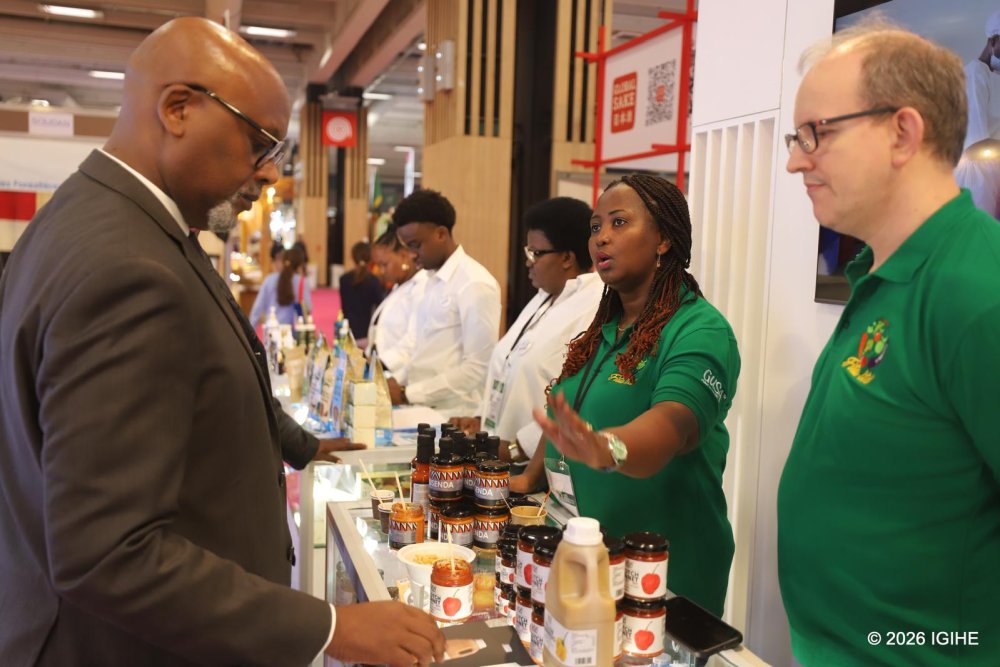
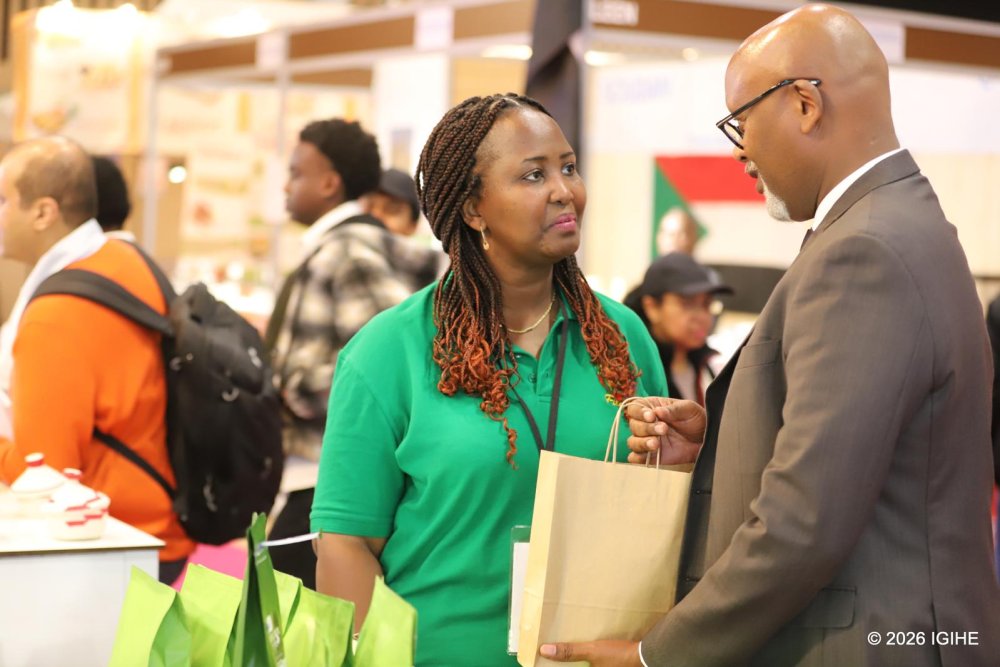
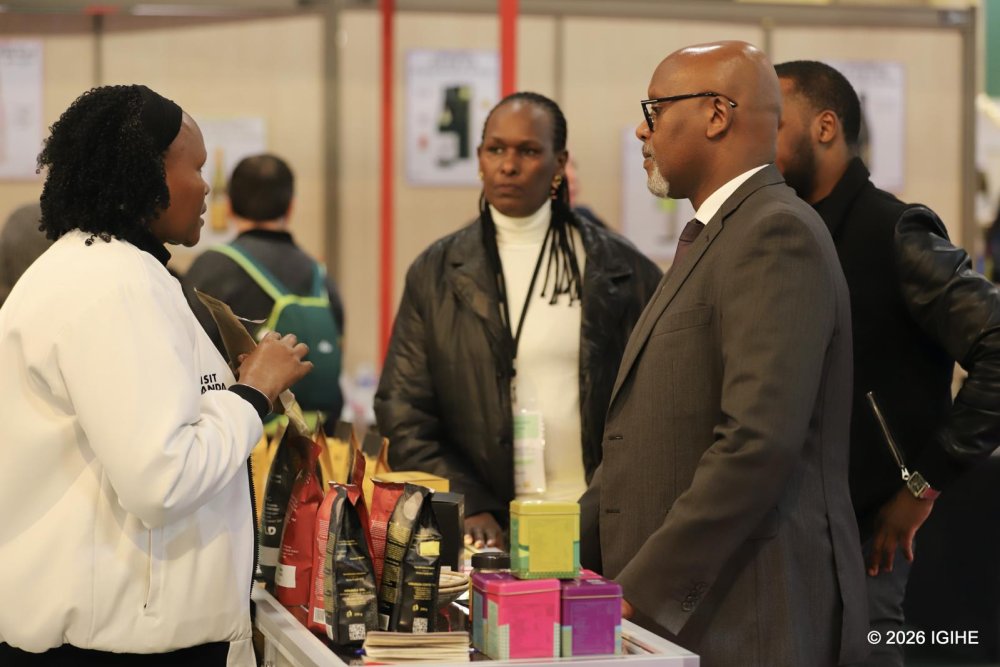
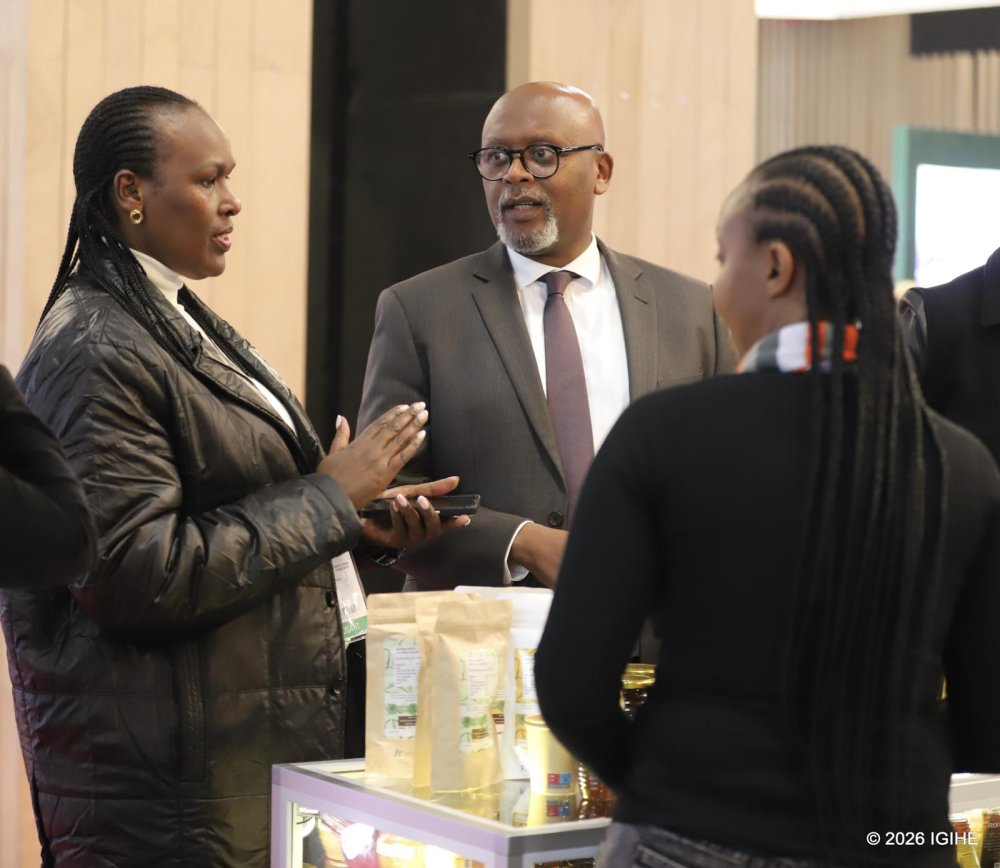
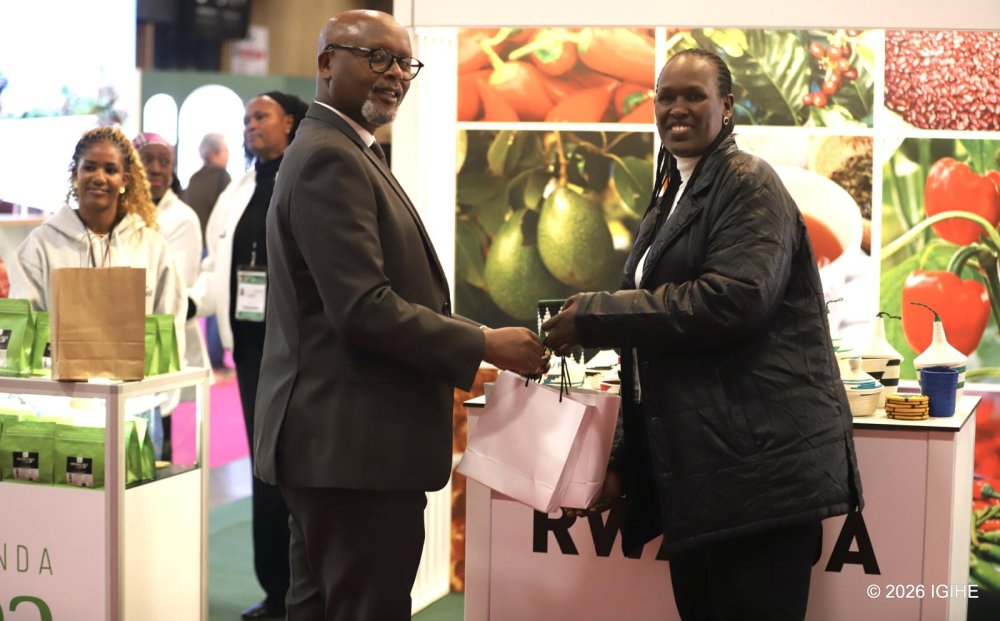
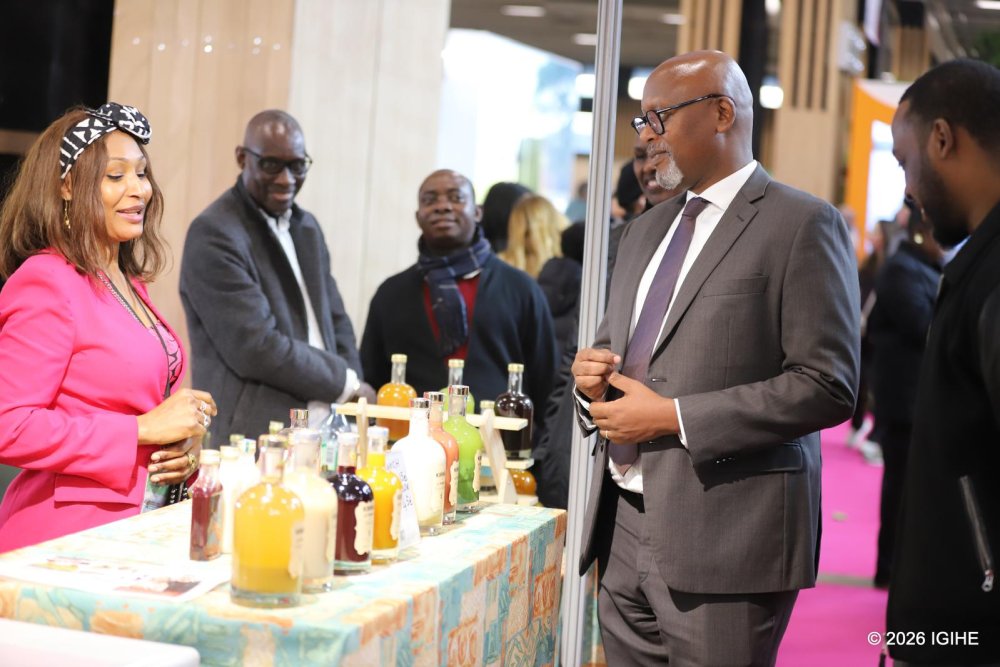
During a visit to the Rwandan pavilion, Rwanda’s Ambassador to France, François Nkulikiyimfura, emphasized the importance of strengthening trade relations with a country widely recognized for its agricultural expertise. He assured exhibitors of continued diplomatic support in accessing new markets and building sustainable partnerships.
Exhibitors themselves reported encouraging outcomes from the trade fair. Ritha Umutoni, CEO of Rixu Rwanda Coffee, said participation extends beyond direct sales opportunities.
“Attending is not just about meeting buyers,” she said. “We also engage in planned activities, meeting executives from large importing and exporting companies worldwide. It’s a place to learn, visit other key markets in France, and expand our business ideas and practices.”
Umutoni also praised Rwanda’s leadership under President Paul Kagame, saying it enables Rwandans to engage confidently on international platforms.
Other exhibitors echoed similar sentiments. Stephanie Kayirangwa, Managing Director of Fita Ltd, commended NAEB for facilitating participation and the embassy for providing ongoing support.
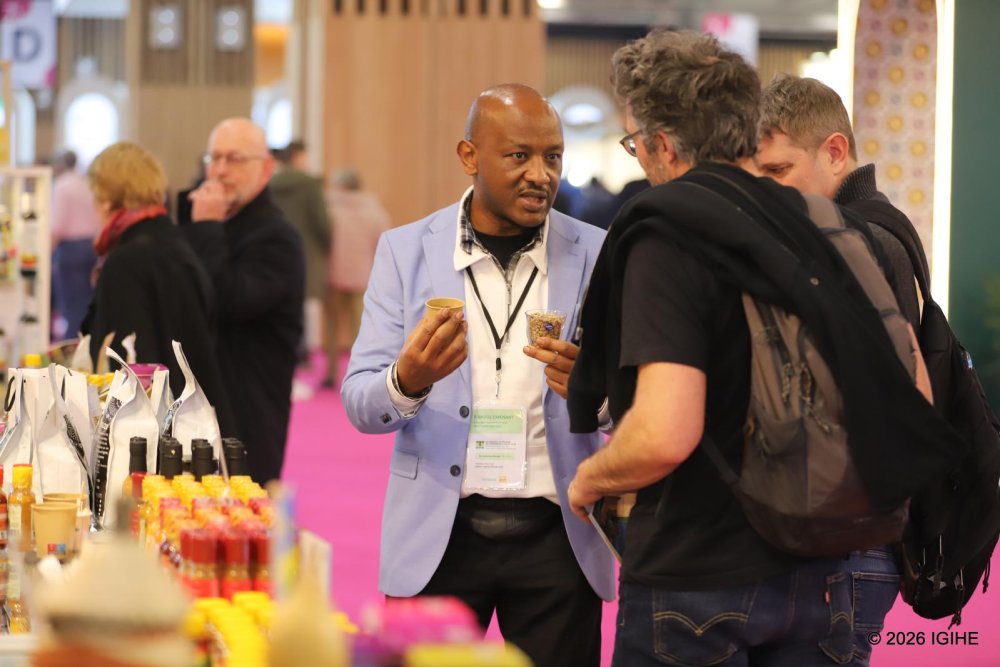
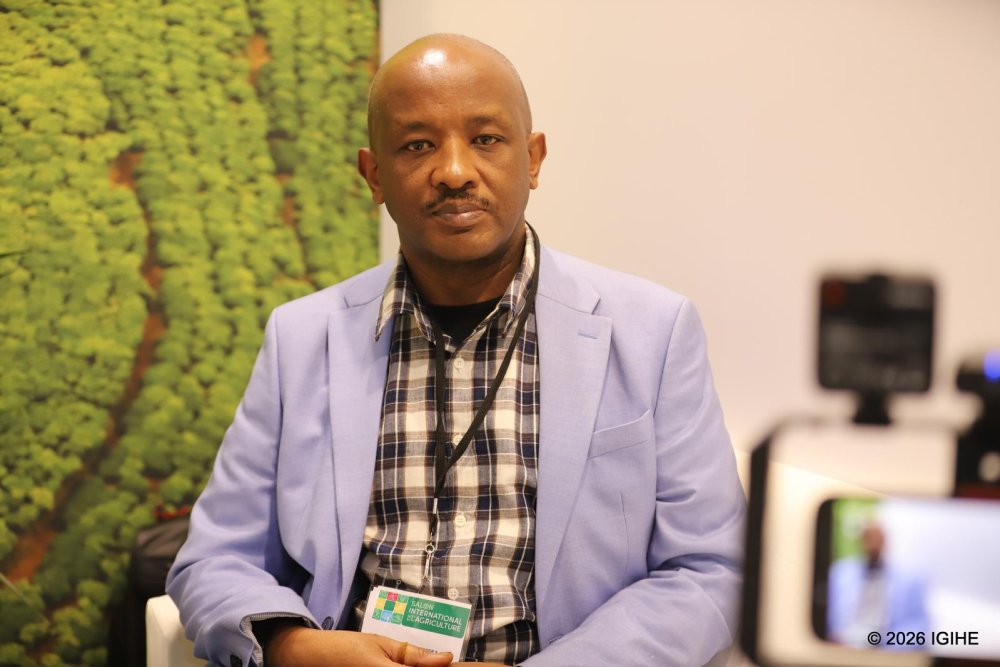
Aloys Rubayiza, Managing Director of Rwanda Mountain Coffee, said he was impressed by the attention Rwandan products received during his first participation.
“This was Rwanda’s fifth participation, and we noticed buyers returning for Rwandan coffee and tea because they enjoyed it. It confirmed that our coffee is gaining recognition internationally,” he said.
Valentin Rwayitare, SIA Coordinator on behalf of the Rwandan Embassy in France, emphasized its role in creating opportunities to expand markets and described it as a platform to learn from best practices that can advance Rwanda’s agricultural export ambitions.
The Paris International Agricultural Show is known not only for trade and exhibitions but also for its scale and diversity. The event features agricultural technologies, value chains, and more than 4,000 animals, including cattle, sheep, pigs, and horses, reflecting the breadth of the global agriculture sector.
Rwanda’s participation aligns with broader national export ambitions.
Agricultural and livestock exports remain a key driver of the country’s economy, generating more than $893.1 million in revenue by December 2025.
Under the Second National Strategy for Transformation (NST2), Rwanda aims to increase annual foreign exchange earnings from agricultural and livestock exports to $1.5 billion by 2029.
The country’s continued presence at major international trade fairs signals a sustained commitment to promoting its agricultural sector, strengthening global visibility, and positioning Rwandan products more competitively on the international market.
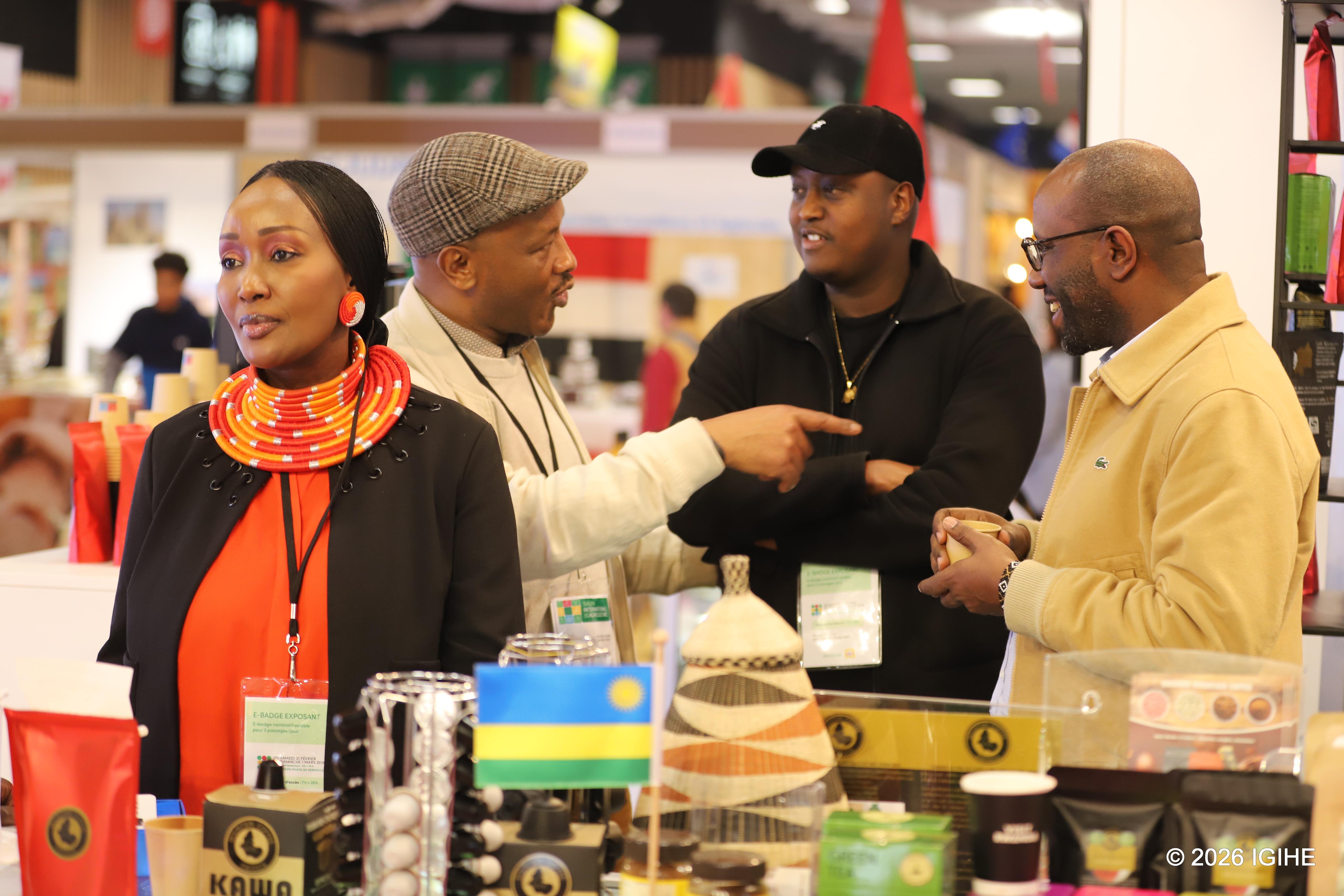
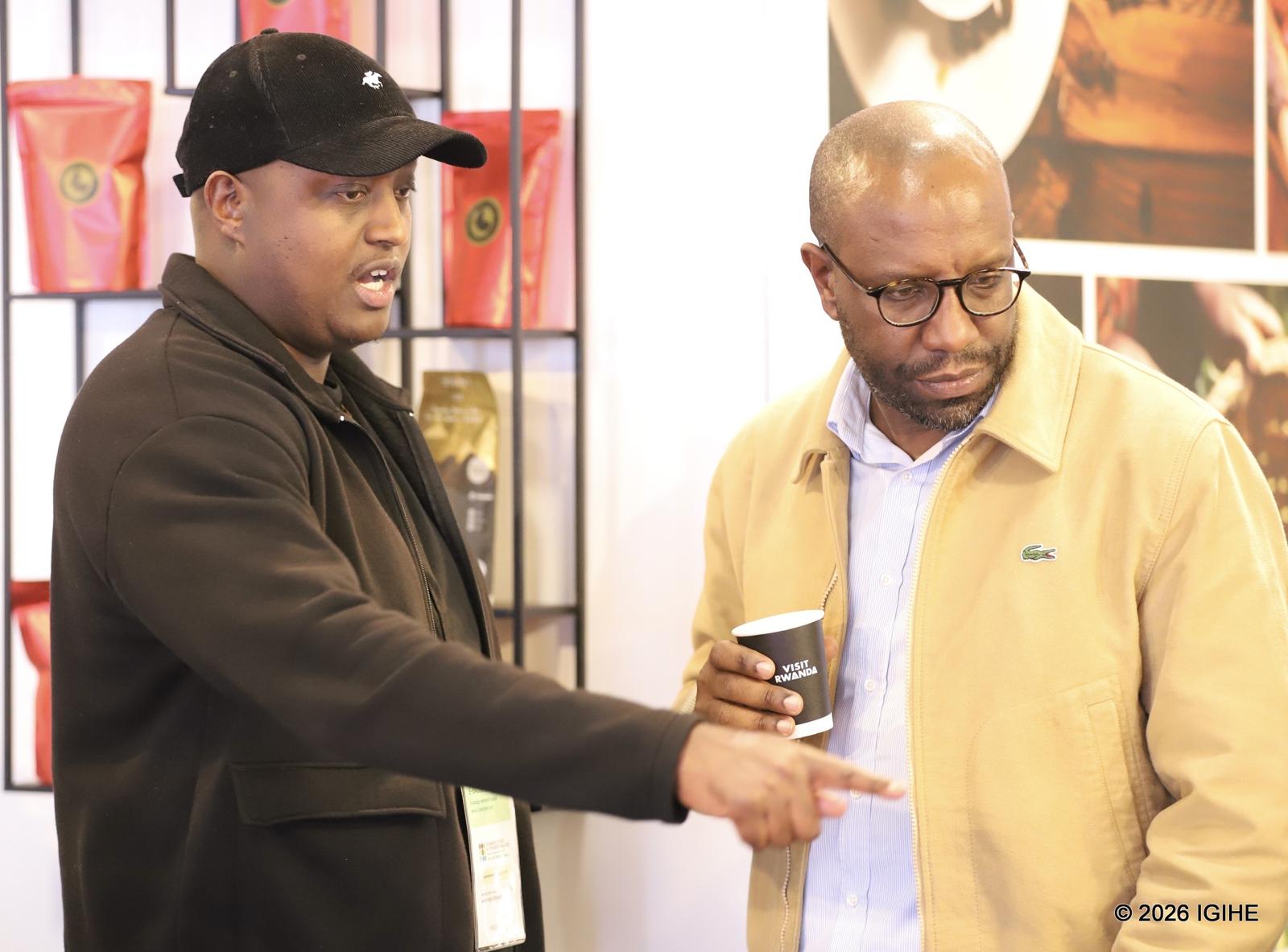
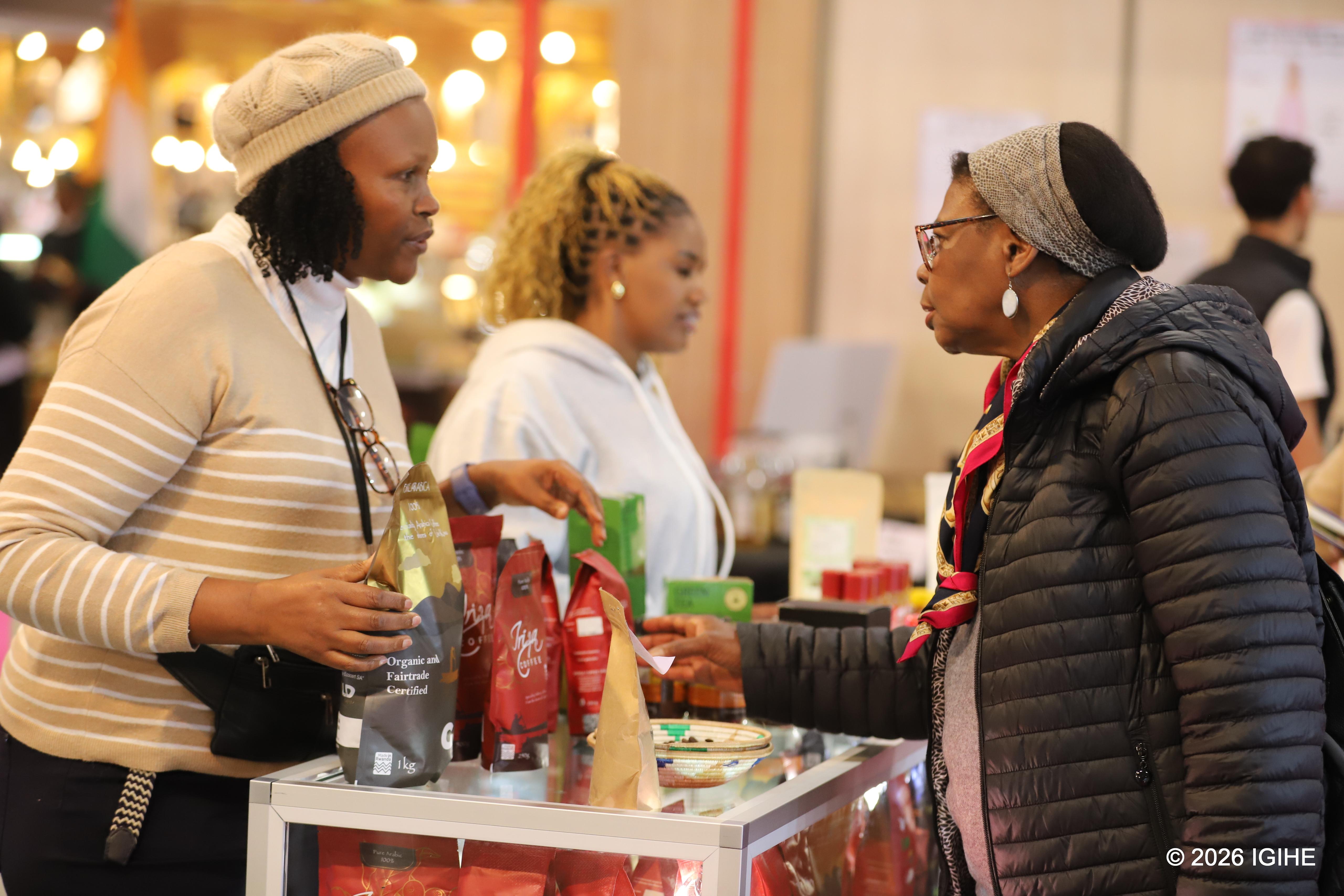
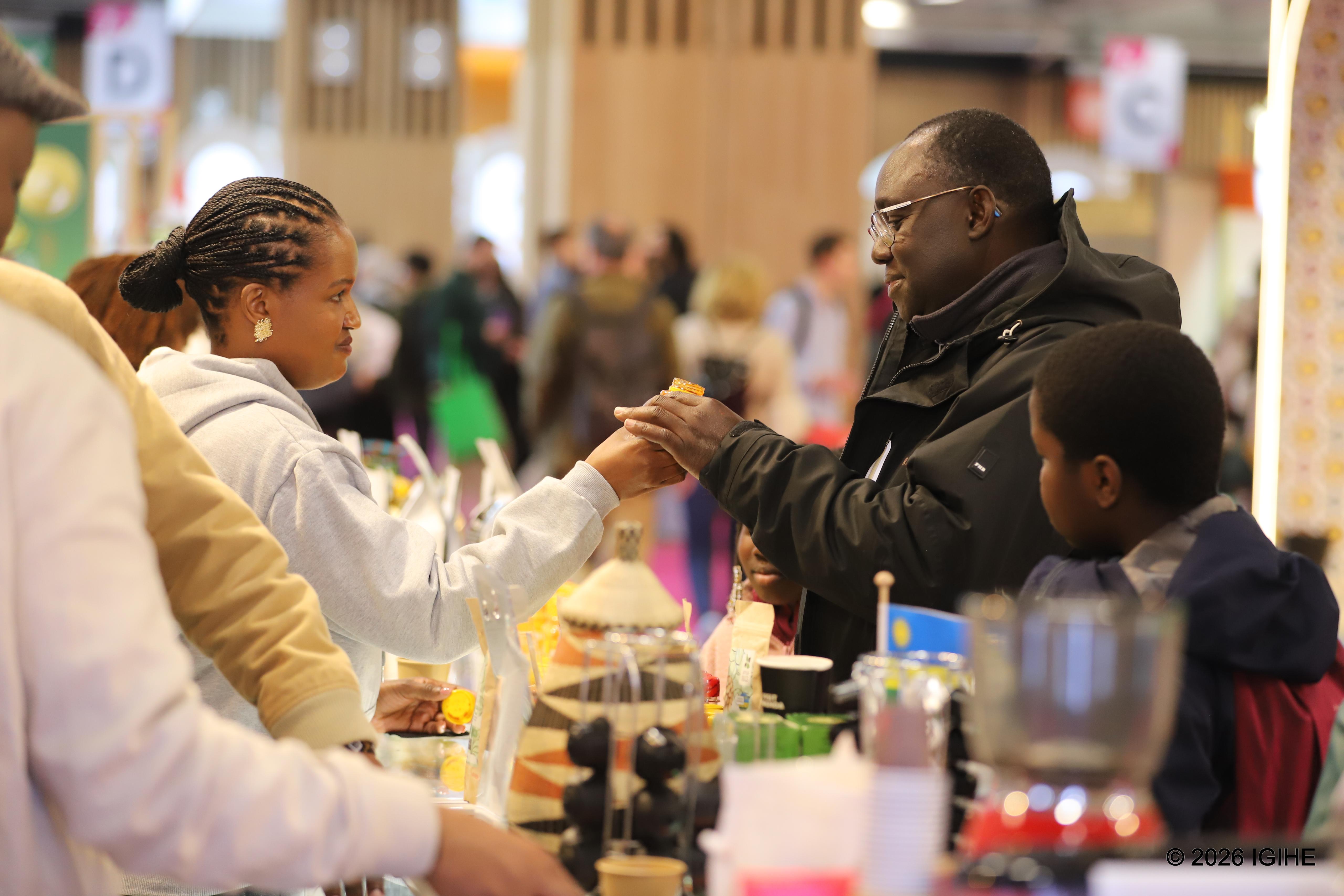
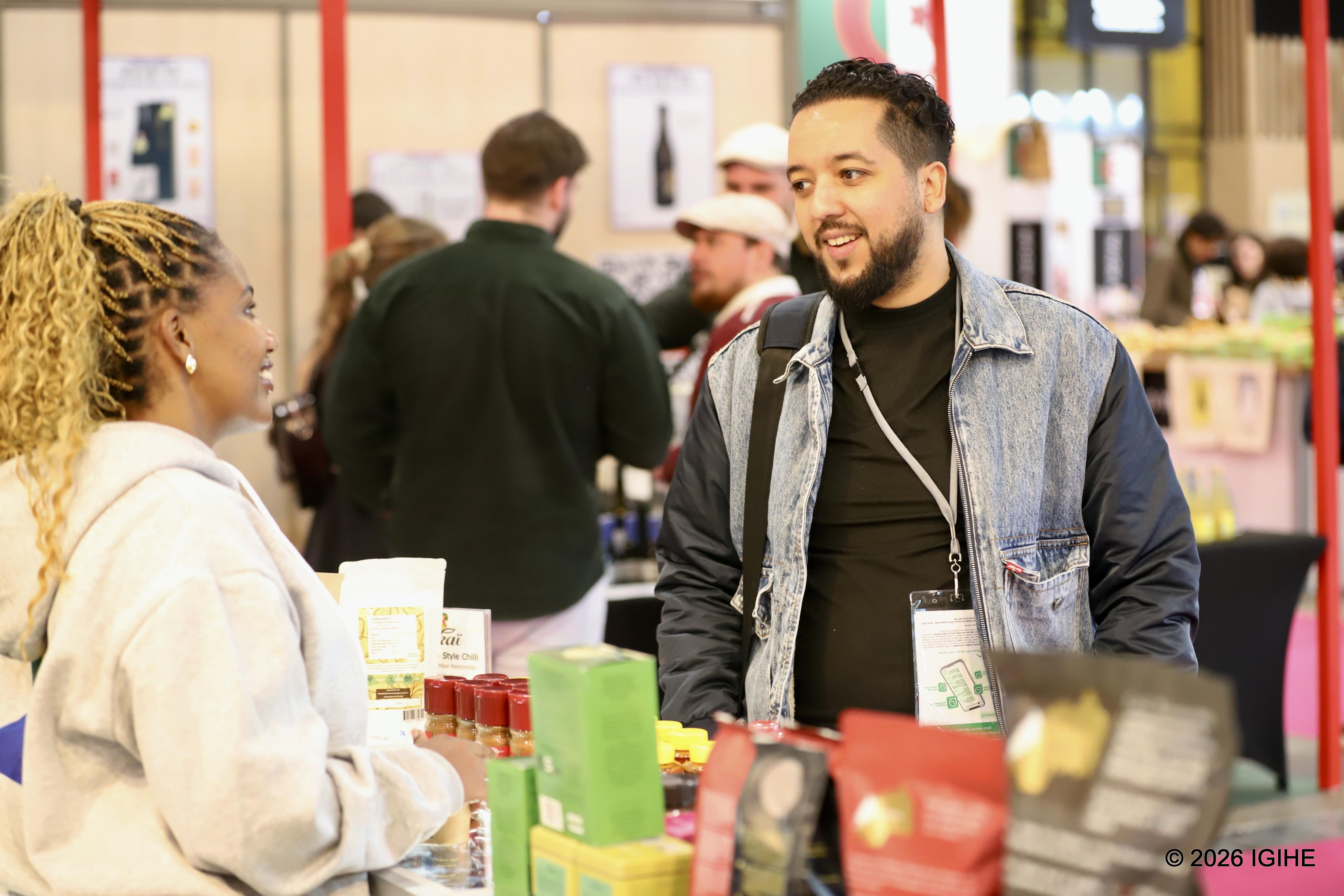
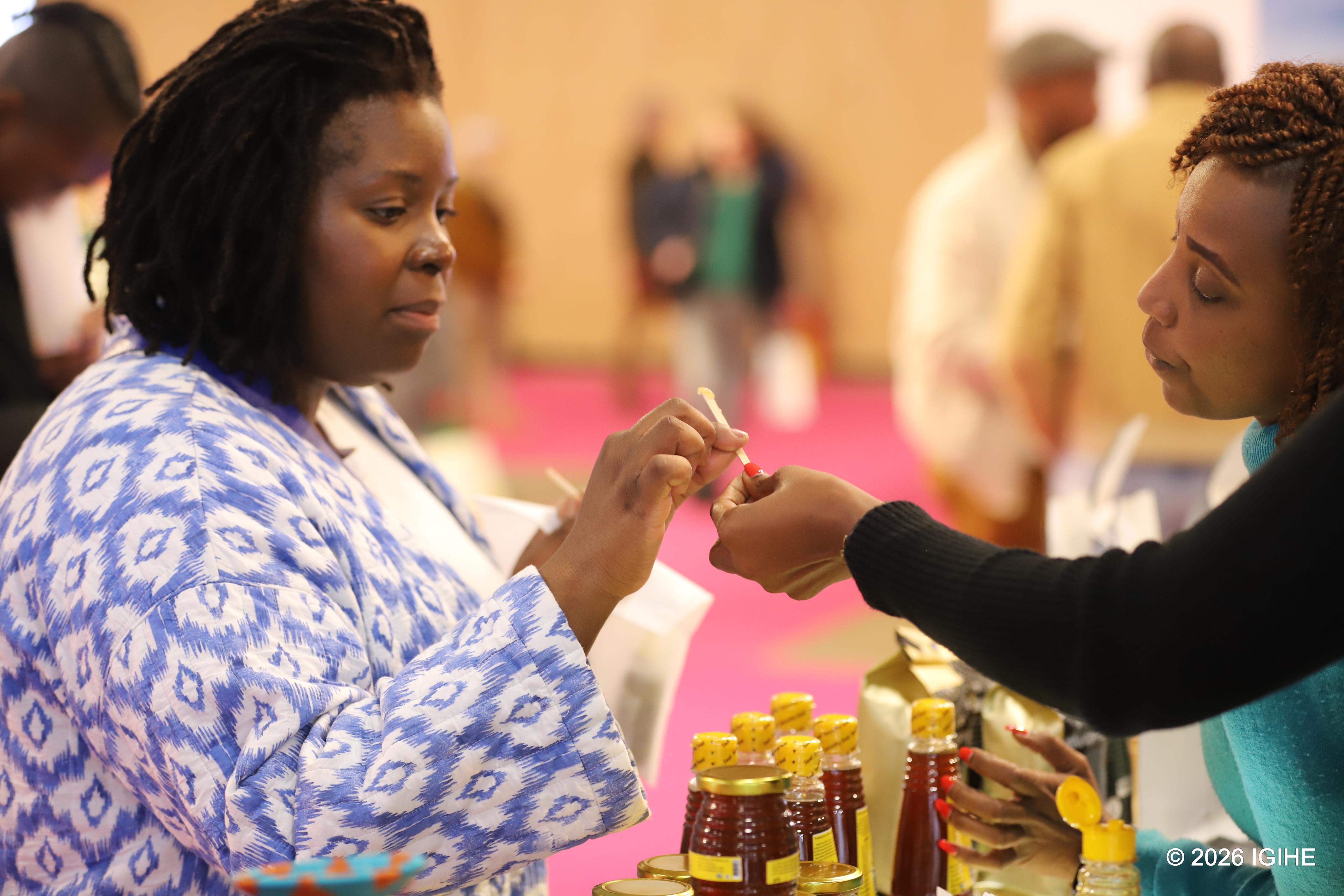
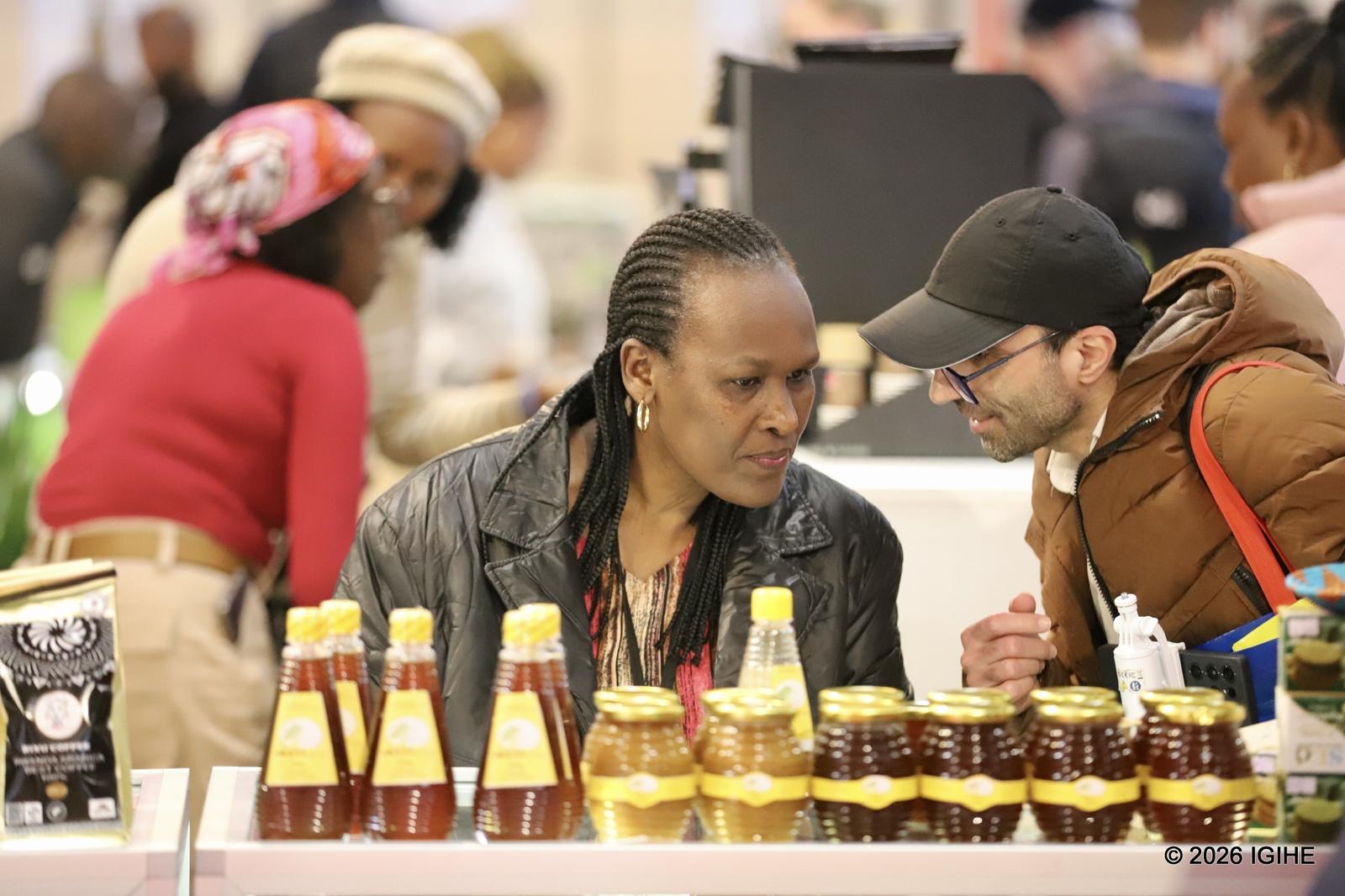
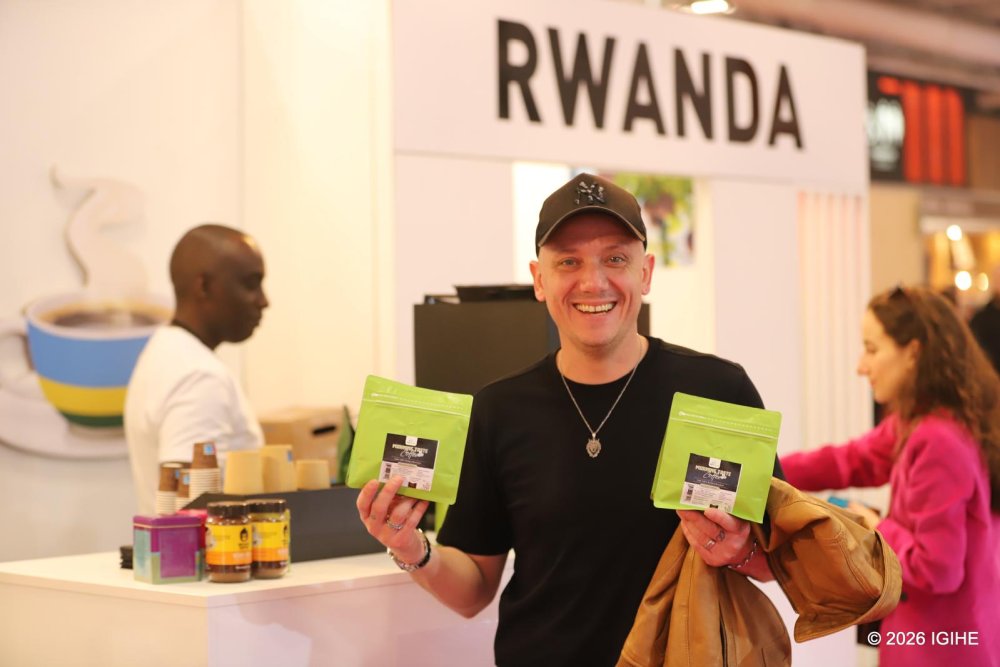
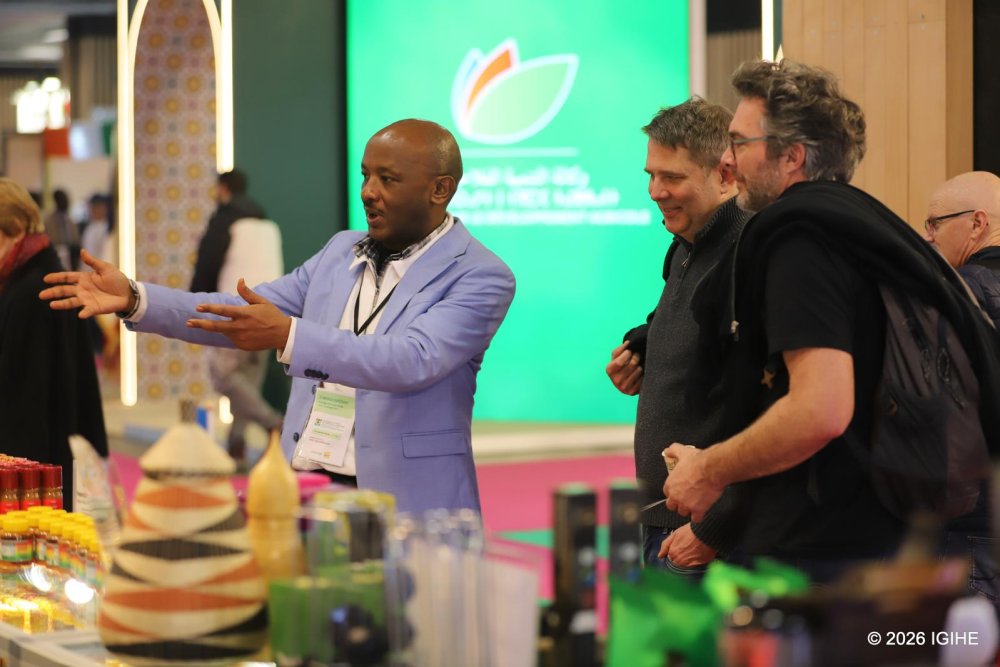
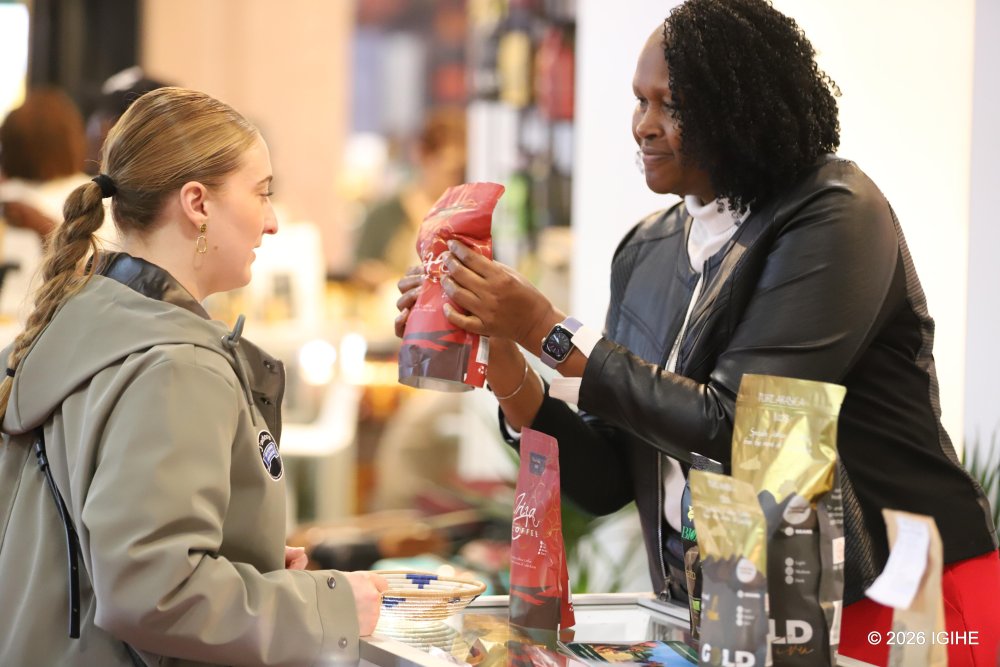
Rubayiza Aloys, the Managing Director of Rwanda Mountain Coffee, showcasing his products to visitors.

karirima@igihe.com
Leave a Reply