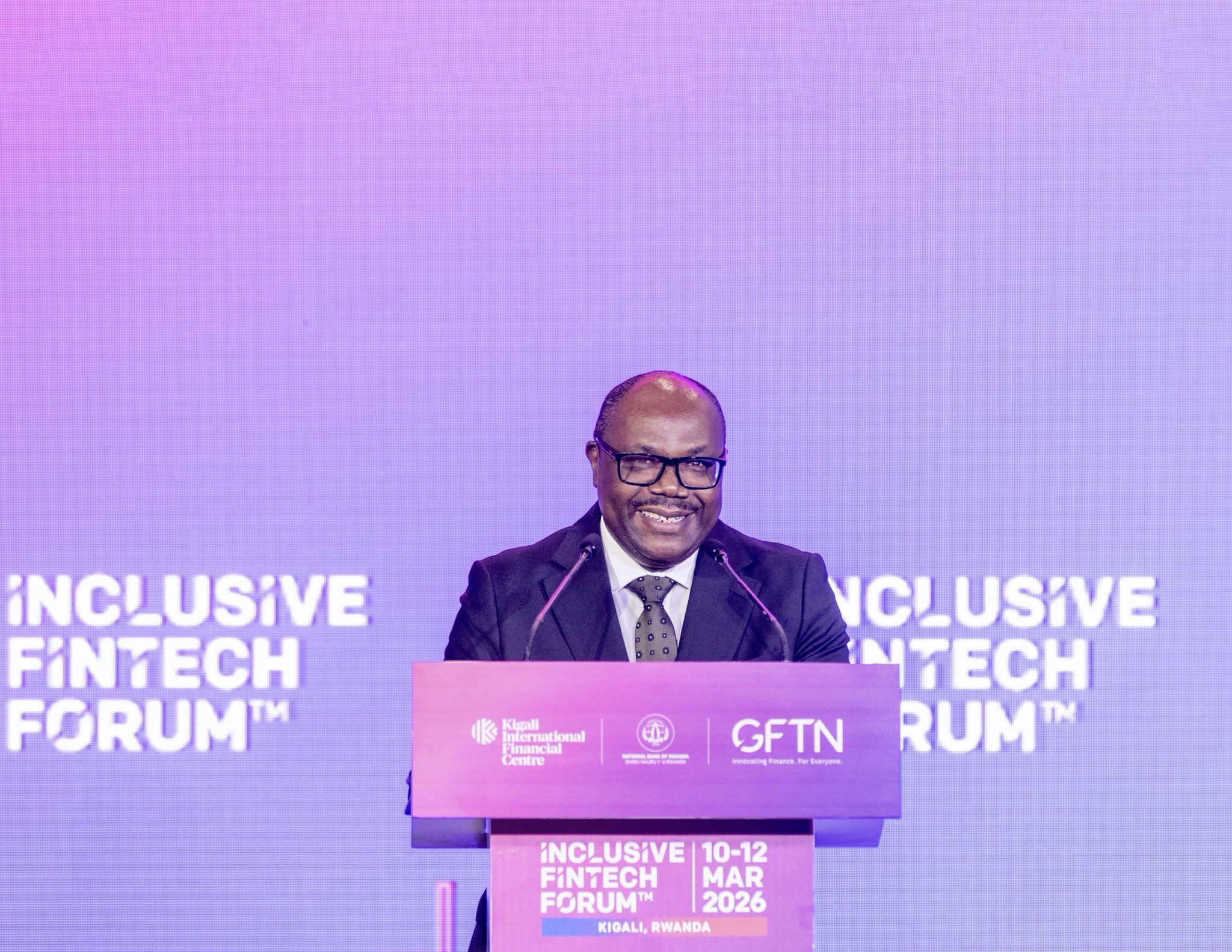
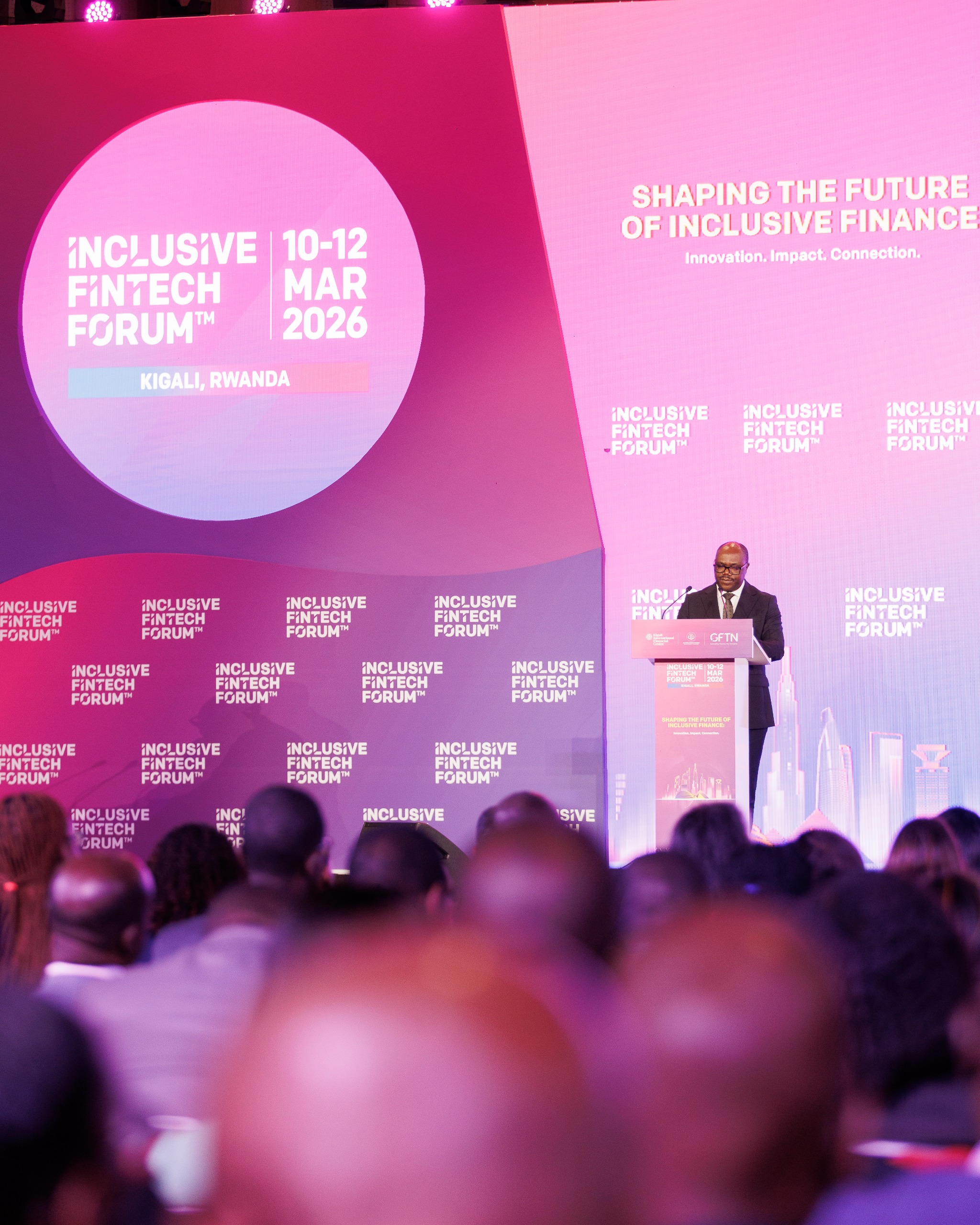
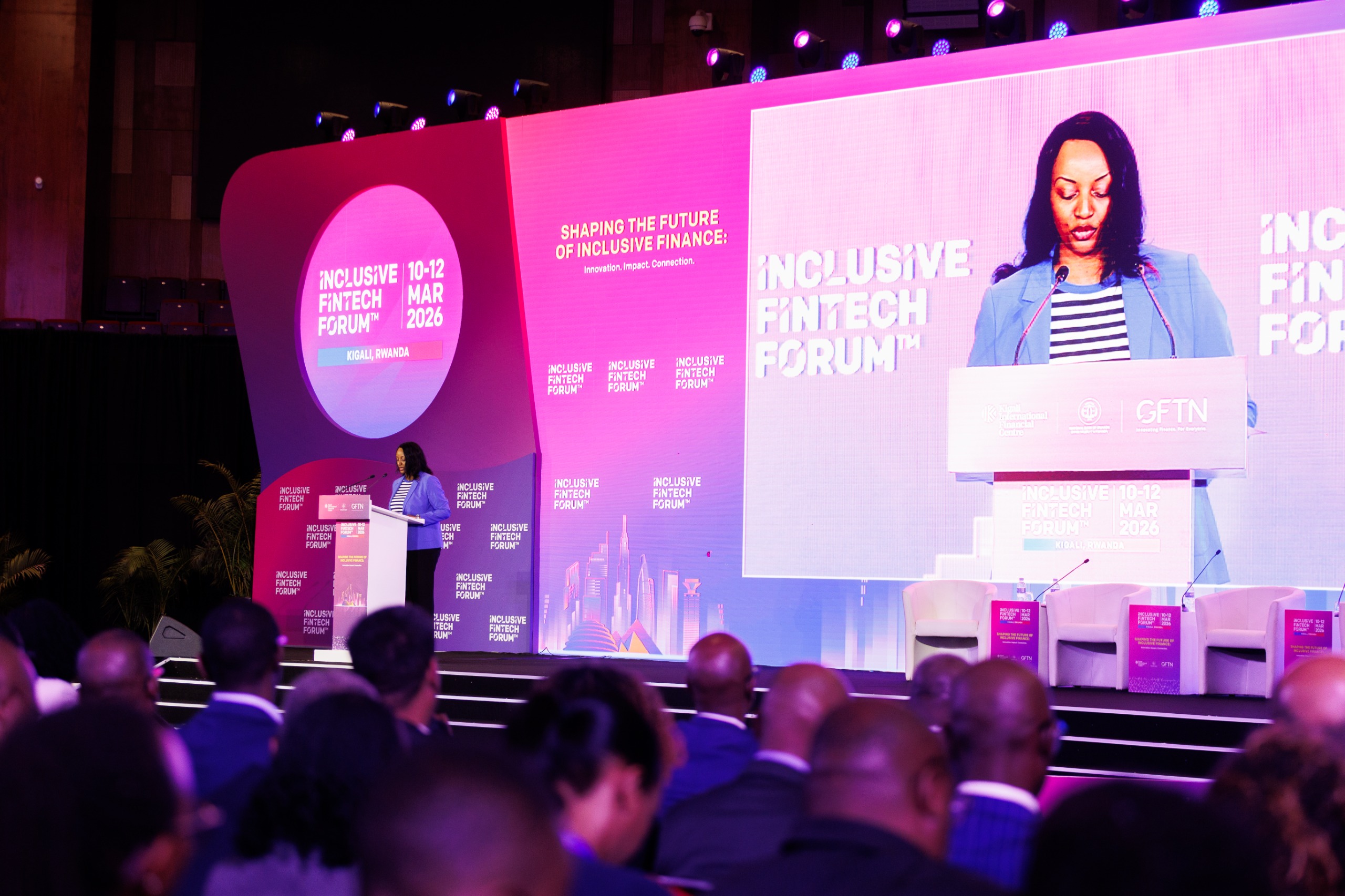
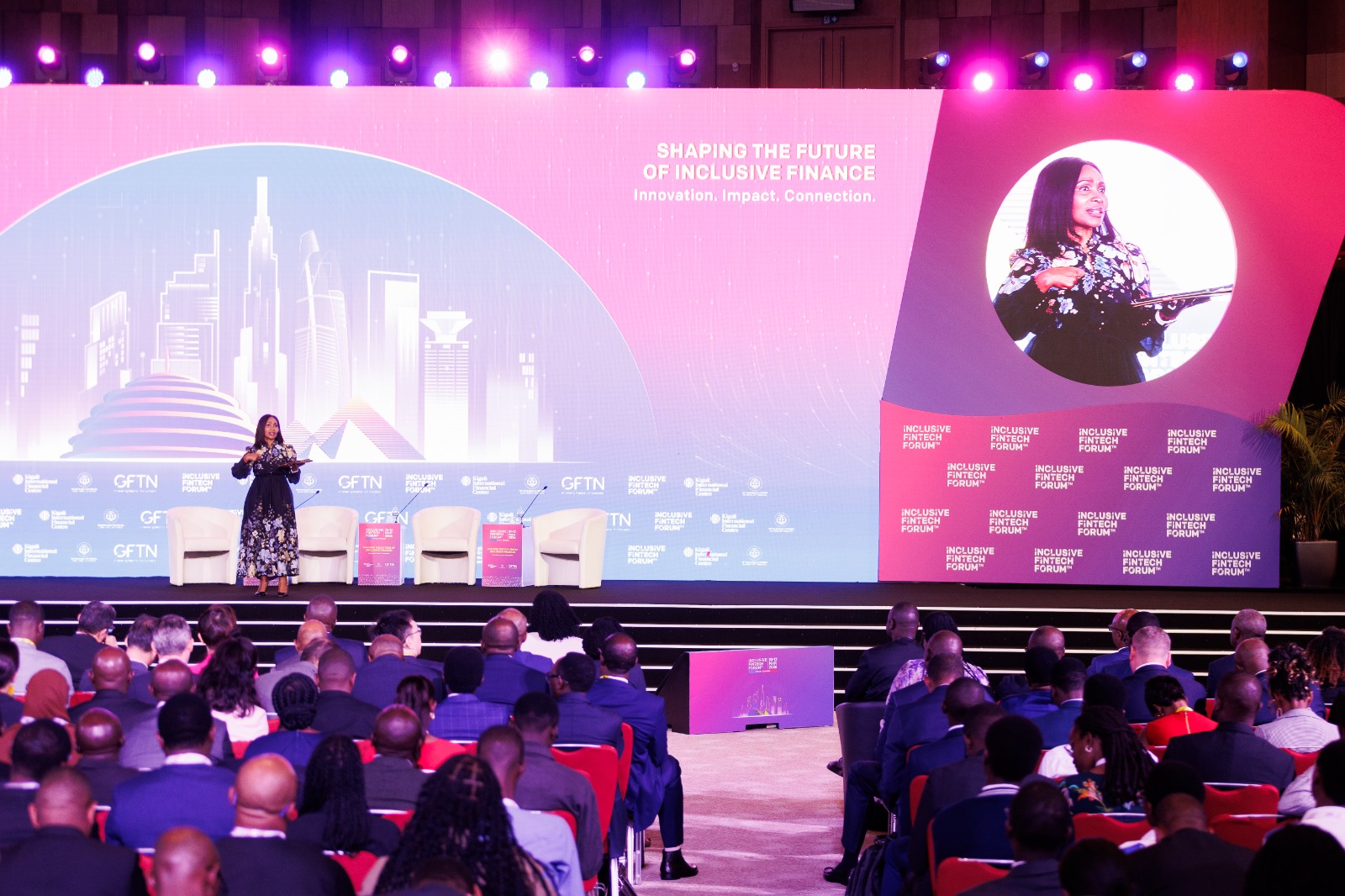
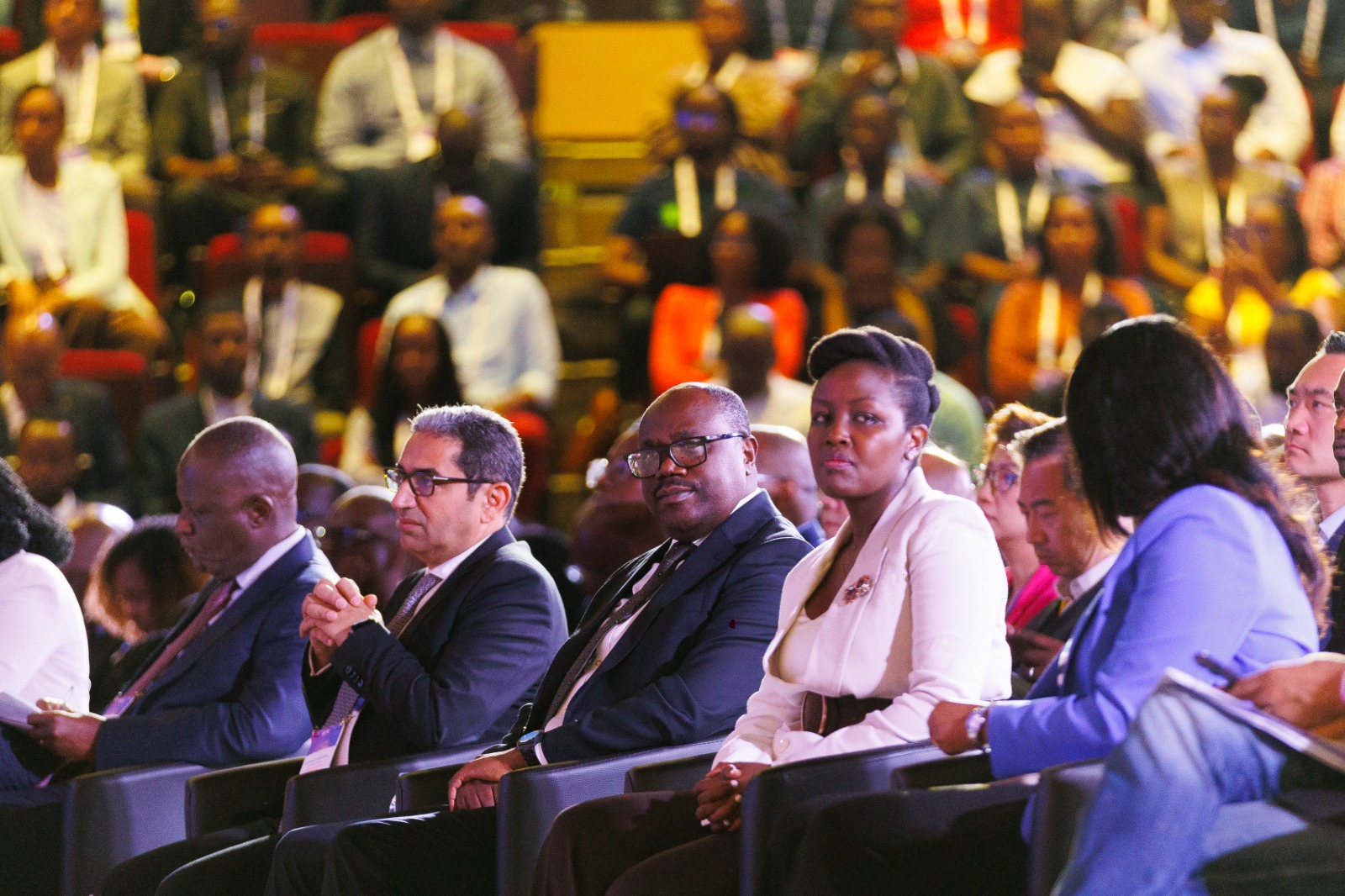
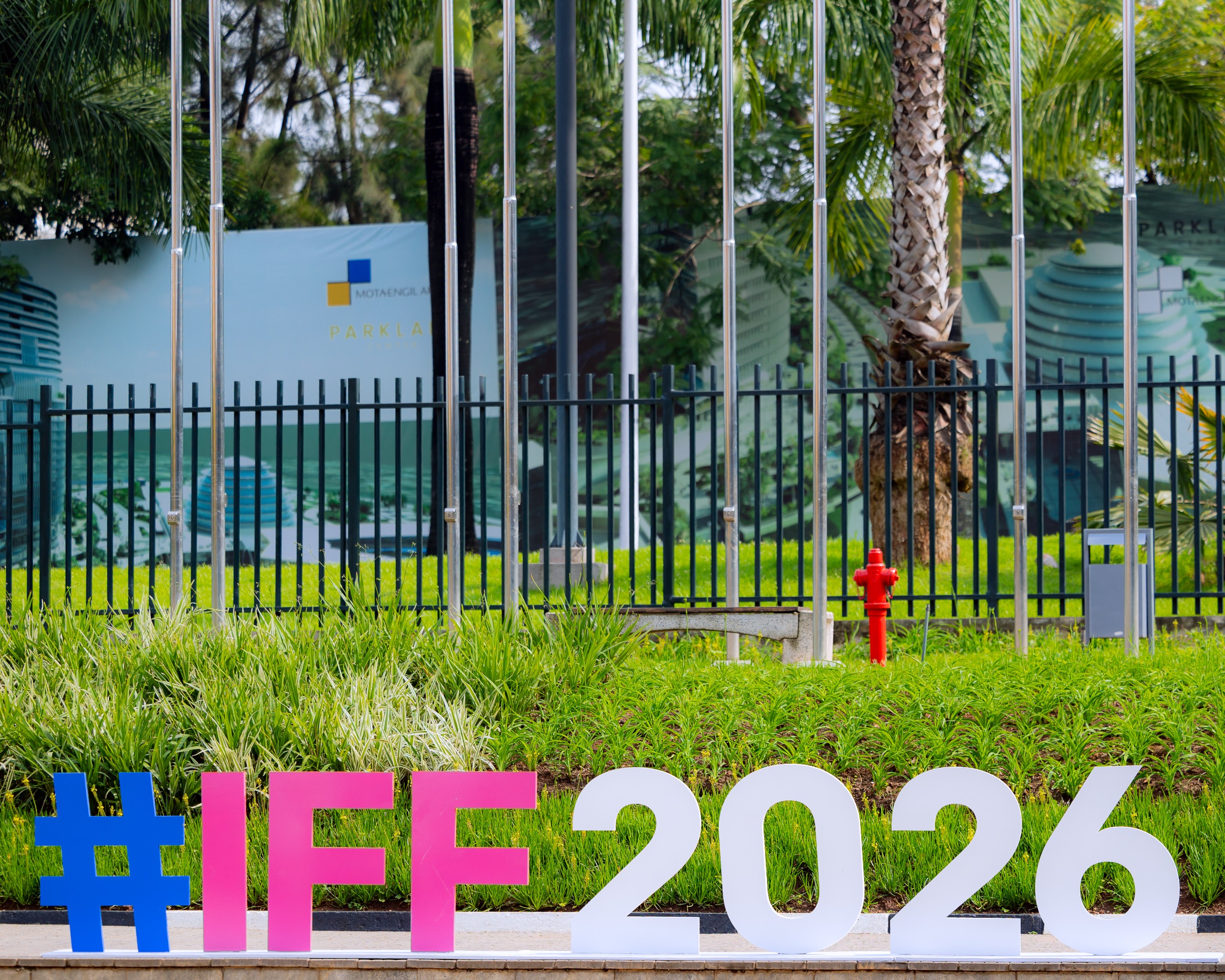
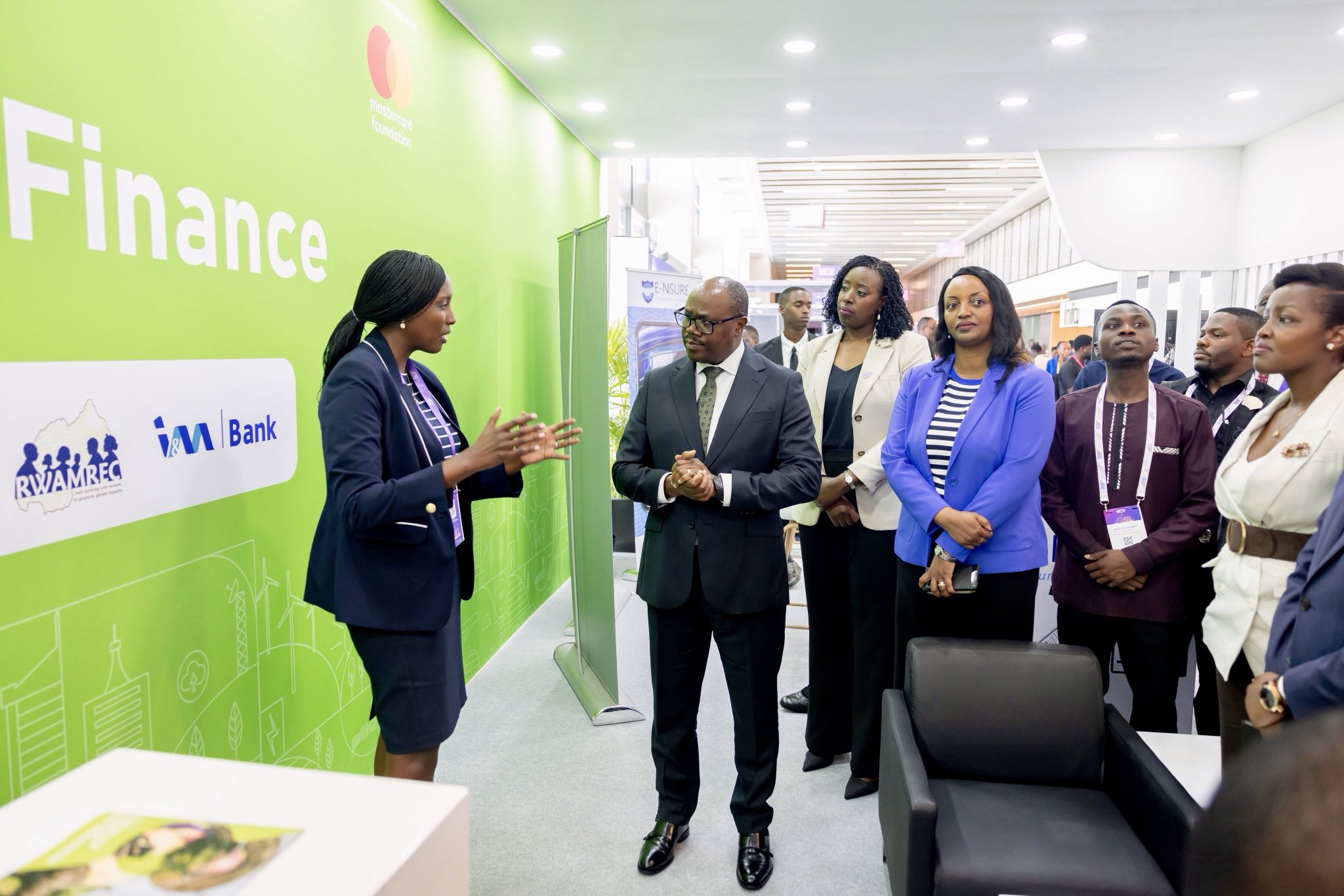
Held from March 10 to 12 at the Kigali Convention Centre, the forum brings together participants from the finance, technology and investment sectors to explore how innovation can accelerate financial inclusion and unlock capital for Africa’s growing digital economy.
Opening the forum, Prime Minister Justin Nsengiyumva said the global financial system is undergoing profound changes that present both risks and opportunities for the continent.
“We are honoured to host you in Kigali to advance an important global mission: building a financial system that leaves no one behind,” he said.
Nsengiyumva noted that Africa has historically operated on the margins of global finance, often facing limited access to capital and high risk premiums. However, rapid advances in digital technologies are allowing African entrepreneurs to bypass traditional infrastructure constraints, particularly in the fast-growing fintech sector.
“The opportunity for Africa to become a cradle of global business and innovation is real,” he said, adding that inclusive financial systems will be essential to mobilise investment for key sectors including energy, digital infrastructure, manufacturing and human capital.
Nsengiyumva said Rwanda is ready to work with global investors, innovators and policymakers to help unlock these opportunities and accelerate the continent’s digital financial transformation.
“To the investors and innovators gathered here today, allow me to reaffirm that Rwanda stands ready to partner with you to unlock the extraordinary opportunities before us,” he said, adding that the country aims to build a dynamic, secure and inclusive financial ecosystem capable of supporting Africa’s next phase of growth.
Rwanda has spent the past two decades investing heavily in digital infrastructure as part of its long-term economic transformation strategy. The country now has near-universal 4G population coverage and has digitised many public services through platforms such as Irembo, improving access to government services and enabling electronic transactions across the economy.
Today, about 92 percent of adults in Rwanda have access to financial services through bank accounts or mobile money wallets.
The Governor of the National Bank of Rwanda, Soraya Hakuziyaremye, said the country’s progress shows how the right policy environment can accelerate financial inclusion.
“In Rwanda, we have made remarkable strides in financial inclusion, from just 21 percent in 2008 to 92 percent of adults today having access to a bank account or mobile money wallet,” she said.
Across Sub-Saharan Africa, the region remains the global leader in mobile money adoption, with more than 600 million registered accounts, while digital payments continue to grow at double-digit rates.
“These are not just statistics,” Hakuziyaremye said. “They represent farmers, traders, women and youth whose financial wellbeing has improved. But more needs to be done to ensure financial resilience for households and enterprises.”
To deepen access to digital financial services, Rwanda has launched a new national financial inclusion roadmap for 2026–2030 aimed at expanding digital payments, strengthening financial resilience and supporting innovation in emerging technologies such as artificial intelligence and digital assets.
Regulators are also focusing on improving cross-border payments and enhancing regulatory cooperation across African markets, which experts say will be critical for scaling digital finance across the continent.
Industry leaders at the forum warned that Africa still faces structural barriers that limit trade and financial integration.
Haytham ElMaayergi, Executive Vice President for Global Trade Bank at African Export-Import Bank (Afreximbank), said Africa’s digital gap risks becoming a competitiveness gap if infrastructure and integration challenges are not addressed.
“Globally, about 25 percent of trade is conducted through digital processes, but in Africa that figure is only around five percent,” he said.
Fragmented financial systems mean cross-border payments in Africa can cost up to three times the global average, while small and medium-sized enterprises face a trade finance gap estimated at $120 billion.
However, initiatives such as the African Continental Free Trade Area are creating new opportunities to integrate African markets by connecting 1.3 billion people into a $3.4 trillion economic bloc.
Afreximbank is supporting that transformation through digital platforms such as the Africa Trade Gateway, which helps African businesses identify partners, access trade intelligence and secure financing.
The bank is also backing the Pan-African Payment and Settlement System, which enables cross-border trade to be settled in local currencies, helping reduce transaction costs and reliance on foreign exchange.
ElMaayergi also praised Rwanda’s progress in building a fintech ecosystem capable of serving as a continental innovation hub.
“Afreximbank is committed to supporting Africa’s and Rwanda’s digital transformation and innovation agenda as the country advances its knowledge-based economy and growing fintech, AI and startup ecosystem,” he said.
He added that Kigali has already demonstrated the conditions needed to scale financial innovation across Africa.
“Through the Kigali International Financial Centre, the city has created a proof of concept for Africa. You have the regulatory clarity, political will and infrastructure to serve as the control tower of African fintech,” he said.
ElMaayergi stressed that digital infrastructure must now be treated as a strategic economic priority.
“Digital payment rails are as essential as paved roads,” he said. “Without them, trade stands still. The time for pilot projects is over , we must scale now.”
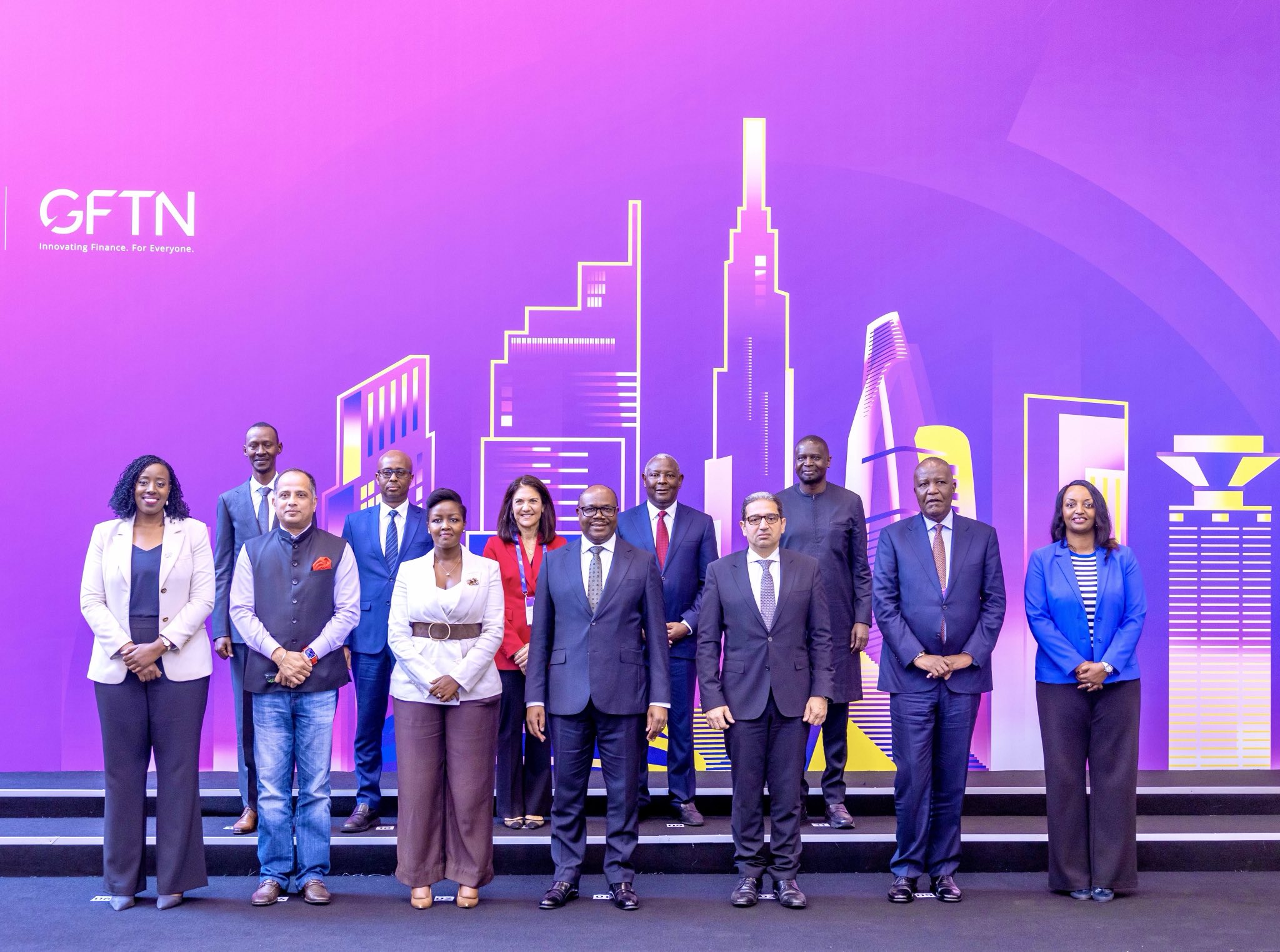
Organised by the Kigali International Financial Centre, the National Bank of Rwanda and the Global Finance & Technology Network, the Inclusive FinTech Forum has emerged as a leading global platform for advancing financial innovation in emerging markets.
This year’s discussions focus on topics such as artificial intelligence-driven financial services, digital currency corridors, open finance ecosystems and climate-focused fintech solutions.
For Rwanda, the event reflects a broader strategy to position Kigali as a gateway for financial innovation and investment in Africa’s rapidly evolving digital economy.
Leave a Reply