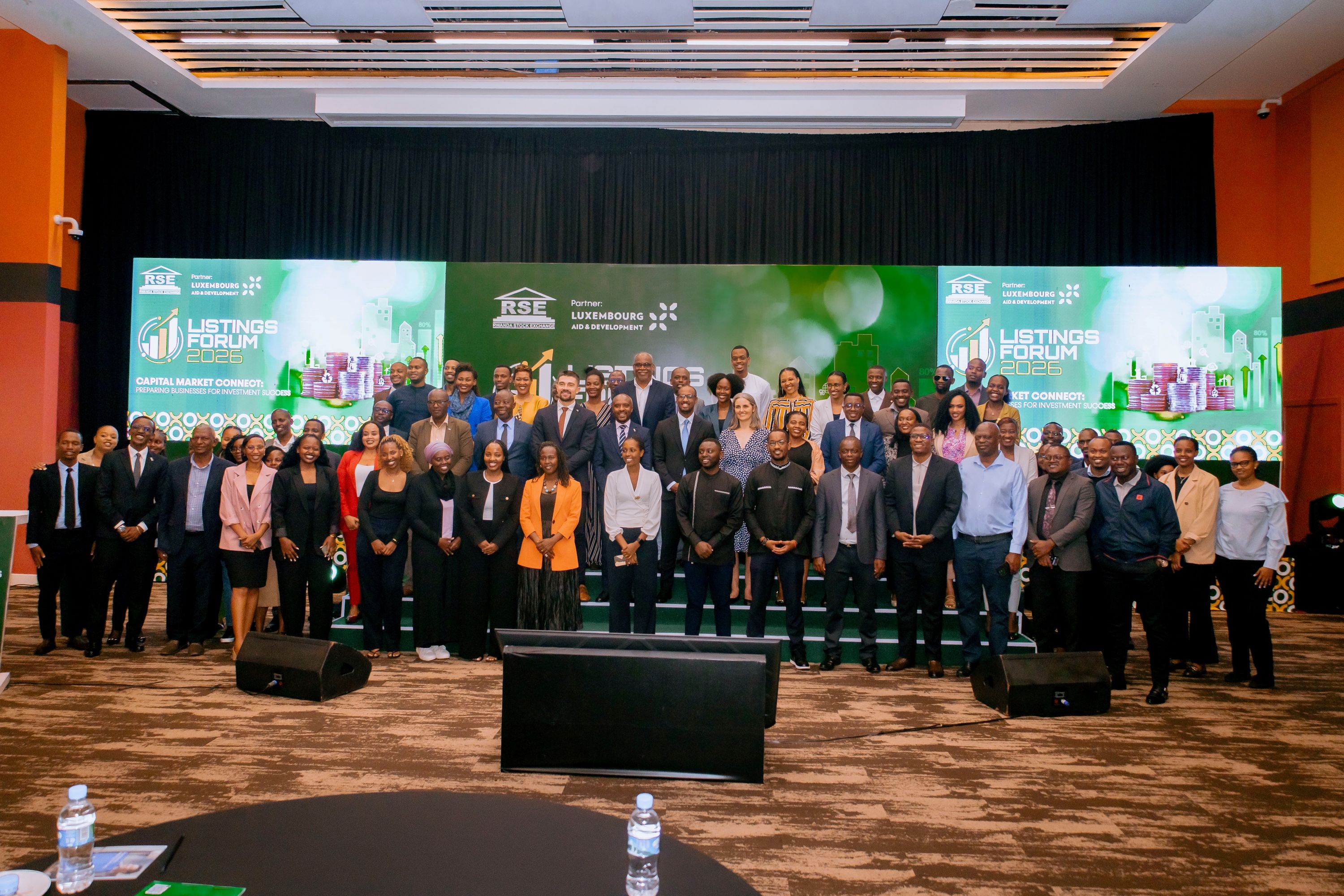
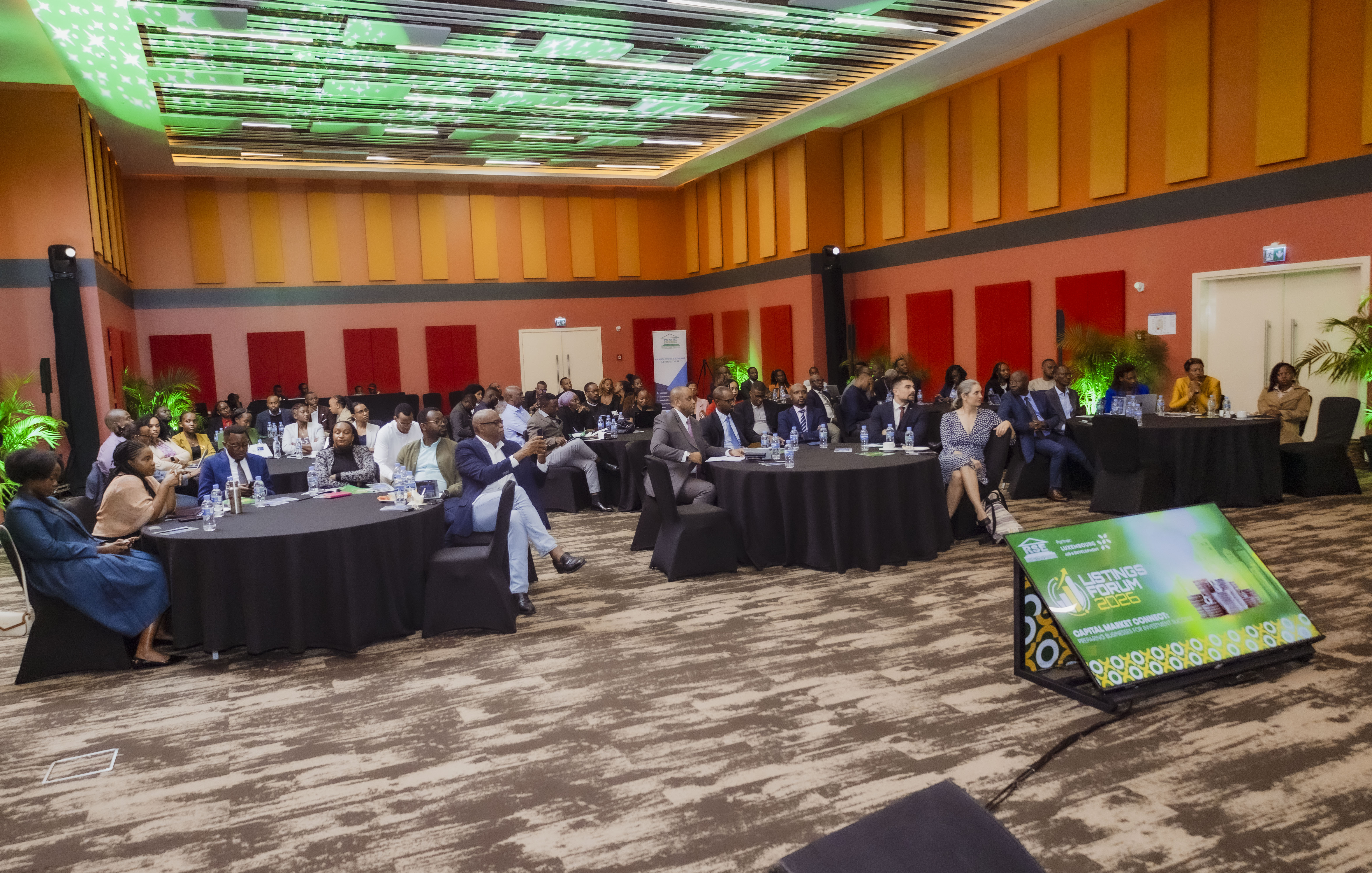
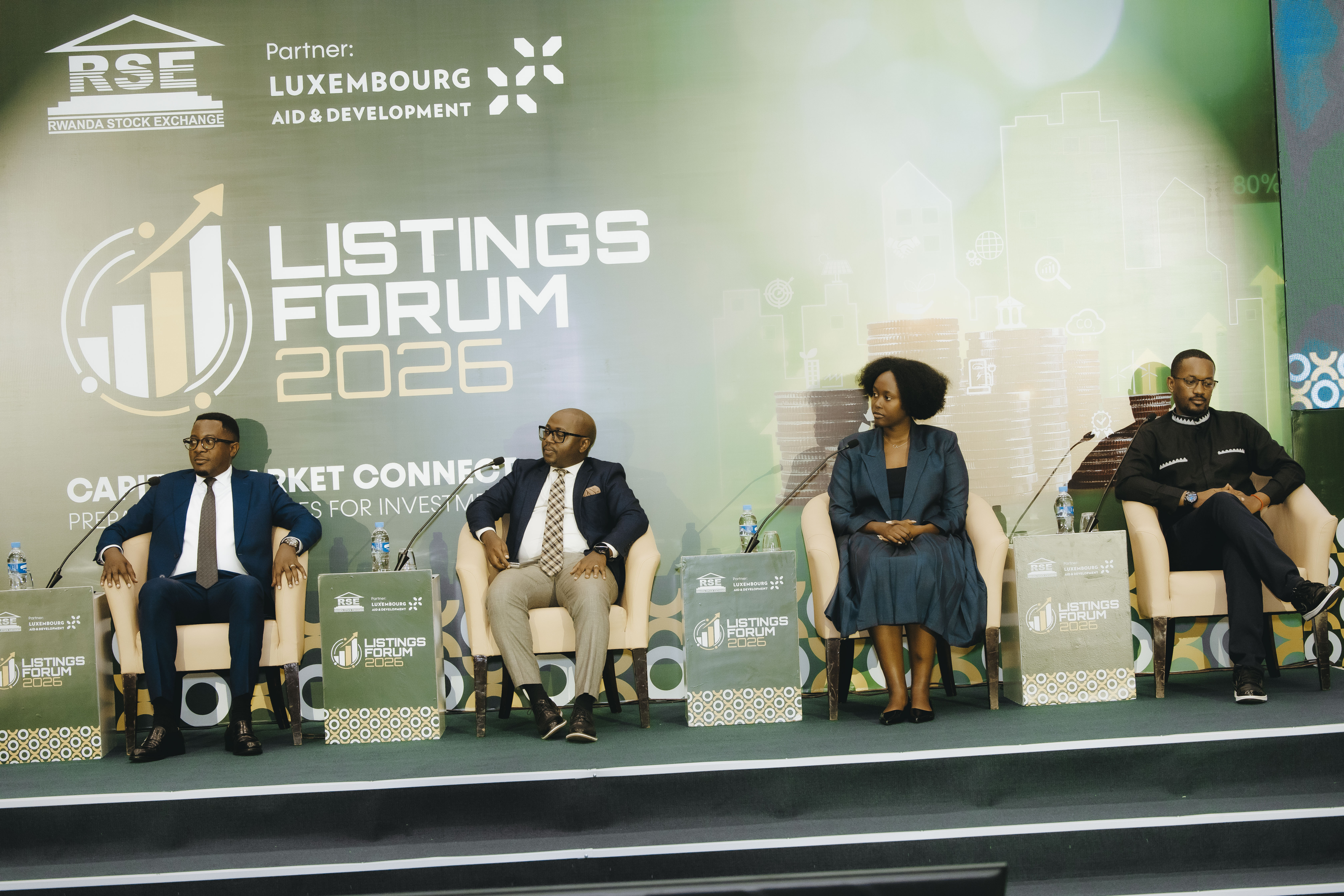
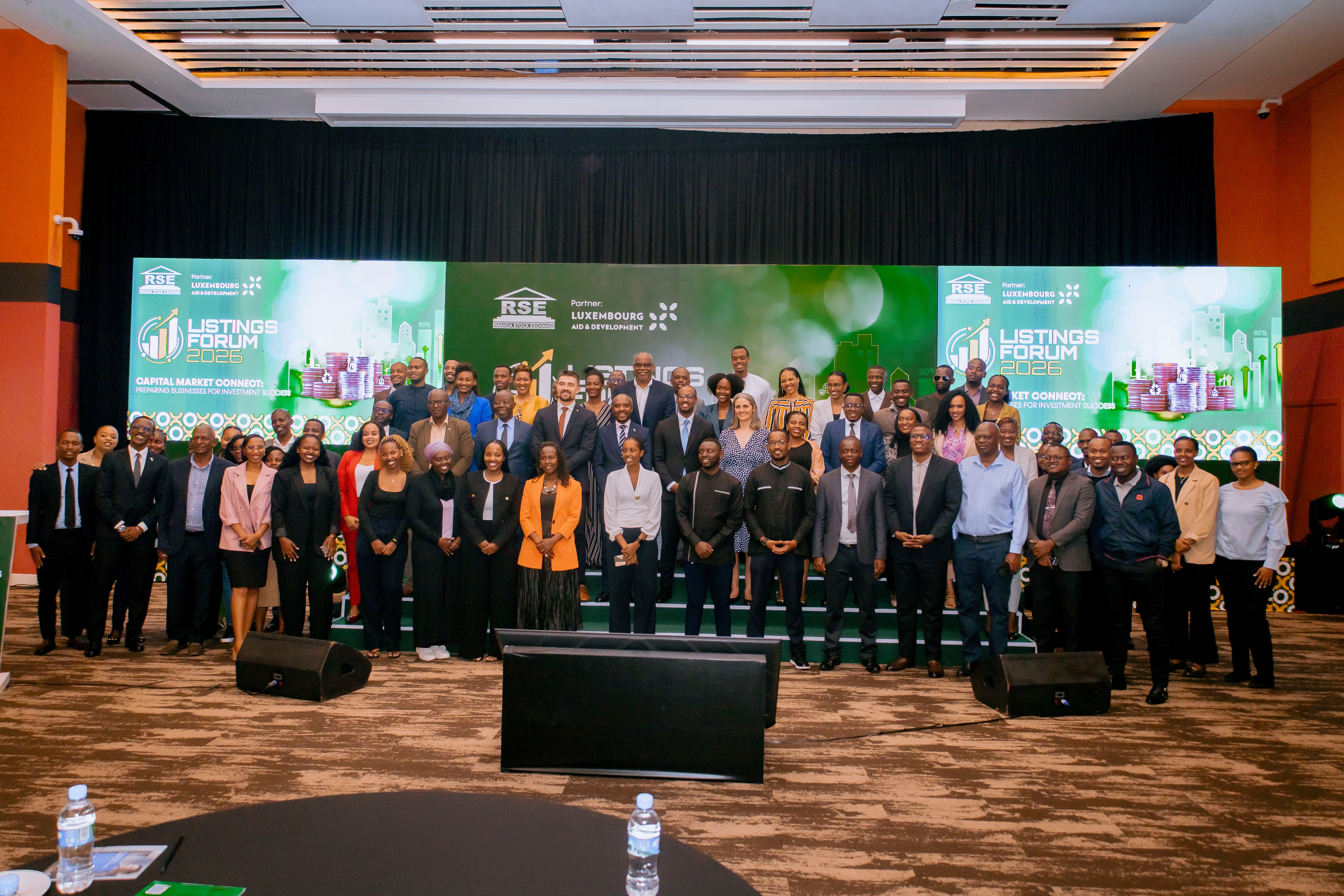
Held on Thursday under the theme “Capital Market Connect: Preparing Businesses for Investment Success,” the forum brought together entrepreneurs, investors, policymakers, and development partners to explore how Rwanda’s private sector can access long-term financing through the stock market and related instruments.
The event underscored the growing role of capital markets in supporting business expansion, improving corporate governance, and enhancing investor confidence, key elements considered essential for attracting both local and international investment.
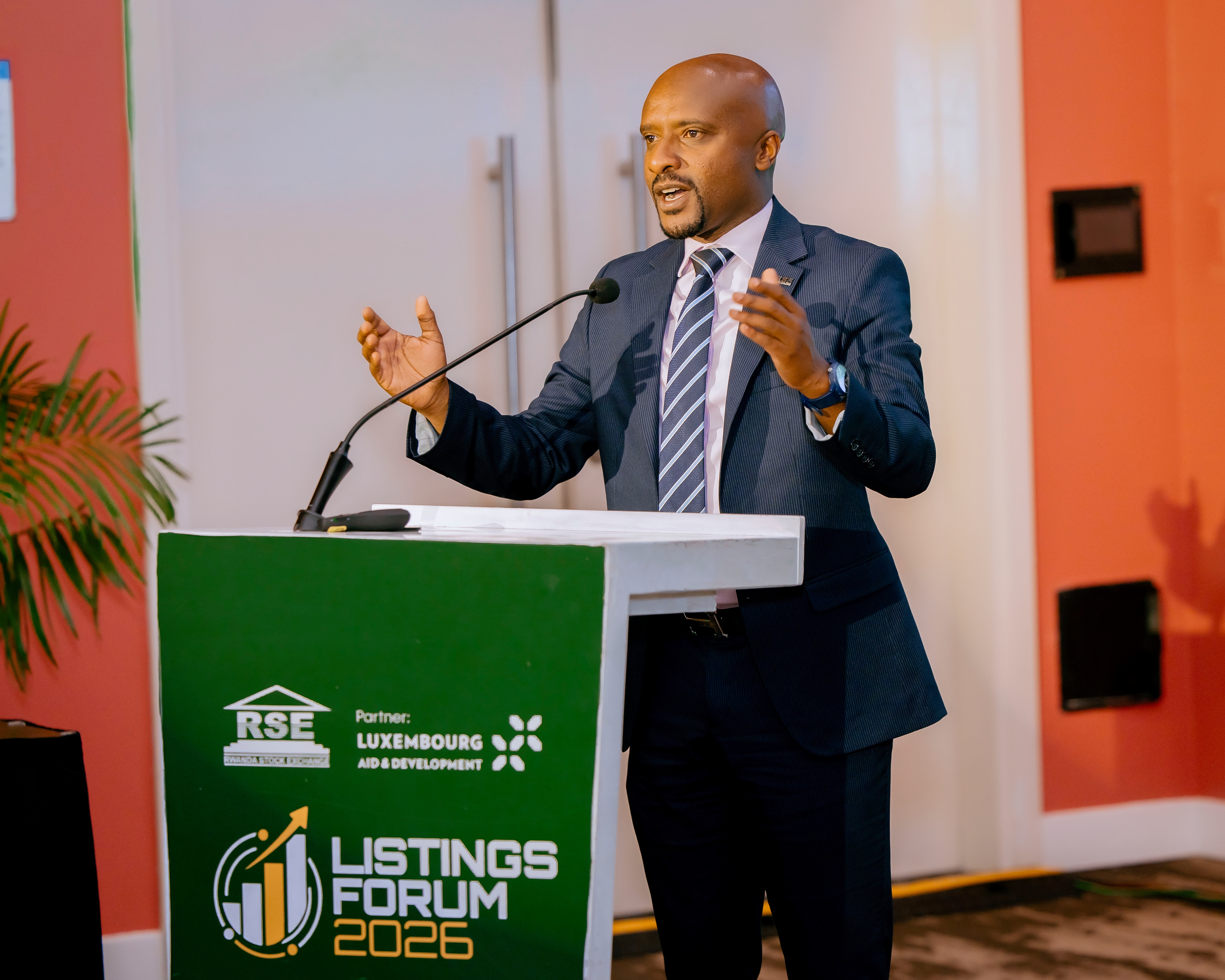
Opening the forum, Rwanda Stock Exchange Chief Executive Officer, Pierre Celestin Rwabukumba, said capital markets remain central to linking ideas with financing and enabling businesses to scale.
“Good businesses require access to great capital. Capital markets allow ideas to become companies, and companies to become industries,” he said, emphasising that market development is a strategic pillar for national economic growth.
He noted that the Listings Forum serves as a platform to engage businesses across sectors and raise awareness about the value of listing on the stock exchange, including access to long-term funding, broader investor participation, and strengthened governance structures.
Bob Junker, Head of Cooperation at the Luxembourg Embassy in Kigali, reaffirmed the international community’s support for Rwanda’s financial growth, highlighting the importance of capital markets in driving innovation and competitiveness.
“Capital markets play a critical role in enabling businesses to grow, to innovate, and to compete,” he said, adding that listing on a stock exchange also improves transparency and visibility for companies seeking to scale sustainably.
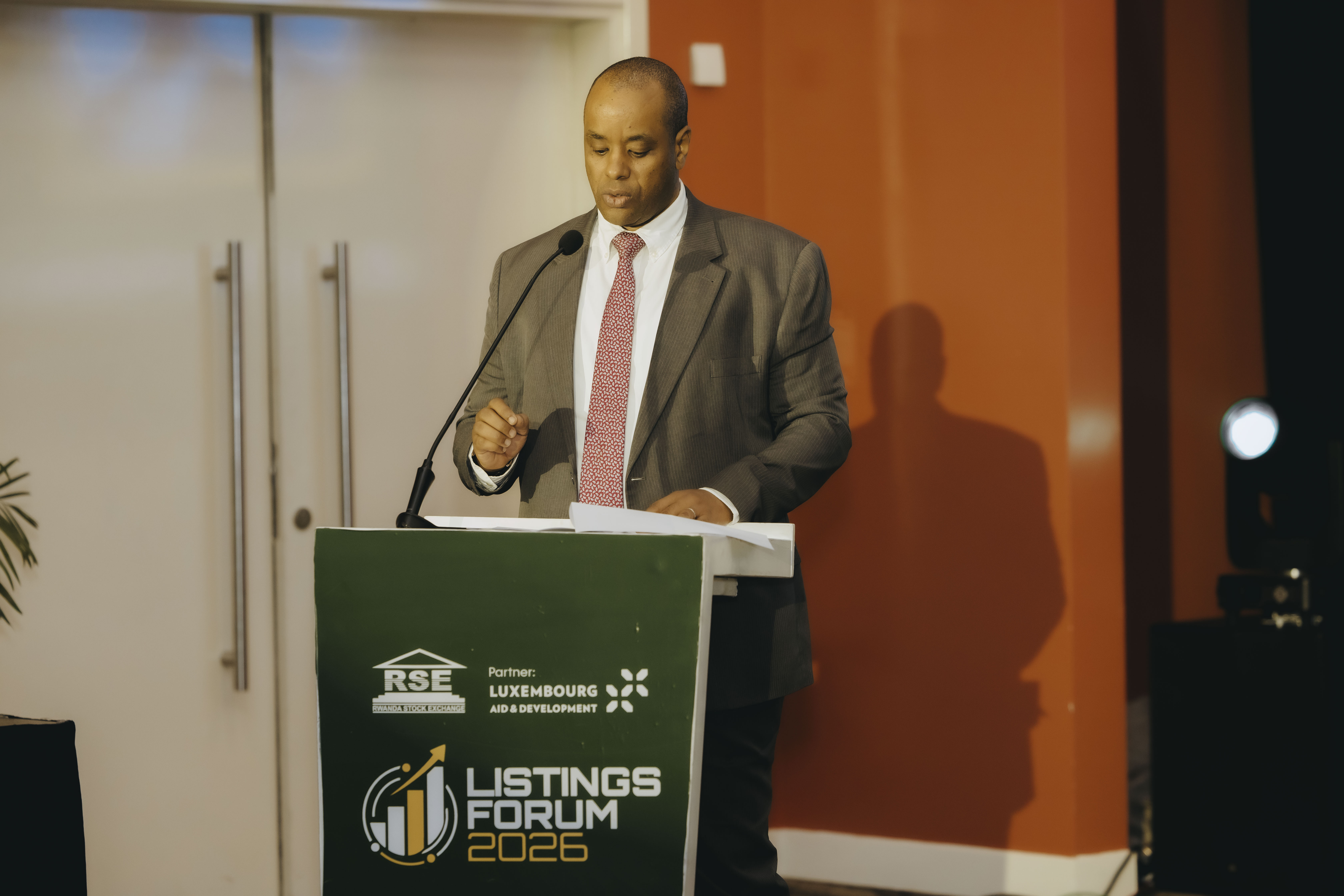
From a policy perspective, Antoine Marie Kajangwe, Permanent Secretary at the Ministry of Trade and Industry (MINICOM), emphasised that capital markets provide alternative financing options beyond traditional lending, including equity listings and corporate bonds.
He noted that Rwanda Stock Exchange initiatives, such as the Investment Clinic, are helping businesses meet the standards required by investors by strengthening financial reporting, governance, and internal management systems.
“A key barrier is meeting corporate governance standards. Investments follow preparation,” he said, pointing to the need for SMEs to formalise operations and improve compliance in order to access capital market financing.
The forum also highlighted the challenges faced by small and medium enterprises (SMEs), particularly in meeting due diligence and governance requirements. Stakeholders noted that programs like the Investment Clinic are designed to bridge these gaps by equipping firms with the tools needed to become “investment ready.”
Capital Market Authority Rwanda representatives reiterated that investor trust depends on strong regulatory frameworks and transparent business practices.
Eric Karekezi Ngabonziza, Head of Market Development at the Capital Market Authority, highlighted that regulations are designed to create the right conditions for investment, noting that “we are not here to create barriers. We are here to build the conditions that make investment possible.”
The Listings Forum forms part of RSE’s broader efforts to expand awareness of capital markets across Rwanda’s business community and encourage more companies to consider listing as a viable financing option.
Rwanda Stock Exchange, established in 2005, currently lists more than 100 securities, including equities, government treasury bonds, and corporate bonds, and continues to play a central role in mobilising capital for economic development.
As Rwanda’s economy continues to grow, stakeholders at the forum emphasised that stronger capital markets will be critical in connecting businesses with investors, fostering innovation, and supporting long-term, inclusive economic growth.




Leave a Reply