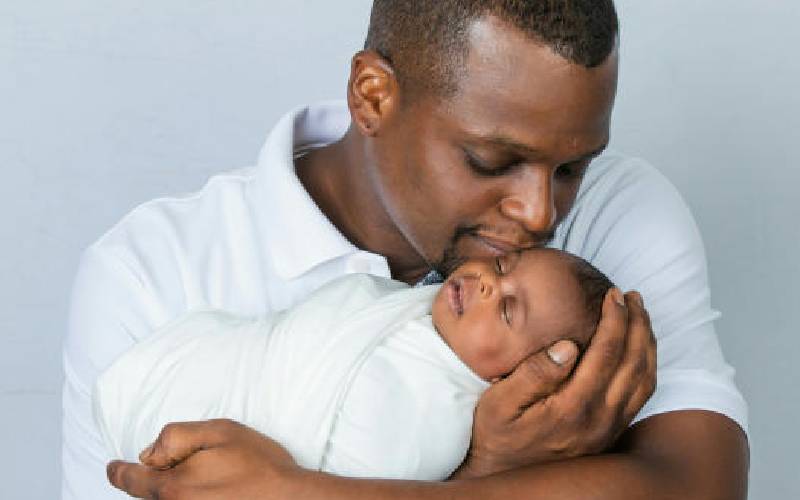
Researchers at Karolinska Institutet in Sweden found that while fathers tend to have fewer mental health diagnoses during pregnancy and the first months after birth, the situation changes significantly later on.
The study analyzed national health data from more than one million fathers whose children were born in Sweden between 2003 and 2021.
The researchers looked at when these men received diagnoses for conditions such as depression and stress‑related disorders, beginning a year before pregnancy and continuing until the child reached one year old.
Surprisingly, the results showed that mental health diagnoses were lower than expected during pregnancy and in the months right after birth, possibly reflecting the emotional high and support that often accompany the early stages of becoming a parent.
However, by the time the baby reached about 12 months old, the trend reversed. Diagnoses linked to depression and stress had risen noticeably by more than 30% compared with the year before pregnancy.
One of the study’s authors, Jing Zhou, a PhD student at the Institute of Environmental Medicine at Karolinska Institutet, commented that the transition to fatherhood involves both positive moments and new pressures.
He explained that sleep disruptions, changes in relationships, and the ongoing responsibilities of caring for a growing child may contribute to increasing emotional strain over time.
The researchers say these findings challenge the assumption that fathers’ mental health is mostly stable after a baby is born.
Instead, the study suggests that the emotional toll may build up gradually, with symptoms becoming more pronounced as fathers continue to juggle work, family life, and other responsibilities.
The study was published in JAMA Network Open, a widely respected medical journal.
The authors hope the research will raise awareness about paternal mental health and encourage better support systems for new fathers not just immediately after birth but throughout the first year of parenting and beyond.

Leave a Reply