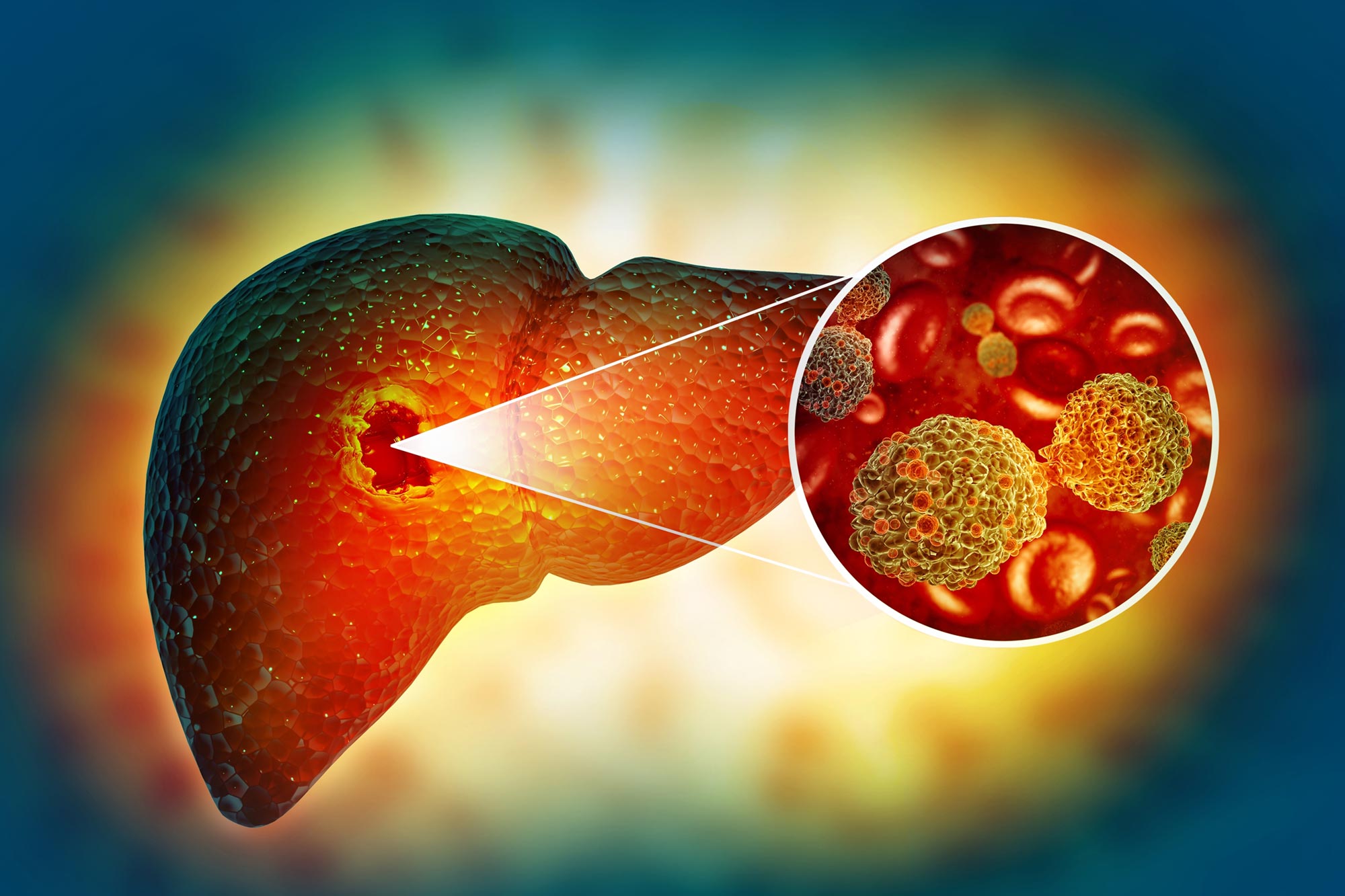
The research, led by Dr. Loretta Dorstyn and senior author Professor Sharad Kumar, reveals that Caspase‑2 plays an important role in protecting the liver against damage.
The team found that without this enzyme, the liver cells of mice began to exhibit an abnormal buildup of genetic material, leading to enlarged liver cells and increased inflammation. Over time, these changes resulted in liver damage and an increased risk of cancer.
The study, which was published in the journal Science Advances, highlighted that while blocking Caspase‑2 may seem like an effective strategy for treating fatty liver disease in the short term, it could contribute to chronic inflammation, fibrosis, and liver cancer as people age.
This new insight is crucial because it shows that inhibiting Caspase‑2 can inadvertently increase susceptibility to these serious conditions.
Dr. Dorstyn explained that liver cells have extra copies of genetic material that help the liver cope with stress. The study showed that without Caspase‑2, these cells are more likely to become damaged.
The researchers observed that the mice lacking this enzyme developed signs of hepatitis‑like disease, including scarring and oxidative damage, and were significantly more likely to develop liver tumors.
The University of Adelaide team warns that while the inhibition of Caspase‑2 was once seen as a promising therapeutic approach, this new evidence suggests the potential risks may outweigh the benefits, especially for long‑term health.
Leave a Reply