Habyarimana’s role in the propagation of genocidal ideology was a determining factor in conditioning the future perpetrators of the genocide, both the leaders of the genocidal machinery and its rank-and-file executants. This article sets out the principal elements of that role; central, if ever there was one.
From deep indoctrination to structured preaching of genocidal ideology
In 1961, a young Habyarimana, already a fervent adherent of PARMEHUTU, graduated top of the first class of officers of the newly forming national army. This army had been envisaged by Colonel Guy Logiest, Special Resident of the Belgian trusteeship, as composed of soldiers “frankly and exclusively Hutu,” who could “intervene without hesitation if asked to fire on Tutsi.”
This period, marked by the graduation of the first cohorts of Rwandan officers, coincided with the initial incursions of the inyenzi—refugees seeking to overthrow the PARMEHUTU government by force. Steeped in the “racist” doctrine described above, these young officers thus had their first experience of mass crimes with an explicitly “racial” character.
Each time, after the attackers had been repelled, largely thanks to the decisive support and supervision of Belgian military advisers, they zealously directed, with extraordinary ferocity, operations that resulted in the massacre of thousands of Tutsi civilians.
In particular, in 1963–1964, Habyarimana and his colleagues were the driving force behind the implementation of Kayibanda’s plan to eliminate politicians from UNAR and RADER, regarded as serious rivals to PARMEHUTU.
In the process, Habyarimana deployed his officers and troops across various prefectures of the country to train, oversee, and supervise PARMEHUTU cadres and militants, who were incited to carry out massacres of Tutsi on such a scale that many observers would later describe them as the most significant since the Holocaust.
From that point onward, the era of PARMEHUTU’s unchallenged rule became a period during which killing Tutsi, depriving them of their fundamental rights, and forcing them into exile became normalized practices of the First Republic of the “Hutu majority.”
It was in this context that, a decade later, Habyarimana and his associates seized the opportunity presented by a new wave of mass violence against the Tutsi, launched by Kayibanda and his government, to overthrow them, accusing them in particular of undermining national unity and spreading hatred and discord, a situation to which they themselves had cynically and largely contributed.
However, once in power, far from transforming the system or establishing a rule-of-law state guaranteeing equality for all citizens, Habyarimana reinforced that system by introducing a major variation in the doctrine of systemic discrimination.
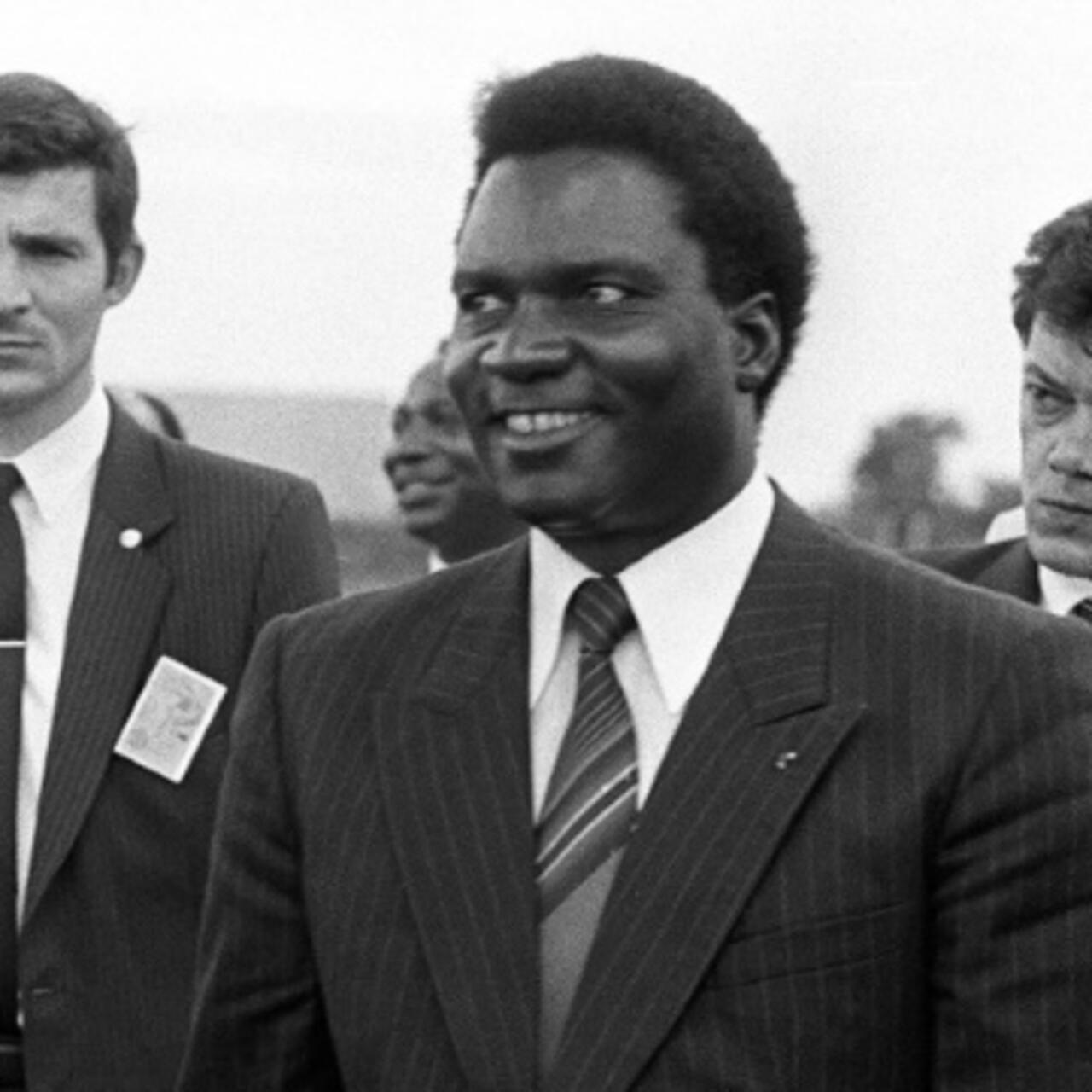
Under the guise of a purported “ethnic and regional balance,” the Tutsi henceforth found themselves in the position of persons effectively condemned, yet living on borrowed time thanks to the “benevolence of the father of the nation.”
This reprieve was subject to two conditions: that Tutsi within the country accept without protest their status as second-class citizens, and that those who had taken refuge abroad definitively renounce any claim to return. Failing compliance with either condition, Habyarimana reserved for himself the right to withdraw this “grace” and to incite the “Hutu majority” to exterminate them.
It was this process of extermination that he set in motion as early as October 1990, after having cornered refugees into war as the only means of asserting their right to live in their own country. He then instrumentalized the war he had thus provoked to initiate the implementation of a long-conceived genocidal project, awaiting only the pretext of the “Inyenzi threat.”
Education as a framework for preparing a “popular genocide”
Under the First Republic led by Kayibanda, and in the early years of Habyarimana’s regime, racialist theses were taught to secondary school students, the future leaders who would later be called upon to implement the government’s criminal racist policies.
Under Habyarimana, this teaching was generalized through a reform that introduced the “knowledge of Rwanda’s races” into history, geography, and civic education curricula from primary school onward, with the aim of ideologically conditioning those who would later become the actors of a “popular genocide” marked by maximum Hutu participation.
To lend maximum credibility to these theses inculcated in the youth, the manuals produced under this reform explicitly directed teachers to the writings of the most overtly racist authors, including Nahimana, Lizinde, and Murego, as well as earlier racialist figures such as Heremans, Pagès, and d’Ernotte.
For his part, in his numerous official communications, Habyarimana regularly referred to these purported authorities, presenting his theses as “what historians say.” The devastating effects soon became apparent following his speech of December 7, 1990, with large-scale massacres of Tutsi carried out by soldiers just one month later, in January 1991.
At the instigation of Habyarimana’s discourse, the road to genocide was becoming a wide-open highway.
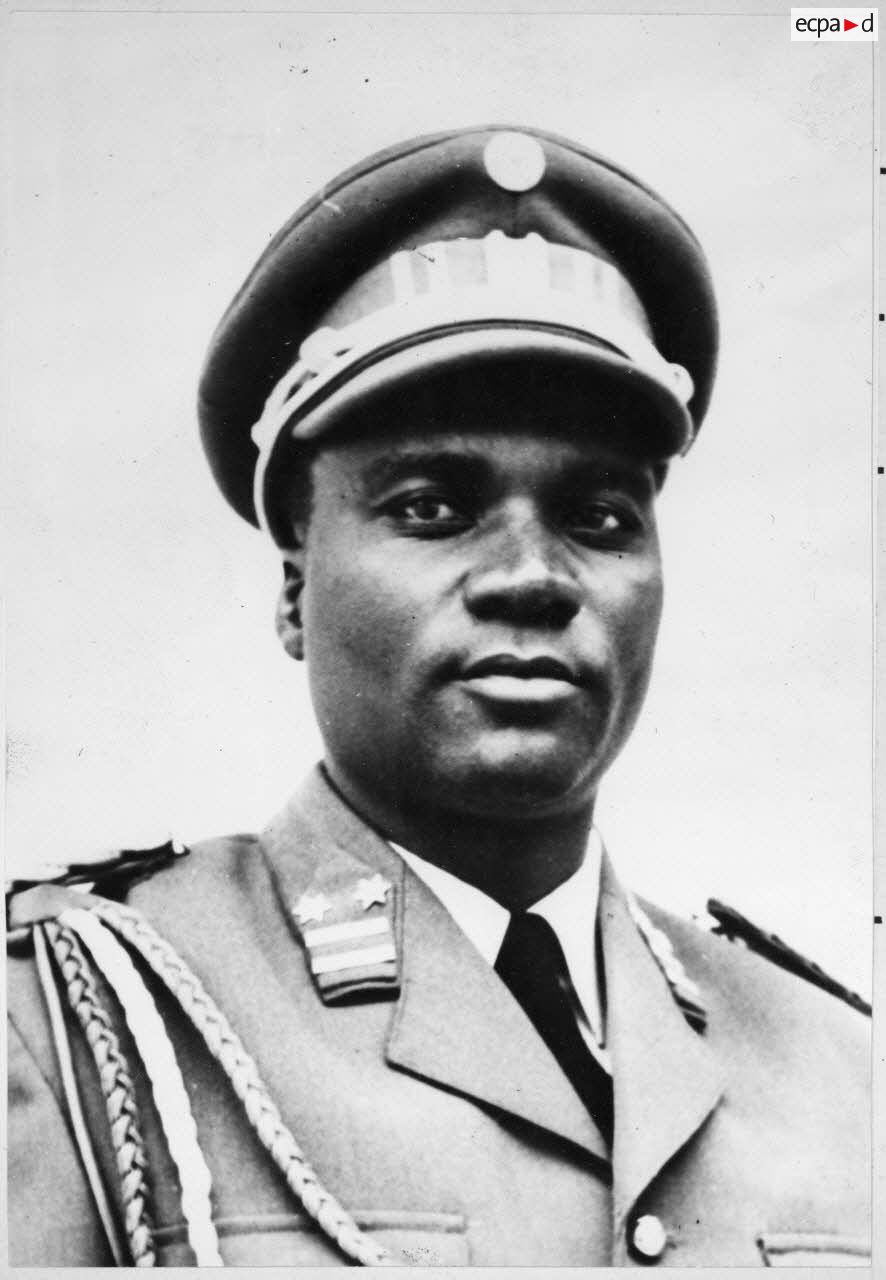
Propaganda to instil fear, provoke hatred, and incite violence
In response to the RPF attack of October 1 , 1990, Habyarimana assembled a team of propagandists who immediately launched a comprehensive media campaign, relentlessly repeating that the country had been attacked “by Inyenzi-Inkotanyi from Uganda, with the sinister aim of overthrowing the republic of the Hutu majority and restoring the Tutsi feudal monarchy.”
The technique of constant repetition of this mandatory, uniform message aimed to establish the equation “Inkotanyi = Inyenzi = Tutsi.” The ultimate objective was for fear of the inyenzi-Tutsi—portrayed as an enemy determined to exterminate the Hutu, in collusion with Tutsi —to be transformed into hatred of the latter, thereby justifying their extermination as an act of self-defence.
From the very first days of the October 1990 war, following the staging of a supposed attack on Kigali by infiltrated RPF elements, the President intensified this message to the highest degree when, in a trembling voice, he called on the threatened Hutu majority to rise as one and to hunt down infiltrators.
The “vigilance” advocated by Habyarimana and his propagandists consisted in treating any Tutsi—friend, colleague, or neighbor—as an ally of the enemy by default. The immediate wave of attacks against Tutsi that followed marked one of the major steps in the process leading to the genocide a few years later.
Subsequently, to remove any ambiguity in identifying the enemy to be pursued, Habyarimana ordered his army to draft and disseminate throughout all units what is regarded as one of the cornerstones of the call to a “final solution”: the army’s 1991 definition of the enemy.
In 1992, one of the most striking operations of successful incitement to violence against the Tutsi, through the deliberate cultivation of fear and hatred, was orchestrated by Ferdinand Nahimana, the regime’s chief propagandist.
A false communiqué, purporting to be a call for the massacre of Hutu personalities issued by an imaginary RPF cell, was broadcast repeatedly on Radio Rwanda, triggering one of the largest massacres of Tutsi prior to the 1994 Genocide against the Tutsi.
The outrage caused by this criminal use of Radio Rwanda led to Habyarimana losing control over this major propaganda instrument. The regime then accelerated its reliance on privately controlled hate media, notably Kangura, which was already wreaking havoc. Others, including Radio Télévision Libre des Mille Collines (RTLM), would later be created to reinforce and push to extremes the genocidal media apparatus.
It is important to emphasize that, contrary to some ill-informed claims, Kangura was created by Habyarimana’s security services, which entrusted its management to Ngeze, a front man to whom they dictated editorial policy while providing logistical, financial, and editorial support.
Ensuring total impunity for both Ngeze and Kangura, Habyarimana went so far as to describe the content of Kangura No. 6 (December 1990) as a reflection of “freedom of expression, now guaranteed.” That issue had republished the “Ten Commandments of the Bahutu” as part of an “appeal to the conscience of the Bahutu.” He personally blocked all attempts by the prosecutor to bring Ngeze to justice for this case and for his numerous violations of press law.
The role of Habyarimana and his inner circle was equally evident in the creation of the notorious RTLM, as reflected in the composition of its shareholding: Habyarimana himself held the largest stake (Rwf 1 million), followed by Basabose (Rwf 600,000), a former member of the presidential guard and regime proxy who controlled the parallel foreign exchange market.
Next came Kabuga (Rwf 500,000), father-in-law of Jean-Pierre Habyarimana, the President’s eldest son, who himself held shares worth 130,000 francs. Among the leading shareholders were also two of the President’s brothers-in-law: Séraphin Rwabukumba (Rwf 500,000), responsible for commercial affairs for the presidential family, and Élie Sagatwa, the President’s chief of staff (Rwf 100,000), among others.
In short, the program of disseminating hatred through the media, both in preparation for and later in support of the genocide, was quite simply the program of one man: Habyarimana.
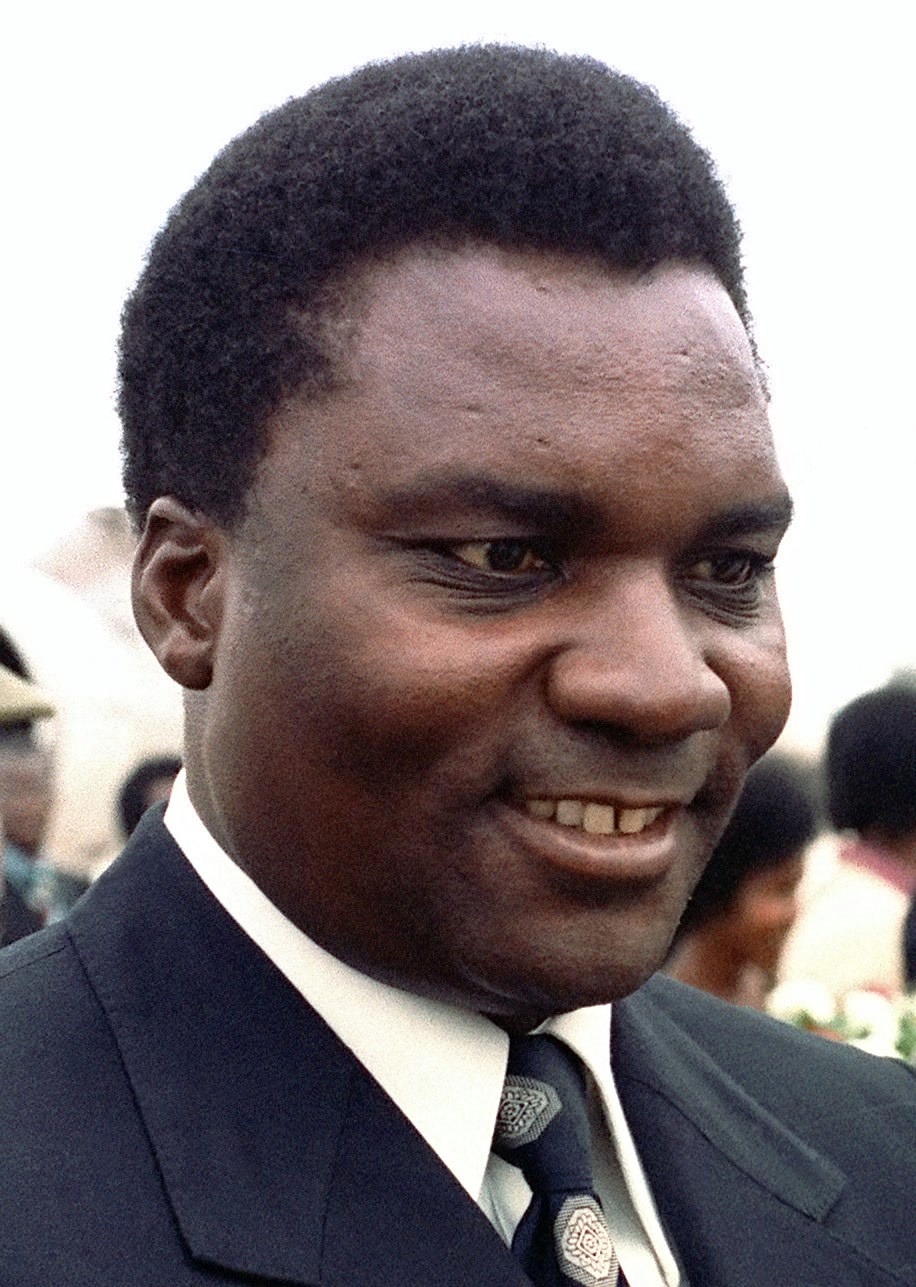
Conclusion
During the First Republic, as head of the armed forces, Habyarimana was the principal architect of the implementation of PARMEHUTU’s program of large-scale persecution and massacres of Tutsi.
Upon taking power, he established the ideological and political conditions for genocide by instituting a system of discrimination and hatred against the Tutsi; by directly propagating the ideology of hatred and genocide through his political discourse; by reforming the education system for this purpose and under his direction; and by creating and supporting hate media under the control of services reporting directly to him, while ensuring their impunity.
In short, Habyarimana played a leading role in preparing the genocide through the dissemination of his ideology and the implementation of hateful policies grounded in it.
Leave a Reply